Classic Everest Base Camp Trek Overview
There's a reason the Classic Everest Base Camp Trek keeps showing up on every serious trekker's bucket list — and once you're standing at 5,364 meters, staring up at the Khumbu Icefall with Everest looming behind it, you'll understand why. This isn't just a hike; it's a two-week journey through Sherpa villages, ancient monasteries, and some of the most jaw-dropping mountain scenery on the planet. At Nepal Trip Services, we've designed our Classic Everest Base Camp Trek Itinerary to give you exactly that experience — safely, comfortably, and without cutting corners on acclimatization.
The trek begins with a short, thrilling mountain flight from Kathmandu to Lukla, often called one of the world's most extreme airports. From there, you'll follow the Dudh Koshi river valley through pine forests and suspension bridges strung with prayer flags, climbing steadily toward Namche Bazaar — the bustling Sherpa capital of the Khumbu region. Along the way, you'll pass through Tengboche, home to the region's most famous monastery, and Dingboche and Lobuche, where the landscape turns stark, rocky, and unmistakably Himalayan.
Everest Base Camp, Nepal sits at the foot of the world's highest mountain, Mount Everest, at an altitude of 5,364 meters (17,598 feet). Surrounded by dramatic Himalayan peaks — including Nuptse, Pumori, and Khumbutse — it is one of Nepal's most iconic mountain destinations and a major landmark in the Everest region. Notably, Everest's own summit isn't visible from Base Camp itself, since the mountain's massive shape blocks the view; for that iconic panorama, trekkers continue to nearby Kala Patthar (5,550m), the region's premier sunrise viewpoint.
Every step of this Classic Everest Base Camp Trekking Package is built around proper altitude acclimatization, with rest days strategically placed to let your body adjust before pushing higher. You'll get to summit Kala Patthar at sunrise — arguably the best viewpoint for Mount Everest anywhere in the world — before making your final approach to Everest Base Camp itself, walking the same trail used by generations of mountaineers and Everest expeditions.
Along the trail, you'll experience authentic Sherpa hospitality, Buddhist culture, and mountain lodges (teahouses) offering hearty meals and warm beds despite the remote terrain. Expect show-stopping views of Everest, Lhotse, Nuptse, Ama Dablam, and Thamserku throughout the journey — this is high-altitude trekking in Nepal at its most iconic.
Whether you're an experienced trekker chasing your next big adventure or a first-timer dreaming of standing at the foot of the world's tallest mountain, Nepal Trip Services takes care of every detail — permits, experienced guides, porters, accommodation, and safety — so you can focus on the trek of a lifetime. This is more than a trekking package; it's your gateway to the Everest region, and one of the most rewarding trekking adventures in Nepal or anywhere in the world.
Everest Sunrise View from Kala Patthar
Few moments in trekking compare to watching sunrise unfold over Mount Everest from the summit of Kala Patthar. As golden light spreads across Everest, Nuptse, and Pumori, the world's highest peak reveals itself in complete, unobstructed clarity — a view impossible to see from Base Camp itself. It's a fleeting, breathtaking moment that most trekkers rank as the single most unforgettable highlight of the entire Everest Base Camp journey.
Kathmandu to Lukla Flight
The Kathmandu to Lukla flight is one of the most thrilling short flights in the world, weaving between snow-capped peaks before touching down on Tenzing-Hillary Airport's dramatic, cliffside runway — often ranked among the most extreme airports on Earth. This 30 to 40-minute journey marks the true beginning of the Classic Everest Base Camp Trek, offering trekkers their first genuine glimpse of the Himalaya before setting foot on the trail. Given the airport's weather-dependent conditions, the Kathmandu to Lukla flight typically operates in the early morning hours, so it's wise to build a buffer day into your itinerary in case of delays.
UNESCO World Heritage Site
Sagarmatha National Park earned its place as Nepal's first natural UNESCO World Heritage Site in 1979, just three years after its establishment, in recognition of its exceptional mountain scenery, dramatic glaciers, and one-of-a-kind high-altitude ecosystem surrounding Mount Everest. This designation reflects not just the park's outstanding natural beauty, but its ecological significance as home to rare species like the snow leopard and red panda, alongside a landscape shaped by the world's highest peak. Trekking through Sagarmatha National Park means walking through a globally recognized treasure, protected for its universal value to both Nepal and the world.
Is the Classic Everest Base Camp Trek Suitable for Beginners?
Wondering if you're fit enough to take on the Classic Everest Base Camp Trek? The good news is that this legendary journey welcomes far more beginners than most people expect. You don't need to be a mountaineer or an elite athlete — just reasonable fitness, mental determination, and a well-paced itinerary that gives your body time to adjust to altitude along the way. With proper preparation, the right guide, and realistic expectations, thousands of complete beginners successfully reach Base Camp every trekking season.
Learn More About Classic Everest Base Camp Trek: Is It Suitable For Beginners?
Classic Everest Base Camp Trek Cost
The Classic Everest Base Camp Trek typically runs 14 to 16 days and follows the traditional route through Namche Bazaar, Tengboche, and Dingboche, allowing for proper acclimatization along the way. For this classic itinerary, most trekkers can expect to pay between USD 1,390 and USD 2,600 per person, depending on the agency, group size, and season. This price usually includes your Kathmandu–Lukla round-trip flights, Sagarmatha National Park and TIMS permits, teahouse accommodation throughout the trek, three meals a day on the trail, and the services of an experienced guide and porter. A few nights in a Kathmandu hotel before and after the trek, along with airport transfers, are often bundled in as well. Trekkers looking to save can opt for a no-porter, basic-teahouse version closer to $1,300, while those wanting upgraded lodges, private guiding, or a helicopter return can see costs rise past $3,000. Since the classic route takes a few extra days compared to shorter EBC itineraries, factor in slightly higher overall costs for meals and lodging — though the additional acclimatization days are widely considered worth every dollar for a safer, more enjoyable trek.
Explore the Classic Everest Base Camp Trek Cost to understand the estimated expenses for permits, accommodation, meals, flights, guides, porters, and other essential services included in the trek.
Classic Everest Base Camp Trek Difficulty
The Classic Everest Base Camp Trek is generally rated moderate to challenging, making it accessible to reasonably fit beginners while still testing experienced trekkers. The difficulty here doesn't come from technical climbing — there are no ropes, crampons, or climbing skills required — but from the combination of long trekking days (5 to 7 hours on average), rugged Himalayan terrain, and high altitude, which is the single biggest challenge on this route. Walking above 4,000 and eventually 5,000 meters means thinner air and a real risk of altitude sickness if you ascend too quickly, which is exactly why the classic itinerary builds in extra acclimatization days at Namche Bazaar and Dingboche. Expect steep uphill climbs, rocky and sometimes icy trails, suspension bridges, and cold temperatures that intensify as you gain elevation, especially during the early mornings and at overnight stops. Good cardiovascular fitness, prior hiking experience, and mental preparation for basic teahouse living all make the trek considerably more manageable. With the right pace, proper acclimatization, and realistic expectations, most moderately fit trekkers — even without high-altitude experience — successfully reach Everest Base Camp, which is why this trek remains one of the most achievable high-altitude adventures in the world despite its demanding reputation.
Learn more about Classic Everest Base Camp Trek Difficulty, including altitude, terrain, walking hours, fitness, and preparation.
Classic Everest Base Camp Trek Meals & Accommodation
Food and shelter on the Classic Everest Base Camp Trek follow a simple but reliable rhythm: teahouse lodging paired with hearty, energy-packed meals designed to keep you fueled through long trekking days at altitude. Accommodation is almost entirely in teahouses, family-run lodges offering twin-sharing rooms with basic beds, wooden walls, and blankets, plus a warm communal dining hall that becomes the real gathering spot each evening. Because the classic route takes a longer, more gradual path with extra acclimatization days in villages like Namche Bazaar and Dingboche, you'll enjoy a few more nights in relatively comfortable lodges with attached bathrooms and hot showers before conditions become simpler higher up near Lobuche and Gorak Shep. Meals are typically included as part of your package and served right at the teahouse, with dal bhat — Nepal's staple rice, lentil soup, and vegetable dish — remaining the trekker favorite for its filling, high-carb value and the popular "unlimited refill" tradition. Beyond dal bhat, menus usually offer a mix of noodle soups, fried rice, momos, porridge, and even pizza or apple pie in bigger villages like Namche and Tengboche, giving trekkers welcome variety in the lower stretches of the trail. As you gain altitude, menu options naturally shrink and prices rise, since everything from vegetables to gas cylinders is carried up by porters or yaks, making simple, carb-heavy meals both the most practical and the most satisfying choice. Combined with the classic route's slower pace, this steady rhythm of good food and warm teahouse stops does more than just keep trekkers going — it turns each evening into a comforting ritual that makes the demanding days on the trail feel entirely worth it.
Learn more about Classic Everest Base Camp Trek Meals and Accommodation, including teahouse stays, dining options, local dishes, meal plans, and what to expect at different altitudes along the route.
Classic Everest Base Camp Trek Permits
| Permit |
Purpose/Area |
Approx. Cost |
Where to Obtain |
| Sagarmatha National Park Entry Permit |
Required for entering Sagarmatha (Everest) National Park |
~NPR 3,390 (~$25–30) for foreigners; discounted for SAARC nationals |
Nepal Tourism Board office, Kathmandu, or at the park entry checkpoint in Monjo |
| Khumbu Pasang Lhamu Rural Municipality Entry Permit |
Local municipality fee (replaced the old TIMS card for this route) |
~NPR 2,000 (~$15–20) |
Checkpoint in Lukla or Monjo |
| ~~TIMS Card~~ |
No longer required for the Khumbu/EBC route — replaced by the local municipality permit above |
— |
— |
Notes:
- Unlike some other Nepal treks, EBC does not require a separate restricted-area permit, since it's within a national park, not a restricted zone.
- Permits are usually arranged by your trekking agency if you're going with one; independent trekkers can get them in Kathmandu or at checkpoints along the trail.
- Prices and requirements can change, so it's worth confirming current rates before you go — want me to look up the latest figures?
Planning the Everest Base Camp Trek? Learn about the required Classic Everest Base Camp Trek Permits, including permit types, costs, requirements, and where to obtain them before starting your journey.
Classic Everest Base Camp Trek Sherpa Culture & Hospitality
Because the classic route takes a slightly longer, more gradual path through the Khumbu, it offers even more time to soak in the region's rich Sherpa culture than shorter EBC itineraries. This trail winds directly through the heartland of the Sherpa people, an ethnic community celebrated worldwide for their mountaineering legacy, deep Buddhist faith, and genuine warmth toward every visitor who passes through. Along the way, prayer flags stretch across swaying suspension bridges, mani walls and chortens line the trail, and the iconic Tengboche Monastery sits dramatically framed by Ama Dablam, offering a quiet reminder that this land carries spiritual weight far older than modern trekking. The classic itinerary's built-in acclimatization days in villages like Namche Bazaar and Dingboche aren't just good for your lungs — they're a genuine cultural bonus, giving trekkers extra time to wander through local markets, visit Sherpa museums, and explore nearby settlements like Khumjung and Khunde at an unhurried pace. It's in these extra hours that the hospitality really shines: teahouse hosts pouring warm butter tea, sharing family stories over dinner, or gently checking in on trekkers struggling with the altitude. Many of the guides and porters leading trekkers along this classic route come from families with generations of mountaineering history, some tied directly to historic Everest expeditions, turning ordinary trailside conversations into living pieces of Himalayan history. By the time you reach Base Camp, it becomes clear that the extra days on the classic route didn't just help your acclimatization — they deepened your connection to the Sherpa culture that makes this trek unforgettable long after the mountains fade from view.
Classic Everest Base Camp Trek Guide & Porter
Choosing the right guide and porter shapes nearly every part of your trek — from how safely you acclimatize to how much you actually enjoy the journey through the Khumbu. It's not just about cost; understanding what each role includes, how tipping works, and what a fair daily rate looks like in 2026 helps you avoid overpaying or, worse, underpaying the local staff who support you every step of the way.
For a complete breakdown of guide and porter costs, their day-to-day responsibilities, tipping etiquette, and practical hiring tips, read our full guide: Classic Everest Base Camp Trek Guide & Porter: Cost, Roles & Tips.
Classic Everest Base Camp Trek Itinerary
| Day |
Route |
Altitude |
Trekking Distance |
Trekking Hours |
| 1 |
Arrival in Kathmandu |
1,300m / 4,265ft |
— |
— |
| 2 |
Fly to Lukla, trek to Phakding |
2,845m → 2,610m / 9,333ft → 8,562ft |
~8 km / 5 mi |
3–4 hrs |
| 3 |
Phakding to Namche Bazaar |
2,610m → 3,440m / 8,562ft → 11,285ft |
~11 km / 6.8 mi |
5–6 hrs |
| 4 |
Namche Bazaar (Acclimatization) |
3,440m / 11,285ft |
~4–8 km / 2.5–5 mi (side hike) |
3–4 hrs |
| 5 |
Namche Bazaar to Tengboche |
3,440m → 3,870m / 11,285ft → 12,696ft |
~10 km / 6.2 mi |
5–6 hrs |
| 6 |
Tengboche to Dingboche |
3,870m → 4,410m / 12,696ft → 14,467ft |
~12 km / 7.5 mi |
5–6 hrs |
| 7 |
Dingboche (Acclimatization) |
4,410m / 14,467ft |
~5–7 km / 3–4.3 mi (side hike) |
3–4 hrs |
| 8 |
Dingboche to Lobuche |
4,410m → 4,910m / 14,467ft → 16,207ft |
~8 km / 5 mi |
5–6 hrs |
| 9 |
Lobuche to Gorak Shep to EBC |
4,910m → 5,160m → 5,364m / 16,207ft → 16,928ft → 17,597ft |
~13 km / 8 mi |
7–8 hrs |
| 10 |
Gorak Shep to Kala Patthar, down to Pheriche |
5,550m → 4,230m / 18,207ft → 13,877ft |
~15 km / 9.3 mi |
7–8 hrs |
| 11 |
Pheriche to Namche Bazaar |
4,230m → 3,440m / 13,877ft → 11,285ft |
~15 km / 9.3 mi |
6–7 hrs |
| 12 |
Namche Bazaar to Lukla |
3,440m → 2,845m / 11,285ft → 9,333ft |
~19 km / 11.8 mi |
6–7 hrs |
| 13 |
Fly Lukla to Kathmandu |
2,845m → 1,300m / 9,333ft → 4,265ft |
— |
— |
| 14 |
Final Departure |
1,300m / 4,265ft |
— |
— |
Note: Distances and hours are approximate industry-standard estimates and can vary depending on pace, weather, acclimatization needs, and trail conditions.
Explore the Classic Everest Base Camp Trek Itinerary with a clear day-by-day route, key stops, trekking distances, and acclimatization days to help you plan your journey.
Classic Everest Base Camp Trek Age Limit
Wondering whether you're too young, too old, or just the right age for the Classic Everest Base Camp Trek? The truth is, there's no official age limit — what genuinely matters is fitness, proper preparation, and realistic pacing rather than the number on your birth certificate. From children as young as 10–12 trekking successfully with their families, to trekkers well into their 70s and even 80s reaching Base Camp with medical clearance and sensible planning, age alone rarely disqualifies anyone from this legendary journey. What does matter is honest self-assessment, a well-structured itinerary that prioritizes acclimatization, and choosing the right pace for your specific age group and health profile.
Learn more about the Classic Everest Base Camp Trek Age Limit, including suitability, fitness needs, and tips for kids and seniors.
Classic Everest Base Camp Trek Suitable for Families?
The Classic Everest Base Camp Trek can be a rewarding family adventure when planned carefully and undertaken at a suitable pace. The trek involves several consecutive days of walking on rugged mountain trails and reaching high altitudes, so proper acclimatization, physical preparation, and a well-planned itinerary are essential. For more detailed information, read our guide on Is the Classic Everest Base Camp Trek Suitable for Families?, which covers family-friendly itinerary planning, preparation, acclimatization, and practical trekking tips.
Classic Everest Base Camp Trek: Additional Information
Classic Everest Base Camp Trek: Top 15 Places to Visit
The Classic Everest Base Camp Trek leads trekkers through an extraordinary sequence of villages, monasteries, glaciers, and viewpoints, each contributing its own distinct chapter to the overall Himalayan experience. Below are the fifteen essential stops that define this legendary route.
1. Kathmandu
Kathmandu is Nepal's vibrant capital and serves as the natural starting point for the journey, offering ancient temples, bustling markets, and the energetic streets of Thamel as a fascinating cultural warm-up before heading into the mountains. Sitting at 1,300 meters, Kathmandu is home to UNESCO World Heritage Sites including Swayambhunath (the Monkey Temple), Boudhanath Stupa, and Kathmandu Durbar Square, all well worth exploring for trekkers arriving a day or two early. It's also where final gear checks, permit arrangements, and pre-trek briefings with your guide typically take place before flying into the Khumbu.
2. Lukla
Lukla is home to the famously thrilling Tenzing-Hillary Airport and marks the official starting point of the trek, following a short but dramatic mountain flight that sets the tone for everything ahead. Perched at 2,845 meters, this small yet lively town is where trekkers, porters, and expedition teams gather before entering the Khumbu region, with a main street lined with lodges, gear shops, and cafes offering one last proper coffee before the trail begins. The airstrip itself, carved directly into a mountainside with a steep drop at one end, is frequently ranked among the most extreme airports in the world.
3. Phakding
Phakding is a peaceful riverside village along the Dudh Kosi that provides a gentle first day of trekking, along with an initial introduction to teahouse life and the first genuine taste of mountain scenery. Sitting at 2,610 meters, Phakding is a small, quiet settlement where the trail follows the turquoise glacial river, crossing the first of many suspension bridges strung with colorful prayer flags. It offers an ideal, low-pressure start to the trek, allowing your body a gentle warm-up before the more demanding climbs that follow.
4. Monjo
Monjo serves as the entry point to Sagarmatha National Park, where permits are checked and where the trail begins to feel like a true Himalayan wilderness experience. At approximately 2,835 meters, this small checkpoint village marks the official boundary of the UNESCO-listed national park, home to Mount Everest and rare wildlife such as the Himalayan tahr and musk deer. Beyond the permit formalities, Monjo also offers a first glimpse of the dense pine and rhododendron forests that dominate this section of the trail.
5. Namche Bazaar
Namche Bazaar is known as the gateway to the high Himalaya, and this lively Sherpa capital delivers the trek's first proper views of Everest, alongside bakeries, gear shops, and a mandatory acclimatization stop. Set within a natural amphitheater at 3,440 meters, Namche functions as the commercial and cultural hub of the Khumbu region, complete with a Saturday market, internet cafes, bars, and a small museum dedicated to Sherpa mountaineering history. Most trekkers spend two nights here, using the extra day to hike up to the Everest View Hotel for sweeping panoramic views.
6. Khumjung & Khunde
Khumjung and Khunde are traditional Sherpa villages near Namche that offer an authentic window into everyday mountain life, complete with the Sherpa Culture Museum and striking views of Ama Dablam. Sitting slightly higher than Namche at around 3,780 meters, both villages remain quieter and far less touristy, showcasing farming life, yak herding, and traditional stone architecture. Khumjung is also home to the famous Hillary School, built with support from Sir Edmund Hillary, along with a monastery said to house a relic believed to be a yeti scalp.
7. Tengboche Monastery
Tengboche Monastery is framed dramatically by Ama Dablam and is home to the largest monastery in the Khumbu region, remaining one of the most photographed and spiritually significant stops along the entire route. Located at 3,870 meters, this monastery was founded in 1916 and later rebuilt following both a devastating fire and an earthquake, standing today as a powerful symbol of Sherpa resilience and Buddhist tradition. For trekkers whose timing aligns, witnessing the evening prayer ceremony inside, accompanied by chanting monks and traditional instruments, is a genuinely moving experience.
8. Deboche
Deboche is a quiet, forested village just beyond Tengboche that offers a peaceful overnight stop surrounded by rhododendron and pine forests, often overlooked yet genuinely charming. Sitting at roughly 3,820 meters, this small settlement is home to a small nunnery and provides a calmer, less crowded alternative to staying directly in Tengboche. Many trekkers appreciate the sheltered, forested setting here, particularly compared to the more exposed, windy terrain that lies just ahead.
9. Dingboche
Dingboche is a scenic farming village protected by traditional stone walls, marking the trek's entry into true high-altitude terrain, with sweeping views of Lhotse and the Chukhung Valley. At 4,410 meters, Dingboche is a summer settlement where Sherpa farmers grow barley and potatoes, and its stone-walled fields, built to shield crops from harsh mountain winds, create a distinctive patchwork landscape across the valley floor. This also serves as the trek's second official acclimatization stop, allowing time to adjust before pushing into higher, more barren terrain.
10. Chukhung Valley
Chukhung Valley is a worthwhile side trip from Dingboche during the acclimatization day, rewarding trekkers with exceptional close-up views of Ama Dablam, Island Peak, and Lhotse. Sitting at around 4,730 meters, Chukhung is a remote, quiet valley favored by climbers heading toward Island Peak, and the hike here offers some of the most dramatic close-range mountain views found anywhere on the trek. It's a fantastic optional detour for trekkers seeking extra acclimatization combined with incredible scenery.
11. Thukla Pass
Thukla Pass is an emotionally powerful stretch of trail home to memorial chortens built in honor of climbers who lost their lives on Everest, offering a moving pause along the journey. Located at around 4,830 meters, this windswept ridge holds dozens of stone memorials dedicated to climbers, including several legendary mountaineers, who never returned from their Everest expeditions. It remains a quiet, reflective spot that reminds trekkers of the mountain's power, adding genuine emotional depth to the overall experience.
12. Lobuche
Lobuche is a small, remote settlement surrounded by rugged, high-altitude terrain, serving as the final stop before the push toward Gorak Shep and Everest Base Camp itself. Sitting at 4,910 meters, this sparse village consists of little more than a handful of teahouses set against a backdrop of glaciers and jagged peaks, with noticeably thinner air and temperatures dropping sharply at night. It's a stark, dramatic landscape that signals trekkers are entering the true high-altitude zone of the journey.
13. Gorak Shep
Gorak Shep is the last inhabited settlement along the route, a former glacial lakebed that serves as the launching point for both Everest Base Camp and the sunrise hike up Kala Patthar. At 5,160 meters, Gorak Shep's sandy, flat terrain feels almost lunar compared to the rest of the trek, surrounded by towering peaks like Pumori and views toward the distant Khumbu Icefall. Despite its basic facilities, spending a night here remains a memorable, bucket-list experience in itself, right at the doorstep of Everest.
14. Everest Base Camp
Everest Base Camp is the ultimate highlight of the trek, sitting at the foot of the Khumbu Icefall on the Khumbu Glacier and delivering an unforgettable, emotional milestone for every trekker who reaches it. At 5,364 meters, this rocky, ever-shifting camp transforms into a bustling hub of tents, prayer flags, and mountaineering equipment during spring climbing season, as Everest expedition teams prepare for their summit attempts. While Everest's peak itself isn't visible from Base Camp, simply standing at this legendary spot, surrounded by towering seracs and glacial ice, is a powerful, deeply personal achievement.
15. Kala Patthar
Kala Patthar is often considered even more spectacular than Base Camp itself, offering a jaw-dropping sunrise view of Everest's summit alongside Nuptse and Pumori and making it the most iconic viewpoint of the entire trek. Standing at 5,550 meters, this rocky outcrop marks the highest point most trekkers will reach on the classic route, and the pre-dawn climb here, though demanding in the cold and thin air, rewards visitors with a golden sunrise unlike anything else in the Himalaya. Many trekkers consider this moment the single most unforgettable experience of their entire journey.
From the cultural streets of Kathmandu to the icy heights of Kala Patthar, these fifteen stops together create the unforgettable, multi-layered experience that makes the Classic Everest Base Camp Trek one of the most rewarding treks in the world.
Classic Everest Base Camp Trek: Distance & Walking Hours Guide
The Classic Everest Base Camp (EBC) Trek is one of the most sought-after treks in the world, and one of the first questions trekkers ask is: how far do I actually have to walk? Understanding the daily distance and walking hours helps you plan your fitness training, pack smartly, and set realistic expectations for each day on the trail.
Quick Overview
| Detail |
Information |
| Total round-trip distance |
~130 km (80 miles) from Lukla |
| One-way distance |
~65 km (40 miles) |
| Trek duration |
12–14 days (average) |
| Daily walking distance |
8–18 km |
| Daily walking hours |
3–8 hours |
| Base Camp altitude |
5,364 m (17,598 ft) |
| Highest point (Kala Patthar) |
5,550 m (18,192 ft) |
| Starting point |
Lukla (via flight from Kathmandu) |
Distance alone doesn't tell the whole story — altitude matters more than kilometers. A 10 km day above 4,500 m can take just as long as a 16 km day at lower elevation, since the air gets thinner and the trail steeper as you climb. Above 4,000 m, most trekkers move at only 2–3 km per hour.
Day-by-Day Distance & Walking Hours
| Day |
Route |
Distance |
Walking Hours |
Overnight Altitude |
| 1 |
Lukla → Phakding |
8 km |
3–4 hrs |
2,610 m |
| 2 |
Phakding → Namche Bazaar |
11 km |
6–7 hrs |
3,440 m |
| 3 |
Acclimatization day (Everest View Hotel hike) |
4 km (return) |
2.5–3 hrs |
3,440 m |
| 4 |
Namche → Tengboche |
11 km |
5–6 hrs |
3,860 m |
| 5 |
Tengboche → Dingboche |
12 km |
5–6 hrs |
4,410 m |
| 6 |
Acclimatization day (Nagarjun Hill hike) |
6 km (return) |
4–5 hrs |
4,410 m |
| 7 |
Dingboche → Lobuche |
12 km |
5–6 hrs |
4,940 m |
| 8 |
Lobuche → Gorak Shep → Everest Base Camp |
13 km |
7–8 hrs |
5,164 m |
| 9 |
Kala Patthar sunrise → descend to Pheriche |
14 km |
7–8 hrs |
4,280 m |
| 10 |
Pheriche → Namche Bazaar |
15 km |
6–7 hrs |
3,440 m |
| 11 |
Namche → Lukla |
18 km |
7–8 hrs |
2,860 m |
Note: Itineraries vary slightly between trekking agencies. Some add extra acclimatization days or alternate routes (e.g., via Phortse), which can shift these numbers by a day or two.
Why Distance Isn't the Best Measure of Difficulty
Several factors matter more than raw kilometers:
- Altitude gain – The net elevation gain from Lukla to Base Camp is roughly 2,504 m (8,215 ft), with a cumulative gain across the whole trek of nearly 7,300 m (23,950 ft) once you account for the ups and downs.
- Thin air – Oxygen levels drop significantly above 3,500 m, slowing your pace regardless of fitness level.
- Terrain – Rocky trails, suspension bridges, and steep switchbacks (especially the climb into Namche Bazaar) demand more effort than distance alone suggests.
- Acclimatization days – Built-in rest days at Namche and Dingboche are short in distance but essential for safety.
Tips for Managing Daily Walking Hours
- Start early – Mornings typically have clearer skies and calmer weather; afternoons often bring clouds or wind.
- Walk slowly and steadily – "Bistari, bistari" (slowly, slowly) is the local mantra — pacing yourself prevents altitude sickness.
- Stay hydrated – Drink 3–4 liters of water daily to help your body cope with altitude.
- Take acclimatization seriously – Don't skip rest days, even if you feel strong.
- Break up long days mentally – Rather than thinking in kilometers, think in tea-house-to-tea-house stages.
Trek Route
The Classic Everest Base Camp Trek Route is the most popular and time-tested path to the foot of the world's highest mountain. Followed by thousands of trekkers each year, this route balances well-established teahouse infrastructure, proper acclimatization, and some of the most spectacular Himalayan scenery on Earth.
Classic Everest Base Camp Trek: Full Route Sequence
Kathmandu → Lukla → Phakding → Namche Bazaar → Tengboche → Dingboche → Lobuche → Gorak Shep → Everest Base Camp → Kala Patthar → Pheriche → Namche → Lukla → Kathmandu
Trek Altitude Sickness
Altitude sickness is the single biggest health risk on the Everest Base Camp Trek — not fitness, not distance, but how well your body adapts to thinning air as you climb above 3,000 m. Understanding it before you go is one of the most important things you can do to trek safely.
What is altitude sickness?
Altitude sickness, medically known as Acute Mountain Sickness (AMS), happens when your body can't get enough oxygen fast enough to keep up with the thinning air at high elevation. At Everest Base Camp, oxygen concentration is roughly half of what it is at sea level, so the body has to work much harder to function normally. AMS is the mildest and most common form of altitude illness, but if ignored, it can progress into two much more dangerous conditions: High Altitude Pulmonary Edema (HAPE, fluid in the lungs) and High Altitude Cerebral Edema (HACE, swelling in the brain).
Common symptoms
AMS often starts subtly and can be easy to dismiss as ordinary tiredness. Common signs include:
- Headache (usually the first and most noticeable symptom)
- Nausea or loss of appetite
- Fatigue beyond normal trekking tiredness
- Dizziness or lightheadedness
- Difficulty sleeping
- Shortness of breath, even at rest
More serious warning signs — which signal possible HAPE or HACE and require immediate descent — include:
- Confusion or loss of coordination (stumbling, unable to walk a straight line)
- Severe, worsening headache unrelieved by rest
- Coughing up frothy or pink-tinged fluid
- Extreme breathlessness even while resting
- Bluish lips or fingertips
When does altitude sickness start?
AMS risk typically begins above 2,400–2,500 m, meaning it's a factor for essentially the entire Everest Base Camp trek. On the classic route, most trekkers start noticing symptoms — if they occur at all — somewhere between Namche Bazaar (3,440 m) and Dingboche (4,410 m), though it can strike at any altitude and affects even experienced, physically fit trekkers.
How to prevent AMS
| Strategy |
Why It Helps |
| Ascend gradually |
Avoid gaining more than 300–500 m of sleeping altitude per day above 3,000 m |
| Stay hydrated |
Drink 3–4 liters of water daily to support acclimatization |
| Avoid alcohol and sedatives |
Both worsen symptoms and mask early warning signs |
| Eat enough carbohydrates |
Helps maintain energy for oxygen-hungry muscles |
| Consider Diamox (Acetazolamide) |
A common preventive medication — consult a doctor before use |
| Walk at a steady, unhurried pace |
Overexertion strains the body's ability to adjust |
| Listen to your body |
Report symptoms early rather than pushing through them |
Acclimatization days
The classic itinerary builds in two dedicated rest days — one in Namche Bazaar and one in Dingboche — specifically to let the body adjust before climbing higher. These days typically follow the "climb high, sleep low" principle: trekkers hike to a higher elevation during the day (such as the Everest View Hotel or Nagarjun Hill), then return to sleep at a lower altitude. This helps the body produce more red blood cells and adapt to lower oxygen levels before the next push upward. Skipping these days significantly increases AMS risk.
What to do if symptoms worsen
- Stop and rest immediately — do not continue ascending with any AMS symptoms, even mild ones.
- Inform your guide or trekking companions right away; never try to manage symptoms alone.
- Rest at the same altitude for a day if symptoms are mild, and monitor closely for improvement or worsening.
- Take Diamox if already prescribed and not allergic, alongside rest and hydration.
- Reassess constantly — the key question is always whether symptoms are improving or worsening.
When should you descend?
Descent is the single most effective treatment for altitude sickness, and timing matters:
- Mild symptoms that don't improve with a rest day warrant descending at least 300–500 m before continuing.
- Any worsening symptoms — regardless of severity — mean it's time to go down immediately, not wait it out.
- Signs of HAPE or HACE (confusion, severe breathlessness, coordination loss) require an urgent descent of at least 500–1,000 m, accompanied by another person at all times.
- Never ascend further with any symptoms present, however mild they may seem.
Emergency evacuation
If symptoms progress to HAPE or HACE, or a trekker cannot descend under their own power, helicopter evacuation is the standard emergency response in the Khumbu region. Key points to know:
- Most teahouse lodges and guides have access to radio or satellite communication to call for a helicopter.
- Comprehensive travel insurance that explicitly covers high-altitude helicopter evacuation is essential — this is non-negotiable for anyone trekking above 3,000 m.
- The Himalayan Rescue Association operates an aid post in Pheriche during trekking seasons, offering altitude-related medical assessment and advice.
- Evacuation costs without insurance can run into thousands of dollars, making pre-trip insurance verification critical before departure.
Trek Training & Fitness
You don't need to be an elite athlete to reach Everest Base Camp, but you do need to prepare deliberately. The trek demands 5–8 hours of walking on consecutive days at high altitude, so the right training plan makes the difference between struggling through it and genuinely enjoying it.
How fit do you need to be?
The Everest Base Camp trek is rated moderate to challenging — achievable for anyone with average fitness who trains properly, but not something to attempt with zero preparation. You should be able to comfortably walk for 5–7 hours on rough, uneven terrain, carrying a daypack, on back-to-back days. It's less about speed or strength and more about sustained endurance over nearly two weeks.
How many weeks should you train?
Most trekking operators and guides recommend starting training 8–12 weeks before departure. A longer runway (12 weeks) is ideal if you're relatively sedentary; 8 weeks may suffice if you already hike or exercise regularly.
| Training Phase |
Timeframe |
Focus |
| Base Building |
Weeks 1–4 |
Consistency, light cardio, basic strength |
| Strength & Intensity |
Weeks 5–8 |
Heavier strength work, longer hikes, incline training |
| Peak Preparation |
Weeks 9–11 |
Back-to-back long hikes with a loaded pack |
| Taper Week |
Final week |
Light activity, rest, recovery before departure |
Walking training
Walking is the single most important thing you can do to prepare, since it directly mirrors what you'll be doing on the trek.
- Walk at least once a week, gradually building duration rather than distance.
- Work up to being comfortable walking 5–6 hours with minimal breaks.
- Practice on varied terrain — hills, trails, uneven ground — not just flat pavement.
- Break in your trekking boots during these walks, not on the trail itself.
Stair climbing
Stair climbing closely mimics the repetitive uphill motion you'll face on the trail, making it one of the most trek-specific exercises available.
- Use a stairwell, stadium steps, or a stair-climbing machine at the gym.
- Start with 10–15 minute sessions and build up intensity and duration over time.
- Add a light backpack once you're comfortable, to simulate trekking load.
- This trains the same calf, thigh, and lung endurance you'll rely on climbing toward Namche Bazaar and beyond.
Strength training
Strong legs, core, and back reduce injury risk and help you manage a loaded pack over long days.
- Squats – 3 sets of 12–15 reps
- Lunges – 3 sets of 12 reps per leg
- Step-ups – 3 sets of 12 reps per leg (ideally onto a box or bench)
- Planks – 3 sets of 30–45 seconds
- Calf raises – 3 sets of 20 reps
Aim for two full-body strength sessions per week, shifting from lighter weight/higher reps early on toward heavier strength work in the middle weeks, then back to lighter, higher-rep "strength endurance" work in the final month.
Cardio
Cardiovascular fitness improves how efficiently your body uses oxygen — directly relevant given how thin the air gets above 3,500 m.
- Aim for 3–5 cardio sessions per week, 30–60 minutes each.
- Good options: running, cycling, swimming, brisk walking, or the elliptical.
- Gradually increase duration and intensity rather than jumping straight into long sessions.
- Interval training (alternating hard and easy efforts) can further boost stamina.
Practice hikes
Nothing replaces time on your feet on real terrain.
- Start with shorter local hikes and build up to full-day outings.
- Practice with the actual daypack and gear weight you'll carry on the trek.
- Aim for at least one or two back-to-back hiking days in the final month to simulate consecutive trekking days.
- If you have access to hills or mountains, prioritize elevation gain over flat distance.
Training for high altitude
Physical fitness alone doesn't prevent altitude sickness — but being fit reduces overall strain on your body, which helps it adapt more efficiently.
- If you live near mountains, practice hikes above 2,500–3,000 m are valuable, though not essential.
- Altitude tents or simulated altitude training are optional extras some trekkers use, but they're not required for EBC.
- The real "altitude training" happens on the trek itself, through the built-in acclimatization days and gradual ascent — no amount of gym training replaces proper pacing on the mountain.
- Mental preparation matters too: understanding the itinerary, expecting discomfort, and building patience for slow, steady progress all reduce stress on your body at elevation.
Kathmandu to Lukla Flight for Everest Base Camp Trek
The flight to Lukla is often called one of the most exciting — and unpredictable — parts of the entire Everest Base Camp trek. Landing on a short, steeply angled mountain runway sets the tone for the adventure ahead, but weather and logistics around this flight cause more schedule disruption than any other part of the trip.
Flight duration
The flight itself is short — typically 25 to 35 minutes in the air, depending on whether it departs directly from Kathmandu or from the alternate Ramechhap airport. Despite the brief flying time, the journey often takes far longer once ground transport, check-in, and potential weather delays are factored in.
Airport
Lukla's airport is officially named Tenzing–Hillary Airport (LUA), sitting at 2,845 m (9,334 ft). It's widely regarded as one of the most challenging airports in the world to operate from, due to its short runway, mountainous approach, and rapidly shifting weather. Flights operate on small STOL (short takeoff and landing) aircraft run by airlines such as Tara Air, Summit Air, and Sita Air, usually only in the morning hours (roughly 6:00–10:00 AM) when winds are calmest.
Weather delays
Weather is, by far, the biggest wildcard in this leg of the trip.
- Mountain weather can change rapidly, and even light cloud cover or wind can ground flights.
- Delays are most common during monsoon season (June–August) and winter (December–February).
- Even in peak trekking seasons (spring and autumn), morning fog or afternoon cloud buildup can cause cancellations or long tarmac waits.
- Flights are typically scheduled as early as possible in the morning specifically to avoid afternoon weather instability.
Alternative routing via Ramechhap when applicable
During Nepal's busiest trekking seasons (roughly April–May and October–November), flights are frequently redirected from Kathmandu to depart instead from Ramechhap (Manthali Airport), located about 130–145 km from Kathmandu.
| Detail |
Information |
| Reason for diversion |
Reduces congestion at Kathmandu's single runway during peak season |
| Road transfer time (Kathmandu → Ramechhap) |
Approximately 4–5 hours by road |
| Flight time (Ramechhap → Lukla) |
20–30 minutes |
| Typical timing |
Early morning departure from Kathmandu (around midnight to 2–3 AM) required to reach Ramechhap in time |
This diversion has been in place on and off since 2019 and has become a fairly standard part of peak-season planning — trekkers should build the extra road transfer time into their schedule.
What happens if flight is cancelled?
If flights are cancelled due to weather:
- You're typically rebooked onto the next available flight, which may be later that day or the following day.
- During high season, backlogs can build quickly, sometimes pushing rescheduled trekkers back multiple days.
- Trekking agencies usually handle rebooking directly, but it's worth confirming this is included in your package.
- If flying from Ramechhap, an overnight stay near Manthali may be required if all flights for the day are cancelled.
Buffer day
Because flight delays are common, most experienced trekking operators strongly recommend building at least 1–2 buffer days into your overall Nepal trip itinerary — both before and after the trek.
- A buffer before the trek protects against delays getting to Lukla.
- A buffer after the trek protects your international flight home from being missed due to delays getting back from Lukla.
- Trekkers without buffer days risk missing international connections if bad weather causes a multi-day backlog.
Helicopter alternative and extra cost
For trekkers who want to avoid flight uncertainty — or who get stuck due to cancellations — helicopters offer a faster, weather-flexible (though pricier) alternative.
| Option |
Approx. Cost (USD) |
Notes |
| Shared helicopter (Kathmandu/Ramechhap → Lukla) |
$450–$650 per person |
Group flights with up to 5 passengers |
| Private charter helicopter |
$2,500–$3,250 |
Full aircraft booked for your group |
| Flight time |
40–50 minutes |
Slightly longer than the fixed-wing flight, but far more flexible with weather |
Helicopters can often fly in marginal weather conditions that ground fixed-wing planes, making them a popular backup option for trekkers with tight schedules or stuck in a multi-day flight backlog.
Trek Booking Terms & Conditions
Before confirming your spot on the Classic Everest Base Camp Trek, it's important to understand the booking terms and conditions that govern your trip. These policies exist to protect both trekkers and the agency, ensuring a smooth, transparent process from booking day right through to your return flight home.
Booking & Deposit
To secure your place on the trek, a deposit of 10–20% of the total package cost is required at the time of booking, with the remaining balance payable upon arrival in Kathmandu or before the trek begins. Bookings are confirmed only once the deposit has been received and a confirmation email has been issued by the agency.
Payment Methods
Payments can typically be made via bank transfer, credit or debit card, or approved online payment gateways. Please note that certain payment methods may incur additional processing fees, which will be communicated clearly at the time of booking.
Cancellation Policy
Cancellations made well in advance of the trek start date are usually eligible for a partial refund or credit toward a future trip, though the deposit itself is generally non-refundable. Cancellations made closer to the departure date may incur higher charges, since permits, flights, and accommodations are often booked in advance and non-refundable on the agency's end.
Trip Date Changes
Most agencies allow trekkers to reschedule their trip dates, provided the request is made within a reasonable timeframe before departure. Date changes may be subject to availability and, in some cases, a small administrative fee.
Trip Amendments by the Agency
Occasionally, itineraries may need to be adjusted due to unforeseen circumstances such as extreme weather, flight delays, natural disasters, or government regulations. In such cases, the agency reserves the right to modify the itinerary while striving to keep the overall trekking experience as close to the original plan as possible.
Traveler Responsibility
Trekkers are responsible for ensuring they have valid travel insurance, a valid passport with sufficient validity, the appropriate Nepal visa, and a reasonable level of physical fitness before joining the trek. It's also the trekker's responsibility to disclose any pre-existing medical conditions that could affect their safety at high altitude.
Force Majeure
The agency is not liable for delays, cancellations, or additional costs arising from circumstances beyond its control, including natural disasters, political instability, flight cancellations, or pandemics. In such situations, trekkers are encouraged to rely on their travel insurance for coverage of unexpected expenses.
Health & Safety Compliance
By booking the trek, trekkers agree to follow the guidance of their licensed guide regarding pacing, acclimatization, and safety decisions throughout the journey. This includes accepting a guide's recommendation to descend or seek medical attention if signs of altitude sickness or other health concerns arise.
Liability
While every reasonable precaution is taken to ensure trekker safety, high-altitude trekking carries inherent risks, and the agency cannot be held liable for injury, illness, or loss of personal belongings during the trek. Trekkers are strongly advised to carry adequate travel and medical insurance to cover such possibilities.
Acceptance of Terms
By making a booking and paying the required deposit, trekkers acknowledge that they have read, understood, and agreed to these terms and conditions in full.
For any questions regarding these booking terms, feel free to reach out to our team before confirming your trek — we're happy to clarify any details to ensure a transparent and stress-free booking experience.
Classic Everest Base Camp Trek: Travel Insurance
Travel insurance isn't just a formality for the Classic Everest Base Camp Trek — it's one of the most important things you'll arrange before your flight to Nepal. Trekking above 5,000 meters comes with real risks, from altitude sickness to sudden weather changes, and a standard travel insurance policy simply won't cut it here. What you need is a policy that specifically covers high-altitude trekking up to at least 6,000 meters, since Kala Patthar sits at 5,550m and Everest Base Camp itself reaches 5,364m. More importantly, your policy must include emergency helicopter evacuation, which can be a literal lifesaver if altitude sickness, injury, or illness forces an unexpected descent — a rescue that can otherwise cost anywhere from USD 4,000 to 10,000 out of pocket. Beyond evacuation, a solid policy should also cover trip cancellation or interruption, delayed or lost baggage, medical treatment abroad, and flight delays, since Lukla's weather-dependent airstrip is notorious for last-minute cancellations and rescheduling. Popular insurance providers among trekkers include World Nomads, SafetyWing, and Global Rescue, though it's worth comparing policies carefully rather than assuming all "adventure travel" plans automatically include high-altitude coverage — many don't unless specifically requested. Before purchasing, always read the fine print regarding maximum altitude limits, exclusions for pre-existing conditions, and whether the policy pays for evacuation upfront or requires reimbursement afterward, since this can make a major difference during an actual emergency. At Nepal Trip Services Pvt. Ltd, we strongly recommend securing your travel insurance well before departure, as trekking permits and rescue coordination move far more smoothly when your coverage is already confirmed and easily accessible on the trail.
Classic Everest Base Camp Trek: Altitude & Acclimatization
Altitude is the single biggest factor separating the Classic Everest Base Camp Trek from an ordinary hiking trip, and understanding how it works — and how to handle it properly — is essential for a safe, successful journey to the roof of the world.
Why Altitude Matters So Much
As you climb higher into the Khumbu, the air holds progressively less oxygen, even though it might not always feel that different at first glance. By the time you reach Everest Base Camp at 5,364m, the air contains roughly half the oxygen found at sea level, and at Kala Patthar's 5,550m summit, it's even thinner still. This gradual drop in oxygen puts real strain on the body, and without proper acclimatization, it can lead to Acute Mountain Sickness (AMS), a condition that affects trekkers regardless of age, fitness level, or prior trekking experience.
Recognizing the Symptoms of AMS
Mild AMS symptoms are common and include headaches, fatigue, dizziness, and loss of appetite — sensations that many trekkers experience to some degree as they climb higher. More serious symptoms, however, such as persistent vomiting, confusion, loss of coordination, or difficulty breathing even at rest, signal a potentially dangerous escalation and require immediate descent. This is exactly why trekkers are taught to never ignore worsening symptoms, no matter how determined they are to keep pushing toward Base Camp.
How the Classic Itinerary Manages Altitude
The Classic Everest Base Camp Trek is specifically designed around gradual, gradual elevation gain rather than a rushed ascent, following the well-known trekking principle of "climb high, sleep low." This means built-in acclimatization days are scheduled at key points — typically in Namche Bazaar (3,440m) and again in Dingboche (4,410m) — allowing trekkers to spend an extra day at altitude, often hiking higher during the day before returning to sleep at a lower elevation. This measured pace, generally gaining no more than 300 to 500 meters of sleeping altitude per day once above 3,000m, significantly reduces the risk of AMS compared to faster, more aggressive itineraries.
What Acclimatization Days Actually Look Like
Rather than being true rest days, acclimatization days involve light hiking to higher viewpoints before returning to the same overnight elevation. In Namche, this typically means a hike up to the Everest View Hotel or nearby villages like Khumjung and Khunde, while in Dingboche, trekkers often head toward Nagarjun Hill or Chukhung Valley. This active approach helps the body begin producing more red blood cells and adjusting to lower oxygen levels, making the following days of trekking noticeably more manageable.
Practical Tips for Safe Acclimatization
Staying well-hydrated, drinking 3 to 4 liters of water daily, plays a crucial role in helping your body adjust to altitude, as does eating enough calories even when appetite naturally decreases at higher elevations. Walking at a slow, steady pace — rather than rushing between stops — reduces unnecessary physical strain, and avoiding alcohol and sleeping pills, which can suppress breathing at altitude, is strongly recommended throughout the trek. Many trekkers also find that a preventive medication like Diamox, taken under medical guidance, helps ease the acclimatization process, though this should always be discussed with a doctor before departure.
Why Trusting Your Guide Matters
Your guide is trained to monitor altitude symptoms closely throughout the trek, often using an oximeter to check oxygen saturation levels at each stop. If your guide recommends slowing down, taking an extra rest day, or descending due to worsening symptoms, this advice should always be followed without hesitation, since altitude sickness can escalate quickly if ignored. Ultimately, respecting the acclimatization schedule built into the classic itinerary — rather than trying to rush ahead — gives every trekker, regardless of experience level, the best possible chance of reaching Everest Base Camp and Kala Patthar safely, while genuinely enjoying the incredible journey along the way.
Classic Everest Base Camp Trek: Route Conditions
Understanding what the trail actually looks like underfoot — not just the altitude numbers — helps you pack right, pace yourself well, and know what to genuinely expect each day on the Classic Everest Base Camp Trek.
Overall Trail Conditions
The EBC trail is a well-established, clearly marked route used by thousands of trekkers every season, which means it's generally easy to follow without getting lost. That said, "well-established" doesn't mean "easy underfoot" — the terrain shifts considerably as you climb, moving from gentle forest paths at lower elevations to rocky, uneven, high-alpine terrain near Base Camp itself.
| Trail Section |
Surface Type |
Difficulty |
| Lukla to Namche Bazaar |
Stone paths, forest trails, suspension bridges |
Moderate |
| Namche to Tengboche/Dingboche |
Rocky trails, gradual inclines |
Moderate |
| Dingboche to Lobuche |
Rugged, rocky, exposed terrain |
Challenging |
| Lobuche to Gorak Shep/EBC |
Glacial moraine, loose rock, uneven ground |
Challenging |
| Gorak Shep to Kala Patthar |
Steep, rocky, scree-like terrain |
Very Challenging |
Route Conditions by Trail Feature
Suspension Bridges
The trail crosses several high suspension bridges over the Dudh Kosi River and its tributaries, particularly between Lukla and Namche Bazaar. These bridges are sturdy and well-maintained, strung with prayer flags, but they do sway in the wind — something first-time trekkers should mentally prepare for, even though they're entirely safe.
Stone Staircases and Switchbacks
Long, steep switchback climbs — especially the ascent into Namche Bazaar — are a defining feature of the lower trail. These sections demand steady pacing rather than speed, since rushing uphill at altitude accelerates fatigue considerably.
Forest Trails
Between Lukla and Namche, and again around Tengboche and Deboche, the trail winds through pine, fir, and rhododendron forest with relatively gentle, well-shaded paths — some of the most comfortable walking on the entire route.
Glacial Moraine Terrain
From Lobuche onward, the trail crosses rocky glacial moraine — loose, uneven rock fields left behind by the Khumbu Glacier. This terrain requires careful footing, particularly on the approach to Gorak Shep and the final stretch to Base Camp.
High-Altitude Scree Slopes
The climb up Kala Patthar involves loose, rocky scree terrain that becomes more demanding in cold, pre-dawn conditions. Trekking poles are genuinely useful here for stability.
Seasonal Impact on Trail Conditions
- Autumn (Sep–Nov): Dry, stable trails; best overall conditions
- Spring (Mar–May): Mostly dry, occasional muddy patches at lower elevations from snowmelt
- Winter (Dec–Feb): Icy patches possible at higher elevations, particularly near Gorak Shep and Kala Patthar
- Monsoon (Jun–Aug): Muddy, slippery trails at lower elevations; landslide risk in some sections
Factors That Affect Trail Difficulty
- Altitude-related fatigue — even easy terrain feels harder above 4,500m
- Weather conditions — rain, snow, or ice significantly change trail difficulty
- Time of day — early morning starts often mean frozen, harder ground at higher elevations
- Trail traffic — peak season crowding on narrow sections, especially near suspension bridges
- Personal pacing — rushing increases both physical strain and injury risk on uneven terrain
Tips for Handling Trail Conditions
- Use trekking poles consistently, especially on the rocky, uneven stretches above Dingboche
- Wear broken-in, ankle-supportive boots to handle loose rock and uneven stone steps safely
- Slow your pace on suspension bridges, especially in windy conditions
- Watch your footing on glacial moraine sections — loose rock can shift underfoot
- Start high-altitude sections early in the day, before terrain becomes softer or more crowded
- Avoid rushing downhill, since descents on loose rock cause more injuries than ascents
Trail conditions on the Classic Everest Base Camp Trek shift dramatically from the relatively forgiving forest paths near Lukla to the rugged, rocky terrain surrounding Base Camp and Kala Patthar. Understanding these changes in advance — and packing accordingly with proper footwear and trekking poles — makes a genuine difference in how manageable and enjoyable the trail feels, regardless of your prior trekking experience.
Classic Everest Base Camp Trek: Emergency Rescue
While the Classic Everest Base Camp Trek is achievable for most reasonably fit trekkers, it's still a high-altitude journey where emergencies can arise, and knowing how rescue operations work brings genuine peace of mind before you set off. The most common reason for emergency evacuation on this trek is Acute Mountain Sickness (AMS), though injuries from falls, extreme weather, or sudden illness can also require an urgent descent. If a trekker shows serious symptoms — persistent headache, confusion, difficulty breathing, or loss of coordination — your guide is trained to act immediately, often first attempting a controlled descent to a lower altitude before escalating to a helicopter rescue if the condition doesn't improve. Helicopter evacuation is available from most major stops along the trail, including Namche Bazaar, Dingboche, Lobuche, and even Gorak Shep near Base Camp itself, with rescue choppers typically reaching remote areas within 30 minutes to a couple of hours depending on weather conditions. This is exactly why having travel insurance with high-altitude and helicopter evacuation coverage is non-negotiable, since rescue costs can range from USD 4,000 to 10,000 depending on the location and urgency, and insurers usually require confirmation of coverage before authorizing a rescue flight. At Nepal Trip Services Pvt. Ltd, our guides carry a first aid kit and an oximeter throughout the trek to monitor oxygen levels and catch early warning signs before they become serious, and we maintain direct contact with rescue helicopter operators and hospitals in Kathmandu to ensure a swift response if needed. While emergencies are rare on a well-paced, properly acclimatized itinerary like the classic route, being prepared — both physically and through solid insurance — is what allows trekkers to enjoy the journey with genuine confidence rather than unnecessary worry.
Classic Everest Base Camp Trek: Money-Saving Tips
Trekking to Everest Base Camp doesn't have to drain your entire travel budget — with a bit of planning, you can experience this bucket-list adventure without overspending. Here are some practical, tried-and-tested ways to save money along the way:
- Travel during shoulder season — Trekking in late autumn or early spring (just before or after peak months) often means slightly lower flight and package prices while still offering decent weather and views.
- Book directly with a local Nepali agency — skipping international middlemen and booking directly with agencies like Nepal Trip Services Pvt. Ltd can save you a significant percentage, since you avoid extra commission fees.
- Join a group trek instead of going private — Group departures split the cost of guides, porters, and permits among more people, making them noticeably cheaper than solo or private arrangements.
- Rent gear in Kathmandu instead of buying it back home — down jackets, sleeping bags, and trekking poles are widely available for rent in Thamel at a fraction of retail prices, and often good quality.
- Buy a local SIM card instead of relying on teahouse Wi-Fi — An Ncell or NTC SIM card offers cheaper and more reliable data than paying for Wi-Fi access at every teahouse along the trail.
- Limit extra snacks and bottled drinks — Prices for chocolate, soft drinks, and bottled water rise sharply with altitude, so carrying a refillable bottle and water purification tablets can cut costs significantly over the trek.
- Avoid unnecessary hot showers at high altitude — hot showers become increasingly expensive the higher you climb, so save this small luxury for lower villages like Namche Bazaar where prices are more reasonable.
- Withdraw enough cash in Kathmandu or Namche — ATMs disappear beyond Namche Bazaar, and currency exchange rates on the trail are often unfavorable, so plan your cash needs in advance.
- Pack light to avoid excess porter costs — sticking to the recommended luggage weight limit helps you avoid extra porter charges or overweight baggage fees on the Lukla flight.
- Choose a package with permits and flights already included — Bundled packages from reliable agencies often work out cheaper than arranging Lukla flights, permits, and teahouses separately.
- Negotiate slightly during off-peak booking — some agencies offer discounts for early bookings, group sign-ups, or trekking during quieter months, so it's always worth asking.
- Skip souvenir shopping until Kathmandu — Trail villages tend to mark up trinkets and souvenirs for tourists, while Kathmandu's markets like Thamel offer better variety and prices.
With a little smart planning, you can enjoy every unforgettable moment of the Classic Everest Base Camp Trek — from sunrise at Kala Patthar to the warm hospitality of Sherpa teahouses — without unnecessary financial stress along the way.
Classic Everest Base Camp Trek: Electricity & Battery Charging
Staying powered up on the Classic Everest Base Camp Trek is entirely possible, though it does come with a few quirks worth knowing before you set off. Most teahouses along the route offer electricity for charging phones, cameras, and power banks, usually through solar panels or micro-hydro systems, but this comes at a small cost per device, typically ranging from USD 1 to 5, with prices climbing steadily the higher you trek. In lower villages like Phakding and Namche Bazaar, charging is generally cheaper and more reliable, while in higher stops like Dingboche, Lobuche, and Gorak Shep, electricity becomes pricier and less consistent, especially during cloudy or snowy days when solar power output drops. To avoid unnecessary costs and frustration, most experienced trekkers carry a power bank (10,000–20,000mAh) charged fully in Kathmandu, allowing them to top up devices without paying at every single stop. It's also worth packing a universal travel adapter, since plug types and voltage can vary slightly between teahouses, and bringing spare camera batteries is a smart move, as cold temperatures drain battery life noticeably faster at higher altitudes. Some trekkers choose to limit device usage to essentials — like a headlamp, camera, and phone for emergency contact — to reduce both charging costs and the temptation to stay glued to a screen instead of soaking in the incredible mountain scenery. Whatever your approach, planning ahead for electricity and battery needs ensures you stay connected when it matters most, without unnecessary expenses eating into your trekking budget.
Classic Everest Base Camp Trek: Difficulty Level & Training Tips
The Classic Everest Base Camp Trek is rated moderate to challenging, and while it doesn't require any technical climbing skills, it's far from a casual walk in the park. The real difficulty lies in the combination of long trekking days — typically 5 to 7 hours on foot — rugged, uneven Himalayan terrain, and the effects of high altitude, which becomes the single biggest factor separating this trek from a standard hiking trip. Walking above 4,000 and eventually 5,000 meters means significantly thinner air, and even trekkers with strong fitness levels can feel the effects of reduced oxygen, making proper acclimatization just as important as physical strength. Steep ascents and descents, rocky trails, suspension bridges, and cold temperatures — especially during early mornings and at higher stops like Dingboche and Lobuche — all add to the physical demands of the journey.
Training Tips to Prepare for the Trek
- Build cardiovascular endurance — Regular activities like hiking, running, cycling, or swimming for 30–45 minutes, 3–4 times a week, help condition your heart and lungs for sustained exertion at altitude.
- Practice hiking with a loaded backpack — Training on hilly terrain while carrying a daypack similar in weight to what you'll trek with helps your body adapt to real trekking conditions.
- Incorporate strength training — Focus on legs, core, and back muscles through squats, lunges, and step-ups, since strong lower-body muscles make steep ascents and descents noticeably more manageable.
- Improve stamina with stair climbing — if mountains or hills aren't accessible, stair climbing while wearing a backpack is an excellent substitute for building leg strength and endurance.
- Start training at least 6–8 weeks before departure — gradually increasing intensity and duration allows your body to adapt naturally without risking injury before the trek even begins.
- Don't neglect flexibility and mobility — Stretching, yoga, or light mobility work helps prevent muscle stiffness and reduces the risk of strain during long trekking days.
- Break in your trekking boots beforehand — wearing your boots on training hikes ensures they're comfortable and reduces the risk of blisters once you're on the actual trail.
With consistent preparation and a realistic understanding of what the trek demands, most moderately fit trekkers — even without prior high-altitude experience — can successfully complete the Classic Everest Base Camp Trek. Preparation isn't just about making the trek easier; it's what allows you to fully enjoy the incredible scenery and cultural experiences along the way, rather than simply focusing on getting through each day.
Classic Everest Base Camp Trek: Flora, Fauna & Nature
Beyond the towering peaks and Sherpa villages, the Classic Everest Base Camp Trek offers a genuinely fascinating journey through some of the most unique and rapidly changing ecosystems in the world. Most of the trail lies within Sagarmatha National Park, a UNESCO World Heritage Site established in 1976 to protect the fragile environment surrounding Mount Everest, and the shift in landscape as you climb is nothing short of remarkable.
Forests & Vegetation
The lower stretches of the trek, particularly between Lukla, Phakding, and Namche Bazaar, wind through lush forests of pine, fir, juniper, and birch, with the trail often shaded by a thick tree canopy. Between March and May, these forests burst into color as rhododendron trees — Nepal's national flower — bloom in vibrant shades of red, pink, and white, transforming sections of the trail near Tengboche and Deboche into a genuinely stunning sight. As you gain altitude past Dingboche, trees gradually disappear, giving way to hardy alpine shrubs, mosses, and lichens that somehow manage to survive the increasingly harsh, thin air.
Wildlife of the Khumbu
Sagarmatha National Park is home to a surprising range of wildlife, even though sightings become rarer the higher you trek. The Himalayan tahr, a wild goat-like animal with a shaggy coat, is one of the more commonly spotted species, often seen grazing on steep rocky slopes. Musk deer, red pandas, and Himalayan black bears also inhabit the lower forested regions, though they tend to stay well hidden from passing trekkers. The park is perhaps most famous for being home to the elusive snow leopard, a rarely seen but iconic predator that has become a symbol of high-altitude conservation efforts in the region.
Birdlife Along the Trail
Birdwatchers will find plenty to appreciate here, with over 118 recorded bird species in the park. The Impeyan pheasant (Nepal's colorful national bird), along with Himalayan griffon vultures, choughs, and snow pigeons, are commonly spotted soaring above the valleys or foraging near teahouses. Higher up, don't be surprised to see hardy birds thriving even near Base Camp, a testament to how life adapts to this extreme environment.
Changing Landscapes
Perhaps the most striking part of the trek's natural scenery is how dramatically the environment transforms in just a matter of days. What begins as lush, green forest slowly shifts into rocky, barren, high-alpine terrain by the time you reach Lobuche and Gorak Shep, with glaciers, moraines, and towering rock faces replacing greenery entirely. The Khumbu Glacier itself, which you'll walk alongside near Base Camp, is a humbling reminder of the raw geological power shaping this landscape over thousands of years.
Why It Matters
Beyond its natural beauty, this ecosystem plays a crucial role in the region's environmental balance, and Sagarmatha National Park's conservation efforts help protect both the wildlife and the delicate high-altitude environment from the impact of increasing tourism. As a trekker, sticking to marked trails, avoiding littering, and respecting wildlife sightings from a distance all contribute to preserving this remarkable landscape for future generations of adventurers.
From blooming rhododendron forests to the barren, icy terrain surrounding Everest itself, the flora and fauna along the Classic Everest Base Camp Trek add a rich, ever-changing backdrop that makes this journey about far more than just reaching Base Camp — it's a walk through one of the most unique natural environments on Earth.
Classic Everest Base Camp Trek: Guide & Porter
Hiring a licensed guide and porter is a fundamental part of preparing for the Classic Everest Base Camp Trek, and understanding their role helps you get the most out of this demanding, high-altitude journey.
Why a Guide Is Essential
A licensed guide isn't just a legal requirement for trekking in the Khumbu region — it's a genuine safety and navigation asset on a trek that reaches over 5,300 meters and covers some of the most remote, high-altitude terrain in the world. Your guide handles pacing, closely monitors for early signs of altitude sickness using tools like an oximeter, and brings invaluable local knowledge of the trail, weather patterns, and teahouse availability across the many days of trekking. Beyond logistics, a good guide adds real depth to the journey, offering insight into Sherpa culture and Buddhist traditions, sharing stories about the region's mountaineering history, and providing genuine reassurance during the demanding final push toward Base Camp and Kala Patthar.
Why a Porter Makes a Real Difference
Unlike shorter treks where skipping a porter is a reasonable option, most trekkers strongly consider hiring a porter for the Classic Everest Base Camp Trek given its length, altitude, and physical demands. A porter typically carries your main duffel bag, usually up to 15–20kg, allowing you to trek with just a lighter daypack containing water, snacks, and essentials — a genuine advantage over nearly two weeks of consecutive long trekking days at increasingly high altitude. Carrying your own full pack at altitudes above 4,000m adds unnecessary physical strain, and most experienced trekkers agree that hiring a porter significantly improves both comfort and overall enjoyment of the trek.
Guide and Porter Costs
A licensed guide for the EBC region typically costs USD 30–40 per day, while a porter runs USD 20–30 per day, with one porter usually assigned to carry bags for two trekkers, splitting the cost between them. These fees are almost always included as part of a standard guided package, though independent trekkers arranging things themselves should budget for these costs separately, along with the guide and porter's meals, accommodation, and insurance, which are traditionally covered by the trekker as a standard courtesy and are often already included in reputable packages.
What to Expect From Your Guide and Porter
Throughout the trek, your guide manages daily logistics, checks in with teahouses along the route, monitors weather and altitude symptoms closely, and adjusts pacing as needed, particularly around key acclimatization days in Namche Bazaar and Dingboche. Porters typically set off slightly ahead or behind the group, arriving at each stop with your bag ready and waiting, allowing you to focus entirely on the trail, the scenery, and your own pacing rather than logistics.
A Note on Guide and Porter Welfare
Many Sherpa guides and porters working this route come from families with generations of mountaineering history, some directly connected to historic Everest expeditions, adding a personal, living history to the journey. Choosing a responsible agency that ensures fair wages, proper insurance, and appropriate gear for guides and porters isn't just an ethical consideration — it also means you're supported by well-equipped, well-treated professionals genuinely invested in your safety and success.
Tipping Your Guide and Porter
Tipping isn't mandatory but is a widely practiced and genuinely appreciated gesture of gratitude for their hard work throughout the trek. Many trekkers budget around 10% of their total trip cost to split between the guide and porter team, recognizing the physical effort, local expertise, and attentive care they provide across nearly two weeks on the trail.
At Nepal Trip Services Pvt. Ltd, we work with experienced, licensed guides and reliable, well-treated porters who know the Everest region intimately, ensuring trekkers of all experience levels can safely and comfortably reach Base Camp and Kala Patthar.
Classic Everest Base Camp Trek: Distance, Walking Time & Altitude
One of the most common questions trekkers ask before booking is simply: how far will I actually be walking, and how high does this trek really go? Here's a clear breakdown of the distance, daily walking times, and altitude changes you can expect on the Classic Everest Base Camp Trek.
Total Trekking Distance
The round-trip distance from Lukla to Everest Base Camp and back covers approximately 130 kilometers (80 miles), walked over roughly 8 to 9 actual trekking days, not counting rest days and travel days in Kathmandu. While that might not sound overwhelming on paper, the combination of altitude, uneven terrain, and constant elevation changes makes this distance considerably more demanding than a flat trek of the same length.
Daily Walking Time
Most trekking days on the classic route involve 5 to 7 hours of walking, though this varies depending on the day's elevation gain and terrain difficulty. Shorter days, like the initial trek from Lukla to Phakding, may take just 3 to 4 hours, while longer, more strenuous days — such as the push from Lobuche to Everest Base Camp — can stretch to 7 or 8 hours including the return leg.
Altitude Gain Throughout the Trek
The trek begins in Kathmandu at 1,300m and climbs steadily to Lukla at 2,845m, before working its way up through the Khumbu region to reach its highest points: Everest Base Camp at 5,364m and Kala Patthar at 5,550m, the highest altitude most trekkers reach on this route. This represents a total elevation gain of over 4,000 meters from Kathmandu, though the classic itinerary spreads this gain gradually across multiple days to reduce the risk of altitude sickness.
Key Altitude Milestones
- Kathmandu: 1,300m
- Lukla: 2,845m
- Phakding: 2,610m
- Namche Bazaar: 3,440m
- Tengboche: 3,870m
- Dingboche: 4,410m
- Lobuche: 4,910m
- Gorak Shep: 5,160m
- Everest Base Camp: 5,364m
- Kala Patthar: 5,550m
Why the Gradual Ascent Matters
Unlike faster, more aggressive itineraries, the classic route is specifically designed with built-in acclimatization days in Namche Bazaar and Dingboche, following the well-known trekking principle of "climb high, sleep low." This measured pace, gaining no more than 300 to 500 meters of sleeping altitude per day on average once above 3,000m, significantly reduces the risk of Acute Mountain Sickness and allows your body to properly adjust to the thinning air.
What This Means for Trekkers
While the distance itself isn't extreme by trekking standards, the combination of high altitude, daily elevation changes, and rugged Himalayan terrain is what makes this trek genuinely challenging rather than simply long. Trekkers who respect the pacing built into the classic itinerary — rather than rushing to save a day or two — give themselves the best possible chance of reaching Everest Base Camp and Kala Patthar safely, while fully enjoying the incredible scenery along the way.
Classic Everest Base Camp Trek: Weather & Lukla Flight Delays
Weather is one of the most unpredictable elements of the Classic Everest Base Camp Trek, and nowhere does it matter more than at the very start of your journey — the flight into Lukla. Lukla's airstrip sits at 2,845 meters, wedged into a mountainside with a short runway and no room for error, meaning flights only operate under clear, calm conditions. Even a modest amount of cloud cover, wind, or poor visibility in the Khumbu valley can ground flights for hours, or occasionally days, making delays a genuinely common part of the EBC trekking experience rather than a rare inconvenience. Mornings tend to offer the best flying conditions, since clouds typically build later in the day, which is why Lukla flights are scheduled early and why delays often cascade if the first wave of morning flights gets pushed back. To manage this uncertainty, most experienced trekkers build at least one or two buffer days into their overall trip schedule, particularly before international flights home, since a delay of even a single day can otherwise disrupt your entire return journey. Weather along the trail itself is generally more predictable by season — autumn and spring offer the most stable conditions, while winter brings clear but cold mornings and monsoon season significantly increases both cloud cover and flight disruption. Ultimately, treating flight delays as a genuine possibility rather than an exception — and planning your itinerary with some built-in flexibility — is one of the smartest, most practical things you can do before setting off on this trek.
Classic Everest Base Camp Trek: Local Guide's Tips
Seasoned Sherpa guides who've walked this trail hundreds of times consistently emphasize the same core wisdom: pace yourself, don't chase a schedule, and listen to your body. "Bistari, bistari" — slowly, slowly — is the mantra you'll hear from guides throughout the Khumbu, a reminder that rushing uphill at altitude does more harm than good. Local guides also stress hiring an experienced, locally-based guide rather than trekking solo or with an unfamiliar operator, since Sherpa guides carry medical kits, monitor vital signs, and know exactly when a trekker needs to rest or descend. Many recommend packing a personal stash of chocolate or salty snacks from Kathmandu, since appetite often fades at altitude and quick treats help keep energy up between meals. Guides also advise against over-packing — bring only what you'll need day to day — and to always tip your porters and support crew, as this income directly supports local Sherpa families. Above all, experienced guides say the real key to reaching Base Camp isn't fitness or gear, but patience: trekkers who respect the mountain's pace, take their acclimatization days seriously, and stay attentive to their body's signals are the ones who make it safely to the top and back.
Classic Everest Base Camp Trek: Tips for a Successful Journey
Reaching Everest Base Camp isn't just about physical endurance — it's about smart preparation, patience, and knowing how to work with the mountain rather than against it. Here are some genuinely useful tips to help you make the most of your journey and reach Base Camp safely.
Prioritize Acclimatization Over Speed
The single biggest factor in a successful EBC trek isn't fitness — it's how well you acclimatize. Stick to your itinerary's built-in rest days in Namche Bazaar and Dingboche, and resist the temptation to rush ahead of your group, since altitude sickness doesn't discriminate based on fitness level.
Walk Slowly and Steadily
There's a well-known saying on this trail: "bistari, bistari" (slowly, slowly). Pacing yourself, especially during uphill sections, helps conserve energy and reduces strain on your body at altitude far more effectively than pushing hard and resting often.
Stay Hydrated Throughout the Day
Drinking 3 to 4 liters of water daily helps combat the dehydrating effects of altitude and dry mountain air, and also plays a key role in preventing altitude sickness. Carry water purification tablets or a filter to avoid relying entirely on bottled water, which becomes expensive and less eco-friendly the higher you go.
Eat Enough, Even When You're Not Hungry
Appetite often decreases at altitude, but your body needs more calories than usual to keep up with the physical demands of trekking. Carb-heavy meals like dal bhat, noodles, and porridge are easy to digest and provide the sustained energy you'll need for long trekking days.
Listen to Your Body — and Your Guide
Mild headaches, fatigue, or breathlessness are common at altitude, but worsening symptoms should never be ignored. Trust your guide's experience completely, especially if they recommend descending or taking an extra rest day — pushing through serious symptoms can turn dangerous quickly.
Layer Your Clothing Properly
Temperatures can shift dramatically within a single day, so dressing in adjustable layers — base layer, insulating layer, and waterproof outer shell — allows you to adapt quickly rather than overheating or getting caught out in the cold.
Break In Your Boots Before the Trek
Blisters can turn an exciting trek into a painful one fast, so make sure your trekking boots are properly worn in through several training hikes before you arrive in Nepal.
Carry Cash in Nepali Currency
ATMs disappear beyond Namche Bazaar, and card payments aren't accepted at most teahouses, so withdraw enough cash in Kathmandu or Namche to cover meals, snacks, charging fees, and Wi-Fi for the rest of the trek.
Pack Light, But Pack Smart
Stick to the recommended luggage weight limit to avoid extra porter charges, but don't skip essentials like a good sleeping bag, down jacket, and basic first aid supplies — comfort and safety matter more than minimalism here.
Get Travel Insurance With Altitude Coverage
Make sure your insurance specifically covers trekking above 5,000 meters and includes emergency helicopter evacuation, since this is non-negotiable for a trek that reaches over 5,300 meters at Base Camp.
Train Before You Arrive
Building cardiovascular endurance and leg strength in the weeks leading up to your trek makes the long trekking days noticeably more manageable, even though technical climbing skills aren't required.
Keep a Positive, Patient Mindset
Weather delays, tough trekking days, and basic teahouse conditions are all part of the experience. Trekkers who approach the journey with patience and a sense of adventure — rather than rigid expectations — tend to enjoy the trek far more.
Respect Local Culture and Environment
Simple gestures like greeting locals with "Namaste," dressing modestly near monasteries, and avoiding littering go a long way in showing respect for the Sherpa communities and fragile ecosystem that make this trek possible.
With the right mindset, proper preparation, and a healthy dose of patience, most reasonably fit trekkers can successfully complete the Everest Base Camp Trek — and walk away with memories, confidence, and a genuine sense of achievement that lasts a lifetime.
We wish you all the very best for a safe, successful, and memorable Classic Everest Base Camp Trek.


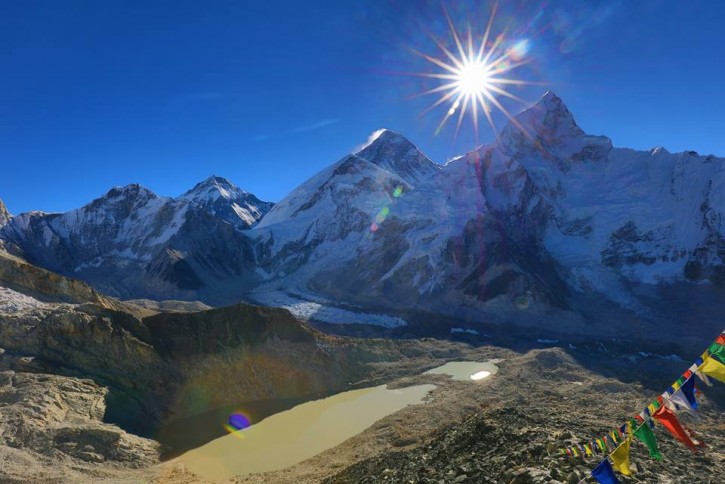
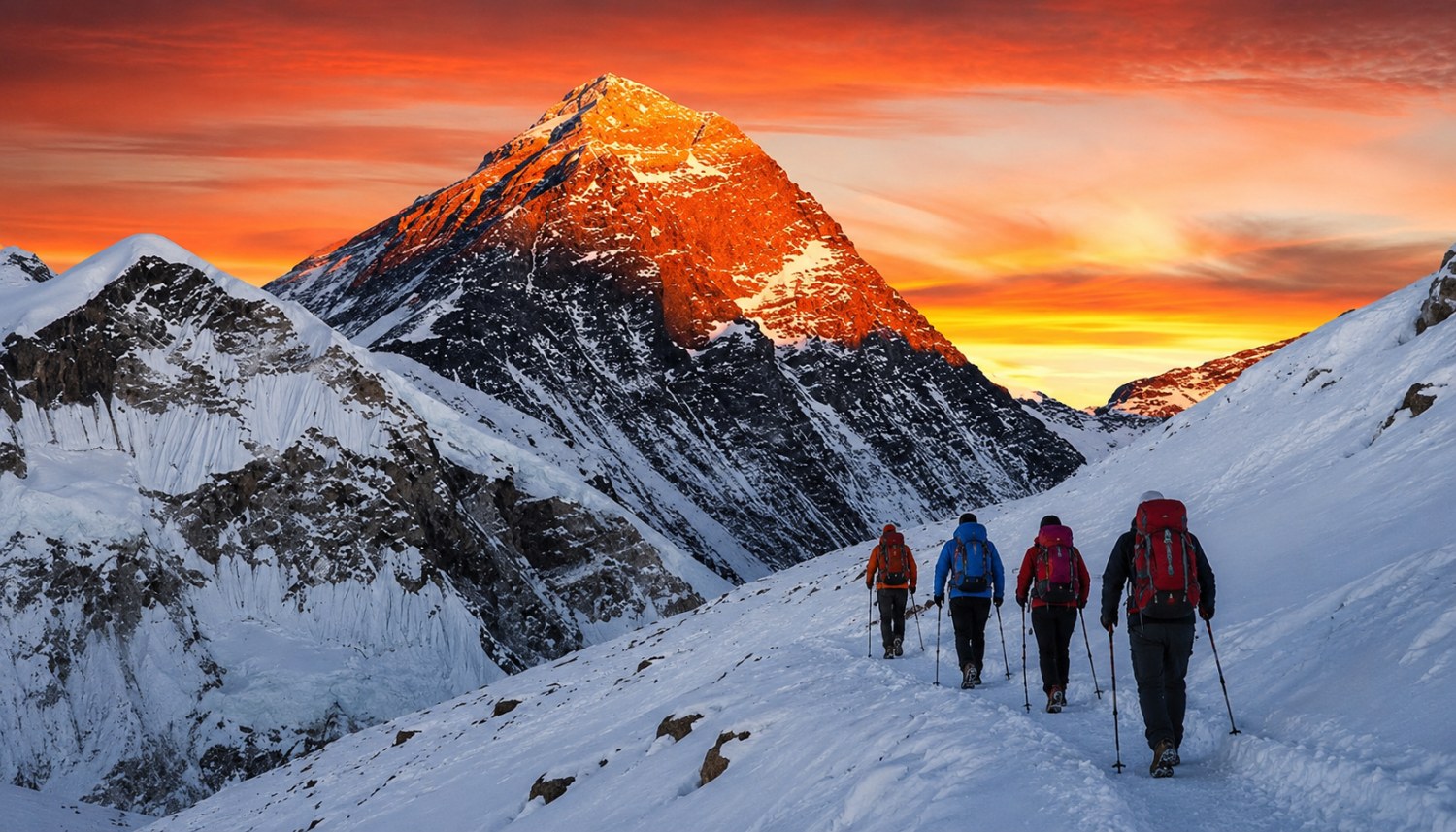
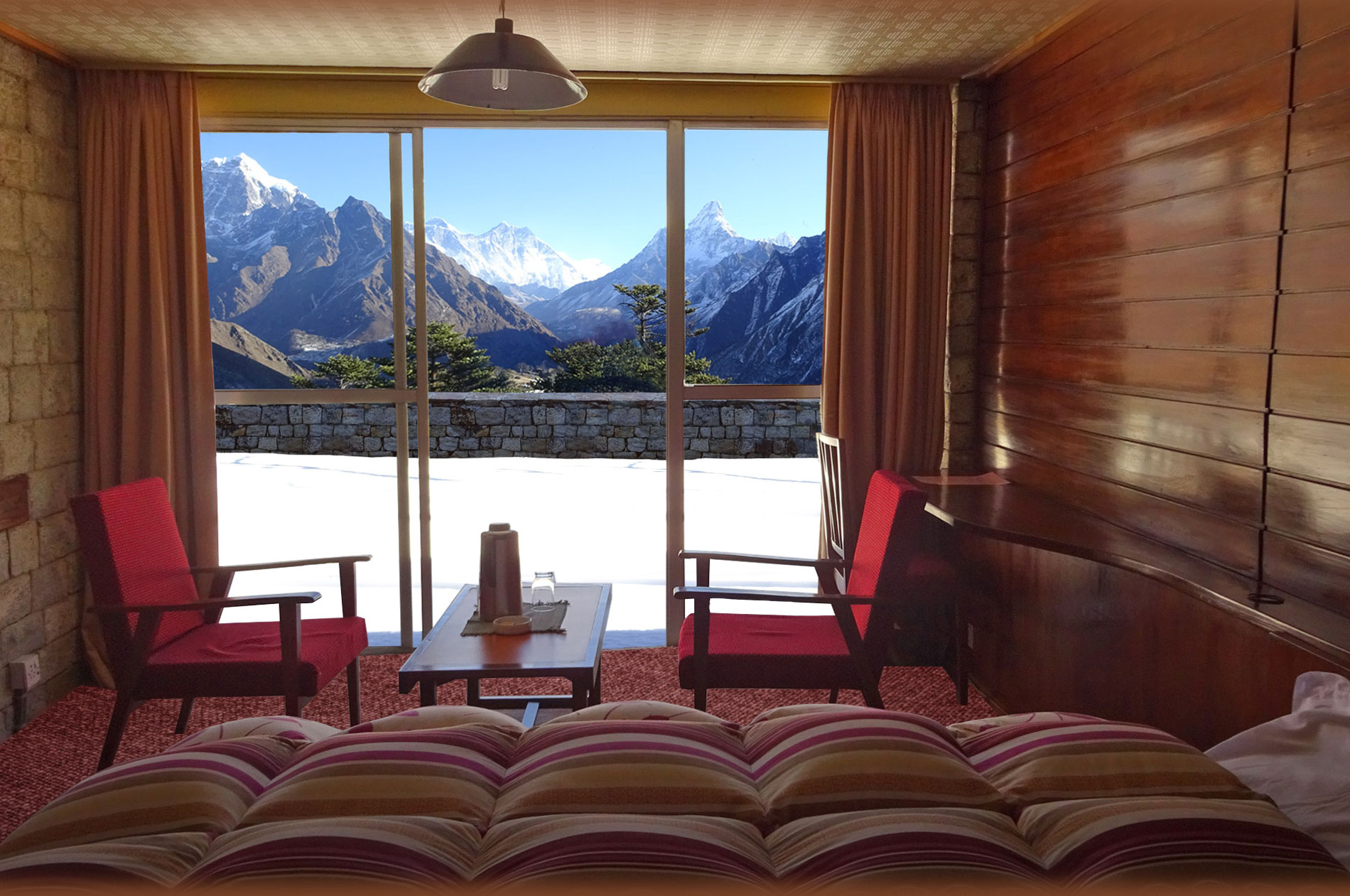
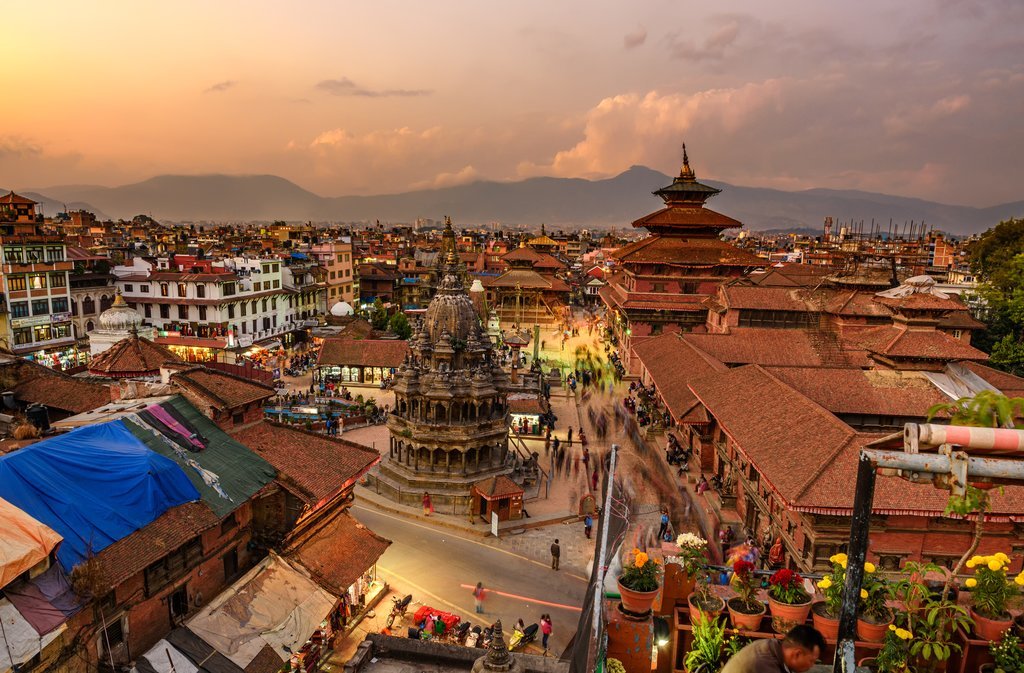
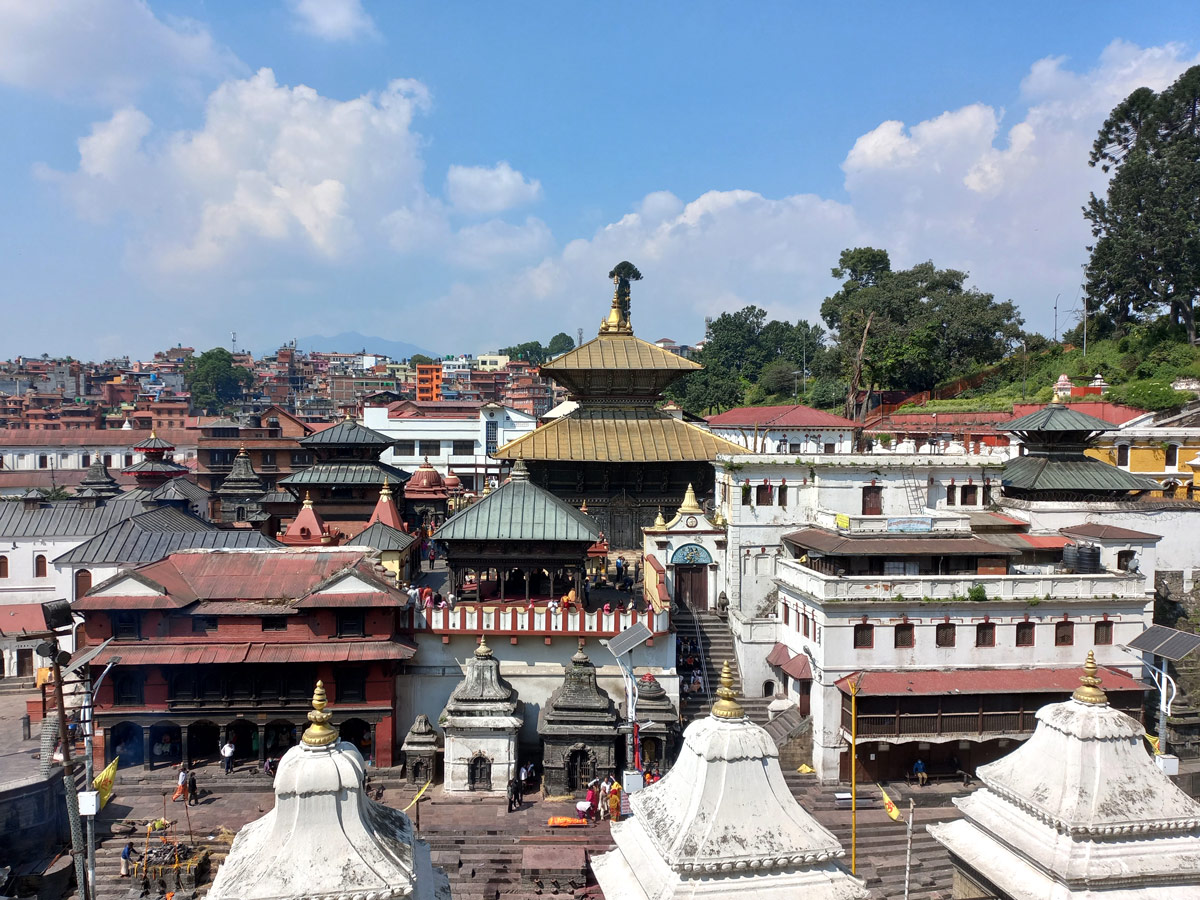
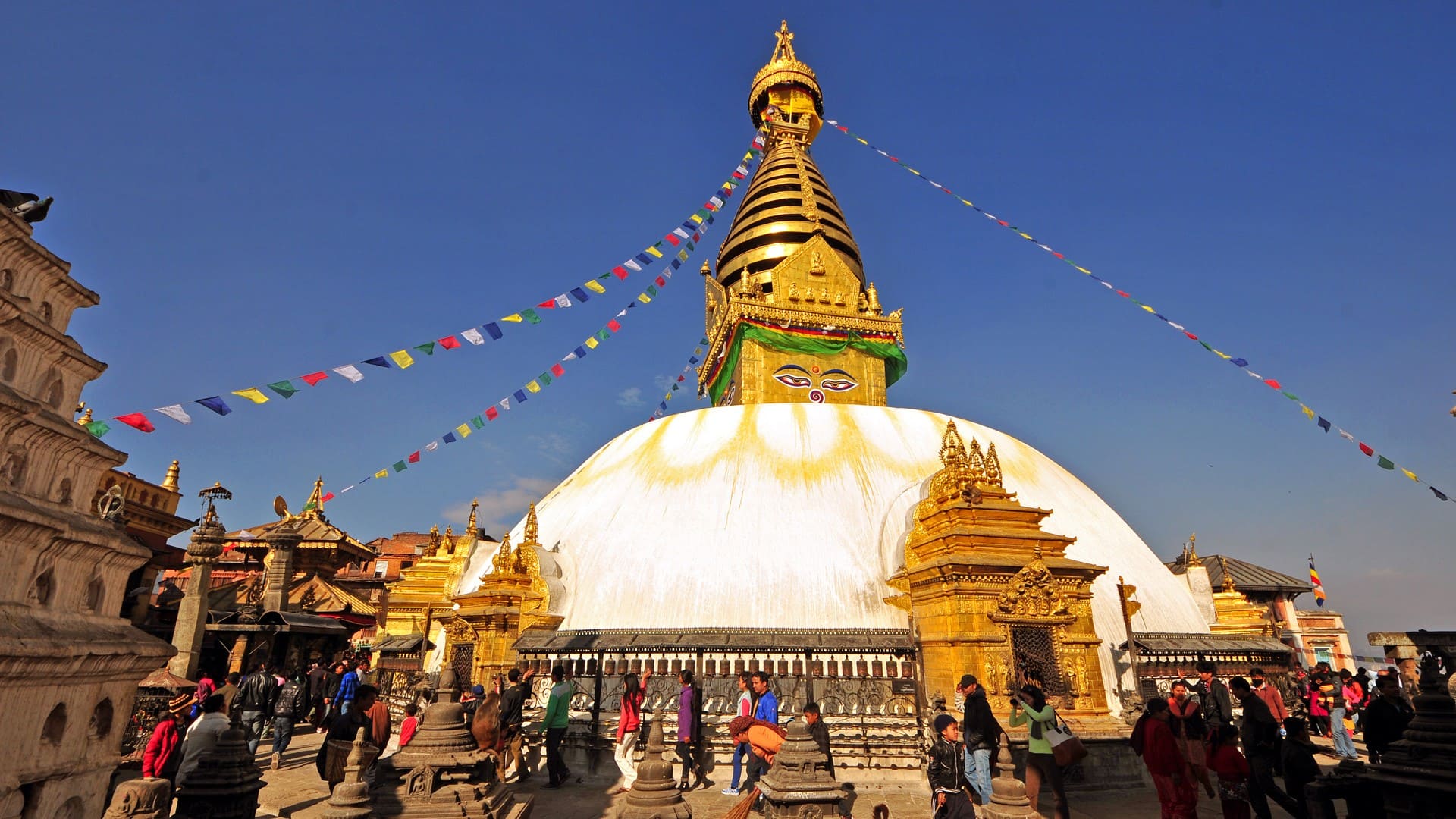
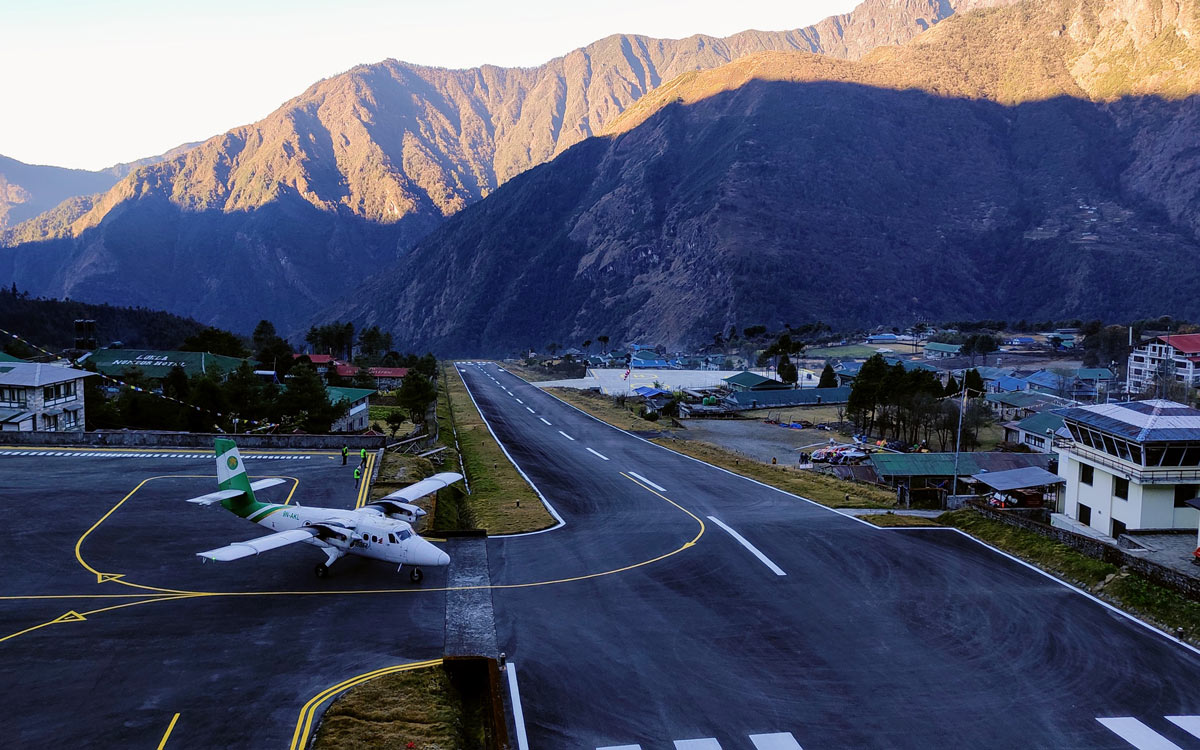
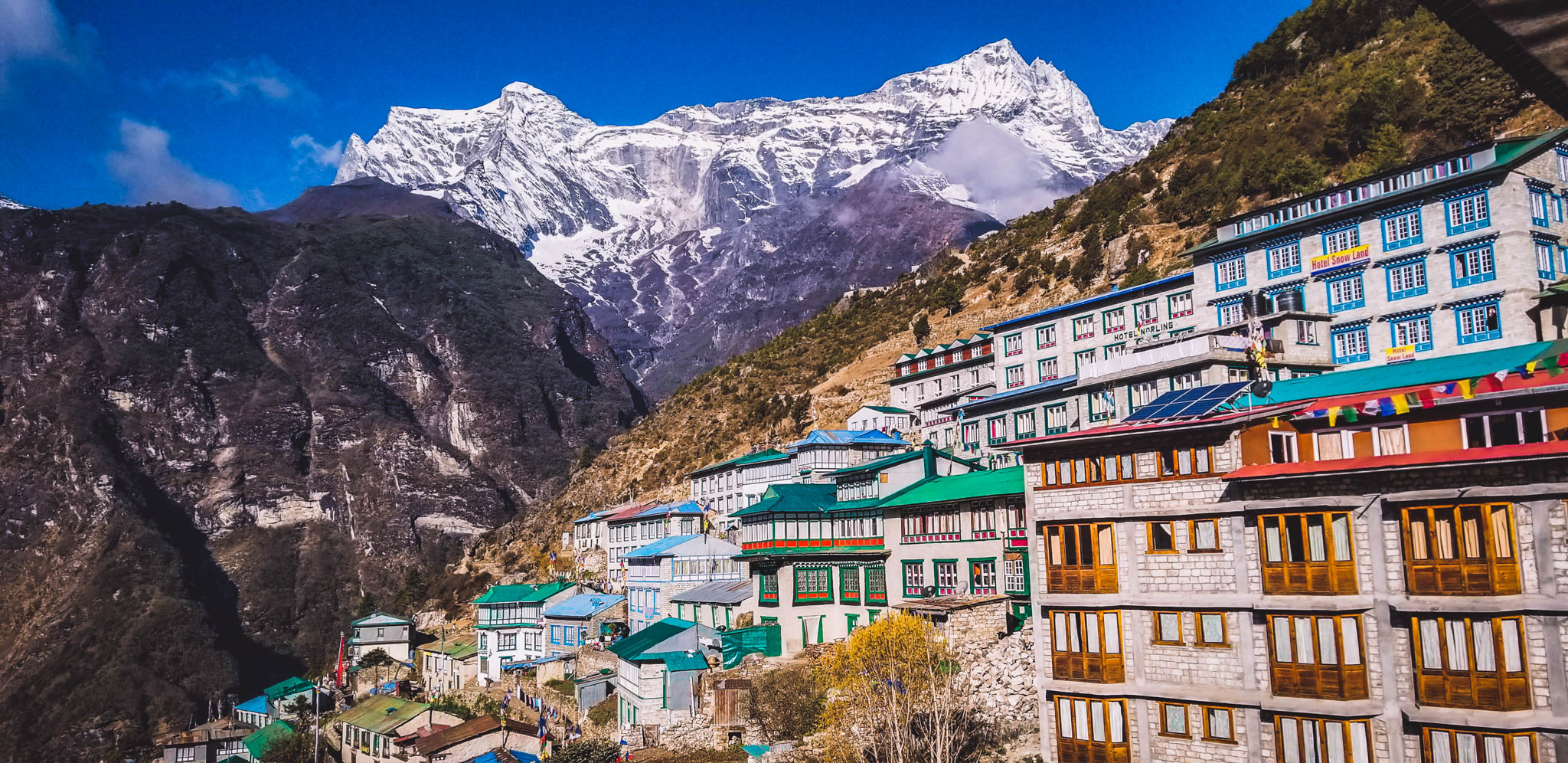
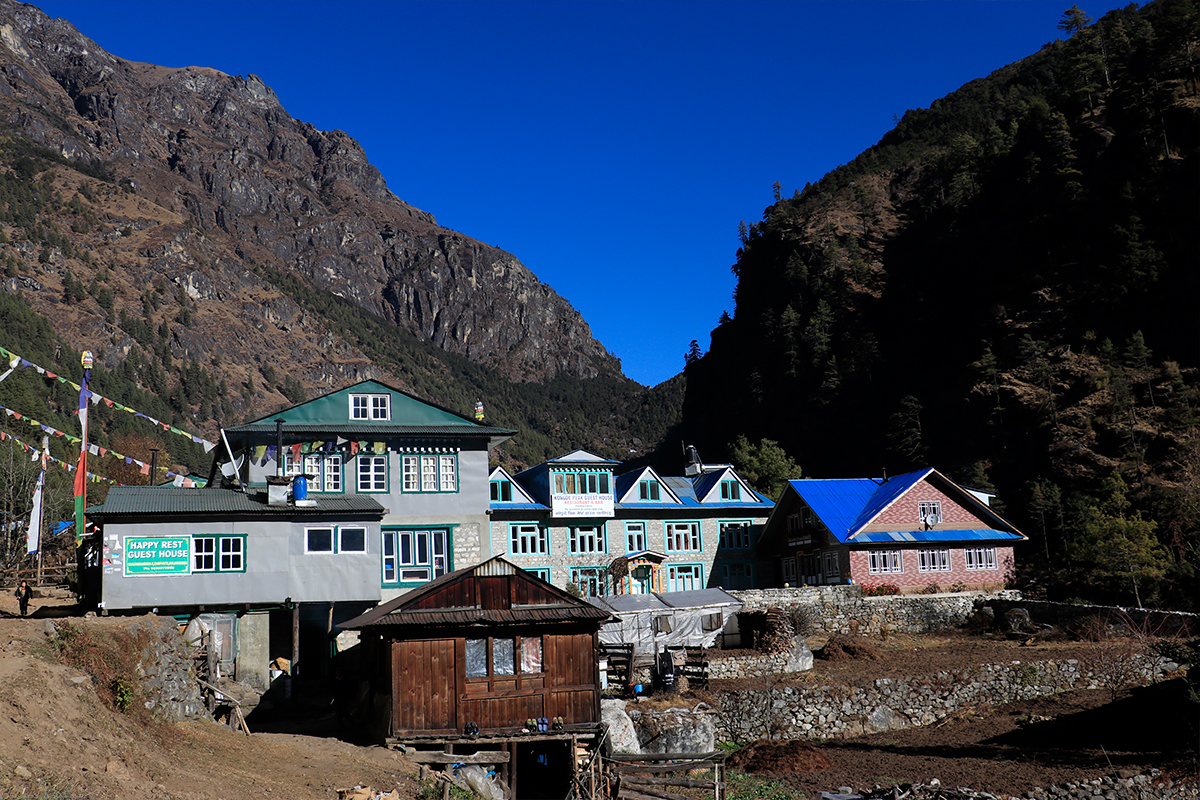
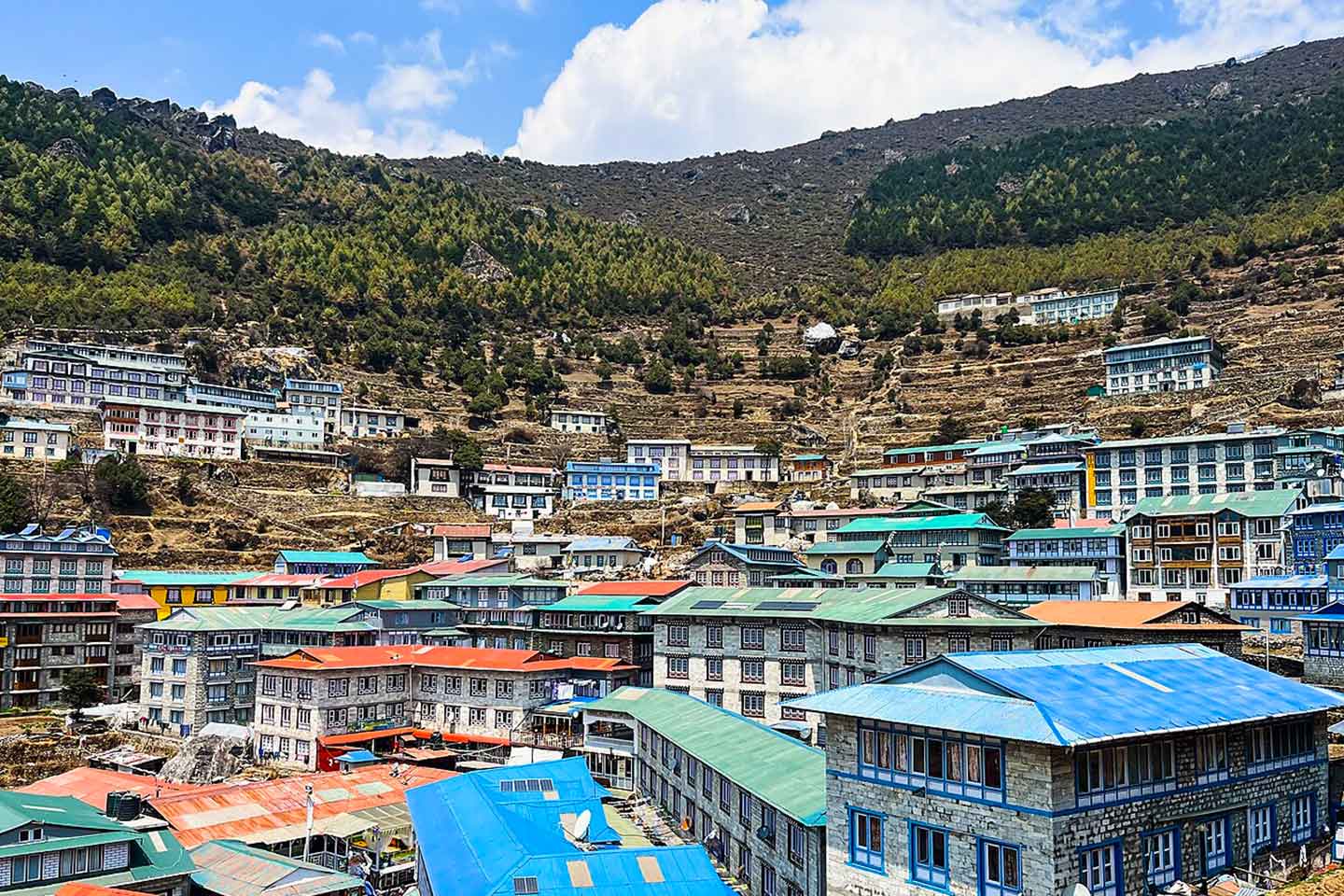
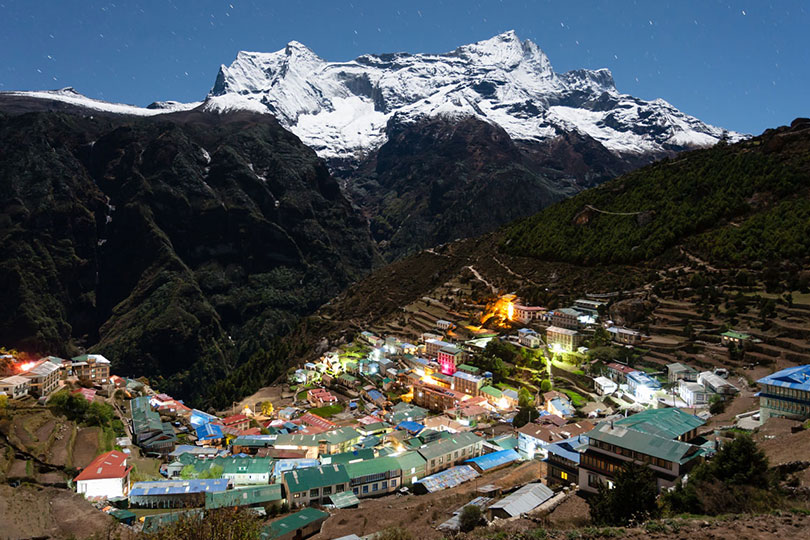
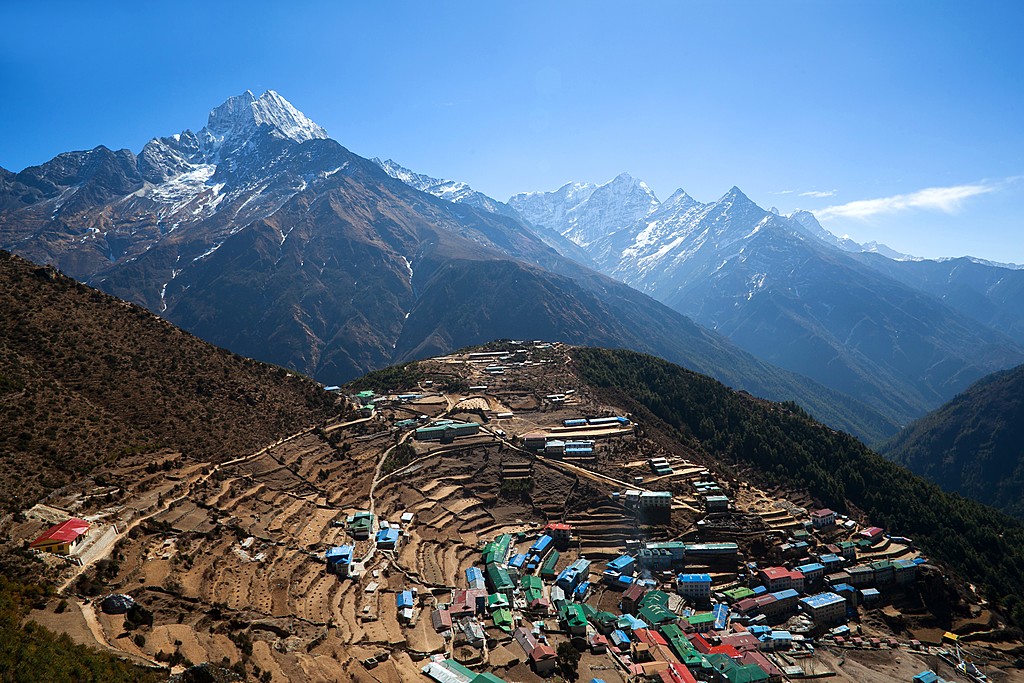
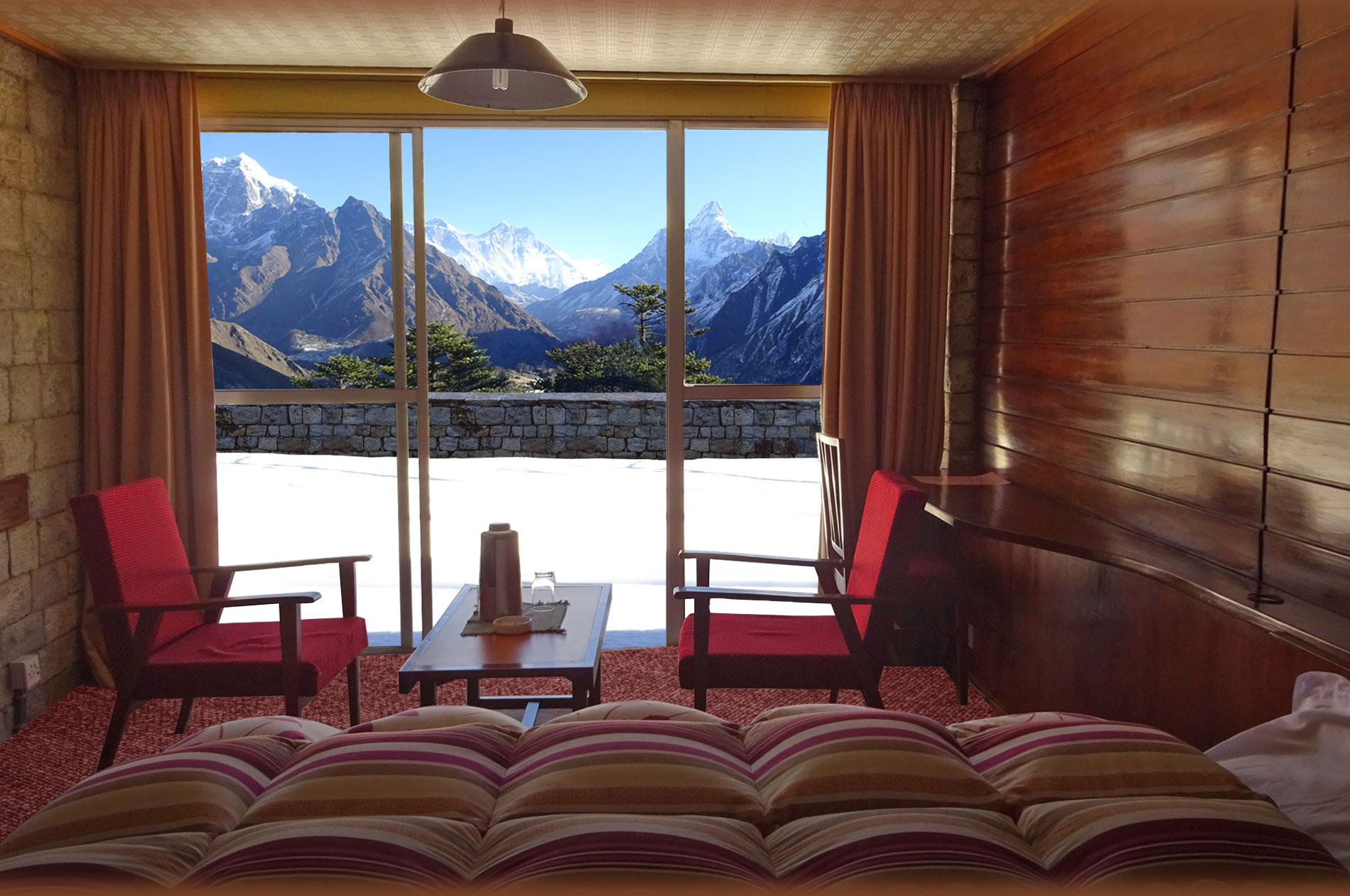
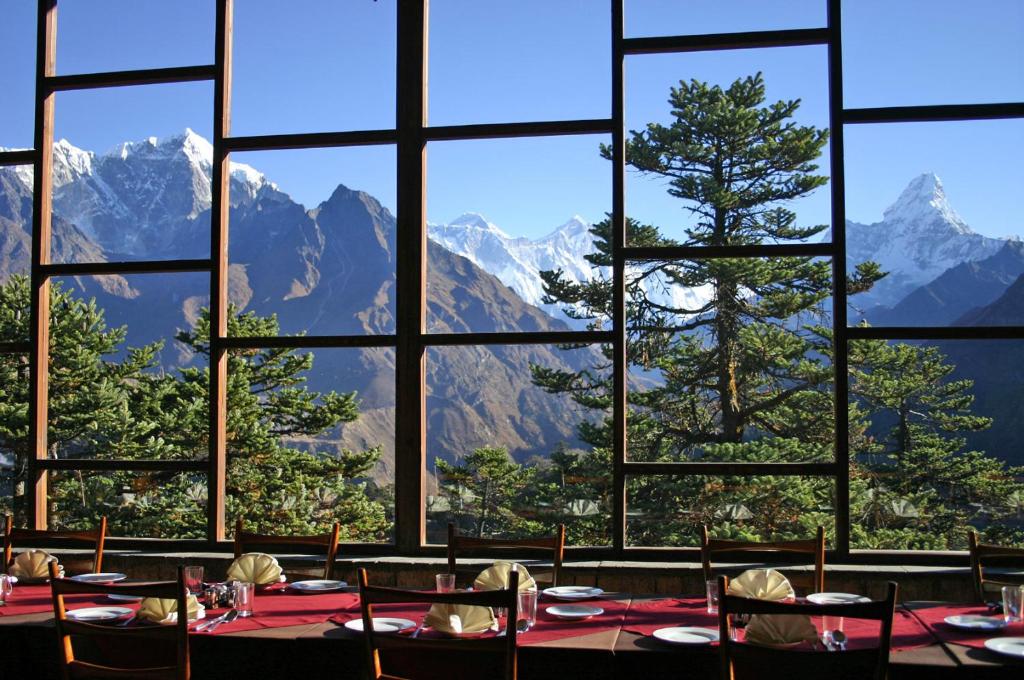
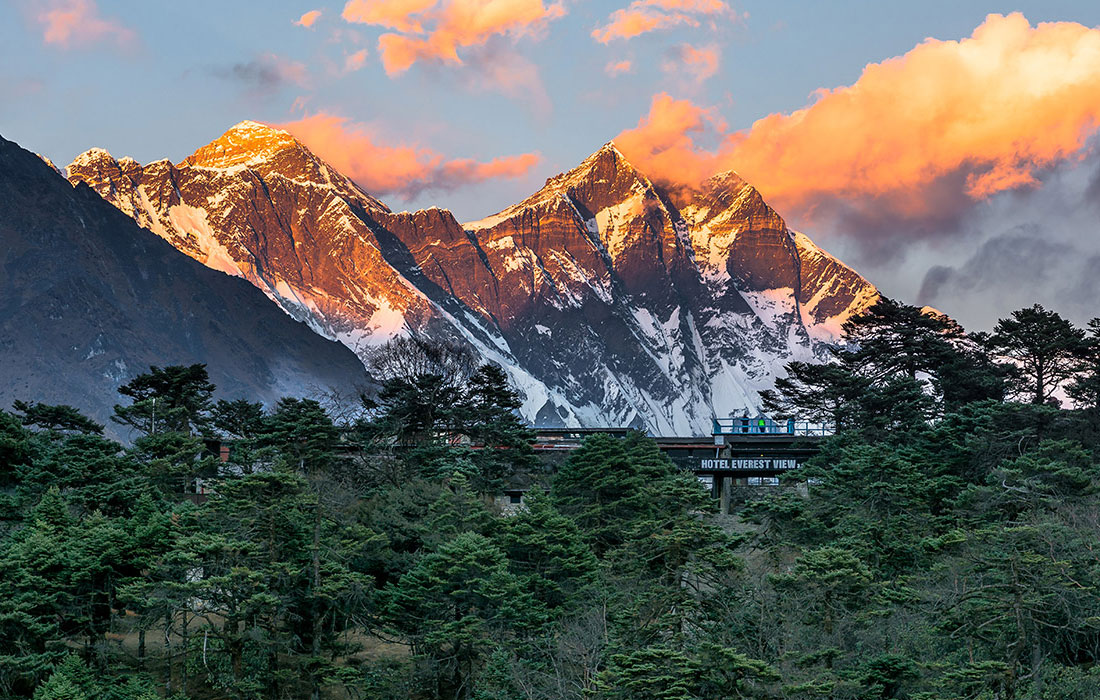
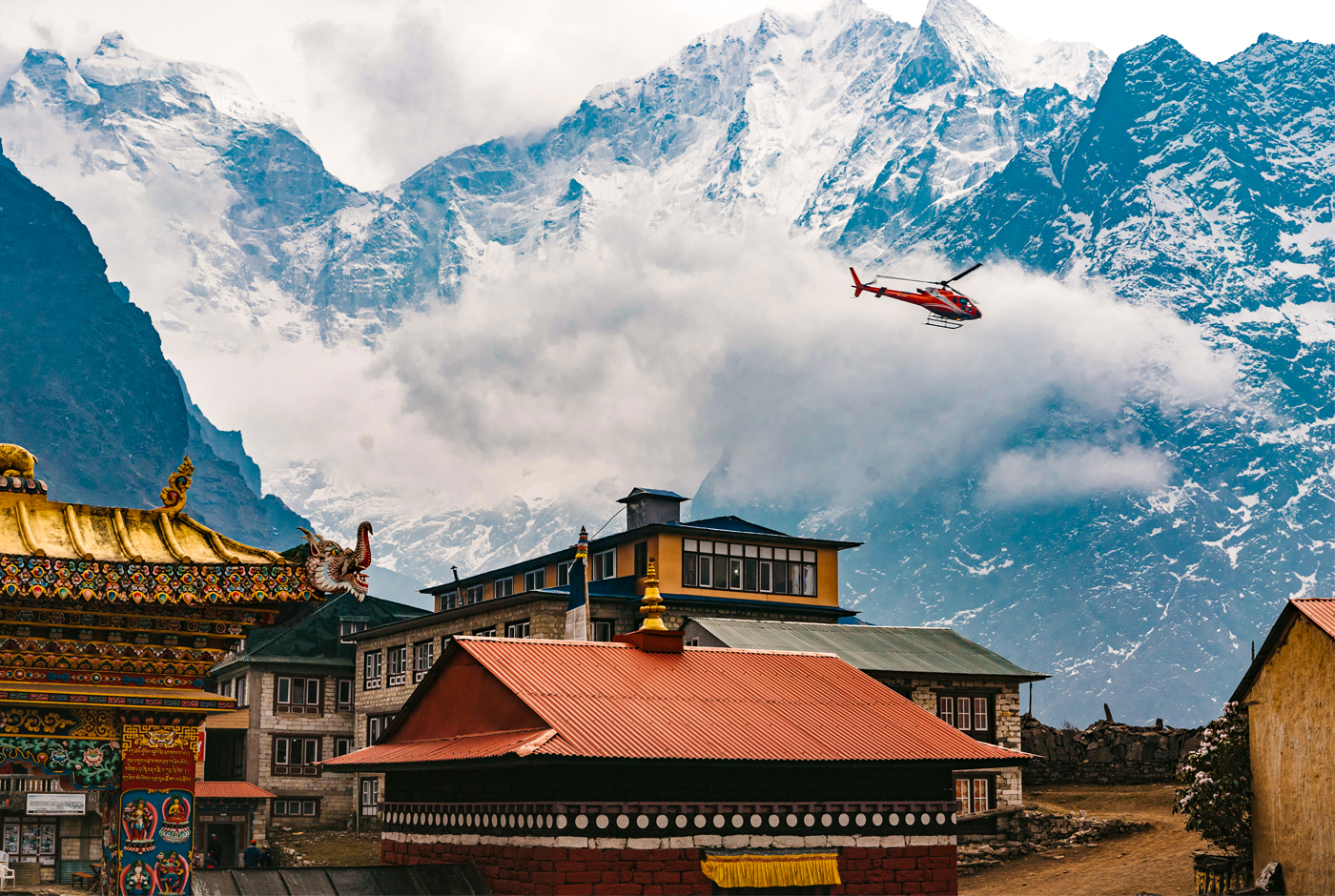
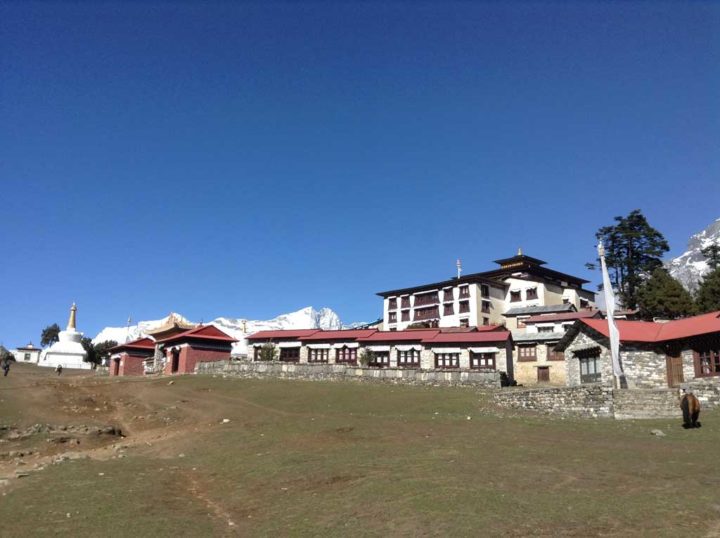
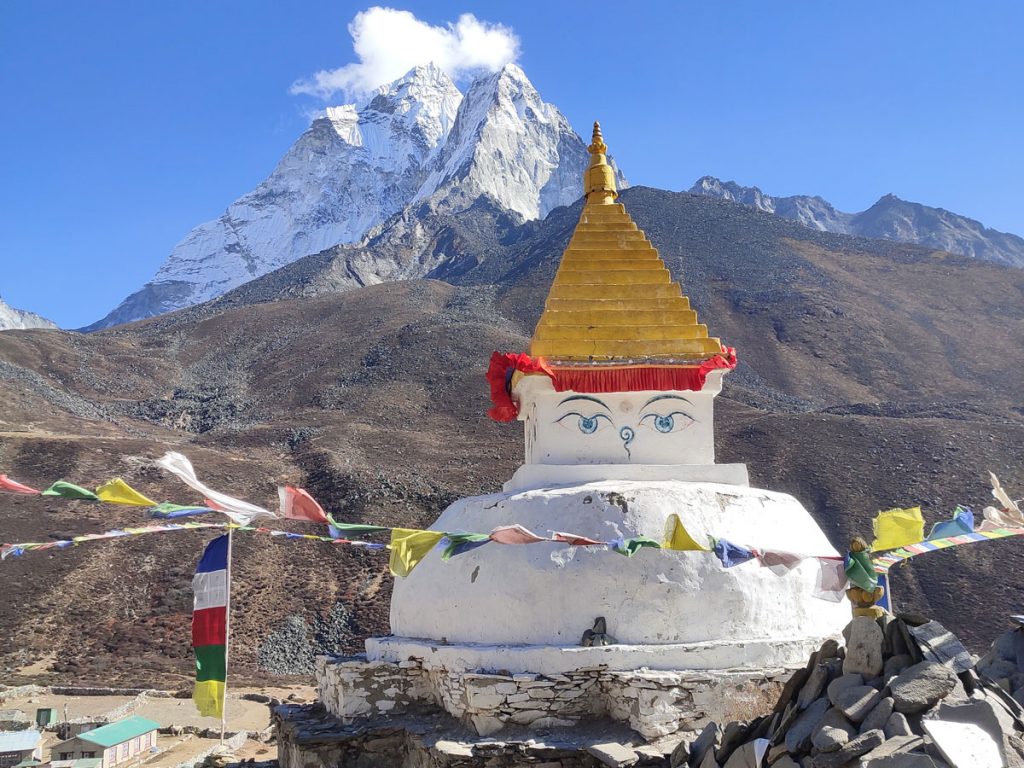
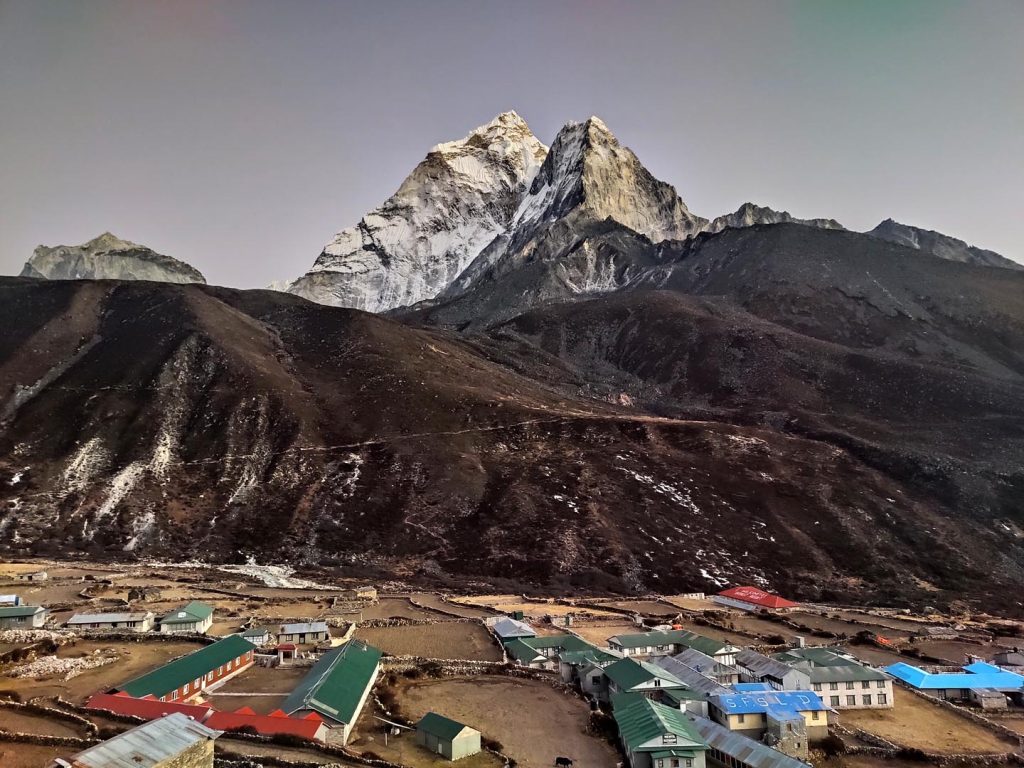
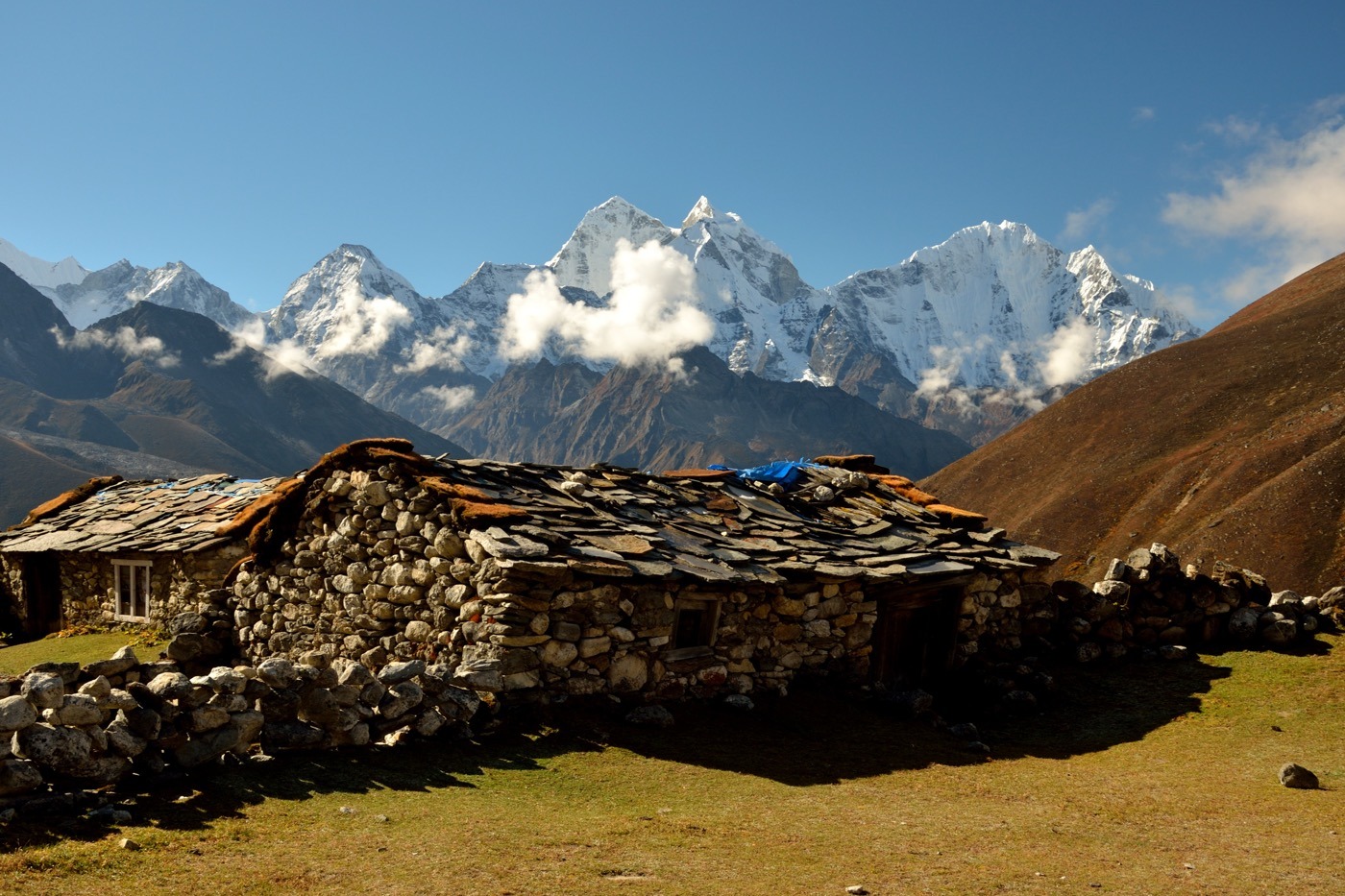
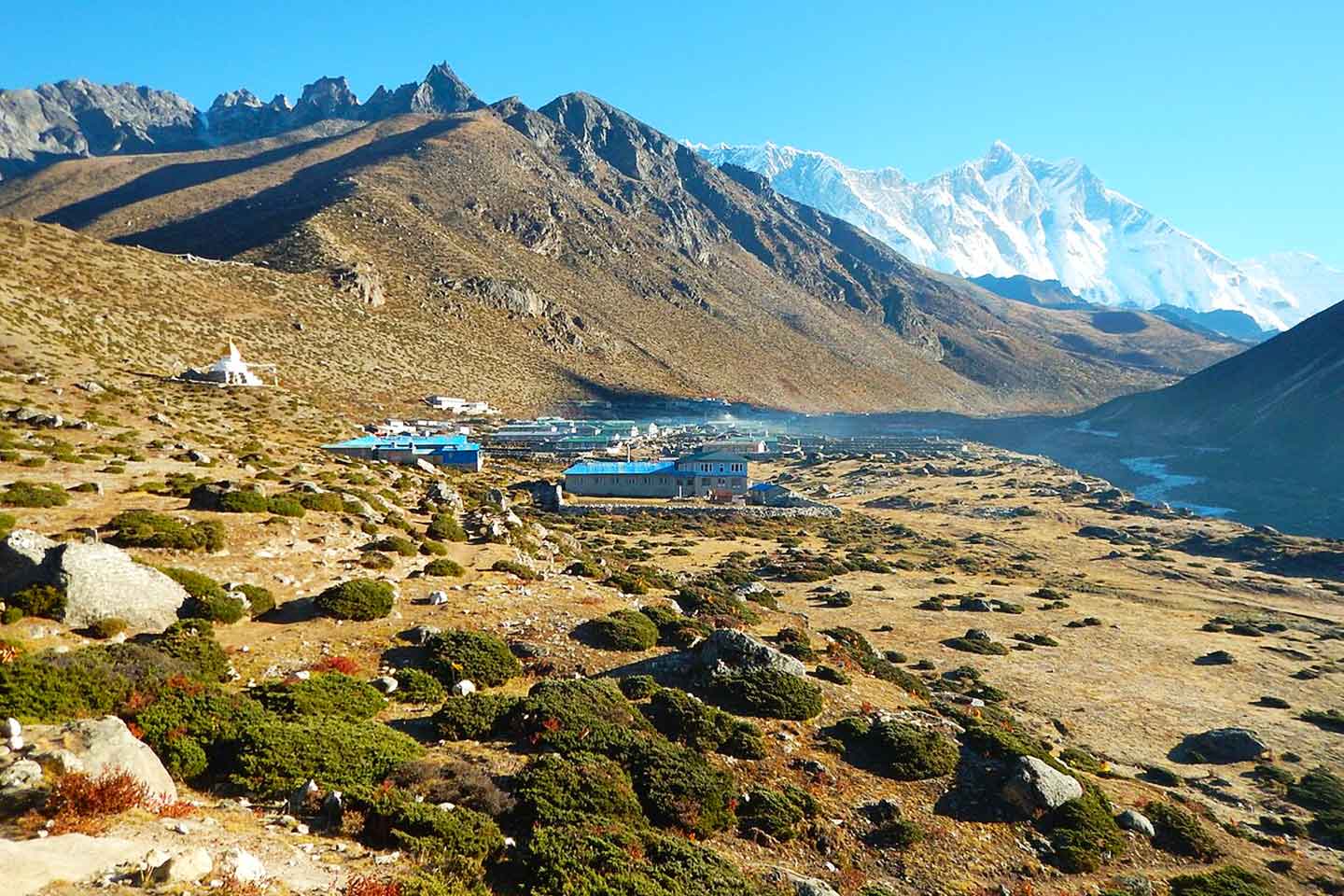
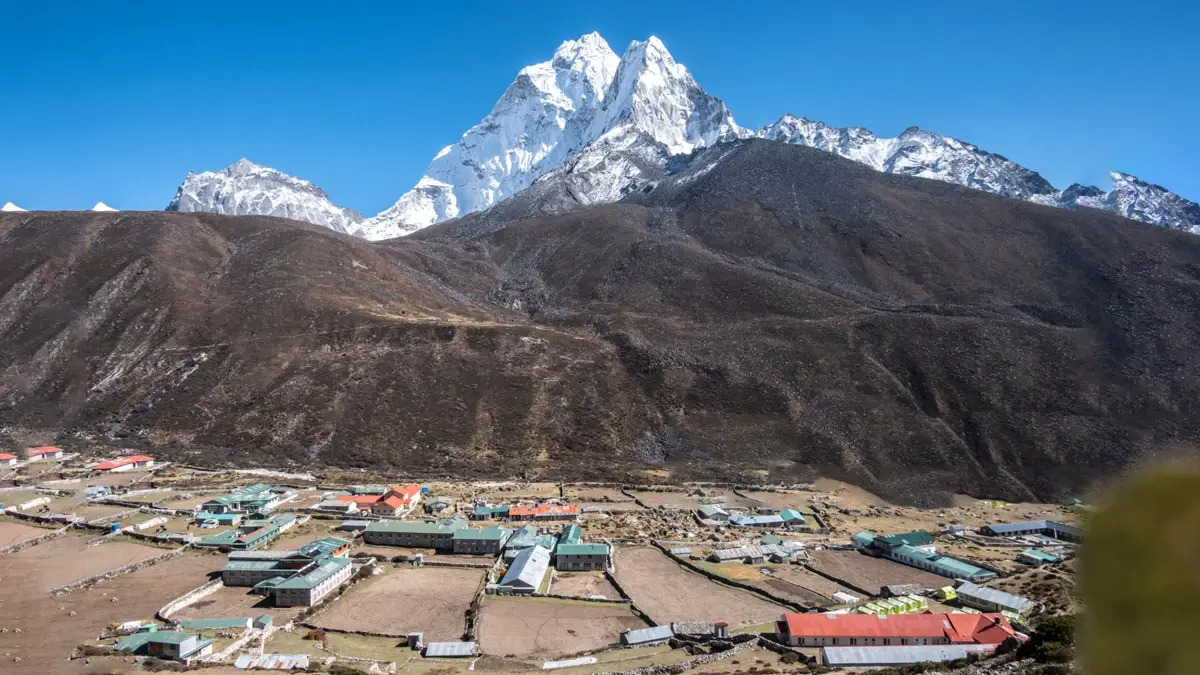
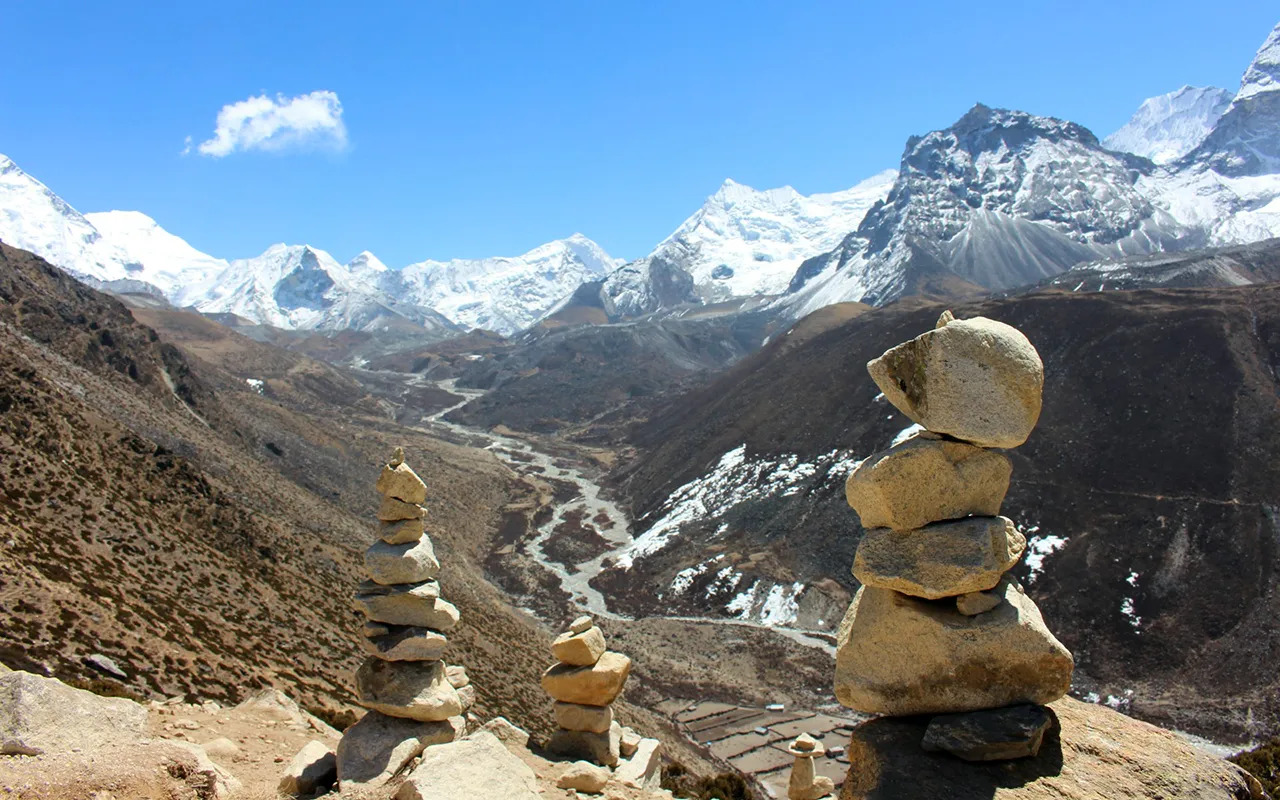
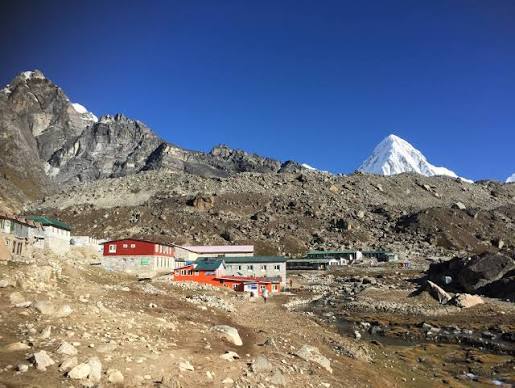
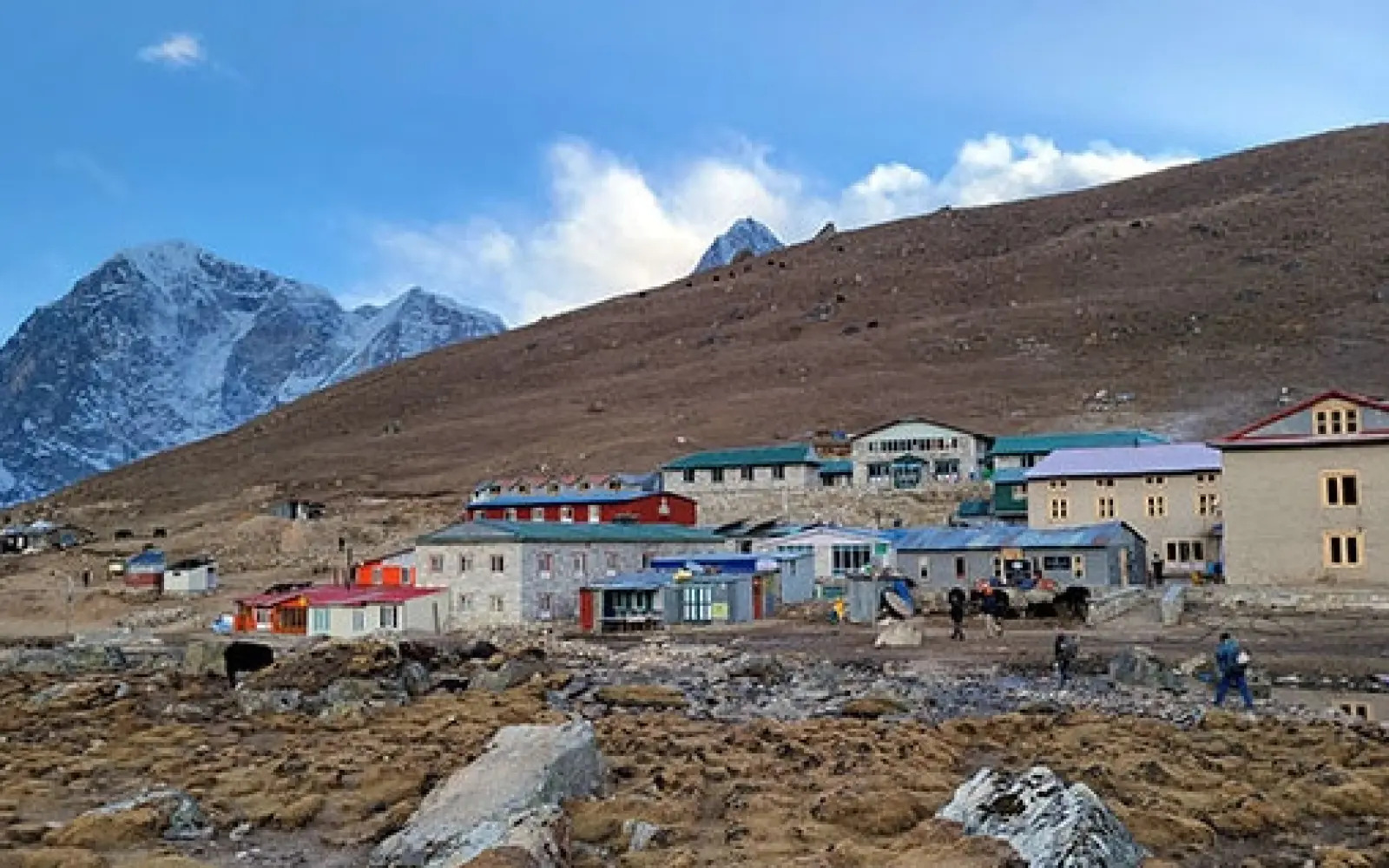
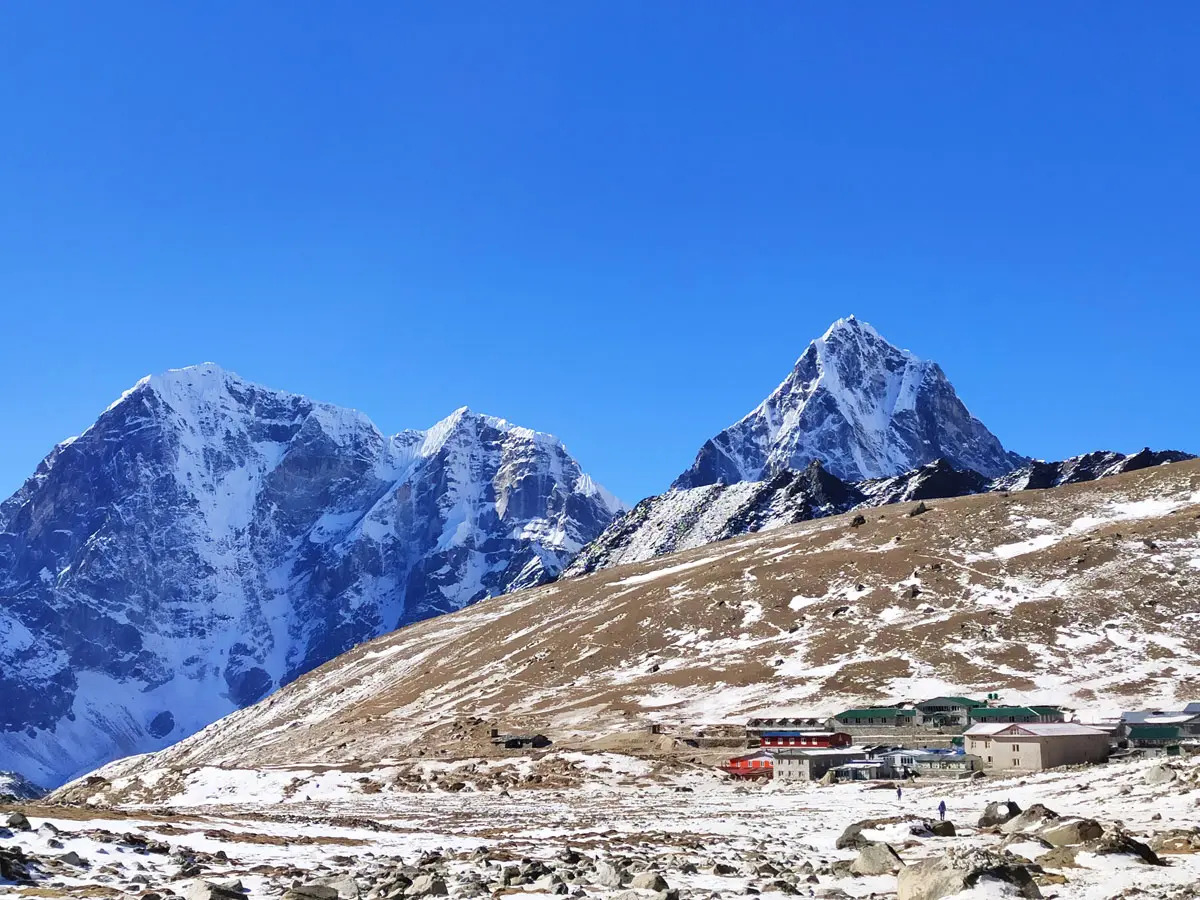
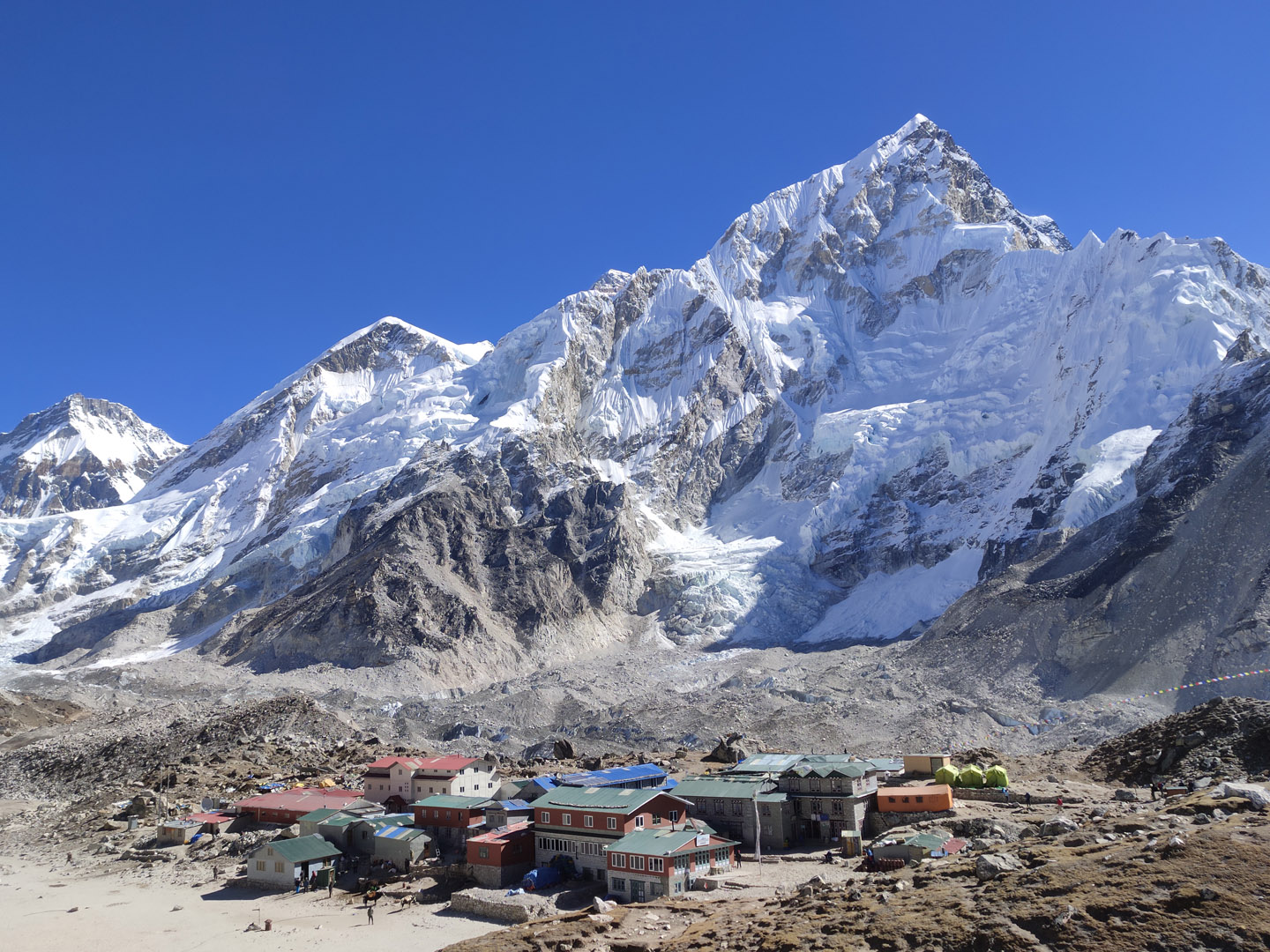
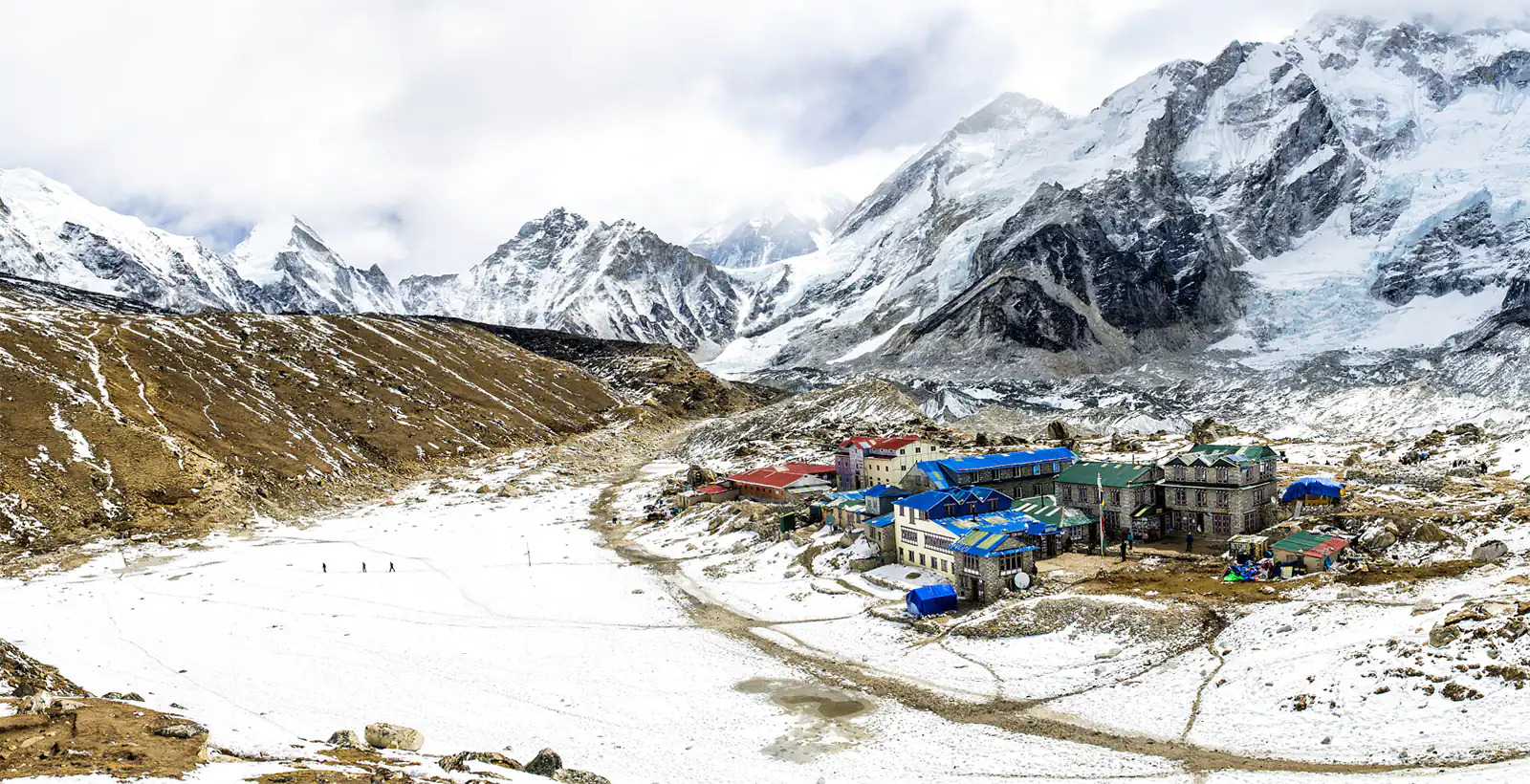
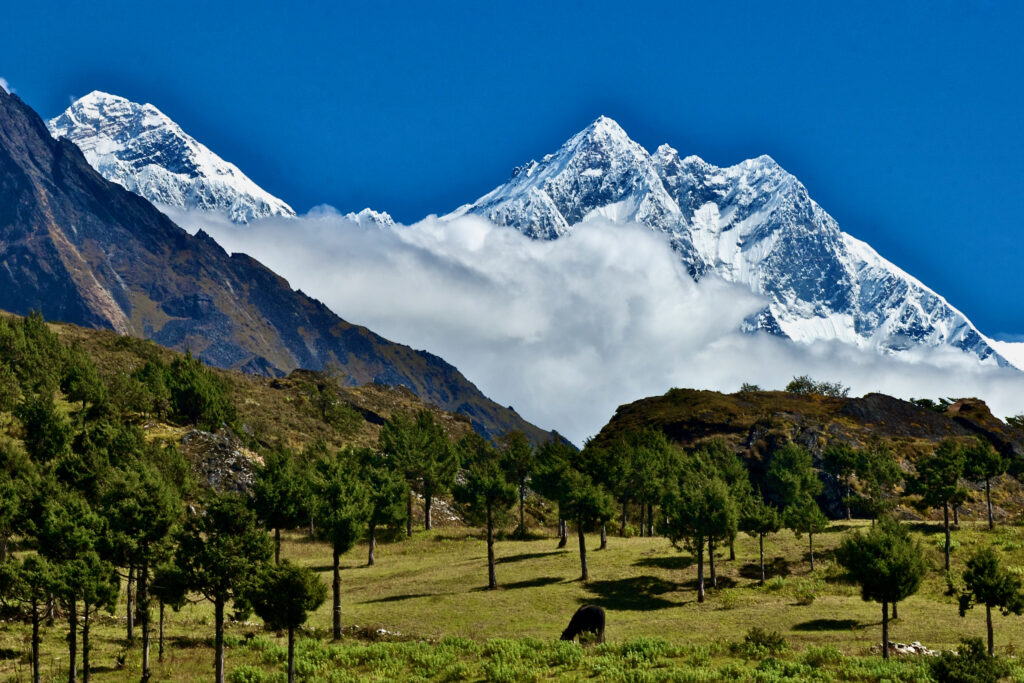
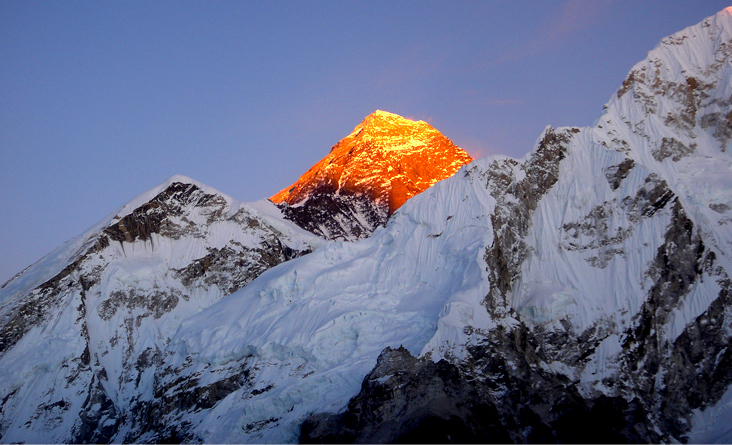
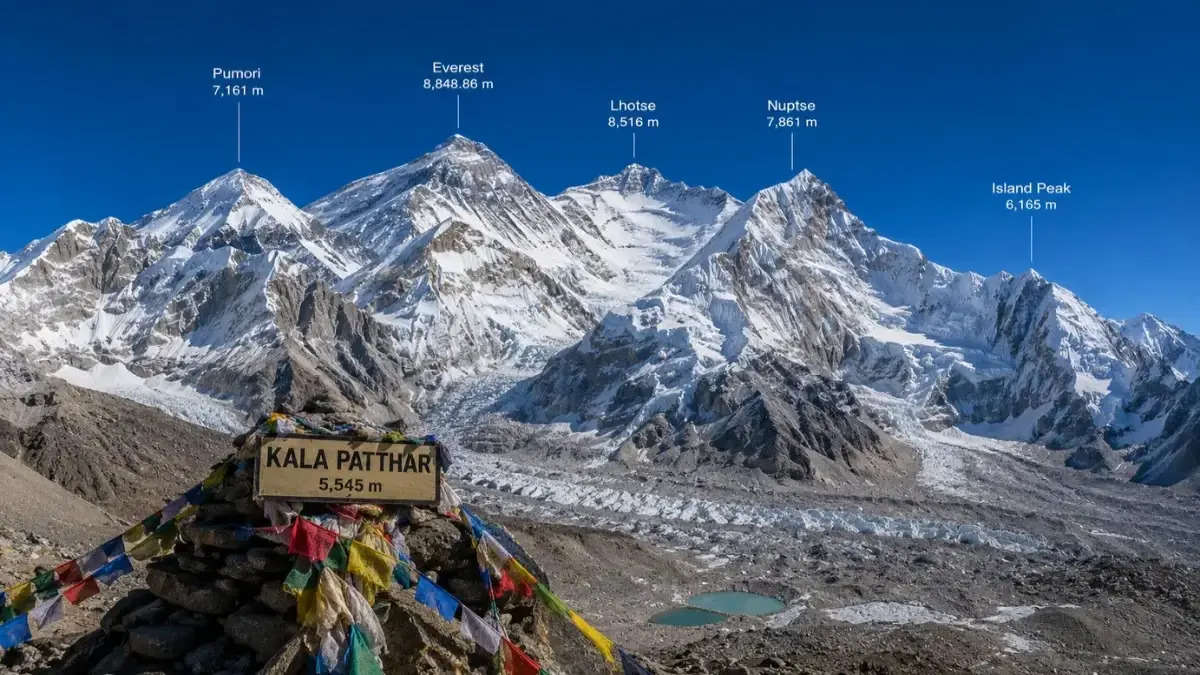
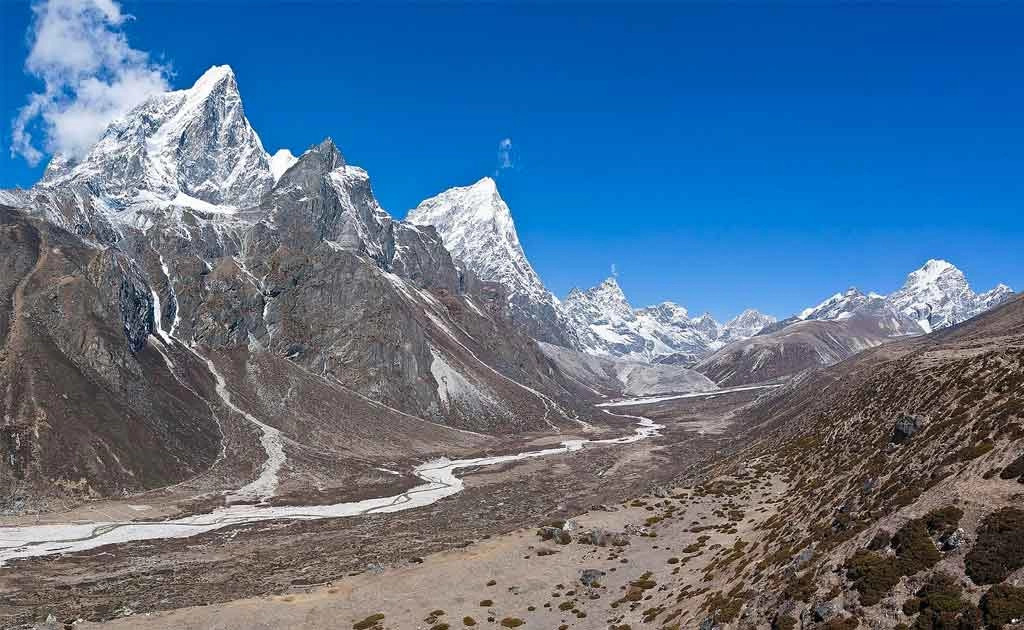
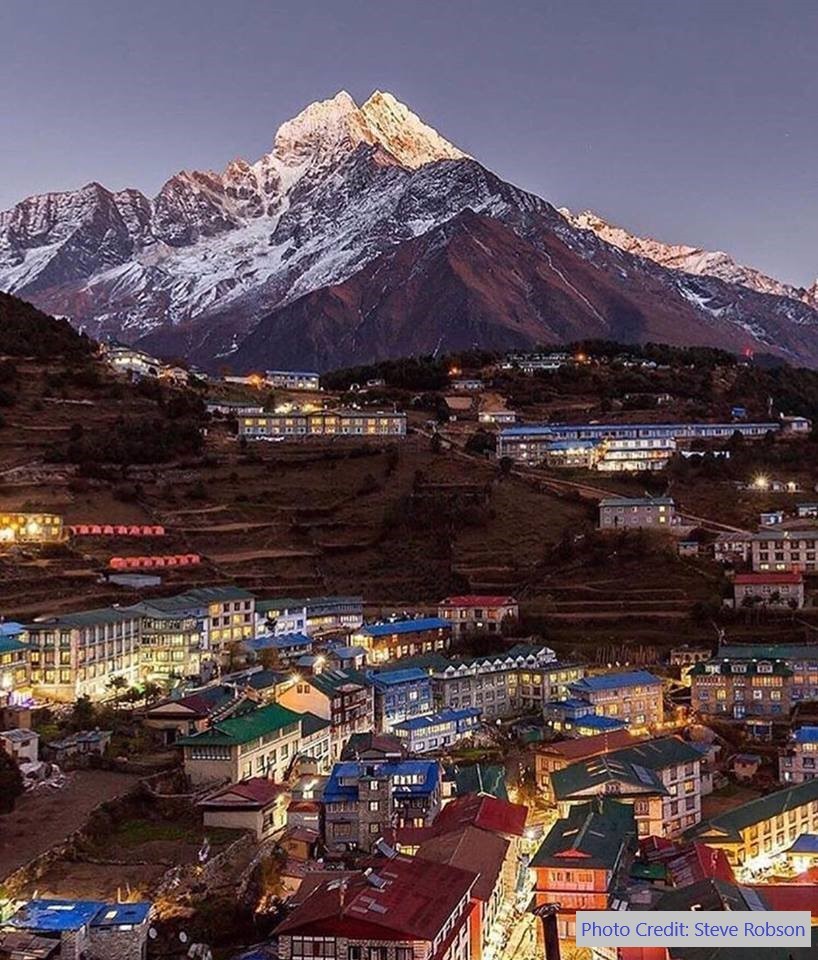
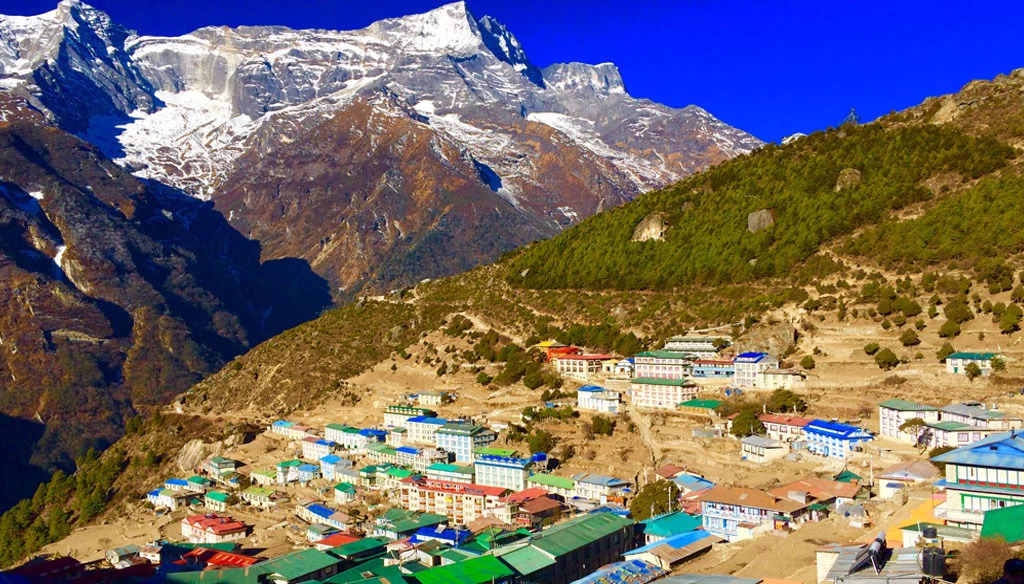
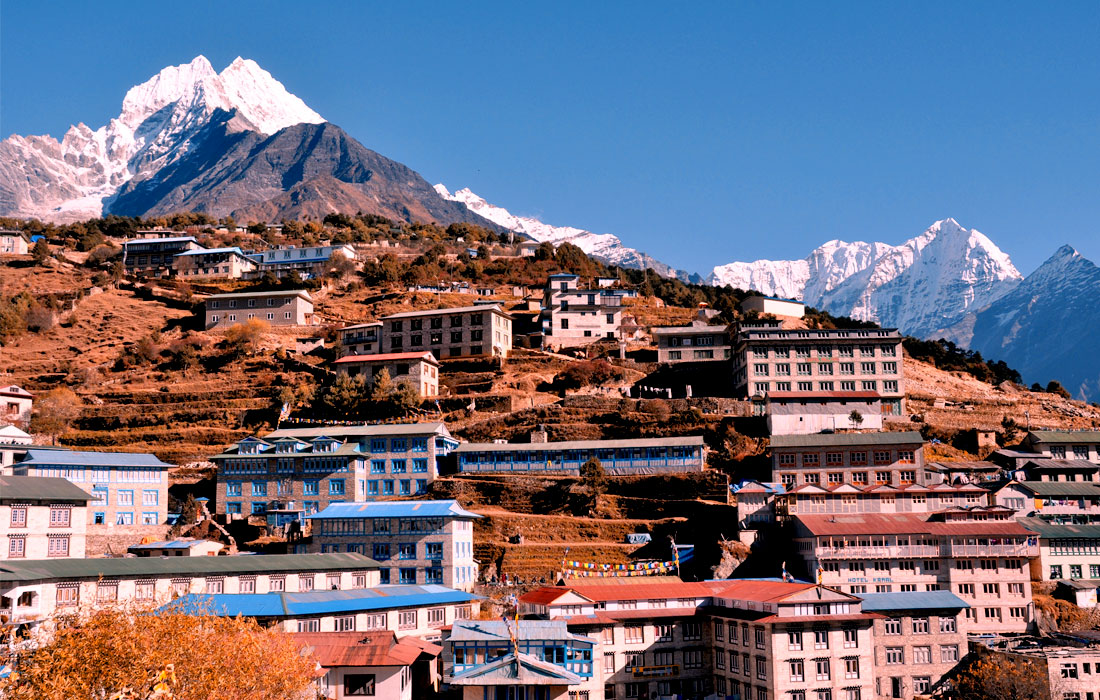
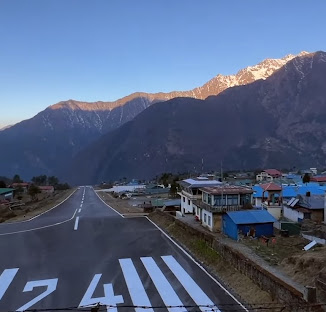
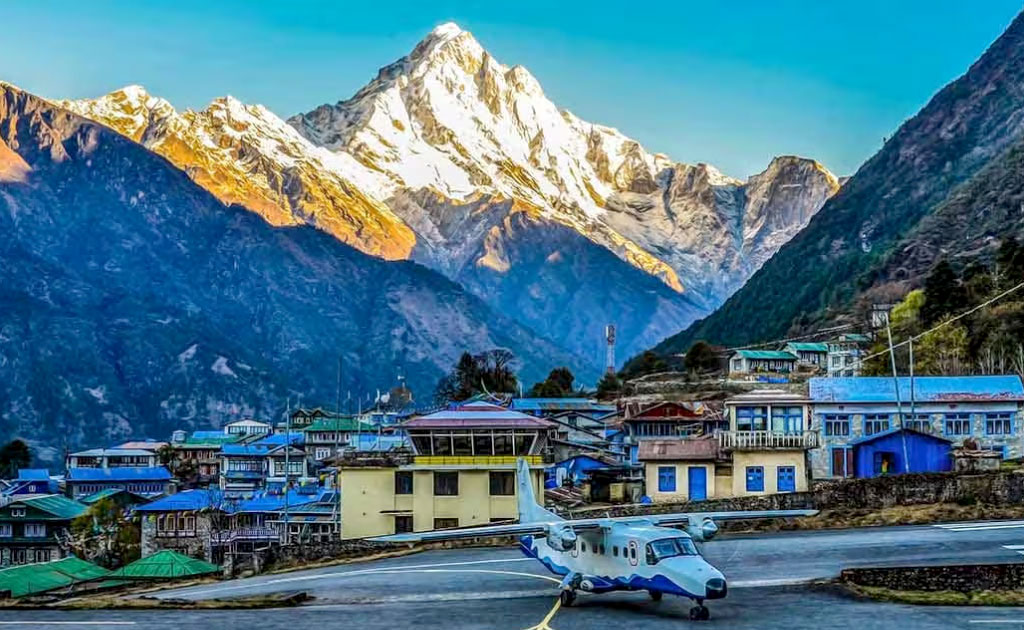
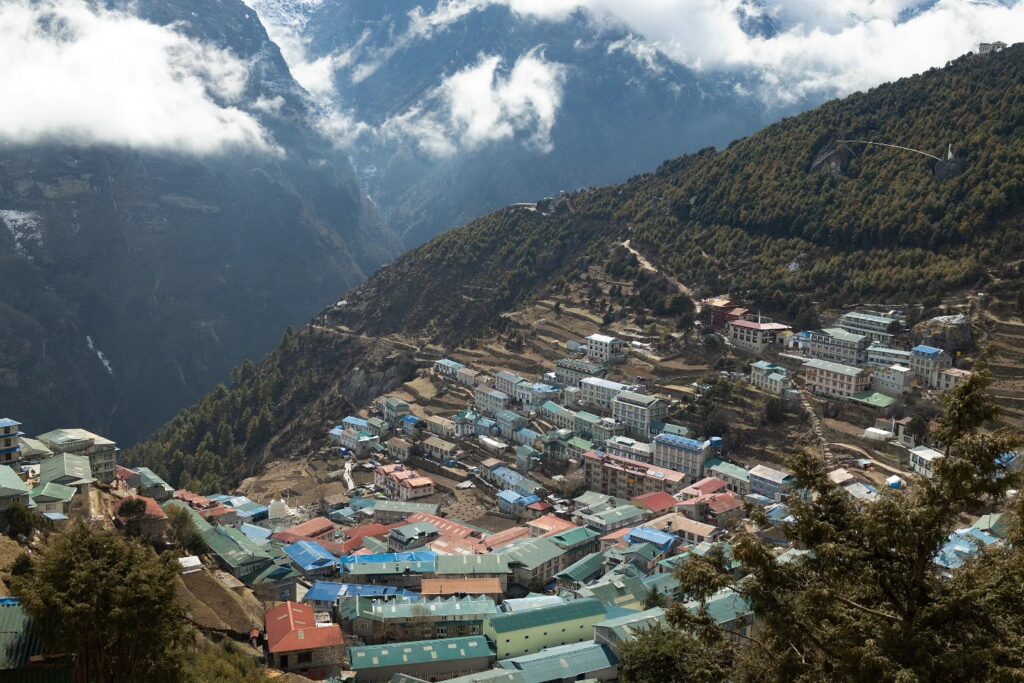
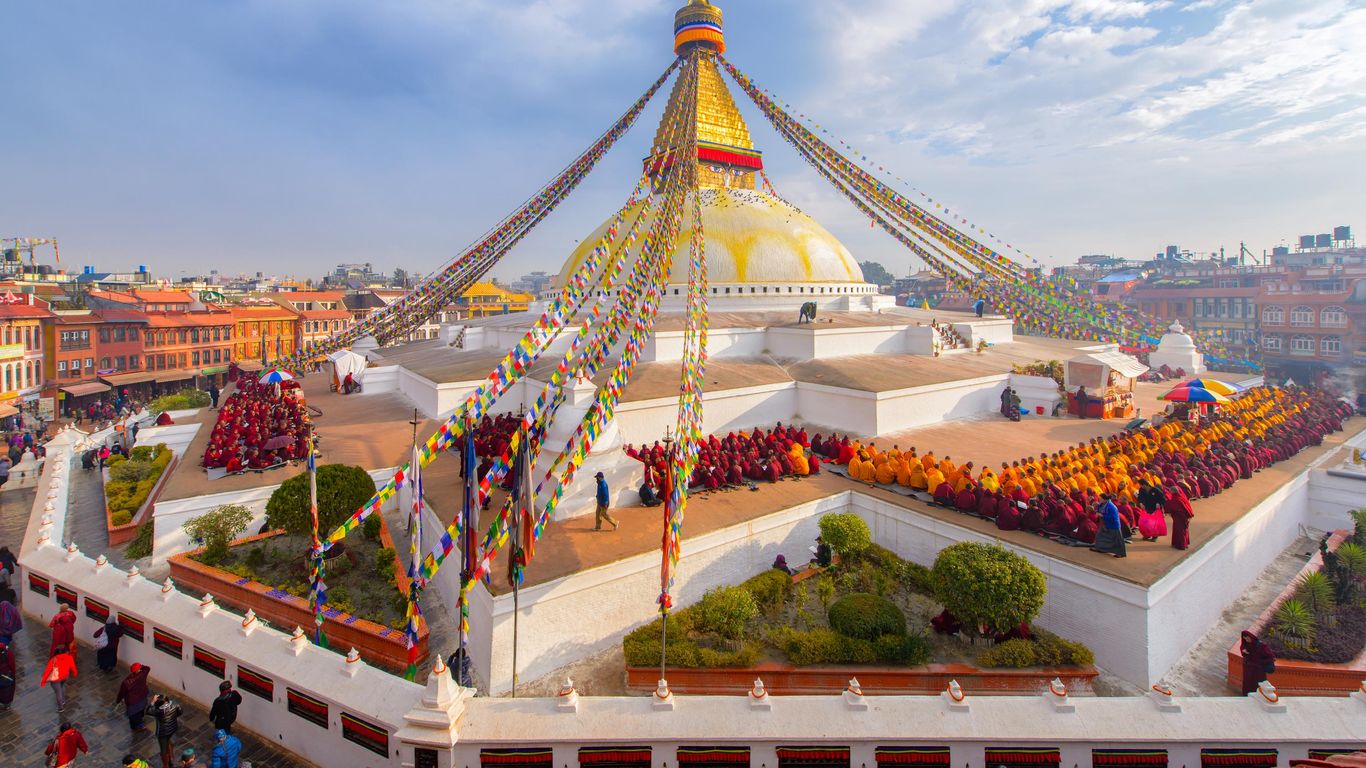
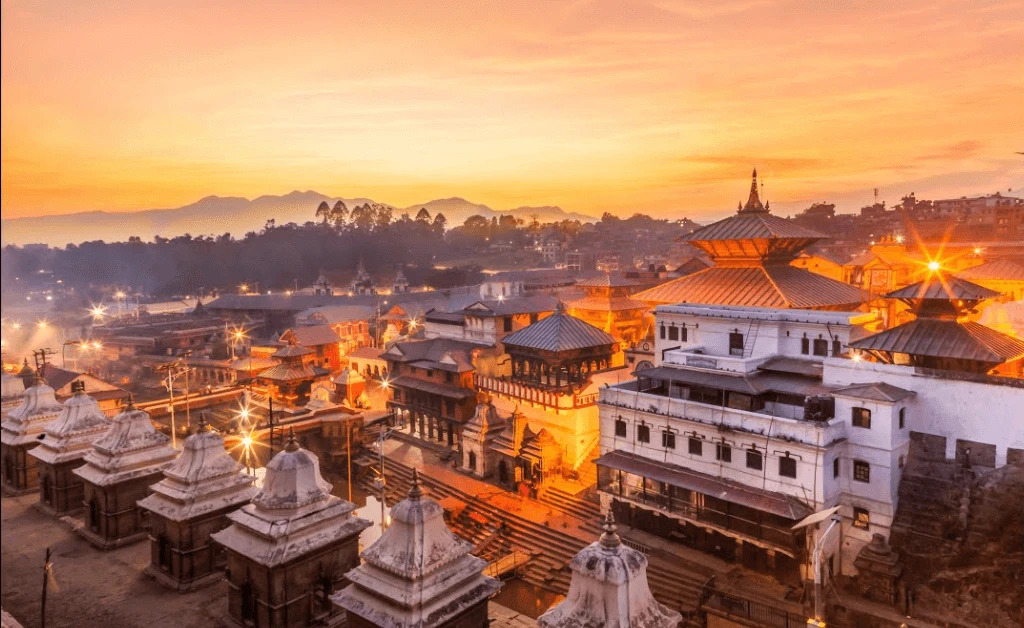
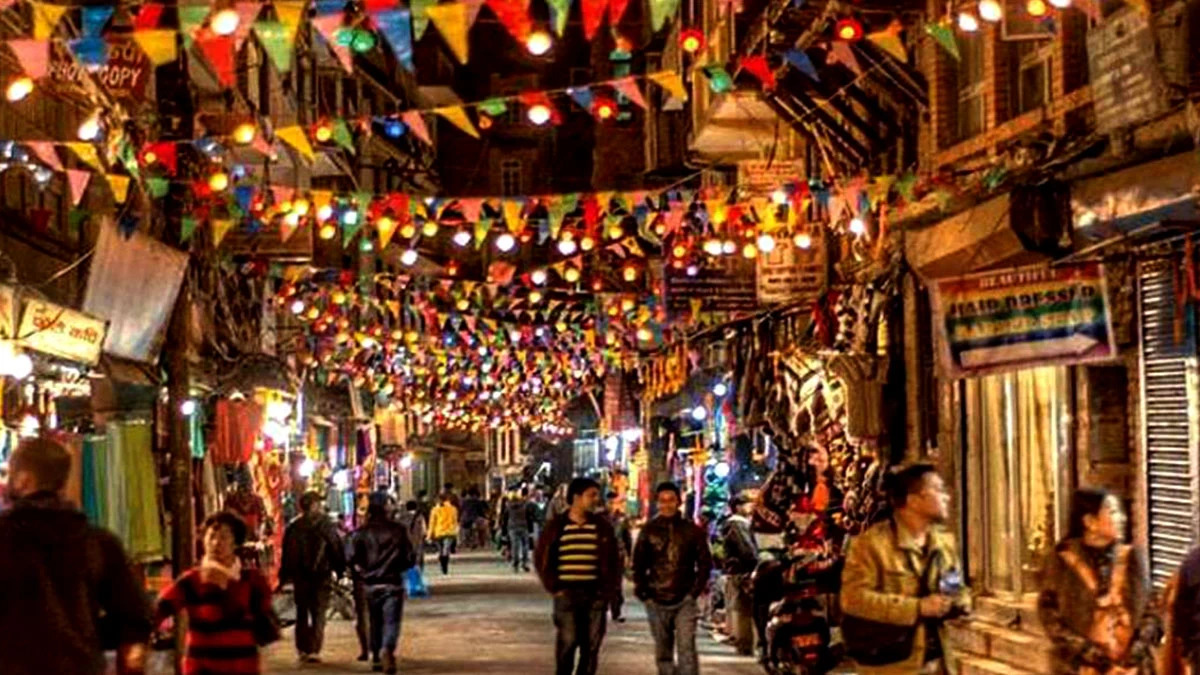
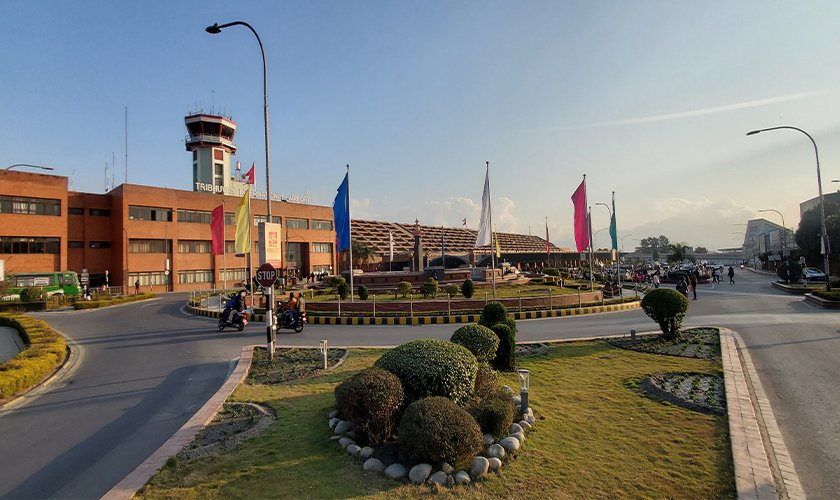
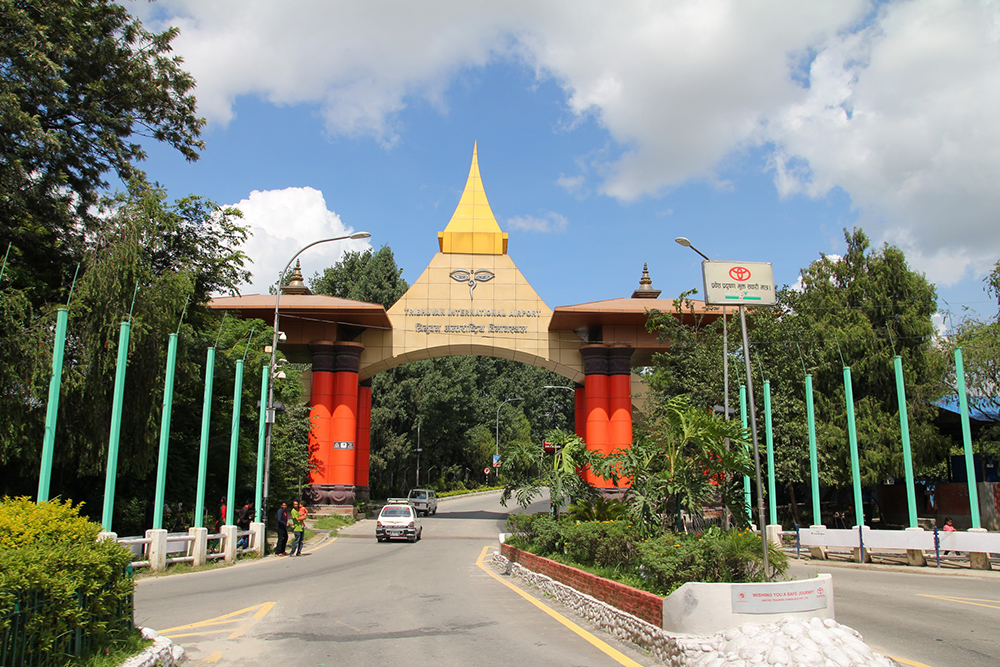
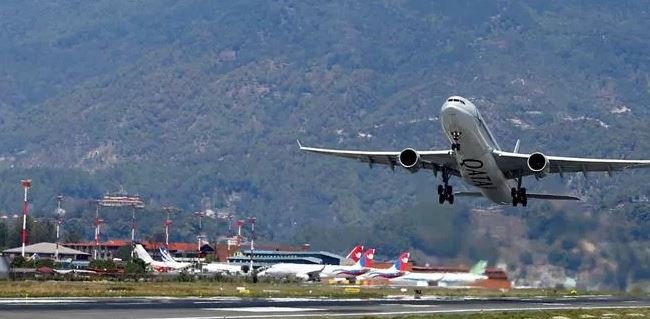



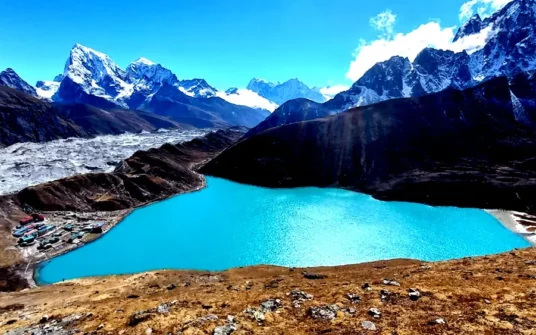



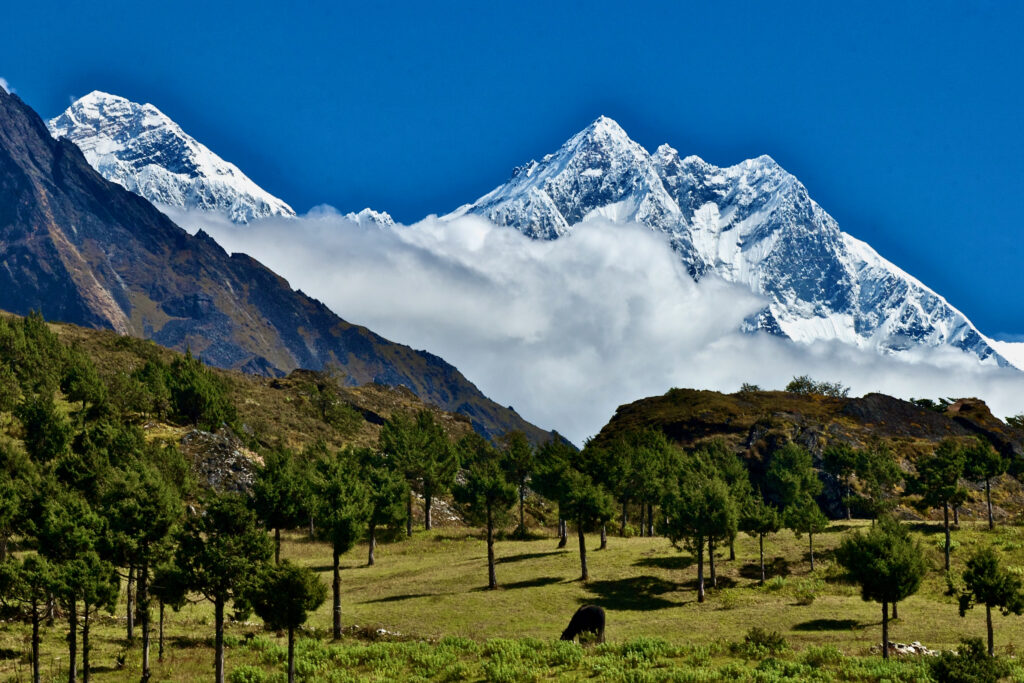
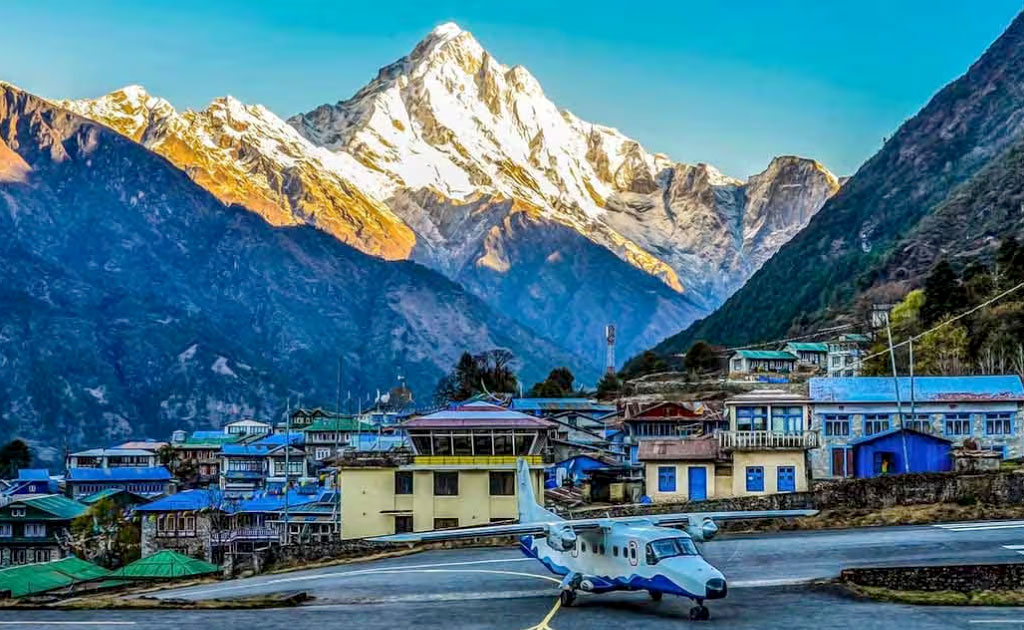
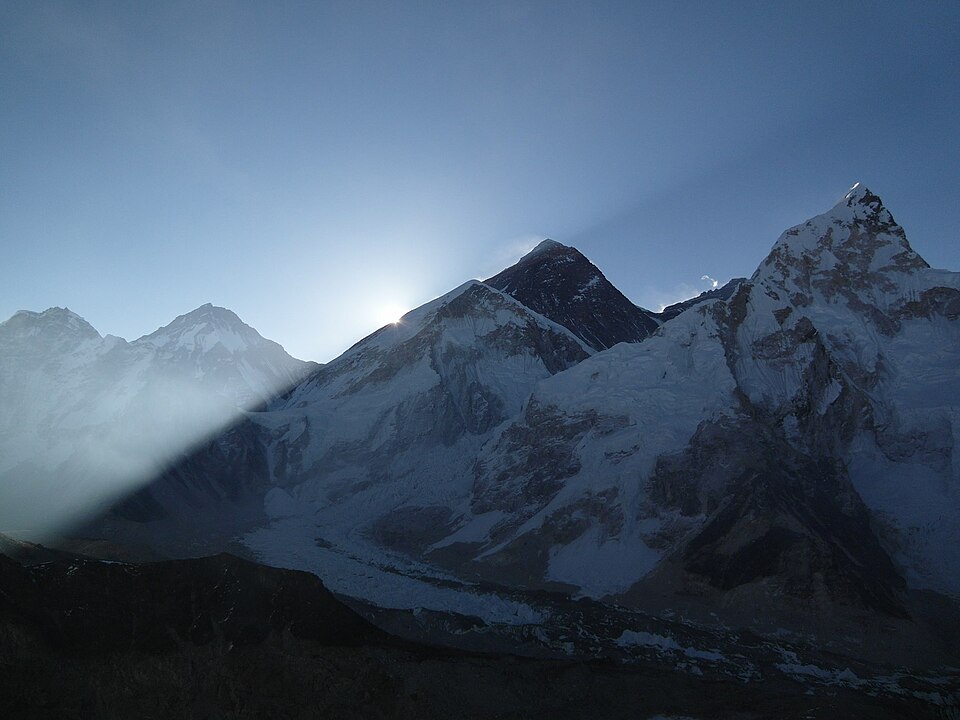
My Life Best Trip With Nepal Trip Services
The Classic Everest Base Camp Trek Was One Of The Most Memorable Adventures I Have Ever Experienced. The Mountain Views, Sherpa Villages And Time Spent In The Khumbu Region Were Amazing. Our Guide Was Friendly, Knowledgeable And Patient.
An Unforgettable Journey To Everest Base Camp
The Classic Everest Base Camp Trek With Nepal Trip Services Was An Incredible Experience From Beginning To End. From Our Arrival In Kathmandu, Everything Was Well Organized And The Team Was Always Friendly, Professional, And Helpful.
The Trek Itself Was Challenging But Incredibly Rewarding. Walking Through Beautiful Sherpa Villages, Crossing Suspension Bridges, Visiting Monasteries, And Seeing Spectacular Himalayan Peaks Made Every Day Memorable. Our Guide Was Knowledgeable, Patient, And Always Attentive To Our Pace And Well-being, Especially At Higher Altitudes.
Reaching Everest Base Camp And Watching The Sunrise Over The Himalayas Was The Highlight Of The Journey. The Support From Our Guide And Porter Gave Us Confidence Throughout The Trek And Allowed Us To Enjoy The Experience Without Unnecessary Stress.
I Highly Recommend Nepal Trip Services To Anyone Dreaming Of Trekking To Everest Base Camp. It Was A Truly Unforgettable Adventure And A Journey I Will Always Remember.
Amazing Everest Base Camp Experience
Our Classic Everest Base Camp Trek With Nepal Trip Services Was Truly Unforgettable. Everything Was Well Organized, And Our Guide Was Professional, Knowledgeable, And Supportive Throughout The Journey. The Stunning Himalayan Views, Sherpa Villages, And Reaching Everest Base Camp Made This An Incredible Adventure. Highly Recommended!
The Best Trip Of My Life With Nepal Trip Services
I Booked The Classic Everest Base Camp Trek As A First-timer, And The Pacing Made It Feel Manageable. The Flight Into Lukla Was Short But Exciting, And The Climb Up To Namche Bazaar On Day Three Was The First Real Test. I Was Glad We Stayed Two Nights There, Because The Hike Toward The Everest View Hotel Gave Us Our First Proper Look At Everest And Ama Dablam. Tengboche Monastery Was Calm And Beautiful, And Dingboche Felt Like A Different World, All Stone Walls And Open Sky. Our Guide Checked Our Oxygen Levels Each Evening And Kept Reminding Us To Drink Water And Walk Slowly. The Teahouses Were Basic Higher Up, But The Dal Bhat Kept Us Going. Base Camp Was Cold And Rocky, Yet Standing There Felt Emotional. The Next Morning, The Sunrise From Kala Patthar Was The Moment I Will Remember Most. It Was Hard Work, But Worth Every Step.
A Solo Trek That Never Felt Lonely
I Trekked Solo, So I Was A Little Worried About Being On My Own For Two Weeks, But Having A Guide Made It Easy. Kathmandu Was A Busy Start, And The Briefing The Evening Before The Lukla Flight Answered Most Of My Questions. My Favourite Part Of The Early Days Was The Acclimatization Hike To Khumjung, A Quiet Village Where We Saw Children Heading To The Hillary School. Tengboche Was Special Too, And I Managed To Catch The Evening Prayers With The Monks. Above Dingboche The Walking Got Slower, And I Learned To Take It One Teahouse At A Time. The Food Was Simple But Filling, And The Apple Pie In Namche Was A Nice Treat. I Found Base Camp Less Dramatic Than I Imagined, But Kala Patthar At Dawn Changed That. I Came Home Tired And Very Happy.