Kathmandu, Nepal: Complete Travel & Cultural Guide
By Nepal Trip Services On 28 Sep 2026

By Nepal Trip Services On 28 Sep 2026
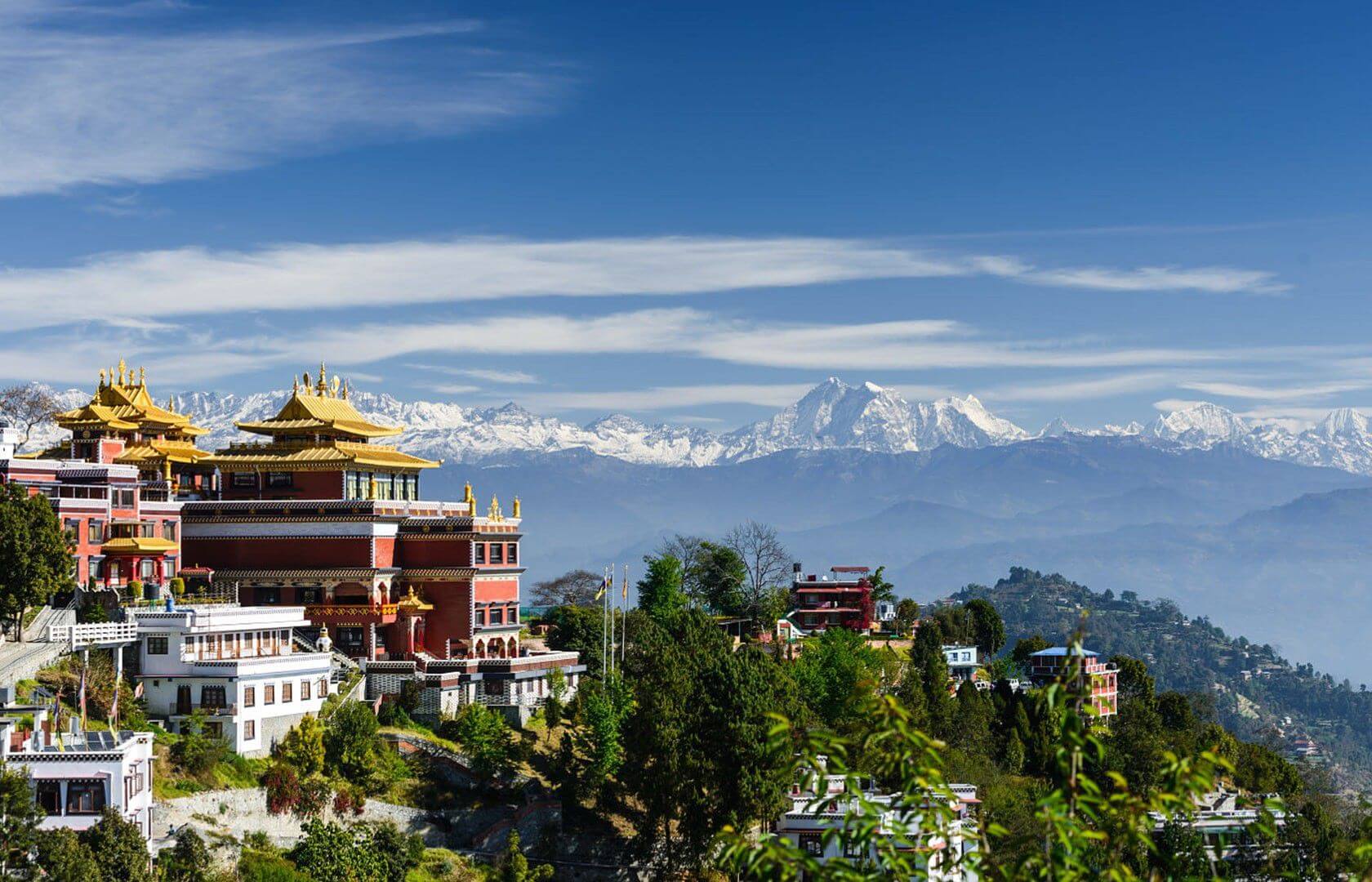
Kathmandu is a city that overwhelms the senses in the best possible way. Golden temple spires rise above red-brick courtyards, incense drifts through narrow medieval lanes, prayer wheels spin beside motorbikes, and the snow-capped Himalayas float on the horizon on clear mornings. Every corner seems to hold something unexpected, whether it's a centuries-old shrine tucked between shops, a festival procession filling a square, or a street vendor serving steaming momos beside a carved wooden window. As the capital of Nepal and the gateway to the world's highest mountains, Kathmandu is a place where living religion, ancient art, and modern life exist side by side, and where seven UNESCO World Heritage monument zones sit within a single valley. It is also the starting point for many of the country's best-loved adventures, from Everest and Annapurna treks to cultural tours across Nepal. This complete guide from Nepal Trip Services covers the city's history, culture, must-see attractions, food, festivals, and practical travel tips, so you can plan a rewarding visit and experience the best of Kathmandu with confidence.
Kathmandu is the capital and largest city of Nepal, set in the Kathmandu Valley at an altitude of roughly 1,400 meters (about 4,600 feet). The valley is ringed by green hills and is home to the neighboring cities of Lalitpur (Patan) and Bhaktapur, along with a remarkable concentration of temples, stupas, and palaces.
The city's name is often linked to Kasthamandap, an ancient wooden pavilion in the old city, whose name comes from the Sanskrit words for "wood" and "pavilion." Today Kathmandu is Nepal's political, cultural, and economic center, and nearly every international visitor passes through it.
| Detail | Information |
|---|---|
| Country | Nepal |
| Role | Capital and largest city |
| Altitude | About 1,400 m (4,600 ft) |
| Main Airport | Tribhuvan International Airport (KTM) |
| Languages | Nepali, Newari, English widely understood in tourist areas |
| Currency | Nepalese Rupee (NPR) |
| Main Religions | Hinduism and Buddhism, often blended |
| UNESCO Sites in the Valley | Seven monument zones, inscribed in 1979 |
| Best Seasons | Autumn and spring |
| Recommended Stay | 3 – 5 days |
The Kathmandu Valley has been inhabited for well over two thousand years, and early rulers such as the Licchavis left inscriptions and monuments dating back many centuries. Over time, the valley grew wealthy as a trading hub between India and Tibet, and this prosperity funded extraordinary art and architecture.
The Malla dynasty (roughly the 12th to 18th centuries) presided over a golden age. The valley was divided into rival city-kingdoms, Kathmandu, Patan, and Bhaktapur, each competing to build the most impressive palaces, temples, and public squares. Much of what visitors admire today comes from this era.
In 1768, Prithvi Narayan Shah of Gorkha conquered the valley and unified the region into the kingdom of Nepal, making Kathmandu its capital. The Shah dynasty and, later, the hereditary Rana prime ministers ruled until the mid-20th century, after which Nepal moved through a period of political change, eventually becoming a federal democratic republic in 2008.
On April 25, 2015, a powerful earthquake struck Nepal, damaging or destroying many historic buildings in Kathmandu and beyond. Restoration and reconstruction have been carried out steadily since, often using traditional materials and craftsmanship. Today, most major heritage sites are open to visitors, and you may still see restoration work underway in places.
Kathmandu is a meeting point of many communities, languages, and beliefs. The valley's indigenous people, the Newars, are known for their artistry, cuisine, festivals, and distinctive architecture, but the city is also home to Brahmins, Chhetris, Tamangs, Sherpas, Tibetan communities, and people from all over Nepal.
Hinduism and Buddhism coexist here in a uniquely harmonious way, and it's common to see temples and stupas sharing courtyards, or a single shrine visited by worshippers from both traditions. Key cultural features include:
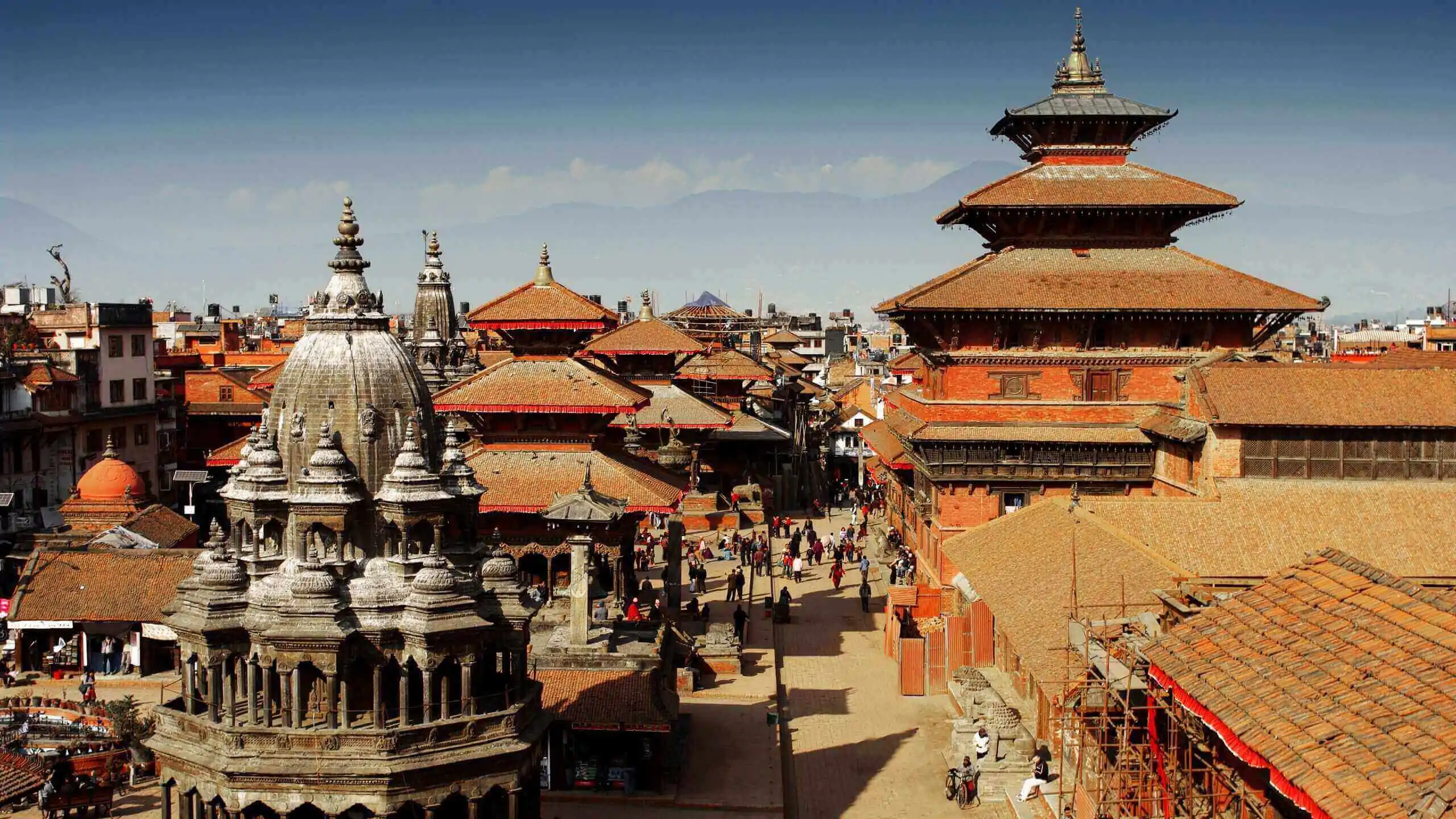
Kathmandu Durbar Square is the historic royal palace complex at the heart of the old city, once the seat of the Malla and Shah kings. Its courtyards are filled with pagoda temples, carved wooden windows, and stone sculptures, and it is home to the Kumari Ghar, where the Living Goddess resides. As a UNESCO World Heritage Site, it is one of the best places to feel the city's medieval character. Visit early in the morning for softer light and fewer crowds, and allow two to three hours to explore properly.
Swayambhunath is a hilltop Buddhist stupa west of the city, famous for its all-seeing Buddha eyes, 365 steps, and resident monkeys. It is sacred to both Buddhists and Hindus, and its gilded spire, prayer wheels, and small shrines make it a fascinating place to wander. From the top, panoramic views stretch across the Kathmandu Valley, and on clear days you can see the distant Himalayas. Sunrise and late afternoon are the best times to visit, but keep your food and loose items secure around the monkeys.
Boudhanath is one of the largest stupas in the world and the center of Tibetan Buddhist life in Nepal. Its massive white dome, golden spire, and painted Buddha eyes rise above a lively plaza ringed with monasteries, shops, and rooftop cafés. Walking the kora, the clockwise circuit around the dome, among pilgrims and monks is a calming, memorable experience. Visit at dawn for quiet devotion or at dusk, when hundreds of butter lamps flicker around the stupa.
Pashupatinath is a sacred Hindu temple complex dedicated to Lord Shiva on the banks of the Bagmati River. It is known for its golden pagoda roof, riverside ghats, wandering sadhus, and the evening aarati ceremony. Open-air cremations take place daily along the river, offering a powerful glimpse into Hindu beliefs about life and death, which should be observed with quiet respect. Non-Hindus cannot enter the main sanctum but can explore the wider complex and view the temple from the opposite bank.
Thamel is the lively tourist district packed with guesthouses, cafés, bookshops, trekking gear stores, restaurants, and live-music bars. It is the best base for many travelers and a natural starting point for treks, with agencies, equipment rentals, and money exchange all within a few streets. The narrow lanes are colorful and busy, so stay alert for traffic and bargain politely when shopping. Thamel is also within walking distance of Kathmandu Durbar Square and the Garden of Dreams.
The Garden of Dreams is a restored neoclassical garden near Thamel, offering a peaceful retreat from the busy streets. Its pavilions, pergolas, ponds, and manicured lawns make it a lovely place to relax with a book or a cup of coffee. A small entry fee usually applies, and the on-site café is popular for a quiet break between sightseeing. It is especially pleasant in the late afternoon, when the light is soft and the crowds thin.
The Narayanhiti Palace Museum is the former royal palace, now a museum telling the story of Nepal's monarchy and its transition to a republic. Visitors can walk through the grand reception halls, the throne room, and the royal bedrooms, and learn about the events that reshaped the country. It offers valuable historical context for understanding modern Nepal. Check the current opening days and rules on bags and cameras before you go, as they can change.
Asan Bazaar and Indra Chowk are bustling old-city markets where spices, textiles, brassware, and fresh produce spill onto narrow lanes. Wandering through them offers a colorful window into everyday life, with shopkeepers calling out, temples tucked between stalls, and the smell of incense and spices in the air. It's a great place to buy souvenirs, sample street snacks, and see how locals shop. Go in the morning, when the market is busiest and most atmospheric, and keep your belongings close in the crowds.
Budhanilkantha is a large reclining statue of Lord Vishnu, floating in a pool north of the city and revered by Hindus. Carved from a single block of black stone, the statue lies on a bed of coiled serpents and is one of the most striking religious sculptures in the valley. Devotees offer flowers, incense, and prayers, and the atmosphere is calm and devout. Only Hindus may enter the pool area, but everyone can see the statue from the surrounding fence, and the temple is a rewarding half-day trip.
Monasteries such as Kopan, on a hill above Boudhanath, offer meditation courses, teachings, and views over the valley for those seeking a more contemplative experience. Visitors can often join short introductory sessions, watch monks at prayer, or simply enjoy the peaceful gardens. Other monasteries around Boudhanath welcome respectful guests as well. Dress modestly, remove your shoes before entering prayer halls, and ask before taking photographs.
| Site | Type | Highlight |
|---|---|---|
| Kathmandu Durbar Square | Royal palace complex | Kumari Ghar, Hanuman Dhoka |
| Patan Durbar Square | Royal palace complex | Krishna Mandir, Patan Museum |
| Bhaktapur Durbar Square | Royal palace complex | 55-Window Palace, Nyatapola Temple |
| Swayambhunath | Buddhist stupa | Buddha eyes, hilltop views |
| Boudhanath | Buddhist stupa | Kora around the great dome |
| Pashupatinath | Hindu temple complex | Sacred Bagmati ghats |
| Changu Narayan | Hindu temple | One of the oldest temples in the valley |
Kathmandu is a delicious city, and eating is an essential part of the experience. Popular dishes include:
| Dish | Description |
|---|---|
| Dal bhat | Rice, lentil soup, vegetables, and pickles, Nepal's everyday staple |
| Momo | Steamed or fried dumplings with spicy dipping sauce |
| Newari khaja set | Beaten rice with a variety of Newar snacks and side dishes |
| Choila | Spiced grilled meat, a Newar specialty |
| Bara | Savory lentil patty, sometimes topped with egg or minced meat |
| Yomari | Sweet steamed dumpling, especially popular during festivals |
| Thukpa | Warm Tibetan-style noodle soup |
| Sel roti | Ring-shaped rice bread, often served during festivals |
| Milk tea (chiya) | Sweet, spiced tea served everywhere |
Vegetarian options are widely available, and the city also offers Tibetan, Indian, Chinese, and international cuisine.
| Festival | Approx. Timing | What to Expect |
|---|---|---|
| Maha Shivaratri | February/March | Pilgrims and sadhus gather at Pashupatinath |
| Holi | March | A festival of colors and water |
| Buddha Jayanti | April/May | Celebrates the Buddha's birth, enlightenment, and passing |
| Indra Jatra | September | Chariot processions, masked dances, Kumari's public appearance |
| Dashain | September/October | Nepal's biggest festival, with family gatherings and rituals |
| Tihar | October/November | The festival of lights, with lamps and colorful decorations |
| Losar | February/March | Tibetan New Year, celebrated around Boudhanath |
Festivals are unforgettable but crowded, so book accommodation early and expect some disruption to transport.
| Season | Months | Conditions |
|---|---|---|
| Autumn | September – November | Best season: clear skies, mild weather, major festivals |
| Winter | December – February | Cool and dry, with crisp mornings and fewer crowds |
| Spring | March – May | Warm and colorful, ideal for sightseeing and trekking |
| Monsoon | June – August | Rain and humidity, lush greenery, fewer tourists |
Autumn and spring are the most popular seasons for both sightseeing and trekking.
Most international visitors arrive at Tribhuvan International Airport (KTM), which connects to major hubs in Asia and the Middle East. Kathmandu is also reachable overland from India and other parts of Nepal, though flying is the easiest option for most travelers.
Visa options for most nationalities generally include:
Visa rules, fees, and requirements change, so always confirm the latest details with official sources before you travel.
| Area | Best For |
|---|---|
| Thamel | Nightlife, restaurants, trekking shops, first-time visitors |
| Boudha | Peaceful atmosphere, Tibetan Buddhist culture |
| Patan (Lalitpur) | Heritage, crafts, quieter stays |
| Lazimpat and Durbar Marg | Upscale hotels and dining |
| Hillside retreats | Views and calm just outside the city |
For many travelers, Kathmandu is the starting point of a Himalayan adventure, whether that's a trek to Everest Base Camp, the Annapurna region, Langtang, or Manaslu. Many trekkers spend a day or two here before departure to arrange permits, rent or buy gear in Thamel, and adjust to the pace of the country, and again afterward to rest and celebrate.
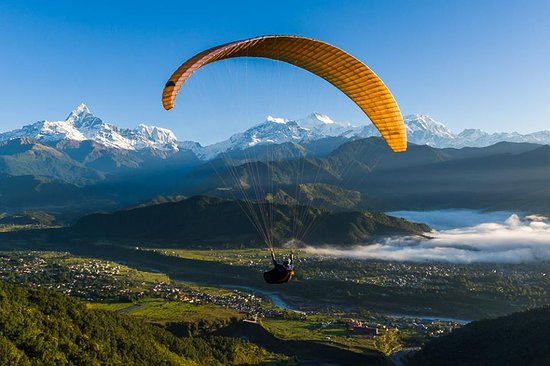
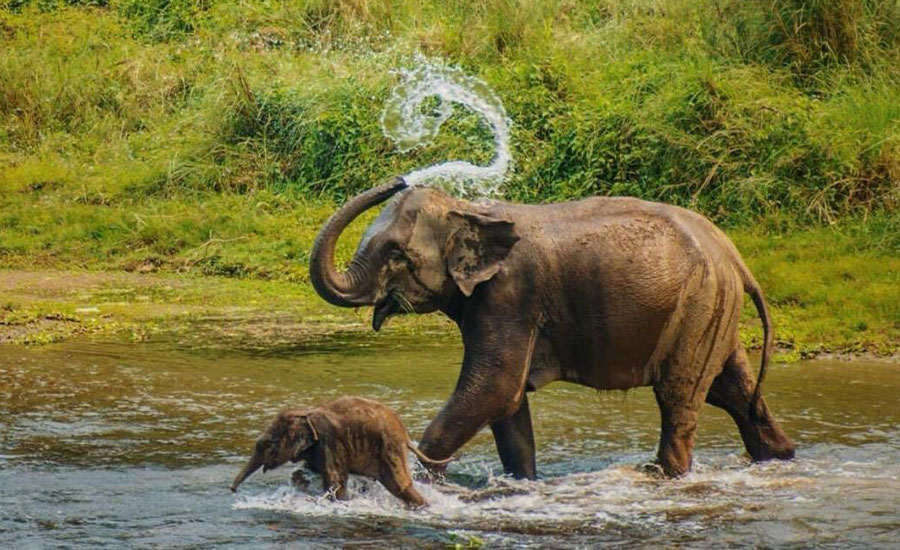
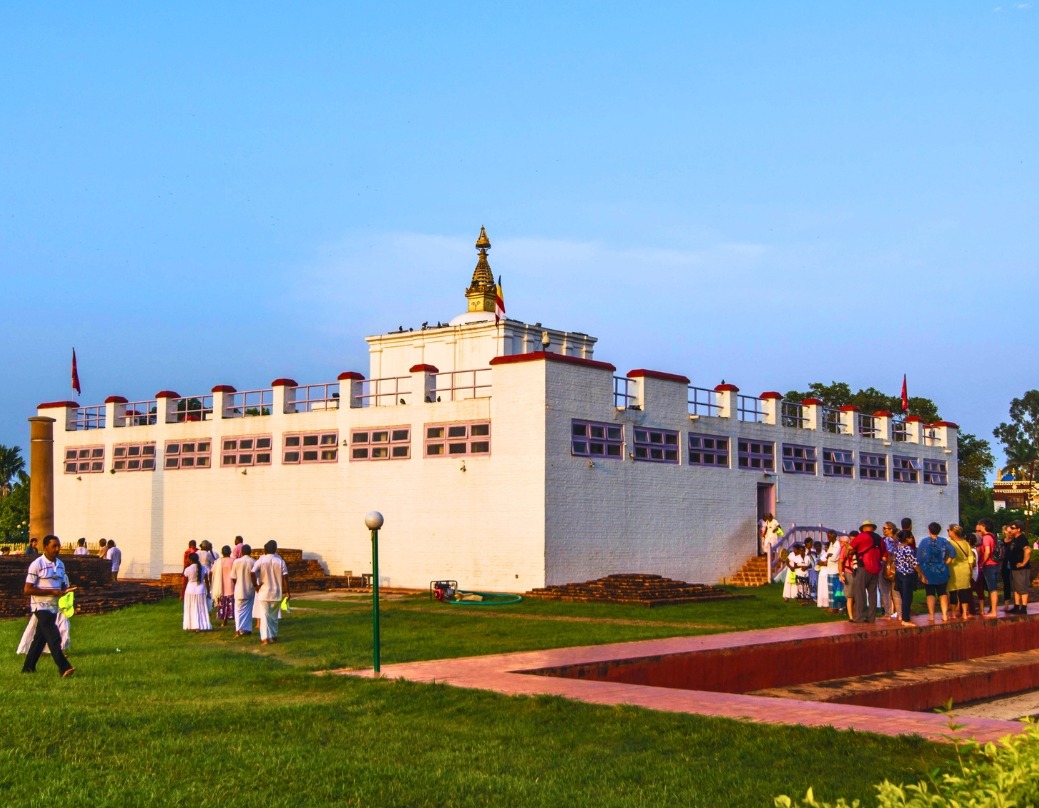
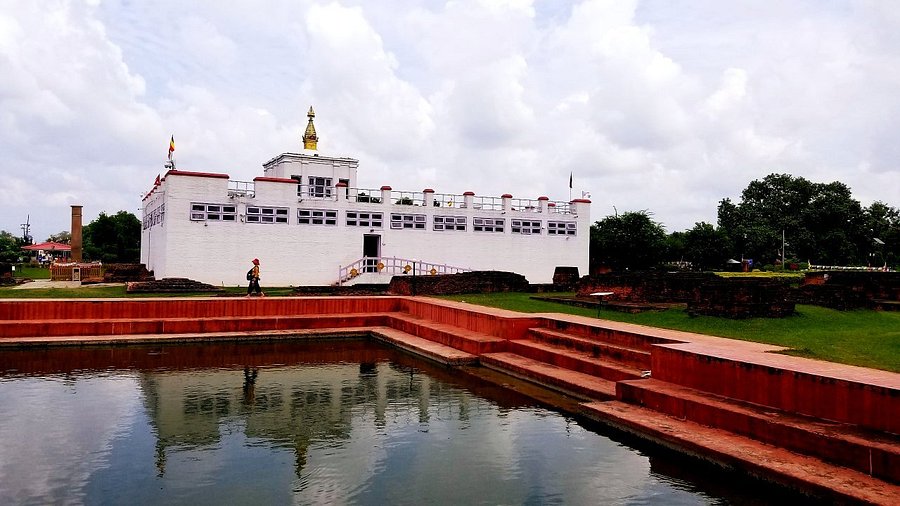
Kathmandu is just the beginning. Beyond the valley, Nepal offers the lakes and mountain views of Pokhara, thrilling wildlife safaris in Chitwan National Park, and the sacred birthplace of Lord Buddha in Lumbini. Nepal Trip Services can help you bring these experiences together in a well-planned journey, ideal for first-time visitors, families, and culture lovers who want a complete Nepal experience.
Kathmandu is not always easy, and it's not always quiet, but it is always memorable. Between the gilded stupas, carved temple struts, spice-scented markets, and the friendly warmth of its people, the city offers a rich, layered introduction to Nepal that few destinations can match. Give it a few days, wander without a rigid plan, and let it reveal itself one courtyard, one cup of tea, and one conversation at a time.
For a smooth, insightful, and well-organized trip, Nepal Trip Services can help you explore Kathmandu and the rest of Nepal with expert local guidance and carefully planned itineraries, and let Nepal's living heritage inspire your journey.
Discover more articles that match your interests! Explore these similar blogs packed with insights, tips, and stories to keep you inspired.
Plan your Pokhara trip with this complete guide to Phewa Lake, Sarangkot sunrise, paragliding, Annapurna treks, food, co...
Plan your Chitwan trip with this complete guide to jungle safaris, rhinos, tigers, Tharu culture, costs, the best time t...
Explore Lumbini, Buddha\\'s birthplace: Maya Devi Temple, Ashoka Pillar, monasteries, costs, best time to visit & how to...
Visit Maya Devi Temple, Buddha\'s birthplace in Lumbini. Explore its history, the Marker Stone, visitor rules, opening h...
Plan your Nagarkot trip: Himalayan sunrise views, View Tower, hikes to Changu Narayan & Dhulikhel, best time, hotels, ho...
Visit Changu Narayan, Nepal\\'s oldest Hindu temple near Bhaktapur. Explore history, sculptures, entry fee, how to get t...