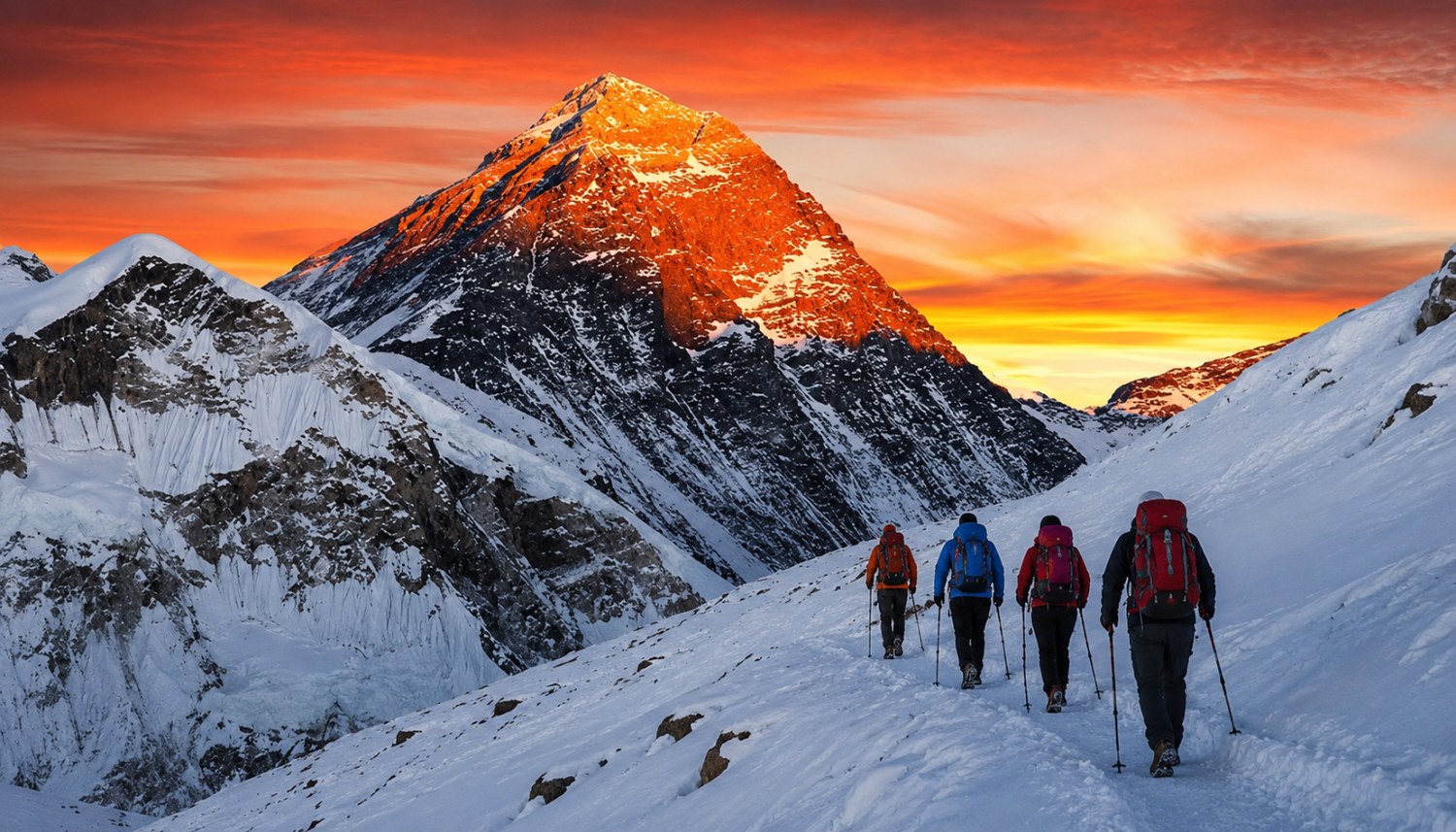
Deboche, Nepal: Complete Travel & Trekking Guide
By Nepal Trip Services On 27 Sep 2026

By Nepal Trip Services On 27 Sep 2026
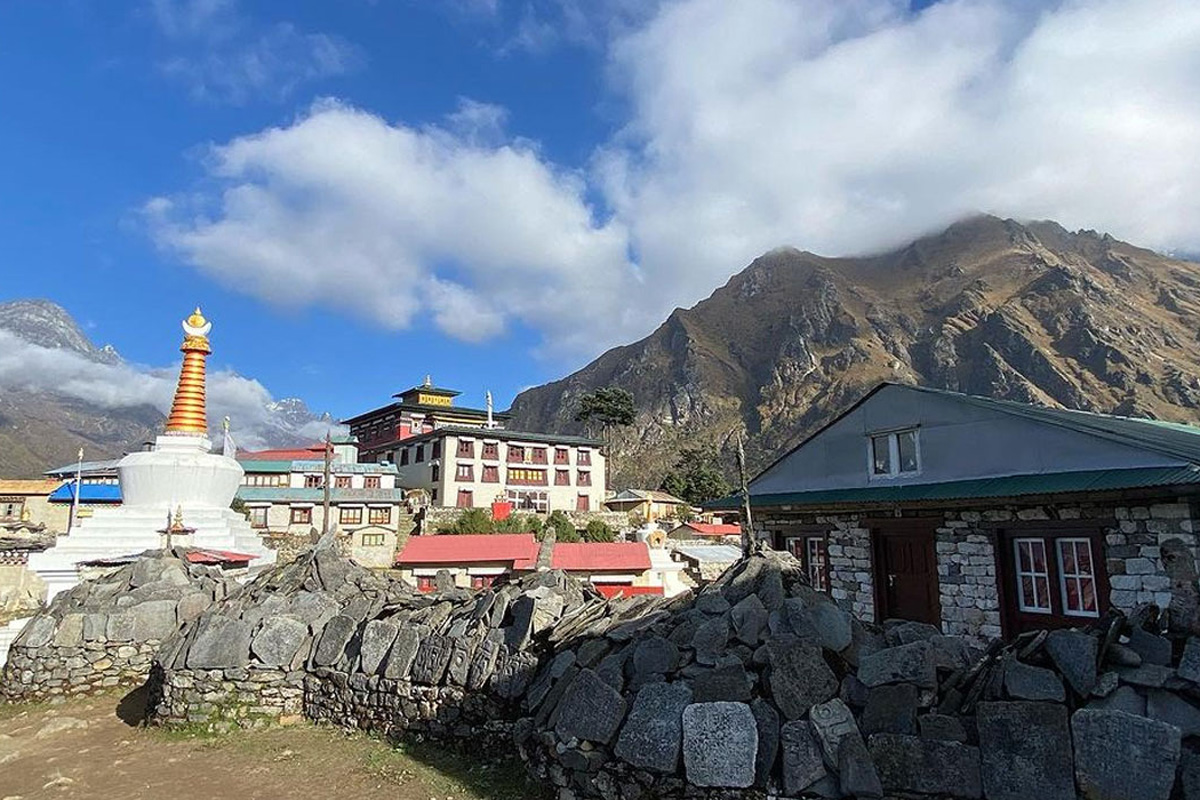
Just a short walk beyond the famous Tengboche Monastery lies Deboche — a peaceful, sheltered village that many trekkers pass through quickly, yet one that offers some of the most restful nights and rich cultural encounters on the entire route to Everest Base Camp. Tucked into a rhododendron forest and shielded from the harsh winds that sweep across the ridge above, Deboche is a quiet gem along the Classic Everest Base Camp Trek, offering trekkers a warmer resting spot, a historic nunnery, and a gentler pace before the trail pushes higher into the Khumbu. This complete guide covers everything you need to know about Deboche, from its location and history to practical trekking tips.
Deboche (also spelled Debuche or Diboche) is a small village in the Khumbu region of Nepal's Solukhumbu District, sitting at an altitude of approximately 3,820 meters (12,533 feet). It lies just below Tengboche, nestled between Tengboche and Pangboche along the Everest Base Camp trail, roughly a 20–30 minute walk downhill from the Tengboche Monastery.
Although close in elevation to Tengboche, Deboche sits in a more sheltered position within a forested valley, making it noticeably warmer and less wind-exposed than its famous neighbor on the ridge above.
While often overshadowed by Tengboche's iconic monastery, Deboche plays a quiet but important role for trekkers:
Deboche's most notable landmark is its old Buddhist nunnery, home to Buddhist nuns who have maintained a spiritual presence in the village for generations. The nunnery was significantly damaged during the devastating 2015 Gorkha earthquake, and reconstruction efforts have been ongoing since. Visitors can still view its colorfully painted exterior, offering a glimpse into the resilience of Sherpa Buddhist traditions even after natural disaster.
The presence of this nunnery links Deboche closely with Tengboche Monastery above it, together forming an important religious complex within the upper Khumbu valley.
| Detail | Information |
|---|---|
| Distance | Approx. 1–1.5 km |
| Duration | 20–30 minutes |
| Trail Type | Downhill forest path |
| Elevation Change | Slight descent from Tengboche (~3,867 m) to Deboche (~3,820 m) |
| Forest Type | Rhododendron and juniper |
Although short, the walk from Tengboche to Deboche passes through one of the most scenic forested sections of the entire Everest Base Camp trail, particularly beautiful in spring when rhododendrons bloom in vivid shades of red and pink.
The village's historic nunnery remains a point of spiritual and cultural interest, even in its partially restored state following earthquake damage. Respectful visitors can view the exterior and learn about the role of Buddhist nuns in Sherpa religious life.
The surrounding forest offers peaceful short walks, especially rewarding during the spring blooming season when the trail becomes lined with color.
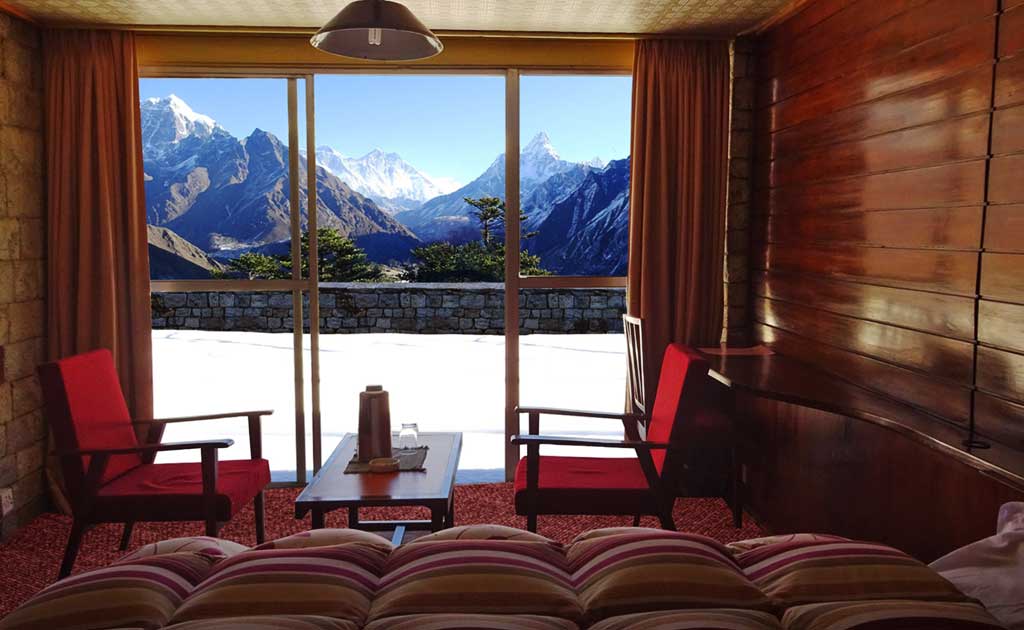
While more forested and sheltered than Tengboche, clear breaks in the trees around Deboche still offer glimpses of nearby peaks, including Ama Dablam.
Unlike the busier trekking hubs, Deboche offers a slower, more intimate pace — an appealing stop for trekkers wanting a quieter night away from crowds.
Deboche offers a handful of well-known teahouses and lodges catering specifically to trekkers on the Everest Base Camp route:
| Lodge Type | What to Expect |
|---|---|
| Premium Lodge | Warmer common rooms, higher rates, better amenities |
| Mid-Range Lodges | Comfortable rooms, hearty meals, reasonable pricing |
| Budget Lodges | Basic rooms, simple meals, lower cost |
Popular options in the village include established names known for their warm dining rooms and mountain garden views, though amenities remain simple compared to lower-altitude villages like Namche Bazaar.
| Season | Months | Conditions |
|---|---|---|
| Spring | March – May | Rhododendrons in bloom, mild temperatures |
| Autumn | September – November | Clear skies, stable weather, peak trekking season |
| Winter | December – February | Cold, quiet trails, occasional snow |
| Monsoon | June – August | Rain, mist, and lush green forest |
Spring and autumn remain the best seasons, both for pleasant trekking weather and the added beauty of blooming rhododendron forests around the village.
From Deboche, the trail continues toward Pangboche, home to one of the oldest monasteries in the Khumbu region, before proceeding to Dingboche or Pheriche as trekkers approach the higher, more exposed sections of the Everest Base Camp route. This stretch offers stunning close-up views of Ama Dablam, one of the most photographed peaks in the Himalayas.
Deboche is a small village in the Khumbu region of Nepal's Solukhumbu District, located between Tengboche and Pangboche along the Everest Base Camp trail. It sits just below the famous Tengboche Monastery, nestled within a sheltered rhododendron and juniper forest.
Deboche sits at an elevation of approximately 3,820 meters (12,533 feet) above sea level, making it only slightly lower than nearby Tengboche (3,867 m), though its forested, sheltered position makes it feel notably warmer.
Deboche is very close to Tengboche, with the walk between the two villages taking only about 20 to 30 minutes along a downhill forest trail. This makes it easy for trekkers to visit Tengboche Monastery before continuing on to Deboche for the night.
Many trekkers prefer overnighting in Deboche because it is more sheltered from the strong winds that often sweep across the exposed Tengboche ridge, making for a warmer and more comfortable night's rest. It also offers a quieter, less crowded alternative to the busier lodges directly around the monastery.
Deboche is home to a historic Buddhist nunnery, sometimes referred to as Ani Gompa, which has served as an important spiritual site for Buddhist nuns in the Khumbu region for generations. The nunnery was significantly damaged during the 2015 Gorkha earthquake, and reconstruction has been an ongoing effort since.
Visitors can view the nunnery's colorfully painted exterior, but entering the damaged structure should be approached cautiously and respectfully, given the ongoing rebuilding process following earthquake damage. It's best to admire the site from outside unless local guidance indicates otherwise.
Deboche offers a handful of teahouses and lodges ranging from basic budget rooms to slightly more comfortable mid-range options, with warm common dining rooms being a popular feature. Amenities remain simple compared to larger hubs like Namche Bazaar, but the lodges are well-suited for a restful overnight stay.
The best times to visit are spring (March–May), when rhododendron forests around the village bloom in vibrant colors, and autumn (September–November), which offers the clearest skies and most stable trekking weather. Winter is cold but quiet, while monsoon season brings rain and reduced visibility.
No, the section through Deboche is considered relatively easy compared to other parts of the Everest Base Camp trek, involving a short, gentle downhill walk from Tengboche through forested terrain. It offers a welcome, low-effort stretch before the trail becomes more demanding further ahead.
Although Deboche's forested setting limits some panoramic views compared to open ridges like Tengboche, clear breaks in the trees still offer glimpses of nearby peaks, including the dramatic profile of Ama Dablam. Better mountain views typically resume as trekkers continue toward Pangboche.
After Deboche, the trail continues toward Pangboche, home to one of the oldest monasteries in the Khumbu region, before progressing to Dingboche or Pheriche as part of the acclimatization process heading toward Everest Base Camp. This stretch offers increasingly close and dramatic views of Ama Dablam.
Most lodges in Deboche offer basic electricity for charging devices and paid Wi-Fi access, though connections can be slow and inconsistent given the remote, high-altitude location. It's wise to carry a power bank and not rely solely on village connectivity.
Yes, at nearly 3,820 meters, altitude-related symptoms can begin to appear, so trekkers should continue practicing gradual ascent, proper hydration, and awareness of early symptoms of acute mountain sickness (AMS). Since Deboche is close in elevation to Tengboche, it does not typically require a separate acclimatization day, but general altitude precautions still apply.
While Tengboche is known for its iconic monastery, panoramic ridge-top views, and busier atmosphere, Deboche offers a quieter, warmer, and more sheltered forest setting just a short walk away. Many trekkers view the two villages as a complementary pair — visiting Tengboche's monastery during the day and retreating to Deboche's calmer environment for the night.
While a guide is not specifically required to pass through Deboche itself, current Nepal government regulations require most foreign trekkers in the Everest region to be accompanied by a licensed guide for the overall Everest Base Camp trek. A knowledgeable guide can also help provide cultural context about the nunnery, monastery, and local Sherpa Buddhist traditions found in the area.
Deboche may not carry the fame of Tengboche's towering monastery or the bustle of Namche Bazaar's markets, but it offers something equally valuable — a quiet, sheltered pause in the journey where trekkers can rest, reflect, and take in the spiritual atmosphere of its historic nunnery and surrounding forest. It's a reminder that some of the most meaningful moments on the trail happen not at the headline landmarks, but in the small, peaceful villages tucked just around the corner from them.
For trekkers seeking a well-paced route that includes time in quieter, culturally rich villages like Deboche alongside the major highlights of the Everest region, the Classic Everest Base Camp Trek is thoughtfully designed to balance adventure with rest — ensuring you experience both the grandeur and the gentle beauty of the Khumbu on your way to the top of the world.
Discover more articles that match your interests! Explore these similar blogs packed with insights, tips, and stories to keep you inspired.
Everything on Classic Everest Base Camp Trek permits for 2026–2027 — costs, requirements, where to get them & recent...
Discover the best season for the Classic Everest Base Camp Trek. Compare autumn, spring, winter & monsoon weather, views...
Explore the Classic Everest Base Camp Trek itinerary with detailed day-by-day routes, altitudes, trekking hours & acclim...
Discover what you\\\'ll eat and where you\\'ll sleep on the Classic Everest Base Camp Trek. Complete guide to teahouses,...
Discover the full cost breakdown of the Classic Everest Base Camp Trek — permits, flights, guides, porters, meals & ac...
Is the Classic Everest Base Camp Trek hard? Complete guide to difficulty level, altitude challenges, fitness needs & tra...