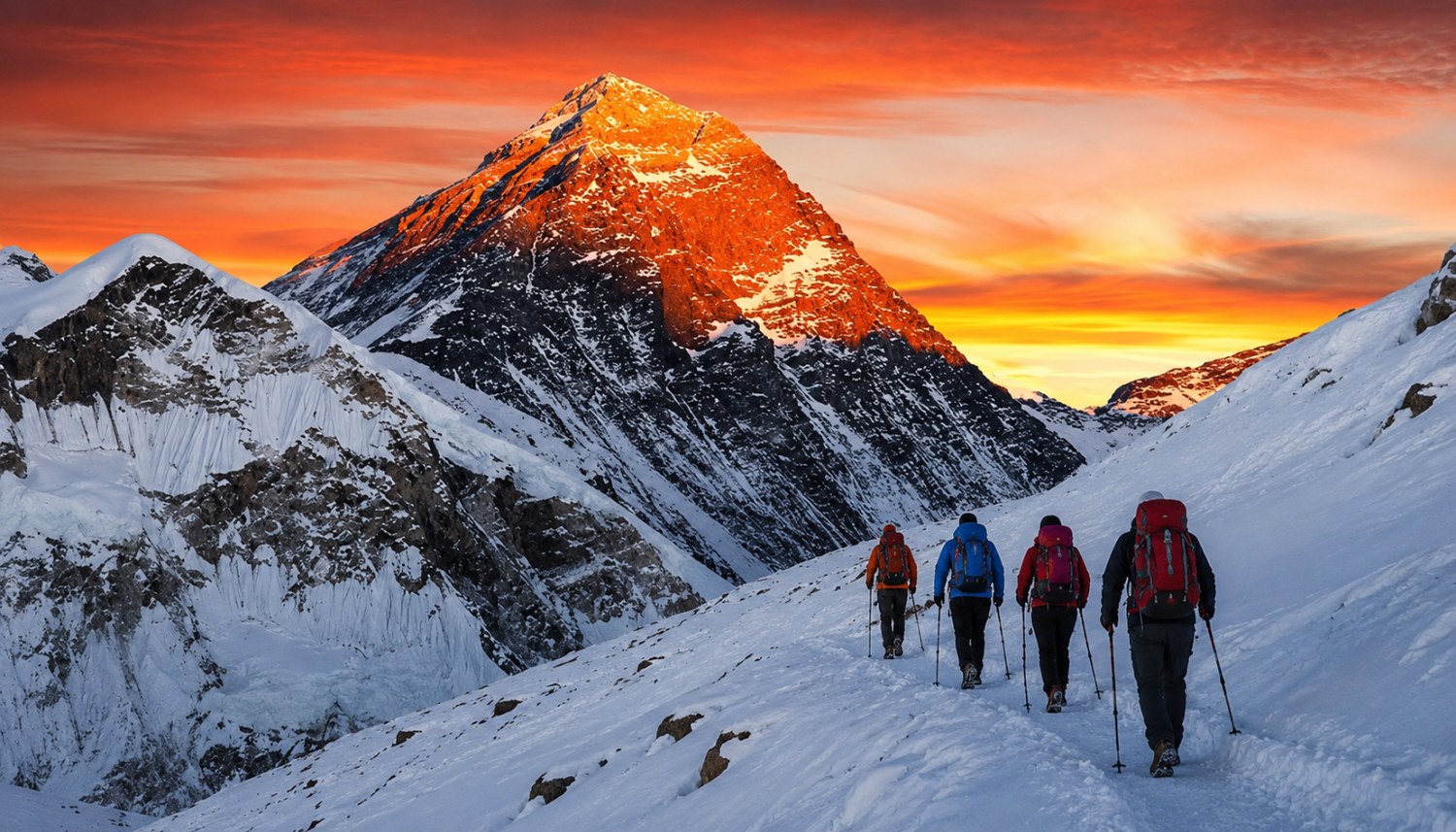
Classic Everest Base Camp Trek: Authentic Sherpa Hospitality
By Nepal Trip Services On 22 Sep 2026

By Nepal Trip Services On 22 Sep 2026
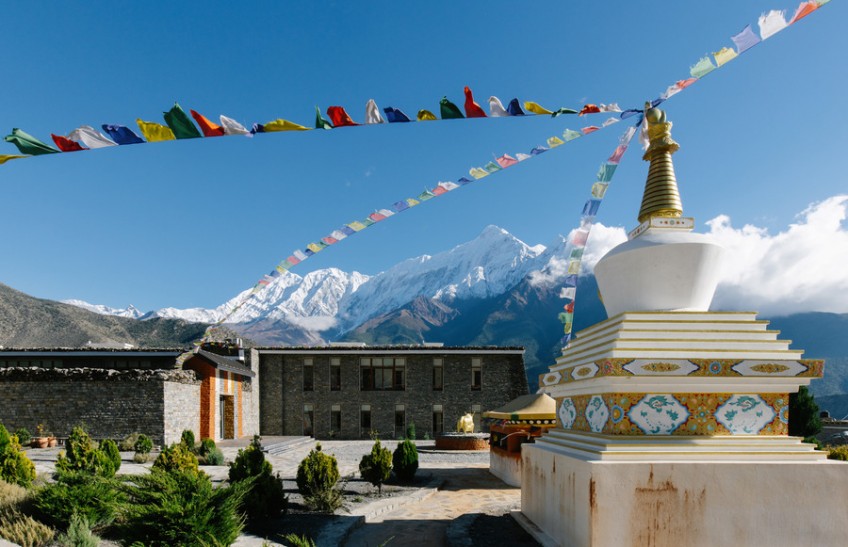
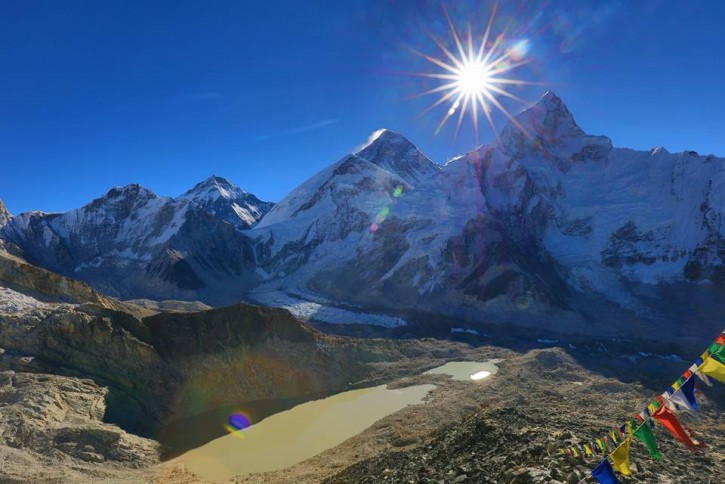
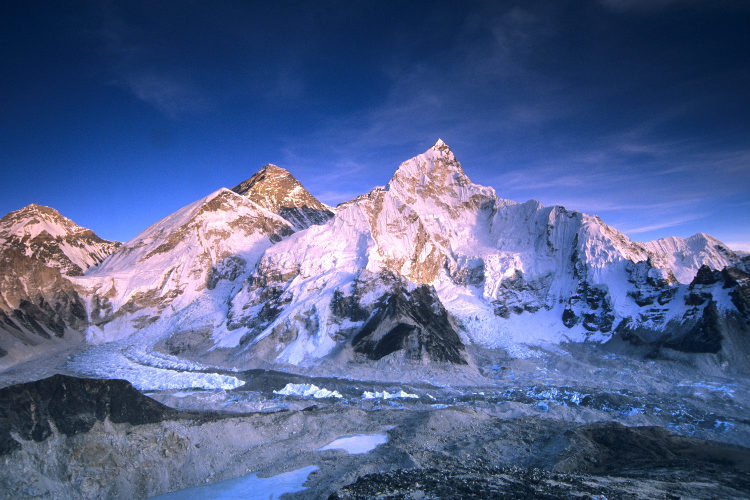
Walking through the Khumbu region on the Classic Everest Base Camp Trek, it doesn't take long to realize this journey is as much a cultural experience as it is a physical one. Long before you reach the icy moraine of Base Camp itself, you'll have crossed prayer flag-draped bridges, passed centuries-old monasteries, and shared countless evenings in teahouse dining halls warmed as much by conversation as by the wood stove at the center of the room. This complete guide explores the Sherpa people's rich heritage, deep spiritual traditions, and legendary hospitality — the human heart of every trek through this legendary mountain region, and the quiet, unforgettable thread that runs through the entire journey to Everest Base Camp.
The Sherpa people are an ethnic group renowned worldwide for their exceptional mountaineering skills and deep spiritual connection to the Himalaya, which they regard as sacred. Their name itself, derived from Tibetan, translates to "people from the east," reflecting their origins from the Kham region of eastern Tibet.
| Detail | Information |
|---|---|
| Origin | Kham region, eastern Tibet |
| Migration Period | 12th–15th centuries (approximately 400+ years ago) |
| Primary Region | Solukhumbu District, Nepal |
| Religion | Nyingmapa Tibetan Buddhism, blended with animistic beliefs |
| Population (Nepal, 2011 census) | 512,946 |
| Language | Tibeto-Burman (Sherpa dialect) |
| Guardian Deity | Khumbu ("Khumbu country god") |
According to Sherpa oral history, four groups migrated from Kham in Tibet to Solukhumbu at different times, giving rise to the four fundamental Sherpa clans: Minyakpa, Thimmi, Sertawa, and Chawa, which gradually split into over 20 clans that exist today. This migration, likely driven by religious conflict and political changes in eastern Tibet, brought with it deep Tibetan Buddhist traditions that continue to define Sherpa identity.
Sherpas practice the Nyingmapa school of Tibetan Buddhism, the oldest of Tibet's Buddhist traditions. Religion isn't a weekly ritual here — it permeates daily existence through:
To Sherpas, Everest — known locally as Sagarmatha or Chomolungma — is not simply a mountain to summit, but a sacred being. This belief shapes how Sherpas approach climbing, mountain rituals, and even everyday speech about the peaks surrounding their homeland.
Buddhism likely arrived in the Khumbu region toward the end of the 17th century, brought by Lama Sange Dorjee from Rongbuk Monastery in Tibet. According to legend, he flew over the Himalaya and landed at Pangboche and Tengboche, later founding the region's first gompas (monasteries) at Pangboche and Thami.
The Khumbu Valley itself holds special significance as a "beyul" — a sacred hidden valley set aside by Guru Rinpoche, the founder of Buddhism, as a refuge in times of trouble.
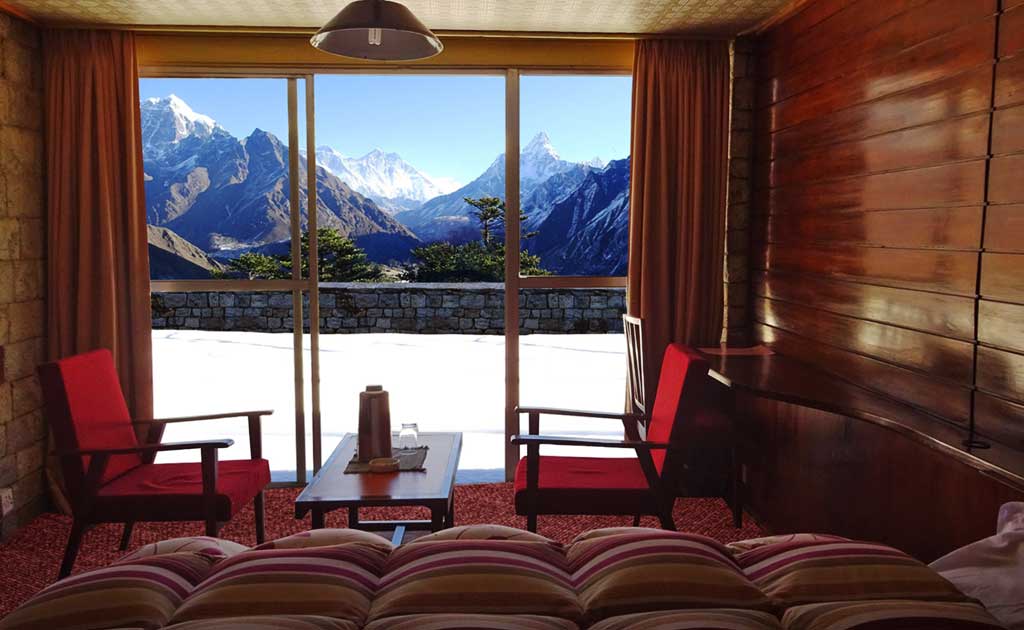
Sherpa Buddhist teaching emphasizes a spiritual understanding between all beings, common in animistic religions — and this belief directly explains the warmth and open acceptance travelers experience throughout the Khumbu. Hospitality here isn't a tourism strategy; it's a natural extension of deeply held spiritual values, expressed nightly in teahouse dining halls where hosts share tea, stories, and genuine warmth with tired trekkers.
Generations of high-altitude living have given Sherpas measurable physiological advantages in processing oxygen — a genuine result of natural selection rather than myth, explaining their renowned strength and endurance in the thin mountain air that challenges most trekkers.
Modern Namche Bazaar beautifully illustrates how Sherpa culture has adapted without abandoning its spiritual foundation:
The Sherpa people are an ethnic group originally from the Kham region of eastern Tibet, renowned worldwide for their exceptional mountaineering skills and deep spiritual connection to the Himalaya, which they regard as sacred.
Sherpa ancestors migrated from Tibet to the Solu-Khumbu region of Nepal between the 12th and 15th centuries, primarily driven by the search for pasturelands and religious differences.
Sherpas practice the Nyingmapa school of Tibetan Buddhism, the oldest of Tibet's Buddhist traditions, blended with animistic beliefs that shape their reverence for mountains and natural elements.
The name "Sherpa" translates to "people from the east" in Tibetan, directly reflecting their ancestral migration route from eastern Tibet into the Himalaya.
Sherpas view Everest, known locally as Sagarmatha or Chomolungma, not merely as a mountain to summit but as a sacred being, a belief that shapes their approach to climbing, mountain rituals, and daily life.
Sherpa Buddhist teaching emphasizes a spiritual understanding between all beings, which naturally extends to warmth and open acceptance of travelers, making hospitality a genuine cultural value rather than a tourism performance.
Tengboche was the first celibate monastery in Solu-Khumbu and remains one of the most important spiritual centers for the Sherpa community, offering trekkers a chance to witness genuine Buddhist ritual.
Mani walls and prayer wheels are sacred Buddhist structures found throughout Khumbu villages, and tradition dictates that trekkers should always pass them on the left, walking clockwise, out of respect.
The Saturday Market is a centuries-old trading tradition where locals exchange goods including fresh produce and handwoven textiles, though it was formally established in the mid-1960s by an army officer stationed in Namche.
Yes, generations of high-altitude living have given Sherpas measurable physiological advantages in processing oxygen, a genuine result of natural selection rather than myth.
Modern Namche Bazaar illustrates this balance well, with satellite internet and espresso machines existing alongside spinning prayer wheels and family-run bakeries, showing adaptation without losing spiritual foundation.
Yak herding, potato farming, and trans-Himalayan trade remain central to Sherpa life, alongside modern livelihoods in mountaineering guiding, portering, and tourism-related work.
The Khumbu Valley holds special significance as a "beyul," a sacred hidden valley set aside by Guru Rinpoche, the founder of Buddhism, as a refuge in times of trouble.
Trekkers should ask permission before photographing locals or monasteries, dress modestly near religious sites, remove shoes before entering gompas, and support local economies by staying in family-run teahouses.
Lamas, or religious teachers, hold significant community influence in Sherpa villages, guiding daily spiritual practice and playing an important role in decisions affecting both individuals and the wider community.
The Sherpa people's story is one of migration, adaptation, and deep spiritual devotion — a heritage that transforms the Classic Everest Base Camp Trek from a purely physical challenge into a genuinely meaningful cultural journey. Their legendary hospitality isn't performance; it's a natural expression of Buddhist values that have shaped Khumbu life for over 400 years. For trekkers walking this legendary trail, understanding and respecting Sherpa culture adds a dimension to the journey that few other trekking experiences in the world can match.
Ready to experience authentic Sherpa hospitality for yourself? Explore the complete Classic Everest Base Camp Trek itinerary with Nepal Trip Services and discover the rich culture behind one of the world's most legendary trekking routes.
Discover more articles that match your interests! Explore these similar blogs packed with insights, tips, and stories to keep you inspired.
Everything on Classic Everest Base Camp Trek permits for 2026–2027 — costs, requirements, where to get them & recent...
Discover the best season for the Classic Everest Base Camp Trek. Compare autumn, spring, winter & monsoon weather, views...
Explore the Classic Everest Base Camp Trek itinerary with detailed day-by-day routes, altitudes, trekking hours & acclim...
Discover what you\\\'ll eat and where you\\'ll sleep on the Classic Everest Base Camp Trek. Complete guide to teahouses,...
Discover the full cost breakdown of the Classic Everest Base Camp Trek — permits, flights, guides, porters, meals & ac...
Is the Classic Everest Base Camp Trek hard? Complete guide to difficulty level, altitude challenges, fitness needs & tra...