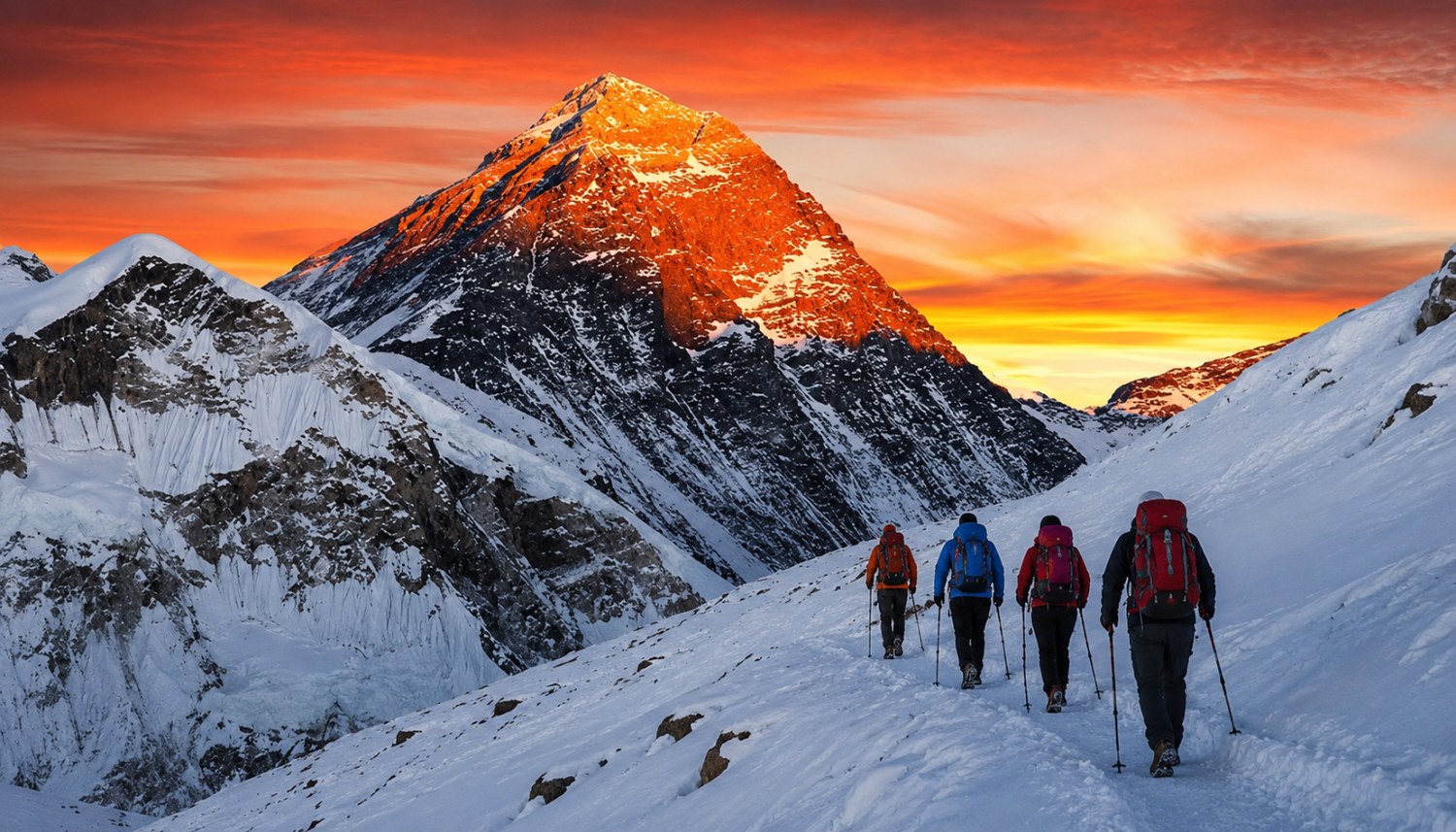
Sherpa Museums In Nepal: Culture, History & Heritage
By Nepal Trip Services On 23 Sep 2026

By Nepal Trip Services On 23 Sep 2026
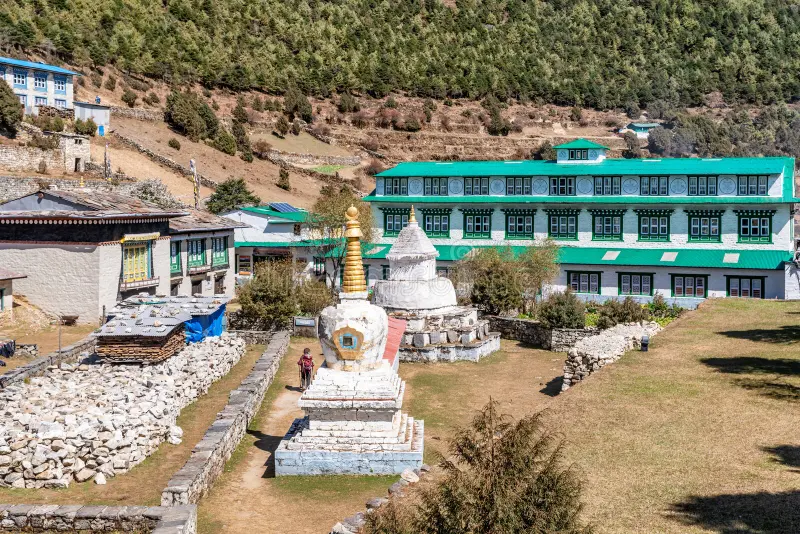
Tucked away in the shadow of the world's highest peaks, the Everest region is home to far more than snow-capped summits and Instagram-worthy suspension bridges. It is the ancestral homeland of the Sherpa people — a community whose courage, spirituality, and mountaineering legacy have shaped the story of Himalayan exploration for over a century. For travelers who want to understand the people behind the peaks, a handful of small but deeply meaningful museums scattered across the Khumbu region offer a window into Sherpa life, faith, and history.
This guide takes you through the most important Sherpa museums in Nepal, what you'll find inside them, and how to fit them into your Everest region itinerary — including the classic route to Everest Base Camp.
Before diving into the museums themselves, it helps to understand who the Sherpas are. The word "Sherpa" comes from the Tibetan words Shar (east) and Pa (people), meaning "people from the east." Originally migrating from eastern Tibet several centuries ago, the Sherpas settled in the high valleys of Solukhumbu, adapting to extreme altitude and building a culture rooted in Tibetan Buddhism, yak herding, trade, and — eventually — mountaineering.
Since Tenzing Norgay Sherpa co-summited Mount Everest with Sir Edmund Hillary in 1953, the Sherpa community has become globally synonymous with high-altitude expedition support, earning international respect as elite climbers, guides, and cultural custodians of the Himalayas.
Trekkers often rush through Khumbu villages focused solely on reaching Everest Base Camp, but slowing down to visit a local museum adds genuine depth to the journey. Here's why it's worth the detour:
The Sherpa Culture Museum is the most well-known and frequently visited museum in the entire Khumbu region. Located in Namche Bazaar, this privately owned museum is maintained by a local photographer and built in traditional Sherpa architectural style, preserving old and rare Sherpa artifacts in a setting that resembles the traditional Sherpa way of life.
The building recreates a traditional Sherpa household, complete with a family room, prayer room, stable, and yard, offering a holistic view of both the domestic and religious aspects of Sherpa life. Inside, visitors can browse a rich collection of photographs documenting Sherpa climbers who have summited Mount Everest, including legendary figures like Tenzing Norgay Sherpa and Ang Rita Sherpa.
The museum is curated by local photographer Lhakpa Sonam and sits in Chhokrung along the Everest Base Camp trail, roughly a 20-minute walk from the center of Namche. Visitors can also see a statue of Tenzing Norgay along with sweeping views of Lhotse and Everest from the museum grounds.
| Detail | Information |
|---|---|
| Location | Namche Bazaar (Chhokrung), Khumbu |
| Distance from Namche center | ~20-minute walk uphill |
| Typical opening hours | 8:00 AM – 7:00 PM |
| Entry fee | Small token fee charged at the door |
| Best time to visit | During your acclimatization day in Namche |
Situated at the upper end of Namche village along the Tengboche trail, the Sagarmatha National Park Visitor Centre offers insight into the wildlife of the Everest region through informative displays and photographs that deepen visitors' understanding of the park's diverse flora and fauna. It also features a memorial statue of Tenzing Norgay, honoring his contribution to Everest's mountaineering legacy.
This center is technically more of a natural-heritage museum than a purely cultural one, but it complements the Sherpa story beautifully — since Sherpa life has always been intertwined with the surrounding ecology of Sagarmatha (Everest) National Park, a UNESCO World Heritage Site.
Located at the Healing Centre in Namche, this small museum showcases Tibetan herbal medicine through exhibits, posters, and artifacts, and its gift shop helps fund the clinic operating upstairs.
This lesser-known gem is particularly interesting for travelers curious about traditional Himalayan healing systems, which blend Tibetan Buddhist philosophy with centuries-old plant-based remedies still used in remote villages today.
While not a formal "museum" in the conventional sense, Tengboche Monastery — the largest and most spiritually significant gompa in the Khumbu region — functions as a living cultural institution. Its prayer halls house centuries-old thangka paintings, ceremonial masks, and religious relics central to Sherpa Buddhist practice. Many trekkers visiting the region combine a stop here with the museums in Namche, since Tengboche lies directly on the trail toward Everest Base Camp.
Museums offer curated snapshots, but Sherpa heritage is very much a living tradition. As you trek through the Khumbu, you'll encounter:
If you're trekking to Everest Base Camp, the good news is that visiting these museums requires almost no detour from the standard route. Here's a simple way to incorporate them:
This makes museum-hopping a natural, low-effort addition to your trek rather than a separate trip.
If you're looking for a guided trekking package that already builds in time in Namche Bazaar for cultural exploration alongside the classic trail to Base Camp, you can check out the Classic Everest Base Camp Trek, which routes through all the key Sherpa heritage sites mentioned above.
| Museum/Site | Location | Focus | Must-See Highlight |
|---|---|---|---|
| Sherpa Culture Museum | Namche Bazaar | Sherpa domestic life & Everest mountaineering history | Photos of Tenzing Norgay & Ang Rita Sherpa |
| Sagarmatha National Park Visitor Centre | Namche Bazaar (upper village) | Regional wildlife & ecology | Tenzing Norgay memorial statue |
| Museum of Local Medicinal Plants | Namche Bazaar (Healing Centre) | Tibetan herbal medicine | Traditional medicinal artifacts |
| Tengboche Monastery | Tengboche village | Buddhist religious heritage | Thangka paintings & Mani Rimdu festival |
Sherpa museums are cultural and heritage institutions dedicated to preserving the history, traditions, mountaineering legacy, and daily life of the Sherpa people, who are native to the high-altitude regions of Nepal, particularly the Khumbu (Everest) area. These museums exist to document Sherpa contributions to Himalayan mountaineering, showcase traditional artifacts, and educate both locals and visitors about a culture that has historically been passed down orally rather than through written records.
Most notable Sherpa museums are located in and around the Khumbu region, particularly in Namche Bazaar, which serves as the cultural and administrative hub for the Everest area. Some smaller heritage centers and cultural exhibits are also found in Khumjung, Kathmandu, and other Sherpa settlements, though Namche Bazaar remains the most accessible and well-known location for travelers.
Visitors typically find displays of traditional Sherpa clothing, farming and household tools, religious artifacts related to Tibetan Buddhism, historical photographs of early mountaineering expeditions, and exhibits explaining Sherpa social customs, festivals, and belief systems. Many museums also feature information panels on the geography, wildlife, and mountains of the Khumbu region alongside cultural displays.
Yes, the Sagarmatha Pollution Control Committee (SPCC) Museum and the Everest Photo Gallery in Namche Bazaar focus heavily on mountaineering history, featuring photographs and equipment from historic Everest expeditions, including those involving Sherpa climbers who are often under-credited in mainstream mountaineering narratives. These exhibits highlight the essential role Sherpas have played as guides, porters, and summiteers since the earliest Everest attempts.
Many of the region's cultural exhibits developed gradually through community and NGO efforts starting in the late 20th century, with contributions from organizations like the Sagarmatha Pollution Control Committee and local Sherpa cultural associations. Unlike large state-funded museums, these institutions often grew organically as community-driven initiatives aimed at preserving heritage before it faded with modernization.
As tourism and modernization increasingly influence life in the Khumbu region, younger generations are gradually shifting away from traditional practices, language use, and customs. Sherpa museums play a crucial role in safeguarding this heritage, ensuring that stories, artifacts, and traditions are documented and accessible for future generations, researchers, and culturally curious travelers.
Yes, most Sherpa museums and cultural exhibits are conveniently located along the standard Everest Base Camp Trek route, particularly in Namche Bazaar, making them easy to visit during acclimatization days. Trekkers often combine a museum visit with rest days, as altitude adjustment schedules naturally allow time to explore Namche's cultural attractions without adding extra trekking days.
Religious artifacts such as prayer wheels, thangka paintings, ritual instruments, and Buddhist statues reflect the deep influence of Tibetan Buddhism on Sherpa identity and daily life. These items help visitors understand how spirituality is interwoven with mountain life, guiding everything from major life events to interactions with the sacred peaks the Sherpas consider home to protective deities.
Entrance fees vary by location, with most small community museums and cultural centers charging a modest fee, typically a few hundred Nepali rupees, to support maintenance and preservation efforts. Some larger exhibits may have slightly higher fees for foreign visitors, and it's advisable to carry small denominations of cash, as card payments are rarely accepted in these remote areas.
Many museums offer informal guided tours, often led by local Sherpa staff or community members who can provide firsthand cultural context beyond what's written on display placards. Trekking guides accompanying Everest Base Camp expeditions can also arrange museum visits and provide valuable interpretation, enriching the experience with personal insights into Sherpa customs and history.
These museums help contextualize the human side of Everest expeditions, reminding visitors that Sherpa climbers have been indispensable to nearly every major Himalayan summit since the 1950s, often taking on the most dangerous tasks with far less international recognition. This perspective adds depth to trekking and climbing tourism, encouraging greater appreciation and respect for Sherpa contributions.
Yes, several cultural exhibits in the Khumbu region, including displays near Khumjung Monastery, reference the Yeti legend, a significant part of Sherpa folklore. While scientific evidence for the Yeti remains unconfirmed, these exhibits explore the cultural and spiritual significance of the legend within Sherpa storytelling traditions rather than presenting it as verified fact.
Yes, Sherpa museums are generally family-friendly, offering visual displays, photographs, and physical artifacts that are engaging for visitors of all ages, including children. The exhibits provide an educational, low-altitude activity that complements physically demanding trekking days, making them a great addition to family-oriented Everest region itineraries.
Most Sherpa museums and cultural exhibits can be thoroughly explored within 30 minutes to an hour, making them easy to fit into rest days or short excursions during a trek. Combining a museum visit with a walk through Namche Bazaar's markets or a hike to a nearby viewpoint makes for a well-rounded, culturally enriching day.
Visiting a Sherpa museum offers meaningful cultural context that deepens the overall trekking experience, transforming a physical journey into a more informed and respectful cultural encounter. Understanding Sherpa history, sacrifice, and tradition allows trekkers to appreciate not just the mountains they're climbing, but the resilient community whose knowledge and labor make Everest expeditions possible in the first place.
The mountains draw travelers to Nepal, but it's the Sherpa people — their resilience, spirituality, and hospitality — that leave the lasting impression. Visiting even one or two of these museums adds meaningful cultural context to your Himalayan journey, transforming a physical trekking challenge into a deeper appreciation of the community that has guided climbers safely through these peaks for generations.
Whether you're planning a short cultural tour of Namche Bazaar or a full expedition to Base Camp, weaving these heritage stops into your itinerary — such as through the Classic Everest Base Camp Trek — ensures you return home with more than just photographs of snow-capped summits. You'll carry back a genuine understanding of the Sherpa culture, history, and heritage that make the Everest region truly unforgettable.
Discover more articles that match your interests! Explore these similar blogs packed with insights, tips, and stories to keep you inspired.
Everything on Classic Everest Base Camp Trek permits for 2026–2027 — costs, requirements, where to get them & recent...
Discover the best season for the Classic Everest Base Camp Trek. Compare autumn, spring, winter & monsoon weather, views...
Explore the Classic Everest Base Camp Trek itinerary with detailed day-by-day routes, altitudes, trekking hours & acclim...
Discover what you\\\'ll eat and where you\\'ll sleep on the Classic Everest Base Camp Trek. Complete guide to teahouses,...
Discover the full cost breakdown of the Classic Everest Base Camp Trek — permits, flights, guides, porters, meals & ac...
Is the Classic Everest Base Camp Trek hard? Complete guide to difficulty level, altitude challenges, fitness needs & tra...