Trip Introduction
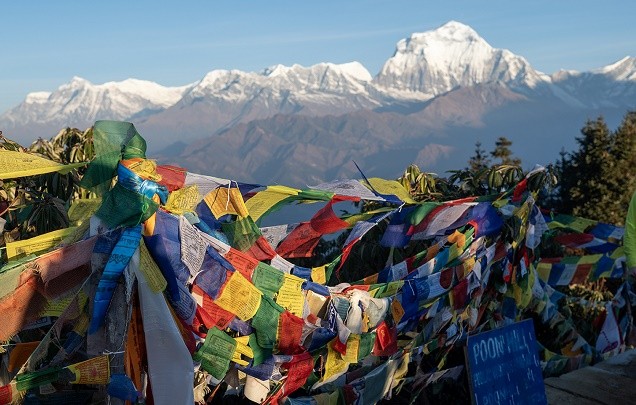
The Poon Hill Trek, also known as the Ghorepani Poon Hill Trek, is one of Nepal's most popular short treks and the perfect introduction to Himalayan trekking. Starting near Pokhara, the trail climbs through terraced farmland, traditional Gurung and Magar villages and enchanting rhododendron forests to the mountain village of Ghorepani. The highlight is a pre-dawn hike to Poon Hill at 3,210 metres, where you watch a breathtaking sunrise over the Annapurna and Dhaulagiri ranges, including Annapurna South, Annapurna I, Dhaulagiri I, Nilgiri, Hiunchuli and the iconic Machhapuchhre (Fishtail). With a moderate altitude, comfortable teahouse lodges and a short duration of 4–5 days, this easy trek is ideal for beginners, families and travellers with limited time who want spectacular mountain views, authentic local culture and a true taste of the Annapurna region.
Trip Highlights
- Witness a spectacular Himalayan sunrise from Poon Hill (3,210 m), one of the most famous viewpoints in Nepal
- Enjoy panoramic mountain views of Dhaulagiri I, Annapurna I, Annapurna South, Hiunchuli, Nilgiri, Tukuche and the iconic Machhapuchhre (Fishtail)
- See the dramatic Kali Gandaki Gorge, the world's deepest gorge between Dhaulagiri and Annapurna, from the summit viewpoint
- Walk through vibrant rhododendron forests, especially stunning in spring (March–April) when Nepal's national flower blooms in red, pink and white
- Stay in Ghorepani (2,874 m), a charming mountain village with cosy teahouses and sweeping Himalayan views
- Climb the famous stone staircase of Ulleri, a memorable section with thousands of steps and rewarding valley views
- Experience authentic Gurung and Magar culture in traditional villages like Tikhedhunga, Ulleri and Ghandruk
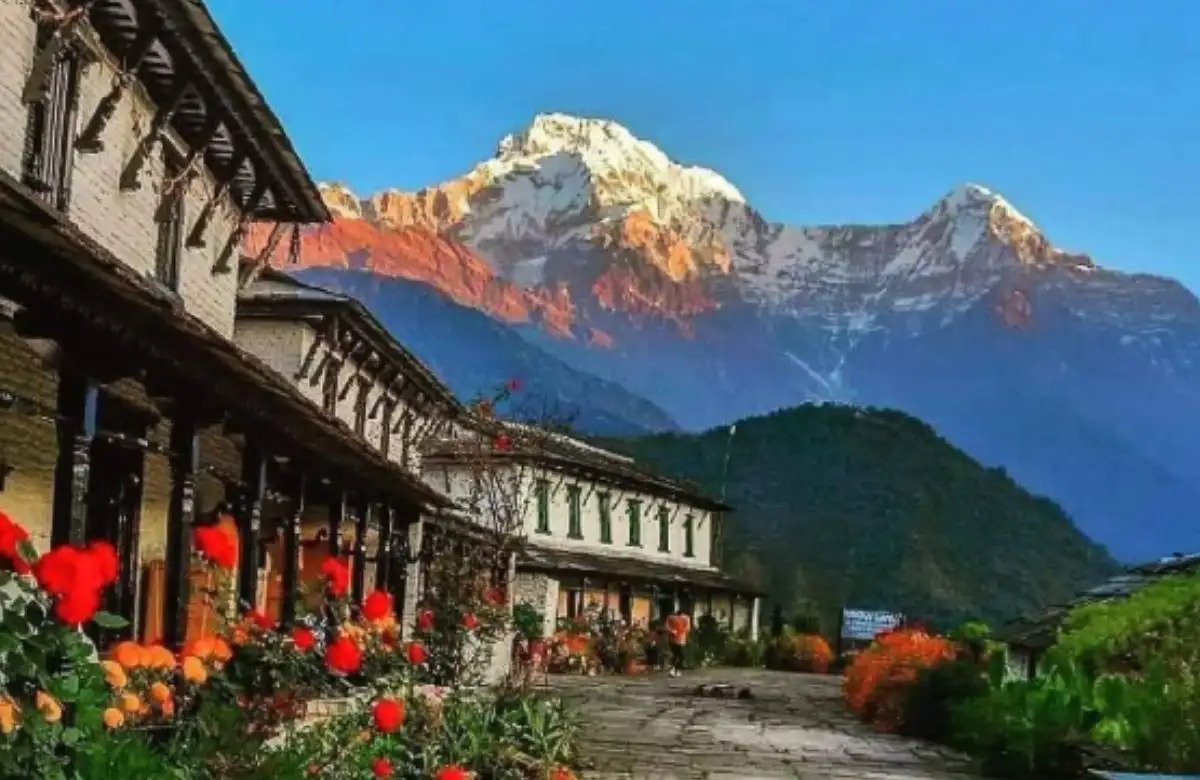
- Explore Ghandruk, a beautiful Gurung village known for its stone houses, local museum and close-up views of Annapurna South and Machhapuchhre
- Trek through the Annapurna Conservation Area, Nepal's largest protected area, rich in wildlife, birdlife and diverse landscapes
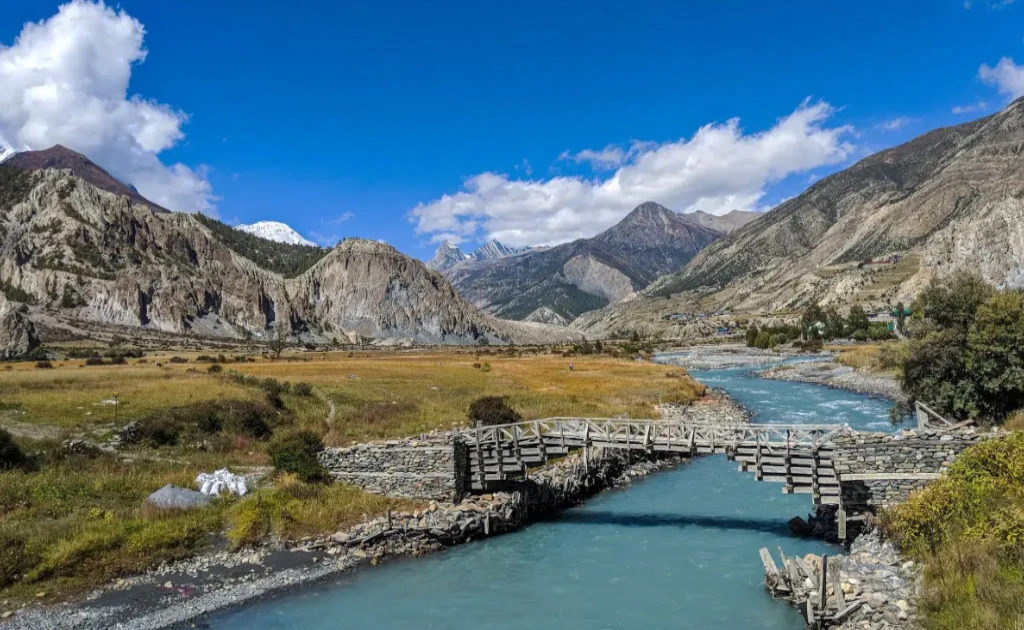
- Cross thrilling suspension bridges over rushing rivers and deep valleys
- Enjoy warm Nepali hospitality and home-cooked meals in local teahouses along the trail
- Perfect short trek for beginners, with a moderate altitude and low risk of altitude sickness
- Ideal for limited schedules, completed in just 4–5 days from Pokhara
- Start and end in Pokhara, with time to enjoy Phewa Lake, lakeside cafés and adventure activities
- Capture stunning photographs of mountains, forests, terraced fields and village life
- Suitable for all ages, including families, seniors and first-time trekkers
- Year-round accessibility, with the best views in autumn and spring
Best Season & Weather
Choose the best time for your trek based on weather and trail conditions.
Warm, generally clear, excellent mountain views, and rhododendrons are in bloom.
Warm and humid with frequent rainfall, cloudy skies, and slippery trails. Mountain views can be limited.
Generally clear and stable weather with excellent visibility and comfortable trekking temperatures.
Cold mornings and nights with generally dry conditions. Higher sections can be chilly, and occasional snow is possible.
Trip Overview
The Poon Hill Trek is a short and spectacular 7-day journey into the heart of Nepal's Annapurna region, perfect for travellers who want breathtaking Himalayan views, authentic village culture and a true trekking experience without the demands of high altitude. With just three days of walking and a maximum elevation of 3,210 metres, it's one of the best treks in Nepal for beginners, families and anyone short on time.
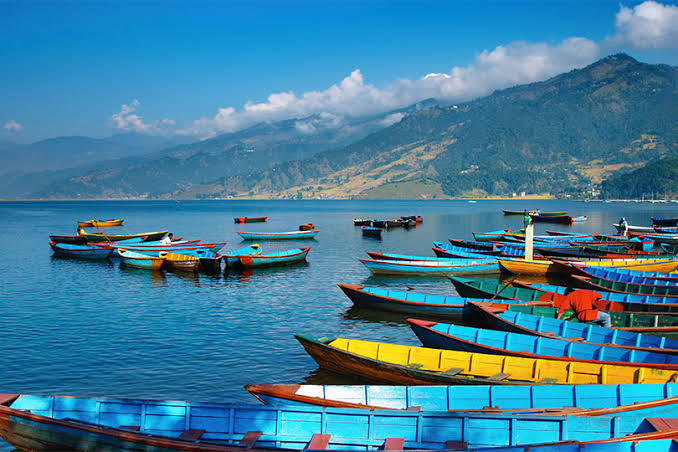
Your adventure begins in Kathmandu (1,338 m), Nepal's vibrant capital, where you'll be welcomed at the airport and transferred to your hotel. The next day, travel west on a scenic 6-hour drive (220 km) along the Prithvi Highway to Pokhara (860 m), the peaceful lakeside city at the gateway to the Annapurnas. Enjoy an evening stroll along Phewa Lake, with Machhapuchhre (Fishtail) reflected in its calm waters.
The trek begins with a drive from Pokhara to Ulleri, a traditional Magar village perched on a hillside. Starting here skips the famously long stone staircase below the village, saving your legs for the journey ahead. From Ulleri, the trail climbs steadily through terraced fields, small settlements and enchanting forests of rhododendron, oak and magnolia to reach Ghorepani (2,885 m) after around 7 hours of walking. This lively mountain village offers stunning sunset views of Dhaulagiri and cosy teahouses to rest in.
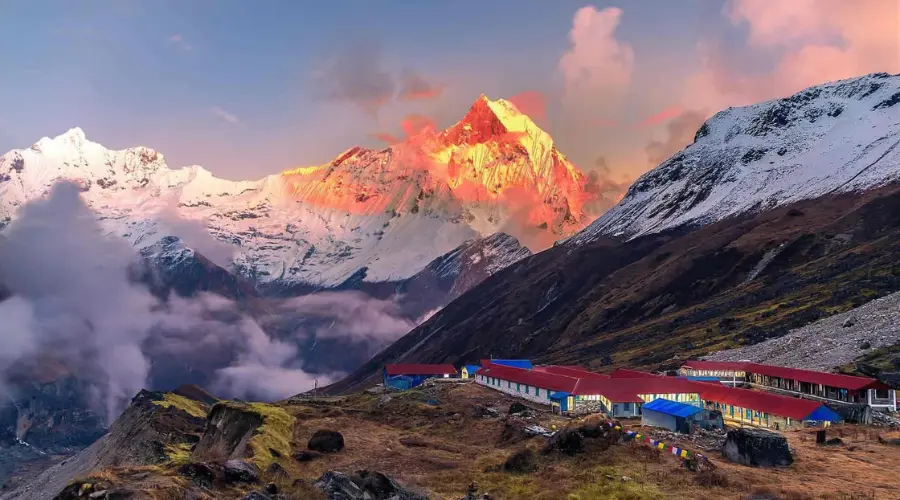
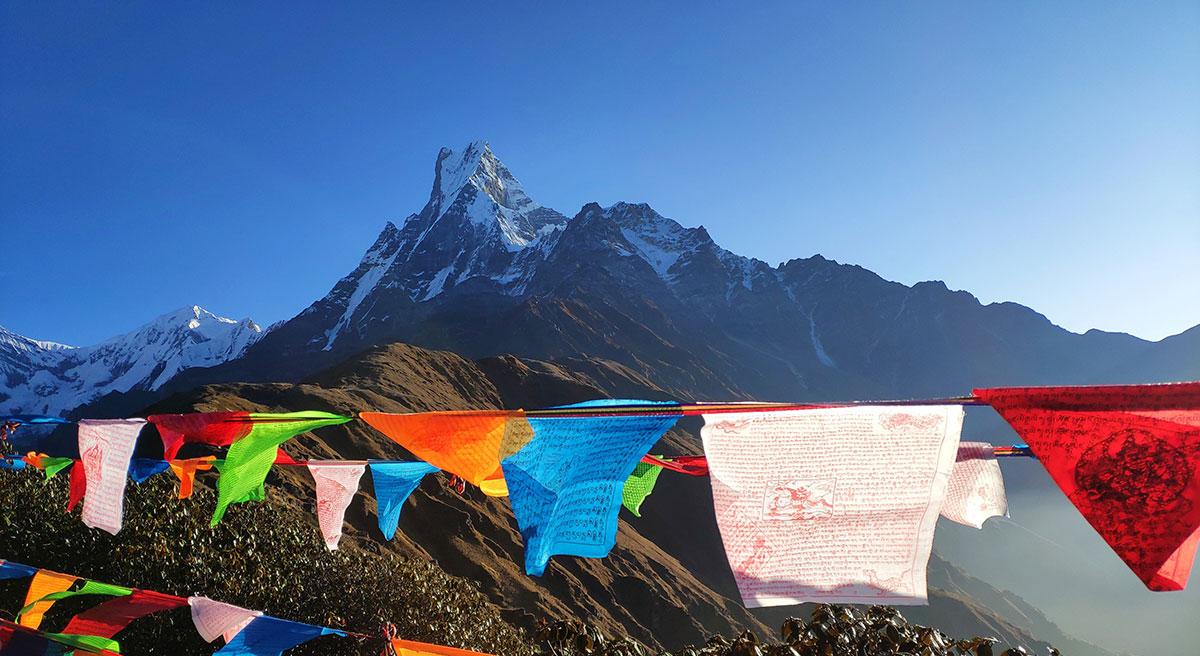
The highlight of the trek comes the next morning with a pre-dawn hike to Poon Hill (3,210 m). As the sun rises, a magnificent panorama unfolds across more than a dozen peaks, including Dhaulagiri I (8,167 m), Annapurna I (8,091 m), Annapurna South, Hiunchuli, Nilgiri, Tukuche and Machhapuchhre, with the deep Kali Gandaki Gorge cutting between the giants. After soaking in the view, return to Ghorepani for breakfast and continue along a beautiful forested ridge to Tadapani (2,640 m), known for its close-up views of Machhapuchhre.
On the final trekking day, descend through peaceful woodland to Ghandruk (2,012 m), one of Nepal's most charming Gurung villages. Explore its traditional stone houses, flagstone lanes and the local Gurung Museum, and learn about the proud heritage of the famous Gurkha soldiers. After about 4 hours of walking, a 2-hour drive takes you back to Pokhara to relax and celebrate your achievement. On Day 6, travel back to Kathmandu by road or a short scenic flight, before your international departure on Day 7.
Throughout the trek, you'll stay in comfortable teahouses, enjoy hearty meals like dal bhat, and be supported by an experienced licensed guide who handles permits, logistics and your safety. The trek is best enjoyed in spring (March–May), when rhododendrons bloom, and autumn (September–November), when skies are clearest for mountain views.
Short, scenic and full of culture, the Poon Hill Trek offers the perfect introduction to the Himalayas and memories that last a lifetime.
Trip Facts
| Detail | Information |
|---|---|
| Trip Duration | 7 Days (Kathmandu to Kathmandu) |
| Trekking Days | 3 Days |
| Trek Region | Annapurna Conservation Area, Nepal |
| Maximum Altitude | Poon Hill – 3,210 m (10,531 ft) |
| Highest Overnight Stay | Ghorepani – 2,885 m |
| Trek Start / End | Ulleri / Ghandruk |
| Trip Grade | Easy to Moderate |
| Daily Walking | 4–7 hours |
| Accommodation | Hotels in Kathmandu & Pokhara, teahouses on the trek |
| Transportation | Tourist bus / flight & private jeep |
| Permits | ACAP & TIMS Card |
| Best Season | March–May & September–November |
| Group Size | Private or small group |
| Suitable For | Beginners, families and all fitness levels |
Poon Hill Trek: Himalayan Sunrise & Rhododendron Trails
The Poon Hill Trek offers one of Nepal's most rewarding short adventures, combining breathtaking mountain views with enchanting forest trails. Starting near Pokhara, the route winds through terraced fields and traditional Gurung and Magar villages before entering dense forests of rhododendron, oak and magnolia that burst into vibrant red and pink blooms each spring. From the mountain village of Ghorepani, a pre-dawn climb to Poon Hill (3,210 m) reveals a stunning sunrise over Dhaulagiri, Annapurna South, Annapurna I, Nilgiri and the iconic Machhapuchhre. With moderate altitude, cosy teahouses and a short 4–5 day itinerary, this classic Annapurna trek is perfect for beginners, families and anyone seeking an unforgettable Himalayan experience.
Ghorepani Poon Hill Trek: Nepal's Best Short Trek for Beginners
The Ghorepani Poon Hill Trek is widely regarded as Nepal's best short trek for beginners, offering big Himalayan rewards without the challenges of high-altitude trekking. With a maximum elevation of just 3,210 metres, well-marked trails and comfortable teahouses along the way, it's ideal for first-time trekkers, families and travellers with limited time. Over 4–5 days from Pokhara, you'll walk through terraced farmland, lush rhododendron forests and welcoming Gurung villages like Ulleri, Ghorepani and Ghandruk. The highlight is a sunrise hike to Poon Hill, where golden light spreads across Dhaulagiri, Annapurna and Machhapuchhre. Easy to plan, affordable and full of natural beauty, this trek is the perfect introduction to the Annapurna region.
Discover the Poon Hill Trek: Annapurna & Dhaulagiri Views
Discover one of the finest mountain panoramas in Nepal on the Poon Hill Trek, where the mighty Annapurna and Dhaulagiri ranges rise in spectacular display. From the summit of Poon Hill (3,210 m), watch the sunrise illuminate Dhaulagiri I, the world's seventh-highest peak, alongside Annapurna I, Annapurna South, Hiunchuli, Nilgiri, Tukuche and the striking Machhapuchhre (Fishtail). Between these giants lies the dramatic Kali Gandaki Gorge, one of the deepest on earth. Reaching this viewpoint takes you through peaceful rhododendron forests, terraced hillsides and charming Gurung villages like Ghorepani and Ghandruk. Short, scenic and beginner-friendly, this trek delivers unforgettable Himalayan views in just a few days.
Why Choose the Poon Hill Trek?
- Spectacular Himalayan Sunrise: Watch golden light spread across Dhaulagiri, Annapurna South, Annapurna I, Nilgiri and Machhapuchhre from Poon Hill (3,210 m), one of Nepal's most famous viewpoints.
- Perfect for Beginners: With a moderate maximum altitude, well-marked trails and no technical sections, it's an ideal first trek in the Himalayas.
- Short & Time-Friendly: Complete the trek in just 4–5 days from Pokhara, making it perfect for travellers with limited holidays.
- Low Altitude Sickness Risk: Staying below 3,210 metres means a much lower risk of altitude sickness than longer high-altitude treks.
- Beautiful Rhododendron Forests: Walk through lush forests that bloom in vibrant red, pink and white during spring, creating magical trail scenery.
- Authentic Gurung & Magar Culture: Visit traditional villages like Ulleri, Ghorepani and Ghandruk, and experience warm local hospitality and heritage.
- Comfortable Teahouse Stays: Enjoy cosy lodges with hot meals, warm beds and mountain views, with no camping required.
- Diverse Landscapes: Trek past terraced fields, waterfalls, suspension bridges, forests and mountain ridges, all in one short journey.
- Suitable for All Ages: A great choice for families, seniors, solo travellers and groups with average fitness.
- Easy Access from Pokhara: Start and finish in Nepal's lakeside city, with time to relax by Phewa Lake or add adventures like paragliding.
- Affordable Himalayan Adventure: Get world-class mountain views and cultural experiences at a budget-friendly cost.
- Flexible & Customisable Itinerary: Extend the trek to Annapurna Base Camp, add Ghandruk or combine it with Kathmandu, Chitwan or Lumbini tours.
Meals & Accommodation During the Poon Hill Trek
| Day | Route | Altitude | Meals | Accommodation |
|---|---|---|---|---|
| Day 01 | Arrival in Kathmandu & hotel transfer | 1,338 m | — | 3-Star Hotel in Kathmandu |
| Day 02 | Kathmandu → Pokhara (6 hrs drive, 220 km) | 860 m | Breakfast | Lakeside Hotel in Pokhara |
| Day 03 | Pokhara → Ulleri (drive) → Ghorepani (7 hrs trek) | 2,885 m | Breakfast, Lunch & Dinner | Teahouse / Mountain Lodge |
| Day 04 | Ghorepani → Poon Hill (sunrise) → Tadapani (6 hrs) | 3,210 m → 2,640 m | Breakfast, Lunch & Dinner | Teahouse / Mountain Lodge |
| Day 05 | Tadapani → Ghandruk (4 hrs) → Pokhara (2 hrs drive) | 2,012 m → 860 m | Breakfast & Lunch | Lakeside Hotel in Pokhara |
| Day 06 | Pokhara → Kathmandu (drive or flight) | 1,338 m | Breakfast | 3-Star Hotel in Kathmandu |
| Day 07 | International departure | 1,338 m | Breakfast | — |
Meal Summary
| Meal | Total Included |
|---|---|
| Breakfast | 6 (Day 2 to Day 7) |
| Lunch | 3 (during the trek, Day 3 to Day 5) |
| Dinner | 2 (during the trek, Day 3 & Day 4) |
| Hot Drinks | Tea or coffee with trek meals (extra drinks at own cost) |
Accommodation Summary
| Location | Nights | Type |
|---|---|---|
| Kathmandu | 2 Nights | Comfortable 3-star hotel (Day 1 & Day 6) |
| Pokhara | 2 Nights | Lakeside hotel (Day 2 & Day 5) |
| Ghorepani | 1 Night | Mountain lodge with Himalayan views |
| Tadapani | 1 Night | Forest-side teahouse with Machhapuchhre views |
What Food to Expect on the Trail
| Meal | Popular Options |
|---|---|
| Breakfast | Tibetan bread, pancakes, porridge, eggs, chapati, toast with honey or jam |
| Lunch | Dal bhat, fried rice, noodles, momo, pasta, vegetable curry |
| Dinner | Dal bhat (unlimited refills), thukpa, spaghetti, pizza, soups |
| Drinks | Masala tea, ginger-lemon-honey tea, hot chocolate, black coffee |
| Snacks | Energy bars, cookies, chocolates (available in teahouses) |
Trekker's Tip: Dal bhat is the best trail fuel, freshly cooked, nutritious and served with free refills. As the local saying goes: "Dal bhat power, 24 hour!"
Hotel & Teahouse Facilities
| Facility | Kathmandu & Pokhara Hotels | Trek Teahouses |
|---|---|---|
| Rooms | Twin/double rooms with private bathroom | Simple twin-sharing rooms with beds, pillows and blankets |
| Bathrooms | Attached, with hot water | Mostly shared; some lodges offer attached bathrooms |
| Hot Showers | Included | Available (solar or gas), sometimes for a small fee |
| Charging | Free in rooms | Available at most lodges, often for a small fee |
| Wi-Fi | Free | Available in most villages, sometimes for a small fee |
| Dining | Hotel restaurant | Warm communal dining hall with a heater or stove |
Special Dietary Needs
- Vegetarian: Widely available in hotels and all teahouses
- Vegan: Possible; ask to skip ghee, butter and dairy
- Gluten-free: Dal bhat and rice dishes are safe choices
- Allergies: Inform your guide in advance so hotels and teahouses can prepare safely
Accommodation is on a twin-sharing basis throughout the trip. Single rooms are available at an extra cost, subject to availability on the trail, especially in peak season. Hotel upgrades in Kathmandu and Pokhara can be arranged on request.
Transportation for the Poon Hill Trek
Getting to and from the Poon Hill Trek is simple and scenic. Your journey starts in Kathmandu, where you can travel to Pokhara by a comfortable tourist bus (about 6–7 hours) along the Prithvi Highway or take a quick 25-minute domestic flight with stunning mountain views. From Pokhara, a private vehicle takes you on a short 1.5–2 hour drive to the trailhead at Nayapul, with some itineraries driving further to Tikhedhunga or Ulleri to shorten the walk. At the end of the trek, a private vehicle transfers you from Nayapul back to Pokhara. All ground transportation is arranged with experienced local drivers for a safe, smooth and hassle-free trekking experience.
Poon Hill Trek Difficulty
The Poon Hill Trek is graded easy to moderate, making it one of the most beginner-friendly treks in Nepal. The maximum altitude of 3,210 metres at Poon Hill keeps the risk of altitude sickness low, and no technical climbing skills are required. Trekkers walk around 5–7 hours per day on well-maintained trails, though the route includes steep sections, most notably the famous stone staircase of thousands of steps up to Ulleri and the early-morning climb to Poon Hill. Anyone with average fitness who enjoys walking can complete this trek comfortably. Regular walks, stair climbing or light cardio in the weeks before your trip will make the journey even more enjoyable.
Arrival in Kathmandu & Transfer to Hotel
| Altitude | Distance | Duration | Meals | Overnight |
|---|---|---|---|---|
| 1,338 m (4,390 ft) | ~6 km | 20–30 mins drive | — | Hotel in Kathmandu |
Welcome to Nepal! On arrival at Tribhuvan International Airport, our representative will greet you outside the arrivals hall and transfer you to your hotel by private vehicle.
After check-in, rest and recover from your journey. Later, meet your trekking guide for a short pre-trek briefing, where we'll check your gear, review the itinerary and finalise your ACAP and TIMS permits. In the evening, explore Thamel, Kathmandu's lively tourist hub, perfect for last-minute gear shopping or renting a down jacket and sleeping bag.
Highlights: Airport welcome, trek briefing, Thamel exploration
Drive from Kathmandu to Pokhara
| Altitude | Distance | Duration | Meals | Overnight |
|---|---|---|---|---|
| 860 m (2,822 ft) | 220 km (137 miles) | ~6 hours drive | Breakfast | Lakeside Hotel in Pokhara |
After breakfast, board a comfortable tourist bus for the scenic drive to Pokhara along the Prithvi Highway. The road follows the Trishuli and Marsyangdi Rivers, passing terraced hillsides, riverside towns and green valleys, with stops for tea and lunch along the way.
Arrive in Pokhara in the afternoon and check in to your lakeside hotel. Spend the evening strolling along Phewa Lake, enjoying a boat ride or relaxing at a café with views of Machhapuchhre (Fishtail) on clear days.
Optional: Take a 25-minute scenic flight to Pokhara (additional cost).
Highlights: Scenic highway drive, Phewa Lake, Lakeside Pokhara
Drive to Ulleri and Trek to Ghorepani
| Altitude | Distance | Duration | Meals | Overnight |
|---|---|---|---|---|
| Ulleri ~2,020 m → Ghorepani 2,885 m (9,465 ft) | ~55 km drive + ~9 km trek | 2–3 hrs drive + ~7 hrs trek | Breakfast, Lunch & Dinner | Teahouse in Ghorepani |
After an early breakfast, drive from Pokhara past Nayapul and up a winding mountain road to Ulleri, a traditional Magar village. Driving here lets you skip the long stone staircase from Tikhedhunga and begin your trek with fresh legs and great views of Annapurna South and Hiunchuli.
From Ulleri, the trail climbs steadily through terraced farmland and small settlements such as Banthanti and Nangethanti, then enters beautiful forests of rhododendron, oak and magnolia. In spring, these forests burst into red and pink blooms, creating one of the most colourful sections of the trek. Listen for birdsong and look out for langur monkeys along the way.
Reach Ghorepani in the late afternoon. This lively mountain village offers a stunning sunset over Dhaulagiri and cosy teahouses with warm dining halls. Rest early for tomorrow's sunrise hike.
Highlights: Ulleri village, rhododendron forests, Ghorepani sunset
Sunrise Hike to Poon Hill and Trek to Tadapani
| Altitude | Distance | Duration | Meals | Overnight |
|---|---|---|---|---|
| Poon Hill 3,210 m (10,531 ft) → Tadapani 2,640 m (8,661 ft) | ~13 km (incl. ~3 km Poon Hill round trip) | ~6 hrs trek | Breakfast, Lunch & Dinner | Teahouse in Tadapani |
Wake up before dawn (around 4:30–5:30 AM, depending on season) for the steep 45-minute to 1-hour hike to Poon Hill, the highest point of the trek. As the sun rises, witness a breathtaking panorama of Dhaulagiri I (8,167 m), Annapurna I (8,091 m), Annapurna South, Hiunchuli, Nilgiri, Tukuche and Machhapuchhre, with the dramatic Kali Gandaki Gorge below. It's one of the most memorable mountain views in Nepal.
Return to Ghorepani for a hot breakfast, then continue east along a scenic ridge trail to Deurali Pass (~3,090 m), offering more mountain views. The path then descends through dense, moss-covered rhododendron forests and crosses small streams to Banthanti, before reaching Tadapani. This peaceful forest village offers close-up views of Machhapuchhre and Annapurna South, especially beautiful at sunset.
Highlights: Poon Hill sunrise, Deurali ridge, forest trails, Tadapani mountain views
Trek to Ghandruk and Drive Back to Pokhara
| Altitude | Distance | Duration | Meals | Overnight |
|---|---|---|---|---|
| Ghandruk 2,012 m (6,601 ft) → Pokhara 860 m | ~6 km trek + ~50 km drive | ~4 hrs trek + ~2 hrs drive | Breakfast & Lunch | Lakeside Hotel in Pokhara |
Enjoy an optional sunrise view of Machhapuchhre from Tadapani before breakfast. The trail then descends gently through quiet forests and terraced fields to Ghandruk, one of the most beautiful Gurung villages in Nepal.
Explore Ghandruk's traditional stone houses with slate roofs, narrow flagstone lanes and the Gurung Museum, which showcases local culture, clothing and tools. Learn about the proud heritage of the Gurung people, many of whom served as world-famous Gurkha soldiers. Enjoy panoramic views of Annapurna South, Hiunchuli and Machhapuchhre from the village.
After lunch, take a private jeep for the 2-hour drive back to Pokhara. Celebrate the end of your trek with a relaxing evening by Phewa Lake.
Highlights: Ghandruk Gurung village, Gurung Museum, Annapurna views, return to Pokhara
Drive or Fly Back to Kathmandu
| Altitude | Distance | Duration | Meals | Overnight |
|---|---|---|---|---|
| 1,338 m (4,390 ft) | 200–220 km | 6–7 hrs drive / 25 mins flight | Breakfast | Hotel in Kathmandu |
After breakfast, travel back to Kathmandu by tourist bus along the scenic Prithvi Highway, or take a short 25-minute flight with views of the Himalayas (optional upgrade).
Arrive in Kathmandu and check in to your hotel. Spend the afternoon at leisure, shopping for souvenirs in Thamel or visiting a nearby heritage site. In the evening, enjoy a farewell dinner to celebrate your Himalayan adventure.
Highlights: Scenic return journey, souvenir shopping, farewell evening
Final Departure
| Altitude | Distance | Duration | Meals | Overnight |
|---|---|---|---|---|
| 1,338 m (4,390 ft) | ~6 km | 20–30 mins drive | Breakfast | — |
Enjoy your final breakfast in Nepal. Depending on your flight schedule, you may have time for last-minute shopping. Our representative will transfer you to Tribhuvan International Airport about three hours before your international flight.
Say goodbye to Nepal with unforgettable memories of Himalayan sunrises, rhododendron forests and warm mountain hospitality. We look forward to welcoming you back for your next adventure!
Are you interested in planning a custom trip? It only takes 2 minutes.
Fixed Departure Dates
Select Departure Dates
Except for the fixed departure date, we have every day departure according to your requirements.
Cost Includes
Transportation
- Airport pick-up and drop-off in Kathmandu by private vehicle (Day 1 & Day 7)
- Kathmandu to Pokhara by comfortable tourist bus (Day 2)
- Pokhara to Ulleri by private jeep (Day 3)
- Ghandruk to Pokhara by private jeep (Day 5)
- Pokhara to Kathmandu by tourist bus (Day 6)
Accommodation
- 2 nights in a 3-star hotel in Kathmandu with breakfast (Day 1 & Day 6)
- 2 nights in a comfortable lakeside hotel in Pokhara with breakfast (Day 2 & Day 5)
- 2 nights in teahouses / mountain lodges during the trek (Ghorepani & Tadapani)
- All accommodation on a twin-sharing basis
Meals
- 6 breakfasts (Day 2 to Day 7)
- Full board meals during the trek: 3 lunches and 2 dinners (Day 3 to Day 5)
- Tea or coffee served with trek meals
- Seasonal fresh fruit after dinner on the trek (where available)
Guide & Staff
- Experienced, government-licensed, English-speaking trekking guide (Day 3 to Day 5)
- Guide's salary, meals, accommodation, insurance and transport
- First-aid kit carried by the guide
Permits & Fees
- Annapurna Conservation Area Permit (ACAP)
- TIMS card (Trekkers' Information Management System)
- All government taxes, VAT and official service charges
Extras
- Trekking map of the Poon Hill route
- Duffel bag for the trek (to be returned after the trip)
- Assistance in arranging emergency rescue (costs covered by your travel insurance)
- Certificate of trek completion
Cost Excludes
Flights & Visa
- International airfare to and from Kathmandu
- Nepal visa fee (USD 30 for 15 days, payable on arrival)
- Kathmandu–Pokhara–Kathmandu domestic flights (available as an upgrade instead of the tourist bus)
Meals Not Mentioned
- Lunch and dinner in Kathmandu and Pokhara
- Breakfast on Day 3 is included at the Pokhara hotel; any additional meals outside the trek are at your own cost
Personal Expenses
- Soft drinks, bottled water, alcoholic beverages and snacks
- Hot showers, battery charging and Wi-Fi in teahouses (where charged)
- Laundry, phone calls, shopping and souvenirs
- Personal trekking gear and clothing
Optional Services
- Porter service (1 porter shared by 2 trekkers, available on request)
- Single room supplement
- Kathmandu sightseeing, guide and heritage site entrance fees
- Optional activities in Pokhara such as paragliding, boating or zip-lining
Extra Nights
- Additional accommodation due to early arrival, late departure or early return from the trek
- Extra nights caused by flight cancellations, landslides or bad weather
Insurance & Emergencies
- Travel insurance covering trekking, medical treatment and emergency helicopter evacuation (mandatory)
- Costs arising from natural disasters, strikes, political unrest or other events beyond our control
Tips & Others
- Tips for guides, porters and drivers (customary and appreciated)
- Any expenses not listed under "Cost Includes"
Want a customised package? We can upgrade to Pokhara flights, add porter service, include Kathmandu sightseeing or extend your trek to suit your time and budget.
Trekking Equipment Checklist
Essential packing and gear checklist tailored for this trek.
Bags & Backpacks
- Daypack (25–35 L) with rain cover for daily essentials
- Duffel bag or trekking backpack (50–60 L) if carrying your own gear or using a porter
- Waterproof dry bags or plastic liners to keep clothes dry
- Small lockable padlock for your bag
Upper Body Clothing
- Moisture-wicking base layer T-shirts (2–3)
- Long-sleeve thermal base layer
- Lightweight fleece jacket or pullover
- Insulated down jacket (essential for Poon Hill sunrise and cold evenings)
- Waterproof and windproof outer shell jacket
- Sports bras (for women)
Lower Body Clothing
- Lightweight trekking pants (2 pairs)
- Thermal leggings or base layer bottoms
- Waterproof rain pants (especially for monsoon and spring)
- Comfortable shorts for warm lower-altitude days
- Quick-dry underwear
Head & Hands
- Warm woollen or fleece hat (beanie)
- Sun hat or cap
- Buff or neck gaiter for sun and dust protection
- Lightweight inner gloves
- Warm insulated gloves for early mornings
Footwear
- Waterproof, broken-in trekking boots with good ankle support
- Comfortable camp shoes or sandals for teahouse evenings
- Trekking socks (3–4 pairs, wool or synthetic)
- Liner socks to prevent blisters
- Gaiters (optional, useful in muddy or wet seasons)
Sleeping Gear
- Sleeping bag rated to around -5°C to -10°C (teahouses provide blankets, but nights can be cold)
- Sleeping bag liner for extra warmth and hygiene
- Travel pillowcase (optional)
Trekking Accessories
- Trekking poles (highly recommended for Ulleri's stone steps and steep descents)
- Headlamp with spare batteries (essential for the pre-dawn Poon Hill hike)
- Reusable water bottles (2 × 1 L) or hydration bladder
- Water purification tablets or filter bottle
- Sunglasses with UV protection
- Rain poncho or compact umbrella
Toiletries & Hygiene
- Biodegradable soap and shampoo
- Quick-dry travel towel
- Toothbrush, toothpaste and personal toiletries
- Wet wipes and hand sanitiser
- Toilet paper (not always provided in teahouses)
- Sunscreen (SPF 50+) and lip balm with SPF
- Moisturiser for dry mountain air
First Aid & Health
- Personal prescription medications
- Blister plasters and bandages
- Pain relievers and anti-inflammatories
- Anti-diarrhoea medicine and oral rehydration salts
- Cold, cough and throat lozenges
- Altitude sickness medication (consult your doctor)
- Insect repellent (especially in lower valleys)
Electronics
- Mobile phone with offline maps
- Camera with extra batteries and memory cards
- Power bank (charging in teahouses may cost extra)
- Universal travel adapter (Nepal uses Type C, D & M plugs)
- Charging cables
Documents & Money
- Passport and Nepal visa
- ACAP permit and TIMS card (usually arranged by your trekking company)
- Travel insurance documents covering trekking
- Passport-size photos
- Cash in Nepalese Rupees (no ATMs on the trail)
Snacks & Extras
- Energy bars, chocolates and trail mix
- Electrolyte or hydration powder
- Notebook, book or playing cards for evenings
- Binoculars for mountain and bird viewing
- Small plastic bags for carrying rubbish
Packing Tips
- Pack light: Porters usually carry up to around 20–25 kg shared between two trekkers.
- Layer up: Mornings and nights are cold, while daytime walking can be warm.
- Break in your boots before the trek to avoid blisters.
- Rent gear in Pokhara or Thamel: Down jackets, sleeping bags and trekking poles are easy and affordable to rent.
- Leave extra luggage at your hotel in Pokhara or Kathmandu.
Captured Memories Of Poon Hill Trek
Poon Hill Trek: Additional Information
Weather & Temperature by Season
Weather on the Poon Hill Trek varies with season and altitude. Temperatures drop as you climb from Pokhara (860 m) to Ghorepani (2,885 m) and Poon Hill (3,210 m), especially at night and during the early-morning sunrise hike.
Seasonal Overview (Ghorepani)
| Season | Months | Day Temp | Night Temp | Mountain Views | Rating |
|---|---|---|---|---|---|
| Spring | March – May | 10°C – 18°C | -2°C – 5°C | Good (morning) | ⭐⭐⭐⭐⭐ |
| Monsoon | June – August | 15°C – 20°C | 8°C – 12°C | Often cloudy | ⭐⭐ |
| Autumn | September – November | 10°C – 17°C | 0°C – 5°C | Excellent | ⭐⭐⭐⭐⭐ Best |
| Winter | December – February | 5°C – 12°C | -8°C – -2°C | Very clear | ⭐⭐⭐⭐ |
Temperatures are approximate. Poon Hill at sunrise can be 2–3°C colder than Ghorepani.
Season Highlights
- Spring: Warm, sunny days and blooming rhododendron forests (peak in March–April). Haze may build by May.
- Monsoon: Rainy, muddy trails with leeches and limited views, but lush green scenery and quiet paths.
- Autumn: Dry, stable weather and crystal-clear skies with the best sunrise views. The busiest season.
- Winter: Cold but sunny, with clear views and peaceful trails. Nights are freezing, and occasional snow is possible.
What to Pack by Season
| Season | Essentials |
|---|---|
| Spring | Light layers, fleece, down jacket, sun protection |
| Monsoon | Rain jacket & trousers, rain cover, leech socks, quick-dry clothes |
| Autumn | Warm layers, down jacket, gloves, hat |
| Winter | Heavy down jacket, thermals, -10°C sleeping bag, insulated gloves, microspikes |
Quick Weather Tips
- Mornings are cold year-round, so dress warmly for the Poon Hill sunrise.
- Layer your clothing for warm days and chilly nights.
- Start early, as views are clearest before clouds build.
- Allow buffer time for road delays during the monsoon.
Your guide will monitor conditions and adjust the itinerary when needed for your safety and comfort.
Permits & Entry Fees (ACAP & TIMS)
The Poon Hill Trek lies within the Annapurna Conservation Area, Nepal's largest protected area. To trek here, every foreign visitor needs two official permits: the ACAP (Annapurna Conservation Area Permit) and the TIMS card. These fees support conservation, trail maintenance, local communities and trekker safety.
Required Permits at a Glance
| Permit | Foreign Nationals | SAARC Nationals | Purpose |
|---|---|---|---|
| ACAP | NPR 3,000 (approx. USD 20) | NPR 1,000 | Conservation, trail upkeep & community projects |
| TIMS Card (via agency) | NPR 1,000 | NPR 1,000 | Trekker registration & safety tracking |
- Children under 10 are generally exempt from the ACAP fee.
- Permits are valid for a single entry into the Annapurna Conservation Area.
ACAP (Annapurna Conservation Area Permit)
The ACAP permit is mandatory for entering the Annapurna region. The funds are used to protect wildlife and forests, manage waste, maintain trails and support community development in villages like Ghorepani, Tadapani and Ghandruk.
TIMS Card (Trekkers' Information Management System)
The TIMS card records trekker details to help authorities locate and assist trekkers in emergencies. For organised treks through a registered agency it costs NPR 1,000; independent trekkers are charged NPR 2,000. Under current rules, foreign trekkers must trek with a licensed guide, and the TIMS card is issued through a registered trekking company or licensed guide.
Poon Hill Viewpoint Fee
A small local entry fee is usually collected at the Poon Hill viewpoint for trail and viewpoint maintenance. It's separate from ACAP and TIMS, so carry some small cash in Nepalese rupees for the sunrise hike.
Documents Needed for Permits
- Passport copy (valid for at least 6 months)
- Nepal visa
- Two passport-size photos
- Travel insurance details
- Trek itinerary and emergency contact information
Where to Get Permits
- Kathmandu: Nepal Tourism Board office, Bhrikutimandap
- Pokhara: Nepal Tourism Board / ACAP office, Damside
- Through your trekking company: The easiest option. We arrange all permits in advance.
Both ACAP and TIMS are included in our Poon Hill Trek package.
Permit Checkpoints
Your permits will be checked at official ACAP checkpoints along the trail, including the entry point near Nayapul/Birethanti and at key villages such as Ghorepani. Always keep your permits in an easy-to-reach, waterproof pouch.
Important Tips
- Don't trek without permits: Fines for entering without an ACAP permit can be double the normal fee or more.
- Permits are non-refundable and non-transferable.
- Carry originals throughout the trek; photocopies aren't accepted at checkpoints.
- Fees can change, so confirm the latest rates before your trip.
Let us handle the paperwork! Our team arranges all permits in advance so you can focus on enjoying the trek.
Difficulty & Fitness Level
Trek Grade: Easy to Moderate
The Poon Hill Trek is one of the most beginner-friendly treks in Nepal. It requires no technical climbing skills or previous trekking experience, just average fitness and a love of walking. With a maximum altitude of 3,210 metres and comfortable teahouses along the way, it's ideal for first-time trekkers, families and active seniors.
Difficulty at a Glance
| Factor | Details | Difficulty Level |
|---|---|---|
| Maximum Altitude | Poon Hill – 3,210 m | Low–Moderate |
| Daily Walking Hours | 4–7 hours | Moderate |
| Trail Type | Stone steps, forest paths, village trails | Easy–Moderate |
| Technical Skills | None required | Easy |
| Altitude Sickness Risk | Low | Easy |
| Overall Grade | Suitable for beginners | ⭐⭐ Easy to Moderate |
Daily Trekking Demands
| Day | Route | Walking Time | Terrain |
|---|---|---|---|
| Day 3 | Ulleri → Ghorepani | ~7 hours | Steady uphill through villages and rhododendron forest |
| Day 4 | Poon Hill → Tadapani | ~6 hours | Steep pre-dawn climb, then ridge trail with ups and downs |
| Day 5 | Tadapani → Ghandruk | ~4 hours | Mostly downhill through forest |
Good news: Our itinerary drives to Ulleri, skipping most of the famous and tiring stone staircase from Tikhedhunga, making the trek easier on your legs.
What Makes It Challenging?
- Steep uphill climbs: Especially from Ulleri to Ghorepani.
- Early sunrise hike: A 45-minute to 1-hour steep climb to Poon Hill in the dark and cold.
- Stone steps & descents: Downhill sections can be tough on knees.
- Cold mornings: Temperatures near or below freezing at Ghorepani and Poon Hill.
- Weather: Muddy, slippery trails in the monsoon and possible snow in winter.
Who Can Do This Trek?
- First-time trekkers
- Families with children (around 8+ years with walking experience)
- Active seniors with good general health
- Travellers with limited time
- People with heart, lung or knee conditions should consult a doctor first
How to Prepare
Start 4–6 weeks before your trek:
- Walking & hiking: 1–2 hour walks, ideally on hills, 3–4 times a week
- Stair climbing: Great practice for the stone steps
- Cardio: Cycling, swimming or jogging to build stamina
- Leg strength: Squats and lunges to support climbs and descents
- Practice with a daypack: Walk carrying 5–7 kg
Tips to Make the Trek Easier
- Walk at a steady pace, as it's not a race
- Use trekking poles to reduce knee strain on descents
- Break in your boots before the trek to avoid blisters
- Stay hydrated and eat well at every meal
- Hire a porter to carry your main bag
- Rest when needed; your guide will set a comfortable pace
With basic preparation and a positive attitude, almost anyone can enjoy the Poon Hill Trek and its unforgettable Himalayan sunrise.
Altitude & Altitude Sickness Prevention
The Poon Hill Trek reaches a maximum altitude of 3,210 metres at Poon Hill, with the highest overnight stay at Ghorepani (2,885 m). At these moderate elevations, the risk of serious altitude sickness is low, but some trekkers may still feel mild symptoms. Knowing the signs and how to prevent them helps you trek safely and comfortably.
Altitude Profile of the Trek
| Day | Location | Altitude | Altitude Change |
|---|---|---|---|
| Day 1 | Kathmandu | 1,338 m | — |
| Day 2 | Pokhara | 860 m | Descent |
| Day 3 | Ulleri → Ghorepani | 2,885 m | Largest gain of the trek |
| Day 4 | Poon Hill → Tadapani | 3,210 m → 2,640 m | Highest point, then descent |
| Day 5 | Ghandruk → Pokhara | 2,012 m → 860 m | Descent |
| Day 6 | Kathmandu | 1,338 m | — |
Good to know: You spend only one night at your highest sleeping altitude (Ghorepani) and reach Poon Hill for just a short sunrise visit before descending, which keeps altitude risk low.
What Is Altitude Sickness?
Altitude sickness, or Acute Mountain Sickness (AMS), happens when your body struggles to adjust to lower oxygen levels at higher elevations. It usually appears above 2,500 metres, so mild symptoms are possible around Ghorepani and Poon Hill.
Common Symptoms of Mild AMS
- Headache
- Nausea or loss of appetite
- Dizziness or light-headedness
- Fatigue and weakness
- Difficulty sleeping
- Shortness of breath during exertion
Warning Signs of Serious Altitude Illness
- Severe headache not relieved by rest or medication
- Vomiting that doesn't stop
- Confusion, poor coordination or unusual behaviour
- Breathlessness while resting
- Persistent cough, sometimes with frothy sputum
If serious symptoms appear, descend immediately and seek medical help. These are rare on the Poon Hill Trek but must be taken seriously.
How to Prevent Altitude Sickness
- Walk slowly and steadily: Follow the local advice of "bistarai, bistarai" (slowly, slowly).
- Stay hydrated: Drink 3–4 litres of water daily.
- Eat well: Carbohydrate-rich meals like dal bhat help your body adapt.
- Avoid alcohol and smoking during the trek.
- Get good rest: Sleep well and avoid overexertion on arrival at Ghorepani.
- Climb high, sleep low: The trek naturally follows this principle by descending after Poon Hill.
- Listen to your body: Tell your guide immediately if you feel unwell.
- Consult your doctor before the trek about preventive medication, especially if you've had altitude problems before.
What to Do If You Feel Symptoms
- Stop and rest; don't go higher until symptoms improve.
- Drink water and eat something light.
- Inform your guide, who is trained to recognise AMS.
- Take mild pain relief for headaches if appropriate.
- Descend if symptoms don't improve or get worse.
Most mild symptoms on the Poon Hill Trek disappear quickly with rest or a short descent.
Your Safety on the Trek
- Our experienced, licensed guides are trained in first aid and altitude awareness.
- A first-aid kit is carried throughout the trek.
- Emergency evacuation can be arranged if needed, so make sure your travel insurance covers trekking and helicopter rescue up to at least 3,500 metres.
With a sensible pace, good hydration and attention to your body, the Poon Hill Trek is a safe and comfortable Himalayan adventure for most travellers.
Sunrise Guide & Mountain Views
The sunrise from Poon Hill (3,210 m) is the highlight of the trek and one of Nepal's most famous mountain views. As dawn breaks, snow-capped Himalayan peaks glow from silver to pink to brilliant gold in a breathtaking panorama.
Mountains Visible from Poon Hill
| Mountain | Height | Highlight |
|---|---|---|
| Dhaulagiri I | 8,167 m | World's 7th highest peak |
| Annapurna I | 8,091 m | World's 10th highest peak |
| Annapurna South | 7,219 m | Towering and close |
| Machhapuchhre (Fishtail) | 6,993 m | Iconic sacred peak |
| Tukuche Peak | 6,920 m | Beside Dhaulagiri |
| Nilgiri South | 6,839 m | Striking pyramid peak |
| Hiunchuli | 6,441 m | Sharp peak near Annapurna South |
Bonus: Views of the Kali Gandaki Gorge, one of the deepest gorges on earth.
Sunrise Hike Essentials
| Detail | Information |
|---|---|
| Start Point | Ghorepani (2,885 m) |
| Distance | About 1.5 km one way |
| Duration | 45 minutes – 1 hour uphill |
| Departure Time | 4:30 – 5:45 AM (varies by season) |
| Sunrise Time | Around 5:15 – 7:00 AM (varies by season) |
| Trail | Steep stone steps through rhododendron forest |
After sunrise, return to Ghorepani for breakfast before trekking to Tadapani.
Best Time for Clear Views
- Autumn (Oct–Nov): Clearest skies ⭐⭐⭐⭐⭐
- Winter (Dec–Feb): Crisp views, fewer crowds ⭐⭐⭐⭐
- Spring (Mar–Apr): Good views with rhododendron blooms ⭐⭐⭐⭐
- Monsoon (Jun–Aug): Often cloudy ⭐⭐
What to Bring
- Headlamp
- Warm down jacket, hat and gloves
- Camera with charged batteries
- Water bottle and small snack
- Small cash for viewpoint fee and tea
Quick Tips
- Arrive 20–30 minutes before sunrise for the best colours
- Walk slowly on the steep climb
- Keep batteries warm in an inner pocket
- Be patient, as mist often clears after dawn
- Also enjoy great views from Tadapani and Ghandruk
Watching the sun rise over Dhaulagiri and Annapurna from Poon Hill is a moment you'll never forget.
Guide & Porter Services
Trekking with an experienced guide and porter makes your Poon Hill adventure safer, easier and more enjoyable. They handle navigation, logistics and heavy loads, so you can focus on the mountain views, forests and village culture.
Trekking Guide
Under current rules, foreign trekkers are required to trek with a licensed guide in the Annapurna region. A guide is included in our Poon Hill Trek package.
What your guide does:
- Leads the route and sets a comfortable walking pace
- Arranges permits, teahouses and meals along the trail
- Shares insights into Gurung and Magar culture, local history and nature
- Monitors your health and recognises signs of altitude sickness
- Carries a first-aid kit and coordinates emergency support if needed
- Helps with communication and translation with locals
Our guides are:
- Government-licensed and experienced in the Annapurna region
- Trained in first aid and trekking safety
- Fluent in English (other languages available on request)
- Insured, with meals, accommodation and transport covered
Porter Service
A porter is optional but highly recommended, especially for the steep climbs to Ghorepani and Poon Hill.
| Detail | Information |
|---|---|
| Porter Ratio | 1 porter shared by 2 trekkers |
| Maximum Load | Around 20–25 kg per porter (10–12 kg per trekker) |
| What They Carry | Your main duffel bag |
| What You Carry | A small daypack with water, camera, snacks and a jacket |
Benefits of hiring a porter:
- Trek lighter and enjoy the scenery more
- Reduce strain on your back and knees
- Support local mountain communities and livelihoods
Ethical Trekking Commitment
We care for our team as much as our guests. All our guides and porters receive:
- Fair wages and insurance
- Proper clothing and trekking equipment
- Meals and accommodation during the trek
- Reasonable, safe load limits
Tipping Guide
Tipping is customary in Nepal and a meaningful way to thank your trekking team. Tips are usually given at the end of the trek, based on your satisfaction with the service.
Want a porter or a guide who speaks your language? Let us know when booking, and we'll arrange the perfect team for your Poon Hill Trek.
Teahouse Accommodation & Facilities
On the Poon Hill Trek, you'll stay in teahouses, cosy family-run mountain lodges that offer a warm bed, hot meals and friendly Nepali hospitality. They're simple but comfortable, and staying in them is one of the most authentic parts of the trekking experience.
Where You'll Stay
| Location | Altitude | Accommodation | Highlight |
|---|---|---|---|
| Kathmandu | 1,338 m | 3-star hotel | Comfortable start and end to your trip |
| Pokhara | 860 m | Lakeside hotel | Relaxing stay near Phewa Lake |
| Ghorepani | 2,885 m | Mountain teahouse | Sunset views of Dhaulagiri |
| Tadapani | 2,640 m | Forest-side teahouse | Close-up views of Machhapuchhre |
Teahouse Facilities
| Facility | Details |
|---|---|
| Rooms | Simple twin-sharing rooms with beds, mattresses, pillows and blankets |
| Bathrooms | Mostly shared; some lodges offer attached bathrooms |
| Toilets | Western or squat-style, depending on the lodge |
| Hot Showers | Available (solar or gas), sometimes for a small fee |
| Electricity & Charging | Available in most lodges, often for a small fee |
| Wi-Fi | Available in most villages, sometimes paid |
| Dining Hall | Warm communal room with a stove, perfect for meeting fellow trekkers |
| Heating | Only in the dining hall; bedrooms are unheated |
Food in Teahouses
Teahouses serve fresh Nepali and international meals, including dal bhat, momo, noodles, fried rice, pasta, soups, pancakes and Tibetan bread. Hot drinks like masala tea and ginger-lemon-honey tea are available everywhere. Vegetarian meals are easy to find.
Teahouse Tips
- Bring a warm sleeping bag, as rooms can be cold at night, especially in Ghorepani.
- Carry toilet paper and hand sanitiser, which aren't always provided.
- Pack a power bank in case charging is limited.
- Use a headlamp for night-time bathroom trips.
- Expect basic comforts, since teahouses are cosy but simple.
- Book ahead in peak season (October–November and March–April); we handle this for you.
Room Sharing & Upgrades
- Rooms are provided on a twin-sharing basis.
- Single rooms are available at an extra cost, subject to availability.
- Some lodges offer rooms with attached bathrooms at a small supplement.
Teahouses may be simple, but the mountain views, warm hospitality and cosy evenings by the stove make them a highlight of the Poon Hill Trek.
Trekking Gear Rental in Kathmandu & Pokhara
Don't want to buy expensive gear for a short trek? Renting is easy and budget-friendly.
| Gear | Rent or Buy? |
|---|---|
| Down jacket | Easy to rent |
| Sleeping bag | Easy to rent |
| Trekking poles | Rent or buy cheaply |
| Duffel bag | Provided by us |
| Daypack | Rent or buy |
| Trekking boots | Bring your own (broken-in) |
| Base layers & socks | Best to bring or buy new |
Where to rent:
- Thamel, Kathmandu: Dozens of trekking shops with wide gear options
- Lakeside, Pokhara: Convenient rentals right before the trek
Rental tips:
- Check items carefully for zips, stains and warmth before renting
- A small refundable deposit is usually required
- Rent a day before the trek to allow time for adjustments
- Return gear after the trek in Pokhara or Kathmandu
Packing Tips
- Pack light: Your share of a porter's load is about 10–12 kg.
- Layer up rather than packing bulky clothes.
- Keep valuables and essentials in your daypack.
- Leave extra luggage at your hotel in Kathmandu or Pokhara, free of charge.
- Break in your boots before the trek to avoid blisters.
Not sure what to bring? Our team will send you a detailed checklist and help you rent the right gear before your trek.
Travel Insurance Requirements
Travel insurance is mandatory for the Poon Hill Trek. Although it's an easy to moderate trek, you'll be walking in remote mountain terrain where medical facilities are limited. The right insurance protects you from unexpected medical costs, emergencies and trip disruptions.
What Your Insurance Must Cover
| Coverage | Why It Matters |
|---|---|
| Trekking up to 3,500 m | Poon Hill reaches 3,210 m; many standard policies exclude trekking |
| Emergency helicopter evacuation | Essential for rescue from remote trails |
| Medical treatment & hospitalisation | Covers illness, injury or altitude-related problems |
| Repatriation | Returns you home safely if needed |
Recommended Additional Coverage
- Trip cancellation or interruption due to illness, family emergencies or unforeseen events
- Flight delays and cancellations, including domestic flights
- Lost, stolen or damaged baggage and personal belongings
- Personal liability
- Adventure activities in Pokhara, such as paragliding or zip-lining, if you plan to try them
What We Need Before the Trek
Please share the following when booking or on arrival in Kathmandu:
- Insurance company name
- Policy number
- 24-hour emergency contact number
- Confirmation that trekking and helicopter rescue are covered
Important Tips
- Read the fine print: Check the maximum altitude covered and any exclusions.
- Buy before you travel: Some policies can't be purchased once you're in Nepal.
- Carry copies: Keep printed and digital copies of your policy.
- Share details: Give your insurance details to your guide and a family member.
- Keep receipts: Save all medical and emergency receipts for claims.
In Case of Emergency
If a serious illness or injury occurs, your guide will contact our office, which coordinates with your insurance company to arrange helicopter evacuation and transfer to a hospital in Pokhara or Kathmandu. Evacuation costs are high, so having proper coverage is essential.
We don't sell insurance, but we're happy to advise you on what to look for. Trek with peace of mind knowing you're protected.
Booking & Cancellation Policy
Booking your Poon Hill Trek with us is simple, secure and transparent. Please review these terms before confirming your trip.
How to Book
- Choose your trek dates and group size.
- Send your booking request via our website, email or WhatsApp with full names, nationalities and passport copies.
- Pay the deposit to confirm your booking.
- Receive confirmation with your itinerary, packing list and pre-trek information.
Tip: Book 4–8 weeks in advance for peak seasons (March–May and October–November) to secure the best teahouses and hotels.
Payment Terms
| Payment Stage | Amount | When It's Due |
|---|---|---|
| Deposit | 20% of the total trek cost | At the time of booking |
| Balance | Remaining 80% | On arrival in Kathmandu or before the trek starts |
- Payment methods: Bank transfer, credit/debit card (Visa, Mastercard, American Express, UnionPay) or cash (USD/NPR)
- Card payments may include a 3–4% bank service charge
- International bank transfer fees are the traveller's responsibility
Cancellation by the Traveller
Cancellations must be made in writing by email.
| Notice Before Trip Starts | Cancellation Charge |
|---|---|
| 30 days or more | Loss of deposit (20%) |
| 15–29 days | 50% of the total trek cost |
| 7–14 days | 75% of the total trek cost |
| Less than 7 days / No-show | 100% of the total trek cost |
- Permits (ACAP & TIMS) and flight tickets are non-refundable once issued.
- No refunds for unused services, early return from the trek or missed days.
Date Changes & Postponement
- Free date changes up to 30 days before departure, subject to availability
- Changes within 30 days may incur extra costs from hotels, transport or permits
- Deposits may be transferred to a new date within 12 months in special cases
Changes or Cancellation by the Company
We may adjust or cancel parts of the trek due to events beyond our control, such as:
- Bad weather, landslides or trail closures
- Flight delays or road disruptions
- Natural disasters, strikes or political unrest
- Government restrictions or health emergencies
In such cases, we'll offer an alternative route, a new date or a fair refund for unused services. Extra costs caused by these events (such as additional hotel nights) are the traveller's responsibility.
Travel Insurance
Travel insurance is mandatory and should cover trekking up to 3,500 m, emergency helicopter evacuation, medical treatment and trip cancellation.
Need Help?
Contact our team by email, phone or WhatsApp for bookings, changes or cancellations. We're here to help before, during and after your trek.
By paying the deposit, you agree to these booking and cancellation terms.
Note: The percentages and timeframes above are sample industry-standard terms. Please update them to match your company's official policy before publishing.
More Helpful Information
Traveller's Reviews
5.0 out of 5 · 5 reviews
Frequently Asked Questions (FAQs)
1. What is the Poon Hill Trek?
The Poon Hill Trek, also called the Ghorepani Poon Hill Trek, is a short and scenic trek in the Annapurna region of Nepal. It takes you through rhododendron forests, terraced farmland and traditional Gurung and Magar villages to Poon Hill (3,210 m), one of the country's most famous sunrise viewpoints. From the top, you can see a stunning panorama of the Annapurna and Dhaulagiri ranges. It's widely considered the best short trek in Nepal for beginners.
2. Where is Poon Hill located?
Poon Hill is in the Myagdi District of western Nepal, inside the Annapurna Conservation Area. It sits just above the village of Ghorepani, northwest of Pokhara. The trek usually begins and ends near Pokhara, which is about 200 km west of Kathmandu. The area is known for its dramatic views of the Annapurna and Dhaulagiri massifs.
3. How long is the Poon Hill Trek?
Our Poon Hill Trek takes 7 days from Kathmandu to Kathmandu, including 3 days of actual trekking. This includes arrival and departure days, travel between Kathmandu and Pokhara, and the trek itself. Shorter 3–4 day versions from Pokhara are possible, while longer itineraries can include Ghandruk or even Annapurna Base Camp. The itinerary can be customised to suit your schedule.
4. What is the maximum altitude of the Poon Hill Trek?
The highest point is Poon Hill at 3,210 metres (10,531 ft). The highest overnight stay is at Ghorepani, at around 2,885 metres. These altitudes are moderate compared with other Himalayan treks, so the risk of serious altitude sickness is low. However, it's still wise to walk at a steady pace and stay hydrated.
5. How difficult is the Poon Hill Trek?
The Poon Hill Trek is graded easy to moderate. You'll walk around 4–7 hours a day on well-maintained trails, with some steep uphill and downhill sections, including the famous stone staircase near Ulleri. No technical climbing skills are needed. Anyone with average fitness who enjoys walking can complete it comfortably.
6. Is the Poon Hill Trek suitable for beginners?
Yes, it's one of the best treks in Nepal for beginners. The altitude is moderate, the trail is clearly marked, and there are comfortable teahouses along the way. The trek is short, so it doesn't require extensive trekking experience. It's a perfect introduction to Himalayan trekking before attempting longer routes.
7. Can children and seniors do the Poon Hill Trek?
Yes, many families with children and active seniors complete this trek successfully. The moderate altitude and short duration make it accessible for a wide range of ages. The pace can be adjusted, and extra rest days can be added if needed. A basic level of fitness and a positive attitude are the most important requirements.
8. What mountains can I see from Poon Hill?
From Poon Hill, you can enjoy views of Dhaulagiri I (8,167 m), Annapurna I (8,091 m), Annapurna South, Hiunchuli, Nilgiri, Tukuche, Gangapurna, Annapurna III and the iconic Machhapuchhre (Fishtail). You'll also see the Kali Gandaki Gorge, one of the deepest gorges on earth. On clear mornings, the sunrise lights up these peaks in shades of gold and pink. It's one of the finest mountain panoramas in Nepal.
9. What time should I hike to Poon Hill for sunrise?
Most trekkers leave Ghorepani around 4:30–5:30 AM, depending on the season. The hike to the top takes about 45 minutes to 1 hour on a steep stone path. It's best to arrive at least 20–30 minutes before sunrise to enjoy the changing colours of the sky. Bring a headlamp, as the trail is dark at that time.
10. What is the best time to do the Poon Hill Trek?
The best seasons are spring (March–May) and autumn (September–November). Spring is famous for blooming rhododendron forests, while autumn offers the clearest skies and best mountain views. Winter (December–February) is also possible, with clear views but cold mornings. The monsoon (June–August) brings rain, leeches and cloudy views.
11. Can I do the Poon Hill Trek in winter?
Yes, the Poon Hill Trek is one of the best winter treks in Nepal. Days are usually sunny and clear, offering excellent mountain views, and the trails are quieter. However, mornings and nights at Ghorepani can drop below freezing, and occasional snow may fall. Pack warm layers and a good sleeping bag.
12. Can I do the Poon Hill Trek during the monsoon?
It's possible to trek during the monsoon (June–August), but conditions are more challenging. Trails can be muddy and slippery, leeches are common in forested areas, and clouds often hide the mountains. On the positive side, the landscape is lush and green, and trails are less crowded. Carry rain gear and leech protection.
13. What permits are required for the Poon Hill Trek?
You need two permits: the Annapurna Conservation Area Permit (ACAP) and the TIMS card. ACAP costs NPR 3,000, and the TIMS card costs NPR 1,000 when arranged through an agency. Your trekking company usually arranges both permits in advance. Keep them with you, as they're checked at multiple points along the trail.
14. Can I do the Poon Hill Trek without a guide?
Under current rules, foreign trekkers are required to trek with a licensed guide in most trekking areas of Nepal, including the Annapurna region. Independent trekkers can't obtain the TIMS card without going through a registered company or licensed guide. Trekking with a guide also improves safety, navigation and cultural understanding. It's the best way to enjoy a stress-free trek.
15. Do I need a porter for the Poon Hill Trek?
A porter isn't required, but it makes the trek much more comfortable, especially on steep sections like the Ulleri stone steps. Porters usually carry up to around 20–25 kg, typically shared between two trekkers. Hiring a porter also supports local livelihoods. Porter service can be added to your package on request.
16. How long do I walk each day?
On this itinerary, you'll walk about 4–7 hours per day. Day 3 (Ulleri to Ghorepani) is around 7 hours, Day 4 (Poon Hill and Tadapani) about 6 hours, and Day 5 (Tadapani to Ghandruk) about 4 hours. Walking times include rest and photo stops. Your guide will set a comfortable pace for your group.
17. What is the total trekking distance?
The trekking portion of this itinerary covers roughly 25–30 km, starting from Ulleri and ending at Ghandruk. Distances vary slightly depending on the exact route and road access. Much of the remaining journey is by road between Kathmandu, Pokhara and the trailheads. The short distance makes it ideal for travellers with limited time.
18. What kind of accommodation is available on the trek?
During the trek, you'll stay in teahouses, which are simple family-run mountain lodges. Rooms are usually twin-sharing with beds, pillows and blankets, and bathrooms are mostly shared. In Kathmandu and Pokhara, you'll stay in comfortable hotels with private bathrooms. Ghorepani and Tadapani lodges often have great mountain views.
19. What food is available on the trail?
Teahouses offer a variety of Nepali and international dishes, including dal bhat, momo, noodles, fried rice, pasta, soups, pancakes and Tibetan bread. Dal bhat is the most popular choice, as it's nutritious and comes with free refills. Hot drinks like masala tea and ginger-lemon-honey tea are widely available. Vegetarian meals are easy to find.
20. Is drinking water safe on the trek?
Tap and stream water isn't safe to drink without treatment. You can buy bottled water, but it's more eco-friendly to refill your bottle with boiled or filtered water available at teahouses. Carry water purification tablets or a filter bottle for extra safety. Staying hydrated is important while trekking.
21. Will I get altitude sickness on the Poon Hill Trek?
The risk of altitude sickness is low because the maximum altitude is only 3,210 metres. Some trekkers may feel mild symptoms like headache or breathlessness near Ghorepani and Poon Hill. Walk slowly, drink plenty of water and avoid alcohol to reduce the risk. If symptoms worsen, inform your guide immediately.
22. Is there internet and mobile network on the trail?
Yes, most teahouses in villages like Ghorepani, Tadapani and Ghandruk offer Wi-Fi, sometimes for a small fee. Mobile network coverage is generally available along much of the route, though it can be weak in forested sections. A local SIM card with data is useful. Connection speeds may be slower than in the city.
23. Can I charge my phone and camera during the trek?
Yes, charging facilities are available at most teahouses, often for a small fee per device. Electricity can be limited in some places, so it's wise to carry a power bank. Keep batteries warm at night, as cold temperatures drain them faster. A universal adapter is also recommended.
24. Are there ATMs on the Poon Hill Trek?
No, there are no reliable ATMs along the trekking route. Withdraw enough Nepalese rupees in Kathmandu or Pokhara before starting the trek. You'll need cash for snacks, drinks, hot showers, charging, Wi-Fi and tips. Cards are generally not accepted in teahouses.
25. Is there an entry fee at Poon Hill?
A small entry fee is usually charged at the Poon Hill viewpoint, collected by the local community for maintenance of the trail and viewpoint. The amount is modest, so carry some small cash. This is separate from your ACAP permit and TIMS card. Your guide will help with the payment on the morning of the sunrise hike.
26. Do I need travel insurance for the Poon Hill Trek?
Yes, travel insurance is strongly recommended and usually required by trekking companies. Your policy should cover trekking up to at least 3,500 metres, medical treatment and emergency helicopter evacuation. It should also ideally cover trip cancellation, flight delays and lost baggage. Carry a copy of your policy during the trek.
27. What should I pack for the Poon Hill Trek?
Pack layered clothing, including base layers, a fleece, a warm down jacket and a waterproof shell. Essentials include broken-in trekking boots, a headlamp, trekking poles, a sleeping bag, a reusable water bottle, sunscreen and a first-aid kit. Warm gloves and a hat are important for the Poon Hill sunrise. Most gear can be rented or bought in Kathmandu or Pokhara.
28. How do I get from Kathmandu to Pokhara?
You can travel by tourist bus, which takes about 6–7 hours and covers around 200–220 km along the Prithvi Highway. Alternatively, a domestic flight takes about 25 minutes and offers beautiful mountain views. Our standard itinerary includes tourist bus transport, with flights available as an upgrade. Both options give you a chance to see Nepal's scenic countryside.
29. Can I extend the Poon Hill Trek to Annapurna Base Camp?
Yes, the Poon Hill Trek can easily be extended to Annapurna Base Camp (4,130 m). The route continues from Tadapani or Ghandruk towards Chhomrong and into the Annapurna Sanctuary. This extension usually adds 5–7 days to your trek. It's a great option if you want to combine Poon Hill's sunrise with a close-up view of the Annapurna massif.
30. How do I book the Poon Hill Trek?
You can book by contacting us through our website, email or WhatsApp with your preferred dates, group size and any special requirements. A deposit is usually required to confirm your booking, with the balance paid before the trek starts. We'll arrange your permits, guide, transport and accommodation in advance. Our team is always happy to help you plan the perfect Poon Hill adventure.


A Short Trek With Amazing Mountain Views
I Had A Really Nice Time On The Poon Hill Trek. The Walk Was A Bit Challenging In Some Places, Especially The Stone Steps, But We Took Our Time And Enjoyed The Journey. I Loved Passing Through The Small Villages And Forests Along The Way. We Woke Up Early To Reach Poon Hill For Sunrise, And The Mountain Views Were Absolutely Worth It. It Was Cold That Morning, But Watching The Mountains Slowly Light Up Was A Special Moment. The Teahouses Were Simple But Comfortable, And The Whole Experience Felt Peaceful And Enjoyable. If You Have A Few Days In Nepal And Want To See The Himalayas Without Doing A Long Trek, I Think Poon Hill Is A Great Option.
Totally Worth It For The Sunrise Views
Poon Hill Was One Of The Highlights Of My Time In Nepal. I Really Enjoyed The Walk Through The Villages And Forest Trails, And It Was Lovely To See Everyday Life In The Mountains Along The Way. The Climb Up The Steps Was Harder Than I Expected, But We Took Plenty Of Breaks, So It Was Manageable. Getting Up Early For The Sunrise Was Not Easy, Especially In The Cold, But The Views Over The Annapurna And Dhaulagiri Mountains Made It Worthwhile. I Also Liked The Relaxed Atmosphere In The Teahouses After A Long Day Of Walking. It Was A Beautiful Experience Without Needing To Spend Weeks Trekking, And I Would Happily Recommend It To Anyone Visiting Nepal.
A Beautiful Experience In The Annapurna Region
I Really Enjoyed This Trek, Especially Because Every Day Felt A Little Different. We Walked Through Small Mountain Villages, Passed Beautiful Forests, And Got To See How People Live In The Annapurna Region. Some Of The Uphill Sections Were Tiring, But The Pace Made It Manageable, And There Were Plenty Of Lovely Places To Stop And Enjoy The Views. The Best Part Was Reaching Poon Hill Early In The Morning And Seeing The Mountains In The Soft Sunrise Light. It Was Such A Peaceful Moment, And I Was Glad I Made The Effort To Get Up Early. The Accommodation Was Basic But Comfortable Enough After A Day Of Walking. Overall, It Was A Lovely Trek And A Great Way To Experience Nepal's Mountains Without Committing To A Longer Adventure.
My Favorite Memories From Nepal
I Chose The Poon Hill Trek Because I Wanted To See The Himalayas Without Spending Too Much Time On The Trail, And It Turned Out To Be A Great Decision. The Walks Through The Villages Were Lovely, And I Really Enjoyed The Quiet Forest Paths And The Views Along The Way. Some Of The Stairs Were Exhausting, Especially When We Were Climbing For A Long Time, But We Took Breaks And Kept Going At A Comfortable Pace. Getting Up Before Sunrise Was Probably The Hardest Part, But Once I Saw The Mountains Glowing In The Morning Light, I Forgot How Tired I Was. I Also Enjoyed The Simple Meals And Friendly Atmosphere In The Teahouses. It Felt Like A Real Mountain Experience, And I Came Away With Some Beautiful Memories Of Nepal.
A Lovely Trek And An Experience I Won’t Forget
I Had Such A Lovely Time On The Poon Hill Trek. I Wasn't Sure What To Expect Before Starting, But The Trail Turned Out To Be A Wonderful Mix Of Nature, Local Culture, And Mountain Scenery. Walking Through The Villages And Seeing The Little Teahouses Along The Way Was One Of My Favorite Parts. The Stone Steps Definitely Tested My Fitness, But There Was No Need To Rush, And I Enjoyed Stopping To Take Photos And Catch My Breath. We Woke Up Early For The Sunrise At Poon Hill, And The Views Of The Snow-covered Mountains Were Beautiful. Evenings In The Teahouses Were Simple And Cozy After A Long Day Outside. It Was A Really Rewarding Experience, And I Would Happily Recommend This Trek To Anyone Who Wants To Enjoy The Himalayas At A Relaxed Pace.