Best SeasonFeb, Mar, Apri, May, June, Sep, Oct, Nov & Dec
Start / End PointKathmandu → Everest View Hotel → Kathmandu
Guiding MethodEnglish
Everest View Trek: Trip Introduction
The Everest View Trek is a short and rewarding 7-day adventure that brings you face to face with Mount Everest without the long days and high altitudes of a full base camp trek. Your journey begins with a thrilling mountain flight to Lukla (2,827 m), followed by a scenic walk along the Dudh Koshi River through Phakding, prayer-flag-draped suspension bridges and traditional Sherpa villages. Enter Sagarmatha National Park, a UNESCO World Heritage Site, and climb to Namche Bazaar (3,440 m), the vibrant Sherpa capital of the Khumbu. On your acclimatisation day, hike to the famous Everest View Hotel and Khumjung village for breathtaking views of Everest, Lhotse, Ama Dablam and Thamserku. Ideal for families, first-time trekkers and travellers short on time, the Everest View Trek with Nepal Trip Services combines stunning Himalayan scenery, rich Sherpa culture and comfortable teahouse stays in one unforgettable week.
Everest View Trek Highlights
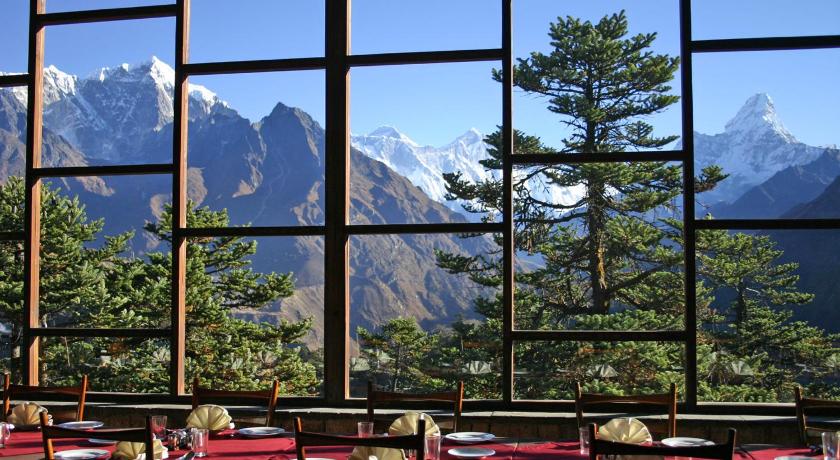
See Mount Everest (8,849 m) up close from the famous Everest View Hotel (~3,880 m), one of the world's highest-placed hotels
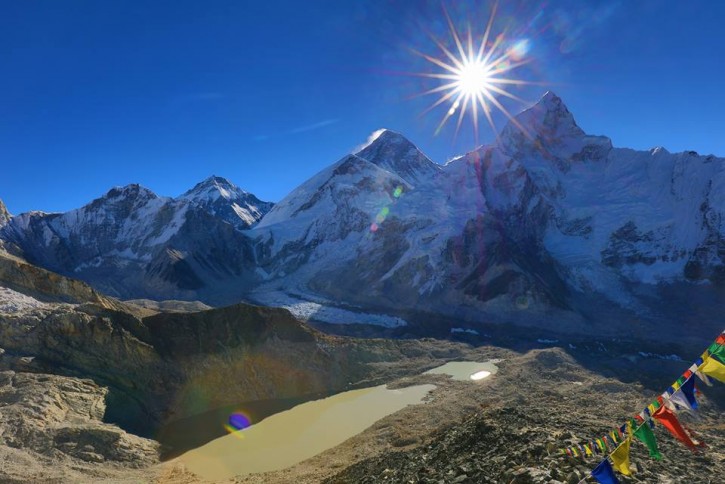
Enjoy a sweeping Himalayan panorama of Everest, Lhotse, Ama Dablam, Thamserku, Kongde Ri and Kusum Kanguru
Fly into Lukla's Tenzing-Hillary Airport, one of the most thrilling mountain airstrips on Earth
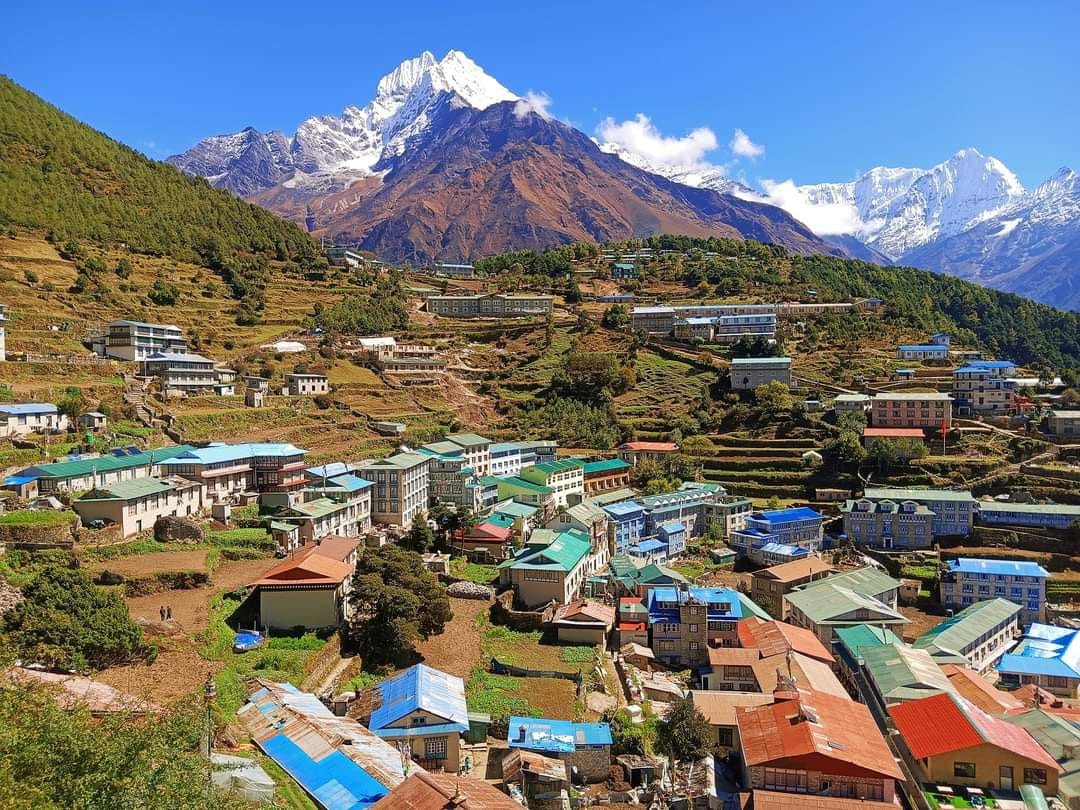
Explore Namche Bazaar (3,440 m), the lively Sherpa capital with cafés, bakeries, markets and mountain views
Trek through Sagarmatha National Park, a UNESCO World Heritage Site and home to Mount Everest
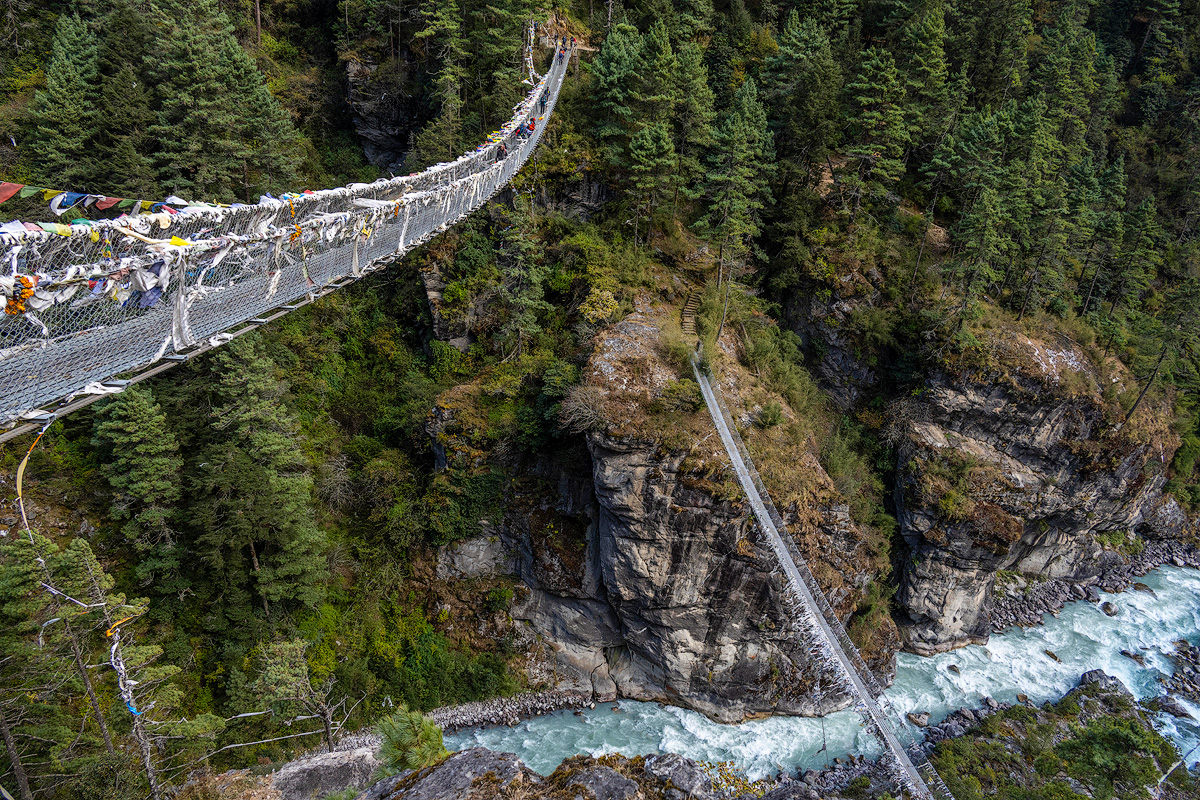
Cross the iconic Hillary Suspension Bridge, high above the Dudh Koshi River
Visit Khumjung village, home to the Hillary School and a monastery said to house a "yeti scalp"
Discover authentic Sherpa culture, with monasteries, mani walls, prayer wheels and colourful prayer flags
Learn about Sherpa life and mountaineering at the Sherpa Culture Museum in Namche
Walk beside the turquoise Dudh Koshi River through pine and rhododendron forests
Spot Himalayan wildlife such as Himalayan tahr, musk deer and the Danphe, Nepal's national bird
Short, low-altitude trek, ideal for families, beginners and travellers with limited time
Lower altitude-sickness risk than longer Everest treks, with a well-planned acclimatisation day
Stay in cosy teahouses with warm Sherpa hospitality and hearty local meals
Get the best of the Everest region in just 7 days, with first-class mountain views and easy logistics
Best Season & Weather
Choose the best time for your trek based on weather and trail conditions.
Best for Trekking
Spring
March-May
5°C – 18°C
Excellent
Mild, sunny days; rhododendrons bloom; clear mornings with some afternoon clouds by May
Good for Trekking
Summer / Monsoon
June-August
10°C – 20°C
Moderate
Warm and wet; frequent rain, cloudy peaks, slippery trails and Lukla flight delays
Best for Trekking
Autumn
September – November
5°C – 18°C
Excellent
Dry, stable weather; crystal-clear skies and the best mountain views of the year
Good for Trekking
Winter
December – February
-2°C – 10°C
Good
Cold but often clear; quiet trails, possible snow, frosty mornings
Everest View Trek Overview
The Everest View Trek is one of the easiest and most rewarding ways to experience Nepal's legendary Everest (Khumbu) region. In just 7 days, this short Himalayan adventure takes you from Kathmandu into the heart of Sherpa country for close-up views of Mount Everest (8,848.86 m) and its neighbouring giants. It avoids the long walking days and extreme altitudes of the Everest Base Camp trek. It's the perfect choice for families, first-time trekkers, older travellers and anyone short on time who still dreams of seeing the world's highest mountain.
Your journey begins with a thrilling mountain flight from Kathmandu (or Ramechhap in peak seasons) to Lukla (2,827 m), home to the famous Tenzing-Hillary Airport. From here, the trail follows the rushing Dudh Koshi River through pine and rhododendron forests, past mani walls, prayer wheels and traditional Sherpa villages, to the riverside settlement of Phakding (2,610 m).
The next day, you enter Sagarmatha National Park, a UNESCO World Heritage Site, at Monjo. You then cross the iconic Hillary Suspension Bridge and climb to Namche Bazaar (3,440 m). On a clear day, you'll catch your first glimpse of Everest along the way. Namche, the bustling Sherpa capital, is a colourful mountain town filled with cafés, bakeries, gear shops and lodges, set in a natural amphitheatre beneath towering peaks.
The highlight of the trek comes on your acclimatisation day in Namche. Hike up to the famous Everest View Hotel (~3,880 m), one of the highest-placed hotels in the world, for a breathtaking panorama of Everest, Lhotse, Ama Dablam, Thamserku and Kongde Ri. Continue to the peaceful village of Khumjung, home to the Hillary School and a monastery said to keep a "yeti scalp". Back in Namche, explore the Sherpa Culture Museum, local markets and cosy cafés, and soak up the mountain atmosphere.
After your time in Namche, the trail descends gently back through the Dudh Koshi valley to Lukla, where you'll celebrate with your guide and porters before flying back to Kathmandu.
The Everest View Trek is graded easy to moderate. Daily walks last about 4–7 hours, the maximum altitude is only around 3,880 m, and the itinerary includes a dedicated acclimatisation day, which keeps the risk of altitude sickness low. No previous trekking experience is required, just reasonable fitness and a sense of adventure. The best times to go are spring (March–May) and autumn (September–November), when skies are clear and mountain views are at their finest.
With experienced local guides, comfortable teahouse stays and all logistics handled by Nepal Trip Services, the Everest View Trek offers the essence of the Everest region in one unforgettable week.
Everest View Trek: See Mount Everest in Just 7 Days
Limited holiday time need not keep you from the roof of the world. This compact Himalayan journey brings the summit of Mount Everest (8,849 m) into clear sight within one week, sparing you the strenuous push to base camp. A dramatic landing at Lukla's mountain airstrip leads into the Khumbu, where forest trails, swaying bridges and stone-walled hamlets guide you to the bustling bazaar town of Namche. From there, a morning climb to the renowned hotel viewpoint reveals the planet's highest peak beside Lhotse and the elegant spire of Ama Dablam. Just four walking days, sleeping heights below 3,500 m and a built-in rest stop keep the pace relaxed and safe, making this the quickest, most accessible way to witness the giants of Nepal with Nepal Trip Services.
Everest View Hotel: Breakfast with the World's Highest Peak
Perched at roughly 3,880 m on a ridge above Syangboche, the Everest View Hotel promises one of the Khumbu's most memorable mornings. Built in the early 1970s by Japanese hotelier Takashi Miyahara, this stone lodge rewards a steady two-hour climb from Namche Bazaar with a sweeping terrace panorama. Sip coffee as Lhotse, Ama Dablam, Thamserku and Kongde Ri glow at sunrise, while Sagarmatha's summit soars beyond the Nuptse wall. Every room looks toward the mountains, making it an ideal acclimatisation stop and the true highlight of this Himalayan adventure.
Namche Bazaar: Gateway to the Everest Region
Tucked into a horseshoe-shaped bowl at 3,440 m, Namche Bazaar is the lively heart of the Khumbu and its busiest trading town. Colourful lodges climb terraced slopes, while narrow lanes buzz with bakeries, cafés, gear shops and the last reliable ATMs before higher trails. Every Saturday, porters and merchants from distant valleys gather at the weekly market to barter yak cheese, rice and spices. Visit the Sherpa Culture Museum, browse the national park visitor centre, or simply relax as Kongde Ri and Thamserku tower overhead, a perfect spot to acclimatise and soak up authentic mountain life.
Perfect Everest Trek for Beginners, Families & Busy Travellers
New to hiking? Not a problem. This gentle Khumbu adventure suitsfirst-timers, children, active seniors and anyone juggling a tight schedule. Walking hours stay moderate, usually four to seven daily, and nights are spent below 3,500 m, keeping altitude risks low. A built-in acclimatisation stop in Namche lets bodies adjust naturally, while cosy teahouses serve hot meals with warm hospitality after each stage. Licensed guides set a comfortable pace, porters carry heavy bags, and the whole journey fits neatly into one week, so professionals can enjoy world-class Himalayan scenery without using up their annual leave.
Everest View Trek Cost
The Everest View Trek is listed from US$870 per person, including domestic flights, hotel and teahouse stays, meals on trek, a licensed guide, a shared porter and permits. For more detailed pricing, inclusions and budgeting tips, see our Everest View Trek Cost guide
Khumjung Village: Hillary School, Monastery & Sherpa Life
Resting at about 3,790 m beneath the sacred peak of Khumbila, Khumjung is one of the largest settlements in the Khumbu, known for its green-roofed homes, stone walls and potato fields. In 1961, Sir Edmund Hillary founded a school here with the Himalayan Trust, and it still educates local children today. Nearby, the village gompa guards a curious relic said to be a yeti scalp, displayed in a glass case for visitors. Wander quiet lanes, spin prayer wheels and share butter tea with friendly families to experience everyday Sherpa traditions far from Namche's bustle.
Meals & Accommodation During the Everest View Trek
Day
Route
Altitude
Meals
Accommodation
01
Arrival in Kathmandu
1,400 m
Welcome Dinner
Hotel in Kathmandu
02
Kathmandu → Lukla (flight) → Phakding
2,610 m
B, L, D
Teahouse in Phakding
03
Phakding → Namche Bazaar
3,440 m
B, L, D
Teahouse in Namche
04
Acclimatisation day in Namche (Everest View Hotel hike)
3,440 m
B, L, D
Teahouse in Namche
05
Namche Bazaar → Lukla
2,827 m
B, L, D
Teahouse in Lukla
06
Lukla → Kathmandu (flight)
1,400 m
Breakfast & Farewell Dinner
Hotel in Kathmandu
07
Final departure
1,400 m
Breakfast
—
B = Breakfast, L = Lunch, D = Dinner
Meal Summary
Meal
Total Included
Breakfast
6
Lunch
4
Dinner
6 (including welcome & farewell dinners)
Accommodation Summary
Location
Nights
Type
Kathmandu
2
3-star hotel (twin sharing)
Phakding
1
Teahouse
Namche Bazaar
2
Teahouse / mountain lodge
Lukla
1
Teahouse
Total
6
All rooms are twin sharing. Teahouses offer simple rooms with blankets, shared or attached bathrooms and warm dining halls. Hot showers, charging and Wi-Fi may cost extra.
Do You Need Previous Trekking Experience for the Everest View Trek?
No prior hiking background is required. This gentle Himalayan route welcomes complete beginners, with four walking days of roughly 4–7 hours on well-marked stone trails. The highest point reaches only about 3,880 m, nights stay below 3,500 m, and a built-in rest day in Namche helps your body adapt naturally. Basic fitness matters more than technical skill, so a few weeks of brisk walks, stair climbs or cycling will prepare you well. Licensed guides set a steady pace while porters carry heavy loads, leaving you free to enjoy the views. Comfortable boots, a positive attitude and a willingness to tackle some steep sections are all newcomers need to succeed.
Everest View Trek Attractions
Every day of this trip brings a new highlight, from a thrilling mountain flight to centuries-old Sherpa culture and close-up views of the world's highest peak.
1. Scenic Flight to Lukla
A 30–40 minute mountain flight from Kathmandu lands at Lukla's Tenzing-Hillary Airport (2,827 m), famous for its short, sloping runway carved into the hillside. Sit on the left side of the plane for sweeping views of snow-capped Himalayan peaks. In peak seasons, flights often depart from Ramechhap, adding an early-morning drive to the adventure.
2. Dudh Koshi River Trail
The trail follows the Dudh Koshi, meaning "Milk River", whose milky-turquoise waters flow down from the glaciers of the Khumbu. Walk through pine and rhododendron forests, past carved mani stones, prayer wheels and terraced fields, to the riverside village of Phakding for your first night on the trail.
3. Sagarmatha National Park
At Monjo, you enter Sagarmatha National Park, established in 1976 and listed as a UNESCO World Heritage Site in 1979. Home to Mount Everest, it protects rare Himalayan wildlife, glaciers and fragile alpine landscapes. Your guide will have your entry permit checked at the park gate.
4. Hillary Suspension Bridge
Named after Sir Edmund Hillary, this high suspension bridge hangs far above the confluence of the Dudh Koshi and Bhote Koshi rivers. Covered in fluttering prayer flags, it is one of the most photographed spots in the Everest region. On the steep climb beyond it, you may catch your first glimpse of Everest.
5. Namche Bazaar (3,440 m)
Set in a horseshoe-shaped amphitheatre, Namche Bazaar is the bustling trading hub and Sherpa capital of the Khumbu. Its lanes are lined with bakeries, cafés, gear shops and cosy lodges, with towering peaks rising all around. It is also home to the last reliable ATMs on the trail and an ideal place to acclimatise.
6. Everest View Hotel (~3,880 m)
Built in the early 1970s by Japanese hotelier Takashi Miyahara, the Everest View Hotel sits on a ridge above Syangboche, about two hours' walk from Namche. Enjoy coffee on its terrace with a stunning panorama of Everest, Lhotse, Ama Dablam and Thamserku. For many trekkers, this is the defining moment of the trip.
7. Khumjung Village (~3,790 m)
One of the largest Sherpa villages in the region, Khumjung sits beneath the sacred peak of Khumbila, with green-roofed homes, stone walls and potato fields. Visit the Hillary School, founded in 1961 through the Himalayan Trust, and the village monastery, which displays a relic said to be a "yeti scalp".
8. Sherpa Culture Museum
Located just above Namche, this small museum offers a fascinating look at traditional Sherpa homes, clothing, farming and religion. Its photo gallery celebrates famous mountaineers, from Tenzing Norgay and Edmund Hillary to modern Everest summiteers, and their role in Himalayan climbing history.
9. Namche Saturday Market
Every Saturday, porters and traders from lower valleys and nearby villages gather in Namche for the lively weekly market. Stalls overflow with rice, vegetables, yak cheese, spices and household goods. It is a colourful glimpse into everyday mountain life and the region's centuries-old trading traditions.
10. Himalayan Mountain Views
Throughout the trek, admire Everest (8,849 m), Lhotse, Ama Dablam, Thamserku, Kongde Ri and Kusum Kanguru. Ama Dablam, with its elegant pyramid shape, is often called one of the most beautiful mountains in the world. Early mornings offer the clearest skies and best photo opportunities.
11. Wildlife & Forests
The forests and hillsides of Sagarmatha National Park shelter Himalayan tahr, musk deer and the colourful Danphe (Himalayan monal), Nepal's national bird. In spring (March–April), rhododendrons, Nepal's national flower, turn the lower trails into a blaze of red, pink and white blossoms.
Everest View Trek Difficulty
The Everest View Trek is graded easy to moderate, which makes it one of the most beginner-friendly treks in the Everest region. Daily walks last about 4 to 7 hours, and the highest point is only around 3,880 m, with a built-in acclimatization day in Namche Bazaar to keep altitude risks low. No technical skills or previous trekking experience are needed, just reasonable fitness and a steady pace. To see the toughest sections, fitness requirements and training tips, read our full guide to the Everest View Trek difficulty.
ExpertItinerary
01
DAY 1
Arrival in Kathmandu (1,400 m)
Detail
Information
Altitude
1,400 m
Activity
Airport pickup, hotel check-in, trek briefing
Meals
Welcome dinner (if included)
Accommodation
Hotel in Kathmandu
Our representative meets you at Tribhuvan International Airport and transfers you to your hotel. After resting, you meet your guide for a trek briefing covering the itinerary, safety, altitude awareness, and packing. This is the best time to check gear, rent or buy missing items in Thamel, weigh your duffel against the 15 kg Lukla flight limit, and exchange cash for the trail. Early to bed, as flight mornings start early.
DurationArrival Day
AccommodationHotel
MealsWelcome Dinner
02
DAY 2
Fly to Lukla (2,827 m) and Trek to Phakding (2,610 m)
Detail
Information
Flight time
About 30-35 min from Kathmandu (15-20 min from Ramechhap)
Trek
About 8 km, 3-4 hours
Altitude
Lukla 2,827 m to Phakding 2,610 m (a net descent)
Meals
Breakfast, lunch, dinner
Accommodation
Teahouse in Phakding
After an early breakfast, you take the mountain flight to Lukla, with views of the Himalayan foothills. In peak seasons (March-May, September-November), your flight may depart from Ramechhap (Manthali), which involves an early-morning drive of about 3-5 hours, so confirm with your agency. In Lukla you meet your porter, sort your gear, and begin trekking. The trail follows the Dudh Koshi River past prayer wheels, mani walls, and pine forests, with several suspension bridges. It is a gentle first day that lets your body adjust, and you stay low at Phakding.
Duration3-4 hours
AccommodationTea House
MealsBreakfast, Lunch & Dinner
03
DAY 3
Phakding to Namche Bazaar (3,440 m)
Detail
Information
Trek
About 10-11 km, 5-6 hours
Altitude gain
About 830 m
Highlights
Sagarmatha National Park entrance, Hillary Suspension Bridge
Meals
Breakfast, lunch, dinner
Accommodation
Teahouse in Namche Bazaar
This is the most demanding day of the trek. You cross several suspension bridges, pass through Monjo, and enter Sagarmatha National Park, where permits are checked. After crossing the high Hillary Suspension Bridge, a steady, steep climb leads to Namche Bazaar, the Sherpa capital. On clear days you may see a first glimpse of Everest on the way. Walk slowly, drink plenty of water, and rest often. Namche has cafes, bakeries, shops, and ATMs.
Duration5-6 hours
AccommodationTea House
MealsBreakfast, Lunch & Dinner
04
DAY 4
Acclimatization Day in Namche Bazaar (3,440 m)
Detail
Information
Hike
Namche to Everest View Hotel (about 3,880 m), 4-5 hours round trip
Optional extension
Khumjung village (about 3,780 m)
Principle
"Climb high, sleep low"
Meals
Breakfast, lunch, dinner
Accommodation
Same teahouse in Namche Bazaar
Today is about acclimatizing, not resting completely. After breakfast, you hike up to the Everest View Hotel, with panoramic views of Everest, Lhotse, Ama Dablam, and Thamserku, then enjoy tea at the viewpoint. If energy and weather allow, you can continue to Khumjung, a traditional Sherpa village with a monastery and school. You return to Namche to sleep at a lower altitude than your highest point, which helps your body adapt. Spend the afternoon visiting the Sherpa museum or the Saturday market (if timing suits), and rest well.
Duration4-5 hours
AccommodationTea House
MealsBreakfast, Lunch & Dinner
05
DAY 5
Namche Bazaar to Lukla (2,827 m)
Detail
Information
Trek
About 18-19 km, 7-8 hours, mostly downhill
Altitude
3,440 m down to 2,827 m
Highlights
Suspension bridges, forest trails, final mountain views
Meals
Breakfast, lunch, dinner
Accommodation
Teahouse in Lukla
This is a long walking day, so start early. The trail retraces your route along the Dudh Koshi River, passing Monjo and Phakding, and descends faster than you climbed. The return feels easier on the lungs but can tire your knees, so trekking poles help. Reaching Lukla early gives you time for a celebration dinner with your guide and porter, and a relaxed evening before your flight. Keep your passport and flight documents handy.
Duration7-8 hours
AccommodationTea House
MealsBreakfast, Lunch & Dinner
06
DAY 6
Fly from Lukla to Kathmandu (1,400 m)
Detail
Information
Flight time
About 30-35 min (or 15-20 min if routed via Ramechhap)
Activity
Morning flight, hotel transfer, free time
Meals
Breakfast, farewell dinner (if included)
Accommodation
Hotel in Kathmandu
After breakfast, you fly back to Kathmandu, weather permitting. Lukla flights are often delayed or cancelled by fog or wind, so we recommend a flexible buffer day and a helicopter backup if your schedule is tight. In Kathmandu, you check in, then enjoy a hot shower and free time for shopping or sightseeing in Thamel and nearby heritage sites. In the evening, a farewell dinner celebrates your trek.
Duration20–30 minutes
AccommodationHotel
MealsBreakfast & Farewell Dinner
07
DAY 7
Final Departure (1,400 m)
Detail
Information
Activity
Airport transfer for your onward flight
Meals
Breakfast
After breakfast, our representative transfers you to Tribhuvan International Airport for your onward journey. Do not book an international flight on the same day as your Lukla return, because flight delays could make you miss it.
DurationDeparture Day, Drive Time: 20–30 minutes
AccommodationYour Home
MealsBreakfast
Not satisfied with this Itinerary?
Are you interested in planning a custom trip? It only takes 2 minutes.
All government taxes, VAT and official service charges
Extras & Safety
Guided acclimatisation hike to the Everest View Hotel and Khumjung village
Duffel bag for the trek (to be returned after the trip)
Down jacket and sleeping bag on loan, if needed (to be returned after the trek)
Comprehensive first-aid kit carried by the guide
Pulse oximeter to monitor oxygen saturation and heart rate
Trekking map of the Everest View route
Assistance with emergency rescue arrangements (costs covered by your travel insurance)
Trek completion certificate
Everest View Trek Cost Excludes
International Travel & Visa
International airfare to and from Kathmandu
Nepal visa fee (US$30 for 15 days, US$50 for 30 days or US$125 for 90 days, payable on arrival)
Meals Not Mentioned
Lunch and dinner in Kathmandu, except the welcome and farewell dinners
Extra meals due to early return, flight delays or itinerary changes
Personal Expenses
Alcoholic and soft drinks, bottled or boiled water and snacks
Food or drinks purchased at the Everest View Hotel
Hot showers, battery charging and Wi-Fi in teahouses
Laundry, phone calls, shopping and souvenirs
Personal trekking gear and clothing
Optional & Extra Services
Additional porter or single room supplement
Kathmandu sightseeing, guide and heritage site entrance fees
Excess baggage charges on Lukla flights (above about 15 kg total)
Extra nights in Kathmandu due to early arrival, late departure or flight cancellation
Insurance & Emergencies
Travel insurance covering trekking up to at least 4,000 m, medical treatment and emergency helicopter evacuation (mandatory)
Helicopter rescue or evacuation costs
Costs arising from weather delays, flight cancellations, landslides, strikes or other events beyond our control
Tips & Others
Tips for guides, porters and drivers (customary and appreciated)
Any expenses not listed under "Cost Includes"
Trekking Equipment Checklist
Essential packing and gear checklist tailored for this trek.
Bags & Backpacks
✧Daypack (25–35 L) with rain cover
✧Duffel bag (50–60 L) for your porter
✧Waterproof dry bags or liners
✧Small padlock
Clothing
✧Moisture-wicking T-shirts (2–3)
✧Long-sleeve thermal base layer
✧Fleece jacket
✧Down jacket (rated -10°C)
✧Waterproof and windproof jacket
✧Trekking pants (2 pairs)
✧Thermal leggings
✧Quick-dry underwear
Head & Hands
✧Warm hat and sun cap
✧Buff or neck gaiter
✧UV-protection sunglasses
✧Lightweight and warm gloves
Footwear
✧Broken-in waterproof trekking boots
✧Camp shoes or sandals
✧Wool trekking socks (3–4 pairs)
Sleeping
✧Sleeping bag (rated -10°C), available on loan
✧Sleeping bag liner (optional)
Trekking Accessories
✧Trekking poles
✧Headlamp with spare batteries
✧Reusable water bottles (2 × 1 L)
✧Water purification tablets
Toiletries & Health
✧Sunscreen (SPF 50+) and lip balm
✧Quick-dry towel
✧Toilet paper, wet wipes and hand sanitiser
✧Personal medicines and blister plasters
✧Basic first-aid kit and rehydration salts
Electronics
✧Phone and camera
✧Power bank
✧Universal adapter (Type C, D & M)
Documents & Money
✧Passport and visa
✧Travel insurance details
✧Cash in Nepalese rupees
Packing Tips
✧Keep total baggage under 15 kg for Lukla flights
✧Wear your boots and jacket on the flight
✧Leave extra luggage at your Kathmandu hotel
Captured Memories Of Everest View Trek
Everest View Trek: Additional Information
Best Time for the Everest View Trek
The best time for the Everest View Trek is mid-September to November and March to May. During these months the skies are clear, the trails are dry and the views of Everest, Lhotse, Ama Dablam and Thamserku from Namche Bazaar, Khumjung and the Everest View Hotel are at their sharpest. Because this short trek stays below about 3,900 m, it is also possible in winter, which makes it one of the few Everest-region treks that works almost year-round.
Seasons & Trail Conditions
Season
Months
Trail Conditions
Views
Rating
Autumn
Late Sep – Nov
Dry, stable and comfortable
Crystal clear
Best
Spring
Mar – May
Warm days, rhododendrons in bloom (Mar–Apr)
Clear mornings, some haze later
Excellent
Winter
Dec – Feb
Cold, crisp and quiet; light snow possible
Very clear
Good (cold nights)
Monsoon
Jun – Aug
Rain, leeches and slippery trails
Mostly cloudy
Not recommended
Best Months at a Glance
Month
Why Go / Why Avoid
March
Cool and clear, with rhododendrons starting to bloom lower down
April
Warm days, flowering forests and a lively trail
May
Warmest month, with afternoon clouds and haze building
September
Late-monsoon showers early in the month, improving by the end
October
Best visibility and the most stable weather, but the busiest month
November
Clear, dry and quieter, with colder nights
December – February
Sharp, clear views and few trekkers, but very cold mornings and evenings
Temperatures at Namche and Tengboche (Approx.)
Season
Day (3,400–3,900 m)
Night (3,400–3,900 m)
Autumn
8°C – 15°C
-5°C to 0°C
Spring
8°C – 15°C
-5°C to 3°C
Winter
0°C – 8°C
-12°C to -5°C
Temperatures are approximate and vary with weather and exact location.
Quick Tips
For the clearest mountain views: Go in October or November.
For flowers and warmer days: Choose late March to April.
For a quiet trek: Try December to February, and pack a warm sleeping bag and down jacket.
Fly early. Lukla flights usually run in the morning, before cloud builds up. In peak seasons many depart from Ramechhap (Manthali), so expect a very early start.
Add 1 buffer day for flight delays, especially in winter and the monsoon.
Book 2 to 3 months ahead for October and April departures.
Not sure which month suits you? Nepal Trip Services will help you choose the best time for your Everest View Trek, based on your travel dates, fitness and what you most want to see.
Permits & Entry Fees
The Everest View Trek takes place entirely inside Sagarmatha National Park, a UNESCO World Heritage Site, and the Khumbu Pasang Lhamu Rural Municipality. Every trekker needs two permits. When you book with Nepal Trip Services, both are arranged for you and included in your trek package.
Required Permits (2026)
Permit
Foreign Nationals
Where Issued
Where Checked
Sagarmatha National Park Entry Permit
NPR 3,000 (about US$21)
Kathmandu (Nepal Tourism Board) or Monjo
Monjo checkpoint
Khumbu Pasang Lhamu Rural Municipality Permit
NPR 3,000 (about US$21)
Lukla
Lukla checkpoint
Total
NPR 6,000 (about US$45)
SAARC nationals pay NPR 1,500 for the national park permit, and Nepali citizens pay only a small fee. Fees are set by the authorities and may change. Some sources differ on whether VAT is included in the park fee, so confirm at the counter.
Good to Know
No TIMS card is needed for the Everest region. The Khumbu has no TIMS requirement.
No extra permit is needed for Namche Bazaar, Khumjung, Tengboche or the Everest View Hotel, because your two permits cover the whole route.
Permits are non-transferable and non-refundable.
Keep your permits with you at all times, as they are checked at Lukla, Monjo and other points along the trail.
Documents Required
Valid passport (6+ months) and Nepal visa
Passport-size photos (2 copies)
Trekking itinerary and insurance details
Quick Tips
Carry photocopies of your passport and permits in a waterproof pouch.
Bring NPR cash for any small local fees or donations.
Coming in via Jiri or Phaplu instead of flying to Lukla? An extra Gaurishankar Conservation Area permit may apply, so tell us in advance.
Check your quote. Make sure both permits are named as included, and ask whether the fees shown are the current rates.
No queues, no paperwork. Nepal Trip Services handles every permit for your Everest View Trek, so you can focus on the mountains.
The Everest View Trek is graded easy to moderate, which makes it one of the most accessible treks in the Everest (Khumbu) region. You do not need any technical climbing skills or previous high-altitude experience, but you do need a reasonable level of fitness, because the trail climbs and descends steadily through Sherpa villages, pine forest and suspension bridges. The route stays below about 3,900 m, so the altitude risk is much lower than on Everest Base Camp or the Three High Passes, although mild altitude symptoms can still affect some trekkers.
Difficulty at a Glance
Factor
Details
Difficulty Grade
Easy to moderate
Maximum Altitude
About 3,880 m (Everest View Hotel and Tengboche area)
Daily Walking
3 to 6 hours
Total Distance
About 55 to 75 km, depending on the itinerary
Nights Above 3,000 m
Around 4 to 6 nights
Terrain
Well-marked trails, stone steps, forest paths and suspension bridges
Experience Needed
None; suitable for first-time trekkers
Distances and times vary slightly by itinerary and your pace.
The Toughest Sections
Section
Main Challenge
Difficulty
Jorsalle to Namche Bazaar
Long, steep climb of about 600 to 800 m after the Hillary Suspension Bridge
⭐⭐⭐
Namche to Everest View Hotel
Steady uphill hike for acclimatization, with thinner air
You do not need to be an athlete, but you should be able to:
Walk 4 to 6 hours a day on uneven ground, with short breaks
Climb stairs or hills for 30 to 60 minutes without feeling exhausted
Carry a light daypack (4 to 6 kg) while you walk
Who Is It For?
First-time trekkers who want a taste of the Himalayas
Families and active older travelers with a reasonable fitness level
Short-holiday visitors with only a week or so to spare
Trekkers building experience before attempting Everest Base Camp
Not ideal for anyone with serious heart, lung or knee problems, unless cleared by a doctor
How to Prepare
Train for 4 to 8 weeks with brisk walking, hill hikes, stair climbing, cycling or swimming, 3 to 4 times a week.
Practice downhill walking, because the long descents to Lukla are tiring on the knees.
Hike with your boots and daypack to break in your footwear and avoid blisters.
Get a medical check-up if you have a health condition.
How to Make It Easier
Walk slowly and take regular breaks, especially on the climb to Namche.
Use the acclimatization day in Namche Bazaar and hike up to the Everest View Hotel before sleeping low.
Drink 3 to 4 litres of water a day, and avoid alcohol on the first nights at altitude.
Use trekking poles to protect your knees on descents.
Hire a porter so you only carry a light daypack.
Tell your guide early about headaches, nausea or unusual tiredness.
With Nepal Trip Services' experienced guides, a well-paced itinerary and a built-in rest day, the Everest View Trek is a comfortable and achievable first Himalayan adventure for most active travelers.
Altitude Sickness & Acclimatization on the Everest View Trek
The Everest View Trek is one of the safest ways to see Mount Everest, Lhotse, Ama Dablam, and Thamserku. The route reaches about 3,880 m at Everest View Hotel, much lower than Everest Base Camp (5,364 m). Altitude sickness (Acute Mountain Sickness, or AMS) can still affect trekkers above 2,500 m, whatever their fitness level. Proper acclimatization lowers the risk and makes the trek more enjoyable.
Key Altitudes on the Trek
Location
Approx. Altitude
Acclimatization Note
Lukla
2,860 m
Starting point, short walk only
Phakding
2,610 m
Gentle first night, lower than Lukla
Namche Bazaar
3,440 m
Main acclimatization stop
Everest View Hotel
3,880 m
Highest point, day hike from Namche
Khumjung / Khunde
3,780 m
Culture visit, optional overnight
Altitudes are approximate and vary slightly by source and route.
Common AMS Symptoms
Headache (the most common sign)
Nausea or loss of appetite
Dizziness or light-headedness
Unusual tiredness
Poor sleep at night
Danger Signs: Descend Immediately
These may signal severe altitude illness (HAPE or HACE):
Breathlessness at rest, or a persistent wet cough
Confusion, odd behavior, or loss of balance
Severe headache that does not ease with rest or medicine
Symptoms that keep getting worse
Never ascend with worsening symptoms. Descend right away and seek medical help.
8 Tips for Safe Acclimatization
Climb high, sleep low. Hike higher during the day, then sleep at a lower altitude.
Take an acclimatization day in Namche Bazaar.
Walk slowly ("bistari, bistari" in Nepali).
Drink 3-4 litres of water daily.
Eat carbohydrate-rich meals such as dal bhat and soups.
Avoid alcohol, smoking, and sleeping pills at altitude.
Choose a realistic itinerary. Avoid rushing, such as flying in and going straight to the highest point.
Tell your guide early if you feel unwell.
Medication & Preparation
Some trekkers use acetazolamide (Diamox) to help prevent AMS. Consult a doctor before the trek about whether it suits you, and about travel insurance that covers helicopter evacuation up to at least 4,000 m.
Why a Guide Helps
Monitors your symptoms daily
Sets a safe pace and rest schedule
Arranges evacuation or descent when needed
Carries a basic first-aid kit
Kathmandu to Lukla Flight Information
The flight to Lukla (2,860 m) is the classic start to the Everest Base Camp, Everest View, and Gokyo treks. It saves several days of walking and gives dramatic Himalayan views. The flight is weather-dependent and uses small STOL aircraft, so good planning matters more than anything else.
Flight Duration at a Glance
Route
Flight Time
Ground Transfer
Best For
Kathmandu (TIA) → Lukla
30-35 min
None
Off-season and helicopter flights
Ramechhap (Manthali) → Lukla
15-20 min
3-5 hrs drive (about 132 km)
Peak-season departures
Kathmandu → Lukla by helicopter
About 45 min
None
Flexible schedules, weather backup
Times are approximate and vary by aircraft and conditions.
Ramechhap (Manthali) Departures in Peak Season
To reduce congestion at Kathmandu's Tribhuvan Airport, most scheduled Lukla flights operate from Manthali Airport, Ramechhap, during peak trekking months. A "Ramechhap to Lukla" flight and a "Manthali to Lukla" flight are the same thing.
Peak months: March-May and September-November
What to expect:
Early start: Many trekkers leave Kathmandu between 1 and 2 AM to reach Manthali by sunrise.
Scenic road transfer: About 3-5 hours by private vehicle.
Shorter flight: Only 15-20 minutes to Lukla.
Possible overnight: Some operators arrange a night near Manthali to avoid the night drive.
Flexibility: Always confirm the departure airport with your trekking company.
Baggage Limits
Item
Typical Limit
Total allowance (checked + hand)
15 kg (33 lbs) per passenger
Checked baggage
Around 10 kg
Hand baggage
Around 5 kg
Weigh your duffel before leaving Kathmandu.
Leave non-trek items at your Kathmandu hotel.
Wear your heaviest items (boots, down jacket) onto the plane.
Excess baggage may be charged per kg, or refused or offloaded in peak season.
Offloaded bags usually follow on the next available flight.
Limits can differ by airline, so confirm before you pack.
Lukla Flight Delay Planning
Flights run under Visual Flight Rules, so pilots need clear visibility. Morning fog, low cloud, and wind can cause delays, reschedules, or cancellations at either end.
Smart delay planning:
Add 1-2 buffer days to your itinerary.
Do not book your international flight home on the same day you fly back from Lukla.
Book the earliest flight. Morning weather is usually the most stable.
Buy travel insurance that covers flight delays, cancellations, and helicopter evacuation.
Keep a helicopter option as a backup for tight schedules (usually costs more).
Stay in touch with your trekking agency for real-time updates.
Quick Tips Checklist
Book flights and trek package early for peak season
Carry a passport copy and TIMS/permit documents in hand baggage
Pack medicines, valuables, and chargers in hand baggage
Keep a soft duffel instead of a hard suitcase
Arrive at the airport as instructed by your guide
Guide and Porter Services
A professional guide and porter team makes the Everest View Trek safer, easier, and more rewarding. Guides handle navigation, safety, and local culture. Porters carry your gear so you can walk comfortably at altitude. Together they help you acclimatize well, save energy, and connect with Sherpa life and Khumbu traditions.
Guide vs. Porter: Key Differences
Feature
Trekking Guide
Porter
Main role
Leads, informs, and manages safety
Carries luggage
Languages
English (other languages possible)
Basic English or local language
Altitude monitoring
Yes
Not usually
Local knowledge
Routes, culture, lodges, weather
Route and lodge familiarity
First aid
Trained in basic first aid and AMS awareness
Basic awareness
Best for
Safety, navigation, cultural insight
Lighter daypack, more comfort
What a Licensed Guide Does
Plans a safe pace and daily itinerary
Monitors you for altitude sickness symptoms
Handles lodge bookings, permits, and logistics
Explains Sherpa culture, monasteries, and mountain views
Arranges descent or evacuation in emergencies
Communicates with teahouses, flights, and your agency
What a Porter Does
Carries your main duffel bag so you only carry a small daypack
Walks ahead to the next stop, often reaching the lodge first
Supports guides with room and meal logistics
Typical Load Limits
Setup
Usual Practice
One porter for two trekkers
About 20-25 kg total (10-12 kg per trekker)
Your own daypack
5-8 kg (water, camera, jacket, snacks)
Limits can vary by agency and season. Ask your operator for their policy.
Benefits of Hiring a Guide and Porter
Safety first: Quick response to altitude illness, weather, and injuries
Better acclimatization: Lighter load means a steadier, slower pace
No navigation stress: Clear route, correct turns, and reliable timing
Cultural depth: Stories, etiquette, and local connections
Supports local livelihoods: Mountain jobs sustain families across Nepal
Ethical Trekking: Fair Practices
Choose a registered, licensed trekking agency
Make sure porters get fair pay, insurance, and proper gear
Ensure warm clothing, food, and shelter for staff at altitude
Respect agreed load limits
Tip according to service, as it is a recognised part of trekking culture
Treat your team with kindness and patience
How to Choose the Right Team
Check that the guide holds a valid trekking guide license
Look for first-aid and altitude-awareness training
Read recent trekker reviews
Confirm what is included (meals, insurance, accommodation, permits)
Meet or speak with your guide before the trek if possible
Ask about group size and guide-to-trekker ratio
Quick Packing Notes for Your Porter
Use a soft duffel bag rather than a hard suitcase
Label your bag clearly
Keep valuables, passport, medicines, and electronics in your daypack
Keep the duffel within the flight and porter weight limits
Everest View Trek vs Everest Base Camp Trek
Both treks start with a flight to Lukla and pass through Sherpa villages, suspension bridges, and Sagarmatha National Park. The difference is time, altitude, and effort. The Everest View Trek is a short, lower-altitude route with classic Everest panoramas. The Everest Base Camp (EBC) Trek is a longer, high-altitude journey that takes you to the foot of the world's highest mountain.
The Everest View Trek stays below about 3,900 m, so altitude effects are usually milder, especially with a rest day in Namche Bazaar. The EBC Trek climbs above 5,000 m, where altitude sickness is a serious consideration, and proper acclimatization days are essential.
Which Trek Should You Choose?
Choose the Everest View Trek if you:
Have limited time (one week or less)
Are a beginner or trekking with family
Want Everest views without extreme altitude
Prefer a lower budget
Want a comfortable lodge-based experience
Choose the Everest Base Camp Trek if you:
Have around two weeks available
Are physically prepared for long walking days
Want to stand at Everest Base Camp
Seek a bigger challenge and sense of achievement
Are comfortable with basic high-altitude lodges
Common Features
Flight to Lukla (Kathmandu or Ramechhap in peak season)
Teahouse accommodation and local meals
Option of a licensed guide and porter
Best seasons: March-May and September-November
Permits required for the Sagarmatha National Park area
Electricity, Wi-Fi, Phone Signal and Money on the Trail
The Everest region is remote, but basic connectivity is available at most main stops. Services are limited, paid, and weather-dependent, and they get weaker and more expensive as you climb. Preparing ahead keeps you comfortable and connected without relying on any single option.
Services at a Glance
Service
Lukla / Phakding
Namche Bazaar
Khumjung / Khunde
General Trail Note
Electricity
Reliable
Reliable
Reliable
Charging is usually paid per device
Wi-Fi
Available
Available
Limited
Paid, often by card or time package
Mobile signal
Good
Good
Fair
Weak in valleys and bad weather
ATM
Available
Available
Not reliable
Can run out of cash or be offline
Hot shower
Yes
Yes
Yes
Usually extra charge
Availability changes by lodge, season, and weather. Treat this table as a general guide.
Electricity and Charging
Lodges charge a fee per phone, camera battery, or power bank
Charging points are often in the dining room, not bedrooms
Many lodges use solar or hydro power, so supply can be limited on cloudy days
Cold weather drains batteries quickly
Packing tips:
A power bank (10,000-20,000 mAh) is the most useful item
A universal travel adapter (Nepal uses Type C, D, and M sockets at 230 V)
Spare camera batteries
Keep devices and batteries inside your sleeping bag at night
Consider a small solar charger as a backup
Wi-Fi and Internet
Wi-Fi is usually sold as a time or data package in teahouses. Speed can be slow and unreliable, especially during peak hours.
Buy a package only when you really need it
Use messaging apps rather than video calls
Download maps, music, and offline entertainment before the trek
Let family know you may be offline for a day or two
Phone Signal and SIM Cards
Nepal's main networks, Ncell and Nepal Telecom (NTC), both work in much of the Everest region, though coverage varies by location.
Buy a local SIM in Kathmandu with your passport and a photo
Choose a data pack for the trek duration
Ask your guide which network works best on your route
Expect no signal in some valleys and at higher camps
Keep a basic offline map and your guide's contact details saved
Money on the Trail
Cash is king. Cards are rarely accepted in teahouses.
Item
Tip
Currency
Nepali rupees (NPR)
Where to withdraw
Kathmandu, Lukla, and Namche Bazaar ATMs
Where to carry cash
Small notes for meals, tea, charging, showers, and tips
ATM reliability
Machines can be empty or offline, so do not depend on them
Prices
Rise with altitude, since everything is carried in
Budget checklist:
Meals and drinks (dal bhat, tea, water)
Charging and hot showers
Wi-Fi packages
Snacks and bottled or purified water
Tips for guide and porter
Emergency cash reserve
Smart Safety Tips
Withdraw most of your cash in Kathmandu before flying
Keep money in two places, such as a money belt and daypack
Carry small denominations for easier payment
Keep passport, permits, and insurance copies in a waterproof pouch
Confirm travel insurance includes emergency evacuation
Who Is the Everest View Trek Suitable For?
The Everest View Trek is one of the most accessible ways to see Mount Everest. It is short, stays below about 3,900 m, and uses comfortable teahouse lodges. That makes it a good fit for many travelers, from first-time trekkers to families and seniors, provided they prepare sensibly and respect altitude.
Trek Suitability at a Glance
Traveler Type
Suitable?
Notes
First-time trekkers
Yes
Short, scenic, and lower altitude
Families with children
Yes, with care
Best for active, older children; check agency policy
Seniors
Often yes
Good fitness, medical clearance, and a slower pace help
Solo travelers
Yes
Joining a group or hiring a guide is recommended
Photographers
Yes
Great Everest, Lhotse, and Ama Dablam views
Time-limited travelers
Yes
About one week or less
Seasoned high-altitude trekkers
Optional
May prefer Everest Base Camp or Gokyo for a bigger challenge
Ideal For
Beginners who want a safe introduction to the Himalayas
Families looking for a manageable adventure
Seniors and casual walkers who prefer a gentle pace
Busy travelers with limited holiday time
Culture lovers interested in Sherpa villages and monasteries
Those nervous about high altitude who want Everest views without going above 5,000 m
No technical climbing or mountaineering skills required
Previous trekking experience is helpful but not essential
Simple preparation plan:
Start walking or hiking 4-6 weeks before departure
Practice stairs and uphill walks with a light daypack
Break in your trekking boots early
Build regular exercise into your week
Age and Health Considerations
There is no strict age limit, but fitness and health matter more than age
Visit your doctor before the trek, especially if you have heart, lung, or blood pressure concerns, or are pregnant
Be honest with your guide about any health conditions
Choose an itinerary with a Namche Bazaar acclimatization day
Who May Need a Different Trek?
Travelers with serious uncontrolled heart or lung conditions (get medical advice first)
Anyone unable to walk several hours a day on uneven terrain
Trekkers seeking close-up Base Camp experience (consider Everest Base Camp)
Adventurers wanting remote, high-altitude challenge (consider Gokyo or Three Passes)
Why It Suits Most Travelers
Lower altitude: Reduced altitude sickness risk compared with higher treks
Short duration: Fits a one-week holiday
Comfortable stays: Teahouses with meals, beds, and warm dining rooms
Guide and porter support: Makes the trek easier and safer
Big rewards: Everest panoramas, Namche Bazaar, Khumjung, and Sherpa culture
Responsible Trekking and Sherpa Culture Tips
The Everest region is home to Sherpa communities, sacred Buddhist sites, and a fragile high-mountain environment. Trekking responsibly protects the landscape, respects local traditions, and keeps tourism beneficial for the people who live here. A few simple habits make a big difference.
Quick Do's and Don'ts
Do
Don't
Greet people with a smile and "Namaste"
Ignore locals or walk past without acknowledgment
Walk clockwise around mani walls, stupas, and prayer wheels
Walk anticlockwise around sacred structures
Ask before photographing people or monks
Take photos inside monasteries without permission
Carry your waste out or dispose of it properly
Litter or burn plastic
Dress modestly in villages and monasteries
Wear revealing clothing
Support local lodges, shops, and guides
Haggle aggressively over small amounts
Sherpa Culture Tips
Greetings: "Namaste" is widely understood. "Tashi Delek" is a traditional Sherpa greeting
Mani walls and stupas: Pass on the left side, keeping them on your right
Prayer wheels: Spin them clockwise
Monasteries: Remove shoes if asked, speak softly, and ask before taking photos
Feet and heads: Avoid pointing your feet at people or religious objects, and do not touch someone's head
Food and hospitality: Accept tea and food with your right hand, or both hands
Photography: Always ask first, and respect a "no"
Festivals: Sherpa festivals such as Mani Rimdu are sacred, so observe quietly
Leave No Trace: 7 Habits
Plan ahead and carry the right gear so you do not need to buy extras
Stay on marked trails to prevent erosion
Pack out your trash, including tissues and wrappers
Leave natural and cultural objects (rocks, plants, prayer flags) where they are
Respect wildlife and never feed animals
Use lodge toilets and dispose of waste properly
Be considerate of other trekkers and locals
Reduce Plastic on the Trail
Plastic is a major problem in the Himalayas, and restrictions on single-use plastic bottles have been introduced in parts of the Khumbu area. Rules can change, so check current guidance with your agency.
Bring a reusable water bottle (1 litre or more)
Use water purification tablets or a filter, or refill at lodge stations
Avoid single-use plastic bags and packaging
Carry a small bag for your own rubbish
Choose a lodge or agency with clear waste policies
Trail Etiquette
Yaks and mules: Step to the uphill, inner side of the trail and wait for them to pass
Suspension bridges: Give way to animals and porters, and cross patiently
Porters: Give them the right of way, as they often carry heavy loads
Noise: Keep voices and music low, especially near monasteries and lodges
Drones: Check the rules, as they are restricted in some areas and can disturb people and wildlife
Support Local Communities
Hire local guides and porters through a fair, licensed agency
Buy meals, tea, and supplies from village businesses
Make sure your team has proper gear, insurance, and fair wages
Tip in line with good service, as it is customary in trekking culture
Choose family-run teahouses
Be patient, because everything in the mountains is carried in
Everest View Trek Cost & Daily Budget
The Everest View Trek is one of the most affordable ways to see Mount Everest. Because it is short (about 5-7 days), you pay for fewer nights, meals, and guide days. The biggest fixed costs are the Lukla flights and permits. The figures below are indicative ranges, so confirm exact prices with your agency before booking.
Estimated Cost Overview
Budget Style
What It Usually Means
Indicative Cost (per person)
Independent
No guide or porter, basic teahouses
Lowest, but needs more planning and carries more risk
Everest region prices are widely published for the longer Base Camp trek, so shorter treks cost proportionally less. Ask your agency for a written quote for your exact itinerary.
Main Cost Components
Item
Typical Cost Notes
Lukla flights (return)
The largest single cost, and price changes by airline and season
Permits
About USD 50-60 combined (park and local fees)
Teahouse room
Roughly USD 5-10 per night, rising with altitude
Food and drinks
Roughly USD 20-35 per day
Guide and porter
Included in packages, or paid per day if hired separately
Kathmandu hotel
Varies widely, from budget to luxury
Travel insurance
Required, must cover emergency evacuation
Daily Budget Estimate (On the Trail)
Expense
Approx. Daily Range
Meals (breakfast, lunch, dinner)
USD 20-35
Tea, snacks, bottled or purified water
USD 3-8
Charging, Wi-Fi, hot shower
USD 3-10
Teahouse room
USD 5-10
Rough personal total
About USD 30-60 per day
Prices rise with altitude because everything is carried in. Carry a buffer.
What a Package Usually Includes
Kathmandu-Lukla-Kathmandu flights
Licensed guide and porter
Teahouse accommodation
Park and local permits
Airport transfers
Basic first-aid support
Usually Not Included
International flights and Nepal visa
Travel and evacuation insurance
Kathmandu hotels and meals outside the package
Personal gear and rentals
Charging, Wi-Fi, hot showers, and drinks
Tips for guide and porter
Extra costs from flight delays or cancellations
Smart Ways to Save Money
Join a group departure. It is usually cheaper than a private trek.
Travel outside peak weeks where possible.
Rent gear in Kathmandu instead of buying.
Carry a refillable bottle and purify water.
Book early for better flight availability.
Compare inclusions, not just prices. A very low quote may leave out flights, permits, or insurance.
Skip luxury extras you will not need on a short trek.
Hidden Costs to Plan For
Extra days if Lukla flights are delayed
Helicopter backup if flights are cancelled
Emergency medicine or evacuation
Tips, usually a customary part of trekking culture
Cash withdrawal fees
Packing List & Microspikes Guide
Good packing keeps you warm, comfortable, and within the Lukla flight baggage limit (usually 15 kg total). The key is layering: mornings and nights are cold, afternoons can be warm, and weather changes quickly. Pack light, choose quality over quantity, and rent or buy bulky items in Kathmandu.
Core Packing Checklist
Category
Essentials
Base layers
2 moisture-wicking tops, 1 thermal bottom
Mid layers
Fleece or light insulated jacket
Outer layers
Down jacket, waterproof shell jacket and pants
Trekking bottoms
2 quick-dry trekking pants
Footwear
Broken-in waterproof trekking boots, camp shoes or sandals
Socks
3-4 pairs of wool or synthetic trekking socks
Headwear
Warm hat, sun hat, buff or neck gaiter
Hands
Light gloves plus warm outer gloves
Sleep
Sleeping bag (rated for cold nights), or rent in Kathmandu
Bags
Soft duffel (for porter), 25-35 L daypack
Daypack Essentials
Water bottle (1 L or more) and purification tablets or filter
Sunscreen, lip balm with SPF, sunglasses (UV-rated)
Snacks and energy bars
Camera, phone, and power bank
Passport copy, permits, and cash
Rain jacket or poncho
Hand sanitizer and tissues
Health & Hygiene Kit
Personal medicines and a basic first-aid kit
Blister plasters and pain relief
Altitude medication only as advised by your doctor
Toothbrush, quick-dry towel, wet wipes
Insect repellent for lower elevations
Optional but Useful
Trekking poles (protect knees on descents)
Headlamp with spare batteries
Dry bags or waterproof liners
Earplugs and eye mask for lodge nights
Reusable bag for rubbish
Travel journal or book
Staying Under the 15 kg Limit
Weigh your duffel before leaving home and again in Kathmandu
Leave non-trek items at your hotel
Wear your heaviest items (boots, down jacket) on the flight
Use packing cubes or compression sacks
Rent bulky gear such as sleeping bags and down jackets in Kathmandu
Always confirm the current baggage allowance with your airline or agency.
Microspikes Guide
What are microspikes? Lightweight chain-and-spike traction devices that stretch over your boots. They give extra grip on packed snow and ice without the weight of full crampons.
Do You Need Them?
Season
Microspikes Needed?
Spring (March-May)
Usually not, though patches of snow are possible early in the season
Autumn (Sept-Nov)
Rarely, but possible in late November after snowfall
Winter (Dec-Feb)
Often useful, especially on shaded, icy trails
Monsoon (June-Aug)
Not typically needed, but trails are wet and slippery
The Everest View Trek stays below about 3,900 m, so snow and ice depend on recent weather. Ask your guide before you go.
Microspikes vs Crampons
Feature
Microspikes
Crampons
Weight
Light
Heavier
Best for
Packed snow, icy trail sections
Steep ice, glacier travel
Needed on this trek?
Sometimes, in winter
Not required
Fit
Stretches over most trekking boots
Needs compatible stiff boots
How to Choose Microspikes
Correct size: Match your boot size so they fit snugly
Durable chain and spikes: Stainless steel lasts longer
Secure fit: A good harness stays on while walking
Easy to pack: Choose a model with a carry pouch
Test before travel: Practice putting them on and off
Safety Tips for Using Microspikes
Remove them on bare rock or wooden bridges, since they can slip and damage surfaces
Walk with a wide, steady stance
Take extra care downhill
Use trekking poles for balance
Check them for damage before each use
Where to Rent or Buy in Kathmandu
Thamel has many shops for rental and purchase of trekking gear. Check quality, fit, and condition before paying. Many agencies also provide a duffel bag and basic gear loans.
Travel Insurance & Helicopter Rescue on the Everest View Trek
The Everest region is remote, and medical facilities are limited. Weather can delay flights, and helicopter evacuation can be expensive without cover. Good travel insurance is not optional: it protects your health, your finances, and your peace of mind. Although the Everest View Trek stays below about 3,900 m, a policy that explicitly covers trekking at altitude and emergency evacuation is still essential.
Why Insurance Matters Here
Altitude sickness can appear above 2,500 m, whatever your fitness
Trails are uneven, with a risk of falls, sprains, and injuries
Hospitals are far away, so evacuation may be the only safe option
Flight delays and cancellations are common in Lukla
Helicopter rescue costs can be very high out of pocket
What to Look for in a Policy
Coverage
Why It Matters
Emergency helicopter evacuation
Core protection for medical emergencies on the trail
Altitude cover
Must include trekking up to the maximum height of your route (at least 4,000 m for this trek)
Medical treatment and hospital costs
Covers care in Lukla, Kathmandu, or abroad
Repatriation
Covers return home if medically needed
Trip delay and cancellation
Helps with Lukla flight disruptions
Baggage and personal items
Covers loss, theft, or delay
Trekking without a guide
Some policies exclude independent trekkers
Check that "trekking" is listed, and that the policy does not cap or exclude altitude. Wording varies widely by insurer.
How Helicopter Rescue Works
Alert your guide or lodge. Tell them early if you feel seriously unwell.
Medical assessment. A guide, local clinic, or doctor decides if evacuation is needed.
Contact the insurer or agency. Your emergency assistance number must be saved in your phone and written down.
Rescue arrangement. The helicopter operator, agency, and insurer coordinate, and approval is often needed first.
Evacuation to Kathmandu. You are flown to a hospital for treatment.
Claims paperwork. Keep every receipt, medical report, and flight record.
Danger Signs That May Need Evacuation
Severe or worsening altitude symptoms (HAPE or HACE signs)
Breathlessness at rest, or confusion and loss of balance
Serious injury or inability to walk
Severe infection, dehydration, or illness
Do not delay descent or rescue. Early action saves lives.
Helicopter Rescue vs Normal Helicopter Flight
Feature
Rescue / Evacuation
Chartered Flight
Purpose
Emergency medical transport
Convenience or flight backup
Cost
Often covered by insurance if approved
Usually paid by you
Priority
Medical need
Booking and weather
Coverage
Depends on your policy
Rarely covered unless due to a covered delay
Before You Buy: Checklist
Confirm emergency evacuation is included and limits are high enough
Confirm altitude cover matches your route
Check for pre-existing condition rules and declare any honestly
Read exclusions for adventure activities and independent trekking
Save the insurer's 24-hour emergency number
Keep a digital and paper copy of your policy
Ask your agency whether they require proof of insurance
Smart Tips on the Trail
Share your policy details with your guide
Do not sign payment guarantees for rescue before your insurer confirms cover, where possible
Keep your passport, policy number, and emergency contacts together
Take photos of medical documents and receipts
Allow buffer days in your itinerary for delays
Booking & Cancellation Policy
We want your booking to be simple, transparent, and stress-free. This policy explains how to reserve your Everest View Trek, what happens if plans change, and how weather or flight disruptions are handled. Please read it before confirming your booking.
How to Book
Choose your dates and itinerary. Contact us by email, phone, or the booking form.
Receive confirmation of availability. We check guide, lodge, and Lukla flight availability.
Send traveler details. Full name, passport copy, nationality, and emergency contact.
Pay the deposit. A deposit of [X]% secures your booking.
Receive your booking confirmation. You get a written itinerary and inclusions list.
Pay the balance. The remaining amount is due [X days] before departure, or on arrival in Kathmandu.
Payment Terms
Item
Policy
Deposit
[X]% of the trek cost to confirm the booking
Balance
Due [X days] before trek start, or on arrival in Kathmandu
Accepted methods
[Bank transfer / card / cash / online payment]
Currency
[USD / NPR]
Payment fees
[Who covers bank or card fees]
Cancellation by the Traveler
Notice Before Departure
Refund
[60+ days]
[X]% of the amount paid
[30-59 days]
[X]% of the amount paid
[15-29 days]
[X]% of the amount paid
[Less than 15 days]
[X]% or no refund
No-show or late arrival
No refund
Cancellations must be made in writing by email. Non-refundable third-party costs, such as booked flights and permits, may be deducted.
Changes to Your Booking
Date changes: Possible subject to availability, with [no fee / a change fee] if requested at least [X days] before departure
Name changes: Allowed up to [X days] before departure, subject to airline rules
Itinerary changes: Please tell us early so we can adjust lodges and guides
Group size changes: Price may vary for private treks
Cancellation by Us
We may cancel or modify a trip if safety is at risk, for example due to severe weather, landslides, political unrest, or government restrictions. In that case, we will:
Offer an alternative date or route, or
Provide a refund of the amount paid, minus any non-recoverable costs already committed
Lukla Flight Delays & Cancellations
Lukla flights depend on weather and visibility, and delays or cancellations are outside our control.
What we will do:
Rebook the next available flight
Offer a helicopter option, where available, at the traveler's cost
Help adjust your itinerary and lodging
Please note:
Extra hotel, food, and transport costs from delays are [paid by the traveler / partly covered]
Flight tickets are subject to airline rules, and refunds may be limited
Build 1-2 buffer days into your plans
Do not book international flights on the same day as your trek return
Altitude, Health & Early Return
If a guide advises descent for safety, the decision is final
Unused services after an early return are generally [non-refundable]
Extra transport or evacuation costs are the traveler's responsibility, usually covered by insurance
Travel Insurance Requirement
Travel insurance covering trekking up to at least 4,000 m, medical care, and emergency helicopter evacuation is [mandatory / strongly recommended]. Please send your policy details before departure.
Force Majeure
We are not responsible for changes caused by events beyond our control, including natural disasters, strikes, pandemics, airport closures, or government orders. We will work with you to find the fairest solution possible.
Refund Process
Send your cancellation request in writing
We confirm receipt within [X business days]
Refunds are processed within [X days] to the original payment method
Bank or transfer fees may apply
Frequently Asked Questions (FAQs)
1. What is the Everest View Trek?
The Everest View Trek is a short, scenic trek in the Everest (Khumbu) region that brings you face to face with Mount Everest (8,849 m) without the long, high-altitude journey to Base Camp. The trek takes you through Lukla, Phakding, Namche Bazaar and the Sherpa villages of Khumjung and Khunde, with spectacular views of Everest, Lhotse, Ama Dablam and Thamserku.
2. How many days is the Everest View Trek?
The trek usually takes 7–9 days, including arrival and departure in Kathmandu, with about 4–5 days of walking. It's one of the shortest ways to see Everest on foot, which makes it ideal for travellers with limited time.
3. What is the maximum altitude on the Everest View Trek?
The highest point is usually around 3,880 m (12,730 ft) at the Hotel Everest View viewpoint above Namche Bazaar. Some itineraries also include Tengboche (3,860 m). These altitudes are much lower than on the Everest Base Camp Trek (5,364 m).
4. Can I really see Mount Everest on this trek?
Yes. On clear days, you'll get stunning views of Everest from the Everest View Point above Namche, the Hotel Everest View terrace and the trail to Khumjung. You'll also see Lhotse, Nuptse, Ama Dablam, Thamserku, Kongde Ri and Taboche.
5. How is the Everest View Trek different from the Everest Base Camp Trek?
The Everest View Trek is shorter (7–9 days), lower (below 4,000 m) and much easier, while the Classic Everest Base Camp Trek takes about 14 days and reaches 5,364 m. The Everest View Trek is perfect for beginners, families and travellers short on time who still want to see Everest.
6. How difficult is the Everest View Trek?
The trek is graded easy to moderate. Daily walks last 4–6 hours on well-maintained trails with some steep sections, especially the climb to Namche Bazaar. No technical skills or previous trekking experience are needed.
7. Is the Everest View Trek suitable for beginners?
Absolutely. It's one of the best treks in Nepal for beginners. With short walking days, comfortable teahouses and moderate altitude, it gives first-time trekkers a real taste of the Himalayas without the extreme challenges of longer routes.
8. Can children and older travellers do the Everest View Trek?
Yes. Active children and fit senior travellers regularly complete this trek. We can adjust the pace, add rest days, or arrange a helicopter return from Lukla or Syangboche to make it more comfortable.
9. How should I prepare for the Everest View Trek?
Start preparing 4–6 weeks before your trip with regular walking, hiking, stair climbing or cycling. Practice walking 3–5 hours with a light daypack, and break in your trekking boots before you arrive.
10. What is the hardest part of the trek?
The steepest section is the climb from the Dudh Koshi River to Namche Bazaar, which gains about 600 m in a few hours. Take it slowly, rest often and enjoy the first glimpse of Everest along the way.
11. Is there a risk of altitude sickness on the Everest View Trek?
The risk is low but not zero, because Namche Bazaar (3,440 m) and the viewpoints approach 3,900 m. Our itinerary includes an acclimatization day in Namche, and our guides check your health every day.
12. How can I prevent altitude sickness?
Walk slowly, drink 3–4 litres of water a day, avoid alcohol, eat well and follow your acclimatization schedule. Tell your guide straight away if you develop a headache, nausea or dizziness.
13. Is the Everest View Trek safe?
Yes. It's one of the safest treks in Nepal, with well-marked trails, plenty of teahouses and regular contact with other trekkers. Trekking with a licensed guide from Nepal Trip Services adds extra safety and support.
14. When is the best time for the Everest View Trek?
The best seasons are autumn (September–November) and spring (March–May), when skies are clear and the temperatures are pleasant. Autumn gives the clearest Everest views, while spring brings blooming rhododendrons.
15. Can I do the Everest View Trek in winter?
Yes. Because of its lower altitude, the Everest View Trek is a great winter option (December–February). Skies are often very clear, and trails are quiet. Days are cool and nights are cold, so pack warm layers.
16. What is the weather like during the monsoon?
During the monsoon (June–August), expect rain, cloudy mountain views, slippery trails and frequent Lukla flight delays. The trek is still possible, but it's not ideal if seeing Everest is your main goal.
17. Which permits do I need for the Everest View Trek?
You need two permits: the Sagarmatha National Park entry permit (about NPR 3,000) and the Khumbu Pasang Lhamu Rural Municipality permit (about NPR 3,000). Nepal Trip Services arranges both for you.
18. How do I get to the start of the trek?
The trek starts with a scenic flight to Lukla (2,860 m): about 35–40 minutes from Kathmandu, or 20 minutes from Ramechhap (Manthali) Airport in peak seasons, when most flights are moved there.
19. What happens if my Lukla flight is delayed?
Lukla flights depend on the weather and can be delayed or cancelled. We recommend adding 1 buffer day to your schedule. If needed, an optional helicopter flight can be arranged at extra cost.
20. Can I return by helicopter?
Yes. A helicopter return from Syangboche, Namche or Lukla to Kathmandu is a popular option for travellers who want to save time or enjoy aerial views of the Himalayas. It can be arranged on request.
21. What kind of accommodation is available on the trek?
You'll stay in comfortable teahouses and lodges. In Namche Bazaar and Lukla, many have attached bathrooms, hot showers and Wi-Fi. Luxury lodge upgrades are available in some villages for extra comfort.
22. Can I stay at the Hotel Everest View?
Yes, on request. The Hotel Everest View (about 3,880 m) was once listed by Guinness World Records as the highest-placed hotel in the world, and it offers Everest views from its rooms and terrace. Even if you don't stay there, you can stop for tea or coffee with a stunning view.
23. What food is available on the trek?
Teahouses serve dal bhat, noodles, soups, pasta, momos, pizza, eggs, pancakes and Tibetan bread. Namche Bazaar also has bakeries and cafés serving fresh coffee and cakes.
24. Is there Wi-Fi and mobile network on the trail?
Yes. Most villages have Wi-Fi (including Everest Link cards), and NTC and Ncell mobile networks work in many places, especially in Lukla and Namche Bazaar.
25. What are the main highlights of the Everest View Trek?
Highlights include the thrilling Lukla flight, crossing the Hillary Suspension Bridge, exploring Namche Bazaar, seeing Everest from the Everest View Point, visiting Khumjung and Khunde villages, and enjoying Sherpa culture in Sagarmatha National Park, a UNESCO World Heritage Site.
26. What is special about Khumjung village?
Khumjung (about 3,790 m) is one of the largest Sherpa villages in the Khumbu. It's home to the Khumjung School, founded by Sir Edmund Hillary in 1961, and the Khumjung Monastery, famous for its "yeti scalp" relic.
27. Can I visit Tengboche Monastery on this trek?
Yes. Many itineraries can include Tengboche Monastery (3,860 m), the spiritual heart of the Khumbu, with Ama Dablam and Everest as its backdrop. Adding it usually takes 1–2 extra days.
28. What should I pack for the Everest View Trek?
Pack warm layers, a down jacket, a waterproof jacket, comfortable trekking boots, a daypack, a sleeping bag (rated to about -10°C), sunglasses, sunscreen, a water bottle and personal medicines. Most gear can be rented in Thamel, Kathmandu.
29. Do I need a guide for the Everest View Trek?
A licensed guide is strongly recommended. Trekking rules in Nepal increasingly require one. A guide handles permits and logistics, shares local knowledge and keeps you safe, so you can simply enjoy the experience.
30. How do I book the Everest View Trek with Nepal Trip Services?
Book online or contact Nepal Trip Services by email or WhatsApp. A deposit confirms your trek, and you can pay the balance on arrival in Kathmandu. We recommend booking 1–2 months ahead for peak seasons to secure your Lukla flights.
SaveUS$30per person
Limited Time
Price From
US$ 870
per person (price varies by group size)
Special discounts are available based on the number of travelers in your group.