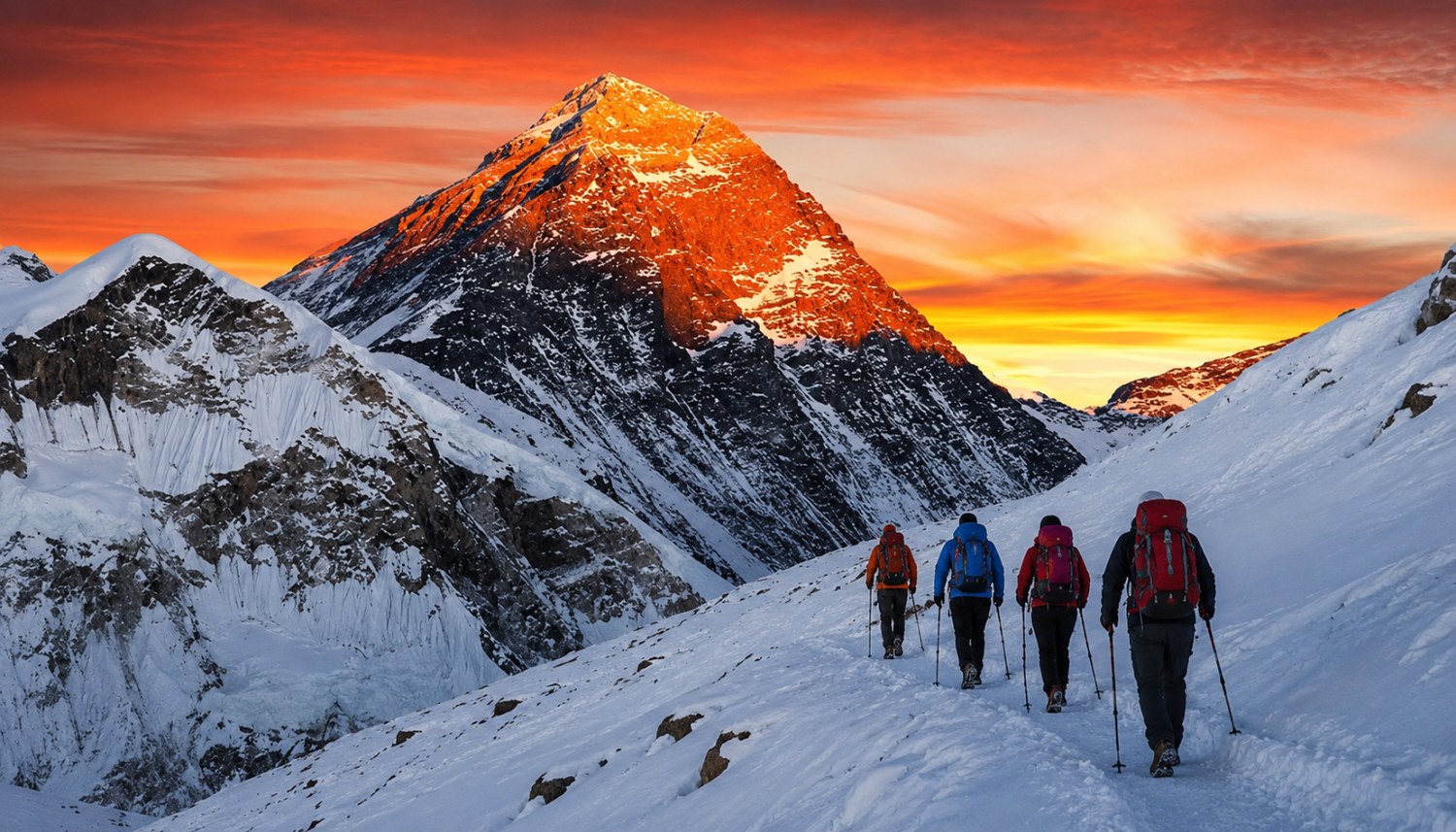
Ama Dablam: Complete Mountain & Trekking Guide
By Nepal Trip Services On 23 Sep 2026

By Nepal Trip Services On 23 Sep 2026
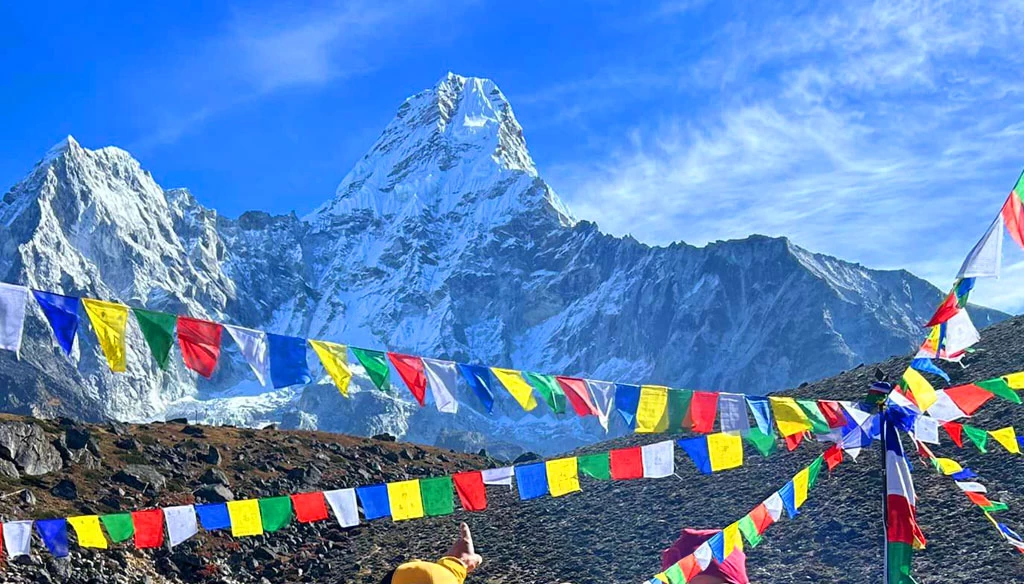
Rising dramatically above the villages of the Khumbu region, Ama Dablam is often called the most beautiful mountain in the world — and once you see its razor-sharp ridges and hanging glacier "dablam," it's easy to understand why. Standing at 6,812 meters (22,349 feet), this iconic peak isn't the tallest in the Everest region, but it's arguably the most photographed, most recognizable, and most beloved by trekkers and climbers alike. Whether you're planning to trek to its base camp, attempt a technical summit, or simply want to understand why this mountain captivates so many travelers, this complete guide covers everything you need to know.
The name Ama Dablam translates from the Sherpa language as "Mother's Necklace." The literal meaning comes from two features of the mountain itself:
This poetic naming reflects the deep spiritual and cultural connection Sherpa communities have with the peaks surrounding their homeland.
Ama Dablam sits in the Khumbu region of northeastern Nepal, within Sagarmatha National Park, near the town of Namche Bazaar. It lies roughly 6 kilometers south of Mount Everest, making it a constant visual companion for anyone trekking toward Everest Base Camp. In fact, most trekkers get their first proper view of Ama Dablam shortly after leaving Namche Bazaar, and the mountain continues to dominate the skyline for much of the Classic Everest Base Camp Trek.
| Feature | Details |
|---|---|
| Elevation | 6,812 meters (22,349 feet) |
| Location | Khumbu region, Sagarmatha National Park, Nepal |
| Mountain Range | Mahalangur Himal (Everest sub-range) |
| First Ascent | March 13, 1961 by Mike Gill, Barry Bishop, Mike Ward, and Wally Romanes |
| Difficulty | Technical climb; considered one of the most difficult 6,000m peaks in the world |
| Nearby Peaks | Everest, Lhotse, Nuptse, Thamserku, Kangtega |
| Base Camp Altitude | Approximately 4,570 meters (15,000 feet) |
| Best Climbing Season | Pre-monsoon (April–May) and post-monsoon (October–November) |
| Nickname | "Matterhorn of the Himalayas" |
Ama Dablam has a relatively recent climbing history compared to giants like Everest. Its first ascent took place in 1961, when a small team led by New Zealand climbers successfully reached the summit via the southwest ridge — the route still used by most climbers today.
Interestingly, Ama Dablam was closed to climbing for several years after a controversial 1979 attempt, when climbers tried to fix ropes using a hot air balloon approach, which authorities deemed inappropriate and disrespectful to the mountain. It reopened to mountaineers shortly after, and since then, it has become one of the most popular technical climbing objectives in Nepal.
Today, Ama Dablam attracts hundreds of climbers annually, drawn by its dramatic profile, moderate altitude compared to 8,000-meter peaks, and its reputation as an excellent training mountain for climbers preparing for Everest or other high-altitude expeditions.
Several factors contribute to Ama Dablam's enduring popularity among both trekkers and climbers:
You don't need to be a technical climber to experience Ama Dablam up close. Many trekkers include a visit to Ama Dablam Base Camp as part of a broader Everest region itinerary, or as a standalone side trip.
| Day | Route Segment | Approx. Altitude |
|---|---|---|
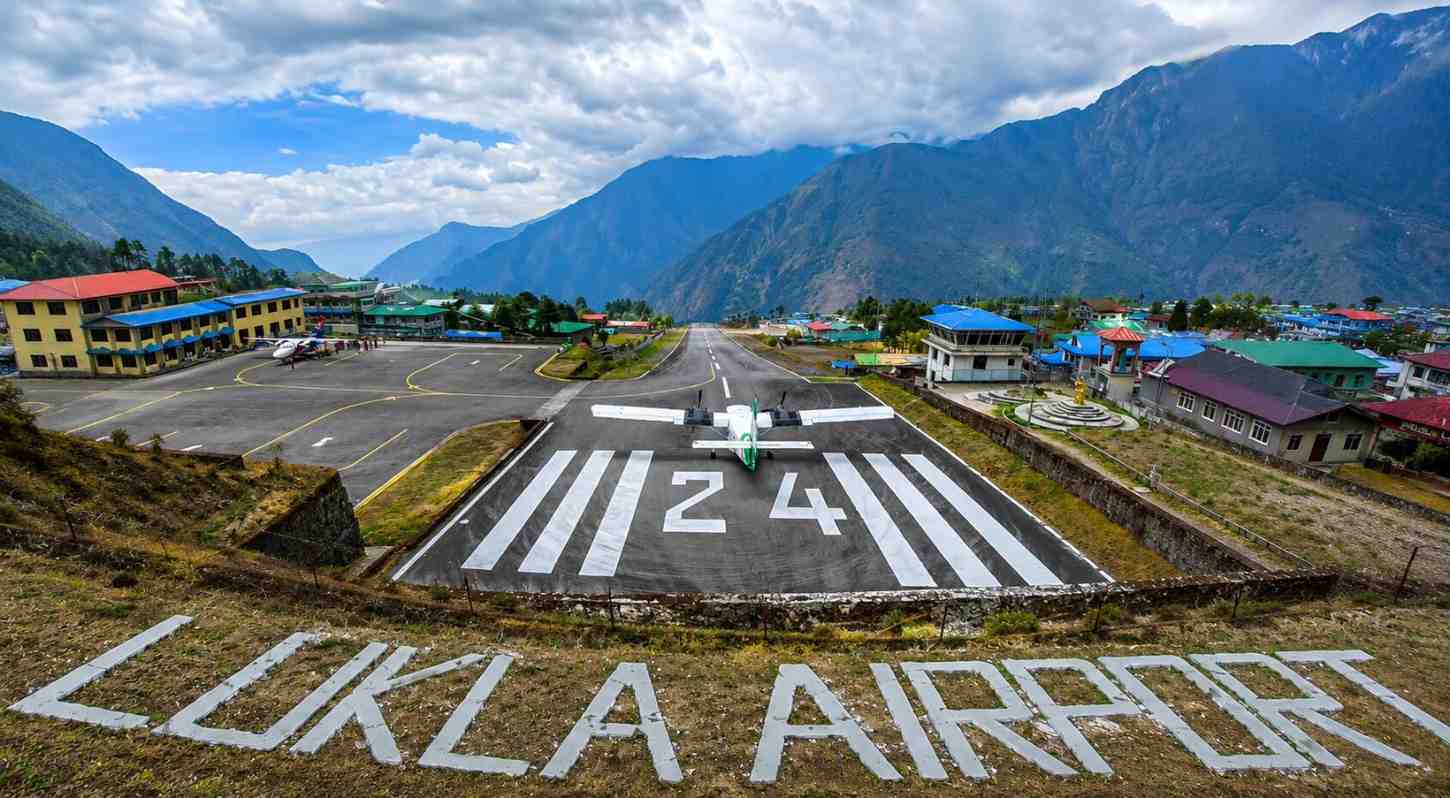
| Day 1–2 | Fly to Lukla, trek to Phakding/Namche Bazaar | 2,610m – 3,440m |
| Day 3 | Acclimatization day in Namche Bazaar | 3,440m |
| Day 4 | Namche Bazaar to Tengboche | 3,860m |
| Day 5 | Tengboche to Pangboche | 3,930m |
| Day 6 | Pangboche to Ama Dablam Base Camp (side trip) | 4,570m |
| Day 7 | Return to Pangboche or continue toward Everest Base Camp | Varies |
This route naturally overlaps with the Classic Everest Base Camp Trek, making it easy to combine both experiences in a single expedition without significant detours.
For those considering a technical ascent rather than just a base camp trek, here's what to expect:
The standard route follows the southwest ridge, broken into several camps:
| Season | Months | Conditions |
|---|---|---|
| Pre-monsoon (Spring) | March – May | Stable weather, moderate temperatures, most popular season |
| Post-monsoon (Autumn) | September – November | Clear skies, excellent visibility, ideal for both trekking and climbing |
| Winter | December – February | Very cold, fewer climbers, possible for experienced trekkers only |
| Monsoon (Summer) | June – August | Heavy rain, poor visibility, generally avoided for climbing |
Most successful climbing expeditions take place in October and November, when weather windows are most stable.
For Trekkers (Base Camp Visit Only):
For Climbers (Technical Ascent):
Ama Dablam's popularity doesn't diminish its risks. Climbers should be aware of the following:
It's strongly recommended to climb with a licensed guide or reputable expedition company with experienced Sherpa support staff.
| Factor | Ama Dablam Base Camp Trek | Classic Everest Base Camp Trek |
|---|---|---|
| Difficulty | Moderate | Moderate to challenging |
| Duration | Can be combined or done as shorter trip | Typically 12–14 days |
| Technical skill required | None for base camp trek | None for standard trek |
| Views | Close-up views of Ama Dablam itself | Panoramic views including Everest, Lhotse, Nuptse |
| Popularity | Growing, less crowded | Very popular, busier trails |
| Best for | Photographers, shorter itineraries | Bucket-list Everest region experience |
Many trekkers choose not to pick one over the other — instead, they combine both by including an Ama Dablam Base Camp detour within their Classic Everest Base Camp Trek itinerary, maximizing the value of a single trip to the Khumbu region.
If summiting or reaching base camp isn't your goal, several trekking stops along the standard Everest Base Camp route offer exceptional Ama Dablam views without extra effort:
Ama Dablam translates to "Mother's Necklace" in the Sherpa language. The name comes from the mountain's two long ridges, resembling a mother's protective arms, and the hanging glacier on its southwest face, which resembles a dablam — a traditional pendant box worn by Sherpa women containing sacred images.
Ama Dablam stands at 6,812 meters (22,349 feet) and is located in the Khumbu region of northeastern Nepal, within Sagarmatha National Park. It lies approximately 6 kilometers south of Mount Everest, making it a constant, dramatic presence along most Everest region trekking routes.
Ama Dablam earned this nickname because of its sharp, pyramid-like profile that closely resembles the iconic shape of the Matterhorn in the Swiss Alps. Its dramatic ridgelines and striking silhouette make it one of the most recognizable and photographed peaks in the entire Himalayan range.
No, technical climbing skills are only necessary if you plan to summit the peak. Trekkers can enjoy spectacular views of Ama Dablam from popular viewpoints like Tengboche, Pangboche, and Namche Bazaar, or hike to its base camp at around 4,570 meters, all without requiring any mountaineering experience.
Yes, Ama Dablam is visible for much of the Classic Everest Base Camp Trek, particularly from Tengboche and Pangboche. While the main trail doesn't pass directly through its base camp, many trekkers add a short side trip to Ama Dablam Base Camp without significantly altering their overall itinerary.
Ama Dablam was first successfully summited on March 13, 1961, by a team of climbers including Mike Gill, Barry Bishop, Mike Ward, and Wally Romanes, who ascended via the southwest ridge. This same route remains the standard climbing path used by most expeditions today.
Ama Dablam is considered one of the most technically demanding 6,000-meter peaks in the world, involving mixed rock, ice, and snow climbing across exposed ridgelines. While it doesn't typically require supplemental oxygen, it demands strong technical skills, prior high-altitude experience, and comfort with significant exposure.
Climbers need a permit from the Nepal Mountaineering Association (NMA), along with a Sagarmatha National Park entry permit and a local rural municipality permit. Trekkers visiting only the base camp or surrounding viewpoints require the same standard Khumbu trekking permits used throughout the Everest region.
The best seasons are pre-monsoon spring (March to May) and post-monsoon autumn (September to November), when weather is most stable and visibility is excellent. Most successful climbing expeditions specifically target October and November for optimal conditions.
Tengboche Monastery is widely regarded as the best photography spot for Ama Dablam, offering an unobstructed, iconic view of the peak framed by the monastery itself. Pangboche and upper viewpoints near Namche Bazaar also provide excellent, closer perspectives from different angles.
Reaching Ama Dablam Base Camp typically takes 5 to 6 days from Lukla, following the same trail used for the Everest Base Camp Trek before branching off near Pangboche. The full round trip, including acclimatization days, is often integrated into a broader Khumbu region itinerary.
Yes, Ama Dablam carries genuine risks, particularly near Camp 3, which sits beneath a hanging glacier prone to serac fall — the site of a fatal collapse in 2006. Climbers face additional risks from altitude sickness, exposed ridge climbing, and rapidly changing mountain weather, making experienced guidance essential.
Ama Dablam is not recommended for beginner climbers, as it requires solid experience with fixed-rope ascending, crampon technique, and high-altitude mixed terrain. Climbers without prior mountaineering or high-altitude trekking experience should build skills on easier peaks before attempting Ama Dablam.
Essential items include sturdy broken-in hiking boots, a layered clothing system, a warm sleeping bag rated for sub-zero temperatures, trekking poles, sun protection, and basic altitude sickness medication. Climbers attempting the summit require additional technical gear, including a harness, ice axe, crampons, and a high-altitude down suit.
Yes, many trekkers choose to combine both experiences, since much of the route overlaps and Ama Dablam remains visible throughout most of the journey. Adding a short detour to Ama Dablam Base Camp during the Classic Everest Base Camp Trek offers excellent value without requiring a separate expedition.
Ama Dablam is more than just a mountain — it's a symbol of the Khumbu region's raw beauty and a bucket-list objective for climbers worldwide. Whether you're trekking past it en route to Everest Base Camp, hiking to its dramatic base camp, or attempting a technical summit, Ama Dablam offers an unforgettable Himalayan experience that blends culture, adventure, and some of the most breathtaking mountain scenery on the planet. For those looking to experience Ama Dablam alongside the full Everest region journey, the Classic Everest Base Camp Trek remains one of the best ways to see this legendary peak up close.
Discover more articles that match your interests! Explore these similar blogs packed with insights, tips, and stories to keep you inspired.
Everything on Classic Everest Base Camp Trek permits for 2026–2027 — costs, requirements, where to get them & recent...
Discover the best season for the Classic Everest Base Camp Trek. Compare autumn, spring, winter & monsoon weather, views...
Explore the Classic Everest Base Camp Trek itinerary with detailed day-by-day routes, altitudes, trekking hours & acclim...
Discover what you\\\'ll eat and where you\\'ll sleep on the Classic Everest Base Camp Trek. Complete guide to teahouses,...
Discover the full cost breakdown of the Classic Everest Base Camp Trek — permits, flights, guides, porters, meals & ac...
Is the Classic Everest Base Camp Trek hard? Complete guide to difficulty level, altitude challenges, fitness needs & tra...