Mardi Himal Trek: Trip Overview
Tucked away just beside the more famous Annapurna Base Camp route, the Mardi Himal Trek has quietly become one of Nepal's favorite "hidden gem" treks — and once you're standing on its narrow, cloud-draped ridgeline with Machapuchare rising dramatically in front of you, it's easy to understand why. This relatively new and less-crowded trail winds through the Annapurna Conservation Area in central Nepal, offering an intimate, close-up encounter with the Annapurna range without the crowds that come with more established routes.
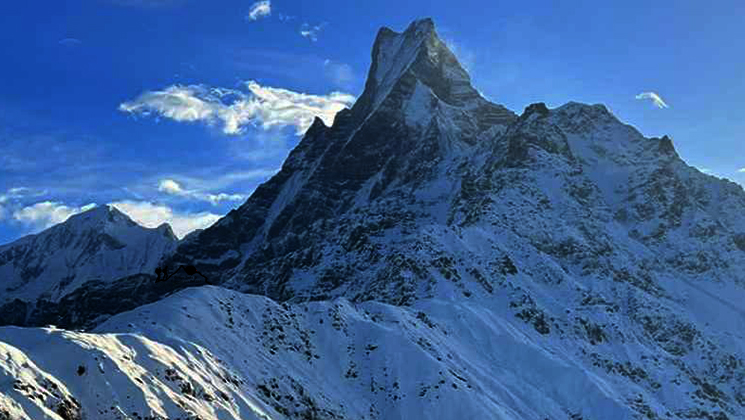
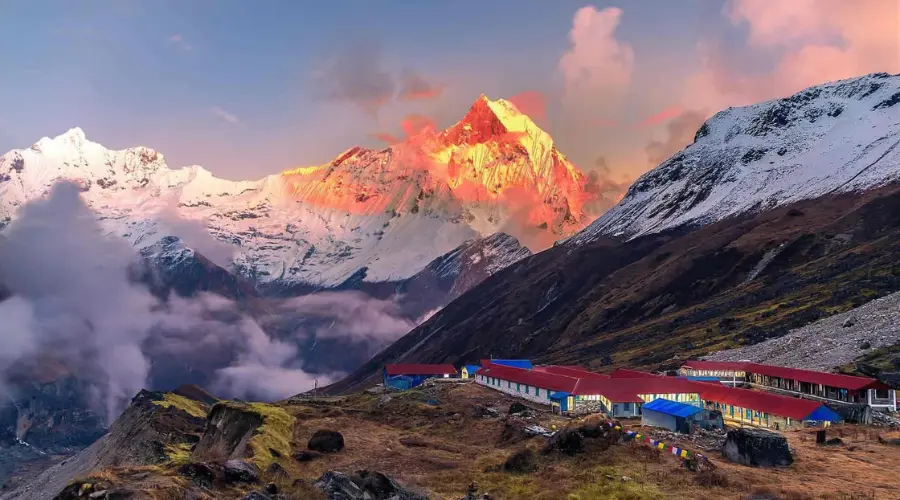
What makes the Mardi Himal Trek genuinely special is its sense of scale and surprise. Unlike longer treks that build gradually toward a distant destination, this trail delivers dramatic mountain views remarkably early, with Machapuchare (Fishtail), Annapurna South, and Hiunchuli appearing almost unexpectedly close as you climb along a narrow forested ridge. Completed in just 5 to 7 days, this trek is ideal for travelers with limited time who still want a genuine high-altitude Himalayan experience, reaching Mardi Himal Base Camp at approximately 4,500 meters, where the surrounding peaks feel close enough to touch.
The journey begins with a short drive from Pokhara to the trailhead, leading you through peaceful rhododendron and oak forests before climbing above the treeline into open, alpine terrain. Unlike the more developed villages found on routes like Annapurna Base Camp, the Mardi Himal trail passes through fewer settlements, giving it a wilder, more remote feel despite its relatively short duration — a rare combination in Nepal's increasingly popular trekking regions. Along the way, simple teahouses offer just enough comfort to rest and refuel, while the ever-present, jaw-dropping mountain backdrop makes every stop along the ridge feel like a viewpoint in its own right.
This trek is also known for being an excellent choice for trekkers seeking a shorter, moderately challenging alternative to longer routes in the Annapurna region, without sacrificing the sense of genuine high-altitude achievement. While the altitude and narrow ridgeline trail still call for proper preparation, reasonable fitness, and a sensible pace, the Mardi Himal Trek remains accessible to a wide range of trekkers, from determined beginners to experienced hikers looking for something quieter and less commercialized.
At Nepal Trip Services Pvt. Ltd, we design our Mardi Himal itineraries with the same careful attention to pacing, safety, and authentic mountain experience that defines all our Annapurna and Everest region treks, ensuring trekkers can enjoy this hidden gem comfortably and confidently. Whether you're short on time, craving a quieter alternative to the busier Annapurna trails, or simply chasing that unforgettable, close-up view of Machapuchare, the Mardi Himal Trek offers one of the most rewarding short treks in all of Nepal.
Mardi Himal Trek Cost
Ask a few agencies "how much does the Mardi Himal Trek cost?" and you'll notice something right away — it's genuinely one of the more affordable Himalayan treks in Nepal, largely thanks to its short duration and easy access from Pokhara. For a standard guided package with a reputable Nepali agency, budget USD 400–700 for a 5–7 day trek, which typically covers your transportation to and from the trailhead, permits, teahouse accommodation, meals on the trail, and the support of a licensed guide, while a fully private, premium setup with porter support and upgraded comfort can climb toward $900–1,200. Trek style plays a big role here: a Budget Trek ranging from $280–450 covers a group setup with basic teahouse accommodation and standard meals, sometimes without a dedicated guide for independent trekkers, while a Standard Trek priced between $450–750 remains the sweet spot for most trekkers, including a licensed guide, teahouse accommodation, all meals, and permits for genuinely good value given how much mountain scenery this short trek delivers. A Premium Trek, running $900–1,500 or more, adds fully private guide and porter support, upgraded teahouse rooms, and a relaxed, custom-paced itinerary, though even at this level, Mardi Himal remains considerably cheaper than luxury packages on longer routes like Everest Base Camp. Several factors shape the final price, including group size (solo trekkers often pay $500–600, while larger groups of six or more can bring costs down to $300–400 per person), trek duration (ranging from a quick 4–5 days to an extended 7–9 days, sometimes combined with Annapurna Base Camp), mandatory permits like the Annapurna Conservation Area Permit and TIMS card (together around $35–40), and standard guide and porter fees ($25–35 and $20–25 per day, respectively). Since Mardi Himal has fewer teahouses than busier routes, meal and accommodation prices stay fairly consistent throughout the trek, without the steep price increases seen on longer, higher-altitude routes, and choosing autumn or spring — the trek's peak seasons — may add a slight premium compared to quieter shoulder months. Keep in mind that most packages exclude international flights to Kathmandu and domestic transport to Pokhara, Nepal visa fees, travel insurance (covering trekking up to at least 4,500m), personal trekking gear, tips for your guide and porter, and trail extras like Wi-Fi, hot showers, and snacks — so budgeting an extra $100–200 on top of your package price is a smart move. Ultimately, whether you choose a $400 budget package or a $1,200 premium one, the trek itself — that jaw-dropping close-up view of Machapuchare, the misty ridgeline walk, and the peaceful, less-crowded trail — remains the same unforgettable experience at every price point, with the main difference simply coming down to comfort and flexibility along the way. At Nepal Trip Services Pvt. Ltd, we offer transparent, all-inclusive Mardi Himal Trek packages with no hidden costs, helping trekkers find the right balance between budget and comfort for this incredible short escape into the Annapurna region.
Mardi Himal Trek Difficulty
The Mardi Himal Trek is generally rated easy to moderate, making it one of the most accessible high-altitude treks in the Annapurna region and a great choice for trekkers who want genuine mountain views without a physically demanding commitment. No technical climbing skills are required, and with a maximum altitude of around 4,500 meters at Mardi Himal Base Camp, the trek reaches a lower elevation than routes like Annapurna Base Camp or Classic Everest Base Camp, meaning the risk of altitude sickness, while still present, is comparatively lower. That said, the trail isn't entirely without challenge — daily walking times typically range from 4 to 6 hours, often along steep, narrow ridgelines with uneven, sometimes muddy or root-covered forest paths, especially in the lower sections before reaching High Camp. The short overall duration, usually just 4 to 7 days, also means the trek packs a fair amount of elevation gain into a relatively compressed timeframe, so reasonable fitness still matters even though the trek is considered beginner-friendly. Cold temperatures at higher camps, particularly around Low Camp, High Camp, and Base Camp, add another layer of difficulty, especially for trekkers unprepared for sudden overnight temperature drops. With a decent level of general fitness, sensible pacing, and basic preparation, most reasonably active trekkers — including complete beginners — can comfortably complete the Mardi Himal Trek, making it one of the most approachable short treks for anyone looking to experience the Himalaya without an extensive time or fitness commitment.
Mardi Himal Trek Meals & Accommodation
Meals and accommodation on the Mardi Himal Trek follow the familiar teahouse system found throughout Nepal's trekking routes, though with a distinctly quieter, more rustic character thanks to the trail's shorter duration and fewer settlements along the way.
Mardi Himal Trek Accommodation
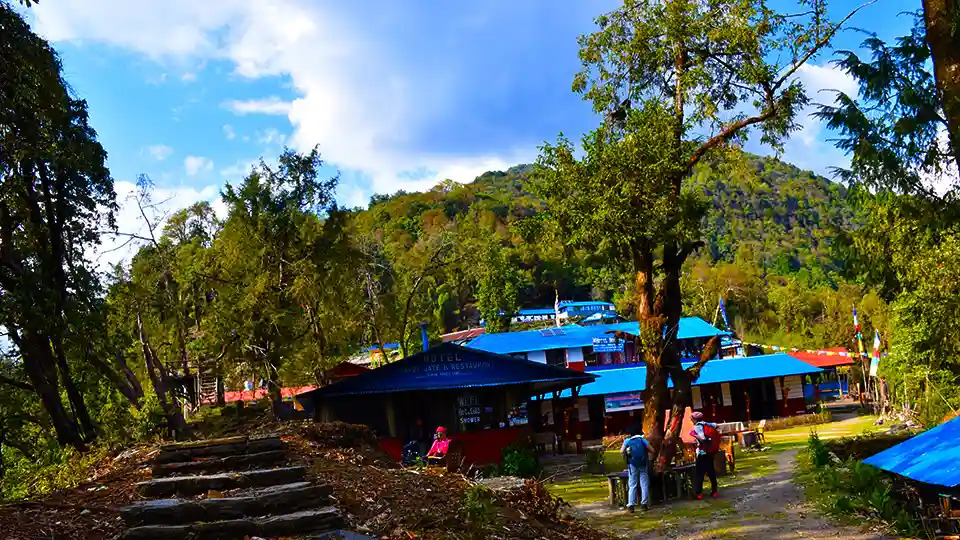
Accommodation is entirely in teahouses — simple, family-run lodges offering basic twin-sharing rooms with a bed, blankets, and just enough space for your gear. Since Mardi Himal is a less-developed route compared to busier trails like Annapurna Base Camp, the lodges here tend to be smaller and more modest, with shared bathrooms becoming the norm once you climb past Low Camp. Rooms at High Camp and Base Camp are noticeably basic, with limited heating and colder nights, but the trade-off is waking up to an incredibly close, unobstructed view of Machapuchare right outside your window. Because there are fewer teahouses along this route than on more popular treks, accommodation can occasionally fill up during peak season, so booking through an agency or trekking with a guide who can arrange rooms in advance is genuinely helpful.
Mardi Himal Trek Meals
Meals are typically included as part of your Mardi Himal Trek package and served directly at the teahouse, with dal bhat remaining the go-to choice for most trekkers thanks to its filling, high-carb value and popular unlimited-refill tradition — ideal fuel for the trek's steep, narrow ridgeline sections. Menus are simpler here than on busier routes, generally offering soups, noodles, fried rice, and basic egg dishes, with fewer bakery items or Western options available compared to larger villages like Namche Bazaar or Ghandruk. This simplicity isn't a downside, though — it reflects the trek's more remote, back-to-basics character, and most trekkers find the hearty, straightforward meals genuinely satisfying after a full day of walking. Since teahouses along this route are smaller and more limited in supply, it's worth eating what's offered without expecting extensive menu variety, particularly at higher camps where ingredients are harder to transport in.
Mardi Himal Trek Permits
| Permit Name |
Purpose |
Cost (Foreign) |
Cost (SAARC) |
Where to Obtain |
Documents Required |
Payment Method |
| Annapurna Conservation Area Permit (ACAP) |
Grants entry into the Annapurna Conservation Area |
NPR 3,000 (~USD 22–25) |
NPR 1,500 |
Nepal Tourism Board Office (Pokhara/Kathmandu) |
Passport + 1 photo |
Cash (NPR only) |
| TIMS Card |
Tracks trekker movement for safety purposes |
NPR 2,000 (~USD 15) |
NPR 1,000 |
Nepal Tourism Board Office (Pokhara/Kathmandu) |
Passport + 1 photo |
Cash (NPR only) |
| Total Cost |
— |
NPR 5,000 (~USD 35–40) |
NPR 2,500 (~USD 19–20) |
— |
— |
— |
Quick takeaway: Trekkers heading to Mardi Himal need just two permits — the ACAP and TIMS card — totaling around NPR 5,000 (~USD 35–40) for foreign nationals, both conveniently obtained same-day through the Nepal Tourism Board office in Pokhara, since most Mardi Himal treks begin right from the city. At Nepal Trip Services, we handle both permits as a standard part of every Mardi Himal Trek package, so you can focus entirely on enjoying this short, scenic adventure.
Mardi Himal Trek Culture, Religion & Hospitality
Even on a short trek like Mardi Himal, the cultural texture of the Annapurna region comes through in quiet, meaningful ways. The trail begins in villages inhabited largely by the Gurung people, an ethnic community known throughout Nepal for their farming traditions, Buddhist and animist beliefs, and a long, proud history of service in the famous Gurkha regiments. Lower down the trail, near villages like Kande, Pothana, and Deurali, you'll pass traditional stone and wood houses, small prayer flags fluttering at trailside shrines, and terraced fields shaped by generations of careful cultivation — small but genuine glimpses into a way of life that has adapted to these steep hillsides for centuries. Buddhist and Hindu influences quietly blend throughout this region, visible in the occasional mani wall or small chorten tucked along the forested path, a reminder that spirituality here isn't confined to grand monasteries but woven into everyday mountain life. Because Mardi Himal is a shorter, less-developed route with fewer villages than busier treks like Annapurna Base Camp, the cultural experience feels more intimate and understated — conversations with teahouse owners tend to be quieter and more personal, often centered on daily life, farming, or family rather than tourism itself. What stands out most to trekkers, though, is the warmth of the welcome: teahouse hosts offering a hot cup of tea after a cold, misty climb, or sharing simple, genuine hospitality despite limited resources at these smaller, more remote lodges. This understated cultural rhythm — quiet, sincere, and refreshingly unpolished compared to more commercialized trekking routes — is part of what makes the Mardi Himal Trek feel like such an authentic, back-to-basics Himalayan experience, where the mountains dominate the scenery, but the warmth of the people you meet along the way leaves an equally lasting impression.
Mardi Himal Trek Itinerary
| Day |
Route |
Altitude |
Trekking Distance |
Trekking Duration |
Mode |
| Day 1 |
Arrival in Kathmandu |
1,350m/4,429ft |
— |
— |
Arrival |
| Day 2 |
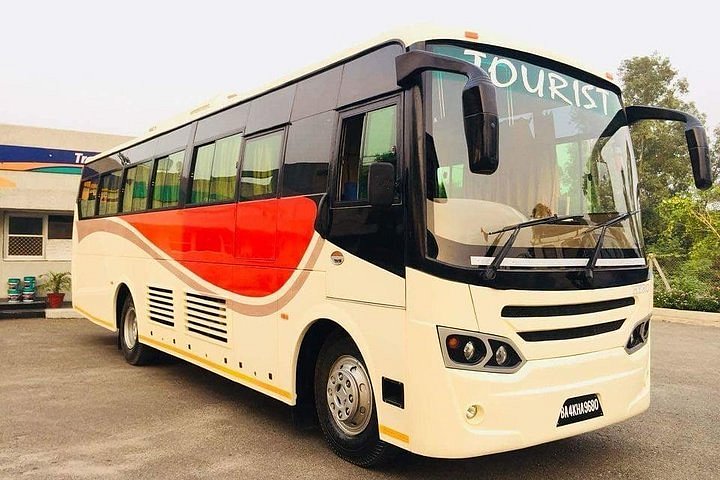
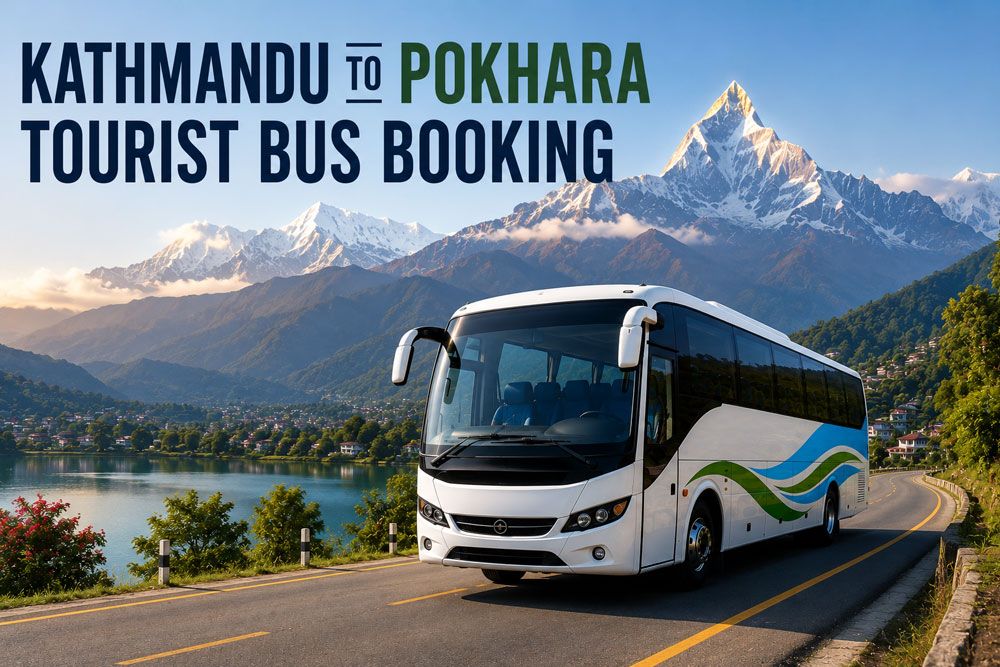
Kathmandu → Pokhara (Tourist Bus) |
820m/2,690ft |
~200 km |
6–7 hours |
Drive |
| Day 3 |
Pokhara → Kande (drive) → Trek to Forest Camp |
2,600m/8,530ft |
~10 km |
4–5 hours |
Drive + Trek |
| Day 4 |
Forest Camp → Low Camp |
3,150m/10,335ft |
~6 km |
4–5 hours |
Trek |
| Day 5 |
Low Camp → High Camp |
3,700m/12,139ft |
~5 km |
3–4 hours |
Trek |
| Day 6 |
High Camp → Mardi Himal Base Camp (Sunrise) → Descend to Low Camp |
2,850m/9,350ft |
~11 km |
6–7 hours |
Trek |
| Day 7 |
Low Camp → Siding (trek) → Drive to Pokhara |
820m/2,690ft |
~8 km trek + drive |
5–6 hours |
Trek + Drive |
| Day 8 |
Pokhara → Kathmandu |
1,350m/4,429ft |
~200 km |
6–7 hours |
Drive |
| Day 9 |
Final Departure |
— |
— |
— |
Departure |
Quick takeaway: The Mardi Himal Trek covers roughly 40 to 45 kilometers of trekking across just 4 active trail days, with a rapid but well-paced elevation gain from Pokhara's 820m up to Base Camp's dramatic 4,500m. This compact itinerary makes it one of the shortest genuine high-altitude treks in the Annapurna region, delivering an unforgettable close-up view of Machapuchare in a fraction of the time required by longer routes.
Mardi Himal Trek Additional Information
Mardi Himal Trek: Booking Terms & Conditions
Before confirming your spot on the Mardi Himal Trek, it's important to understand the booking terms and conditions that govern your trip. These policies exist to protect both trekkers and the agency, ensuring a smooth, transparent process from booking day right through to your return flight home.
Booking & Deposit
To secure your place on the trek, a deposit of 10–20% of the total package cost is required at the time of booking, with the remaining balance payable upon arrival in Kathmandu or Pokhara before the trek begins. Bookings are confirmed only once the deposit has been received and a confirmation email has been issued by the agency.
Payment Methods
Payments can typically be made via bank transfer, credit or debit card, or approved online payment gateways. Please note that certain payment methods may incur additional processing fees, which will be communicated clearly at the time of booking.
Cancellation Policy
Cancellations made well in advance of the trek start date are usually eligible for a partial refund or credit toward a future trip, though the deposit itself is generally non-refundable. Cancellations made closer to the departure date may incur higher charges, since permits, transportation, and accommodations are often arranged in advance and non-refundable on the agency's end.
Trip Date Changes
Most agencies allow trekkers to reschedule their trip dates, provided the request is made within a reasonable timeframe before departure. Date changes may be subject to availability and, in some cases, a small administrative fee.
Trip Amendments by the Agency
Occasionally, itineraries may need to be adjusted due to unforeseen circumstances such as poor weather, road closures, natural disasters, or government regulations. In such cases, the agency reserves the right to modify the itinerary while striving to keep the overall trekking experience as close to the original plan as possible.
Traveler Responsibility
Trekkers are responsible for ensuring they have valid travel insurance, a valid passport with sufficient validity, the appropriate Nepal visa, and a reasonable level of physical fitness before joining the trek. It's also the trekker's responsibility to disclose any pre-existing medical conditions that could affect their safety on the trail.
Force Majeure
The agency is not liable for delays, cancellations, or additional costs arising from circumstances beyond its control, including natural disasters, political instability, road cancellations, or pandemics. In such situations, trekkers are encouraged to rely on their travel insurance for coverage of unexpected expenses.
Health & Safety Compliance
By booking the trek, trekkers agree to follow the guidance of their licensed guide regarding pacing, acclimatization, and safety decisions throughout the journey. This includes accepting a guide's recommendation to descend or seek medical attention if signs of altitude sickness or other health concerns arise.
Liability
While every reasonable precaution is taken to ensure trekker safety, high-altitude trekking carries inherent risks, and the agency cannot be held liable for injury, illness, or loss of personal belongings during the trek. Trekkers are strongly advised to carry adequate travel and medical insurance to cover such possibilities.
Acceptance of Terms
By making a booking and paying the required deposit, trekkers acknowledge that they have read, understood, and agreed to these terms and conditions in full.
For any questions regarding these booking terms, feel free to reach out to our team at Nepal Trip Services Pvt. Ltd before confirming your trek — we're happy to clarify any details to ensure a transparent and stress-free booking experience.
Essential Trekking Gear for the Mardi Himal Trek
Packing right for the Mardi Himal Trek makes a genuine difference to your comfort, especially since this short trek still reaches nearly 4,500 meters, with temperatures swinging noticeably between the warm lower forests and the cold, exposed ridgeline near High Camp and Base Camp. Here's a complete breakdown of what you'll actually need.
Upper Body Clothing
- Moisture-wicking base layers (2–3 sets, both short and long sleeve)
- Fleece jacket or warm mid-layer for insulation
- Down jacket for cold nights at High Camp and Base Camp
- Waterproof and windproof outer shell jacket
- Lightweight trekking t-shirts for warmer, lower altitude days
Lower Body Clothing
- Moisture-wicking trekking pants (2–3 pairs)
- Thermal base layer leggings for cold mornings near Base Camp
- Waterproof and windproof outer shell pants
- Comfortable shorts for lower altitude forest sections (optional)
Footwear
- Broken-in, waterproof trekking boots with good ankle support
- Warm, moisture-wicking trekking socks (4–5 pairs)
- Thermal socks for colder nights at higher camps
- Comfortable camp shoes or sandals for evenings at teahouses
- Gaiters (useful if trekking during winter or after fresh snowfall)
Headwear & Accessories
- Warm woolen or fleece hat for cold evenings and mornings
- Sun hat or cap for lower altitude sun protection
- Buff or neck gaiter for wind and dust protection
- Sunglasses with UV protection (important along the exposed ridgeline)
- Headlamp with extra batteries for the early morning sunrise hike to Base Camp
Hand Protection
- Lightweight inner gloves for general use
- Insulated, waterproof outer gloves for colder sections near High Camp and Base Camp
Sleeping & Rest Gear
- Sleeping bag rated to at least -10°C to -15°C (available for rent in Pokhara)
- Sleeping bag liner for extra warmth and hygiene
- Inflatable travel pillow (optional, for added comfort)
Backpacks & Bags
- Daypack (30–40 liters) for carrying daily essentials
- Duffel bag (for porters to carry your main luggage, if hired)
- Dry bags or waterproof stuff sacks to protect gear from rain or fog
Trekking Equipment
- Adjustable trekking poles (genuinely helpful on the trek's steep, narrow ridgeline sections)
- Water bottles or a hydration bladder (2–3 liters capacity)
- Water purification tablets or a portable filter
- Universal travel adapter and portable power bank
Health & Personal Care
- Personal first aid kit (blister plasters, pain relievers, altitude sickness medication if prescribed)
- High-SPF sunscreen and lip balm with sun protection
- Hand sanitizer and wet wipes
- Personal toiletries (toothbrush, toothpaste, quick-dry towel)
- Any personal prescription medications
Documents & Essentials
- Valid passport with sufficient validity and extra photocopies
- Passport-sized photos (for permits)
- Travel insurance documents (with altitude coverage up to at least 4,500m)
- Cash in Nepali currency (small denominations for trail purchases)
Optional but Useful Extras
- Trekking snacks (energy bars, electrolyte powder)
- Camera or phone with a spare battery to capture the sunrise at Base Camp
- A good book or journal for quiet evenings at teahouses
- Basic power bank, since Wi-Fi and charging options are limited at higher camps
A quick packing tip: Since teahouses along the Mardi Himal route are smaller and more limited in supply than on busier treks, it's worth packing a few extra snacks and a reliable power bank, as amenities become sparse past Low Camp. Agencies like Nepal Trip Services Pvt. Ltd offer gear rental services in Pokhara for items like sleeping bags and down jackets — a smart, budget-friendly option if you'd rather not buy specialized gear you may only use once.
Altitude & Acclimatization on Mardi Himal Trek
Even on a short trek like Mardi Himal, altitude plays a real role in how your body feels on the final push toward Base Camp, and understanding how to acclimatize properly remains important despite the trek's relatively low overall elevation and short duration.
Why Altitude Still Matters on a Short Trek
Mardi Himal Base Camp sits at approximately 4,500 meters, which, while lower than Everest Base Camp, is still high enough that reduced oxygen levels can genuinely affect trekkers, especially given how quickly this trek gains elevation over just a few days. Unlike longer treks that spread altitude gain across a week or more, Mardi Himal's compressed itinerary means your body has less time to naturally adjust, making awareness of Acute Mountain Sickness (AMS) just as important here as on longer, higher routes.
Recognizing the Symptoms of AMS
Mild AMS symptoms are fairly common on this trek and include headaches, fatigue, dizziness, and reduced appetite, particularly once you climb past Low Camp toward High Camp and Base Camp. More serious symptoms, such as persistent vomiting, confusion, loss of coordination, or breathlessness even while resting, signal a more dangerous escalation and require immediate descent, regardless of how close you may be to reaching Base Camp.
How the Itinerary Helps Manage Altitude
Because Mardi Himal doesn't include a dedicated acclimatization day like longer treks, the itinerary relies on a naturally gradual ascent across several days — climbing from Forest Camp to Low Camp, then High Camp, before the final sunrise push to Base Camp. This step-by-step elevation gain, spread across 3 to 4 days of trekking before reaching maximum altitude, generally allows most trekkers to adjust reasonably well, though the trek's short overall duration means there's little room to slow down further if symptoms appear.
What Helps the Body Adjust?
Since this trek compresses its elevation gain into a shorter timeframe than routes like Annapurna Base Camp, maintaining a slow, steady pace throughout — rather than rushing between camps — becomes especially important for proper acclimatization. Spending a comfortable night at High Camp (3,700m) before the early morning summit push to Base Camp gives the body valuable extra time to adjust, and trekkers who notice early symptoms are strongly encouraged to rest or slow their pace rather than pushing through toward sunrise.
Practical Tips for Safe Acclimatization
Staying well-hydrated, drinking 3 to 4 liters of water daily, plays an important role in supporting your body's adjustment to altitude, as does eating enough food even if appetite decreases slightly at higher camps. Walking at a steady, unhurried pace, particularly during the final climb from High Camp to Base Camp, reduces unnecessary strain, and avoiding alcohol, which can worsen altitude-related symptoms, is a simple but effective precaution on this short, quick-gaining trek.
Why Trusting Your Guide Matters
Your guide is trained to recognize early signs of altitude sickness and will monitor how you're doing throughout the trek, particularly on the final stretch toward Base Camp where the elevation gain happens most quickly. If your guide suggests slowing down, resting a little longer at High Camp, or adjusting the timing of your summit push due to how you're feeling, this guidance should always be respected. With sensible pacing, proper hydration, and genuine attentiveness to how your body responds, most trekkers — including complete beginners — can comfortably and safely acclimatize their way to one of the Annapurna region's most rewarding short treks.
Mardi Himal Trek Travel Insurance
Even though the Mardi Himal Trek is shorter and lower in altitude than routes like Everest or Annapurna Base Camp, travel insurance remains an essential part of your preparation, since the trek still climbs to nearly 4,500 meters at Base Camp — high enough that a standard travel insurance policy simply won't provide adequate coverage. What you need is a policy that specifically covers trekking up to at least 4,500 meters, ensuring you're protected throughout the trek's highest and most exposed sections near High Camp and Base Camp. While the risk of severe altitude sickness is relatively low given the trek's short duration, it's still a genuine possibility, and your policy should include emergency evacuation coverage, ideally including helicopter rescue, in case altitude sickness, injury, or sudden illness requires an urgent descent — a service that can otherwise cost several thousand dollars out of pocket. Beyond evacuation, a solid policy should also cover trip cancellation or interruption, delayed or lost baggage, medical treatment abroad, and transportation delays, since road conditions between Pokhara and the trailhead can occasionally be affected by weather. Popular insurance providers among trekkers include World Nomads, SafetyWing, and Global Rescue, though it's worth confirming that your chosen policy explicitly covers trekking at Mardi Himal's altitude range, since not all "adventure travel" plans automatically include this coverage. Before purchasing, always check the maximum altitude limit stated in the policy, confirm whether emergency evacuation is included, and understand whether the insurer covers costs upfront or requires reimbursement afterward, since this distinction can matter significantly during an actual emergency. At Nepal Trip Services Pvt. Ltd, we always recommend securing your travel insurance well before departure, ensuring a smoother, more relaxed trekking experience without the added stress of unexpected costs if anything unforeseen occurs along this incredible short trek.
Mardi Himal Trek Emergency Rescue
While the Mardi Himal Trek is considered one of the safer, more accessible treks in the Annapurna region, it's still a high-altitude journey reaching nearly 4,500 meters, and understanding how emergency rescue works ahead of time offers genuine peace of mind before you set off. The most common reason for emergency evacuation on this trek is Acute Mountain Sickness (AMS), particularly given the trek's relatively fast elevation gain over just a few days, though injuries from slips on the trail's steep, narrow ridgeline sections or sudden illness can also require urgent attention. If a trekker shows concerning symptoms — persistent headache, dizziness, confusion, or difficulty breathing — your guide is trained to act quickly, typically attempting a controlled descent to a lower camp before escalating to a helicopter rescue if symptoms don't improve. Helicopter evacuation is available from key points along the route, including High Camp and, in more accessible conditions, near Base Camp itself, with rescue times generally faster here than on more remote treks, often within 30 minutes to an hour depending on weather and location, since Pokhara's proximity makes coordinating a rescue considerably easier. That said, having travel insurance with altitude and emergency evacuation coverage remains essential, since rescue costs can still range from USD 2,500 to 6,000 depending on the situation, and insurers typically require confirmation of valid coverage before authorizing a rescue flight. At Nepal Trip Services Pvt. Ltd, our guides carry a first aid kit and stay in close contact with rescue coordinators and hospitals in Pokhara, ensuring a swift, well-organized response if needed. While emergencies are genuinely rare on this short, well-paced trek, being prepared — both physically and through solid insurance — allows trekkers to enjoy the Mardi Himal experience with real confidence rather than unnecessary worry.
Money-Saving Tips for the Mardi Himal Trek
Trekking to Mardi Himal is already one of the more budget-friendly Himalayan adventures in Nepal, but with a little smart planning, you can make this short, scenic trek even more affordable without sacrificing the experience. Here are some practical, trekker-tested ways to save money along the way.
- Travel during shoulder season — Trekking in late autumn or early spring, just before or after peak months, often means slightly lower package prices while still offering decent weather and clear mountain views.
- Book directly with a local Nepali agency — Skipping international middlemen and booking directly with agencies like Nepal Trip Services Pvt. Ltd helps you avoid unnecessary commission fees, keeping more of your budget for the actual trekking experience.
- Join a group trek instead of going private — Group departures split guide, porter, and transportation costs among more people, making them noticeably cheaper than solo arrangements, especially since Mardi Himal is popular enough to fill small groups easily.
- Choose ground transport over flights — Since Mardi Himal starts and ends in Pokhara, easily reached by road from Kathmandu, opting for a shared or private vehicle instead of a domestic flight can meaningfully lower your overall trip cost.
- Rent gear in Pokhara instead of buying it — Down jackets, sleeping bags, and trekking poles are widely available for rent at a fraction of retail prices, a smart choice given this trek doesn't require the heaviest-duty cold weather gear.
- Skip the porter if you're comfortable carrying your own bag — Since Mardi Himal is a short trek with fewer, lighter daily distances, some trekkers choose to skip porter services and carry their own daypack, saving on daily porter fees.
- Buy a local SIM card instead of relying on teahouse Wi-Fi — An Ncell or NTC SIM card offers cheaper, more reliable data than paying for limited Wi-Fi access, which is often unavailable or expensive at higher camps anyway.
- Limit extra snacks and bottled drinks — Prices for snacks and bottled water rise the higher you climb, so carrying a refillable bottle with water purification tablets helps cut costs over just a few days on the trail.
- Withdraw enough cash in Pokhara before starting the trek — ATMs aren't available once you leave Pokhara, so plan your cash needs in advance to avoid running short at teahouses along the route.
- Pack light to avoid extra costs — Since Mardi Himal is a short trek, sticking to just the essentials means less to carry (or pay a porter to carry), keeping your overall trip simple and cost-effective.
- Choose a shorter 4–5 day itinerary if time or budget is tight — Since Mardi Himal offers flexible route lengths, opting for the shorter version instead of a longer 7–9 day itinerary can meaningfully reduce your overall cost while still reaching Base Camp.
- Shop for souvenirs in Pokhara or Kathmandu — Since Mardi Himal has fewer villages and shops along the trail, save your souvenir shopping for Pokhara or Kathmandu, where prices and variety are far better.
With a little smart planning, you can enjoy every unforgettable moment of the Mardi Himal Trek — from the misty ridgeline walk to that jaw-dropping sunrise over Machapuchare — without unnecessary financial stress along the way.
Mardi Himal Trek – Electricity & Battery Charging
Staying powered up on the Mardi Himal Trek requires a bit more planning than on busier routes, simply because this short, less-developed trail has fewer teahouses and more limited infrastructure overall. Most lodges along the route offer electricity for charging phones, cameras, and power banks, typically generated through small solar setups, with charging costs usually ranging from USD 2 to 5 per device — noticeably pricier than on more established routes like Annapurna Base Camp, largely due to the trek's remoteness and smaller scale. In lower stops like Forest Camp and Low Camp, charging tends to be somewhat more available, while options become increasingly limited and unreliable as you climb toward High Camp and Base Camp, especially during cloudy or foggy conditions when solar power output drops significantly. Because electricity access on this trek is genuinely more unpredictable than on busier routes, bringing a fully charged power bank (10,000–20,000mAh) from Pokhara isn't just a nice-to-have — it's a practical necessity for most trekkers wanting to reliably capture photos of the sunrise at Base Camp without worrying about battery life. It's also worth packing a universal travel adapter and, importantly, a spare camera battery, since cold temperatures at High Camp and Base Camp can drain batteries faster than expected, and charging options may simply not be available when you need those most. Given the trek's short overall duration, most trekkers find that limiting device usage to essentials — a phone for emergencies, a headlamp, and a camera for the summit sunrise — is both the most practical and cost-effective approach, especially since the whole point of this trek is soaking in Machapuchare's incredible close-up views rather than staying glued to a screen.
Mardi Himal Trek – Difficulty Level & Training Tips
The Mardi Himal Trek is rated easy to moderate, making it one of the most approachable high-altitude treks in the Annapurna region, though its short duration and steep ridgeline sections mean it shouldn't be entirely underestimated. While no technical climbing skills are required, the trek involves daily walking times of 4 to 6 hours, often along narrow, steep forest trails and an exposed ridgeline that grows increasingly demanding as you climb toward High Camp and Base Camp at 4,500m. What makes this trek noticeably more manageable than longer routes like Annapurna Base Camp or Everest Base Camp is its short overall duration, typically just 5 to 7 days, which means less cumulative physical strain, even though the elevation gain happens relatively quickly for a trek this brief.
Training Tips to Prepare for the Trek
- Build cardiovascular endurance — Regular activities like hiking, running, cycling, or swimming for 30–45 minutes, 3–4 times a week, help condition your heart and lungs for the trek's sustained daily exertion, even over a shorter timeframe.
- Practice hiking on hilly or uneven terrain — Since Mardi Himal's trail includes steep, root-covered forest paths and narrow ridgelines, training on similar terrain helps prepare your legs and balance for the real trail conditions.
- Incorporate basic strength training — Focus on legs, core, and back muscles through squats, lunges, and step-ups, since strong lower-body strength makes the trek's steeper sections considerably more manageable, especially during the final push to Base Camp.
- Improve stamina with stair climbing — If hills or mountains aren't easily accessible, stair climbing with a loaded backpack is a great substitute for building the leg strength this trek's inclines demand.
- Start training at least 3–4 weeks before departure — Since this trek is shorter and lower in altitude than routes like Annapurna Base Camp or Everest Base Camp, a shorter training window is generally sufficient for most reasonably fit trekkers.
- Don't skip flexibility and mobility work — Stretching, yoga, or light mobility exercises help prevent muscle stiffness, which matters even on a short trek given the trail's steep, repetitive inclines.
- Break in your trekking boots beforehand — Wearing your boots on a few training hikes ensures comfort and helps prevent blisters, especially important given the trek's uneven, root-covered lower sections.
With even modest preparation and a reasonable level of general fitness, most trekkers — including complete beginners — can comfortably complete the Mardi Himal Trek. Because this trek requires less extensive training than longer, higher-altitude routes, it remains one of the most accessible entry points into serious Himalayan trekking, rewarding even limited preparation with an unforgettable, close-up view of Machapuchare and the surrounding Annapurna peaks.
Top 15 Places to Visit on the Mardi Himal Trek
The Mardi Himal Trek may be short, but it packs in a genuinely diverse mix of lakeside city charm, peaceful forest trails, and dramatic high-altitude viewpoints. Here are the fifteen unmissable stops and highlights along the way.
1. Kathmandu
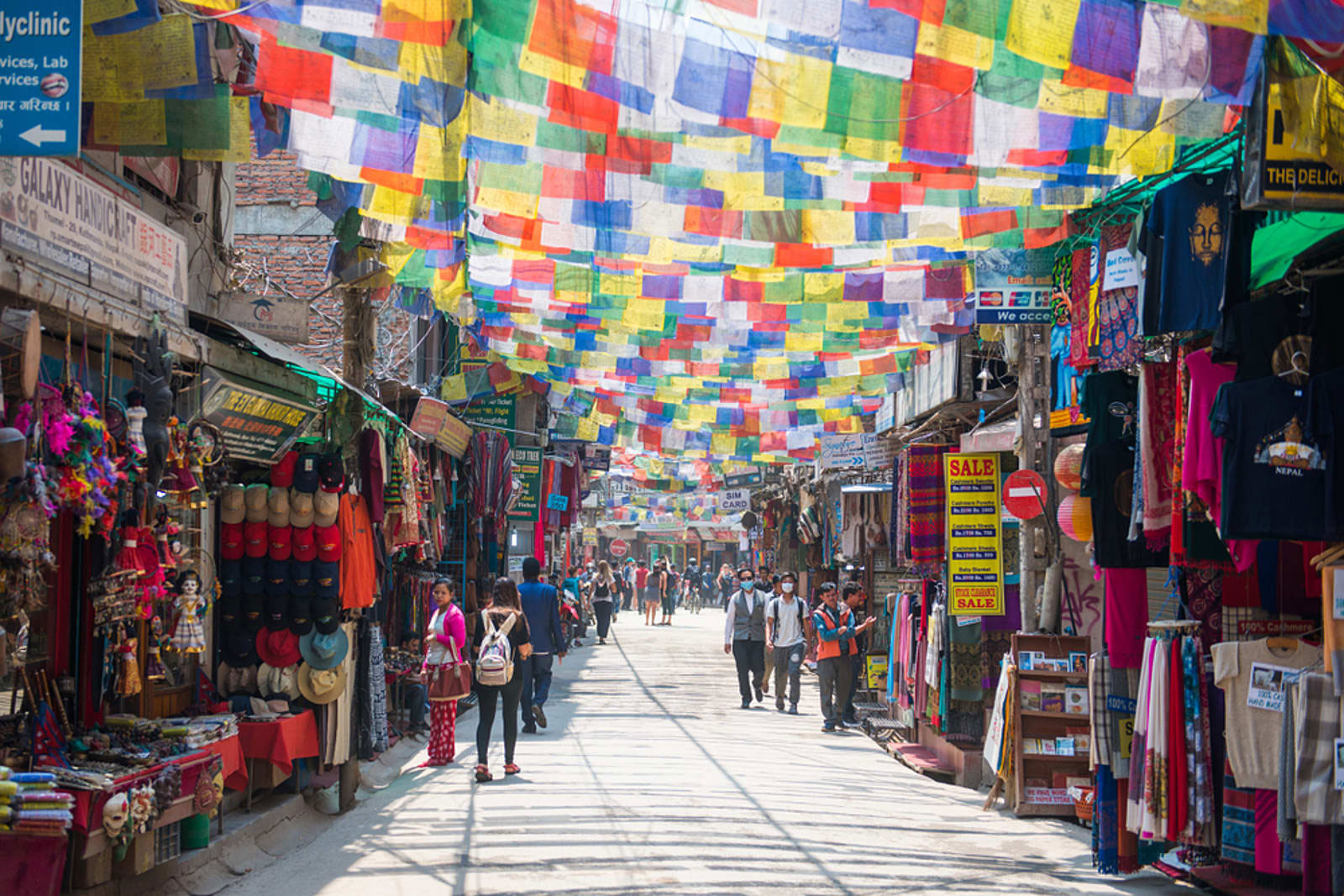
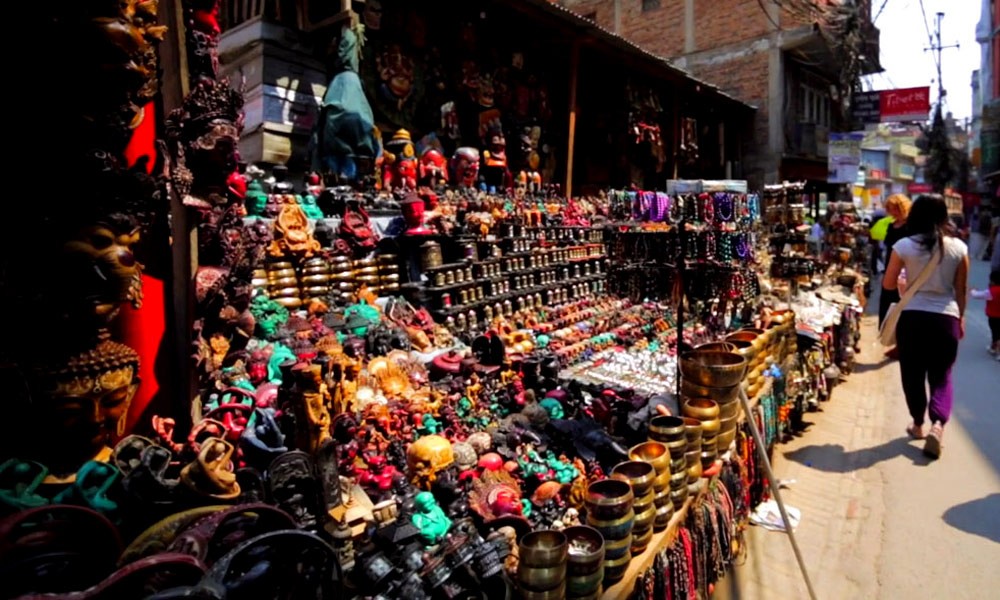
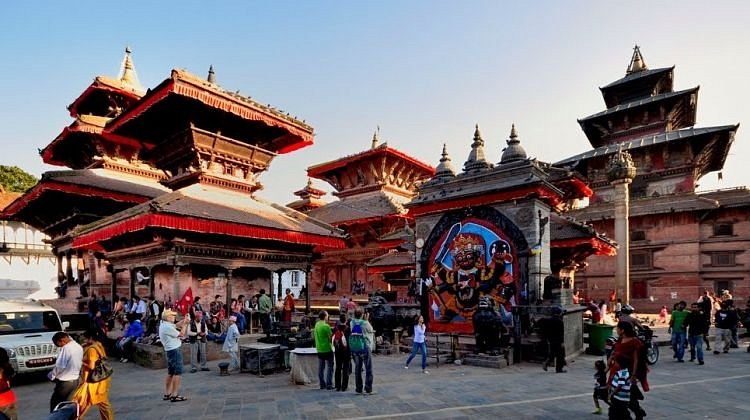
Your journey begins in Nepal's vibrant capital, where ancient temples, bustling markets, and the lively streets of Thamel offer a fascinating cultural warm-up before heading toward the mountains. Sitting at 1,350m, it's well worth exploring for a day if you arrive early.
2. Pokhara
Nepal's laid-back lakeside city serves as the true starting point for the Mardi Himal Trek, with Phewa Lake reflecting stunning views of the Annapurna range. At 820m, Pokhara's relaxed atmosphere makes it a favorite stop both before and after the trek.
3. Kande
This small village marks the official trailhead of the Mardi Himal Trek, reached by a short drive from Pokhara. It's where the forested climb begins, setting the tone for the peaceful, quieter trail ahead.
4. Australian Camp / Pothana
A popular short detour or alternative starting point, this scenic ridge offers sweeping early views of the Annapurna range and is a favorite spot for a quick rest or photo stop before continuing deeper into the forest.
5. Forest Camp
Tucked within dense rhododendron and oak forest, Forest Camp offers your first overnight stop on the trail, with a peaceful, shaded atmosphere and the calming sound of birdlife throughout the surrounding woodland.
6. Rhododendron Forest Sections
Blooming vividly between March and May, the thick rhododendron forests lining the lower and middle sections of the trail are among the trek's most photographed natural highlights, especially during peak spring bloom.
7. Low Camp
Sitting just above the treeline, Low Camp marks the point where dense forest begins thinning into open alpine terrain, with your first real glimpses of Machapuchare appearing through gaps in the canopy.
8. High Camp
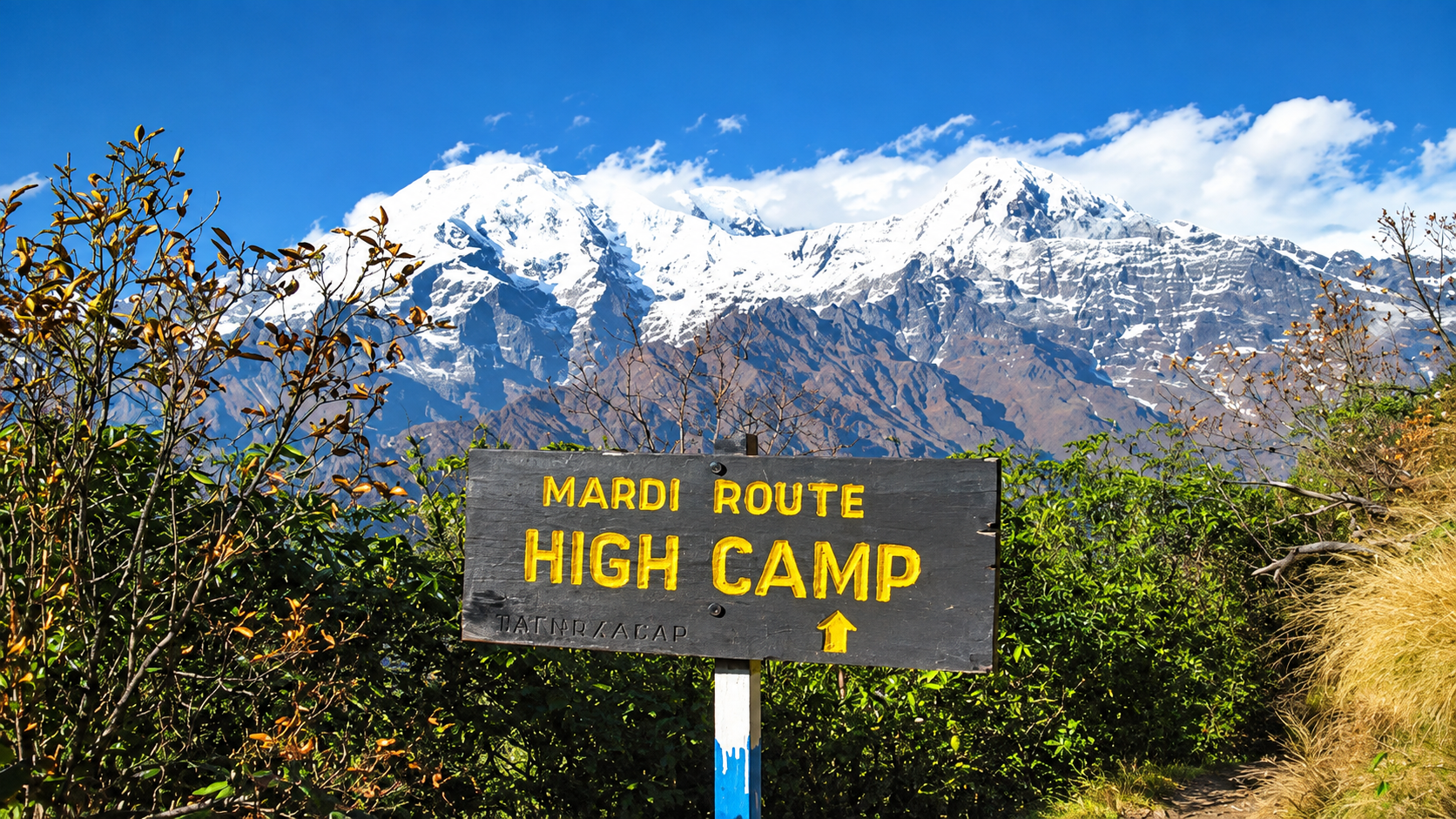
Perched dramatically along a narrow ridge at 3,700m, High Camp offers sweeping, unobstructed panoramic views of Machapuchare, Annapurna South, and Hiunchuli, making it one of the most scenic overnight stops on the entire trek.
9. Mardi Himal Base Camp
The ultimate highlight of the trek, Base Camp sits at approximately 4,500m, offering an almost impossibly close-up view of Machapuchare's sacred, unclimbed fishtail peak — a moment many trekkers describe as more intimate and dramatic than base camps on far longer treks.
10. Machapuchare (Fishtail) Viewpoint
Throughout the upper sections of the trek, Machapuchare dominates the skyline, its distinctive twin-peaked silhouette becoming one of the most photographed mountains in the entire Annapurna region.
11. Annapurna South Viewpoint
Visible prominently from High Camp and Base Camp, Annapurna South adds a dramatic, snow-covered backdrop to the trek's final stretch, rewarding trekkers with sweeping panoramic views in nearly every direction.
12. Hiunchuli
This striking, jagged peak completes the trek's dramatic mountain amphitheater, visible alongside Machapuchare and Annapurna South from both High Camp and Base Camp.
13. Siding Village
A quiet, traditional village on the trek's descent route, Siding offers a peaceful, authentic glimpse into local Gurung life, far removed from the busier trails found elsewhere in the Annapurna region.
14. The Ridge Walk Between Low Camp and High Camp
One of the trek's most memorable stretches, this narrow, often cloud-wrapped ridgeline creates a genuinely atmospheric walking experience, with mountain views appearing and disappearing dramatically through shifting mist.
15. Phewa Lake, Pokhara
Returning to Pokhara after the trek, a relaxed evening by Phewa Lake — with the Annapurna range reflected across the water — offers a beautifully fitting way to close out your Mardi Himal adventure.
From the lakeside charm of Pokhara to the misty, close-up drama of Base Camp, these fifteen stops and highlights together create the unforgettable experience that makes the Mardi Himal Trek one of Nepal's most rewarding short adventures.
Flora, Fauna & Nature on the Mardi Himal Trek
Despite its short duration, the Mardi Himal Trek offers a genuinely rich journey through diverse natural landscapes, all within the protected boundaries of the Annapurna Conservation Area, Nepal's largest conservation region. The compressed nature of this trek means you'll pass through several distinct ecological zones in just a matter of days, making the shifting scenery one of the trek's quieter, often overlooked highlights.
Forests & Vegetation
The lower stretches of the trek, particularly between Kande, Pothana, and Forest Camp, wind through lush, dense forests of oak, rhododendron, and fir, with a thick, shaded canopy creating a cool, peaceful atmosphere throughout much of the early trekking days. Between March and May, the trail's rhododendron forests — Nepal's national flower — burst into vivid shades of red, pink, and white, transforming the lower and middle sections of the route into one of the most photographed stretches of the entire trek. As you climb past Low Camp, this thick forest gradually thins into alpine shrubs and grasses, before disappearing almost entirely near High Camp and Base Camp, where the stark, rocky, high-altitude terrain takes over completely.
Wildlife Along the Trail
The Annapurna Conservation Area is home to a notable range of wildlife, though sightings on this particular trek tend to be more occasional given its shorter duration and less varied terrain compared to longer routes. Langur monkeys and various species of deer inhabit the lower forested sections, occasionally spotted moving quietly through the trees, while the elusive Himalayan tahr and, more rarely, the red panda are known to inhabit the wider conservation area, though direct sightings require a good deal of luck and quiet observation. The region is also part of the broader habitat range for the rarely seen snow leopard, an iconic symbol of high-altitude conservation efforts throughout Nepal.
Birdlife Along the Trail
Birdwatchers will find the lower forested sections of the Mardi Himal Trek particularly rewarding, as the Annapurna Conservation Area is home to over 470 recorded bird species. Sunbirds, various pheasant species, and Himalayan griffon vultures are commonly spotted throughout the lower and middle trekking days, adding welcome bursts of color and movement to the quiet forest trail.
Changing Landscapes in a Short Distance
Perhaps the most striking aspect of this trek's natural scenery is just how quickly the environment transforms, given the trek's brief overall duration. What begins as warm, dense forest near Kande shifts into cooler rhododendron woodland within a day, then thins rapidly into alpine shrubland by Low Camp, before opening into the stark, wind-swept ridgeline surrounding High Camp and Base Camp. This rapid ecological transition, compressed into just a few days of walking, is part of what makes the Mardi Himal Trek feel so dynamic despite its short length.
Why It Matters
Beyond its natural beauty, this ecosystem plays an important role in the region's environmental balance, and the Annapurna Conservation Area's ongoing conservation efforts help protect both wildlife and fragile alpine habitats from the pressures of increasing tourism. As a trekker, sticking to marked trails, avoiding littering, and observing wildlife respectfully from a distance all contribute to preserving this remarkable landscape for future generations of adventurers.
From blooming rhododendron forests to the dramatic, wind-swept ridgeline near Base Camp, the flora and fauna along the Mardi Himal Trek add a rich, fast-changing natural backdrop that makes this short journey feel far more immersive and varied than its brief duration might suggest.
Mardi Himal Trek Distance, Walking Time & Altitude
One of the most common questions trekkers ask before booking is simple: how far will I actually be walking, and how high does this short trek really go? Here's a clear breakdown of the distance, daily walking times, and altitude changes you can expect on the Mardi Himal Trek.
Total Trekking Distance
The round-trip distance for the Mardi Himal Trek typically covers approximately 40 to 45 kilometers (25–28 miles), walked over roughly 4 to 5 actual trekking days, depending on your chosen itinerary and starting point. This makes it considerably shorter than routes like Annapurna Base Camp or Everest Base Camp, while still delivering a genuine high-altitude Himalayan experience.
Daily Walking Time
Most trekking days on this route involve 4 to 6 hours of walking, though this varies depending on elevation gain and terrain difficulty. Shorter days, like the initial trek from Kande to Forest Camp, may take just 4 to 5 hours, while the summit day — from High Camp to Base Camp and back down to Low Camp — can stretch to 6 or 7 hours combined, given the significant elevation change involved.
Altitude Gain Throughout the Trek
The trek begins in Kathmandu at 1,350m, drops to Pokhara at 820m, and then climbs steadily through forested trails to reach its highest point: Mardi Himal Base Camp at approximately 4,500m. This represents a total elevation gain of over 3,600 meters from Pokhara, compressed into just a few days of trekking, which is part of what makes this short trek surprisingly demanding despite its brief overall duration.
Key Altitude Milestones
- Kathmandu: 1,350m
- Pokhara: 820m
- Kande: 1,770m
- Forest Camp: 2,600m
- Low Camp: 3,150m
- High Camp: 3,700m
- Mardi Himal Base Camp: 4,500m
- Siding (descent): 1,700m
Why Careful Pacing Still Matters
Even though Mardi Himal Base Camp sits at a lower altitude than Everest Base Camp, the trek's compressed timeframe means elevation gain happens more quickly than on longer routes, making sensible pacing genuinely important despite the shorter overall distance. Spending a full night at High Camp before the early morning summit push to Base Camp gives the body valuable time to adjust, helping reduce the risk of altitude-related discomfort on this fast-paced route.
What This Means for Trekkers
While the distance and duration on this trek are considerably shorter than other Himalayan routes, the combination of steep, narrow ridgeline terrain and a genuine high-altitude finish still makes the Mardi Himal Trek a legitimate physical challenge rather than a casual short walk. Trekkers who maintain a steady, unhurried pace — rather than rushing to complete the trek in the fewest days possible — give themselves the best chance of comfortably reaching Base Camp while fully enjoying the incredible, ever-changing scenery packed into this short but rewarding journey.
Mardi Himal Trek Guide & Porter
Hiring a licensed guide and, if you choose, a porter is a fundamental part of preparing for the Mardi Himal Trek, and understanding their role helps you get the most out of this short but genuinely rewarding journey.
Why a Guide Is Essential
A licensed guide isn't just a legal requirement for trekking in the Annapurna Conservation Area — it's a genuine safety and navigation asset, especially on a route like Mardi Himal that's noticeably less developed and less marked than busier trails such as Annapurna Base Camp. Your guide handles pacing, monitors for early signs of altitude sickness, and brings valuable local knowledge of the trail, weather patterns, and teahouse availability, which matters more here given the trek's smaller number of lodges along the way. Beyond logistics, a good guide also adds real depth to the journey, offering insight into local Gurung culture, pointing out wildlife or plant life along the trail, and providing genuine reassurance during the steep, exposed sections near High Camp and Base Camp.
Do You Need a Porter?
While hiring a porter isn't mandatory, it's a decision worth considering carefully, especially for trekkers less experienced with carrying a loaded backpack over consecutive days. A porter typically carries your main duffel bag, usually up to 15–20kg, allowing you to trek with just a lighter daypack containing water, snacks, and essentials — a genuine difference on the trek's steeper ridgeline sections. Since Mardi Himal is a short trek, some trekkers choose to skip a porter and carry their own gear to save on costs, though this decision should be based on realistic fitness levels rather than simply trying to cut expenses.
Guide and Porter Costs
A licensed guide typically costs USD 25–35 per day, while a porter runs USD 20–25 per day, with one porter usually able to carry bags for two trekkers, splitting the cost between them. These fees are often included as part of a standard guided package, though independent trekkers arranging things themselves should budget for these costs separately, along with the guide and porter's meals and accommodation, which are traditionally covered by the trekker as a standard courtesy.
What to Expect From Your Guide and Porter
Throughout the trek, your guide will handle daily logistics, including checking in with teahouses, monitoring weather conditions, and adjusting the day's plan if needed, particularly around the timing of your early morning summit push to Base Camp. Porters, meanwhile, typically set off slightly ahead or behind the group, arriving at each stop to have your bag ready and waiting, allowing you to focus entirely on the trail itself rather than logistics.
Tipping Your Guide and Porter
Tipping isn't mandatory but is a widely practiced and genuinely appreciated gesture of gratitude for their hard work throughout the trek. Many trekkers budget around 10% of their total trip cost to split between the guide and porter team, recognizing the physical effort, local expertise, and attentive care they provide throughout the journey.
At Nepal Trip Services Pvt. Ltd, we work with experienced, licensed guides and reliable porters who know the Mardi Himal trail well, ensuring trekkers of all experience levels can enjoy this short, scenic adventure safely and comfortably from start to finish.
Mardi Himal Trek Tips for a Successful Journey
Reaching Mardi Himal Base Camp isn't just about physical endurance — it's about smart preparation, steady pacing, and knowing how to make the most of this short but genuinely rewarding trek. Here are some practical tips to help you enjoy the journey and reach Base Camp safely.
Don't Underestimate a Short Trek
Because Mardi Himal is completed in just 5 to 7 days, it's easy to assume it's less demanding than it actually is. The trek's compressed elevation gain and steep, narrow ridgeline sections mean proper pacing still matters, even on a shorter itinerary.
Pace Yourself on the Steep Ridgeline Sections
The trail between Low Camp and High Camp, and especially the final push to Base Camp, involves steep, exposed terrain. Taking a steady, unhurried pace here helps conserve energy and reduces the risk of altitude-related discomfort on this fast-gaining route.
Stay Hydrated Throughout the Day
Drinking 3 to 4 liters of water daily helps your body adjust to the trek's quick elevation gain and combat dehydration from physical exertion. Carry water purification tablets or a filter, since bottled water becomes both pricier and less available the higher you climb.
Eat Enough to Fuel Your Days
With 4 to 6 hours of walking most days, your body needs consistent fuel, even if appetite dips slightly at higher camps. Dal bhat remains the trekker favorite for its filling, high-carb value — ideal energy for the trek's steep, demanding sections.
Listen to Your Body — and Your Guide
Mild fatigue or breathlessness is common at altitude, but persistent headaches, dizziness, or nausea shouldn't be ignored, even on a shorter trek. Trust your guide's judgment completely, especially if they recommend adjusting your pace or the timing of your summit push.
Layer Your Clothing for Sudden Temperature Shifts
Temperatures shift noticeably between the warm lower forests and the cold, exposed ridgeline near High Camp and Base Camp, so dressing in adjustable layers — a base layer, insulating layer, and waterproof shell — helps you adapt quickly throughout the day.
Break In Your Boots Before the Trek
With steep, root-covered forest paths and narrow ridgeline trails, well broken-in trekking boots make a genuine difference in comfort and help prevent blisters, even over this trek's shorter duration.
Carry Enough Cash for the Trail
ATMs aren't available once you leave Pokhara, and teahouses along this less-developed route only accept cash, so withdraw enough Nepali currency in advance to cover meals, charging fees, and any extras.
Time Your Summit Push Carefully
Starting the early morning hike from High Camp to Base Camp well before sunrise significantly improves your chances of catching clear views of Machapuchare before clouds potentially roll in later in the morning.
Pack Light, But Pack Smart
Since Mardi Himal is a short trek, you won't need excessive gear, but don't skip essentials like a proper sleeping bag, warm layers, and a headlamp for the early sunrise hike — comfort and safety still matter on this quick but demanding route.
Get Travel Insurance With Altitude Coverage
Make sure your policy covers trekking up to at least 4,500 meters and includes emergency evacuation, since Base Camp's elevation still carries genuine altitude-related risks despite the trek's short duration.
Train Before You Arrive, Even for a Short Trek
Building basic cardiovascular endurance and leg strength in the weeks leading up to your trek makes the steep ridgeline sections noticeably more manageable, even though this trek requires less training than longer routes.
Bring a Reliable Power Bank
Since electricity and Wi-Fi are limited on this less-developed trail, a fully charged power bank ensures you can capture photos of the sunrise at Base Camp without worrying about battery life.
Respect Local Culture and the Environment
Simple gestures like greeting locals with "Namaste," respecting village customs, and avoiding littering go a long way in honoring the Gurung communities and fragile ecosystem that make this trek possible.
With the right mindset, sensible pacing, and a little preparation, most reasonably fit trekkers can successfully complete the Mardi Himal Trek — walking away with one of the most rewarding, close-up mountain experiences available on any short trek in Nepal.






A Perfectly Organized Journey
From The First Day Until The End, Everything Was Handled Professionally. Our Guide Was Helpful, Patient, And Shared A Lot Of Interesting Information About The Mountains, Villages, And Nepalese Culture. The Trek Was Challenging But Absolutely Worth It. We Always Felt Safe And Well Supported. I Am Very Happy With The Experience And Would Gladly Trek With This Team Again.
Perfect Short Trek
My Husband And I Are In Our Fifties, And We Wanted A Trek That Wasn’t Too Long. Mardi Himal Was Just Right. We Went In October, And The Sky Was Clear Almost Every Day. The Walking Was Steady, With Plenty Of Breaks, And Our Guide Never Made Us Feel Slow. Low Camp Had The Best Sunset Of The Trip. The Last Climb To Base Camp Was Hard On My Lungs, But I Made It, And The View Of The Fishtail Was Unbelievable. The Rooms Were Basic, But Clean Enough. Back In Pokhara, We Treated Ourselves To A Good Dinner By The Lake.
Great Trek For Photos
I Came Mainly For The Mountain Photos, And This Trek Gave Me Plenty. I Travelled Alone, But With A Guide I Never Felt Lonely. The Forest On The First Days Was Dark And Misty, Which Made For Nice Pictures. Once We Got Above Low Camp, The Views Opened Up, And I Barely Put My Camera Down. Batteries Drained Fast In The Cold, So I Was Glad I Brought A Power Bank. The Sunrise At Base Camp Was The Best Light Of The Whole Trip. It’s A Short Trek, But It Felt Much Bigger. I’d Happily Do It Again.
Good Family Adventure
We Did This Trek As A Family With Our Two Teenagers, And It Was The Right Size Of Challenge For All Of Us. The Kids Complained A Little On The First Uphill Day, But They Forgot About It Once The Mountains Appeared. Our Guide Was Great With Them And Kept Them Busy With Stories And Games At The Teahouses. Dal Bhat Became Everyone’s Favourite Meal. High Camp Was Very Cold At Night, So Warm Layers Were A Must. Seeing The Sunrise At Base Camp Together Was A Moment We’ll Always Remember. It Was A Great First Trek For The Whole Family.
Winter Trek With Clear Skies
I Did This Trek In December, And It Was Quieter Than I Expected. Some Teahouses Had Only One Or Two Other Guests. The Days Were Sunny And The Sky Was Very Clear, But The Nights Were Freezing, Especially At High Camp. There Was A Little Snow Near The Top, So My Guide Made Sure I Walked Slowly And Carefully. A Warm Sleeping Bag And A Down Jacket Were The Best Things I Packed. The View Of The Mountains On The Way To Base Camp Was Sharp And Beautiful. If You Don’t Mind The Cold, Winter Is A Great Time To Go.