Gorak Shep, Nepal: Complete Travel & Trekking Guide
By Nepal Trip Services On 27 Sep 2026

By Nepal Trip Services On 27 Sep 2026
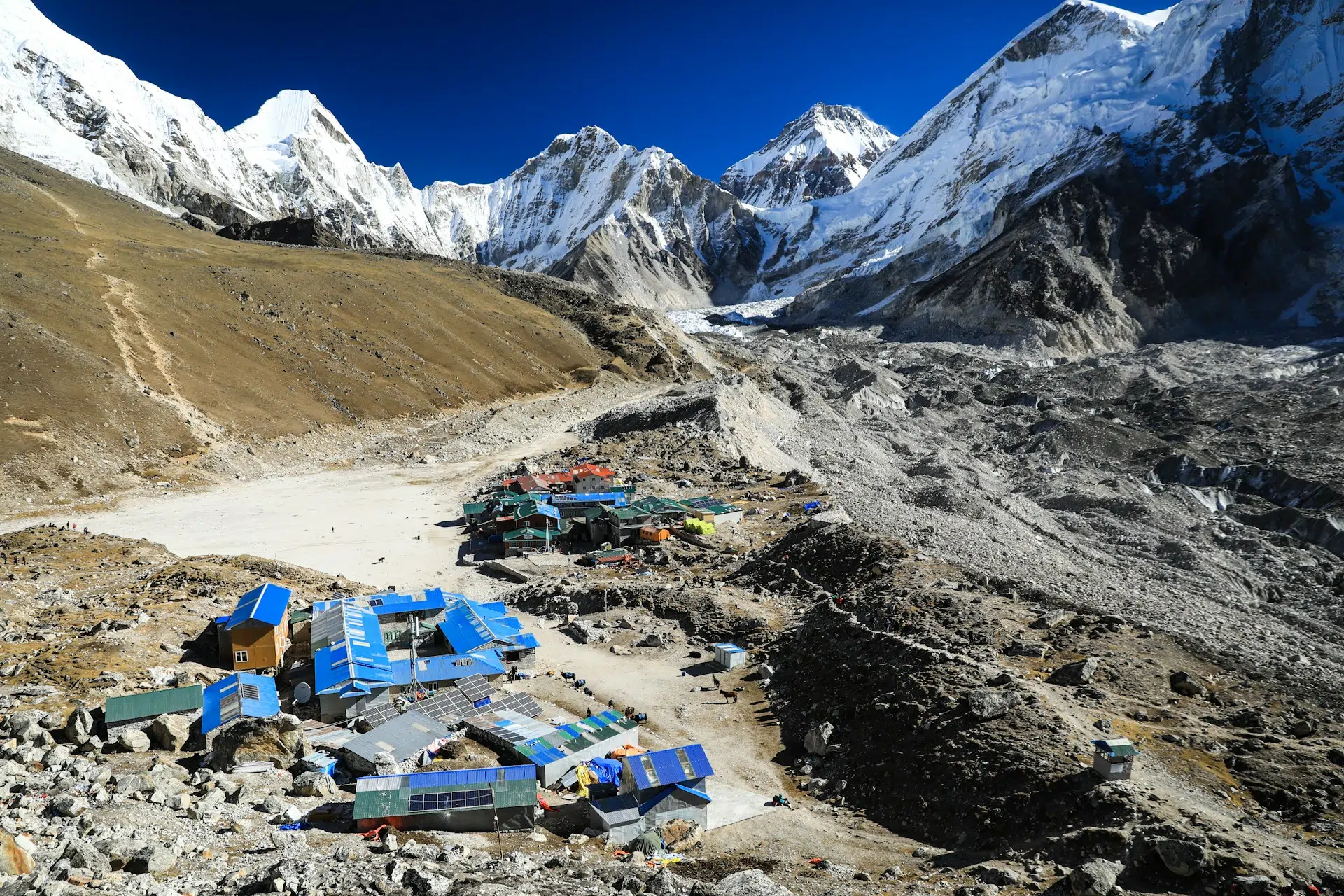
Perched on the sandy bed of a frozen glacial lake, at the edge of human habitation in the high Himalayas, Gorak Shep is where the Everest Base Camp trek reaches its dramatic final chapter. As the last permanent settlement before Everest Base Camp itself, this remote outpost is where trekkers on the Classic Everest Base Camp Trek rest, gather their strength, and prepare for the final push to both Base Camp and the legendary sunrise viewpoint of Kala Patthar. This complete guide covers everything you need to know about Gorak Shep, from its history and altitude to practical trekking tips for this extraordinary high-altitude destination.
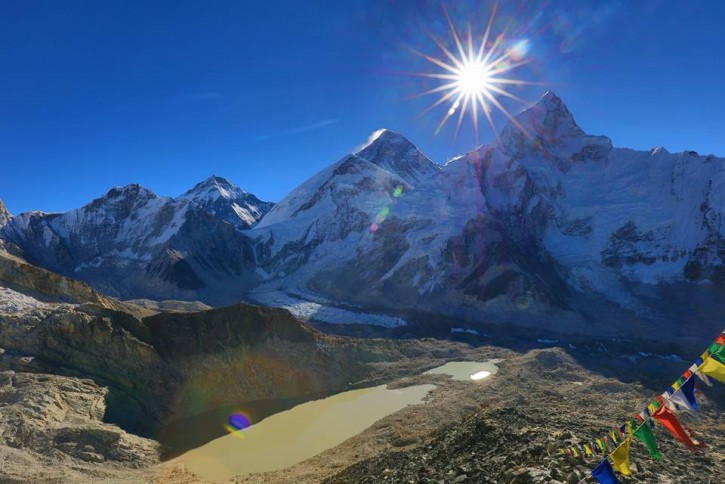
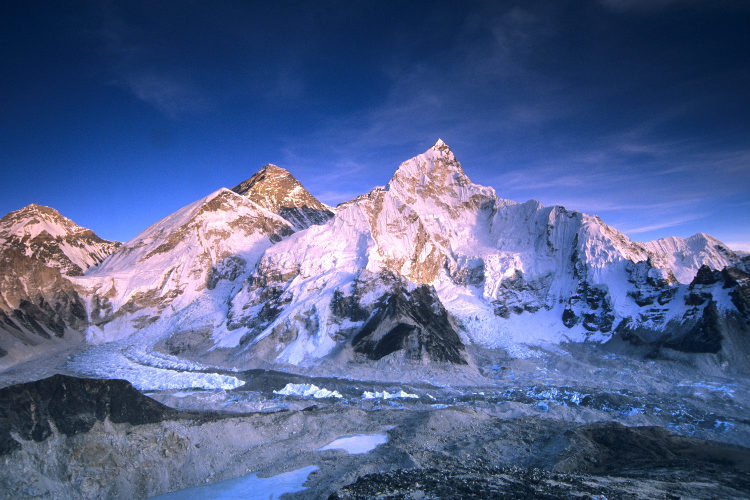
Gorak Shep is a small settlement located within Sagarmatha National Park in Nepal's Khumbu region, sitting at an elevation of approximately 5,164 meters (16,942 feet). It lies on the sandy bed of what was once a frozen glacial lake, surrounded by towering peaks including Everest, Nuptse, Pumori, and Changtse.
Gorak Shep holds the distinction of being the last village with accommodation on the entire Everest Base Camp route — beyond this point, no permanent lodges exist, and trekkers rely entirely on tented camps if they need to stay closer to Base Camp itself.
The name Gorak Shep comes from the Sherpa language, combining "Gorak" (meaning raven) and "Shep" (meaning dead). Together, the name translates roughly to "dead ravens," reflecting the area's stark, barren landscape, which lacks the vegetation needed to sustain most wildlife. Despite the name, hardy high-altitude bird species such as snowcocks, choughs, and horned larks are still occasionally spotted in the area.
Gorak Shep holds a significant place in Himalayan mountaineering history — it was originally used as the Everest Base Camp itself, first by Swiss mountaineers during their 1952 expedition attempt. The base camp was later relocated closer to the mountain, just below the Khumbu Icefall, to the location known today as Everest Base Camp. Gorak Shep has since evolved into a small trekker settlement, remaining largely dormant outside the main trekking seasons and reopening each year to support Everest expeditions and trekkers.
| Detail | Information |
|---|---|
| Altitude | ~5,164 m (16,942 ft) |
| Location | Sagarmatha National Park, Khumbu Region |
| Oxygen Level | Roughly 50% of sea level |
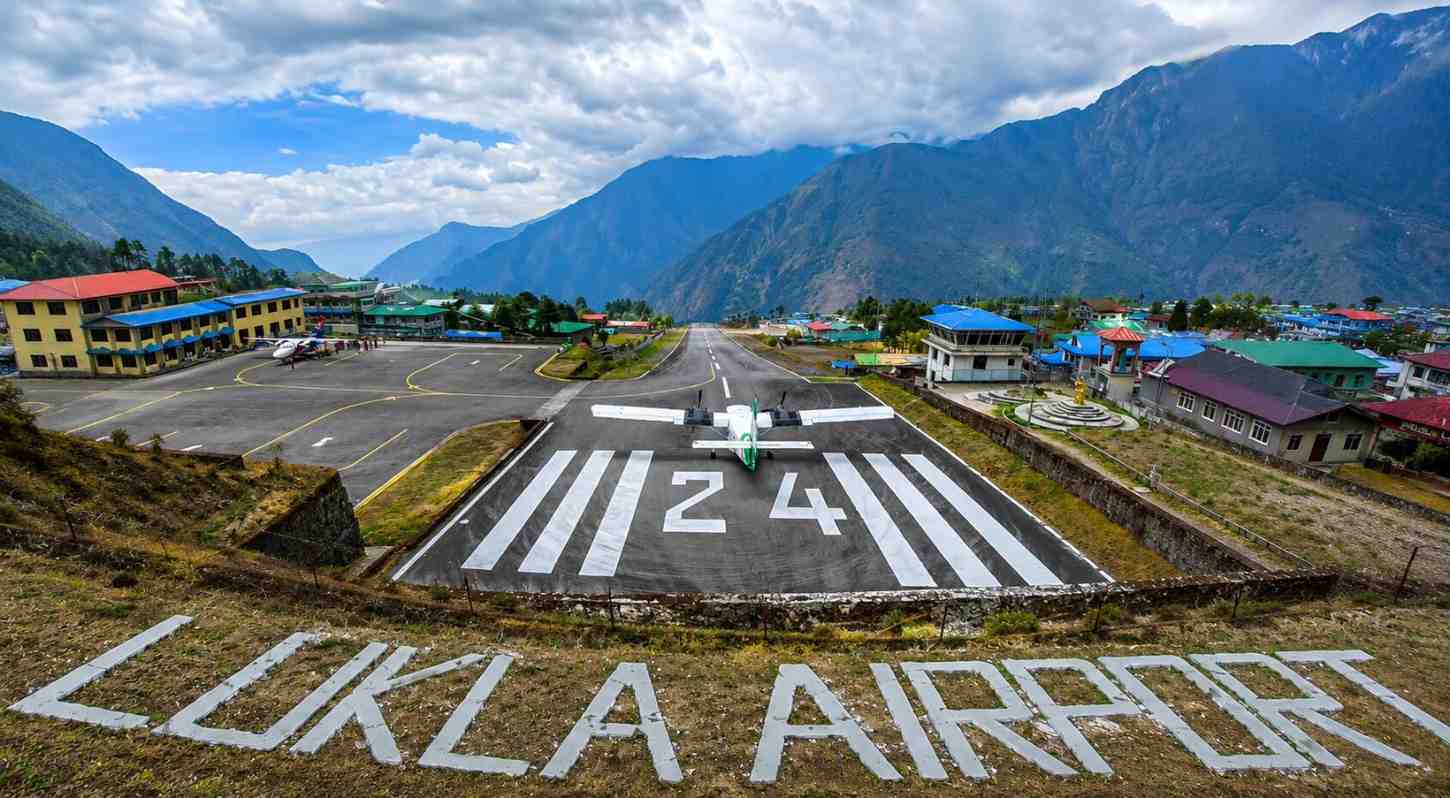
| Distance from Lukla | ~65 km (typically 8–10 walking days) |
| Nearest Landmark | Everest Base Camp (~3.3 km away) |
| Accommodation | Basic teahouses only; no lodging beyond this point |
| Surrounding Peaks | Everest, Lhotse, Nuptse, Pumori, Changtse |
Gorak Shep serves several essential purposes for trekkers making their way toward the top of the world:
From Gorak Shep, it takes approximately 2 to 3 hours to trek to Everest Base Camp, which sits on the ever-shifting Khumbu Glacier. Most trekkers complete this as a round trip on the same day, returning to Gorak Shep for the night since camping is not permitted at Base Camp for standard trekking permits.
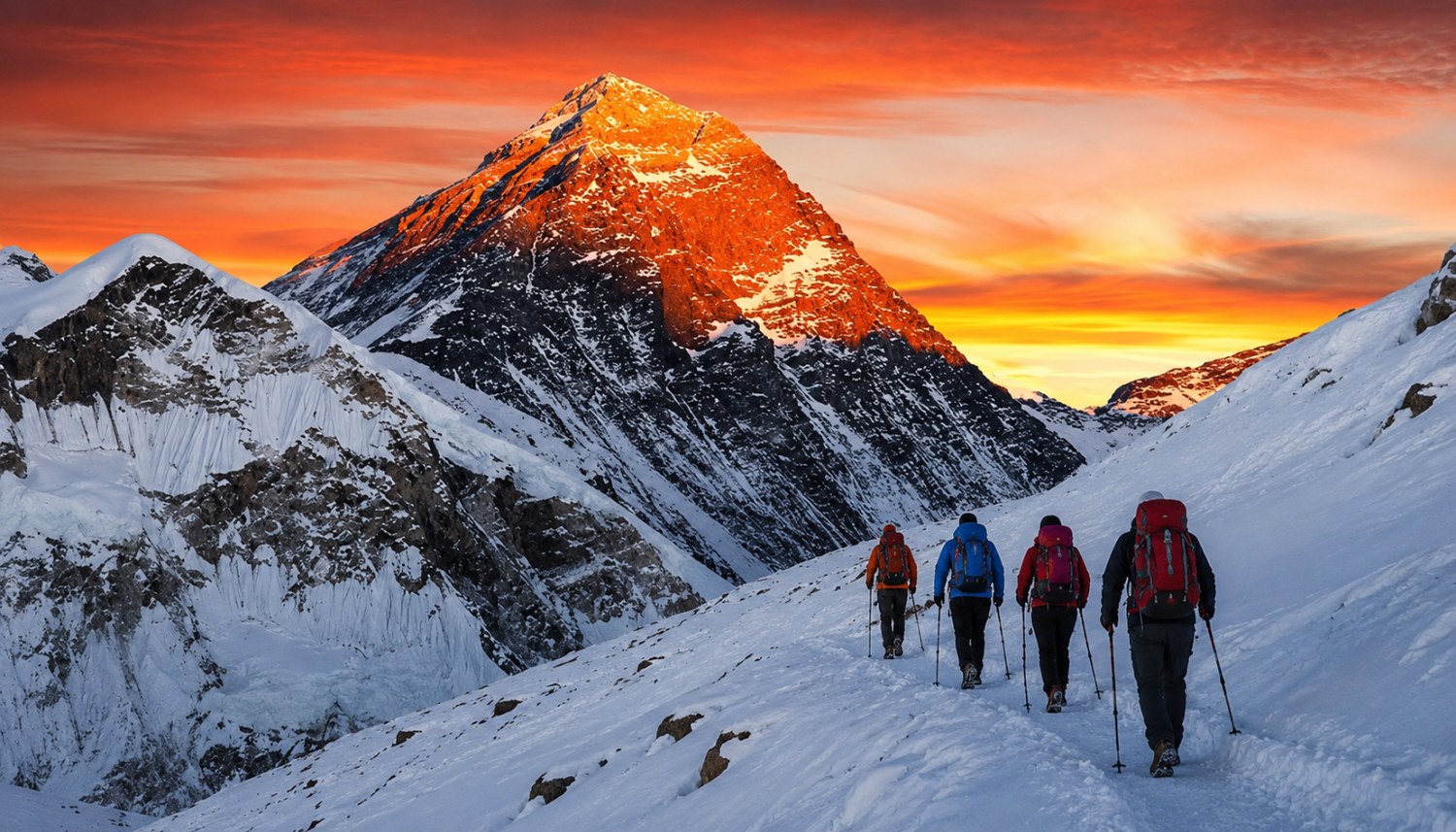
Widely regarded as the best accessible viewpoint of Mount Everest, Kala Patthar is typically climbed early the following morning to catch sunrise views over the world's highest peak. This is often the highest point most trekkers reach without needing a specialized climbing permit.
The dramatic, ever-moving ice formations of the Khumbu Glacier and Icefall can be observed from the trail near Gorak Shep, offering a striking look at the same treacherous terrain that mountaineers must cross on their way toward Everest's summit.
With minimal light pollution and extreme altitude, Gorak Shep offers exceptional stargazing opportunities, including clear views of the Milky Way on clear nights — a memorable experience for trekkers willing to brave the cold after dark.
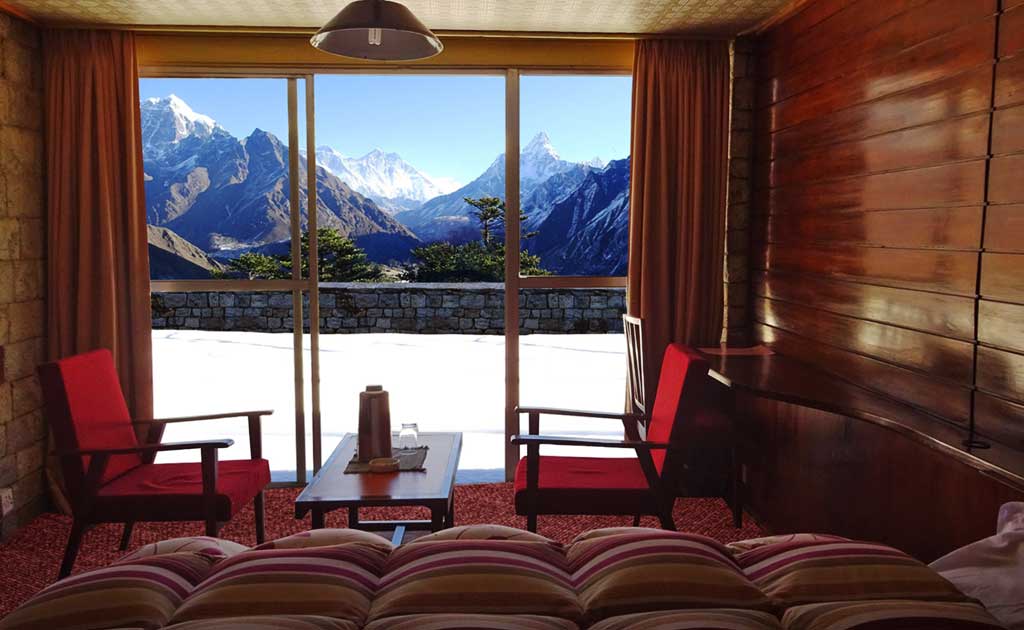
Gorak Shep offers only basic teahouse accommodation, and conditions here are noticeably more rugged than in lower villages like Namche Bazaar or Dingboche:
| Facility | What to Expect |
|---|---|
| Rooms | Simple, unheated twin rooms |
| Bathrooms | Shared, basic facilities |
| Electricity | Limited, often paid charging |
| Wi-Fi | Available in some lodges, slow and expensive |
| Heating | Central dining hall with a stove; rooms typically unheated |
| Water | Must be boiled or treated before drinking |
Given its position as the last stop before Base Camp, lodges here can fill up quickly during peak season, so early arrival or advance booking through a trekking operator is strongly recommended.
| Season | Months | Conditions |
|---|---|---|
| Spring | March – May | Cold but relatively stable, clear mountain views |
| Autumn | September – November | Best visibility, most popular trekking season |
| Winter | December – February | Extremely cold, often below -20°C at night |
| Monsoon | June – August | Poor visibility, generally avoided |
Temperatures at Gorak Shep remain near or below freezing year-round, and nighttime lows can drop dramatically even during the peak spring and autumn trekking seasons.
Gorak Shep's extreme elevation makes altitude awareness absolutely essential:
Gorak Shep is a small settlement located within Sagarmatha National Park in Nepal's Khumbu region, sitting on the sandy bed of what was once a frozen glacial lake. It is the last permanent settlement on the Everest Base Camp trek, positioned just before Everest Base Camp itself.
Gorak Shep sits at an elevation of approximately 5,164 meters (16,942 feet) above sea level, making it one of the highest inhabited points trekkers will reach on the entire Everest Base Camp journey.
The name comes from the Sherpa language, combining "Gorak" (meaning raven) and "Shep" (meaning dead), together translating to "dead ravens." This reflects the area's stark, barren landscape, which lacks the vegetation needed to sustain most bird and animal life.
Gorak Shep was originally used as the actual Everest Base Camp, first by Swiss mountaineers during their 1952 expedition attempt, before the base camp location was later moved closer to the mountain near the Khumbu Icefall. Today, Gorak Shep serves as the final trekker settlement supporting visits to the current Everest Base Camp and Kala Patthar.
The distance from Gorak Shep to Everest Base Camp is approximately 3.3 km, and the hike typically takes 1.5 to 2.5 hours one way, depending on weather, trail conditions, and individual fitness. Most trekkers complete this as a round trip in a single day before returning to Gorak Shep for the night.
Kala Patthar is a famous viewpoint at approximately 5,545 meters, climbed directly from Gorak Shep and widely regarded as the best accessible spot to view Mount Everest up close. Most trekkers hike to Kala Patthar very early in the morning, typically the day after visiting Everest Base Camp, to catch sunrise views over the peak.
Yes, Gorak Shep is the final settlement with lodging on the entire route, offering only basic teahouse accommodation. Beyond Gorak Shep, no permanent lodges exist, and standard trekking permits do not allow overnight camping at Everest Base Camp itself.
Accommodation in Gorak Shep consists of basic, unheated teahouse rooms with shared bathrooms, limited electricity, and often slow, paid Wi-Fi access. Facilities here are noticeably more rugged than in lower villages like Namche Bazaar or Dingboche, reflecting the settlement's extreme altitude and remote location.
Yes, at 5,164 meters, oxygen levels are roughly 50% of those at sea level, making Acute Mountain Sickness (AMS) a genuine and serious concern. Trekkers should watch closely for symptoms like headache, dizziness, or nausea, and prioritize descent if symptoms worsen rather than pushing forward.
The best seasons are spring (March–May) and autumn (September–November), offering the clearest skies and most stable conditions for reaching Gorak Shep, Everest Base Camp, and Kala Patthar. Winter brings extreme cold, often dropping below -20°C at night, while monsoon season is generally avoided due to poor visibility.
Temperatures at Gorak Shep remain near or below freezing year-round, with nighttime lows sometimes dropping well below -20°C (-4°F) even during peak trekking seasons. Warm, high-quality layers and a properly rated sleeping bag are essential for anyone staying overnight.
No, water in Gorak Shep and throughout the high Khumbu region must be boiled or treated before drinking to avoid illness. Most lodges sell boiled or bottled water for a fee, and carrying water purification tablets or a filter is a smart backup option.
Reaching Gorak Shep from Lukla typically takes 8 to 10 walking days as part of a full Everest Base Camp itinerary, which usually spans 12 to 14 days total including essential acclimatization stops. Rushing this timeline significantly increases the risk of altitude sickness.
No, there are no ATMs in Gorak Shep or anywhere beyond Namche Bazaar on the Everest Base Camp route. Trekkers should carry sufficient Nepali Rupees in cash to cover food, accommodation, and any extra services for the remainder of the high-altitude trek.
While experienced trekkers occasionally attempt the route independently, current Nepal government regulations generally require foreign trekkers in the Everest region to be accompanied by a licensed guide. Given the extreme altitude, remoteness, and potential for rapidly changing weather near Gorak Shep, trekking with an experienced guide significantly improves both safety and overall trekking success.
Gorak Shep represents the final frontier of human settlement on the way to the roof of the world — a stark, windswept outpost where trekkers gather their last reserves of energy before standing at Everest Base Camp or watching the sun rise over the world's highest peak from Kala Patthar. It is not a comfortable place, nor is it meant to be; its raw, unfiltered mountain character is exactly what makes reaching it such an unforgettable achievement.
For trekkers preparing to experience this extraordinary high-altitude milestone as part of a safe, well-guided journey, the Classic Everest Base Camp Trek is thoughtfully designed to build proper acclimatization into the itinerary — ensuring you arrive at Gorak Shep ready to complete the final, unforgettable steps of your Everest adventure.
Discover more articles that match your interests! Explore these similar blogs packed with insights, tips, and stories to keep you inspired.
Everything on Classic Everest Base Camp Trek permits for 2026–2027 — costs, requirements, where to get them & recent...
Discover the best season for the Classic Everest Base Camp Trek. Compare autumn, spring, winter & monsoon weather, views...
Explore the Classic Everest Base Camp Trek itinerary with detailed day-by-day routes, altitudes, trekking hours & acclim...
Discover what you\\\'ll eat and where you\\'ll sleep on the Classic Everest Base Camp Trek. Complete guide to teahouses,...
Discover the full cost breakdown of the Classic Everest Base Camp Trek — permits, flights, guides, porters, meals & ac...
Is the Classic Everest Base Camp Trek hard? Complete guide to difficulty level, altitude challenges, fitness needs & tra...