Chhukung Valley, Nepal: Complete Travel & Trekking Guide
By Nepal Trip Services On 27 Sep 2026

By Nepal Trip Services On 27 Sep 2026
Tucked away in the upper reaches of the Imja Khola Valley, Chhukung is one of the Everest region's best-kept secrets — a quiet, high-altitude settlement surrounded by some of the most dramatic mountain walls in the entire Himalaya. While it sees far fewer visitors than Everest Base Camp or Gokyo, Chhukung Valley rewards those who make the detour with jaw-dropping views of Lhotse, Nuptse, and Ama Dablam, along with access to thrilling side trips like Chhukung Ri and Island Peak. This complete guide covers everything you need to know about Chhukung Valley, from its geography and trekking routes to accommodation, seasons, and practical tips.
Chhukung is a small settlement located at approximately 4,730 meters (15,518 feet) in the upper Imja Khola Valley, in Nepal's Khumbu region. It sits just east of Dingboche and is framed dramatically by the towering ridgelines of Lhotse and Nuptse, with the graceful profile of Ama Dablam visible nearby.
Historically, Chhukung had no permanent residents and was used seasonally by Sherpa herders for grazing yaks. Today, it has evolved into a small hub of trekking lodges, serving climbers and trekkers heading toward Island Peak or exploring the quieter side valleys of the Everest region.
Compared to the more heavily trafficked routes to Everest Base Camp and Gokyo, Chhukung Valley remains relatively less frequented — yet the scenery is every bit as spectacular. Here's why it deserves a place on your Everest region itinerary:
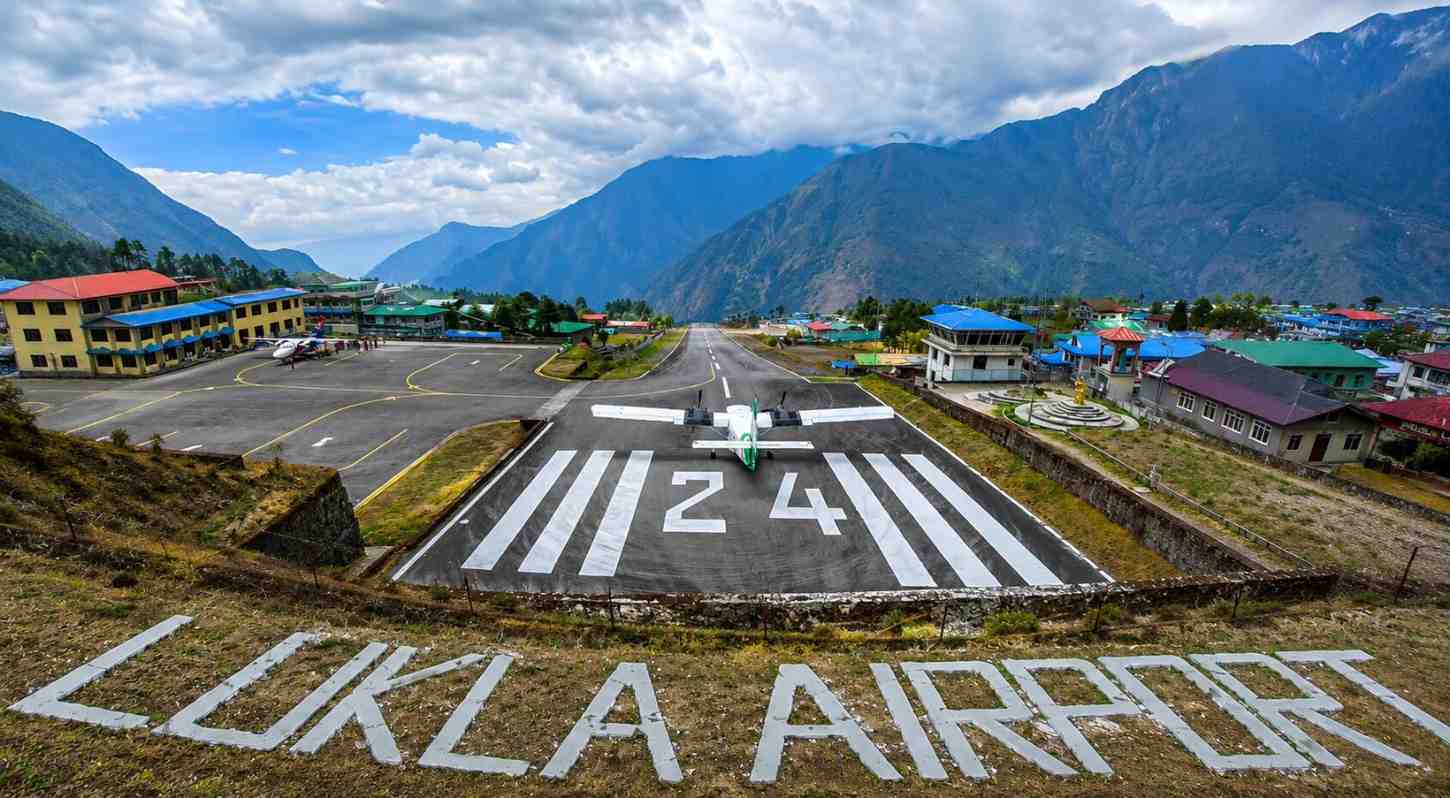
Most trekkers reach Chhukung by flying from Kathmandu to Lukla, then trekking through the classic Everest region route before branching off toward the Chhukung Valley. A typical itinerary looks like this:
The full journey typically takes around 8 days one-way, including built-in acclimatization days, making Chhukung a natural extension for trekkers already exploring the region on a well-paced itinerary like the Classic Everest Base Camp Trek.
| Detail | Information |
|---|---|
| Altitude | ~4,730 m (15,518 ft) |
| Location | Imja Khola Valley, east of Dingboche |
| Surrounding Peaks | Lhotse, Nuptse, Baruntse, Ama Dablam |
| Best Access Point | Dingboche (day trip or overnight stop) |
| Popular Activities | Chhukung Ri hike, Island Peak climbing, acclimatization trekking |
| Trekking Style | Lodge-based, moderate to strenuous |
One of the most rewarding day hikes in the entire Everest region, Chhukung Ri is a non-technical but physically demanding trekking peak that can be summited in a single day from Chhukung. The climb offers spectacular panoramic views of Lhotse, Nuptse, Ama Dablam, and the surrounding glacial landscape — and unlike many peaks in the region, it requires no special climbing permit.
Chhukung serves as the primary staging point for climbers attempting Island Peak, one of Nepal's most popular trekking peaks at 6,189 meters (20,305 feet). Climbers typically spend time in Chhukung for final gear checks, guide briefings, and acclimatization before heading up toward Island Peak Base Camp.
The upper valley is home to the Imja Glacier, which feeds into Imja Tsho, a glacial lake that has drawn significant scientific attention due to its rapid historical growth. Environmental monitoring and mitigation work have been carried out in recent years to manage the lake's potential flood risk, making it an interesting stop for those curious about Himalayan glaciology.
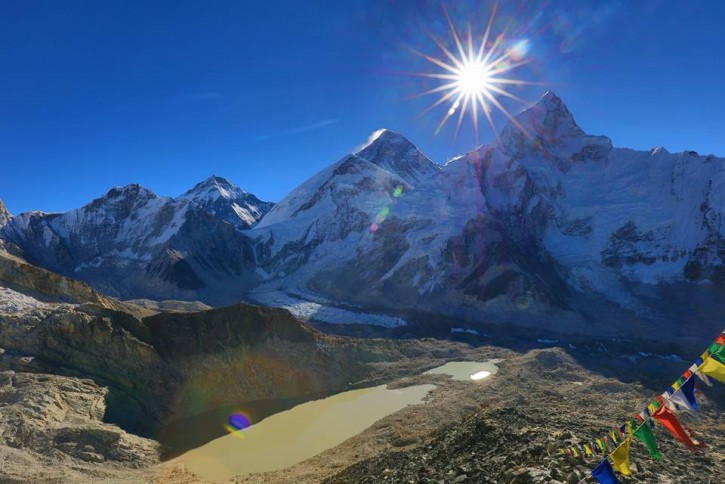
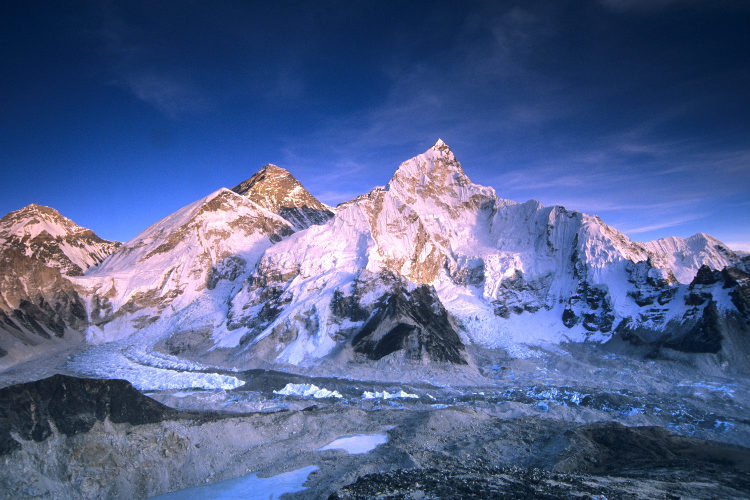
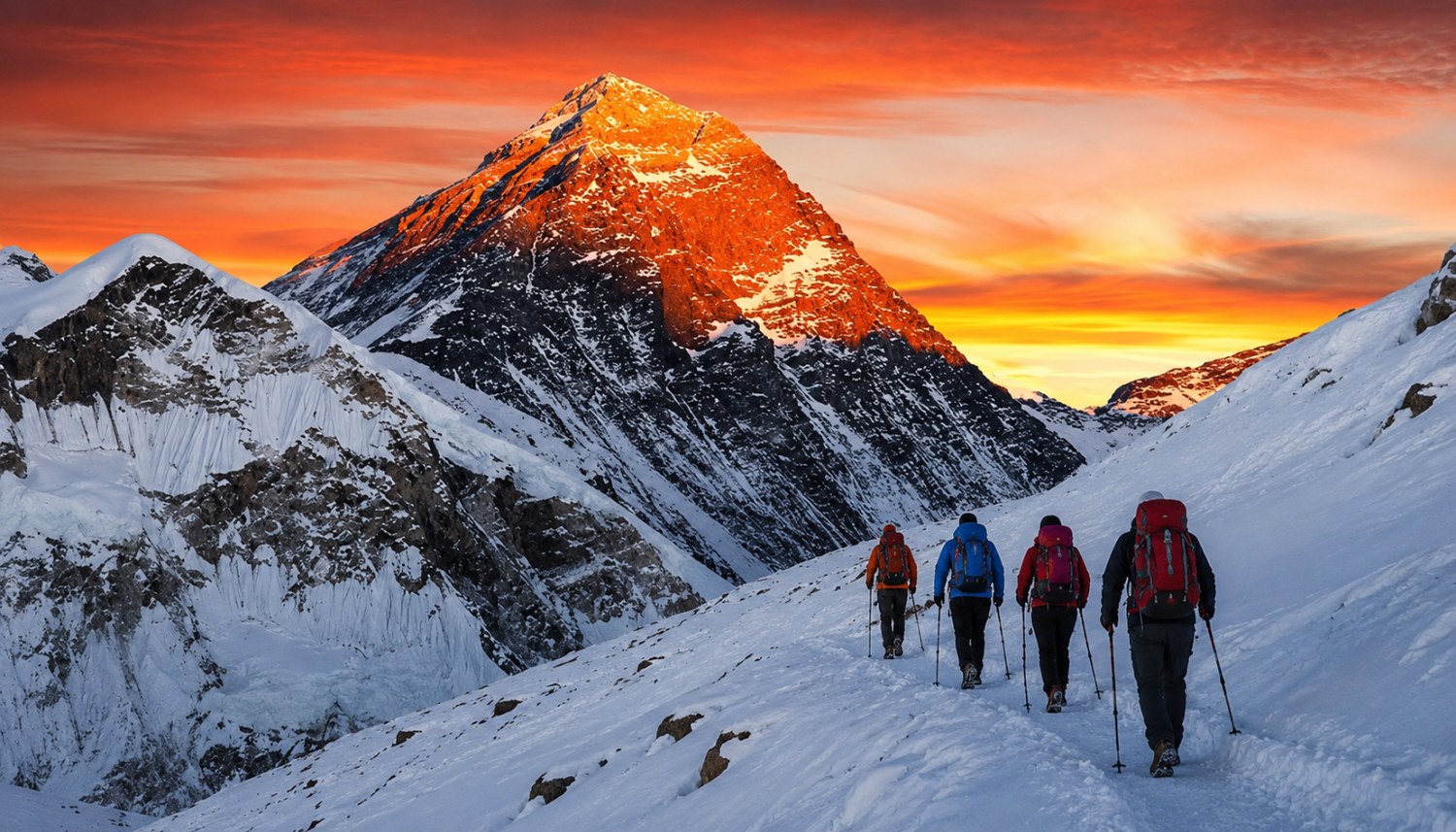
With Lhotse's massive wall rising directly to the south and Ama Dablam's iconic pyramid visible to the west, Chhukung Valley is considered one of the most photogenic corners of the Everest region — particularly at sunrise and sunset when the peaks glow gold and pink.
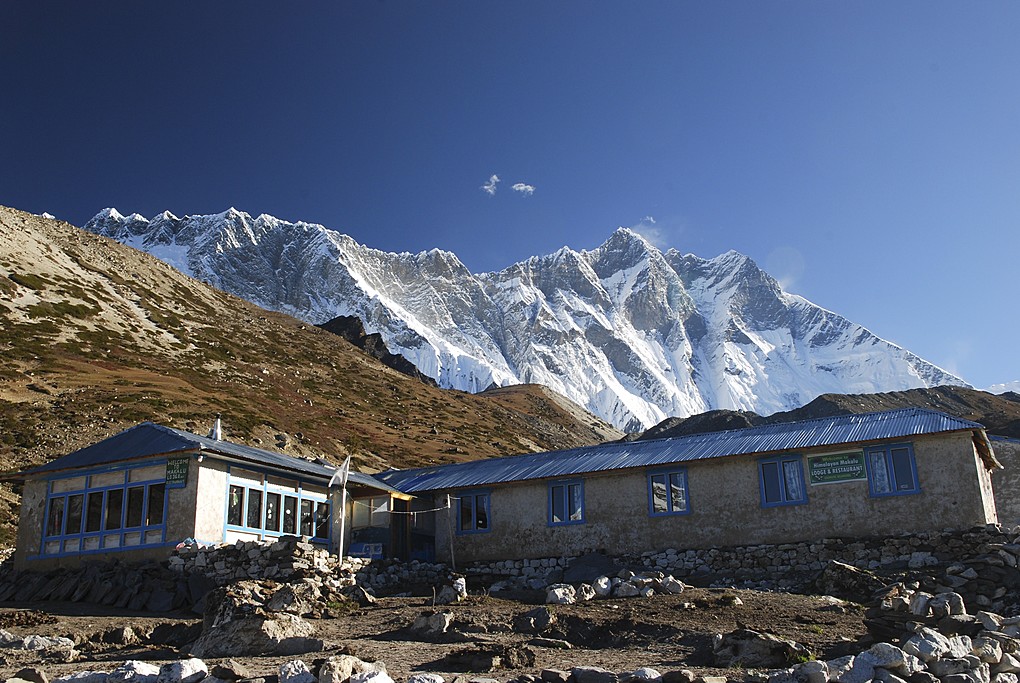
Chhukung is a modest settlement consisting mainly of trekking lodges built to support climbers and trekkers passing through:
| Accommodation Type | What to Expect |
|---|---|
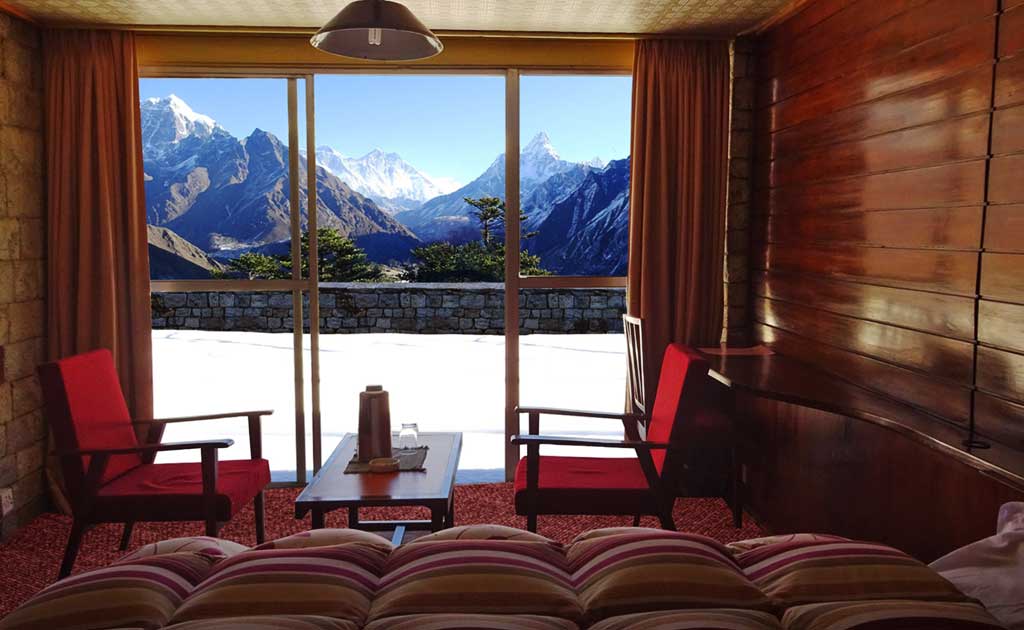
| Basic Teahouses | Simple twin rooms, shared bathrooms, basic meals |
| Climber-Focused Lodges | Slightly better facilities, catering to Island Peak expedition groups |
| Seasonal Availability | Some facilities operate only during peak trekking/climbing seasons |
Given its high altitude and remote setting, don't expect luxury here — most lodges offer simple, functional accommodation designed to support acclimatization and rest before demanding treks or climbs.
| Season | Months | Conditions |
|---|---|---|
| Spring | March – May | Best season for Island Peak climbing, clear skies |
| Autumn | September – November | Stable weather, excellent visibility, peak trekking season |
| Winter | December – February | Very cold, limited services, fewer trekkers |
| Monsoon | June – August | Wet trails, poor visibility, generally avoided |
Spring and autumn remain by far the most popular and reliable seasons for visiting Chhukung, both for trekking comfort and for attempting Chhukung Ri or Island Peak.
Chhukung Valley is situated in the upper Imja Khola Valley of Nepal's Khumbu region, positioned just east of Dingboche. It is framed by the dramatic ridgelines of Lhotse and Nuptse, with the iconic peak of Ama Dablam visible nearby.
Chhukung sits at an elevation of approximately 4,730 meters (15,518 feet) above sea level, making it a significant high-altitude stop used primarily for acclimatization and as a base for further climbing or trekking objectives.
No, Chhukung is not on the standard Everest Base Camp trail itself; it is a side valley typically reached as a detour or extension from Dingboche. It is more commonly visited as part of the Three Passes trek or by climbers preparing for Island Peak.
Most trekkers fly from Kathmandu to Lukla, then follow the classic Everest region trail through Phakding, Namche Bazaar, Tengboche, and Pangboche before reaching Dingboche, from where Chhukung is a relatively short trek east into the Imja Khola Valley. The full journey typically takes around 8 days one-way, including acclimatization days.
Chhukung Ri is a trekking peak reaching approximately 5,546–5,550 meters, offering a non-technical but physically demanding day hike from Chhukung village. It requires no special climbing permit, but the high altitude and steep terrain make it a serious undertaking that rewards climbers with spectacular panoramic Himalayan views.
Chhukung serves as the primary staging and acclimatization point for climbers attempting Island Peak (Imja Tse), a popular 6,189-meter trekking peak in the Everest region. Climbers typically use Chhukung for final gear checks, guide briefings, and altitude adjustment before heading up toward Island Peak Base Camp.
Chhukung Valley offers dramatic close-up views of Lhotse, Nuptse, Baruntse, and Ama Dablam, with the massive Lhotse Wall dominating the skyline to the south. Additional high peaks become visible from higher vantage points, particularly while ascending toward Chhukung Ri.
Imja Tsho is a glacial lake fed by the Imja Glacier at the upper end of the valley, which has drawn significant scientific attention due to its rapid historical growth. In recent years, environmental mitigation work has been carried out to help manage the lake's potential flood risk to downstream communities.
Chhukung consists mainly of basic trekking lodges offering simple twin rooms and shared bathrooms, catering primarily to trekkers and climbers passing through. Facilities are functional rather than luxurious, and some lodges operate only during peak trekking and climbing seasons.
The best seasons are spring (March–May) and autumn (September–November), both offering stable weather, clear skies, and ideal conditions for hiking Chhukung Ri or climbing Island Peak. Winter is very cold with limited services, while monsoon season brings wet trails and poor visibility.
Yes, at nearly 4,730 meters, altitude sickness is a genuine risk, and trekkers should ensure proper acclimatization in Namche Bazaar and Dingboche before continuing to Chhukung. Watch closely for symptoms like headache, nausea, or fatigue, and descend immediately if symptoms worsen.
No, there are no ATMs or banking facilities in Chhukung or the surrounding high-altitude villages. Trekkers should carry sufficient Nepali Rupees in cash from Namche Bazaar or earlier stops on the trail.
While not strictly mandatory for the valley itself, hiring a guide is strongly recommended for both safety and route-finding, especially for the Chhukung Ri ascent, which involves steep, high-altitude terrain. Nepal's current trekking regulations also generally require licensed guides for foreign trekkers in the Everest region.
The Island Peak climb from Chhukung is considered strenuous and moderately technical, involving glacier travel, fixed ropes, ice sections, and the use of climbing equipment such as crampons and harnesses. It typically requires prior high-altitude trekking experience and is best attempted with experienced guides and proper acclimatization.
Yes, Chhukung Valley is a worthwhile destination even without climbing Island Peak or Chhukung Ri, offering quiet trails, dramatic close-up mountain views, and a peaceful alternative to the busier Everest Base Camp route. Many trekkers simply visit as a scenic acclimatization day trip from Dingboche to enjoy the valley's glaciers and mountain panoramas.
Chhukung Valley offers something increasingly rare in the Everest region: solitude paired with world-class mountain scenery. Whether you're chasing the panoramic rewards of Chhukung Ri, preparing for the challenge of Island Peak, or simply seeking a quieter alternative to the crowded main trail, this high-altitude valley delivers an unforgettable slice of the Himalayas away from the busier tourist routes.
For trekkers looking to combine the classic highlights of the Everest region with the option of extending into quieter side valleys like Chhukung, the Classic Everest Base Camp Trek provides the perfect well-paced foundation — allowing you to experience the best of both the iconic trail and its hidden high-altitude gems.
Discover more articles that match your interests! Explore these similar blogs packed with insights, tips, and stories to keep you inspired.
Everything on Classic Everest Base Camp Trek permits for 2026–2027 — costs, requirements, where to get them & recent...
Discover the best season for the Classic Everest Base Camp Trek. Compare autumn, spring, winter & monsoon weather, views...
Explore the Classic Everest Base Camp Trek itinerary with detailed day-by-day routes, altitudes, trekking hours & acclim...
Discover what you\\\'ll eat and where you\\'ll sleep on the Classic Everest Base Camp Trek. Complete guide to teahouses,...
Discover the full cost breakdown of the Classic Everest Base Camp Trek — permits, flights, guides, porters, meals & ac...
Is the Classic Everest Base Camp Trek hard? Complete guide to difficulty level, altitude challenges, fitness needs & tra...