Trishuli River Rafting: More Infformation
Trishuli River Rafting at a Glance
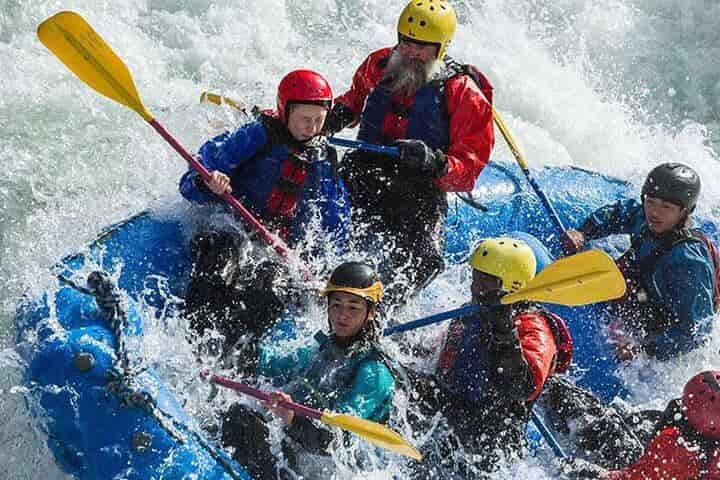
Trishuli River Rafting is Nepal’s most popular white water adventure, and the easiest way to enjoy a real river trip from Kathmandu. With Nepal Trip Services, you ride Grade II-III rapids through green hills and quiet valleys, with an experienced guide, safety gear and transport arranged by our local team. Here are the key details at a glance.
| Detail |
Information |
| Activity |
White water rafting |
| River |
Trishuli River, central Nepal |
| Starting point |
Kathmandu (hotel pick-up from Thamel) |
| Trip length |
1 day or 2 days / 1 night |
| Time on the river |
About 3-4 hours |
| Drive from Kathmandu |
About 3-4 hours by road |
| Rapids grade |
Grade II-III (beginner friendly) |
| Difficulty |
Easy to moderate |
| Fitness level |
Basic fitness; no rafting experience needed |
| Minimum age |
Please ask us (usually 12+ with a guardian, depending on water level) |
| Group size |
Private trips or small groups |
| Best seasons |
September to November and March to May |
| Meals |
Riverside lunch (one-day trip); all meals on the two-day trip |
| Accommodation |
Riverside tent camp (two-day trip) |
| Safety |
Safety briefing, helmet, life jacket and trained guides |
| Ends at |
Kathmandu, Chitwan or Pokhara (on request) |
| Price |
From US$ [79] per person |
Why Rafters Love the Trishuli
- Close to Kathmandu: A real adventure without a long journey
- Beginner friendly: Exciting rapids with calm stretches for swimming and photos
- Scenic: Green hills, terraced farms, waterfalls and river valleys
- Flexible: Choose a quick one-day trip or a relaxed riverside camp
- Easy to combine: Add Chitwan Jungle Safari, Pokhara adventures or a Kathmandu tour
Ready to Go?
Message us on WhatsApp at +977-9828696557 or email info@nepaltripservices.com with your date and group size, and we will help you plan your Trishuli River Rafting trip.
Why Choose Trishuli River Rafting in Nepal?
Nepal has some of the best rafting rivers in Asia, and the Trishuli is the one most travelers choose first. It combines easy access, beginner-friendly rapids and beautiful scenery in a single trip. Whether you have one free day in Kathmandu or want to add adventure to a longer holiday, Trishuli River Rafting is a simple and rewarding choice.
1. Close to Kathmandu, No Long Journey
The Trishuli River is only a few hours by road from Kathmandu, so you can enjoy a real river adventure without spending days on the road. It is also on the way to Chitwan and Pokhara, which makes it easy to fit into almost any Nepal itinerary.
2. Exciting Rapids, Beginner Friendly
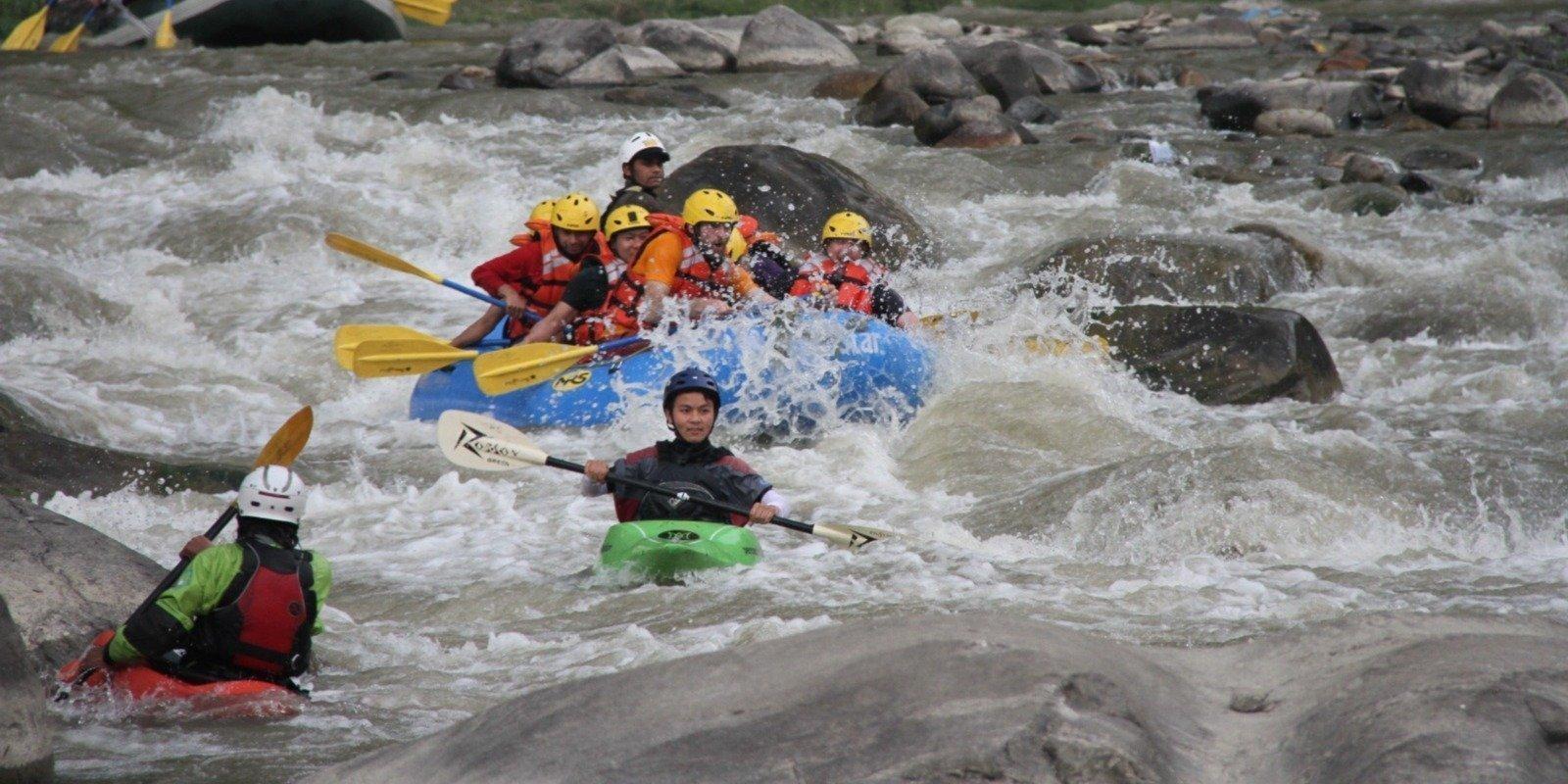
The river offers Grade II-III rapids, which are lively and fun but not extreme. You do not need rafting experience, and calm stretches between rapids give you time to relax, swim and take photos. It is a good first rafting experience for beginners, families, friends and solo travelers.
3. Scenic Himalayan River Valley
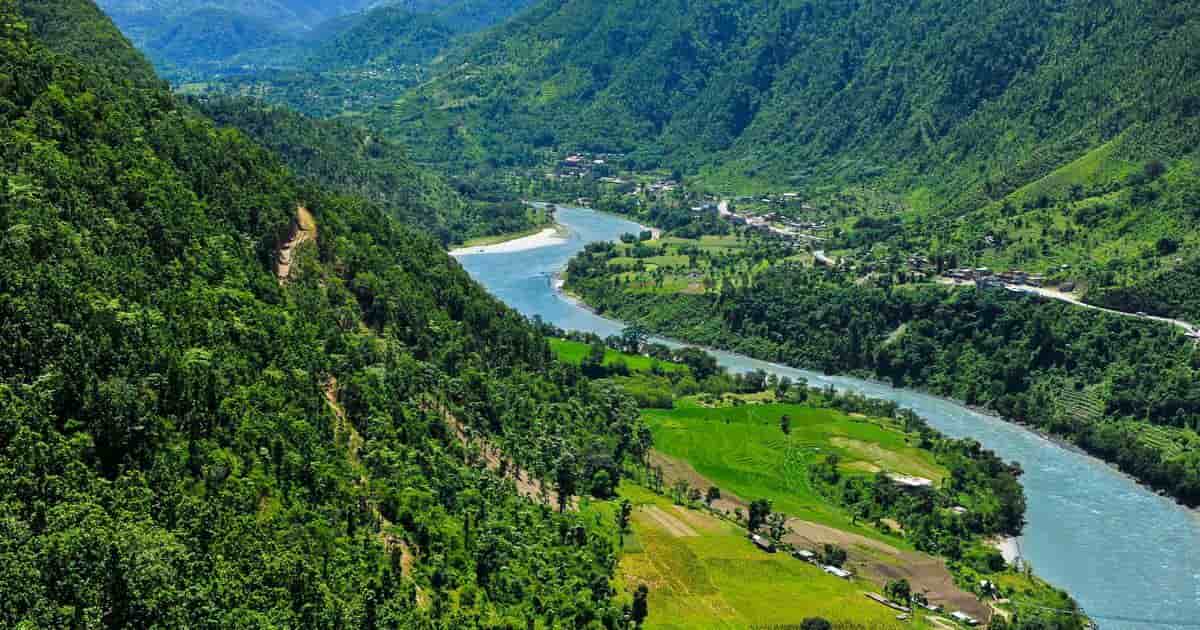
Fed by Himalayan meltwater, the Trishuli flows through green hills, terraced farmland, forested gorges and small riverside villages. You see the countryside of Nepal from the water, a view that you cannot get from the road.
4. Safe, Guided and Well Organized
Your safety comes first on every trip. Before you launch, your guide gives a full briefing and paddle training, and you wear a helmet and life jacket throughout. Our local team arranges transport, equipment and meals, so you can focus on the fun.
5. Flexible Trip Options
Choose a one-day rafting trip for a quick burst of adventure, or a two-day trip with riverside camping for a campfire, dinner and a night under the stars. You can also arrange a private trip for your family, friends or group.
6. Easy to Combine with Other Adventures
Trishuli rafting pairs well with other Nepal experiences:
- Chitwan Jungle Safari
- Pokhara Paragliding
- Kathmandu Pokhara Tour
- Bhote Koshi Bungee and Canyoning
7. Great Value for an Adventure
With a short travel time and a simple one-day format, Trishuli offers one of the best-value adventure activities in Nepal. You get a full river experience, guide support and scenery without a large budget or long schedule.
8. A Local Team You Can Trust
Nepal Trip Services is a Kathmandu-based team with 16 years of experience in Nepal travel. We give honest information about difficulty, season and conditions, and a real person is ready to answer your questions on WhatsApp before and during your trip.
Perfect for
- First-time rafters and beginners
- Families and groups of friends
- Solo travelers who want to meet others
- Travelers with limited time in Kathmandu
- Visitors adding adventure to a Chitwan or Pokhara trip
Trishuli River Rafting Difficulty and Safety
Trishuli River Rafting is one of the best choices in Nepal for beginners, families and first-time adventurers. The river offers exciting white water without the extreme challenge of steeper rivers, and every trip with Nepal Trip Services is planned with safety first.
How difficult is Trishuli River Rafting?
The Trishuli has Grade II-III rapids, which means moderate waves, short drops and lively sections with calm stretches in between. The trip is rated easy to moderate. You do not need rafting experience, and basic fitness is enough because you paddle in short bursts rather than for hours without a break. The difficulty can change with the season. In autumn and spring, the water level is steady and friendly for beginners. In the monsoon (June to August), the river is higher, faster and more powerful, so the rapids feel stronger.
Who can join?
Beginners, families, friends and solo travelers can all enjoy the trip. You should be comfortable around water and able to follow your guide’s instructions. Swimming ability is helpful but not always required because you wear a life jacket throughout. Please tell us in advance about any health conditions, including heart, back, joint or breathing problems, and whether you are nervous around water. We do not recommend rafting during pregnancy. The minimum age depends on the water level and our safety policy, so please contact us before booking with children.
Safety on the river
Your safety comes first on every trip. Before you launch, your guide gives a full safety briefing and paddle training. This covers paddle commands, correct seating, how to hold on, and what to do if you fall into the water. You wear a helmet and life jacket throughout the trip, and our experienced guides lead the raft and watch the river conditions at all times. Our team checks weather and water levels before each trip, and we may delay, shorten or reschedule if conditions are unsafe.
What if I fall out of the raft?
Falling in is uncommon on the Trishuli’s gentler rapids, but it can happen. Your life jacket keeps you afloat. Your guide teaches you to float on your back with your feet up, and to swim toward the raft or the safety support. Stay calm and follow instructions, and our team will assist you quickly.
Simple safety tips for rafters
- Listen carefully to the safety briefing and follow your guide at all times
- Always keep your helmet and life jacket properly fastened
- Wear sandals or water shoes with a heel strap
- Keep valuables in a waterproof bag, or leave them at your hotel
- Avoid alcohol before rafting
- Tell your guide if you feel unwell, tired or nervous
Travel insurance
We recommend that you carry travel insurance that covers adventure activities such as white water rafting. Insurance is not included in our package.
Raft with confidence
Our local team has 16 years of experience in Nepal travel, and we give honest information about difficulty, conditions and what to expect. If you have any questions about safety, suitability or the best season, message us on WhatsApp at +977-9828696557 or email info@nepaltripservices.com.
How to Reach the Trishuli River from Kathmandu
The Trishuli River is one of the easiest rafting rivers to reach from Kathmandu. The rafting sections are in central Nepal, along the Prithvi Highway that connects Kathmandu with Pokhara and Chitwan, so you can enjoy a full river adventure without a long journey.
Distance and travel time
The drive from Kathmandu to the rafting start area usually takes about 3 to 4 hours, depending on traffic, road conditions and the exact start point. Popular start points include Charaudi and Baireni, and the trip commonly ends near Kurintar, Mugling or Narayanghat, depending on the route and water level. The journey follows the Trishuli and Marsyangdi river valleys, with views of green hills, terraced farms and small villages along the way.
Easiest option: private or shared transfer with Nepal Trip Services
The simplest way to reach the river is to join a guided rafting package. Our local team picks you up from your hotel in Kathmandu (usually in the Thamel area) early in the morning and drives you to the start point. You do not need to arrange a taxi, buy bus tickets or find the meeting point yourself. After rafting, we drive you back to Kathmandu, or on to Chitwan or Pokhara if you choose a one-way trip.
Other ways to reach the river
- Tourist bus: Buses from Kathmandu to Pokhara or Chitwan pass the river area, but they do not stop at rafting start points, and you would need extra transport from the highway.
- Private taxi or hired car: A good option for independent travelers, but you must arrange your own rafting equipment and guides.
- Domestic flight: Flights are not needed to reach the Trishuli, as the road trip is short.
For most travelers, a guided package with transport included is the safest, easiest and best-value choice.
Travel tips for a smooth journey
- Start early, as traffic around Kathmandu can slow the first part of the drive.
- Bring water, sunscreen, a hat and a change of clothes.
- If you tend to get car sick, sit near the front and take medicine in advance.
- Keep valuables with you or leave them at your hotel, and use a waterproof bag on the river.
- Roads can be slower during heavy rain and the monsoon, so allow extra time if you have a flight or onward trip.
Combine your journey with Chitwan or Pokhara
Because the Trishuli sits on the main route to Chitwan and Pokhara, you can raft and continue your trip without returning to Kathmandu. This saves time and makes the journey a part of the adventure. Ask our team about one-way rafting transfers that end in Chitwan for a jungle safari or in Pokhara for lakeside relaxation and paragliding.
What to Bring for Trishuli River Rafting
Packing well makes your Trishuli River Rafting trip more comfortable, safer and more fun. The river is a short trip from Kathmandu, so you do not need much gear. Nepal Trip Services provides the main rafting equipment, and you bring a few personal items. Here is a simple checklist.
Provided by Nepal Trip Services
- Raft, paddles and river guide
- Helmet and life jacket
- Safety briefing and basic first aid kit
What to wear on the river
- Swimwear or quick-dry clothes: Shorts and a quick-dry T-shirt or swimsuit work best, because you will get wet.
- Sandals or water shoes with a heel strap: They grip well and stay on your feet. Flip-flops are not safe for rafting.
- Quick-dry long-sleeve layer: Useful for cooler months, early mornings or windy sections.
- Sun hat or cap: Wear one that stays on, or use a strap.
- Sunglasses with a strap: They protect your eyes from sun glare on the water and will not fall off if you splash.
What to bring for after rafting
- Change of clothes: A full dry set, including underwear and a warm layer for the drive back.
- Towel: A small quick-dry towel is best.
- Extra footwear: Dry shoes or sandals for walking and travel.
- Plastic bag: To carry wet clothes.
Sun and skin protection
- Waterproof sunscreen: Reapply during breaks, since the sun reflects off the river.
- Lip balm with SPF: Helps prevent dry or burnt lips.
- Insect repellent: Especially useful for riverside camping on the two-day trip.
Valuables and electronics
- Waterproof bag or dry bag: To keep your phone, wallet and keys dry.
- Waterproof phone case or action camera: Use a secure strap or float to avoid losing it in the water.
- Cash: Carry a small amount for tips, drinks and snacks.
It is best to leave passports, large cash amounts and expensive items at your hotel, as they are not needed on the river.
Extra items for the two-day trip with riverside camping
- Warm jacket or fleece for cool evenings
- Headlamp or small flashlight
- Toiletries and a small personal medical kit
- Light sleeping layer or extra socks
- Reusable water bottle
What not to bring
- Jewelry, watches and other valuables
- Cotton clothing, which dries slowly and feels cold when wet
- Flip-flops or loose sandals without a strap
- Contact lenses without a backup (glasses should be secured with a strap)
Quick packing checklist
- Swimwear or quick-dry clothes
- Water shoes or strapped sandals
- Sun hat, sunglasses and strap
- Waterproof sunscreen
- Change of clothes and towel
- Waterproof bag
- Insect repellent (for camping)
- Personal medication
Packing tips
Pack light, and keep your dry clothes in a separate bag in the vehicle. If you have a health condition or take regular medication, tell your guide before the trip. Travel insurance that covers adventure activities is recommended.
Trishuli River Rafting Cost and Booking Information
Trishuli River Rafting is one of the best-value adventure activities in Nepal. The price depends on your trip length, group size, season and the route you choose, and Nepal Trip Services keeps the pricing clear, with no confusing extras. Here is what affects the cost and how to book.
Trishuli River Rafting price
- One-day rafting trip: From US$ [79] per person
- Two-day rafting trip with riverside camping: From US$ [150] per person
- Private trip for families or groups: Price on request
(Replace the placeholders with your current prices, or use “Contact us for the latest price” if rates change by season.)
What affects the cost
- Trip length: A two-day trip with camping, dinner and breakfast costs more than a one-day trip.
- Group size: Larger groups often get a better price per person, while private rafts for couples or small families cost more per person.
- Transport: Return transfers to Kathmandu cost less than one-way transfers to Chitwan or Pokhara.
- Season: Peak seasons (September to November and March to May) can have higher demand, so book early.
- Extras: Photos, video, equipment rental and add-on activities cost extra.
What the price includes
- Hotel pick-up and drop-off in Kathmandu (Thamel area)
- Transport to the start point and back from the finish point
- Experienced rafting guide and river safety team
- Raft, paddles, helmet and life jacket
- Safety briefing and paddle training
- Meals as listed (lunch on the one-day trip; dinner, breakfast and lunch on the two-day trip)
- Tent and camping equipment (two-day trip)
- Government taxes and service charges
What the price does not include
- Personal travel and medical insurance
- Drinks, extra snacks and personal expenses
- Tips for guides and crew (appreciated, not required)
- Photos or video, unless booked in advance
- Equipment rentals such as wetsuits or waterproof bags
- Extra costs caused by itinerary changes or events beyond our control
How to book Trishuli River Rafting
- Send your details: Tell us your preferred date, group size, trip length (one-day or two-day) and hotel in Kathmandu.
- Get a quote: We confirm availability, the final price and the pick-up time.
- Confirm your booking: Pay the deposit or payment as agreed, and we confirm your trip.
- Get ready: We send you the pick-up details and a packing list, and answer any questions before your trip.
- Enjoy the river: Meet your guide, join the safety briefing and ride the rapids.
You can reach our team on WhatsApp at +977-9828696557 or by email at info@nepaltripservices.com, or use the Trip Planner on our website.
Payment options
Our website accepts major cards, including Visa, MasterCard, American Express and UnionPay. Please confirm available payment methods and any card fees when you book.
Booking and cancellation tips
- Book at least a few days ahead in peak season, and earlier for groups, camping trips and combination trips.
- Last-minute bookings may be possible, depending on availability.
- Rafting depends on weather and river conditions, so we may adjust, delay or reschedule for safety.
- Please read our Terms and Conditions for the cancellation and refund policy before you pay.
- Carry travel insurance that covers adventure activities.
Why book with Nepal Trip Services
We are a Kathmandu-based local team with 16 years of experience in Nepal travel. We give honest information about price, difficulty and conditions, and we can combine your rafting with Chitwan Jungle Safari, Pokhara adventures or a Kathmandu tour, all in one simple booking.
Who Can Join Trishuli River Rafting? (Age, Fitness and Experience)
Trishuli River Rafting is one of the most welcoming adventure activities in Nepal. The rapids are lively but beginner friendly, so most people can join with a basic level of fitness and a sense of fun. Here is what you need to know about age, fitness and experience before you book with Nepal Trip Services.
Experience: none needed
You do not need any previous rafting experience. Before you launch, your guide gives a full safety briefing and paddle training that covers seating, paddle commands, how to hold on and what to do if you fall into the water. Most guests on the Trishuli are first-time rafters, and your guide leads the raft throughout the trip.
Age: who can join
- Adults: Open to all adults in good health, with no strict upper age limit.
- Children: Children can often join in calmer seasons with a guardian, depending on age, size and water level. The minimum age is usually around 12 years, but this can change with river conditions and our safety policy. Please check with us before booking with children.
- Older travelers: Travelers in their 60s and 70s often enjoy the Trishuli if they are healthy, comfortable in a moving raft and able to follow instructions. Please tell us about any health conditions in advance.
- Teenagers and school groups: Welcome, with a guardian or group leader. We can organize private rafts for school, college and youth groups.
Fitness: basic fitness is enough
You paddle in short bursts rather than for hours without a break, and there are calm stretches between rapids to rest. You do not need to be an athlete. If you can walk comfortably, sit in a moving raft and follow your guide’s instructions, you can enjoy the trip. The two-day trip with riverside camping needs slightly more energy, but the pace stays relaxed.
Swimming: helpful, but not always required
Swimming ability is helpful, but you wear a life jacket at all times. You should still be comfortable around water. If you are a weak swimmer or feel nervous, tell your guide before the trip, and we will seat you accordingly and give extra support.
Health conditions to tell us about
Please let us know in advance if you have any of the following:
- Heart or blood pressure problems
- Back, neck, shoulder or joint problems
- Asthma or breathing difficulties
- Epilepsy, fainting or seizures
- Recent injury, surgery or illness
- Pregnancy (we do not recommend rafting during pregnancy)
If you have a medical condition, talk to your doctor before booking. Honest information helps us keep you safe and choose the right trip for you.
Who the trip is perfect for
- First-time rafters and beginners
- Families with older children
- Friends and couples
- Solo travelers who want to meet others
- Student, school and corporate groups
- Travelers with only one free day in Kathmandu
Who may want to choose another activity
- Pregnant women
- Travelers with serious heart, back or neck conditions
- Anyone who is very afraid of water and does not want to try
If rafting is not right for you, a calm alternative such as a Kathmandu Valley tour, a Pokhara lake boat ride or a Chitwan Jungle Safari can be a better fit.
Simple tips to prepare
- Wear quick-dry clothes and strapped sandals or water shoes.
- Avoid alcohol before rafting.
- Eat a light meal and drink water.
- Tell your guide if you feel tired, unwell or nervous at any point.
- Carry travel insurance that covers adventure activities.
Not sure if the trip suits you?
Send us your age, group details and any health questions, and our team will advise you honestly on the best trip option for you or your group.
One-Day vs Two-Day Trishuli Rafting: Which Is Right for You?
Trishuli River Rafting with Nepal Trip Services comes in two main options: a quick one-day adventure from Kathmandu and a relaxed two-day trip with a riverside camp. Both are beginner friendly and run on the same Grade II-III rapids. The right choice depends on your time, budget and the kind of experience you want.
Quick comparison
| |
One-Day Trip |
Two-Day Trip |
| Duration |
1 day |
2 days / 1 night |
| Time on the river |
About 3-4 hours |
Two rafting sections over two days |
| Pace |
Quick and active |
Slower and more relaxed |
| Accommodation |
None, return to Kathmandu |
Riverside tent camp |
| Meals |
Riverside lunch |
Dinner, breakfast and lunch |
| Best for |
Limited time, tighter budget |
A fuller river experience |
| Price |
Lower |
Higher |
| Extras |
Swimming and photo stops |
Campfire, stargazing, extra river time |
(Confirm these details against your actual packages before publishing.)
One-day Trishuli rafting: fast, simple and great value
The one-day trip is the most popular choice, and the easiest way to enjoy Nepal’s best-known rafting river. We pick you up from your hotel in Kathmandu in the morning, drive to the river, and give you a safety briefing and paddle training. You then raft through the rapids with your guide, stop for photos and swimming in calm sections, enjoy a riverside lunch, and return to Kathmandu in the early evening.
Choose the one-day trip if:
- You only have one free day in Kathmandu
- This is your first time rafting and you want to try it
- You prefer a lower price
- You are traveling with children or older family members
- You want to continue your itinerary the next day
Two-day Trishuli rafting: more river, more relaxation
The two-day trip turns rafting into a small river getaway. You raft the first section on day one, then arrive at a riverside camp for dinner, a campfire and a night under the stars. On day two, you have breakfast by the river and raft the second section at a calmer pace, with more time for views, photos and swimming. After the trip, you can return to Kathmandu, or continue to Chitwan or Pokhara.
Choose the two-day trip if:
- You want more time on the water and less rushing
- You enjoy camping, campfires and quiet riverside evenings
- You are traveling with friends, a group or a team
- You want to continue to Chitwan or Pokhara without returning to Kathmandu
- You want a more complete Nepal adventure
Which one should you choose?
- Short on time or budget: the one-day trip.
- First-time rafter: the one-day trip is a perfect start, and you can extend later if you love it.
- Families with young children: the one-day trip, which is easier to manage.
- Groups, friends and couples seeking a memorable trip: the two-day trip.
- Continuing to Chitwan or Pokhara: the two-day trip or a one-way transfer option.
Weather and season considerations
Both options work best in September to November and March to May, when the weather is pleasant and the water level is good. In the monsoon and winter, river and weather conditions can change the plan, and the two-day camping trip can be more affected by rain and cold. If you are traveling in these months, tell us in advance so we can suggest the safest option.
Combine rafting with other adventures
Both trips fit easily with other Nepal experiences:
- Chitwan Jungle Safari after a two-day or one-way rafting trip
- Pokhara Paragliding or a lakeside stay
- Kathmandu Pokhara Tour or Kathmandu Valley Tour
- Bhote Koshi Bungee and Canyoning for more adrenaline
Still not sure?
Tell our team your travel dates, group size, ages and itinerary, and we will recommend the best trip for you, with an honest view of the price, difficulty and conditions.
Trishuli Rafting Safety Gear and Guide Support
Good equipment and a skilled guide team are what make Trishuli River Rafting safe, comfortable and fun. With Nepal Trip Services, every rafting trip is planned around safety first. Here is the gear you use and the support you can expect on the river.
Safety gear provided
- Life jacket (PFD): Keeps you afloat in the water. It is fitted by your guide before launch and must stay fastened throughout the trip.
- Helmet: Protects your head from paddles, rocks and bumps in the rapids.
- Paddle: A paddle sized for your raft, with a quick lesson on how to hold and use it.
- Raft: A river rafting boat built for white water, checked before each trip.
- First aid kit: Carried for minor injuries, with guides who know how to use it.
- Throw rope and safety equipment: Used by the guide team for river assistance when needed.
(Confirm that these items match what you actually provide.)
Gear you may want to add yourself
- Sandals or water shoes with a heel strap
- Sunglasses with a strap and a hat
- A waterproof bag for your phone and valuables
- A quick-dry change of clothes and a towel
Pre-trip safety briefing and paddle training
Before you launch, your guide explains how the trip will work, covering:
- How to sit and hold the paddle correctly
- Paddle commands such as “forward,” “back” and “stop”
- How to hold on in bigger waves
- What to do if you fall into the water, including floating on your back with your feet up
- How to follow signals from your guide and the safety team
You can ask questions at any time, and nervous first-time rafters usually feel much more confident after this briefing.
Experienced guides on the river
Your raft is led by an experienced river guide who knows the Trishuli’s rapids, currents and calm sections. Your guide reads the water, chooses the safest line through each rapid, gives clear instructions and keeps the group comfortable. A good guide also keeps the trip fun, with stories, photo stops and swimming breaks.
River support and rescue readiness
Safety does not stop with the briefing. Our team monitors the river throughout the trip and stays prepared to help if needed. Depending on the trip and the water level, this can include:
- Safety support in or alongside the raft
- Guides trained in river safety and basic rescue
- Quick assistance if a guest falls into the water
- First aid support for minor injuries
(Describe only the support you really have, such as a safety kayak or support raft.)
Weather and river condition checks
Before each trip, our team checks weather, rainfall and water levels. If the river is unusually high or conditions are unsafe, we may delay, shorten, change the section or reschedule the trip. This is always done with the traveler’s safety in mind, and we will tell you the best alternative.
What you can do to stay safe
- Listen carefully to the briefing and follow your guide at all times
- Keep your helmet and life jacket properly fastened
- Stay seated and hold on when told to
- Avoid alcohol before rafting
- Tell your guide if you feel unwell, tired or nervous
- Keep valuables in a waterproof bag, or leave them at the hotel
Insurance and honest expectations
Rafting is an adventure activity, and some risk always remains, even with good gear and guides. We recommend travel insurance that covers adventure activities such as white water rafting. Insurance is not included in the package, so please check your policy before you travel.
Why trust Nepal Trip Services for your rafting trip
We are a Kathmandu-based local team with 16 years of experience in Nepal travel. We give honest information about safety, difficulty and conditions, and a real person is ready to answer your questions before your trip. You can choose a one-day or two-day Trishuli rafting trip, and combine it with Chitwan Jungle Safari, Pokhara adventures or a Kathmandu tour.
Food, Camping and Accommodation on the Trishuli Trip
On a Trishuli River Rafting trip with Nepal Trip Services, meals are included on both the one-day and two-day trips. The two-day trip adds a night at a riverside tent camp. What you get depends on the option you choose.
| |
One-Day Trip |
Two-Day Trip |
| Meals included |
Riverside lunch |
Dinner, breakfast and lunch |
| Snacks and hot drinks |
Tea, coffee or light snacks |
Tea, coffee or light snacks |
| Overnight stay |
None; you return to your Kathmandu hotel |
Riverside tent camp |
| Camping gear |
Not needed |
Tent and camping equipment provided |
| Evening |
Drive back to Kathmandu |
Campfire and a night under the stars |
Meals on the river
On the one-day trip, lunch is served by the riverside after your rafting section. On the two-day trip, you have dinner at camp, breakfast by the river the next morning, and lunch after the second rafting section. Tea, coffee or light snacks are included on both trips. Bottled drinks, soft drinks, alcohol and extra snacks are paid separately.
Riverside camping (two-day trip)
After the first day on the water, you stop at a riverside tent camp. Tents and camping equipment are provided by our team. The evening is relaxed, with dinner, a campfire and time to enjoy the quiet of the river valley. On day two, you have breakfast by the water before rafting the second section at an easy pace.
Accommodation in Kathmandu
Kathmandu hotel nights are not part of the rafting package. We pick you up from and drop you back at your own hotel in the Thamel area. If you continue to Chitwan or Pokhara after rafting, ask us about one-way transfers and hotel bookings there.
Dietary needs
Vegetarian or other dietary needs? Tell us when you book so our team can plan your meals in advance.
What to bring for the camp night
- Warm jacket or fleece for cool evenings
- Headlamp or small flashlight
- Insect repellent
- Toiletries and personal medication
- Extra socks or a light sleeping layer
- Reusable water bottle
Plan your trip: Message us on WhatsApp +977-9828696557 or email info@nepaltripservices.com with your date, group size and any dietary needs.
Weather and River Conditions on the Trishuli River
The Trishuli is fed by Himalayan meltwater and monsoon rain, so the river changes with the season. Rafting is best from September to November and March to May, when the weather is pleasant and the water level is good for beginner-friendly Grade II–III rapids.
| Season |
Months |
Weather |
River Conditions |
Best For |
| Autumn |
Sep–Nov |
Clear skies, comfortable days |
Steady water level, lively but friendly rapids |
First-time rafters, families, groups |
| Spring |
Mar–May |
Warm and sunny |
Strong flow from snowmelt, fun and splashy |
Beginners and adventure lovers |
| Monsoon |
Jun–Aug |
Hot, humid, frequent rain |
Higher, faster, more powerful river |
Experienced rafters, depending on conditions |
| Winter |
Dec–Feb |
Cool mornings, shorter days |
Lower, calmer water that is cold |
Well-prepared travelers who want fewer crowds |
Autumn (September to November): the best season
After the monsoon, skies clear and the river settles to a steady level. The rapids stay exciting but comfortable for beginners. This is the most popular time, so book a few days ahead.
Spring (March to May): warm and lively
Warmer weather makes swimming stops more enjoyable. Snowmelt keeps the flow strong, giving the rapids extra splash. It is a great choice for both first-timers and returning rafters.
Monsoon (June to August): powerful water
Heavy rain raises the river, making it faster and stronger than usual. The rapids feel bigger, and trips depend on daily conditions. We may change the section, shorten the trip or reschedule for safety.
Winter (December to February): cold but quiet
The water is cold and the days are shorter, but the river is calmer and less crowded. Wear warm, quick-dry layers and bring a full change of clothes for the drive back.
How we check conditions
Before every trip, our team checks the weather, recent rainfall and the river’s water level. If conditions are unsafe, we may delay, shorten, change the section or reschedule your trip. Your safety always comes first, and we will tell you the best alternative.
Weather tips for rafters
- Choose autumn or spring for the most reliable conditions
- In the monsoon, keep a spare day in your plans
- In winter, bring a warm layer and a dry change of clothes
- Wear waterproof sunscreen in every season, as sunlight reflects off the river
- Allow extra travel time in heavy rain, as roads can be slower
Not sure when to go? Message us on WhatsApp +977-9828696557 with your travel dates, and we’ll give you an honest update on river conditions.
Trishuli Rafting with Chitwan Jungle Safari or Pokhara
The Trishuli River lies on the Prithvi Highway, the main road from Kathmandu to Chitwan and Pokhara. That makes it easy to raft in the morning and continue your journey the same day, without going back to Kathmandu. Nepal Trip Services can arrange one-way rafting transfers that end in Chitwan or Pokhara.
| Combination |
How It Works |
Best For |
| Rafting + Chitwan Jungle Safari |
Raft the Trishuli, then continue south to Chitwan for jungle activities |
Wildlife lovers, families, nature photographers |
| Rafting + Pokhara |
Raft the Trishuli, then continue west to Pokhara for the lakeside and mountain views |
Adventure seekers, couples, relaxed travelers |
| Rafting + Chitwan + Pokhara |
Raft on the way to Chitwan, then go on to Pokhara |
Travelers with a week or more in Nepal |
Trishuli rafting and Chitwan Jungle Safari
After your rafting section, our team drives you on toward Chitwan instead of back to Kathmandu. The next day, you can explore Chitwan’s jungle, rivers and Tharu villages. It is a natural pairing of river adventure and wildlife, all on one route.
Trishuli rafting and Pokhara
After rafting, you continue west to Pokhara, Nepal’s lakeside city. Relax by Phewa Lake, take a boat ride, or add more adventure such as paragliding. Pokhara is also the starting point for treks like the Poon Hill Trek and Annapurna Base Camp Trek.
One-day or two-day trip?
Both options can end in Chitwan or Pokhara. The one-day trip gets you there the same evening. The two-day trip adds a riverside camp night before you continue, which is a good choice if you want a slower pace.
Why combine them?
- Save a full day of travel by not returning to Kathmandu
- Turn the drive into part of the adventure
- Enjoy river, jungle and lake in one easy trip
- One booking with one local team for transport, rafting and onward travel
Sample plans (adjust to your dates)
- Day 1: Hotel pick-up in Kathmandu → raft the Trishuli → continue to Chitwan
- Day 2: Chitwan jungle activities
- Day 3: Drive to Pokhara, or back to Kathmandu
Planning a longer holiday? Our Kathmandu, Pokhara & Chitwan Tour (9 Days) and Kathmandu Pokhara Tour (6 Days) can include a Trishuli rafting day. Ask us to add it, or build your own route with the trip planner.
Book your combination trip: Message us on WhatsApp +977-9828696557 or email info@nepaltripservices.com with your dates, group size and where you want to end your trip.
Travel Insurance and Health Tips for Rafting in Nepal
Trishuli River Rafting is beginner-friendly, but it is still an adventure activity. Good travel insurance and a few simple health habits keep your trip safe and stress-free. Insurance is not included in the Nepal Trip Services rafting package, so please arrange it before you travel.
Travel insurance: what to check
| Cover |
Why It Matters |
| White water rafting |
Many basic policies exclude adventure sports, so check that rafting is listed |
| Medical treatment |
Covers injuries or illness during your trip |
| Emergency evacuation |
Covers transport to a hospital if needed |
| Trip cancellation and delays |
Protects you if weather or river conditions change your plans |
| Lost or damaged belongings |
Covers phones, cameras and personal items |
Insurance tips
- Buy your policy before you arrive in Nepal
- Read the fine print on adventure activities and river grades
- If you are also trekking, make sure your policy covers trekking altitude too
- Carry your policy number and your insurer’s 24/7 emergency contact
Health conditions to tell us about
Please let us know before booking if you have:
- Heart or blood pressure problems
- Back, neck, shoulder or joint problems
- Asthma or breathing difficulties
- Epilepsy, fainting or seizures
- A recent injury, surgery or illness
We do not recommend rafting during pregnancy. If you have a medical condition, talk to your doctor before booking.
Health tips before rafting
- Sleep well the night before
- Eat a light meal and drink plenty of water
- Avoid alcohol before rafting
- Take motion sickness medicine before the drive if you get car sick
- Bring any personal medication, such as an inhaler
Health tips on the river
- Apply waterproof sunscreen and reapply during breaks
- Drink safe water, and try not to swallow river water
- Keep your helmet and life jacket fastened at all times
- Tell your guide right away if you feel tired, unwell or nervous
- In cooler months, change into dry clothes soon after rafting
After rafting
- Clean any small cuts or scrapes promptly
- Rest and rehydrate on the drive back
- Use insect repellent at the riverside camp on the two-day trip
Questions about health or suitability? Message us on WhatsApp +977-9828696557 or email info@nepaltripservices.com. We’ll give you honest advice before you book.
Responsible Rafting and Protecting the River
The Trishuli River supports farming villages, fish, birds and the people who live along its banks. Every rafting trip should leave the river as clean as you found it. A few simple habits help protect the river and respect the local communities who share it.
| Do |
Don’t |
| Carry all your rubbish back with you |
Throw wrappers, bottles or cans in the river |
| Use a reusable water bottle |
Bring single-use plastic you don’t need |
| Use the toilets at stops or camp |
Leave waste or tissue near the riverbank |
| Choose reef-safe or biodegradable sunscreen where possible |
Wash with soap or shampoo directly in the river |
| Ask before photographing local people |
Take photos of homes or people without permission |
| Stay on paths at camp and lunch spots |
Damage plants or disturb wildlife |
Leave no trace on the river
Keep snack wrappers, bottles and tissues in your bag until you can dispose of them properly. Small items blown into the river travel a long way downstream. If you see litter at a stop, picking it up makes a real difference.
Cut down on plastic
Bring a reusable water bottle and refill it where safe water is available. Pack snacks in reusable containers instead of single-use bags.
Keep the water clean
Soaps, shampoos and lotions can harm fish and river life. At the riverside camp, wash away from the water’s edge and use only small amounts of biodegradable products.
Respect riverside communities
The Trishuli flows past villages in Nuwakot and Dhading. Greet people with a friendly “Namaste,” dress modestly when off the raft, and ask before taking photos. Buying snacks or drinks from local shops at stops supports the people who live along the river.
Camp responsibly (two-day trip)
- Keep campfires small and only in the spot your guide chooses
- Keep noise down at night to respect wildlife and neighbors
- Leave the campsite as clean as you found it
Support local guides and crew
Our rafting guides and crew are local people who know the river well. Tips are not required, but they are a welcome way to thank a team that kept you safe.
Help us protect the Trishuli. If you have ideas for making our rafting trips more sustainable, message us on WhatsApp +977-9828696557 or email info@nepaltripservices.com.
Tips for First-Time Rafters in Nepal
Never rafted before? You’re in the right place. Most guests on the Trishuli River are first-timers, and its Grade II–III rapids make it one of the best rivers in Nepal to start on. These simple tips will help you feel confident from the first paddle stroke.
Before the trip
- Book the one-day trip first. It’s the easiest way to try rafting, and you can add a two-day trip later if you love it.
- Choose autumn or spring. September to November and March to May bring the most beginner-friendly water.
- Tell us honestly how you feel. If you’re nervous, a weak swimmer or have a health condition, let us know so we can seat and support you.
- Wear the right clothes. Quick-dry shorts and a T-shirt, and sandals or water shoes with a heel strap. No flip-flops or cotton.
- Leave valuables at your hotel. Bring only what fits in a waterproof bag.
At the river
- Listen closely to the safety briefing. It’s the most important 15 minutes of your day.
- Learn the paddle commands. Your guide will teach you calls like “forward,” “back” and “stop.” Practise them before the first rapid.
- Check your gear. Your life jacket should feel snug, and your helmet shouldn’t move when you shake your head.
- Ask questions. No question is silly. Guides would much rather explain twice than have you guess.
On the water
- Sit firmly and tuck your feet in. Wedge your feet under the tubes or footholds so you stay steady in the waves.
- Paddle when your guide says paddle. Strong, steady strokes together keep the raft on the safest line.
- Hold on when told. In bigger rapids, your guide may ask you to grip the rope and lean in.
- If you fall in, stay calm. Float on your back with your feet up and pointing downstream, then swim toward the raft or follow your guide’s instructions. Your life jacket keeps you afloat.
- Enjoy the calm stretches. Look around, take photos and swim if your guide says it’s safe.
After rafting
- Change into dry clothes and drink plenty of water
- Thank your guide and crew; tips are welcome but not required
- Keep your rafting photos to share, and plan your next adventure
Common first-timer worries
| Worry |
The Reality |
| “I can’t swim well.” |
You wear a life jacket all the time. Tell your guide and you’ll get extra support. |
| “I’m not very fit.” |
You paddle in short bursts with rest in between. Basic fitness is enough. |
| “What if I fall out?” |
It’s uncommon on the Trishuli, and guides are trained to help quickly. |
| “I’ve never paddled before.” |
Your guide teaches you everything before you launch. |
Ready for your first rapid? Book your Trishuli River Rafting trip, or message us on WhatsApp +977-9828696557 with any questions. We’re happy to help first-timers feel ready.
Trishuli Rafting vs Bhote Koshi, Kali Gandaki and Seti Rafting
Nepal has many rafting rivers, and each suits a different type of rafter. The Trishuli is the easiest to reach and the best place to start. The Bhote Koshi is for thrill-seekers, the Kali Gandaki is a multi-day canyon expedition, and the Seti is a gentle, scenic float. Here is how they compare.
| |
Trishuli |
Bhote Koshi |
Kali Gandaki |
Seti |
| Rapids grade |
II–III |
IV–V (steepest in Nepal) |
III–IV, bigger in high water |
II–III |
| Typical trip length |
1 or 2 days |
Usually 2 days |
3 days |
2 days |
| Starting area |
3–4 hours from Kathmandu |
About 3 hours from Kathmandu (northeast) |
About 3 hours from Pokhara |
Damauli, between Kathmandu and Pokhara |
| Experience needed |
None |
Previous rafting strongly advised |
Some experience helpful |
None |
| Character |
Fun, splashy, beginner-friendly |
Steep, fast, technical |
Deep gorges, waterfalls, remote camps |
Calm, scenic, relaxed |
| Best for |
First-timers, families, short trips |
Adrenaline seekers |
Adventurers with more time |
Families, nervous beginners, nature lovers |
Trishuli: the best all-round first choice
The Trishuli offers lively Grade II–III rapids, an easy drive from Kathmandu, and a route that continues to Chitwan and Pokhara. You can raft it in one day, with no experience needed. That’s why it is Nepal’s most popular rafting river.
Bhote Koshi: for thrill-seekers
The Bhote Koshi drops steeply from the Tibet border and is the most intense short rafting trip near Kathmandu. Its rapids are continuous and technical. It suits fit rafters who have already done a Grade III river, such as the Trishuli.
Kali Gandaki: the multi-day expedition
The Kali Gandaki winds through deep gorges, past waterfalls, temples and riverside villages, with camping on sandy beaches. Trips usually start from Pokhara and take three days. It is a great second river once you’ve tried rafting and want something bigger.
Seti: the gentle scenic option
The Seti is calm, warm and scenic, with small rapids and peaceful camps. It is a good choice for families with younger children, nervous beginners and anyone who prefers views to big waves.
Which river should you choose?
- Never rafted and short on time? Trishuli
- Want the biggest rush near Kathmandu? Bhote Koshi
- Want a remote, multi-day river adventure? Kali Gandaki
- Want the calmest, most relaxed trip? Seti
- Heading to Chitwan or Pokhara? Trishuli, which sits right on the way
Start with the Trishuli. Book your Trishuli River Rafting trip, or message us on WhatsApp +977-9828696557 if you’d like advice on other rivers.





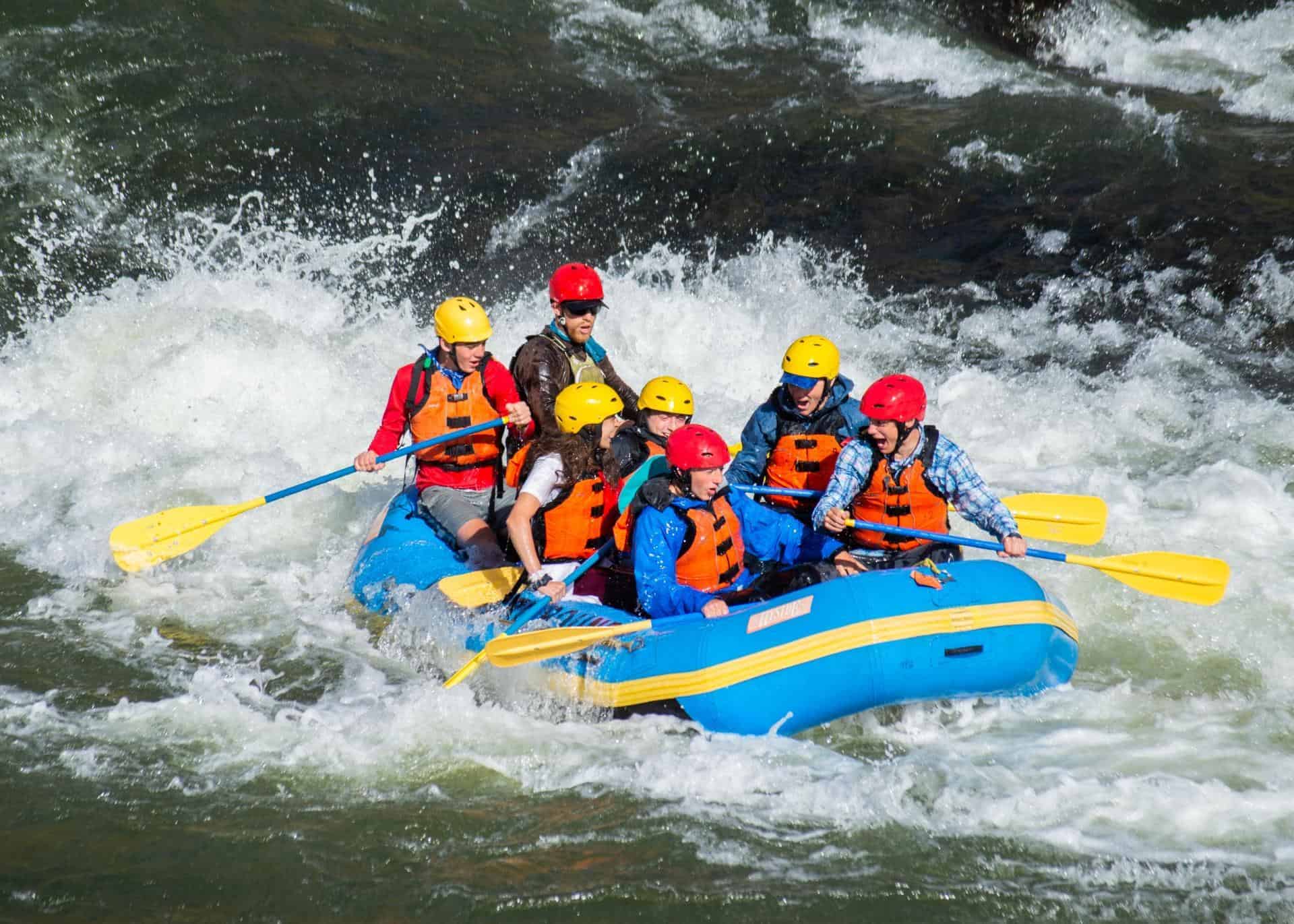
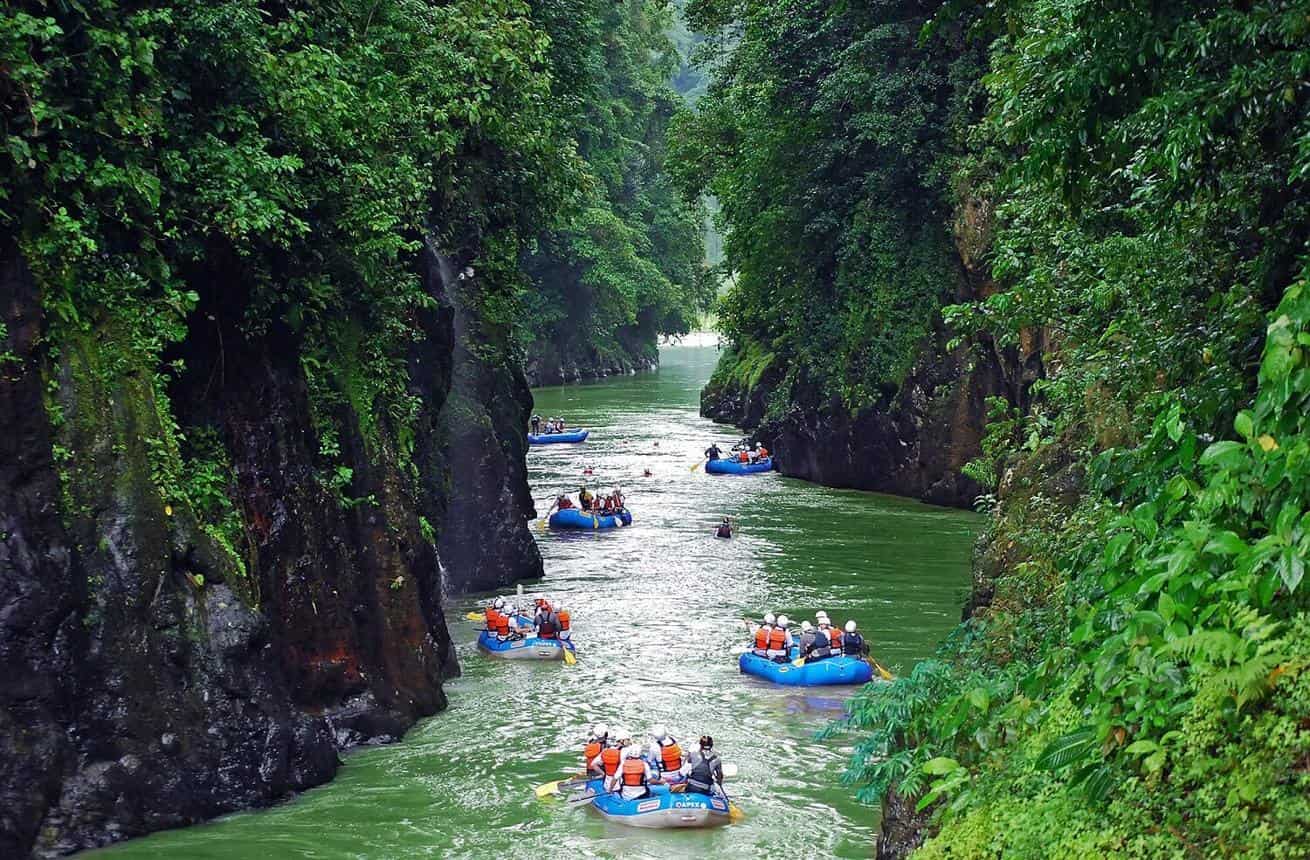
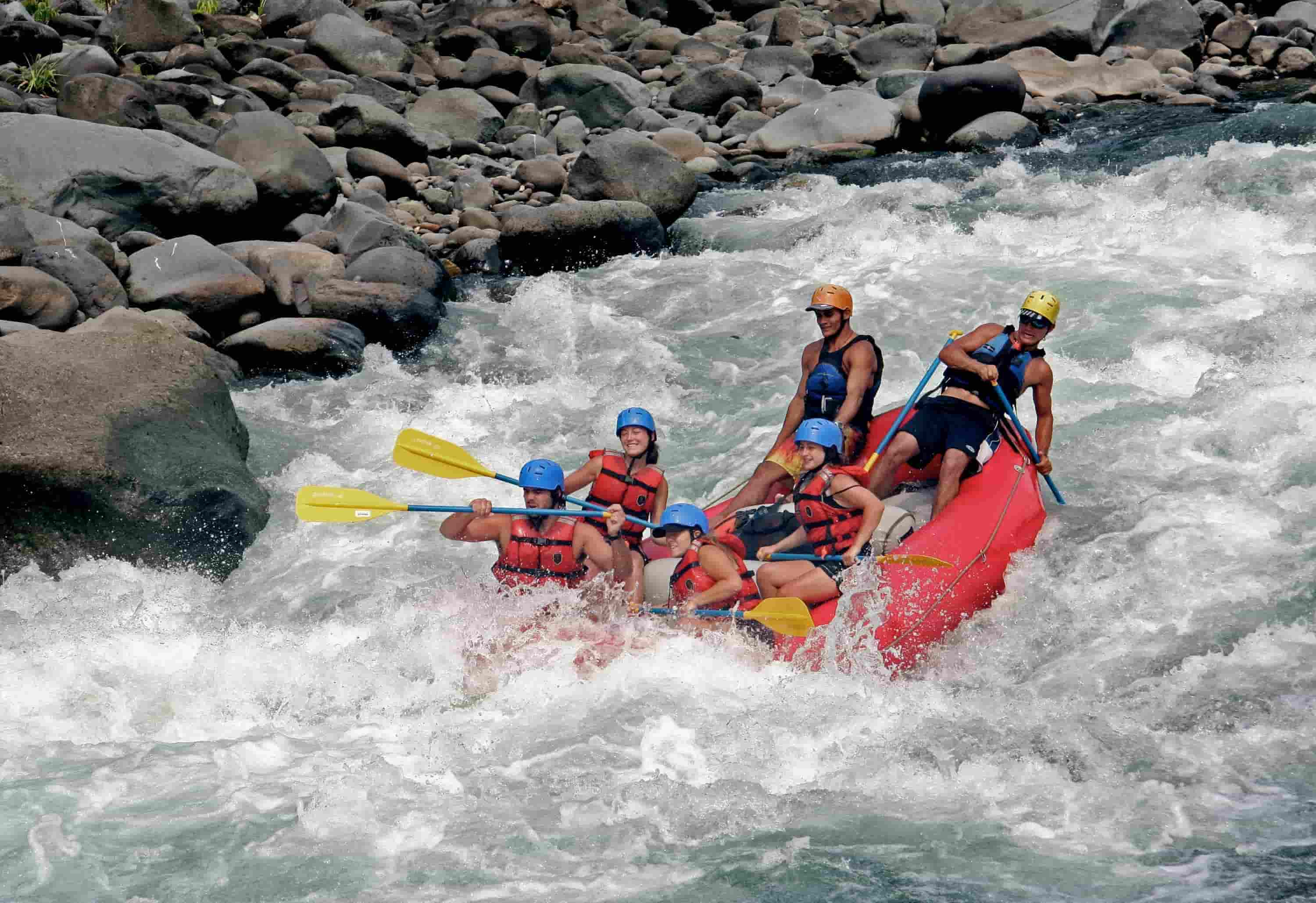
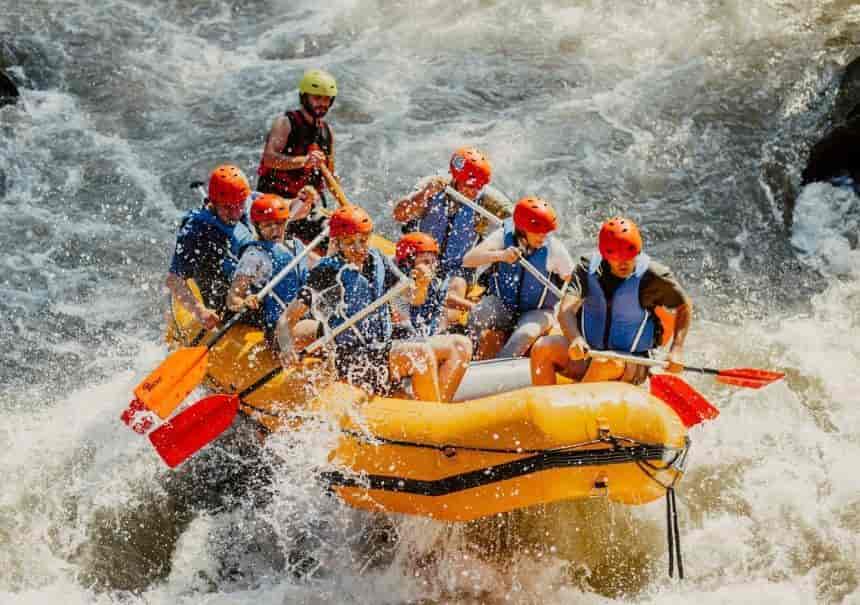
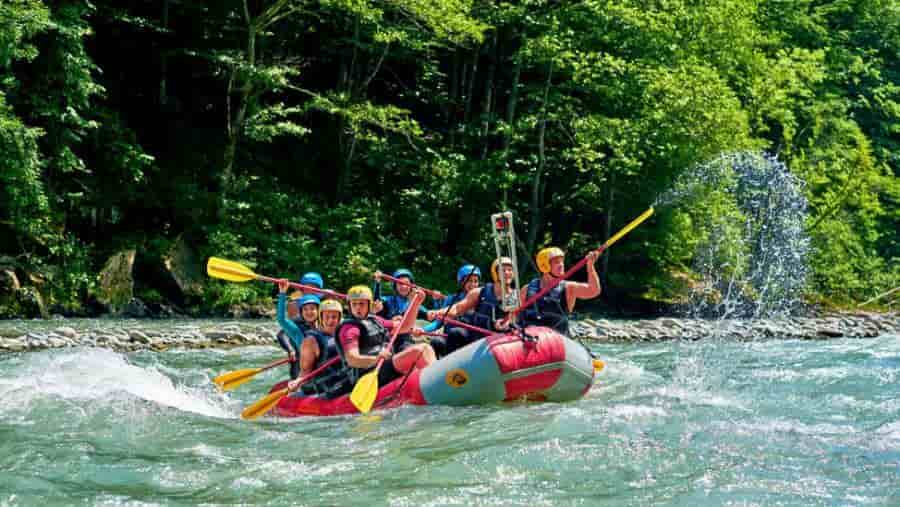
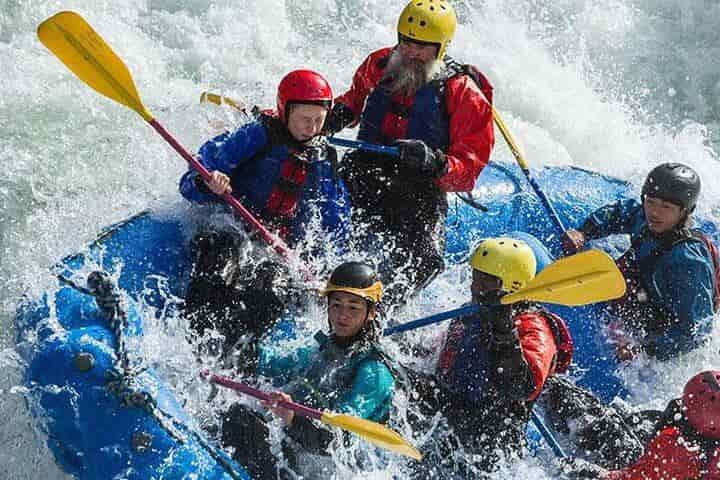
An Exciting River Adventure In Nepal
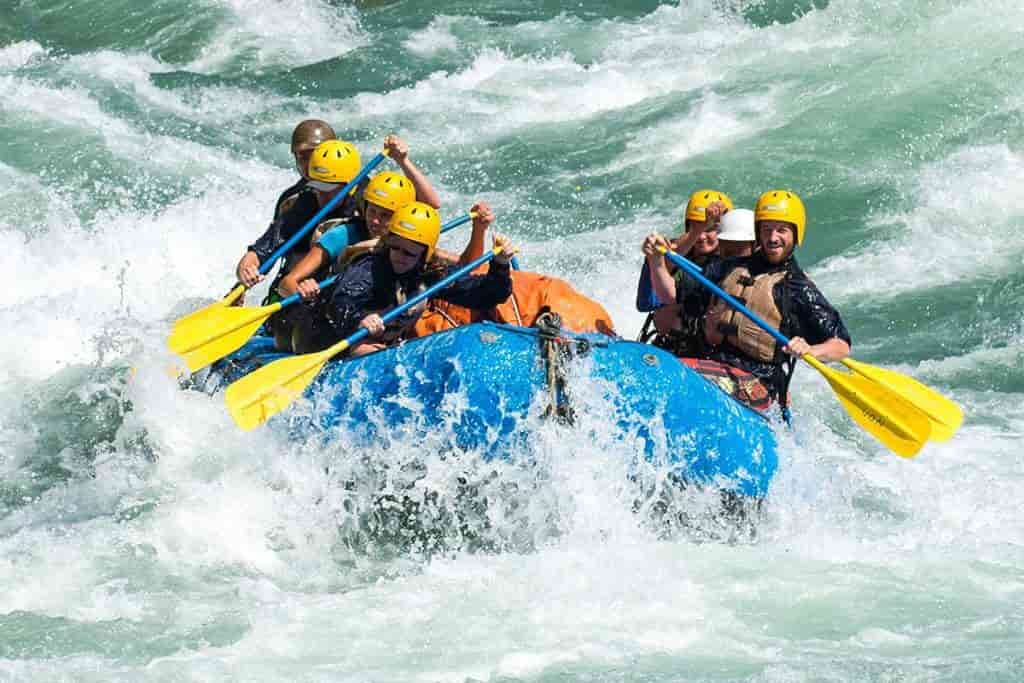
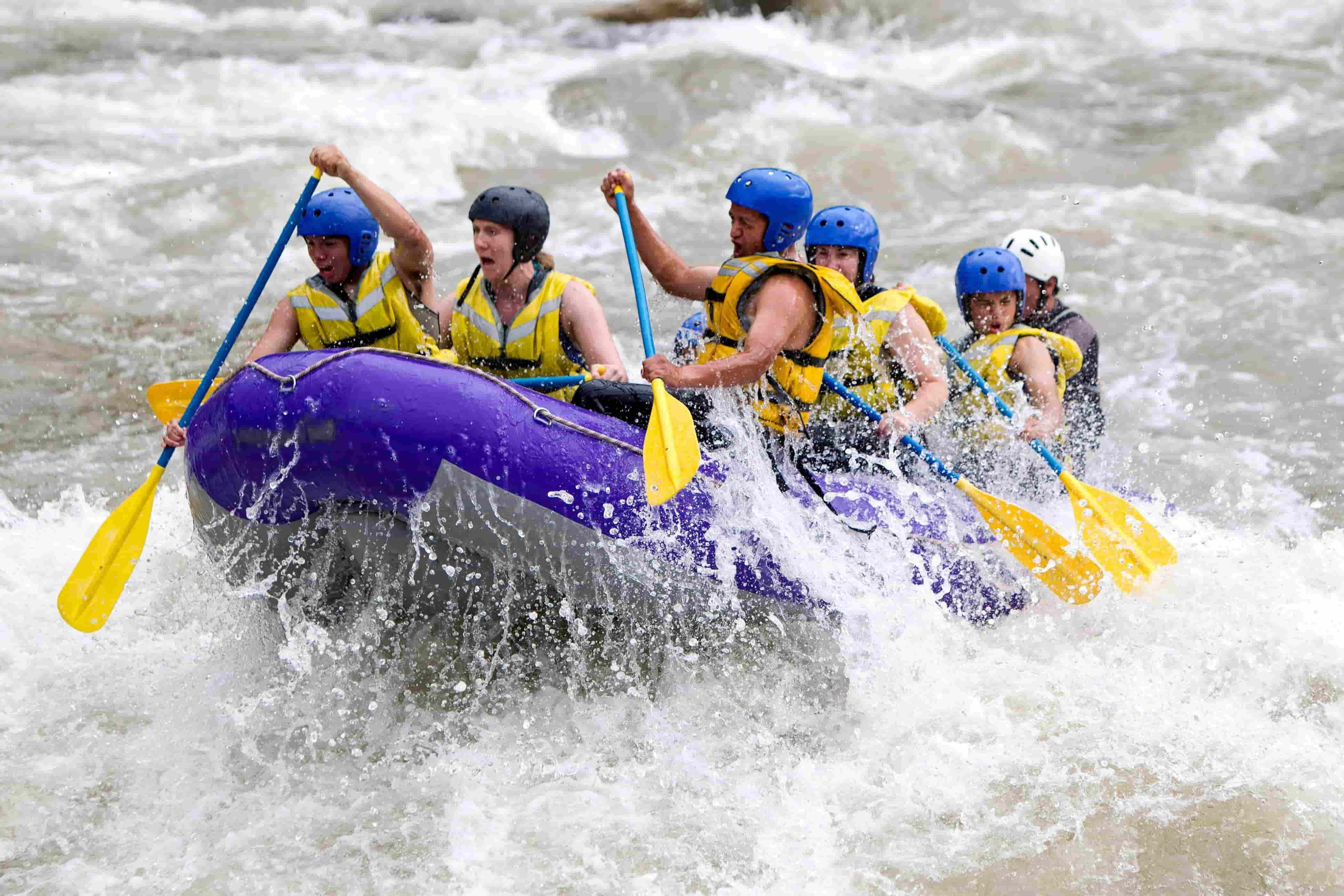
Trishuli River Rafting Was One Of The Most Exciting Experiences Of Our Trip To Nepal. The Drive From Kathmandu Offered Beautiful Countryside Views, And Once We Reached The River, The Adventure Really Began. The Rafting Was A Great Mix Of Thrilling Rapids, Calmer Stretches, And Opportunities To Enjoy The Surrounding Hills And Scenery. Our Guide Explained The Safety Instructions Before We Started, Which Helped Us Feel More Prepared For The Experience. I Also Enjoyed Spending Time By The River And Having Lunch After The Rafting Session. It Was A Fantastic Way To Add Some Adventure To Our Nepal Holiday Without Needing Several Days Away From Kathmandu. I Would Recommend This Trip To Anyone Looking For Outdoor Fun And A Memorable Experience In Nepal.
An Amazing Day Of White-Water Rafting Near Kathmandu
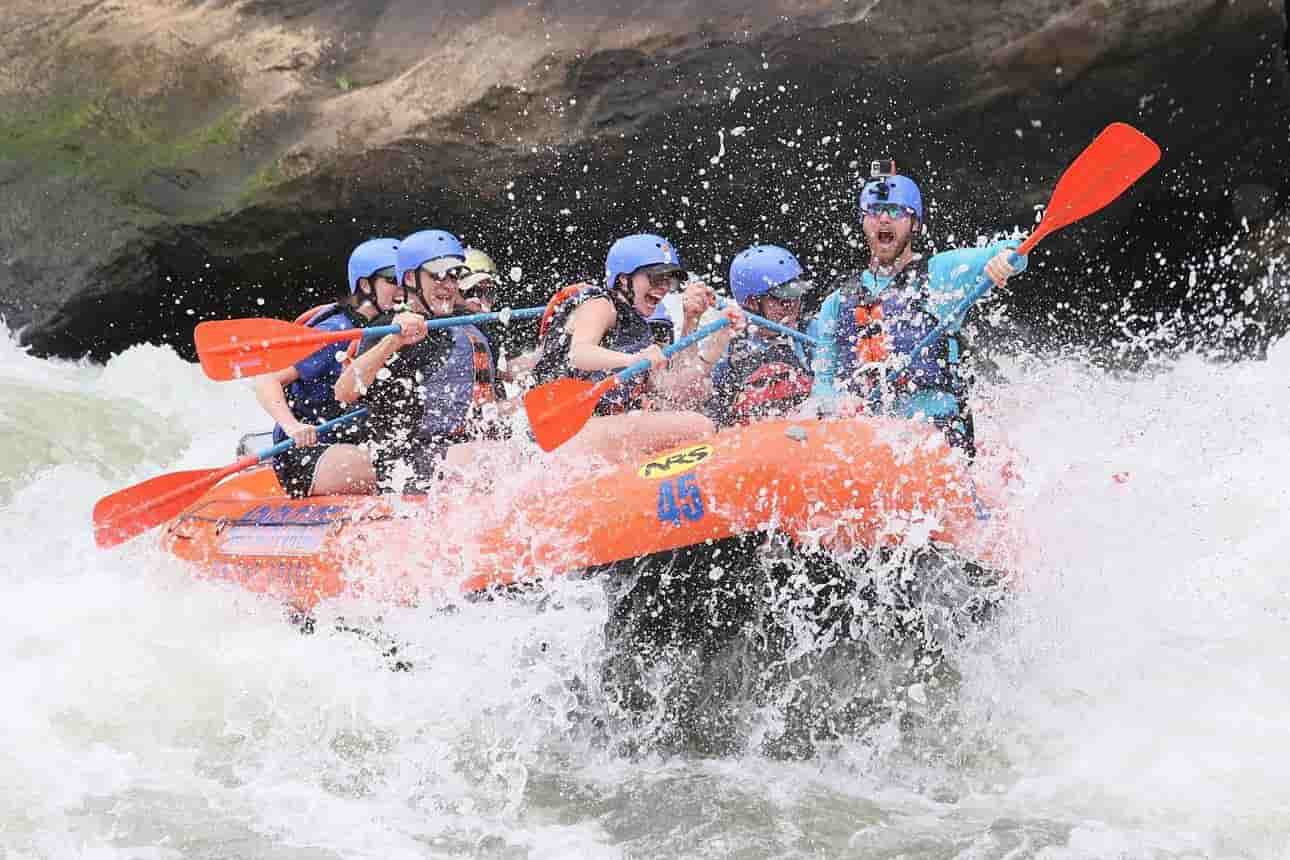
We Had A Fantastic Time Rafting On The Trishuli River During Our Visit To Nepal. It Was The Perfect Adventure To Add To Our Itinerary, Offering A Fun Mix Of Exciting Rapids, Beautiful River Scenery, And Time To Enjoy The Outdoors. The Journey From Kathmandu Was Scenic, And The River Looked Stunning Against The Green Hills. Before We Started, Our Guide Explained The Paddling Techniques And Safety Instructions Clearly, Which Helped Us Feel More Confident On The Water. The Rafting Itself Was Thrilling Without Taking Away From The Enjoyment Of The Scenery. Afterward, Relaxing By The River And Enjoying Lunch Was A Lovely Way To Finish The Day. I Would Recommend Trishuli River Rafting To Travelers Who Want To Experience Nepal Beyond Its Cities And Mountain Trails.
The Perfect Adventure For Our Nepal Holiday
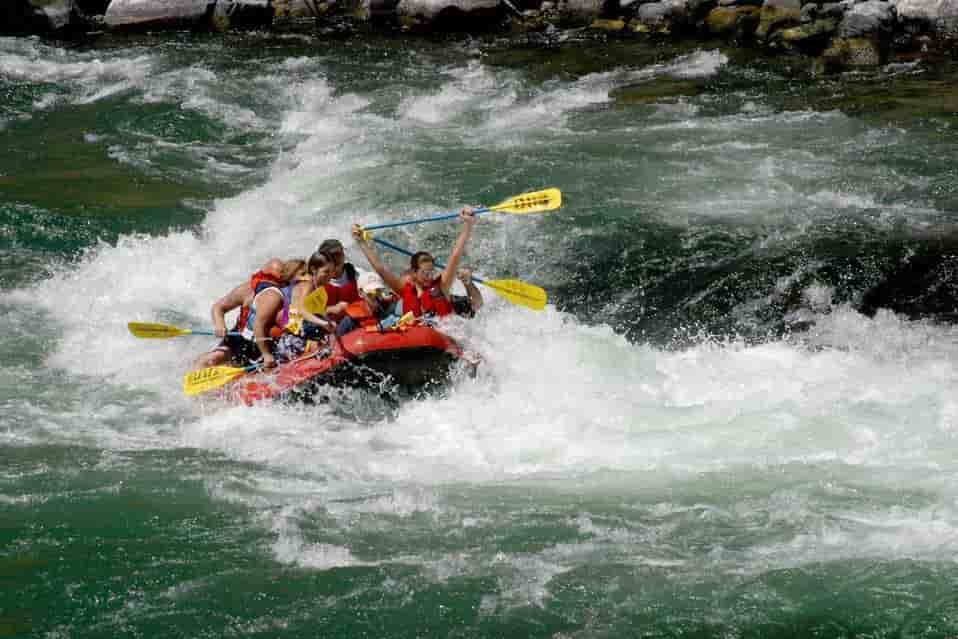
Trishuli River Rafting Was A Real Highlight Of Our Time In Nepal. We Wanted To Try Something Adventurous Between Sightseeing In Kathmandu And Traveling To Our Next Destination, And This Trip Was An Excellent Choice. The River Had A Great Variety Of Rapids, Making The Experience Exciting While Giving Us Quieter Moments To Appreciate The Surrounding Hills And Countryside. Our Guide Explained The Safety Procedures And Helped Everyone Understand How To Paddle As A Team. I Particularly Enjoyed The Feeling Of Working Together Through The Rapids And Sharing A Laugh With The Group Afterward. The Riverside Lunch Was A Nice Addition After An Active Morning. Overall, It Was A Memorable Outdoor Experience And A Great Way To See Another Side Of Nepal. I Would Happily Recommend It To Adventure Lovers Visiting The Country.
An Unforgettable White-Water Adventure In Nepal
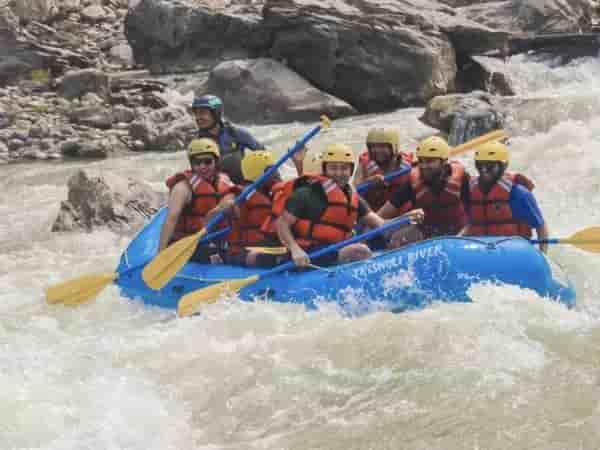
Rafting On The Trishuli River Was One Of The Most Memorable Experiences Of Our Nepal Trip. I Loved The Combination Of Exciting Rapids, Beautiful Green Hills, And Peaceful Stretches Where We Could Enjoy The Scenery Around Us. It Was My First Time Trying White-water Rafting, So I Was A Little Nervous At The Beginning, But The Safety Briefing And Guidance From Our Rafting Leader Helped Me Feel More Comfortable. Paddling Together Through The Rapids Made The Experience Even More Fun, And We Shared Plenty Of Laughs Along The Way. The River Scenery Was Beautiful, And Taking A Break Afterward To Relax By The Water Was A Perfect Ending To The Adventure. I Would Recommend This Trip To Anyone Looking To Add Some Excitement To Their Nepal Holiday Without Committing To A Long Expedition.