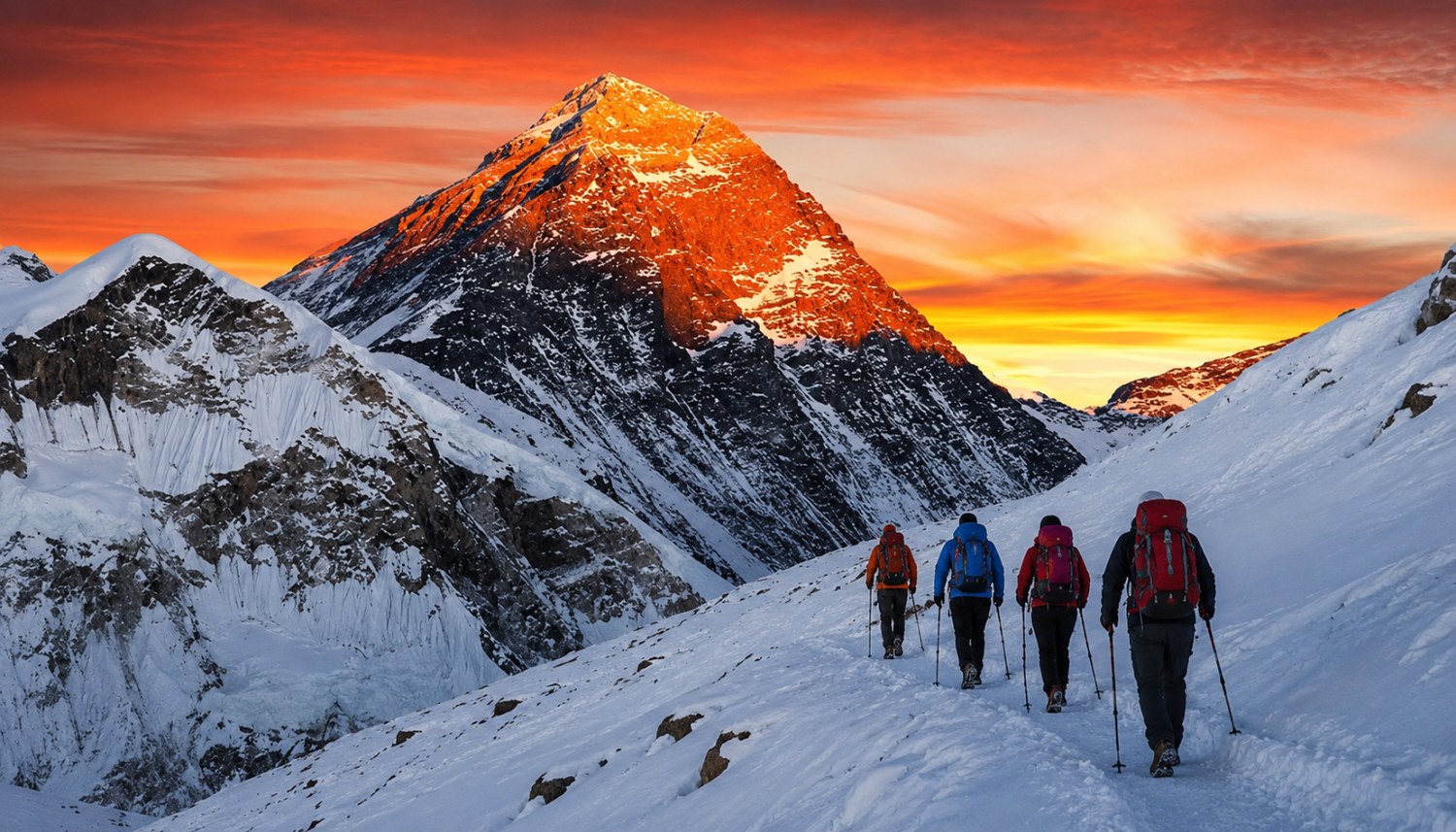
Phakding, Nepal: Complete Travel & Trekking Guide
By Nepal Trip Services On 27 Sep 2026

By Nepal Trip Services On 27 Sep 2026
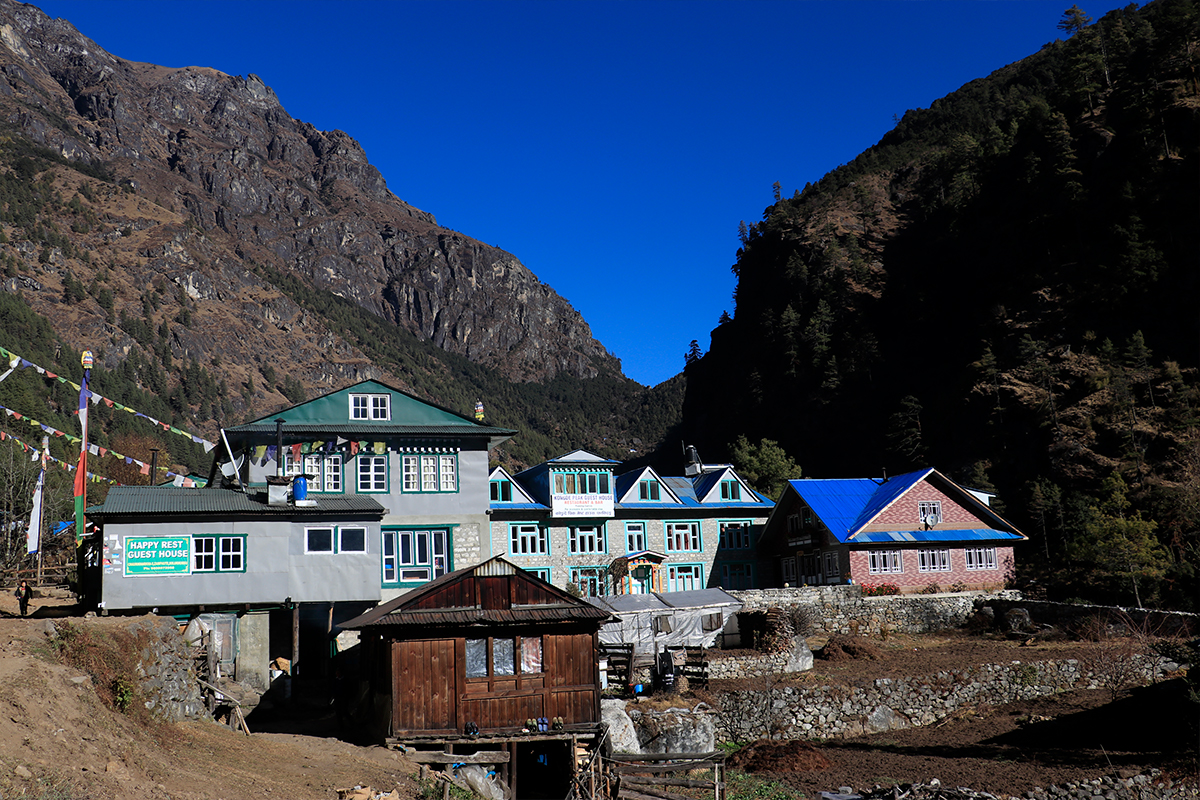
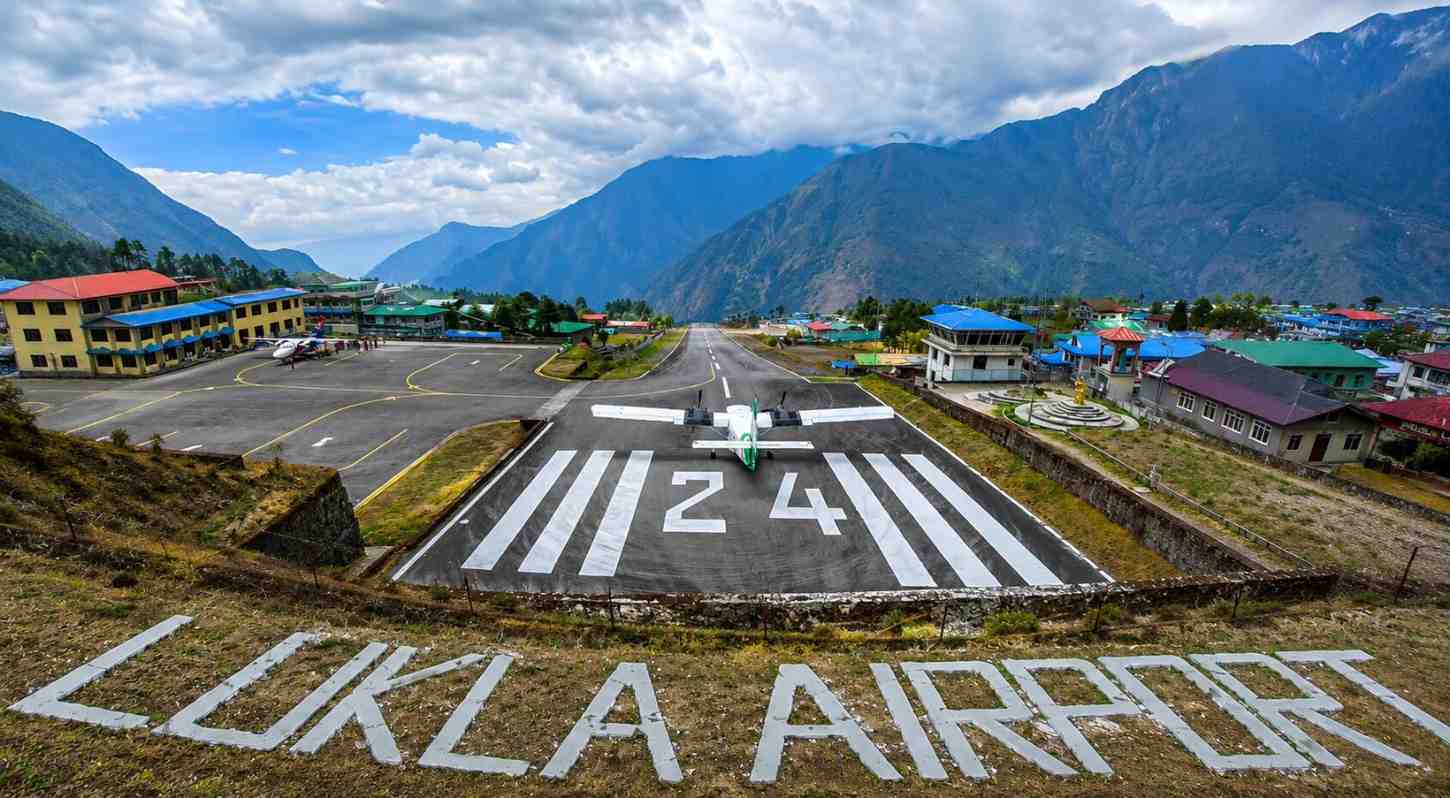
Tucked along the banks of the roaring Dudh Koshi River, Phakding is often the first real trekking destination travelers reach after landing at Lukla — and for good reason. Surrounded by pine forests, swaying suspension bridges, and the quiet rhythm of Sherpa village life, it feels like your first true breath of the Himalayas after the excitement of the flight. As the traditional first overnight stop on the Classic Everest Base Camp Trek, this peaceful village offers a gentle, scenic introduction to the Khumbu region before the trail climbs toward Namche Bazaar and beyond. It's also the perfect place to slow down, settle into the trekking rhythm, and let your body begin adjusting to the altitude ahead. This complete guide covers everything you need to know about Phakding, from its geography and culture to practical trekking tips, so you can start your Everest journey with confidence and ease.
Phakding is a small Sherpa village located in the Khumbu region of Nepal's Solukhumbu District, sitting at an altitude of approximately 2,610 meters (8,560 feet) along the banks of the Dudh Koshi River. It lies just north of Lukla and south of Monjo, making it a natural stopping point for nearly every trekker heading toward Everest Base Camp, Gokyo Lakes, or the Three Passes route.
Unlike many Himalayan trekking stages that involve steep climbs, the walk to Phakding actually involves a net elevation loss from Lukla, giving trekkers a comfortable, low-stress start to their journey.
Phakding may be small, but it plays a big role in a successful Everest Base Camp trek:
| Detail | Information |
|---|---|
| Distance | 7–8 km (4.3–5 miles) |
| Duration | 3–4 hours |
| Elevation Change | Net descent (Lukla: ~2,860 m → Phakding: ~2,610 m) |
| Trail Type | Dirt paths, stone steps, suspension bridges |
| Difficulty | Easy |
The trail from Lukla to Phakding winds through pine forests and small Sherpa settlements, crossing several suspension bridges over the Dudh Koshi River. Along the way, trekkers frequently encounter mule and yak caravans transporting supplies to villages higher up the valley — a reminder that this route is a working lifeline for local communities, not just a tourist trail.
The village sits directly along the Dudh Koshi ("Milk River"), named for its milky-white glacial waters. Several colorful suspension bridges, decorated with prayer flags, cross the river near the village, offering fantastic photo opportunities.
Small monasteries and mani walls near Phakding provide an early look at the Buddhist spiritual traditions that shape daily life throughout the Khumbu region.
A short walk around Phakding introduces visitors to authentic Sherpa and Tibetan hospitality, with locals running teahouses, small shops, and lodges that have supported trekkers for generations.
Many trekkers use the afternoon in Phakding simply to relax, enjoy a warm meal, and prepare physically and mentally for the more demanding trek to Namche Bazaar the next day.
Phakding offers a good range of teahouses and lodges for every trekking budget:
| Accommodation Type | What to Expect |
|---|---|
| Budget Teahouses | Basic twin rooms, shared bathrooms, simple Nepali/Western meals |
| Mid-Range Lodges | Private rooms, hot showers (extra fee), better dining options |
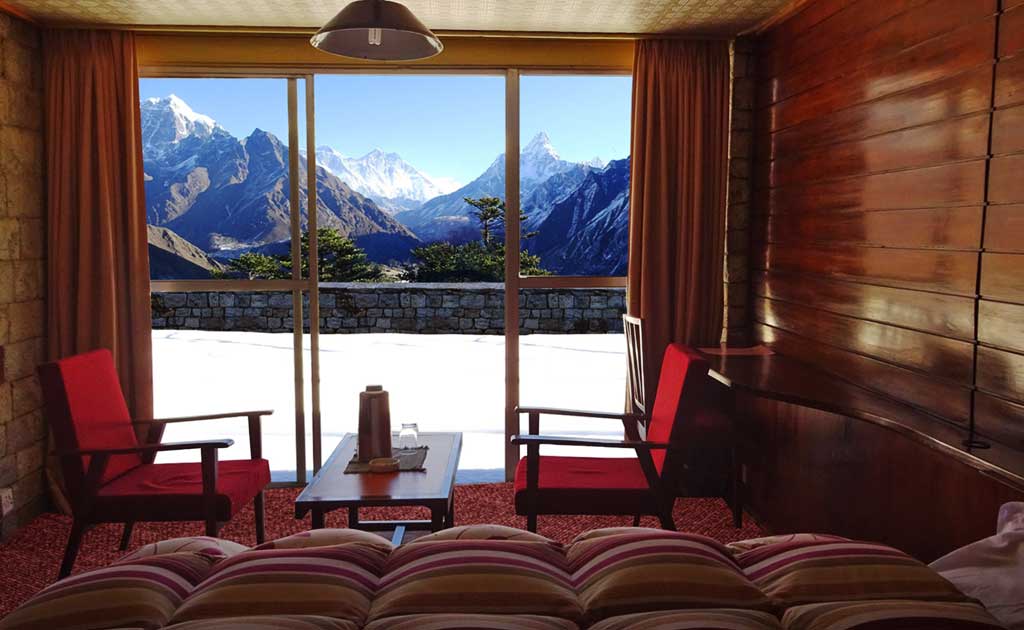
| Comfort/Luxury Lodges | Attached bathrooms, heated dining halls, Wi-Fi access |
Most lodges serve classic trekking meals such as dal bhat, noodle soups, momos, and basic Western dishes, along with hot drinks like ginger tea and butter tea.
| Season | Months | Trail Conditions |
|---|---|---|
| Spring | March – May | Blooming rhododendrons, pleasant temperatures |
| Autumn | September – November | Clear skies, most popular trekking season |
| Winter | December – February | Cold but quiet, fewer crowds |
| Monsoon | June – August | Rainy, leech-prone trails, limited visibility |
Spring and autumn remain the best seasons for both comfortable trekking weather and clear mountain views.
After an overnight stay in Phakding, most trekkers continue toward Namche Bazaar via Monjo — the entry point to Sagarmatha National Park — and Jorsalle village. This stage typically takes 5–6 hours and involves a significant elevation gain of around 800–830 meters, making the rest and acclimatization gained in Phakding especially valuable.
Phakding is a small Sherpa village situated in the Khumbu region of Nepal's Solukhumbu District, along the banks of the Dudh Koshi River. It lies just north of Lukla and south of Monjo, making it one of the first villages trekkers encounter on their journey toward Everest Base Camp.
Phakding sits at an elevation of approximately 2,610 meters (8,560 feet) above sea level. Interestingly, it is actually lower than Lukla (2,860 m), meaning trekkers descend slightly on their first day of walking rather than climbing.
The trail from Lukla to Phakding covers a distance of approximately 7–8 km (4.3–5 miles) and typically takes 3 to 4 hours to complete at a comfortable trekking pace. The route mostly descends gently through pine forests and small settlements.
Phakding serves as the standard first overnight stop on the Everest Base Camp trek because most Lukla flights land in the morning, leaving just enough daylight for a short, manageable walk. Staying here also allows trekkers' bodies to begin adjusting gradually to the altitude before the more demanding climb to Namche Bazaar.
No, this section is considered one of the easiest legs of the entire Everest Base Camp trek. The trail involves mostly flat or gently descending terrain, dirt paths, stone steps, and a few suspension bridge crossings, making it suitable for trekkers of nearly all fitness levels.
The trail passes through pine forests, traditional Sherpa villages, and several colorful suspension bridges decorated with prayer flags over the Dudh Koshi River. You'll also likely encounter yak, mule, and horse caravans transporting supplies to higher villages.
Phakding offers a range of teahouses and lodges to suit different budgets, from basic twin-share rooms with shared bathrooms to more comfortable lodges with private rooms, hot showers, and Wi-Fi access. Most accommodations also serve hearty trekking meals like dal bhat, noodle soups, and momos.
No, there are no ATMs in Phakding or most villages in the Khumbu region beyond Namche Bazaar. It's essential to carry sufficient Nepali Rupees in cash from Kathmandu or Lukla before starting your trek.
The best trekking seasons are spring (March–May) and autumn (September–November), offering clear skies, comfortable temperatures, and stable trail conditions. Winter is quieter but colder, while monsoon season (June–August) brings rain, leeches, and limited mountain visibility.
Most teahouses in Phakding offer paid Wi-Fi and electricity for charging devices, though connections can be slow and unreliable due to the remote mountain setting. It's a good idea to carry a portable power bank as a backup.
After an overnight stay in Phakding, trekkers continue toward Namche Bazaar via Monjo (the entrance to Sagarmatha National Park) and Jorsalle village. This stage is longer and more challenging, involving roughly 800–830 meters of elevation gain over 5–6 hours.
It's not recommended to drink untreated tap water anywhere in the Khumbu region, including Phakding. Trekkers should use water purification tablets, a filtered water bottle, or buy boiled/bottled water from teahouses to stay safe and hydrated.
Yes, Phakding and the broader Everest region are generally very safe for solo trekkers, with a well-marked trail and a steady flow of fellow hikers, porters, and guides. That said, hiring a licensed guide is still recommended for safety, cultural insight, and logistical support, especially for first-time Himalayan trekkers.
Phakding offers an early, authentic introduction to Sherpa and Tibetan Buddhist culture, including small monasteries, mani walls inscribed with prayers, and interactions with local families who have run teahouses and lodges for generations. It's a quieter, more intimate cultural experience compared to the busier Namche Bazaar.
Yes, comprehensive travel insurance that covers high-altitude trekking and emergency helicopter evacuation is strongly recommended for anyone trekking through Phakding and the wider Everest region. While Phakding itself sits at a relatively lower altitude, altitude-related risks increase significantly as the trek progresses toward Namche Bazaar and beyond.
Phakding may not have the fame of Namche Bazaar or the dramatic scale of Everest Base Camp, but it plays a quiet, essential role in every successful Himalayan trek. As the first overnight stop after Lukla, it offers trekkers a gentle, scenic, and culturally rich introduction to life in the Khumbu region — a peaceful evening beside the Dudh Koshi River before the real climbing begins.
For travelers planning their own journey through this stunning route, the Classic Everest Base Camp Trek is thoughtfully designed to include Phakding as part of a well-paced itinerary, ensuring proper acclimatization and an unforgettable start to your Everest adventure.
Discover more articles that match your interests! Explore these similar blogs packed with insights, tips, and stories to keep you inspired.
Everything on Classic Everest Base Camp Trek permits for 2026–2027 — costs, requirements, where to get them & recent...
Discover the best season for the Classic Everest Base Camp Trek. Compare autumn, spring, winter & monsoon weather, views...
Explore the Classic Everest Base Camp Trek itinerary with detailed day-by-day routes, altitudes, trekking hours & acclim...
Discover what you\\\'ll eat and where you\\'ll sleep on the Classic Everest Base Camp Trek. Complete guide to teahouses,...
Discover the full cost breakdown of the Classic Everest Base Camp Trek — permits, flights, guides, porters, meals & ac...
Is the Classic Everest Base Camp Trek hard? Complete guide to difficulty level, altitude challenges, fitness needs & tra...