Classic Everest Base Camp Trek Meals & Accommodation: Complete Guide
By Nepal Trip Services On 17 Sep 2026

By Nepal Trip Services On 17 Sep 2026
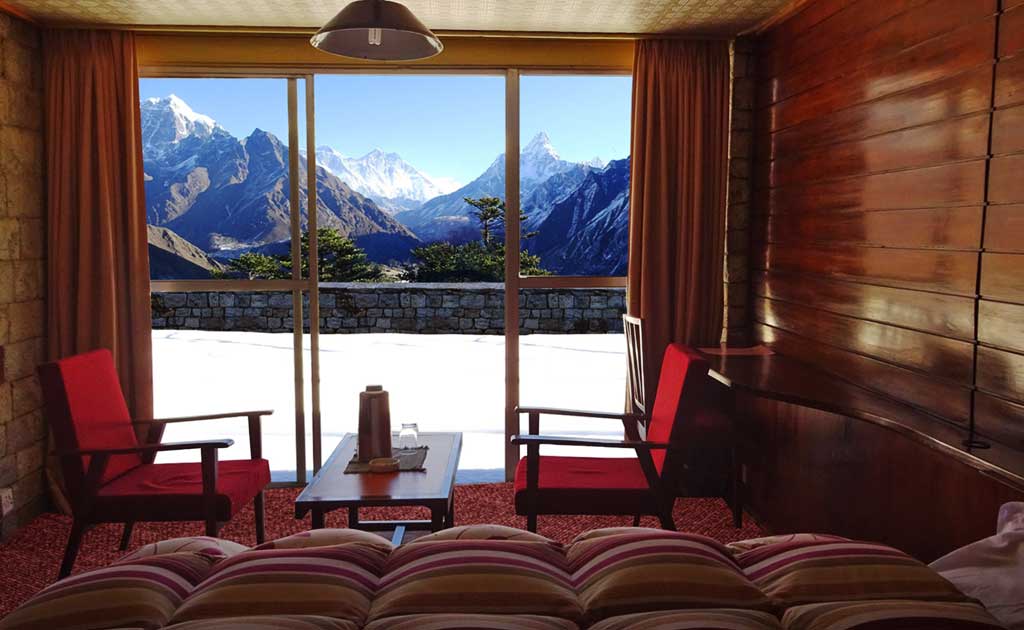
Wondering what you'll actually eat and where you'll sleep during your Classic Everest Base Camp Trek? This complete guide breaks down everything you need to know about teahouse accommodation and trail meals, so you can trek with realistic expectations and zero surprises.
For many first-time trekkers, the idea of spending nearly two weeks without a proper hotel room or restaurant menu can feel a little intimidating. In reality, the Khumbu region's teahouse system has been refined over decades to comfortably support thousands of trekkers each season, offering warm beds, hearty meals, and genuine hospitality every single night on the trail. Understanding exactly what to expect — from the twin-sharing rooms and shared bathrooms at higher elevations to the unlimited-refill bowls of dal bhat that fuel your daily climb — takes the guesswork out of your preparation and lets you focus on the trek itself.
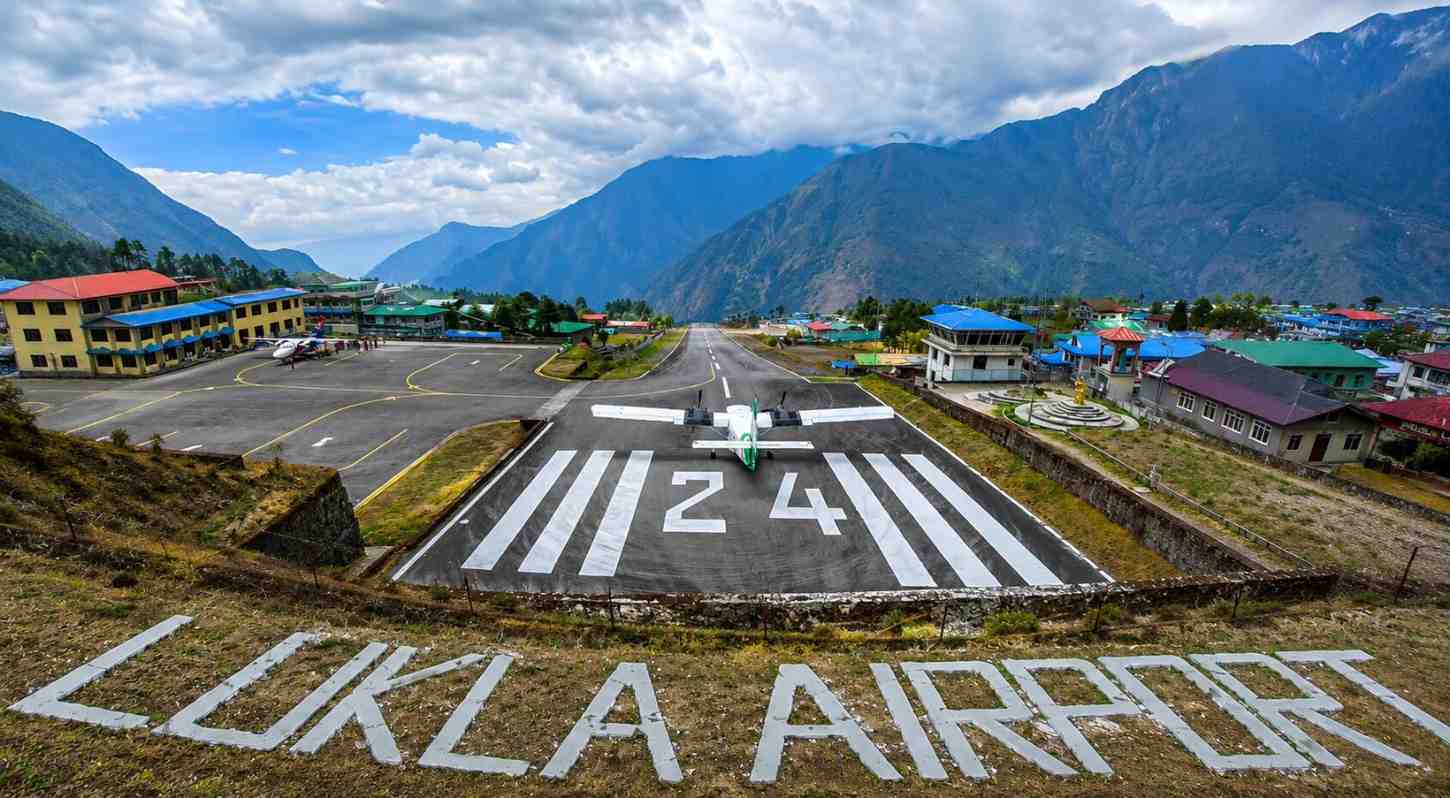
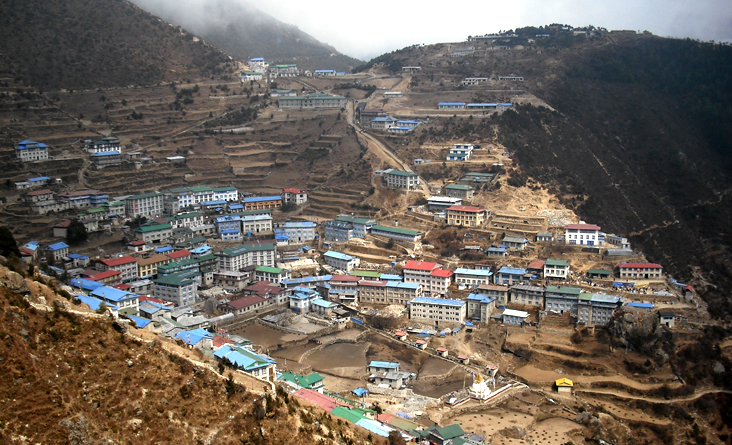
This guide walks through everything altitude by altitude, since conditions change noticeably as you climb from the relatively comfortable lodges of Namche Bazaar to the basic, high-altitude teahouses near Gorak Shep. You'll find a clear breakdown of room types, meal options, pricing, and practical tips for staying comfortable and well-fed throughout your journey, so that by the time you set off from Lukla, there's genuinely nothing left to wonder about when it comes to where you'll rest and what you'll eat each night.
Unlike camping-based treks in other parts of the world, the Classic Everest Base Camp Trek relies entirely on Nepal's well-established teahouse system — family-run lodges spaced along the trail that provide both accommodation and meals in one convenient stop each evening.
| Detail | Information |
|---|---|
| Accommodation Type | Teahouses (family-run lodges) |
| Room Type | Twin-sharing, basic bedding |
| Meals Included | Breakfast, Lunch, Dinner |
| Bathroom Type | Attached (lower villages) / Shared (higher villages) |
| Hot Showers | Available for a fee (varies by altitude) |
| Wi-Fi | Paid, available at most teahouses |
| Altitude Level | Meal Variety | Price Range (Per Meal) |
|---|---|---|
| Lower Villages (Phakding, Namche) | Wide variety, bakeries, Western options | $4–8 |
| Mid Villages (Tengboche, Dingboche) | Moderate variety | $6–10 |
| High Villages (Lobuche, Gorak Shep) | Limited menu, mostly staples | $8–14 |
Prices naturally rise the higher you trek, since all food and cooking fuel must be carried up by porters or yaks.
The teahouse model isn't just practical — it's part of what makes this trek so culturally rich. Each evening, the communal dining hall becomes a genuine social hub, where trekkers from around the world gather around a central stove, share stories, and interact directly with Sherpa hosts who've been welcoming travelers for generations. This blend of comfort, community, and cultural connection is something purely camping-based treks simply can't replicate.
Accommodation throughout the trek is entirely in teahouses — family-run lodges offering twin-sharing rooms with basic bedding. These lodges are spaced along the trail at every overnight stop, from Phakding all the way up to Gorak Shep.
Yes, most standard packages include three meals a day — breakfast, lunch, and dinner — served directly at your teahouse each evening and morning, along with tea or coffee.
Dal bhat, Nepal's traditional rice, lentil soup, and vegetable dish, remains the most popular choice among trekkers due to its filling, high-carb value and unlimited refill tradition — ideal fuel for long trekking days.
Lower villages like Phakding and Namche Bazaar often have attached bathrooms, but as you climb higher toward Lobuche and Gorak Shep, shared bathrooms become the standard due to limited infrastructure.
Yes, hot showers are available at most teahouses for a small additional fee, though pricing increases noticeably the higher you climb, and availability can become limited at higher elevations.
Yes, even though teahouses provide a bed, mattress, and blanket, most trekkers bring their own four-season sleeping bag for added warmth, especially at higher-altitude stops where nighttime temperatures drop significantly.
Most teahouses offer paid Wi-Fi, though connectivity becomes less reliable and pricier the higher you climb, particularly past Namche Bazaar and Dingboche.
Meal prices typically range from $4–8 at lower villages to $8–14 at higher altitudes like Gorak Shep, since all food must be transported up by porters or yaks, driving up costs with elevation.
Yes, and they're actually recommended. Vegetarian meals, especially dal bhat, are safer at higher altitudes since meat isn't properly refrigerated once you climb above certain elevations.
Common breakfast choices include porridge, muesli, Tibetan bread with jam or honey, and eggs prepared boiled, fried, or as an omelet, along with tea or coffee to start the day.
Yes, significantly. Lower villages like Namche Bazaar offer relatively comfortable, warmer rooms, while higher stops like Lobuche and Gorak Shep have minimal heating, with the communal dining hall's stove serving as the main warm gathering spot.
Yes, larger villages like Namche Bazaar and Tengboche offer surprisingly varied menus, including pizza, pasta, and bakery items, though options become more limited to basic staples at higher elevations.
During peak trekking seasons (autumn and spring), it's wise to book through a trekking agency in advance, since popular teahouses can fill up quickly, especially in high-traffic villages like Namche and Dingboche.
Yes, though it becomes increasingly expensive the higher you climb. Many trekkers opt for water purification tablets or a filter instead, refilling from teahouse taps to save money and reduce plastic waste.
While food itself doesn't prevent altitude sickness, eating enough calories — even when appetite decreases at higher elevations — plays an important role in maintaining energy and supporting your body's natural acclimatization process.
Meals and accommodation on the Classic Everest Base Camp Trek follow a simple, reliable rhythm — teahouse lodging paired with hearty, energy-packed food designed to keep you fueled through demanding trekking days. While conditions naturally become more basic the higher you climb, the warmth of Sherpa hospitality and the comfort of a hot bowl of dal bhat after a long day on the trail remain constant throughout the journey.
What makes this system genuinely special isn't just its practicality, but the way it shapes the entire character of the trek. Unlike treks elsewhere in the world that rely on tents and self-catered meals, the teahouse model turns each evening into a small ritual — arriving tired and cold, settling into the communal dining hall, and slowly warming up around the stove while a hot meal is prepared. It's in these quiet, unhurried evenings that many trekkers form their most lasting memories of the journey, often as vivid as the mountain views themselves.
It's also worth remembering that this system has been shaped by generations of Sherpa families who've built their livelihoods around welcoming trekkers into their homes and communities. Every meal you eat and every bed you sleep in directly supports local families throughout the Khumbu, making your trek not just a personal adventure, but a meaningful contribution to the region's economy and culture. Choosing to trek respectfully, tipping fairly, and engaging genuinely with your teahouse hosts helps ensure this beautiful tradition continues for generations of trekkers still to come.
Ready to experience it for yourself? Explore the complete Classic Everest Base Camp Trek itinerary and start planning your journey today.
Discover more articles that match your interests! Explore these similar blogs packed with insights, tips, and stories to keep you inspired.
Everything on Classic Everest Base Camp Trek permits for 2026–2027 — costs, requirements, where to get them & recent...
Discover the best season for the Classic Everest Base Camp Trek. Compare autumn, spring, winter & monsoon weather, views...
Explore the Classic Everest Base Camp Trek itinerary with detailed day-by-day routes, altitudes, trekking hours & acclim...
Discover the full cost breakdown of the Classic Everest Base Camp Trek — permits, flights, guides, porters, meals & ac...
Is the Classic Everest Base Camp Trek hard? Complete guide to difficulty level, altitude challenges, fitness needs & tra...
Guide & porter costs, roles, and tips for the Everest Base Camp Trek. Learn 2026 pricing, tipping norms, and how to hire...