Thukla Pass, Nepal: Complete Trekking & Travel Guide
By Nepal Trip Services On 27 Sep 2026

By Nepal Trip Services On 27 Sep 2026
Along the trail to Everest Base Camp, there comes a point where the journey shifts from scenic mountain walking into something far more reflective. That point is Thukla Pass — a windswept ridge lined with over a hundred stone memorials honoring climbers and Sherpas who lost their lives pursuing the world's highest peaks. Part of the Classic Everest Base Camp Trek, Thukla Pass is one of the most emotionally powerful stops on the entire route, blending breathtaking Himalayan scenery with a profound reminder of the mountain's power. This complete guide covers everything you need to know about Thukla Pass, from its location and history to practical trekking tips.
Thukla Pass, also spelled Thugla or Thuk La, sits at an altitude of approximately 4,800–4,830 meters (15,748–15,846 feet) in the Khumbu region of Nepal's Solukhumbu District. It lies on the main Everest Base Camp trail between Dughla village and Lobuche, reached via a steady uphill climb of roughly 30 minutes to an hour from Dughla.
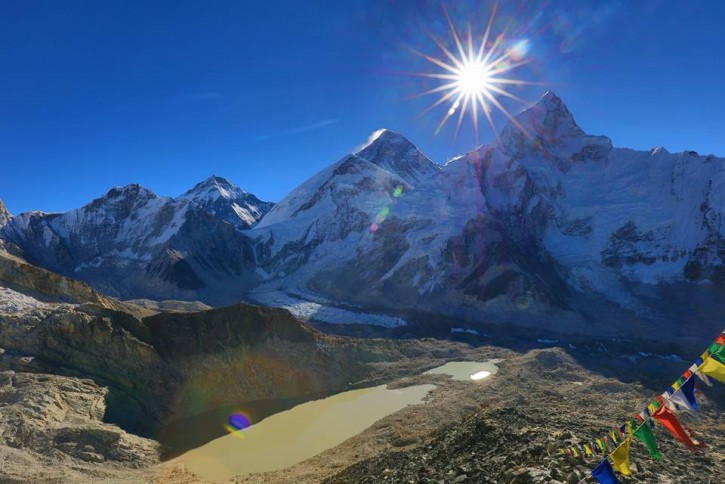
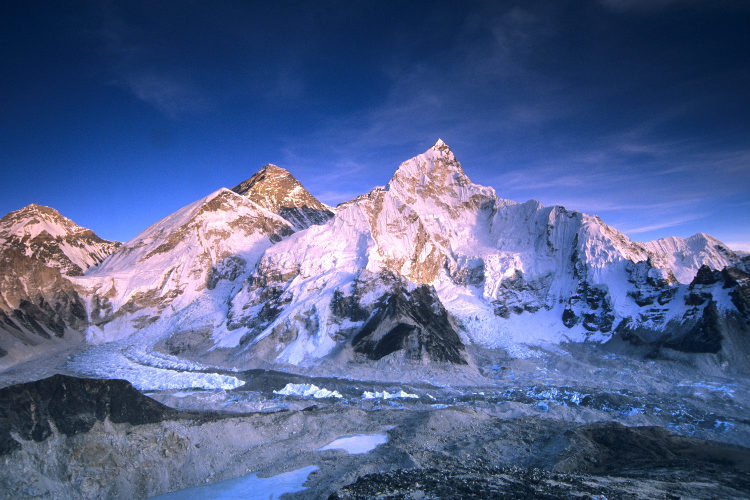
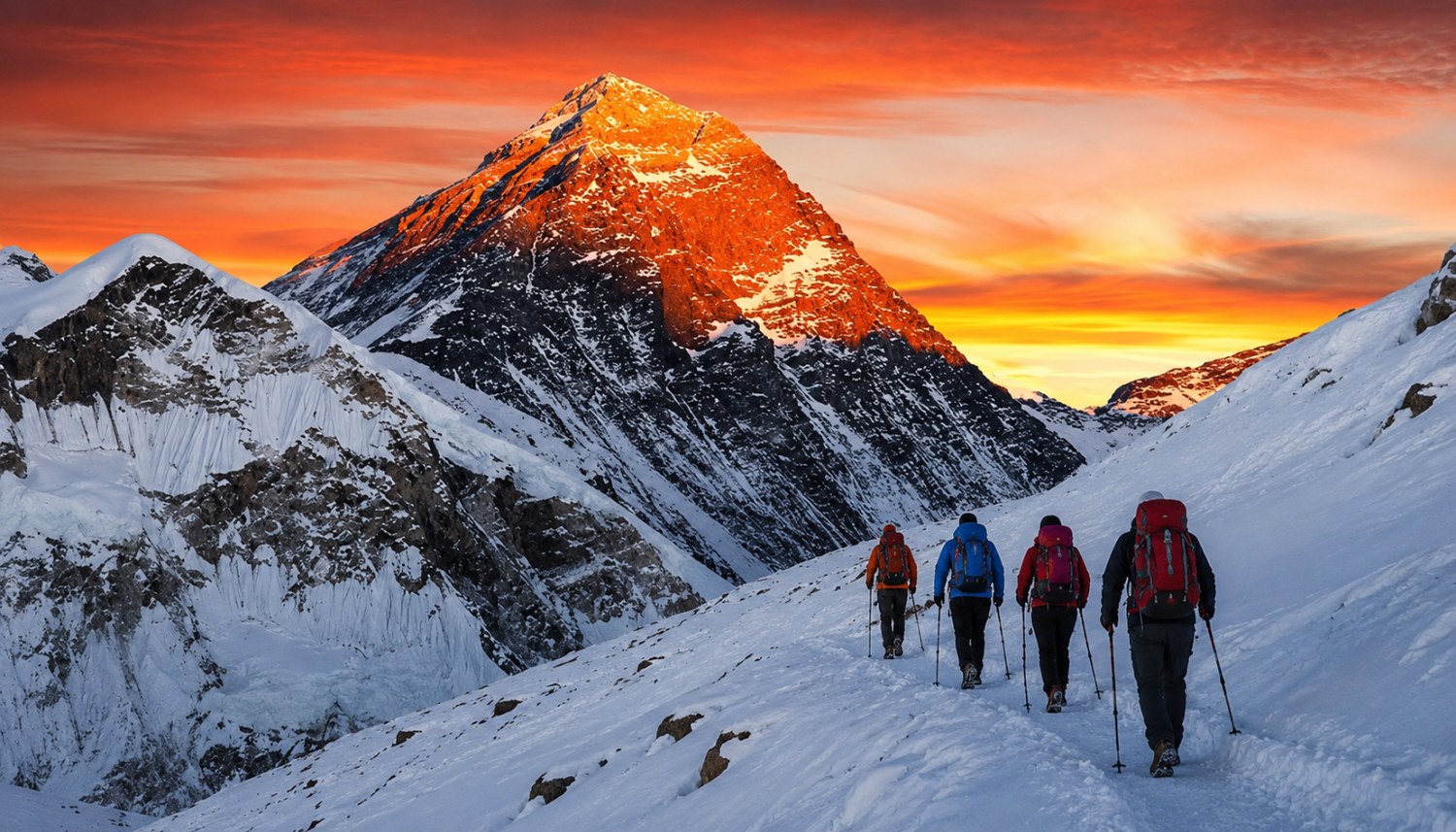
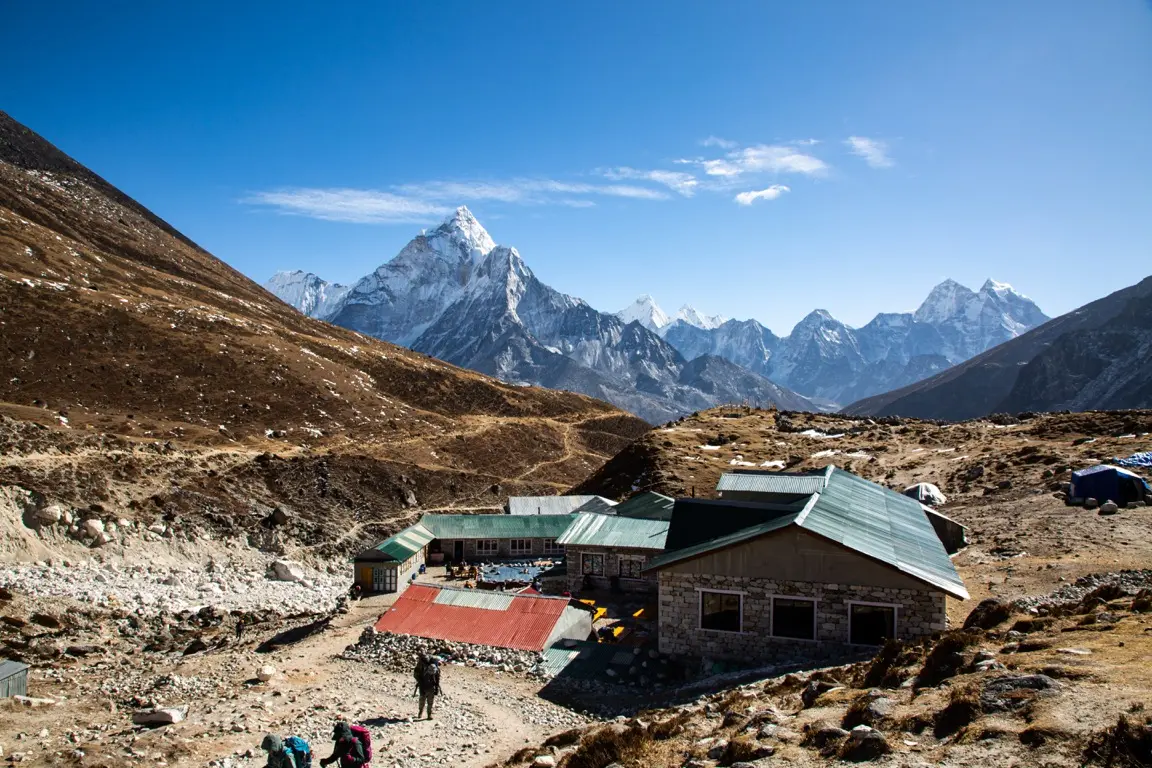
The pass sits perched on a moraine ridge overlooking the Khumbu Glacier valley, offering sweeping views of Ama Dablam, Cholatse, Pumori, and other Himalayan giants — a dramatic backdrop for what is also the trek's most solemn location.
Thukla Pass is widely known as the memorial site of the Everest region, home to more than 100 stone and cement chortens (memorial structures) built in honor of climbers and Sherpas who died attempting to summit Everest and other Himalayan peaks. These memorials have been constructed over decades by grieving families, expedition teams, and local Sherpa communities as a lasting tribute to those who lost their lives in pursuit of the mountains.
Many of the memorials bear simple, heartfelt inscriptions and prayer flags fluttering in the wind, creating an atmosphere of quiet reflection rarely found elsewhere on the trail.
Among the many memorials at Thukla Pass, one of the most recognized is dedicated to Scott Fischer, an American mountaineer who first summited Everest in 1994 and tragically died during the infamous 1996 Everest disaster while descending the mountain. His memorial, built by Sherpas later that year, features a bronze plaque placed by a doctor who had accompanied him on that fateful expedition. Fischer's story gained additional international attention after being portrayed in the film Everest, making his memorial one of the most visited and photographed at the pass.
| Detail | Information |
|---|---|
| Altitude | ~4,800–4,830 m (15,748–15,846 ft) |
| Location | Between Dughla village and Lobuche |
| Climb Duration | 30 minutes to 1 hour from Dughla |
| Notable Feature | Over 100 climber and Sherpa memorials |
| Famous Memorial | Scott Fischer Memorial |
| Surrounding Peaks | Ama Dablam, Cholatse, Pumori, Cho Oyu |
Just below Thukla Pass lies Dughla (sometimes called Thukla village), a small settlement situated at the endpoint of the Khumbu Glacier's terminal moraine. Most trekkers stop here for lunch or a short rest before tackling the steep climb up to the memorial site.
Dughla offers a handful of teahouses providing basic meals and refreshments, making it a practical staging point before the emotionally and physically demanding ascent to the pass above.
The trek up to Thukla Pass, while not technically difficult, is considered one of the more physically demanding short climbs on the route due to the thinning air at this altitude:
Despite its somber purpose, Thukla Pass also offers some of the most stunning mountain panoramas along the entire Everest Base Camp route. On clear days, trekkers can enjoy views of:
This striking contrast between natural beauty and human loss is part of what makes Thukla Pass such a memorable and emotionally resonant stop for trekkers.
| Season | Months | Conditions |
|---|---|---|
| Spring | March – May | Clear skies, moderate temperatures |
| Autumn | September – November | Best visibility, stable weather, peak trekking season |
| Winter | December – February | Very cold, strong winds, fewer trekkers |
| Monsoon | June – August | Poor visibility, rain and cloud cover |
As with most high-altitude sections of the Everest Base Camp trek, spring and autumn offer the best combination of clear mountain views and manageable trekking conditions.
Thukla Pass, also spelled Thugla or Thuk La, is located in the Khumbu region of Nepal's Solukhumbu District, along the main Everest Base Camp trail between Dughla village and Lobuche. It sits on a ridge overlooking the Khumbu Glacier valley.
Thukla Pass sits at an elevation of approximately 4,800 to 4,830 meters (15,748–15,846 feet) above sea level, making it a significant high-altitude milestone on the route toward Everest Base Camp.
Thukla Pass is widely known as the memorial site of the Everest region, home to more than 100 stone and cement chortens built in honor of climbers and Sherpas who lost their lives attempting to summit Everest and other Himalayan peaks. It is often referred to as one of the most emotionally powerful and reflective stops on the entire trekking route.
Scott Fischer was an American mountaineer who first summited Everest in 1994 and tragically died during the well-known 1996 Everest disaster while descending the mountain. His memorial, built by Sherpas later that year with a bronze plaque added afterward, is one of the most recognized and visited memorials at Thukla Pass, partly due to his story being portrayed in the film Everest.
The climb from Dughla village to Thukla Pass takes approximately 30 minutes to 1 hour, following a steady uphill trail along a rocky moraine path. Most trekkers stop in Dughla for lunch or rest before making the ascent.
While not technically challenging, the short climb from Dughla to Thukla Pass can feel more strenuous than expected due to the thinning air at this altitude. Trekkers are advised to pace themselves and take breaks as needed during the ascent.
Thukla Pass offers stunning panoramic views of several Himalayan peaks, including Ama Dablam, Cholatse, Pumori, and Cho Oyu in the distance. This striking combination of natural beauty and solemn memorials makes it one of the most memorable stops on the Everest Base Camp trek.
Dughla, also called Thukla village, is a small settlement located just below Thukla Pass at the endpoint of the Khumbu Glacier's terminal moraine. It serves as a practical rest stop with basic teahouses before trekkers begin the climb up to the memorial site above.
After descending from Thukla Pass, trekkers continue along the trail to Lobuche village, where most spend the night before proceeding toward Gorak Shep and, eventually, Everest Base Camp itself.
Yes, photography is generally welcomed at Thukla Pass, but trekkers are encouraged to be respectful and mindful when photographing memorials dedicated to climbers and Sherpas who lost their lives. Moving quietly and thoughtfully through the site is considered proper etiquette.
The best seasons are spring (March–May) and autumn (September–November), offering the clearest skies and most stable weather for both trekking comfort and mountain visibility. Winter is very cold with strong winds, while monsoon season brings poor visibility and wet trail conditions.
Yes, at nearly 4,800 meters, altitude sickness is a genuine risk, and trekkers should be alert for symptoms such as headache, dizziness, or nausea during and after the climb. It's important to communicate any symptoms to your guide and avoid rushing the ascent from Dughla.
The memorials serve as a powerful, humbling reminder of the risks involved in high-altitude mountaineering and the sacrifices made by both foreign climbers and local Sherpa guides. Many trekkers describe pausing at Thukla Pass as one of the most emotionally significant moments of their entire Everest Base Camp journey.
While the trail to Thukla Pass is well-marked and part of the main Everest Base Camp route, current Nepal government regulations generally require foreign trekkers in the region to be accompanied by a licensed guide. A guide can also provide valuable historical context about the memorials and the climbers they honor.
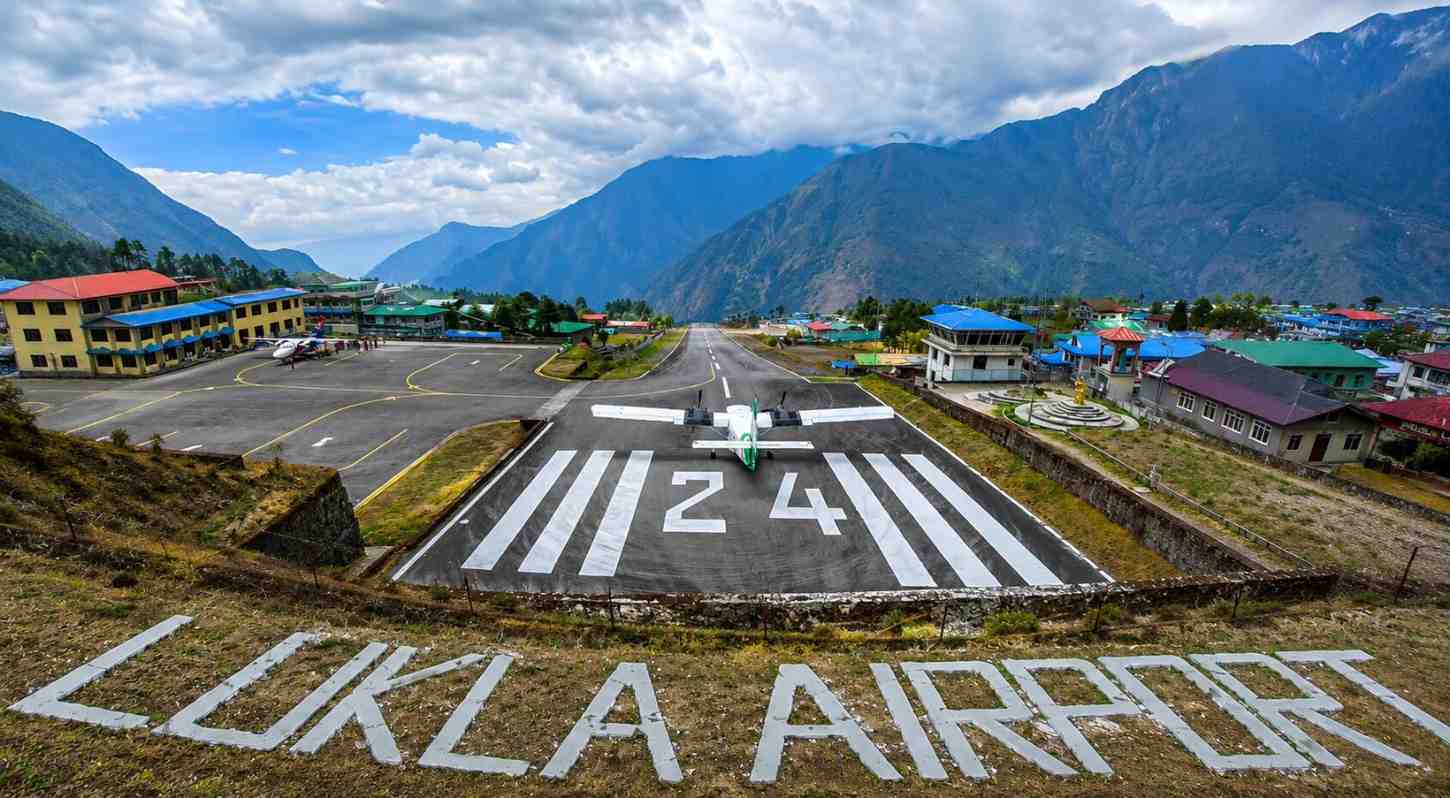
Thukla Pass is almost always visited as part of the longer Everest Base Camp trek rather than as a standalone day trip, since it is located deep within the Khumbu region and only reachable after several days of trekking from Lukla. It is typically included between the Dingboche/Pheriche and Lobuche stages of a full Everest Base Camp itinerary.
Thukla Pass stands as one of the most powerful and humbling stops on the entire Everest Base Camp trail — a place where the raw beauty of the Himalayas meets the very real human cost of pursuing them. Walking among the memorials, surrounded by prayer flags and towering peaks, offers trekkers a moment of reflection that lingers long after the trek is over, serving as both a tribute to the fallen and a reminder to approach the mountains with humility and respect.
For trekkers seeking a thoughtfully paced journey that includes this profound stop alongside the region's most iconic landmarks, the Classic Everest Base Camp Trek is designed to guide you through Thukla Pass and the wider Khumbu region safely, respectfully, and unforgettably.
Discover more articles that match your interests! Explore these similar blogs packed with insights, tips, and stories to keep you inspired.
Everything on Classic Everest Base Camp Trek permits for 2026–2027 — costs, requirements, where to get them & recent...
Discover the best season for the Classic Everest Base Camp Trek. Compare autumn, spring, winter & monsoon weather, views...
Explore the Classic Everest Base Camp Trek itinerary with detailed day-by-day routes, altitudes, trekking hours & acclim...
Discover what you\\\'ll eat and where you\\'ll sleep on the Classic Everest Base Camp Trek. Complete guide to teahouses,...
Discover the full cost breakdown of the Classic Everest Base Camp Trek — permits, flights, guides, porters, meals & ac...
Is the Classic Everest Base Camp Trek hard? Complete guide to difficulty level, altitude challenges, fitness needs & tra...