Kala Patthar, Nepal: Complete Travel & Trekking Guide
By Nepal Trip Services On 21 Sep 2026

By Nepal Trip Services On 21 Sep 2026
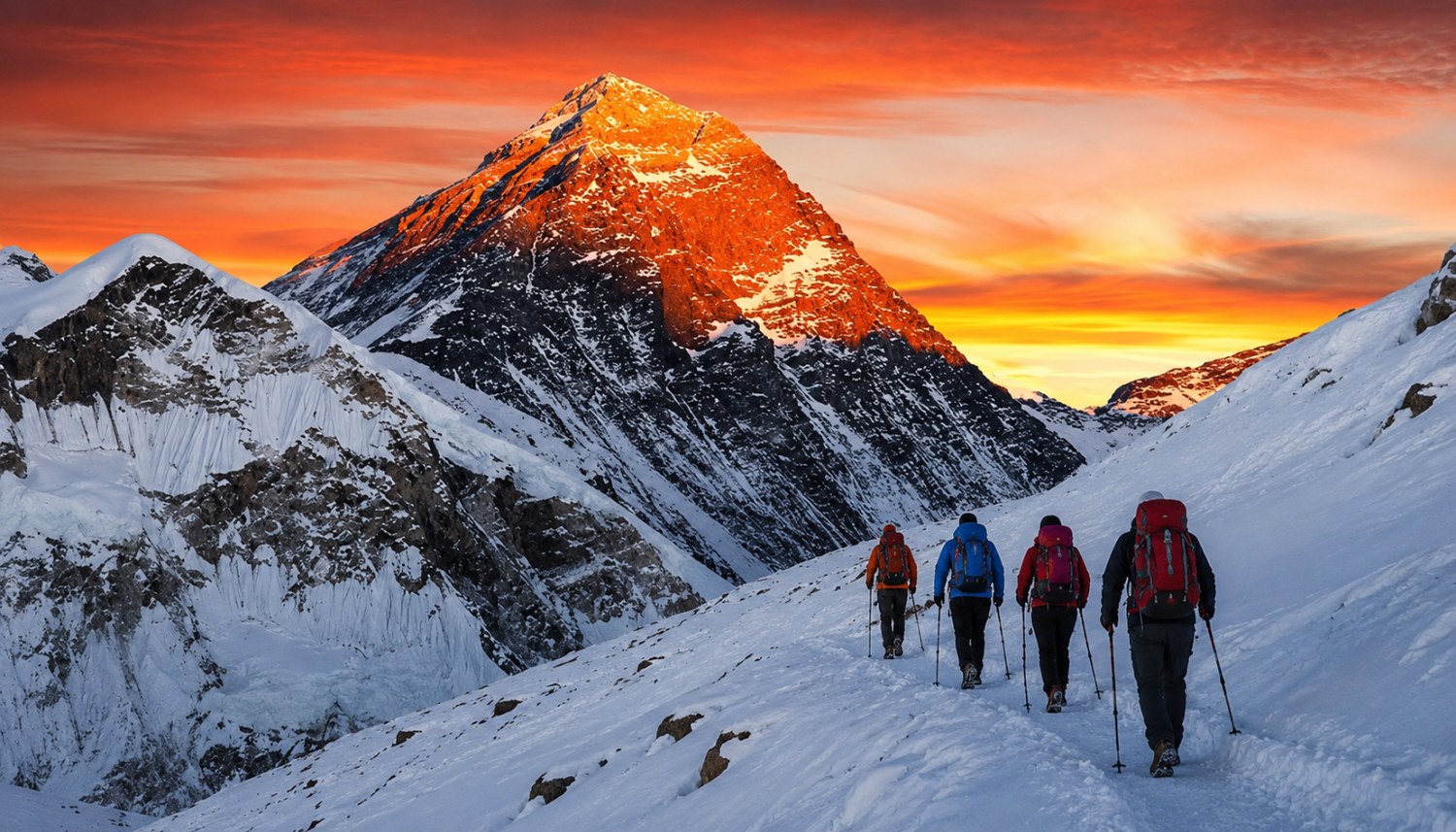
Often overshadowed by its more famous neighbor, Kala Patthar is arguably the true highlight of the Classic Everest Base Camp Trek — the one viewpoint that delivers what Base Camp itself cannot: an unobstructed, jaw-dropping view of Everest's actual summit. This complete guide covers everything you need to know about this legendary viewpoint, from its significance and altitude to practical trekking information.
It's one of the trek's quieter ironies — most people book this journey dreaming of standing at Everest Base Camp, yet ask trekkers afterward which moment they remember most vividly, and an overwhelming number point instead to a freezing, pre-dawn climb up a rocky hill above Gorak Shep. There's something about watching the first light of day hit the world's highest peak, standing at an altitude higher than Base Camp itself, that tends to eclipse even the emotional milestone of reaching the trek's namesake destination.
Understanding what makes Kala Patthar genuinely special — and how to prepare for it properly — matters just as much as preparing for Base Camp itself, since this demanding pre-dawn hike comes near the very end of an already physically taxing journey, when fatigue and altitude combine to make even a "short" 3–4 hour round trip feel like a genuine test of endurance. This guide breaks down everything from the practical logistics of timing your ascent, to what you'll actually see from the summit, ensuring you arrive fully prepared for what many consider the single most unforgettable moment of the entire Everest Base Camp experience.
Kala Patthar sits at 5,550 meters (18,208 feet) in the Khumbu region of northeastern Nepal, within Sagarmatha National Park. It's typically visited as a pre-dawn hike from Gorak Shep, marking the highest point most trekkers reach on the entire Everest Base Camp journey.
| Detail | Information |
|---|---|
| Altitude | 5,550m/18,208ft |
| Region | Khumbu, Sagarmatha National Park |
| Nearest Village | Gorak Shep |
| Typical Visit | Day 10 of Classic EBC itinerary |
| Round-Trip Duration | 3–4 hours |
| Meaning of Name | "Black Rock" in Nepali |
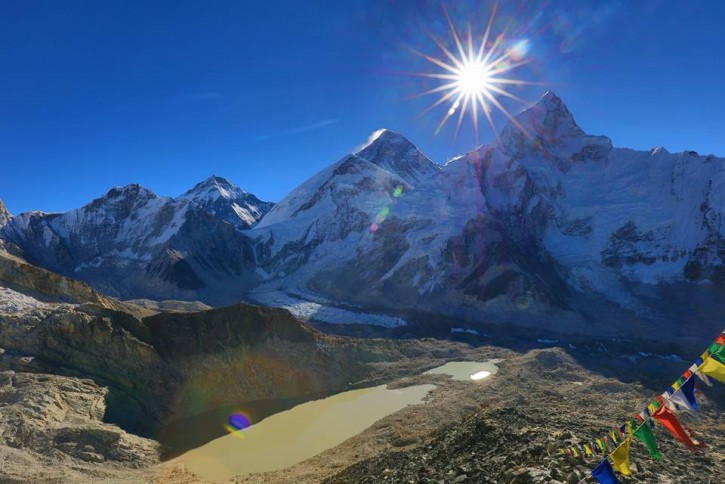
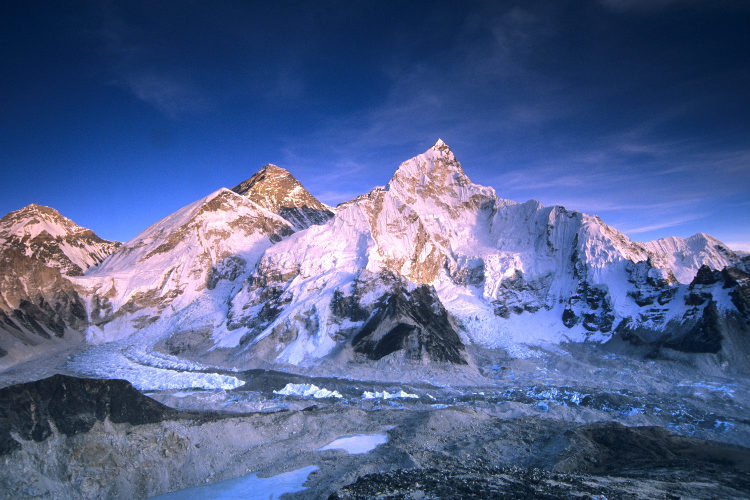
Here's something many first-time trekkers don't realize: Everest Base Camp does not offer a view of Everest's summit. The mountain's shape and surrounding peaks block the summit from view at Base Camp itself. Kala Patthar, by contrast, offers a completely unobstructed panorama of Everest's peak, which is precisely why many trekkers rate this viewpoint above Base Camp itself.
At 5,550 meters, Kala Patthar sits even higher than Everest Base Camp (5,364m), making it the highest altitude most trekkers reach during the entire Classic Everest Base Camp Trek.
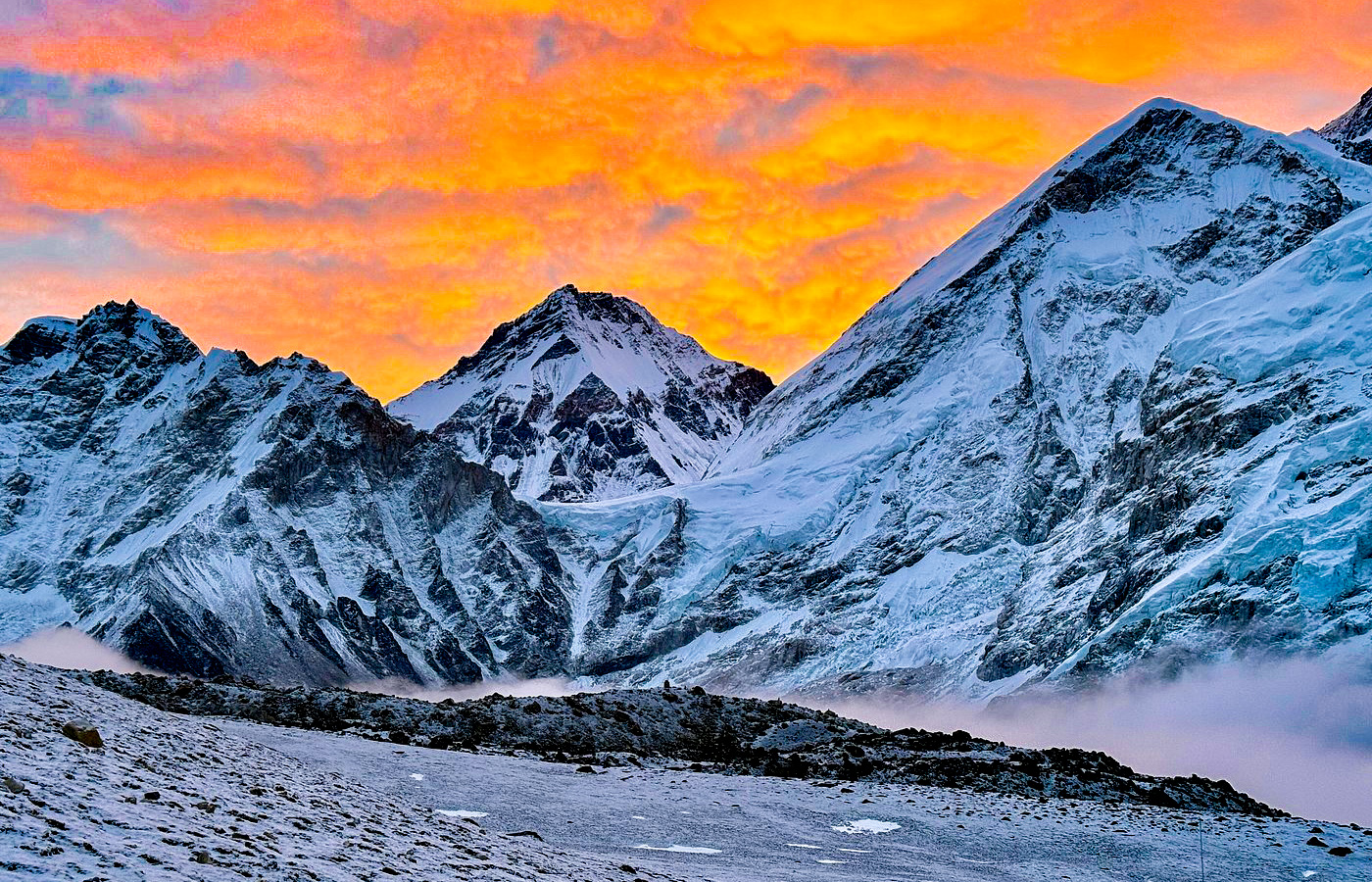
Watching golden morning light spread across Everest, Nuptse, and Pumori from Kala Patthar's summit is widely considered one of the most spectacular sunrise experiences in the entire Himalaya — a moment that consistently ranks as the emotional peak of the trek for most trekkers.
Kala Patthar is reached via a demanding but rewarding hike from Gorak Shep:
Total round-trip time: Approximately 3–4 hours
The hike to Kala Patthar is rated challenging, primarily due to:
Despite the difficulty, most trekkers who've successfully acclimatized throughout the Classic Everest Base Camp Trek's itinerary complete this hike safely, provided they maintain a steady, patient pace.
| Season | Conditions | Recommendation |
|---|---|---|
| Autumn (Sep–Nov) | Stable, clear skies | Best visibility of Everest |
| Spring (Mar–May) | Generally good, occasional cloud | Strong second choice |
| Winter (Dec–Feb) | Extremely cold but often clear | Possible for experienced trekkers |
| Monsoon (Jun–Aug) | Poor visibility | Not recommended |
| Factor | Kala Patthar | Everest Base Camp |
|---|---|---|
| Altitude | 5,550m (higher) | 5,364m |
| View of Everest summit | Yes, unobstructed | No, blocked by terrain |
| Symbolic significance | Best viewpoint | Iconic destination |
| Sunrise experience | Spectacular | Not typically visited at sunrise |
| Physical demand | Steep, challenging | Relatively flat approach |
Most trekkers agree: you need both. Base Camp offers the legendary destination and emotional milestone, while Kala Patthar delivers the actual visual reward of seeing Everest's summit up close.
Kala Patthar sits at 5,550 meters (18,208 feet) in the Khumbu region of northeastern Nepal, within Sagarmatha National Park, reached via a hike from Gorak Shep on the Classic Everest Base Camp Trek route.
Kala Patthar translates to "Black Rock" in Nepali, named for the dark, rocky terrain that characterizes this iconic viewpoint above Gorak Shep.
Everest Base Camp does not actually offer a view of Everest's summit, since the mountain's own shape and surrounding terrain block it from view. Kala Patthar, by contrast, provides a completely unobstructed panorama of Everest's peak, which is why many trekkers rate it as the true visual highlight of the trek.
Kala Patthar sits at 5,550 meters, making it higher than Everest Base Camp's 5,364 meters and the highest altitude most trekkers reach during the entire Classic Everest Base Camp Trek.
The full round trip from Gorak Shep typically takes 3 to 4 hours, including approximately 2–2.5 hours of ascent and 1–1.5 hours for the descent back down.
Most trekkers depart Gorak Shep between 3:30 and 4:30 AM, well before sunrise, to reach the summit in time to witness golden morning light spreading across Everest and the surrounding peaks.
Yes, it's rated challenging, primarily due to extreme altitude, steep rocky terrain, freezing pre-dawn temperatures, and accumulated fatigue from days of prior trekking, though most well-acclimatized trekkers complete it successfully.
From the summit, trekkers can see Mount Everest's complete summit, along with Nuptse, Pumori, the Khumbu Glacier and Icefall, and a distant view of Everest Base Camp itself.
Autumn (September–November) offers the most stable weather and clearest views, with spring (March–May) serving as a strong second choice, while monsoon season is best avoided due to poor visibility.
Serious cold-weather layers are essential, since pre-dawn temperatures often drop well below -15°C, along with sunglasses for intense sunrise glare reflecting off snow and ice.
Yes, a headlamp with spare batteries is essential, since the ascent begins in complete darkness well before sunrise.
Yes, most trekkers agree both are worth visiting — Base Camp offers the iconic, symbolic destination, while Kala Patthar delivers the actual visual reward of seeing Everest's summit up close, making them complementary rather than either-or experiences.
No, there are no facilities such as food, water, or shelter at Kala Patthar itself, so trekkers should carry water and snacks and dress warmly before departing Gorak Shep.
Extreme cold drains battery life significantly faster than normal, so trekkers should keep devices insulated in an inner pocket and bring a fully charged battery before the pre-dawn ascent.
Most trekkers who've successfully acclimatized throughout the Classic Everest Base Camp Trek's itinerary can complete this hike, though a steady, patient pace and realistic expectations about difficulty are genuinely important given the extreme altitude involved.
Kala Patthar isn't simply an optional add-on to the Classic Everest Base Camp Trek — it's arguably the journey's true visual and emotional climax, offering what Base Camp itself cannot: an unforgettable, unobstructed view of the world's highest peak. For trekkers willing to brave the pre-dawn cold and steep final climb, Kala Patthar rewards the effort with a sunrise experience that few other places on Earth can match.
Ready to experience Kala Patthar for yourself? Explore the complete Classic Everest Base Camp Trek itinerary with Nepal Trip Services and prepare for the most unforgettable sunrise of your life.
Discover more articles that match your interests! Explore these similar blogs packed with insights, tips, and stories to keep you inspired.
Everything on Classic Everest Base Camp Trek permits for 2026–2027 — costs, requirements, where to get them & recent...
Discover the best season for the Classic Everest Base Camp Trek. Compare autumn, spring, winter & monsoon weather, views...
Explore the Classic Everest Base Camp Trek itinerary with detailed day-by-day routes, altitudes, trekking hours & acclim...
Discover what you\\\'ll eat and where you\\'ll sleep on the Classic Everest Base Camp Trek. Complete guide to teahouses,...
Discover the full cost breakdown of the Classic Everest Base Camp Trek — permits, flights, guides, porters, meals & ac...
Is the Classic Everest Base Camp Trek hard? Complete guide to difficulty level, altitude challenges, fitness needs & tra...