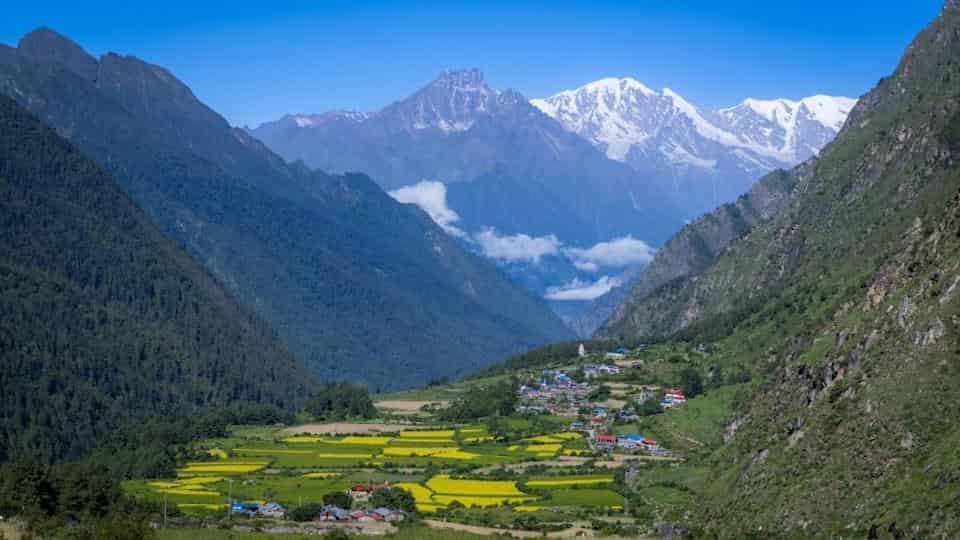
Trip Overview
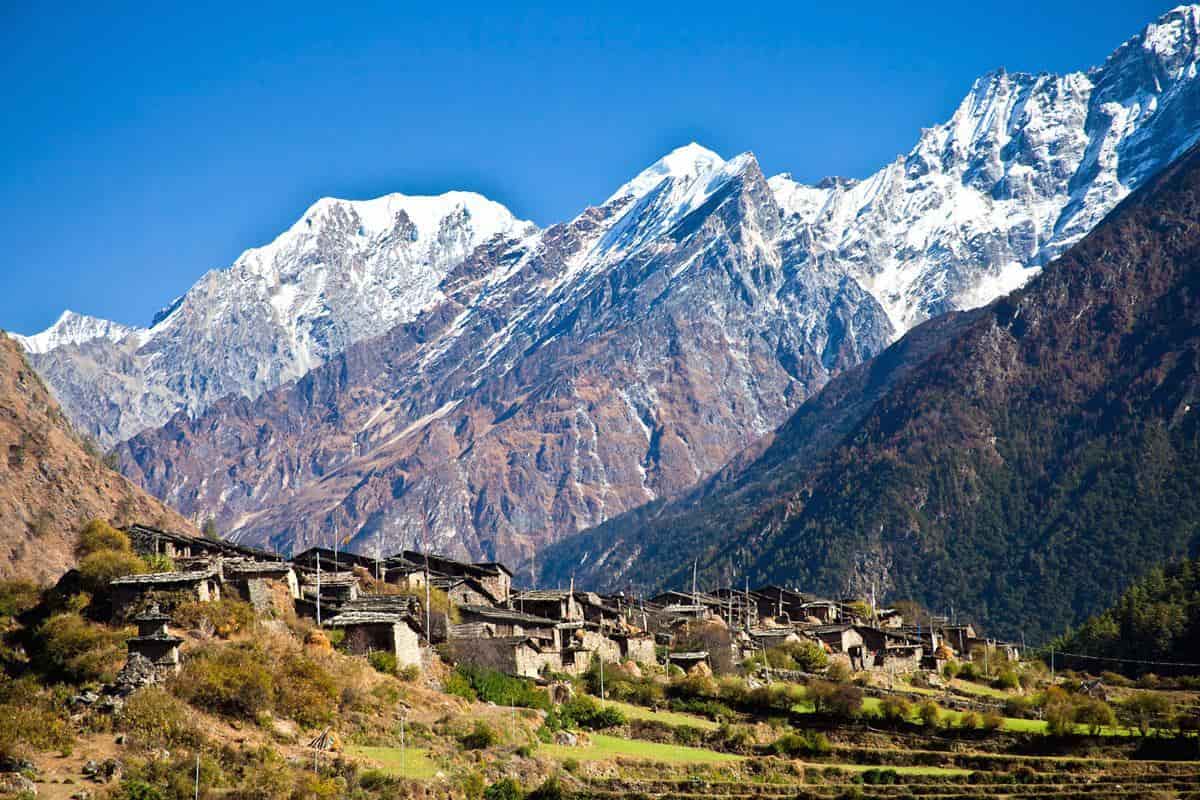
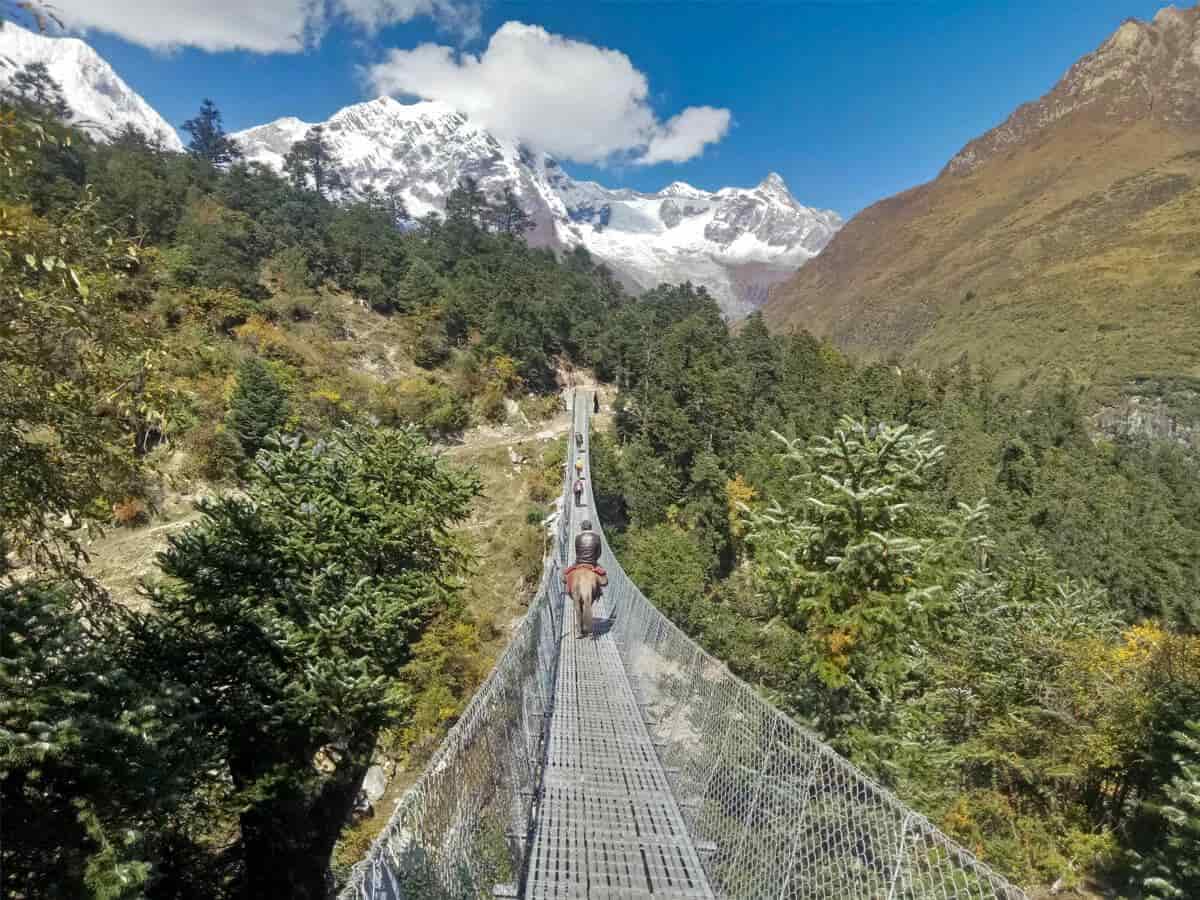
Few Himalayan journeys feel as timeless as the Tsum Valley Trek, a remote cultural odyssey along Nepal’s northern frontier where yak herders, chanting monks, and barley fields frame a way of life shaped by centuries of devotion. Rising gradually from subtropical lowlands to alpine highlands beneath snowcapped giants, this moderate Manaslu region trek reveals hand-carved prayer stones, cliffside hermitages, and tranquil villages that few outsiders have ever seen. Each day brings a rare balance of physical adventure and spiritual discovery, from crossing swaying bridges above roaring rivers to sharing stories by the hearth with welcoming highland families. Ideal for travelers who value solitude, heritage, and raw mountain beauty, this restricted-area trail delivers an intimate Himalayan experience that crowded routes simply cannot match. With trusted local expertise, seamless logistics, and personalized service, Nepal Trip Services turns your Tsum Valley trekking adventure into a meaningful and memorable journey into the true soul of the Himalayas.
Tsum Valley Trek: Journey into Nepal’s Hidden Valley of Happiness
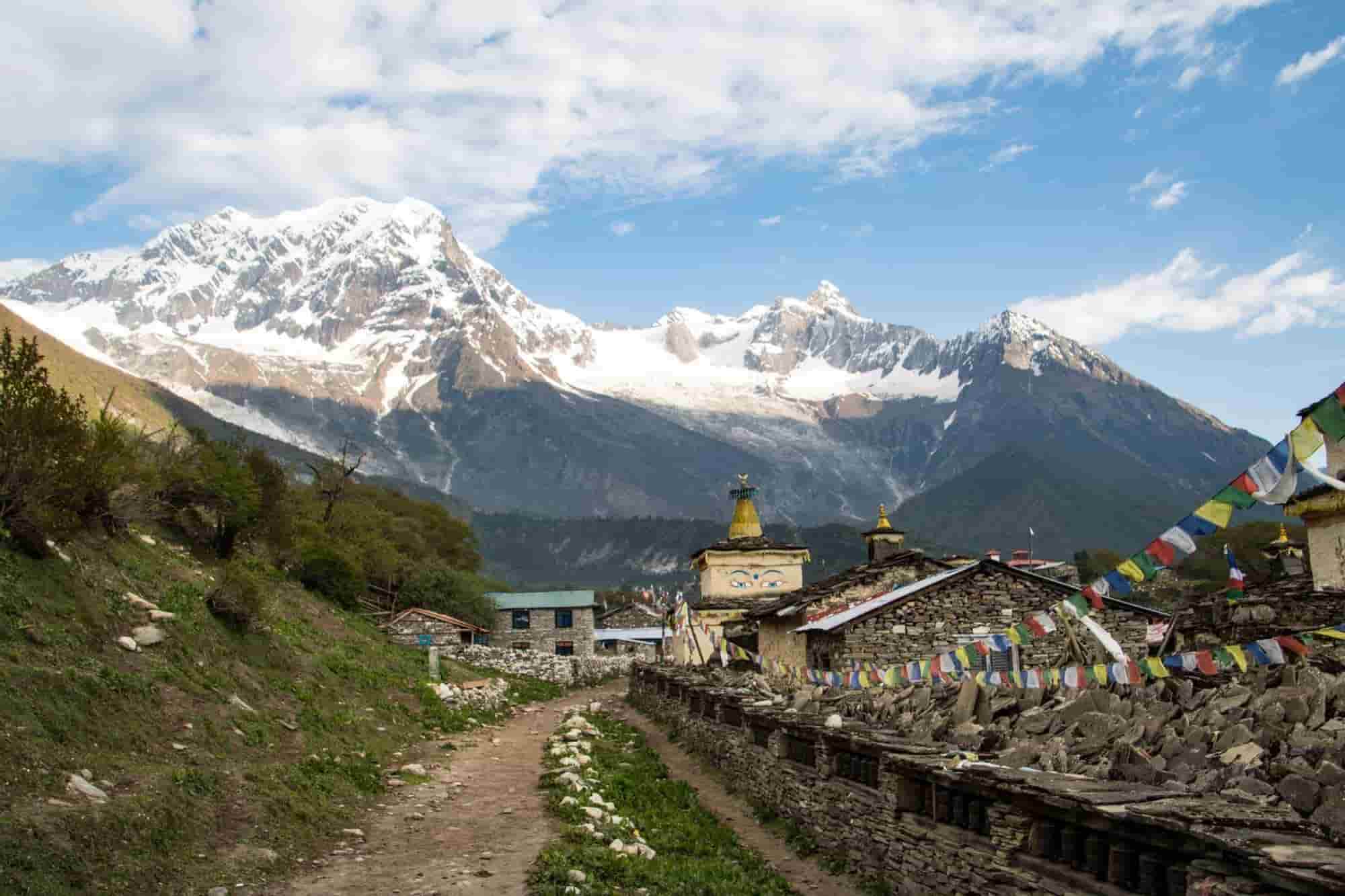
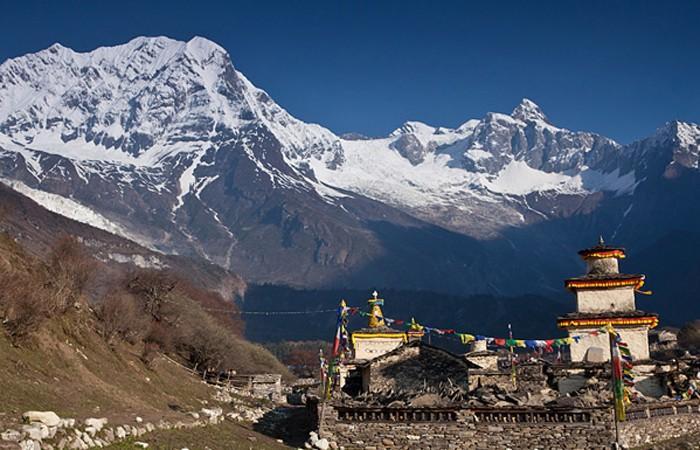
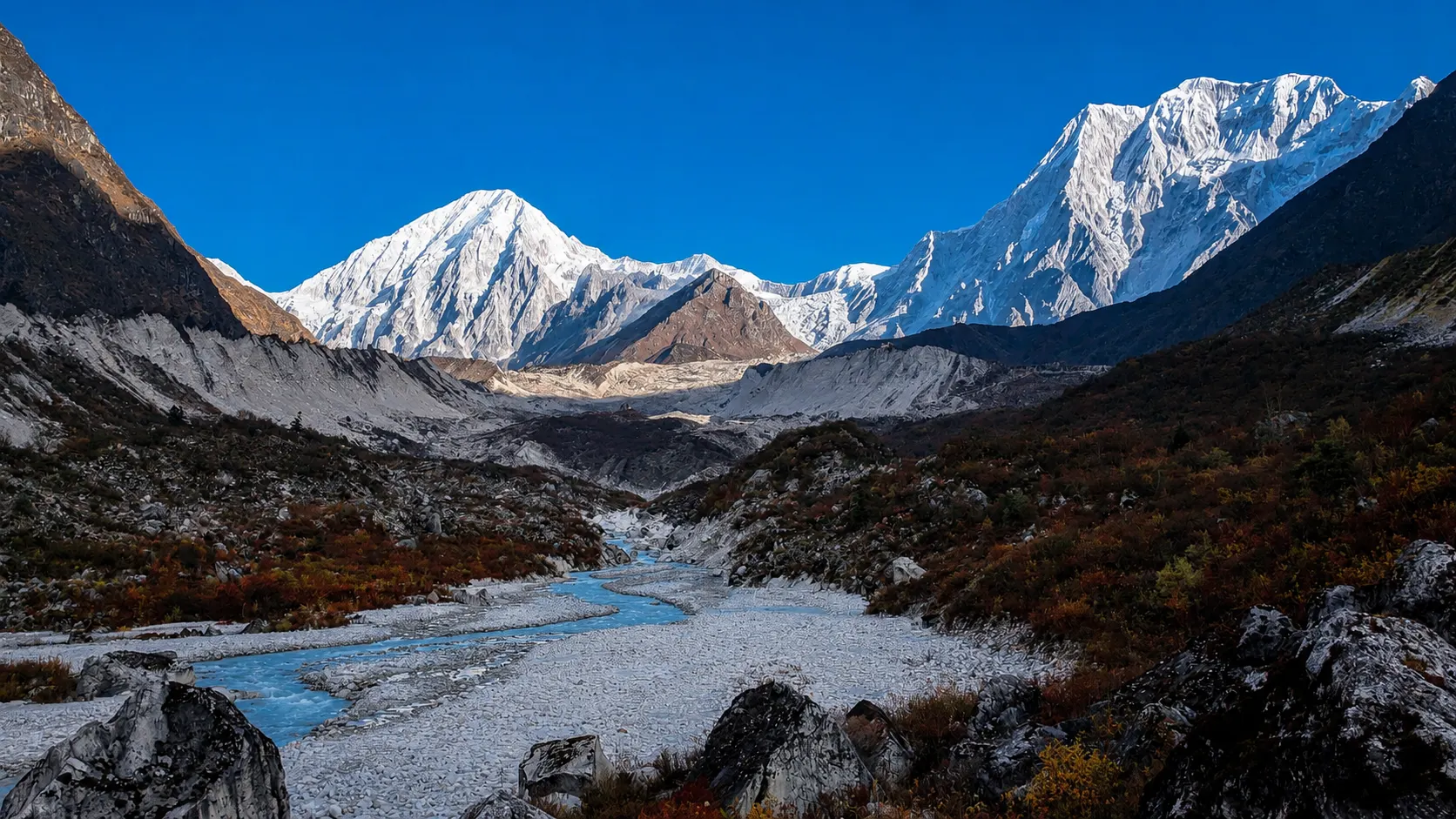
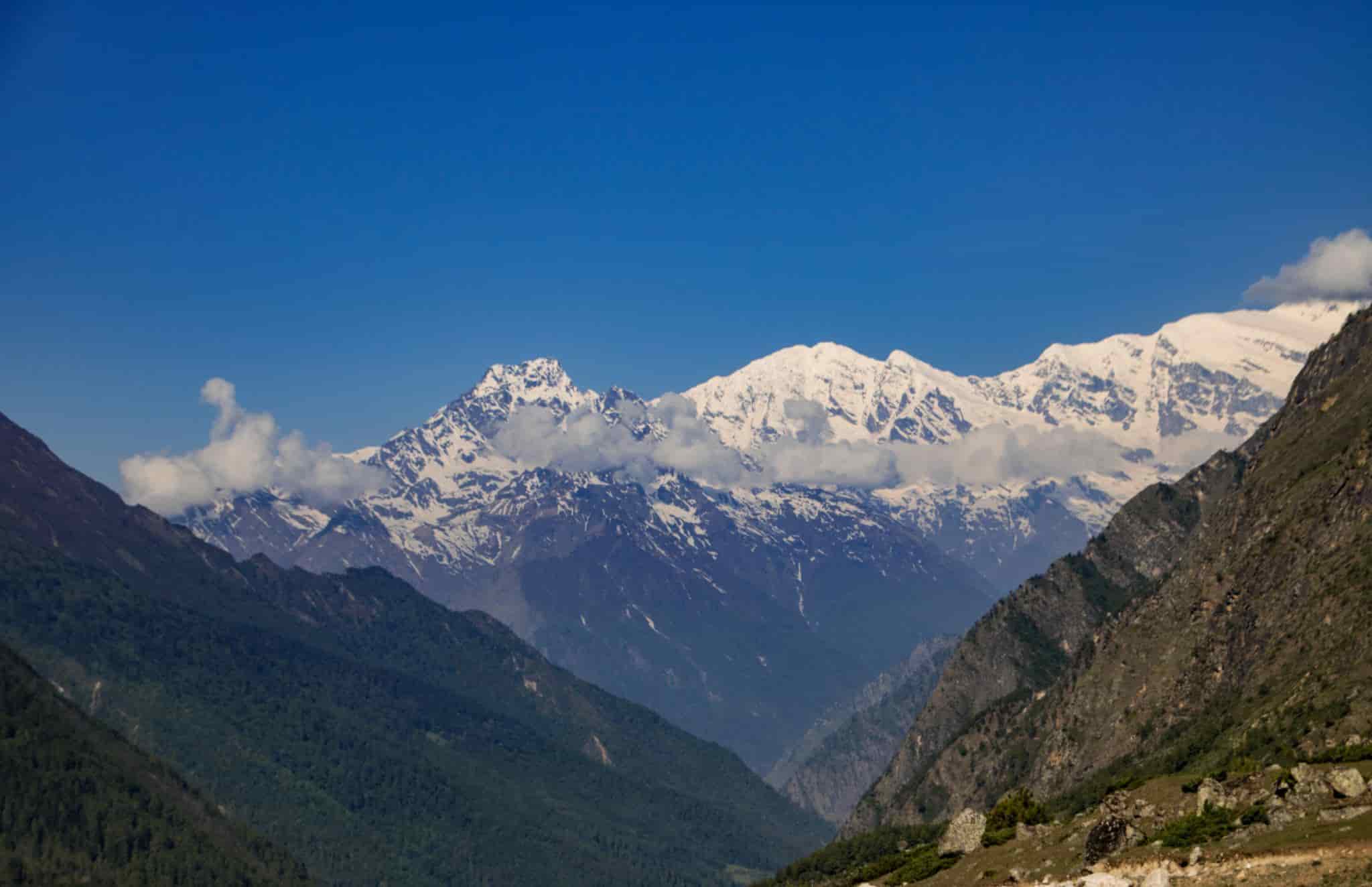
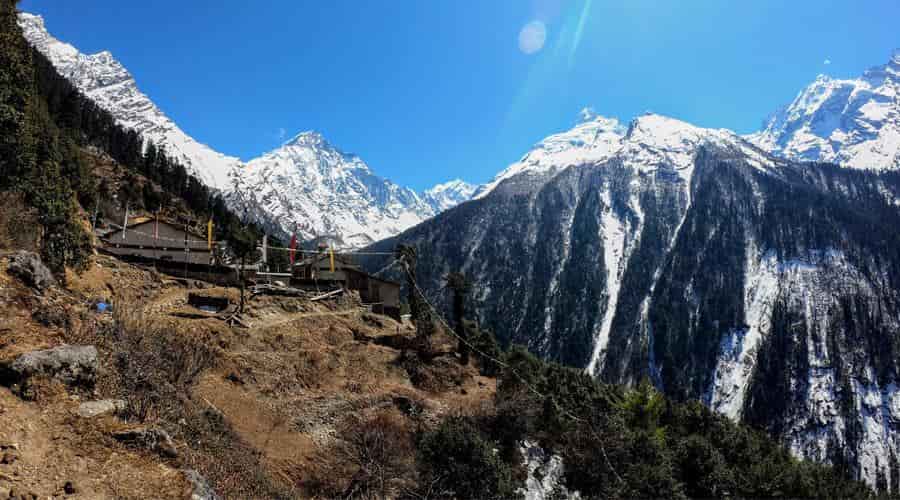
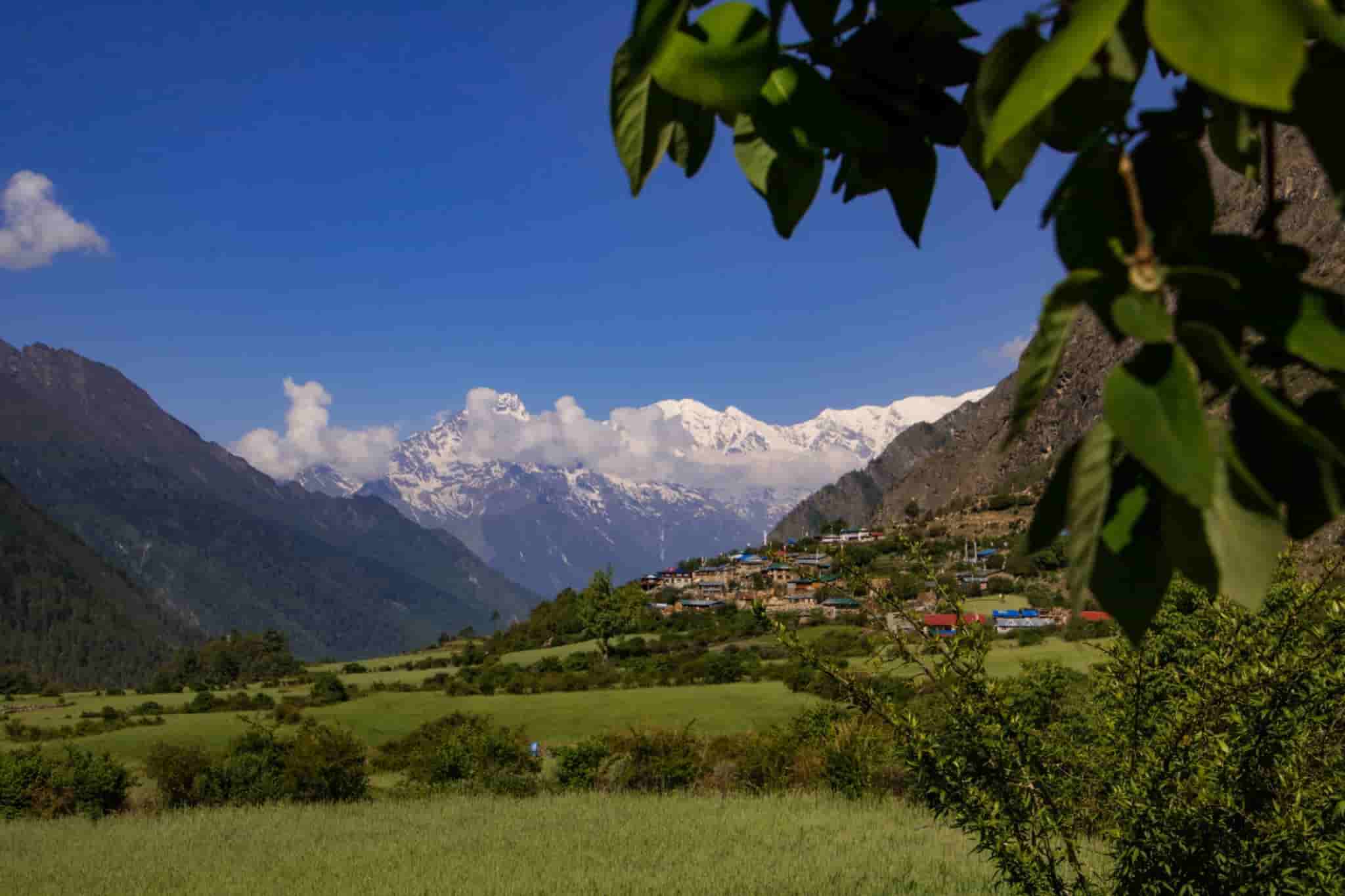
Tucked away in the remote northern corner of Gorkha District, the Tsum Valley Trek is one of Nepal’s most rewarding off-the-beaten-path adventures. Bordered by the towering Ganesh Himal, Sringi Himal, and Boudha Himal ranges, and sitting right along the Tibetan border, this sacred Himalayan valley was closed to outsiders until 2008. Today it remains largely untouched by mass tourism, which makes it an ideal choice for trekkers seeking authentic culture, spiritual heritage, and pristine mountain landscapes in the Manaslu region of Nepal.
A Sacred Beyul Steeped in Buddhist Heritage
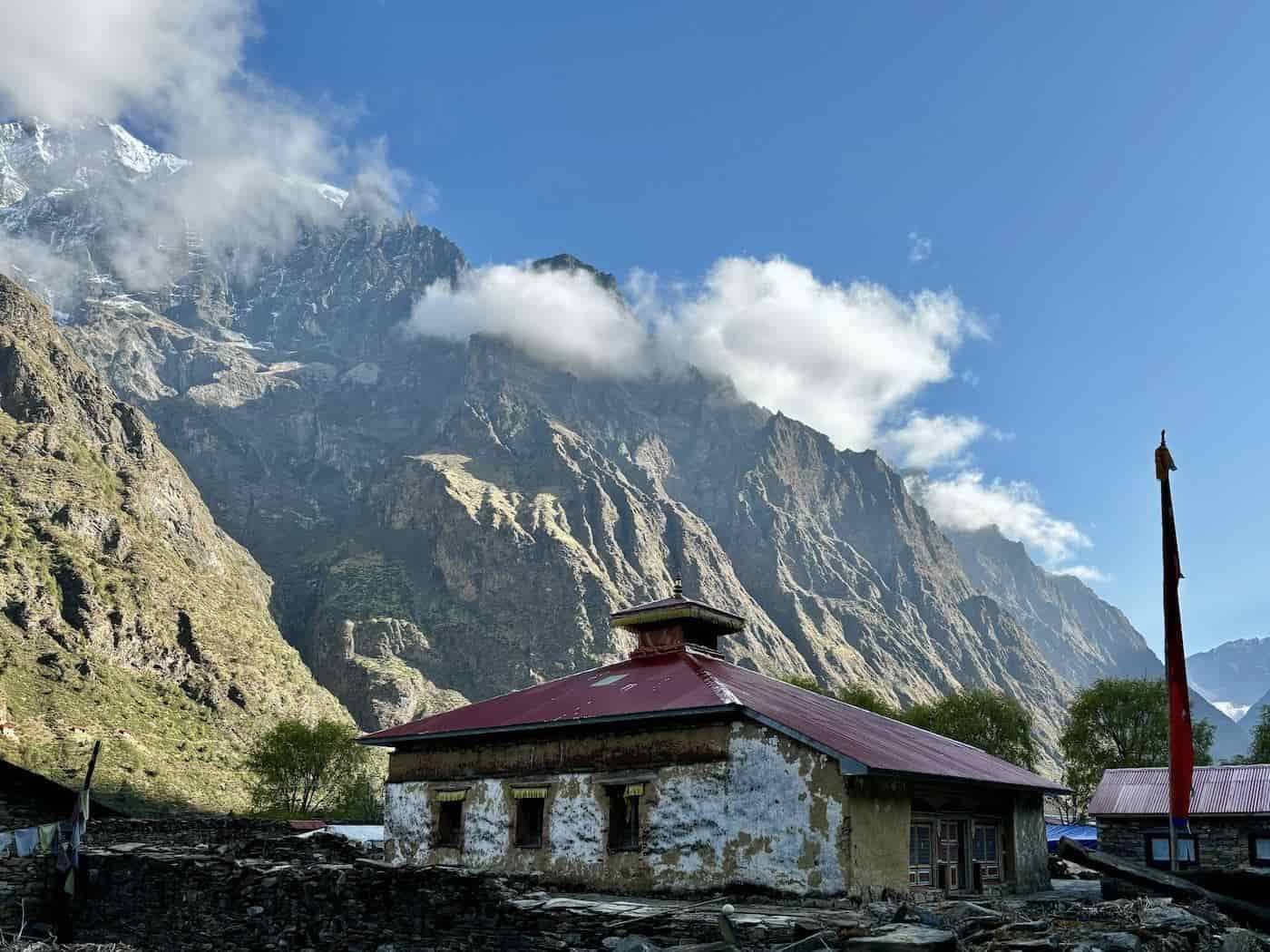
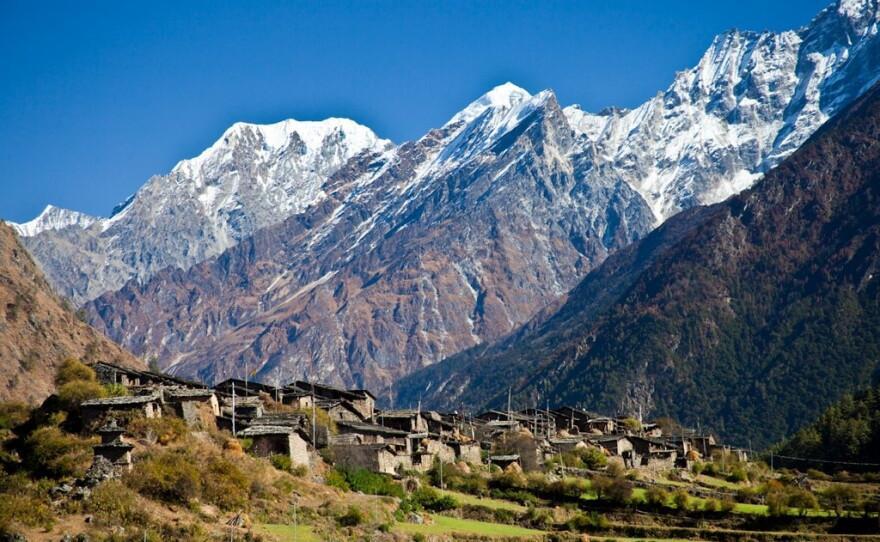
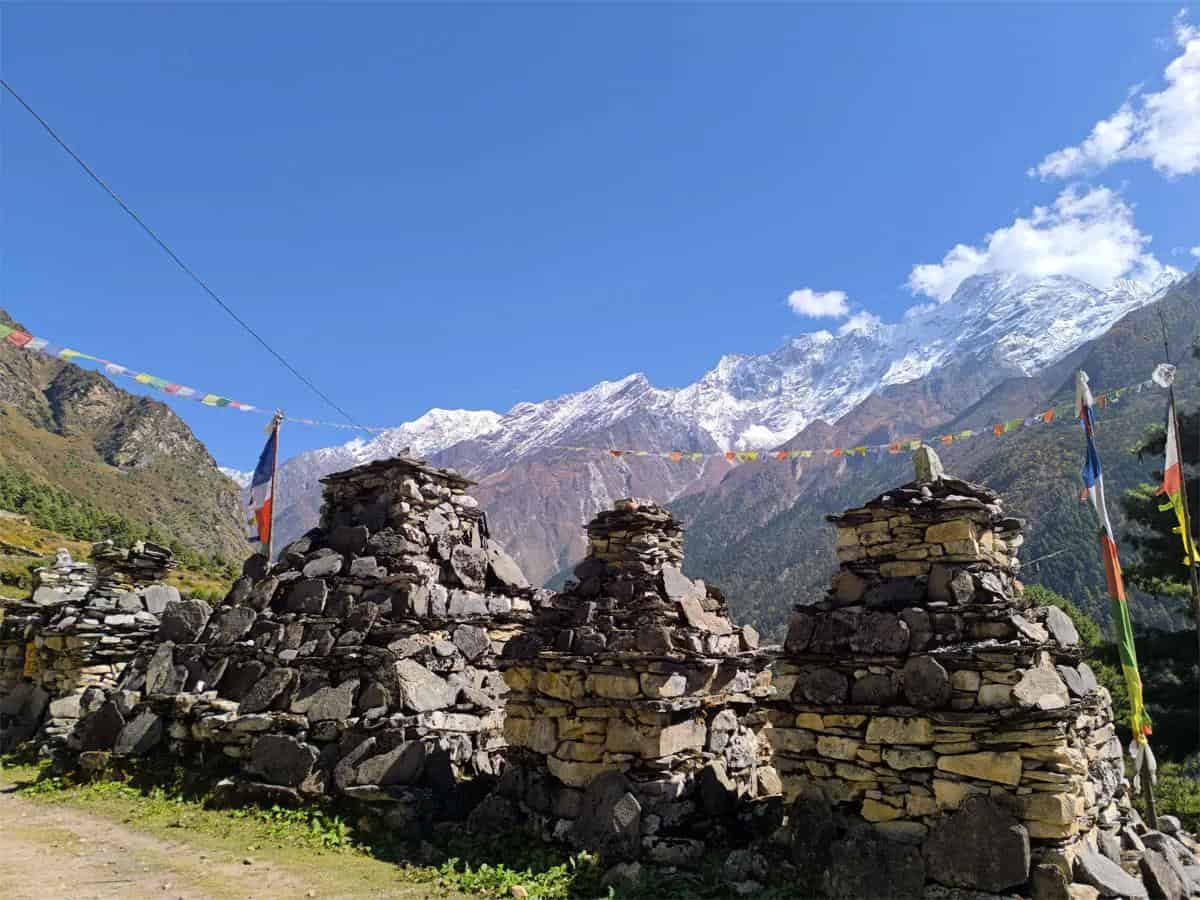
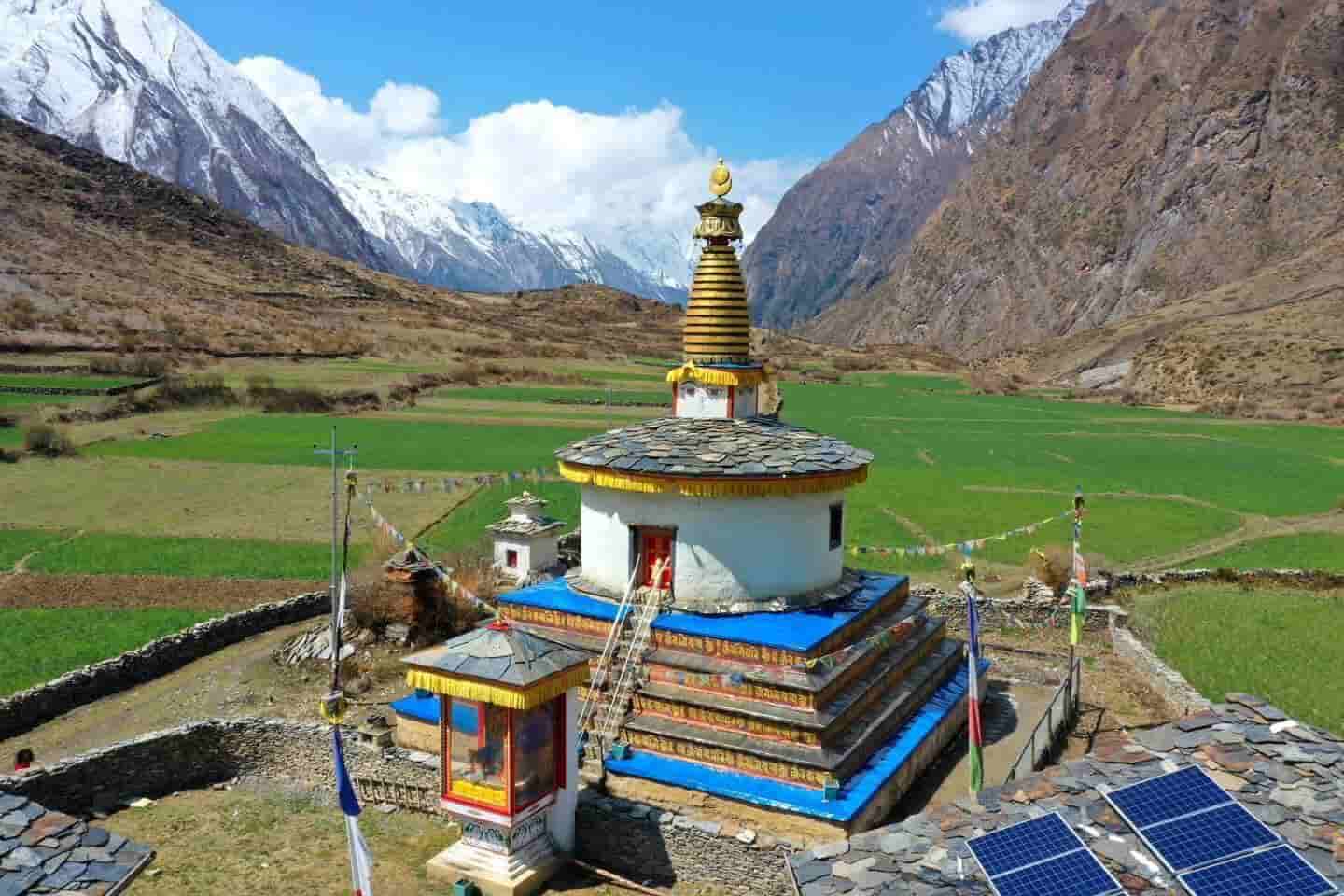
Known in ancient Buddhist texts as Beyul Kyimolung, the “Hidden Valley of Happiness,” Tsum Valley has been a place of pilgrimage and meditation for centuries. The great Tibetan saint Milarepa is believed to have meditated in a cave here, and Piren Phu (Milarepa’s Cave) is still a deeply revered site. Throughout the valley, you’ll pass long mani walls, prayer-flag-draped chortens, and centuries-old gompas, including the iconic Mu Gompa (3,700m) and the peaceful Rachen Gompa nunnery. The people of Tsum, called Tsumbas, follow a distinctive Tibetan Buddhist way of life and have long upheld a tradition of non-violence, avoiding the hunting and slaughter of animals.
The Trekking Route: From River Gorges to High Himalayan Villages
Your adventure begins with a scenic drive from Kathmandu to Soti Khola or Machha Khola, where you follow the wild Budhi Gandaki River along the lower section of the Manaslu Circuit. Passing through Jagat and Philim, the trail branches off toward Lokpa, the gateway to Tsum Valley. From here, you climb through rhododendron and pine forests along the dramatic Shiar Khola gorge to Chumling in Lower Tsum, then on to Chhekampar, Nile, and finally Mu Gompa in Upper Tsum, with sweeping views toward Tibet.
On the return, you visit Rachen Gompa and Dumje, with an optional side trip to Ganesh Himal Base Camp for spectacular glacier and mountain panoramas. Trekkers with more time can extend the trip by joining the classic Manaslu Circuit Trek over the Larkya La Pass.
Authentic Culture and Homestay Experiences
What truly sets the Tsum Valley Trek apart is its living culture. You’ll stay in traditional teahouses and family homestays, share meals of tsampa, butter tea, and dal bhat, and see daily village life that has changed little over generations. If your trek coincides with local festivals such as Lhosar or the colorful Dhachyang horse festival, you’ll gain a rare glimpse into Tsum’s vibrant traditions.
Trip Duration and Difficulty
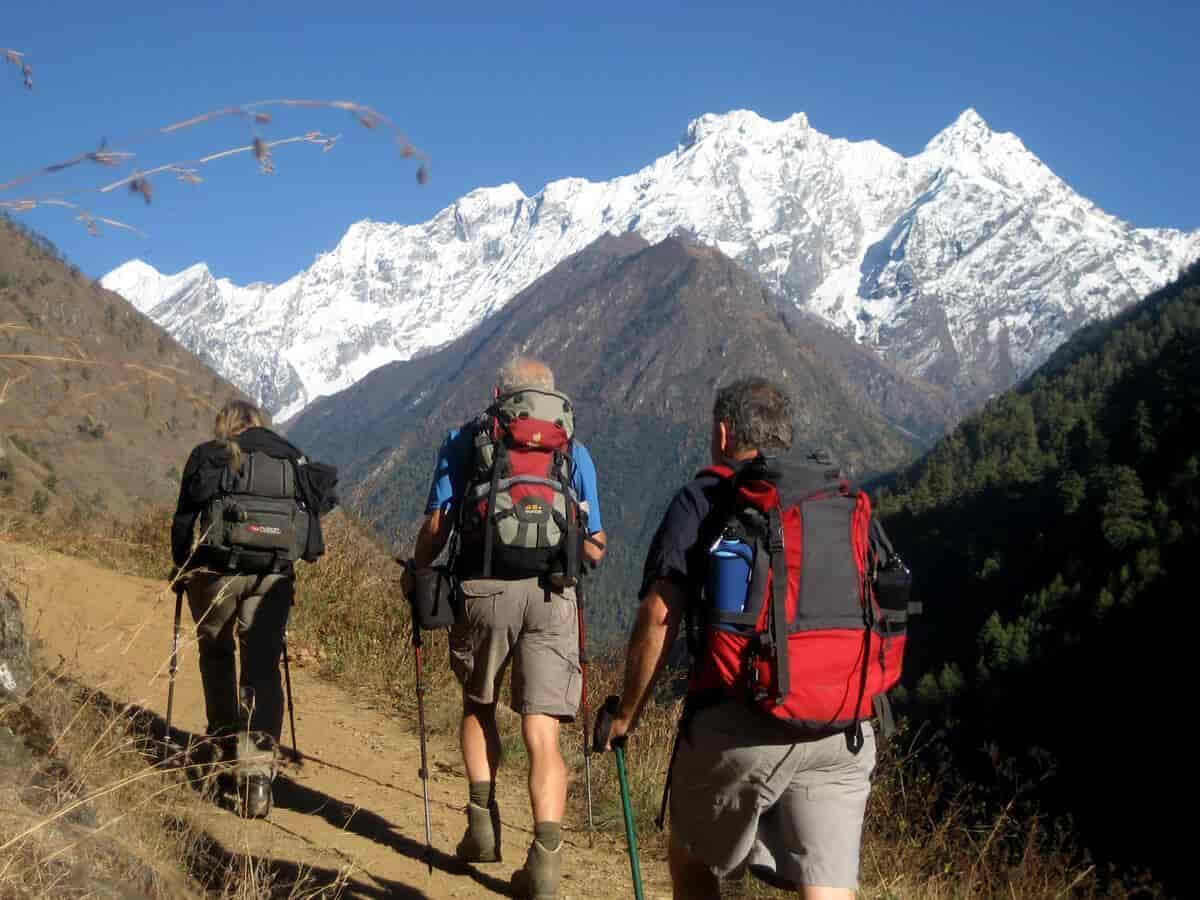
The Tsum Valley Trek typically takes 13 days, depending on your itinerary and side trips. It is rated moderate, with a maximum altitude of around 3,700m at Mu Gompa (or higher if you include Ganesh Himal Base Camp). Daily walks average 5–7 hours on rugged but well-defined trails. Previous trekking experience is helpful but not required, as long as you have good fitness and a positive spirit for adventure.
Best Time to Trek Tsum Valley
The best seasons for the Tsum Valley Trek are spring (March to May) and autumn (September to November). Spring brings blooming rhododendron forests and mild temperatures, while autumn offers clear skies, crisp air, and the finest mountain views. Winter is possible for experienced trekkers but brings cold nights, and the monsoon (June to August) can make lower trails slippery.
Permits and Regulations
Because Tsum Valley is a restricted area, trekkers must obtain a Tsum Valley Restricted Area Permit, along with the Manaslu Conservation Area Permit (MCAP). Nepal’s regulations require a minimum of two trekkers accompanied by a government-licensed guide, arranged through a registered trekking agency. Nepal Trip Services handles all permits and paperwork, so you can focus entirely on the journey.
Transportation for the Tsum Valley Trek
Getting to and from the Tsum Valley Trek is part of the adventure, with scenic overland journeys through Nepal’s rolling hills, terraced farmland, and river valleys. Nepal Trip Services provides private airport pickup and drop-off in Kathmandu, followed by a comfortable drive of around 8–9 hours from Kathmandu to Machha Khola via Arughat and Soti Khola, the starting point of the trek. Beyond Soti Khola, the road becomes rough and unpaved, so we arrange reliable private jeeps or 4WD vehicles where conditions require, ensuring a safe and smooth ride. At the end of the trek, you’ll return by road from Tatopani (Jagat) to Kathmandu. Depending on your budget and group size, travel options include shared local jeeps, private vehicles, or tourist transport, all handled by our team with experienced drivers who know mountain roads well, for a hassle-free and well-organized journey.
Meals & Accommodation During the Tsum Valley Trek
During the Tsum Valley Trek, you’ll enjoy comfortable hotel stays in Kathmandu and authentic mountain lodging along the trail, including cozy teahouses, local homestays, and a monastery guesthouse at Mu Gompa. Accommodation in the valley is simple yet welcoming, typically with twin-sharing rooms, warm blankets, and shared bathroom facilities, offering a genuine glimpse into traditional Tsumba hospitality. On the trek, breakfast, lunch, and dinner are freshly prepared from local ingredients, featuring hearty favorites such as dal bhat, Tibetan bread, noodle soups, potatoes, tsampa, and butter tea to keep you energized at altitude. Vegetarian and special dietary needs can be accommodated with advance notice, and Nepal Trip Services carefully selects clean, reliable lodges and family homestays to ensure a safe, comfortable, and culturally enriching trekking experience.
Tsum Valley Trek Itinerary at a Glance
| Day |
Itinerary |
Max Altitude |
Duration |
Accommodation |
Meals |
| Day 01 |
Arrival in Kathmandu – Welcome to Nepal and transfer to hotel |
1,400m |
30–45 mins drive |
Hotel |
Welcome Dinner |
| Day 02 |
Kathmandu sightseeing at UNESCO heritage sites and trek preparation |
1,400m |
5–6 hrs tour |
Hotel |
Breakfast |
| Day 03 |
Scenic drive from Kathmandu to Machha Khola via Soti Khola |
930m |
8–9 hrs drive |
Teahouse |
B / L / D |
| Day 04 |
Trek from Machha Khola to Jagat along the Budhi Gandaki River |
1,340m |
6–7 hrs |
Teahouse |
B / L / D |
| Day 05 |
Trek from Jagat to Lokpa, the gateway to Tsum Valley |
2,240m |
6–7 hrs |
Teahouse |
B / L / D |
| Day 06 |
Trek from Lokpa to Chumling in Lower Tsum |
2,386m |
4–5 hrs |
Teahouse / Homestay |
B / L / D |
| Day 07 |
Trek from Chumling to Chhokang Paro in Upper Tsum |
3,031m |
5–6 hrs |
Teahouse / Homestay |
B / L / D |
| Day 08 |
Trek from Chhokang Paro to Mu Gompa, the trek's highest point |
3,700m |
5–6 hrs |
Monastery Guesthouse |
B / L / D |
| Day 09 |
Descend from Mu Gompa to Chhokang Paro via Rachen Gompa |
3,031m |
5–6 hrs |
Teahouse / Homestay |
B / L / D |
| Day 10 |
Trek from Chhokang Paro back to Lokpa |
2,240m |
6–7 hrs |
Teahouse |
B / L / D |
| Day 11 |
Trek from Lokpa down to Jagat |
1,340m |
6–7 hrs |
Teahouse |
B / L / D |
| Day 12 |
Drive from Tatopani (Jagat) back to Kathmandu |
1,400m |
8–9 hrs drive |
Hotel |
B / L / Farewell Dinner |
| Day 13 |
Final departure – farewell and transfer to the airport |
1,400m |
30–45 mins drive |
— |
Breakfast |
Note: Altitudes and walking times are approximate and may vary with weather, trail conditions, and group pace. B / L / D = Breakfast, Lunch, Dinner.
Why Trek Tsum Valley with Nepal Trip Services?
At Nepal Trip Services, we specialize in authentic, safe, and well-organized Himalayan journeys. Our experienced local guides know the Tsum Valley’s trails, culture, and communities closely, which ensures meaningful experiences and responsible travel. From airport pickup and permits to accommodation, transport, and flexible custom itineraries, we take care of every detail. Whether you’re a seasoned trekker or a cultural explorer, let us guide you into Nepal’s hidden valley for an adventure you’ll treasure for a lifetime.
More Information About Tsum Valley Trek
Tsum Valley Trek Difficulty Level
The Tsum Valley Trek is graded moderate, making it suitable for international trekkers with good fitness and a sense of adventure, even without previous high-altitude experience. You’ll walk around 5–7 hours a day on rugged mountain trails with steady climbs, steep stone staircases, suspension bridges, and long descents, reaching a maximum altitude of about 3,700m at Mu Gompa. While there are no technical sections or high passes on the standard route, the remote setting, basic facilities, and daily elevation changes require stamina and preparation. Regular cardio training such as hiking, running, cycling, or stair climbing for a few weeks before your trip will help you enjoy the journey with ease. With a gradual itinerary, experienced guides, and porter support from Nepal Trip Services, the Tsum Valley Trek is a rewarding and achievable Himalayan adventure for motivated travelers from around the world.
Tsum Valley Trek Permits and Restricted Area Rules
As a protected restricted area near the Tibetan border, Tsum Valley requires special permits for all international trekkers. You’ll need the Tsum Valley Restricted Area Permit (RAP), which costs around USD 40 per person for the first 7 days in September–November and around USD 30 in December–August, plus a daily fee after that, along with the Manaslu Conservation Area Permit (MCAP) at about NPR 3,000. Under Nepal government rules, trekkers must travel in a group of at least two people, be accompanied by a government-licensed guide, and obtain permits through a registered Nepali trekking agency, as permits cannot be issued to independent trekkers. Checkpoints along the route verify your documents, so carry your passport and permits at all times. If you plan to continue onto the Manaslu Circuit, additional permits are required. Nepal Trip Services arranges all permits, paperwork, and guide services on your behalf, so you can trek legally, safely, and stress-free. Permit fees are set by the Government of Nepal and may change, so we confirm current rates at the time of booking.
Best Time to Trek Tsum Valley
The best time to trek Tsum Valley is during autumn (September–November) and spring (March–May), when stable weather, clear skies, and comfortable temperatures create ideal trekking conditions for travelers from around the world. Autumn is the peak season, offering crisp air, dry trails, and the clearest views of Ganesh Himal, Sringi Himal, and Boudha Himal, while spring brings blooming rhododendron forests, warmer days, and vibrant valley scenery. Winter (December–February) offers peaceful, crowd-free trails, but cold nights, possible snow in Upper Tsum, and some closed lodges make it better suited to experienced trekkers. The monsoon season (June–August) brings heavy rain, leeches, slippery paths, and landslide risks on the lower route, so it is the least recommended time. Whatever season you choose, Nepal Trip Services will help you plan the perfect departure date based on weather, festivals, and your travel goals.
Tsum Valley Trek Weather and Temperature by Month
Weather in Tsum Valley changes with both the season and the altitude. Lower villages like Jagat and Lokpa (1,300–2,300m) stay mild for most of the year, while Upper Tsum around Chhokang Paro and Mu Gompa (3,000–3,700m) is much colder, especially at night. Knowing what to expect each month helps international trekkers pack smart, choose the right season, and enjoy the trail in comfort.
Monthly Weather Overview (Upper Tsum, approx. 3,000–3,700m)
| Month |
Day Temp |
Night Temp |
Weather Conditions |
Trekking Rating |
| January |
3–10°C |
–12 to –5°C |
Coldest month, clear skies, snow possible |
⭐⭐ |
| February |
5–12°C |
–10 to –4°C |
Cold, mostly dry, occasional snowfall |
⭐⭐ |
| March |
8–15°C |
–5 to 0°C |
Warming up, rhododendrons begin to bloom |
⭐⭐⭐⭐ |
| April |
12–18°C |
–2 to 3°C |
Pleasant, colorful forests, good views |
⭐⭐⭐⭐⭐ |
| May |
14–20°C |
0 to 5°C |
Warm days, some afternoon haze or showers |
⭐⭐⭐⭐ |
| June |
15–22°C |
5 to 10°C |
Monsoon begins, rain and cloud cover |
⭐⭐ |
| July |
15–22°C |
7 to 12°C |
Heavy rain, leeches, landslide risk |
⭐ |
| August |
15–21°C |
6 to 11°C |
Wet, slippery trails, limited views |
⭐ |
| September |
13–20°C |
2 to 7°C |
Monsoon fades, green valleys, clearer skies |
⭐⭐⭐⭐ |
| October |
10–18°C |
–3 to 3°C |
Peak season, crystal-clear mountain views |
⭐⭐⭐⭐⭐ |
| November |
7–14°C |
–7 to –2°C |
Dry, stable, crisp and cold nights |
⭐⭐⭐⭐⭐ |
| December |
4–11°C |
–10 to –5°C |
Cold, quiet trails, possible snow |
⭐⭐⭐ |
Temperatures are approximate and can vary with elevation, wind, and daily weather. Lower villages are typically 5–10°C warmer.
Seasonal Weather at a Glance
- Spring (March–May): Mild temperatures, blooming rhododendrons, and good visibility, ideal for nature lovers and photographers
- Summer / Monsoon (June–August): Warm but wet, with frequent rain, leeches, and road disruptions, the least recommended season
- Autumn (September–November): Dry, stable weather and the clearest Himalayan views, the most popular time to trek
- Winter (December–February): Cold and peaceful with few trekkers, suited to well-prepared and experienced hikers
Weather Tips for a Comfortable Trek
- Dress in layers to adapt quickly to warm afternoons and freezing nights in Upper Tsum.
- Carry a warm sleeping bag rated to at least –10°C, especially from November to March.
- Start early each day, as mornings are usually clearer and afternoons can bring clouds or wind.
- Pack rain gear year-round, since sudden showers can occur even outside the monsoon.
- Protect yourself from the sun with sunglasses, sunscreen, and a hat, as UV levels are strong at altitude.
- Allow flexibility in your schedule for weather-related road or trail delays.
With careful planning and expert local guidance from Nepal Trip Services, you can choose the best month for your Tsum Valley Trek and enjoy safe, comfortable trekking in every season.
Altitude Sickness and Acclimatization Tips for the Tsum Valley Trek
The Tsum Valley Trek reaches a maximum altitude of about 3,700m at Mu Gompa, where the air holds less oxygen than at sea level. While the risk of serious altitude sickness is low to moderate on this route, Acute Mountain Sickness (AMS) can affect anyone regardless of age or fitness. Understanding the symptoms and following smart acclimatization practices will help international trekkers stay safe, healthy, and fully enjoy the Himalayan journey.
Altitude Profile of the Tsum Valley Trek
| Location |
Approx. Altitude |
Altitude Risk Level |
| Machha Khola |
930m |
Very Low |
| Jagat |
1,340m |
Very Low |
| Lokpa |
2,240m |
Low |
| Chumling |
2,386m |
Low |
| Chhokang Paro |
3,031m |
Moderate |
| Mu Gompa |
3,700m |
Moderate |
Common Symptoms of Altitude Sickness
- Headache and dizziness
- Nausea or loss of appetite
- Fatigue and unusual weakness
- Difficulty sleeping
- Shortness of breath during activity
Serious Warning Signs (Seek Immediate Help)
- Severe headache that doesn’t improve with rest or medication
- Confusion, poor coordination, or difficulty walking (possible HACE)
- Breathlessness at rest or a persistent wet cough (possible HAPE)
Top Acclimatization Tips
- Walk slowly and steadily – follow the golden rule of “go slow, go high.”
- Stay well hydrated by drinking 3–4 liters of water daily.
- Avoid alcohol and smoking, which increase dehydration and reduce oxygen intake.
- Eat well, especially carbohydrate-rich meals like dal bhat, to maintain energy.
- Climb high, sleep low whenever possible, especially on side trips.
- Get enough rest and sleep each night to help your body adjust.
- Listen to your body and tell your guide about any symptoms right away.
- Never ascend with symptoms – rest, and descend if they worsen.
- Consult your doctor before the trip about preventive medication such as Diamox.
- Carry travel insurance that covers high-altitude rescue and helicopter evacuation.
How Nepal Trip Services Keeps You Safe
Our itinerary follows a gradual ascent profile, giving your body time to adjust naturally. Our experienced, first-aid-trained guides monitor your health daily, carry a first aid kit, and are ready to arrange descent or emergency evacuation if needed. With Nepal Trip Services, your safety is always our top priority on the trail.
Physical Fitness and Training Preparation for the Tsum Valley Trek
The Tsum Valley Trek is a moderate Himalayan adventure that requires good stamina, strong legs, and mental resilience rather than technical climbing skills. With 5–7 hours of daily walking, steep stone steps, and steady climbs to 3,700m, proper physical preparation will help international trekkers enjoy the journey, reduce fatigue, and lower the risk of injury. Starting a training plan 6–8 weeks before departure is ideal for most travelers.
Fitness Requirements at a Glance
| Fitness Area |
Why It Matters |
Recommended Training |
| Cardio Endurance |
Long walking days and uphill sections |
Hiking, running, cycling, swimming |
| Leg Strength |
Steep ascents and descents |
Squats, lunges, step-ups, stair climbing |
| Core Stability |
Balance on uneven trails |
Planks, bridges, core workouts |
| Flexibility |
Prevents stiffness and injury |
Stretching, yoga, mobility exercises |
| Mental Strength |
Remote conditions and basic facilities |
Long practice hikes, positive mindset |
Sample 8-Week Training Plan
| Week |
Focus |
Weekly Activity |
| Weeks 1–2 |
Build a base |
3–4 sessions of 30–45 min walking, jogging, or cycling |
| Weeks 3–4 |
Increase endurance |
Add stair climbing and a 2–3 hour weekend hike |
| Weeks 5–6 |
Build strength |
Hike with a 5–7 kg backpack, add leg and core workouts |
| Weeks 7–8 |
Trek simulation |
Back-to-back 4–6 hour hikes on hilly terrain, then taper before travel |
Key Training Benefits
- Builds stamina for long, consecutive trekking days
- Strengthens knees and legs for steep downhill sections
- Improves balance on rocky and uneven trails
- Boosts confidence and reduces altitude-related fatigue
- Speeds up daily recovery on the trail
Smart Preparation Tips
- Start early and increase intensity gradually to avoid injury.
- Train in your trekking boots to break them in and prevent blisters.
- Practice with a loaded daypack to simulate trail conditions.
- Include hill and stair workouts for real uphill and downhill strength.
- Focus on consistency rather than intensity, as regular training is key.
- Stay hydrated and eat well during your training period.
- Get a medical check-up if you have heart, lung, or joint conditions.
- Prepare mentally for simple lodges, remote trails, and changing weather.
With good preparation, a gradual itinerary, and the support of experienced guides and porters from Nepal Trip Services, the Tsum Valley Trek is an achievable and deeply rewarding adventure for fit and motivated trekkers of all ages.
Travel Insurance for the Tsum Valley Trek
Travel insurance is mandatory for the Tsum Valley Trek, as this remote restricted area is far from hospitals and road access can be limited. A comprehensive policy protects international trekkers against unexpected medical emergencies, altitude-related illness, trip cancellations, and costly helicopter evacuations. Before booking, make sure your insurance specifically covers trekking up to at least 4,000m (or higher if you plan side trips like Ganesh Himal Base Camp).
Essential Insurance Coverage
| Coverage Type |
Why It’s Important |
Requirement |
| High-Altitude Trekking |
Covers trekking activities up to 4,000m+ |
Mandatory |
| Emergency Helicopter Evacuation |
Rescue from remote areas can be very expensive |
Mandatory |
| Medical Treatment & Hospitalization |
Covers illness, injury, or altitude sickness |
Mandatory |
| Trip Cancellation & Interruption |
Protects your investment if plans change |
Highly Recommended |
| Flight Delays & Cancellations |
Covers weather or transport disruptions |
Recommended |
| Lost or Stolen Baggage |
Protects gear, documents, and valuables |
Recommended |
What to Check in Your Policy
- Maximum altitude covered (at least 4,000m, ideally higher)
- Helicopter rescue and emergency evacuation coverage
- Medical repatriation to your home country
- 24/7 emergency assistance hotline
- No exclusions for trekking or adventure activities in Nepal
- Coverage period that includes your full travel dates
Simple Steps Before You Travel
- Buy insurance at the time of booking to cover early cancellations.
- Read the fine print carefully, especially altitude limits and activity exclusions.
- Confirm helicopter rescue coverage in writing with your insurer.
- Share your policy details (policy number and emergency contact) with Nepal Trip Services before the trek.
- Carry printed and digital copies of your insurance documents.
- Save your insurer’s emergency number on your phone and in your daypack.
How Nepal Trip Services Supports You
In the event of an emergency, our team works directly with your insurance provider to coordinate rapid rescue, evacuation, and medical care. While we do not sell insurance, we can guide you on what coverage you need, ensuring your Tsum Valley Trek is safe, secure, and worry-free from start to finish.
Nepal Visa Information for International Travelers
Getting a visa for your Tsum Valley Trek is simple and convenient. Most international travelers can obtain a Tourist Visa on Arrival at Tribhuvan International Airport (Kathmandu) or at official land border crossings with India and China. You can also apply in advance at a Nepalese embassy or consulate in your home country. To save time at the airport, fill in the online arrival form on the Department of Immigration website shortly before your trip.
Nepal Tourist Visa Fees
| Visa Duration |
Approx. Fee |
Ideal For |
| 15 Days (Multiple Entry) |
USD 30 |
Short trips |
| 30 Days (Multiple Entry) |
USD 50 |
Tsum Valley Trek (13 days) |
| 90 Days (Multiple Entry) |
USD 125 |
Extended treks and travel |
Visa fees are set by the Government of Nepal and may change. Please confirm the latest rates on the official Department of Immigration website before traveling.
Documents Required
- Passport valid for at least 6 months from your arrival date
- At least one blank page in your passport
- Completed online arrival form (printed or on your phone) or form filled at the airport kiosk
- Recent passport-size photo (recommended as a backup)
- Visa fee in cash (USD is the most widely accepted; card payment may be available)
Special Visa Notes
- Indian citizens do not need a visa to enter Nepal.
- SAARC nationals (except Afghanistan) are generally eligible for a free visa for up to 30 days, once per calendar year.
- Chinese citizens are currently eligible for a free tourist visa.
- Citizens of a few countries are not eligible for visa on arrival and must apply in advance at a Nepalese embassy.
- Tourist visas can be extended at the Department of Immigration in Kathmandu or Pokhara for an additional daily fee.
Easy Visa Steps on Arrival
- Complete the online arrival form before your flight or use the airport kiosk.
- Pay the visa fee at the designated payment counter.
- Proceed to the immigration counter with your passport and payment receipt.
- Collect your passport with the visa sticker and keep it safe for permit checks.
- Meet your Nepal Trip Services representative at the arrivals hall for your hotel transfer.
Helpful Travel Tip
Your passport and visa details are needed to issue your Tsum Valley Restricted Area Permit, so please send a clear passport copy to Nepal Trip Services when booking. Our team will guide you through every step, making your arrival in Nepal smooth and stress-free.
Guides and Porters for the Tsum Valley Trek
Experienced guides and dedicated porters are the backbone of a safe and memorable Tsum Valley Trek. Because Tsum Valley is a restricted area, Nepal’s regulations require all international trekkers to be accompanied by a government-licensed guide. At Nepal Trip Services, our team is made up of skilled local professionals who know the trails, culture, and communities of the Manaslu region closely, ensuring a smooth journey while sharing the stories and traditions behind every monastery and village.
Our Trekking Team at a Glance
| Team Member |
Role & Responsibilities |
Ratio |
| Licensed Trekking Guide |
Navigation, safety, permits, cultural insight, daily planning |
1 per group |
| Assistant Guide |
Extra support for larger groups and pace management |
For groups of 6+ |
| Porter |
Carries main luggage between lodges |
1 per 2 trekkers |
Why Our Guides Stand Out
- Government-licensed and trained in first aid and altitude awareness
- Fluent in English, with deep knowledge of Tsum culture and Buddhism
- Experienced in restricted area rules and checkpoints
- Skilled at monitoring health and managing emergencies
- Friendly, professional, and focused on your comfort
Porter Support and Luggage Details
- Each porter carries up to 20–25 kg (shared between two trekkers)
- Your personal luggage allowance is about 10–12 kg per person
- You carry only a light daypack with water, snacks, and essentials
- Porters are fairly paid, insured, and properly equipped
Our Ethical Trekking Commitment
- Fair wages for all guides and porters.
- Insurance coverage for every staff member.
- Proper clothing and gear for porters at altitude.
- Safe load limits to protect porter health.
- Respect for local communities and responsible tourism practices.
Tipping Your Trekking Team
Tipping is not mandatory but is a customary way to thank your team for their hard work. A common guideline is about 10–15% of your total trip cost, shared among guides and porters at the end of the trek.
With a trusted team from Nepal Trip Services by your side, you can trek with confidence, travel responsibly, and fully experience the beauty and spirit of Tsum Valley.
Group Size and Departure Options for the Tsum Valley Trek
Whether you’re traveling with a partner, friends, family, or as part of a larger group, Nepal Trip Services offers flexible departure options for the Tsum Valley Trek to suit every travel style. As Tsum Valley is a restricted area, Nepal’s rules require a minimum of two trekkers with a licensed guide, but solo travelers can still join through our group departures. We keep our groups small to ensure personal attention, a better cultural experience, and minimal impact on local communities.
Group Size Options
| Group Type |
Group Size |
Best For |
| Small Group |
2–5 trekkers |
Couples, friends, personalized experience |
| Medium Group |
6–10 trekkers |
Families, clubs, and friend groups |
| Large Group |
11–15+ trekkers |
Corporate teams, schools, and organizations |
Departure Options
| Departure Type |
Description |
Flexibility |
| Fixed Group Departure |
Join other travelers on scheduled dates |
Great for solo travelers |
| Private Departure |
Exclusive trek for your own group |
Choose your own dates |
| Customized Departure |
Tailored itinerary, pace, and add-ons |
Fully flexible |
Benefits of Small Group Trekking
- More personal attention from your guide
- Flexible pace and easier daily coordination
- Better access to homestays and small teahouses
- Deeper cultural interaction with local communities
- Lower environmental footprint on fragile trails
How to Choose the Right Option
- Traveling solo? Join a fixed group departure to meet the two-person permit rule.
- Traveling with a partner or friends? Choose a private departure for more freedom.
- Have special interests? Add Ganesh Himal Base Camp or the Manaslu Circuit.
- Limited time? Request a shorter, customized itinerary.
- Larger group? Ask about extra guides, assistant guides, and group discounts.
Flexible Dates All Year
We run Tsum Valley Trek departures throughout the year, with peak availability in spring (March–May) and autumn (September–November). Contact Nepal Trip Services to check upcoming dates, join an existing group, or create your own private Himalayan adventure.
Solo Travelers and Joining a Group Trek
Dreaming of the Tsum Valley Trek but traveling alone? You’re welcome to join! Because Tsum Valley is a restricted area, Nepal’s government rules do not allow independent solo trekking, and permits are only issued to groups of at least two trekkers with a licensed guide. The good news is that Nepal Trip Services makes it easy for solo travelers from around the world to join a group departure, meet like-minded adventurers, and explore this sacred Himalayan valley safely and legally.
Solo Traveler Options
| Option |
How It Works |
Best For |
| Join a Group Departure |
Trek with other travelers on fixed dates |
Budget-friendly and social trekkers |
| Matched Trekking Partner |
We pair you with another solo traveler |
Flexible dates and smaller groups |
| Private Solo Package |
Arrangement to meet permit requirements on your chosen dates |
Travelers who prefer full privacy and flexibility |
Benefits of Joining a Group Trek
- Meets the two-person restricted area permit rule
- Shared costs for guides, transport, and logistics
- Opportunity to make new friends from around the world
- Added safety and support on remote trails
- Shared experiences, stories, and memories in the mountains
Simple Steps for Solo Travelers
- Contact us with your preferred travel dates and trip length.
- Check our group departures for upcoming Tsum Valley Trek dates.
- Confirm your spot and send your passport copy for permit processing.
- Meet your group in Kathmandu during the trek briefing.
- Start your adventure with an experienced guide and a friendly team.
Tips for Solo Trekkers
- Book early, especially for peak seasons (March–May and September–November)
- Stay flexible with your dates for easier group matching
- Share your trekking experience and fitness level so we can match you well
- Pack light and smart, as porters are shared within the group
Single Supplement Information
Solo travelers who prefer a private room in Kathmandu hotels can request a single room upgrade for an additional cost. On the trail, private rooms depend on availability, especially in small villages and during peak season.
With Nepal Trip Services, traveling solo never means trekking alone. Join a group, share the journey, and discover the magic of Tsum Valley with confidence.
Tsum Valley Trek Map and Route Details
The Tsum Valley Trek route follows a scenic out-and-back trail through Nepal’s remote Manaslu region, starting along the lower Manaslu Circuit before branching north into the sacred Tsum Valley near the Tibetan border. Over about 9 trekking days and roughly 120–130 km, the trail climbs from subtropical river valleys at 930m to the high Buddhist villages of Upper Tsum at 3,700m, passing gorges, waterfalls, forests, and ancient monasteries along the way.
Route Overview
Kathmandu → Soti Khola → Machha Khola → Jagat → Lokpa → Chumling → Chhokang Paro → Mu Gompa → Chhokang Paro → Lokpa → Jagat → Tatopani → Kathmandu
Day-by-Day Route Details
| Day |
Route |
Altitude |
Approx. Distance |
Walking Time |
| Day 03 |
Kathmandu to Machha Khola (drive) |
930m |
160 km |
8–9 hrs |
| Day 04 |
Machha Khola to Jagat |
1,340m |
22 km |
6–7 hrs |
| Day 05 |
Jagat to Lokpa |
2,240m |
17 km |
6–7 hrs |
| Day 06 |
Lokpa to Chumling |
2,386m |
9 km |
4–5 hrs |
| Day 07 |
Chumling to Chhokang Paro |
3,031m |
11 km |
5–6 hrs |
| Day 08 |
Chhokang Paro to Mu Gompa |
3,700m |
13 km |
5–6 hrs |
| Day 09 |
Mu Gompa to Chhokang Paro via Rachen Gompa |
3,031m |
13 km |
5–6 hrs |
| Day 10 |
Chhokang Paro to Lokpa |
2,240m |
20 km |
6–7 hrs |
| Day 11 |
Lokpa to Jagat |
1,340m |
17 km |
6–7 hrs |
| Day 12 |
Tatopani (Jagat) to Kathmandu (drive) |
1,400m |
170 km |
8–9 hrs |
Distances and walking times are approximate and may vary with trail conditions, weather, and group pace.
Key Route Sections
- Lower Manaslu Trail (Machha Khola – Jagat): Budhi Gandaki River gorge, hot springs at Tatopani, waterfalls, and suspension bridges
- Gateway to Tsum (Jagat – Lokpa): Manaslu Conservation Area checkpoint and the trail junction into Tsum Valley
- Lower Tsum (Lokpa – Chumling): Pine and rhododendron forests along the Shiar Khola gorge
- Upper Tsum (Chhokang Paro – Mu Gompa): Tibetan-style villages, mani walls, Milarepa’s Cave, and views toward the Tibetan border
Major Landmarks Along the Route
- Budhi Gandaki River Gorge – dramatic cliffs and roaring rapids.
- Tatopani Hot Springs – a natural spot to relax tired muscles.
- Lokpa – the gateway village into Tsum Valley.
- Gumba Lungdang & Rachen Gompa – peaceful Buddhist nunneries.
- Milarepa’s Cave (Piren Phu) – a revered meditation site.
- Mu Gompa (3,700m) – the highest point and spiritual heart of the trek.
Route Extension Options
- Ganesh Himal Base Camp – add 2–3 days for glacier and mountain views
- Manaslu Circuit – continue from Lokpa over the Larkya La Pass (5,106m) for a longer 20+ day adventure
A detailed Tsum Valley Trek map and route briefing are provided by Nepal Trip Services before your departure, so you’ll know exactly what to expect on every stage of your journey.
Trekking Distance and Daily Walking Hours
The Tsum Valley Trek covers a total trekking distance of approximately 120–130 km over 9 walking days, with an average of 5–7 hours on the trail each day. Daily stages are carefully planned to balance steady progress with gradual altitude gain, giving international trekkers enough time to enjoy the scenery, explore monasteries, take photos, and rest comfortably at teahouses along the way.
Daily Trekking Summary
| Trek Day |
Stage |
Distance |
Walking Hours |
Elevation Change |
Day Difficulty |
| Day 04 |
Machha Khola – Jagat |
22 km |
6–7 hrs |
+410m |
Moderate |
| Day 05 |
Jagat – Lokpa |
17 km |
6–7 hrs |
+900m |
Moderate to Challenging |
| Day 06 |
Lokpa – Chumling |
9 km |
4–5 hrs |
+146m |
Easy to Moderate |
| Day 07 |
Chumling – Chhokang Paro |
11 km |
5–6 hrs |
+645m |
Moderate |
| Day 08 |
Chhokang Paro – Mu Gompa |
13 km |
5–6 hrs |
+669m |
Moderate to Challenging |
| Day 09 |
Mu Gompa – Chhokang Paro |
13 km |
5–6 hrs |
–669m |
Moderate |
| Day 10 |
Chhokang Paro – Lokpa |
20 km |
6–7 hrs |
–791m |
Moderate |
| Day 11 |
Lokpa – Jagat |
17 km |
6–7 hrs |
–900m |
Moderate |
Elevation change shows net gain or loss; trails include many ups and downs within each day. All figures are approximate.
Trek Distance at a Glance
- Total trekking distance: approx. 120–130 km
- Trekking days: 9 days
- Average daily distance: 10–20 km
- Average walking time: 5–7 hours per day
- Shortest day: Lokpa to Chumling (4–5 hrs)
- Longest days: Machha Khola to Jagat and Chhokang Paro to Lokpa (6–7 hrs)
- Total driving distance: approx. 330 km round trip from Kathmandu
What a Typical Trekking Day Looks Like
- 6:30–7:00 AM – Wake up, pack your bag, and enjoy hot tea.
- 7:00–7:30 AM – Breakfast at the teahouse.
- 7:30 AM – Start trekking in the cool, clear morning air.
- 12:00–1:00 PM – Lunch break at a village along the trail.
- 3:00–4:00 PM – Arrive at the next teahouse or homestay.
- Evening – Rest, explore the village, visit a monastery, and enjoy dinner.
Tips for Comfortable Daily Walking
- Walk at a steady, slow pace to save energy and aid acclimatization
- Take short, regular breaks rather than long stops
- Drink water frequently throughout the day
- Use trekking poles to protect your knees on long descents
- Start early to avoid afternoon winds and clouds
With well-paced stages and the guidance of experienced team members from Nepal Trip Services, every day on the Tsum Valley Trek becomes an enjoyable, manageable, and unforgettable Himalayan experience.
Accommodation Standards on the Tsum Valley Trek
Accommodation on the Tsum Valley Trek offers a genuine taste of Himalayan village life. Since this is a remote and less-developed trekking region, lodging is simple, clean, and welcoming rather than luxurious. International trekkers stay in a mix of local teahouses, family-run homestays, and a monastery guesthouse at Mu Gompa, where warm hospitality and cultural connection more than make up for basic facilities.
Accommodation Types on the Trail
| Accommodation Type |
Locations |
Facilities |
Experience |
| Teahouse / Lodge |
Machha Khola, Jagat, Lokpa |
Twin rooms, shared bathrooms, dining hall |
Comfortable and social |
| Homestay |
Chumling, Chhokang Paro |
Basic rooms, family kitchen, shared toilets |
Authentic local culture |
| Monastery Guesthouse |
Mu Gompa |
Simple rooms, very basic facilities |
Peaceful spiritual setting |
| Hotel (Kathmandu) |
Kathmandu |
Private rooms, attached bathrooms, Wi-Fi |
Comfort before and after the trek |
Room Facilities on the Trek
- Twin-sharing rooms with two single beds
- Foam mattress, pillow, and blankets
- Shared bathrooms, often with squat or basic Western toilets
- Common dining room, usually with a warm stove in the evenings
- Electricity and lighting, often solar-powered
- Charging available at some lodges for a small fee
Facilities by Altitude
| Altitude Range |
Comfort Level |
Hot Shower |
Wi-Fi |
Charging |
| Below 2,000m |
Good |
Often available |
Sometimes |
Usually available |
| 2,000–3,000m |
Basic |
Occasionally |
Rare |
Limited |
| Above 3,000m |
Very Basic |
Rare |
Very rare |
Limited (solar) |
Tips for a Comfortable Stay
- Bring a warm sleeping bag, as rooms are unheated and nights get cold.
- Carry toilet paper and hand sanitizer, since they are not always provided.
- Pack a headlamp for nighttime use and power outages.
- Bring a power bank, as charging may be limited higher up.
- Respect local customs in homestays and monastery guesthouses.
- Expect shared rooms during peak season, as private rooms are limited.
Our Accommodation Promise
Nepal Trip Services carefully selects the cleanest, safest, and most reliable lodges and homestays available along the route. By staying with local families, you also directly support Tsum Valley communities and help promote responsible, sustainable tourism in this sacred Himalayan region.
Food and Drinking Water Safety on the Tsum Valley Trek
Eating well and staying hydrated are key to enjoying the Tsum Valley Trek safely. Meals along the trail are simple, fresh, and energy-rich, prepared in local teahouses and homestays using ingredients grown in the valley, such as potatoes, barley, buckwheat, and seasonal vegetables. Since Tsum Valley follows a long tradition of non-violence, vegetarian meals are common and widely available. Following a few smart food and water habits will help international trekkers avoid stomach issues and stay strong on the trail.
Typical Meals on the Trek
| Meal |
Common Options |
Benefits |
| Breakfast |
Porridge, Tibetan bread, pancakes, eggs, muesli, tea or coffee |
Steady morning energy |
| Lunch |
Fried rice, noodles, soups, potatoes, chapati with curry |
Light and quick to digest |
| Dinner |
Dal bhat, momo, thukpa, pasta, vegetable curry |
High energy and refills easily |
| Local Specialties |
Tsampa, butter tea, buckwheat bread, local potatoes |
Authentic Tsum flavors |
Healthy Eating Tips
- Choose freshly cooked, hot meals over cold or reheated food
- Stick to vegetarian dishes for better freshness and safety at altitude
- Eat dal bhat often, as it’s nutritious and usually comes with free refills
- Carry energy snacks like nuts, dried fruit, and chocolate bars
- Avoid raw salads and unpeeled fruits on the trail
- Inform your guide early about any allergies or dietary needs
Drinking Water Options
| Water Option |
Safety Level |
Cost |
Eco-Friendliness |
| Boiled Water |
Very Safe |
Small fee |
Good |
| Filtered / Purified Water |
Safe |
Low |
Excellent |
| Tap or Stream Water (treated) |
Safe after purification |
Free |
Excellent |
| Untreated Tap / Stream Water |
Unsafe |
Free |
Not recommended |
| Bottled Water |
Safe |
Higher |
Plastic waste |
Water Safety Tips
- Never drink untreated water from taps, rivers, or streams.
- Use purification tablets, drops, or a water filter for safe refills.
- Carry reusable bottles or a hydration bladder to reduce plastic waste.
- Drink 3–4 liters of water daily to stay hydrated and help acclimatization.
- Wash or sanitize your hands before every meal.
- Limit alcohol and caffeine, especially at higher altitudes.
Our Food and Hygiene Commitment
Nepal Trip Services chooses lodges and homestays known for clean kitchens and good food hygiene. Our guides also advise you on the safest menu choices and water options throughout the trek, helping you stay healthy, energized, and ready to explore the beauty of Tsum Valley.
Electricity, Charging, and Battery Backup on the Tsum Valley Trek
Staying powered up on the Tsum Valley Trek requires a little planning. While lower villages along the Budhi Gandaki have access to hydropower, much of Tsum Valley relies on solar energy, which can be limited during cloudy days and cold evenings. Most teahouses and homestays offer device charging for a small fee, but availability decreases as you climb higher. Bringing reliable battery backup ensures international trekkers can keep phones, cameras, and headlamps ready throughout the journey.
Charging Availability Along the Route
| Location |
Power Source |
Charging Availability |
Approx. Cost |
| Machha Khola – Jagat |
Hydropower / Grid |
Usually available |
Free to small fee |
| Lokpa – Chumling |
Solar / Micro-hydro |
Available but limited |
Small fee per device |
| Chhokang Paro |
Solar |
Limited |
Small fee per device |
| Mu Gompa |
Solar |
Very limited |
Small fee, if available |
Charging costs vary by lodge and usually increase with altitude.
Power Information for Nepal
- Voltage: 230V, 50Hz
- Common plug types: Type C, D, and M (round pins)
- Universal travel adapter: Highly recommended
- Power cuts: Possible, especially in remote villages
Essential Battery and Charging Gear
- High-capacity power bank (20,000 mAh or more recommended)
- Spare camera batteries and memory cards
- Portable solar charger (optional but useful)
- Universal adapter with multiple USB ports
- Headlamp with spare batteries or rechargeable backup
- Short charging cables to share limited sockets
Smart Battery-Saving Tips
- Fully charge all devices in Kathmandu before the trek.
- Use airplane mode when there’s no network to save battery.
- Lower screen brightness and close unused apps.
- Keep batteries warm inside your sleeping bag at night, as cold drains power fast.
- Charge whenever possible in lower villages with stronger power supply.
- Download offline maps and entertainment before leaving Kathmandu.
Helpful Advice from Nepal Trip Services
Our guides will let you know where charging is most reliable along the route, helping you plan ahead. By packing a good power bank and using energy wisely, you’ll stay connected, capture every stunning moment, and fully enjoy your Tsum Valley Trek without worrying about running out of battery.
Internet and Mobile Network Availability on the Tsum Valley Trek
Staying connected on the Tsum Valley Trek is possible in some places, but international trekkers should expect limited and unreliable connectivity, especially in Upper Tsum. Lower villages along the Budhi Gandaki River often have mobile signal and occasional Wi-Fi, while the remote high villages near the Tibetan border may have little or no coverage. For many travelers, this digital break becomes one of the most refreshing parts of the journey.
Connectivity Along the Route
| Location |
Mobile Network |
Wi-Fi Availability |
Connection Quality |
| Machha Khola – Jagat |
Usually available |
Sometimes (paid) |
Fair |
| Lokpa |
Patchy |
Rare |
Weak |
| Chumling – Chhokang Paro |
Limited |
Rare |
Weak to none |
| Mu Gompa |
Very limited or none |
Very rare |
Mostly offline |
Coverage varies with weather, location, and network upgrades, so connectivity cannot be guaranteed.
Mobile Network Options in Nepal
- Nepal Telecom (NTC): Generally better coverage in remote mountain areas
- Ncell: Good in cities and lower regions, more limited in remote valleys
- Local SIM cards can be bought at Kathmandu airport or city shops with your passport and a photo
- Data packages are affordable and easy to top up
Ways to Stay Connected
- Local SIM card with a mobile data package
- Paid Wi-Fi at selected teahouses
- Offline messaging and navigation apps
- Satellite communication devices for emergencies (optional)
Smart Connectivity Tips
- Buy a Nepal Telecom SIM in Kathmandu for the best mountain coverage.
- Inform family and friends that you may be offline for several days.
- Download offline maps, music, and books before the trek.
- Share your itinerary with loved ones before departure.
- Send updates in lower villages where signal is stronger.
- Keep your guide’s contact details saved with family for emergencies.
Stay Safe Even When Offline
Your Nepal Trip Services guide stays in regular contact with our Kathmandu office whenever network access allows, and can coordinate communication or emergency support if needed. So even when you’re off the grid, you’re never out of reach of help. Embrace the peace, unplug from daily life, and enjoy the true serenity of Tsum Valley.
Money Matters, ATMs, and Currency Exchange for the Tsum Valley Trek
Planning your money wisely is essential for a smooth Tsum Valley Trek. Nepal’s official currency is the Nepalese Rupee (NPR), and while cards and ATMs are widely available in Kathmandu, the remote Tsum Valley runs almost entirely on cash. There are no ATMs or card payment facilities inside the valley, so international trekkers should withdraw or exchange enough local currency before leaving Kathmandu.
ATM and Payment Availability
| Location |
ATMs |
Card Payments |
Currency Exchange |
| Kathmandu |
Widely available |
Accepted at hotels, shops, restaurants |
Banks and licensed money changers |
| Arughat / Soti Khola |
Limited and unreliable |
Rarely accepted |
Not reliable |
| Machha Khola – Jagat |
None |
Not accepted |
None |
| Tsum Valley (Lokpa – Mu Gompa) |
None |
Not accepted |
None |
Estimated Personal Expenses on the Trail
| Expense |
Approx. Cost (NPR) |
| Device charging (per device) |
200–500 |
| Hot shower |
200–500 |
| Wi-Fi (where available) |
200–500 |
| Boiled or filtered water (per liter) |
100–200 |
| Snacks and chocolate bars |
200–500 |
| Soft drinks or extra tea / coffee |
150–400 |
Prices are approximate and usually rise with altitude. Budgeting around USD 15–25 per day for personal extras is a good guideline.
Smart Money Tips
- Withdraw or exchange cash in Kathmandu before the trek begins.
- Carry small notes (NPR 100, 500, 1,000), as change can be hard to find in villages.
- Use licensed money changers or banks for better and safer exchange rates.
- Bring clean, undamaged USD notes, as torn or old bills may be refused.
- Inform your bank of your travel to avoid card blocks abroad.
- Keep some extra cash for emergencies, delays, and tips.
- Split your money between your daypack and main luggage for safety.
What to Budget For
- Personal expenses on the trail (charging, showers, snacks, drinks)
- Meals in Kathmandu not included in your package
- Tips for guides, porters, and drivers
- Souvenirs and donations to monasteries
- Emergency or extra nights due to delays
Helpful Advice from Nepal Trip Services
Our team will brief you on the right amount of cash to carry before departure and can help you locate reliable ATMs and money changers in Kathmandu. With proper planning, you can focus on the beauty and culture of Tsum Valley without worrying about money on the trail.
Luggage Allowance and Porter Weight Limits for the Tsum Valley Trek
Packing smart is key to a comfortable and responsible Tsum Valley Trek. At Nepal Trip Services, we provide one porter for every two trekkers, allowing you to walk freely with just a light daypack while your main luggage is carried between teahouses. To protect porter health and follow ethical trekking standards, we maintain clear weight limits for every trekker.
Luggage Allowance at a Glance
| Item |
Weight Limit |
Carried By |
| Main Duffel Bag |
10–12 kg per trekker |
Porter |
| Porter’s Total Load |
Max. 20–25 kg (2 trekkers) |
Porter |
| Daypack |
4–6 kg |
Trekker |
| Extra Luggage (not needed on trek) |
No limit |
Stored at Kathmandu hotel |
What to Pack in Your Duffel Bag (Carried by Porter)
- Sleeping bag and down jacket
- Spare clothing and thermal layers
- Toiletries and personal items
- Extra snacks and supplies
- Camp shoes or sandals
What to Carry in Your Daypack
- Water bottles or hydration bladder
- Rain jacket and warm layer
- Sunscreen, sunglasses, and hat
- Snacks and energy bars
- Camera, phone, and power bank
- Passport, permits, cash, and personal medications
- Small first aid kit and toilet paper
Smart Packing Tips
- Use a soft duffel bag instead of a hard suitcase, as it’s easier for porters to carry.
- Pack light and bring only the essentials for the trek.
- Keep valuables in your daypack, never in your duffel bag.
- Use waterproof bags or liners to protect your gear from rain.
- Store extra luggage safely at your Kathmandu hotel or our office for free.
- Weigh your bag before the trek to stay within the limit.
Our Ethical Porter Policy
At Nepal Trip Services, we follow responsible trekking practices to ensure porter safety and well-being:
- Fair wages and insurance for all porters
- Safe load limits to prevent injury
- Proper clothing, footwear, and gear for mountain conditions
- Adequate food, accommodation, and medical support on the trail
Need Extra Porter Support?
If you need to carry more than the standard allowance or prefer a personal porter, we can arrange an additional porter for an extra cost. Simply let us know at the time of booking.
Pack light, trek responsibly, and enjoy every step of your Tsum Valley Trek with the dedicated support of the Nepal Trip Services team.
Packing List and Trekking Gear Rental in Kathmandu
Packing the right gear makes your Tsum Valley Trek safer, warmer, and far more enjoyable. With temperatures ranging from warm river valleys to freezing nights at 3,700m, international trekkers need versatile, layered clothing and reliable equipment. The good news is you don’t have to buy everything at home, as Kathmandu’s Thamel area is full of trekking shops where you can rent or buy quality gear at affordable prices.
Essential Packing List
| Category |
Essential Items |
| Upper Body |
Base layers, trekking shirts, fleece jacket, down jacket, waterproof shell jacket |
| Lower Body |
Thermal leggings, trekking pants, waterproof trousers |
| Head & Hands |
Sun hat, warm beanie, buff, sunglasses, light and insulated gloves |
| Footwear |
Waterproof trekking boots, camp shoes, trekking and thermal socks |
| Sleeping |
Sleeping bag (–10°C rated), sleeping bag liner |
| Gear |
30–40L daypack, rain cover, trekking poles, headlamp, water bottles |
| Health & Hygiene |
First aid kit, sunscreen, lip balm, toiletries, wet wipes, sanitizer |
| Documents & Extras |
Passport, permits, insurance copy, cash, power bank, adapter |
Gear You Can Rent in Kathmandu
| Item |
Rental Availability |
Approx. Daily Cost |
| Sleeping Bag |
Widely available |
USD 1–2 |
| Down Jacket |
Widely available |
USD 1–2 |
| Trekking Poles |
Widely available |
USD 0.5–1 |
| Duffel Bag |
Widely available |
USD 0.5–1 |
| Backpack |
Available |
USD 1–2 |
Rental prices are approximate and vary by shop and season. A refundable deposit is usually required.
Gear Best Brought from Home
- Well-fitted, broken-in trekking boots
- Personal base layers and socks
- Prescription medications and personal first aid items
- Sunglasses with UV protection
- Personal electronics and chargers
Smart Gear Rental Tips
- Check gear quality for zips, warmth, and cleanliness before renting.
- Rent sleeping bags and down jackets to save luggage space and cost.
- Compare shops in Thamel for the best prices and quality.
- Keep your rental receipt and return gear on time to avoid extra fees.
- Buy affordable extras like buffs, gloves, and trekking socks locally if needed.
- Test your gear in Kathmandu before heading to the trail.
Free Gear from Nepal Trip Services
Our Tsum Valley Trek package includes a sleeping bag, down jacket, and duffel bag for use during the trek (to be returned afterward). Our team can also guide you to trusted gear shops in Thamel for any extra items, ensuring you start your adventure fully prepared and confident.
Health, Safety, and Emergency Evacuation on the Tsum Valley Trek
Your health and safety are our highest priority on the Tsum Valley Trek. As a remote restricted area close to the Tibetan border, Tsum Valley has very limited medical facilities, and the nearest well-equipped hospitals are in Kathmandu. With proper preparation, experienced guides, and a clear emergency plan, international trekkers can enjoy this Himalayan adventure with confidence and peace of mind.
Common Health Risks and Prevention
| Health Risk |
Common Causes |
Prevention |
| Altitude Sickness (AMS) |
Rapid ascent above 3,000m |
Walk slowly, hydrate, follow a gradual itinerary |
| Stomach Upset |
Unsafe water or food |
Drink treated water, eat freshly cooked meals |
| Dehydration |
Sun, altitude, and exertion |
Drink 3–4 liters of water daily |
| Cold Exposure |
Freezing nights in Upper Tsum |
Layered clothing and a warm sleeping bag |
| Injuries & Sprains |
Steep, rocky, or slippery trails |
Good boots, trekking poles, careful steps |
| Sunburn |
Strong UV at altitude |
Sunscreen, sunglasses, and a hat |
Medical Facilities Along the Route
- Kathmandu: Modern hospitals and international-standard clinics
- Arughat / Soti Khola: Basic health services only
- Tsum Valley villages: Small health posts with very limited care
- Upper Tsum: No reliable medical facilities
Our Safety Measures
- Government-licensed guides trained in first aid and altitude awareness
- Comprehensive first aid kit carried on every trek
- Daily health monitoring and symptom checks
- Gradual ascent itinerary for safe acclimatization
- Regular contact with our Kathmandu office whenever network allows
- 24/7 emergency support from our operations team
Emergency Evacuation Process
- Assessment – Your guide evaluates your condition and provides first aid.
- Descent – Moving to a lower altitude is the first step for altitude-related illness.
- Communication – Your guide contacts our Kathmandu office immediately.
- Insurance Coordination – We coordinate directly with your insurance provider.
- Evacuation – A helicopter rescue or road transfer is arranged depending on severity and weather.
- Medical Care – You are transferred to a trusted hospital in Kathmandu.
Emergency Evacuation Details
| Evacuation Type |
When Used |
Approx. Time to Kathmandu |
| Helicopter Rescue |
Serious illness, injury, or severe altitude sickness |
About 1 hour flight (weather permitting) |
| Road Evacuation |
Non-critical cases from lower trail sections |
8–10 hours by jeep |
| Assisted Descent |
Mild altitude symptoms |
Same day on foot |
Helicopter evacuations can cost several thousand US dollars, so travel insurance with high-altitude rescue coverage is mandatory.
Personal Safety Tips
- Get a medical check-up before traveling, especially if you have existing conditions
- Carry personal medications and a basic first aid kit
- Inform your guide of any allergies, health issues, or symptoms
- Never trek alone or leave the main trail without your guide
- Follow your guide’s advice on pace, rest, and descent
With careful planning, a gradual itinerary, and round-the-clock support from Nepal Trip Services, you can explore Tsum Valley safely, knowing expert help is always ready when you need it.
Local Culture, Customs, and Monastery Etiquette in Tsum Valley
The Tsum Valley Trek is as much a cultural journey as a mountain adventure. The valley is home to the Tsumba people, who share deep roots with Tibetan culture and practice Tibetan Buddhism in daily life. They speak their own Tibetan dialect, farm barley, buckwheat, and potatoes, herd yaks, and live in stone villages filled with prayer flags, chortens, and mani walls. A long-standing local commitment to non-violence means animal slaughter and hunting have traditionally been avoided. Understanding and respecting these customs will help international trekkers connect meaningfully with the community and travel responsibly.
Cultural Highlights of Tsum Valley
| Cultural Element |
What You’ll Experience |
| Tibetan Buddhism |
Ancient monasteries, nunneries, chanting monks, and butter lamps |
| Sacred Sites |
Mu Gompa, Rachen Gompa, and Milarepa’s Cave (Piren Phu) |
| Mani Walls & Chortens |
Carved prayer stones and stupas lining village trails |
| Traditional Lifestyle |
Farming, yak herding, and stone-built homes |
| Festivals |
Lhosar and the colorful Dhachyang horse festival |
| Local Greeting |
“Tashi Delek” (good luck and blessings) |
Monastery Etiquette
- Remove your shoes and hat before entering a monastery or prayer hall.
- Ask permission before taking photos inside monasteries or of monks and nuns.
- Dress modestly, covering shoulders and knees.
- Speak softly and avoid disturbing prayers or ceremonies.
- Do not touch statues, scriptures, or religious objects.
- Never point your feet toward altars, statues, or monks when seated.
- Leave a small donation in the offering box as a sign of respect.
Respectful Trail Customs
- Walk clockwise around chortens, mani walls, and prayer wheels
- Spin prayer wheels clockwise with your right hand
- Do not sit or climb on chortens, mani stones, or sacred structures
- Respect the non-violence tradition by not harming animals or insects
- Use your right hand when giving or receiving items
- Avoid public displays of affection, which may be considered inappropriate
Cultural Do’s and Don’ts
| Do |
Don’t |
| Greet locals with “Tashi Delek” or “Namaste” |
Touch someone’s head, especially children’s |
| Ask before photographing people |
Give money or sweets directly to children |
| Try local foods like tsampa and butter tea |
Wear revealing clothing in villages or monasteries |
| Support homestays and local businesses |
Litter or leave plastic waste |
| Learn a few local words and phrases |
Step over people, food, or religious items |
Travel Responsibly with Nepal Trip Services
Our local guides share insight into Tsum Valley’s history, beliefs, and traditions, helping you understand and respect the customs of every village and monastery you visit. By trekking with Nepal Trip Services, you support local communities and help preserve the unique cultural heritage of this sacred Himalayan valley for future generations.
Festivals and Cultural Events in Tsum Valley
Timing your Tsum Valley Trek with a local festival offers a rare and unforgettable glimpse into the living traditions of this sacred Himalayan valley. Rooted in Tibetan Buddhism, Tsum’s festivals bring villages to life with colorful costumes, masked dances, horse races, butter lamps, chanting monks, and joyful community gatherings. As festival dates follow the Tibetan lunar calendar, they change each year, so international trekkers should check dates in advance to plan the perfect cultural experience.
Major Festivals in Tsum Valley
| Festival |
Approx. Timing |
Highlights |
| Lhosar (Tibetan New Year) |
February – March |
Family feasts, prayers, new prayer flags, traditional songs and dances |
| Dhachyang (Horse Festival) |
Winter, usually December – January |
Horse racing, archery, local celebrations, and community gatherings |
| Saka Dawa / Buddha Jayanti |
May – June |
Celebrates Buddha’s birth, enlightenment, and passing; prayers and butter lamps |
| Monastery Pujas & Ceremonies |
Throughout the year |
Chanting, ritual music, and blessings at Mu Gompa and Rachen Gompa |
Festival dates vary each year based on the lunar calendar. Contact us for confirmed dates before booking.
What to Expect During Festivals
- Villagers dressed in traditional Tibetan clothing and jewelry
- Monastic rituals, chanting, and sacred music
- Horse races and archery during Dhachyang
- Community feasts with local food and butter tea
- Prayer flags, butter lamps, and colorful decorations
- Warm welcomes and a lively, joyful atmosphere
Best Festival Experiences for Trekkers
- Spring trekkers (March–May) may experience Lhosar celebrations and Saka Dawa preparations.
- Winter trekkers (December–February) can witness the vibrant Dhachyang horse festival and Lhosar.
- Autumn trekkers (September–November) can join regular monastery pujas and enjoy peaceful village life.
Festival Etiquette for Visitors
- Ask permission before photographing ceremonies, monks, or locals
- Dress modestly and respectfully during religious events
- Do not interrupt rituals or walk through ceremonial spaces
- Join in when invited, as locals often welcome respectful visitors
- Offer a small donation at monasteries during festivals
- Follow your guide’s advice on behavior and participation
Plan Your Festival Trek with Nepal Trip Services
Want to celebrate like a local? Nepal Trip Services can design your Tsum Valley Trek around major festivals, ensuring you arrive at the right time and place to experience these vibrant traditions authentically and respectfully. It’s the perfect way to turn your trek into a truly once-in-a-lifetime cultural journey.
Responsible and Sustainable Trekking Practices in Tsum Valley
The pristine beauty and living culture of Tsum Valley depend on every traveler who walks its trails. As one of Nepal’s most fragile and least-developed trekking regions, the valley has limited waste management, scarce natural resources, and close-knit communities that value harmony with nature. By following responsible and sustainable trekking practices, international trekkers can help protect the environment, respect local traditions, and ensure the benefits of tourism reach the people who call this sacred valley home.
Leave No Trace Principles
| Principle |
How to Practice It on the Trek |
| Carry Out Your Waste |
Pack out plastics, batteries, and wrappers to dispose of in Kathmandu |
| Reduce Plastic Use |
Use reusable bottles and purify water instead of buying bottled water |
| Stay on the Trail |
Avoid shortcuts that damage fragile slopes and vegetation |
| Respect Wildlife |
Observe animals from a distance and never feed them |
| Conserve Resources |
Use firewood, hot water, and electricity sparingly |
| Leave What You Find |
Don’t remove stones, plants, or religious objects |
Supporting Local Communities
- Stay in local homestays and teahouses to keep income in the valley
- Buy local products and handicrafts directly from villagers
- Eat local meals made from valley-grown ingredients
- Hire local guides and porters with fair wages
- Donate thoughtfully to monasteries, schools, or community projects, rather than giving to children directly
Eco-Friendly Trekking Habits
- Bring a reusable water bottle and purification tablets or a filter.
- Use biodegradable soap and wash away from rivers and streams.
- Pack reusable bags and cut down on single-use packaging.
- Carry rechargeable batteries and take used batteries back with you.
- Choose vegetarian meals to reduce fuel use and align with local values.
- Limit hot showers, as water is often heated with firewood or limited solar power.
- Use toilets wherever available, and bury waste properly when there are none.
Cultural Responsibility
- Respect the valley’s non-violence tradition toward animals
- Ask permission before taking photos of people or ceremonies
- Dress modestly and follow monastery etiquette
- Learn a few local greetings like “Tashi Delek”
Our Sustainability Commitment
At Nepal Trip Services, responsible travel is at the heart of everything we do:
- Fair wages, insurance, and safe load limits for porters
- Small group sizes to reduce environmental impact
- Support for local lodges, homestays, and businesses
- Waste-reduction practices on every trek
- Cultural briefings to promote respectful travel
Trek gently, travel thoughtfully, and help preserve the magic of Tsum Valley for future generations. With Nepal Trip Services, your adventure leaves only footprints and positive memories behind.
Photography Tips and Local Etiquette on the Tsum Valley Trek
The Tsum Valley Trek is a photographer’s dream, offering dramatic river gorges, snow-capped peaks like Ganesh Himal and Sringi Himal, ancient monasteries, fluttering prayer flags, and authentic village life near the Tibetan border. Whether you shoot with a professional camera or a smartphone, a little preparation and cultural sensitivity will help international trekkers capture stunning images while respecting the people and sacred places of this hidden Himalayan valley.
Best Photography Spots in Tsum Valley
| Location |
What to Capture |
Best Time |
| Budhi Gandaki Gorge |
Waterfalls, cliffs, suspension bridges |
Morning light |
| Lokpa & Chumling |
Forest trails, rural villages, terraced fields |
Morning and late afternoon |
| Chhokang Paro |
Stone houses, mani walls, mountain backdrops |
Golden hour |
| Mu Gompa (3,700m) |
Monastery, high valley views toward Tibet |
Sunrise and early morning |
| Rachen Gompa |
Nunnery architecture, peaceful village life |
Mid-morning |
| Milarepa’s Cave |
Sacred site with panoramic Himalayan views |
Clear morning |
Photography Tips for Trekkers
- Shoot during golden hours (sunrise and sunset) for warm, dramatic light.
- Start early, as mornings usually bring the clearest mountain views.
- Use a polarizing filter to reduce glare and enhance blue skies.
- Keep batteries warm in your sleeping bag at night, as cold drains them quickly.
- Carry extra memory cards and back up photos when possible.
- Bring a lightweight lens or zoom to reduce weight on long trekking days.
- Protect your camera from dust and rain with a cover or dry bag.
Photography Etiquette and Cultural Respect
| Do |
Don’t |
| Ask permission before photographing people |
Take close-up photos without consent |
| Smile and engage before taking portraits |
Photograph inside monasteries without permission |
| Respect a “no” politely |
Use flash during prayers or ceremonies |
| Share photos with locals on your screen |
Offer money in exchange for photos |
| Follow monastery photography rules |
Disturb rituals or block worshippers |
Drone Photography Rules
- Flying drones in Nepal requires official government permission
- Restricted areas near borders, like Tsum Valley, have strict drone regulations
- Flying without approval can lead to confiscation and fines
- Always check with Nepal Trip Services before bringing a drone
Photography Gear Checklist
- Camera or smartphone with extra batteries
- High-capacity power bank
- Spare memory cards
- Lightweight tripod (optional)
- Lens cleaning cloth
- Waterproof camera cover or dry bag
Capture Memories Responsibly
Our local guides at Nepal Trip Services know the best viewpoints, timing, and cultural rules for photography in Tsum Valley. With their help, you can capture breathtaking images and meaningful moments while respecting the people, traditions, and sacred spaces that make this valley so special.
Tipping Guidelines for Guides and Porters on the Tsum Valley Trek
Tipping is a meaningful way to thank your trekking team for their hard work, care, and dedication during the Tsum Valley Trek. While tipping is not mandatory, it is a widely practiced and appreciated custom in Nepal’s trekking culture, and it forms an important part of the income for guides, porters, and drivers. The amount you give should reflect your satisfaction with the service, the trip length, and your group size.
Suggested Tipping Amounts
| Team Member |
Suggested Tip (Per Day, Per Group) |
Total for Trek (Approx.) |
| Trekking Guide |
USD 10–15 |
USD 90–135 |
| Assistant Guide (if any) |
USD 8–12 |
USD 70–110 |
| Porter (per porter) |
USD 8–12 |
USD 70–110 |
| Driver |
USD 5–10 per transfer |
As appropriate |
| Kathmandu City Guide |
USD 5–10 |
One-time |
These are general guidelines for a group, not per trekker. Tips are usually shared among group members based on group size.
General Tipping Rule
- A common guideline is around 10–15% of your total trip cost, shared among your team
- Tips are usually given at the end of the trek, often during the farewell dinner
- Larger groups can pool tips together for a fair distribution
How to Tip Respectfully
- Give tips personally to each team member to show appreciation.
- Use an envelope for a respectful and organized presentation.
- Tip in Nepali Rupees (NPR) or USD, as both are accepted.
- Use both hands or your right hand when handing over the tip, as a sign of respect.
- Add a thank-you note or a few kind words to make it more personal.
- Tip porters directly, rather than only through the guide, so they receive their full share.
Other Ways to Show Appreciation
- Gifting good-quality used trekking gear like jackets, gloves, or boots
- Sharing positive reviews and recommendations online
- Taking group photos and sending copies to your team
- Recommending your guide to friends and fellow travelers
Tipping with Nepal Trip Services
At Nepal Trip Services, our guides and porters are fairly paid and insured, but tips remain a valued token of gratitude for their effort, especially on remote and demanding routes like Tsum Valley. Your generosity directly supports local mountain families and helps sustain responsible tourism in Nepal.
Extending Your Trek: Manaslu Circuit and Ganesh Himal Base Camp
Have more time and a thirst for adventure? The Tsum Valley Trek combines beautifully with two outstanding extensions: the challenging Manaslu Circuit Trek and the scenic Ganesh Himal Base Camp side trip. Both options let international trekkers go deeper into the Himalayas, experience greater altitude and diversity, and turn a cultural trek into a truly epic mountain journey.
Extension Options at a Glance
| Feature |
Ganesh Himal Base Camp |
Manaslu Circuit Trek |
| Extra Days |
2–3 days |
8–10 days |
| Max Altitude |
Approx. 4,200m |
Larkya La Pass (5,106m) |
| Difficulty |
Moderate to Challenging |
Challenging |
| Highlights |
Glaciers, close-up Ganesh Himal views, remote nunnery |
Mt. Manaslu (8,163m), Larkya La Pass, Tibetan villages |
| Best For |
Trekkers wanting a short, scenic addition |
Experienced trekkers seeking a complete Himalayan circuit |
| Extra Permits |
Not usually required |
Manaslu RAP and ACAP |
| Total Trip Length |
15–16 days |
20–24 days |
Ganesh Himal Base Camp Extension
This rewarding side trip leaves from the Upper Tsum area via the peaceful Gumba Lungdang nunnery, climbing toward the base of Ganesh Himal for spectacular views of glaciers, icefalls, and towering peaks.
- Close-up views of Ganesh Himal and surrounding peaks
- Quiet, remote trails with very few trekkers
- Overnight at the serene Gumba Lungdang nunnery
- Excellent sunrise and mountain photography opportunities
Manaslu Circuit Extension
From Lokpa, the trail joins the classic Manaslu Circuit, circling the world’s eighth-highest mountain and crossing the dramatic Larkya La Pass.
Route Highlights: Lokpa → Deng → Namrung → Lho → Samagaun → Samdo → Dharamsala → Larkya La Pass (5,106m) → Bimthang → Dharapani
- Stunning views of Mt. Manaslu (8,163m) and Himlung Himal
- Tibetan Buddhist villages like Lho, Samagaun, and Samdo
- Optional hikes to Manaslu Base Camp and Birendra Lake
- Thrilling crossing of one of Nepal’s most scenic high passes
Extra Permits for the Manaslu Circuit
| Permit |
Required For |
| Manaslu Restricted Area Permit |
Trekking beyond Jagat on the Manaslu Circuit |
| Annapurna Conservation Area Permit (ACAP) |
Exiting via Bimthang and Dharapani |
Permit fees are set by the Government of Nepal and may change. Nepal Trip Services arranges all required permits for you.
Which Extension Is Right for You?
- Short on time? Choose Ganesh Himal Base Camp for a quick but rewarding addition.
- Want the ultimate adventure? Go for the Manaslu Circuit with the Larkya La Pass.
- Experienced trekker? Combine both for a complete Tsum Valley, Ganesh Himal & Manaslu journey.
- First high-altitude trek? Start with Tsum Valley and add Ganesh Himal Base Camp for gradual altitude gain.
Plan Your Extended Adventure
Nepal Trip Services designs customized itineraries that combine Tsum Valley with Ganesh Himal Base Camp, the Manaslu Circuit, or both. With proper acclimatization, expert guides, and complete logistics, we make your extended Himalayan adventure safe, seamless, and unforgettable.
Customized and Private Tsum Valley Trek Options
Every traveler is unique, and so is every journey. At Nepal Trip Services, we offer fully customized and private Tsum Valley Trek options designed around your schedule, fitness level, interests, and budget. Whether you’re a couple seeking a peaceful escape, a family on a cultural adventure, a photographer chasing perfect light, or a group of friends wanting an exclusive trek, we create a personalized Himalayan experience made just for you.
Trek Options at a Glance
| Trek Style |
Description |
Ideal For |
| Private Trek |
Exclusive trek with your own guide and porters |
Couples, families, and friend groups |
| Customized Itinerary |
Adjust days, pace, routes, and side trips |
Travelers with specific goals or limited time |
| Cultural Trek |
Extra time in monasteries, homestays, and festivals |
Culture and spirituality lovers |
| Photography Trek |
Timed for golden hours and the best viewpoints |
Photographers and content creators |
| Family Trek |
Shorter walking days and extra rest |
Families with children or older travelers |
| Extended Adventure |
Add Ganesh Himal Base Camp or the Manaslu Circuit |
Experienced trekkers |
What You Can Customize
- Trip duration – shorter or longer itineraries
- Walking pace – relaxed, standard, or faster schedules
- Acclimatization days – extra rest for comfort and safety
- Side trips – Ganesh Himal Base Camp, Milarepa’s Cave, or the Manaslu Circuit
- Accommodation – upgraded hotels in Kathmandu and the best available lodges on the trail
- Departure dates – choose any date that suits you
- Special interests – festivals, meditation, photography, or monastery visits
Benefits of a Private Tsum Valley Trek
- Flexible dates that fit your travel plans.
- Personalized pace based on your fitness and comfort.
- Dedicated guide and porters for your group only.
- More cultural interaction with locals and monastery communities.
- Greater privacy and comfort throughout the journey.
- Tailored experiences matched to your personal interests.
Popular Add-Ons
- Kathmandu Valley heritage tours
- Chitwan National Park jungle safari
- Pokhara lakeside relaxation
- Everest scenic mountain flight
- Meditation and yoga retreats in Kathmandu
How to Plan Your Custom Trek
- Share your preferences – travel dates, group size, interests, and budget.
- Receive a tailored itinerary designed by our trekking experts.
- Refine the details until it matches your expectations.
- Confirm your booking and we’ll handle all permits and logistics.
- Arrive in Nepal and enjoy your personalized Himalayan adventure.
Your Journey, Your Way
With deep local knowledge and years of trekking experience, Nepal Trip Services turns your ideas into a seamless, safe, and memorable Tsum Valley Trek. Contact us today to design your private Himalayan adventure and explore Nepal’s hidden valley exactly the way you’ve always imagined.
Booking Process, Payment, and Cancellation Policy
Booking your Tsum Valley Trek with Nepal Trip Services is simple, secure, and transparent. As Tsum Valley is a restricted area, permits must be processed in advance through a registered agency, so early booking helps ensure smooth arrangements, especially during the peak seasons of spring and autumn. Our clear payment terms and fair cancellation policy give international travelers confidence and peace of mind when planning their Himalayan adventure.
Easy Booking Process
- Choose your trip – select your preferred dates, group size, and itinerary.
- Send an inquiry – contact us through our website, email, or WhatsApp.
- Receive confirmation – we confirm availability and share final trip details.
- Submit documents – send a clear passport copy and passport-size photo for permits.
- Pay the deposit – secure your booking with an advance payment.
- Get ready to trek – we arrange permits, guides, transport, and accommodation.
Payment Terms
| Payment Stage |
Amount |
Timing |
| Booking Deposit |
20% of total trip cost |
At the time of booking |
| Balance Payment |
Remaining 80% |
On arrival in Kathmandu or before the trek starts |
Accepted Payment Methods
- Bank transfer (wire transfer)
- Credit or debit card (Visa, MasterCard; bank service charges may apply)
- Online payment through our secure payment system
- Cash (USD, EUR, or NPR) on arrival in Kathmandu
Cancellation Policy
| Cancellation Notice |
Refund / Charge |
| 60 days or more before departure |
Deposit refunded, minus bank and admin charges |
| 30–59 days before departure |
50% of the deposit refunded |
| Less than 30 days before departure |
Deposit is non-refundable |
| After the trek has started |
No refund for unused services |
All cancellations must be submitted in writing by email. Permit fees, once issued, are non-refundable.
Changes and Postponements
- You may postpone your trip to a later date, subject to availability
- Your deposit can be transferred to another date or trek within a set period
- Booking can be transferred to a friend or family member with prior notice
- Costs from permit changes or third-party services may apply
Changes by Nepal Trip Services
In rare cases, we may need to adjust your itinerary due to weather, landslides, road conditions, natural disasters, political issues, or safety concerns. Your safety always comes first, and we will offer the best alternative solution available. Additional costs from unforeseen events are covered by the traveler, which is why comprehensive travel insurance is strongly recommended.
Book with Confidence
- Transparent pricing with no hidden costs
- Secure and flexible payment options
- Fast responses and dedicated trip support
- Locally owned and operated team with expert Himalayan knowledge
Reserve your spot today and let Nepal Trip Services guide you on an unforgettable journey into Nepal’s sacred Tsum Valley.
Note: The deposit percentage, refund timelines, and payment methods above follow common industry practice. Please replace them with Nepal Trip Services’ actual terms before publishing.
Why Choose Nepal Trip Services for the Tsum Valley Trek
Choosing the right trekking partner can make all the difference on a remote, restricted-area journey like the Tsum Valley Trek. At Nepal Trip Services, we combine deep local knowledge, professional service, and genuine Nepali hospitality to create safe, authentic, and unforgettable Himalayan experiences for travelers from around the world. From your first inquiry to your final farewell, our dedicated team takes care of every detail, so you can focus on the adventure.
What Sets Us Apart
| Our Strength |
What It Means for You |
| Local Expertise |
Insider knowledge of Tsum Valley’s trails, culture, and communities |
| Licensed & Experienced Guides |
Safe, informed, and engaging trekking leadership |
| Hassle-Free Permits |
All restricted area permits and paperwork handled for you |
| Safety First |
First-aid-trained guides, daily health checks, and 24/7 support |
| Flexible Itineraries |
Private, group, and fully customized trek options |
| Transparent Pricing |
Clear costs with no hidden fees |
| Responsible Tourism |
Fair wages, porter welfare, and community support |
Our Promise to Every Trekker
- Personalized service tailored to your goals and fitness level
- Small groups for a more intimate and authentic experience
- Carefully selected lodges and homestays for comfort and hygiene
- Reliable transport with experienced mountain drivers
- Quick, friendly communication before, during, and after your trip
- Free gear support, including sleeping bag, down jacket, and duffel bag
Top Reasons to Trek with Us
- Locally owned and operated – your journey directly supports Nepali communities.
- Restricted area specialists – we know the rules, routes, and checkpoints well.
- Safety and well-being first – with emergency plans and evacuation coordination.
- Authentic cultural experiences – homestays, monastery visits, and festival trips.
- Ethical trekking practices – fair treatment and insurance for all staff.
- Flexible departures – join a group or travel privately on your own dates.
- End-to-end support – from airport pickup to farewell dinner.
Your Trusted Himalayan Partner
At Nepal Trip Services, we don’t just organize treks; we create meaningful journeys that connect you with Nepal’s mountains, people, and spiritual heritage. Let our experienced team guide you through the hidden beauty of Tsum Valley with care, professionalism, and a passion for adventure.
Ready to explore Nepal’s Hidden Valley of Happiness? Contact Nepal Trip Services today and start planning your unforgettable Tsum Valley Trek.
Tip: Strengthen this section by adding your real credentials, such as years of experience, government and TAAN registration numbers, TripAdvisor or Google ratings, and real client testimonials.