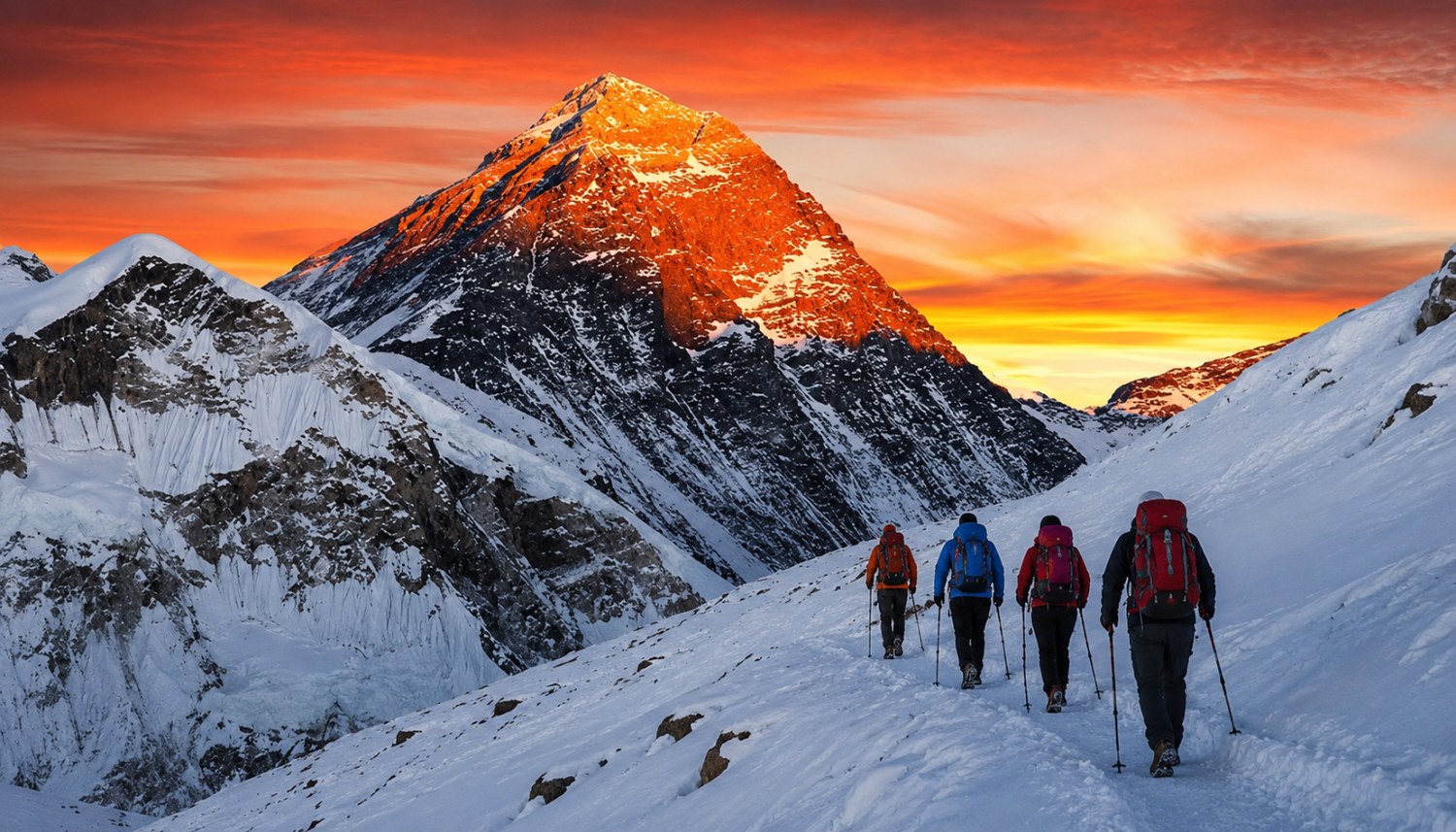
Lukla, Nepal: Gateway To Everest & Complete Travel Guide
By Nepal Trip Services On 27 Sep 2026

By Nepal Trip Services On 27 Sep 2026
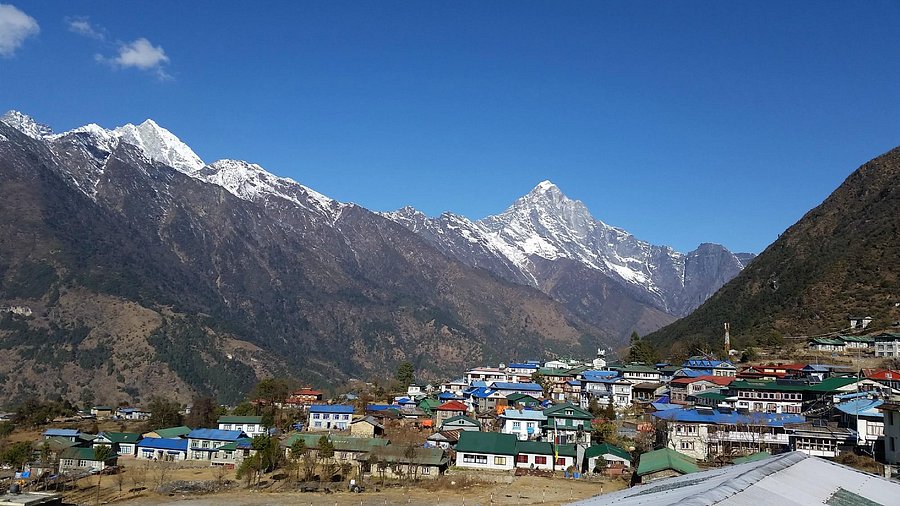
Lukla sits high on a mountainside at almost 2,860 meters, and it's much more than just a small airport — it's really where the Everest Base Camp adventure truly begins. The moment your plane touches down on that short mountain runway, you know the trek is real. This guide covers everything simple and useful you need to know about Lukla — its exciting little airport, the warm Sherpa culture you'll find in town, and easy travel tips to help you start your Everest journey smoothly and stress-free.
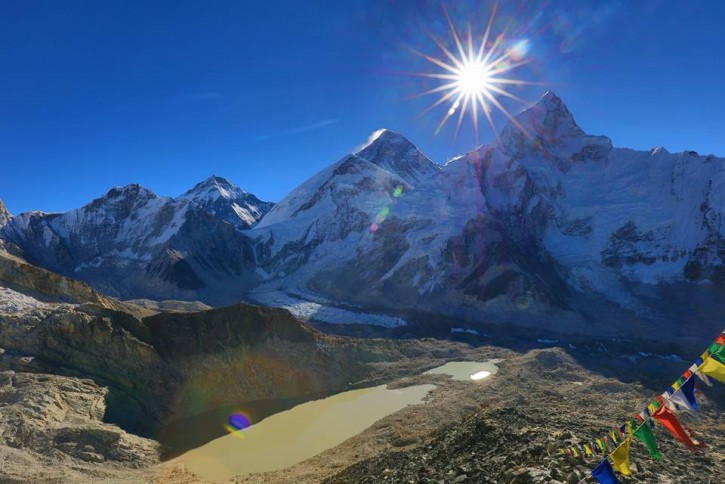
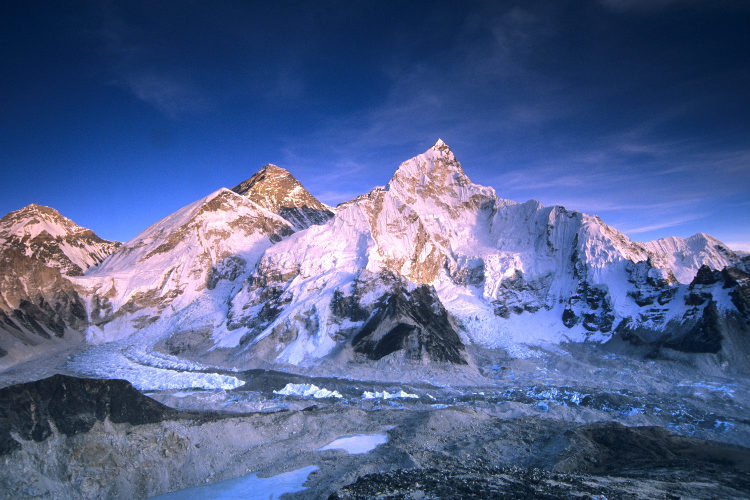
Lukla is a small town located in the Khumbu region of the Solukhumbu District, Koshi Province, in northeastern Nepal. Sitting at an elevation of approximately 2,860 meters (9,383 feet), it serves as the gateway to the entire Everest region, including Everest Base Camp, Gokyo Lakes, and Three Passes trekking routes.
Despite its small size, Lukla holds outsized importance in Himalayan trekking history. Almost every trekker heading toward Everest passes through this town, making it one of the busiest — and most famous — mountain airstrips on Earth.
Lukla's transformation from a remote Sherpa settlement into the gateway of Everest tourism began in 1964, when Sir Edmund Hillary — the New Zealand mountaineer who, alongside Tenzing Norgay Sherpa, made the first confirmed ascent of Everest in 1953 — helped build a small airstrip to support his humanitarian work in the region, including building schools and hospitals for local Sherpa communities.
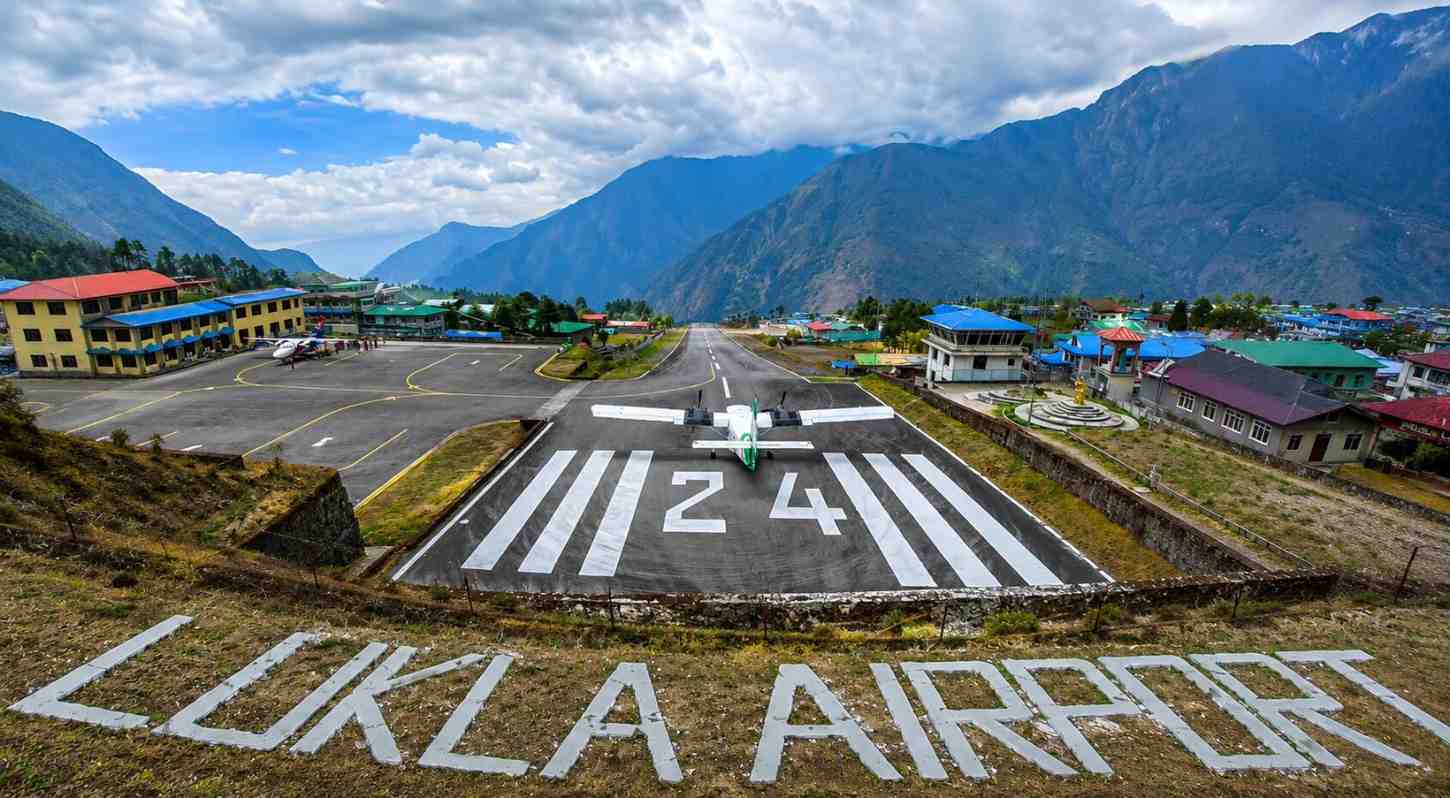
The airport officially began operations in 1971 and was later renamed Tenzing-Hillary Airport in 2008, honoring both climbers in recognition of their historic first ascent. Today, the airport remains one of the most vital pieces of infrastructure in the Khumbu region, supporting trekking, mountaineering, cargo transport, and emergency evacuations.
Tenzing-Hillary Airport has earned a reputation as one of the most extreme and dangerous airports in the world, and for dramatic reasons:
Despite the risks, the airport is operated by highly experienced STOL (Short Takeoff and Landing) pilots trained specifically for these conditions, and flights operate safely on a daily basis during good weather.
All trekkers reach Lukla by air — there is no road access suitable for tourist travel. Flights typically depart from one of two locations, depending on the season and air traffic conditions at Kathmandu:
| Departure Point | Flight Duration | Notes |
|---|---|---|
| Kathmandu (Tribhuvan Int'l Airport) | 25–35 minutes | Direct flights, subject to seasonal restrictions |
| Manthali Airport (Ramechhap) | 15–20 minutes | Requires a ~4.5-hour drive from Kathmandu to Manthali first |
During peak trekking seasons (spring and autumn), Nepal's Civil Aviation Authority frequently shifts Lukla flights to Manthali Airport in Ramechhap to reduce congestion at Kathmandu's Tribhuvan International Airport. This means trekkers should be prepared for an early-morning road transfer to Manthali before catching their mountain flight — a detail that trip organizers typically build into itineraries.
| Detail | Information |
|---|---|
| Destination Airport Code | LUA (Tenzing-Hillary Airport) |
| Airport Elevation | ~2,840–2,860 m |
| Flight Duration | 25–35 minutes |
| Main Airlines | Tara Air, Summit Air, Sita Air |
| Best Flying Season | March–May & September–November |
| Typical Flight Times | Early morning (6:00 AM–10:00 AM) |
| Baggage Allowance | ~10 kg checked + 5 kg hand carry |
Landing in Lukla is an experience in itself — many trekkers describe it as one of the most thrilling short flights of their lives, with sweeping views of terraced hillsides and snow-capped peaks in the final approach.
Once you land, keep the following in mind:
While most visitors know Lukla only as an airport, it is very much a functioning Sherpa community with its own identity, culture, and charm. Wandering through town, you'll find:
Lukla flights are notoriously vulnerable to weather disruptions, and delays or cancellations are common, especially during the monsoon season or unpredictable spring mornings. Here's how to prepare:
| Season | Months | Flight Reliability |
|---|---|---|
| Spring | March – May | Excellent, clear mornings |
| Autumn | September – November | Excellent, most popular trekking season |
| Winter | December – February | Good but colder, fewer crowds |
| Monsoon | June – August | Poor, frequent delays due to cloud cover |
Autumn and spring remain the most reliable and popular seasons, both for clear flying conditions and optimal trekking weather.
Lukla marks both the beginning and end of nearly every trekking route in the Khumbu region, including:
For travelers looking for a well-organized route that begins and ends through Lukla with proper acclimatization built in, a structured itinerary like the Classic Everest Base Camp Trek offers a reliable, guided path through this legendary region.
Lukla may be tiny on the map, but its place in Himalayan trekking history is enormous. As the launching point for Everest Base Camp and countless other legendary treks, this small Sherpa town gives travelers their first real taste of the mountains — thrilling flights, warm and welcoming hospitality, delicious bakery treats, and that unmistakable feeling that the adventure has truly begun.
It's also a place worth slowing down for, even if just for an hour. Take a moment to look around at the prayer flags fluttering in the wind, the porters preparing their loads, and the local Sherpa families going about daily life exactly as they have for generations. This isn't just a stopover — it's a living community that has welcomed climbers and dreamers for decades.
Whether you're nervously watching the runway appear through the clouds for the first time, sipping a coffee before the trail begins, or lacing up your boots for the walk to Phakding, Lukla is where every great Everest story starts — and where every trekker takes their first true step into the heart of the Himalayas.
Discover more articles that match your interests! Explore these similar blogs packed with insights, tips, and stories to keep you inspired.
Everything on Classic Everest Base Camp Trek permits for 2026–2027 — costs, requirements, where to get them & recent...
Discover the best season for the Classic Everest Base Camp Trek. Compare autumn, spring, winter & monsoon weather, views...
Explore the Classic Everest Base Camp Trek itinerary with detailed day-by-day routes, altitudes, trekking hours & acclim...
Discover what you\\\'ll eat and where you\\'ll sleep on the Classic Everest Base Camp Trek. Complete guide to teahouses,...
Discover the full cost breakdown of the Classic Everest Base Camp Trek — permits, flights, guides, porters, meals & ac...
Is the Classic Everest Base Camp Trek hard? Complete guide to difficulty level, altitude challenges, fitness needs & tra...