Classic Everest Base Camp Trek Cost: Complete Guide
By Nepal Trip Services On 17 Sep 2026

By Nepal Trip Services On 17 Sep 2026
Explore the Classic Everest Base Camp Trek cost to understand the estimated expenses for permits, accommodation, meals, flights, guides, porters, and other essential services included in the trek. This complete guide breaks down every cost factor so you can budget accurately and avoid surprises once you're already on the trail.
Trekking to Everest Base Camp is a significant investment, both financially and physically, and the total cost can vary widely depending on the agency you choose, the season you trek in, and the level of comfort you're seeking along the way. Unlike destinations where pricing is relatively standardized, EBC trek packages range considerably — from no-frills budget options that strip costs down to the essentials, to premium packages that include five-star Kathmandu hotels and helicopter returns instead of the standard trek out. Understanding exactly what drives these price differences helps you make an informed decision rather than simply choosing the cheapest or most expensive option without knowing what you're actually paying for.
Beyond the headline package price, it's equally important to understand which costs typically fall outside a standard quote, since these excluded expenses — travel insurance, international flights, tips, and trail extras like Wi-Fi and hot showers — can add several hundred dollars to your overall trip if you're not prepared for them in advance. This guide walks through every major cost category in detail, from mandatory government permits to daily guide and porter fees, giving you a realistic, transparent picture of what it actually takes to reach Everest Base Camp, so you can plan your budget with genuine confidence rather than guesswork.
For a standard guided package with a reputable Nepali agency, budget USD 1,390–2,500 for the full 14-day Classic Everest Base Camp Trek. This typically covers flights, permits, accommodation, meals, and guide/porter support.
| Trek Category | Estimated Cost (USD) |
|---|---|
| Budget Package | $1,390–1,600 |
| Standard Package | $1,600–2,500 |
| Luxury Package | $3,000–4,500+ |
| Permit | Cost (NPR) | Cost (USD) |
|---|---|---|
| Sagarmatha National Park Entry Permit | NPR 3,000 | ~$21–23 |
| Khumbu Pasang Lhamu Rural Municipality Permit | NPR 3,000 | ~$21–23 |
| Total Permit Cost | NPR 6,000 | ~$42–45 |
| Service | Daily Rate (USD) |
|---|---|
| Licensed Guide | $30–40/day |
| Porter | $20–30/day |
Budgeting tip: Set aside an additional $300–600 to comfortably cover these exclusions.
Basic teahouses, shared guide/porter arrangements, no-frills accommodation. Suitable for experienced trekkers comfortable with simple facilities.
The most popular choice — includes porter support, better teahouse rooms, fuller meal options, and a few nights in a comfortable Kathmandu hotel.
Premium lodges at key stops, five-star Kathmandu accommodation, and sometimes a helicopter return instead of the standard flight or walk-out.
A standard guided package typically ranges from USD 1,600 to 2,500 per person for the full 14-day trek, covering flights, permits, accommodation, meals, and guide/porter support. Budget options can start around $1,200, while luxury packages can exceed $4,500.
Most packages include Kathmandu–Lukla round-trip flights, national park and municipality permits, teahouse accommodation, three daily meals, a licensed guide, porter support, and a few nights in a Kathmandu hotel with breakfast.
International airfare, Nepal visa fees, travel insurance, personal trekking gear, tips for guide and porter, and trail extras like Wi-Fi, hot showers, and battery charging are usually not included in the base package price.
Permits cost approximately NPR 6,000 total (around USD 42–45), covering both the Sagarmatha National Park Entry Permit and the Khumbu Pasang Lhamu Rural Municipality Permit.
The round-trip domestic flight between Kathmandu and Lukla typically costs between $340 and $400 per person, and prices tend to rise during peak trekking seasons due to high demand.
A licensed guide typically costs $30–40 per day, while a porter runs $20–30 per day, with one porter usually carrying bags for two trekkers to split the cost.
While independent trekking might seem cheaper upfront, booking through a reputable agency often provides better overall value, since it bundles permits, flights, accommodation, and safety support at negotiated rates, while also handling logistics that independent trekkers must manage themselves.
Most trekkers should budget an additional $300–600 to cover excluded costs like travel insurance, tips, Wi-Fi, hot showers, snacks, and charging fees throughout the trek.
Yes, autumn and spring — the peak trekking seasons — typically carry higher prices due to increased demand for flights and teahouse accommodation, while winter and monsoon season often offer lower rates.
Budget packages ($1,200–1,600) offer basic teahouses and shared support; standard packages ($1,600–2,500) include better rooms and full porter support; luxury packages ($3,000–4,500+) add premium lodges, five-star Kathmandu hotels, and sometimes a helicopter return.
If arranging meals independently, budget approximately $25–35 per day, with prices increasing the higher you climb due to the cost of transporting food and fuel up the mountain.
No, travel insurance is almost always excluded from package pricing and must be purchased separately, ideally covering high-altitude trekking up to at least 6,000 meters, including emergency helicopter evacuation.
While not mandatory, many trekkers budget around 10% of their total trip cost to tip their guide and porter team, reflecting the physical effort and expertise they provide throughout the trek.
Yes, joining a group trek instead of booking privately often reduces per-person costs, since expenses like guide fees and transportation are shared among more trekkers.
Yes, opting for a helicopter return from Everest Base Camp or Gorak Shep to Lukla or Kathmandu typically adds a significant premium to your overall trip cost, though it saves several days of return trekking and offers a genuinely unforgettable scenic experience.
Understanding the full cost breakdown of the Classic Everest Base Camp Trek — from permits and flights to guides, porters, and daily meals — helps you plan realistically and avoid unexpected expenses once you're on the trail. Whether you choose a budget, standard, or luxury package, the incredible experience of reaching Base Camp and Kala Patthar remains the same; what changes is simply your level of comfort along the way.
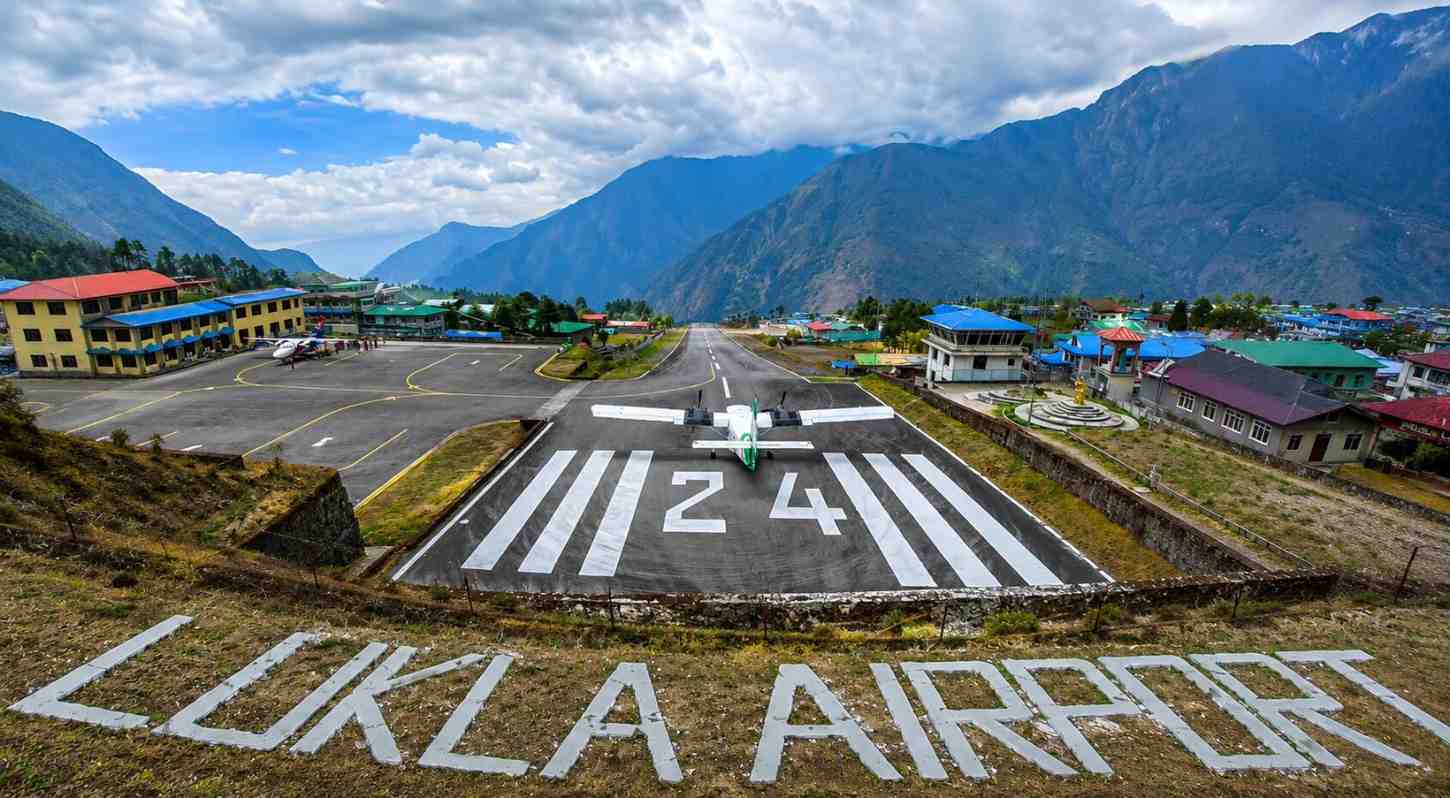
At the end of the day, the price tag attached to this trek reflects far more than just numbers on a page — it represents flights into one of the world's most dramatic airstrips, the wages and safety of the guides and porters who make your journey possible, permits that directly fund conservation and community development in the Khumbu, and countless bowls of hot dal bhat that fuel you through some of the most demanding trekking days of your life. Viewed this way, the cost of the trek isn't simply an expense to minimize, but an investment in a genuinely life-changing experience, supported by a well-established system that has safely guided trekkers to Base Camp for decades.
It's also worth remembering that the cheapest package isn't always the smartest choice, just as the most expensive one isn't automatically the best. The right budget for your trek depends entirely on your personal priorities — whether that's maximizing comfort, minimizing cost, or striking a careful balance between the two. What matters most is choosing a transparent, reputable agency that clearly outlines exactly what's included, so there are no unpleasant surprises once you're standing in Lukla, ready to begin.
Ready to start planning your trek? Explore the complete Classic Everest Base Camp Trek package details, get a transparent cost breakdown tailored to your preferences, and take the first step toward standing at the base of the world's highest mountain.
Discover more articles that match your interests! Explore these similar blogs packed with insights, tips, and stories to keep you inspired.
Everything on Classic Everest Base Camp Trek permits for 2026–2027 — costs, requirements, where to get them & recent...
Discover the best season for the Classic Everest Base Camp Trek. Compare autumn, spring, winter & monsoon weather, views...
Explore the Classic Everest Base Camp Trek itinerary with detailed day-by-day routes, altitudes, trekking hours & acclim...
Discover what you\\\'ll eat and where you\\'ll sleep on the Classic Everest Base Camp Trek. Complete guide to teahouses,...
Is the Classic Everest Base Camp Trek hard? Complete guide to difficulty level, altitude challenges, fitness needs & tra...
Guide & porter costs, roles, and tips for the Everest Base Camp Trek. Learn 2026 pricing, tipping norms, and how to hire...