Documents & Money
- Passport (valid for 6+ months) and copies
- Passport-size photos
- Visa fee in US dollars (cash)
- Travel insurance details
- Credit or debit card and some cash

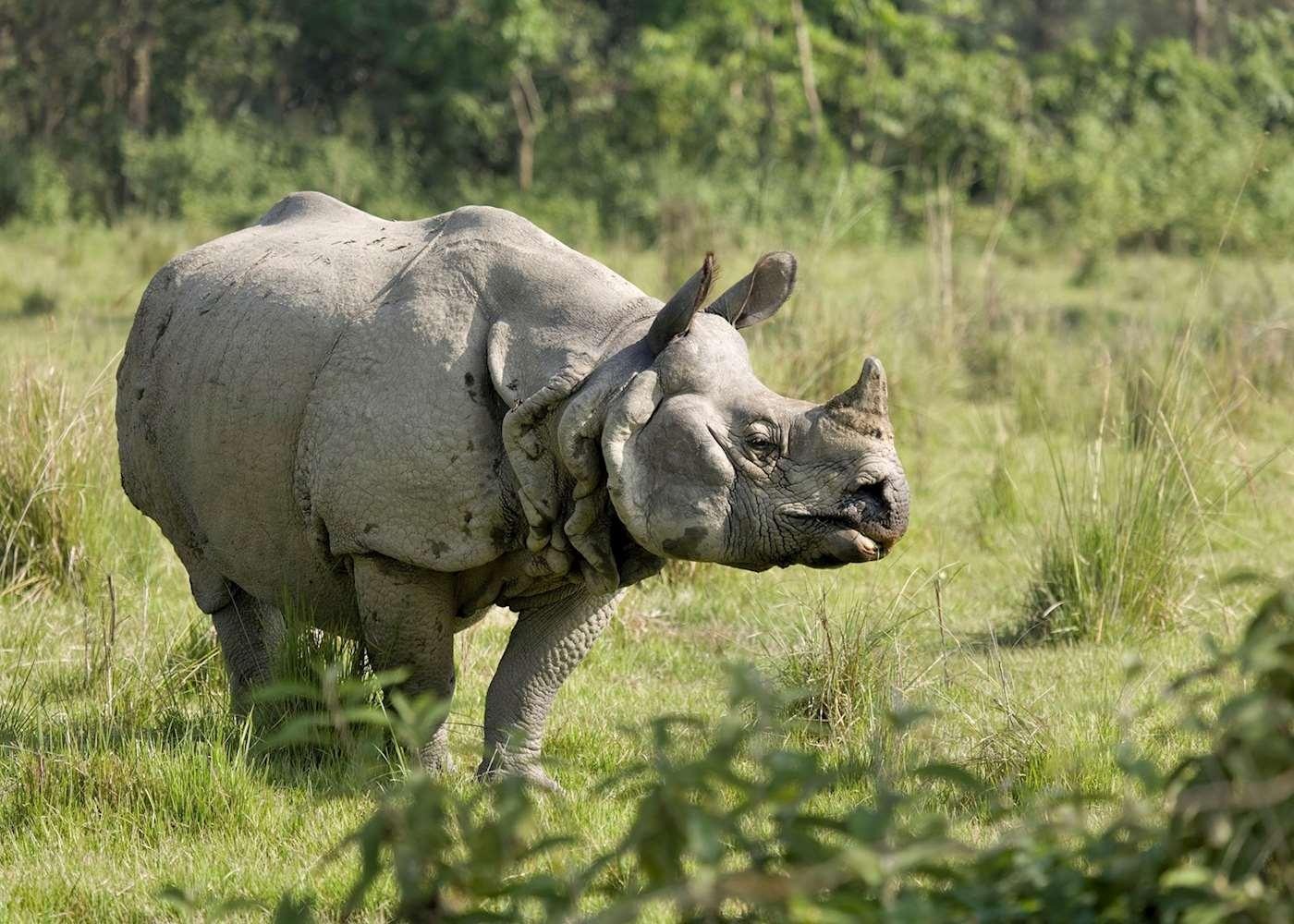
The 10-day Nepal Highlights Tour by Nepal Trip Services takes you through the best of Nepal’s culture, mountains and wildlife in one easy, well-paced trip. You’ll begin in the Kathmandu Valley, exploring UNESCO World Heritage Sites such as Swayambhunath, Pashupatinath, Boudhanath, Patan and Bhaktapur. Then you’ll head up to Nagarkot for a Himalayan sunrise, followed by a gentle walk to the ancient Changu Narayan Temple. A scenic drive along the Trishuli River brings you to lakeside Pokhara, where you’ll catch the sunrise at Sarangkot, visit the World Peace Pagoda and Davis Falls, take a boat ride on Phewa Lake and enjoy a free day for paragliding or simply relaxing. From Pokhara, you’ll drive south to Chitwan National Park for canoe rides, jeep safaris, Tharu village visits and a chance to spot one-horned rhinos in the wild. You’ll travel in a private vehicle with a licensed English-speaking guide and stay in comfortable hotels and a jungle lodge. With a maximum altitude of just 2,175 m, this easy tour suits families, couples and first-time visitors to Nepal.
Few countries pack as much variety into such a small area as Nepal. In just a few hours' travel, you can move from ancient temple cities to snowcapped Himalayan viewpoints, and on to subtropical jungles where rhinos wander through tall grass. The Nepal Highlights Tour: Kathmandu, Pokhara & Chitwan by Nepal Trip Services brings all of this together in one well-paced 10-day journey. It's designed for travelers who want to see the very best of Nepal's culture, mountains and wildlife without trekking, rushing or worrying about the details.
Your journey begins in the Kathmandu Valley, home to seven UNESCO World Heritage Sites within a short distance of one another. After a warm welcome at the airport and a night to settle in, you'll spend your first days exploring the heart of Nepal's culture with a licensed local guide.
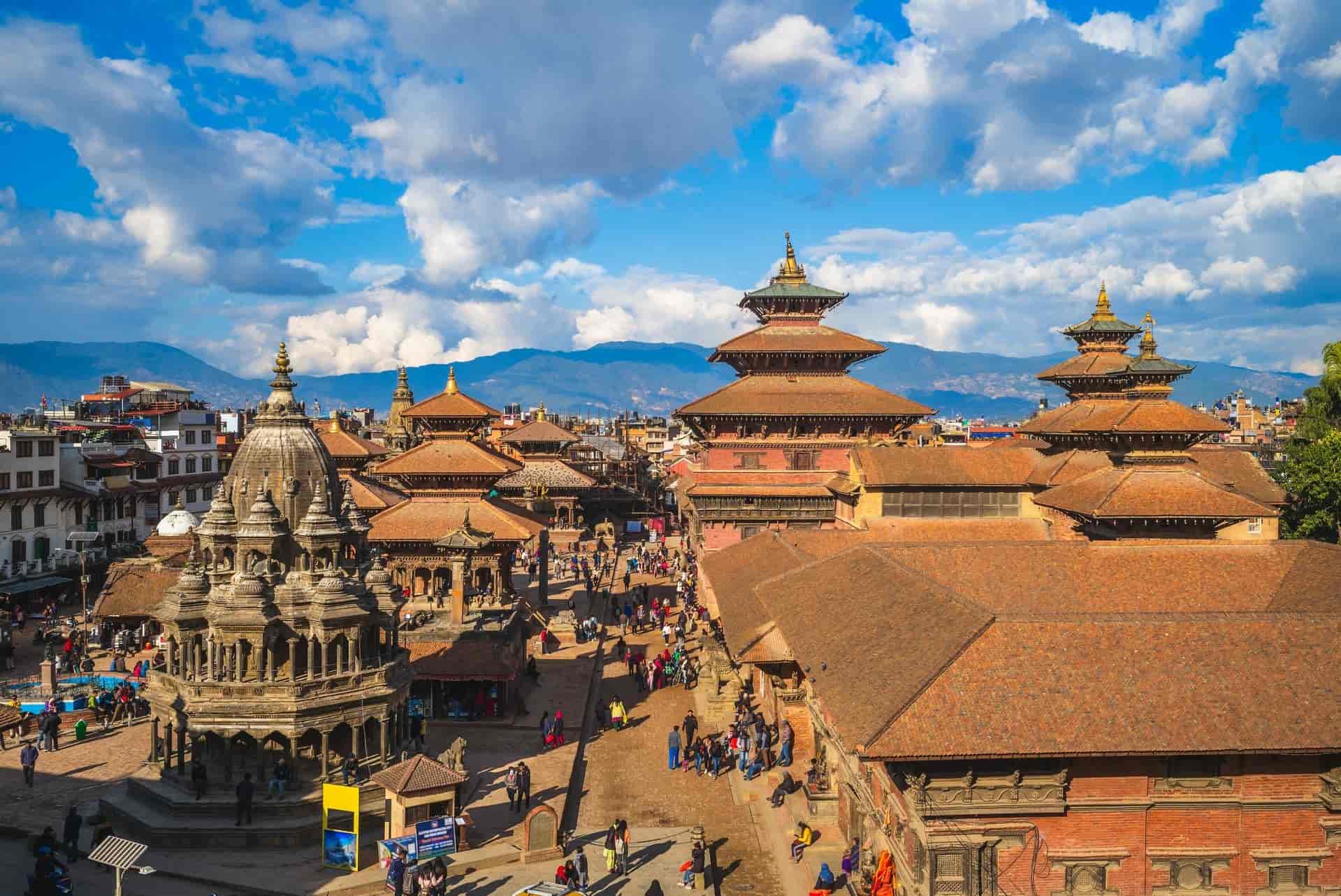
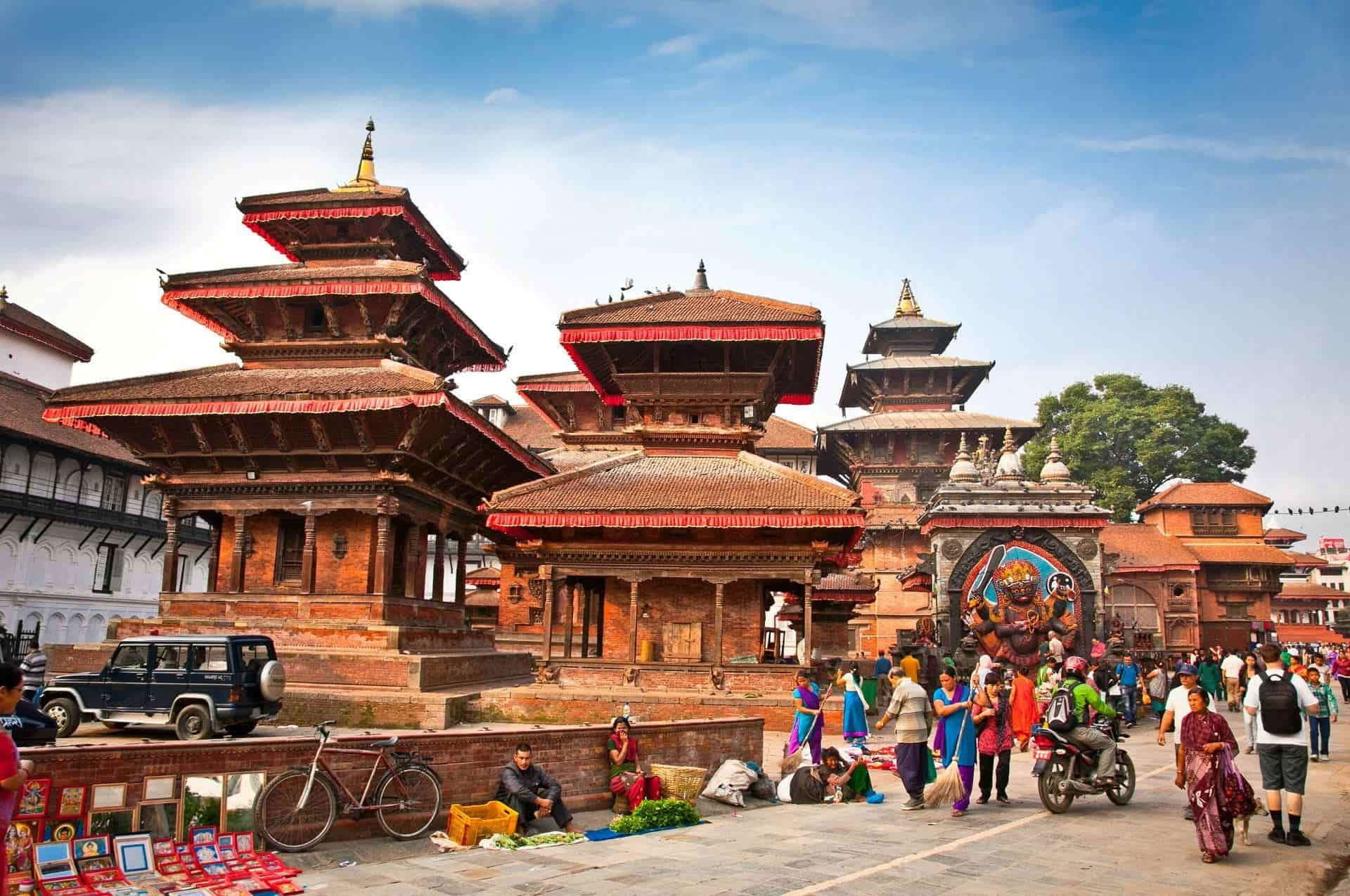
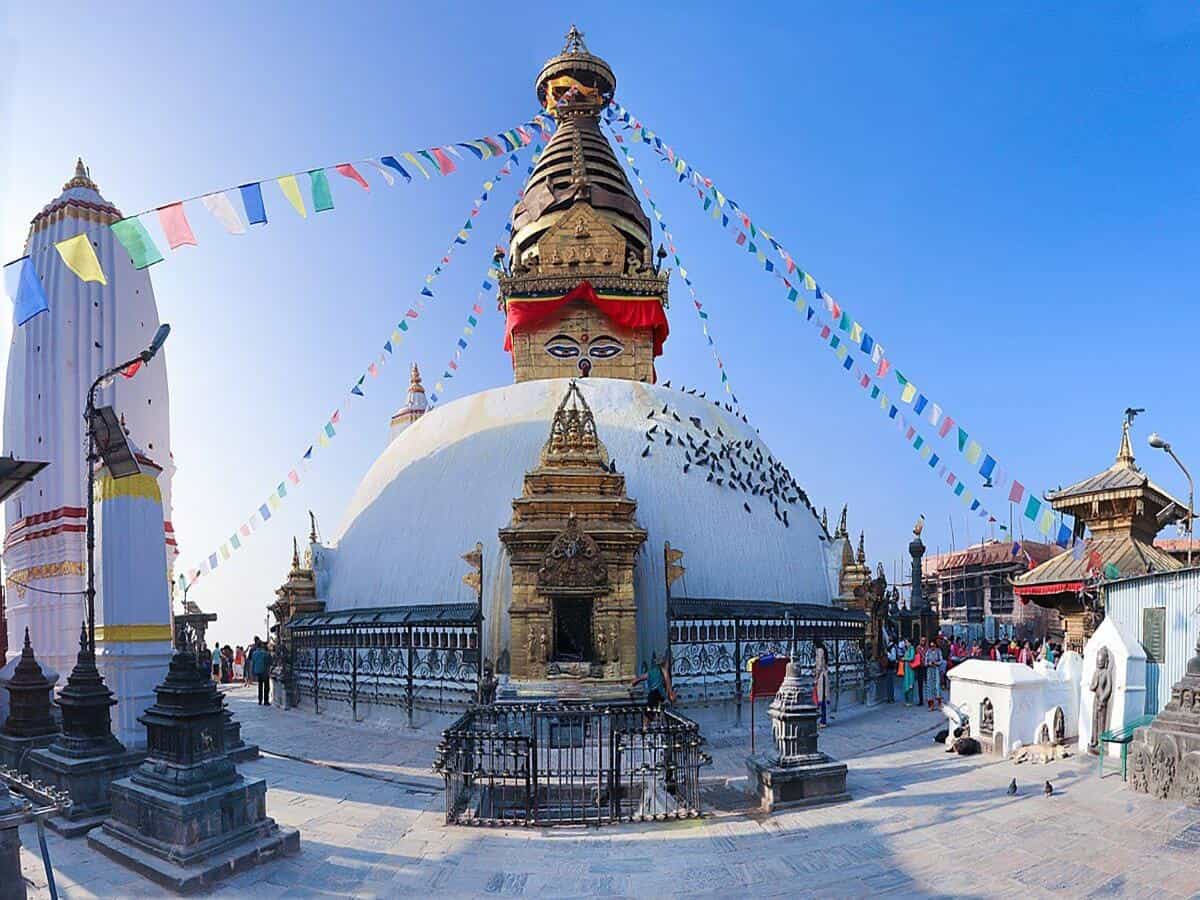
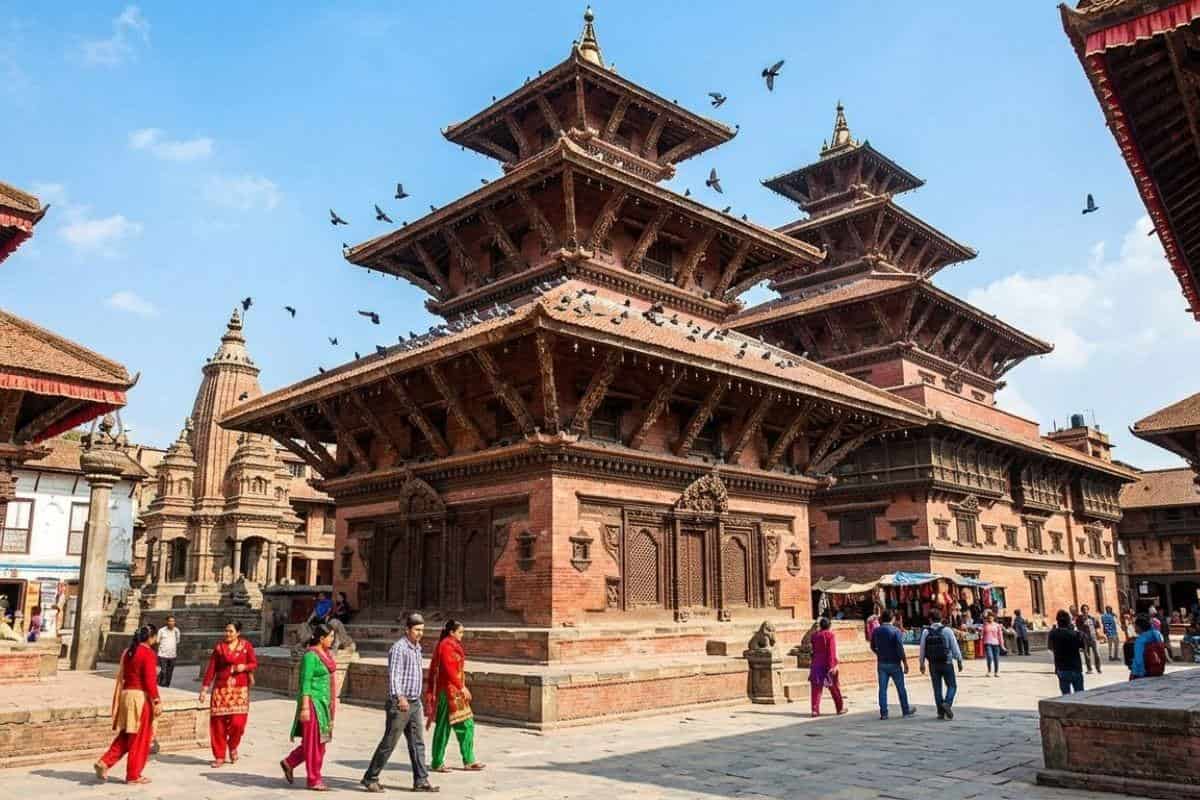
At Swayambhunath, the hilltop "Monkey Temple," the Buddha's painted eyes gaze out over the city, while prayer flags flutter in the breeze. In Kathmandu Durbar Square, palaces, courtyards and pagoda temples tell the story of the kings who once ruled the valley. Across the Bagmati River, the medieval city of Patan charms visitors with its finely carved temples, metalwork shops and quiet courtyards.
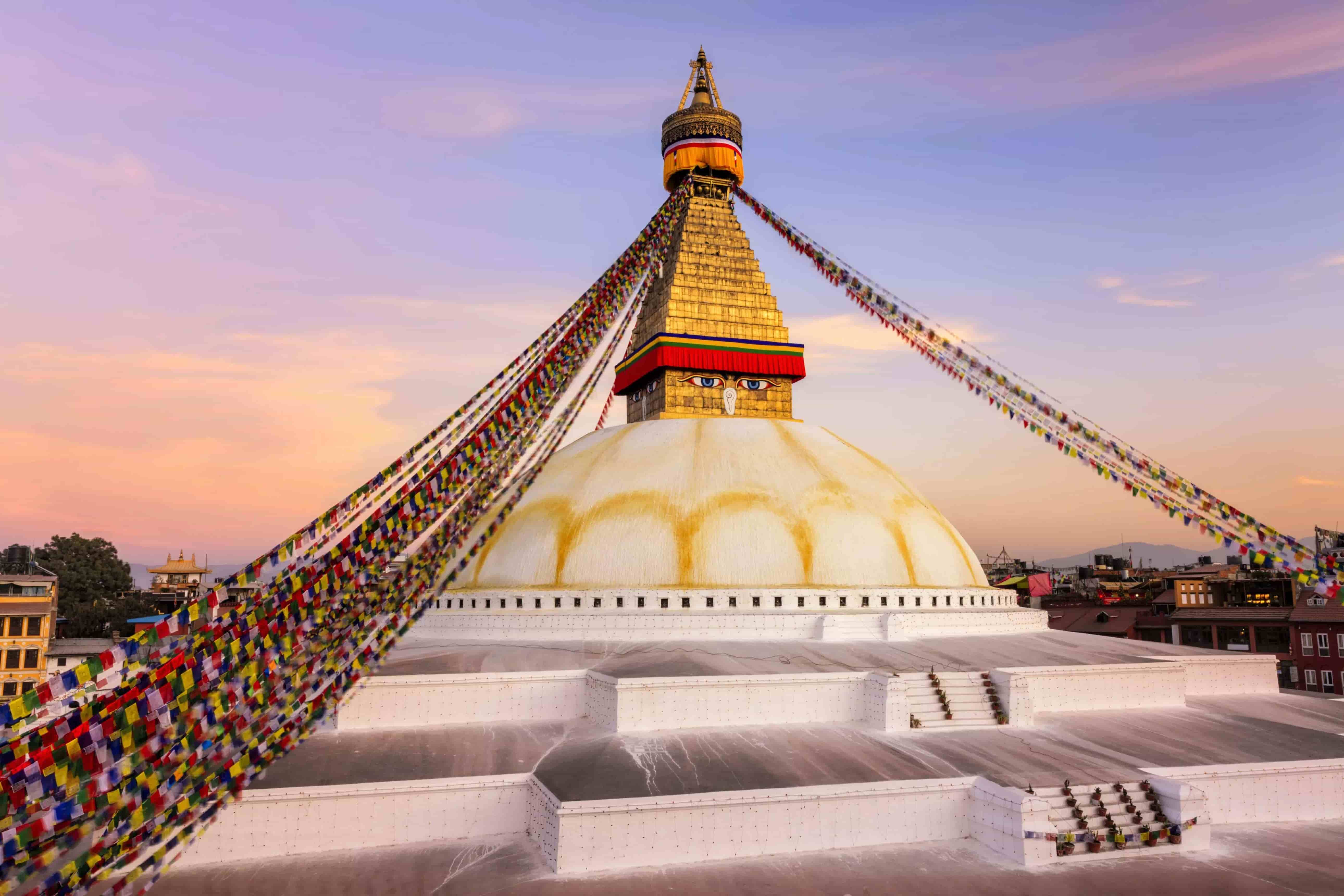
The next day, you'll visit Pashupatinath, Nepal's holiest Hindu temple, where ancient rituals unfold along the riverbanks. You'll then walk with pilgrims around Boudhanath Stupa, one of the largest Buddhist stupas in the world and the center of Tibetan culture in Nepal. On the way out of the city, you'll stop in Bhaktapur, a beautifully preserved Newari town known for its pottery square, five-story Nyatapola Temple and creamy juju dhau (king curd).
From Bhaktapur, the road climbs to Nagarkot, a peaceful hill station at 2,175 m (7,136 ft) on the eastern rim of the Kathmandu Valley. It's the highest point of your trip and one of the best places near Kathmandu to watch the sun rise over the Himalayas. On clear mornings, the view stretches across the Langtang, Ganesh Himal and Jugal ranges, with the valley still covered in mist below.
After sunrise, you'll set off on a gentle, mostly downhill walk of about two hours through pine forests, small villages and terraced fields to Changu Narayan Temple. It's Nepal's oldest Hindu temple and a UNESCO World Heritage Site, famous for its remarkable stone and wood carvings, some dating back more than 1,500 years. From there, a short drive brings you back to Kathmandu for the night.
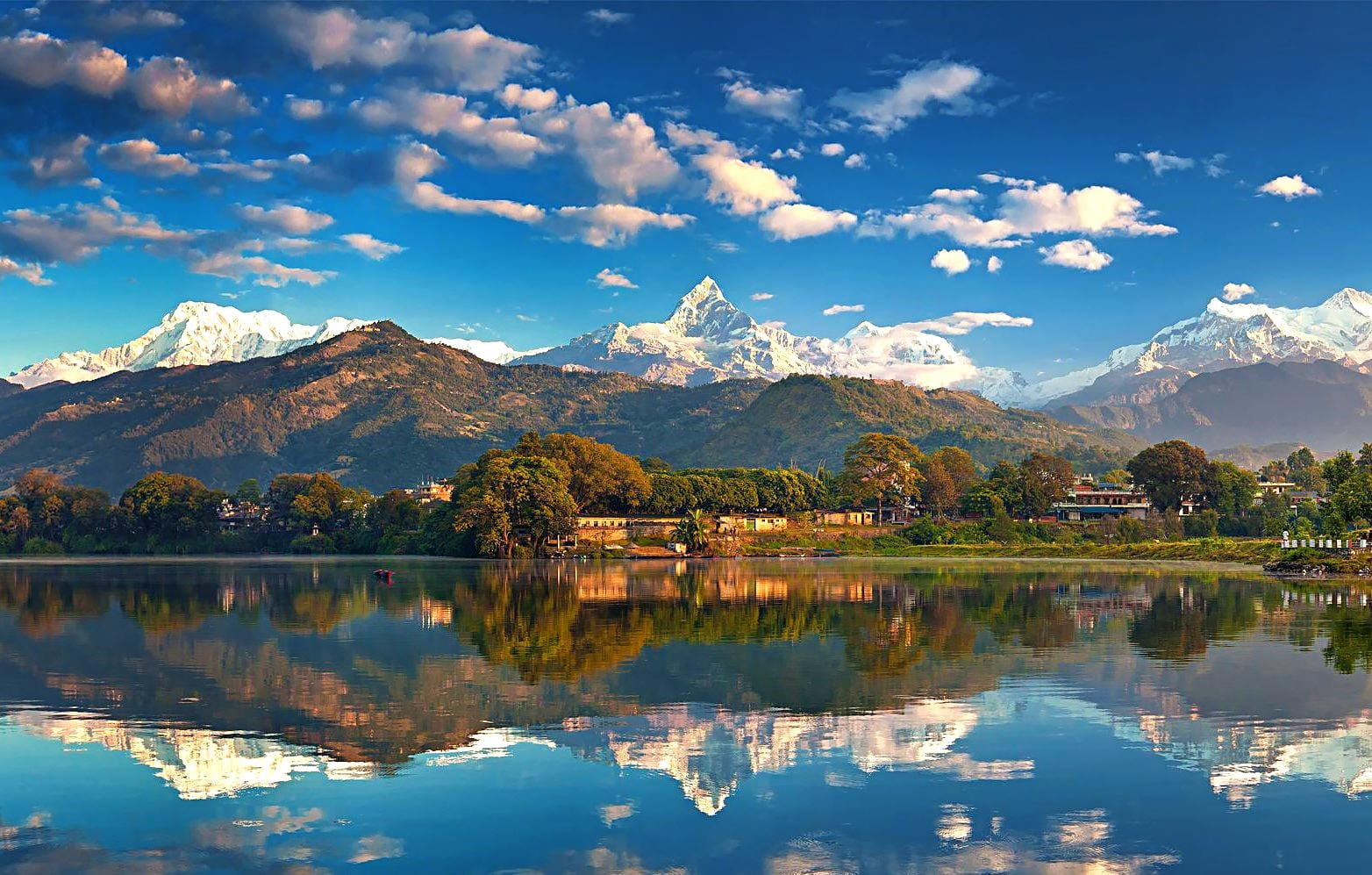
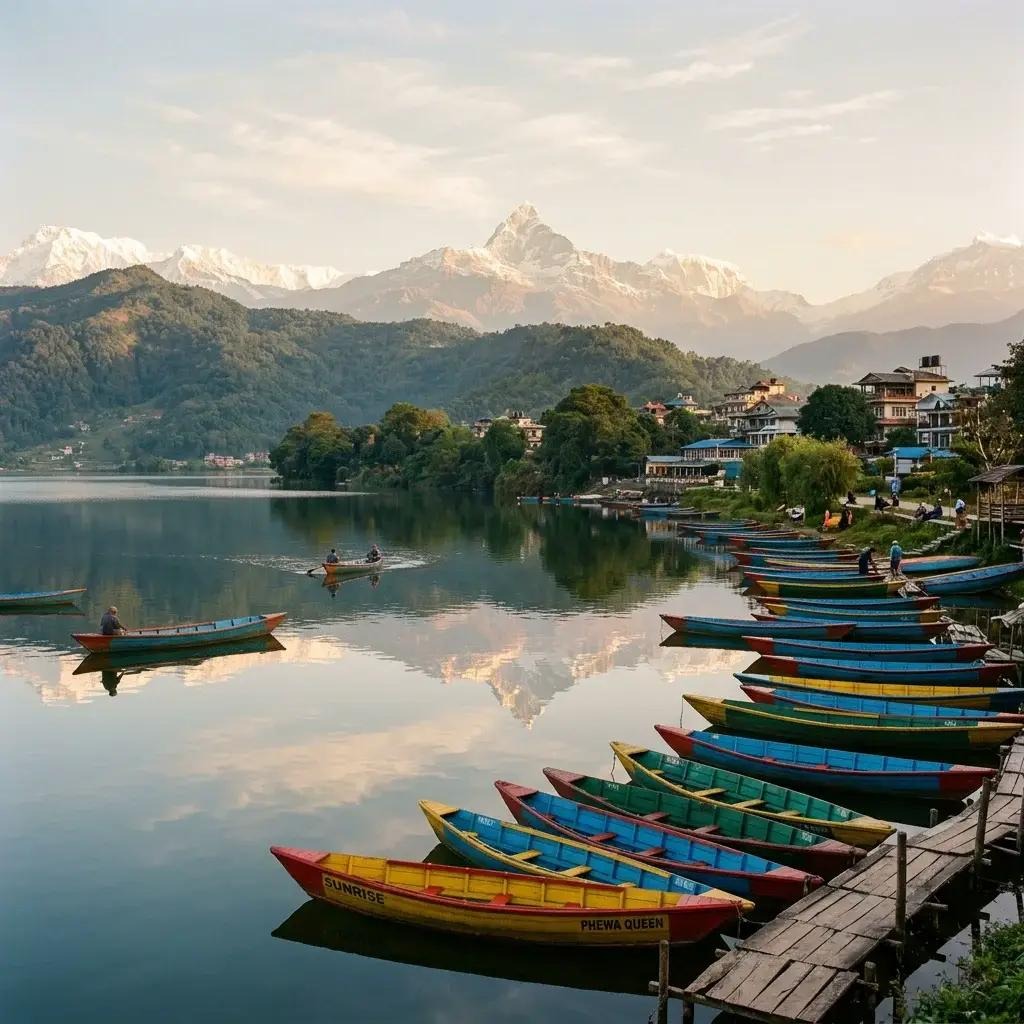
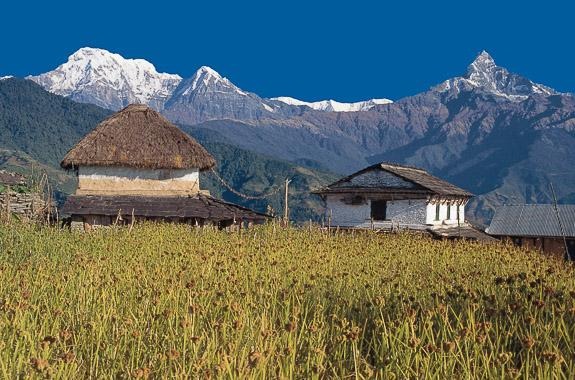
Next, you'll travel west to Pokhara by private vehicle, a scenic drive that follows the Trishuli River through deep valleys, past hillside villages and terraced farmland. Nestled beside Phewa Lake at around 822 m (2,697 ft), with the Annapurna range rising behind it, Pokhara is Nepal's most relaxing city.
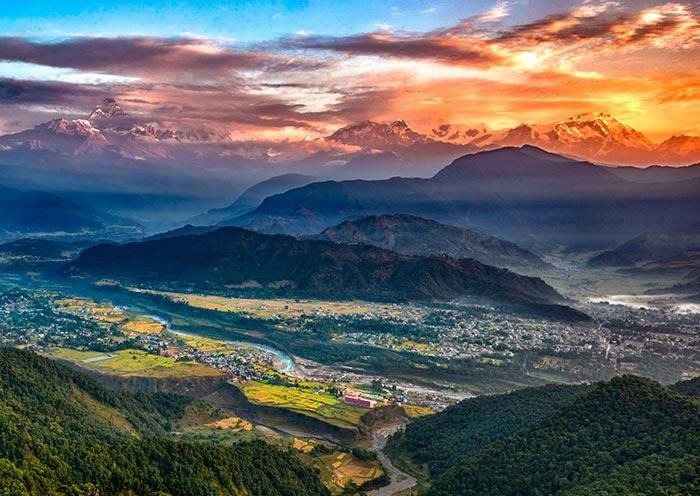
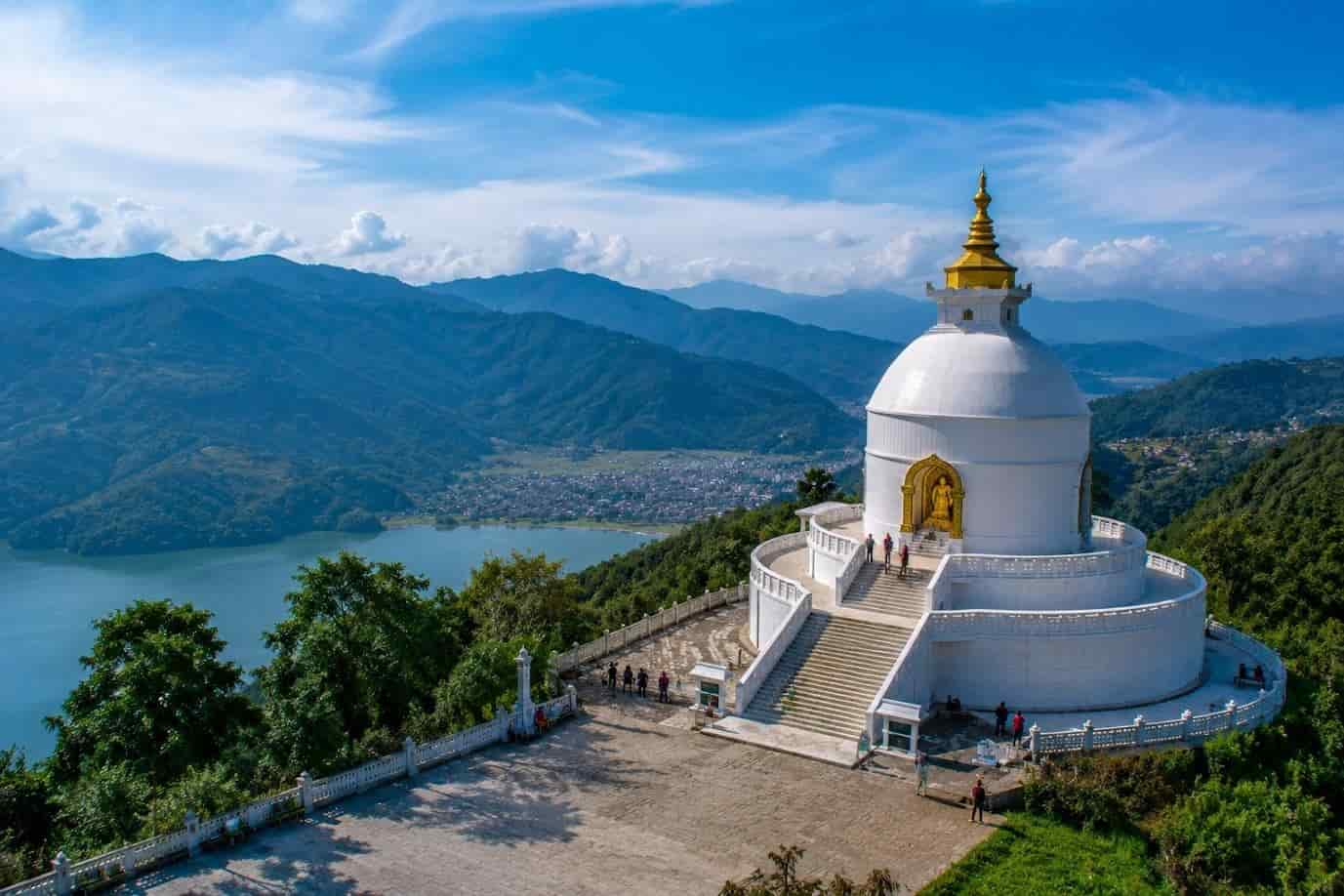
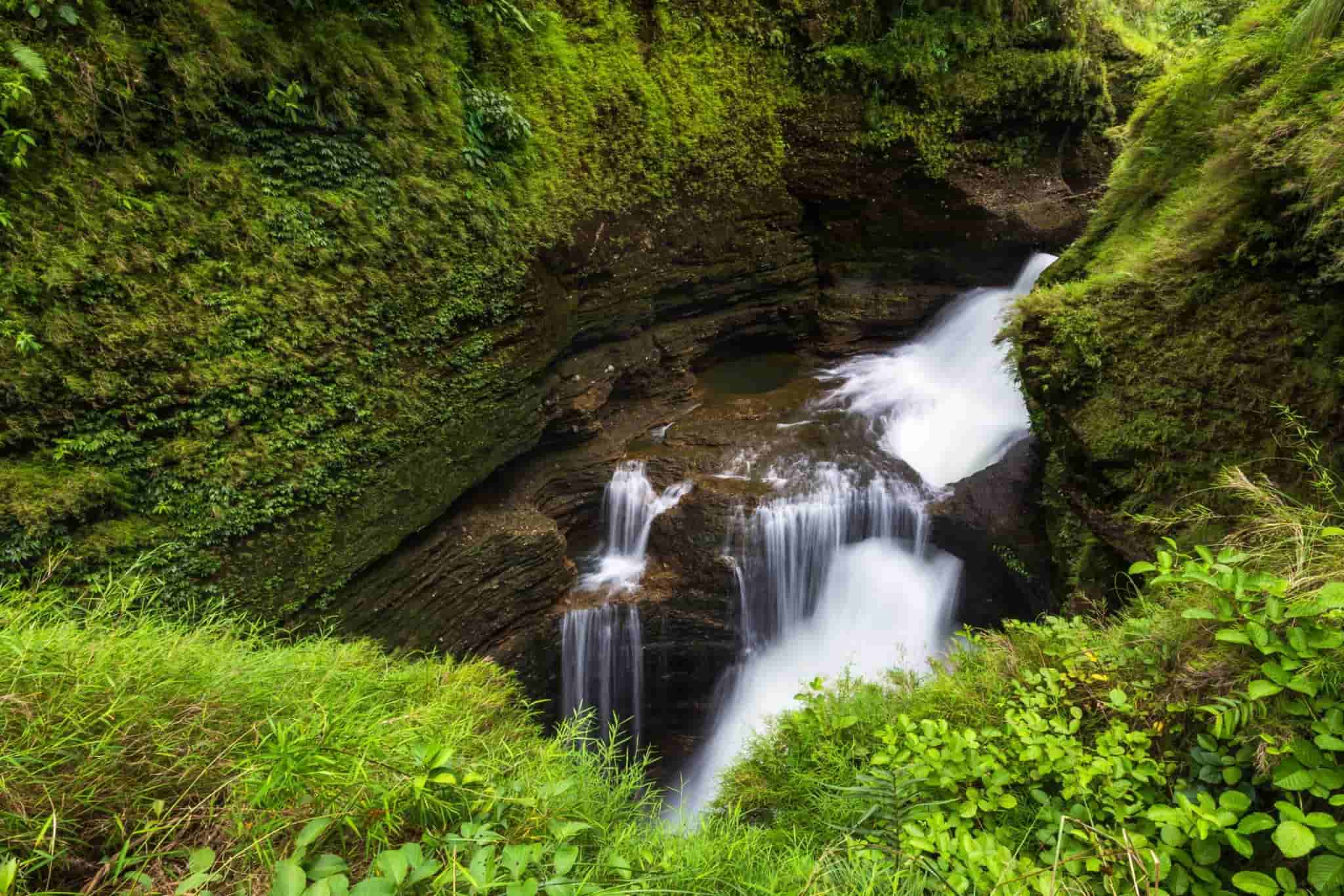
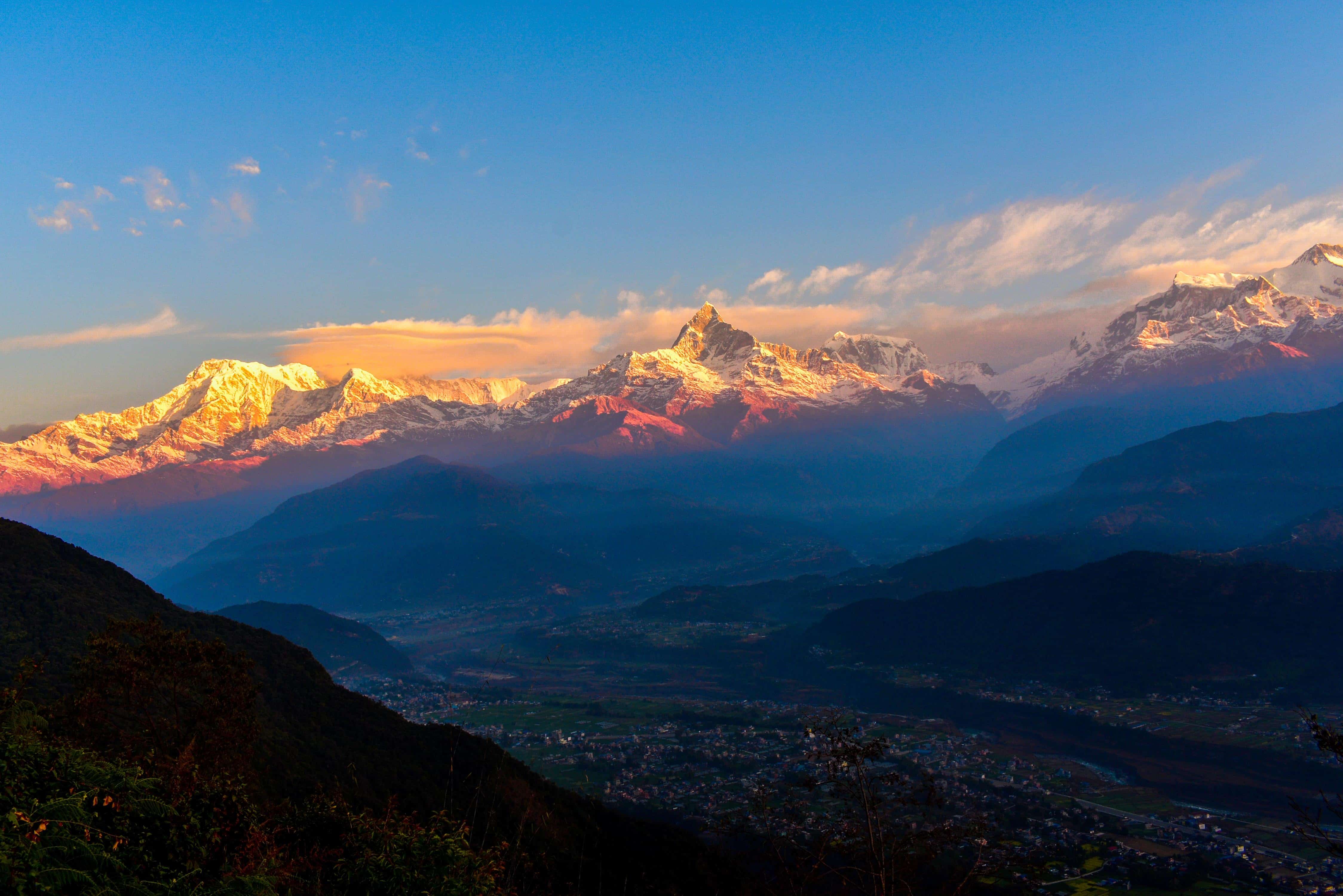
Your Pokhara sightseeing day starts early with a drive up to Sarangkot, where you'll watch the sunrise light up Machhapuchhre (Fishtail), Annapurna and Dhaulagiri. Later, you'll visit the World Peace Pagoda, a gleaming white stupa high above the lake with sweeping views of the city and mountains. You'll also see Davis Falls, where the water disappears into an underground tunnel, and nearby Gupteshwor Mahadev Cave. The day ends with a peaceful boat ride on Phewa Lake to the island temple of Tal Barahi.
The following day is completely free, which is a welcome break in the middle of your journey. You can stroll along Lakeside, browse local shops and cafés, visit the International Mountain Museum, or add an adventure such as tandem paragliding from Sarangkot over the lake.
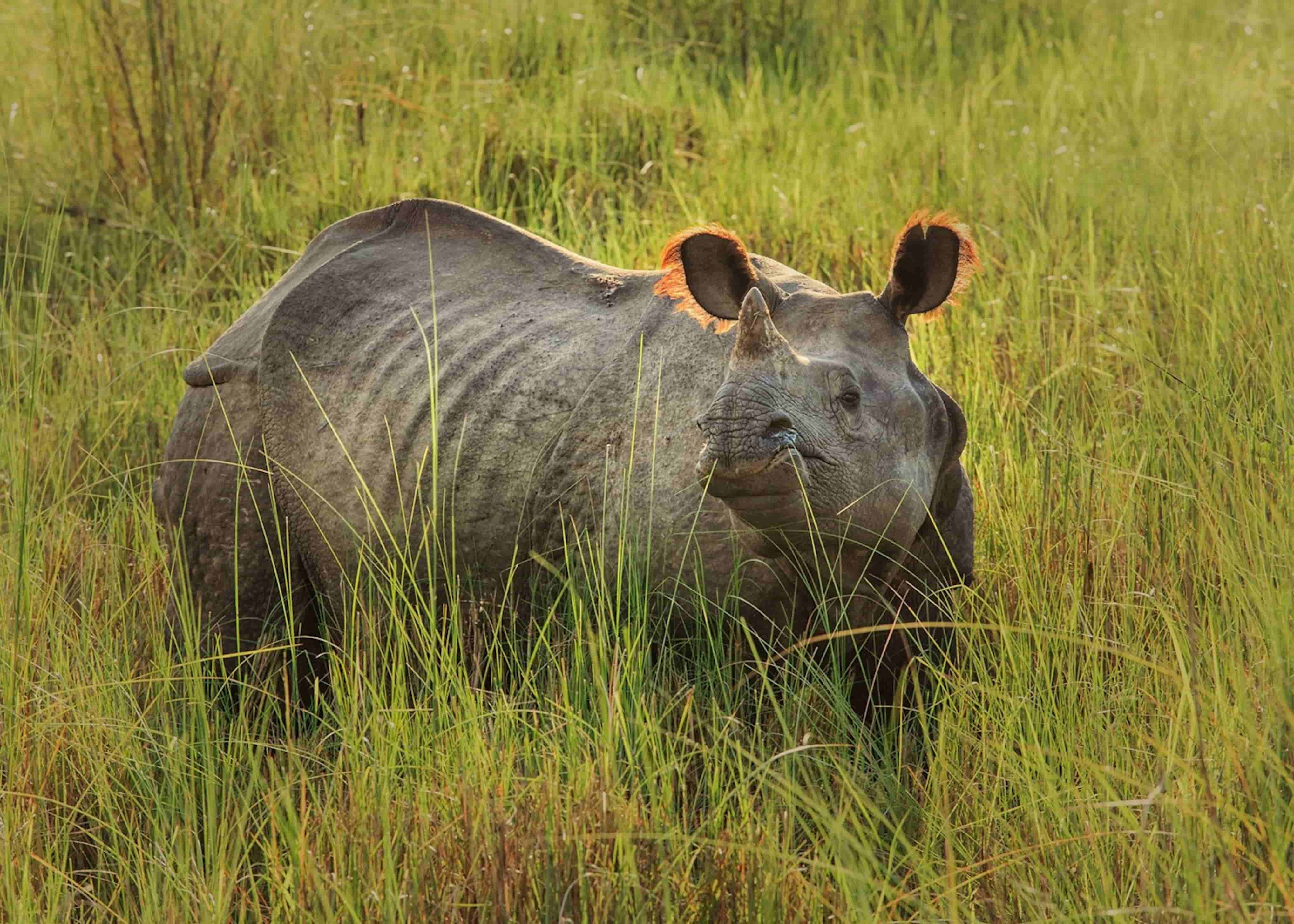
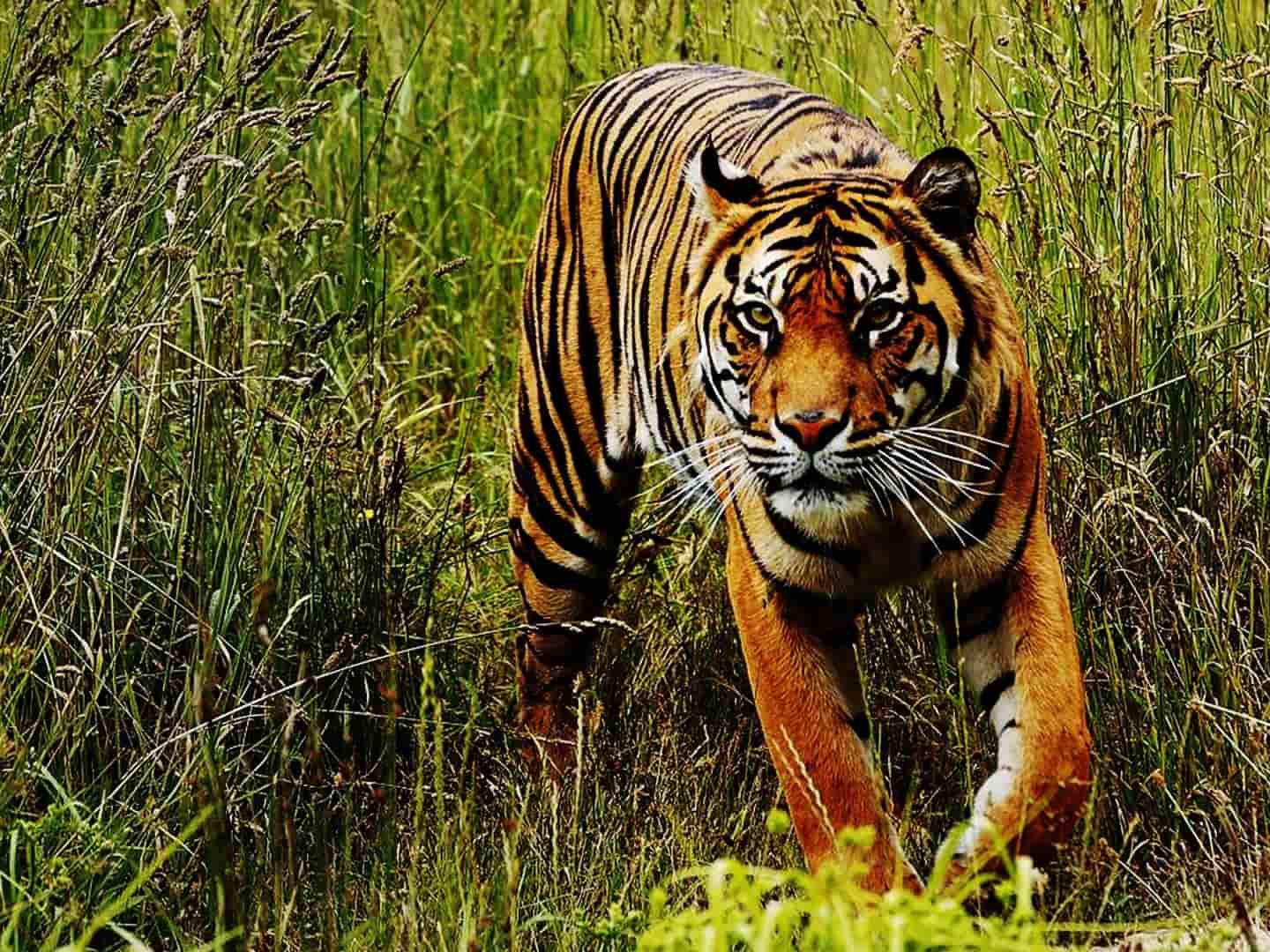
From Pokhara, you'll drive south by road to Chitwan National Park, a journey of around five hours as the mountains give way to the warm, green lowlands of the Terai. Chitwan was Nepal's first national park and is now a UNESCO World Heritage Site, protecting grasslands, sal forests and rivers that are home to the endangered one-horned rhinoceros, Bengal tigers, leopards, crocodiles and more than 500 species of birds.
After you settle into your jungle lodge, you'll head out for a canoe ride on the Rapti River, gliding past crocodiles basking on the banks and birds diving for fish. Later, you'll walk through a nearby Tharu village to learn about the culture and traditions of Chitwan's indigenous people.
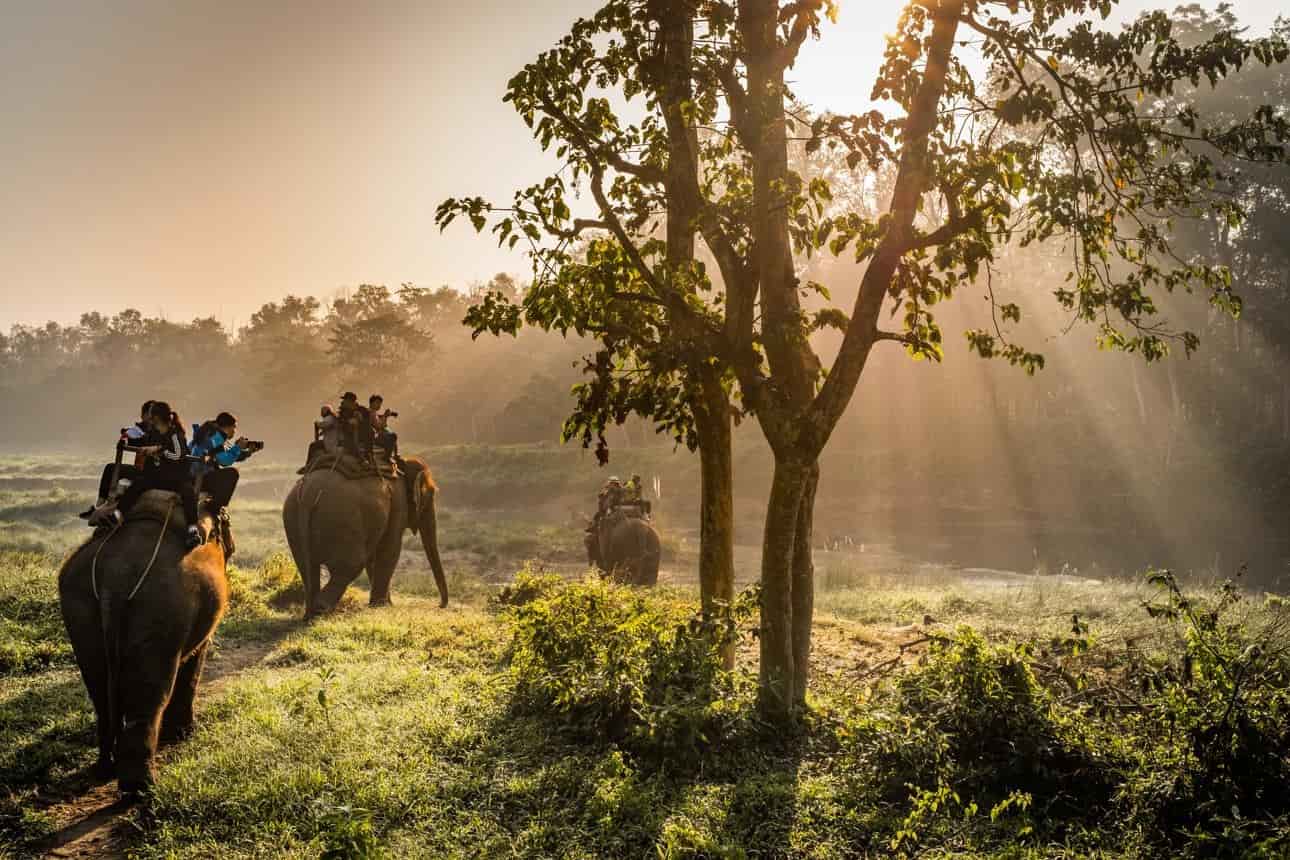
Your full day in the park includes a jeep safari deep into the jungle in search of rhinos, deer, wild boar and, with luck, the shy Bengal tiger. You'll also visit the elephant breeding center to learn about elephant conservation in Nepal. In the evening, you can enjoy a lively Tharu cultural dance show at the lodge. On the final day, you'll return to Kathmandu, carrying memories of mountain sunrises, ancient temples and close encounters with Nepal's wildlife.
This tour is made for travelers who want variety and comfort in one trip. Over 10 days, you'll experience three very different sides of Nepal: culture and heritage in the Kathmandu Valley, mountain and lake scenery in Pokhara, and wildlife and village life in Chitwan. The itinerary is well-balanced, with a mix of guided sightseeing, short walks, scenic drives and a free day to relax.
The trip involves no trekking, and the highest point is just 2,175 m at Nagarkot, so there's no altitude concern. The easy grade makes it a strong choice for families with children, couples, solo travelers, senior travelers and anyone visiting Nepal for the first time. You'll travel in a private air-conditioned vehicle with an experienced driver and a licensed English-speaking guide throughout. You'll stay in comfortable, handpicked hotels in Kathmandu and Nagarkot, a lakeside hotel in Pokhara and a jungle lodge in Chitwan.
Because this is a private tour, it's also fully flexible. You can add extra nights, upgrade your hotels or include optional experiences such as an Everest Base Camp Helicopter Tour, a visit to Lumbini, the birthplace of the Buddha, or a short trek like the Poon Hill Trek.
The tour can run throughout the year, but the best times are autumn (September to November) and spring (March to May). Autumn brings clear skies and the best mountain views, while spring adds blooming rhododendrons and excellent wildlife sightings in Chitwan. Winter (December to February) is also a great choice, with sunny days and fewer crowds, though mornings and nights are cool, especially at Nagarkot. During the monsoon (June to August), the countryside turns lush and green, but mountain views are often hidden by clouds.
Whether you're drawn by Nepal's temples, its mountains or its wildlife, the Nepal Highlights Tour gives you all three in one memorable journey. Plan your dates with our Trip Planner or Contact Us, and the Nepal Trip Services team will tailor the tour to suit your travel style.
| Trip Info | Details |
|---|---|
| Altitude | Kathmandu: 1,400 m (4,593 ft) |
| Transfer | Airport to hotel, about 6 km (20–30 minutes) |
| Meals | Welcome Dinner |
| Accommodation | 3-star hotel in Kathmandu |
Welcome to Nepal! As you descend into the Kathmandu Valley, you may catch your first glimpse of the Himalayas on the horizon. After you clear immigration and collect your bags at Tribhuvan International Airport, a Nepal Trip Services representative will greet you in the arrival hall and take you to your hotel in a private vehicle.
Once you’ve checked in, take some time to rest. Later, your guide will meet you for a short briefing about the tour, local customs and what to expect over the next ten days. In the evening, you’ll enjoy a welcome dinner with authentic Nepali food. Afterward, you can take a stroll through the lively lanes of Thamel, packed with shops, cafés and colorful prayer flags.
| Trip Info | Details |
|---|---|
| Altitude | Kathmandu: 1,400 m (4,593 ft) / Swayambhunath: about 1,420 m (4,659 ft) |
| Sightseeing | About 20 km of driving (full day, 6–7 hours) |
| Meals | Breakfast |
| Accommodation | 3-star hotel in Kathmandu |
After breakfast, set out with your guide to explore three UNESCO World Heritage Sites.
Start at Swayambhunath, the “Monkey Temple,” set on a hilltop west of the city. Climb the steps past prayer flags and playful monkeys to the great white stupa, where the painted eyes of the Buddha look out in all four directions. The views across Kathmandu are wonderful from up here.
Next, visit Kathmandu Durbar Square, the old royal palace complex in the heart of the city. Wander among pagoda temples, carved wooden windows and courtyards, and visit the Kumari Ghar, home of the Kumari, Nepal’s living goddess.
In the afternoon, cross the Bagmati River to Patan, also known as Lalitpur, the “City of Fine Arts.” Patan Durbar Square is filled with beautiful temples, including the stone Krishna Mandir and the Golden Temple. Its quiet lanes are home to skilled metalworkers and woodcarvers. Return to your hotel in the evening.
| Trip Info | Details |
|---|---|
| Altitude | Bhaktapur: about 1,400 m (4,593 ft) / Nagarkot: 2,175 m (7,136 ft) |
| Distance | Kathmandu to Nagarkot via Bhaktapur, about 35 km |
| Driving Time | About 2 hours in total, plus sightseeing (full day) |
| Meals | Breakfast |
| Accommodation | Mountain-view hotel in Nagarkot |
Begin the morning at Pashupatinath Temple, Nepal’s holiest Hindu shrine, on the banks of the sacred Bagmati River. Only Hindus may enter the main temple, but you can explore the wider complex, see wandering sadhus (holy men) and respectfully watch rituals from the opposite bank.
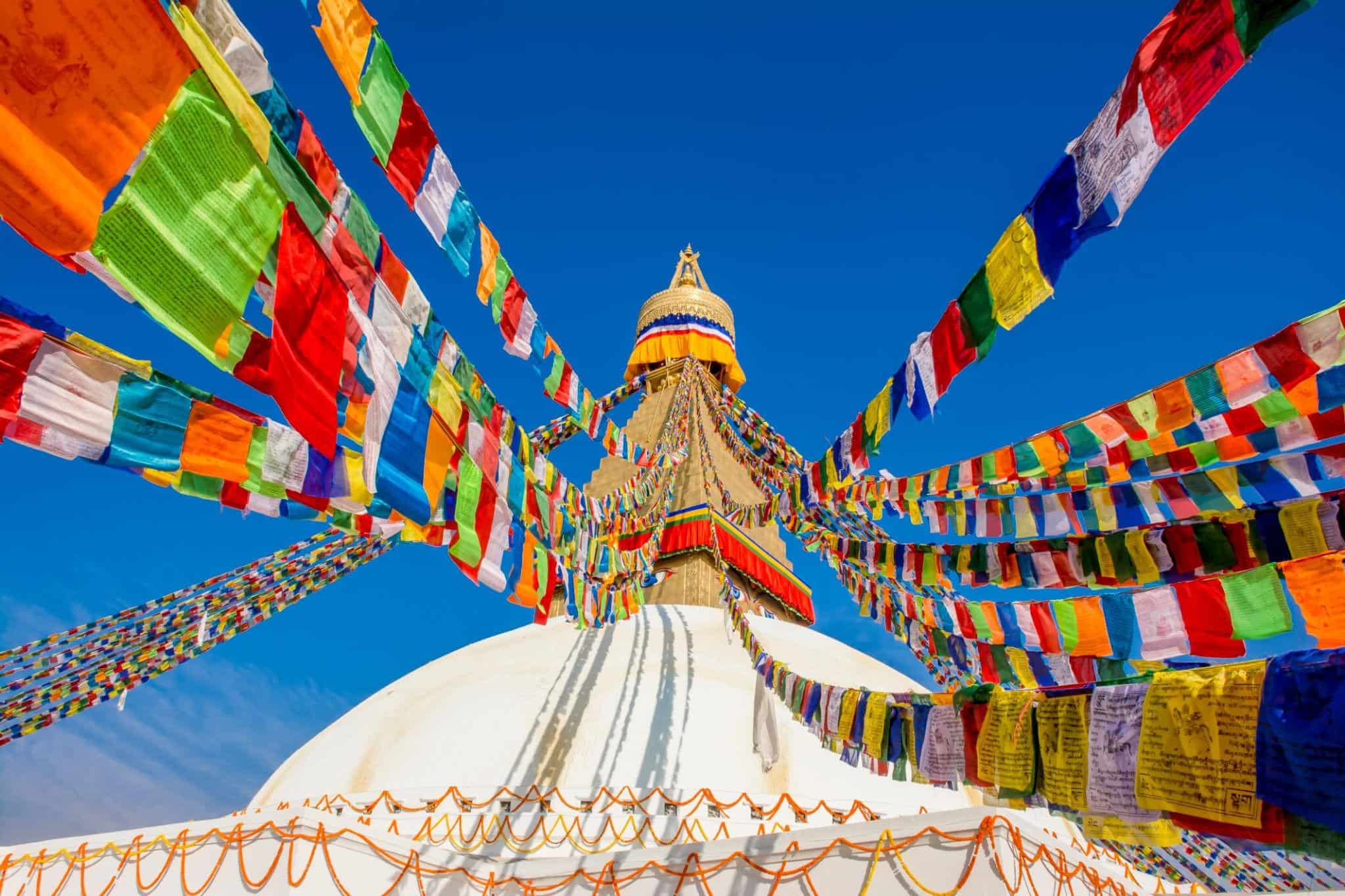
A short drive brings you to Boudhanath Stupa, one of the largest stupas in the world and the heart of Tibetan Buddhist culture in Nepal. Join pilgrims as they walk clockwise around the stupa, spinning prayer wheels, and pause for tea at a rooftop café.
Then head east to Bhaktapur, the “City of Devotees,” the best-preserved medieval town in the valley. Explore Bhaktapur Durbar Square, the 55-Window Palace, the five-story Nyatapola Temple and Pottery Square, where artisans shape clay by hand. Don’t miss a cup of juju dhau, Bhaktapur’s famous creamy curd.
In the late afternoon, drive up to Nagarkot, a peaceful hill station on the rim of the Kathmandu Valley and the highest point of your tour. Watch the sunset over the hills and enjoy a quiet evening at your hotel.
| Trip Info | Details |
|---|---|
| Altitude | Nagarkot: 2,175 m (7,136 ft) / Changu Narayan: about 1,540 m (5,052 ft) / Kathmandu: 1,400 m (4,593 ft) |
| Walking | About 2 hours, mostly downhill (about 6–7 km) |
| Driving | Changu Narayan to Kathmandu, about 22 km (about 1 hour) |
| Meals | Breakfast |
| Accommodation | 3-star hotel in Kathmandu |
Wake up early for one of the most beautiful sunrises near Kathmandu. As the sky brightens, the first light spreads across the Langtang, Ganesh Himal, Dorje Lakpa and Jugal ranges. On very clear days, you may even glimpse Mount Everest far to the east.
After breakfast, set off on a gentle, mostly downhill walk through pine forests, small farming villages and terraced fields. Along the way, you’ll see everyday rural life in the hills, with farmers working the fields and children on their way to school.
The walk ends at Changu Narayan Temple, the oldest Hindu temple in Nepal and a UNESCO World Heritage Site. Dedicated to Lord Vishnu, it is famous for its intricate stone, wood and metal carvings, some more than 1,500 years old. After exploring the temple and the small village around it, drive back to Kathmandu. The rest of the afternoon is free to relax or explore on your own.
| Trip Info | Details |
|---|---|
| Altitude | Pokhara: 822 m (2,697 ft) |
| Distance | About 200 km |
| Driving Time | About 6–7 hours by private vehicle |
| Meals | Breakfast |
| Accommodation | Lakeside hotel in Pokhara |
After an early breakfast, begin your scenic drive west along the Prithvi Highway. The road climbs out of the Kathmandu Valley, then winds down to follow the Trishuli River for much of the way, past green hills, terraced farmland and riverside villages. You’ll stop for tea, lunch and photos along the way.
As you near Pokhara, the Annapurna range appears on the horizon. Arrive in the afternoon and check into your hotel in the Lakeside area. In the evening, take a relaxing walk along the shore of Phewa Lake and watch the sun set over the water.
| Trip Info | Details |
|---|---|
| Altitude | Sarangkot: about 1,600 m (5,249 ft) / World Peace Pagoda: about 1,100 m (3,609 ft) / Pokhara: 822 m (2,697 ft) |
| Sightseeing | About 40 km of driving (full day, 6–7 hours) |
| Meals | Breakfast |
| Accommodation | Lakeside hotel in Pokhara |
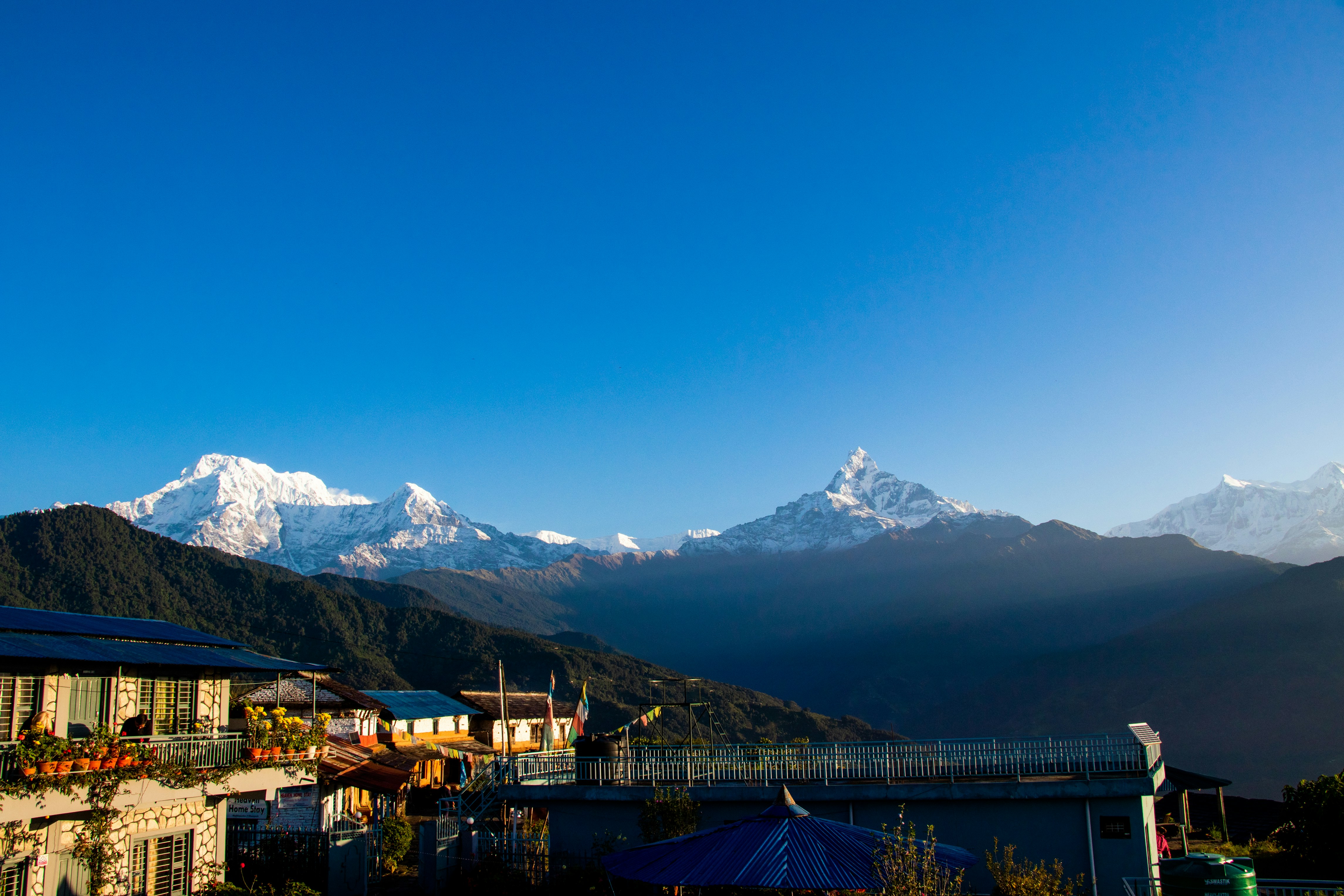
Rise early for a short drive (about 30 minutes) up to Sarangkot, Pokhara’s most famous viewpoint. As the sun rises, watch Dhaulagiri, Annapurna South, Annapurna I and the sharp peak of Machhapuchhre (Fishtail) turn from pink to gold, with Phewa Lake and the city still in shadow below. Return to your hotel for breakfast.
Later in the morning, visit the World Peace Pagoda, a gleaming white Buddhist stupa high on a ridge above the lake, with sweeping views of Pokhara and the mountains. Then head to Davis Falls, where the water plunges into an underground tunnel, and step inside the nearby Gupteshwor Mahadev Cave, home to a sacred Shiva shrine.
In the late afternoon, enjoy a peaceful boat ride on Phewa Lake to the island temple of Tal Barahi, dedicated to the goddess Durga. Spend the evening at one of the many restaurants along the lakeside.
| Trip Info | Details |
|---|---|
| Altitude | Pokhara: 822 m (2,697 ft) |
| Activities | Free day (optional activities at extra cost) |
| Meals | Breakfast |
| Accommodation | Lakeside hotel in Pokhara |
Today is completely free, so you can spend it however you like. You might relax by the lake, rent a boat, browse the shops and cafés along Lakeside, visit the International Mountain Museum or cycle to the quiet shores of Begnas Lake.
If you’re feeling adventurous, Pokhara has plenty to offer. You could try tandem paragliding from Sarangkot over Phewa Lake, zip flying, an ultralight flight, or a helicopter tour to Annapurna Base Camp. Your guide can help you plan and book any optional activities.
| Trip Info | Details |
|---|---|
| Altitude | Chitwan (Sauraha): about 200 m (656 ft) |
| Distance | About 150 km |
| Driving Time | About 5 hours by private vehicle |
| Meals | Breakfast, Lunch & Dinner |
| Accommodation | Jungle lodge near Chitwan National Park |
After breakfast, drive south from Pokhara through green hills and river valleys down into the warm, flat plains of the Terai. Arrive at your jungle lodge near Chitwan National Park in time for lunch.
In the afternoon, head to the Rapti River for a peaceful canoe ride in a traditional dugout canoe. Glide quietly downstream, watching for mugger crocodiles basking on the banks and colorful birds such as kingfishers, egrets and storks.
Later, join a walk through a Tharu village to learn about the culture and traditions of the Tharu, the indigenous people of the Terai. You’ll see their traditional mud-and-thatch homes and learn about their farming life and close connection with the jungle. Enjoy dinner at the lodge in the evening.
| Trip Info | Details |
|---|---|
| Altitude | Chitwan (Sauraha): about 200 m (656 ft) |
| Activities | Jeep safari, elephant breeding center and Tharu cultural show (full day) |
| Meals | Breakfast, Lunch & Dinner |
| Accommodation | Jungle lodge near Chitwan National Park |
Today is all about wildlife in Nepal’s first national park and a UNESCO World Heritage Site. After breakfast, set off on a jeep safari deep into the park, through tall grasslands, sal forests and riverbanks. Keep your eyes open for the one-horned rhinoceros, spotted and sambar deer, wild boar, monkeys and hundreds of bird species. With patience and a little luck, you may even see a sloth bear, a leopard or the elusive Bengal tiger.
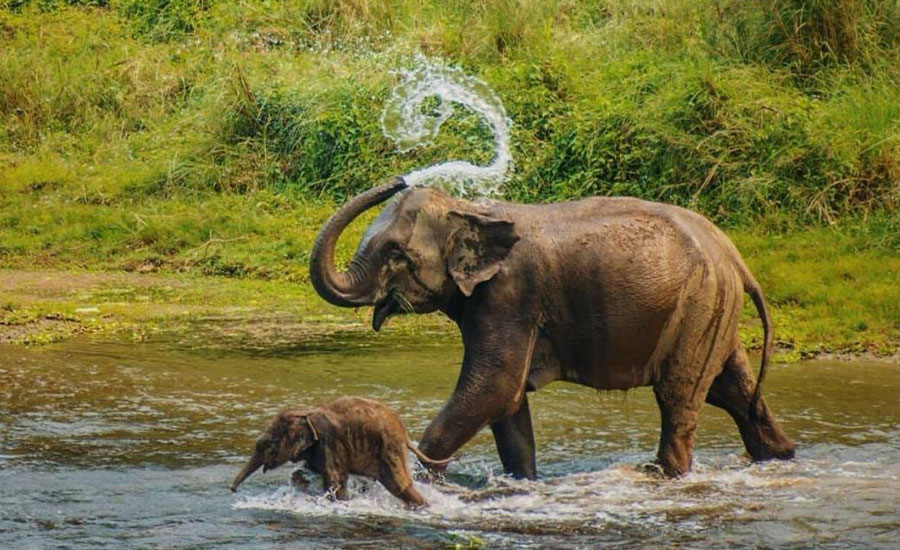
Later, visit the elephant breeding center, where you can learn about elephant conservation in Nepal and see mothers and their calves up close.
In the evening, enjoy a lively Tharu cultural show, featuring traditional music and the famous stick dance, before your final dinner at the lodge.
| Trip Info | Details |
|---|---|
| Altitude | Kathmandu: 1,400 m (4,593 ft) |
| Transfer | Lodge to Bharatpur Airport, about 15 km (about 30 minutes) |
| Flight Time | Bharatpur to Kathmandu, about 25 minutes |
| Meals | Breakfast |
| Accommodation | Not included |
Enjoy a final breakfast in the jungle. Early risers can join an optional bird-watching walk near the lodge. You’ll then transfer to Bharatpur Airport for a short, scenic flight back to Kathmandu, with views of terraced hills and, on clear mornings, the Himalayas.
On arrival, a Nepal Trip Services representative will take you to the international terminal for your onward flight. We hope you leave Nepal with wonderful memories of ancient temples, Himalayan sunrises and wild jungle adventures. Namaste and safe travels!
Are you interested in planning a custom trip? It only takes 2 minutes.
Essential packing and gear checklist tailored for this trek.


The Nepal Highlights Tour runs all year, but each season changes the views, the weather and the experience. Here’s a quick guide to help you choose the best time for your trip.
Seasons at a Glance
| Season | Months | Weather | Mountain Views | Rating |
|---|---|---|---|---|
| Autumn | Sep – Nov | Dry, sunny and mild | Excellent | ★★★★★ Best |
| Spring | Mar – May | Warm, with blooming hills | Very good in the mornings | ★★★★☆ Great |
| Winter | Dec – Feb | Cool, clear and quiet | Very good | ★★★★☆ Great |
| Monsoon | Jun – Aug | Warm, humid and rainy | Limited | ★★★☆☆ Good |
Autumn (September – November): Clear Mountain Views
Autumn is the peak season and the best time for this tour. Skies are clear after the monsoon, which gives you sharp Himalayan views at sunrise from Nagarkot and Sarangkot. Days are pleasant, and the big festivals of Dashain and Tihar bring the towns to life. It’s the busiest season, so book hotels early.
Spring (March – May): Blooming Hills & Wildlife Season
Spring brings warm weather and hillsides full of red rhododendrons. It’s also the best time for wildlife in Chitwan, as the tall grass is cut back and rhinos and deer are easier to spot. Mountain views are clearest in the early mornings, and Chitwan can get very hot by May.
Winter (December – February): Sunny Days & Fewer Crowds
Winter offers bright, sunny days, clear skies and fewer tourists. Mornings and nights are cold, especially at Nagarkot, so bring warm layers. Morning fog is common in Chitwan, but it usually lifts by late morning.
Monsoon (June – August): Green Valleys & Quiet Trails
The monsoon turns the countryside lush and green, with quiet heritage sites and lower hotel rates. Rain usually falls in the afternoon and at night. Clouds often hide the mountains, road travel can be slower because of landslides, and some jungle activities in Chitwan may be limited.
Getting into Nepal is quick and easy. Most visitors can get a tourist visa on arrival in Kathmandu, and Nepal Trip Services will guide you through every step before you fly.
| Visa Duration | Fee (Multiple Entry) |
|---|---|
| 15 days | US$30 |
| 30 days | US$50 |
| 90 days | US$125 |
Fees may change, so check with the Department of Immigration, Nepal, before you travel.
Entrance fees for every site in the itinerary are included in your tour price, so you won’t need to pay at the gate. Your guide handles all tickets for you. The fees below are approximate rates for foreign visitors and are given for your reference.
| Site | Approx. Fee (Foreigners) | UNESCO Site |
|---|---|---|
| Swayambhunath (Monkey Temple) | NPR 500 | Yes |
| Kathmandu Durbar Square | NPR 1,000 | Yes |
| Patan Durbar Square | NPR 1,000 | Yes |
| Pashupatinath Temple | NPR 1,000 | Yes |
| Boudhanath Stupa | NPR 400 | Yes |
| Bhaktapur Durbar Square | NPR 1,500 | Yes |
| Site | Approx. Fee (Foreigners) | UNESCO Site |
|---|---|---|
| Nagarkot Sunrise Viewpoint | Free | No |
| Changu Narayan Temple | NPR 250 | Yes |
| Attraction | Approx. Fee (Foreigners) |
|---|---|
| Sarangkot Viewpoint | Free (small fee at some view towers) |
| World Peace Pagoda | Free |
| Davis Falls | NPR 100 |
| Gupteshwor Mahadev Cave | NPR 100–200 |
| Phewa Lake & Tal Barahi Temple | Boat ride included |
| International Mountain Museum (optional, free day) | NPR 500 (not included) |
| Item | Details |
|---|---|
| National Park Entry Permit | NPR 2,000 for foreigners / NPR 1,000 for SAARC nationals (included) |
| Jungle Activities | Canoe ride, jeep safari, elephant breeding center, Tharu village walk and cultural show (included) |
Some of these fees differ from the table on your Kathmandu, Pokhara & Nagarkot Tour page. Here I used the latest source, updated October 2026: Swayambhunath NPR 500 (your page says NPR 200) and Bhaktapur NPR 1,500 (your page says NPR 1,800). Please confirm the current rates locally and make both pages match.
On the Nepal Highlights Tour, you’ll travel in a private, air-conditioned vehicle with an experienced driver, and finish with a short flight back to Kathmandu. The road journeys are part of the adventure, taking you past rivers, hills and village life you’d miss from the air.
| Route | Mode | Distance | Duration | Tour Day |
|---|---|---|---|---|
| Kathmandu → Nagarkot | Private vehicle | About 32 km | 1–1.5 hours | Day 3 |
| Nagarkot → Kathmandu | Walk and private vehicle | About 30 km | Half day | Day 4 |
| Kathmandu → Pokhara | Private vehicle | About 200 km | 6–7 hours | Day 5 |
| Pokhara → Chitwan | Private vehicle | About 150 km | About 5 hours | Day 8 |
| Bharatpur → Kathmandu | Domestic flight | — | About 25 minutes | Day 10 |
The drive follows the Prithvi Highway and runs alongside the Trishuli River for much of the way. You’ll pass terraced fields, hillside villages and riverside towns, with views of the Annapurna range as you get closer to Pokhara. Stops for tea, lunch and photos keep the journey relaxed.
From Pokhara, the road winds down through green hills and river valleys into the warm Terai lowlands. It’s a shorter, easier drive that gets you to your jungle lodge in time for lunch and your first afternoon activities.
On Day 10, a short drive takes you to Bharatpur Airport for a 25-minute flight to Kathmandu. It saves you a long drive on departure day, and on clear mornings you’ll get views of the hills and the Himalayas. Please book your international flight for the afternoon or evening.
Upgrades cost extra and depend on availability.
On the Nepal Highlights Tour, you’ll stay in comfortable, carefully chosen hotels in good locations, each one suited to its destination. All rooms have private bathrooms, hot showers and Wi-Fi, and rooms are on a twin-sharing basis.
3 nights | Breakfast included
You’ll stay in a comfortable 3-star hotel in or near Thamel, within easy walking distance of restaurants, cafés and shops. Expect clean, cozy rooms, friendly service and a convenient base for exploring the Kathmandu Valley’s heritage sites.
1 night | Breakfast included
You’ll spend the night in a hilltop hotel on the rim of the Kathmandu Valley, chosen for its Himalayan views. Step out of your room at dawn to watch the sunrise over the Langtang and Ganesh Himal ranges. Nights can be cold, so rooms come with extra blankets.
3 nights | Breakfast included
You’ll stay in a comfortable hotel in the Lakeside area, just a short walk from Phewa Lake, cafés and shops. Many rooms offer lake or mountain views, which makes it a great place to relax on your free day.
2 nights | All meals included
You’ll stay in a jungle lodge close to Chitwan National Park, with cozy rooms, garden surroundings and a relaxed atmosphere. All meals, jungle activities and the Tharu cultural show are arranged by the lodge.
Upgrades cost extra and depend on availability.
Nepali food is warm, hearty and full of flavor, and this tour gives you plenty of chances to try it. Breakfast is included every day, all meals are included at the jungle lodge in Chitwan, and you’re free to explore local restaurants and cafés in Kathmandu and Pokhara.
| Day | Destination | Meals Included |
|---|---|---|
| Day 1 | Kathmandu (arrival) | Welcome Dinner |
| Day 2 | Kathmandu | Breakfast |
| Day 3 | Nagarkot | Breakfast |
| Day 4 | Kathmandu | Breakfast |
| Day 5 | Pokhara | Breakfast |
| Day 6 | Pokhara | Breakfast |
| Day 7 | Pokhara (free day) | Breakfast |
| Day 8 | Chitwan | Breakfast, Lunch & Dinner |
| Day 9 | Chitwan | Breakfast, Lunch & Dinner |
| Day 10 | Departure | Breakfast |
Total: 9 breakfasts, 2 lunches and 3 dinners
Two of the best moments on the Nepal Highlights Tour come at dawn. You’ll watch the sun rise over the Himalayas from Nagarkot, near Kathmandu, and from Sarangkot, above Pokhara. Each one gives you a different view of Nepal’s mountains.
Altitude: About 2,175 m (7,136 ft) | Tour Day: Day 4
Nagarkot sits on the eastern rim of the Kathmandu Valley, and it’s the highest point of your trip. You’ll wake up early at your hotel and step outside or walk to a nearby viewpoint as the first light spreads across a long line of snowcapped peaks. On clear mornings, the valley below is often filled with a sea of clouds. After sunrise, you’ll set off on a gentle walk down to Changu Narayan Temple.
Altitude: About 1,600 m (5,249 ft) | Tour Day: Day 6
Sarangkot is Pokhara’s most famous viewpoint. A short early-morning drive takes you up the hill, followed by a few minutes’ walk to the viewing area. As the sun rises, the Annapurna range glows pink and gold, and the sharp peak of Machhapuchhre (Fishtail) stands out against the sky. Phewa Lake and the city sit quietly below.
| Viewpoint | Main Peaks Visible |
|---|---|
| Nagarkot | Langtang Lirung, Ganesh Himal, Dorje Lakpa, the Jugal Himal and Rolwaling ranges, and on very clear days, a faint glimpse of Mount Everest |
| Sarangkot | Dhaulagiri, Annapurna I, Annapurna South, Hiunchuli, Machhapuchhre (Fishtail), Annapurna II, III and IV, and Lamjung Himal |
Chitwan National Park is Nepal’s oldest national park and a UNESCO World Heritage Site. Its grasslands, sal forests and rivers are home to some of Asia’s most remarkable wildlife. On this tour, you’ll spend two nights at a jungle lodge near the park, and trained local naturalists will lead every activity.
| Activity | When | Highlights |
|---|---|---|
| Canoe Ride on the Rapti River | Day 8, afternoon | Peaceful ride past crocodiles and birdlife |
| Tharu Village Walk | Day 8, late afternoon | Traditional homes and local village life |
| Jeep Safari | Day 9 | Deep into the park to search for rhinos and other wildlife |
| Elephant Breeding Center | Day 9 | Learn about elephant conservation and see baby elephants |
| Tharu Cultural Show | Day 9, evening | Lively traditional dances, including the stick dance |
The timing may change depending on weather and park rules.
The Tharu are the indigenous people of the Terai lowlands. On your village walk, you’ll see their mud-and-thatch homes, farming traditions and close bond with the jungle. In the evening, enjoy a colorful cultural show filled with traditional music and the energetic Tharu stick dance.
Day 7 is a free day in Pokhara, so you can take a break in the middle of your journey and spend it however you like. You might relax by the lake, explore at your own pace or try one of Pokhara’s famous adventures. Your guide can help you plan and book anything you choose.
| Activity | Duration | Highlights |
|---|---|---|
| Tandem Paragliding | 20–60 minutes of flying | Soar from Sarangkot over Phewa Lake with the Annapurnas behind you |
| Zip Flying | A few minutes (half-day trip) | One of the world’s longest and steepest zip lines |
| Ultralight Flight | 15–60 minutes | Open-cockpit flight toward the mountains |
| Hot Air Balloon | About 1 hour | Gentle, sweeping views over the valley |
| Bungee Jumping | Full-day trip | A thrilling jump over the Kali Gandaki River at Kushma |
All activities cost extra and depend on the weather.
For an unforgettable experience, take a morning helicopter flight from Pokhara into the Annapurna Sanctuary. You’ll land at Annapurna Base Camp (4,130 m), surrounded by Annapurna I, Machhapuchhre and Hiunchuli. A shorter option lands near Mardi Himal Base Camp. The tour takes about 2–3 hours and costs extra. See our Helicopter Services for details.
The Nepal Highlights Tour is an easy, low-altitude trip, but good insurance and a few simple health habits will help you travel with peace of mind from Kathmandu to Chitwan.
Travel insurance isn’t included in the tour price, but Nepal Trip Services strongly recommends it. Make sure your policy covers:
Please share a copy of your policy and the emergency contact number with us before you arrive.
Your Nepal Highlights Tour already covers hotels, transport, guiding, entrance fees, Chitwan activities and the Bharatpur flight. You’ll mainly need money for extra meals, shopping, optional activities and tips.
Tipping isn’t compulsory, but it’s a common way to thank people for good service in Nepal.
| Who | Suggested Guideline |
|---|---|
| Tour guide | Around US$10–15 per day (per group) |
| Driver | Around US$5–8 per day (per group) |
| Chitwan naturalists | A small tip at the end of activities |
| Hotel porters | NPR 100–200 per service |
| Restaurants | 10% service charge is often added, so an extra tip is optional |
These are guidelines only, so please tip based on your satisfaction.
Staying connected on the Nepal Highlights Tour is easy. Wi-Fi is available at every hotel on the route, and mobile coverage is good in Kathmandu, Nagarkot, Pokhara and Chitwan, with only a few weak spots along the highways.
Local SIM cards
eSIM options
If your phone supports eSIM, buy a travel data plan online before your trip and activate it when you land. It’s quick, easy and lets you keep your home number active.
On the Nepal Highlights Tour, you’ll visit some of Nepal’s most sacred Hindu and Buddhist sites, from Pashupatinath and Boudhanath to Changu Narayan and the World Peace Pagoda. Following a few simple customs shows respect, and locals truly appreciate it.
This tour involves no trekking, so you can pack light and comfortably. You’ll travel through cool hills at Nagarkot, mild lakeside weather in Pokhara and warm jungle conditions in Chitwan, so layers are key.
| Season | What to Pack |
|---|---|
| Autumn (Sep – Nov) | Light tops, long trousers, a fleece or sweater, and a light jacket for mornings |
| Spring (Mar – May) | Breathable cotton clothes, a sun hat and a light layer for sunrise viewpoints |
| Winter (Dec – Feb) | Warm layers, a down jacket, thermals, a beanie, gloves and a scarf, especially for Nagarkot |
| Monsoon (Jun – Aug) | Quick-dry clothes, a rain jacket, an umbrella and water-resistant shoes |
Year-round essentials:
Documents
Health & Personal Care
Gadgets & Accessories
The Nepal Highlights Tour is a private trip, so you can shape it around your interests, schedule and budget. Add extra nights, include new destinations or upgrade your travel style, and Nepal Trip Services will plan every detail for you.
Upgrades cost extra and depend on availability.
Your safety and comfort come first on every Nepal Trip Services journey. From your airport welcome in Kathmandu to your final flight from Chitwan, our experienced local team is with you every step of the way.
Yes. Nepal is generally a safe and friendly country, and Nepali people are known for their warm hospitality. A few simple precautions help:
The Nepal Highlights Tour is a 10-day guided holiday that covers Nepal’s most popular destinations in one trip: the Kathmandu Valley, the hill station of Nagarkot, lakeside Pokhara and Chitwan National Park. It combines UNESCO World Heritage Sites, Himalayan sunrise viewpoints, a relaxing lake town and an exciting jungle safari. It’s an ideal introduction to Nepal for travelers who want variety without trekking.
The tour runs for 10 days and 9 nights. It starts and ends in Kathmandu, with airport pick-up on arrival and drop-off for your departure. You’ll spend three nights in Kathmandu, one night in Nagarkot, three nights in Pokhara and two nights in Chitwan.
This easy-graded tour suits almost everyone, including first-time visitors, families with children, couples, honeymooners, solo travelers, friends travelling together and senior travelers. You don’t need any trekking experience or special fitness. If you can walk comfortably for a couple of hours at a relaxed pace, you’ll enjoy every part of the trip.
Nepal Trip Services runs this tour as a private trip for you, your family or your group, so you won’t share your vehicle or guide with strangers. Private departures give you complete flexibility to adjust the pace, spend longer at places you enjoy and change plans along the way. If you prefer travelling with others, ask us about joining a small group departure.
Yes, solo travelers are very welcome. You’ll still enjoy a private vehicle, a dedicated guide and the full itinerary. The cost per person is a little higher for one traveler, since transport and guiding costs aren’t shared, and a single room supplement applies if you’d like a room to yourself.
You’ll travel by private, air-conditioned vehicle with an experienced driver for all sightseeing and road journeys, including Kathmandu to Nagarkot, Kathmandu to Pokhara and Pokhara to Chitwan. At the end of the trip, you’ll take a short domestic flight from Bharatpur (Chitwan) back to Kathmandu, which saves you a long drive on your departure day.
The drive covers about 200 km and takes around 6 to 7 hours, depending on traffic and road conditions. The route follows the Trishuli River for much of the way, passing river valleys, terraced farmland and hillside villages. You’ll stop for tea, lunch and photos along the way, so the journey feels relaxed rather than rushed.
Yes. If you’d rather save time, we can replace the drive with a 25-minute domestic flight from Kathmandu to Pokhara at an extra cost. On a clear day, the flight offers wonderful views of the Ganesh Himal, Manaslu and Annapurna ranges. Let us know when you book, and we’ll adjust your itinerary and quote.
The drive from Pokhara to Chitwan is about 150 km and usually takes around 5 hours. You’ll descend from the hills into the warm, green lowlands of the Terai, following the Seti and Trishuli rivers for part of the way. You’ll arrive at your jungle lodge in time for lunch and your first afternoon activities.
No, the Pokhara to Chitwan journey is by road in a private vehicle, and the flight isn’t included in the standard tour price. The drive is scenic and comfortable, with stops along the way. If you’d prefer to fly from Pokhara to Bharatpur, we can arrange it as an optional upgrade, subject to flight availability.
The highest point is Nagarkot, at about 2,175 m (7,136 ft). Kathmandu sits at around 1,400 m, Pokhara at about 822 m and Chitwan in the low-lying Terai plains. Altitude sickness isn’t a concern at these heights, so the tour is comfortable for travelers of all ages.
Walking on this tour is light and easy. Most days involve short walks around temples, heritage squares, viewpoints and villages. The longest walk is the optional two-hour, mostly downhill trail from Nagarkot to Changu Narayan Temple. In Chitwan, you’ll also enjoy a guided jungle walk with an expert naturalist.
You’ll stay in comfortable, well-located 3-star hotels in Kathmandu, a hotel with mountain views in Nagarkot, a lakeside hotel in Pokhara and a jungle lodge near Chitwan National Park. All rooms come with private bathrooms, hot showers and Wi-Fi. Rooms are on a twin-sharing basis unless you request otherwise.
Yes. Many travelers choose to upgrade to boutique, heritage or 5-star hotels for added comfort. We can arrange properties such as luxury heritage hotels in Kathmandu, lake-view resorts in Pokhara and premium safari lodges in Chitwan. Prices will change depending on the hotels you choose, and we’ll send you a revised quote.
The tour includes 9 breakfasts, 2 lunches and 3 dinners, as mentioned in the itinerary. Breakfast is included every day, and you’ll have full-board meals during your stay at the jungle lodge in Chitwan. Other lunches and dinners in Kathmandu, Nagarkot and Pokhara aren’t included, so you’re free to explore local restaurants and cafés.
Absolutely. Vegetarian food is widely available throughout Nepal, and hotels and lodges can easily prepare vegan, gluten-free, halal or allergy-friendly meals. Please share your dietary requirements when you book, and we’ll inform every hotel and your guide in advance.
The best times are autumn (September to November) and spring (March to May). Autumn offers clear skies and the best mountain views, while spring brings warm weather, blooming rhododendrons and great wildlife sightings in Chitwan. Winter (December to February) is also lovely, with sunny days and fewer crowds.
Yes, the tour runs year-round. In winter, days are usually bright and clear, but mornings and evenings are cold, especially at Nagarkot, so warm layers are essential. During the monsoon (June to August), the landscape is lush and green, and there are fewer tourists. However, clouds often hide the mountains, and roads can be affected by landslides.
The weather varies by destination. Kathmandu and Pokhara have pleasant, mild days in spring and autumn, with cool mornings and evenings. Nagarkot is noticeably colder because of its higher altitude. Chitwan is warmer and more humid, and it can get very hot from April to June. We’ll send you a weather and packing guide for your travel month after booking.
Mountain views depend on the weather, so they can’t be guaranteed. Your best chances are in October, November and early spring, especially at sunrise from Nagarkot and Sarangkot. During the monsoon, clouds often cover the peaks, though they sometimes clear for short moments in the early morning.
Chitwan is one of the best wildlife destinations in Asia. You have a very good chance of seeing the endangered one-horned rhinoceros, along with spotted deer, wild boar, monkeys, mugger crocodiles and the rare gharial. The park is also home to more than 500 bird species. Bengal tigers, leopards and sloth bears live here too, but they’re shy, so sightings require luck.
Your Chitwan stay includes a canoe ride on the Rapti River, a jeep safari inside the national park, a visit to the elephant breeding center, a Tharu village walk and a Tharu cultural dance show. All activities are led by trained local naturalists, and the national park entry permit is included in the tour price.
Your free day in Pokhara is perfect for relaxing or adding something special. You could stroll along the lakeside, rent a boat on Phewa Lake, visit the International Mountain Museum or enjoy a massage. Adventure lovers can try tandem paragliding, zip flying, an ultralight flight or a helicopter tour to Annapurna Base Camp, all at extra cost.
Yes, entrance fees for all heritage sites and monuments listed in the itinerary are included, along with the Chitwan National Park permit. You’ll only need to pay for sites outside the itinerary, such as museums or attractions you choose to visit on your free day.
Only Hindus are allowed inside the main temple at Pashupatinath. However, all visitors can explore the wider temple complex, the riverside ghats and the surrounding shrines. You can also watch rituals respectfully from the opposite bank of the Bagmati River while your guide explains the traditions behind them.
You’ll travel with a government-licensed, English-speaking guide who knows Nepal’s history, religion and culture in depth. In Chitwan, trained local naturalists lead the jungle activities. Guides who speak Spanish, French, German, Chinese, Japanese or other languages can be arranged on request, subject to availability.
Yes. As a private tour, the itinerary is fully flexible. You can add extra nights, upgrade hotels, swap the Kathmandu–Pokhara drive for a flight, or add destinations such as Lumbini, Bandipur or a short trek like the Poon Hill Trek. Just share your ideas, and our team will design the trip around you.
Most international visitors need a tourist visa, which you can get on arrival at Tribhuvan International Airport or apply for online before you travel. Your passport must be valid for at least six months from your arrival date. Indian citizens don’t need a visa, and citizens of other SAARC countries, except Afghanistan, receive a free 30-day visa.
Nepal’s multiple-entry tourist visa costs US$30 for 15 days, US$50 for 30 days and US$125 for 90 days. The 15-day visa is enough for this 10-day tour. It’s best to pay in cash in US dollars, euros or pounds. Visa fees can change, so check with Nepal’s Department of Immigration shortly before you travel.
Travel insurance isn’t included, but we strongly recommend it. Your policy should cover medical treatment, emergency evacuation, trip cancellation, flight delays and lost luggage. If you plan to try paragliding or other adventure activities in Pokhara, make sure your insurance covers them as well.
The cost depends on your group size, travel dates, hotel category and any upgrades or optional activities you choose. Larger groups pay less per person because transport and guiding costs are shared. Contact Nepal Trip Services with your dates and group size, and we’ll send you a clear, detailed quote with no hidden charges.
Booking is simple. Send us your preferred dates, the number of travelers and any special requests through our Trip Planner or Contact Us page. Once we’ve confirmed your itinerary, a deposit secures your hotels, transport and flight, and the balance is paid before or on arrival.
Pack comfortable, light clothing in layers, plus a warm jacket for early mornings at Nagarkot and Sarangkot. Bring comfortable walking shoes, a sun hat, sunglasses, sunscreen and insect repellent for Chitwan. Neutral-colored clothes are best for the jungle safari. A small daypack, a reusable water bottle and a universal power adapter will also be useful.
Yes, Nepal is generally a safe and friendly country for visitors, and Nepali people are known for their warm hospitality. As with any destination, keep your valuables secure and stay aware in crowded places. On this tour, you’ll travel with a private vehicle, a trusted guide and reliable hotels, and our team is available 24/7 throughout your trip.
Tipping isn’t mandatory, but it’s a common and appreciated way to thank your guide, driver and hotel staff for good service. Most travelers tip at the end of the trip, and the amount is entirely up to you. If you’d like some guidance, our team will happily suggest a fair range before you travel.
You may also like