Kathmandu, Pokhara & Chitwan Tour Overview
Kathmandu: Culture and Heritage
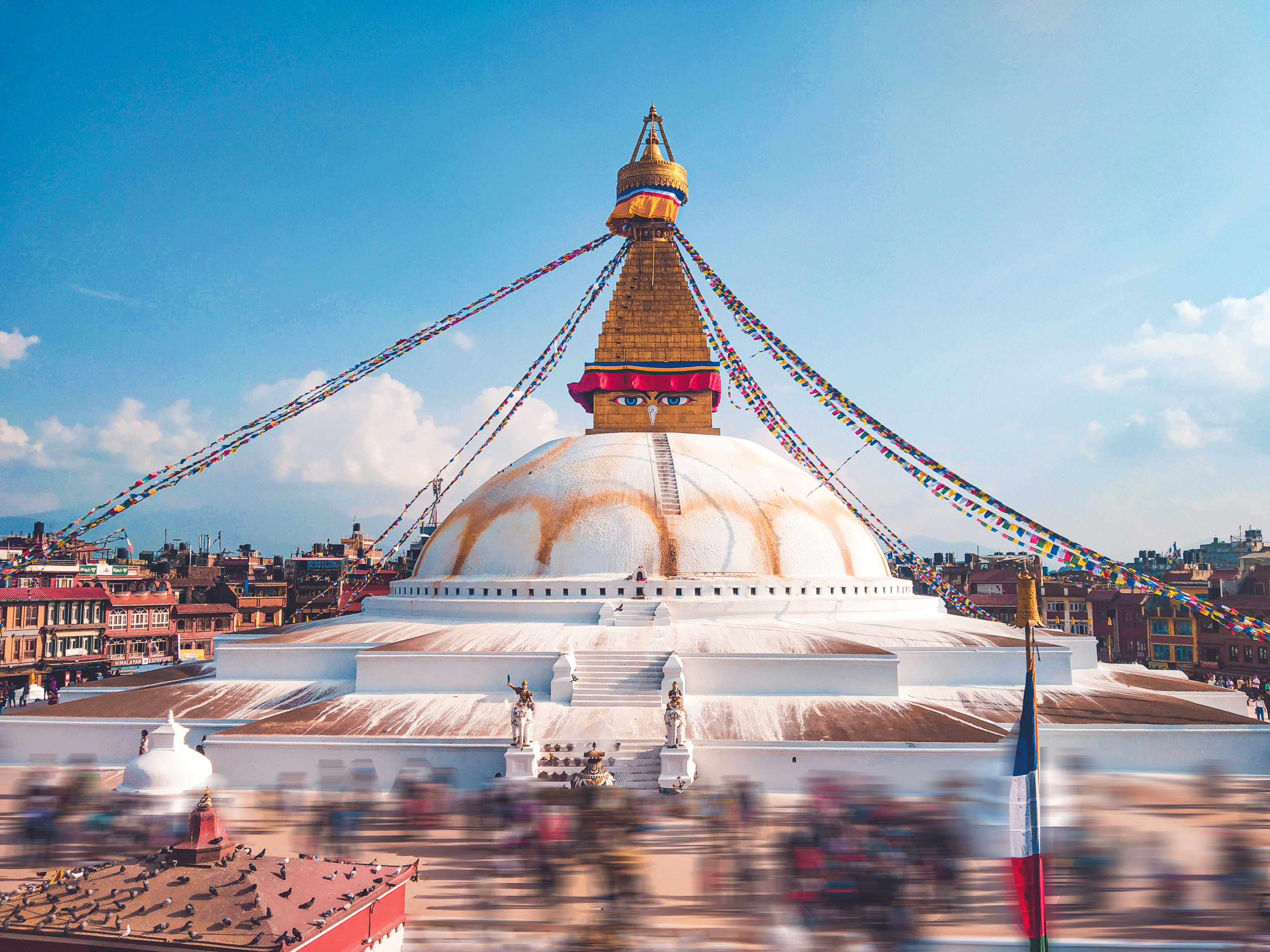
Your journey begins in Kathmandu, Nepal's capital and the cultural heart of the country. Here you explore the UNESCO-listed Kathmandu Durbar Square, the hilltop stupa of Swayambhunath, the great white dome of Boudhanath, and the sacred riverside temples of Pashupatinath. You can also visit Patan and Bhaktapur for their beautifully preserved Newar architecture, then wander through Thamel and the old-city lanes of Asan and Indra Chowk for markets, street food, and craft shops. Kathmandu is also the starting point for many Himalayan treks, so it is a natural place to arrange gear, permits, and local advice before you move on.
Pokhara: Lakes and Mountain Views
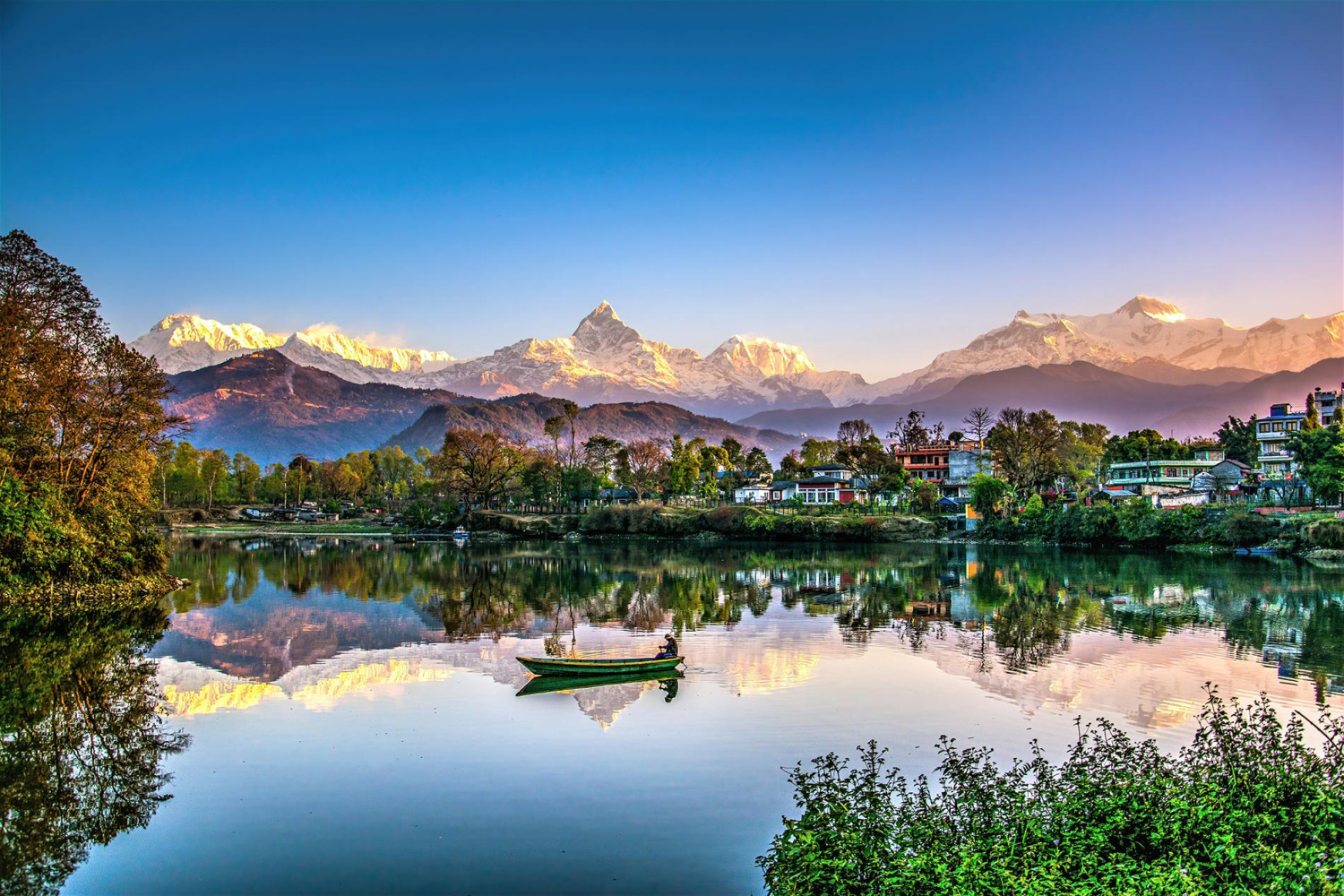
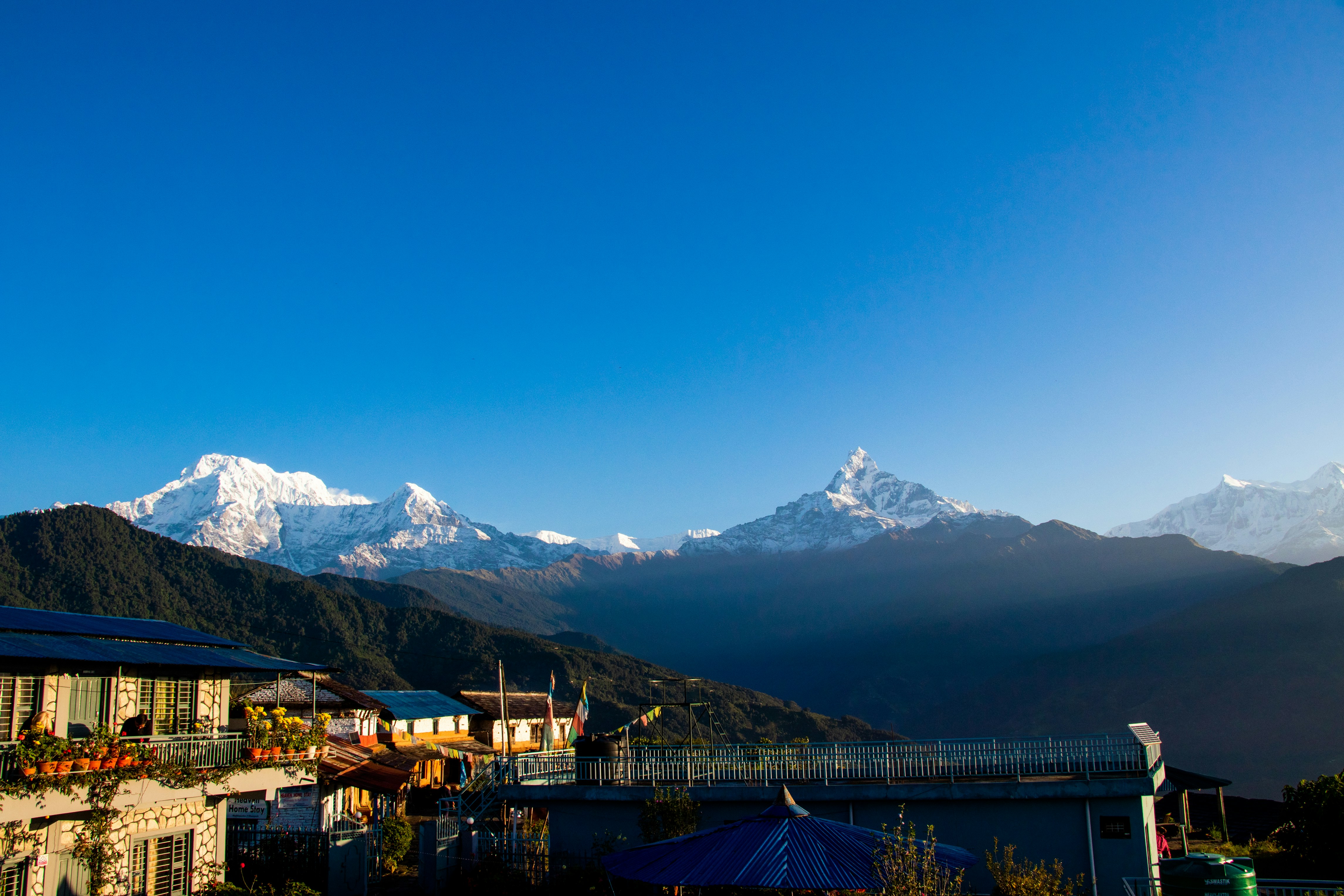
From Kathmandu, you continue by road or a short domestic flight to Pokhara, a relaxed lakeside city beneath the Annapurna range. The days here center on Phewa Lake, where you can take a boat to Tal Barahi Temple, and on viewpoints such as Sarangkot, famous for its sunrise over Annapurna and Machhapuchhre. You can also visit the World Peace Pagoda, Davi's Fall, Gupteshwor Cave, the International Mountain Museum, and Bindhyabasini Temple, or add paragliding, ziplining, and boating for extra adventure. Pokhara is also the gateway to Poon Hill, Mardi Himal, Annapurna Base Camp, and the Annapurna Circuit, so the stay gives trekkers a scenic preview of the region and a comfortable place to rest.
Chitwan: Wildlife and Tharu Culture
The final chapter takes you south to Chitwan National Park, a UNESCO World Heritage Site in the warm Terai lowlands. Based in Sauraha, you set out on a jungle safari, a dugout canoe ride along the Rapti River, and a guided nature walk in search of one-horned rhinos, crocodiles, deer, and more than 500 species of birds, with a small chance of spotting a tiger. Evenings bring a Tharu village visit and a cultural dance performance, giving you a warm introduction to the local community. With experienced guides, comfortable transport, and a flexible itinerary, this tour suits first-time visitors, families, couples, and anyone who wants culture, scenery, and wildlife in a single trip.
Why Choose the Kathmandu, Pokhara & Chitwan Tour?
The Kathmandu, Pokhara & Chitwan Tour is one of the easiest and most rewarding ways to see Nepal. In a single trip you move from ancient temples to lakeside mountain views and then to jungle safaris, without the long days and high altitudes of a full trek. It is often called the Golden Triangle of Nepal, and here is why travelers choose it:
- Three highlights in one trip. Enjoy culture in Kathmandu, scenery in Pokhara, and wildlife in Chitwan National Park.
- UNESCO World Heritage sites. Visit Durbar Square, Swayambhunath, Boudhanath, Pashupatinath, and Chitwan National Park.
- Perfect for first-time visitors. The route is well established and gives a complete introduction to Nepal.
- No trekking experience needed. Enjoy Himalayan views from Sarangkot and Phewa Lake without days of hiking.
- A great preview or recovery for trekkers. Pokhara is the gateway to Poon Hill, Mardi Himal, Annapurna Base Camp, and the Annapurna Circuit, and it is also a comfortable place to rest after a trek.
- Wildlife and culture. Jungle safaris and canoe rides offer chances to see one-horned rhinos and birds, while Newar and Tharu communities add cultural depth.
- Flexible and easy to extend. Add paragliding, Lumbini, or a short trek, and adjust the itinerary for families, couples, or small groups.
- Comfortable and well guided. Private transport, good hotels or lodges, and experienced local guides keep the trip smooth.
- Best in the cooler months. October to March offers pleasant weather across all three destinations.
Why This Tour Is Known as the Golden Triangle of Nepal
Golden Triangle is a popular travel nickname rather than an official title, and it echoes India's well-known circuit of the same name. In Nepal, the three points of the triangle are:
| Point |
Main Theme |
Highlights |
| Kathmandu |
Culture and heritage |
Durbar Square, Swayambhunath, Boudhanath, Pashupatinath |
| Pokhara |
Lakes and mountain views |
Phewa Lake, Sarangkot sunrise, World Peace Pagoda |
| Chitwan |
Wildlife and Tharu culture |
Jungle safari, canoe ride, one-horned rhinos |
The name fits because the trip covers Nepal's three big themes of heritage, mountain scenery, and wildlife. The route forms a simple loop linked by roads and short domestic flights, and the landscape changes dramatically from a historic valley city to a lakeside town beneath the Annapurna range and then to the warm Terai lowlands.
Whether it is your first visit to Nepal, a family holiday, a honeymoon, or a relaxing break around a trek, this route offers culture, scenery, and wildlife in one balanced journey.
Accommodation & Meals During the Tour
Throughout the Kathmandu, Pokhara & Chitwan Tour, you stay in comfortable, well-located hotels and lodges: near Thamel in Kathmandu for easy access to shops and heritage sites, beside Phewa Lake in Pokhara for mountain views, and in a Sauraha jungle lodge in Chitwan for early-morning safaris. Rooms typically include private bathrooms, and options are available for budget, standard, and deluxe preferences. Breakfast is included daily, and in Chitwan the package usually adds lunch and dinner along with the jungle activities. Lunch and dinner elsewhere can be enjoyed at local restaurants, where you can try Nepali dal bhat, momos, and international dishes, and vegetarian, vegan, and other dietary needs are easy to arrange.
Transportation and Travel Experience
Transportation on the Kathmandu, Pokhara & Chitwan Tour is comfortable, flexible, and easy to manage. You are met at Tribhuvan International Airport in Kathmandu and moved between destinations by private vehicle or tourist bus, with the option of a short domestic flight between Kathmandu and Pokhara that takes about 25 minutes. The overland routes follow river valleys, terraced hillsides, and rural villages, with roughly 6 to 8 hours by road between Kathmandu and Pokhara and 4 to 6 hours from Pokhara to Chitwan. In Chitwan, jeeps, canoes, and guided walks are used for wildlife activities, and a local guide accompanies you throughout, so every transfer becomes part of the experience rather than just a journey between stops.
Kathmandu, Pokhra & Chitwan Tour Itinerary
| Day |
Route / Activity |
Overnight Stay |
Altitude |
Approx. Distance |
Approx. Driving Time |
| 1 |
Arrive at Kathmandu (airport transfer to hotel) |
Kathmandu |
1,400 m / 4,590 ft |
6 km |
30 min |
| 2 |
Sightseeing around Kathmandu (Pashupatinath, Boudhanath, Swayambhunath, Durbar Square) |
Kathmandu |
1,400 m / 4,590 ft |
Local |
1-2 hrs (intercity, in total) |
| 3 |
Bhaktapur and Patan sightseeing, then drive to Nagarkot |
Nagarkot |
Bhaktapur 1,400 m / Patan 1,330 m / Nagarkot 2,175 m |
45 km |
3 hrs (in total) |
| 4 |
Drive from Nagarkot to Pokhara |
Pokhara |
822 m / 2,700 ft |
220 km |
8-9 hrs |
| 5 |
Full-day Pokhara city tour (Phewa Lake, Davis Falls, Gupteshwor Cave, World Peace Pagoda, Tibetan Camp) |
Pokhara |
822 m / 2,700 ft |
Local |
1-2 hrs (in total) |
| 6 |
Sarangkot sunrise visit, then drive to Chitwan National Park |
Chitwan |
Sarangkot 1,590 m / Chitwan 150 m |
150 km |
5-6 hrs (plus 40 min to Sarangkot) |
| 7 |
Full-day jungle activities (safari, canoe ride, bird watching, Tharu village visit) |
Chitwan |
150 m / 490 ft |
Local |
Minimal (activities near the lodge) |
| 8 |
Drive back to Kathmandu from Chitwan |
Kathmandu |
1,400 m / 4,590 ft |
165 km |
5-6 hrs |
| 9 |
Departure day (airport transfer) |
– |
1,400 m / 4,590 ft |
6 km |
30 min |
Trip totals
- Highest point: Nagarkot, about 2,175 m (Day 3)
- Lowest point: Chitwan, about 150 m (Days 6-8)
- Approximate total road distance: 590-600 km
- Approximate total driving time: 26-30 hrs
Notes
- Driving times are estimates and can vary with traffic, road works, weather (monsoon landslides), and stops along the way.
- The longest driving days are Day 4 (Nagarkot to Pokhara) and Day 6 or Day 8 (Pokhara to Chitwan and Chitwan to Kathmandu).
- Altitude changes here are gentle, so there is no risk of altitude sickness at any stop.
Kathmandu, Pokhara & Chitwan Tour: Additional Information
Kathmandu, Pokhara & Chitwan Tour: Top 15 Places to Visit
1. Kathmandu Durbar Square
Kathmandu is the historic seat of Nepal's former royal palace, and its Durbar Square is where that history is still on display. Pagoda-style temples, carved wooden windows and the old Hanuman Dhoka Palace complex surround the square, much of it dating back to the Malla kings of the 12th to 18th centuries. The Kumari Ghar, home of Nepal's living goddess, sits at one corner, and the square remains a working part of the city rather than a museum piece.
2. Pashupatinath Temple
Pashupatinath is one of the holiest Hindu temples in the world, dedicated to Lord Shiva and set on the banks of the sacred Bagmati River. Pilgrims, sadhus and mourners gather here daily, and cremation ceremonies take place on the riverside ghats in full public view. Non-Hindus cannot enter the main temple but can view it from across the river, making this one of the most moving and unusual sightseeing stops in Kathmandu.
3. Boudhanath Stupa
Boudhanath is one of the largest stupas in the world and the spiritual centre of Nepal's Tibetan Buddhist community. Its all-seeing Buddha eyes look out over a wide circular plaza lined with monasteries, prayer wheels and rooftop cafés. Walking clockwise around the stupa at dusk, as monks and pilgrims spin the prayer wheels and chant, is one of the most atmospheric experiences in the Kathmandu Valley.
4. Swayambhunath (Monkey Temple)
Swayambhunath sits on a hilltop west of central Kathmandu and offers sweeping views over the whole valley. Climbing the 365 steps to the stupa, visitors pass shrines, prayer flags and the free-roaming monkeys that give the site its popular name. It is one of the oldest religious sites in Nepal and, alongside Boudhanath, forms the heart of the valley's Buddhist heritage.
5. Bhaktapur Durbar Square
Bhaktapur is the best-preserved of the valley's three medieval royal cities, and its Durbar Square feels like stepping into another century. Red-brick courtyards, wood-carved temples and the towering five-tiered Nyatapola Temple make it a favourite for photographers. Bhaktapur is also known for its pottery square, where clay pots still dry in the sun exactly as they have for generations.
6. Patan Durbar Square
Patan is often called the city of fine arts, and its Durbar Square is considered by many the most architecturally refined of the three Kathmandu Valley palace squares. Intricately carved stone and metal work fill the courtyards, and the adjoining Patan Museum houses one of Nepal's best collections of bronze and stone sculpture. Patan's old town is also known for traditional metalwork and thangka painting workshops.
7. Nagarkot
Nagarkot is a hill station east of Kathmandu, prized for its sunrise and sunset views over the Himalayan range, including Langtang and, on exceptionally clear days, a distant glimpse of Everest. At around 2,175 m, it offers a cool break from the valley heat and a quieter, more rural atmosphere of terraced fields and pine forest. Many travellers stay just one night here to catch the early morning mountain panorama.
8. Phewa Lake, Pokhara
Phewa Lake is the centrepiece of Pokhara and one of Nepal's most photographed spots, with the Annapurna range reflected on its still water on clear mornings. Wooden boats ferry visitors across to the Tal Barahi Temple on a small island in the middle of the lake. The lakeside promenade, lined with cafés and shops, is also Pokhara's main hub for relaxing after a day of sightseeing.
9. World Peace Pagoda, Pokhara
Perched on a ridge above Phewa Lake, the World Peace Pagoda is a gleaming white Buddhist stupa built as a monument to non-violence. Reaching it involves a short hike or boat-and-walk combination, and the reward is one of the finest views in Pokhara, taking in the lake, the city and the Annapurna range together. It is a popular spot for both sunrise and sunset.
10. Davis Falls and Gupteshwor Cave
Davis Falls is a dramatic waterfall that disappears underground into a narrow gorge, and it takes its name from a foreign visitor who reportedly drowned there. Just across the road, Gupteshwor Cave is a long limestone cave containing a Shiva shrine and a partial view of the same waterfall from below. The two sites are usually visited together as a single stop on the Pokhara city tour.
11. Sarangkot
Sarangkot is Pokhara's premier sunrise viewpoint, sitting on a ridge above the city at around 1,590 m. From here, the Annapurna range and the distinctive fish-tail peak of Machhapuchhre appear to glow at dawn, making the early wake-up call one of the most worthwhile of the whole trip. Sarangkot is also a popular launch point for paragliding for travellers who want to extend their visit.
12. Chitwan National Park
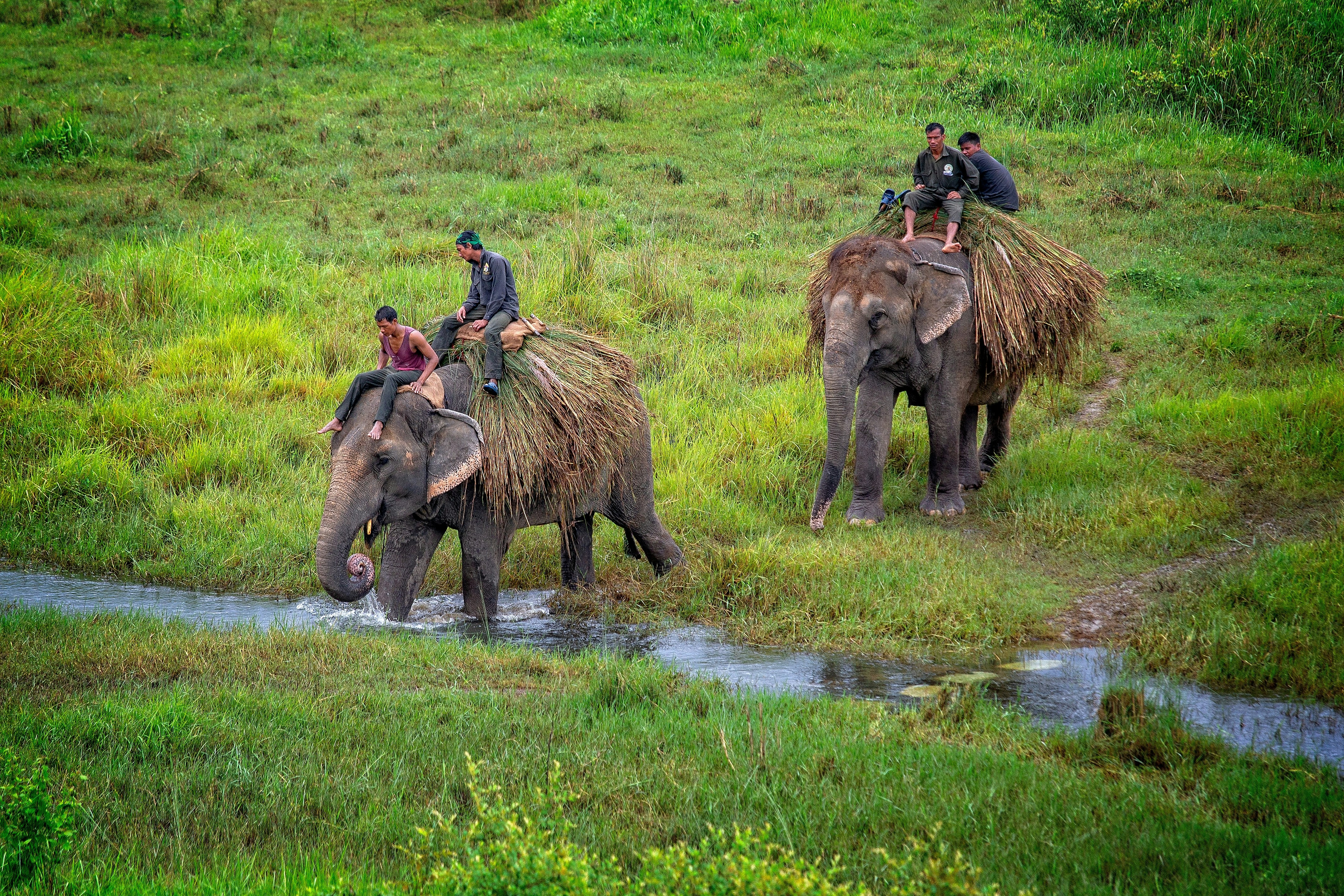
Chitwan is Nepal's first national park and a UNESCO World Heritage Site, protecting one of the last significant populations of one-horned rhinoceros along with Bengal tigers, gharial crocodiles, deer and over 500 recorded bird species. The park's mix of grassland, riverine forest and wetland makes it strikingly different from anywhere else on this itinerary, and it is the highlight for travellers interested in wildlife.
13. Chitwan Jeep Safari and Canoe Ride
Inside the park, a jeep safari gives the best chance of spotting rhinos, deer and, rarely, a tiger, while a canoe ride along the Rapti or Narayani River offers close-up views of gharial and marsh mugger crocodiles and a wide range of waterbirds. Both activities are usually combined with a guided jungle walk for a fuller sense of the park's ecosystem.
14. Tharu Village, Chitwan
The Tharu are the indigenous people of the Chitwan lowlands, with a distinct language, cuisine and building style adapted to the region's heat and humidity. A visit to a Tharu village usually includes a look at traditional mud-and-thatch houses and, in the evening, a lively Tharu stick dance performance. It is one of the best cultural experiences on the tour, alongside the temple sightseeing in the Kathmandu Valley.
15. Thamel, Kathmandu
Thamel is Kathmandu's traveller hub, a dense maze of narrow streets packed with trekking gear shops, handicraft stores, bookshops, bars and restaurants. It is the natural place to spend a free evening before departure, whether for last-minute souvenir shopping, a rooftop dinner or simply people-watching in one of Asia's most colourful travel districts.
Kathmandu, Pokhara & Chitwan Tour: Group Size Options
Group Size Categories
| Group Type |
Group Size |
Vehicle |
Best For |
| Private / Solo |
1-2 people |
Private car |
Flexibility, custom pace, privacy |
| Small Group |
3-6 people |
Private van or SUV |
Families, friends, small groups wanting a private feel |
| Standard Group |
7-12 people |
Tourist van or mini-coach |
Cost-sharing with a fixed but manageable schedule |
| Large Group |
13-20+ people |
Tourist coach |
Fixed departures, budget travellers, school or corporate groups |
How Group Size Affects the Trip
Cost per person
Larger groups generally reduce the per-person cost, since vehicle, guide and driver expenses are shared. A private tour for 1-2 people costs more per head but includes full flexibility.
Vehicle and comfort
Smaller groups travel in cars or SUVs with more legroom on long drives, such as Nagarkot to Pokhara (8-9 hours) or Pokhara to Chitwan (5-6 hours). Larger groups use coaches, which are comfortable but have fixed departure and stop times.
Pace and flexibility
Private and small groups can adjust timing, add extra stops, skip a site, or linger longer at a viewpoint like Sarangkot. Larger fixed groups follow a set itinerary with less room to change plans on the spot.
Chitwan jungle activities
Jeep safaris are often shared between multiple travellers regardless of tour type, since jeeps typically seat 6-8 people. Canoe rides and jungle walks are usually done in small batches for safety and better wildlife spotting, even within a larger overall tour group.
Guide attention
Smaller groups get more personalized guiding at heritage sites like Bhaktapur and Patan. Larger groups may split into sub-groups with multiple guides at busy sites.
Recommended Group Sizes
- Couples or solo travellers: Private tour (1-2 people) for maximum flexibility
- Families with children or elderly members: Small group (3-6 people) for comfort and an easier pace
- Friends or small groups: Small to standard group (4-10 people) for a good cost-to-flexibility balance
- Budget travellers: Standard or large group (10+ people) for the lowest per-person cost
Questions to Ask Before Booking
- Is this a private tour or will I be joined with other travellers?
- What is the minimum group size for the quoted price to apply?
- What vehicle type is used, and does it have air conditioning?
- Is there a single supplement charge for solo travellers?
- Can jungle activities in Chitwan be private, or are they always shared?
- What happens if the group doesn't reach the minimum size, will it be cancelled, combined, or requoted?
A Note on Pricing
Per-person cost typically drops as group size increases, since fixed costs (vehicle, driver, guide) are divided among more people. However, very large groups (15+) sometimes see costs plateau or need a second vehicle, which can offset savings. Always ask for a size-specific quote rather than assuming a linear discount.
Kathmandu, Pokhara & Chitwan Tour: Currency, Money & Payments Guide
Knowing how money works in Nepal before you arrive saves time, fees and stress. This guide covers the local currency, exchange rates, ATMs, cards, digital QR payments and cash tips for a classic Kathmandu–Pokhara–Chitwan tour.
Nepal's Currency at a Glance
| Detail |
What You Need to Know |
| Official currency |
Nepalese Rupee (NPR, written as Rs or रू) |
| Common notes |
Rs 5, 10, 20, 50, 100, 500 and 1,000 |
| USD to NPR (late Sept 2026) |
About 153.46 NPR per US dollar at the mid-market rate, updated 28 September 2026 |
| INR to NPR |
Pegged at a fixed rate of 1 INR = 1.6 NPR |
| Best payment mix |
Cash for small purchases, cards at hotels and larger shops, QR apps where supported |
Tip: Exchange rates change daily. Check a live converter before you travel, and expect banks and money changers to offer a little less than the mid-market rate.
Bringing Money Into Nepal
- Foreign cash: Nepalese or foreign travellers can bring foreign currency cash, including Indian rupees, up to USD 5,000 or its equivalent without a customs declaration. Larger amounts must be declared on arrival.
- Best currencies to carry: US dollars, euros and British pounds are easy to exchange in Kathmandu and Pokhara. Bring clean, undamaged notes, because torn or heavily marked notes may be refused.
- Nepalese rupees are hard to exchange outside Nepal, so plan to spend or reconvert what you have before you leave.
New Rule for Indian Currency (2026 Update)
This rule changed recently and is important for Indian travellers:
- On 24 July 2026, Nepal Rastra Bank confirmed that Indian and Nepalese nationals may carry Indian Rs 200 and Rs 500 notes into and out of Nepal, up to a combined Rs 25,000 per person.
- The notes must be issued on or after 9 November 2016.
- Old Rs 500 and Rs 1,000 notes from before November 2016 are still prohibited, and the ban on Rs 2,000 notes also remains.
- Indian currency cannot be brought into or taken out of Nepal through any country other than India.
ATMs in Kathmandu, Pokhara & Chitwan
ATMs are the easiest way to get rupees. You will find them in Thamel and central Kathmandu, along Lakeside in Pokhara, and in Sauraha and Bharatpur near Chitwan National Park.
| ATM Factor |
Typical Range |
| Per-withdrawal limit |
Usually NPR 20,000–35,000 per transaction, most commonly 25,000 |
| Local bank fee |
A flat charge of roughly NPR 500 to 800, whatever the amount withdrawn |
| Cards accepted |
Visa and Mastercard work at most ATMs; Amex and Maestro/Cirrus work at fewer |
How to save on ATM fees:
- Withdraw the maximum each time. Because the fee is flat, several small withdrawals cost much more than one large one.
- Always choose NPR if the ATM offers to charge you in your home currency. That conversion option (called DCC) adds a hidden markup.
- Tell your bank you are travelling to Nepal so your card isn't blocked.
- Check your home bank's fees. Most card issuers add 1 to 3% for foreign ATM transactions.
- Stock up in Kathmandu or Pokhara before heading to Chitwan's village areas, where ATMs are fewer and can run out of cash on busy days.
Credit & Debit Cards
- Widely accepted: Mid-range and upscale hotels, jungle lodges in Chitwan, larger restaurants, trekking gear shops, travel agencies and airlines.
- Often cash only: Local eateries, taxis, street markets, small souvenir stalls, temple donations and rickshaws.
- Surcharges: Some businesses add a 3–4% fee for card payments. Ask before you pay.
- Use a backup card from a different network (e.g., Visa + Mastercard) in case one is declined.
Digital & QR Payments for Tourists
Nepal has a fast-growing QR payment network, and several foreign wallets now work here:
- Indian visitors (UPI): Indian travellers can use UPI to pay at tourist spots, shops, religious sites and more by scanning QR codes at merchants enrolled in the Fonepay scheme. Apps such as PhonePe, Google Pay, Paytm and BHIM are supported.
- Alipay+ wallets: Travellers from more than 11 countries, including China, South Korea, Malaysia, Singapore, the Philippines, Thailand, Germany and Italy, can pay at Fonepay QR merchants using wallets such as Alipay, KakaoPay, GCash, Touch 'n Go, AlipayHK, TrueMoney and Tinaba.
- UnionPay: Since May 2026, UnionPay users from mainland China, Hong Kong, Macau and Singapore can make QR payments at more than 2 million merchants across Nepal.
- Local wallets: eSewa and Khalti are the most popular, but they generally need a Nepali phone number and bank account, so most short-stay tourists rely on cash or cards instead.
Money Tips by Destination
Kathmandu
- The best place to exchange cash and withdraw money. Thamel has many licensed money changers and bank ATMs.
- Keep small notes for heritage site fees, taxis and street food.
Pokhara
- Lakeside has plenty of ATMs and exchange counters.
- Cards are common at lakeside cafés and hotels. Carry cash for boating on Phewa Lake, paragliding deposits and local buses.
Chitwan (Sauraha)
- Fewer ATMs, and power or network outages can happen. Arrive with enough cash for your stay.
- Jungle safari, canoe trips and guides are often paid in cash unless they are included in your tour package.
Smart Money Tips for Your Nepal Tour
- Use licensed changers or banks and count your cash at the counter.
- Carry small denominations. Rs 1,000 notes can be hard to break at small shops and taxis.
- Keep exchange receipts in case you want to convert leftover rupees back before departure.
- Split your money between your wallet, daypack and hotel safe.
- Tipping is customary for guides, drivers, porters and restaurant staff, usually around 10% where a service charge isn't already added.
- Bargaining is normal in markets and souvenir shops, but not in supermarkets, restaurants or fixed-price stores.
Kathmandu, Pokhara & Chitwan Tour: Electricity & Connectivity
Stay powered up and connected throughout your Nepal tour with these quick essentials.
Electricity at a Glance
| Detail |
Information |
| Voltage / Frequency |
230V, 50Hz |
| Plug types |
Type C (two round pins), D and M (three round pins) |
| Adapter needed? |
Yes, for most UK, US and Australian plugs. A universal adapter works best. |
| Power supply |
Stable in Kathmandu and Pokhara; short outages can still happen, especially in Chitwan's village areas |
Quick tips:
- Most phone and laptop chargers support 100–240V, but check before plugging in hair dryers or other high-power devices.
- Pack a power bank for long drives, jungle safaris and sightseeing days.
- Many hotels and lodges have backup generators or inverters, though some may run only lights and fans during outages.
Mobile SIM & eSIM
Nepal has two main networks: Ncell and Nepal Telecom (NTC / Namaste).
- Where to buy: Ncell and NTC booths are located right next to each other in the Kathmandu airport arrivals hall once you clear customs.
- What you need: Buying a SIM requires your original passport.
- Tourist plans: Ncell's TouristPro plans come with unlimited data and calls, priced at NPR 595 for 7 days, NPR 995 for 14 days and NPR 1,995 for 28 days.
- eSIM option: Ncell offers a dedicated tourist eSIM that you can buy online before arrival or at the airport.
- Which network? For trips centred on Kathmandu, Bhaktapur, Pokhara or Chitwan, Ncell is generally the stronger choice thanks to faster 4G speeds in towns. NTC is often preferred for remote trekking routes.
Wi-Fi & Internet
- Kathmandu: Free Wi-Fi is standard in hotels, cafés and restaurants, especially in Thamel.
- Pokhara: Good Wi-Fi along Lakeside and in most hotels.
- Chitwan: Available in most Sauraha lodges, but speeds can be slower, and signal may drop inside the national park.
Tip: Use mobile data as a backup, since hotel Wi-Fi can be unreliable during power cuts.
Quick Checklist
- Universal travel adapter (Type C/D/M)
- Power bank and charging cables
- Original passport for SIM registration
- Offline maps downloaded before your trip
- Unlocked phone for a local SIM or eSIM
Kathmandu, Pokhara & Chitwan Tour: Travel Documents
Having the right documents makes arrival smooth and keeps your Kathmandu–Pokhara–Chitwan tour hassle-free. Here's what to carry.
Passport & Visa
- Passport validity: Your passport needs at least 6 months of validity.
- Visa on arrival: Most travellers get a visa on arrival at Kathmandu airport; all visa options allow multiple entry.
- Online option: You can also apply in advance through Nepal's eVisa portal and receive the visa by email.
- Other entry airports: The same fees apply at Tribhuvan (Kathmandu), Pokhara International and Gautam Buddha International (Lumbini) airports.
Nepal Tourist Visa Fees (2026)
| Duration |
Fee |
| 15 days |
USD 30 |
| 30 days |
USD 50 |
| 90 days |
USD 125 |
Good to know:
- Indian citizens need no visa, and other SAARC citizens get 30 days free once per year. Indian nationals should carry a valid passport or voter ID card.
- Children under 10 are free of charge.
- Tourists can stay up to 150 days per calendar year, with extensions costing USD 3 per day.
- Citizens of 12 countries cannot get a visa on arrival and must apply through an embassy, so check your nationality before you fly.
Documents Checklist
- Passport (6+ months valid, with blank pages)
- Visa or eVisa approval (if applied online)
- Recent passport-size photograph (35×45 mm)
- Visa fee in fresh USD bills (no torn or marked notes)
- Return or onward flight ticket
- Hotel booking or tour confirmation
- Travel insurance policy (strongly recommended)
Documents During Your Tour
- Hotels: Your passport is required at check-in in Kathmandu, Pokhara and Chitwan.
- Domestic flights: Carry your passport for Kathmandu–Pokhara or Bharatpur (Chitwan) flights.
- Chitwan National Park: No special permit is needed, but park entry is paid on arrival, usually arranged by your lodge or tour operator. Keep your passport handy.
- SIM card: Your original passport is required to register a local SIM.
Smart Tips
- Keep photocopies and digital scans of your passport, visa and insurance, stored separately from the originals.
- Overstaying your visa leads to a daily fine, so plan your dates carefully.
- Visa rules can change. Confirm the latest details with Nepal's Department of Immigration before travel.
Kathmandu, Pokhara & Chitwan Tour: Health, Vaccinations & Insurance
A little health preparation goes a long way on a Nepal tour. Here's what to know before visiting Kathmandu, Pokhara and Chitwan.
Recommended Vaccinations
No vaccinations are mandatory for most travellers entering Nepal, but health authorities commonly recommend the following:
| Vaccine |
Why It's Recommended |
| Routine vaccines (MMR, tetanus, polio, flu) |
Make sure these are up to date |
| Hepatitis A |
Spread through contaminated food and water |
| Typhoid |
Advised for most visitors, especially adventurous eaters |
| Hepatitis B |
For longer stays or possible medical treatment |
| Rabies |
Consider if you'll be around animals, including street dogs and monkeys at temples |
| Japanese Encephalitis |
Consider for longer stays in rural lowlands like Chitwan |
Yellow fever: Required only if you're arriving from a country with yellow fever risk.
Visit a travel clinic 4–8 weeks before departure for personalised advice.
Mosquito Protection in Chitwan
Chitwan lies in the lowland Terai, where mosquito-borne illnesses such as dengue and malaria can occur, especially during and after the monsoon (June–October). Dengue can also affect Kathmandu in the rainy season.
- Use insect repellent containing DEET or picaridin
- Wear long sleeves and trousers at dawn and dusk
- Sleep under a mosquito net or in screened rooms
- Ask your doctor whether antimalarial medication is advisable for your trip
Food & Water Safety
- Drink bottled, boiled or filtered water only; avoid tap water
- Skip ice unless you're sure it's made from safe water
- Choose freshly cooked, hot food and peelable fruit
- Carry hand sanitiser and oral rehydration salts
Other Health Tips
- Air quality: Kathmandu can be dusty and polluted, especially in the dry season. A mask helps if you have respiratory sensitivities.
- Sun protection: Bring sunscreen, sunglasses and a hat for Pokhara's lakeside and Chitwan's safaris.
- Medications: Carry prescription medicines in original packaging with a copy of your prescription.
- Medical care: Kathmandu and Pokhara have good private hospitals and clinics; facilities around Chitwan are more basic, with larger hospitals in Bharatpur.
Travel Insurance
Travel insurance is strongly recommended for every Nepal tour. Choose a policy that covers:
- Medical treatment and hospitalisation
- Emergency evacuation (including helicopter rescue if you add trekking or adventure sports)
- Trip cancellation, delays and interruptions
- Lost baggage and personal belongings
- Adventure activities like paragliding, rafting or jungle safaris (check exclusions)
Tip: Keep your insurance policy number and 24-hour emergency contact saved on your phone and printed in your bag.
Quick Health Checklist
- Vaccination record or certificates
- Travel insurance documents
- Personal medicines and a small first-aid kit
- Insect repellent and sunscreen
- Water purification tablets or a filter bottle
- Hand sanitiser and face mask
Kathmandu, Pokhara & Chitwan Tour: Food & Dietary Needs
Nepali food is hearty, flavourful and easy to adapt to most diets. From Newari feasts in Kathmandu to lakeside cafés in Pokhara and Tharu village meals in Chitwan, here's what to expect.
Must-Try Nepali Dishes
| Dish |
What It Is |
| Dal Bhat |
Nepal's national meal: rice, lentil soup, vegetable curry and pickle, often with free refills |
| Momo |
Steamed or fried dumplings filled with vegetables, chicken or buffalo |
| Thukpa |
Warming Himalayan noodle soup |
| Sel Roti |
Sweet, ring-shaped rice bread, popular at festivals |
| Chatamari |
Newari rice-flour crêpe, sometimes called "Nepali pizza" |
| Juju Dhau |
Rich, creamy "king of curd" from Bhaktapur |
| Masala Chiya |
Spiced milk tea served everywhere |
Food by Destination
Kathmandu
- Try authentic Newari cuisine in Patan, Bhaktapur and old Kathmandu.
- Thamel offers everything from Nepali and Tibetan food to Italian, Indian, Korean and vegan cafés.
Pokhara
- Lakeside is packed with international restaurants, bakeries and fresh fish from Phewa Lake.
- Great spot for healthy breakfasts, smoothies and café culture.
Chitwan
- Enjoy Tharu cuisine, including dhikri (steamed rice-flour dumplings) and freshwater fish dishes.
- Most jungle lodges serve set buffet or à la carte meals with Nepali and continental options.
Dietary Needs Made Easy
- Vegetarian: Very easy. Many Nepalis are vegetarian, and every menu has plenty of choices.
- Vegan: Widely available in tourist areas, but ask about ghee (clarified butter), milk, curd and paneer, which are common in local cooking.
- Gluten-free: Rice-based dal bhat is naturally a safe bet. Avoid momos, noodles, roti and fried snacks, which are usually wheat-based.
- Halal: Available in Kathmandu and some restaurants in Pokhara; options are more limited in Chitwan.
- Jain & no onion/garlic: Possible at many Indian-style restaurants with advance notice.
- Food allergies: Peanuts, sesame and soybean are sometimes used in pickles (achar) and sauces. Always mention allergies clearly.
Tip: Share your dietary requirements with your tour operator in advance so hotels and lodges can prepare suitable meals.
Food Safety Tips
- Eat freshly cooked, hot meals at busy restaurants
- Drink bottled, boiled or filtered water, and avoid ice in local stalls
- Be careful with raw salads and unpeeled fruit
- Ease into spicy food. Ask for "less spicy" (kam piro) if needed
- Carry an allergy card written in Nepali for serious allergies
Dining Etiquette
- Many Nepalis eat with their right hand; cutlery is always available in restaurants.
- Avoid sharing food from your plate or touching others' food with used utensils (jutho custom).
- A 10% service charge is often added in restaurants; extra tipping is appreciated but optional.
Kathmandu, Pokhara & Chitwan Tour: Culture, Dress & Etiquette
Nepal is a warm, welcoming country shaped by Hindu and Buddhist traditions. Respecting local customs will make your Kathmandu, Pokhara and Chitwan tour more rewarding and help you connect with the people you meet.
Greetings & Social Customs
- Say "Namaste": Press your palms together at chest level and bow slightly. It's the standard greeting for everyone.
- Use your right hand to give, receive, eat and shake hands. The left hand is considered unclean.
- Respect elders: Greet older people first and use polite titles like dai (older brother) or didi (older sister).
- Avoid public displays of affection, especially in temples and rural areas.
- Stay calm and polite. Raising your voice or showing anger is frowned upon.
What to Wear
| Occasion |
Dress Tip |
| Temples & monasteries |
Cover shoulders and knees; remove shoes and hats before entering |
| City sightseeing |
Light, modest clothing; T-shirts and long trousers or skirts work well |
| Pokhara lakeside |
Relaxed casual wear is fine; swimwear only for swimming |
| Chitwan safaris |
Neutral colours (green, khaki, brown); avoid bright colours and white |
| Village visits |
Modest, loose clothing to respect local traditions |
Tip: Pack a light scarf or shawl. It's handy for covering up at religious sites and for dusty roads.
Temple & Religious Etiquette
- Remove shoes before entering temples, monasteries and homes.
- Walk clockwise around stupas, temples and prayer wheels.
- Ask before photographing people, rituals or temple interiors. Some temples forbid photography.
- Non-Hindus may not enter certain temples, such as the main shrine of Pashupatinath. Look for signs.
- Don't touch offerings, shrines or religious objects.
- Leather items like belts and bags may not be welcome in some Hindu temples.
- At Pashupatinath, cremation ceremonies are held openly. Observe quietly and avoid close-up photos of mourners.
Common Cultural Don'ts
- Don't point your feet at people, shrines or deities
- Don't step over someone sitting or lying down
- Don't touch anyone's head, which is considered sacred
- Don't offer food you've already tasted (jutho)
- Don't give money or sweets to begging children; support local charities instead
Respecting Local Communities in Chitwan
- Visit Tharu villages with a local guide and follow their lead.
- Ask permission before photographing homes, people or ceremonies.
- Keep quiet during jungle walks and safaris to protect wildlife and follow park rules.
Bargaining & Tipping
- Bargaining is normal in markets and souvenir shops. Keep it friendly and fair.
- Fixed prices apply in supermarkets, restaurants and branded stores.
- Tipping guides, drivers and porters is customary and much appreciated.
Kathmandu, Pokhara & Chitwan Tour: Responsible & Sustainable Travel
Travelling responsibly helps protect Nepal's heritage, wildlife and communities for future generations. Small choices on your Kathmandu, Pokhara and Chitwan tour can make a big difference.
Protect the Environment
- Say no to single-use plastic: Carry a reusable water bottle and refill it with filtered water at hotels and refill stations.
- Use water purification tablets or a filter bottle instead of buying bottled water.
- Carry a cloth shopping bag for markets and souvenir shopping.
- Dispose of waste properly, and pack out any litter from lakesides, viewpoints and trails.
- Save water and electricity in hotels and lodges, as both are precious resources in Nepal.
Ethical Wildlife Encounters in Chitwan
- Choose jeep safaris, canoe rides, bird-watching and guided jungle walks as low-impact ways to see wildlife.
- Avoid elephant rides and elephant bathing, which can cause stress and harm to the animals.
- Keep a safe, quiet distance from rhinos, tigers, crocodiles and other wildlife.
- Never feed wild animals, including monkeys at temples in Kathmandu.
- Follow park rules and always go with a licensed naturalist guide.
Support Local Communities
- Hire local guides, drivers and porters, and pay fair wages and tips.
- Stay in locally owned hotels, homestays and eco-lodges.
- Buy authentic handicrafts such as pashmina, Thangka paintings, pottery and handmade paper directly from artisans and fair-trade shops.
- Eat at local restaurants and try traditional Nepali, Newari and Tharu dishes.
- Visit Tharu villages through community-based tourism programmes that share income fairly.
Respect Culture & Heritage
- Follow temple etiquette and dress modestly at religious sites.
- Ask permission before photographing people, especially children and ceremonies.
- Don't touch, climb or remove anything from heritage monuments in Kathmandu Valley's UNESCO World Heritage Sites.
- Avoid giving money or sweets to children; donate to reputable schools or charities instead.
Travel Smart & Low-Carbon
- Walk or cycle to explore Thamel, Patan, Bhaktapur and Pokhara's Lakeside.
- Share vehicles or choose group transport where possible.
- Rent bicycles or kayaks in Pokhara instead of motorised options.
- Consider offsetting your flight emissions through a reputable programme.
Responsible Traveller Checklist
- Reusable water bottle and cloth bag
- Water filter or purification tablets
- Eco-friendly sunscreen and toiletries
- Respectful, modest clothing
- Licensed local guide and ethical tour operator
Travel lightly, respect deeply and leave Nepal better than you found it. Every responsible choice supports the people and places that make this journey unforgettable.
Kathmandu, Pokhara, Chitwan & Lumbini Tour: Photography
From ancient temples and Himalayan sunrises to wild rhinos and the sacred birthplace of Buddha, this tour is a photographer's dream. Here's how to capture the best shots respectfully and safely.
Top Photo Spots
| Destination |
Best Shots |
| Kathmandu |
Boudhanath Stupa at golden hour, Swayambhunath (Monkey Temple) city views, Durbar Squares of Kathmandu, Patan & Bhaktapur |
| Pokhara |
Sunrise over Annapurna & Machhapuchhre from Sarangkot, reflections on Phewa Lake, World Peace Pagoda |
| Chitwan |
One-horned rhinos, crocodiles and birdlife on canoe rides, jeep safaris, Rapti River sunsets, Tharu village life |
| Lumbini |
Sacred Garden, Ashoka Pillar, monastic zone temples, prayer flags and peaceful pilgrims |
Best Times to Shoot
- Golden hours: Early morning and late afternoon give soft light and fewer crowds.
- Mountain views: October–November and March–April offer the clearest Himalayan skies.
- Wildlife: Early morning safaris in Chitwan are best for animal sightings and misty jungle scenes.
- Monsoon (June–September): Lush green landscapes, but clouds often hide the mountains.
Photography Etiquette
- Always ask before photographing people, especially sadhus, monks, women and children. Some sadhus may expect a small tip.
- Respect "No Photography" signs inside temples and monasteries.
- Lumbini: Photography is not allowed inside the Maya Devi Temple. Keep a quiet, respectful presence throughout the Sacred Garden.
- Pashupatinath: Avoid close-up photos of cremation ceremonies and grieving families.
- Don't use flash during prayers, rituals or near wildlife.
- Never block paths or disturb worshippers for the perfect shot.
Drone Rules
Flying drones in Nepal requires official permission from the relevant authorities. Drones are generally restricted around airports, heritage sites, religious sites and national parks, including Chitwan and Lumbini. Unauthorised drones may be confiscated, so arrange permits well in advance through your tour operator.
Photography Gear Tips
- Zoom/telephoto lens (200mm+) for Chitwan wildlife
- Wide-angle lens for temples, stupas and mountain landscapes
- Extra batteries and memory cards, as power cuts can happen
- Power bank for long safari and sightseeing days
- Dust-proof bag and lens cloth for Kathmandu's dusty streets
- Rain cover during the monsoon
Quick Tips
- Keep your camera secure in crowded markets and temples
- Back up photos daily to cloud storage or a portable drive
- Hire a local guide who knows the best viewpoints and timing
- Silence your camera on safaris to avoid disturbing wildlife
Capture memories, not moments of disrespect. Shoot thoughtfully, and let the beauty of Nepal speak through your lens.
Kathmandu, Pokhara, Chitwan & Lumbini Tour: Luggage & Baggage Handling
Packing smart makes travelling between Kathmandu, Pokhara, Chitwan and Lumbini easier, whether you're flying, driving or taking a tourist bus. Here's how to manage your luggage stress-free.
What Luggage to Bring
- Soft-sided suitcase or duffel bag: Easier to load onto buses, jeeps and small aircraft than hard-shell cases.
- Daypack (20–30 L): For water, camera, sunscreen, rain jacket and valuables on sightseeing and safari days.
- Keep it light: Aim for one main bag per person to make transfers smooth.
- Lockable bags: Use small padlocks or TSA locks for extra security.
Domestic Flight Baggage
Flights connect Kathmandu with Pokhara, Bharatpur (Chitwan) and Bhairahawa (Lumbini).
| Allowance |
Typical Limit |
| Checked baggage |
Around 20 kg per person |
| Hand luggage |
One small bag, usually around 5–7 kg |
- Excess baggage is charged per kilo at the airport.
- Carry medicines, valuables, electronics and power banks in your hand luggage. Power banks are not allowed in checked bags.
- Allowances vary by airline and ticket type, so confirm before you fly.
Road Travel & Tourist Buses
- Luggage is stored in the bus hold or on the roof, often covered with a tarpaulin.
- Use a rain cover or waterproof liner, especially during the monsoon (June–September).
- Keep your daypack with you inside the vehicle.
- Private cars and jeeps offer more space and flexibility for larger bags.
Hotels & Luggage Storage
- Most hotels in Kathmandu and Pokhara offer free luggage storage, ideal if you want to travel light to Chitwan or Lumbini.
- Label your stored bags clearly and keep a receipt or photo.
- Use in-room or reception safes for passports, cash and valuables.
Chitwan & Lumbini Tips
- Chitwan: Carry only a small bag on jeep safaris and canoe trips. Protect cameras from dust and water.
- Lumbini: Travel light when exploring the large Sacred Garden and Monastic Zone, often by bicycle or rickshaw.
Porters & Tipping
- Hotel staff and porters commonly help with bags at hotels, airports and bus parks.
- A small tip (NPR 50–100 per bag) is customary and appreciated.
- Only use official porters or hotel staff at airports and bus stations.
Quick Luggage Checklist
- Luggage tags with your name and phone number
- Padlocks for main bags
- Waterproof bag cover or dry bags
- Daypack for sightseeing and safaris
- Copies of your passport stored separately
- Photo of your luggage (useful if bags go missing)
Pack light, stay organised and keep valuables close. It's the easiest way to enjoy every stop on your Nepal tour.
Kathmandu, Pokhara, Chitwan & Lumbini Tour: Emergency Contacts & Support
Help is never far away on your Nepal tour. Save these key contacts before you travel, and share your itinerary with family or friends back home.
Nepal Emergency Numbers
| Service |
Number |
| Police |
100 |
| Tourist Police |
1144 |
| Ambulance |
102 |
| Fire Brigade |
101 |
| Traffic Police |
103 |
Tip: The Tourist Police help foreign visitors with theft, scams, lost documents and general assistance. They have offices in Kathmandu, Pokhara and other major tourist areas, and officers usually speak English.
Hospitals & Medical Care
| Destination |
Where to Get Help |
| Kathmandu |
CIWEC Hospital (travel medicine specialists), Grande International Hospital, Norvic International Hospital, TU Teaching Hospital |
| Pokhara |
Manipal Teaching Hospital, Gandaki Medical College Hospital, private clinics in Lakeside |
| Chitwan |
Chitwan Medical College Teaching Hospital and other hospitals in Bharatpur (about 30–40 minutes from Sauraha) |
| Lumbini |
Hospitals in Bhairahawa (Siddharthanagar) and Butwal, the nearest larger medical centres |
- Kathmandu has the best medical facilities in Nepal. Serious cases are often transferred there.
- Pharmacies are easy to find in all four destinations for basic medicines.
Travel Insurance & Evacuation
- Save your insurance policy number and 24-hour emergency helpline on your phone and on paper.
- Contact your insurer before major treatment where possible to arrange direct payment.
- Make sure your policy covers emergency evacuation, including air ambulance if needed.
Embassy Support
- Most embassies are located in Kathmandu.
- Contact your embassy for lost or stolen passports, legal trouble or serious emergencies.
- Register with your country's traveller enrolment programme (if available) before departure.
Your Tour Operator & Guide
- Your tour guide and operator's 24/7 contact number is often the fastest source of help.
- Keep your hotel's address and phone number saved in English and Nepali.
- Inform your guide immediately about illness, injury or lost belongings.
Emergency Checklist
- Emergency numbers saved in your phone
- Tour operator and guide contact details
- Travel insurance policy and helpline
- Embassy address and phone number
- Copies of passport and visa (printed and digital)
- A charged phone and power bank at all times
Contact details can change. Confirm local numbers with your hotel or tour operator on arrival, and stay prepared so you can travel with confidence.
Kathmandu, Pokhara, Chitwan & Lumbini Tour: Booking & Cancellation Policy
We keep booking simple and transparent so you can plan your Nepal tour with confidence. Please read the terms below before confirming your trip.
How to Book
- Choose your tour and preferred travel dates.
- Send a booking request with your full name, nationality, passport details and number of travellers.
- Pay a deposit to confirm your booking.
- Receive written confirmation with your itinerary, inclusions and payment details.
Payment Terms
| Payment |
Amount |
When |
| Deposit |
20% of the total tour cost |
At the time of booking |
| Balance |
Remaining 80% |
On arrival in Kathmandu or before the tour starts |
- Payment methods: Bank transfer, credit/debit card or cash (USD/NPR).
- Card payments may include a bank service charge of 3–4%.
- Bank transfer fees are the responsibility of the traveller.
Cancellation by the Traveller
All cancellations must be made in writing by email. The following charges apply:
| Notice Before Departure |
Cancellation Charge |
| 30 days or more |
Deposit only (20%) |
| 15–29 days |
50% of the total tour cost |
| 7–14 days |
75% of the total tour cost |
| Less than 7 days / No-show |
100% of the total tour cost |
- Non-refundable costs already paid (domestic flights, permits, hotel bookings) may be deducted.
- No refunds are given for unused services, late arrival or leaving the tour early.
Changes & Postponement
- Date changes are possible free of charge up to 30 days before departure, subject to availability.
- Later changes may incur extra costs from hotels, airlines or transport providers.
- Deposits can be transferred to a future date within 12 months in special cases.
Cancellation by the Company
We may cancel or change the tour due to circumstances beyond our control, including:
- Natural disasters, landslides or severe weather
- Flight cancellations or road closures
- Political unrest, strikes or government restrictions
- Health emergencies or safety concerns
In such cases, we will offer an alternative itinerary, a new date or a fair refund of unused services.
Travel Insurance
We strongly recommend comprehensive travel insurance covering trip cancellation, medical emergencies, evacuation and lost baggage. It protects you if you need to cancel unexpectedly.
Need Help?
Our team is happy to answer questions about bookings, payments or changes. Contact us by email, phone or WhatsApp before or during your trip.
By confirming your booking, you agree to these terms and conditions.
Note: The deposit percentages, cancellation charges and timeframes above are sample industry-standard terms. Please adjust them to match your company's actual policy before publishing.
Frequently Asked Questions (FAQs)
Part 1: Tour Basics
1. What is the Kathmandu, Pokhara and Chitwan tour?
It is a 9-day road-based tour covering Nepal's cultural, scenic and wildlife highlights. You visit Kathmandu, Bhaktapur, Patan, Nagarkot, Pokhara, Sarangkot and Chitwan National Park, then return to Kathmandu. No trekking or mountaineering experience is required.
2. Who is this tour suitable for?
It suits families, couples, solo travellers, seniors, photographers and first-time visitors. Altitudes are gentle (150 m to 2,175 m), and most sightseeing involves easy walking. Travellers with mobility issues should mention this when booking, as some temples have many steps.
3. What does the 9-day itinerary look like?
- Day 1: Arrive in Kathmandu
- Day 2: Kathmandu sightseeing
- Day 3: Bhaktapur and Patan, then drive to Nagarkot
- Day 4: Drive from Nagarkot to Pokhara
- Day 5: Full-day Pokhara city tour
- Day 6: Sarangkot visit, then drive to Chitwan
- Day 7: Full-day jungle activities
- Day 8: Drive back to Kathmandu
- Day 9: Departure
4. Can the tour be shortened or extended?
Yes. Popular shorter versions skip Nagarkot, and a 6 to 7-day version is common. You can extend the trip with Lumbini (Buddha's birthplace), a Poon Hill trek, a Mustang flight or a Kathmandu valley rim hike. Good operators customise dates and hotels for private groups.
5. Is this a private tour or a group tour?
Both exist. A private tour gives you your own vehicle, guide and flexible timing. Group departures cost less per person but follow a fixed schedule. Ask which one a quoted price covers.
Part 2: Timing, Weather and Season
6. What is the best time to do this tour?
October to November and March to May are best, with clear mountain views and comfortable temperatures. Autumn (October to November) is the peak season, with the sharpest Himalayan views. Book early if you plan to travel in these months.
7. Can I do this tour in the monsoon (June to September)?
Yes, and it is cheaper and greener. Expect afternoon showers, hazy mountain views, leeches in the jungle and occasional road delays from landslides. Pack a rain jacket and leech socks, and keep some schedule flexibility.
8. Is the tour possible in winter (December to February)?
Yes. Days are dry and sunny, but mornings and evenings are cold in Kathmandu and Nagarkot, and Chitwan can be foggy in the early morning. Bring warm layers. Wildlife spotting is often good because the grass is shorter.
9. Will I see Mount Everest on this tour?
On very clear days, a small distant view of Everest is possible from Nagarkot, though it is not guaranteed. Sarangkot offers a much closer view of Annapurna, Dhaulagiri and the fish-tail peak of Machhapuchhre. Sunrise in the dry season gives the best chance.
Part 3: Cost, Booking and Payment
10. How much does the tour cost?
Prices depend on group size, hotel category, season and vehicle type. A budget package with 3-star hotels is far cheaper per person than a 5-star option. Ask for a written quote that lists exactly what is included, and compare quotes on the same hotel standard.
11. What is usually included in the price?
Typically: airport transfers, hotels on twin-sharing with breakfast, private transport, an English-speaking guide for city tours, Kathmandu monument fees, and the Chitwan package (meals, park permit, activities and naturalist guide). See our full Cost Includes and Excludes page for the details.
12. What is not included?
International flights, Nepal visa, travel insurance, most lunches and dinners outside Chitwan, drinks, tips, personal expenses and optional activities such as paragliding.
13. Do I need to pay in advance?
Most operators ask for a deposit to confirm hotels and transport, with the balance paid on arrival or before the trip. Confirm the payment method, refund and cancellation policy in writing before you pay.
14. Should I tip guides and drivers?
Tipping is customary but not compulsory. Many travellers tip guides and drivers at the end of the trip, and a small tip for hotel and lodge staff is appreciated. Do it based on service quality and your budget.
Part 4: Visa, Entry and Documents
15. Do I need a visa for Nepal?
Most nationalities need a visa. It is available on arrival at Tribhuvan International Airport or online in advance. Fees and rules change, so check the Department of Immigration's official website before you travel. Indian citizens generally do not need a visa.
16. What documents should I carry?
Bring your passport (valid 6+ months with blank pages), visa, passport-size photos, flight tickets, hotel vouchers, travel insurance and printed copies of each. Keep digital copies on your phone or in cloud storage.
17. Is travel insurance necessary?
Strongly recommended. Choose a policy covering medical care, trip cancellation, lost baggage and emergency evacuation. Check that adventure activities like paragliding are covered if you plan to try them.
Part 5: Getting Around
18. How long are the drives?
Approximate driving times: Kathmandu to Nagarkot 1.5 to 2 hours, Nagarkot to Pokhara 8 to 9 hours, Pokhara to Chitwan 5 to 6 hours, and Chitwan to Kathmandu 5 to 6 hours. Traffic, road works and weather can extend these times.
19. Can I fly instead of driving between cities?
Yes. Kathmandu to Pokhara takes about 25 to 30 minutes by flight, and it is a good time-saver. Flights can be delayed by weather, and domestic baggage limits are tighter than on international flights. Chitwan is usually reached by road, or by air to Bharatpur.
20. Are the roads safe and comfortable?
Main highways are paved but winding, with heavy traffic in places. Professional drivers who know the route make a real difference. If you get carsick, take motion-sickness tablets and sit near the front.
21. What type of vehicle will we travel in?
Usually a private car, tourist van or coach, depending on group size. Ask whether air conditioning is included, especially for Chitwan in the hot months.
Part 6: Destinations and Activities
22. What are the must-see places in Kathmandu?
The main highlights are Pashupatinath Temple, Boudhanath Stupa, Swayambhunath (the Monkey Temple) and Kathmandu Durbar Square. Together with Bhaktapur and Patan, they show the Newar culture of the Kathmandu Valley. Several of these are UNESCO World Heritage Sites.
23. What can I do in Pokhara?
Pokhara is Nepal's adventure and relaxation hub. Popular activities are boating on Phewa Lake, visiting Davis Falls, Gupteshwor Cave and the World Peace Pagoda, and watching sunrise from Sarangkot. Optional extras include paragliding, zip-lining and ultralight flights over the lake and mountains.
24. What is a Chitwan jungle safari like?
Chitwan National Park is a UNESCO World Heritage Site famous for one-horned rhinoceros, Bengal tigers, gharial crocodiles, deer and hundreds of bird species. Typical activities are a jeep safari, a canoe ride, a guided jungle walk, bird watching and a Tharu cultural village visit. Sightings of rhinos are common, while tigers are rare.
25. Are elephant rides offered in Chitwan?
Some operators still offer them, but animal welfare concerns have led many travellers and lodges to avoid them. Jeep safaris, canoe rides and guided walks are better options, and responsible operators may offer elephant-friendly experiences such as visiting breeding or conservation centres.
Part 7: Health, Safety and Comfort
26. Will I get altitude sickness?
Very unlikely. The highest stop, Nagarkot, is about 2,175 m, well below the elevations where altitude sickness usually becomes a concern.
27. Is Nepal safe for tourists?
Nepal is generally safe and welcoming for travellers. Standard precautions apply: watch your belongings in crowded areas, use registered taxis and guides, and avoid isolated areas at night. Check your government's travel advice and local news for strikes or protests before departure.
28. Is the food and water safe?
Choose freshly cooked hot meals and drink bottled, boiled or purified water only. Vegetarian, vegan and other dietary needs are easy to meet, as dal bhat, momo and noodle dishes are widely available. Let your hotel or operator know about allergies in advance.
Part 8: Packing and Practical Tips
29. What should I pack for this tour?
Pack layers, comfortable walking shoes, a light jacket for Nagarkot and Sarangkot, neutral-coloured clothes for Chitwan, insect repellent, sunscreen, a power bank and a universal adapter. Cover shoulders and knees at temples. See our full Nepal tour packing checklist for details.
30. What money and connectivity should I plan for?
The local currency is the Nepali rupee. ATMs are common in Kathmandu and Pokhara but rare elsewhere, so carry enough cash for rural stops. You can buy a local SIM card or eSIM in Kathmandu or Pokhara. Hotel Wi-Fi is usually available but may be slower in Nagarkot and Chitwan.







The Perfect Combination Of Culture, Nature, And Wildlife
Our Trip Through Kathmandu, Pokhara, And Chitwan Was A Wonderful Way To Discover Different Sides Of Nepal In One Holiday. Kathmandu Was Fascinating, With Its Ancient Temples, Historic Squares, And Rich Cultural Heritage. Pokhara Was A Completely Different Experience, With Beautiful Lakes, Peaceful Surroundings, And Stunning Himalayan Views. Chitwan Was Another Highlight, Especially The Opportunity To Explore The National Park And Learn About Nepal’s Wildlife And Local Tharu Culture. I Enjoyed How Each Destination Offered Something Unique, So The Journey Never Felt Repetitive. The Tour Gave Us A Good Balance Of Sightseeing, Relaxation, And Adventure. I Would Recommend This Itinerary To Anyone Visiting Nepal For The First Time Who Wants To Experience Its Culture, Landscapes, And Wildlife In One Trip.
An Amazing Nepal Holiday Filled With Unforgettable Memories
Nepal Was Even More Beautiful Than I Expected, And This Tour Gave Us A Fantastic Introduction To The Country. We Enjoyed Exploring Kathmandu’s Historic Temples And Traditional Streets, Watching The Sunrise Over The Himalayas Near Pokhara, And Relaxing Beside The Peaceful Waters Of Phewa Lake. Chitwan Was A Completely Different Adventure, With Its Natural Landscapes, Wildlife Experiences, And Fascinating Local Culture. I Particularly Liked How The Itinerary Combined Cultural Sightseeing With Time To Enjoy Nature Rather Than Rushing From One Attraction To Another. The Journey Gave Us A Wonderful Variety Of Experiences And A Better Understanding Of Nepal’s People And Traditions. I Would Happily Recommend This Tour To Anyone Planning Their First Visit To Nepal.
Three Incredible Destinations In One Unforgettable Trip
We Spent An Amazing Holiday Exploring Kathmandu, Pokhara, And Chitwan, And Each Destination Offered Something Special. Kathmandu Impressed Us With Its Ancient Architecture, Colorful Streets, And Beautiful Cultural Sites. In Pokhara, We Loved The Relaxed Atmosphere, The Views Of The Annapurna Range, And The Peaceful Time By Phewa Lake. Chitwan Was A Memorable Change Of Scenery, Giving Us The Opportunity To Enjoy Nature And Discover More About Nepal’s Wildlife And Tharu Culture. What I Appreciated Most Was The Variety Of Experiences Packed Into One Trip, From History And Local Traditions To Mountain Scenery And Jungle Adventures. It Was A Wonderful Way To Explore Nepal Beyond A Single City, And I Would Recommend This Tour To Travelers Who Want A Balanced And Rewarding Holiday.
A Wonderful Journey Through Nepal’s Culture And Natural Beauty
This Tour Was A Fantastic Way To Experience Nepal For The First Time. Kathmandu Offered So Much History And Culture, And I Enjoyed Visiting The Temples, Exploring The Old Streets, And Learning About Local Traditions. Pokhara Quickly Became One Of My Favorite Stops Because Of Its Peaceful Lakeside Atmosphere And Beautiful Mountain Views. Chitwan Added A Completely Different Experience, With Its Green Landscapes, Wildlife Activities, And Insight Into Tharu Culture. I Loved The Variety Of The Itinerary Because Every Destination Had Its Own Character. The Trip Felt Like A Great Balance Of Sightseeing, Relaxation, And Adventure, With Plenty Of Opportunities To Take Photos And Enjoy The Surroundings. I Would Recommend This Tour To Anyone Who Wants To Discover Nepal’s Cultural Heritage, Mountain Scenery, And Wildlife In One Memorable Holiday.
Nepal’s Best Highlights In One Memorable Holiday
Our Journey Through Kathmandu, Pokhara, And Chitwan Was An Excellent Introduction To Nepal. I Especially Enjoyed The Contrast Between The Three Destinations. Kathmandu Offered Fascinating Temples, Historic Architecture, And A Lively Local Atmosphere, While Pokhara Was Perfect For Enjoying Peaceful Lakeside Walks And Spectacular Himalayan Views. Chitwan Brought A Sense Of Adventure, With Opportunities To Explore The National Park And Learn About The Region’s Wildlife And Tharu Traditions. The Different Experiences Made The Trip Feel Varied And Rewarding Rather Than Simply A Sightseeing Tour. I Would Recommend This Package To Anyone Who Wants To Experience Nepal’s Culture, Nature, And Wildlife Without Taking On A Demanding Trek. I Returned Home With Wonderful Memories And A Much Greater Appreciation For This Beautiful Country.