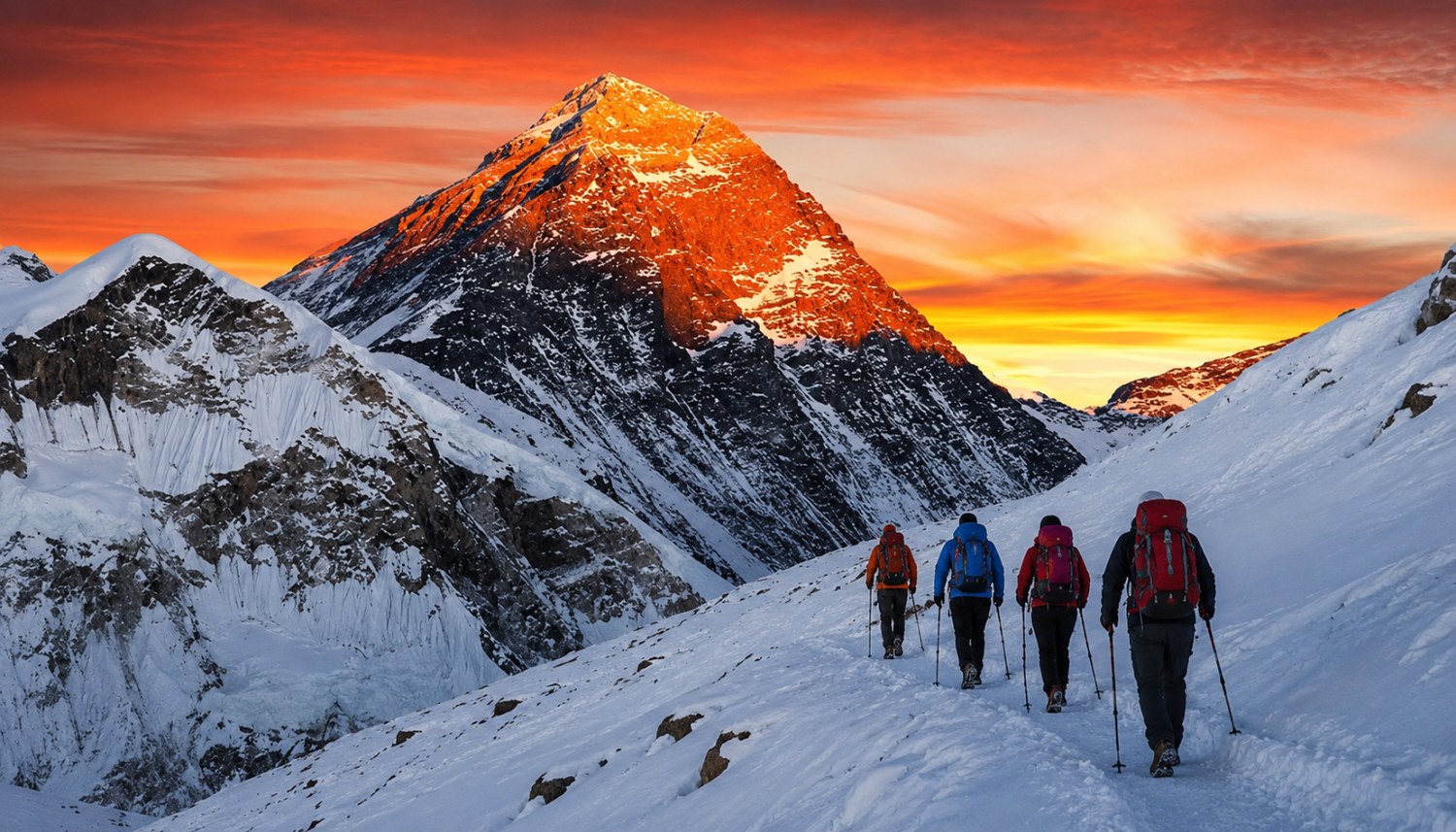
Classic Everest Base Camp Trek Guide & Porter: Cost, Roles & Tips
By Nepal Trip Services On 18 Sep 2026

By Nepal Trip Services On 18 Sep 2026
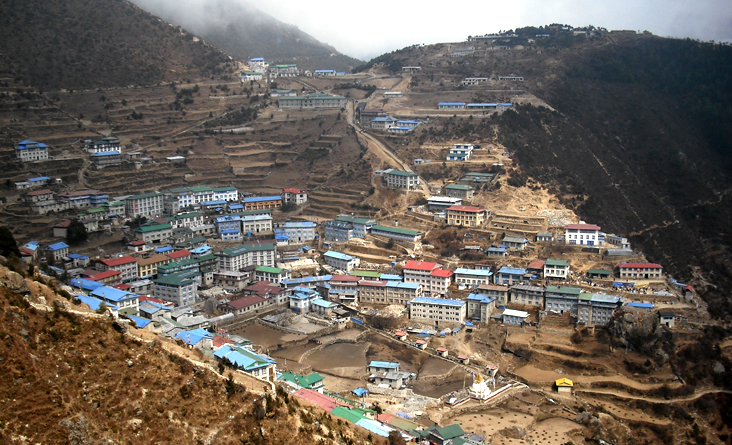
Hiring a guide and porter is one of the most important decisions you'll make when planning the Everest Base Camp Trek. Beyond simply carrying your bag or showing you the way, a good guide and porter team can be the difference between a safe, enjoyable journey and a stressful one. This guide breaks down exactly what guides and porters cost, what they actually do, and how to work with them the right way — so you can plan your Classic Everest Base Camp Trek with confidence.
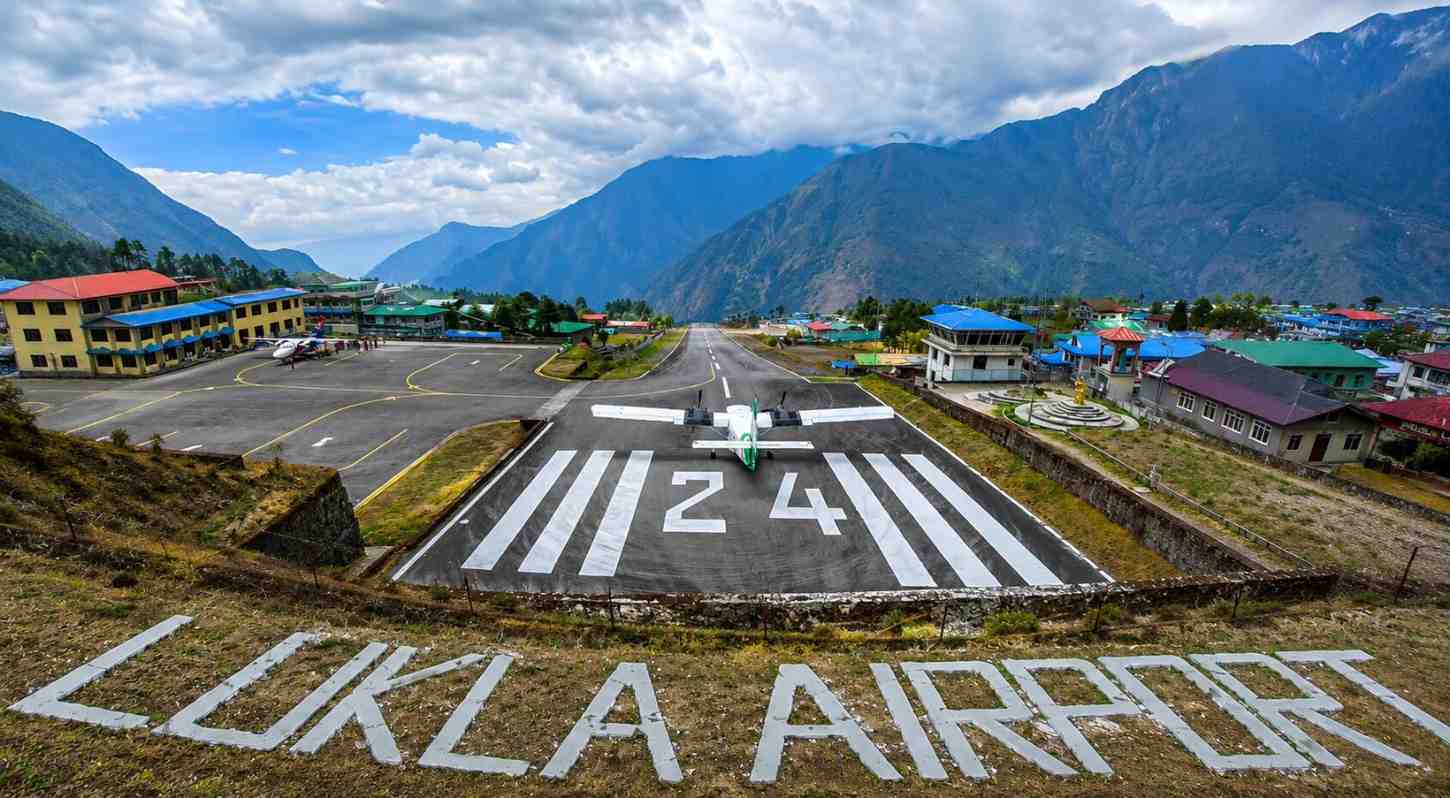
Every year, tens of thousands of trekkers set out from Lukla toward the foot of the world's highest mountain, and the ones who have the smoothest, safest experience almost always share one thing in common: a strong local support team. The Khumbu region is remote, high-altitude, and prone to sudden weather changes, which means small decisions — when to rest, when to push on, how to read early signs of altitude sickness — carry real consequences. A guide brings the local knowledge and safety judgment that no amount of pre-trip research can fully replace, while a porter allows you to walk each day with only a light daypack, preserving your energy for the altitude rather than the load on your back.
Beyond the practical benefits, hiring local guides and porters also connects you more meaningfully to the region itself. Many guides are Sherpa or from nearby Khumbu villages, and they bring firsthand cultural insight — from monastery customs at Tengboche to the significance of prayer flags and mani stones along the trail — that transforms the trek from a physical challenge into a genuinely immersive experience. Just as importantly, the wages and tips trekkers pay go directly into the local economy, supporting families in one of the more remote and economically fragile parts of Nepal.
Still, many first-time trekkers aren't sure where to start: how much a guide or porter actually costs, what's included in that price, how tipping works, or how to tell a reputable local agency from one that underpays its staff. This guide answers all of that in detail — covering current 2026 pricing, the specific responsibilities of guides versus porters, tipping norms, and practical tips for hiring the right team — so you can budget accurately and trek with a support crew you trust.
While it's technically possible to trek to Everest Base Camp independently, the vast majority of trekkers — beginners and experienced hikers alike — choose to hire local support. Guides and porters aren't just a convenience; they're deeply woven into the safety, culture, and economy of the Khumbu region.
| Role | Main Responsibility | Typical Daily Cost (2026) |
|---|---|---|
| Guide | Navigation, safety monitoring, altitude sickness awareness, cultural insight, permit handling | $25–$35 USD |
| Porter | Carries luggage (up to 20 kg, usually shared between 2 trekkers) | $18–$25 USD |
| Porter-Guide (combo) | Handles both roles — common for solo trekkers or smaller budgets | $25–$30 USD |
A licensed trekking guide is your safety net and cultural bridge throughout the journey. Their responsibilities typically include:
Licensed guides in Nepal are required to complete formal training — often through the Nepal Academy of Tourism and Hotel Management (NATHM) — along with first-aid certification and, in many cases, a foreign language qualification.
Porters are the backbone of logistics on the trail. Their core job is straightforward but physically demanding:
One porter is typically assigned to every two trekkers, which keeps individual loads manageable and costs reasonable.
| Expense | Cost Range (USD) | Notes |
|---|---|---|
| Guide (daily rate) | $25–$35 | Higher for specialized language or expedition-level guides |
| Porter (daily rate) | $18–$25 | Covers carrying up to 20 kg, shared between two trekkers |
| Porter-cum-guide | $25–$30 | Best value for solo trekkers |
| Guide's Lukla flight | Paid by trekker | Often overlooked cost — required if hired in Kathmandu |
| Guide/porter insurance | Included via agency | Should always be confirmed before hiring |
| Total for a 12–14 day trek | $700–$1,000+ | Combined guide and porter costs, including their food/lodging |
Important: As the employer, trekkers are typically responsible for covering the guide's and porter's food, accommodation, and insurance throughout the trek — this is usually built into the daily rate quoted by agencies.
Tipping is not mandatory in Nepal, but it has become a well-established custom — and for many porters and guides, tips make up a meaningful part of their income.
While it's technically possible to trek independently, hiring a licensed guide is strongly recommended. Guides monitor for altitude sickness, handle navigation and permits, and know how to respond if conditions change quickly at high altitude — something self-guided trekkers often underestimate.
A licensed guide typically costs $25–$35 USD per day in 2026, depending on experience level and language skills. Specialized or multilingual guides may charge more.
Porters generally cost $18–$25 USD per day. One porter is usually assigned to carry luggage for two trekkers, up to a combined weight of around 20 kg.
A guide is responsible for navigation, safety, permits, and cultural insight, while a porter's main job is carrying your luggage so you can trek with just a light daypack. Some trekkers hire a porter-guide who combines both roles.
Yes. A porter-guide typically costs $25–$30 USD per day and is a popular, cost-effective choice for solo trekkers who want both navigation support and help carrying gear without hiring two separate people.
In most cases, yes — reputable agencies build the guide's and porter's meals, teahouse lodging, and insurance into the quoted daily rate. Always confirm this before booking, as it affects your total budget.
Yes, if you hire your guide in Kathmandu, you're typically responsible for covering their round-trip Lukla flight as part of the overall guide cost.
A single porter typically carries up to 20 kg, usually split between two trekkers' bags (about 10–12 kg each). Always check your agency's specific weight limits in advance.
Tipping is not legally required, but it's a well-established custom on the Everest Base Camp Trek and makes up a meaningful part of guides' and porters' income.
A common tipping range for guides is $50–$150 USD per trekker for a standard 12–14 day trek, though this can vary based on group size and service quality.
Porters are typically tipped $30–$100 USD per trekker, generally given as a lump sum at the end of the trek.
Tips are usually handed over at the end of the trek, often in Lukla or back in Kathmandu. Where possible, it's best practice to tip guides and porters separately and directly, rather than relying on one person to redistribute a combined amount.
Choose agencies that hire licensed guides, provide insurance coverage (including high-altitude medical and helicopter evacuation) for their staff, and are transparent about what's included in your quoted price.
They should be. Reputable agencies provide mandatory insurance covering medical emergencies, accidents, and evacuation for their guides and porters — this is worth confirming directly before you book.
Combined guide and porter costs typically range from $700 to $1,000 USD for a standard 12–14 day Everest Base Camp Trek, including their daily wages, food, and accommodation.
Planning your trip? Check out the Classic Everest Base Camp Trek for an itinerary built around experienced local guides and porters.
A guide and porter aren't just a logistical add-on for the Classic Everest Base Camp Trek — they're often the single biggest factor in a safe, smooth, and culturally rich experience. Budgeting roughly $700–$1,000 for guide and porter services on a standard 12–14 day trek is a worthwhile investment, both for your own safety and for supporting the Sherpa communities who make this journey possible.
If you're ready to start planning, the Classic Everest Base Camp Trek itinerary includes experienced local guides and porters as part of a well-structured, acclimatization-focused route to Base Camp.
Discover more articles that match your interests! Explore these similar blogs packed with insights, tips, and stories to keep you inspired.
Everything on Classic Everest Base Camp Trek permits for 2026–2027 — costs, requirements, where to get them & recent...
Discover the best season for the Classic Everest Base Camp Trek. Compare autumn, spring, winter & monsoon weather, views...
Explore the Classic Everest Base Camp Trek itinerary with detailed day-by-day routes, altitudes, trekking hours & acclim...
Discover what you\\\'ll eat and where you\\'ll sleep on the Classic Everest Base Camp Trek. Complete guide to teahouses,...
Discover the full cost breakdown of the Classic Everest Base Camp Trek — permits, flights, guides, porters, meals & ac...
Is the Classic Everest Base Camp Trek hard? Complete guide to difficulty level, altitude challenges, fitness needs & tra...