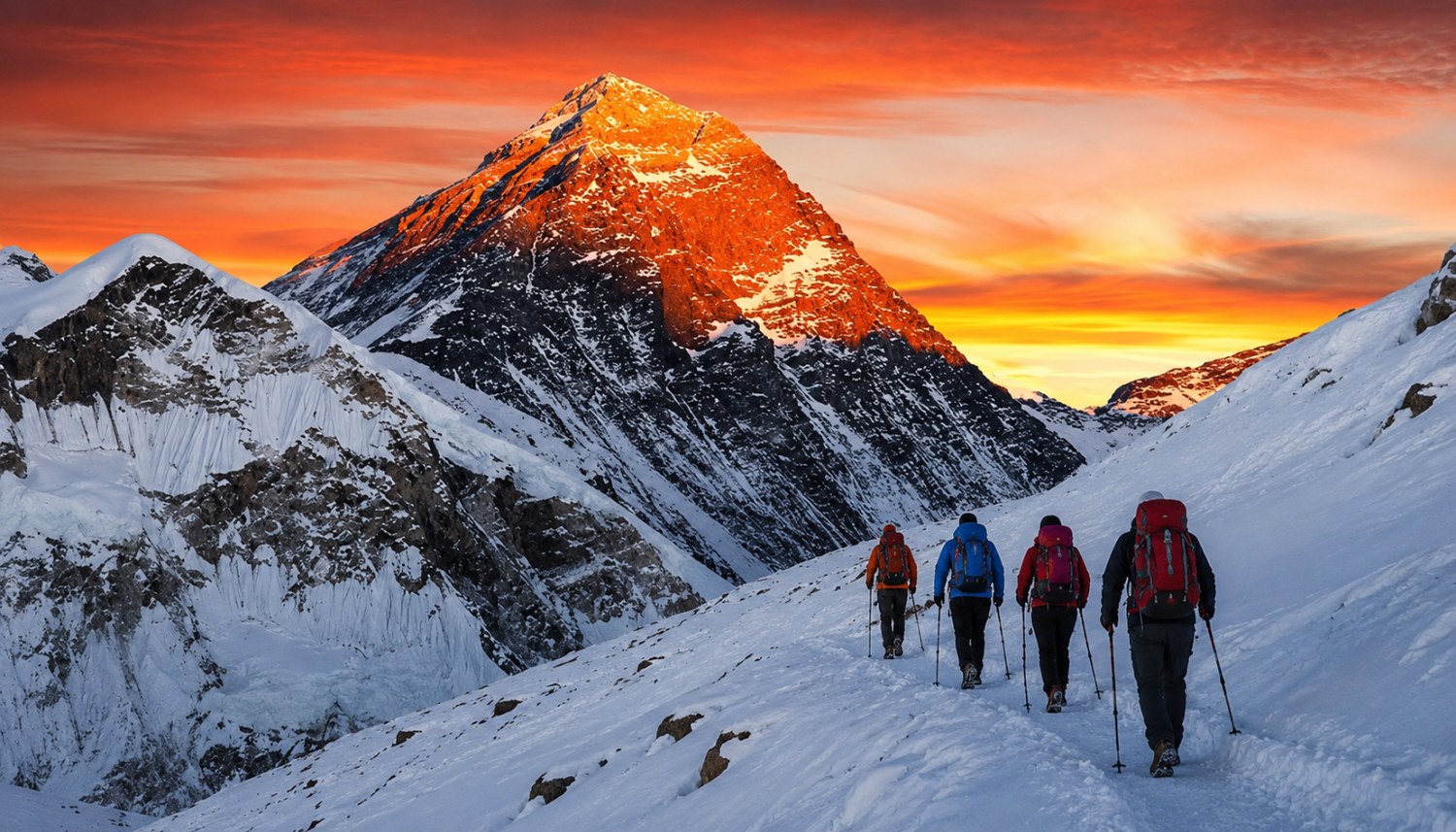
Lobuche, Nepal: Complete Travel & Trekking Guide
By Nepal Trip Services On 22 Sep 2026

By Nepal Trip Services On 22 Sep 2026
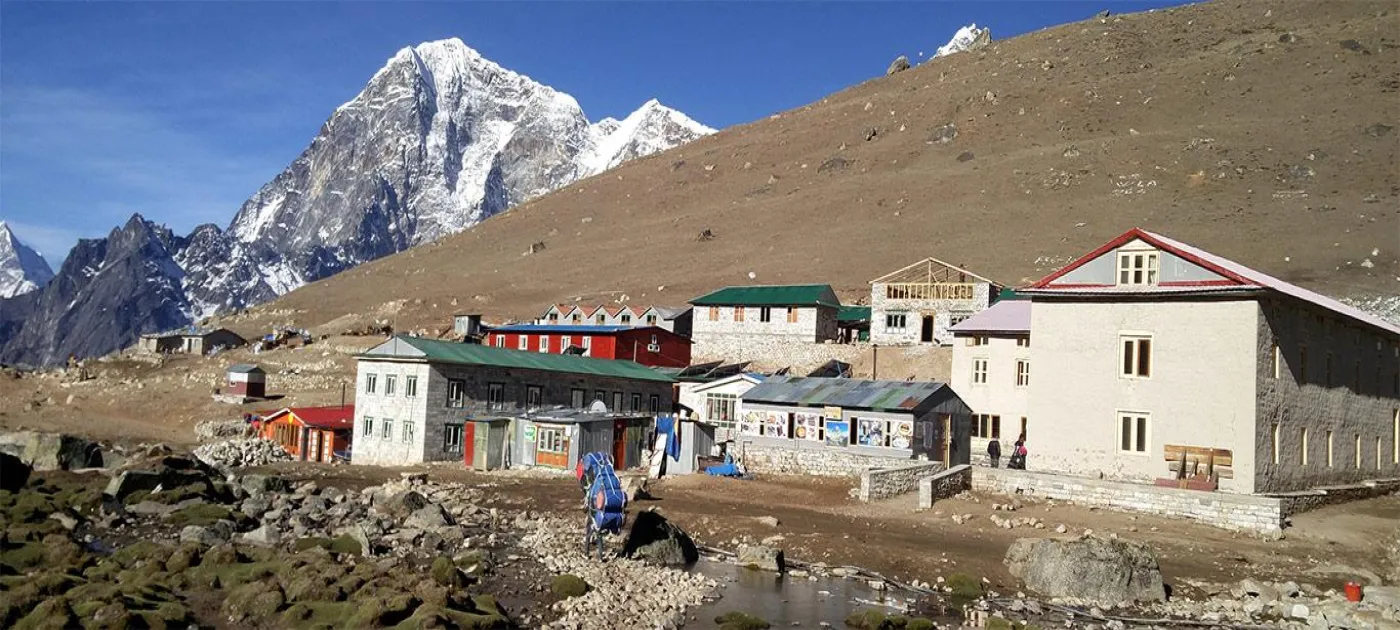
Positioned near the foot of the Khumbu Glacier, Lobuche is the last major overnight stop before Gorak Shep on the Classic Everest Base Camp Trek — a remote, high-altitude settlement that marks the true entry point into the trek's final, most demanding stretch. Sitting at nearly 4,910 meters, this small collection of stone-built teahouses sees a steady stream of trekkers and climbers alike, especially each April when porters and Sherpas pass through carrying supplies for expedition teams preparing for the Everest spring climbing season. This complete guide covers everything you need to know about this pivotal village, from its geography and significance to practical trekking information, helping you understand exactly what awaits as you approach the final stage of your journey to Base Camp.
Lobuche sits at approximately 4,910–4,940 meters (16,109–16,210 feet) in the Khumbu region of Nepal's Solukhumbu District, roughly 150 kilometers east of Kathmandu, near the foot of the Khumbu Glacier and about 8.5 km southwest of Everest Base Camp.
| Detail | Information |
|---|---|
| Altitude | ~4,910–4,940m/16,109–16,210ft |
| Coordinates | 27°56′53″N, 86°48′37″E |
| District | Solukhumbu, Sagarmatha Zone |
| Distance from EBC | ~8.5 km southwest |
| Named After | Nearby Lobuche Peak |
| Typical Visit | Day 8 of Classic EBC itinerary |
Lobuche is one of the final overnight stops with lodging on the "trail to base camp," a route used by both trekkers and climbers preparing to attempt Everest via the standard southeast route.
The village shares its name with nearby Lobuche Peak, renowned for its two prominent summits — Lobuche East (6,119m) and Lobuche West (6,145m) — with Lobuche East being a popular trekking peak for climbers with basic mountaineering skills.
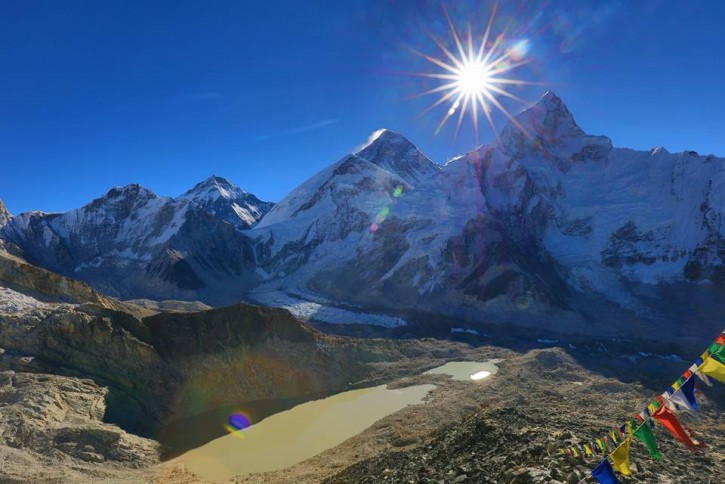
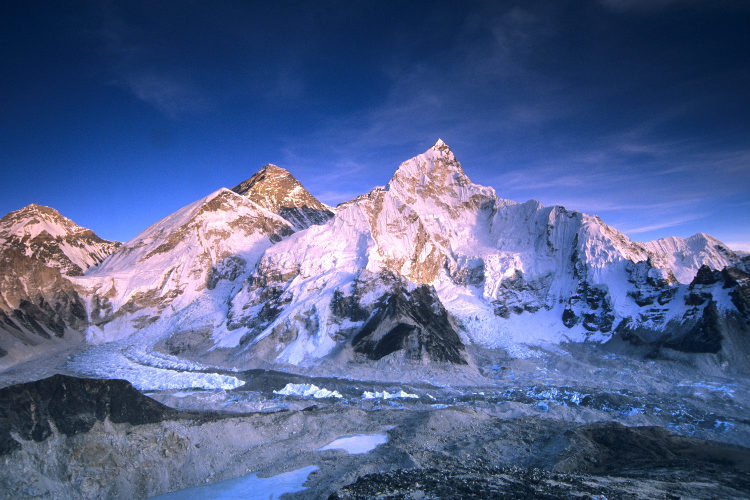
Lobuche is mostly renowned for its stunning views of Pumori, Nuptse, Taboche, and the surrounding towering peaks, offering some of the most dramatic mountain scenery along the entire trail.
Lobuche becomes particularly busy each April, as hundreds of porters and Sherpas pass through en route to Base Camp, moving supplies for climbing expeditions preparing for the Everest spring climbing season in May.
Just before reaching Lobuche, trekkers pass through the Everest Memorial, a plateau dotted with stone cairns built in honor of climbers who have perished in the Khumbu region, including on Everest itself. Towering over the memorial is Taboche Peak, a striking pyramid-shaped mountain providing a fitting, dramatic backdrop to this sacred, contemplative site.
Visit the Everest Memorial — Pause at this moving tribute to climbers lost in the Khumbu, just before reaching Lobuche village itself.
Photograph Pumori and Nuptse — Lobuche offers some of the clearest, most dramatic views of these towering peaks along the entire route.
Rest and Prepare for the Final Push — Given its position before Gorak Shep and Base Camp, many trekkers use Lobuche to mentally and physically prepare for the trek's most demanding days ahead.
Consider Lobuche Peak Climbing — For trekkers with mountaineering ambitions, Lobuche East offers an accessible trekking peak extension after completing the standard EBC route.
Connect via Cho La or Kongma La Pass — Trekkers completing the Everest Three Passes Trek arrive in Lobuche after crossing either Cho La Pass (5,420m) or Kongma La Pass (5,535m), making it a significant junction point.
| Season | Conditions | Recommendation |
|---|---|---|
| Autumn (Sep–Nov) | Stable, clear skies | Best mountain visibility |
| Spring (Mar–May) | Busy with expedition traffic | Exciting atmosphere, good weather |
| Winter (Dec–Feb) | Extremely cold, possible snow | Quieter, challenging conditions |
| Monsoon (Jun–Aug) | Poor visibility | Not recommended |
Lobuche is reached exclusively on foot as part of the Everest Base Camp Trek:
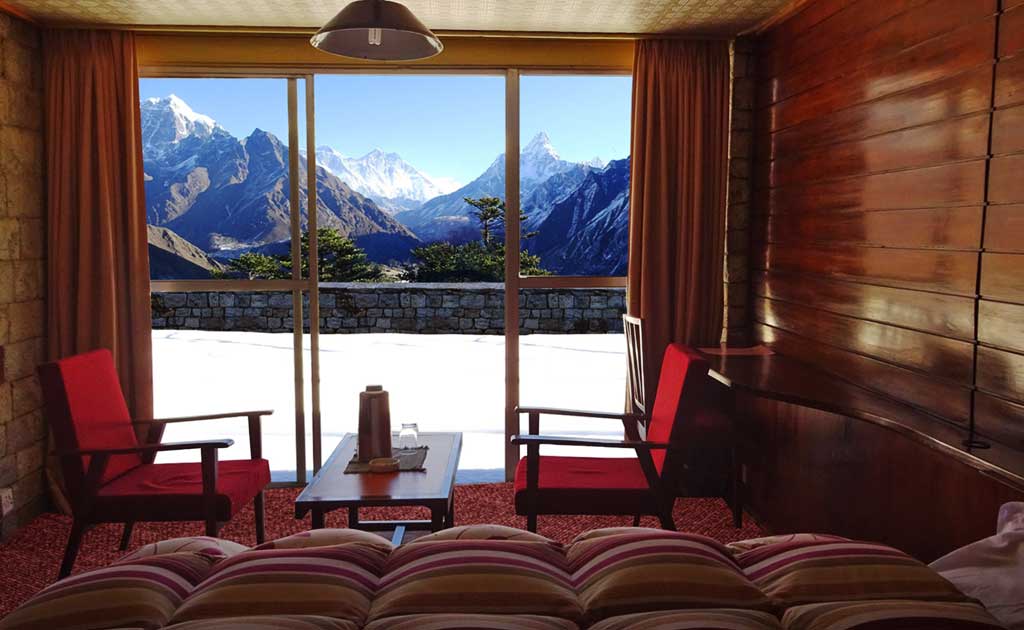
Lodging in Lobuche is basic but functional, primarily consisting of stone-built teahouses:
Lobuche sits at approximately 4,910–4,940 meters (16,109–16,210 feet) in the Khumbu region of Nepal's Solukhumbu District, near the foot of the Khumbu Glacier, roughly 150 kilometers east of Kathmandu.
Lobuche is located approximately 8.5 kilometers southwest of Everest Base Camp, making it the last major overnight stop before Gorak Shep and the final push to Base Camp itself.
Lobuche marks the true entry point into the trek's final, most demanding stretch, serving as one of the last overnight stops with lodging before climbers and trekkers push toward Gorak Shep and Base Camp.
The Everest Memorial is a plateau dotted with stone cairns built in honor of climbers who have perished in the Khumbu region, including on Everest itself, located just before Lobuche and overlooked by the striking Taboche Peak.
Lobuche offers stunning views of Pumori, Nuptse, Taboche, and other surrounding towering peaks, making it one of the most scenic stops on the entire Everest Base Camp route.
Lobuche Peak is a nearby mountain sharing its name with the village, featuring two prominent summits — Lobuche East (6,119m) and Lobuche West (6,145m) — with Lobuche East being a popular trekking peak for climbers with basic mountaineering skills.
April sees a surge of porters and Sherpas passing through Lobuche, moving supplies for climbing expeditions preparing for the Everest spring climbing season in May, making it a particularly lively time to visit.
Lodging is basic but functional, consisting primarily of stone-built teahouses, with approximately seven lodges offering twin-bed rooms, some providing internet and supplemental oxygen services.
Yes, electricity is typically available via solar or hydroelectric power, allowing for limited charging of electronic devices, though options remain more limited than at lower elevations.
Trekkers typically depart Dingboche or Pheriche, trek through Dughla/Thukla (stopping at the Everest Memorial), and continue climbing to Lobuche, taking approximately 5 hours in total.
Yes, trekkers completing the Three Passes Trek arrive in Lobuche after crossing either Cho La Pass (5,420m) or Kongma La Pass (5,535m), making it a significant junction point for multiple routes.
Autumn (September–November) offers the most stable weather and clearest mountain views, while spring (March–May) provides an exciting atmosphere with expedition traffic passing through.
Temperatures in Lobuche are genuinely cold, with snow and snowdrifts common even during peak trekking seasons, so warm layers and proper cold-weather gear are essential.
Yes, Lobuche East is a popular trekking peak extension for climbers with basic mountaineering skills, often attempted after completing the standard Everest Base Camp route.
After Lobuche, trekkers continue to Gorak Shep, the last stop with lodging on the trail, before pushing on to Everest Base Camp itself and the nearby viewpoint of Kala Patthar.
Lobuche isn't simply another overnight stop on the Everest Base Camp Trek — it's the genuine gateway into the trek's final, most demanding stretch, offering both spectacular mountain views and a sobering reminder of the risks inherent to Himalayan mountaineering at the nearby Everest Memorial. For trekkers pushing toward Base Camp, Lobuche represents the last true rest before the journey's emotional and physical climax.
Ready to experience Lobuche for yourself? Explore the complete Classic Everest Base Camp Trek itinerary with Nepal Trip Services and prepare for this pivotal stage of your journey to Everest Base Camp.
Discover more articles that match your interests! Explore these similar blogs packed with insights, tips, and stories to keep you inspired.
Everything on Classic Everest Base Camp Trek permits for 2026–2027 — costs, requirements, where to get them & recent...
Discover the best season for the Classic Everest Base Camp Trek. Compare autumn, spring, winter & monsoon weather, views...
Explore the Classic Everest Base Camp Trek itinerary with detailed day-by-day routes, altitudes, trekking hours & acclim...
Discover what you\\\'ll eat and where you\\'ll sleep on the Classic Everest Base Camp Trek. Complete guide to teahouses,...
Discover the full cost breakdown of the Classic Everest Base Camp Trek — permits, flights, guides, porters, meals & ac...
Is the Classic Everest Base Camp Trek hard? Complete guide to difficulty level, altitude challenges, fitness needs & tra...