Manaslu Circuit Trek: Trip Overview
The Manaslu Circuit Trek takes you on a remarkable journey around Mount Manaslu, the eighth-highest mountain in the world, through one of Nepal's most authentic and least-crowded trekking regions. Beginning in the lowland village of Soti Khola, the trail gradually climbs alongside the Budhi Gandaki River, winding through terraced farmland, dense forests, and traditional Gurung villages before entering the culturally rich, Tibetan-influenced settlements of Samagaon and Samdo near the base of Manaslu itself.
Spanning 14 to 18 days, this restricted-area trek reaches its dramatic climax at Larkya La Pass (5,160m), a demanding but spectacular high-altitude crossing rewarding trekkers with sweeping views of Manaslu, Himlung Himal, and the surrounding Himalayan peaks before descending into the Marsyangdi valley near the Annapurna region. Unlike Classic Everest Base Camp or Annapurna Base Camp, this route requires special restricted-area permits and typically a minimum of two trekkers, which naturally limits crowds and preserves a genuinely remote, unspoiled atmosphere throughout the journey.
This trek is also known for delivering one of the most complete Himalayan experiences available in Nepal, combining dramatic glacier views, ancient monasteries, and remote mountain villages within a single, well-paced itinerary. While the altitude and the demanding Larkya La crossing call for proper preparation, reasonable fitness, and sensible pacing, the Manaslu Circuit remains accessible to determined trekkers with prior high-altitude experience, particularly those who've already completed treks like Everest Base Camp or Annapurna Circuit.
Along the way, you'll pass through villages shaped by centuries of trans-Himalayan trade and Tibetan Buddhist tradition, with prayer wheels, chortens, and monasteries appearing at nearly every turn, especially around Samagaon and the sacred Pungyen Gompa. Combined with dramatic close-up views of Manaslu itself and a genuine sense of walking through unspoiled wilderness, it's clear why this trek has become one of Nepal's most sought-after alternatives to busier, more commercialized routes.
At Nepal Trip Services, we design our Manaslu Circuit itineraries with the same careful attention to acclimatization, safety, and genuine cultural immersion that defines our Everest region treks and Annapurna region treks, ensuring trekkers with the right experience level can enjoy this remote journey safely and comfortably. Whether you're an experienced trekker seeking a wilder alternative to the Khumbu, or simply craving a quieter, more authentic slice of the Himalaya, the Manaslu Circuit Trek offers an unforgettable adventure — one that proves some of Nepal's most spectacular mountain scenery still lies well beyond the beaten path.
Why Choose the Manaslu Circuit Trek?
With so many incredible trekking routes across Nepal, it's a fair question to ask — why choose Manaslu over more famous options like Everest Base Camp or Annapurna Circuit? Here's what makes this trek genuinely stand out.
1. Genuine Wilderness Without the Crowds
Unlike the increasingly busy trails of Everest and Annapurna, the Manaslu Circuit remains a restricted area requiring special permits and a minimum group size, which naturally limits trekker numbers. This means quieter trails, uncrowded teahouses, and a rare sense of genuine solitude — the kind of remote, authentic Himalayan experience that's becoming harder to find elsewhere in Nepal.
2. A World-Class Mountain Without the World-Class Crowds
Manaslu is the eighth-highest mountain on Earth, yet the trek circling it receives only a fraction of the visitors that Everest Base Camp sees each season. You get all the drama — massive glaciers, towering icefalls, and close-up views of an 8,000m giant — without competing for teahouse rooms or trail space.
3. Deep, Authentic Cultural Immersion
Villages like Samagaon and Samdo remain shaped by centuries of Tibetan Buddhist tradition and trans-Himalayan trade, largely untouched by mass tourism. Prayer wheels, ancient chortens, and remote monasteries like Pungyen Gompa offer a level of cultural authenticity that's increasingly rare on Nepal's more commercialized routes.
4. A Genuine Step Up for Experienced Trekkers
If you've already completed Everest Base Camp or the Annapurna Circuit and are looking for your next challenge, Manaslu offers exactly that. The demanding Larkya La Pass crossing (5,160m) and the trek's overall remoteness make it a natural progression for trekkers ready to push beyond Nepal's most popular routes.
5. Dramatic, Ever-Changing Landscapes
Few treks pack in this much variety — lush subtropical forests and terraced farmland at the start, dense pine and rhododendron forests through the middle sections, and stark, high-alpine terrain near the base of Manaslu itself. The landscape transformation alone makes every day of the trek feel genuinely different from the last.
6. A Spectacular High-Altitude Finale
The crossing of Larkya La Pass stands among the most rewarding high-altitude traverses in the Himalaya, delivering sweeping views of Manaslu, Himlung Himal, and Annapurna II in a single, unforgettable panorama — a fitting climax for a trek built around genuine adventure.
7. Combines Two Iconic Regions in One Journey
The Manaslu Circuit connects seamlessly with the Annapurna region near its endpoint, meaning trekkers can extend their journey or combine routes, experiencing two distinct Himalayan landscapes within a single, well-planned trip.
8. Well-Suited for Responsible, Sustainable Trekking
Because the region sees fewer visitors and requires guided access, the Manaslu Circuit naturally supports more sustainable tourism practices, helping preserve both the fragile environment and the traditional way of life found in its remote villages.
At Nepal Trip Services, we believe the Manaslu Circuit represents everything that makes Himalayan trekking special — genuine adventure, rich culture, and spectacular scenery, all without the crowds. For trekkers seeking something wilder, quieter, and deeply authentic, this trek is simply hard to beat.
Remote Himalayan Adventure
Few treks in Nepal deliver the raw, untouched sense of wilderness quite like the Manaslu Circuit. As a restricted area requiring special permits and a minimum group size, this route sees only a fraction of the foot traffic found on Everest or Annapurna trails, preserving a genuine remoteness that's become increasingly rare in the region's more popular trekking areas. Trekkers here pass through villages seemingly untouched by mass tourism, where daily life still revolves around yak herding, subsistence farming, and centuries-old Buddhist traditions rather than trekker footfall. This isolation isn't just a logistical detail — it fundamentally shapes the entire experience, offering long stretches of quiet trail, uncrowded teahouses, and an authentic connection to both the landscape and its people that's genuinely hard to find elsewhere in Nepal's increasingly commercialized trekking industry.
Crossing the Spectacular Larkya La Pass
The crossing of Larkya La Pass (5,160m) stands as the undisputed climax of the Manaslu Circuit Trek, delivering one of the most rewarding high-altitude experiences in the entire Himalaya. Reached after a pre-dawn start from Dharamsala, the steep, demanding climb tests both stamina and determination, but the reward waiting at the top makes every step worthwhile — a sweeping, 360-degree panorama of Manaslu, Himlung Himal, Cheo Himal, and Annapurna II, all rising dramatically against the skyline. The descent on the other side drops steeply toward Bimthang, taking trekkers through dramatic glacial terrain before opening into the greener, gentler landscapes of the Annapurna region. For most trekkers, this single day represents the true emotional and physical peak of the entire journey, a genuine test of endurance rewarded with views that few other treks in Nepal can match.
Experience Authentic Tibetan Culture
As the trail climbs deeper into the Manaslu region, the cultural landscape shifts noticeably, revealing villages shaped by centuries of Tibetan Buddhist tradition and trans-Himalayan trade. In settlements like Samagaon and Samdo, prayer wheels turn quietly along stone-walled paths, weathered chortens mark the entrance to villages, and monasteries such as the remote Pungyen Gompa sit tucked beneath Manaslu's dramatic south face. Unlike more commercialized trekking regions, daily life here remains largely unchanged by tourism, with locals still herding yaks, farming barley, and observing Buddhist rituals much as their ancestors did for generations. Walking through these villages offers trekkers a genuine, unfiltered glimpse into Tibetan-influenced mountain culture — an experience that feels less like sightseeing and more like stepping into a living tradition that continues quietly, regardless of who passes through.
Restricted Area Trekking Experience
Unlike Everest or Annapurna, the Manaslu Circuit falls within a restricted trekking area, meaning access requires a special permit, a licensed guide, and typically a minimum of two trekkers per group. While this adds a layer of planning compared to more open routes, it's precisely what keeps this region so unspoiled — restricted status naturally limits trekker numbers, preserving quieter trails, uncrowded teahouses, and a genuine sense of remoteness that's increasingly hard to find elsewhere in Nepal. This controlled access also supports more sustainable tourism, helping protect the fragile environment and traditional way of life found in villages like Samagaon and Samdo. For trekkers willing to navigate a slightly more involved permit process, the payoff is significant: an authentic, off-the-beaten-path Himalayan experience that feels worlds away from Nepal's busier, more commercialized trekking routes.
An Off-the-Beaten-Path Trekking Route
For trekkers who've experienced Nepal's more popular trails and are craving something wilder, the Manaslu Circuit delivers exactly that. This route winds through remote villages, dense forests, and dramatic high-altitude terrain that see only a fraction of the foot traffic found on Everest or Annapurna, offering a genuinely fresh perspective on Himalayan trekking. Here, teahouses feel more personal, trails stay quieter, and the sense of discovery remains intact in a way that's become increasingly rare across Nepal's busier trekking regions. It's this untouched, less-commercialized character that makes the Manaslu Circuit stand out — not because it lacks the drama of more famous routes, but because it delivers that same spectacular mountain scenery and cultural richness without the crowds, offering trekkers a rare chance to feel like genuine explorers rather than one of thousands following the same well-worn path.
Manaslu Circuit Trek Best Season
| Season |
Months |
Weather |
Temperature (Day/Night) |
Mountain Visibility |
Trail Conditions |
Crowd Level |
Best For |
| Autumn |
September – November |
Stable, dry, clear skies |
15–20°C / -5 to 0°C |
Excellent |
Dry, well-maintained |
Moderate |
Best overall views, stable Larkya La crossing |
| Spring |
March – May |
Mild with occasional afternoon clouds |
15–20°C / -3 to 2°C |
Good to excellent |
Dry, blooming rhododendrons at lower elevations |
Moderate |
Nature lovers, flowering forests, good visibility |
| Winter |
December – February |
Very cold, clear mornings |
0–8°C / -15 to -10°C |
Excellent (mornings) |
Larkya La Pass often snow-blocked or impassable |
Very Low |
Experienced trekkers only — high risk of pass closure |
| Monsoon |
June – August |
Heavy rainfall, humid |
18–23°C / 8–12°C |
Poor (cloud cover) |
Slippery, leech-prone, landslide risk |
Very Low |
Not recommended |
Quick takeaway: Autumn remains the top choice for the Manaslu Circuit Trek, offering the most stable conditions for safely crossing Larkya La Pass along with the clearest mountain views. Spring is a strong second option with pleasant weather and blooming scenery, while winter carries genuine risk of the pass being snow-blocked, and monsoon season is best avoided entirely due to poor trail conditions and visibility.
Manaslu Circuit Trek Difficulty
The Manaslu Circuit Trek is generally rated challenging, noticeably more demanding than treks like Annapurna Base Camp or Mardi Himal, and comparable to routes like the Everest Three High Passes Trek. No technical climbing skills are required, but the combination of long trekking days, remote terrain, and the demanding Larkya La Pass (5,160m) crossing makes this trek best suited to trekkers with prior high-altitude experience rather than complete beginners.
What Makes This Trek Challenging
Long Trekking Days
Most days involve 5 to 7 hours of walking, with the Larkya La Pass crossing stretching to 8–9 hours, including a steep pre-dawn ascent and an equally steep descent to Bimthang. Unlike shorter treks with regular rest breaks built in, several consecutive days on this route offer little flat terrain, meaning fatigue can accumulate steadily as the trek progresses toward the pass.
High Altitude
Larkya La Pass sits at 5,160m — high enough that altitude sickness remains a genuine risk, requiring careful acclimatization throughout the itinerary. The thinner air affects trekkers regardless of fitness level, and because the pass crossing itself involves a long, sustained effort at extreme elevation, proper acclimatization in the days leading up to it becomes especially critical.
Remote, Rugged Terrain
The trail includes rough, occasionally exposed sections and landslide-prone areas near the lower Budhi Gandaki gorge, demanding sure footing and genuine stamina. Narrow cliffside paths, unstable riverbanks, and the occasional need to navigate temporary trail diversions after landslides add an extra layer of physical and mental demand not typically found on more established routes.
Limited Infrastructure
With fewer teahouses than Everest or Annapurna, trekkers should expect more basic accommodation, particularly in higher villages like Samdo and Dharamsala. Electricity, hot showers, and Wi-Fi are far less reliable here, and food options become noticeably simpler the deeper you trek into the restricted area, reflecting just how remote this region truly is.
Weather Variability
Cold temperatures and sudden weather changes near Larkya La Pass add difficulty, especially outside peak autumn and spring seasons. Because the pass itself offers little shelter and can become genuinely dangerous in poor visibility or heavy snow, trekkers need real flexibility in their itinerary to wait out unfavorable conditions before attempting the crossing.
Who Should Attempt This Trek?
- Trekkers with prior high-altitude experience (ideally above 4,500m)
- Those in good cardiovascular condition
- Trekkers comfortable with basic, remote teahouse facilities
- Anyone prepared to trek with a licensed guide, as required by regulations
Comparing Manaslu Difficulty to Other Treks
| Trek |
Max Altitude |
Difficulty |
Duration |
| Manaslu Circuit |
5,160m (Larkya La) |
Challenging |
14–18 days |
| Classic Everest Base Camp |
5,550m |
Moderate–Challenging |
14 days |
| Annapurna Base Camp |
4,130m |
Moderate |
7–12 days |
| Everest Three High Passes |
5,545m+ |
Very Challenging |
18–21 days |
The Manaslu Circuit is genuinely demanding, built for prepared, determined trekkers rather than beginners. With proper training, prior high-altitude experience, and an experienced guide navigating Larkya La Pass, most physically fit trekkers can successfully complete this remote, rewarding journey around one of the world's highest mountains.
Manaslu Circuit Trek Cost
Ask a few agencies "how much does the Manaslu Circuit Trek cost?" and you'll quickly notice this trek carries a meaningfully higher price tag than treks like Annapurna Base Camp or even Everest Base Camp — and there's a clear reason why.
The Short Answer
For a standard guided package with a reputable Nepali agency, budget USD 1,200–2,000 for a 14–18 day trek. This typically covers your restricted-area permits, licensed guide, teahouse accommodation, meals on the trail, and ground transportation. Go for a fully private, premium setup with porter support and upgraded lodges, and the cost can climb toward $2,500–4,500.
Why This Trek Costs More Than Other Treks
Unlike Everest or Annapurna, Manaslu is a restricted trekking area, meaning the government charges a special permit fee on top of standard conservation fees, and hiring a licensed guide is legally mandatory — solo, unguided trekking simply isn't permitted here. These two factors alone push the baseline cost noticeably higher than more open routes.
Cost by Trekking Style
Budget Trek — $1,100–1,400
Group departures (6–12 people) sharing guide and transportation costs, with basic teahouse accommodation and standard meals. A solid option for trekkers comfortable joining a group.
Standard Trek — $1,700–2,500
The most common choice — includes a dedicated guide, porter support, better teahouse rooms, and more flexibility with pacing around the demanding Larkya La Pass crossing.
Luxury Trek — $3,000–4,500+
Fully private guide and porter support, upgraded lodges where available, and a custom-paced itinerary built around comfort as much as adventure.
Permit Costs: The Biggest Difference from Other Treks
Manaslu requires three separate permits, unlike the single or double permits needed for most other Nepal treks:
| Permit |
Cost (Peak: Sep–Nov) |
Cost (Off-Peak: Dec–Aug) |
| Manaslu Restricted Area Permit (RAP) |
$100 (first 7 days) + $15/extra day |
$75 (first 7 days) + $10/extra day |
| Manaslu Conservation Area Permit (MCAP) |
$30 |
$30 |
| Annapurna Conservation Area Permit (ACAP) |
$30 |
$30 |
| Total (14-day trek, peak season) |
~$175–190 |
~$140–150 |
Note: TIMS cards are not required for the Manaslu region as of current regulations, though some outdated sources still list them — worth confirming with your agency.
What's Actually Driving the Price
Mandatory guide requirement. Since solo trekking isn't legally permitted, every trekker must budget for a licensed guide at $25–35 per day, a cost that isn't optional here the way it might be elsewhere.
Restricted area permit fees. The RAP alone can cost $75–100 for just the first week, with additional daily charges — a cost structure unique to Nepal's restricted regions.
Group size. Solo trekkers typically pay 30–50% more than those joining a group, since permit and guide costs are harder to split.
Limited infrastructure. With fewer teahouses than Everest or Annapurna, accommodation and meal prices can run slightly higher, particularly above Samagaon where supplies are harder to transport in.
Season. Autumn (peak season) carries the highest permit fees and package prices, while winter and monsoon offer lower costs — though winter also brings real risk of Larkya La Pass being snow-blocked.
Is the Higher Price Worth It?
Given the mandatory guide requirement and restricted-area permits, there's genuinely less room to cut costs on Manaslu compared to other treks — but that's also exactly what keeps this route uncrowded and authentic. The difference between a $1,200 group package and a $2,500 private one mostly comes down to pacing flexibility, porter support, and room quality, all of which matter on a demanding, remote route like this.
The trek itself — the glaciers, the Tibetan-influenced villages, and that unforgettable crossing of Larkya La Pass — remains the same unforgettable experience regardless of package tier. What changes is simply your comfort level along the way.
At Nepal Trip Services, we offer transparent, all-inclusive Manaslu Circuit Trek packages with every permit, guide, and porter fee clearly outlined upfront, helping trekkers budget accurately for this remote and rewarding Himalayan adventure.
Manaslu Circuit Trek Meals & Accommodation
Meals and accommodation on the Manaslu Circuit Trek follow the familiar teahouse system found throughout Nepal's trekking routes, though with noticeably simpler facilities and menus reflecting the region's remote, restricted-area status. Dal bhat remains the trekker favorite throughout the journey, offering filling, high-carb energy with the popular unlimited-refill tradition ideal for long, demanding days, while lower villages along the Budhi Gandaki like Jagat and Deng offer twin-sharing rooms, occasionally with attached bathrooms and hot showers, alongside a modest variety of noodles, soups, and fried rice.
As the trail climbs toward Samagaon and Samdo, both meals and accommodation grow noticeably simpler — shared bathrooms, thinner blankets, minimal heating, and more repetitive menus become the norm, since fewer teahouses operate this deep into the restricted area. Near Dharamsala, the final stop before crossing Larkya La Pass, facilities are at their most basic — small, cold rooms and hearty but limited food designed purely for sustained energy rather than variety. This simplicity isn't a drawback so much as a reflection of the trek's authentic, off-the-beaten-path character, and every teahouse along the route still offers genuine warmth and hospitality from local Gurung and Tibetan-influenced families, turning even the most basic overnight stops into a memorable part of this remote Himalayan journey.
Manaslu Circuit Trek Itinerary
| Day |
Route |
Altitude |
Distance |
Duration |
Mode |
| Day 1 |
Arrival in Kathmandu |
1,400m/4,593ft |
— |
— |
Arrival |
| Day 2 |
Preparation & Permit Processing in Kathmandu |
1,400m/4,593ft |
— |
— |
Prep Day |
| Day 3 |
Kathmandu → Machha Khola |
930m/3,051ft |
~150 km |
7–8 hours |
Drive |
| Day 4 |
Machha Khola → Jagat |
1,340m/4,396ft |
~22 km |
6–7 hours |
Trek |
| Day 5 |
Jagat → Deng |
1,860m/6,102ft |
~20 km |
6–7 hours |
Trek |
| Day 6 |
Deng → Namrung |
2,630m/8,629ft |
~19 km |
5–6 hours |
Trek |
| Day 7 |
Namrung → Lho Village |
3,240m/10,630ft |
~13 km |
5–6 hours |
Trek |
| Day 8 |
Lho Village → Samagaun |
3,540m/11,610ft |
~8 km |
4–5 hours |
Trek |
| Day 9 |
Acclimatization Day in Samagaun |
3,540m/11,610ft |
— |
3–4 hours (optional hike) |
Rest/Acclimatization |
| Day 10 |
Samagaun → Samdo |
3,860m/12,660ft |
~9 km |
4–5 hours |
Trek |
| Day 11 |
Samdo → Dharamsala |
4,500m/14,764ft |
~8 km |
4–5 hours |
Trek |
| Day 12 |
Dharamsala → Bimthang (via Larkya La Pass) |
5,140m/16,864ft |
~18 km |
8–9 hours |
Trek |
| Day 13 |
Bimthang → Dharapani |
1,960m/6,430ft |
~18 km |
6–7 hours |
Trek |
| Day 14 |
Dharapani → Kathmandu |
1,350m/4,429ft |
~175 km |
8–9 hours |
Drive |
| Day 15 |
Final Departure |
— |
— |
— |
Departure |
Trek Summary Overview
| Detail |
Information |
| Total Trekking Days |
10 days |
| Total Trekking Distance |
~135 km (one-way route) |
| Maximum Altitude |
5,160m/16,929ft (Larkya La Pass) |
| Minimum Altitude |
930m/3,051ft (Machha Khola) |
| Average Daily Walking Time |
5–7 hours |
| Longest Trekking Day |
Day 12 (Dharamsala to Bimthang via Larkya La Pass, 8–9 hours) |
| Shortest Trekking Day |
Day 8 (Lho Village to Samagaun, 4–5 hours) |
| Total Elevation Gain (Machha Khola to Larkya La) |
~4,230m |
| Acclimatization Days |
1 (Samagaun) |
Quick takeaway: The Manaslu Circuit Trek covers roughly 135 kilometers of trekking across 10 active trail days, with a steady elevation gain from Machha Khola's 930m up to the dramatic 5,160m summit of Larkya La Pass. This well-paced itinerary balances long daily trekking hours of 4 to 9 hours with a single dedicated acclimatization day in Samagaun, before the demanding final push over the pass and descent through Bimthang and Dharapani back toward Kathmandu.
Manaslu Circuit Trek Preparation Guide
Preparing for the Manaslu Circuit means starting with paperwork, not packing: this restricted region requires a Restricted Area Permit (RAP), MCAP, and ACAP for the Bimthang side, all arranged through a registered Nepali agency, plus a licensed guide and a minimum group of two, since solo trekking isn't allowed. Build cardio fitness beforehand with regular hiking and loaded-pack walks, as the route climbs from around 1,000m to Larkya La Pass at roughly 5,106–5,160m over 12 to 18 days. Pack in warm layers, sturdy broken-in boots, poles, a sub-zero sleeping bag, and altitude medication, and leave room in your itinerary for acclimatization days, since altitude — not fitness — is what turns most trekkers back. Solid high-altitude travel insurance and an experienced local operator booked well ahead of the autumn or spring season round out the essentials.
Proper preparation is essential for a safe and enjoyable journey. Read our How to Prepare for the Manaslu Circuit Trek guide for practical training, packing, and altitude tips.
Manaslu Circuit Trek: Additional Information
Manaslu Circuit Trek: Top 15 Places to Visit
The Manaslu Circuit Trek takes you through a remarkable mix of river valleys, dense forests, remote Tibetan-influenced villages, and dramatic high-altitude terrain, each offering its own unique piece of this off-the-beaten-path Himalayan experience. Here are the unmissable stops along the way.
1. Kathmandu
Kathmandu is the vibrant starting point of the journey, Nepal's bustling capital city where ancient temples, colorful markets, and the lively streets of Thamel offer a rich cultural introduction before heading into the remote Manaslu region. Sitting at 1,400m, Kathmandu is also where trekkers finalize permits, hire guides, and organize gear before setting off.
2. Machha Khola
Machha Khola is the small riverside village that marks the official starting point of the trek. Sitting at 930m, Machha Khola is where the trail begins tracing the Budhi Gandaki River, leading trekkers deep into Manaslu's restricted trekking area for the first time.
3. Jagat
Jagat is the stone-paved checkpoint village where permits are officially verified. Perched at 1,340m along the Budhi Gandaki, Jagat is the gateway into the Manaslu Conservation Area, marking the true beginning of the trek's more remote and restricted stretches.
4. Deng
Deng is the peaceful forested settlement where the trail's atmosphere begins to shift. Sitting at 1,860m, Deng is known for its denser forest cover and a growing sense of remoteness as trekkers move further into the Budhi Gandaki valley.
5. Namrung
Namrung is the important cultural transition point along the route. At 2,630m, Namrung is where Tibetan-Buddhist influence becomes increasingly visible, with prayer flags, mani walls, and traditional stone architecture signaling the region's spiritual character.
6. Lho Village
Lho Village is one of the most picturesque stops on the entire trek. Sitting at 3,240m, Lho Village offers stunning close-up views of Mount Manaslu, along with the beautiful Ribung Gompa monastery that overlooks the settlement.
7. Samagaun
Samagaun is the culturally rich Tibetan-influenced village that serves as the trek's main acclimatization stop. At 3,540m, Samagaun offers incredible views of Manaslu's south face and provides access to the sacred Pungyen Gompa monastery.
8. Pungyen Gompa
Pungyen Gompa is the remote, spiritually significant monastery located near Samagaun. Tucked beneath Manaslu's dramatic south face, Pungyen Gompa is an optional side trip that offers a peaceful, off-the-beaten-path cultural highlight during the acclimatization day.
9. Manaslu Base Camp (Side Trip)
Manaslu Base Camp is the optional but highly rewarding detour from Samagaun. Manaslu Base Camp brings trekkers close to the mountain's glaciers, offering dramatic views and a genuine taste of high-altitude mountaineering terrain.
10. Samdo
Samdo is the last major village before the high pass. Sitting at 3,860m near the Tibetan border, Samdo offers a raw, remote atmosphere and the final glimpse of settled life before the trek's most demanding stretch begins.
11. Dharamsala
Dharamsala is the basic, high-altitude stop that serves purely as a functional base before the Larkya La Pass crossing. At 4,500m, Dharamsala has minimal facilities, reflecting just how remote this final stretch of the trek truly is.
12. Larkya La Pass
Larkya La Pass is the undisputed highlight of the entire trek. This dramatic high-altitude crossing at 5,160m rewards trekkers with sweeping panoramic views of Manaslu, Himlung Himal, Cheo Himal, and Annapurna II in every direction.
13. Bimthang
Bimthang is the scenic stop on the descent side of the pass. Sitting at 3,720m, Bimthang offers a dramatic shift in scenery, as glacial views give way to greener, more forested terrain on the journey back toward civilization.
14. Dharapani
Dharapani is the trek's exit point, sitting at 1,960m. Dharapani is where the Manaslu Circuit connects with the Annapurna region, offering a fitting, reflective end to the journey before the drive back to Kathmandu.
15. Budhi Gandaki Valley
Budhi Gandaki Valley is the dramatic river valley that accompanies much of the trek's lower and middle sections. The Budhi Gandaki carves through steep gorges and forested hillsides, adding a constant, powerful natural backdrop throughout the journey.
From the bustling streets of Kathmandu to the dramatic heights of Larkya La Pass, these fifteen stops together create the unforgettable, remote experience that makes the Manaslu Circuit Trek one of Nepal's most rewarding off-the-beaten-path adventures.
Manaslu Circuit Trek: Distance & Walking Hours
Understanding exactly how far you'll walk and how many hours each day demands is essential before committing to the Manaslu Circuit Trek, especially given its reputation as one of Nepal's more physically demanding restricted-area routes. Here's a complete breakdown of distance, daily walking times, and what to expect at each stage of the journey.
Total Trekking Distance
The Manaslu Circuit covers approximately 135 to 155 kilometers (84–96 miles) one-way, from the trailhead at Machha Khola to the exit point at Dharapani, walked over roughly 10 active trekking days. This makes it comparable in distance to the Everest Base Camp Trek, though the terrain, altitude gain, and remoteness make it considerably more demanding per kilometer covered.
Daily Walking Time Breakdown
| Day |
Route |
Distance |
Walking Time |
| Day 4 |
Machha Khola → Jagat |
~22 km |
6–7 hours |
| Day 5 |
Jagat → Deng |
~20 km |
6–7 hours |
| Day 6 |
Deng → Namrung |
~19 km |
5–6 hours |
| Day 7 |
Namrung → Lho Village |
~13 km |
5–6 hours |
| Day 8 |
Lho Village → Samagaun |
~8 km |
4–5 hours |
| Day 9 |
Acclimatization (Samagaun) |
— |
3–4 hours (optional hike) |
| Day 10 |
Samagaun → Samdo |
~9 km |
4–5 hours |
| Day 11 |
Samdo → Dharamsala |
~8 km |
4–5 hours |
| Day 12 |
Dharamsala → Bimthang (via Larkya La Pass) |
~18 km |
8–9 hours |
| Day 13 |
Bimthang → Dharapani |
~18 km |
6–7 hours |
Key Distance & Duration Facts
- Shortest trekking day: Day 8, Lho Village to Samagaun (4–5 hours) — a gentler day allowing gradual acclimatization ahead of the higher villages
- Longest trekking day: Day 12, the Larkya La Pass crossing (8–9 hours) — combining a steep pre-dawn ascent with an equally demanding descent to Bimthang
- Average daily walking time: 5–7 hours across most trekking days
- Total elevation gain: Over 4,000 meters from Machha Khola (930m) to Larkya La Pass (5,160m)
- Total elevation loss on descent: Over 3,000 meters from Larkya La Pass down to Dharapani (1,960m)
Why Distance Alone Doesn't Tell the Full Story
- Altitude compounds fatigue — the same distance feels considerably harder above 4,000m than in the lower Budhi Gandaki valley
- Terrain difficulty varies significantly — river crossings, landslide-prone sections, and steep switchbacks slow pace more than flat trail distance suggests
- Weather affects walking speed — cold temperatures and wind near Larkya La Pass can extend walking time beyond typical estimates
- Rest and acclimatization needs — the single built-in acclimatization day at Samagaun means pacing yourself on preceding days matters more than on treks with multiple rest stops
Tips for Managing Distance and Walking Hours
- Start early on long trekking days, particularly the Larkya La Pass crossing, to take advantage of calmer morning weather
- Use trekking poles to maintain steady pace and reduce strain on longer, uneven sections
- Don't rush shorter days, even when distance feels manageable — use them to genuinely rest and acclimatize
- Pace yourself conservatively above Samagaun, where altitude has the greatest impact on walking speed and stamina
- Build stamina before departure through consistent training, since several consecutive long trekking days offer little recovery time on the trail itself
With roughly 135 kilometers of trekking spread across 10 demanding days, the Manaslu Circuit Trek requires more than just raw distance endurance — it demands sustained effort at increasing altitude, culminating in one of the longest and most challenging single trekking days found on any popular Nepal route. Understanding this distance and walking-hour breakdown in advance helps trekkers pace themselves wisely and arrive at Larkya La Pass genuinely prepared for its demands.
Manaslu Circuit Trek Route
Understanding what the trail actually looks like underfoot — not just the altitude numbers — helps you pack right, pace yourself well, and know what to genuinely expect each day on the Manaslu Circuit Trek.
Overall Route Conditions
The Manaslu Circuit is a well-defined but noticeably less developed trail compared to routes like Everest Base Camp, winding through remote river valleys, dense forests, and high alpine terrain within a restricted trekking area. While the path is clear and regularly used by trekking groups, infrastructure is sparser, and the terrain shifts dramatically as you climb — from warm, subtropical river gorges near Machha Khola to the stark, icy landscape surrounding Larkya La Pass.
| Trail Section |
Surface Type |
Difficulty |
| Machha Khola to Jagat |
River trails, suspension bridges, rocky paths |
Moderate |
| Jagat to Namrung |
Forest trails, stone steps, occasional exposed cliffside sections |
Moderate–Challenging |
| Namrung to Samagaun |
Rocky trails, gradual alpine incline |
Moderate |
| Samagaun to Dharamsala |
Rugged, high-alpine terrain, glacial moraine |
Challenging |
| Dharamsala to Larkya La Pass |
Snow, ice, loose scree, exposed ridgeline |
Very Challenging |
| Larkya La to Bimthang |
Steep descent, glacial terrain |
Challenging |
Full Route Sequence: Manaslu Circuit Trek
Kathmandu → Machha Khola → Jagat → Deng → Namrung → Lho Village → Samagaun → Samdo → Dharamsala → Larkya La Pass → Bimthang → Dharapani → Kathmandu
Route Conditions by Trail Feature
Suspension Bridges and River Crossings
The lower stretches of the trek cross the Budhi Gandaki River repeatedly via a series of suspension bridges, some swaying noticeably in strong valley winds. These bridges are functional but less maintained than the well-trafficked crossings on Everest or Annapurna routes, so cautious footing is genuinely important here.
Landslide-Prone Sections
Certain stretches near the lower gorge, particularly between Machha Khola and Deng, pass through areas prone to landslides, especially after heavy rain. Trail conditions here can shift from season to season, occasionally requiring temporary detours arranged by local guides.
Forest and Village Trails
Between Namrung and Lho Village, the trail winds through pine and rhododendron forest, offering some of the most comfortable, well-shaded walking on the entire route, alongside glimpses of traditional Gurung and Tibetan-influenced villages.
High-Altitude Alpine Terrain
From Samagaun onward, the trail enters open, high-alpine terrain with thinner vegetation and increasingly rugged, rocky ground, demanding steadier pacing as oxygen levels drop.
Glacial Moraine and Larkya La Approach
The final stretch toward Larkya La Pass crosses glacial moraine and, depending on season, snow and ice, requiring proper footwear, trekking poles, and — during winter or heavy snow years — occasionally crampons for added traction.
Seasonal Impact on Trail Conditions
- Autumn (Sep–Nov): Stable, dry trails with the safest Larkya La Pass conditions of the year
- Spring (Mar–May): Generally dry with occasional muddy patches at lower elevations from snowmelt
- Winter (Dec–Feb): High risk of Larkya La Pass becoming snow-blocked or impassable
- Monsoon (Jun–Aug): Muddy, slippery trails at lower elevations, increased landslide risk near the gorge sections
Factors That Affect Trail Difficulty
- Altitude-related fatigue — even moderate terrain feels considerably harder above 4,000m
- Weather conditions — snow, wind, and reduced visibility significantly affect the Larkya La crossing
- Limited infrastructure — fewer teahouses mean less flexibility to adjust daily distances if trail conditions slow your pace
- Trail remoteness — rescue and support access is slower than on more developed routes like Everest Base Camp
- Personal pacing — rushing on glacial moraine or scree sections increases both fatigue and injury risk
Tips for Handling Route Conditions
- Use trekking poles consistently, especially across glacial moraine and the Larkya La approach
- Wear sturdy, broken-in, ankle-supportive boots suited to both rocky trail and potential snow conditions
- Cross suspension bridges cautiously, particularly in windy conditions common in the lower gorge
- Start the Larkya La Pass crossing well before dawn, when snow is firmer and weather is typically calmer
- Trust your guide's route judgment, especially regarding landslide-prone sections or changing pass conditions
- Avoid rushing the descent to Bimthang, since steep, loose terrain on the far side of the pass causes more injuries than the ascent itself
Route conditions on the Manaslu Circuit Trek shift dramatically from the relatively forgiving river trails near Machha Khola to the genuinely demanding, high-altitude terrain surrounding Larkya La Pass. Understanding these changes in advance — and preparing with proper footwear, trekking poles, and realistic pacing expectations — makes a genuine difference in how safely and confidently you navigate this remote and rewarding Himalayan route.
Manaslu Circuit Trek: Altitude Sickness
Altitude sickness is a genuine and significant risk on the Manaslu Circuit Trek, given that the route climbs to 5,160 meters at Larkya La Pass — high enough that Acute Mountain Sickness (AMS) can affect trekkers regardless of fitness level or prior experience. Unlike treks with multiple built-in acclimatization days, Manaslu's itinerary includes only one dedicated rest day, at Samagaun (3,540m), making careful, disciplined pacing on the days leading up to the pass crossing especially critical.
Why Altitude Sickness Is a Bigger Concern on This Trek
The Manaslu Circuit's compressed acclimatization schedule, combined with its remote location and limited rescue infrastructure, makes altitude sickness a more serious consideration here than on treks like Annapurna Base Camp. Once past Samagaun, elevation gain continues steadily toward Samdo, Dharamsala, and finally Larkya La Pass, leaving less flexibility to slow down if symptoms begin to appear.
Recognizing the Symptoms of AMS
- Mild symptoms: Headache, fatigue, dizziness, loss of appetite, difficulty sleeping
- Moderate symptoms: Persistent headache unrelieved by medication, nausea, increasing fatigue, mild confusion
- Severe symptoms (require immediate descent): Vomiting, severe confusion, loss of coordination, difficulty breathing even at rest
Any worsening of symptoms should never be ignored, particularly given how much more difficult emergency descent becomes near or beyond Dharamsala.
How the Itinerary Helps Manage Altitude
- Gradual elevation gain — The route climbs steadily from Machha Khola (930m) to Samagaun (3,540m) over roughly 5 days, allowing initial acclimatization before higher elevations
- One dedicated acclimatization day — Trekkers typically use the Samagaun rest day for a short hike toward Manaslu Base Camp or Pungyen Gompa before returning to sleep at the same elevation
- Steady progression to Dharamsala — The final stretch from Samdo to Dharamsala (4,500m) is deliberately kept short in trekking hours, allowing the body extra time to adjust before the pass crossing itself
- Early morning pass crossing — Starting the Larkya La crossing before dawn minimizes time spent at extreme altitude and reduces exposure to afternoon weather changes
Practical Tips for Safe Acclimatization
- Stay well-hydrated, drinking 3–4 liters of water daily to help your body adjust to reduced oxygen levels
- Eat enough calories, even when appetite decreases, since your body needs sustained energy for the demanding days ahead
- Walk at a slow, steady pace, particularly above Samagaun, rather than rushing between stops
- Avoid alcohol and sleeping pills, both of which can suppress breathing and worsen altitude symptoms
- Consider preventive medication like Diamox, taken under medical guidance and discussed with a doctor before departure
- Communicate openly with your guide about any symptoms, however minor they may seem
Why Trusting Your Guide Matters Even More on This Trek
Given Manaslu's remoteness and limited rescue access compared to more established routes, your guide's judgment becomes especially critical here. Guides carry oximeters to monitor oxygen saturation and are trained to recognize early warning signs, often before trekkers themselves notice something is wrong. If your guide recommends slowing down, resting an extra day, or turning back before the pass, this advice should always be followed without hesitation — altitude sickness can escalate quickly, and options for immediate help are more limited on this remote route than on treks like Everest Base Camp.
Final Thoughts
With only one built-in acclimatization day and a demanding high-pass crossing as its climax, the Manaslu Circuit Trek requires genuine respect for altitude and disciplined pacing throughout. Trekkers who prioritize gradual acclimatization, stay attentive to their body's signals, and trust their guide's experience give themselves the best possible chance of safely crossing Larkya La Pass and completing one of Nepal's most rewarding restricted-area treks.
Manaslu Circuit Trek: Training & Fitness
Given its reputation as one of Nepal's more demanding restricted-area treks, proper physical preparation matters considerably more on the Manaslu Circuit than on beginner-friendly routes. Here's what you genuinely need to know to prepare your body for this remote, high-altitude journey.
Why Fitness Matters More on This Trek
Unlike treks with multiple acclimatization days and well-developed infrastructure, Manaslu combines long trekking days, a single rest day, and a demanding high-pass crossing into one continuous physical challenge. This compressed structure means your body has less room to recover mid-trek, making solid pre-trek conditioning genuinely important rather than optional.
Recommended Fitness Level
A good to strong level of cardiovascular fitness, combined with prior high-altitude trekking experience, is recommended before attempting this trek. While technical climbing skills aren't required, trekkers should be comfortable with sustained daily exertion of 5 to 7 hours, occasionally stretching to 8–9 hours on the Larkya La Pass crossing day.
Key Training Areas
1. Cardiovascular Endurance
Build a solid aerobic base through hiking, running, cycling, or swimming for 30–45 minutes, 4–5 times a week, ideally starting 8–10 weeks before departure — longer than the training window typically recommended for shorter treks.
2. Leg and Core Strength
Incorporate squats, lunges, step-ups, and core exercises into your routine, since sustained strength matters more than short bursts of power for the trek's long, consecutive uphill and downhill stretches.
3. Stair and Hill Training
Practice hiking with a loaded backpack on hilly terrain or stairs to simulate the trek's demanding, uneven trail conditions, particularly the steep, sustained climbs above Samagaun.
4. High-Altitude Simulation (If Possible)
If you have access to high-altitude terrain before your trip, spending time above 3,000m helps your body become familiar with reduced oxygen conditions, offering a genuine advantage on Manaslu's demanding pass crossing.
5. Flexibility and Mobility
Regular stretching or yoga helps prevent muscle stiffness and reduces injury risk during the trek's many consecutive long walking days with limited rest.
Recommended Training Timeline
| Timeframe |
Focus |
| 8–10 weeks before |
Build cardiovascular base with regular hiking, running, or cycling |
| 6–8 weeks before |
Add strength training and stair/hill-specific workouts |
| 4–6 weeks before |
Incorporate longer hikes with a loaded backpack to simulate trail conditions |
| 2–4 weeks before |
Combine cardio, strength, and mobility work; begin tapering intensity |
| Final 1–2 weeks |
Light activity only, focus on rest, hydration, and gear preparation |
Who Should Have Prior Trekking Experience
- Trekkers who've previously completed a high-altitude trek (ideally above 4,000–4,500m)
- Those comfortable with multi-day trekking and basic teahouse conditions
- Trekkers who understand how their body typically responds to altitude
- Anyone prepared for a demanding, less-supported trekking environment compared to Everest or Annapurna
Mental Preparation Matters Too
Beyond physical fitness, mental resilience plays a genuine role on this trek. Cold temperatures, basic accommodation above Samagaun, limited connectivity, and the psychological demand of a long, high-altitude pass crossing all require a patient, adaptable mindset — arguably as important as physical conditioning for a successful completion.
The Manaslu Circuit Trek rewards genuine preparation, and trekkers who arrive with solid cardiovascular fitness, prior high-altitude experience, and realistic training behind them are far better positioned to handle the trek's demanding terrain and crucial Larkya La Pass crossing. Starting your training early, focusing on sustained endurance over short bursts of effort, and building in high-altitude familiarity wherever possible will make a genuine difference in how comfortably — and safely — you complete this remote and rewarding Himalayan journey.
Manaslu Circuit Trek: Booking Terms & Conditions
Before booking your Manaslu Circuit Trek, it's important to understand the terms that govern your trip — from deposits and cancellations to insurance requirements and liability. Below is a clear, standard breakdown of the booking terms and conditions typically applied to Manaslu Circuit Trek packages.
1. Booking & Deposit
- A non-refundable deposit (typically 10–20% of the total trip cost) is required to confirm your booking.
- The deposit secures permits, guide and porter arrangements, and accommodation bookings in advance.
- The remaining balance is usually due upon arrival in Kathmandu, before departure to the trailhead, or as specified in your booking confirmation.
- Bookings are confirmed only once the deposit is received and a confirmation email is issued.
2. Trip Cost Inclusions & Exclusions
| Typically Included |
Typically Excluded |
| Manaslu Restricted Area Permit (RAP) |
International airfare to/from Nepal |
| Annapurna Conservation Area Permit (ACAP) |
Nepal visa fees |
| Manaslu Conservation Area Permit (MCAP) |
Travel and high-altitude insurance |
| Licensed guide and porter services |
Personal trekking gear and equipment |
| Teahouse accommodation during the trek |
Alcoholic beverages, snacks, Wi-Fi, charging fees |
| All necessary trekking permits and paperwork |
Tips for guide and porter |
| Domestic transportation as per itinerary |
Emergency evacuation costs |
Always confirm the exact inclusion/exclusion list with your specific trekking agency, as packages vary.
3. Cancellation Policy
- Cancellations made 30+ days before departure typically forfeit the deposit only.
- Cancellations made 15–29 days before departure may incur a partial charge (often 30–50% of the total cost).
- Cancellations made within 14 days of departure are often non-refundable, as permits, flights, and staff have already been arranged.
- Cancellations must be submitted in writing (email) to be officially processed.
4. Trip Postponement & Rescheduling
- Trekkers may request to reschedule their trip, subject to availability and agency approval.
- Rescheduling requests made well in advance are more likely to be accommodated without additional fees.
- Rescheduling due to government-imposed restrictions, natural disasters, or political instability is typically handled case-by-case, often with the deposit carried forward to a new date.
5. Refund Policy
- Refunds, where applicable, are processed minus the non-refundable deposit and any incurred costs (permits already purchased, non-refundable flight tickets, etc.).
- Refunds for trips cut short due to personal reasons (illness, fatigue, personal choice) are generally not provided for unused days.
- Refunds for trips affected by weather, flight cancellations, or logistical issues beyond the trekker's control are handled according to the specific circumstances and agency policy.
6. Travel & High-Altitude Insurance
- Comprehensive travel insurance covering high-altitude trekking up to at least 6,000 m and emergency helicopter evacuation is mandatory for the Manaslu Circuit Trek.
- Proof of insurance is often required before final trip confirmation.
- The trekking agency is not liable for medical or evacuation costs if the trekker fails to hold adequate insurance.
7. Health & Fitness Requirements
- Trekkers are responsible for disclosing any pre-existing medical conditions before booking.
- A reasonable level of physical fitness is required, as outlined in the trek's difficulty rating.
- The agency reserves the right to recommend descent or trip discontinuation if a trekker shows signs of altitude sickness or other health concerns, based on guide assessment.
8. Guide-Mandatory Policy
Since the Manaslu Circuit passes through a restricted area, Nepalese regulations require:
- A licensed guide for all trekkers (solo trekking is not permitted).
- A minimum group size of two trekkers per the Restricted Area Permit rules (though this can often be arranged through the agency even for solo travelers).
- All permits arranged through a registered trekking agency.
9. Force Majeure
The trekking agency is not liable for delays, cancellations, or changes to the itinerary caused by circumstances beyond its control, including but not limited to:
- Extreme weather or natural disasters
- Political instability or government restrictions
- Flight cancellations or delays
- Trail closures or landslides
In such cases, alternative arrangements will be made where possible, but additional costs incurred may be the trekker's responsibility.
10. Liability & Assumption of Risk
- Trekking in a high-altitude, remote region carries inherent risk, including altitude sickness, injury, and exposure to harsh weather.
- By booking, trekkers acknowledge and accept these risks.
- The trekking agency is not liable for personal injury, illness, loss, or damage to belongings, except where caused by proven negligence on the agency's part.
11. Changes to Itinerary
- The guide reserves the right to modify the daily itinerary for safety reasons, including weather conditions, trail closures, or a trekker's health status.
- Such changes are made at the guide's discretion and are considered part of standard trek operations, not a breach of the agreed itinerary.
12. Group & Booking Changes
- Name changes or transfers to another trekker are typically permitted with advance notice, subject to agency approval.
- Any changes to group size after booking may affect the total per-person cost.
Manaslu Circuit Trek: Travel Insurance
Travel insurance isn't just recommended for the Manaslu Circuit Trek — it's genuinely essential, given the trek's remote location, limited rescue infrastructure, and the demanding high-altitude crossing of Larkya La Pass at 5,160 meters. This is one trek where cutting corners on insurance coverage carries real, tangible risk.
Why Insurance Matters More on This Trek
Unlike Everest Base Camp or Annapurna Base Camp, where established rescue networks and frequent trekker traffic mean help is relatively close at hand, Manaslu's restricted-area status and remote terrain mean emergency response can take considerably longer. A standard travel insurance policy simply won't provide the coverage you need here — what you require is a policy that specifically covers high-altitude trekking up to at least 5,500 meters, ensuring protection throughout the trek's highest and most exposed sections near Dharamsala and Larkya La Pass.
Emergency Helicopter Evacuation Is Non-Negotiable
Given the trek's remoteness, emergency helicopter evacuation coverage matters even more here than on busier routes. If altitude sickness, injury, or sudden illness requires urgent descent — particularly near or beyond Dharamsala, where ground evacuation becomes genuinely difficult — a helicopter rescue may be your only realistic option. Without insurance, this can cost anywhere from USD 5,000 to 10,000 or more, given the added distance and difficulty of reaching this restricted region.
What Else Your Policy Should Cover
Beyond evacuation, a solid policy for this trek should also include:
- Trip cancellation or interruption coverage, particularly relevant given Manaslu's weather-dependent Larkya La Pass crossing
- Medical treatment abroad, including hospitalization in Kathmandu if needed
- Delayed or lost baggage coverage
- Trekking at altitudes above 5,000m, explicitly stated in your policy's terms — many standard "adventure travel" policies cap coverage well below this level
Choosing the Right Provider
Popular insurance providers among trekkers include World Nomads, SafetyWing, and Global Rescue, though it's genuinely important to confirm that your chosen policy explicitly covers trekking at Manaslu's altitude range and remote, restricted-area status. Before purchasing, verify:
- The policy's maximum altitude limit explicitly covers 5,500m or higher
- Helicopter evacuation is included, not just ground-based rescue
- Coverage extends to restricted areas specifically, since some policies exclude these zones
- Whether the insurer pays upfront for evacuation or requires reimbursement afterward — a critical distinction during an actual emergency
Why This Matters More Than on Other Treks
Because Manaslu sees far fewer trekkers than Everest or Annapurna, rescue coordination can involve longer response times, and the trek's single acclimatization day combined with the demanding pass crossing genuinely increases the odds of needing emergency support compared to more gradual, well-supported routes. This isn't meant to discourage you from attempting this incredible trek — it simply means your insurance preparation needs to match the trek's remote, demanding nature.
Final Thoughts
At Nepal Trip Services, we strongly recommend securing comprehensive travel insurance well before departure, with explicit confirmation of coverage for both high-altitude trekking and restricted-area rescue. Given Manaslu's remote location and challenging final pass crossing, having genuine peace of mind through proper insurance coverage lets you focus entirely on the trek itself, rather than worrying about what happens if something unexpected occurs along this unforgettable but genuinely demanding route.
Manaslu Circuit Trek: Altitude & Acclimatization
Altitude is the single biggest factor separating the Manaslu Circuit Trek from more moderate routes, and understanding how it works — and how to handle it properly — is essential for safely crossing Larkya La Pass and completing this remote Himalayan journey.
Why Altitude Matters So Much on This Trek
As you climb from Machha Khola (930m) toward Larkya La Pass (5,160m), the air holds progressively less oxygen, putting genuine strain on your body throughout the journey's second half. By the time you reach the pass itself, oxygen levels are roughly half what they are at sea level, and unlike treks with multiple built-in rest days, Manaslu's compressed itinerary offers less room to slow down if your body needs extra time to adjust.
Recognizing the Symptoms of AMS
Mild Acute Mountain Sickness (AMS) symptoms are common and include headaches, fatigue, dizziness, and loss of appetite — sensations many trekkers experience to some degree as they climb higher. More serious symptoms, however, such as persistent vomiting, confusion, loss of coordination, or difficulty breathing even at rest, signal a dangerous escalation requiring immediate descent. Given how remote this trek becomes past Dharamsala, recognizing and acting on symptoms early matters even more here than on more accessible routes.
How the Itinerary Manages Altitude
The Manaslu Circuit's structure includes just one dedicated acclimatization day, at Samagaun (3,540m), following the "climb high, sleep low" principle where trekkers hike toward higher viewpoints before returning to sleep at the same elevation. Beyond this point, the route continues gaining altitude steadily through Samdo (3,860m) and Dharamsala (4,500m), before the demanding push to Larkya La Pass — meaning careful, deliberate pacing on these days becomes genuinely critical.
What the Acclimatization Day Actually Looks Like
Rather than a full rest day, the Samagaun stop typically involves a moderate hike toward Manaslu Base Camp or the sacred Pungyen Gompa monastery, gaining altitude during the day before returning to sleep at Samagaun's elevation. This active approach helps the body begin adjusting to reduced oxygen levels ahead of the more demanding final stretch toward the pass.
Practical Tips for Safe Acclimatization
- Stay well-hydrated, drinking 3 to 4 liters of water daily to support your body's natural adjustment process
- Eat enough calories, even when appetite decreases, since sustained energy matters more here given the trek's demanding final days
- Walk at a slow, steady pace, particularly between Samagaun and Dharamsala, rather than rushing toward the pass
- Avoid alcohol and sleeping pills, both of which can suppress breathing and worsen symptoms at altitude
- Consider Diamox as a preventive measure, discussed with a doctor before departure
- Communicate any symptoms honestly with your guide, however minor they may initially seem
Why Trusting Your Guide Matters More on This Trek
Given Manaslu's remoteness and limited rescue infrastructure compared to Everest or Annapurna, your guide's judgment becomes especially critical here. Guides carry oximeters to monitor oxygen saturation levels throughout the trek, particularly in the days leading up to Larkya La Pass. If your guide recommends slowing down, taking additional rest, or turning back before attempting the crossing, this advice should always be followed without hesitation — options for emergency support are considerably more limited on this remote route than on more established treks.
Final Thoughts
With only one built-in acclimatization day and a demanding high-altitude finale, the Manaslu Circuit Trek requires genuine discipline around pacing and altitude awareness. Trekkers who respect the itinerary's structure, stay attentive to their body's signals, and trust their guide's experience give themselves the best possible chance of safely crossing Larkya La Pass and completing one of Nepal's most rewarding, remote high-altitude adventures.
Manaslu Circuit Trek: Route Conditions
Understanding what the trail actually looks like underfoot — not just the altitude numbers — helps you pack right, pace yourself well, and know what to genuinely expect each day on the Manaslu Circuit Trek.
Overall Trail Conditions
The Manaslu Circuit is a well-defined but noticeably less developed trail compared to routes like Everest Base Camp, winding through remote river valleys, dense forests, and high alpine terrain within a restricted trekking area. While the path is clear and regularly used by trekking groups, infrastructure is sparser, and the terrain shifts dramatically as you climb — from warm, subtropical river gorges near Machha Khola to the stark, icy landscape surrounding Larkya La Pass.
| Trail Section |
Surface Type |
Difficulty |
| Machha Khola to Jagat |
River trails, suspension bridges, rocky paths |
Moderate |
| Jagat to Namrung |
Forest trails, stone steps, occasional exposed cliffside sections |
Moderate–Challenging |
| Namrung to Samagaun |
Rocky trails, gradual alpine incline |
Moderate |
| Samagaun to Dharamsala |
Rugged, high-alpine terrain, glacial moraine |
Challenging |
| Dharamsala to Larkya La Pass |
Snow, ice, loose scree, exposed ridgeline |
Very Challenging |
| Larkya La to Bimthang |
Steep descent, glacial terrain |
Challenging |
Route Conditions by Trail Feature
Suspension Bridges and River Crossings
The lower stretches of the trek cross the Budhi Gandaki River repeatedly via a series of suspension bridges, some swaying noticeably in strong valley winds. These bridges are functional but less maintained than the well-trafficked crossings on Everest or Annapurna routes, so cautious footing is genuinely important here.
Landslide-Prone Sections
Certain stretches near the lower gorge, particularly between Machha Khola and Deng, pass through areas prone to landslides, especially after heavy rain. Trail conditions here can shift from season to season, occasionally requiring temporary detours arranged by local guides.
Forest and Village Trails
Between Namrung and Lho Village, the trail winds through pine and rhododendron forest, offering some of the most comfortable, well-shaded walking on the entire route, alongside glimpses of traditional Gurung and Tibetan-influenced villages.
High-Altitude Alpine Terrain
From Samagaun onward, the trail enters open, high-alpine terrain with thinner vegetation and increasingly rugged, rocky ground, demanding steadier pacing as oxygen levels drop.
Glacial Moraine and Larkya La Approach
The final stretch toward Larkya La Pass crosses glacial moraine and, depending on season, snow and ice, requiring proper footwear, trekking poles, and — during winter or heavy snow years — occasionally crampons for added traction.
Seasonal Impact on Trail Conditions
| Season |
Trail Conditions |
Larkya La Pass Status |
| Autumn (Sep–Nov) |
Stable, dry trails throughout |
Safest crossing conditions of the year |
| Spring (Mar–May) |
Mostly dry, occasional muddy patches from snowmelt |
Generally passable, moderate risk |
| Winter (Dec–Feb) |
Cold, potentially icy at higher elevations |
High risk of snow-blocked or impassable pass |
| Monsoon (Jun–Aug) |
Muddy, slippery, landslide-prone at lower elevations |
Poor visibility increases crossing risk |
Factors That Affect Trail Difficulty
- Altitude-related fatigue — even moderate terrain feels considerably harder above 4,000m
- Weather conditions — snow, wind, and reduced visibility significantly affect the Larkya La crossing
- Limited infrastructure — fewer teahouses mean less flexibility to adjust daily distances if trail conditions slow your pace
- Trail remoteness — rescue and support access is slower than on more developed routes like Everest Base Camp
- Personal pacing — rushing on glacial moraine or scree sections increases both fatigue and injury risk
Tips for Handling Route Conditions
- Use trekking poles consistently, especially across glacial moraine and the Larkya La approach
- Wear sturdy, broken-in, ankle-supportive boots suited to both rocky trail and potential snow conditions
- Cross suspension bridges cautiously, particularly in windy conditions common in the lower gorge
- Start the Larkya La Pass crossing well before dawn, when snow is firmer and weather is typically calmer
- Trust your guide's route judgment, especially regarding landslide-prone sections or changing pass conditions
- Avoid rushing the descent to Bimthang, since steep, loose terrain on the far side of the pass causes more injuries than the ascent itself
Final Thoughts
Route conditions on the Manaslu Circuit Trek shift dramatically from the relatively forgiving river trails near Machha Khola to the genuinely demanding, high-altitude terrain surrounding Larkya La Pass. Understanding these changes in advance — and preparing with proper footwear, trekking poles, and realistic pacing expectations — makes a genuine difference in how safely and confidently you navigate this remote and rewarding Himalayan route.
Manaslu Circuit Trek: Emergency Rescue
While the Manaslu Circuit Trek is a genuinely rewarding journey, its remote, restricted-area status means understanding how emergency rescue works ahead of time is more important here than on almost any other popular trekking route in Nepal.
Why Rescue Logistics Differ on This Trek
Unlike Everest Base Camp or Annapurna Base Camp, where frequent trekker traffic and established infrastructure mean help is relatively close at hand, Manaslu's remoteness and limited teahouse network — particularly above Samagaun — mean emergency response can take considerably longer. This isn't meant to discourage you, but it does mean preparation and prevention matter more than on busier routes.
The Most Common Reasons for Emergency Evacuation
Acute Mountain Sickness (AMS)
Given the trek's single acclimatization day and demanding final push toward Larkya La Pass (5,160m), AMS remains the most frequent reason for emergency evacuation on this route, particularly in the stretch between Samdo, Dharamsala, and the pass crossing itself.
Injuries from Falls
The trek's rugged terrain — including glacial moraine, loose scree near the pass, and occasionally icy or snow-covered sections — carries a genuine risk of slips and falls, especially during the demanding Larkya La crossing.
Sudden Illness or Extreme Weather
Cold exposure, sudden weather changes near the pass, and general illness can also require urgent descent or evacuation, particularly given how quickly conditions can shift at higher elevations.
How Your Guide Responds
If you show concerning symptoms — persistent headache, confusion, difficulty breathing, or loss of coordination — your guide is trained to act immediately, typically attempting a controlled descent to a lower elevation before escalating to helicopter rescue if symptoms don't improve. Given the trek's remoteness, early recognition and response matter even more here than on more accessible routes.
Where Rescue Is Available
Helicopter evacuation is possible from key points along the route, including Samagaun, Samdo, and — weather permitting — near Dharamsala, though response times are generally longer than on Everest or Annapurna due to the trek's remote location and less frequent helicopter traffic in this region. Rescue coordination near or beyond Larkya La Pass itself is particularly challenging, given the pass's high altitude, exposed terrain, and limited helicopter landing options.
Why Insurance Matters More Here Than Almost Anywhere Else
Given the added distance and difficulty of reaching this restricted region, rescue costs on the Manaslu Circuit can range from USD 5,000 to 10,000 or more, depending on location and weather conditions at the time of evacuation. Comprehensive travel insurance — explicitly covering high-altitude trekking above 5,500m, restricted areas, and helicopter evacuation — isn't optional here; it's a genuine necessity given how remote and demanding this route becomes past Samagaun.
How We Support Trekkers on This Route
At Nepal Trip Services, our guides carry a first aid kit and an oximeter throughout the trek, closely monitoring oxygen levels and symptoms, particularly during the critical stretch leading up to Larkya La Pass. We also maintain contact with rescue coordinators and hospitals in Kathmandu, ensuring the fastest possible response given this trek's remote setting. While serious emergencies remain relatively rare on a well-paced, properly acclimatized itinerary, being genuinely prepared — through careful pacing, honest communication with your guide, and comprehensive insurance — is what allows trekkers to take on this remote and unforgettable route with real confidence rather than unnecessary risk.
Manaslu Circuit Trek: Money-Saving Tips
Trekking the Manaslu Circuit comes with a higher price tag than treks like Annapurna Base Camp, largely due to mandatory restricted-area permits and the legal requirement to hire a licensed guide — but with smart planning, you can still keep costs sensible without compromising safety. Here are practical, trekker-tested ways to save money on this remote adventure.
- Join a group departure instead of trekking privately — Since guide fees, permits, and transportation costs are shared among more trekkers, group departures (6–12 people) can bring per-person costs down to $1,100–1,400, compared to significantly higher private rates.
- Trek during off-peak season (December–August) — Restricted Area Permit fees drop from $100 to $75 for the first week during off-peak months, offering a meaningful savings on one of the trek's largest mandatory costs.
- Book directly with a local Nepali agency — Choosing a trusted local operator like Nepal Trip Services instead of an international booking platform helps you avoid unnecessary commission markups while still getting expert, experienced guidance.
- Avoid unnecessary extra permit days — Since the Restricted Area Permit charges additional daily fees beyond the first week, planning an efficient itinerary that doesn't linger unnecessarily can help control permit costs.
- Rent gear in Kathmandu instead of buying it — Down jackets, four-season sleeping bags, and trekking poles are widely available for rent in Thamel, a smart choice given how much specialized cold-weather gear this trek requires.
- Choose ground transportation over private vehicles — Local buses or shared jeeps between Kathmandu and Machha Khola cost considerably less than private transfers, and most standard packages already include this more affordable option.
- Limit extra snacks and bottled drinks — Prices for snacks, chocolate, and bottled water rise noticeably above Samagaun, so carrying a refillable bottle with water purification tablets helps cut costs on this remote stretch of trail.
- Withdraw sufficient cash in Kathmandu before departure — Since ATMs are completely unavailable once you leave the capital, planning your cash needs carefully avoids the stress (and unfavorable rates) of running short mid-trek.
- Skip the porter only if you're genuinely fit and experienced — While not mandatory, porters cost $18–25 per day; experienced trekkers comfortable carrying their own gear can save this cost, though most trekkers find the investment well worth it given the trek's demanding terrain.
- Consider combining permits wisely with a Tsum Valley extension — If you're interested in visiting Tsum Valley, adding it to your Manaslu itinerary is often more cost-effective than treating it as a completely separate trip, since some permit and logistics costs overlap.
- Ask about early booking or group discounts — Many agencies offer reduced rates for early bookings or when joining an already-forming group, so it's always worth asking before confirming a private package.
- Shop for souvenirs in Kathmandu, not on the trail — With limited shops along this remote route, save your souvenir shopping for Kathmandu's markets, where prices and selection are far better.
With thoughtful planning around group size, season, and gear rental, trekkers can meaningfully reduce the overall cost of the Manaslu Circuit Trek while still experiencing everything that makes this remote route so rewarding — from the dramatic Larkya La Pass crossing to the authentic Tibetan-influenced villages along the way.
Manaslu Circuit Trek: Electricity & Battery Charging
Staying powered up on the Manaslu Circuit Trek requires more careful planning than on busier routes, given the trek's remote location and considerably more limited infrastructure once you climb above the lower villages.
What to Expect Along the Route
Most teahouses along the lower and middle sections of the trek — from Machha Khola through Namrung — offer basic electricity for charging phones, cameras, and power banks, typically generated through small solar setups or micro-hydro systems. Charging costs generally range from USD 2 to 5 per device, noticeably pricier than on more developed routes like Everest Base Camp, reflecting the trek's remoteness and limited supply access.
How Availability Changes as You Climb
In villages like Jagat and Deng, charging is relatively straightforward and reasonably priced. However, once you pass Samagaun and head toward Samdo and Dharamsala, electricity becomes considerably less reliable, with some teahouses offering only limited solar charging hours, particularly during cloudy or snowy weather when solar output drops significantly. Near Dharamsala, the final stop before Larkya La Pass, charging options are minimal at best, and trekkers should plan accordingly.
Why a Power Bank Is Essential on This Trek
Given the genuinely limited and unreliable electricity access above Samagaun, bringing a fully charged power bank (10,000–20,000mAh) from Kathmandu isn't just helpful here — it's essential. This is especially true for the Larkya La Pass crossing day, when you'll want your phone and camera fully charged for both safety communication and capturing the trek's most spectacular views, without relying on charging availability that may simply not exist at Dharamsala.
Additional Practical Tips
- Carry a universal travel adapter, since plug types and voltage can vary between teahouses
- Bring spare camera batteries, as cold temperatures at higher elevations — particularly near Samdo, Dharamsala, and the pass itself — drain battery life considerably faster than expected
- Charge devices fully whenever electricity is available, rather than waiting until you genuinely need power, since access becomes unpredictable above Samagaun
- Consider a small solar charger as a backup option, particularly useful given the trek's extended remote sections with limited teahouse infrastructure
- Limit device usage to essentials — a phone for emergency contact, a headlamp, and a camera — both to conserve battery and to stay genuinely present during this remote, less-visited trek
Because the Manaslu Circuit Trek offers considerably less reliable electricity access than busier routes like Everest Base Camp or Annapurna Base Camp, proper preparation matters more here than almost anywhere else in Nepal's trekking regions. A dependable power bank, a universal adapter, and realistic expectations about charging availability — especially above Samagaun — ensure you stay connected when it truly matters, without unnecessary stress on this remote and unforgettable Himalayan journey.
Manaslu Circuit Trek: Difficulty Level & Training Tips
The Manaslu Circuit Trek is rated challenging, making it noticeably more demanding than treks like Annapurna Base Camp or Mardi Himal, and best suited to trekkers with prior high-altitude experience rather than complete beginners. While no technical climbing skills are required, the combination of long trekking days, remote terrain, limited infrastructure, and the demanding Larkya La Pass (5,160m) crossing makes this one of the more physically and mentally demanding treks in Nepal's popular trekking regions.
Why This Trek Is More Demanding
Unlike treks with multiple built-in acclimatization days, Manaslu's itinerary includes just one dedicated rest day, at Samagaun (3,540m), meaning your body has less room to adjust before pushing toward higher elevations. Trekking days typically involve 5 to 7 hours of walking, stretching to 8–9 hours on the Larkya La Pass crossing itself, which combines a steep pre-dawn ascent with an equally demanding descent to Bimthang. Add in the trek's remote location, more basic teahouse facilities above Samagaun, and genuine landslide-prone sections near the lower gorge, and it's clear why this route sits firmly in the "challenging" category.
Training Tips to Prepare for the Trek
-
Build cardiovascular endurance — Regular hiking, running, cycling, or swimming for 30–45 minutes, 4–5 times a week, helps condition your heart and lungs for the trek's sustained daily exertion, ideally starting 8–10 weeks before departure.
-
Practice hiking with a loaded backpack — Training on hilly or uneven terrain while carrying a daypack similar in weight to your actual trekking load helps prepare your body for real trail conditions, particularly above Samagaun.
-
Incorporate strength training — Focus on legs, core, and back muscles through squats, lunges, and step-ups, since sustained lower-body strength matters more here than short bursts of power, given the trek's long, consecutive climbing days.
-
Train on stairs and hills specifically — Since the trail includes steep, sustained ascents and descents, particularly near Larkya La Pass, stair climbing with a loaded pack closely simulates the trek's real demands.
-
Seek high-altitude exposure if possible — If you have access to terrain above 3,000m before your trip, spending time there helps your body become familiar with reduced oxygen levels, offering a genuine advantage for this trek's demanding pass crossing.
-
Start training at least 8–10 weeks before departure — Given this trek's longer duration, single acclimatization day, and higher physical demands, a longer training window than typically recommended for shorter treks is genuinely worthwhile.
-
Don't skip flexibility and mobility work — Stretching, yoga, or light mobility exercises help prevent muscle stiffness and reduce injury risk during the trek's many consecutive long walking days with limited rest.
-
Break in your trekking boots thoroughly — Given the trek's mixed terrain — rocky trails, glacial moraine, and potential snow near the pass — well broken-in, sturdy boots are essential to avoid blisters and ensure proper footing.
Who Should Attempt This Trek
- Trekkers with prior high-altitude experience, ideally above 4,000–4,500m
- Those with good cardiovascular fitness and consistent pre-trek training
- Trekkers comfortable with more basic teahouse facilities and limited connectivity
- Anyone mentally prepared for a genuinely remote, less-supported trekking environment compared to Everest or Annapurna
Mental Preparation Matters Just as Much
Beyond physical conditioning, this trek demands real mental resilience — cold temperatures, basic accommodation above Samagaun, limited Wi-Fi and electricity, and the psychological weight of a long, high-altitude pass crossing all require patience and adaptability. Trekkers who approach the journey with realistic expectations and a willingness to trust their guide's pacing advice tend to handle the trek's demands far more comfortably than those expecting the same infrastructure found on busier routes.
Final Thoughts
With consistent training, prior high-altitude experience, and a realistic understanding of what this trek demands, most physically fit and well-prepared trekkers can successfully complete the Manaslu Circuit Trek. Preparation here isn't just about making the trail physically easier — it's what allows you to fully appreciate the incredible scenery, culture, and sense of remote adventure that make this one of Nepal's most rewarding off-the-beaten-path journeys.
Manaslu Circuit Trek: Flora, Fauna & Nature
Beyond the dramatic Larkya La Pass crossing and remote Tibetan-influenced villages, the Manaslu Circuit Trek offers a genuinely rich journey through some of Nepal's most diverse and least-explored ecosystems. Much of the route lies within the Manaslu Conservation Area, a protected region established to preserve the exceptional biodiversity found across its dramatic range of altitudes, from subtropical river valleys to high-alpine terrain near the Tibetan border.
Forests & Vegetation
The lower stretches of the trek, particularly between Machha Khola and Jagat, wind through warm, subtropical forests filled with sal trees, bamboo, and dense undergrowth typical of Nepal's lower Himalayan foothills. As the trail climbs past Deng and Namrung, this vegetation gradually shifts into cooler pine, oak, and rhododendron forests, with the region's famous rhododendron blooms adding vibrant color to the trail between March and May. Beyond Lho Village and Samagaun, trees give way to hardy alpine shrubs and grasses, before disappearing almost entirely near Samdo and Dharamsala, where the stark, high-altitude terrain surrounding Larkya La Pass takes over completely.
Wildlife Along the Trail
The Manaslu Conservation Area is home to a remarkable range of wildlife, reflecting its status as one of Nepal's most ecologically diverse protected regions. The Himalayan tahr, a wild goat-like animal with a shaggy coat, is among the more commonly spotted species on the trek's higher, rockier sections. Musk deer and various species of Himalayan monkeys inhabit the lower forested areas, though sightings require patience and quiet observation. This region is also considered important habitat for the elusive snow leopard, an iconic and rarely seen predator that has become a powerful symbol of high-altitude conservation efforts throughout Nepal's northern border regions.
Birdlife Along the Trail
Birdwatchers will find the Manaslu region genuinely rewarding, with the conservation area supporting a wide range of Himalayan bird species across its varied elevation zones. Pheasants, including occasional sightings of the colorful Impeyan pheasant, along with Himalayan griffon vultures and various raptors, are commonly spotted throughout the lower and middle sections of the trek, adding movement and color to the dense forest stretches.
Changing Landscapes
Perhaps the most striking aspect of this trek's natural scenery is how dramatically the environment transforms over a relatively short trekking distance. What begins as warm, subtropical forest near Machha Khola shifts into cooler pine and rhododendron woodland by Namrung, then thins into alpine shrubland approaching Samagaun, before finally opening into the stark, glacier-carved terrain surrounding Larkya La Pass. This compressed ecological transition — moving through multiple distinct climate zones within roughly a week of trekking — is part of what makes the Manaslu Circuit feel so varied and genuinely wild compared to more developed trekking routes.
Why It Matters
Beyond its natural beauty, this ecosystem plays a vital role in the region's environmental balance, and the Manaslu Conservation Area's ongoing protection efforts help safeguard both wildlife and fragile alpine habitats from the pressures of increasing tourism in Nepal's trekking regions. As a trekker, sticking to marked trails, avoiding littering, and observing wildlife respectfully from a distance all contribute to preserving this remarkable, still relatively untouched landscape for future generations of adventurers.
From subtropical lowland forests to the dramatic, glacier-carved terrain surrounding Larkya La Pass, the flora and fauna along the Manaslu Circuit Trek add a rich, ever-changing natural backdrop that makes this remote journey about far more than simply crossing a high mountain pass — it's a walk through one of Nepal's most ecologically diverse and least-explored trekking regions.
Manaslu Circuit Trek: Guide & Porter
Hiring a licensed guide and porter isn't just recommended for the Manaslu Circuit Trek — a guide is legally mandatory for this restricted region, making it one of the most important logistical details to understand before booking your trek.
Why a Guide Is Legally Required Here
Unlike Everest or Annapurna, the Manaslu region is classified as a restricted trekking area, meaning solo, unguided trekking is not permitted under Nepal government regulations. This requirement exists partly for safety, given the trek's remoteness and demanding Larkya La Pass crossing, and partly to regulate tourism in this ecologically and culturally sensitive border region near Tibet. Trekkers cannot obtain the required Restricted Area Permit (RAP) without booking through a registered agency that provides a licensed guide.
Why a Guide Matters Beyond the Legal Requirement
Even setting aside the legal necessity, a guide's expertise proves genuinely invaluable on this remote route. Your guide handles pacing, closely monitors for early signs of altitude sickness using tools like an oximeter, and brings essential local knowledge of trail conditions, weather patterns, and teahouse availability — information that matters considerably more here given Manaslu's limited infrastructure compared to busier trekking regions. A good guide also offers genuine insight into Tibetan-influenced culture, monastery traditions, and the significance of villages like Samagaun and Samdo, transforming the trek into a richer cultural experience.
Why a Porter Makes a Real Difference
While not legally mandatory, most trekkers strongly consider hiring a porter given this trek's length, altitude, and demanding terrain. A porter typically carries your main duffel bag, usually up to 15–20kg, allowing you to trek with just a lighter daypack containing water, snacks, and essentials — a genuine advantage over nearly two weeks of consecutive trekking days culminating in the physically demanding Larkya La Pass crossing. Given how much this trek already asks of your body, most experienced trekkers agree that hiring a porter significantly improves both safety margins and overall enjoyment.
Guide and Porter Costs
A licensed guide for the Manaslu region typically costs USD 25–35 per day, while a porter runs USD 18–25 per day, with one porter usually assigned to carry bags for two trekkers, splitting the cost between them. Given the mandatory nature of the guide requirement, these fees are almost always included as part of a standard guided package, though independent trekkers should still budget separately for porter services if not already bundled in.
What to Expect From Your Guide and Porter
Throughout the trek, your guide manages critical daily logistics — checking permits at trail checkpoints, monitoring weather and altitude symptoms closely, and making the crucial judgment call on whether conditions are safe for the Larkya La Pass crossing. This decision-making becomes especially important given the trek's remoteness and the genuine risk of the pass becoming snow-blocked or dangerous in poor weather. Porters typically travel slightly ahead or behind the group, arriving at each teahouse with your bag ready, allowing you to focus entirely on the trail and your own pacing rather than logistics.
A Note on Guide and Porter Welfare
Many guides and porters working the Manaslu region come from local Gurung and Tibetan-influenced communities with deep, personal connections to this remote landscape, often bringing genuine pride in sharing their homeland with trekkers. Choosing a responsible agency that ensures fair wages, proper insurance, and appropriate cold-weather gear for guides and porters isn't just an ethical consideration — given this trek's remote conditions and demanding pass crossing, it also means you're supported by well-equipped, well-treated professionals genuinely invested in your safety.
Tipping Your Guide and Porter
Tipping isn't mandatory but is a widely practiced and genuinely appreciated gesture of gratitude, particularly given the added expertise and safety judgment required to navigate this remote, restricted-area route. Many trekkers budget around 10% of their total trip cost to split between the guide and porter team, reflecting the physical effort and specialized knowledge they provide throughout this demanding journey.
At Nepal Trip Services, we work with experienced, licensed guides who specialize in the Manaslu region and reliable porters who understand this remote trail intimately, ensuring trekkers with the right experience level can safely and confidently cross Larkya La Pass and complete this unforgettable off-the-beaten-path adventure.
Manaslu Circuit Trek: Local Guide's Tips
After years of leading trekkers through the remote Manaslu region, our guides at Nepal Trip Services have picked up practical, on-the-ground insights that don't always make it into standard trekking guides. Here's what our local guides genuinely want every trekker to know before setting off.
On Pacing and Acclimatization
"Don't chase the group ahead of you."
Local guides consistently emphasize that comparing your pace to faster trekkers is one of the biggest mistakes people make. With only one dedicated acclimatization day at Samagaun, walking at your own steady rhythm — especially between Samdo and Dharamsala — matters far more than keeping up with anyone else on the trail.
"Use the Samagaun rest day properly."
Rather than simply relaxing, guides recommend genuinely using the acclimatization day to hike toward Manaslu Base Camp or Pungyen Gompa. This active rest, gaining altitude during the day before returning to sleep lower, makes a real difference for how your body handles the days ahead.
On the Larkya La Pass Crossing
"Start earlier than you think you need to."
Experienced guides often push departure times even earlier than standard itineraries suggest, since calm morning weather at Larkya La Pass can shift quickly by midday. Being at or past the pass before strong winds pick up genuinely improves both safety and the crossing experience.
"Trust the weather call, even if it means waiting a day."
If a guide suggests delaying the pass crossing due to weather, local guides stress this should never be questioned. Given the pass's remoteness and limited shelter, waiting one extra day at Dharamsala is always safer than pushing through deteriorating conditions.
On Packing and Gear
"Bring more warm layers than you think you'll need."
Local guides frequently note that first-time Manaslu trekkers underestimate just how cold Dharamsala and the pass crossing genuinely get, especially compared to more moderate treks. Extra layers, particularly for hands and head, make a noticeable difference on crossing day.
"Don't count on charging your devices past Samagaun."
Guides consistently remind trekkers to fully charge power banks and cameras before leaving Samagaun, since electricity becomes genuinely unreliable — sometimes unavailable — at Samdo and especially Dharamsala.
On Food and Energy
"Eat more than you feel like eating, especially before the pass."
Appetite naturally drops at altitude, but guides emphasize that skipping meals before the Larkya La crossing is a common mistake. A proper dal bhat dinner at Dharamsala genuinely matters for the long day ahead.
"Carry your own snacks from Samagaun onward."
Since food options narrow considerably above Samagaun, local guides recommend stocking up on energy bars, dried fruit, or chocolate while variety is still available, rather than relying entirely on limited teahouse menus higher up.
On Culture and Etiquette
"Take time in Samagaun beyond just resting."
Guides often mention that trekkers rushing through the acclimatization day miss a genuine opportunity to engage with Samagaun's Tibetan-influenced culture — visiting Pungyen Gompa, observing local rituals, or simply talking with villagers adds real depth to the journey.
"Always ask before photographing locals or monasteries."
This basic courtesy, guides note, is especially important in Manaslu's more traditional, less tourism-accustomed villages, where trekker numbers remain far lower than busier regions like Everest or Annapurna.
On Mental Preparation
"This trek tests patience as much as fitness."
Perhaps the most repeated advice from local guides: the Manaslu Circuit's basic facilities, limited connectivity, and demanding final stretch require a calm, adaptable mindset just as much as physical conditioning. Trekkers who arrive expecting some genuine discomfort tend to enjoy the journey far more than those expecting Everest-level infrastructure.
These insights come directly from guides who've walked this remote trail season after season — practical wisdom that goes beyond standard trekking advice, helping trekkers approach the Manaslu Circuit with the genuine preparation and mindset this remarkable, off-the-beaten-path journey deserves.
Manaslu Circuit Trek: Tips for a Successful Journey
Reaching Larkya La Pass and completing the Manaslu Circuit Trek isn't just about physical endurance — it's about smart preparation, disciplined pacing, and genuine respect for this remote route's demands. Here are practical tips to help you complete your journey safely and successfully.
Prioritize Acclimatization Over Speed
With only one dedicated rest day at Samagaun, resisting the urge to rush ahead matters more on this trek than almost any other in Nepal. Altitude sickness doesn't discriminate based on fitness level, and the trek's compressed acclimatization schedule leaves less room for error than treks like Everest Base Camp.
Walk Slowly and Steadily, Especially Above Samagaun
Pacing yourself between Samdo, Dharamsala, and Larkya La Pass conserves energy and reduces altitude-related strain far more effectively than pushing hard and resting often. This is not a trek to rush.
Stay Hydrated Throughout the Day
Drinking 3 to 4 liters of water daily helps combat dehydration from both altitude and physical exertion. Carry water purification tablets or a filter, since bottled water becomes scarce and expensive above Samagaun.
Eat Enough, Even Without Much Appetite
Appetite often decreases at altitude, but your body needs consistent fuel for the trek's demanding days, particularly before the Larkya La Pass crossing. A proper dal bhat dinner at Dharamsala genuinely matters for the long day ahead.
Start the Larkya La Pass Crossing Well Before Dawn
Calm morning weather at the pass can shift quickly by midday, so an early start — often earlier than standard itineraries suggest — genuinely improves both safety and your overall crossing experience.
Listen to Your Guide — Especially Regarding Weather
If your guide suggests delaying the pass crossing due to weather, this advice should never be questioned. Given the pass's remoteness and limited shelter, waiting an extra day at Dharamsala is always the safer choice.
Layer Your Clothing Properly for Genuine Cold
Temperatures at Dharamsala and Larkya La Pass drop considerably lower than many trekkers expect, so packing more warm layers than you think you'll need — particularly for hands and head — makes a real difference on crossing day.
Charge Devices Fully Before Leaving Samagaun
Electricity becomes unreliable, sometimes unavailable, at Samdo and Dharamsala, so ensure power banks and cameras are fully charged while reliable charging is still accessible.
Carry Extra Snacks From Samagaun Onward
Food variety narrows considerably above this point, so stocking up on energy bars, dried fruit, or chocolate while options are still available helps maintain energy through the trek's more remote final stretch.
Carry Sufficient Cash Before Leaving Kathmandu
ATMs are completely unavailable once you begin trekking, so withdraw enough Nepali currency in advance to cover the entire journey, including tips and any extras along the way.
Break In Your Boots Thoroughly Before the Trek
Given the trek's mixed terrain — rocky trails, glacial moraine, and potential snow near the pass — well broken-in, sturdy boots are essential to avoid blisters and ensure proper footing throughout.
Get Travel Insurance With Genuine High-Altitude and Restricted-Area Coverage
Make sure your policy explicitly covers trekking above 5,500m and includes helicopter evacuation for restricted areas, since rescue logistics here are more complex than on busier routes.
Train Before You Arrive, With a Longer Window Than Usual
Starting cardiovascular and strength training 8–10 weeks before departure gives your body genuine time to prepare for this trek's sustained demands and single acclimatization day.
Take Time to Engage With Local Culture
Use your Samagaun rest day to genuinely explore Pungyen Gompa or connect with villagers, rather than simply resting — this cultural depth is part of what makes Manaslu so distinct from busier trekking routes.
Approach the Trek With Patience, Not Just Fitness
Basic facilities, limited connectivity, and unpredictable weather near the pass require a calm, adaptable mindset. Trekkers who arrive expecting some genuine discomfort tend to enjoy the journey far more than those expecting Everest-level infrastructure.
Respect Local Culture and the Fragile Environment
Simple gestures like greeting locals with "Namaste," asking permission before photographing people or monasteries, and avoiding littering go a long way in honoring the Tibetan-influenced communities and pristine ecosystem that make this trek so special.
With genuine preparation, disciplined pacing, and a healthy respect for this remote route's demands, well-prepared trekkers can successfully cross Larkya La Pass and complete one of Nepal's most rewarding, off-the-beaten-path Himalayan adventures — walking away with a profound sense of accomplishment few other treks can match.
We wish you a safe, enjoyable, and unforgettable Manaslu Circuit Trek!


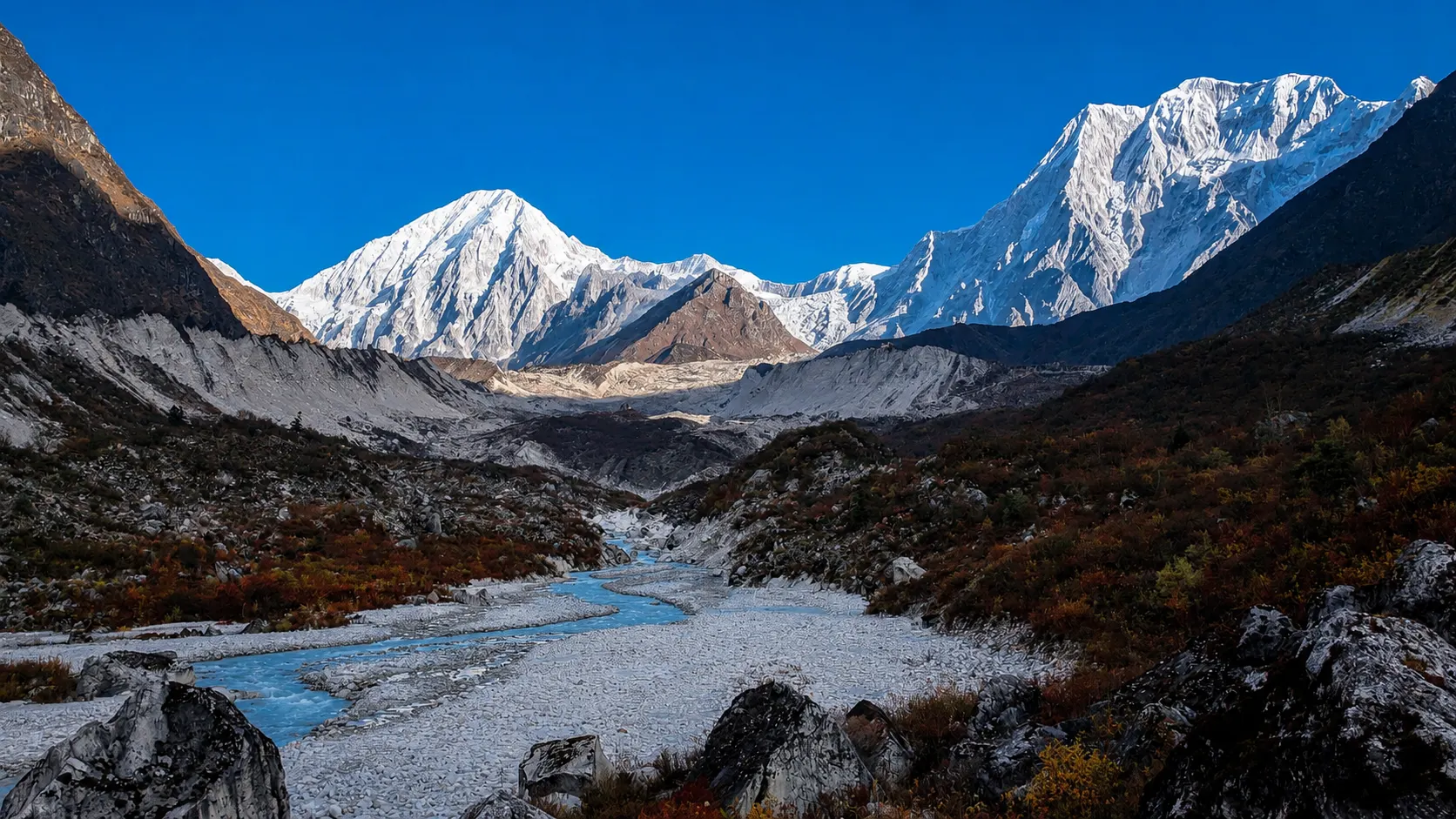
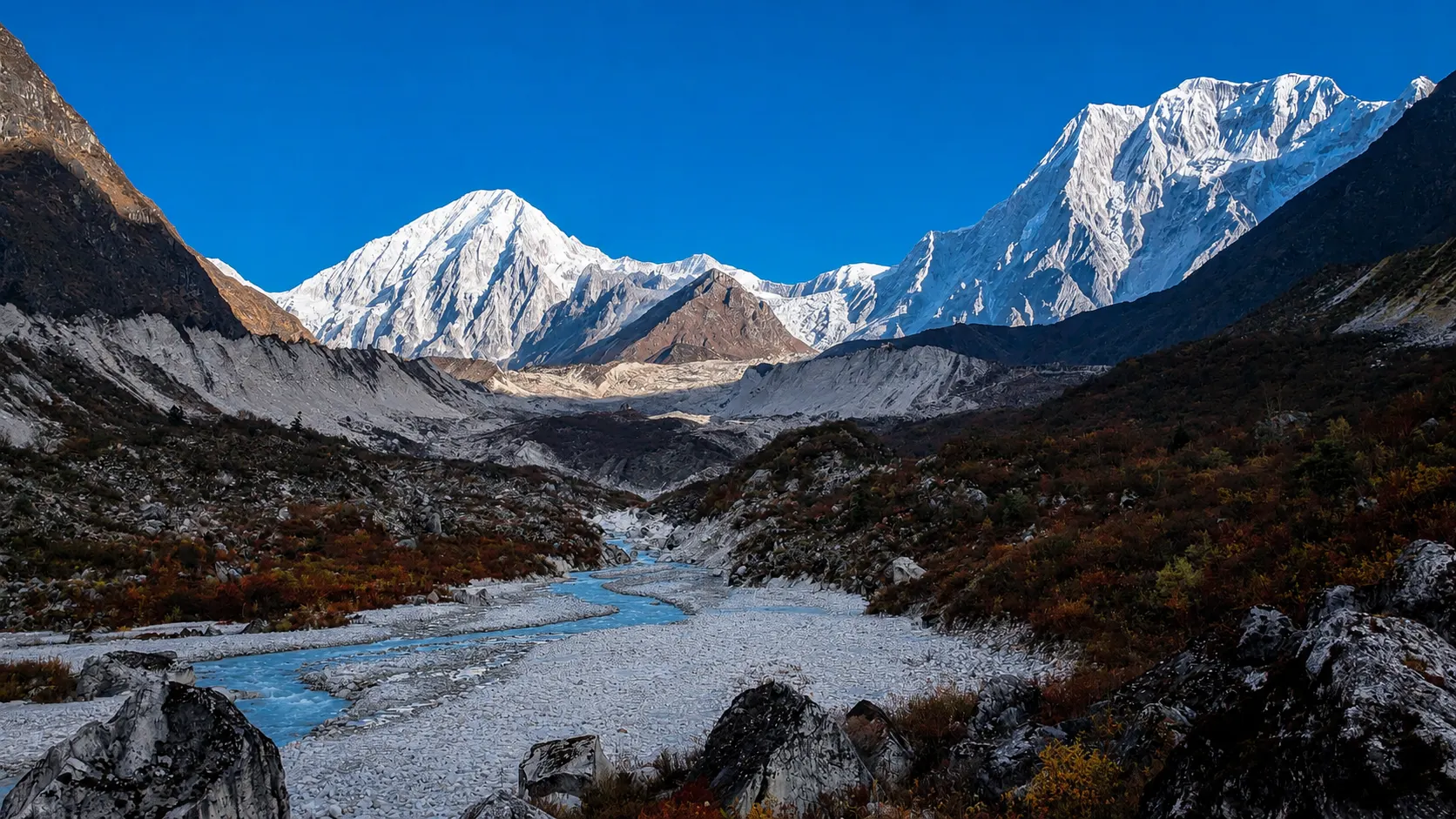



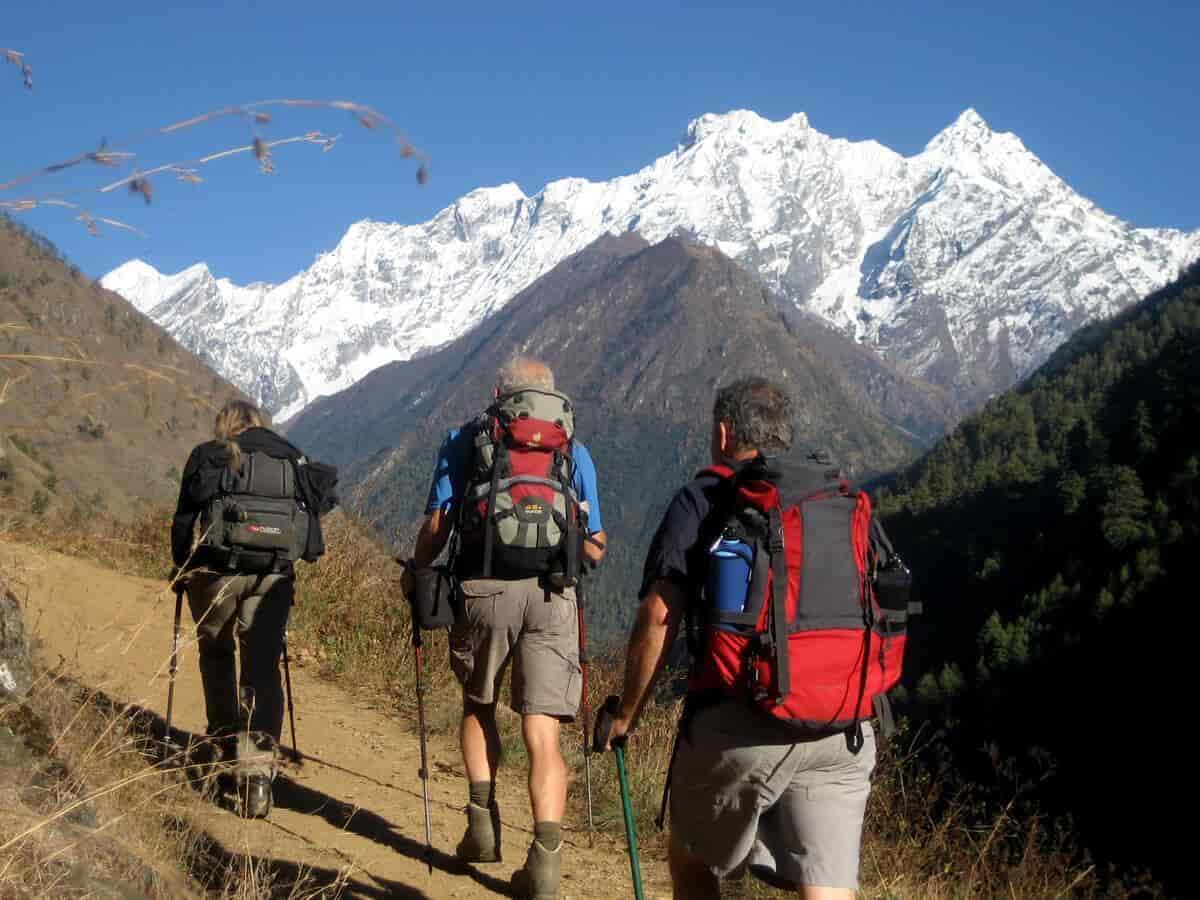

One Of The Best Adventures Of My Life
This Was An Unforgettable Adventure In The Himalayas. The Scenery Was Incredible, But What Really Made The Trip Special Was The Professionalism And Kindness Of Our Guide And Support Team. They Took Care Of Everything From Transportation To Accommodation And Made Sure We Were Prepared For Each Stage Of The Trek. Reaching Larke Pass Was A Huge Personal Achievement, And I Couldn't Have Asked For A Better Experience.
Glad I Listened To My Guide
I Got A Bad Headache In Samdo And Honestly Thought My Trek Was Over. Our Guide Checked My Oxygen, Made Me Rest, Drink Lots Of Water And Walk Really Slowly To Dharamsala The Next Day. By The Morning Of The Pass I Felt Much Better. Larkya La Was Cold And Windy, But We Made It, And I Was So Happy I Almost Cried. Before All That, The Lower Part Of The Trek Was Green And Full Of Waterfalls, And The Monastery At Lho Had An Amazing View Of Manaslu. The Teahouses Were Simple But The Families Running Them Were So Kind. This Trek Tested Me, But I’m Proud I Finished It.
Our Favourite Trek In Nepal
My Partner And I Have Done A Few Treks In Nepal, And This Is Now Our Favourite. In April The Forests Were Full Of Rhododendrons, And The Lower Valley Was Green And Lively. We Loved How Different Each Village Felt As We Climbed. On Our Rest Day In Samagaun, We Hiked Up Toward Manaslu Base Camp And Saw The Glacier Up Close. That Was A Highlight For Both Of Us. The Long Day Over Larkya La Was Tough, But The Views Of Himlung And Annapurna II On The Other Side Were Stunning. Our Guide And Porter Were Brilliant The Whole Way. It Felt Like A Real Adventure, Without The Crowds.
A Trek To Remember
This Was An Amazing Adventure In The Himalayas. The Scenery Was Incredible, But What Really Made The Trip Special Was How Professional And Kind Our Guide And Support Team Were. They Took Care Of Everything, From Transport To Accommodation, And Made Sure We Were Ready For Each Stage Of The Trek. Reaching Larke Pass Was A Huge Personal Achievement, And I Couldn’t Have Asked For A Better Experience.
Never Too Old For Manaslu
I’m 62 And Have Trekked In Nepal Three Times Before, But This One Was The Toughest. I’m Glad I Did It Now And Didn’t Wait. The Team Never Made Me Feel Slow. My Guide Set A Pace That Worked For Me, And We Stopped Whenever I Needed. October Weather Was Perfect, With Clear Blue Skies Most Days. I Really Enjoyed The Quiet Evenings In The Teahouses, Sitting By The Stove And Chatting With The Owners. Larkya La Took Me A Long Time, But I Got There. Seeing Manaslu All Around Me On That Walk Is Something I’ll Never Forget.