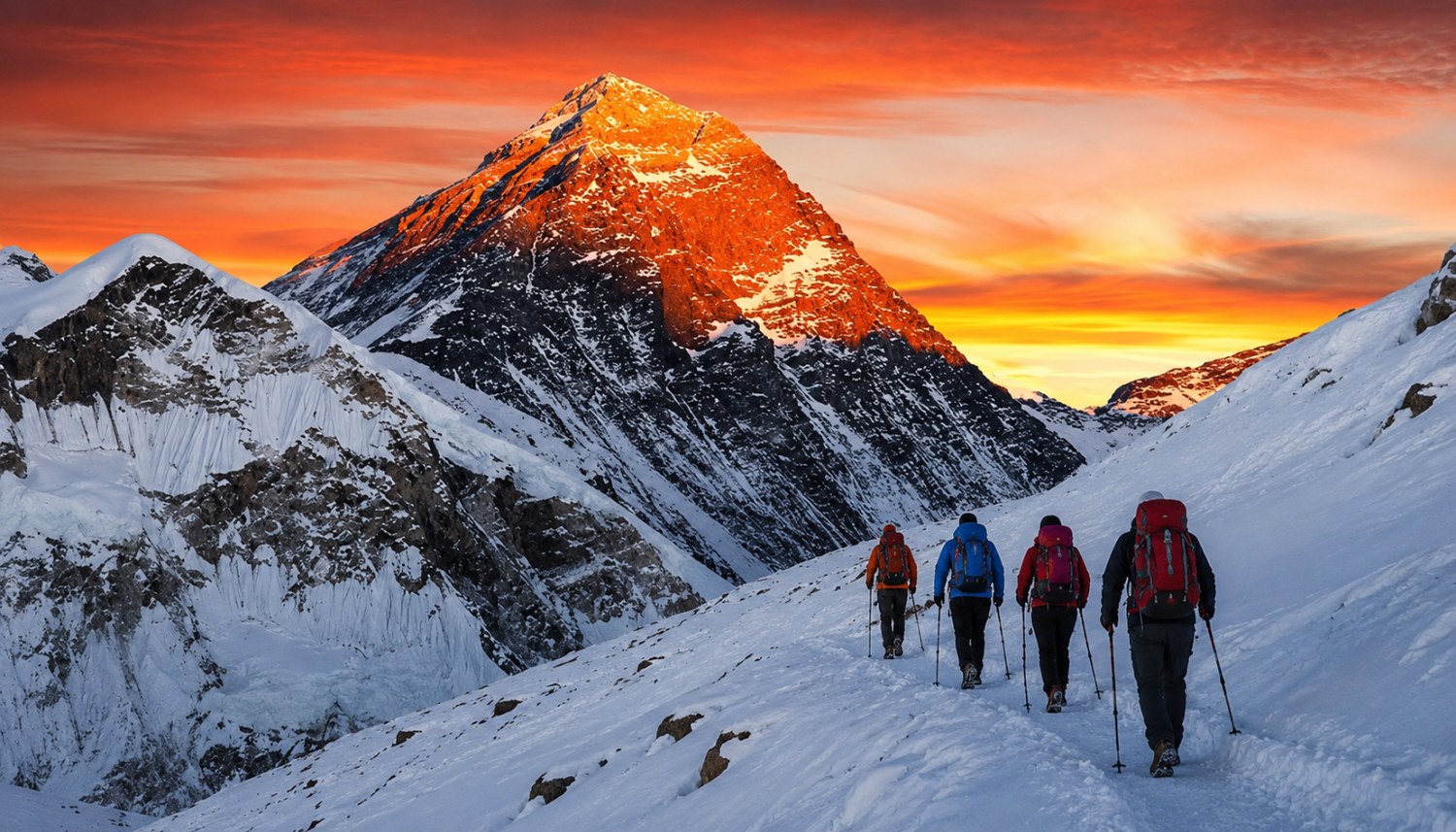
Unesco World Heritage Site: Sagarmatha National Park
By Nepal Trip Services On 23 Sep 2026

By Nepal Trip Services On 23 Sep 2026
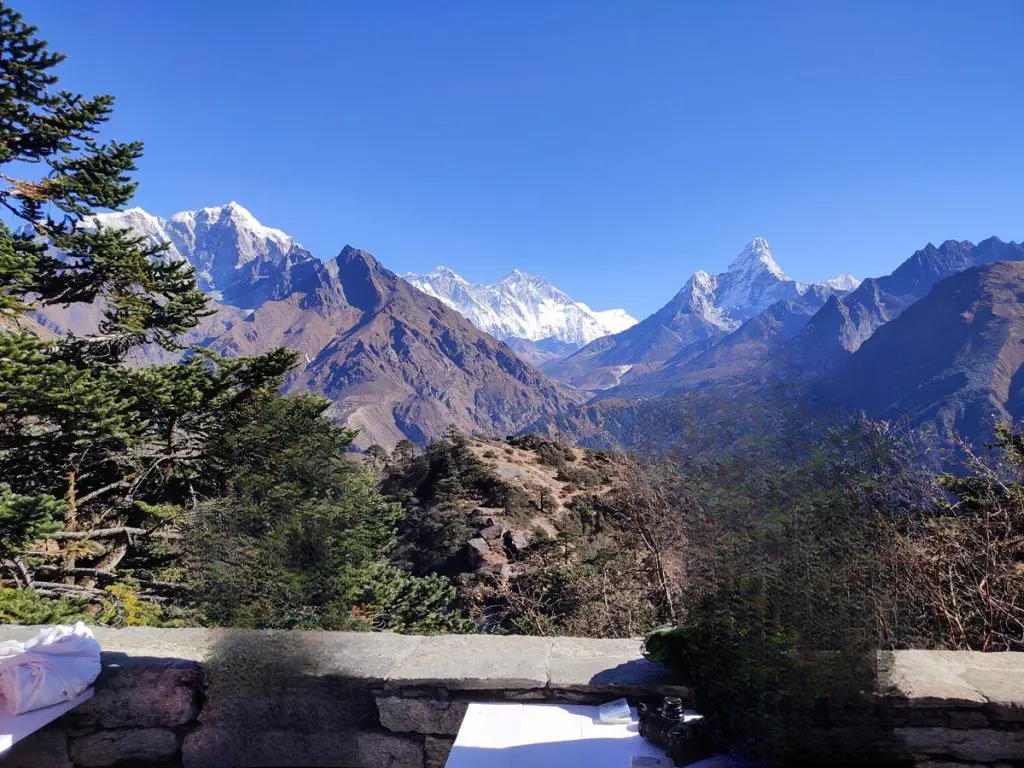
Few trekking routes in the world pass through a genuine UNESCO World Heritage Site — but every step of the Classic Everest Base Camp Trek does exactly that. Established in 1976 and inscribed by UNESCO just three years later, Sagarmatha National Park stands as Nepal's first natural World Heritage Site, protecting not just Mount Everest itself, but an entire high-altitude ecosystem of glaciers, rare wildlife, and centuries-old Sherpa villages found nowhere else on the planet. This complete guide explores what UNESCO World Heritage status actually means for Sagarmatha National Park, why it earned this prestigious recognition, and what it means for trekkers walking through this extraordinary protected landscape, offering a deeper appreciation for the remarkable terrain unfolding around you with every step toward Base Camp.
UNESCO (the United Nations Educational, Scientific and Cultural Organization) designates World Heritage Sites to recognize places of "outstanding universal value" to humanity — locations so exceptional in cultural or natural significance that their protection matters to the entire world, not just the country in which they're located.
| Detail | Information |
|---|---|
| Site Name | Sagarmatha National Park |
| UNESCO Inscription Year | 1979 |
| Heritage Category | Natural Site |
| Significance | Nepal's first natural UNESCO World Heritage Site |
| Location | Solukhumbu District, Koshi Province, Nepal |
| Total Area | 1,148 km² (443 sq mi) |
| Elevation Range | 2,845m to 8,849m (Everest's summit) |
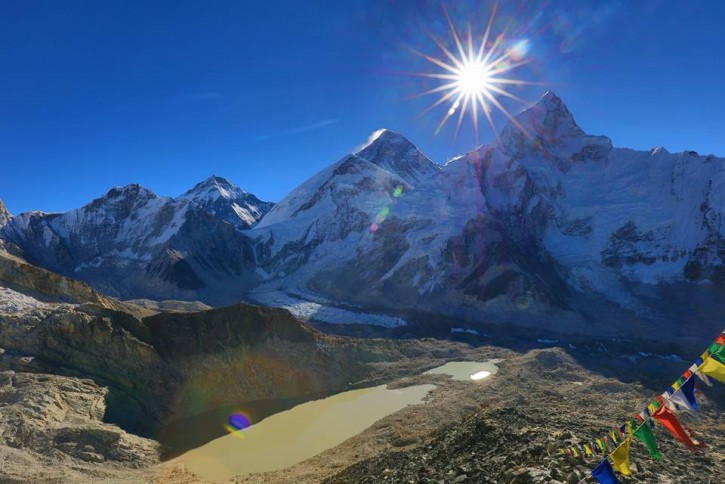
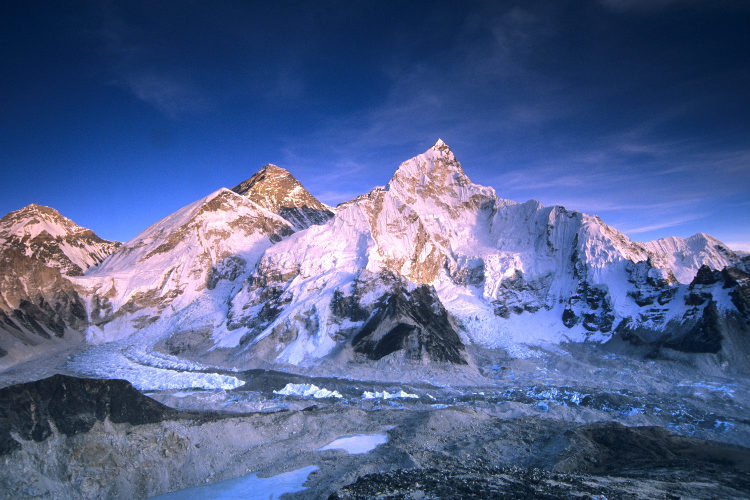
Sagarmatha National Park protects one of the most dramatic mountain landscapes on Earth, home to Mount Everest and several other peaks exceeding 8,000 meters, alongside legendary summits like Lhotse, Nuptse, and Ama Dablam.
The park represents an extraordinary natural laboratory of high-altitude adaptation, with elevation ranging from forested valleys at 2,845m to the summit of the world's highest mountain at 8,849m — an ecological range found nowhere else in comparable form.
Sagarmatha National Park serves as a genuine sanctuary for species increasingly threatened elsewhere, including:
Unlike many UNESCO natural sites that are largely uninhabited, Sagarmatha National Park is home to a thriving Sherpa population, with villages like Namche Bazaar, Khumjung, and Tengboche preserving centuries-old Buddhist traditions and mountaineering heritage within the park's boundaries.
Walking the Classic Everest Base Camp Trek means walking through globally recognized, protected terrain — not simply a scenic backdrop, but a landscape whose preservation genuinely matters to humanity's shared natural heritage. Understanding this designation adds real depth to the journey, transforming a physical trekking challenge into a meaningful encounter with one of the planet's most remarkable protected landscapes.
| Elevation Zone | Terrain Type | Coverage of Park |
|---|---|---|
| Below 3,500m | Forested valleys, pine and rhododendron | ~3% |
| 3,500m–5,000m | Alpine grazing land, shrubland | ~28% |
| Above 5,000m | Barren, glacial, high-alpine terrain | ~69% |
UNESCO World Heritage designation brings several concrete benefits to Sagarmatha National Park's ongoing conservation:
As a trekker moving through Sagarmatha National Park, respecting the following guidelines helps preserve its UNESCO status for future generations:
| Category | Permit Cost |
|---|---|
| Foreign nationals | NPR 3,000 (~USD 21–23) |
| SAARC nationals | NPR 1,500 |
| Nepali citizens | NPR 100 |
| Children under 10 | Free |
Despite its protected status, Sagarmatha National Park faces genuine environmental pressures, including waste management challenges from increasing trekker numbers, glacial retreat linked to climate change, and the delicate balance between tourism revenue and ecological preservation. Ongoing conservation efforts, supported partly by permit fees, help address these challenges while keeping the park accessible to trekkers from around the world.
Sagarmatha National Park was inscribed as a UNESCO World Heritage Site in 1979, just three years after its establishment in 1976, becoming Nepal's first natural site to receive this designation.
UNESCO designates World Heritage Sites to recognize places of "outstanding universal value" to humanity — locations so exceptional in cultural or natural significance that their protection matters to the entire world, not just the host country.
The park earned this status for its outstanding natural beauty, dramatic mountain scenery, and unique high-altitude ecosystem, ranging from forested valleys to the summit of Mount Everest itself.
The park covers 1,148 square kilometers (443 square miles), with elevation ranging from 2,845 meters to 8,849 meters at Everest's summit.
The park serves as critical habitat for rare and endangered species including the snow leopard, red panda, musk deer, Himalayan tahr, Himalayan monal, and the recently confirmed Pallas's cat.
Unlike many UNESCO natural sites, Sagarmatha National Park is home to a thriving Sherpa population, with villages like Namche Bazaar, Khumjung, and Tengboche preserving centuries-old traditions within the park's boundaries.
Approximately 69% of the park's land lies above 5,000 meters and consists of barren, glacial, high-alpine terrain, with only around 3% covered by forest below 3,500m.
Trekkers need a Sagarmatha National Park Entry Permit, costing NPR 3,000 (approximately USD 21–23) for foreign nationals, checked at the Monjo checkpoint along the trail.
Key landmarks include Mount Everest, the Khumbu Glacier and Icefall, the Ramsar-designated Gokyo Lakes, Namche Bazaar, Tengboche Monastery, and the legendary Kala Patthar viewpoint.
UNESCO designation brings international recognition and monitoring, funding and conservation partnership opportunities, sustainable tourism guidelines, and support for preserving Sherpa cultural practices alongside modern tourism.
The park serves as the setting for several major routes, including the Classic Everest Base Camp Trek, the Gokyo Lakes Trek, the Everest Three High Passes Trek, and the Kala Patthar Viewpoint Trek.
The park faces genuine pressures from increasing tourism, including waste management challenges and glacial retreat linked to climate change, with ongoing conservation efforts partly funded through permit fees.
Trekkers should avoid littering, stay on marked trails, refrain from disturbing wildlife, avoid open campfires, and respect Sherpa culture by asking permission before photographing locals or religious sites.
The Gokyo Lakes were designated a Ramsar wetland of international importance in 2007, recognized for their ecological significance and stunning turquoise glacial waters.
Understanding UNESCO status adds genuine meaning to the journey, transforming a physical trekking challenge into a meaningful encounter with a landscape formally recognized as holding value for all of humanity.
Sagarmatha National Park's UNESCO World Heritage status isn't simply a prestigious label — it's formal recognition that this landscape, home to the world's highest peak, rare wildlife, and living Sherpa culture, holds value for all of humanity. For trekkers on the Classic Everest Base Camp Trek, walking through this designated World Heritage Site adds genuine meaning to every step, transforming the journey into an encounter with one of Earth's most extraordinary and carefully protected places.
Ready to explore this UNESCO World Heritage Site for yourself? Discover the complete Classic Everest Base Camp Trek itinerary with Nepal Trip Services and experience Sagarmatha National Park's legendary landscape firsthand.
Discover more articles that match your interests! Explore these similar blogs packed with insights, tips, and stories to keep you inspired.
Everything on Classic Everest Base Camp Trek permits for 2026–2027 — costs, requirements, where to get them & recent...
Discover the best season for the Classic Everest Base Camp Trek. Compare autumn, spring, winter & monsoon weather, views...
Explore the Classic Everest Base Camp Trek itinerary with detailed day-by-day routes, altitudes, trekking hours & acclim...
Discover what you\\\'ll eat and where you\\'ll sleep on the Classic Everest Base Camp Trek. Complete guide to teahouses,...
Discover the full cost breakdown of the Classic Everest Base Camp Trek — permits, flights, guides, porters, meals & ac...
Is the Classic Everest Base Camp Trek hard? Complete guide to difficulty level, altitude challenges, fitness needs & tra...