Best SeasonFeb, Mar, Apri, May, June, Sep, Oct, Nov & Dec
Start / End PointKathmandu → Everest Base Camp → Kathmandu
Guiding MethodEnglish
About the Everest Base Camp Trek
Stand at the foot of the world’s highest mountain on the Everest Base Camp Trek, Nepal’s most iconic Himalayan adventure. After a thrilling flight to Lukla, the trail follows the Dudh Koshi River through Sagarmatha National Park, a UNESCO World Heritage Site, to the famous Sherpa hub of Namche Bazaar. Visit the renowned Tengboche Monastery, explore traditional Sherpa villages, and enjoy spectacular views of Everest, Lhotse, and Ama Dablam. With acclimatization days in Namche and Dingboche, you’ll continue to Everest Base Camp (5,364 m) beside the Khumbu Icefall before witnessing a breathtaking sunrise over Everest from Kala Patthar (5,550 m). With licensed guides and essential permits and flights arranged, Nepal Trip Services helps make your trek safe, well-organized, and unforgettable.
Trip Highlights
Stand at Everest Base Camp (5,364 m), the legendary starting point for climbers attempting the world's highest peak
Watch sunrise over Mount Everest from Kala Patthar (5,550 m), the trek's highest point and the best close-up view of Everest's summit
See the world's giants up close, including Everest (8,849 m), Lhotse, Nuptse, Ama Dablam, Pumori and Thamserku
Fly into Lukla's Tenzing-Hillary Airport, one of the most thrilling mountain airstrips on Earth
Trek through Sagarmatha National Park, a UNESCO World Heritage Site and home to Mount Everest
Cross the iconic Hillary Suspension Bridge, high above the Dudh Koshi River and draped in prayer flags
Explore Namche Bazaar (3,440 m), the vibrant Sherpa capital with bakeries, markets and stunning mountain views
Hike to the Everest View Hotel on your acclimatization day for a sweeping panorama of Everest and Ama Dablam
Visit Khumjung village, home to the Hillary School and a monastery said to hold a "yeti scalp"
Experience Tengboche Monastery (3,870 m), the spiritual heart of the Khumbu, framed by Ama Dablam
Discover Dingboche (4,410 m), a stone-walled farming village with close views of Lhotse and Island Peak
Pay tribute at the Thukla memorials, honouring climbers who lost their lives on Everest
Walk beside the Khumbu Glacier and Icefall, one of the most dramatic glacial landscapes in the Himalayas
Immerse yourself in Sherpa culture, with monasteries, mani walls, prayer wheels and warm teahouse hospitality
Spot Himalayan wildlife, such as the Himalayan tahr, musk deer and Danphe, Nepal's colourful national bird
Acclimatize safely with well-planned rest days in Namche Bazaar and Dingboche
Enjoy expert support from Nepal Trip Services, with licensed guides, porters, daily health checks and all permits and flights arranged
Best Season & Weather
Choose the best time for your trek based on weather and trail conditions.
Best for Trekking
Spring
March-May
5°C – 18°C
Excellent
Mild, mostly clear mornings; rhododendrons bloom below Tengboche; Everest expedition season at base camp; afternoon cloud by May
Good for Trekking
Summer / Monsoon
June-August
10°C – 20°C
Moderate
Warm and wet; frequent rain lower down, cloud hiding the peaks, slippery trails and Lukla flight delays; very quiet trails
Good for Trekking
Autumn
September – November
5°C – 18°C
Good
Dry, stable and crystal-clear; the best mountain views of the year; busiest season, especially October
Not Recommended
Winter
December – February
-10°C – 10°C
Challenging
Cold but often clear; snow possible at high altitude; very few trekkers; some high lodges close
Trip Overview
Few journeys on Earth carry the magic of the Everest Base Camp Trek. Over 14 days, this classic Himalayan route leads you deep into the Khumbu, the homeland of the Sherpa people, to the foot of the world's highest mountain. Along the way, you'll pass ancient monasteries, cross swaying suspension bridges and watch Everest, Lhotse, Nuptse and Ama Dablam draw closer with every step.
Your adventure begins with a short but unforgettable flight from Kathmandu to Lukla (2,860 m), landing on one of the world's most famous mountain airstrips. From there, the trail follows the turquoise Dudh Koshi River through pine forests and prayer-flag-lined villages to Phakding. Entering Sagarmatha National Park at Monjo, you cross the soaring Hillary Suspension Bridge and climb to Namche Bazaar (3,440 m), the bustling Sherpa capital. A rest day here includes a hike to the Everest View Hotel and the peaceful village of Khumjung, rewarding you with your first close-up panorama of Everest.
Beyond Namche, a scenic balcony path winds to Tengboche (3,870 m), where the region's largest monastery sits beneath the graceful peak of Ama Dablam. As the forests give way to open alpine valleys, you continue through Pangboche to Dingboche (4,410 m). A second acclimatization day lets you hike above the village for sweeping views of Lhotse, Island Peak and Makalu, or explore toward the quiet Chhukung Valley.
Higher up, the scenery becomes wild and dramatic. The path climbs past the moving Thukla memorials, dedicated to climbers lost on Everest, to Lobuche (4,910 m) and Gorak Shep (5,160 m), the final settlement on the route. Following the rocky Khumbu Glacier, you reach Everest Base Camp (5,364 m), surrounded by ice towers and the famous Khumbu Icefall. In spring, the glacier comes alive with colourful expedition tents as climbers prepare for their summit attempts.
The highlight of the journey comes at dawn on Kala Patthar (5,550 m). As the first light touches the summit of Everest, Nuptse and Pumori glow gold in a view impossible to see from base camp itself. Afterwards, you descend to Pheriche and retrace your route through Namche to Lukla, celebrating with your guides and porters before flying back to Kathmandu.
This adventure is graded moderate to challenging. Daily walks last around 5–7 hours on rocky mountain trails, and the main challenge is altitude rather than technical terrain, as no climbing experience is required. Carefully planned rest days in Namche and Dingboche help your body adjust, while our guides check your oxygen levels daily with a pulse oximeter. For the clearest skies and best mountain views, plan your trip in spring (March–May) or autumn (September–November).
With licensed local guides, porter support, comfortable teahouses, permits and Lukla flights all arranged, Nepal Trip Services takes care of every detail, so you can simply enjoy the mountains, the culture and the achievement of a lifetime. Explore more adventures on our Everest Region Treks page.
Sagarmatha National Park & Khumbu Pasang Lhamu Rural Municipality (no TIMS card needed)
Best seasons
March–May & September–November
Group size
1–20 people
Suitable for
Fit beginners and experienced trekkers
Your Journey to the Foot of Everest
Every great Himalayan story begins with a single step, and on the Everest Base Camp Trek, that step leads you into one of the most extraordinary landscapes on the planet. Over 14 days, you'll follow ancient Sherpa trading paths through rhododendron forests, glacier-carved valleys and quiet mountain villages, until the summit of Everest itself fills the sky above you. It's a journey of breathtaking scenery, living Buddhist culture and personal achievement, all in the shadow of the world's highest peaks.
Thrilling Flight to Lukla
Your adventure starts with one of the most exciting short flights in the world. A small plane carries you over terraced hills and snow peaks before landing on the steep runway of Lukla (2,860 m). In peak seasons, flights often depart from Ramechhap, and we arrange every transfer. From Lukla, a gentle first walk along the milky-turquoise Dudh Koshi River brings you to the riverside village of Phakding, easing your body into the mountains.
Namche Bazaar: Gateway to the Khumbu
At Monjo, you enter Sagarmatha National Park, a UNESCO World Heritage Site, and cross the prayer-flag-covered Hillary Suspension Bridge high above the river. A steady climb then leads to Namche Bazaar (3,440 m), the colourful trading hub of the Sherpa people, where bakeries, gear shops and lodges cling to a horseshoe-shaped hillside. Your first rest day here includes a hike to the Everest View Hotel and the traditional village of Khumjung, with a first sweeping view of Everest.
Monasteries, Villages & Ama Dablam Views
Leaving Namche, a balcony trail traces the valley wall with Everest and Ama Dablam ahead. You'll reach Tengboche (3,870 m), where the Khumbu's largest monastery offers a peaceful stop and, if timing allows, the chance to join the monks' evening prayers. The trail continues through Pangboche to Dingboche (4,410 m), a farming village of stone-walled fields. A second acclimatization day lets you climb above the village for views of Lhotse, Island Peak and Makalu, or wander toward the Chhukung Valley.
Into the High Khumbu
Above the treeline, the landscape becomes stark and spectacular. You'll pause at the Thukla memorials, a quiet ridge of stone chortens honouring climbers lost on Everest, before reaching Lobuche (4,910 m) beside the Khumbu Glacier. The next morning, the trail follows the glacier's moraine to Gorak Shep (5,160 m), the last settlement before base camp.
Standing at Everest Base Camp
From Gorak Shep, you walk across rocky glacial terrain to Everest Base Camp (5,364 m), where prayer flags flutter beneath towering ice seracs and the jagged Khumbu Icefall. In spring, the glacier becomes a lively tent city of expedition teams preparing to climb the world's highest mountain. Standing here, after days of steady effort, is a moment few trekkers ever forget.
Sunrise over Everest from Kala Patthar
The next morning brings the most iconic view of the trek. In the pre-dawn cold, you climb Kala Patthar (5,550 m) to watch the first light turn Everest's summit gold, with Nuptse, Lhotse and Pumori glowing around it. You then descend to Pheriche and follow familiar trails back through Namche to Lukla, where you celebrate with your guides and porters before flying back to Kathmandu.
How Hard Is the Trek & When to Go
This trek is graded moderate to challenging. You'll walk around 5–7 hours a day on rugged mountain paths, but no climbing skills are needed. The real challenge is altitude, which is why our itinerary includes rest days in Namche and Dingboche, and our guides check your oxygen levels daily with a pulse oximeter. For clear skies and the best mountain views, plan your trek in spring (March–May) or autumn (September–November).
With licensed local guides, porter support, cosy teahouses, permits and Lukla flights all arranged, Nepal Trip Services handles every detail, so you can focus on the mountains, the culture and the journey of a lifetime. Discover more adventures on our Everest Region Treks page.
Everest Base Camp Trek Itinerary
Day
Itinerary
Max altitude
Distance
Walking time
Overnight
01
Arrive in Kathmandu; transfer to hotel and trek briefing
1,400 m / 4,593 ft
—
—
Hotel, Kathmandu
02
Fly Kathmandu → Lukla; trek to Phakding (2,610 m)
2,860 m / 9,383 ft
~8 km
35-min flight + 3–4 hrs
Teahouse, Phakding
03
Phakding → Namche Bazaar via Hillary Suspension Bridge
3,440 m / 11,286 ft
~11 km
5–6 hrs
Teahouse, Namche
04
Acclimatization day: hike to Everest View Hotel & Khumjung
3,880 m / 12,730 ft
~5–6 km
3–4 hrs
Teahouse, Namche
05
Namche → Tengboche; visit Tengboche Monastery
3,870 m / 12,697 ft
~10 km
5–6 hrs
Teahouse, Tengboche
06
Tengboche → Pangboche → Dingboche
4,410 m / 14,469 ft
~12 km
5–6 hrs
Teahouse, Dingboche
07
Acclimatization day: hike to Nangkartshang (Nagarjun) viewpoint
Final departure from Tribhuvan International Airport
1,400 m / 4,593 ft
—
—
—
Total trekking distance: about 130 km round trip from Lukla over 11 trekking days.
Distances, walking times and altitudes are approximate and can vary with pace, weather and trail conditions. We recommend adding 1–2 buffer days for possible Lukla flight delays.
Altitude Sickness & Acclimatization
Altitude, not distance, is the biggest challenge on the trek to Everest Base Camp, where you’ll sleep as high as Gorak Shep (5,160 m) and climb Kala Patthar (5,550 m). Acute Mountain Sickness (AMS) can affect anyone above about 2,500 m, whatever their age or fitness, with symptoms such as headache, nausea, dizziness, fatigue and poor sleep. To help your body adjust, our itinerary includes acclimatization days in Namche Bazaar and Dingboche, with climb-high, sleep-low hikes to the Everest View Hotel and Nangkartshang viewpoint. Walk slowly, drink 3–4 litres of water a day, avoid alcohol and tell your guide about any symptoms right away. Our guides check your oxygen levels daily with a pulse oximeter, and serious signs such as breathlessness at rest or confusion mean an immediate descent. The Himalayan Rescue Association post in Pheriche and helicopter evacuation, covered by your travel insurance, provide added safety.
Meals & Accommodation
On the trail to Everest Base Camp, you’ll stay in cosy, family-run teahouses on a twin-sharing basis, with two nights in a comfortable hotel in Kathmandu. Lodges in Lukla, Phakding and Namche Bazaar offer good facilities, including some attached bathrooms, hot showers, bakeries and Wi-Fi. Higher up at Lobuche and Gorak Shep, rooms are simpler, with shared toilets and unheated bedrooms, so a warm sleeping bag is essential. Three hearty meals a day are included on the trek, cooked fresh in warm dining halls heated by a stove. Choose from dal bhat with free refills, momos, noodle soups, fried rice, porridge and Tibetan bread, with tea or coffee. We recommend vegetarian meals above Namche for freshness. Hot showers, device charging and Wi-Fi are available at most teahouses for a small extra fee.
Everest Base Camp Trek Permits
You need two permits to trek to Everest Base Camp. Both are arranged for you and included in your Nepal Trip Services package.
Permit
Cost (foreign nationals)
Cost (SAARC nationals)
Where it's issued
Where it's checked
Sagarmatha National Park Entry Permit
NPR 3,000 + 13% VAT (NPR 3,390, ≈ US$25)
NPR 1,500 + VAT
Nepal Tourism Board, Kathmandu, or the park gate at Monjo
Under 10 years are usually exempt from the national park fee
Payment
Nepalese rupees in cash (USD not accepted at checkpoints)
Documents needed
Valid passport (or copy); passport photos if issued in Kathmandu
Refunds
Permits are non-refundable and non-transferable
Starting from Jiri or Shivalaya
An extra Gaurishankar Conservation Area permit (NPR 3,000) is required
Included in our package
Both permits arranged in advance by Nepal Trip Services
Why Choose the Everest Base Camp Trek with Nepal Trip Services?
Reaching Everest Base Camp is a once-in-a-lifetime goal, and the team you trek with makes all the difference. With 16 years of Himalayan experience, Nepal Trip Services combines local expertise, careful safety planning and warm Sherpa hospitality, so you can focus on the mountains while we take care of everything else.
Local, licensed guides: Our government-licensed, English-speaking guides know the Khumbu trails, teahouse owners and changing mountain conditions inside out.
Safety comes first: Daily oxygen and pulse checks with a pulse oximeter, a full first-aid kit and 24/7 coordination with your insurer for emergency helicopter rescue.
Smart acclimatization: Rest days in Namche Bazaar and Dingboche, plus climb-high, sleep-low hikes, give you the best chance of reaching base camp and Kala Patthar safely.
Hassle-free logistics: We arrange your Lukla flights, Ramechhap transfers in peak season, permits, airport pickups and teahouse bookings.
Porter support: One porter for every two trekkers carries your main luggage, so you walk with just a light daypack.
Comfortable stays and hearty meals: Hand-picked teahouses on the trail, a hotel in Kathmandu and three meals a day on the trek.
Fixed and private departures: Join a small group on a fixed date, or choose your own dates for a private trek.
100% tailor-made: Add extra rest days, a helicopter return or side trips to Gokyo, Chhukung or Ama Dablam Base Camp.
Gear support: A duffel bag, plus a down jacket and sleeping bag on loan if needed.
Fair and responsible: Properly paid and insured staff, eco-friendly practices and support for local Sherpa communities.
Quick, friendly support: Our team usually replies within 0–2 hours, before, during and after your trek.
Trusted and registered: Associated with the Nepal Tourism Board, the Trekking Agencies’ Association of Nepal (TAAN) and the Nepal Mountaineering Association.
ExpertItinerary
01
DAY 1
Arrival in Kathmandu (1,400 m)
Altitude
Distance
Duration
Meals
Overnight
1,400 m / 4,593 ft
~6 km drive
20–30 mins transfer
Welcome Dinner
Hotel in Kathmandu
Activities: A Nepal Trip Services representative greets you at Tribhuvan International Airport with a warm welcome and drives you to your hotel in Thamel. In the afternoon or evening, meet your trek guide for a detailed briefing on the route, altitude safety and packing. We check your gear, collect passport details for permits and confirm whether your Lukla flight departs from Kathmandu or Ramechhap.
Explore: If you arrive early, wander Thamel's lively lanes, pick up last-minute gear or visit Swayambhunath Stupa for sunset views over the valley.
Guide's tip: Rent any missing gear in Thamel today, and weigh your duffel to stay within the 15 kg Lukla baggage limit.
DurationArrival Day
AccommodationHotel
MealsWelcome Dinner
02
DAY 2
Fly to Lukla (2,860 m) & Trek to Phakding (2,610 m)
Altitude
Distance
Duration
Meals
Overnight
Lukla 2,860 m → Phakding 2,610 m
~8 km
35-min flight + 3–4 hrs trek
B, L, D
Teahouse in Phakding
Activities: An early-morning flight weaves between snow peaks and lands on the dramatic sloping runway of Tenzing-Hillary Airport. In peak season, this day starts with a pre-dawn drive to Ramechhap. After breakfast in Lukla and meeting your porters, the trek begins with a gentle walk through Chaurikharka and down to the Dudh Koshi River.
Trail condition: Mostly gentle and downhill on well-built stone paths, with a few short climbs and the first suspension bridges. An easy warm-up day.
Attractions:
Thrilling mountain flight and Lukla's famous airstrip
Mani walls, prayer wheels and carved stones along the trail
Views of Kusum Kanguru and the turquoise Dudh Koshi
Teahouse & hospitality: Phakding's riverside lodges are some of the most comfortable on the trek, with cosy dining rooms, hot showers and often attached bathrooms. Enjoy your first plate of dal bhat as the river rushes past outside.
Guide's tip: Keep the pace slow even though it feels easy; today is about letting your body start adjusting
Duration35-min flight + 3–4 hrs trek
AccommodationTea House
MealsBreakfast, Lunch & Dinner
03
DAY 3
Phakding to Namche Bazaar (3,440 m)
Altitude
Distance
Duration
Meals
Overnight
3,440 m / 11,286 ft (+830 m)
~11 km
5–6 hrs
B, L, D
Teahouse in Namche
Activities: Follow the Dudh Koshi upstream through Benkar and Monjo, where your permits are checked at the gate of Sagarmatha National Park, a UNESCO World Heritage Site. After lunch at Jorsalle, cross the high, prayer-flag-draped Hillary Suspension Bridge and begin the long climb to Namche Bazaar.
Trail condition: Easy riverside walking in the morning, then a steep, zig-zagging ascent of about 600 m through pine forest in the afternoon, the first real test of the trek.
Attractions:
Sagarmatha National Park entry gate at Monjo
The iconic Hillary Suspension Bridge
Your first glimpse of Mount Everest from a viewpoint on the climb (weather permitting)
Namche Bazaar's horseshoe-shaped amphitheatre of lodges and shops
Teahouse & hospitality: Namche has the best lodges on the trail, with hot showers, Wi-Fi, bakeries and cafés. It's the perfect place to celebrate reaching the Sherpa capital with apple pie and coffee.
Guide's tip: Climb the Namche hill slowly in small steps, and drink plenty of water; this is where many trekkers first feel the altitude.
Duration5–6 hrs
AccommodationTea House
MealsBreakfast, Lunch & Dinner
04
DAY 4
Acclimatization Day in Namche Bazaar (3,440 m)
Altitude
Distance
Duration
Meals
Overnight
Sleep 3,440 m; hike to ~3,880 m
~5–6 km
3–4 hrs hike
B, L, D
Teahouse in Namche
Activities: Today follows the golden rule of high-altitude trekking: climb high, sleep low. After breakfast, hike up past the Syangboche airstrip to the Everest View Hotel for a breathtaking panorama of Everest, Lhotse, Ama Dablam and Thamserku. Continue to Khumjung village to visit the Hillary School and the monastery said to keep a "yeti scalp", then return to Namche for lunch.
Trail condition: A steep start out of Namche, then gentler, open paths across the ridge. Rest often and enjoy the views.
Attractions:
Everest View Hotel terrace panorama
Khumjung village, Hillary School and monastery
Sherpa Culture Museum and Saturday market in Namche
Teahouse & hospitality: A relaxed afternoon in Namche's cafés, bakeries and gear shops. Many trekkers buy last-minute snacks, Wi-Fi cards or warm layers here.
Guide's tip: Don't skip this rest day, even if you feel strong. It's one of the most important days for reaching base camp safely.
Duration3–4 hrs hike
AccommodationTea House
MealsBreakfast, Lunch & Dinner
05
DAY 5
Namche Bazaar to Tengboche (3,870 m)
Altitude
Distance
Duration
Meals
Overnight
3,870 m / 12,697 ft (+430 m)
~10 km
5–6 hrs
B, L, D
Teahouse in Tengboche
Activities: A beautiful balcony trail contours high above the Dudh Koshi, with Ama Dablam ahead and Everest peeking over the Nuptse–Lhotse wall. After passing Kyangjuma, the trail drops through forest to the river at Phunki Tenga for lunch, then climbs steadily through rhododendron and pine to Tengboche. In the afternoon, visit Tengboche Monastery and, if timing allows, join the monks' evening prayers.
Trail condition: Gentle and scenic in the morning, a steep descent to the river, then a steady 2-hour climb to finish.
Attractions:
Balcony trail with some of the finest mountain views of the trek
Tengboche Monastery, the largest in the Khumbu
Wildlife such as Himalayan tahr and the colourful Danphe pheasant
Rhododendron blooms in spring
Teahouse & hospitality: Tengboche's lodges sit on a ridge with Ama Dablam towering above, and the monastery bakery is a welcome treat. Rooms are simpler than in Namche, and evenings become noticeably colder.
Guide's tip: Start early to enjoy the clearest morning views along the balcony trail, and carry warm layers for the afternoon chill.
Duration5–6 hrs
AccommodationTea House
MealsBreakfast, Lunch & Dinner
06
DAY 6
Tengboche to Dingboche (4,410 m)
Altitude
Distance
Duration
Meals
Overnight
4,410 m / 14,469 ft (+540 m)
~12 km
5–6 hrs
B, L, D
Teahouse in Dingboche
Activities: Descend through rhododendron forest to Deboche and its small nunnery, then cross the Imja Khola and climb to Pangboche, home to the oldest monastery in the Khumbu. Beyond the village, the trees disappear and you enter the open, high-alpine Imja Valley, reaching Dingboche by mid-afternoon.
Trail condition: Gradual climbs on good trails, with one bridge crossing. The air feels noticeably thinner above Pangboche, so expect a slower pace.
Attractions:
Deboche nunnery and Pangboche Monastery
Close-up views of Ama Dablam's dramatic ridges
Dingboche's patchwork of stone-walled barley and potato fields
Lhotse's towering wall at the head of the valley
Teahouse & hospitality: Dingboche has surprisingly good lodges, some with bakeries, solar showers and sunny dining rooms. Nights are cold, so a warm sleeping bag is essential from here on.
Guide's tip: Above 4,000 m, drink at least 3–4 litres of water a day and tell your guide about any headache straight away.
Duration5–6 hrs
AccommodationTea House
MealsBreakfast, Lunch & Dinner
07
DAY 7
Acclimatization Day in Dingboche (4,410 m)
Altitude
Distance
Duration
Meals
Overnight
Sleep 4,410 m; hike to ~5,083 m
~5–7 km
4–5 hrs hike
B, L, D
Teahouse in Dingboche
Activities: Your second rest day prepares your body for the high zone ahead. Hike up the ridge behind Dingboche toward Nangkartshang Peak (also called Nagarjun Hill), turning back whenever you feel ready. Alternatively, take a gentler walk up the Imja Valley toward Chhukung. Spend the afternoon resting, hydrating and organising your gear.
Trail condition: A steep, rocky climb on a narrow path; walk slowly and use trekking poles. The descent is loose in places.
Attractions:
Sweeping views of Makalu (8,485 m), the world's fifth-highest peak
Lhotse, Island Peak and Ama Dablam towering over the Imja Valley
Stupas and prayer flags on the ridge above the village
Teahouse & hospitality: A quiet afternoon in a sunny dining room with hot drinks. Many lodges show mountaineering films in the evening.
Guide's tip: Climbing high today helps you sleep better tonight. Even an hour up the ridge makes a difference.
Duration4–5 hrs hike
AccommodationTea House
MealsBreakfast, Lunch & Dinner
08
DAY 8
Dingboche to Lobuche (4,910 m)
Altitude
Distance
Duration
Meals
Overnight
4,910 m / 16,109 ft (+500 m)
~8 km
5–6 hrs
B, L, D
Teahouse in Lobuche
Activities: Walk across the wide, windswept Pheriche Valley to Thukla (Dughla) for lunch. A steep climb up the glacial moraine then leads to the Thukla memorials, a quiet ridge of stone chortens honouring climbers who lost their lives on Everest. The trail continues beside the Khumbu Glacier to Lobuche.
Trail condition: Gentle valley walking in the morning, then a steep 1-hour climb above Thukla. The afternoon follows rocky moraine.
Attractions:
Thukla memorials and prayer flags
First views of the Khumbu Glacier
Pumori, Lobuche Peak and Nuptse rising ahead
Teahouse & hospitality: Lobuche is a small cluster of basic lodges. Expect shared toilets, cold bedrooms and a warm stove in the dining room, where trekkers gather to share stories before the big day.
Guide's tip: Pause at the memorials to rest and reflect, and take the climb above Thukla at your own steady pace.
Duration5–6 hrs
AccommodationTea House
MealsBreakfast, Lunch & Dinner
09
DAY 9
Lobuche to Gorak Shep (5,160 m) & Everest Base Camp (5,364 m)
Altitude
Distance
Duration
Meals
Overnight
EBC 5,364 m; sleep at Gorak Shep 5,160 m
~13 km
7–8 hrs
B, L, D
Teahouse in Gorak Shep
Activities: The day you've been waiting for. Follow the lateral moraine of the Khumbu Glacier to Gorak Shep, the last settlement before base camp, and drop your bags for lunch. In the afternoon, continue across rocky glacial terrain to Everest Base Camp, beneath the jagged Khumbu Icefall. Take time for photos among the prayer flags before returning to Gorak Shep for the night.
Trail condition: Uneven, rocky moraine with short ups and downs; slow going at this altitude. Watch your footing near the glacier.
Attractions:
Everest Base Camp and the famous base camp marker stone
Towering seracs of the Khumbu Icefall
Colourful expedition tents in spring climbing season
Views of Nuptse, Pumori and Khumbutse
Teahouse & hospitality: Gorak Shep's lodges are the highest and most basic of the trek, with very cold nights and limited facilities. But the dining room buzz after a base camp day is unforgettable.
Guide's tip: Wear your warmest layers at base camp, and go to bed early for tomorrow's pre-dawn start.
Duration7–8 hrs
AccommodationTea House
MealsBreakfast, Lunch & Dinner
10
DAY 10
Kala Patthar (5,550 m) Sunrise & Descend to Pheriche (4,240 m)
Altitude
Distance
Duration
Meals
Overnight
Kala Patthar 5,550 m → Pheriche ~4,240 m
~15 km
7–8 hrs
B, L, D
Teahouse in Pheriche
Activities: Wake around 4:30 AM and climb Kala Patthar by headlamp, the trek's highest point. As the sun rises, the summit of Everest emerges in full view alongside Nuptse, Lhotse and Pumori, with the Khumbu Glacier stretching below. Return to Gorak Shep for a hot breakfast, then descend past Lobuche and Thukla to the wide valley of Pheriche.
Trail condition: A steep, sandy and rocky climb of about 390 m in the cold dawn air, followed by a long but mostly downhill walk. Breathing gets noticeably easier as you lose height.
Attractions:
Sunrise over Everest, the most iconic view of the trek
Panorama of Nuptse, Lhotse, Pumori and Changtse
Himalayan Rescue Association aid post in Pheriche
Teahouse & hospitality: Pheriche's lodges feel warm and welcoming after the high camps, with better food and a celebratory atmosphere among trekkers who've just reached base camp.
Guide's tip: Keep camera batteries in an inside pocket for the summit, and bring a thermos of hot tea for the climb.
Duration7–8 hrs
AccommodationTea House
MealsBreakfast, Lunch & Dinner
11
DAY 11
Pheriche to Namche Bazaar (3,440 m)
Altitude
Distance
Duration
Meals
Overnight
3,440 m / 11,286 ft (−800 m)
~15 km
6–7 hrs
B, L, D
Teahouse in Namche
Activities: Retrace your steps down through Pangboche and the forests below Tengboche, crossing the Imja Khola and climbing back to Namche along the balcony trail. With thicker air and familiar scenery, the walking feels much easier.
Trail condition: Mostly downhill, with one climb up to Tengboche or Kyangjuma and a final contour back into Namche.
Attractions:
Final close-up views of Ama Dablam and Everest
Forest trails and wildlife in the lower valley
Namche's bakeries, cafés and hot showers
Teahouse & hospitality: Back in comfortable Namche, enjoy a long shower, fresh food and a well-earned evening of celebration.
Guide's tip: Use trekking poles on the descents to protect your knees.
Duration6–7 hrs
AccommodationTea House
12
DAY 12
Namche Bazaar to Lukla (2,860 m)
Altitude
Distance
Duration
Meals
Overnight
2,860 m / 9,383 ft (−580 m)
~19 km
6–7 hrs
B, L, D
Teahouse in Lukla
Activities: Descend the steep hill from Namche, cross the Hillary Suspension Bridge and follow the Dudh Koshi back through Monjo and Phakding. A final climb brings you to Lukla, where you celebrate the end of your trek with your guide and porters, often with music and dancing.
Trail condition: A long day with a steep descent from Namche, gentle riverside walking and a final 1-hour climb to Lukla.
Attractions:
Last views of the Dudh Koshi valley and Kusum Kanguru
Farewell celebration with your trekking team
Teahouse & hospitality: Lukla's lodges offer comfortable rooms, good food and a lively atmosphere as trekkers celebrate their achievements.
Guide's tip: This is a good evening to thank your guide and porters with your tips.
Duration6–7 hrs
AccommodationTea House
MealsBreakfast, Lunch & Dinner
13
DAY 13
Fly from Lukla to Kathmandu (1,400 m)
Altitude
Distance
Duration
Meals
Overnight
1,400 m / 4,593 ft
—
35-min flight (or flight + 4–5 hr drive via Ramechhap)
Breakfast & farewell dinner
Hotel in Kathmandu
Activities: Take an early-morning flight back over the mountains to Kathmandu, or to Ramechhap followed by a drive in peak season. After checking into your hotel, enjoy a hot shower and a relaxing afternoon. Shop for souvenirs in Thamel or visit Boudhanath Stupa. In the evening, join us for a farewell dinner to celebrate your Everest adventure and receive your trek completion certificate.
Guide's tip: Flights can be delayed by weather, so keep this afternoon free and don't book onward travel for the same day.
Duration35-min flight (or + 4–5 hr drive via Ramechhap)
14
DAY 14
Final Departure
Altitude
Distance
Duration
Meals
Overnight
1,400 m
~6 km drive
20–30 mins transfer
Breakfast
—
Activities: After breakfast, our representative transfers you to Tribhuvan International Airport about three hours before your flight. You leave Nepal with memories of Sherpa villages, ancient monasteries, the Khumbu Icefall and sunrise over the world's highest mountain.
Duration20–30 mins transfer
AccommodationYour Home
MealsBreakfast
Not satisfied with this Itinerary?
Are you interested in planning a custom trip? It only takes 2 minutes.
The trek is graded moderate to challenging. You don't need climbing skills, but high altitude, long walking days and rocky mountain trails make it a real physical test. With good fitness, steady pacing and proper acclimatization, most healthy trekkers reach base camp successfully.
Difficulty at a Glance
Factor
Details
Level
Highest point
Kala Patthar, 5,550 m
High
Highest overnight
Gorak Shep, 5,160 m
High
Daily walking
5–7 hours
Moderate
Total distance
About 130 km over 11 trekking days
Moderate
Terrain
Stone steps, steep climbs, glacial moraine
Moderate–challenging
Technical skills
None required
Easy
Overall grade
Fit beginners to experienced trekkers
Moderate–challenging
Toughest Days
Day
Section
Why it's hard
3
Phakding → Namche Bazaar
Steep climb of around 800 m
9
Lobuche → Everest Base Camp → Gorak Shep
7–8 hours above 5,000 m
10
Kala Patthar → Pheriche
Pre-dawn summit climb, then a long descent
12
Namche → Lukla
Longest walking day (~19 km), hard on the knees
How to Make It Easier
Train for 8–12 weeks with hikes, stairs and leg-strength exercises
Walk slowly and take every acclimatization day seriously
Drink 3–4 litres of water daily and avoid alcohol
Use trekking poles on steep descents
Let your porter carry the heavy load
Tell your guide about any altitude symptoms right away
Altitude, not distance, is the real challenge. Go slow, listen to your body and trust your guide.
Distance & Daily Walking Hours
The round trip from Lukla to Everest Base Camp covers about 130 km, including side hikes on acclimatization days, over 11 trekking days. Distances look modest on paper, but altitude slows your pace, so daily walking time is a better measure of effort than kilometres.
Quick Facts
Detail
Information
Total distance
About 130 km round trip from Lukla
Lukla to base camp (one way)
About 65 km
Average walking time
5–7 hours a day
Shortest days
3–4 hours (Lukla–Phakding and rest-day hikes)
Longest days (time)
7–8 hours (Everest Base Camp day and Kala Patthar day)
Longest day (distance)
About 19 km (Namche to Lukla)
Typical pace above 4,000 m
Around 2 km per hour
Distance by Trail Section
Section
Days
Distance
Daily walking
Lukla → Namche Bazaar
2–4
~19 km + acclimatization hike
3–6 hrs
Namche → Dingboche
5–7
~22 km + acclimatization hike
4–6 hrs
Dingboche → Everest Base Camp → Kala Patthar → Pheriche
8–10
~36 km
5–8 hrs
Pheriche → Namche → Lukla
11–12
~34 km
6–7 hrs
Why Hours Matter More Than Kilometres
At high altitude, thinner air, steep climbs and rocky moraine mean a 10 km day can take as long as 18 km lower down. Rest stops, photo breaks and lunch are all included in the walking times above.
Walking Tips
Start early, as mornings are clearer and calmer
Keep a slow, steady pace you could talk at
Take short, regular breaks instead of long stops
Think teahouse to teahouse, not kilometre by kilometre
Use trekking poles to save energy on descents
Distances and times are approximate and vary with pace, weather and trail conditions.
Training & Fitness Preparation
You don’t need to be an athlete to reach Everest Base Camp, but good preparation turns a hard trek into an enjoyable one. Start training 8–12 weeks before departure, focusing on endurance, leg strength and walking for hours on consecutive days.
Training Plan at a Glance
Phase
Weeks
Focus
Example week
Build the base
1–4
Regular cardio and basic strength
3–4 cardio sessions of 30–45 mins; 2 bodyweight strength sessions; one 3-hour hike
Add hills & load
5–8
Climbing, stairs and pack weight
4 cardio sessions including stairs; 2 strength sessions; one 5-hour hike with a 5 kg pack
Trek simulation
9–11
Back-to-back long days
Two consecutive 6–7 hour hikes with a 5–7 kg pack and steady elevation gain
Taper
Final week
Rest and recovery
Light walks, stretching, gear check
Best Exercises
Exercise
Why it helps
Hiking with a daypack
Builds trail-specific endurance
Stair climbing
Prepares you for the steep climb to Namche and beyond
Squats, lunges & step-ups
Strengthen legs for long ascents
Downhill walking & step-downs
Protect your knees on long descents
Running, cycling or swimming
Improve heart and lung capacity
Planks & balance drills
Keep you stable on rocky, uneven trails
You’re Ready When You Can
Hike 6–7 hours with a 5–7 kg pack and feel fine the next day
Repeat that on two or three days in a row
Climb around 800 m of hills or stairs in under 2 hours
Walk downhill for an hour without knee pain
Before You Fly
Get a medical check-up, especially if you have heart, lung or blood pressure concerns
Break in your trekking boots over at least 50 km of walking
Practise with trekking poles and your loaded daypack
Ask your doctor about altitude medication
Fitness helps you enjoy the trek, but it doesn’t prevent altitude sickness. Pace yourself and acclimatize properly on the trail.
Kathmandu to Lukla Flight & Baggage Limit
Your trek begins with one of the world's most thrilling mountain flights, a short hop over the Himalayas to Tenzing-Hillary Airport in Lukla (2,860 m), famous for its short, sloping runway. Nepal Trip Services books your flights and handles all airport transfers.
Flight at a Glance
Detail
Information
Route
Kathmandu (or Ramechhap) → Lukla
Flight time
25–35 mins from Kathmandu; 15–20 mins from Ramechhap
Departure window
Early morning, roughly 6:00–11:00 AM
Airlines
Tara Air, Summit Air, Sita Air
Aircraft
Small twin-engine STOL planes
Best views
Sit on the left side when flying to Lukla
Kathmandu or Ramechhap?
Departure point
When it's used
What to expect
Kathmandu (Tribhuvan Airport)
Mostly off-season (winter and monsoon)
Short transfer from your hotel
Ramechhap (Manthali Airport)
Peak seasons: mid-March–May and September–mid-November
~133 km away; a 4–5 hour drive, usually leaving around 2:00–3:00 AM
We confirm your departure airport before you arrive, and the Ramechhap transfer is included.
Baggage Limit
Baggage
Allowance
Checked luggage
10 kg
Hand luggage
5 kg
Total
15 kg per person
Excess baggage
Charged per kg, if space allows
Smart Flying Tips
Pack light and use a soft duffel bag, not a hard suitcase
Wear your heaviest items, like boots and down jacket, on the flight
Keep valuables, medicines and power banks in hand luggage
Leave extra luggage at your Kathmandu hotel
Add 1–2 buffer days, as weather can delay or cancel flights
A helicopter option is available at extra cost for added flexibility
To ease air traffic at Kathmandu’s Tribhuvan Airport, most Lukla flights in peak season operate from Ramechhap’s Manthali Airport, east of the capital. It means an early start, but our team makes the transfer smooth, safe and stress-free.
Your Transfer Day Timeline
Time (approx.)
What happens
Night before
Pack your duffel, keep passport and permits handy and sleep early
2:00–3:00 AM
Private pick-up from your Kathmandu hotel with your guide
3:00–6:30 AM
Scenic drive via Dhulikhel and the winding B.P. Highway
6:30–7:30 AM
Arrive at Manthali Airport, check in bags and wait for weather clearance
Morning
15–20 minute flight to Lukla, then start trekking to Phakding
What’s Included
Private vehicle transfer to and from Manthali Airport
Your guide travelling with you from the hotel
Help with check-in, baggage weighing and boarding
Rebooking support if weather delays the flight
The Return Journey
After your trek, you’ll fly from Lukla back to Ramechhap, then drive to Kathmandu, usually arriving in the afternoon or early evening.
If Your Flight Is Delayed
Manthali is a small airport with basic facilities, and flights only leave when Lukla’s weather is clear. If flights are cancelled for the day, you may stay overnight near Manthali or return to Kathmandu, depending on the forecast. Your guide will arrange the best option.
Transfer Tips
Take motion-sickness tablets if you’re prone to car sickness on winding roads
Wear warm layers, as pre-dawn mornings are cold
Carry snacks and water for the drive and airport wait
Keep your phone and power bank charged
Plan a relaxed final evening in Kathmandu after the return drive
Departure airports are set by the authorities each season, and we’ll confirm yours before you arrive.
Travel Insurance & Helicopter Rescue
Travel insurance is mandatory for the trek to Everest Base Camp. You’ll walk above 5,000 m, several days from the nearest road or hospital, and in a serious emergency a helicopter is often the only fast way out.
What Your Policy Must Cover
Coverage
Requirement
Trekking altitude
Up to 6,000 m (Kala Patthar is 5,550 m)
Emergency helicopter evacuation
Essential
Medical treatment & hospital stay
Essential
Repatriation
Recommended
Trip cancellation & interruption
Recommended
Flight delays & lost baggage
Recommended
Many standard policies cover only up to 3,000–4,500 m, so check the altitude limit in the small print.
How a Helicopter Rescue Works
Your guide assesses your condition and checks your oxygen levels.
Nepal Trip Services contacts your insurer to confirm cover.
A helicopter is dispatched once approved, or immediately in life-threatening cases.
You’re flown to Lukla or straight to a Kathmandu hospital, about 45–60 minutes away.
Rescue at a Glance
Detail
Information
Common reasons
Severe altitude sickness, injury or sudden illness
Typical pick-up points
Gorak Shep, Lobuche, Pheriche, Dingboche, Namche
Flying conditions
Daylight only; weather permitting
Cost without insurance
Often US$3,000–6,000+
Before You Travel, Send Us
Insurance company name and policy number
24-hour emergency contact number
Confirmation that trekking above 5,000 m and helicopter rescue are covered
Insurance Tips
Buy your policy when you book, to cover cancellation
Choose a specialist adventure-travel policy
Make sure the name on the policy matches your passport
Carry printed and digital copies on the trek
We don’t sell insurance, but we’ll help you check that your policy meets the trek’s requirements.
Guide & Porter Services
A great trekking team makes the journey to Everest Base Camp safer, easier and far more rewarding. Every Nepal Trip Services trek includes an experienced local guide and porter support, so you can walk light and focus on the mountains.
Your Guide’s Role
Responsibility
What it means for you
Navigation
Safe, efficient routes through villages, moraine and glacier terrain
Pacing & acclimatization
A steady pace that helps your body adjust to altitude
Daily health checks
Oxygen and pulse monitoring with a pulse oximeter
Logistics
Teahouse bookings, permit checks, meals and flight coordination
Culture & language
Insight into Sherpa life, monasteries and local traditions
Emergency decisions
Rest, descent or rescue arranged quickly when needed
Your Porter’s Role
Detail
Information
Ratio
1 porter for every 2 trekkers
What they carry
Your main duffel bag
Weight limit
About 12–15 kg per trekker
What you carry
A light daypack with water, snacks, layers and camera
Our Team Standards
Government-licensed, English-speaking guides trained in first aid
Fair wages, insurance, meals and accommodation for every staff member
Warm clothing and proper footwear for porters at high altitude
Reasonable porter loads that respect safety and dignity
Experienced local staff who know the Khumbu inside out
Optional Upgrades
Private guide for your own group
Extra porter for heavier luggage
Assistant guide for larger groups
A good guide is your safety net, storyteller and friend on the trail, and your porter makes every step lighter.
Tipping Guide for Guides & Porters
Tipping isn’t compulsory, but it’s a long-standing tradition in Nepal’s trekking industry and a meaningful way to thank the team who helped you reach Everest Base Camp. Tips form an important part of guides’ and porters’ income, especially for families in mountain communities.
Suggested Tips (Per Group)
Team member
Per day
For a 12-day trekking team
Trekking guide
US$10–15
About US$120–180
Porter (each)
US$7–10
About US$85–120
Driver (Kathmandu transfers)
—
A small tip at your discretion
Amounts are guidelines, not rules. Many groups budget around 10–15% of the trek cost in total and share it among trekkers.
When & How to Tip
Tip at the end of the trek, usually at the farewell evening in Lukla
Give tips in Nepalese rupees, in a separate envelope for each person
Hand tips directly to each guide and porter, rather than giving one sum to share
Pool tips with your group to make giving simpler and fairer
Bring small notes from Kathmandu, as change is hard to find on the trail
Good to Know
Tip based on the service, care and effort you received
Porters often carry the heaviest loads, so recognise their hard work
A handwritten thank-you note or useful gear, like gloves or a warm jacket, is also appreciated
Teahouse staff don’t usually expect tips, but small gestures are welcome
A fair tip is a simple way to say “dhanyabad” (thank you) to the people who make your Everest journey possible.
Drinking Water, Hygiene & Toilets
Staying hydrated and keeping clean are two of the simplest ways to stay healthy on the trail to Everest Base Camp. With a little planning, safe water and good hygiene are easy to manage, even at high altitude.
Safe Drinking Water Options
Option
Cost
Notes
Refill stations
Low
Safe, treated water in several villages; the greenest choice
Boiled water
Low–moderate
Available at every teahouse; price rises with altitude
Purification tablets or filter
Very low
Bring from home or buy in Kathmandu; use with tap water
Bottled water
High
Expensive and discouraged in the Khumbu to reduce plastic waste
Water Tips
Drink 3–4 litres a day to help acclimatization
Never drink untreated tap or stream water
Use insulated bottles so water doesn’t freeze at Lobuche and Gorak Shep
Fill a bottle with boiled water at night to use as a hot water bottle
Toilets Along the Route
Section
Toilet type
What to expect
Lukla, Phakding, Namche
Mostly Western-style
Some attached bathrooms in better lodges
Tengboche, Dingboche
Mix of Western and squat
Mostly shared, inside or just outside the lodge
Lobuche, Gorak Shep
Mostly squat
Shared, often outdoors; can be very cold at night
Toilet paper isn’t usually provided, so carry your own and use the bins where provided.
Hygiene Tips
Wash or sanitise your hands before every meal and after the toilet
Carry wet wipes for quick washes, as showers are limited higher up
Use biodegradable soap and never wash in streams
Don’t share water bottles, to avoid spreading illness
Pack out all non-burnable rubbish
If Your Stomach Gets Upset
Rest, drink oral rehydration salts, stick to plain food such as rice, soup or toast, and tell your guide if symptoms last more than a day.
Wi-Fi, Mobile Network & Charging
Staying connected on the way to Everest Base Camp is easier than many trekkers expect, though signal and power become more limited the higher you climb. Plan for slower connections above Dingboche and the occasional offline day.
Connectivity Along the Route
Section
Mobile signal
Wi-Fi
Charging
Lukla, Phakding, Namche
Good (NTC & Ncell)
Widely available, often paid
Easy; sometimes in rooms
Tengboche, Dingboche
Patchy
Everest Link cards
Paid, in the dining room
Lobuche, Gorak Shep
Weak and unreliable
Everest Link (slow)
Paid and limited; mostly solar
Everest Base Camp & Kala Patthar
Very limited
None
None
Everest Link Wi-Fi
The most reliable internet service across the Khumbu
Prepaid cards sold at teahouses, priced by data or number of days
Fine for messages and photos, but too slow for video calls higher up
Local SIM Cards
Buy an NTC or Ncell SIM in Kathmandu with your passport and a photo
NTC usually has better coverage at higher altitudes
Make sure your phone is unlocked before you travel
Charging Costs (Approximate)
Location
Cost per device
Lukla to Namche
NPR 200–400
Dingboche and above
NPR 400–800
Battery Tips
Carry a large power bank to reduce charging costs
Keep batteries and your phone in your sleeping bag at night, as cold drains them fast
Switch to airplane mode when there’s no signal
Download offline maps, music and books before leaving Kathmandu
Let family know you may be offline for a day or two near base camp
Your guide carries a phone for safety updates and emergencies throughout the trek.
Money, ATMs & Daily Budget
Your trek package covers the big costs, including flights, permits, guide, porter, teahouses and meals on the trail. You’ll still need cash for personal extras, and once you leave Kathmandu, cash is king.
Money at a Glance
Detail
Information
Currency
Nepalese rupee (NPR)
Best place to get cash
Kathmandu, with many ATMs and money changers in Thamel
ATMs on the trek
Only in Lukla and Namche; often limited, with fees and frequent outages
Card payments
Accepted in Kathmandu; rarely on the trail
Foreign currency
Bring clean, undamaged US dollar notes to exchange in Kathmandu
Typical Daily Spending on the Trail
Item
Lower villages
Dingboche and above
Tea or coffee
NPR 100–250
NPR 250–500
Boiled water (per litre)
NPR 50–150
NPR 200–400
Hot shower
NPR 300–500
NPR 600–1,000
Snacks (chocolate, biscuits)
NPR 200–400
NPR 400–800
Soft drink or beer
NPR 250–600
NPR 500–900
Charging and Wi-Fi costs are listed in the section above. Prices rise with altitude, as everything is carried up by porters and yaks.
How Much Cash to Carry
Plan for about US$20–30 per day for extras, or around US$250–350 in Nepalese rupees for the 11 trekking days. Bring your tips for the guide and porters as a separate amount.
Money Tips
Withdraw enough cash in Kathmandu before flying to Lukla
Carry small notes, as change is scarce at high teahouses
Split cash between your daypack and duffel, in a waterproof pouch
Tell your bank you’re travelling and bring a backup card
Buy snacks in Kathmandu, where they cost far less
Use refill stations instead of bottled water to save money
Kala Patthar Sunrise & Best Everest Viewpoints
From Everest Base Camp itself, the summit of Everest is hidden behind the Khumbu Icefall and Nuptse ridge. For the classic close-up view, trekkers climb Kala Patthar (“black rock”), the rocky hilltop above Gorak Shep and the highest point of the trek.
Kala Patthar Climb at a Glance
Detail
Information
Start / end
Gorak Shep (5,160 m)
Summit
Kala Patthar, 5,550 m
Height gain
About 390 m
Time
1.5–2 hours up, about 1 hour down
Start time
Around 4:30–5:00 AM, by headlamp
Temperature at dawn
-10°C to -15°C, colder with wind chill
What You’ll See from the Summit
Mountain / feature
Height
View
Mount Everest
8,849 m
Full summit pyramid, closer than anywhere else on the trek
Lhotse
8,516 m
Peeking over the Nuptse ridge
Nuptse
7,861 m
Towering wall directly ahead
Pumori
7,161 m
Rising right behind Kala Patthar
Changtse
7,543 m
Across the border in Tibet
Khumbu Glacier & Icefall
—
Snaking past base camp below
Sunrise or Sunset?
Option
Pros
Things to know
Sunrise (our itinerary)
Clearest, calmest skies; golden light on Nuptse and Pumori
Very cold; Everest is partly backlit as the sun rises behind it
Late afternoon
Warmer; light falls directly on Everest’s face
Clouds often build by afternoon
Best Everest Viewpoints on the Route
Viewpoint
Day
Altitude
What makes it special
Trail above Hillary Bridge
3
~3,000 m
Your first glimpse of Everest on the climb to Namche
Namche hilltop
4
~3,600 m
Everest, Lhotse, Ama Dablam and Thamserku together
Everest View Hotel
4
~3,880 m
Coffee with a sweeping Everest panorama
Tengboche
5
3,870 m
Everest rising above the Nuptse–Lhotse wall, with the monastery in front
Nangkartshang, above Dingboche
7
~5,083 m
Makalu, Lhotse and Island Peak in one wide view
Kala Patthar
10
5,550 m
The closest and most complete Everest view of the trek
Viewpoint Tips
Climb slowly; Kala Patthar is the highest point of your journey
Wear your warmest layers, gloves and a hat for the pre-dawn start
Keep camera batteries in an inside pocket so the cold doesn’t drain them
Check the weather with your guide before setting off
Spend a few quiet minutes on top to take in the view
Sherpa Culture & Monasteries Along the Trail
The trail to Everest Base Camp passes through the heart of Sherpa country, where Tibetan Buddhism shapes everyday life, from carved prayer stones to the chants echoing from hillside monasteries. Taking time to explore this culture is one of the most rewarding parts of the journey.
Who Are the Sherpa?
The Sherpa people, whose name means “people of the east”, settled in the Khumbu around five centuries ago after migrating from eastern Tibet. Today they are renowned worldwide for their mountaineering skill, warm hospitality and deep Buddhist faith.
Monasteries Along the Route
Monastery
Location & altitude
Day
Highlight
Namche Gompa
Namche Bazaar, 3,440 m
3–4
Small village monastery above the bazaar
Khumjung Monastery
Khumjung, ~3,790 m
4
Displays a relic said to be a yeti scalp
Tengboche Monastery
Tengboche, 3,870 m
5
Largest monastery in the Khumbu; founded in 1916 and rebuilt after an earthquake and a fire
Deboche Nunnery
Deboche, ~3,820 m
6
Peaceful nunnery in the rhododendron forest
Pangboche Monastery
Upper Pangboche, ~4,000 m
6
Widely regarded as the oldest monastery in the Khumbu
Sacred Sights on the Trail
Feature
Meaning
Mani walls & stones
Rocks carved with the mantra Om Mani Padme Hum, a prayer for compassion
Prayer wheels
Each spin is believed to release the prayers written inside
Prayer flags
Colourful flags that carry blessings on the wind
Chortens (stupas)
Shrines symbolising the mind of the Buddha
Kani gates
Painted archways marking the entrance to villages
Festivals to Look Out For
Festival
When
Where
Mani Rimdu
October or November
Tengboche Monastery
Losar (Sherpa New Year)
February or March
Villages across the Khumbu
Dumje
June or July
Namche, Pangboche and other villages
Dates follow the Tibetan lunar calendar and change each year.
Cultural Etiquette
Walk clockwise around mani walls, chortens and monasteries
Spin prayer wheels clockwise
Remove your shoes and hat before entering a prayer hall
Ask before photographing people, homes and ceremonies
Leave a small donation when visiting a monastery
Dress modestly and keep your voice low in sacred places
Say thuji-chey (thank you in Sherpa) to your hosts
Is the EBC Trek Suitable for Beginners & Families?
Yes, for the right travellers. Fit beginners with no previous trekking experience complete the journey to Everest Base Camp every season, and it can be an unforgettable family adventure with older children and teenagers. Success depends on preparation, a sensible pace and an itinerary with enough time to acclimatize.
Who Is It Suitable For?
Traveller
Suitable?
Our advice
Fit beginners
Yes
Train for 8–12 weeks and follow the full itinerary with rest days
Families with teenagers (13+)
Yes
A private trek lets the group set its own pace
Families with children (10–12)
Possible
Choose a longer itinerary with extra rest days and close health monitoring
Children under 10
Not recommended
Altitude risks are higher, and young children may not report symptoms
Active seniors
Yes
Get medical clearance and allow extra acclimatization days
How We Make It Easier
Private family treks with a pace that suits everyone
Extra acclimatization days, for example at Namche or Dingboche
Shorter walking days by splitting longer stages
Porter support, so everyone carries only a light daypack
Twice-daily health checks with a pulse oximeter
Helicopter return option from Gorak Shep or Lukla at extra cost
Tips for Parents
Watch children closely for headaches, unusual tiredness or loss of appetite
Keep kids warm, well fed and hydrated, with plenty of snacks
Break days into small goals, like the next bridge or teahouse
Pack games, books or cards for evenings in the lodge
Involve teenagers in training hikes before the trip
Not sure if the trek is right for your family? Our team will review your fitness and experience and recommend the best fit.
Everest Base Camp Trek Map & Route
The classic route to Everest Base Camp follows the Dudh Koshi and Khumbu valleys north from Lukla, climbing gradually through Sherpa villages to the foot of the Khumbu Icefall. You go up via Dingboche and return via Pheriche, so you see different scenery on the way back.
Tip for your map image: use alt text such as “Everest Base Camp trek route map from Lukla to Kala Patthar”.
Responsible & Eco-Friendly Trekking
The Everest region is fragile, sacred and home to thriving Sherpa communities. Thousands of trekkers walk these trails every year, so small choices on the trail make a big difference in protecting the Khumbu for future generations.
Eco-Friendly Trekking Checklist
Practice
Why it matters
Stay on marked trails and don’t cut corners on switchbacks
Prevents erosion on steep, fragile slopes
Carry a small rubbish bag in your daypack
Waste disposal is very limited at high altitude
Take used batteries back to Kathmandu
There’s no safe way to dispose of them in the mountains
Use teahouse bins or local waste collection points
Supports clean-up work by the Sagarmatha Pollution Control Committee
Order the same dishes as your group
Saves cooking fuel in lodges that burn wood, dung or kerosene
Limit hot showers higher up
Hot water uses scarce fuel above the treeline
Use a solar or large power bank
Reduces pressure on limited lodge electricity
Keep your distance from wildlife
Protects Himalayan tahr, musk deer and Danphe pheasants
Don’t pick plants or flowers
Alpine plants grow slowly and recover poorly
Leave stones, cairns and mani walls untouched
They hold cultural and spiritual meaning
Don’t fly drones without permission
Drones require special permits in the national park
Respect the Community
Buy local products and handicrafts to support mountain families
Don’t give money or sweets to children; support schools and community projects instead
Join local carry-back waste schemes if they’re offered on the trail
Ask before entering homes, fields or sacred spaces
Our Commitment
Small groups to reduce our footprint on the trail
Guides who lead by example on waste and fuel use
Fair, safe working conditions for every guide and porter
Support for local community projects through our CSR initiatives
Take only photos, leave only footprints, and help keep the Khumbu as magical as you found it.
Solo vs Guided Trekking in the Everest Region
Since April 2023, Nepal requires most foreign trekkers to hire a licensed guide. The Everest region is a notable exception. Its local authority, the Khumbu Pasang Lhamu Rural Municipality, has continued to allow independent trekking with the correct local permits. Rules can change quickly, though, so always check the latest regulations before you travel.
Rules at a Glance
Region
Guide required?
Everest (Khumbu) region
Not mandatory under local rules (check before travel)
Annapurna, Langtang and most national parks
Licensed guide required
Restricted areas (Manaslu, Upper Mustang, etc.)
Licensed guide and special permit required
Solo vs Guided: Side by Side
Factor
Solo trekking
Guided trekking
Navigation
You find your own way, which is harder in fog, snow or on glacier sections
Your guide knows every trail and shortcut to avoid
Altitude safety
You monitor yourself, and early symptoms are easy to miss
Daily oxygen checks and an expert eye on warning signs
Emergencies
You arrange rescue and insurance calls yourself
Your guide and our office coordinate help immediately
Teahouse bookings
Rooms can be scarce in peak season
Rooms booked in advance
Permits & flights
You handle the paperwork and rebooking
Everything arranged for you
Carrying your pack
You carry everything
A porter carries your main bag
Culture & stories
You see the sights
You learn the meaning behind them
Cost
Lower upfront
Higher, but with far more support
Who Might Go Solo?
Experienced high-altitude trekkers who know the symptoms of AMS
Confident navigators comfortable with remote mountain terrain
Travellers with flexible schedules and a strong emergency plan
Who Should Go Guided?
First-time Himalayan trekkers
Families and older trekkers
Anyone trekking in winter, the monsoon or shoulder seasons
Travellers who want stress-free logistics and cultural insight
Our Recommendation
Even where it’s not required, a licensed guide makes the trek safer, easier and richer. Most altitude emergencies on the Everest trail involve trekkers who ascended too fast or ignored early symptoms, and a guide helps prevent both.
Want independence without the risk? We offer private, fully guided treks that run at your own pace.
Everest Photography Tips
From prayer-flag bridges to sunrise over Everest, every day on the trail to base camp offers unforgettable photo opportunities. These tips will help you capture the mountains, culture and light of the Khumbu at their best.
Essential Photo Gear
Gear
Why it helps
Wide-angle lens (16–35 mm)
Captures sweeping valleys and mountain panoramas
Zoom lens (70–200 mm)
Brings distant peaks like Everest and Lhotse closer
Circular polarising filter
Deepens blue skies and cuts glare from snow
Lightweight travel tripod
For sunrise, low light and night-sky shots
Spare batteries & memory cards
Cold drains batteries fast, and backups are limited on the trail
Lens cloth & rain cover
Protects against dust, snow and sudden showers
Best Photo Spots on the Trail
Spot
What to shoot
Best time
Hillary Suspension Bridge
Prayer flags strung high above the gorge
Morning
Namche Bazaar
The horseshoe-shaped town lit up at night
Dusk
Tengboche
The monastery with Ama Dablam behind it
Late afternoon
Dingboche
Stone-walled fields below Lhotse and Ama Dablam
Golden hour
Khumbu Glacier & Icefall
Towering seracs and glacial textures
Midday
Gorak Shep
Star trails and the Milky Way over Pumori
Clear, moonless nights
Kala Patthar
Everest and Nuptse at first light
Sunrise
Camera Settings for the Himalayas
Add +1 to +2 exposure compensation in snow so it doesn’t look grey
Shoot in RAW to recover shadows and highlights later
Use a fast shutter speed on bright days to keep images sharp
For night skies, try a wide aperture, ISO 1600–3200 and 15–20 second exposures on a tripod
Composition Tips
Include a trekker, prayer flags or a chorten in the foreground for scale
Frame mountains with doorways, trees or monastery gates
Use winding trails and rivers as leading lines
Shoot the same view at sunrise and sunset to compare the light
Protect Your Gear in the Cold
Keep your camera in its bag when entering a warm lodge to prevent condensation
Carry at least two spare batteries for the high days
Back up photos to your phone or a second card each evening
Always ask permission before photographing people, monks or ceremonies, as a friendly smile goes a long way.
Booking & Cancellation Policy
Booking your trek to Everest Base Camp with Nepal Trip Services is simple and secure. Once your deposit is received, we reserve your Lukla flights, permits, guide, porters and teahouses, which matters most in peak season, when seats and rooms fill fast.
How to Book
Step
What to do
1. Choose your dates
Join a fixed departure or pick your own dates for a private trek
2. Send your request
Book online, by email or via WhatsApp
3. Pay the deposit
20% of the trek cost confirms your place
4. Share your documents
Passport copy, flight details and travel insurance
5. Pay the balance
On arrival in Kathmandu, before the trek starts
Payment Options
Bank transfer
Card payment (Visa, Mastercard, American Express, UnionPay); a bank fee of around 3–4% may apply
Cash in USD or NPR on arrival
Cancellation by the Trekker
Notice before departure
Cancellation charge
45 days or more
Deposit retained (20%)
30–44 days
40% of the trek cost
15–29 days
60% of the trek cost
Less than 15 days / no-show
100% of the trek cost
All cancellations must be made in writing by email. Issued Lukla flight tickets and permits may be non-refundable, and there are no refunds for unused days or leaving the trek early.
Date Changes
Free date changes up to 45 days before departure, subject to availability
Later changes may involve airline, hotel or permit costs
In special cases, your deposit can be moved to a new date within 12 months
Changes Beyond Our Control
Weather, Lukla flight delays, landslides, strikes or health emergencies may require itinerary changes. We’ll always offer the safest alternative. Extra costs, such as additional hotel nights or helicopter flights, are covered by the trekker or their insurance.
Booking Tips
Book 2–3 months ahead for October–November and March–May
Buy travel insurance with trip-cancellation cover as soon as you book
Add 1–2 buffer days before your international flight home
Questions about booking? Contact our team by WhatsApp or email; we usually reply within 0–2 hours.
Before publishing, please check these figures. Your Terms and Conditions page is currently empty, so I couldn’t confirm your real deposit and cancellation terms. These figures match the placeholder terms on your Gokyo Lakes page, but your Three Passes page uses different ones. Replace them with your official policy and use the same terms on every trip page.
The Everest Base Camp Trek Was An Amazing Experience And One Of The Main Reasons I Wanted To Visit Nepal. Every Day Brought Something Different, From Walking Through Beautiful Pine Forests And Crossing Suspension Bridges To Exploring Traditional Sherpa Villages Surrounded By Towering Mountains. The Journey Was Challenging At Times, Especially As We Gained Altitude, But Taking It Slowly Made The Experience More Enjoyable. Reaching Everest Base Camp Was A Proud Moment That I Will Always Remember. The Mountain Scenery Around Kala Patthar Was Equally Impressive And Gave Us Incredible Photo Opportunities. I Also Appreciated Experiencing The Local Culture And Hospitality Along The Trail. This Trek Was Much More Than A Mountain Adventure; It Was A Memorable Journey That Made Me Appreciate Nature, Patience, And Determination.
Michael Anderson | On 02 Nov 2025
An Incredible Trek Through The Heart Of The Himalayas
Trekking To Everest Base Camp Was One Of The Most Rewarding Adventures Of My Life. The Journey Through The Khumbu Region Was Beautiful, From The Exciting Flight To Lukla To The Peaceful Sherpa Villages, Suspension Bridges, And Incredible Mountain Landscapes. Reaching Everest Base Camp Was A Proud And Emotional Moment After Days Of Walking And Gradually Gaining Altitude. I Also Loved The Views From Kala Patthar, Where The Surrounding Himalayan Peaks Looked Absolutely Spectacular. The Changing Scenery And Warm Hospitality Along The Trail Made Every Day Special. Nepal Trip Services Helped Make The Experience Well Organized And Memorable. I Would Recommend This Trek To Anyone Who Enjoys Mountain Adventures And Wants To Experience The Natural Beauty And Culture Of The Everest Region.
Hannah Mitchell | On 21 Feb 2026
Incredible Mountain Scenery And An Unforgettable Journey
I Had Wanted To Trek To Everest Base Camp For Years, And Finally Making It Happen Was An Incredible Feeling. The Trail Was Full Of Unforgettable Moments, From Walking Through Namche Bazaar And Visiting Peaceful Mountain Villages To Seeing The Enormous Peaks Of The Himalayas Up Close. I Loved How The Landscape Changed Throughout The Journey, With Forests, Rocky Trails, Glaciers, And Spectacular Mountain Views. Some Days Were Physically Demanding, But Taking Regular Breaks And Following A Steady Pace Helped Me Enjoy The Trek. Reaching Everest Base Camp Was A Proud Moment, And The Views From Kala Patthar Were Absolutely Worth The Effort. I Also Enjoyed Learning About Sherpa Culture And Experiencing The Welcoming Atmosphere Of The Local Teahouses. This Was A Truly Memorable Adventure And A Wonderful Way To Discover Nepal.
Daniel Murphy | On 31 Sep 2026
A Truly Rewarding Journey To The Foot Of Mount Everest
The Everest Base Camp Trek Was An Experience I Will Remember For The Rest Of My Life. From The Moment We Arrived In The Everest Region, I Was Amazed By The Mountain Scenery, Traditional Villages, And Incredible Atmosphere Along The Trail. Walking Through Namche Bazaar, Crossing The Suspension Bridges, And Gradually Approaching The Khumbu Glacier Made Every Day Feel Like A New Adventure. The Altitude Made The Trek Challenging, So Taking Our Time And Allowing Our Bodies To Adjust Was Important. Reaching Everest Base Camp Was A Fantastic Achievement, And The Panoramic Views From Kala Patthar Were A Highlight Of The Entire Journey. I Also Appreciated The Local Hospitality And The Opportunity To Learn More About Sherpa Culture. For Anyone Who Loves Nature, Adventure, And Mountain Landscapes, This Trek Is An Unforgettable Way To Experience Nepal.
Sofia Laurent | On 09 Sep 2026
More Than A Trek — An Unforgettable Himalayan Adventure
The Everest Base Camp Trek Was One Of The Most Meaningful Travel Experiences I Have Ever Had. I Loved The Feeling Of Leaving The Busy World Behind And Spending Each Day Surrounded By The Magnificent Himalayas. The Trail Through Namche Bazaar, Tengboche, Dingboche, And The Khumbu Valley Offered Beautiful Scenery And Opportunities To Experience Local Mountain Life. Although Some Sections Were Physically Challenging, Walking At A Steady Pace And Allowing Time For Acclimatization Made The Journey More Manageable. Reaching Everest Base Camp Felt Like A Personal Achievement, While The Views From Kala Patthar Were Simply Breathtaking. I Especially Enjoyed The Friendly Atmosphere In The Teahouses And Learning About The Traditions Of The Sherpa Communities. This Trek Requires Preparation And Determination, But The Memories And Sense Of Accomplishment Make It A Truly Special Adventure.
Frequently Asked Questions (FAQs)
Everest Base Camp Trek FAQs
Trek Basics
1. What is the Everest Base Camp Trek?
The Everest Base Camp Trek is a classic Himalayan journey in Nepal’s Khumbu region that takes you to the foot of Mount Everest at 5,364 m. The route follows the Dudh Koshi Valley through Sherpa villages, Namche Bazaar and Tengboche Monastery, and includes a sunrise climb of Kala Patthar (5,550 m) for the best close-up view of Everest’s summit.
2. How long is the Everest Base Camp Trek?
Our itinerary takes 14 days from Kathmandu to Kathmandu, including 11 days of trekking. This includes two acclimatization days, in Namche Bazaar and Dingboche, plus flights to and from Lukla. We recommend adding 1–2 buffer days for possible flight delays.
3. How far is the trek to Everest Base Camp?
The round trip from Lukla to Everest Base Camp and back is about 130 km. Daily distances range from around 8 to 19 km, depending on the section. Altitude affects your pace more than distance does.
4. Where does the trek start and end?
The trek starts and ends in Lukla (2,860 m), reached by a 30–40 minute flight from Kathmandu. During peak seasons, many Lukla flights depart from Ramechhap (Manthali), about a 4–5 hour drive from Kathmandu, and we arrange all transfers.
5. What is the highest point of the trek?
The highest point is Kala Patthar at 5,550 m (18,208 ft), climbed at sunrise for a spectacular view of Everest. Everest Base Camp itself sits at 5,364 m, and the highest overnight stop is Gorak Shep at 5,160 m.
6. Can you see Mount Everest from Everest Base Camp?
Not the summit. Everest’s peak is hidden behind the Khumbu Icefall and Nuptse from base camp itself. You’ll see the summit clearly from Kala Patthar, from viewpoints near Namche Bazaar, and from the Everest View Hotel and Tengboche.
Difficulty & Fitness
7. How difficult is the Everest Base Camp Trek?
The trek is graded moderate to challenging. You’ll walk 5–7 hours a day on rocky, uneven trails with steep climbs and descents. The main challenge is altitude, not technical terrain, as no climbing skills are required.
8. Can beginners do the Everest Base Camp Trek?
Yes. Fit beginners with good preparation regularly complete the trek. Previous hiking experience helps but isn’t essential. The key is steady training, a well-paced itinerary with acclimatization days and an experienced guide.
9. How fit do I need to be?
You should be comfortable walking 5–7 hours a day on consecutive days, carrying a light daypack, on hilly terrain. Good cardiovascular fitness and strong legs make the trek far more enjoyable.
10. How should I train for the trek?
Start training 8–12 weeks before departure. Combine cardio (running, cycling, swimming), stair climbing, leg and core strength exercises and long hikes with a 5–7 kg daypack. Back-to-back hiking days in the final month are excellent preparation.
11. Is there an age limit?
There’s no official age limit. Children from around 10–12 and active trekkers in their 60s and 70s have completed the trek. Fitness, health and medical clearance matter far more than age.
Altitude & Safety
12. Will I get altitude sickness on the trek?
Altitude sickness is possible because you trek above 5,000 m. Mild symptoms like headache, poor sleep and loss of appetite are common. Our itinerary includes acclimatization days in Namche and Dingboche, and our guides check your oxygen levels daily to reduce the risk.
13. What are the symptoms of altitude sickness?
Common symptoms of Acute Mountain Sickness (AMS) include headache, nausea, dizziness, fatigue, loss of appetite and difficulty sleeping. Serious signs such as breathlessness at rest, a wet cough, confusion or loss of balance require immediate descent and medical attention.
14. How can I prevent altitude sickness?
Ascend gradually and take your acclimatization days seriously. Walk slowly, drink 3–4 litres of water a day, eat well and avoid alcohol. Ask your doctor about preventive medication such as Diamox before your trip, and tell your guide about any symptoms immediately.
15. Is the Everest Base Camp Trek safe?
Yes, with the right preparation and support. Trekking with a licensed guide, following a well-paced itinerary, carrying proper gear and having insurance with helicopter rescue make the trek safe. The Himalayan Rescue Association aid post in Pheriche offers medical support in peak seasons.
16. Do I need travel insurance?
Yes, travel insurance is mandatory. Your policy must cover trekking up to 6,000 m, emergency helicopter evacuation and medical treatment. Cover for trip cancellation and flight delays is also recommended.
Permits & Costs
17. What permits do I need for the trek?
You need two permits: the Sagarmatha National Park Entry Permit (NPR 3,000 + 13% VAT) and the Khumbu Pasang Lhamu Rural Municipality Permit (NPR 3,000). A TIMS card isn’t required in the Everest region. Both permits are included in our package.
18. How much does the Everest Base Camp Trek cost?
With Nepal Trip Services, the 14-day trek costs from US$1,200 to US$1,390 per person, depending on group size. The price includes Lukla flights, permits, a licensed guide, porters, teahouses, three meals a day on the trek and two nights in a Kathmandu hotel.
19. How much extra money should I carry?
Budget about US$20–30 per day for extras such as hot showers, charging, Wi-Fi, snacks, drinks and boiled water, plus tips for your guide and porters. Carry Nepalese rupees in cash, as ATMs are only available in Lukla and Namche.
20. Do I need a visa for Nepal?
Most nationalities can get a tourist visa on arrival at Tribhuvan International Airport. Fees are US$30 for 15 days, US$50 for 30 days and US$125 for 90 days. A 30-day visa is recommended to allow for flight delays.
Season & Weather
21. What is the best time for the Everest Base Camp Trek?
The best seasons are autumn (September–November) and spring (March–May). Autumn offers the clearest skies and most stable weather, while spring brings warmer days, blooming rhododendrons and the Everest climbing season.
22. Can I do the trek in winter or the monsoon?
Yes, but with challenges. Winter (December–February) is very cold, with nights below -20°C at high camps, though skies are often clear and trails quiet. The monsoon (June–August) brings rain, cloudy views and frequent Lukla flight delays.
23. How cold does it get on the trek?
In spring and autumn, days are mild, but nights at Lobuche and Gorak Shep drop to around -8°C to -15°C. At sunrise on Kala Patthar, wind chill can push temperatures below -20°C. A warm down jacket and a four-season sleeping bag are essential.
Accommodation & Food
24. What kind of accommodation is available?
You’ll stay in a hotel in Kathmandu and in family-run teahouses on the trek, on a twin-sharing basis. Lodges in Lukla, Phakding and Namche are comfortable, some with attached bathrooms. Higher up, rooms are simpler, with shared toilets and unheated bedrooms.
25. What food is available on the trek?
Teahouses serve dal bhat (with free refills), momos, noodle soups, fried rice, pasta, potatoes, porridge, eggs and Tibetan bread. Namche even has bakeries with cakes and coffee. We recommend vegetarian meals above Namche, as meat is carried up without refrigeration.
26. Is drinking water safe?
Don’t drink untreated tap or stream water. Use refill stations, buy boiled water from teahouses or treat water with purification tablets or a filter. These are cheaper and more eco-friendly than bottled water.
27. Is there Wi-Fi and phone signal on the trek?
Yes, in most villages. Everest Link Wi-Fi cards work across much of the trail, and mobile signal is good around Lukla and Namche. Connections become slower and less reliable above Dingboche. Charging is available in teahouses for a small fee.
Logistics & Booking
28. What happens if my Lukla flight is delayed?
Lukla flights depend on clear weather and are sometimes delayed or cancelled. You’ll be rebooked on the next available flight, so we recommend adding 1–2 buffer days. If time is tight, a helicopter flight can be arranged at extra cost through our helicopter services.
29. Do I need a guide and porter?
A licensed guide is strongly recommended. Guides handle navigation, acclimatization, safety and teahouse bookings, and they share Sherpa culture along the way. A porter carries your main luggage (up to about 12–15 kg per trekker), so you only carry a light daypack. Both are included in our package.
30. Can I combine the trek with Gokyo Lakes or the high passes?
Yes. You can extend your trek to the Gokyo Lakes via Cho La Pass, or take on the full Everest Three High Passes Trek, which includes Everest Base Camp, Kala Patthar, Gokyo and three high passes. You can also explore the Gokyo Lakes Trek as a separate adventure.
SaveUS$40per person
Adventure-Packed
Price From
US$ 1,250
per person (price varies by group size)
Special discounts are available based on the number of travelers in your group.


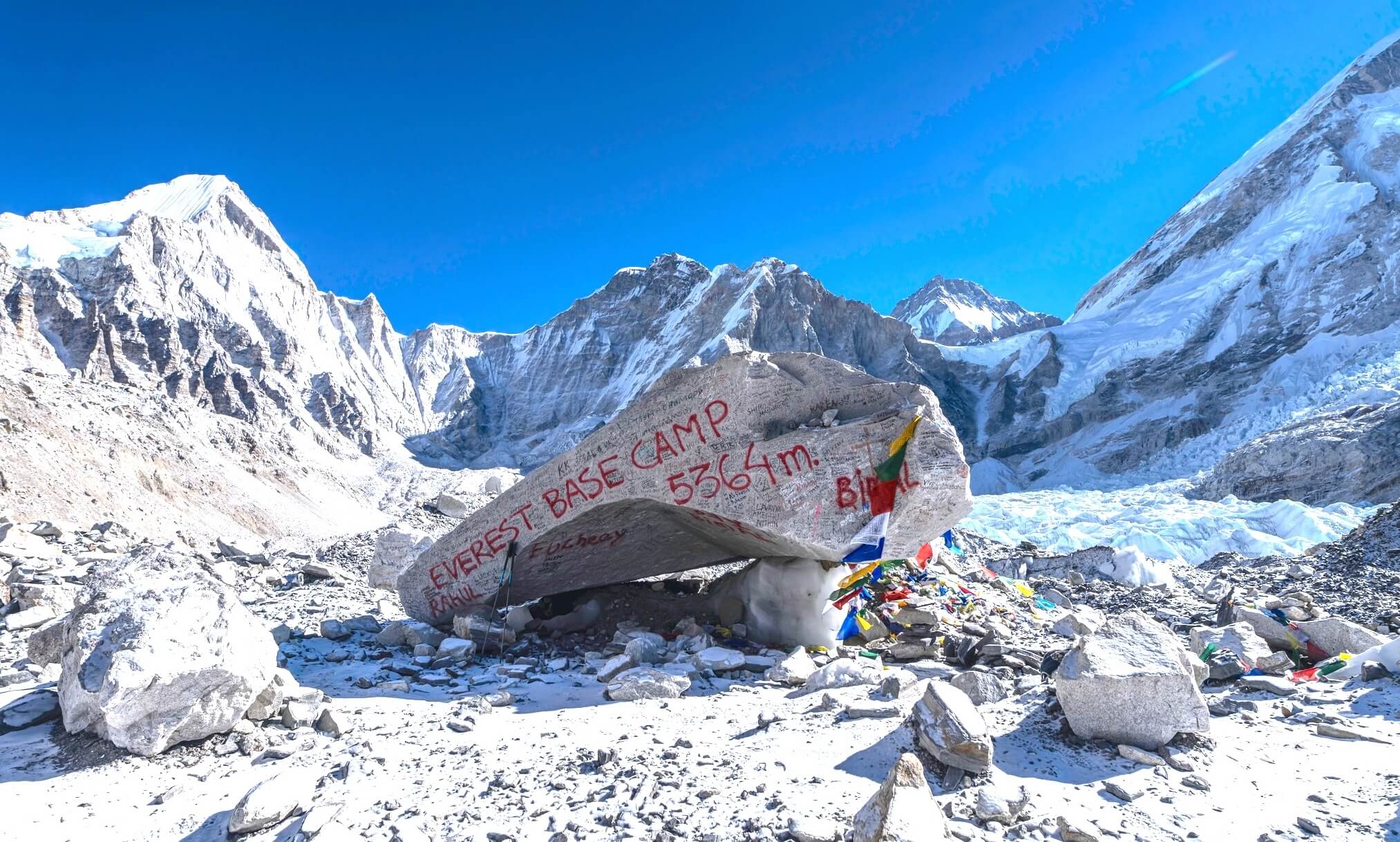
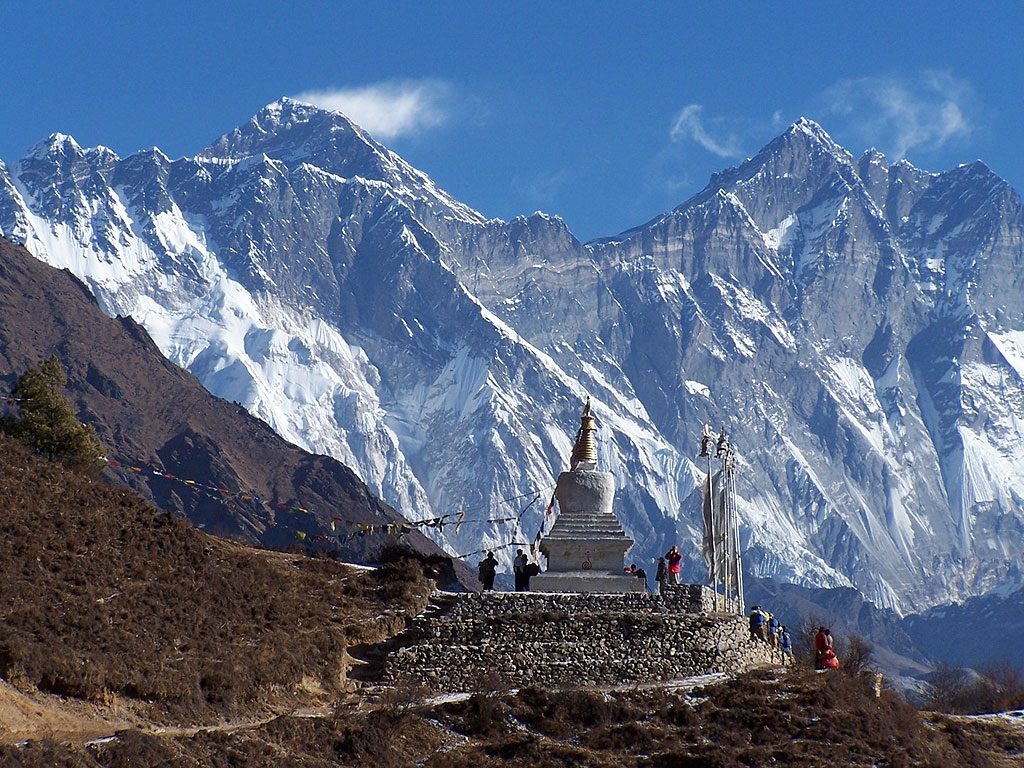
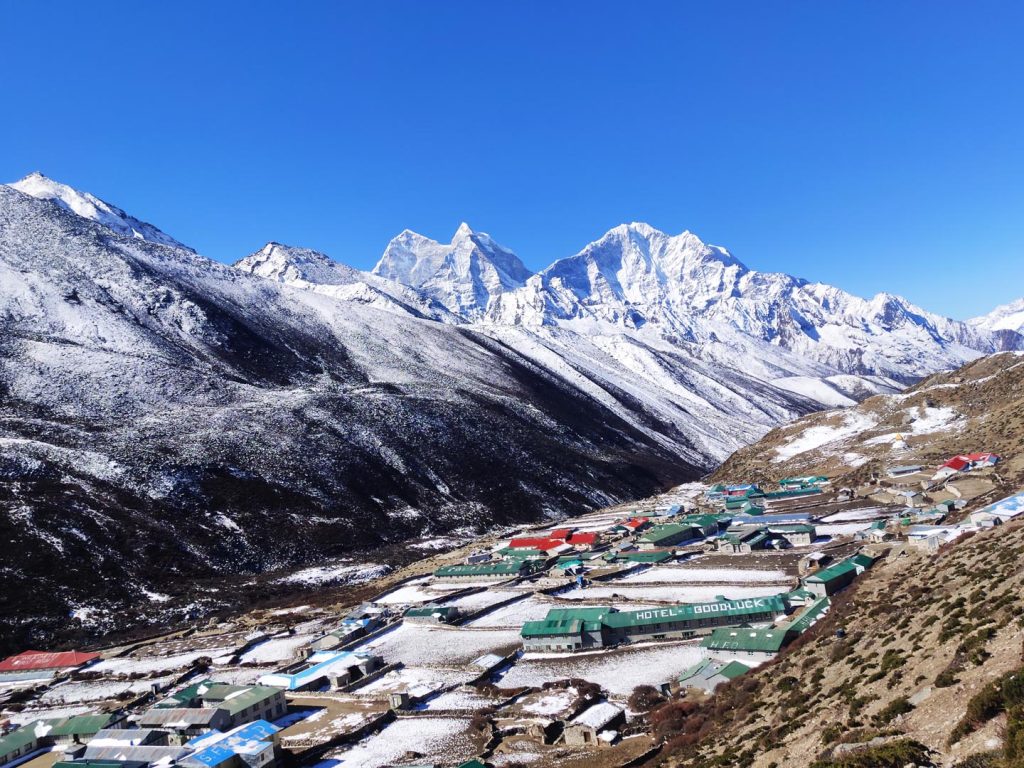
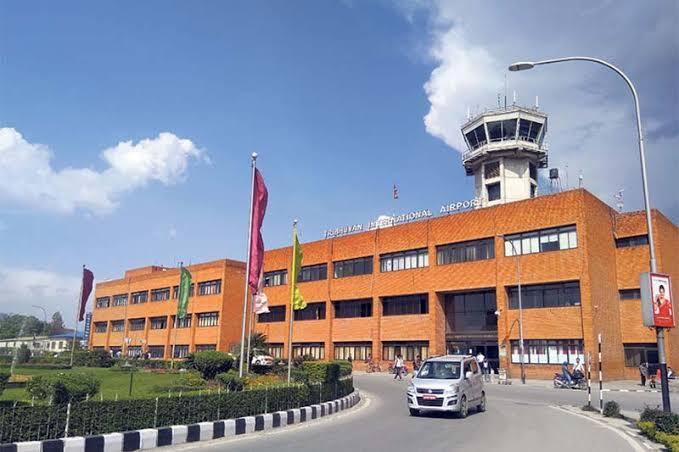
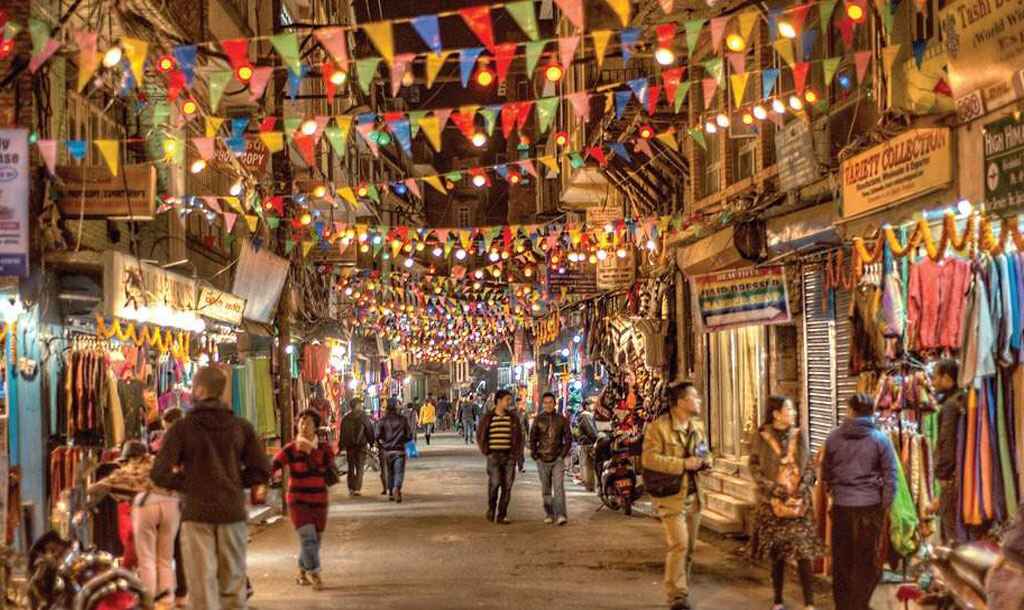
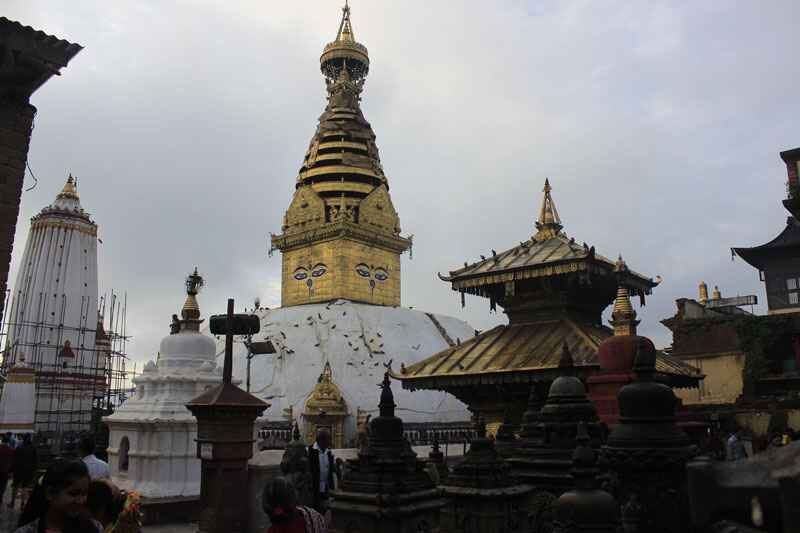
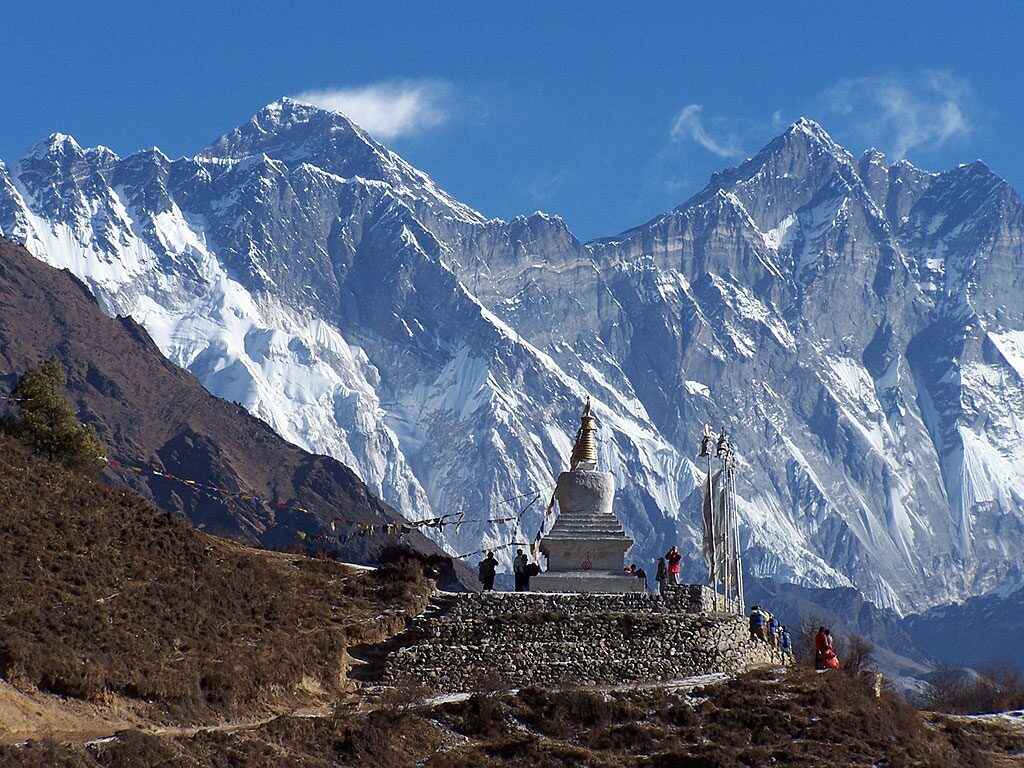
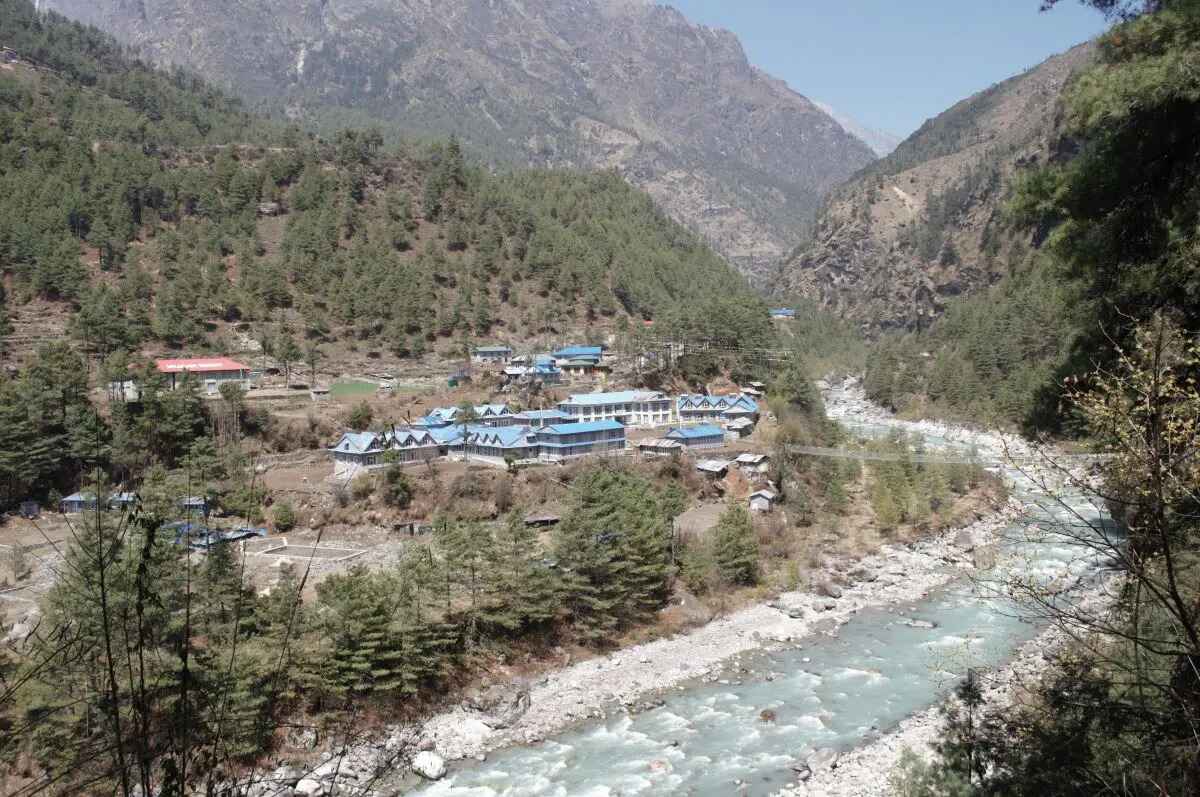
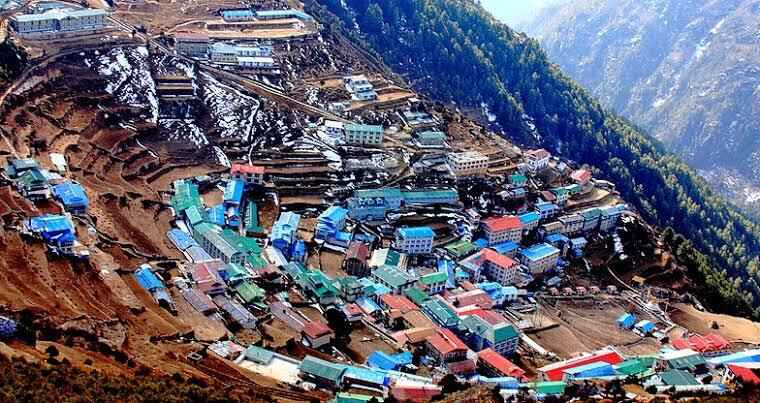
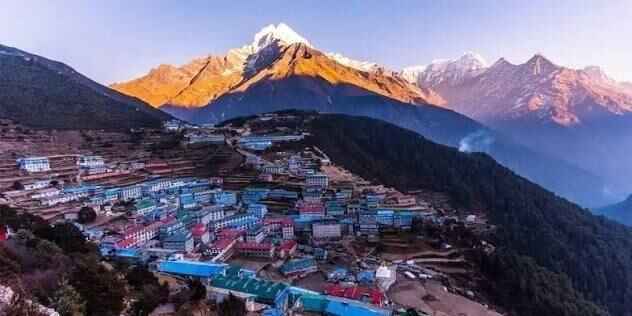
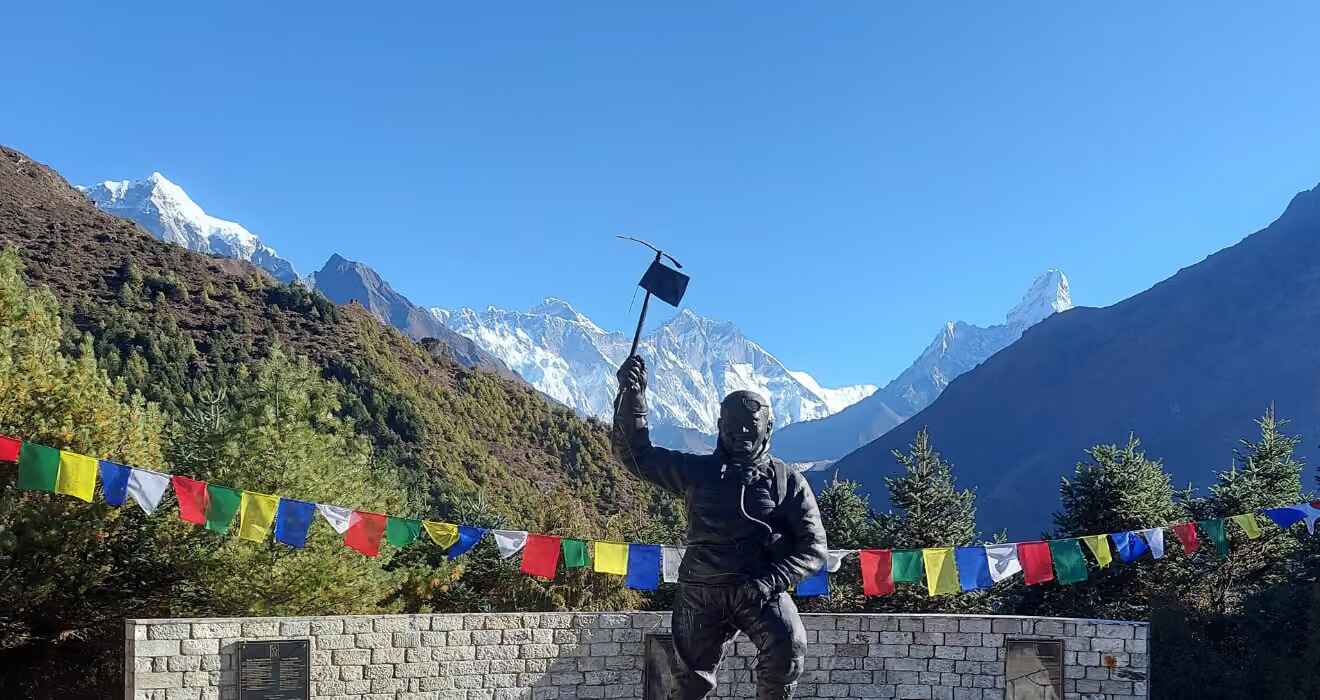
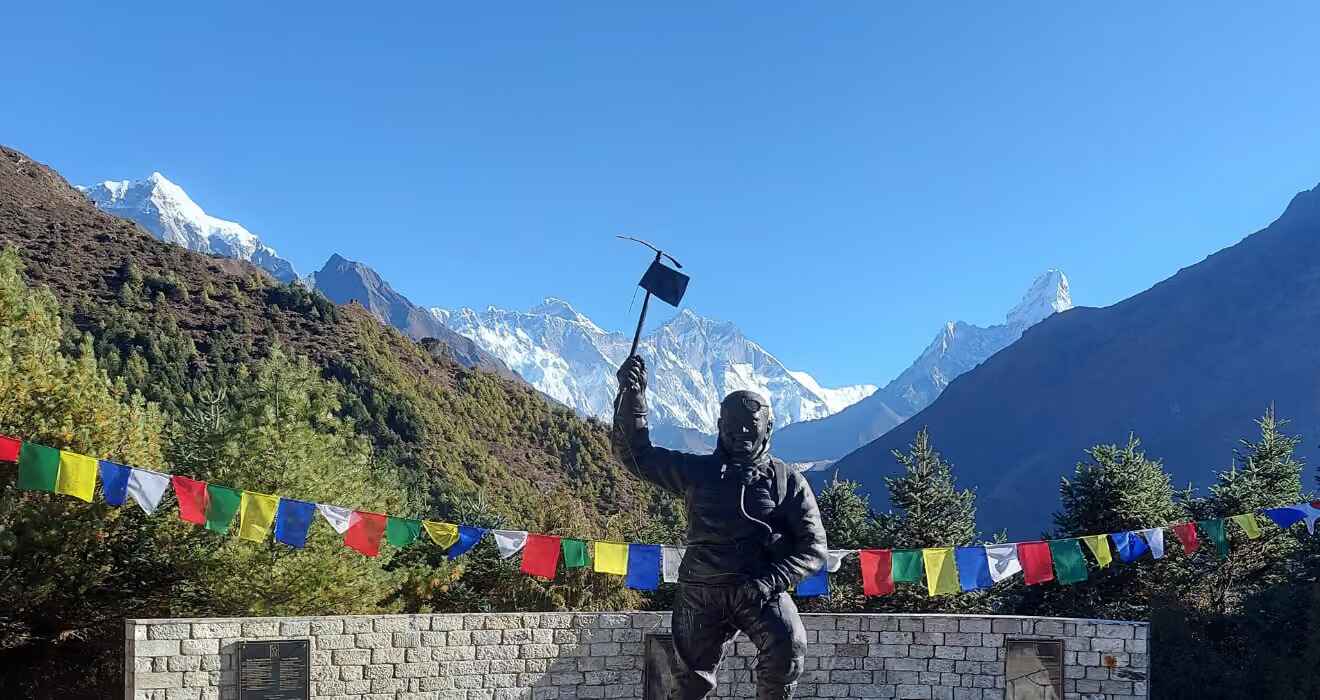
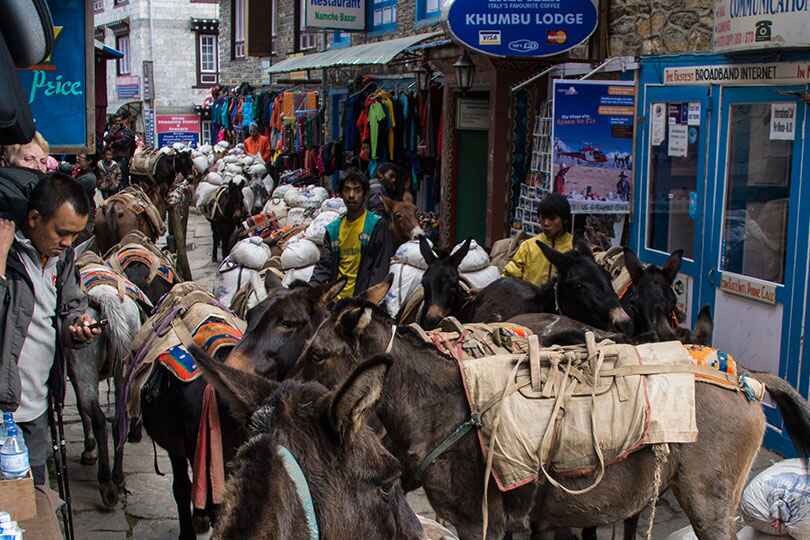
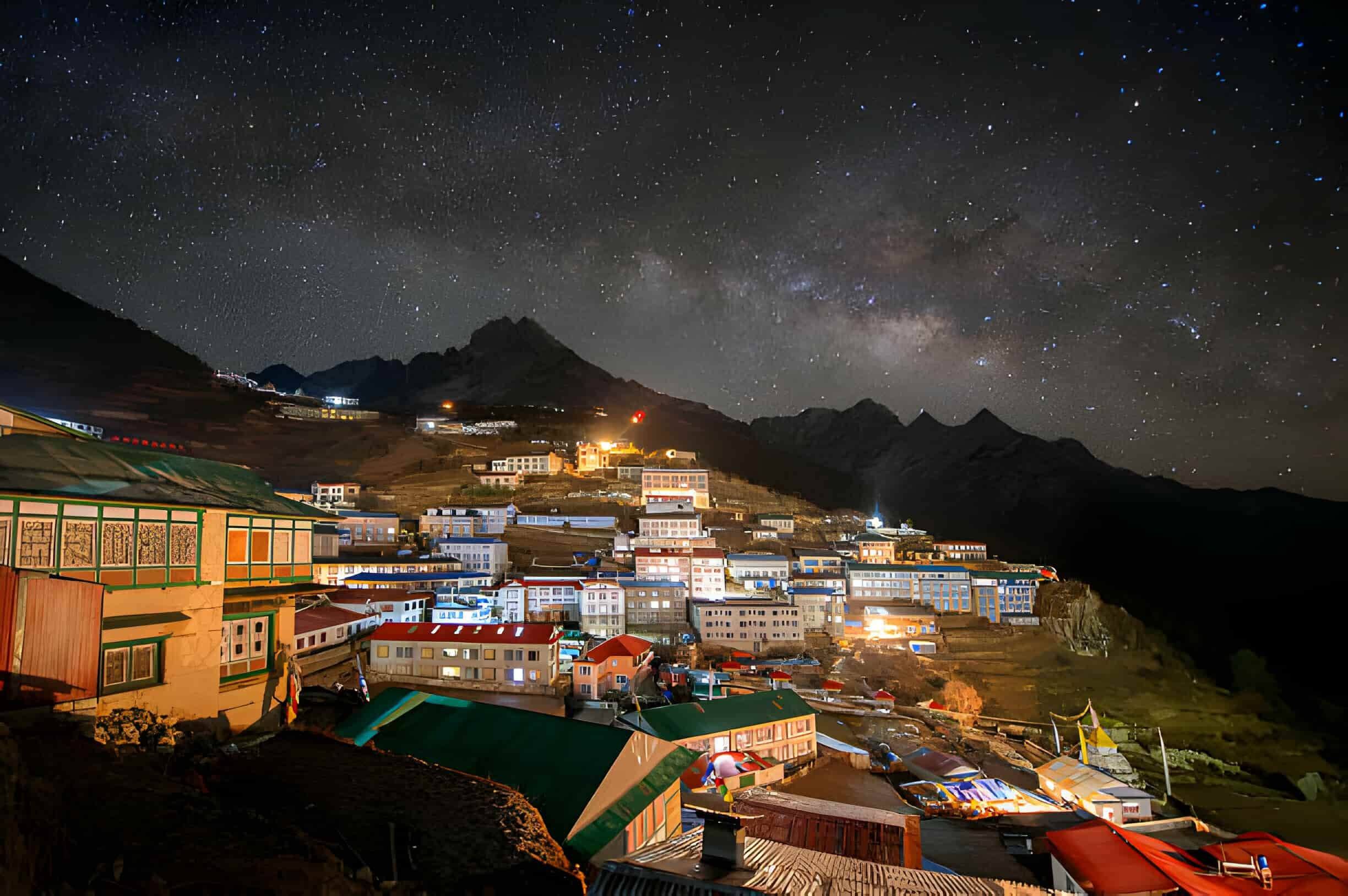
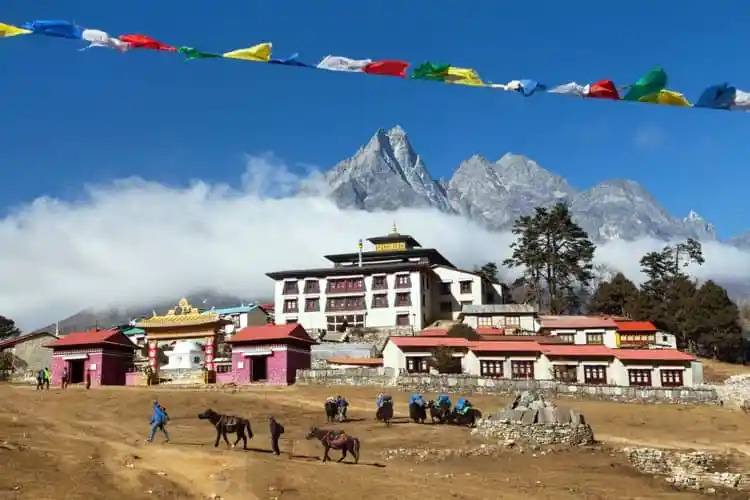
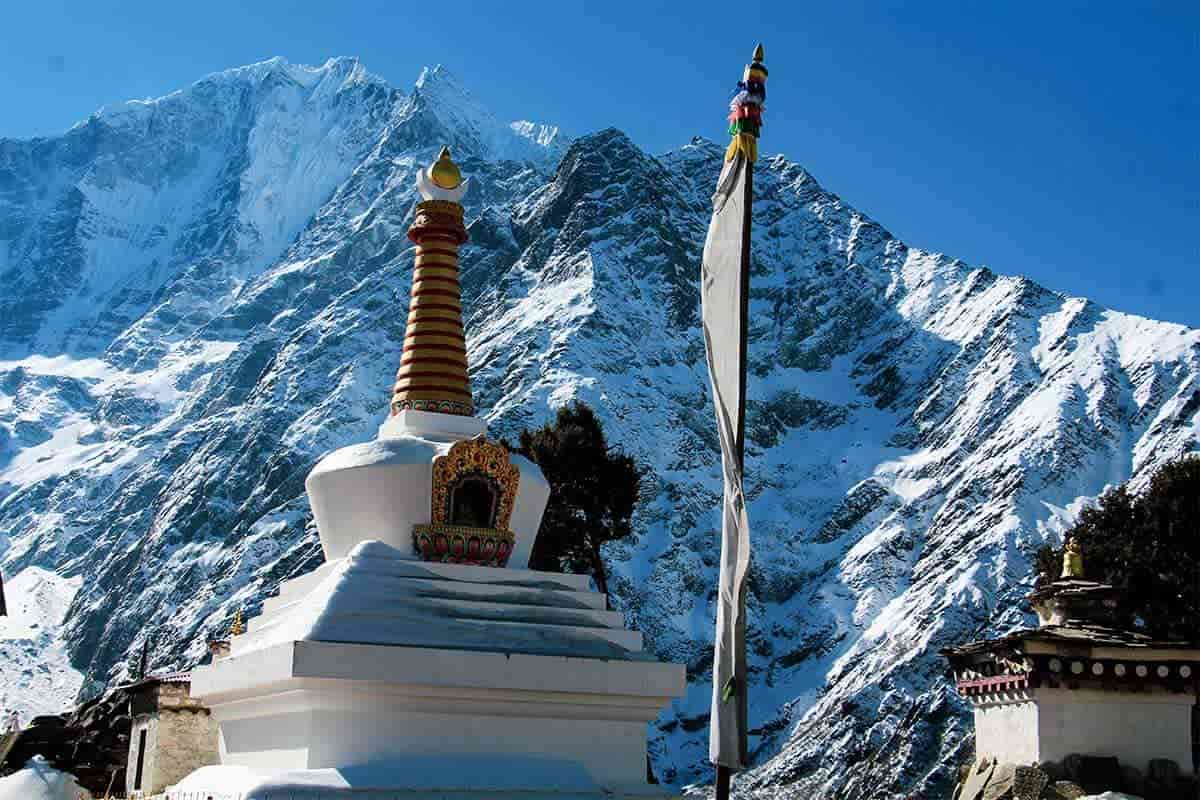
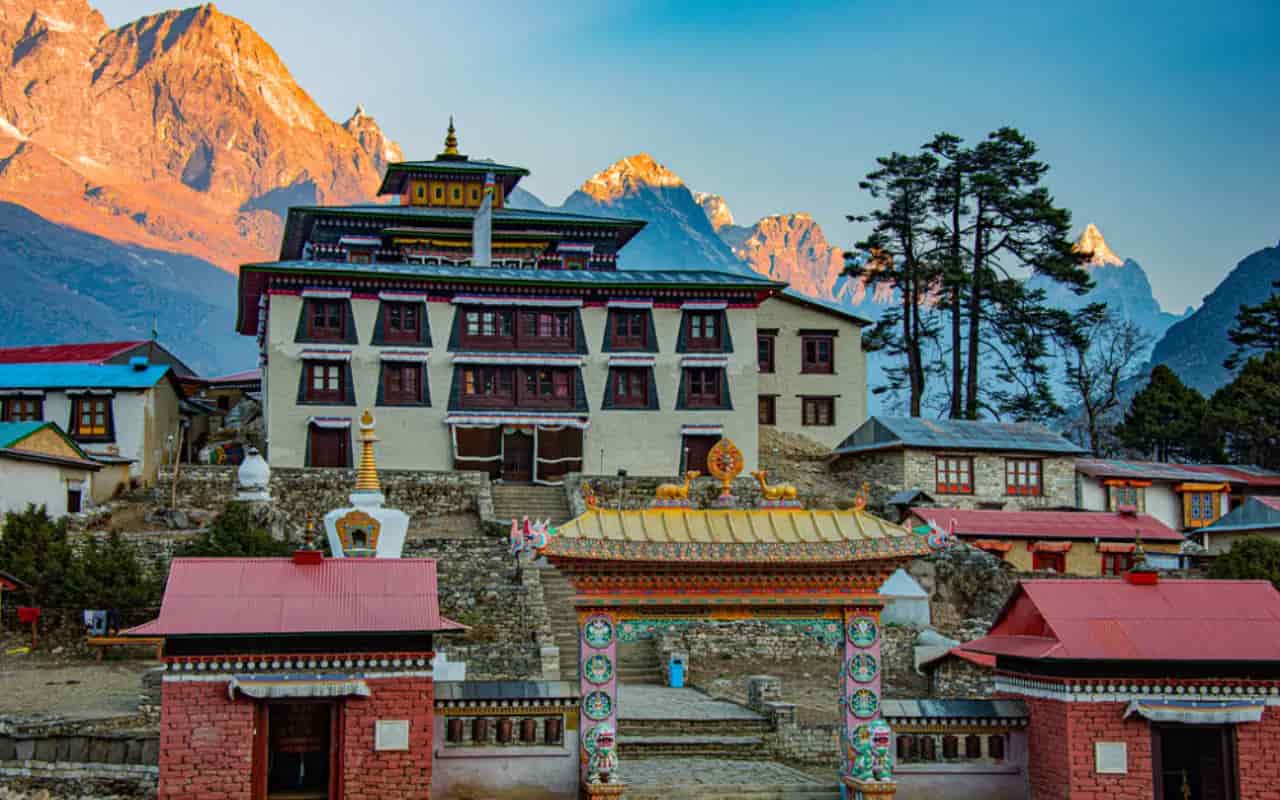
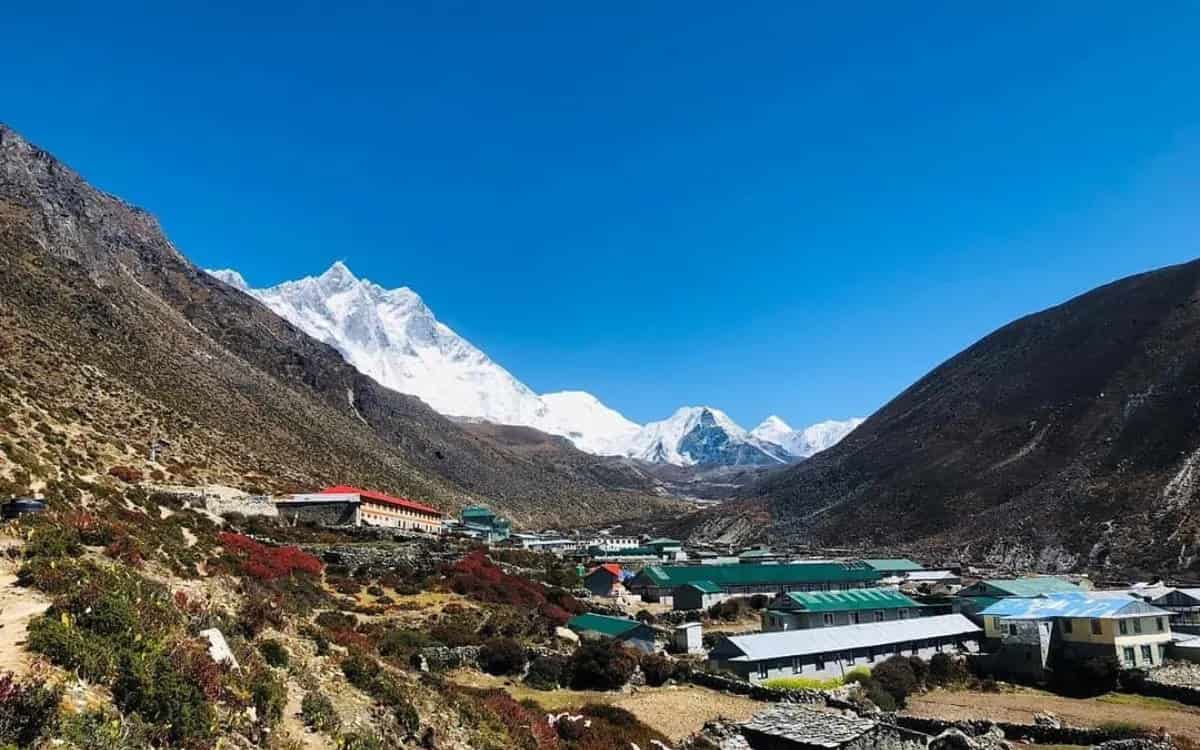
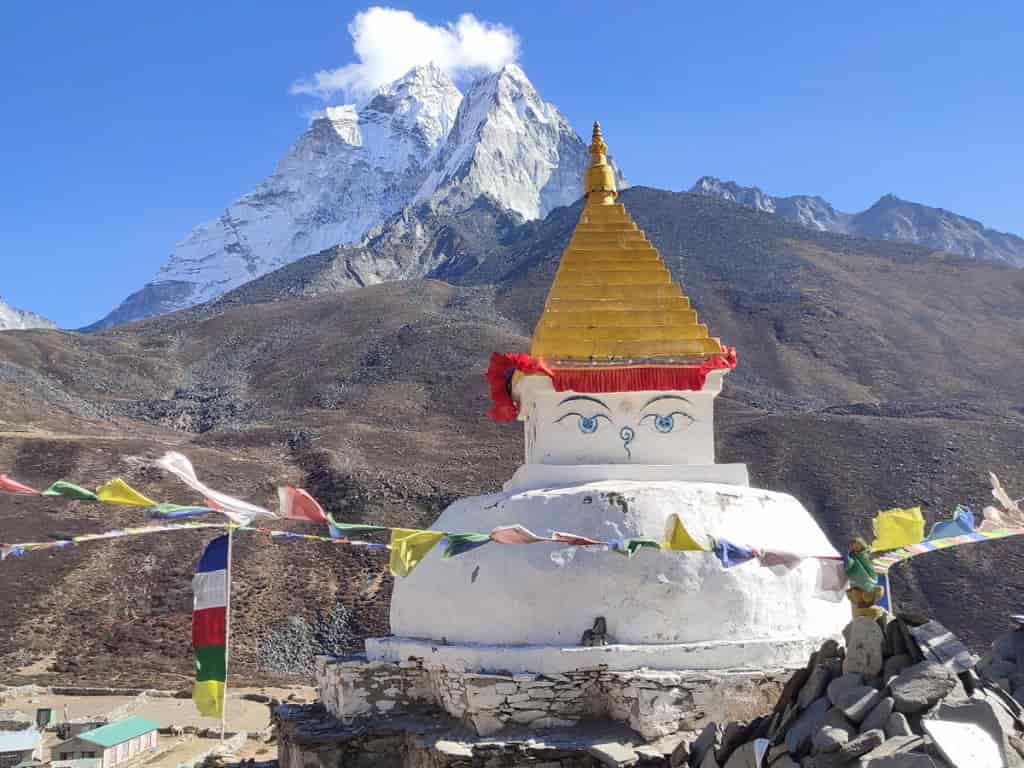
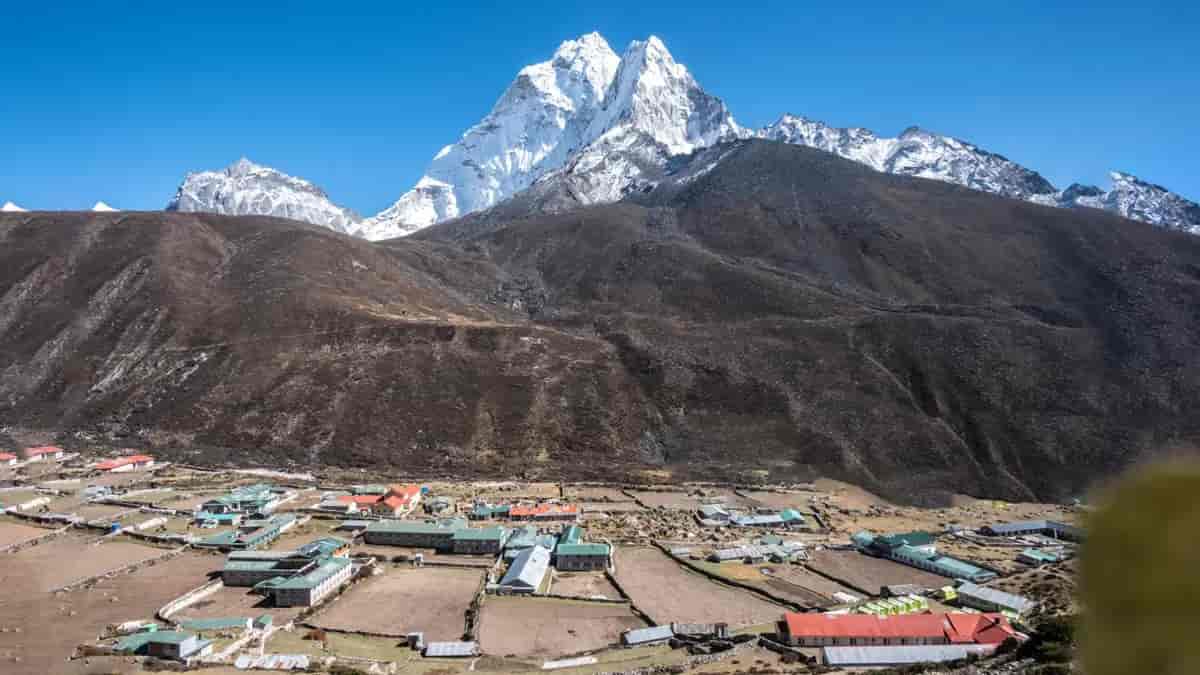
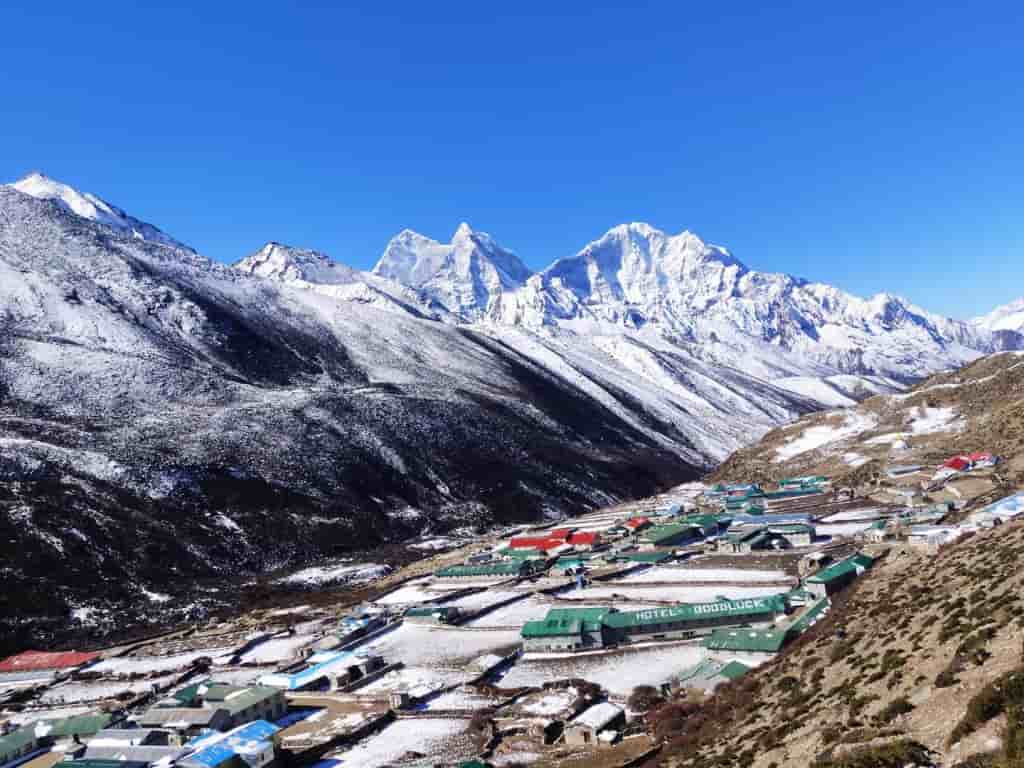
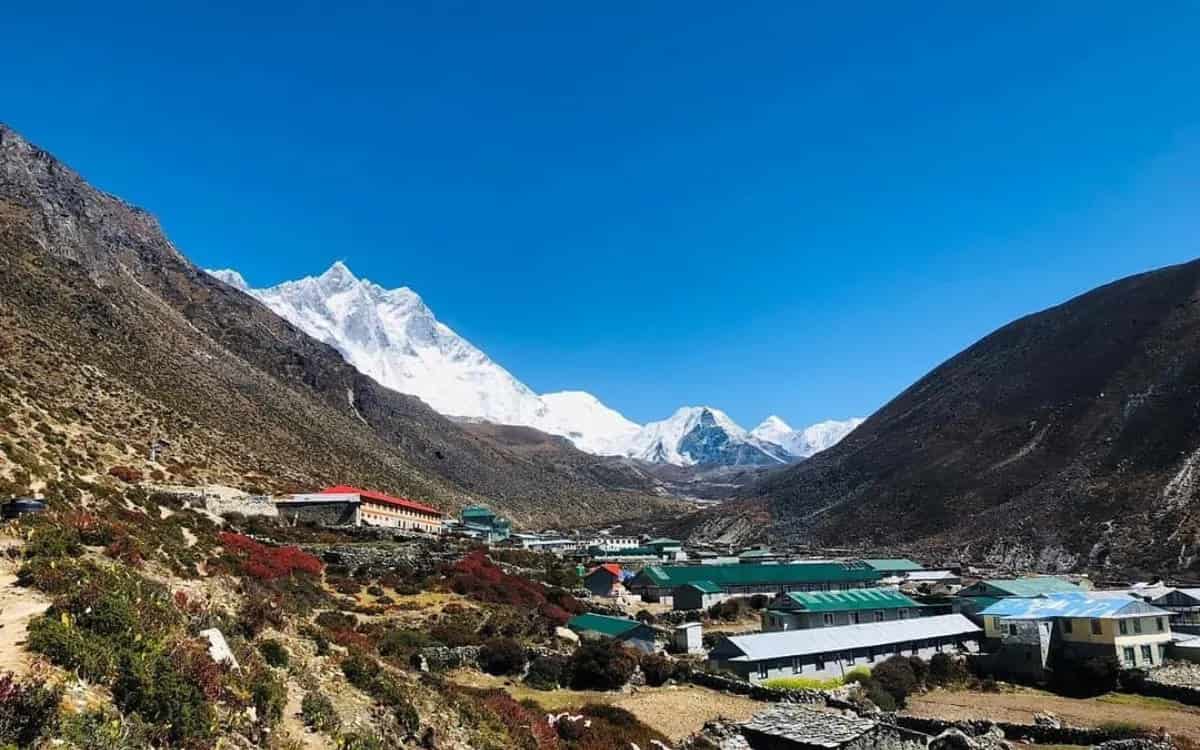
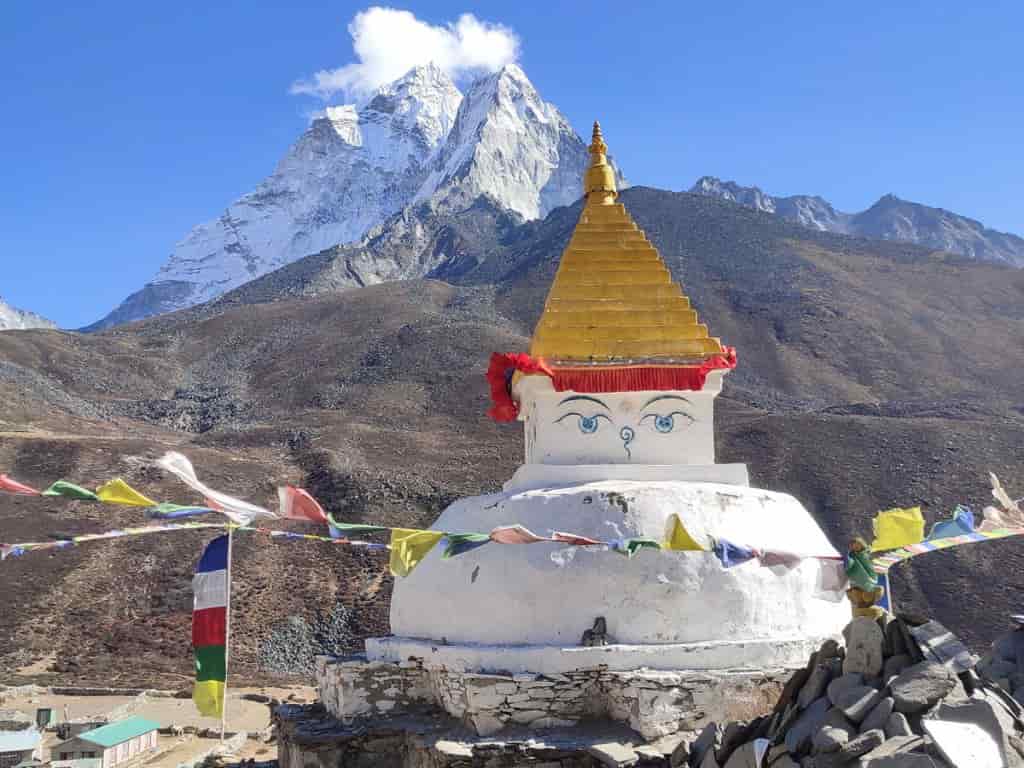
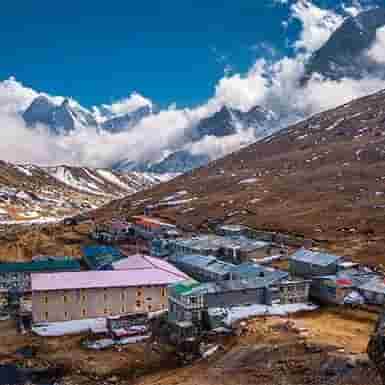
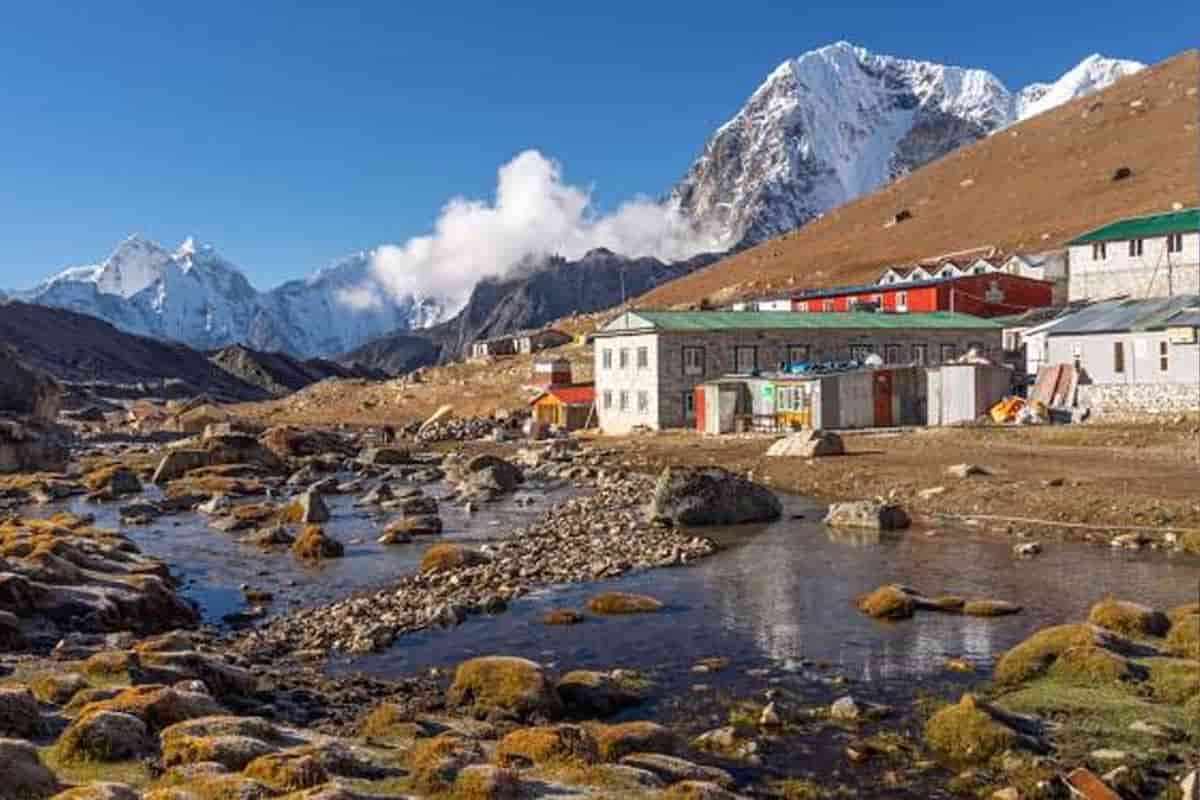
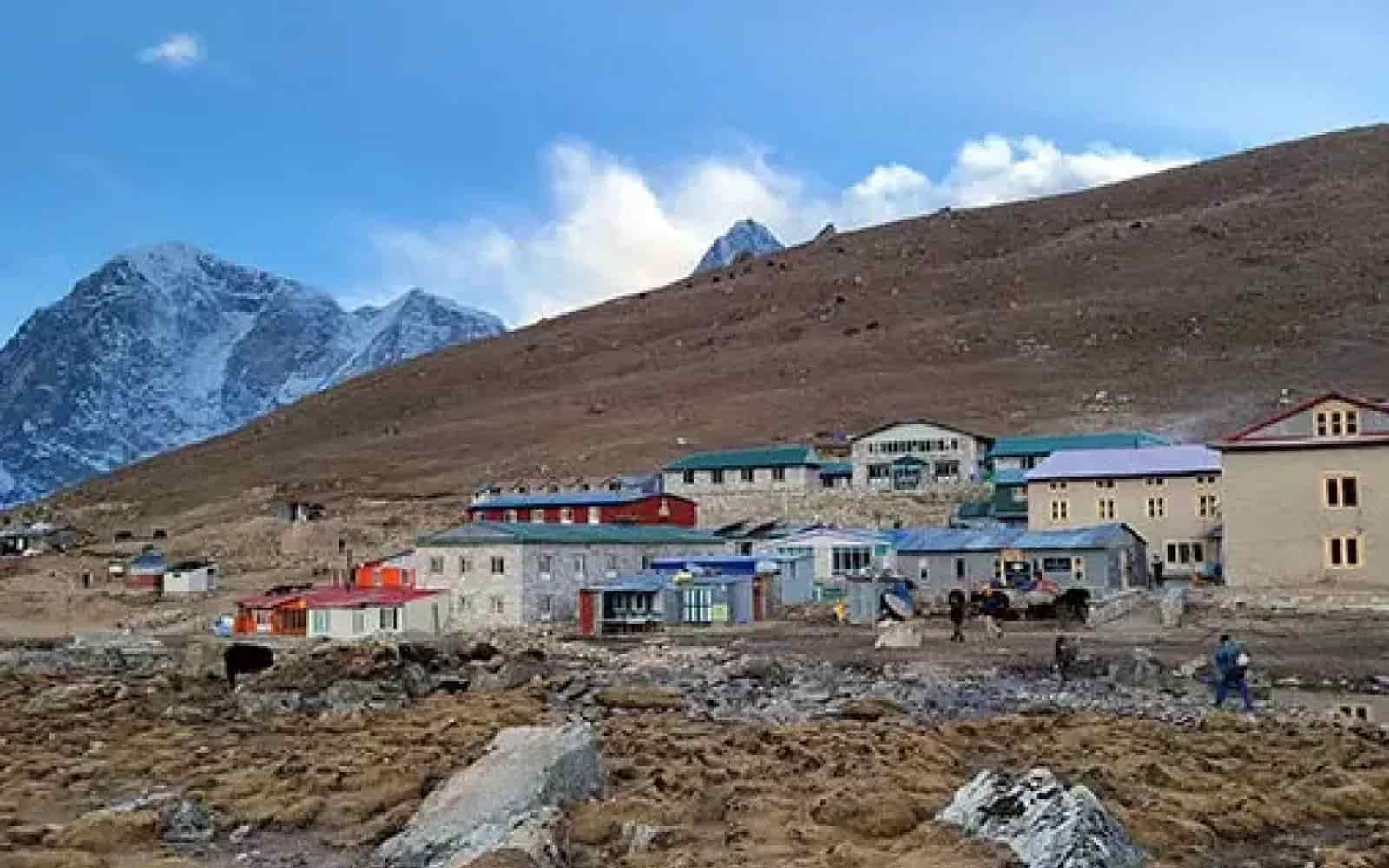
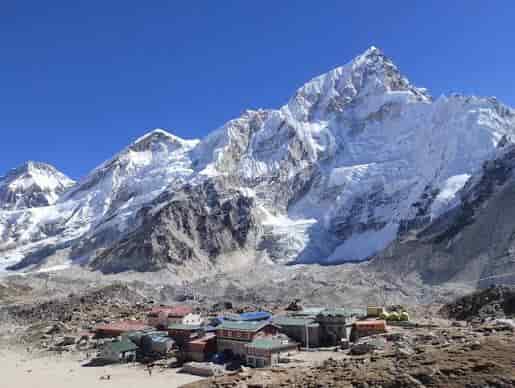
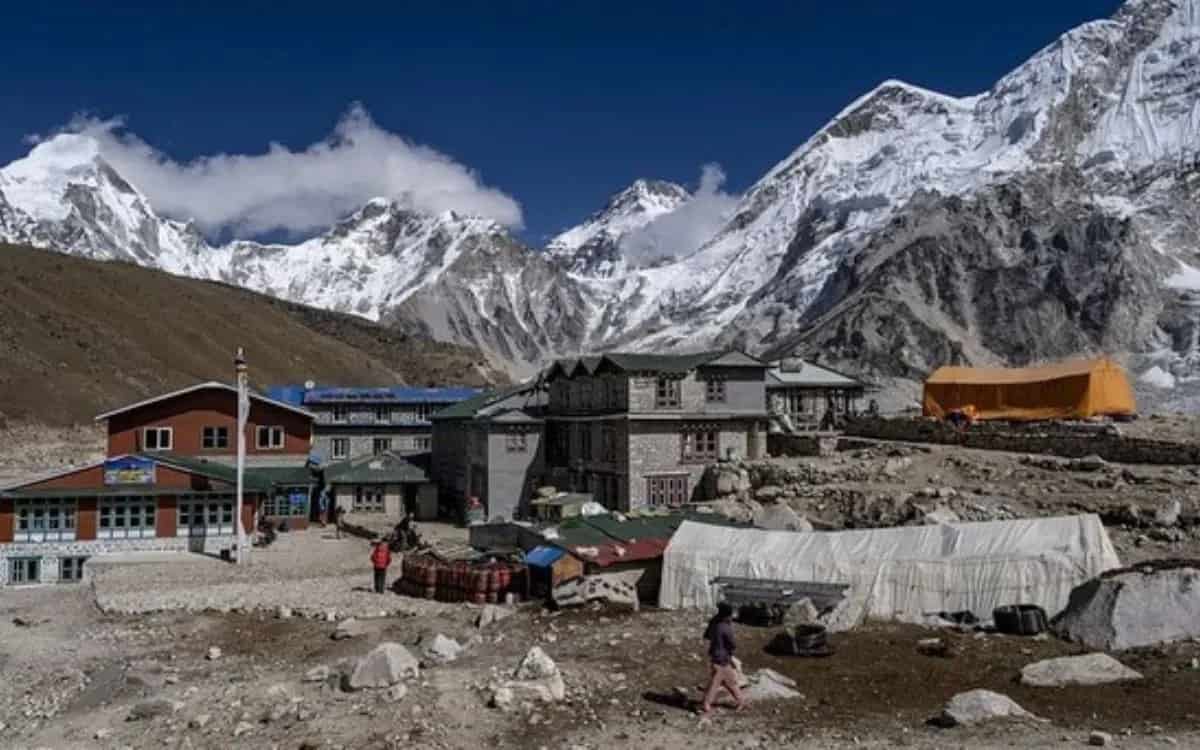
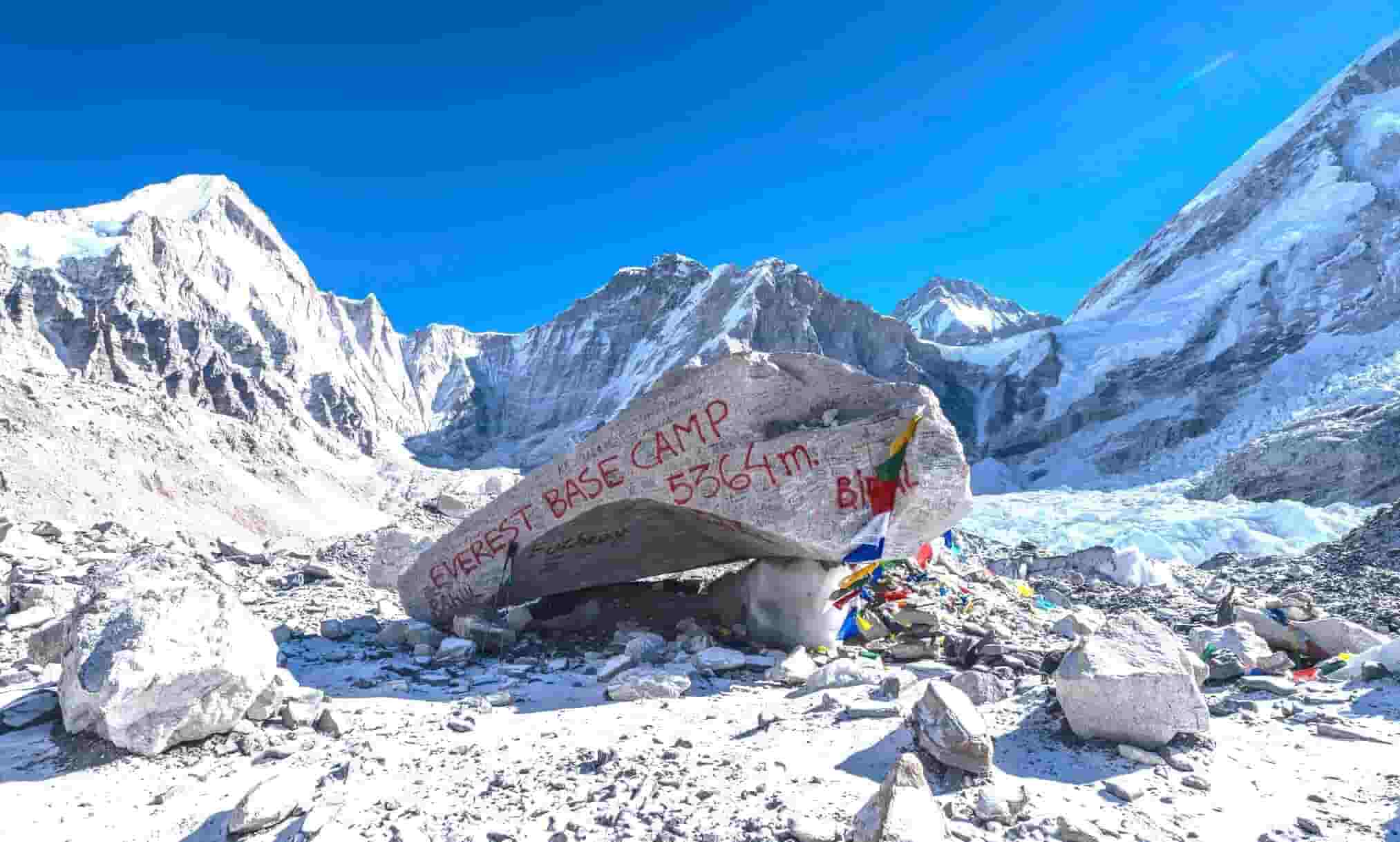
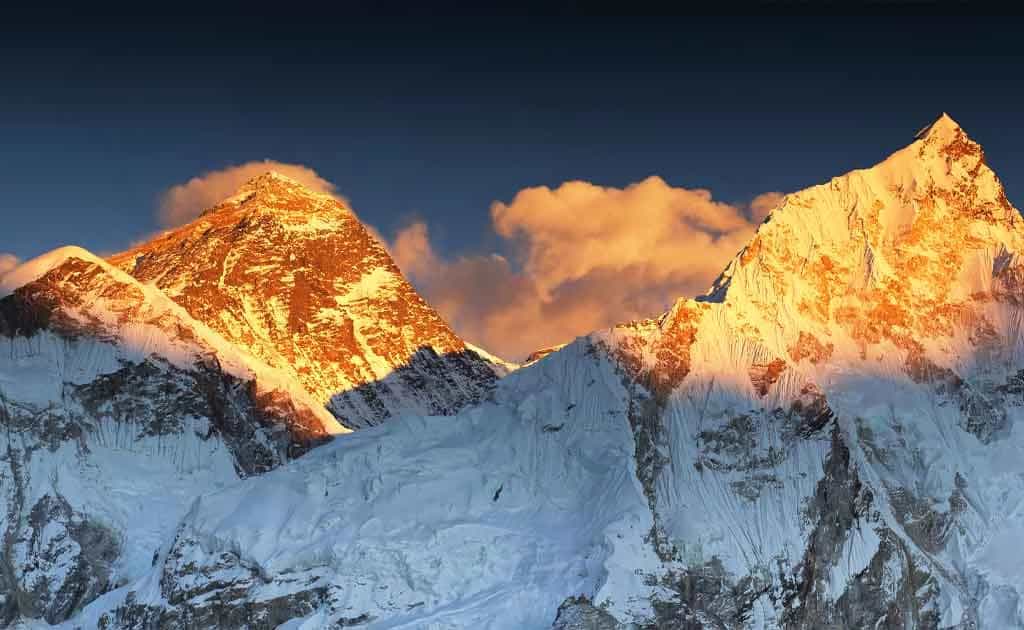
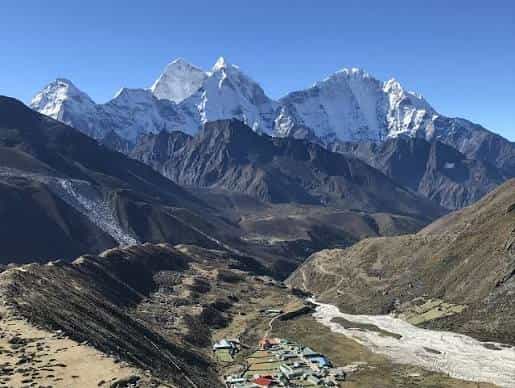
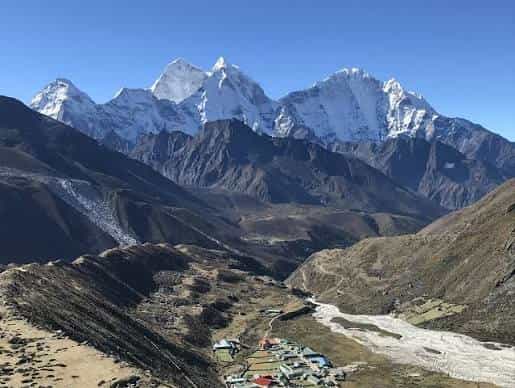
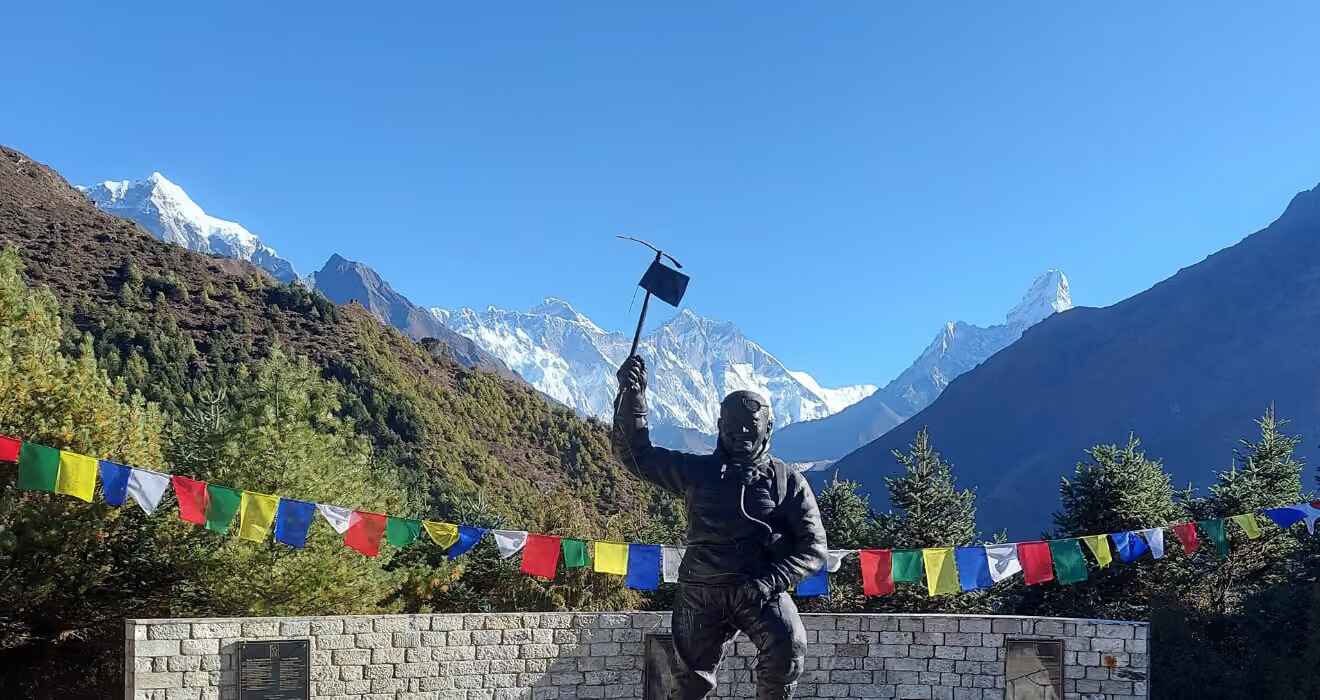
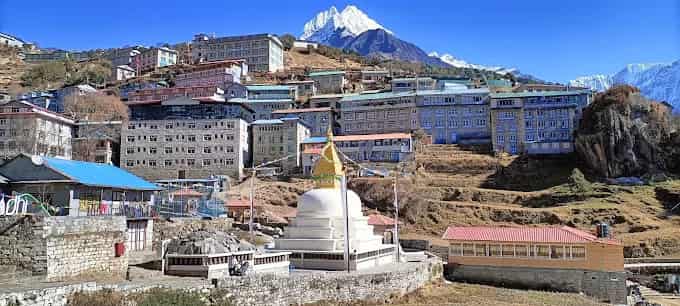
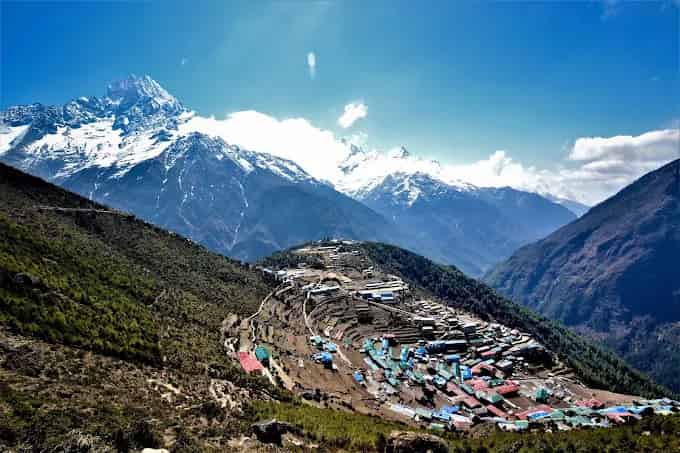
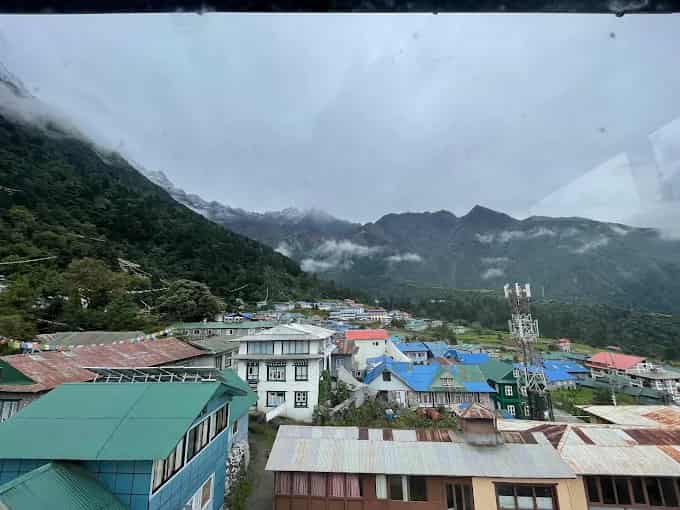
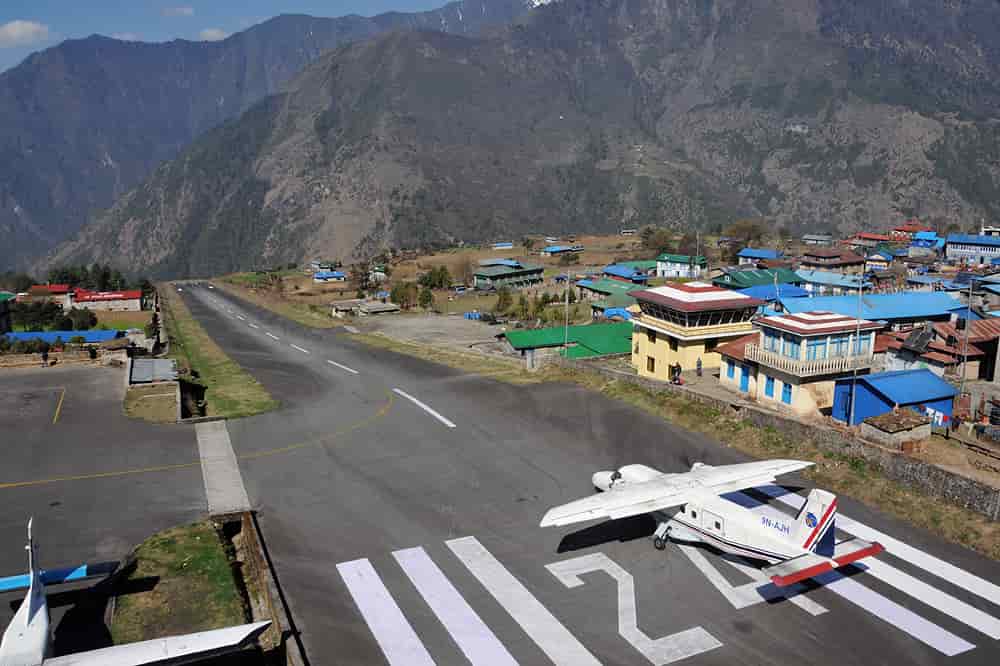
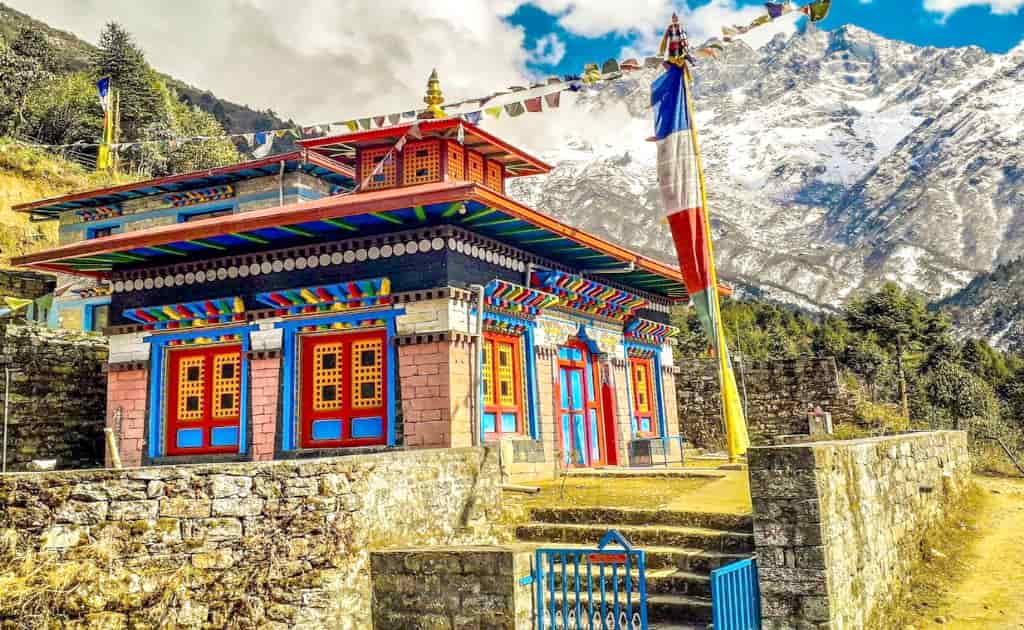
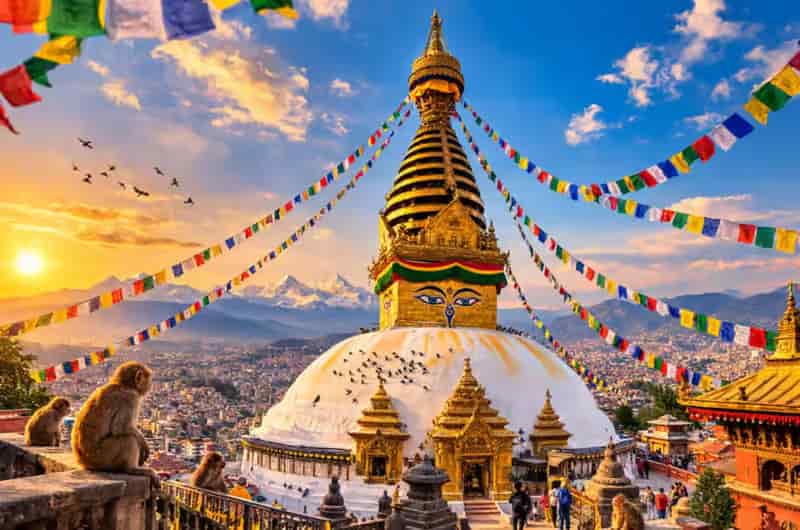
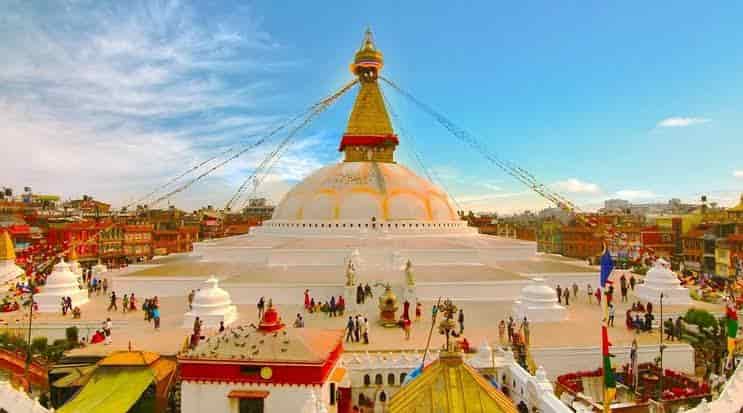
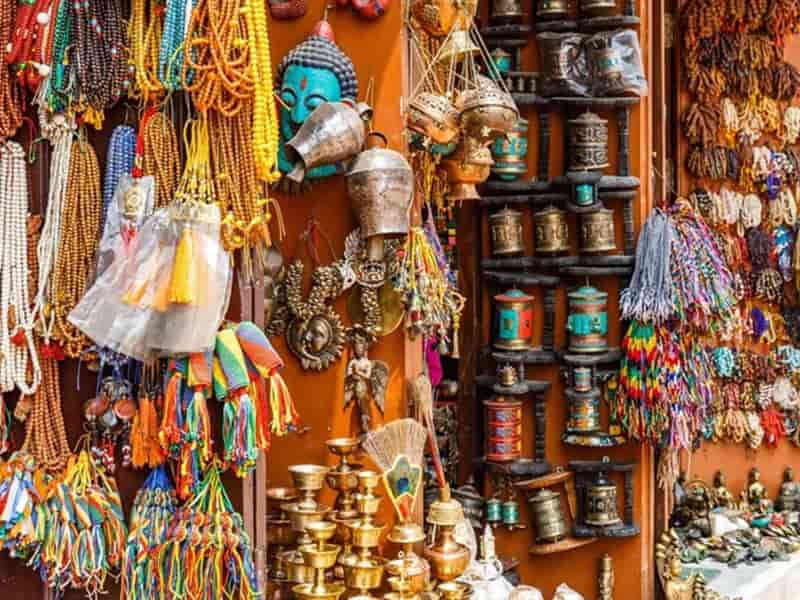
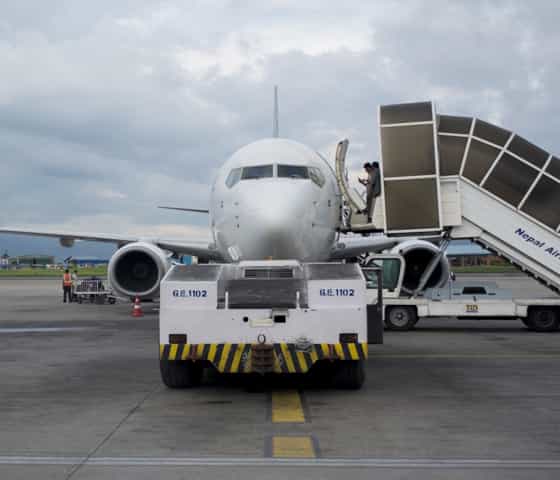



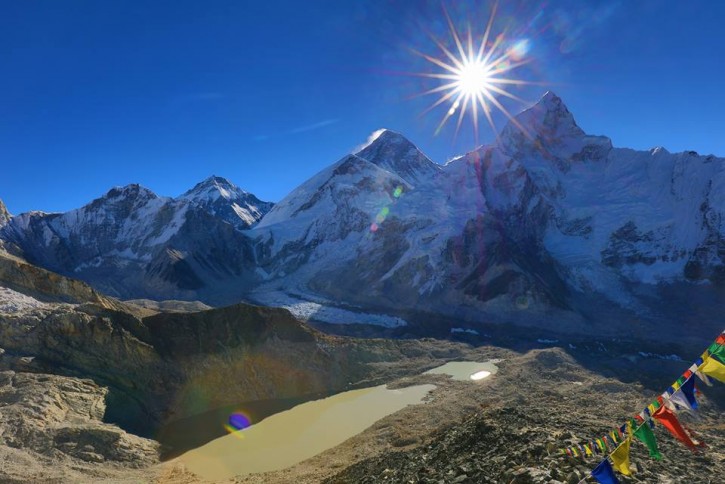
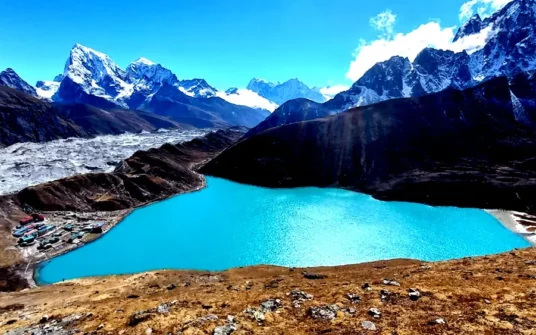


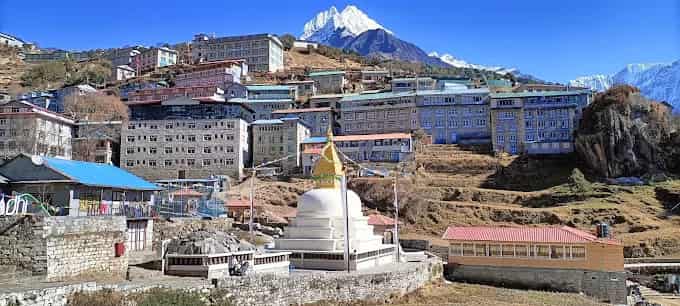
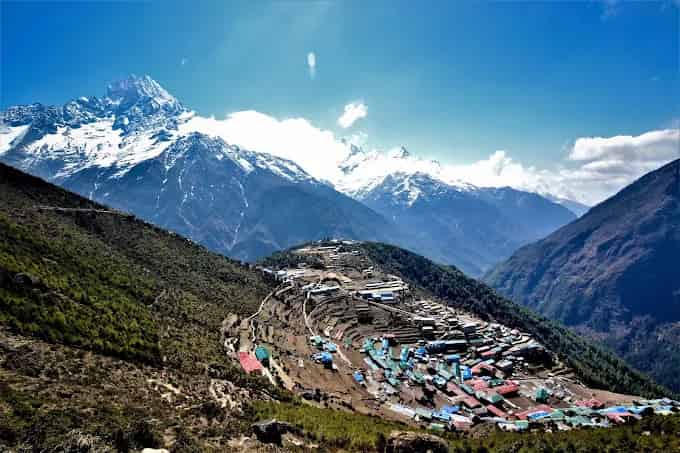
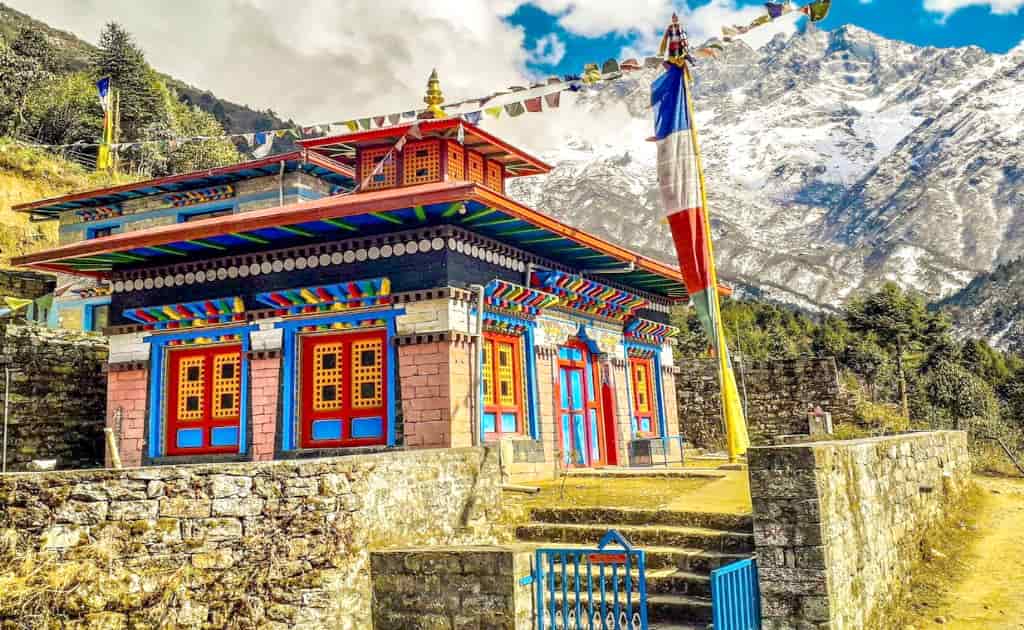
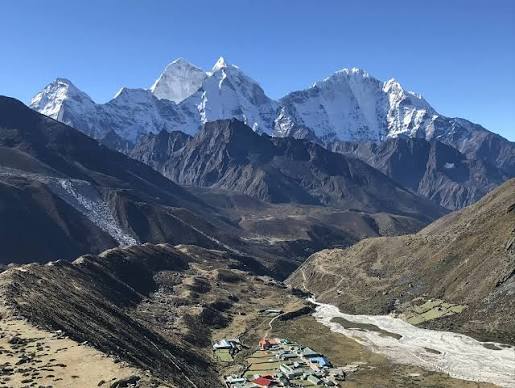
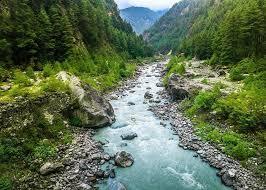
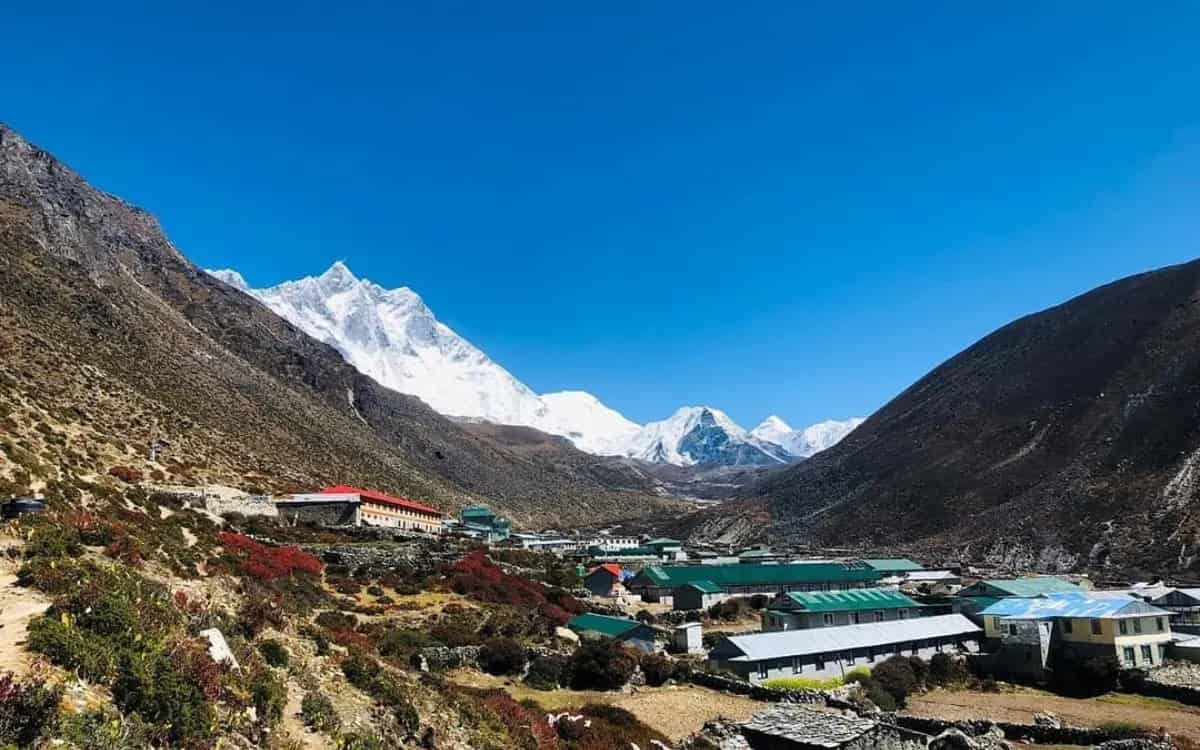
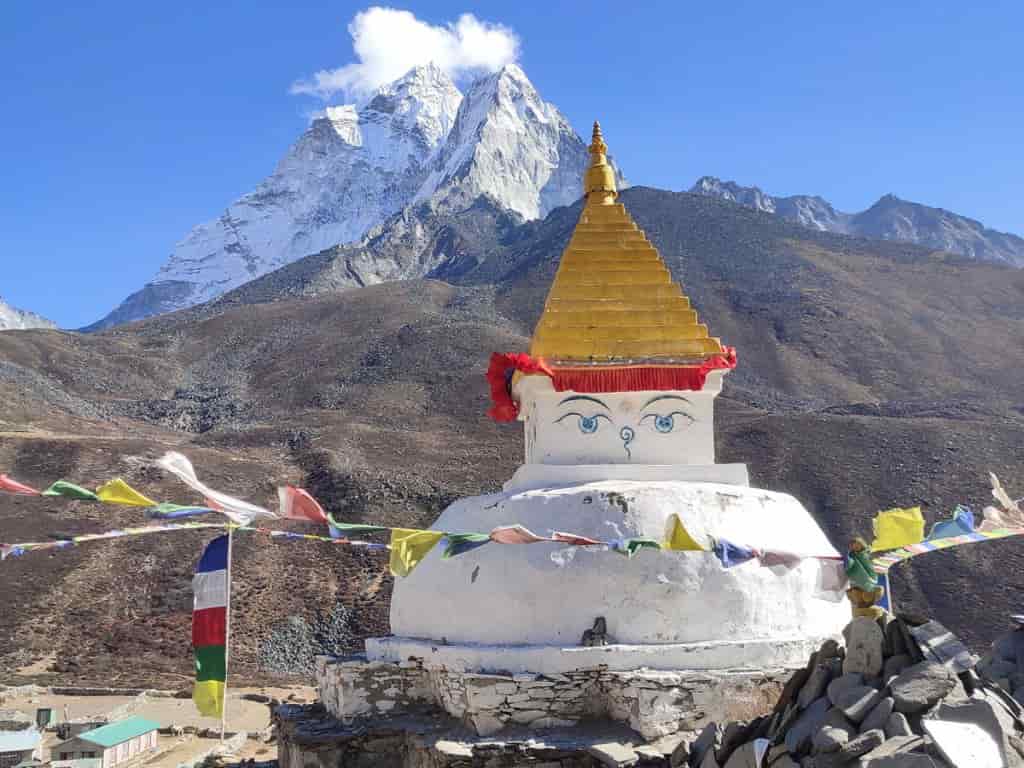
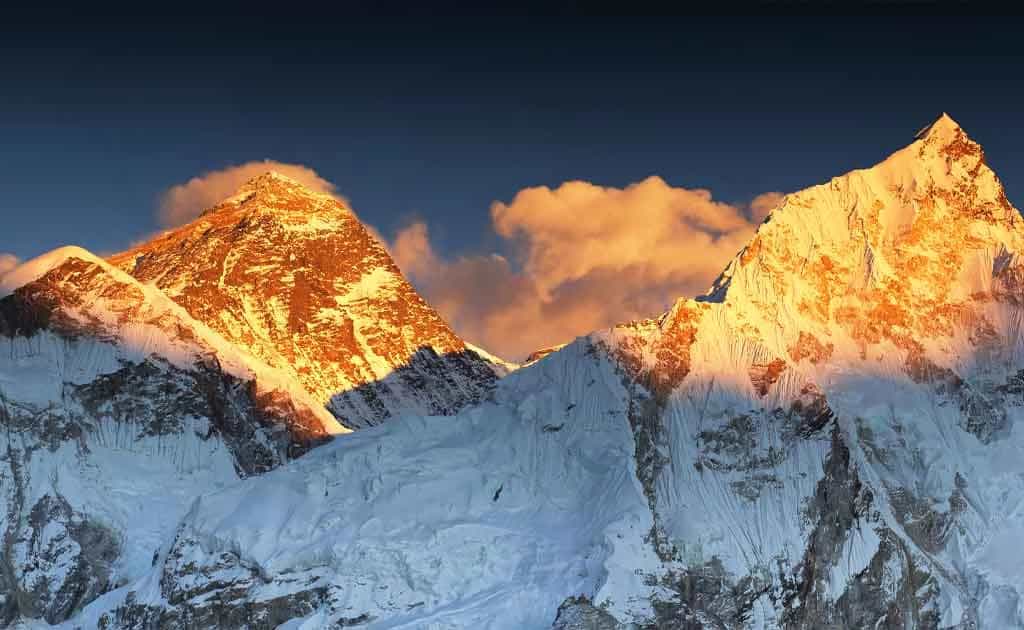
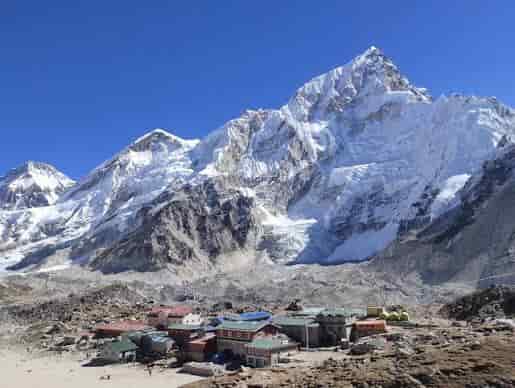
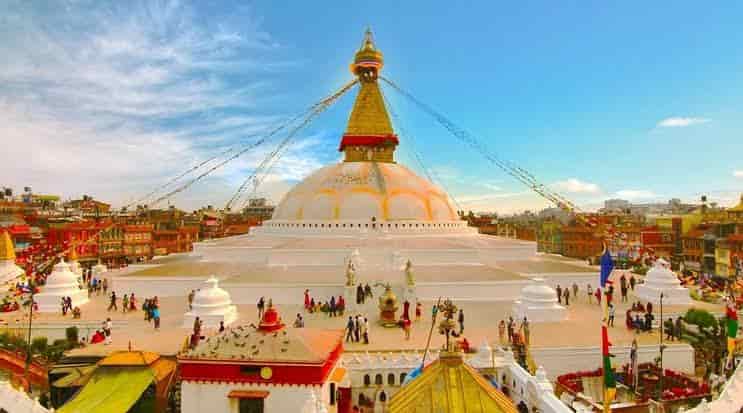
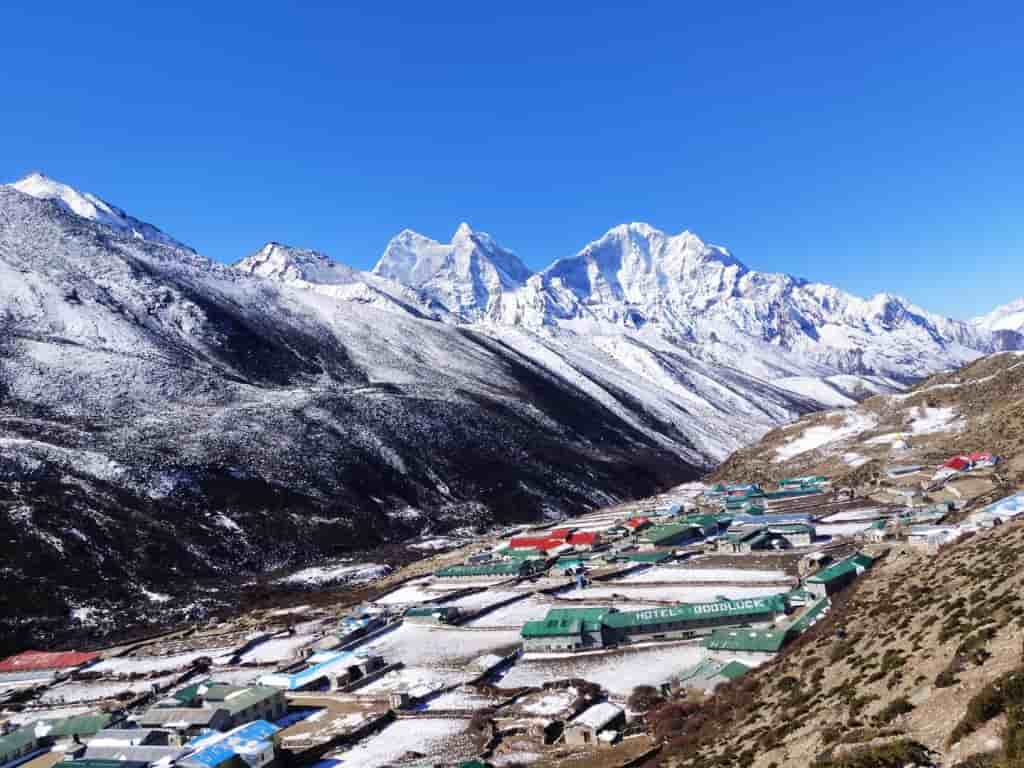
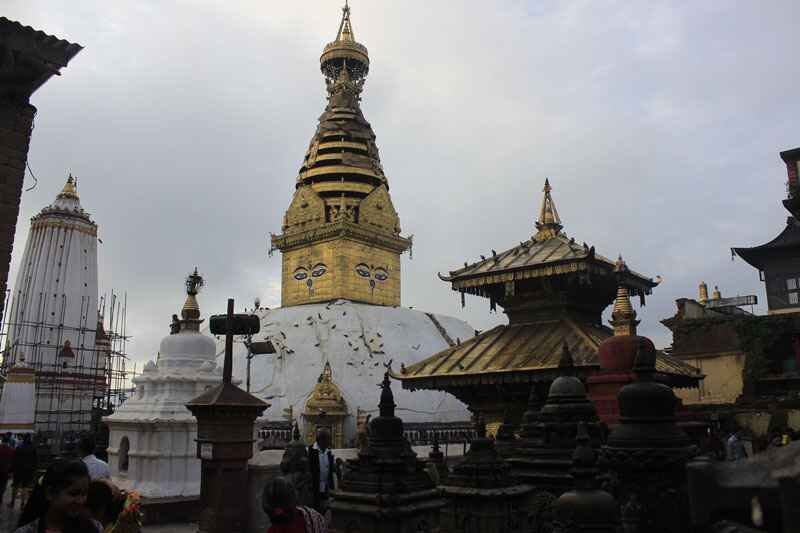
A Life-Changing Adventure In The Everest Region
The Everest Base Camp Trek Was An Amazing Experience And One Of The Main Reasons I Wanted To Visit Nepal. Every Day Brought Something Different, From Walking Through Beautiful Pine Forests And Crossing Suspension Bridges To Exploring Traditional Sherpa Villages Surrounded By Towering Mountains. The Journey Was Challenging At Times, Especially As We Gained Altitude, But Taking It Slowly Made The Experience More Enjoyable. Reaching Everest Base Camp Was A Proud Moment That I Will Always Remember. The Mountain Scenery Around Kala Patthar Was Equally Impressive And Gave Us Incredible Photo Opportunities. I Also Appreciated Experiencing The Local Culture And Hospitality Along The Trail. This Trek Was Much More Than A Mountain Adventure; It Was A Memorable Journey That Made Me Appreciate Nature, Patience, And Determination.
An Incredible Trek Through The Heart Of The Himalayas
Trekking To Everest Base Camp Was One Of The Most Rewarding Adventures Of My Life. The Journey Through The Khumbu Region Was Beautiful, From The Exciting Flight To Lukla To The Peaceful Sherpa Villages, Suspension Bridges, And Incredible Mountain Landscapes. Reaching Everest Base Camp Was A Proud And Emotional Moment After Days Of Walking And Gradually Gaining Altitude. I Also Loved The Views From Kala Patthar, Where The Surrounding Himalayan Peaks Looked Absolutely Spectacular. The Changing Scenery And Warm Hospitality Along The Trail Made Every Day Special. Nepal Trip Services Helped Make The Experience Well Organized And Memorable. I Would Recommend This Trek To Anyone Who Enjoys Mountain Adventures And Wants To Experience The Natural Beauty And Culture Of The Everest Region.
Incredible Mountain Scenery And An Unforgettable Journey
I Had Wanted To Trek To Everest Base Camp For Years, And Finally Making It Happen Was An Incredible Feeling. The Trail Was Full Of Unforgettable Moments, From Walking Through Namche Bazaar And Visiting Peaceful Mountain Villages To Seeing The Enormous Peaks Of The Himalayas Up Close. I Loved How The Landscape Changed Throughout The Journey, With Forests, Rocky Trails, Glaciers, And Spectacular Mountain Views. Some Days Were Physically Demanding, But Taking Regular Breaks And Following A Steady Pace Helped Me Enjoy The Trek. Reaching Everest Base Camp Was A Proud Moment, And The Views From Kala Patthar Were Absolutely Worth The Effort. I Also Enjoyed Learning About Sherpa Culture And Experiencing The Welcoming Atmosphere Of The Local Teahouses. This Was A Truly Memorable Adventure And A Wonderful Way To Discover Nepal.
A Truly Rewarding Journey To The Foot Of Mount Everest
The Everest Base Camp Trek Was An Experience I Will Remember For The Rest Of My Life. From The Moment We Arrived In The Everest Region, I Was Amazed By The Mountain Scenery, Traditional Villages, And Incredible Atmosphere Along The Trail. Walking Through Namche Bazaar, Crossing The Suspension Bridges, And Gradually Approaching The Khumbu Glacier Made Every Day Feel Like A New Adventure. The Altitude Made The Trek Challenging, So Taking Our Time And Allowing Our Bodies To Adjust Was Important. Reaching Everest Base Camp Was A Fantastic Achievement, And The Panoramic Views From Kala Patthar Were A Highlight Of The Entire Journey. I Also Appreciated The Local Hospitality And The Opportunity To Learn More About Sherpa Culture. For Anyone Who Loves Nature, Adventure, And Mountain Landscapes, This Trek Is An Unforgettable Way To Experience Nepal.
More Than A Trek — An Unforgettable Himalayan Adventure
The Everest Base Camp Trek Was One Of The Most Meaningful Travel Experiences I Have Ever Had. I Loved The Feeling Of Leaving The Busy World Behind And Spending Each Day Surrounded By The Magnificent Himalayas. The Trail Through Namche Bazaar, Tengboche, Dingboche, And The Khumbu Valley Offered Beautiful Scenery And Opportunities To Experience Local Mountain Life. Although Some Sections Were Physically Challenging, Walking At A Steady Pace And Allowing Time For Acclimatization Made The Journey More Manageable. Reaching Everest Base Camp Felt Like A Personal Achievement, While The Views From Kala Patthar Were Simply Breathtaking. I Especially Enjoyed The Friendly Atmosphere In The Teahouses And Learning About The Traditions Of The Sherpa Communities. This Trek Requires Preparation And Determination, But The Memories And Sense Of Accomplishment Make It A Truly Special Adventure.