Classic Everest Base Camp Trek: Is It Suitable For Beginners?
By Nepal Trip Services On 22 Sep 2026

By Nepal Trip Services On 22 Sep 2026
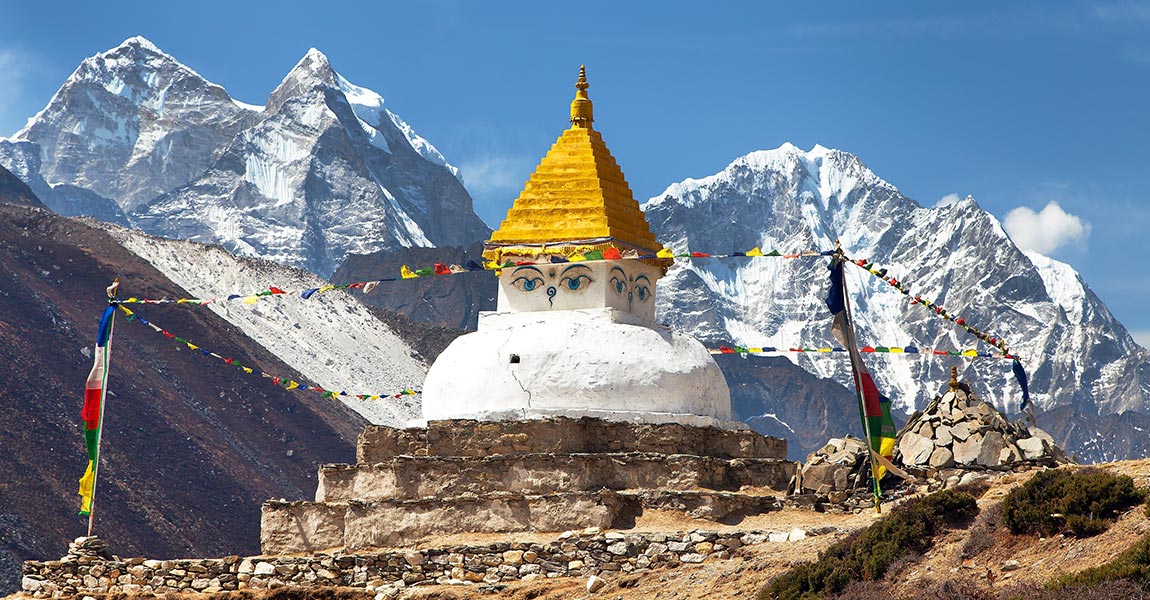
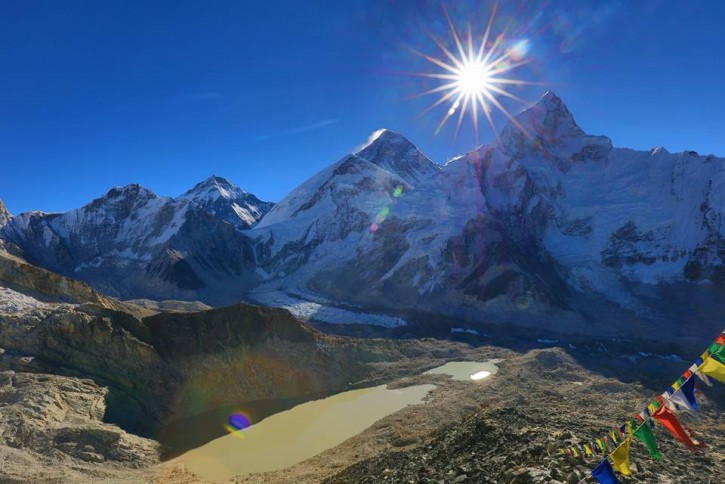
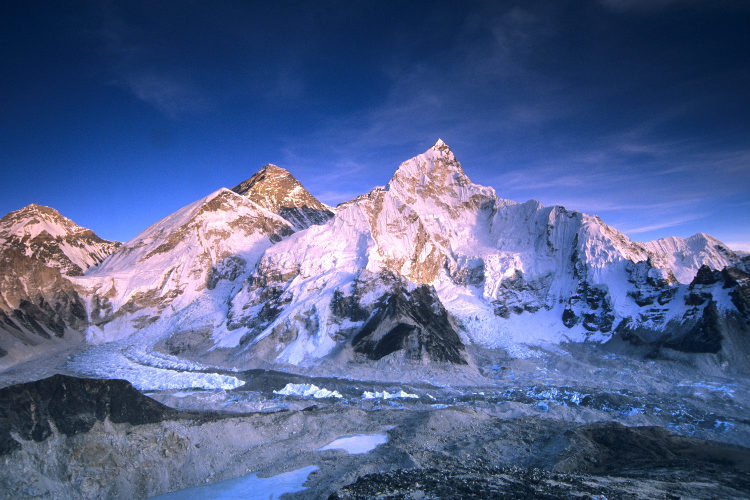
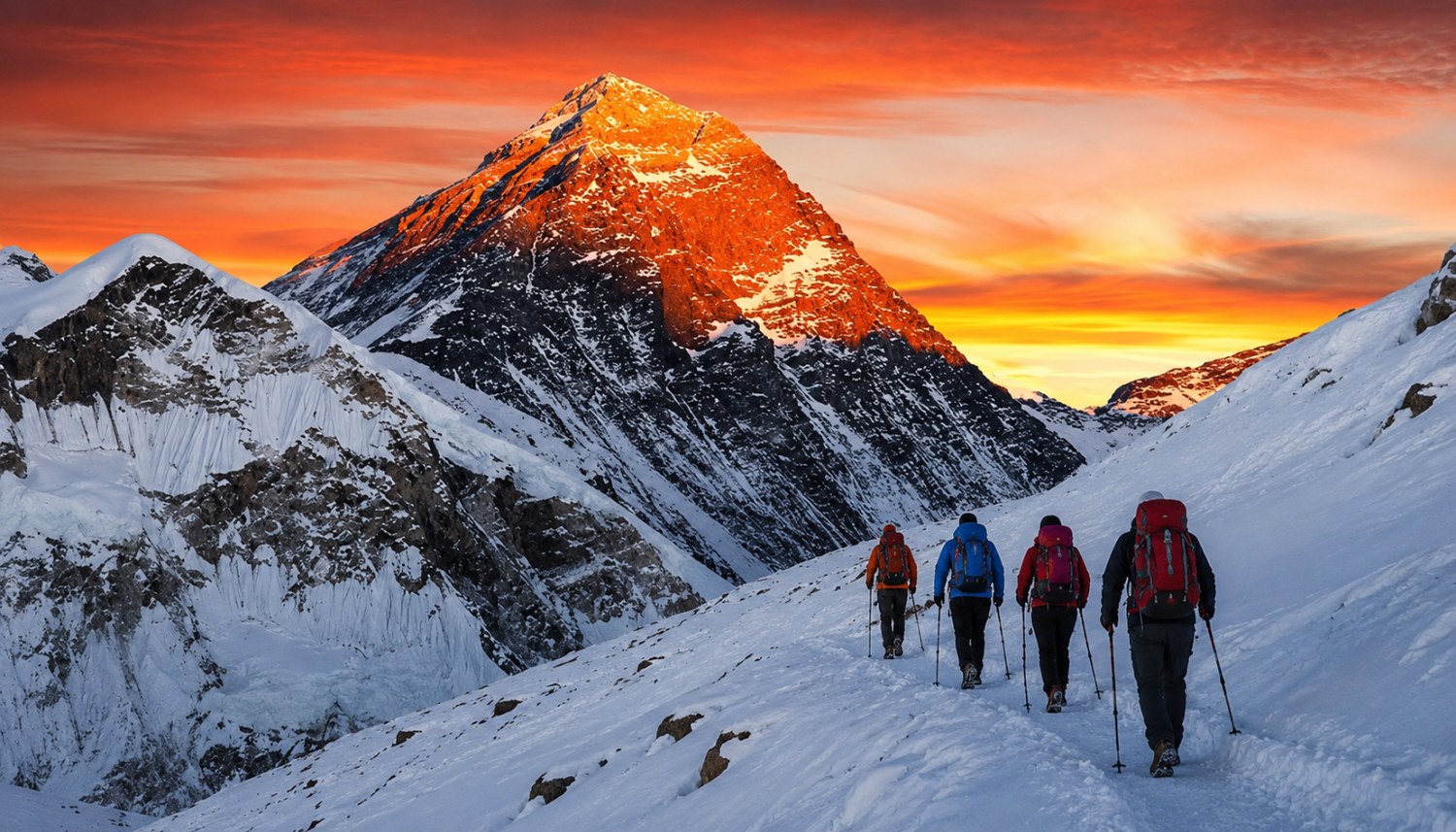
The Classic Everest Base Camp Trek is one of the most iconic adventures on the planet — a bucket-list journey through Sherpa villages, ancient monasteries, swinging suspension bridges, and jaw-dropping Himalayan scenery that ends at the foot of the world's tallest mountain. Along the way, trekkers pass through the vibrant markets of Namche Bazaar, spin prayer wheels at Tengboche Monastery, cross the roaring Dudh Koshi River on high suspension bridges, and walk beneath towering peaks like Ama Dablam, Lhotse, and Nuptse before finally standing at 5,364 meters, staring up at Everest itself.
It's this powerful combination of culture, nature, and raw physical achievement that draws over 40,000 trekkers to the Khumbu region every year — and a growing number of them are complete beginners with little to no prior high-altitude trekking experience.
That's exactly why, every year, thousands of first-time trekkers ask the same question: "Is Classic Everest Base Camp suitable for beginners?" They've seen the photos, watched the documentaries, and felt the pull of the world's most famous trail — but they're unsure if their fitness level, experience, or nerve is enough to actually get there and back safely.
The short answer: Yes — with the right preparation, mindset, and support. EBC does not require climbing skills, ropes, or technical mountaineering training. What it does require is realistic fitness preparation, respect for altitude, patience with a slower pace of life, and — ideally — the guidance of experienced local professionals who know the trail, the weather patterns, and how to keep trekkers safe as they climb higher into thinner air.
This guide breaks down everything you need to know before you commit — the real physical demands, the altitude risks, the daily itinerary, the costs, the best season to go, and practical tips that separate a successful first-time trek from a disappointing one — based on real trekking conditions and the on-the-ground experience of local experts at Nepal Trip Services.
The Classic EBC Trek is a 12–14 day round-trip journey starting and ending in Lukla, passing through Namche Bazaar, Tengboche, Dingboche, and Lobuche before reaching Everest Base Camp (5,364m) and, for many, the Kala Patthar viewpoint (5,545m) for the best close-up view of Mount Everest.
You can view detailed itineraries, pricing, and booking information directly here:
👉 Classic Everest Base Camp Trek – Nepal Trip Services
| Factor | Beginner Difficulty | Details |
|---|---|---|
| Technical Skill | Low | No climbing or mountaineering skills required — it's a teahouse trek on marked trails |
| Physical Fitness | Moderate–High | 5–7 hours of walking daily over uneven terrain |
| Altitude | High Risk | Max altitude 5,545m; altitude sickness is the biggest challenge |
| Duration | Long | 12–14 days demands mental endurance and time commitment |
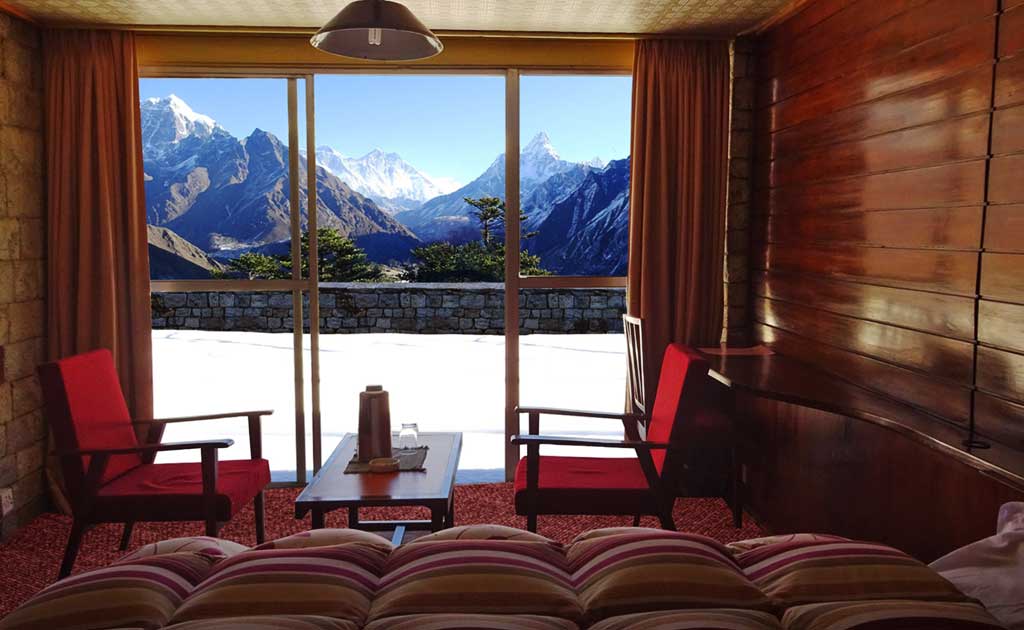
| Accommodation | Easy | Teahouses provide beds, meals, and basic comfort |
| Guide/Support | Essential | Highly recommended for beginners |
Verdict: EBC is technically non-technical (no ropes, no climbing gear) but physically and mentally demanding due to altitude and duration. It is absolutely achievable for a first-time trekker who prepares properly.
You don't need to be an athlete, but you do need a baseline fitness level.
Recommended pre-trek training (8–12 weeks before departure):
| Fitness Level | Recommendation |
|---|---|
| Regular hiker | Minimal extra prep needed |
| Moderately active | 8–10 weeks structured training |
| Sedentary lifestyle | 12+ weeks training + gradual conditioning |
Altitude, not distance, is what makes EBC hard for beginners. Symptoms of Acute Mountain Sickness (AMS) include headache, nausea, dizziness, and fatigue.
How to reduce risk:
| Day | Route | Altitude | Flight Time | Trekking Hours |
|---|---|---|---|---|
| 1 | Arrival in Kathmandu | 1,300m / 4,265ft | — | — |
| 2 | Fly to Lukla, trek to Phakding | 2,845m → 2,610m / 9,333ft → 8,562ft | ~30–40 min | 3–4 hrs |
| 3 | Phakding to Namche Bazaar | 3,440m / 11,285ft | — | 5–6 hrs |
| 4 | Namche Bazaar – Acclimatization Day | 3,440m / 11,285ft | — | 3–4 hrs (hike) |
| 5 | Namche Bazaar to Tengboche | 3,870m / 12,696ft | — | 5–6 hrs |
| 6 | Tengboche to Dingboche | 4,410m / 14,467ft | — | 5–6 hrs |
| 7 | Dingboche – Acclimatization Day | 4,410m / 14,467ft | — | 3–4 hrs (hike) |
| 8 | Dingboche to Lobuche | 4,910m / 16,207ft | — | 5–6 hrs |
| 9 | Lobuche to Gorak Shep & EBC | 5,160m → 5,364m / 16,928ft → 17,597ft | — | 7–8 hrs |
| 10 | Gorak Shep to Kala Patthar & down to Pheriche | 5,550m → 4,230m / 18,207ft → 13,877ft | — | 7–8 hrs |
| 11 | Pheriche to Namche Bazaar | 3,440m / 11,285ft | — | 6–7 hrs |
| 12 | Namche Bazaar to Lukla | 2,845m / 9,333ft | — | 6–7 hrs |
| 13 | Fly Lukla to Kathmandu | 1,300m / 4,265ft | ~30–40 min | — |
| 14 | Final Departure | 1,300m / 4,265ft | — | — |
Full itinerary details, real-time availability, and pricing are always kept up to date at:
👉 Classic Everest Base Camp Trek – Nepal Trip Services
Your Everest Base Camp adventure begins the moment you land at Tribhuvan International Airport in Kathmandu. A representative from your trekking operator will greet you and transfer you to your hotel, giving you your first taste of Nepal's chaotic, colorful capital.
Depending on your arrival time, you'll have the rest of the day free to rest after your flight, explore the narrow streets of Thamel (Kathmandu's tourist and trekking-gear hub), or visit nearby UNESCO World Heritage Sites such as Swayambhunath (the "Monkey Temple") or Boudhanath Stupa, one of the largest Buddhist stupas in the world.
This day typically also includes:
Accommodation: Hotel in Kathmandu
Meals: Welcome dinner (varies by package)
Why it matters: This buffer day isn't just logistics — it also gives your body a chance to settle in before flying into the mountains, and it's your last night sleeping at a "normal" altitude for nearly two weeks.
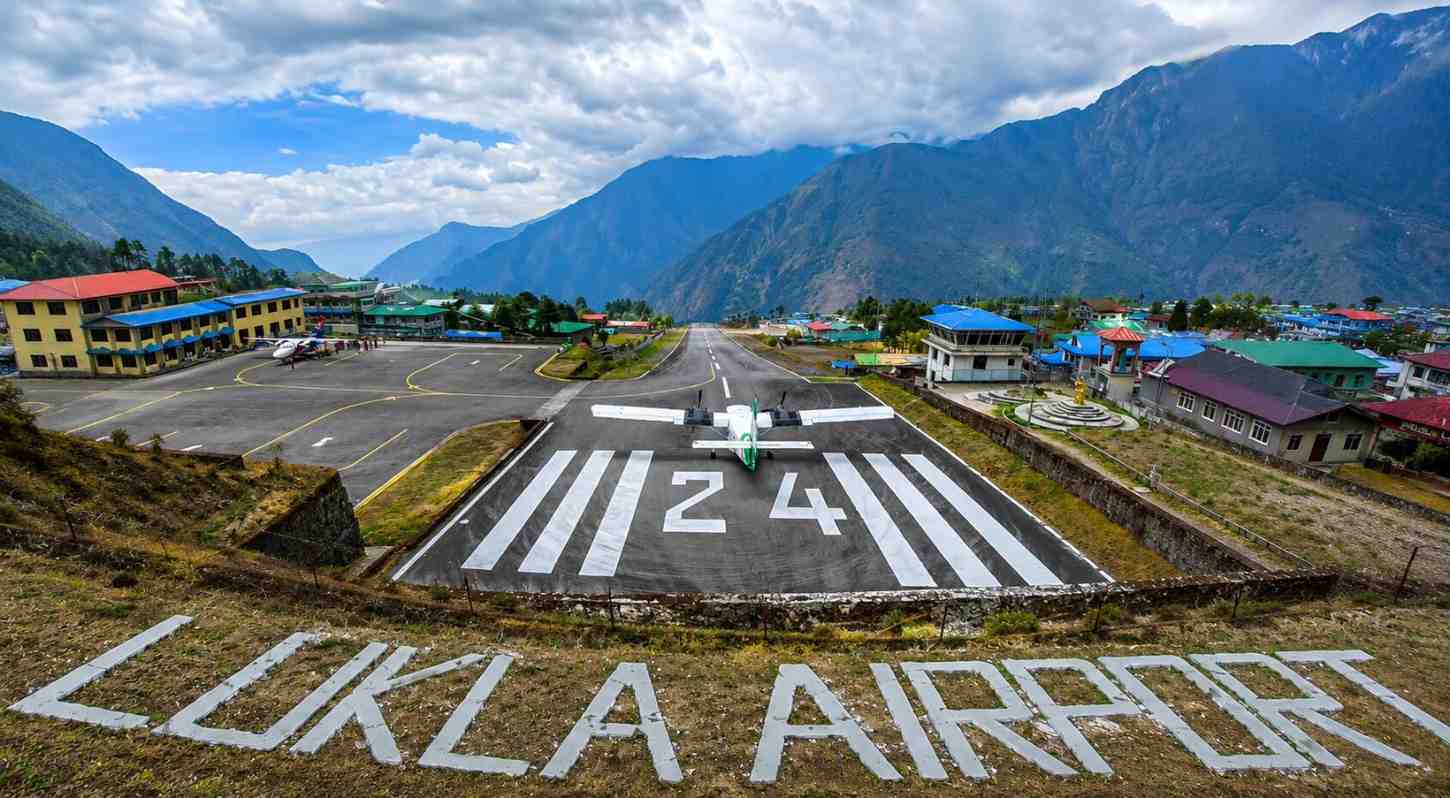
Day 2 is where the real adventure begins — with one of the most thrilling short flights in the world. Early in the morning, you'll take a 30–40 minute scenic flight from Kathmandu to Lukla's Tenzing-Hillary Airport, famous for its short, sloped runway carved into the mountainside and consistently ranked among the most extreme airports on Earth. Weather permitting, the flight offers stunning aerial views of the Himalayan foothills as you approach the Khumbu region.
Note: Lukla flights are highly weather-dependent and are occasionally delayed or rerouted through Ramechhap airport (a few hours outside Kathmandu) during peak season. It's wise to build a buffer day into your schedule in case of delays.
Once you land in Lukla, you'll meet your porter team (if applicable), do a final equipment check, and begin trekking. The first day's walk is relatively gentle and serves as a great warm-up:
You'll arrive in Phakding, a small riverside village that serves as the first overnight stop for nearly all EBC trekkers, giving your body a gentle introduction to trekking at altitude before the more demanding climb to Namche Bazaar the next day.
Accommodation: Teahouse in Phakding
Meals: Breakfast, lunch, dinner
Altitude gain: Minimal net gain from Lukla (in fact, a slight net descent) — an easy first day by design, to ease your body into the trek
This is the first genuinely demanding day of the trek — and one of the most memorable. The trail follows the Dudh Koshi River, crossing several suspension bridges strung with colorful prayer flags, including the dramatic Hillary Suspension Bridge, high above the river gorge.
After entering Sagarmatha National Park at Jorsalle (where permits are checked), the trail begins a steep, sustained climb of nearly 600 meters through pine forest to reach Namche Bazaar — the unofficial capital of the Khumbu region.
Accommodation: Teahouse in Namche Bazaar
Meals: Breakfast, lunch, dinner
Why it matters: This is the steepest single climb so far, and altitude effects can begin here. Slow, steady pacing is essential.
Acclimatization days don't mean resting in bed — the "climb high, sleep low" principle means you'll hike to a higher elevation during the day and return to Namche to sleep, helping your body adapt to reduced oxygen levels.
Popular options for the day include:
Accommodation: Teahouse in Namche Bazaar
Meals: Breakfast, lunch, dinner
Why it matters: This is arguably the most important non-summit day of the entire trek. Skipping proper acclimatization here significantly raises the risk of altitude sickness later.
The trail today offers some of the most spectacular mountain views of the entire trek, with Everest, Ama Dablam, Thamserku, and Kwangde visible for long stretches.
The route descends to the river at Phunki Thenga before climbing steeply through rhododendron forest to Tengboche, home to the largest and most famous monastery in the Khumbu region.
Accommodation: Teahouse in Tengboche
Meals: Breakfast, lunch, dinner
Why it matters: Tengboche sits at a dramatic viewpoint and is considered one of the most scenic stops on the entire route.
The trail descends through juniper and birch forest to Deboche, crosses the Imja Khola river, then passes through Pangboche — home to one of the oldest monasteries in the region — before climbing into the more rugged, high-alpine landscape near Dingboche.
Trees disappear almost entirely above this point, replaced by low shrubs, stone-walled fields, and increasingly bare, dramatic terrain with close-up views of Ama Dablam.
Accommodation: Teahouse in Dingboche
Meals: Breakfast, lunch, dinner
Why it matters: You're now well above the treeline, and the effects of altitude become more noticeable for most trekkers.
The second official acclimatization day, again following the "climb high, sleep low" principle.
Common options include:
Accommodation: Teahouse in Dingboche
Meals: Breakfast, lunch, dinner
Why it matters: This is your final full acclimatization stop before pushing into the highest and most demanding section of the trek.
The trail climbs steadily along a ridge with far-reaching Himalayan views before reaching Thukla (Dughla), where a short, steep climb leads to the Thukla Pass — home to a series of stone memorials honoring climbers who lost their lives on Everest. It's a sobering, reflective stop on the trail.
From there, the trail levels out somewhat as it follows the edge of the Khumbu Glacier to reach the small settlement of Lobuche.
Accommodation: Teahouse in Lobuche
Meals: Breakfast, lunch, dinner
Why it matters: Altitude gain is significant today, and symptoms of AMS are more common from this point onward — pacing and hydration matter more than ever.
This is the day most trekkers have been dreaming about. The trail follows the rocky, glacial terrain alongside the Khumbu Glacier to reach Gorak Shep, a small frozen lakebed settlement and the last stop before Base Camp.
After dropping your bags and having lunch, you'll continue on the final, demanding stretch across the Khumbu Glacier's rocky moraine to reach Everest Base Camp itself.
Accommodation: Teahouse in Gorak Shep
Meals: Breakfast, lunch, dinner
Why it matters: This is the longest and most physically demanding day of the trek so far, both in distance and altitude. Most trekkers describe it as the emotional peak of the journey.
An early pre-dawn start (often around 4:00–5:00 AM) takes you up Kala Patthar, the trek's true highest point and the best vantage point for an unobstructed, close-up view of Mount Everest's summit — something Base Camp itself doesn't offer.
After sunrise views and photos, you'll descend back to Gorak Shep for breakfast, then continue a long descent all the way down to Pheriche, retracing part of the route through Lobuche and Thukla.
Accommodation: Teahouse in Pheriche
Meals: Breakfast, lunch, dinner
Why it matters: Descending to lower altitude after summiting Kala Patthar significantly reduces AMS risk and helps your body recover.
With the high-altitude goals achieved, today is primarily a return journey, retracing the route through Tengboche and Deboche back to Namche Bazaar. With lower altitude and increasing oxygen levels, many trekkers find this one of the more enjoyable, relaxed walking days.
Accommodation: Teahouse in Namche Bazaar
Meals: Breakfast, lunch, dinner
The final trekking day retraces the route back through Jorsalle, across the suspension bridges, and along the Dudh Koshi River back to Lukla — often an emotional day as the trek draws to a close.
Many groups celebrate their achievement with a farewell dinner in Lukla on their last night in the mountains.
Accommodation: Teahouse in Lukla
Meals: Breakfast, lunch, dinner, farewell dinner
An early morning flight takes you back to Kathmandu, where the comforts of the city — hot showers, real beds, and varied food — await after nearly two weeks in the mountains.
The rest of the day is free for rest, shopping in Thamel, or an optional spa/massage session to soothe tired legs. Many trekkers use this day to purchase souvenirs or gifts from local markets.
Accommodation: Hotel in Kathmandu
Meals: Breakfast
Why it matters: As with the flight to Lukla, this flight is weather-dependent, so it's wise to keep a buffer day in your schedule if possible.
Depending on your international flight schedule, you'll be transferred to Tribhuvan International Airport for your departure — heading home with memories, photos, and the achievement of reaching Everest Base Camp.
Some trekkers choose to extend their trip with a Kathmandu Valley sightseeing tour, a Chitwan National Park safari, or a short Pokhara getaway before flying home.
Meals: Breakfast
Why it matters: This flexible final day is a good opportunity to build in extra buffer time in case earlier flight delays (Lukla–Kathmandu) pushed your schedule back.
For exact dates, group departures, and customized itinerary options, check the full trip details at:
👉 https://www.nepaltripservices.com/classic-everest-base-camp-trek
| Season | Suitability | Notes |
|---|---|---|
| Spring (Mar–May) | Excellent | Mild weather, blooming rhododendrons, clear views |
| Autumn (Sep–Nov) | Excellent | Most popular, stable weather, best visibility |
| Winter (Dec–Feb) | Moderate | Cold but fewer crowds; doable with proper gear |
| Monsoon (Jun–Aug) | Not Recommended | Rain, leeches, poor visibility |
| Expense | Approximate Cost (USD) |
|---|---|
| Guided Trek Package (12–14 days) | $1,100 – $1,800 |
| Domestic Flight (Kathmandu–Lukla, return) | Included/varies |
| Permits (Sagarmatha National Park + TIMS) | Included with most packages |
| Teahouse Accommodation & Meals | Included/varies |
| Travel Insurance | $100 – $250 |
| Tips & Personal Expenses | $150 – $300 |
Full, up-to-date pricing and package inclusions are available at:
👉 https://www.nepaltripservices.com/classic-everest-base-camp-trek
For beginners especially, choosing the right local operator makes the difference between a stressful trek and a life-changing one. Nepal Trip Services offers:
Explore the full Classic Everest Base Camp Trek package here:
👉 Classic Everest Base Camp Trek – Nepal Trip Services
Yes. EBC is a non-technical trek that doesn't require climbing or mountaineering skills. Beginners with good fitness, proper training, and a guided itinerary successfully complete it every year. The key challenges are altitude and endurance, not technical skill.
No prior trekking experience is required, though having done shorter hikes or multi-day treks beforehand can help build confidence and stamina. What matters more is cardiovascular fitness and mental preparation for long walking days.
EBC is rated moderate to challenging. It involves 5–7 hours of walking daily over 12–14 days, with a maximum altitude of 5,545m. The difficulty comes from cumulative fatigue and altitude, not steep technical terrain.
You should be able to walk 5–6 hours a day on uneven terrain with a daypack. Being able to comfortably hike 10–15km with elevation gain is a good fitness benchmark before attempting EBC.
The classic itinerary typically takes 12–14 days round trip from Kathmandu, including acclimatization days in Namche Bazaar and Dingboche.
Altitude sickness (Acute Mountain Sickness) is the biggest risk, not physical exhaustion or technical difficulty. Following a proper acclimatization schedule significantly reduces this risk.
While independent trekking is technically allowed, it's strongly discouraged for beginners. A licensed guide helps monitor altitude symptoms, navigate logistics, handle permits, and respond quickly in emergencies — something operators like Nepal Trip Services provide as standard.
Spring (March–May) and autumn (September–November) offer the most stable weather, clear mountain views, and moderate temperatures — making them the ideal seasons for first-time trekkers.
A guided 12–14 day package typically costs between $1,100–$1,800 USD, depending on group size, season, and inclusions. Full pricing details are available at Nepal Trip Services.
Trekkers stay in teahouses — simple guesthouses offering basic beds, blankets, shared bathrooms, and hot meals. Facilities become more basic at higher elevations.
Start training 8–12 weeks in advance with cardio (hiking, running, cycling), stair climbing with a loaded pack, strength training, and practice hikes with elevation gain to build endurance.
Mild symptoms like headache or fatigue are common above 3,000m, even in fit trekkers. Following a gradual acclimatization schedule, staying hydrated, and walking slowly greatly reduce the risk of severe AMS.
With proper acclimatization and a well-paced guided itinerary, the vast majority of physically prepared trekkers successfully reach Base Camp. Rushed, unsupported itineraries have significantly lower success rates.
Essentials include layered clothing, a good down jacket, broken-in trekking boots, a warm sleeping bag, trekking poles, a first-aid kit, sun protection, and a reliable daypack. A full packing checklist is typically provided during pre-trek briefings.
Yes. Travel insurance covering high-altitude trekking (up to 6,000m) and emergency helicopter evacuation is essential and often mandatory for guided treks.
The Classic Everest Base Camp Trek is suitable for beginners — as long as they respect the altitude, train beforehand, and trek with an experienced local team. It's not a technical climb, but it is a serious physical and mental undertaking that rewards preparation with one of the most spectacular views on Earth.
At the end of the day, what separates a successful first-timer from a struggling one isn't age, prior trekking résumé, or even raw fitness — it's respect for the mountain and realistic preparation. Trekkers who train consistently, pace themselves patiently on the trail, and lean on experienced guides for altitude and safety decisions tend to not only reach Base Camp, but genuinely enjoy the journey getting there. Those who underestimate the altitude or rush the itinerary are the ones most likely to struggle or turn back.
If you're a beginner weighing whether EBC is within reach, the honest answer is: it likely is, provided you give yourself the time to prepare and choose the right support on the ground. This trek has welcomed first-timers from all walks of life for decades, and with proper planning, it can be just as achievable for you.
Ready to start planning your journey? Check full itineraries, dates, and pricing at Nepal Trip Services – Classic Everest Base Camp Trek.
Discover more articles that match your interests! Explore these similar blogs packed with insights, tips, and stories to keep you inspired.
Everything on Classic Everest Base Camp Trek permits for 2026–2027 — costs, requirements, where to get them & recent...
Discover the best season for the Classic Everest Base Camp Trek. Compare autumn, spring, winter & monsoon weather, views...
Explore the Classic Everest Base Camp Trek itinerary with detailed day-by-day routes, altitudes, trekking hours & acclim...
Discover what you\\\'ll eat and where you\\'ll sleep on the Classic Everest Base Camp Trek. Complete guide to teahouses,...
Discover the full cost breakdown of the Classic Everest Base Camp Trek — permits, flights, guides, porters, meals & ac...
Is the Classic Everest Base Camp Trek hard? Complete guide to difficulty level, altitude challenges, fitness needs & tra...