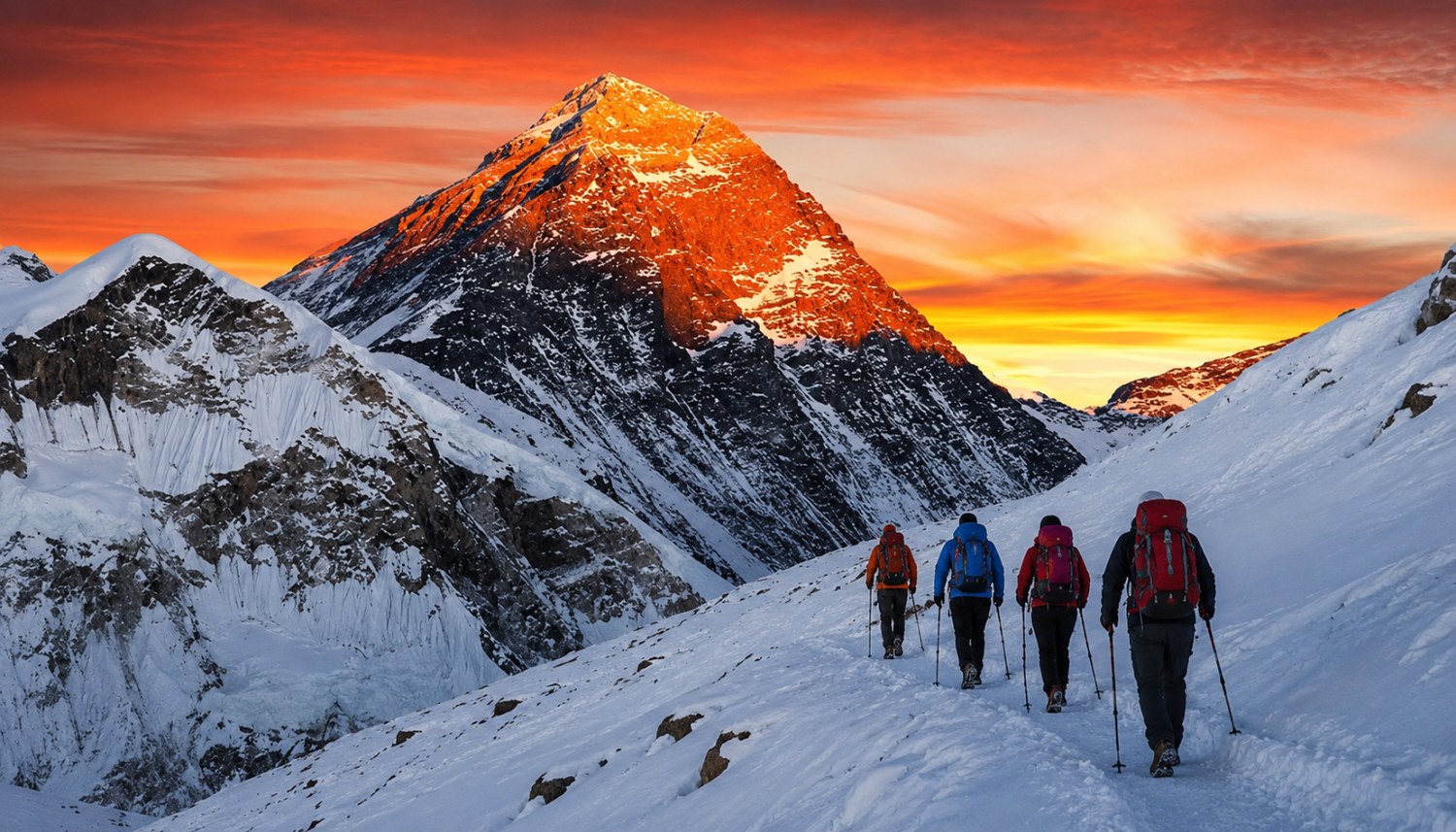
Classic Everest Base Camp Trek Age Limit: Is It Suitable For Kids & Seniors?
By Nepal Trip Services On 21 Sep 2026

By Nepal Trip Services On 21 Sep 2026
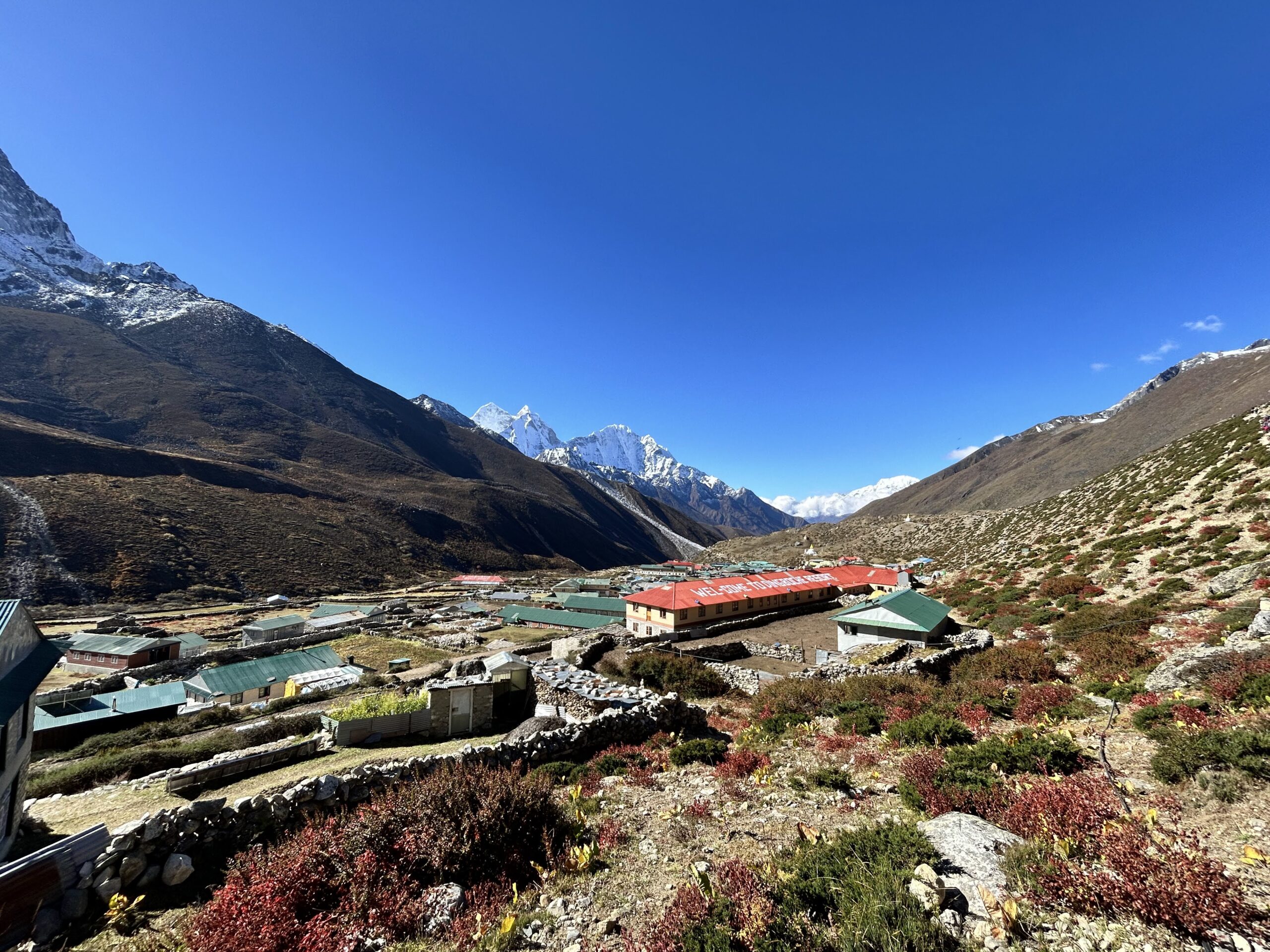
One of the most common questions we hear at Nepal Trip Services is whether age is a genuine barrier to completing the Classic Everest Base Camp Trek. The good news? Age alone rarely disqualifies anyone. This complete guide breaks down exactly what trekkers of every age group should know before attempting this legendary journey.
It's a question that comes up in almost every consultation, often framed with genuine worry — parents wondering if their teenager is old enough, adult children wondering if their retired parents are too old, or trekkers themselves quietly questioning whether their age puts this bucket-list adventure out of reach. What we've learned from years of guiding trekkers across every age bracket is that these worries, while understandable, are often based on assumptions rather than reality. Age alone tells you very little about someone's actual capacity to handle high-altitude trekking; fitness, preparation, and mindset consistently matter far more.
That said, age isn't entirely irrelevant either — it does influence certain physiological factors, from how quickly the body acclimatizes to how joints handle sustained, multi-day walking on uneven terrain. Rather than offering a vague reassurance that "anyone can do it," this guide aims to give parents, seniors, and trekkers of every age a genuinely honest, practical breakdown of what to actually expect, what precautions matter most for their specific age group, and how to prepare properly — so that the decision to trek isn't based on guesswork, but on realistic, well-informed planning.
There is no strict legal age limit for trekking to Everest Base Camp, but most reputable trekking agencies, including Nepal Trip Services, apply practical age guidelines based on safety, altitude physiology, and trekking demands rather than an arbitrary cutoff.
| Age Group | General Recommendation |
|---|---|
| Under 10 | Not generally recommended |
| 10–17 (with parent/guardian) | Possible with careful planning |
| 18–60 | No restrictions, standard preparation applies |
| 60–70 | Fully achievable with good health and preparation |
| 70+ | Possible case-by-case, with medical clearance |
What actually determines whether someone can safely complete this trek isn't age itself, but rather:
Trekkers in their 20s with poor fitness often struggle more than well-prepared trekkers in their 60s — proving that preparation, not birth year, is what genuinely matters here.
Most agencies recommend a minimum age of 10 to 12 years old, though this varies based on the individual child's fitness, trekking experience, and temperament. Children younger than this generally lack the sustained stamina and altitude tolerance the trek demands.
No official maximum age exists, and trekkers well into their 70s have successfully reached Everest Base Camp. What matters is a thorough pre-trek medical checkup and realistic self-assessment of fitness and stamina.
Nepal's trekking community has seen genuinely inspiring examples across the age spectrum:
While trekkers of nearly any age can attempt the journey, statistically, trekkers between 25 and 55 tend to have the smoothest experience, benefiting from a natural balance of physical resilience and the patience/preparation that comes with maturity. That said, this is a general trend, not a rule — plenty of younger and older trekkers complete the journey just as successfully with the right approach.
No, there's no strict legal age limit for trekking to Everest Base Camp. Most reputable agencies apply practical guidelines rather than fixed cutoffs, generally recommending a minimum age of 10–12 for children and requiring medical clearance for trekkers over 70, based on individual fitness rather than age alone.
Most agencies recommend a minimum age of 10 to 12 years old, since younger children typically lack the sustained stamina and altitude tolerance needed for 5–7 hour trekking days spread across nearly two weeks. Some experienced young trekkers with strong fitness have completed it younger, but this remains the general benchmark.
Children can trek safely to Everest Base Camp with proper preparation, though they may be more vulnerable to altitude sickness and can sometimes struggle to accurately communicate early symptoms, making close parental monitoring genuinely essential throughout the journey.
No official maximum age exists, and trekkers well into their 70s and even 80s have successfully reached Base Camp. What matters most is a thorough pre-trek medical checkup and an honest, realistic assessment of personal fitness and stamina.
Confirmed successful trekkers have reached Base Camp well into their 80s, demonstrating that with proper medical clearance, realistic pacing, and determination, age alone doesn't have to be a limiting factor for this trek.
Yes, a comprehensive medical checkup is strongly recommended for senior trekkers, particularly addressing cardiovascular and pulmonary health, since these systems are most directly challenged by sustained high-altitude exertion.
Yes, adding 1–2 extra acclimatization days to the standard 14-day itinerary is genuinely recommended for families with children, since the additional buffer significantly reduces altitude-related risk for younger trekkers.
Parents should proactively and regularly ask their child about headaches, appetite, energy levels, and general wellbeing, rather than waiting for complaints, since children don't always recognize or articulate early altitude symptoms clearly.
Yes, trekking poles are genuinely recommended for older trekkers, providing added stability on the trek's steep, uneven terrain and helping reduce strain on knees and hips during both ascents and descents.
Some research suggests older trekkers may acclimatize slightly more slowly than younger trekkers, which reinforces the value of choosing a well-paced, 14-day classic itinerary rather than a faster, compressed schedule.
Statistically, trekkers between 25 and 55 tend to have the smoothest overall experience, benefiting from a natural balance of physical resilience and the patience and preparation that often comes with maturity — though this is a general trend, not a strict rule.
Yes, hiring a private guide allows the trek's pace to be tailored specifically to a child's or senior's individual needs, rather than following a group's average speed, which can make a meaningful difference in comfort and safety.
Any history of heart disease, respiratory conditions, or circulatory issues should be discussed thoroughly with a doctor before booking, since these conditions are affected more directly by high altitude than age itself.
Yes, the trek's steep, uneven terrain and multi-day duration place genuine demands on knees and hips, making trekking poles, proper footwear, and realistic daily pacing important considerations for senior trekkers.
Realistic pacing and honest self-assessment of fitness matter more than age itself — trekkers of any age who train properly, choose a well-structured itinerary, and pace themselves sensibly consistently have the best chance of successfully reaching Everest Base Camp.
The Classic Everest Base Camp Trek welcomes a genuinely wide range of ages, from determined pre-teens to adventurous septuagenarians. What ultimately determines success isn't the number on your birth certificate, but honest self-assessment of fitness, proper medical clearance where relevant, realistic pacing, and choosing a well-structured itinerary that prioritizes acclimatization over speed.
Whether you're planning a family trek with your children or finally checking Everest Base Camp off your bucket list in retirement, the mountains don't discriminate by age — they simply reward those who prepare properly and respect the journey's demands.
Ready to plan your trek, regardless of age? Explore the complete Classic Everest Base Camp Trek itinerary with Nepal Trip Services, and our team will help design a pace and plan suited to your specific age group and fitness level.
Discover more articles that match your interests! Explore these similar blogs packed with insights, tips, and stories to keep you inspired.
Everything on Classic Everest Base Camp Trek permits for 2026–2027 — costs, requirements, where to get them & recent...
Discover the best season for the Classic Everest Base Camp Trek. Compare autumn, spring, winter & monsoon weather, views...
Explore the Classic Everest Base Camp Trek itinerary with detailed day-by-day routes, altitudes, trekking hours & acclim...
Discover what you\\\'ll eat and where you\\'ll sleep on the Classic Everest Base Camp Trek. Complete guide to teahouses,...
Discover the full cost breakdown of the Classic Everest Base Camp Trek — permits, flights, guides, porters, meals & ac...
Is the Classic Everest Base Camp Trek hard? Complete guide to difficulty level, altitude challenges, fitness needs & tra...