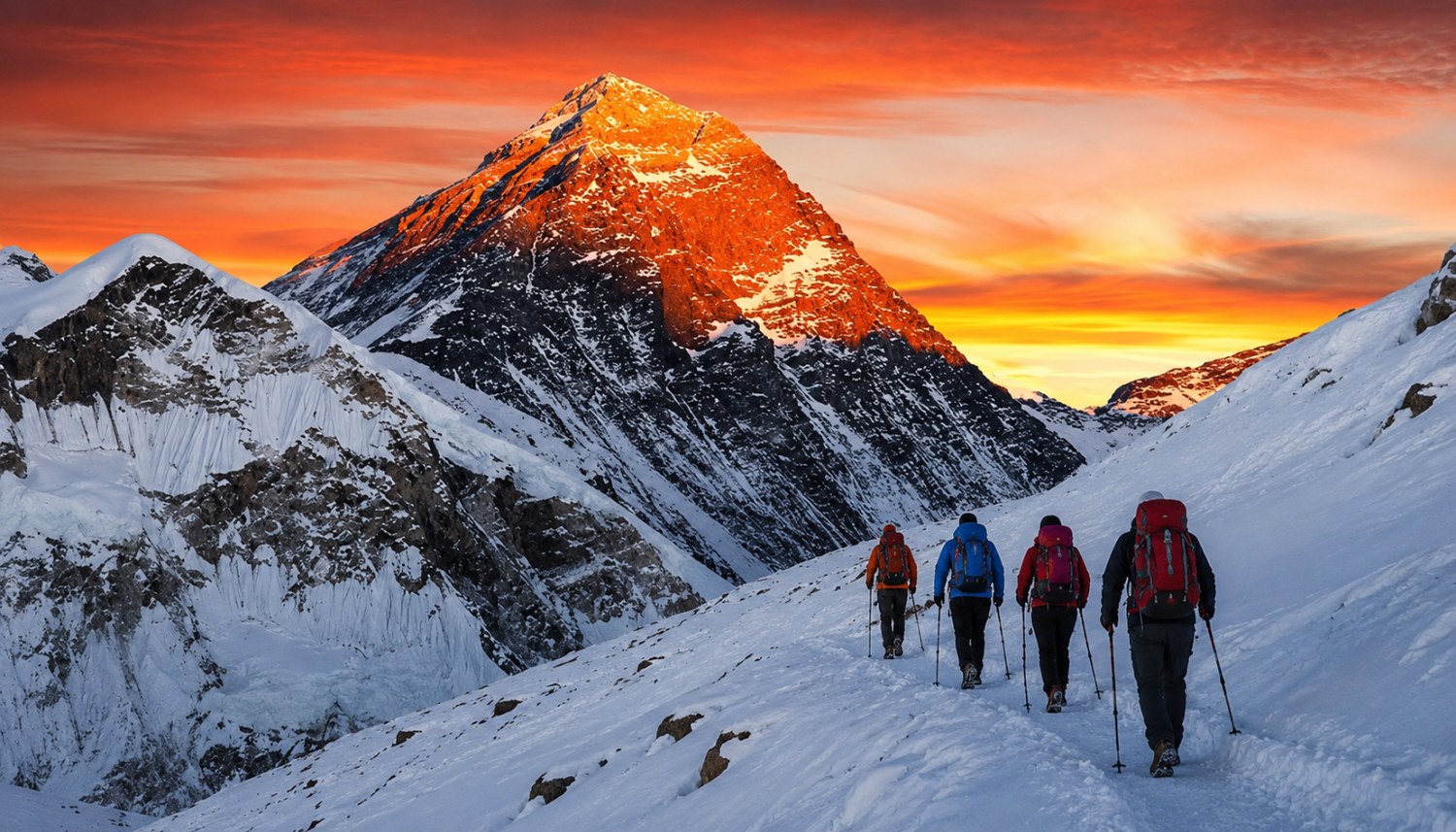
Monjo, Nepal: Complete Travel & Trekking Guide
By Nepal Trip Services On 27 Sep 2026

By Nepal Trip Services On 27 Sep 2026
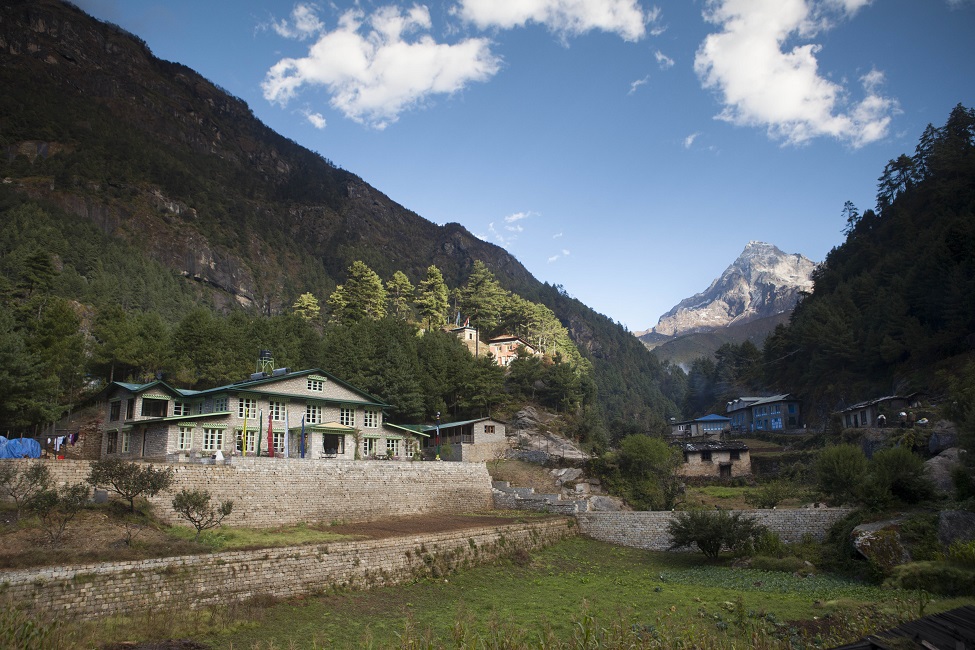
Nestled quietly along the Dudh Koshi River, Monjo may be small in size, but it holds one of the most significant roles on the entire route to Everest Base Camp — it is the official entry point to Sagarmatha National Park, a UNESCO World Heritage Site protecting the world's highest mountain and its surrounding ecosystem. For trekkers on the Classic Everest Base Camp Trek, Monjo marks the moment the journey shifts from a pleasant valley walk into a true high-altitude Himalayan adventure. This complete guide covers everything you need to know about Monjo, from its location and permit procedures to trekking tips and cultural highlights.
Monjo is a small Sherpa village located in the Khumbu region of Nepal's Solukhumbu District, sitting at an altitude of approximately 2,835 meters (9,301 feet) along the Dudh Koshi River valley. It lies just north of Phakding and south of Jorsalle, positioned directly at the entrance of Sagarmatha National Park.
According to the 2011 census, the village has a small population of around 114 people, nearly all of whom follow Buddhism and are engaged in the local tourism industry — reflecting just how central trekking has become to daily life here.
Despite its small size, Monjo holds major significance for every trekker heading toward Everest Base Camp, Gokyo Lakes, or the Three Passes route:
Sagarmatha National Park, established to protect the fragile Himalayan environment surrounding Mount Everest, is one of the most iconic protected areas in the world.
| Detail | Information |
|---|---|
| Established | 1976 |
| UNESCO World Heritage Site | Since 1979 |
| Entry Point | Monjo Checkpoint |
| Required Permit | Sagarmatha National Park Entry Permit |
| Protected Species | Snow leopard, Himalayan tahr, musk deer, pheasants |
| Notable Peaks Visible | Everest, Lhotse, Thamserku, Ama Dablam |
At the Monjo checkpoint, trekkers must register their national park permits, and officials may check bags for restricted items such as unauthorized drones. This process is quick but essential — no trekker can proceed toward Namche Bazaar without completing it.
| Detail | Information |
|---|---|
| Distance | Approx. 4–5 km |
| Duration | 1.5–2 hours |
| Trail Type | "Nepali flat" — frequent short ups and downs |
| Elevation Change | Gradual gain to ~2,835 m |
| Highlights | Suspension bridges, mani walls, mountain views |
The walk from Phakding to Monjo is often described by trekkers as classic "Nepali flat" terrain — technically not flat at all, but a series of gentle climbs and descents that keep the overall elevation relatively steady while testing your trekking legs.
The iconic gateway arch marking the entrance to the national park is one of the most photographed spots along the early trail, symbolizing the true beginning of the high-altitude Everest journey.
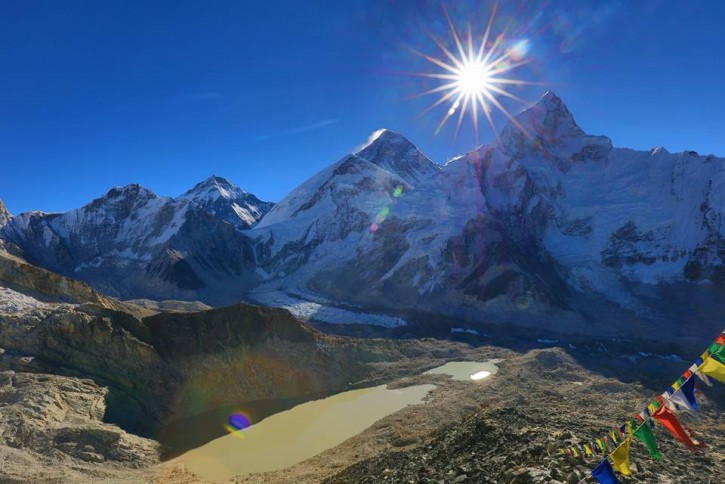
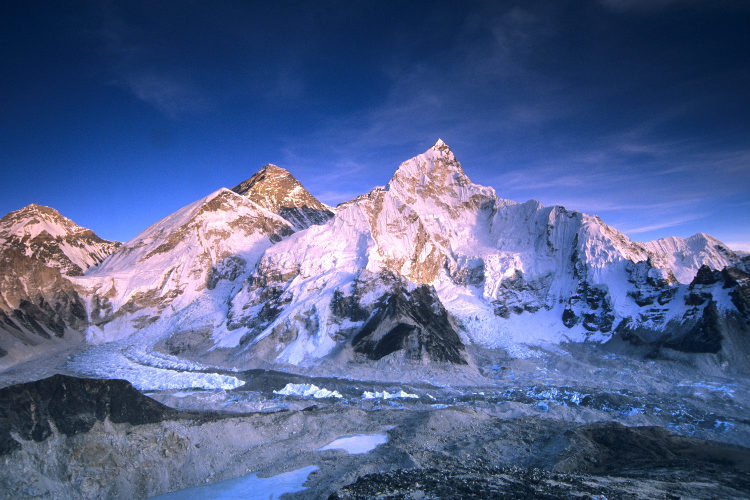
On clear days, Monjo offers early glimpses of towering peaks such as Thamserku (6,608 m) and Kusum Kangaru, giving trekkers a taste of the dramatic scenery that lies ahead.
The trail through Monjo includes several suspension bridges crossing the Dudh Koshi and Bhote Koshi rivers, framed by prayer flags and surrounded by forested hillsides.
With its small population fully engaged in the tourism trade, Monjo offers a quiet, authentic look at how Sherpa communities have adapted their traditional lifestyle to support trekkers passing through.
Along the trail near Monjo, trekkers pass mani walls and stones engraved with Buddhist prayers — always to be passed on the left, according to local custom.
Although smaller than Phakding or Namche Bazaar, Monjo has a handful of guesthouses and lodges catering specifically to trekkers:
| Accommodation Type | What to Expect |
|---|---|
| Basic Guesthouses | Simple twin rooms, shared bathrooms |
| Mid-Range Lodges | Private rooms, home-cooked meals, garden seating |
| Notable Feature | Some lodges grow their own organic vegetables on-site |
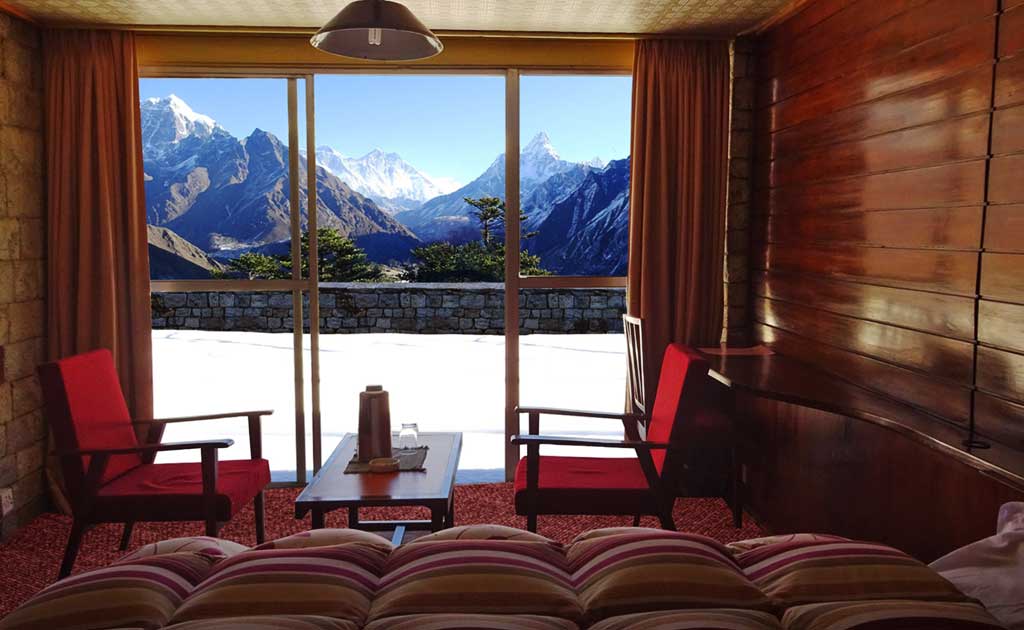
Many lodges in Monjo have a relaxed, homely feel, with outdoor seating areas where trekkers can enjoy lunch overlooking the surrounding hills.
| Season | Months | Conditions |
|---|---|---|
| Spring | March – May | Warm days, blooming rhododendrons, clear mountain views |
| Autumn | September – November | Stable weather, ideal visibility, peak trekking season |
| Winter | December – February | Cold, daytime temps 10–20°C, nights near or below 0°C |
| Monsoon | June – August | Rainy, slippery trails, limited mountain views |
Spring and autumn remain the most popular seasons, offering the clearest skies and most comfortable trekking conditions.
After completing permit formalities at Monjo, trekkers continue through Jorsalle village before beginning the steep, demanding climb toward Namche Bazaar. This stretch involves a significant elevation gain — often the most physically challenging section so far — as the trail rises from the river valley up to Namche's dramatic amphitheater-shaped hillside settlement at 3,440 meters.
Monjo is a small Sherpa village located in the Khumbu region of Nepal's Solukhumbu District, situated along the Dudh Koshi River valley. It lies just north of Phakding and south of Jorsalle, positioned directly at the entrance to Sagarmatha National Park.
Monjo sits at an elevation of approximately 2,835 meters (9,301 feet) above sea level, making it slightly higher than both Lukla (2,860 m is close) and Phakding (2,610 m), and marking a gradual step upward on the trail toward Namche Bazaar.
Monjo is home to the official entrance checkpoint of Sagarmatha National Park, a UNESCO World Heritage Site since 1979. Every trekker heading toward Everest Base Camp, Gokyo Lakes, or the Three Passes route must pass through this checkpoint and present their national park entry permit before continuing further into the protected mountain wilderness.
Trekkers need a valid Sagarmatha National Park Entry Permit, along with any required local area permits (such as the Khumbu Rural Municipality entry permit), which have replaced the TIMS card requirement for this specific region. These permits are checked and registered at the checkpoint in Monjo, so it's essential to have them ready and organized before arrival.
The trail from Phakding to Monjo covers approximately 4–5 km and typically takes 1.5 to 2 hours to complete. The terrain is often described as "Nepali flat" — a series of gentle ups and downs rather than one continuous flat stretch.
Yes, some trekking itineraries use Monjo as an alternative first-night stop instead of Phakding, particularly depending on flight arrival times in Lukla and individual trekking pace. However, Phakding remains the more traditional and commonly used overnight stop for most Everest Base Camp itineraries.
Sagarmatha National Park protects a range of rare Himalayan species, including the elusive snow leopard, Himalayan tahr, musk deer, and various high-altitude pheasant species. While sightings of rarer animals like snow leopards are uncommon, the park's rich biodiversity is part of what earned it UNESCO World Heritage status.
Drones require special prior authorization to be used within Sagarmatha National Park, and officials at the Monjo checkpoint may inspect bags for undeclared drone equipment. Trekkers planning to bring a drone should arrange the necessary permits in Kathmandu well before starting their trek to avoid confiscation or fines.
On clear days, Monjo offers early views of prominent peaks such as Thamserku (6,608 m) and Kusum Kangaru, giving trekkers their first real taste of the dramatic high-altitude scenery that awaits further along the trail toward Namche Bazaar and beyond.
Yes, this section is considered one of the more physically demanding parts of the early trek. After passing through Jorsalle village, the trail climbs steeply toward Namche Bazaar, gaining significant elevation over a relatively short distance, so it's important to pace yourself and stay hydrated.
Monjo offers a small selection of teahouses and guesthouses, ranging from basic twin rooms with shared bathrooms to slightly more comfortable lodges offering private rooms and home-cooked meals, some featuring on-site organic vegetable gardens.
The best seasons are spring (March–May) and autumn (September–November), offering clear skies, stable weather, and excellent visibility of surrounding peaks. Winter is colder but generally quiet and dry, while the monsoon season (June–August) brings rain and reduced visibility.
Most guesthouses in Monjo offer basic electricity for charging devices and paid Wi-Fi access, though connectivity is often slower and less reliable than in larger hubs like Namche Bazaar. It's wise to carry a power bank as backup.
Sagarmatha National Park has been recognized as a UNESCO World Heritage Site since 1979 due to its exceptional natural beauty, unique high-altitude ecosystem, and status as home to the world's highest peak. This designation helps ensure long-term conservation efforts protecting the region's forests, wildlife, and fragile mountain environment from unregulated development.
While having a guide is not strictly mandatory at the checkpoint itself, current Nepal government regulations require most foreign trekkers in the Everest region to be accompanied by a licensed guide for safety and permit purposes. A guide can also help streamline the permit-checking process at Monjo and provide valuable cultural and logistical support throughout the trek.
Monjo may not be a headline destination on most Everest region maps, but it represents a genuinely important milestone in the journey — the official threshold between the gentle river valleys below and the high, wild mountain wilderness above. Passing through its national park gateway, trekkers leave behind the easier walking of the lower Khumbu and step into the protected heart of the Everest ecosystem, home to rare wildlife, ancient forests, and some of the most breathtaking peaks on Earth.
For travelers looking for a well-structured itinerary that includes proper time and pacing through Monjo and the Sagarmatha National Park entrance, the Classic Everest Base Camp Trek is designed to guide you smoothly through this important transition — helping you make the most of both the scenery and the acclimatization process as your Everest adventure truly begins.
Discover more articles that match your interests! Explore these similar blogs packed with insights, tips, and stories to keep you inspired.
Everything on Classic Everest Base Camp Trek permits for 2026–2027 — costs, requirements, where to get them & recent...
Discover the best season for the Classic Everest Base Camp Trek. Compare autumn, spring, winter & monsoon weather, views...
Explore the Classic Everest Base Camp Trek itinerary with detailed day-by-day routes, altitudes, trekking hours & acclim...
Discover what you\\\'ll eat and where you\\'ll sleep on the Classic Everest Base Camp Trek. Complete guide to teahouses,...
Discover the full cost breakdown of the Classic Everest Base Camp Trek — permits, flights, guides, porters, meals & ac...
Is the Classic Everest Base Camp Trek hard? Complete guide to difficulty level, altitude challenges, fitness needs & tra...