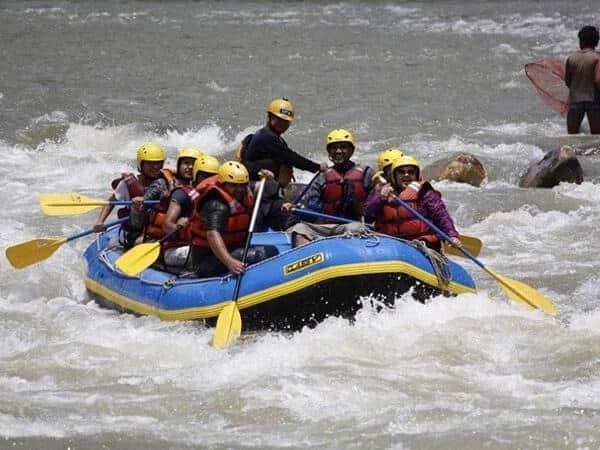
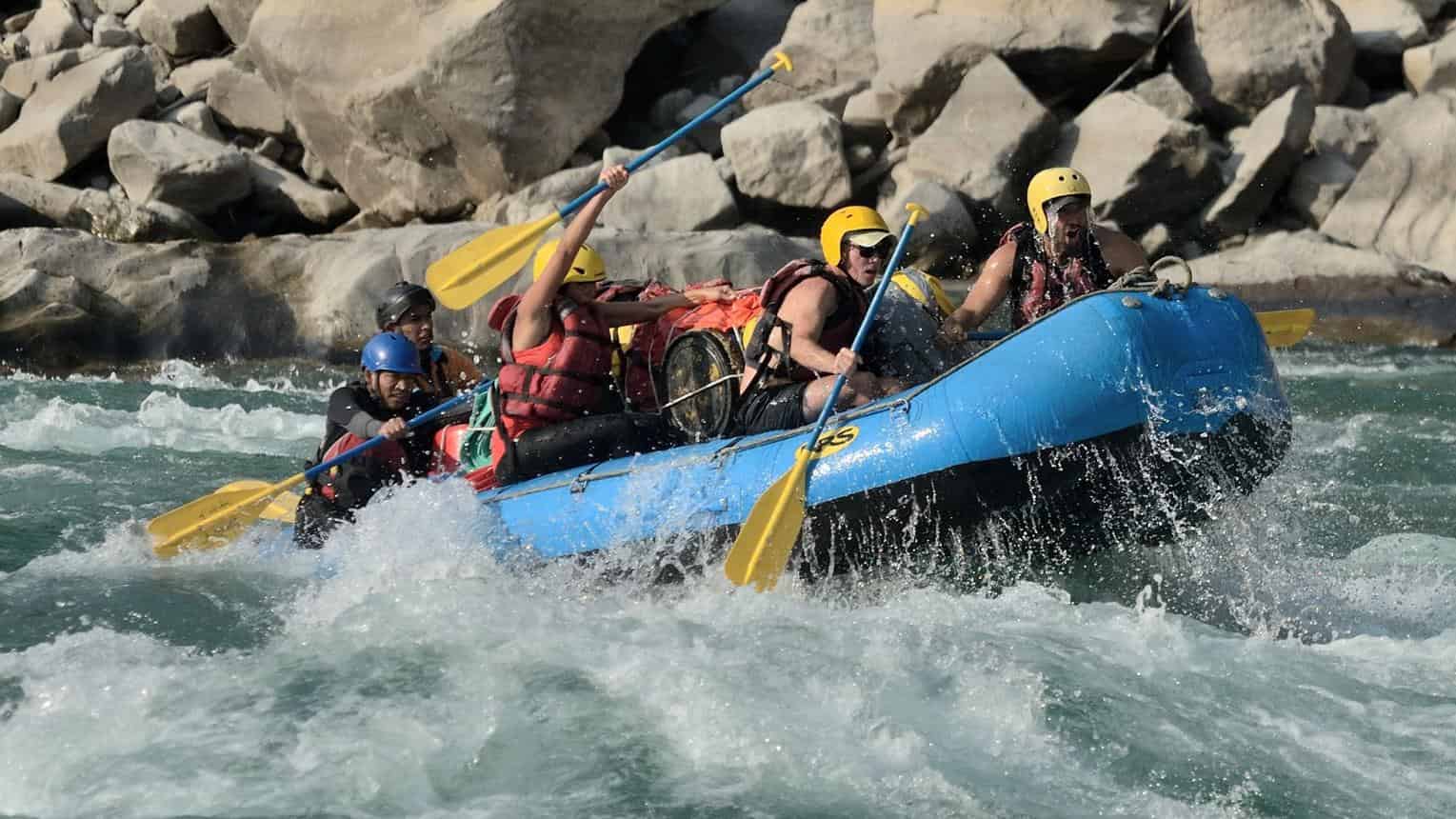
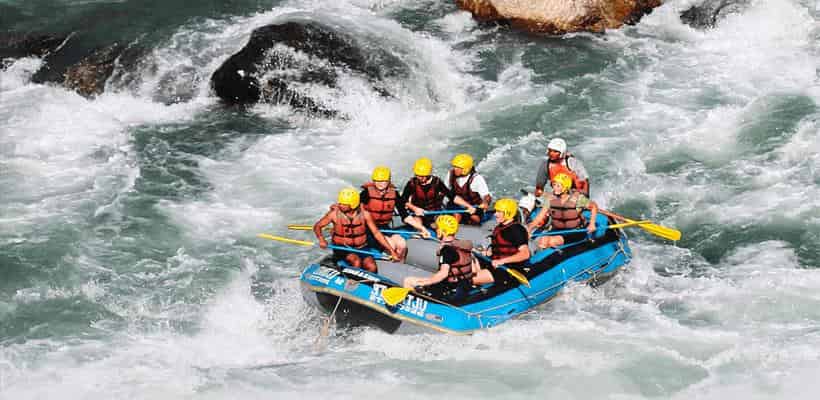
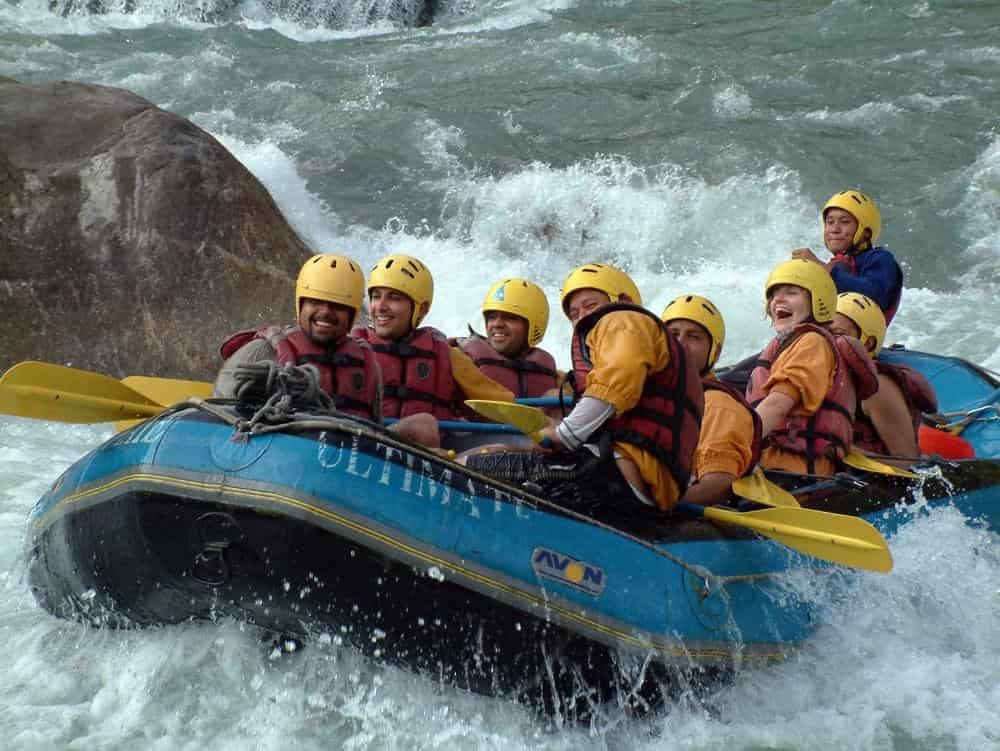
Provided by Nepal Trip Services
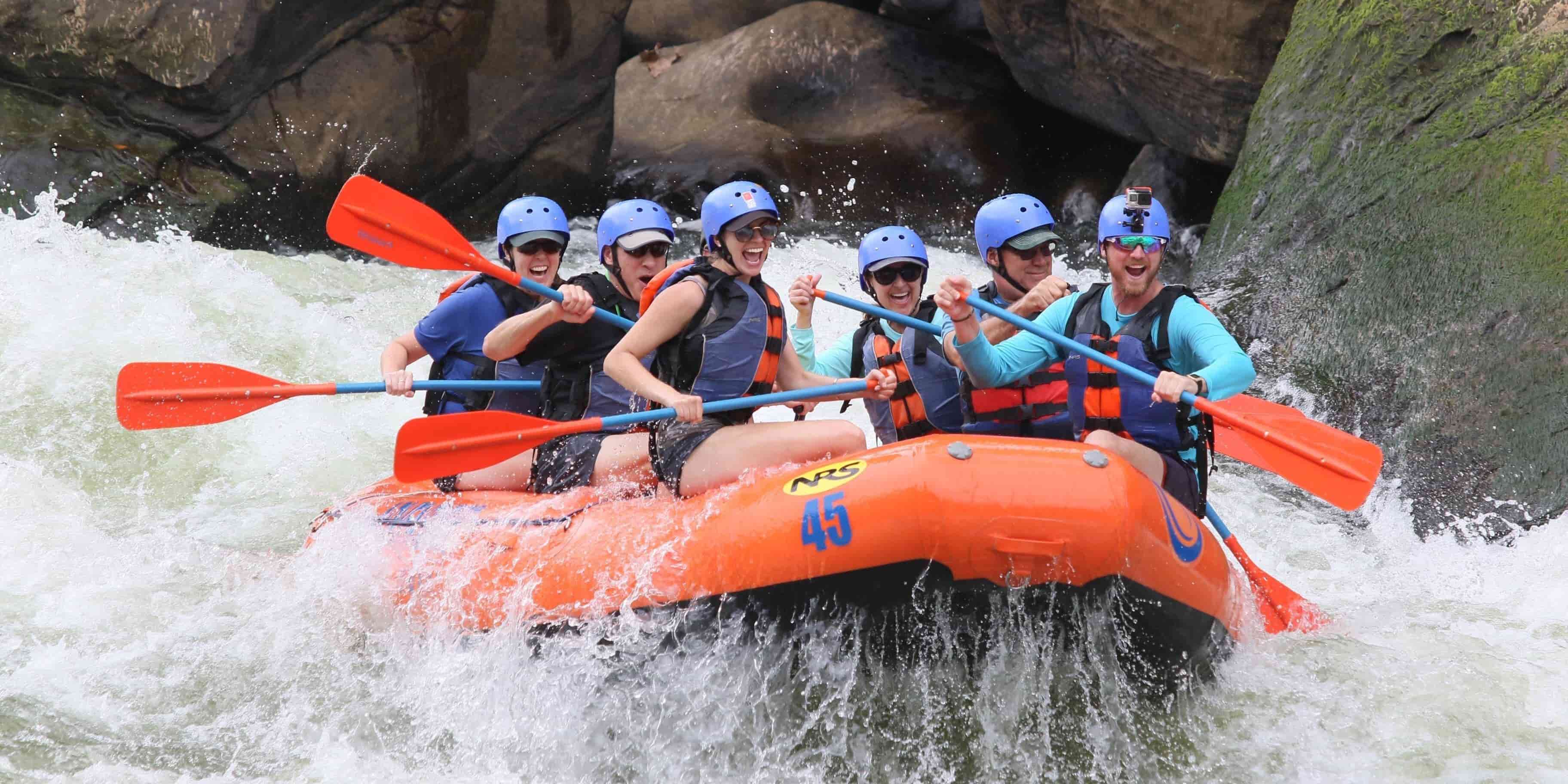
- Raft and paddles
- Helmet and life jacket (fitted by your guide)
- Throw rope and safety equipment
- First aid kit
- Dry bags for group items

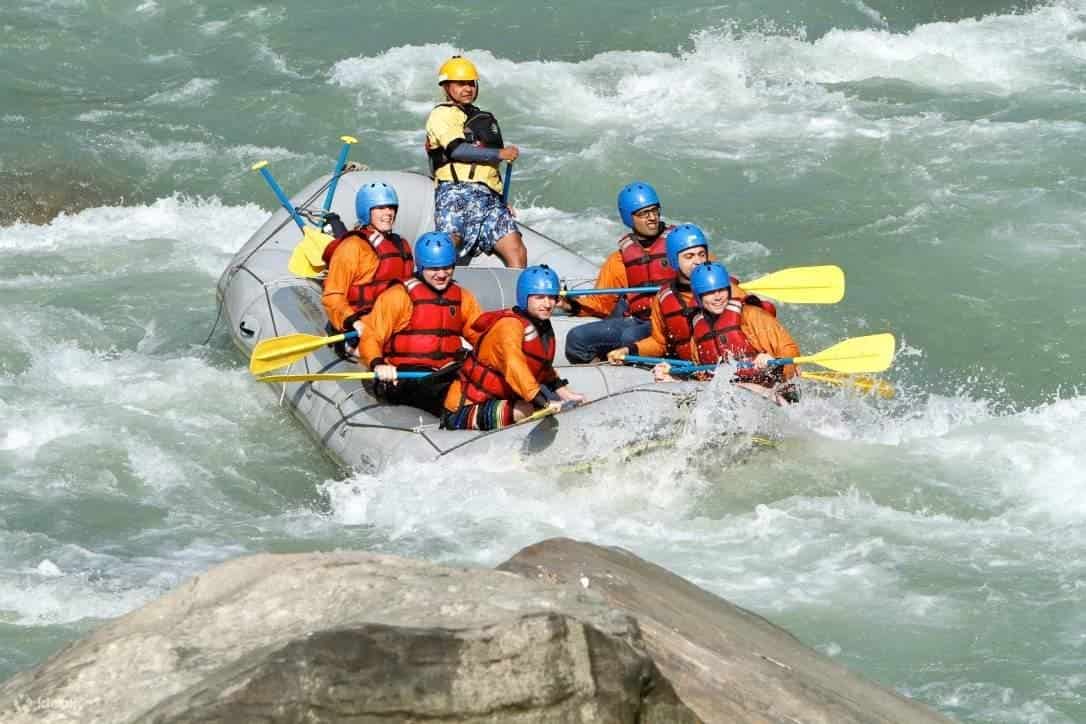
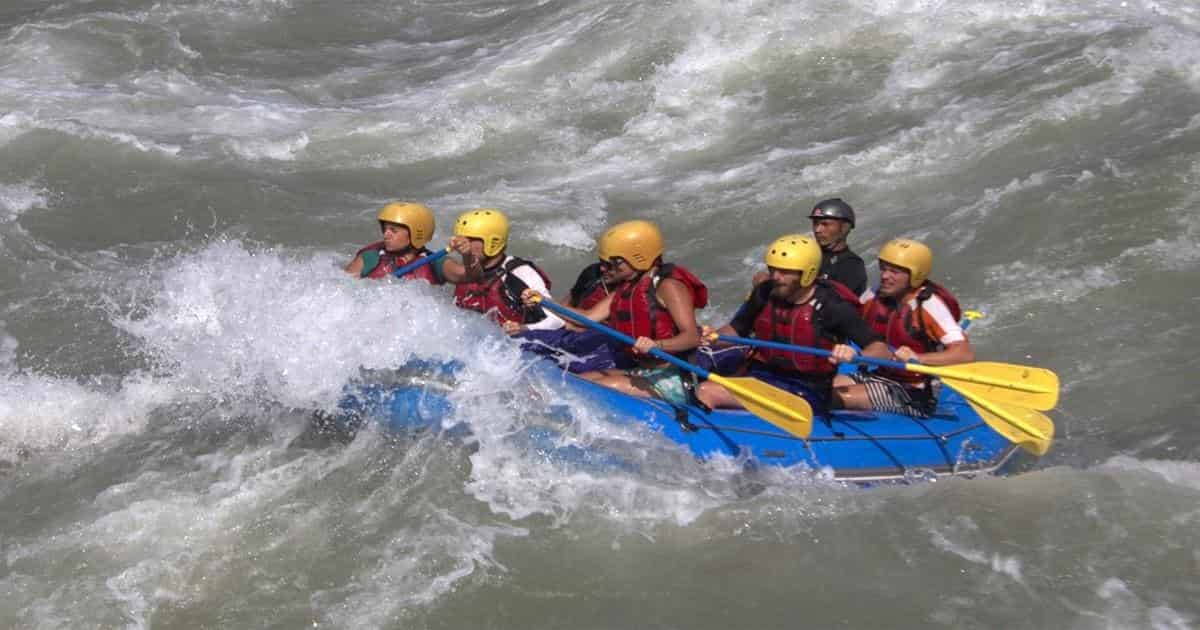
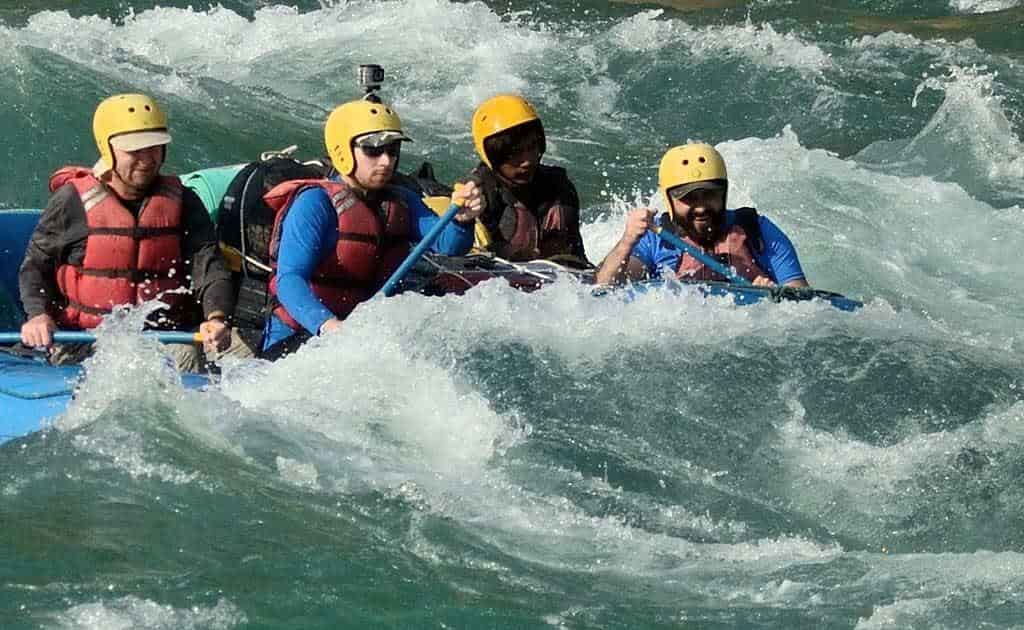
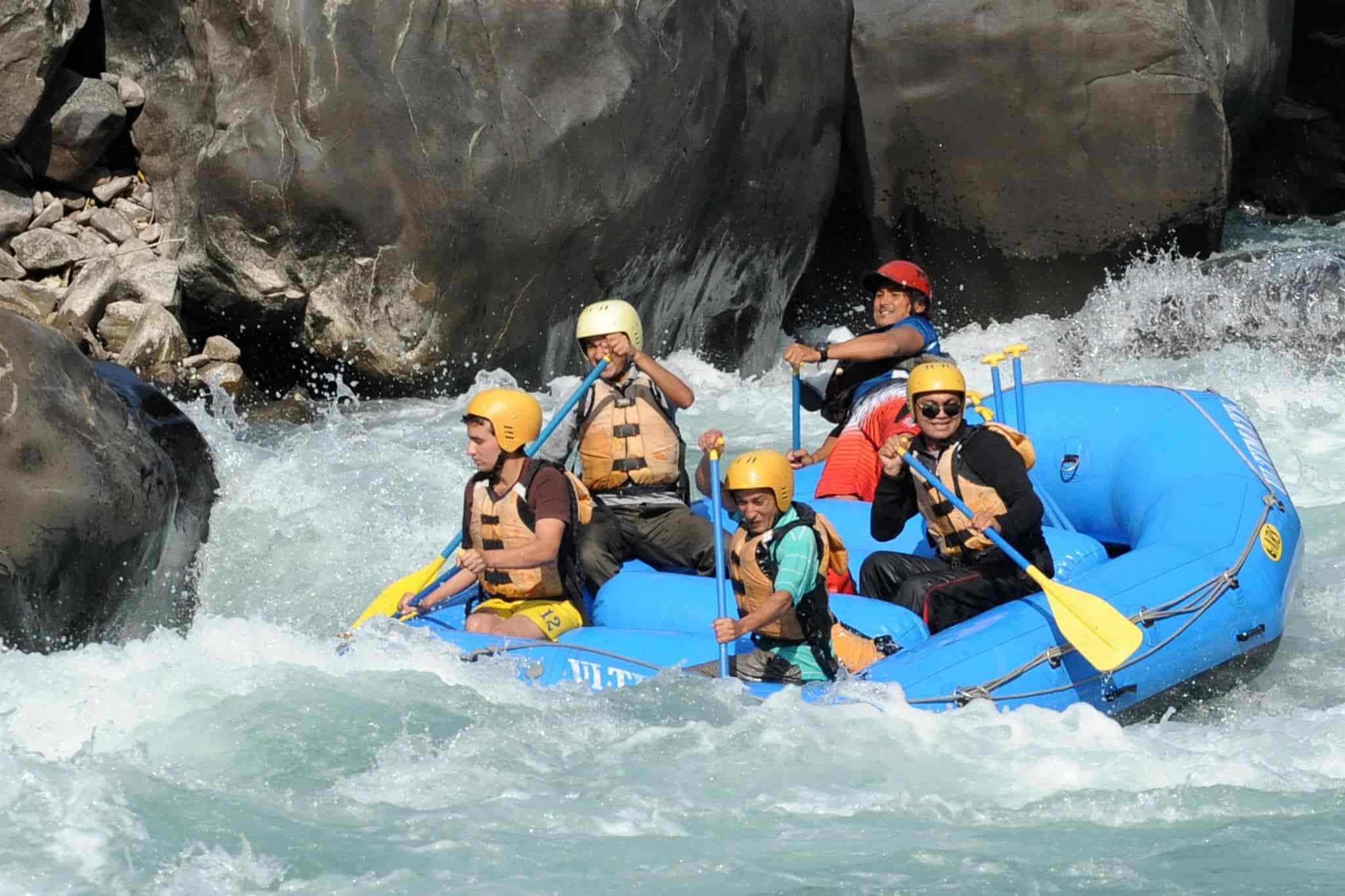
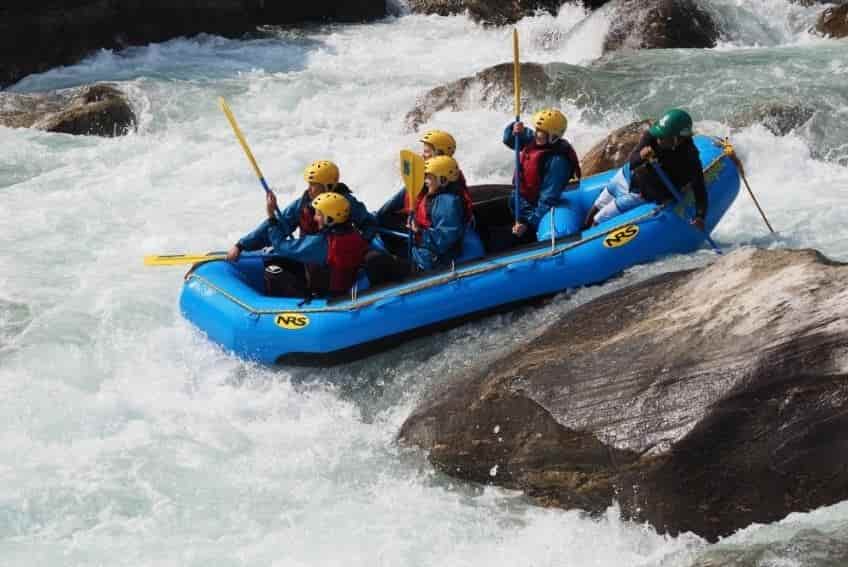
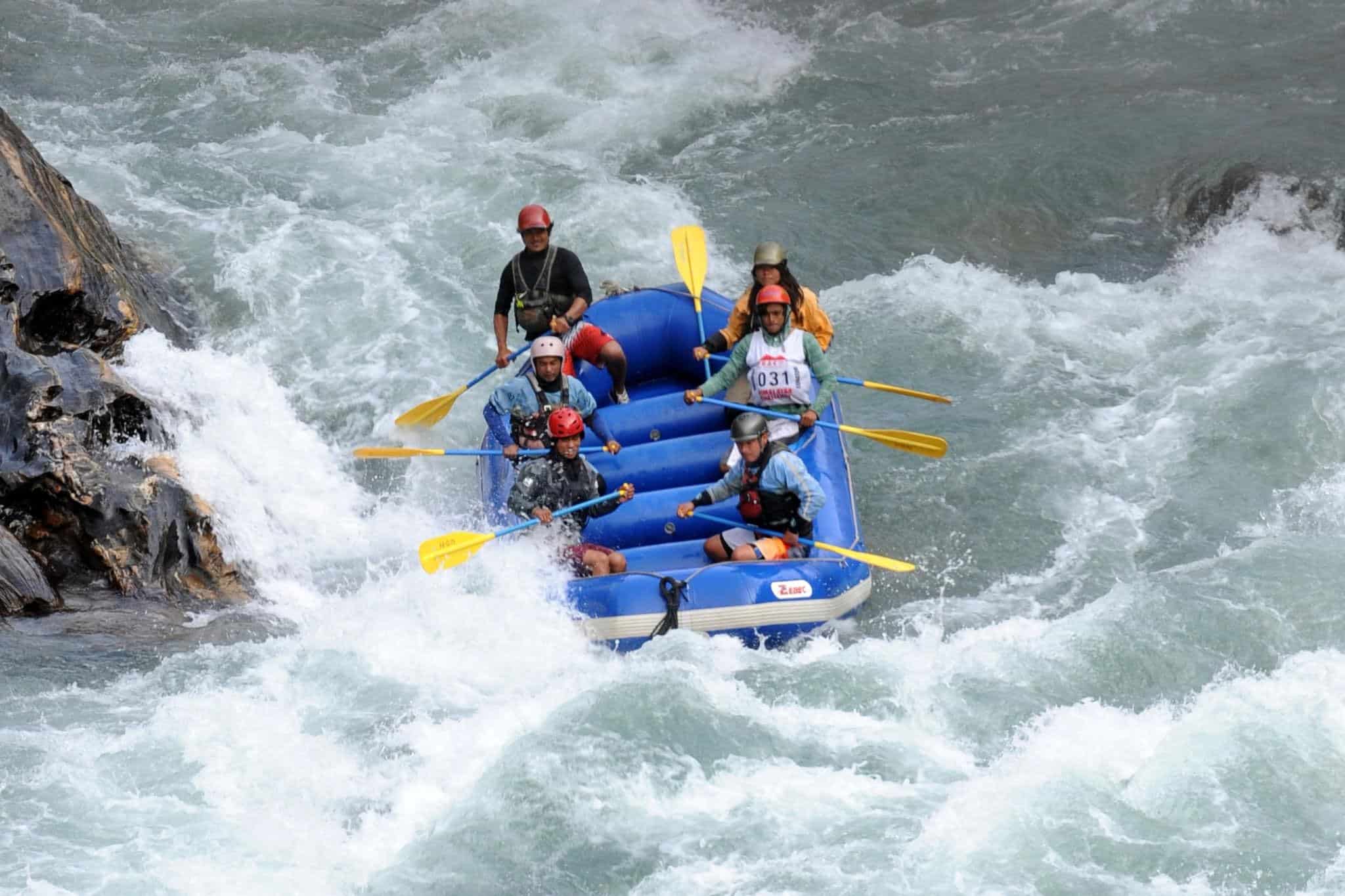
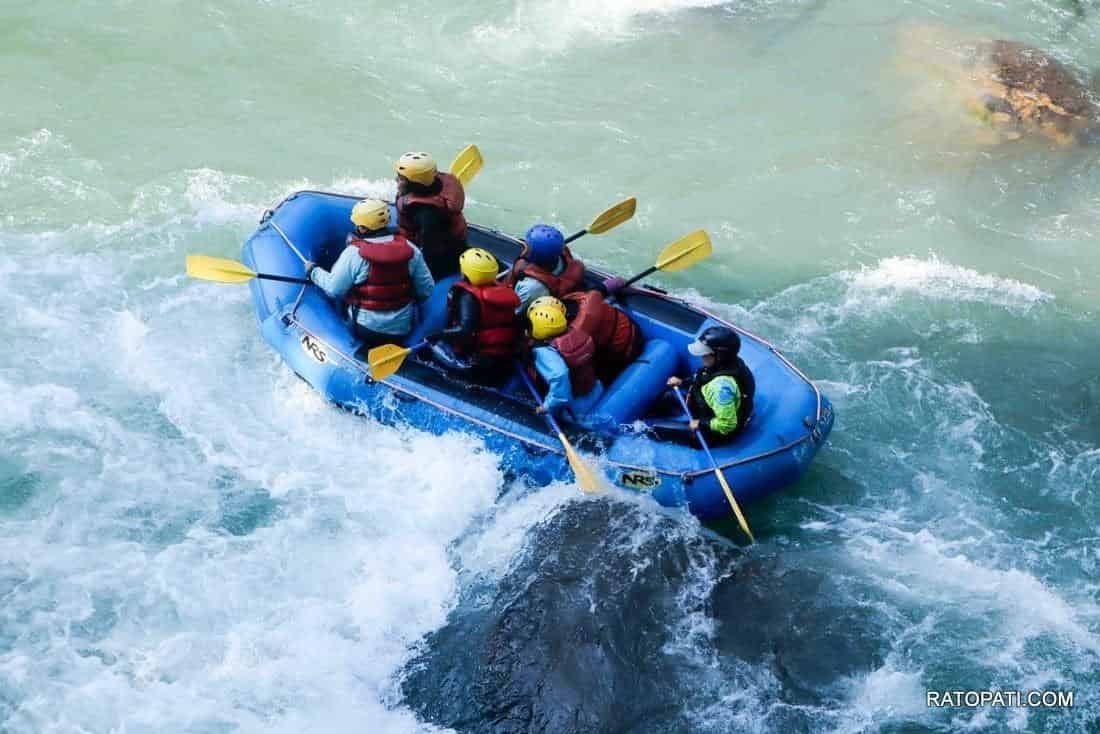
Bhote Koshi River Rafting with Nepal Trip Services is Nepal’s most thrilling white water adventure, set in a steep Himalayan gorge near the Tibet border, just a few hours from Kathmandu. Battle powerful Grade IV-V rapids with expert guides, full safety gear and a detailed briefing, on a one-day or two-day trip that can be combined with bungee jumping or canyoning. Built for adrenaline seekers and adventurous first-timers, it delivers a fast, wild and unforgettable river experience.
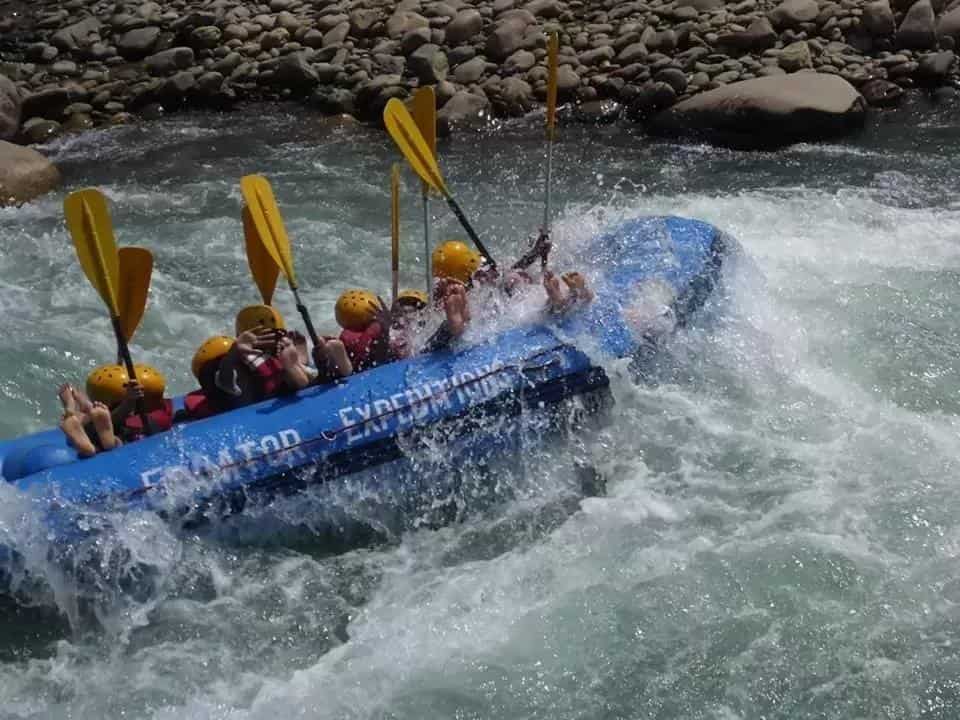
Bhote Koshi River Rafting is one of the most exciting white water adventures in Nepal, and a favorite for travelers who want real adrenaline within easy reach of Kathmandu. Flowing down from the Tibet border, the Bhote Koshi River cuts through a steep, dramatic Himalayan gorge, with fast, technical rapids, narrow channels and constant action from the first paddle stroke. It is shorter and steeper than the Trishuli, so it rewards you with a more intense ride and a real feeling of adventure.
With Nepal Trip Services, your rafting trip is safe, well organized and easy to join. Our local team arranges your hotel pick-up, transport, safety gear, experienced river guides and meals. Before launching, your guide gives a full safety briefing and paddle training, so you know exactly what to do in every rapid. The river rewards teamwork, and you paddle together with your guide and group through waves, drops and tight turns.
Choose a one-day Bhote Koshi rafting trip for a quick, high-energy adventure from Kathmandu, or a two-day trip with riverside camping for more time on the river, a campfire and a night under the stars. The river also pairs well with Bhote Koshi bungee jumping or canyoning, so you can build an adrenaline day of rafting, a jump over the gorge or a canyon descent. Bhote Koshi is a great choice for adventure seekers, friends, couples, groups and travelers who want more excitement than a beginner river.
Along the way, you pass waterfalls, canyon walls, terraced hillsides and small mountain villages, so the trip combines thrills with beautiful scenery. After the rapids, enjoy a riverside lunch before the return journey to Kathmandu or onward to your next destination.
Whether you want a short burst of adrenaline or a full river weekend, Bhote Koshi River Rafting with Nepal Trip Services is an unforgettable way to experience Nepal’s wild side.
Bhote Koshi River Rafting is one of Nepal’s most exciting and demanding rafting trips. The river drops steeply through a narrow Himalayan gorge, creating fast, technical Grade III-IV rapids, with continuous action and little time to rest. Higher water in the monsoon can make the rapids stronger, so the difficulty changes with the season. It is rated moderate to challenging, best for adventure seekers, active travelers and confident first-timers in good health. Teamwork matters here, and your guide gives a full safety briefing and paddle training before launch. You should be comfortable around water, listen carefully and paddle as a team.
Quick difficulty guide
Bhote Koshi River Rafting is a short, action-packed trip that fits easily into a Kathmandu itinerary. The one-day trip takes most of the day, with about 3 to 4 hours of rafting on the river. The drive from Kathmandu to the start point usually takes about 3 hours each way, depending on traffic and road conditions. For a more relaxed experience, choose the two-day trip with riverside camping, which gives you more time on the water, a campfire evening and a night under the stars. You can also combine rafting with bungee jumping or canyoning for a full adventure day.
Quick duration guide
The Bhote Koshi River is about 80 to 100 km northeast of Kathmandu, close to the Nepal-Tibet border. The drive usually takes about 2.5 to 3.5 hours each way, depending on traffic, road conditions and the exact start point. The route follows the Araniko Highway through Banepa, Dolalghat and Barabise toward the border town of Kodari. It is one of the closest white water rafting rivers to the capital, so you can enjoy a full adventure without spending days on the road. With Nepal Trip Services, hotel pick-up and return transfers are arranged for you.
Quick distance guide
The best time for Bhote Koshi River Rafting is autumn (September to November) and spring (March to May). Autumn brings clear skies, comfortable weather and a steady water level after the monsoon, making it the most popular season. Spring is warm and sunny, with strong water flow from snowmelt, which gives exciting rapids. Winter (December to February) has cold air and water, with lower flow, so it suits experienced and well-prepared rafters. Summer and monsoon (June to August) bring a high, fast and powerful river, and trips depend on current conditions and safety checks. Because Bhote Koshi is steep and technical, water level matters more here than on gentler rivers.
Quick season guide
Safety comes first on every Bhote Koshi River Rafting trip with Nepal Trip Services. Because the river is steep, fast and technical, we take extra care with equipment, guide support and river conditions. Before you launch, your guide gives a full safety briefing and paddle training, covering paddle commands, correct seating, how to hold on and what to do if you fall into the water. You wear a helmet and life jacket throughout the trip, and experienced river guides lead the raft and read the water at every rapid. Our team checks the weather and water level before each trip, and we may delay, change or reschedule if conditions are unsafe. Rafting always carries some risk, so listen to your guide, stay seated, keep your gear fastened and tell us about any health conditions before you book.
Quick safety guide
Safety tips for rafters
The minimum age for Bhote Koshi River Rafting depends on the rafting route, river conditions, and operator safety policy. Some lower-river trips accept children aged 10 and above when accompanied by a parent or guardian, while more challenging routes may require participants to be at least 14–16 years old. Please confirm the age requirement with your rafting operator before booking.
Duration: 1 day | Rafting time: About 3-4 hours | Drive: About 2.5-3.5 hours each way
Morning: Kathmandu to the Bhote Koshi River
Midday: Briefing and Rafting
Afternoon: Lunch and Return
Are you interested in planning a custom trip? It only takes 2 minutes.
Essential packing and gear checklist tailored for this trek.


Bhote Koshi River Rafting is Nepal’s steepest and most thrilling white water adventure, just a few hours’ drive from Kathmandu. Starting near the Tibet border, the river drops fast through a narrow gorge, with continuous Grade IV–V rapids that test even experienced rafters. A gentler lower section suits fit beginners who want more excitement than the Trishuli. Here are the key details at a glance.
| Detail | Information |
|---|---|
| Activity | White water rafting |
| River | Bhote Koshi, northeast of Kathmandu, near the Tibet border |
| Starting point | Kathmandu (hotel pick-up from Thamel) |
| Drive from Kathmandu | About 3 hours by road |
| Trip length | 1 day or 2 days / 1 night |
| Rafting distance | About 20–26 km, depending on the section |
| Rapids grade | Lower section: Grade III–IV · Upper section: Grade IV–V |
| Difficulty | Challenging; the steepest rafting river in Nepal |
| Experience | Previous rafting recommended for the upper section |
| Fitness level | Good fitness and confidence in water |
| Minimum age | [10 Years] |
| Best seasons | [September–November and March–May] |
| Meals | Lunch (one-day trip); all meals on the two-day trip |
| Accommodation | Riverside camp or resort (two-day trip) |
| Safety | Helmet, life jacket, safety briefing, expert river guides |
| Nearby adventures | Bungee jumping and canyoning in the same gorge |
| Price | From US$ [100] per person |
Why Rafters Love the Bhote Koshi
Ready for the challenge? Message us on WhatsApp +977-9828696557 or email info@nepaltripservices.com with your date and group size.
The Bhote Koshi is the river experienced rafters dream about. It is short, steep and packed with continuous white water, just a few hours from Kathmandu. If the Trishuli is where you learn to raft, the Bhote Koshi is where you test yourself.
1. Nepal’s Steepest Rafting River
The Bhote Koshi drops fast from the Tibet border, creating continuous Grade IV–V rapids with very little flat water. Every stretch keeps you paddling hard.
2. Big Adventure, Close to Kathmandu
The start point is about 3 hours by road from Kathmandu. You can enjoy one of Nepal’s most exciting rivers without losing days on the road.
3. Options for Different Levels
Thrill-seekers can take on the challenging upper section. Fit beginners who want more than the Trishuli can try the lower section, where the rapids are exciting but more manageable.
4. Wild Himalayan Gorge Scenery
Cold, clear meltwater rushes through a narrow gorge lined with forested cliffs, waterfalls and small villages. It feels remote, even though it is close to the capital.
5. An Adventure Hub in One Place
The Bhote Koshi gorge is also home to bungee jumping and canyoning. Combine them with rafting for a full adrenaline weekend.
6. Short Trip, Big Reward
A one-day or two-day trip fits easily into a busy Nepal itinerary, before or after a trek.
7. Expert Guides and Safety First
Steep rivers need skilled guides. You raft with experienced river guides, wear a helmet and life jacket throughout, and get a full safety briefing before you launch.
Perfect for
Ready to ride Nepal’s wildest river? Message us on WhatsApp +977-9828696557 or email info@nepaltripservices.com with your date and group size.
The Bhote Koshi River is in Sindhupalchok District, northeast of Kathmandu, close to the Nepal–Tibet border. Its name tells its story: Bhote means “from Tibet” and Koshi means “river.” Fed by Himalayan glaciers in Tibet, it crosses into Nepal near Kodari and the Friendship Bridge, then rushes south through a deep, narrow gorge.
The river runs alongside the Araniko Highway, the road linking Kathmandu with the Tibet border, which makes it easy to reach. Rafting sections lie between the border area and Lamosangu, with popular put-in points such as Baseri. Downstream, the Bhote Koshi joins the Sun Koshi, one of Nepal’s longest rafting rivers.
| Detail | Information |
|---|---|
| District | Sindhupalchok, Bagmati Province |
| Direction from Kathmandu | Northeast, about 3 hours by road |
| Source | Glaciers in Tibet |
| Enters Nepal | Near Kodari, at the Nepal–Tibet border |
| Road access | Araniko Highway |
| Rafting area | Baseri to Lamosangu (varies by section) |
| Joins | Sun Koshi River |
Its steep drop from the Tibetan plateau gives the Bhote Koshi its famous fast, continuous rapids. It is one of the steepest rafting rivers in Nepal, and one of the most accessible from Kathmandu.
The Bhote Koshi rafting area is about 70 km northeast of Kathmandu, roughly 3 hours by road along the Araniko Highway. The exact drive depends on your put-in point. Lower-section trips start closer to the capital, around 2 to 3 hours away. Upper-section trips begin further upstream near Baseri, about 3 to 4 hours from Kathmandu. The drive passes through the Kathmandu Valley, small market towns and green hillsides before following the river into its steep gorge near the Tibet border. That makes the Bhote Koshi one of Nepal’s most accessible big-water rivers, with transport easily arranged from your hotel in Thamel.
| Section | Approx. Drive from Kathmandu | Road |
|---|---|---|
| Lower Bhote Koshi | About 2–3 hours | Araniko Highway |
| Upper Bhote Koshi (Baseri put-in) | About 3–4 hours | Araniko Highway |
Drive times vary with traffic, road works and monsoon conditions.
Where these figures come from:
The Bhote Koshi is one of the most challenging rafting rivers in Nepal. Its steep gradient creates fast, continuous rapids with very few calm stretches. The difficulty depends mainly on which section you raft and the water level on the day.
Rapid grades by section
| Section | Rapid Grade | Difficulty | Suitable For |
|---|---|---|---|
| Lower Bhote Koshi | Grade III–IV | Moderate to challenging | Fit beginners and rafters stepping up from the Trishuli |
| Upper Bhote Koshi | Grade IV–V | Very challenging | Experienced rafters only |
What the grades mean
| Grade | What to Expect |
|---|---|
| III | Big, irregular waves and tight turns that need good paddling |
| IV | Powerful, continuous rapids that need precise moves and teamwork |
| V | Long, violent, technical rapids with real consequences for mistakes |
What makes the Bhote Koshi hard
How water level changes the difficulty
Famous rapids
The river is known for its colorfully named rapids, such as Frog in a Blender, The Great Wall and Liquid Bliss.
Is it right for you?
Not sure which section suits you? Message us on WhatsApp with your rafting experience, and we’ll recommend the safest option.
The Bhote Koshi is more demanding than most rafting rivers in Nepal. Who can join depends on the section you choose: the lower section suits fit beginners, while the upper section is for experienced rafters only.
| Requirement | Lower Bhote Koshi (Grade III–IV) | Upper Bhote Koshi (Grade IV–V) |
|---|---|---|
| Minimum age | [Usually 14+, with a guardian] | [Usually 16–18+] |
| Rafting experience | Helpful, not essential | Required (Grade III–IV rivers) |
| Fitness | Good general fitness | Strong fitness and stamina |
| Swimming | Comfortable in water | Confident swimmer |
| Best for | Fit first-timers, rafters stepping up from the Trishuli | Experienced adventure seekers |
Experience
On the lower section, no previous rafting is required, but trying an easier river like the Trishuli first is a great warm-up. On the upper section, you should have rafted Grade III–IV water before, because rapids are fast and continuous.
Fitness
You need to paddle hard and on command, often through several rapids in a row. Regular exercise, a strong core and good upper-body strength make the trip safer and more enjoyable.
Swimming and water confidence
You wear a life jacket throughout, but the water is cold and fast. You should be calm in water and able to follow your guide’s instructions if you fall in.
Health conditions to tell us about
Rafting is not recommended during pregnancy.
Who should choose another river
These travelers will enjoy the gentler Trishuli River Rafting instead.
Bhote Koshi rafting comes in two main options. The one-day trip is a fast, exciting taste of the river, usually on the lower section. The two-day trip covers more of the river, often the lower section on day one and the steeper upper section on day two, with a night at a riverside camp in between.
| One-Day Trip | Two-Day Trip | |
|---|---|---|
| Duration | 1 day | 2 days / 1 night |
| Section | Usually the lower Bhote Koshi | Lower and upper Bhote Koshi |
| Rapids | Grade III–IV | Grade III–V |
| Experience | Fit beginners welcome | Previous rafting recommended |
| Time on the river | About 2–3 hours | Two rafting sessions |
| Overnight | Return to Kathmandu | Riverside camp or resort |
| Meals | Lunch | Lunch, dinner, breakfast and lunch |
| Best for | Short schedules, first big-water trip | Experienced rafters, adventure weekends |
Choose the one-day trip if:
Choose the two-day trip if:
Quick advice
Not sure which suits you? Send us your rafting experience and dates on WhatsApp, and we’ll help you choose.
The Bhote Koshi is fed by glaciers and snowmelt from Tibet, so its water stays cold all year. River levels rise and fall sharply with the seasons, and that changes how the rapids feel. Choosing the right time is key to a safe and exciting trip.
| Season | Months | Weather | River Conditions | Rafting |
|---|---|---|---|---|
| Autumn | Sep–Nov | Clear, dry and pleasant | High but falling flows; powerful, continuous rapids | Excellent (Oct–Nov best) |
| Winter | Dec–Feb | Cold mornings, short days | Low, very cold water; more technical | Possible for well-prepared rafters |
| Spring | Mar–May | Warm and sunny | Low to rising flows; technical and fun | Very good |
| Monsoon | Jun–Aug | Heavy rain and humidity | Very high, fast and dangerous | Usually not run |
Autumn: the prime season
After the monsoon, the river carries plenty of water and the skies are clear. Rapids are big and powerful, ideal for experienced rafters seeking a real challenge.
Spring: technical and lively
Lower water exposes more rocks, making the rapids more technical but less pushy. Warmer weather makes spring a good choice for rafters trying the lower section for the first time.
Winter: cold but quiet
The water is at its coldest and lowest. Trips are possible for fit, well-prepared rafters, with a wetsuit or splash jacket and warm layers for afterward.
Monsoon: the river is closed
Heavy rain turns the Bhote Koshi into a dangerous torrent. Landslides can also affect the Araniko Highway, so rafting is normally not run from June to August.
Cold-water tips
Safety first
Our team checks rainfall, water levels and road conditions before every trip. If the river is too high or conditions are unsafe, we may switch sections, shorten the trip or reschedule.
The Bhote Koshi’s steep, continuous rapids demand top-quality gear and highly skilled guides. Every trip is planned around one rule: safety first.
Safety gear provided
| Gear | Why It Matters |
|---|---|
| Life jacket (PFD) | Keeps you afloat in fast, cold water; fitted and checked by your guide |
| Helmet | Protects your head from rocks and paddles in tight rapids |
| Paddle | Sized for you, with a quick lesson before launch |
| Self-bailing raft | Drains water quickly in big, continuous rapids |
| Wetsuit or splash jacket | Helps keep you warm in cold glacial water (confirm availability) |
| Throw ropes and rescue kit | Used by guides for fast river rescue |
| First aid kit | Carried on every trip for minor injuries |
Expert river guides
Your raft is led by an experienced guide who knows the Bhote Koshi’s rapids, lines and hazards. Guides read the water, choose the safest route through each rapid and give clear, quick commands. Because the river is fast and technical, they keep a close eye on every rafter.
Safety briefing and paddle training
Before you launch, your guide covers:
Practice runs on calm water help you work as a team before the first big rapid.
River support on the water
Steep rivers need extra backup. Depending on the section and water level, support can include:
Condition checks
Before every trip, our team checks water levels, rainfall and road conditions. If the river is too high or unsafe, we may switch to a lower section, shorten the trip or reschedule.
How you can stay safe
Bhote Koshi rafting includes meals on both trip options, and the two-day trip adds a night by the river. The Bhote Koshi valley is known for its riverside camps and adventure resorts, so your overnight stay is part of the adventure.
| One-Day Trip | Two-Day Trip | |
|---|---|---|
| Meals included | Riverside lunch | Lunch, dinner, breakfast and lunch |
| Hot drinks and snacks | Tea or coffee | Tea or coffee |
| Overnight stay | None; return to Kathmandu | Riverside tented camp or resort |
| Bedding | Not needed | Tent or room provided (confirm) |
| Evening | Drive back to Kathmandu | Dinner and a relaxed evening by the river |
Meals on the river
After a hard morning of paddling, you enjoy a hearty lunch by the riverside. On the two-day trip, dinner and breakfast are served at your camp or resort. Expect simple, filling Nepali and continental meals. Tell us about vegetarian or other dietary needs when you book.
Riverside camping and resorts (two-day trip)
You spend the night in a riverside tented camp or adventure resort in the gorge, falling asleep to the sound of the river. Some camps in the valley also host bungee jumping and canyoning, so you can add more adventure the next day.
Drinks and extras
Bottled water, soft drinks, alcohol and extra snacks are not included. Please avoid alcohol before rafting.
What to bring for the overnight stay
The Bhote Koshi is cold, fast and splashy, so the right clothing makes a big difference to your comfort and safety. The main rafting and safety gear is provided. You only need to bring a few personal items.
Provided for you
What to wear on the river
For after rafting
Sun and personal care
Valuables and electronics
Extra items for the two-day trip
What not to bring
Quick packing checklist
| ✔ | Item |
|---|---|
| ☐ | Quick-dry clothes or swimwear |
| ☐ | Thermal base layer |
| ☐ | River shoes or strapped sandals |
| ☐ | Sunglasses with strap |
| ☐ | Waterproof sunscreen and lip balm |
| ☐ | Dry change of clothes and towel |
| ☐ | Warm jacket or fleece |
| ☐ | Waterproof dry bag |
| ☐ | Headlamp (two-day trip) |
| ☐ | Personal medication |
Packing tip: Wear your river clothes from the hotel and keep your dry clothes in a separate bag in the vehicle. Then you’ll have warm, dry clothes ready the moment you step off the river.
The Bhote Koshi gorge is one of Nepal’s top adventure hubs. Along with some of the country’s steepest white water, the valley is home to a famous gorge bungee jump and exciting canyoning routes. You can raft, jump and canyon in one short trip from Kathmandu.
| Activity | What It Is | Best For |
|---|---|---|
| White water rafting | Grade III–V rapids on Nepal’s steepest river | Rafters wanting a real challenge |
| Bungee jumping | A leap from a suspension bridge high above the Bhote Koshi gorge | Pure adrenaline seekers |
| Canyoning | Abseiling down waterfalls, sliding and jumping into natural pools | Active travelers who love water and climbing |
Bungee jumping over the gorge
The Bhote Koshi gorge is home to one of the world’s deepest gorge bungee jumps, run from a suspension bridge at The Last Resort. You free-fall toward the river far below, surrounded by forested cliffs. Other bridge activities, such as a canyon swing, may also be available.
Canyoning in the valley
Canyoning takes you down side streams and waterfalls that feed the Bhote Koshi. With an instructor, you abseil down rock faces, slide down smooth chutes and jump into clear pools. No experience is needed, but you should be comfortable with heights and water.
Sample adventure plans (adjust to your dates)
2 days: rafting and bungee
3 days: the full adrenaline package
Why combine them?
Good to know
Where the bungee claim comes from: The Last Resort, one of the world’s deepest gorge bungee jumps, is based in this river’s gorge.
The Trishuli and Bhote Koshi are the two most popular rafting rivers near Kathmandu, but they offer very different experiences. The Trishuli is fun, splashy and beginner-friendly. The Bhote Koshi is steep, fast and built for thrill-seekers. Your choice depends on your experience and how much adrenaline you want.
| Trishuli River Rafting | Bhote Koshi River Rafting | |
|---|---|---|
| Rapids grade | Grade II–III | Grade III–IV (lower) · IV–V (upper) |
| Difficulty | Easy to moderate | Challenging to very challenging |
| River character | Big-volume, rolling waves with calm stretches | Steep, continuous, technical rapids |
| Experience needed | None | Helpful for lower; required for upper |
| Water temperature | Cool, milder | Very cold glacial water |
| Location | West of Kathmandu, Prithvi Highway | Northeast of Kathmandu, Araniko Highway |
| Drive from Kathmandu | About 3–4 hours (around 85 km) | About 3 hours (around 70 km) |
| Trip length | 1 day or 2 days | 1 day or 2 days |
| Swimming stops | Yes, in calm sections | Few; the river rarely slows down |
| Onward travel | Easy to continue to Chitwan or Pokhara | Return to Kathmandu |
| Nearby adventures | Chitwan Jungle Safari, Pokhara | Bungee jumping, canyoning |
| Best for | First-timers, families, mixed groups | Experienced rafters, adrenaline seekers |
Choose the Trishuli if:
Choose the Bhote Koshi if:
Can’t decide? Do both.
Start on the Trishuli to learn the basics, then step up to the Bhote Koshi once you’re confident. It’s the natural progression for rafters in Nepal.
Ready to choose your river? Explore Trishuli River Rafting, or message us on WhatsApp with your experience level, and we’ll recommend the right trip for you.
The Bhote Koshi is one of Nepal’s most demanding rafting rivers, so good preparation matters. Travel insurance is not included in the rafting package, and a basic policy may not cover a river this challenging. Check your cover before you book.
Travel insurance: what to check
| Cover | Why It Matters on the Bhote Koshi |
|---|---|
| Grade IV–V white water rafting | Many policies cover only Grade I–III. Check the grade limit in writing |
| Medical treatment | Covers injuries from rocks, paddles or cold water |
| Emergency evacuation | The gorge is remote, so transport to a Kathmandu hospital matters |
| Trip delays and cancellation | High water or landslides on the Araniko Highway can change plans |
| Other adventure activities | Add bungee jumping and canyoning if you plan to do them |
Insurance tips
Health conditions to declare
Tell us before booking if you have:
Rafting is not recommended during pregnancy. If you have a medical condition, consult your doctor first.
Cold-water health tips
The Bhote Koshi’s glacial water is cold all year. Stay warm and alert:
Before the trip
On the river
After rafting
This information is general guidance, not medical advice. Please consult your doctor if you have health concerns.
The Bhote Koshi flows through a steep Himalayan gorge in Sindhupalchok, home to farming villages and wildlife. The district was hit hard by the 2015 earthquake, and many local families now depend on adventure tourism. Rafting responsibly helps protect the river and supports the people who live beside it.
| Do | Don’t |
|---|---|
| Carry all rubbish out of the gorge | Leave wrappers, bottles or cans at camps or stops |
| Use a reusable water bottle | Bring single-use plastic you don’t need |
| Use toilets at camps and resorts | Leave waste or tissue near the river |
| Use biodegradable soap, away from the water | Wash with soap or shampoo in the river |
| Ask before photographing people and homes | Take photos without permission |
| Stay on paths at camps and lunch spots | Damage plants or disturb wildlife |
Leave no trace in the gorge
The Bhote Koshi’s steep banks and narrow channels trap litter quickly. Pack everything out, and pick up any rubbish you see at stops.
Respect the cold, clean water
Glacial rivers are fragile. Avoid soaps, sunscreens and lotions near the water’s edge, and choose biodegradable products where possible.
Support local communities
Buy snacks, drinks and souvenirs from local shops and tea houses along the Araniko Highway. Staying at locally run riverside camps and resorts helps families in the valley earn a living from tourism.
Respect local culture
Greet people with a friendly “Namaste,” dress modestly off the river, and keep noise down near villages, especially in the evening.
Camp responsibly (two-day trip)
Support your crew
Your guides and safety team are skilled local river professionals. Tips are not required, but they are a welcome way to thank a team that keeps you safe on a challenging river.
The Bhote Koshi is fast, steep and cold, and preparation makes all the difference. Whether it’s your first big-water river or your next challenge, these tips will help you raft safely and get the most from every rapid.
Before you book
Prepare your body
Dress for cold water
At the briefing
On the river
After rafting
Make it a full adventure
Plan an extra day to try bungee jumping or canyoning in the same gorge, or step up from the lower section to the upper on a two-day trip.
Bhote Koshi River Rafting is a guided white water rafting trip on the Bhote Koshi River in central-eastern Nepal. The river drops steeply through a narrow Himalayan gorge near the Tibet border, with fast, technical rapids and constant action. It is one of Nepal’s most exciting short rafting trips from Kathmandu.
The Bhote Koshi River is in Sindhupalchok district, northeast of Kathmandu, close to the Nepal-Tibet border. It flows down from Tibet and joins the Sun Koshi River further downstream. The road to the river follows the Araniko Highway.
The river is about 80 to 100 km from Kathmandu, and the drive usually takes about 2.5 to 3.5 hours each way, depending on traffic, road conditions and the start point. Nepal Trip Services arranges hotel pick-up and return transport.
It is known for its steep gradient, fast rapids and gorge scenery. It is also one of the closest white water rivers to Kathmandu, so travelers can enjoy a real adrenaline trip without spending days on the road.
The Trishuli is gentler, with Grade II-III rapids and calm sections, and is ideal for beginners and families. Bhote Koshi is steeper, faster and more technical, with more continuous action, so it suits adventure seekers who want more excitement.
It is rated moderate to challenging, with fast, technical Grade III-IV rapids that vary by section and water level. Higher water in the monsoon makes the rapids stronger. You do not need rafting experience, but you should be fit, active and comfortable around water.
Yes, with proper preparation. Every trip includes a full safety briefing, a helmet, a life jacket and experienced guides, and our team checks weather and water levels before each trip. Rafting always carries some risk, so follow your guide’s instructions at all times.
No. Your guide gives a briefing and paddle training before launch. Confident first-timers in good health can join, but the river rewards teamwork and quick reactions, so tell us if you are nervous.
Swimming is helpful, and you wear a life jacket at all times. Because the river is fast and cold, you should be comfortable around water. If you are a weak swimmer or afraid of water, tell us before booking.
The minimum age depends on the water level and our safety policy, and it is usually higher than on gentler rivers such as the Trishuli. Please contact us before booking with children or teenagers, and we will confirm the right option.
It can be for older children, subject to age, size and water level. For young children, the Trishuli is usually a better choice. We can advise you honestly based on your family’s ages and experience.
Yes, if you are in good health, active and comfortable in a fast-moving raft. Please tell us about any heart, back, neck or joint problems before booking.
Your life jacket keeps you afloat, and your guide teaches you to float on your back with your feet up and swim toward the raft or safety support. Stay calm, follow instructions, and our team will assist you quickly.
We do not recommend rafting during pregnancy because of sudden movements, bumps and the risk of falling. A calmer activity, such as a scenic tour, is a better choice.
A one-day trip takes most of the day, with about 3 to 4 hours of rafting and a 3-hour drive each way from Kathmandu. A two-day trip adds a riverside camp and more time on the water.
Choose a one-day trip if you are short on time or want a quick adrenaline fix. Choose a two-day trip if you want more time on the river, a campfire and a night under the stars.
Yes. Bhote Koshi is well known for adventure combinations. We can arrange rafting with bungee jumping over the gorge or canyoning for a full adrenaline day.
It depends on the route and timing. Please ask us, and we can suggest the best way to combine rafting with onward travel.
Yes. We organize private rafts for friends, families, school groups and corporate teams. Contact us with your group size and date, and we will arrange the best option.
The best times are September to November (autumn) and March to May (spring), when the weather is pleasant and the water level is good for safe, exciting rafting.
Rafting is sometimes possible from June to August, but the river is higher, faster and more powerful. Trips depend on current conditions, and we may adjust or reschedule for safety.
December to February is possible, but the water and air are cold, with lower flow. It suits experienced and well-prepared rafters, and we recommend a wetsuit or splash jacket.
Your safety comes first. If heavy rain, flooding, landslides or unsafe river conditions occur, we may delay, shorten or reschedule the trip, and our team will contact you with the best alternative.
Wear swimwear or quick-dry clothes, with sandals or water shoes that have a heel strap. In cooler months, add a quick-dry long-sleeve layer. Avoid cotton, which stays cold and wet.
Bring a hat, sunglasses with a strap, waterproof sunscreen, a towel, a change of clothes and a waterproof bag for valuables. Leave passports, jewelry and large amounts of cash at your hotel.
We provide the raft, paddles, helmet, life jacket, safety equipment and a first aid kit. Wetsuits, splash jackets and booties may be available on request, so please ask when booking.
You need a good level of basic fitness. You paddle hard through rapids and need to follow quick instructions, so being active helps. You do not need to be an athlete.
The price depends on the trip length, group size, season and add-ons. A one-day trip is usually lower than a two-day trip, and larger groups often get a better price per person. (Add your price here: From US$ [price] per person.) Contact us for a current quote.
Our package typically includes hotel transfers, round-trip transport, rafting guide and safety team, raft, paddles, helmet, life jacket, safety briefing, meals as listed, permits and taxes. Insurance, drinks, personal equipment, tips and add-ons are not included.
Send us your preferred date, group size and trip length on WhatsApp at +977-9828696557 or by email at info@nepaltripservices.com. We will confirm availability, price and pick-up details. You can also use the Trip Planner on our website. We are a Kathmandu-based local team with 16 years of experience, and we give honest information about difficulty, season and conditions.
You may also like