Best SeasonFeb, Mar, Apri, May, June, Sep, Oct, Nov & Dec
Start / End PointKathmandu → Langtang Valley → Kathmandu
Guiding MethodEnglish
Langtang Valley Trek: Trip Introduction
The Langtang Valley Trek is one of Nepal's most rewarding short treks, offering spectacular Himalayan scenery, rich Tamang culture and peaceful trails just a scenic drive north of Kathmandu. Starting from Syabrubesi, the route winds along the Langtang River through dense forests of rhododendron, oak and bamboo, home to red pandas, langur monkeys and colourful birdlife, before opening into a dramatic glacial valley surrounded by snow peaks. Walk through traditional Tamang villages and yak pastures to the sacred monastery of Kyanjin Gompa (3,870 m), famous for its local cheese factory and breathtaking views of Langtang Lirung (7,227 m). For adventurous trekkers, optional hikes to Kyanjin Ri or Tserko Ri (4,984 m) reveal sweeping panoramas of glaciers and Himalayan giants. With moderate difficulty, comfortable teahouses and a 7–10 day itinerary, the Langtang Valley Trek is perfect for travellers seeking an authentic, less-crowded Himalayan adventure close to Kathmandu.
Langtang Valley Trek Highlights
Climb Tserko Ri (4,985 m), the highest point of the trek, for a breathtaking 360° panorama of Langtang Lirung, Langtang II, Dorje Lakpa, Gangchempo and dozens of snow-capped peaks
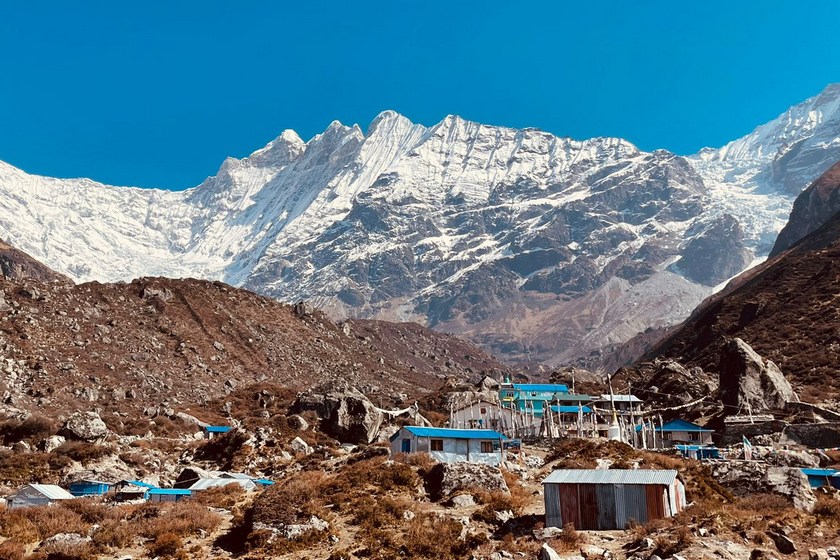
Visit Kyanjin Gompa (3,870 m), a sacred Buddhist monastery surrounded by glaciers, yak pastures and towering Himalayan walls
Enjoy close-up views of Langtang Lirung (7,227 m), the highest peak in the Langtang range, rising dramatically above the valley
Taste fresh yak cheese at Kyanjin's famous local cheese factory, a unique high-mountain treat
Explore Langtang Village (3,450 m), rebuilt after the 2015 earthquake and a moving symbol of resilience and community spirit
Experience authentic Tamang culture, with traditional stone houses, prayer wheels, mani walls and warm local hospitality
Trek through Langtang National Park, Nepal's first Himalayan national park, rich in biodiversity
Walk through lush forests of rhododendron, oak, pine and bamboo along the rushing Langtang River
Spot rare wildlife, including the red panda, Himalayan black bear, langur monkeys and colourful pheasants
Witness the dramatic change in landscapes, from subtropical river valleys at Syabrubesi to alpine meadows and glacial moraines
Enjoy a scenic drive from Kathmandu to Syabrubesi, passing terraced hills, rivers and mountain villages
Stay in cosy teahouses with hearty meals and friendly mountain hospitality, with no camping required
Short and accessible trek, completed in just 10 days from Kathmandu, with no domestic flights needed
Less crowded than Everest and Annapurna, offering peaceful trails and a more authentic experience
Moderate difficulty, ideal for trekkers seeking a true Himalayan adventure without extreme altitude
Year-round trekking, with the best views in spring and autumn and blooming rhododendrons in March–April
Best Season & Weather
Choose the best time for your trek based on weather and trail conditions.
Warm and wet, frequent rain, clouds and fog; muddy/slippery trails and reduced mountain visibility
Best for Trekking
Autumn
September – November
2°C – 22°C
Excellent
Generally dry, clear skies and excellent mountain visibility; cooler nights at higher elevations
Not Recommended
Winter
December – February
-2°C – 13°C
Challenging
Cold and dry; snow and icy conditions possible around Kyanjin Gompa and higher viewpoints
Langtang Valley Trek Overview
The Langtang Valley Trek is a spectacular 10-day Himalayan adventure that takes you into the heart of Langtang National Park, Nepal's first Himalayan national park, just north of Kathmandu. Often called the "Valley of Glaciers", Langtang combines dramatic mountain scenery, lush forests, rich Tamang culture and peaceful trails, all without the need for domestic flights. With fewer crowds than Everest or Annapurna, it's the perfect choice for trekkers seeking an authentic and rewarding Himalayan experience close to the capital.
Your journey begins in Kathmandu (1,345 m), where you'll be welcomed at the airport and transferred to your hotel. The next day, enjoy a scenic 7-hour drive to Syabrubesi (1,560 m), winding through terraced hillsides, riverside villages and mountain roads along the Trishuli River. From Syabrubesi, the trek follows the rushing Langtang River upstream through dense forests of rhododendron, oak, pine and bamboo to Lama Hotel (2,440 m). This section of the trail is home to rich wildlife, including langur monkeys, colourful pheasants and, if you're lucky, the rare red panda.
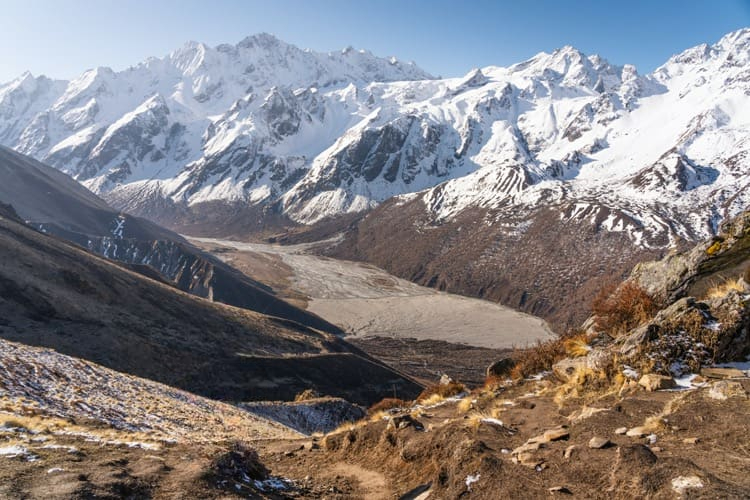
As you continue higher, the valley gradually opens up, revealing breathtaking views of Langtang Lirung (7,227 m). Passing yak pastures, water-powered prayer wheels and mani walls, you'll reach Langtang Village (3,450 m), a traditional Tamang settlement rebuilt after the 2015 earthquake and a moving symbol of resilience. The next day, a shorter walk brings you to Kyanjin Gompa (3,870 m), a sacred Buddhist monastery set in a stunning glacial basin. Here, you can explore the monastery, taste fresh yak cheese from the local cheese factory and soak in panoramic views of snow-capped peaks and glaciers.
The highlight of the trek is a full-day hike to Tserko Ri (4,985 m), the highest point of the journey. From the summit, a breathtaking 360-degree panorama unfolds over Langtang Lirung, Langtang II, Dorje Lakpa, Gangchempo and countless Himalayan peaks and glaciers. After returning to Kyanjin Gompa, the trail descends back through the valley to Lama Hotel and Syabrubesi, giving you a final chance to enjoy the forests and river scenery before driving back to Kathmandu for a farewell evening and your onward journey.
Throughout the trek, you'll stay in cosy teahouses, enjoy hearty meals like dal bhat, and be supported by an experienced licensed guide who handles permits, logistics and your safety. The Langtang Valley Trek is graded moderate, with daily walks of 4–8 hours and a gradual ascent that allows your body to acclimatise. The best seasons are spring (March–May), when rhododendrons bloom, and autumn (September–November), when skies are clear and mountain views are at their best.
Combining Himalayan grandeur, glacier landscapes, wildlife and authentic Tamang culture, the Langtang Valley Trek offers an unforgettable adventure just a day's drive from Kathmandu.
Beginners with good fitness and experienced trekkers
Langtang Valley Trek: Nepal's Valley of Glaciers Near Kathmandu
Just a scenic day's drive north of Kathmandu, the Langtang Valley Trek leads you into one of the most beautiful and accessible corners of the Himalayas. Often called the "Valley of Glaciers", Langtang is surrounded by towering snow peaks, sparkling glaciers and wide alpine meadows, all protected within Langtang National Park, Nepal's first Himalayan national park. Starting from Syabrubesi, the trail follows the rushing Langtang River through lush forests to traditional Tamang villages and the sacred Kyanjin Gompa (3,870 m), where Langtang Lirung (7,227 m) rises dramatically above the valley. With no domestic flights required, fewer crowds than Everest or Annapurna and a perfect blend of nature and culture, it's one of the best treks in the Langtang Region for travellers seeking an authentic Himalayan adventure close to the capital.
No Flights Needed: A Road-Accessible Himalayan Trek from Kathmandu
One of the biggest advantages of the Langtang Valley Trek is that it's fully road-accessible from Kathmandu, with no domestic flights required. Unlike the Everest Base Camp Trek, which depends on weather-sensitive Lukla flights, your Langtang adventure begins with a scenic 7-hour drive (about 122 km) to the trailhead at Syabrubesi (1,560 m). The road winds past terraced hillsides, the Trishuli River and the hill town of Dhunche, where your Langtang National Park permit is checked. Travel by private jeep or local bus, enjoy rural Nepali scenery along the way, and start trekking with no risk of flight delays or cancellations. It's an ideal choice for travellers with limited time, tight schedules or a preference for guaranteed departures.
Kyanjin Gompa & Tserko Ri: The Heart of the Langtang Adventure
At the top of the valley lies Kyanjin Gompa (3,870 m), the spiritual and scenic heart of the Langtang Valley Trek. This peaceful settlement is home to an ancient Buddhist monastery, fluttering prayer flags and the famous Kyanjin cheese factory, where you can taste fresh yak cheese made high in the Himalayas. Surrounded by glaciers and snow peaks, it's the perfect base for exploring the upper valley. The trek's ultimate highlight is the challenging climb to Tserko Ri (4,985 m), gaining around 1,100 metres for a breathtaking 360° panorama of Langtang Lirung, Langtang II, Dorje Lakpa, Gangchempo and, on clear days, Shishapangma (8,027 m) across the border in Tibet. For a shorter alternative, Kyanjin Ri offers equally stunning sunrise views over the glaciers. Together, Kyanjin Gompa and Tserko Ri create the most unforgettable moments of your Langtang adventure.
Tamang Culture, Mani Walls & Yak Cheese: Life in the Langtang Valley
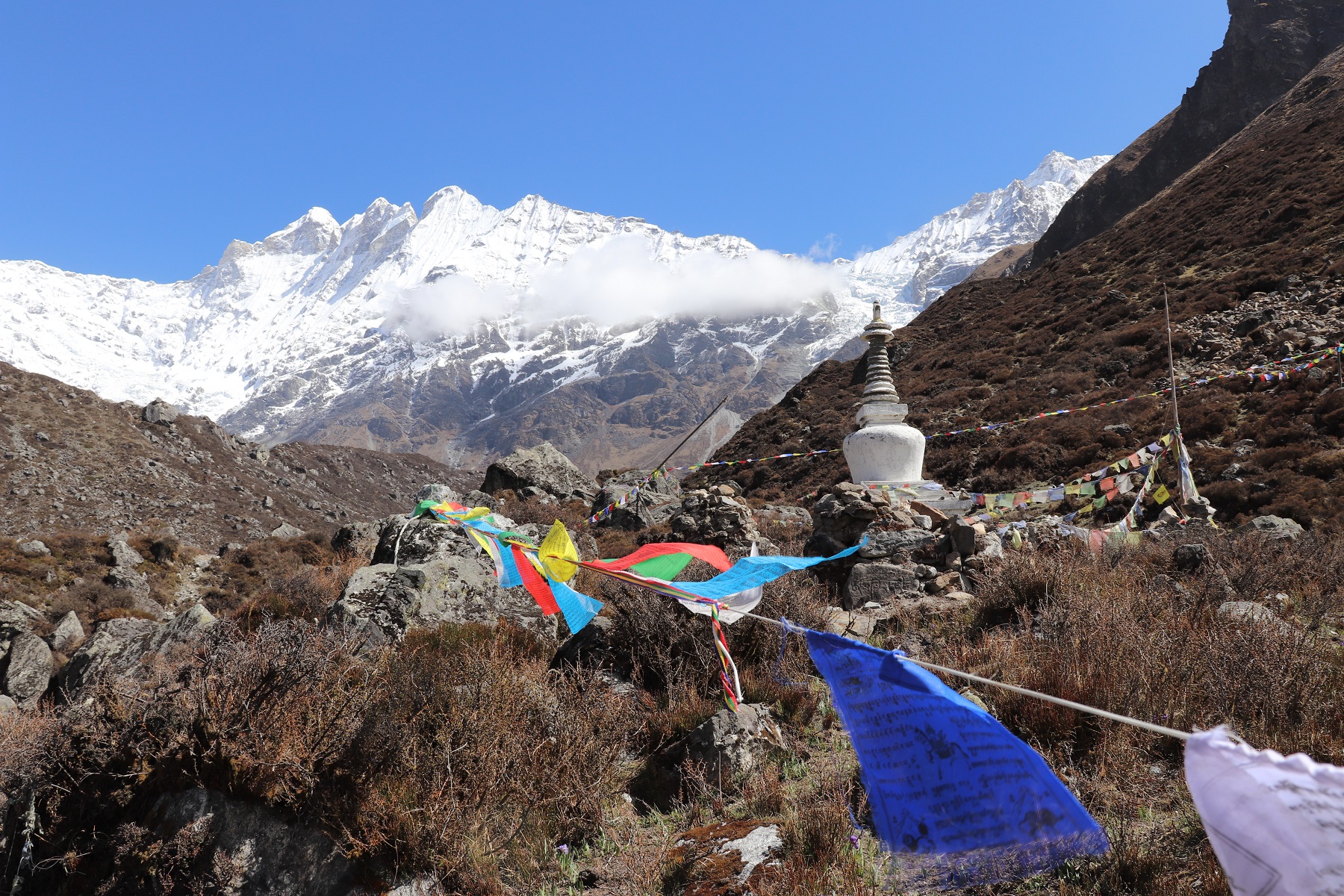
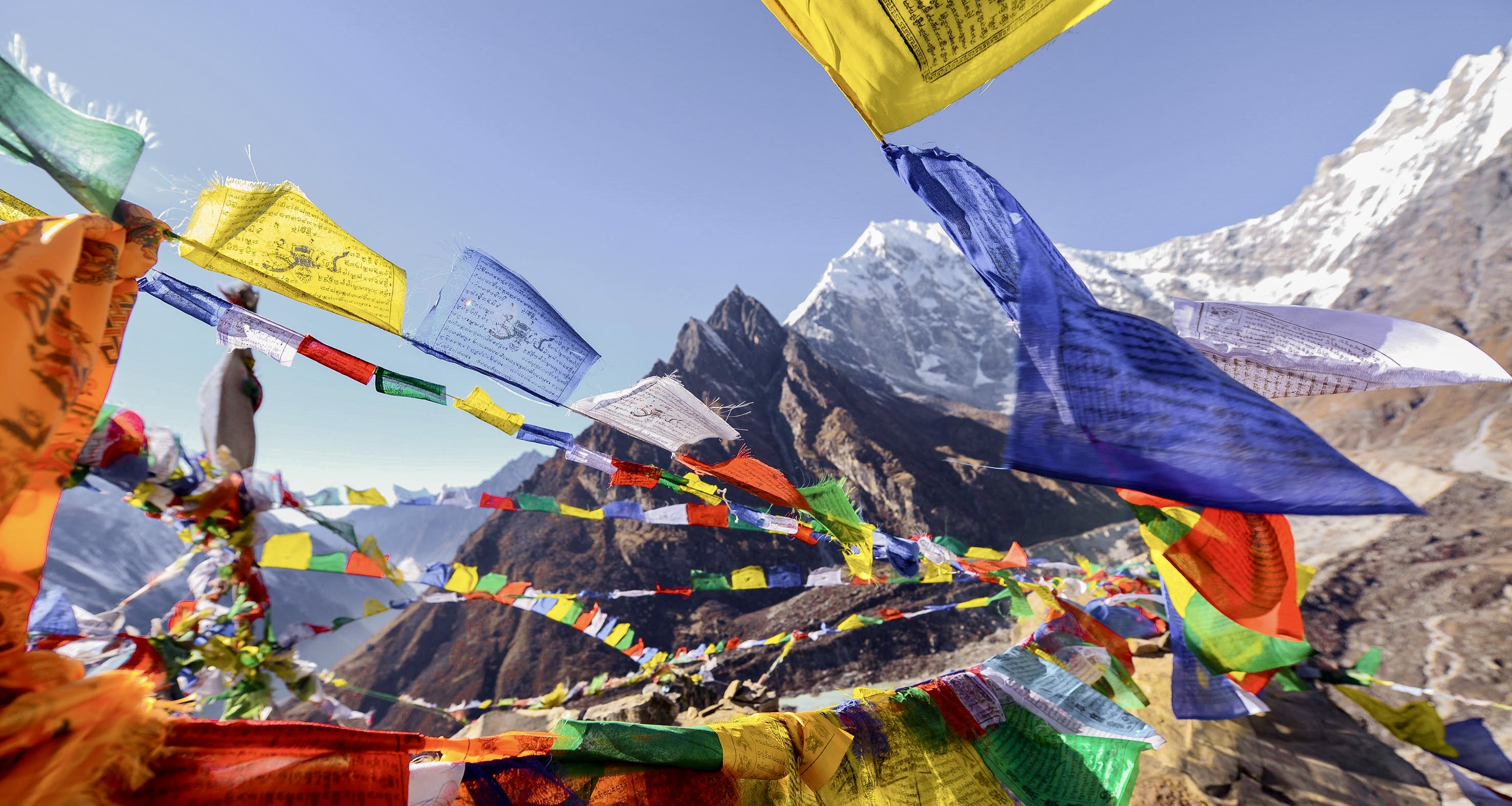
The Langtang Valley is home to the warm and resilient Tamang people, along with communities of Tibetan heritage whose traditions shape every step of the trail. As you walk through villages like Langtang and Mundu, you'll pass long mani walls carved with Buddhist prayers, colourful prayer flags, chortens and spinning water-powered prayer wheels. Traditional stone houses with wooden windows sit beside terraced fields and yak pastures, while locals tend herds, grow potatoes and barley, and welcome trekkers with genuine Himalayan hospitality. Don't miss tasting fresh yak cheese at Kyanjin Gompa, a delicious local speciality, or hearing the rhythmic beat of the damphu drum during festivals like Sonam Lhosar, the Tamang New Year. Much like the Gurung and Magar communities of the Annapurna region, the Tamang people offer trekkers an authentic glimpse into Nepal's rich mountain culture.
Langtang National Park: Red Pandas, Rhododendrons & Himalayan Wildlife
The Langtang Valley Trek winds through Langtang National Park, established in 1976 as Nepal's first Himalayan national park and covering about 1,710 square kilometres of forests, rivers, glaciers and alpine meadows. The lower trail passes through lush forests of rhododendron, oak, blue pine and bamboo, which burst into vibrant red and pink blooms during spring trekking season. These forests are home to the rare red panda, especially around Lama Hotel and Ghoda Tabela, along with langur monkeys, Himalayan black bears, musk deer and Himalayan tahr. Birdwatchers can spot the colourful Danphe (Himalayan monal), Nepal's national bird, while the elusive snow leopard roams the high, remote slopes. Rich in biodiversity and natural beauty, Langtang National Park makes every step of the trek a true wildlife adventure.
Rebuilt with Resilience: Langtang Village After the 2015 Earthquake
On 25 April 2015, the devastating Gorkha earthquake triggered a massive avalanche and landslide that buried the original Langtang Village, claiming hundreds of lives, including local residents and trekkers. In the years since, the people of Langtang have shown extraordinary courage and resilience, rebuilding their homes, teahouses and community just beside the old village site. Today, trekkers walking through the valley pass a quiet memorial chorten honouring those who were lost, and meet families who have welcomed visitors back with warmth and pride. Staying in the new Langtang Village (3,450 m) is a moving experience, and every trekker who visits directly supports the local economy and the community's ongoing recovery, making this trek not just an adventure, but a meaningful journey of responsible tourism.
Why Choose the Langtang Valley Trek?
Closest Himalayan Trek to Kathmandu: Reach the trailhead at Syabrubesi in just one day by road, with no long transfers or complicated logistics.
No Flights, No Delays: Unlike treks that depend on weather-sensitive Lukla flights, Langtang is fully road-accessible, offering reliable departures and stress-free planning.
Spectacular Mountain & Glacier Views: Enjoy close-up views of Langtang Lirung (7,227 m) and a breathtaking 360° panorama from Tserko Ri (4,985 m), including Langtang II, Dorje Lakpa and Shishapangma.
Authentic Tamang Culture: Experience warm hospitality in traditional Tamang villages, with mani walls, prayer wheels and Buddhist monasteries like Kyanjin Gompa.
Rich Wildlife & Forests: Trek through Langtang National Park, home to the rare red panda, Himalayan black bear and colourful rhododendron forests.
Fewer Crowds: A peaceful alternative to the busier Everest Region and Annapurna Region trails, offering a more authentic and relaxed experience.
Moderate Difficulty: With a maximum sleeping altitude of 3,870 m and a gradual ascent, it's ideal for beginners with good fitness and experienced trekkers alike.
Short & Time-Friendly: Complete the full adventure in just 10 days from Kathmandu, perfect for travellers with limited holidays.
Taste of the Himalayas: Savour fresh yak cheese from the famous Kyanjin cheese factory and hearty local meals in cosy teahouses.
Meaningful Travel: Support the inspiring Langtang Village, rebuilt after the 2015 earthquake, and contribute to sustainable community-based tourism.
Great Value for Money: Enjoy world-class Himalayan scenery at a lower cost than many longer, flight-dependent treks.
Beautiful in Every Season: Witness blooming rhododendrons in spring or crystal-clear mountain views in autumn, with quiet trails even in winter.
Meals & Accommodation During the Langtang Valley Trek
Day
Route
Altitude
Meals
Accommodation
01
Arrival in Kathmandu
1,345 m
B
Hotel in Kathmandu
02
Kathmandu → Syabrubesi (drive)
1,560 m
B, L, D
Guesthouse
03
Syabrubesi → Lama Hotel
2,440 m
B, L, D
Guesthouse
04
Lama Hotel → Langtang Village
3,450 m
B, L, D
Guesthouse
05
Langtang Village → Kyanjin Gompa
3,870 m
B, L, D
Guesthouse
06
Tserko Ri hike (4,985 m) & return
3,870 m
B, L, D
Guesthouse
07
Kyanjin Gompa → Lama Hotel
2,440 m
B, L, D
Guesthouse
08
Lama Hotel → Syabrubesi
1,560 m
B, L, D
Guesthouse
09
Syabrubesi → Kathmandu (drive)
1,345 m
B & Farewell Dinner
Hotel in Kathmandu
10
Final departure
1,345 m
B
—
B = Breakfast, L = Lunch, D = Dinner
Summary
Meals Included
Accommodation
10 Breakfasts
2 nights – Hotel in Kathmandu
7 Lunches
2 nights – Guesthouse in Syabrubesi
8 Dinners (incl. farewell dinner)
2 nights – Guesthouse at Lama Hotel
Tea/coffee with trek meals
1 night – Guesthouse in Langtang Village
2 nights – Guesthouse at Kyanjin Gompa
Accommodation is on a twin-sharing basis. Guesthouses offer simple rooms with blankets, mostly shared bathrooms and warm dining halls. Hot showers, charging and Wi-Fi may cost extra at higher villages.
Transportation for the Langtang Valley Trek
Getting to the Langtang Valley is simple, as the trek is fully road-accessible from Kathmandu, with no domestic flights needed. After your airport pick-up and hotel transfer, you'll travel about 122 km (around 7 hours) to the trailhead at Syabrubesi (1,560 m), passing terraced hills, the Trishuli River and the hill town of Dhunche, where your Langtang National Park permit is checked. Depending on your package and budget, the journey can be made by private jeep for extra comfort and flexibility, or by shared jeep or local bus for a more budget-friendly option. At the end of the trek, you'll return the same way from Syabrubesi to Kathmandu, followed by a private airport drop-off for your departure. Road conditions can be bumpy in places, so travel sickness tablets and a little patience are helpful.
Langtang Valley Trek Difficulty
The Langtang Valley Trek is graded moderate, making it suitable for beginners with good fitness as well as experienced trekkers. You'll walk around 4–8 hours per day on well-marked trails, with steady uphill sections between Syabrubesi and Langtang Village, and some rocky or landslide-prone stretches along the river. The maximum sleeping altitude is Kyanjin Gompa (3,870 m), and the gradual ascent helps your body acclimatise naturally, keeping the risk of altitude sickness relatively low. The toughest day is the optional climb to Tserko Ri (4,985 m), which gains over 1,000 metres and requires extra stamina. Slightly more demanding than the Poon Hill Trek but easier than high-altitude routes like Everest Base Camp, Langtang offers a perfect balance of challenge and reward. Regular cardio, hill walks and stair training for a few weeks before your trip will make the journey far more enjoyable.
ExpertItinerary
01
DAY 1
Arrival in Kathmandu (1,345 m / 4,413 ft)
Detail
Information
Altitude
1,345 m (4,413 ft)
Transfer
About 25 minutes (airport to hotel)
Accommodation
Hotel in Kathmandu
Meals
Breakfast
Welcome to Nepal! When you land at Tribhuvan International Airport (TIA), a Nepal Trip Services representative will meet you and drive you to your hotel in Thamel, Kathmandu's lively tourist area. After checking in, take time to rest and recover from your flight. Later, we'll hold a pre-trek briefing to introduce your guide, go over the route, check your gear and finalize your Langtang National Park permit and TIMS card. In the evening, explore Thamel's streets and cafés, and pick up any last-minute trekking gear you need.
DurationArrival Day
AccommodationHotel
MealsBreakfast
02
DAY 2
Drive from Kathmandu to Syabrubesi (1,560 m / 5,118 ft)
Detail
Information
Altitude
1,560 m (5,118 ft)
Distance
About 122 km
Drive Time
About 7 hours
Accommodation
Guest house
Meals
Breakfast, Lunch & Dinner
After an early breakfast, we drive north out of Kathmandu toward the Langtang region. The road follows the Trishuli River through terraced farmland and green hills, passing Trishuli Bazaar (Bidur) and Kalikasthan before climbing to Dhunche (1,960 m), the headquarters of Rasuwa District. At Dhunche, we register our permits at the Langtang National Park checkpoint. On clear days, you'll get your first views of Ganesh Himal and Langtang Lirung. The road then winds down to Syabrubesi, a riverside town where the Bhote Koshi and Langtang Khola rivers meet, and the starting point of our trek. Overnight at a guest house.
DurationAbout 7 hours
AccommodationGuest house
MealsBreakfast, Lunch & Dinner
03
DAY 3
Trek from Syabrubesi to Lama Hotel (2,440 m / 8,005 ft)
Detail
Information
Altitude
2,440 m (8,005 ft)
Distance
About 11 km
Walking Time
7–8 hours
Elevation Gain
About 880 m
Accommodation
Guest house
Meals
Breakfast, Lunch & Dinner
Our trek begins as we cross a suspension bridge over the Bhote Koshi River and follow the Langtang Khola upstream. The trail climbs gradually through subtropical forests of oak, maple, alder and bamboo. Along the way, look out for langur monkeys, colourful birds and, if you're lucky, the rare red panda. After lunch at Bamboo (1,970 m), the path continues uphill beside the roaring river, passing Rimche before arriving at Lama Hotel, a small settlement of lodges in a peaceful forest clearing. Overnight at a guest house.
Duration7–8 hours
AccommodationGuest house
MealsBreakfast, Lunch & Dinner
04
DAY 4
Trek from Lama Hotel to Langtang Village (3,450 m / 11,319 ft)
Detail
Information
Altitude
3,450 m (11,319 ft)
Distance
About 14 km
Walking Time
About 8 hours
Elevation Gain
About 1,010 m
Accommodation
Guest house
Meals
Breakfast, Lunch & Dinner
Today the trail keeps climbing through dense forest. Through the trees, you'll get your first close-up views of Langtang Lirung (7,227 m). At Ghodatabela (3,030 m), the forest opens into a wide valley with grazing yaks, alpine meadows and mountain views, and we check in at the army checkpoint here. We continue past Thangshyap, water-driven prayer wheels, mani walls and chortens to reach Langtang Village. The village was rebuilt after the 2015 earthquake, and the memorial to those who lost their lives is a moving reminder of the community's resilience. Experience the warm hospitality of the Tamang people in your guest house tonight.
DurationAbout 8 hours
AccommodationGuest house
MealsBreakfast, Lunch & Dinner
05
DAY 5
Trek from Langtang Village to Kyanjin Gompa (3,870 m / 12,697 ft)
Detail
Information
Altitude
3,870 m (12,697 ft)
Distance
About 7 km
Walking Time
About 4 hours
Elevation Gain
About 420 m
Accommodation
Guest house
Meals
Breakfast, Lunch & Dinner
This is a short, scenic walk, ideal for acclimatization. The trail passes through Mundu and climbs gently through yak pastures, past long mani walls and chortens, with the Langtang Lirung, Kinshung and Langtang II peaks rising ahead. By late morning, we reach Kyanjin Gompa, the highlight village of the trek, surrounded by glaciers and snowy peaks. After lunch, visit the ancient Kyanjin Gompa monastery and the local cheese factory, famous for its fresh yak cheese. In the afternoon, you can take a short walk toward the Lirung Glacier viewpoint to help with acclimatization. Overnight at a guest house.
DurationAbout 4 hours
AccommodationGuest house
MealsBreakfast, Lunch & Dinner
06
DAY 6
Hike to Tserko Ri Viewpoint (4,985 m / 16,355 ft) & Back to Kyanjin Gompa (3,870 m)
Detail
Information
Highest Altitude
4,985 m (16,355 ft): highest point of the trek
Overnight Altitude
3,870 m (12,697 ft)
Distance
About 10–12 km (round trip)
Walking Time
About 7 hours
Elevation Gain/Loss
About 1,115 m
Accommodation
Guest house in Kyanjin Gompa
Meals
Breakfast, Lunch & Dinner
Today is the most rewarding day of the Langtang Valley Trek. We start before dawn with headlamps and climb steadily across yak pastures, rocky ridges and moraine toward Tserko Ri. The climb is long and steep but well worth the effort. From the top, enjoy a breathtaking 360° panorama of Langtang Lirung, Langtang II, Dorje Lakpa, Yala Peak, Gangchenpo and, on clear days, Shishapangma (8,027 m) in Tibet, along with the vast Langtang Glacier. After soaking in the views and taking photos, we descend to Kyanjin Gompa for a hot meal and well-earned rest.
Alternative: If you prefer an easier day, you can hike Kyanjin Ri (~4,773 m) instead, a shorter climb of 3–5 hours with excellent views.
DurationAbout 7 hours
AccommodationGuest house in Kyanjin Gompa
MealsBreakfast, Lunch & Dinner
07
DAY 7
Trek from Kyanjin Gompa to Lama Hotel (2,440 m / 8,005 ft)
Detail
Information
Altitude
2,440 m (8,005 ft)
Distance
About 21 km
Walking Time
7–8 hours
Elevation Loss
About 1,430 m
Accommodation
Guest house
Meals
Breakfast, Lunch & Dinner
After breakfast with the mountains glowing in the morning light, we start our descent. We retrace our steps through Langtang Village and Ghodatabela and back into the lush forests of the lower valley. The walk is mostly downhill, which is easier on your lungs but tiring for your knees, so trekking poles help a lot. Enjoy the changing scenery as alpine meadows give way to rhododendron, oak and bamboo forests. Overnight at a guest house in Lama Hotel.
Duration7–8 hours
AccommodationGuest house
MealsBreakfast, Lunch & Dinner
08
DAY 8
Trek from Lama Hotel to Syabrubesi (1,560 m / 5,118 ft)
Detail
Information
Altitude
1,560 m (5,118 ft)
Distance
About 11 km
Walking Time
5–6 hours
Elevation Loss
About 880 m
Accommodation
Guest house
Meals
Breakfast, Lunch & Dinner
On the final day of trekking, we descend through Rimche and Bamboo, following the Langtang Khola back to Syabrubesi. Keep an eye out for wildlife in the forest and enjoy the sound of the river. After crossing the last suspension bridge, we arrive in Syabrubesi in the afternoon. Celebrate the end of your trek with your guide and porters over a farewell dinner. Overnight at a guest house.
Duration5–6 hours
AccommodationGuest house
MealsBreakfast, Lunch & Dinner
09
DAY 9
Drive from Syabrubesi to Kathmandu (1,345 m / 4,413 ft)
Detail
Information
Altitude
1,345 m (4,413 ft)
Distance
About 122 km
Drive Time
About 7 hours
Accommodation
Hotel in Kathmandu
Meals
Breakfast & Dinner
After breakfast, we drive back to Kathmandu along the same scenic road through Dhunche and Trishuli, with one last look at the hills and rivers of the Langtang region. Once you're in Kathmandu, you can rest, shop for souvenirs in Thamel or explore the city. In the evening, join us for a farewell dinner with Nepali food and culture, where you'll receive your trek completion certificate. Overnight at a hotel.
DurationAbout 7 hours
AccommodationHotel
MealsBreakfast & Farewell Dinner
10
DAY 10
Final Departure from Kathmandu
Detail
Information
Transfer
About 30 minutes (hotel to TIA Airport)
Meals
Breakfast
On your final day, enjoy breakfast and some free time depending on your flight schedule. A Nepal Trip Services representative will drive you to Tribhuvan International Airport (TIA) about three hours before your flight. We hope your Langtang Valley Trek leaves you with lifelong memories, and we look forward to welcoming you back to Nepal for your next Himalayan adventure!
DurationAbout 30 minutes (hotel to TIA Airport)
AccommodationYour Home
MealsBreakfast
Not satisfied with this Itinerary?
Are you interested in planning a custom trip? It only takes 2 minutes.
Guide's salary, meals, accommodation, insurance and transport
First-aid kit carried by the guide
Permits & Fees
Langtang National Park entry permit
TIMS card (where required)
All government taxes, VAT and official service charges
Extras
Trekking map of the Langtang route
Duffel bag for the trek (to be returned after the trip)
Assistance in arranging emergency rescue (costs covered by your travel insurance)
Certificate of trek completion
Langtang Valley Trek Cost Excludes-
Flights & Visa
International airfare to and from Kathmandu
Nepal visa fee (USD 30 for 15 days, payable on arrival)
Meals Not Mentioned
Lunch and dinner in Kathmandu (except farewell dinner)
Extra meals due to early return or itinerary changes
Personal Expenses
Soft drinks, bottled water, alcoholic beverages and snacks
Hot showers, battery charging and Wi-Fi in teahouses (where charged)
Laundry, phone calls, shopping and souvenirs
Personal trekking gear and clothing
Optional Services
Porter service (1 porter shared by 2 trekkers, available on request)
Private jeep transfer (Kathmandu ⇄ Syabrubesi) instead of shared jeep
Single room supplement
Kathmandu sightseeing, guide and heritage site entrance fees
Extra Nights
Additional accommodation due to early arrival, late departure or early return from the trek
Extra nights caused by landslides, road blockages or bad weather
Insurance & Emergencies
Travel insurance covering trekking up to 5,000 m, medical treatment and emergency helicopter evacuation (mandatory)
Costs arising from natural disasters, strikes, political unrest or other events beyond our control
Tips & Others
Tips for guides, porters and drivers (customary and appreciated)
Any expenses not listed under "Cost Includes"
Want a customised package? We can upgrade to a private jeep, add porter service, include Kathmandu sightseeing or extend your trek to Gosainkunda or the Tamang Heritage Trail
Trekking Equipment Checklist
Essential packing and gear checklist tailored for this trek.
The best time for the Langtang Valley Trek is autumn (September–November) and spring (March–May). These seasons bring stable weather, clear mountain views and comfortable trekking temperatures. Because the trek reaches Kyanjin Gompa (3,870 m) and the optional Tserko Ri (4,985 m), the season you pick affects both the views and how comfortable you'll be on the trail.
Langtang Valley Trek Seasons at a Glance
Season
Months
Weather
Views
Rating
Autumn
Sep – Nov
Dry, stable, crisp
Excellent
Best
Spring
Mar – May
Mild, sunny, rhododendron blooms
Very good
Excellent
Winter
Dec – Feb
Cold, dry, snow at higher camps
Clear
Good
Monsoon
Jun – Aug
Rainy, humid, landslide risk
Limited
Challenging
Autumn (September – November): Best Season
Autumn is the most popular time to trek in Langtang. After the monsoon, the air is clean, so you get sharp views of Langtang Lirung (7,227 m), the glaciers and the snow peaks around Kyanjin. Days are sunny and nights are cool. October and November are the most reliable months, and they also bring the Dashain and Tihar festivals.
Spring (March – May): Rhododendron Season
Spring is warm and colourful, with rhododendron forests in bloom between Lama Hotel and Langtang Village. Wildlife is more active too, so you have a better chance of spotting the red panda. Afternoon haze or clouds can build by May, so start each day early for the clearest views.
Winter (December – February): Quiet & Peaceful
Winter brings clear skies and quiet trails, with few trekkers around. Nights at Kyanjin Gompa often drop to -10°C or below, and snow can make Tserko Ri harder to climb or close it altogether. You'll need warm gear, but the views and the peace and quiet make it worth it.
Monsoon (June – August): Green but Wet
The monsoon turns the valley lush and green, but it brings daily rain, slippery trails and leeches. Landslides can delay the drive from Kathmandu to Syabrubesi. Mountain views are often hidden by cloud, so this season suits experienced trekkers with flexible plans.
Quick Tips for Choosing Your Season
For the best views: Choose October or November.
For flowers and wildlife: Choose March or April.
For fewer crowds: Choose December, February or early March.
Book early for peak seasons to secure good teahouses and transport.
Allow a spare day in case of road delays, especially in the monsoon and winter.
Not sure which month suits you? Nepal Trip Services will help you choose the right time for your Langtang Valley Trek based on your dates, fitness and interests.
Permits & Entry Fees (Langtang National Park)
The Langtang Valley Trek passes through Langtang National Park, Nepal's first Himalayan national park, established in 1976. Every trekker needs two permits: the Langtang National Park Entry Permit and the TIMS Card. When you book with Nepal Trip Services, we arrange both permits for you, and the cost is included in your trek package.
Langtang Valley Trek Permit Costs (2026)
Permit
Foreign Nationals
SAARC Nationals
Where Checked
Langtang National Park Entry Permit
NPR 3,000 (≈ US$20)
NPR 1,500 (≈ US$10)
Dhunche & trail checkpoints
TIMS Card
NPR 2,000 (≈ US$13)
NPR 1,000 (≈ US$7)
Trail checkpoints
Total
NPR 5,000 (≈ US$33)
NPR 2,500 (≈ US$17)
US$ figures are approximate (US$1 ≈ NPR 153). Fees are set by the Government of Nepal and may change.
Dhunche: You can buy the national park permit at the checkpoint, but it's best to arrange everything in Kathmandu.
Through Nepal Trip Services: We sort out all the paperwork before your trek, so there are no queues or delays.
Important Permit Rules
Licensed guide required: Since April 2023, foreign trekkers in Nepal's national parks must trek with a government-licensed guide through a registered agency.
Carry your permits at all times: They are checked at Dhunche, Syabrubesi and other points along the trail.
Permits are non-transferable and non-refundable.
Entry is single-use: Your permit covers one entry into the park.
Trekking without permits can lead to fines and being sent back from the checkpoint.
Quick Tips
Keep photocopies of your passport and permits in a waterproof pouch.
Carry small cash in NPR for extras, as there are no ATMs beyond Syabrubesi.
Extending to Gosainkunda or Helambu? Tell us in advance so we can arrange the right permits for your route.
Leave the paperwork to us. Nepal Trip Services handles every permit for your Langtang Valley Trek, so you can focus on the mountains.
Note: Some sources still list the TIMS fee at NPR 1,000, but the latest 2026 sources show NPR 2,000 for foreigners, so I've used that figure. Please check the current amount before publishing.
Difficulty & Fitness Level
The Langtang Valley Trek is graded moderate. It's one of the best Himalayan treks for beginners and first-time trekkers with average fitness. You don't need technical climbing skills or previous trekking experience. What you do need is the stamina to walk 5–7 hours a day on mountain trails with steady climbs and descents.
Langtang Valley Trek Difficulty at a Glance
Factor
Details
Difficulty Grade
Moderate
Maximum Altitude
Kyanjin Gompa (3,870 m)
Optional Highest Point
Tserko Ri (4,985 m)
Daily Walking
5–7 hours (10–15 km)
Total Trek Distance
About 65–75 km (round trip from Syabrubesi)
Trail Type
Forest paths, stone steps, rocky and glacial moraine sections
Experience Needed
None; suitable for beginners
What Makes the Trek Challenging?
Steady ascent: The trail climbs from Syabrubesi (about 1,500 m) to Kyanjin Gompa (3,870 m) in three days, with long uphill sections through the forest.
Altitude: Above 3,000 m the air holds less oxygen, so walking slowly and acclimatizing well are essential.
Optional side hikes:Kyanjin Ri is a moderate climb. Tserko Ri (4,985 m) is a strenuous full-day hike that needs good stamina.
Weather and trail conditions: Rain, snow or landslide debris can make some sections slippery, depending on the season.
Who Can Do the Langtang Valley Trek?
First-time trekkers in good general health
Regular walkers, hikers and gym-goers
Families with older teenagers who are active
Trekkers with limited time who want a short Himalayan adventure without a flight
Not recommended for anyone with serious heart, lung or blood pressure conditions without a doctor's approval
How to Prepare (4–6 Weeks Before)
Cardio training: Brisk walking, jogging, cycling or swimming, 3–4 times a week
Hill or stair practice: Climb stairs or hike uphill carrying a 5–7 kg daypack
Leg strength: Squats, lunges and step-ups for the long climbs and descents
Practice hikes: Walk 4–6 hours on weekends to build endurance
Break in your boots before the trek to avoid blisters
Tips for an Easier Trek
Walk at a slow, steady pace. It isn't a race.
Drink 3–4 litres of water a day to stay hydrated at altitude.
Hire a porter so you only carry a light daypack.
Use trekking poles to protect your knees on the descents.
Follow your guide's advice on acclimatization and how you're feeling.
With good preparation and the support of Nepal Trip Services' experienced guides, the Langtang Valley Trek is an achievable and rewarding Himalayan adventure for almost every trekker.
Altitude & Altitude Sickness Prevention
The Langtang Valley Trek climbs from about 1,500 m at Syabrubesi to 3,870 m at Kyanjin Gompa. If you add the optional hike to Tserko Ri (4,985 m), you go even higher. The altitude is moderate compared with Everest or Annapurna treks, but Acute Mountain Sickness (AMS) can still affect anyone above 2,500 m, whatever their age or fitness. With a gradual ascent and a planned acclimatization day at Kyanjin Gompa, the risk is low.
Langtang Valley Trek Altitude Profile
Location
Altitude
Altitude Level
Kathmandu
1,400 m
Low
Syabrubesi
~1,500 m
Low
Lama Hotel
2,470 m
Moderate
Langtang Village
3,430 m
High
Kyanjin Gompa
3,870 m
High (overnight maximum)
Kyanjin Ri
~4,773 m
Very high (day hike)
Tserko Ri
4,985 m
Very high (optional day hike)
Know the Symptoms of Altitude Sickness
Mild AMS
Serious Warning Signs (HAPE / HACE)
Headache
Breathlessness even when resting
Nausea or loss of appetite
Persistent cough, sometimes with frothy sputum
Dizziness or tiredness
Confusion or unusual behaviour
Trouble sleeping
Loss of balance or coordination
If symptoms get worse, descend right away. Going down is the most effective treatment.
How to Prevent Altitude Sickness
Climb gradually: Our itinerary gains altitude slowly over three days.
Acclimatize at Kyanjin Gompa: Use the extra day for a side hike, then sleep lower ("climb high, sleep low").
Stay hydrated: Drink 3–4 litres of water a day.
Avoid alcohol and smoking at high altitude.
Eat well: Carbohydrate-rich meals such as dal bhat help you keep your energy up.
Walk slowly: Keep a pace at which you can still talk comfortably.
Speak up early: Tell your guide about any symptoms, even mild ones.
Medication: Ask your doctor before the trip whether you should carry altitude medicine such as Diamox.
Your Safety with Nepal Trip Services
Experienced guides trained in altitude sickness awareness and first aid
Daily health checks with a pulse oximeter to monitor your oxygen levels
Flexible itinerary with rest or descent when needed
Emergency evacuation coordination with your insurance provider
Travel insurance that covers helicopter rescue up to 5,000 m is required for this trek.
Go slow, listen to your body and trust your guide. With Nepal Trip Services, your Langtang Valley Trek is planned with safety at every step.
Kathmandu to Syabrubesi Transport Guide
The Langtang Valley Trek starts and ends at Syabrubesi (about 1,500 m), a small town in Rasuwa District about 122 km north of Kathmandu. No domestic flight is needed. The drive takes 7–8 hours along the Trishuli River and through the hills of Nuwakot and Rasuwa, with beautiful mountain scenery on the way. Nepal Trip Services arranges your Kathmandu–Syabrubesi transport both ways, as per your trek package.
Paved near Kathmandu; rough, winding mountain road after Trishuli
Departure Time
Early morning (around 6:30–7:30 AM)
Permit Checkpoint
Dhunche (Langtang National Park)
Transport Options
Option
Comfort
Best For
Local Bus
Basic, crowded, frequent stops
Budget travellers
Tourist / Express Bus
More comfortable, fewer stops
Value and reliability
Private Jeep
Faster, flexible, comfortable
Small groups and families
Private Car / SUV
Private, door-to-door
Couples and solo travellers
A private jeep is the most comfortable and time-efficient choice, especially in the monsoon when road conditions change quickly.
What to Expect on the Drive
Scenic views of terraced hills, rivers and, on clear days, Ganesh Himal and Langtang Lirung
Tea and lunch stops at Trishuli or Dhunche
A permit and ID check at Dhunche, so keep your passport and permits handy
Bumpy, narrow sections past Dhunche with steep drops and hairpin bends
Travel Tips
Sit on the right side going up for the best river and mountain views.
Carry motion sickness tablets if you're prone to travel sickness.
Pack snacks, water and small change for roadside stops.
Keep your valuables and documents in your daypack, not on the roof rack.
Expect delays in the monsoon (June–August) because of landslides and roadworks.
Plan a buffer day in Kathmandu before your international flight.
Sit back and enjoy the drive. Nepal Trip Services handles all your transport, so your Langtang Valley Trek starts smoothly from the moment you leave Kathmandu.
Kyanjin Ri vs Tserko Ri Hike Guide
The acclimatization day at Kyanjin Gompa (3,870 m) gives you a choice of two famous viewpoints: Kyanjin Ri and Tserko Ri. Both reward you with 360° Himalayan panoramas and close views of glaciers. Kyanjin Ri is shorter and easier, a great fit for most trekkers. Tserko Ri is a tougher full-day climb with the highest and widest views of the whole trek. Your guide will help you pick based on your fitness, the weather and how well you've acclimatized.
Kyanjin Ri vs Tserko Ri at a Glance
Feature
Kyanjin Ri
Tserko Ri
Summit Altitude
~4,773 m (lower viewpoint ~4,600 m)
4,985 m
Elevation Gain
~700–900 m
~1,100 m
Round-Trip Time
3–5 hours
7–9 hours
Difficulty
Moderate
Strenuous
Start Time
5:30–6:30 AM
4:30–5:30 AM
Trail
Steep, well-marked grassy and rocky path
Long, steep climb over rocky ridges and moraine
Best For
Most trekkers and first-timers
Fit, well-acclimatized trekkers
Views from the Top
Kyanjin Ri:
Langtang Lirung (7,227 m) and the Lirung Glacier up close
Langtang II, Gangchenpo and Kinshung
A bird's-eye view of Kyanjin Gompa and the upper Langtang Valley
Tserko Ri:
Everything you see from Kyanjin Ri, plus a wider panorama
Langtang Lirung, Dorje Lakpa, Yala Peak and Langshisa Ri
On clear days, Shishapangma (8,027 m) in Tibet
Sweeping views of the Langtang Glacier and the high valleys around it
Which Hike Should You Choose?
Choose Kyanjin Ri if you're a first-time trekker, short on energy, or want a relaxed half day with plenty of rest.
Choose Tserko Ri if you're fit, acclimatizing well and want the highest point and the best views of your Langtang Valley Trek.
Can't decide? Start with Kyanjin Ri. If you feel strong and have an extra day, add Tserko Ri.
What to Carry
Warm layers, down jacket, hat and gloves
2 litres of water and energy snacks
Sunglasses, sunscreen and lip balm
Headlamp for the early start
Trekking poles for the descent
Camera with fully charged batteries
Hiking Tips
Start early. Clouds often build by late morning.
Walk slowly and stop to rest. You're close to 5,000 m.
Turn back if you feel symptoms of altitude sickness.
Avoid Tserko Ri after fresh snowfall unless your guide confirms it's safe.
Get back to Kyanjin Gompa for a hot lunch and fresh yak cheese.
Whichever summit you choose, Nepal Trip Services' experienced guides will lead you safely to one of the most rewarding viewpoints on the Langtang Valley Trek.
Teahouse Accommodation & Facilities
On the Langtang Valley Trek, you'll stay in teahouses: family-run mountain lodges that offer a warm bed, hot meals and real Tamang hospitality. Many lodges in the valley were rebuilt after the 2015 earthquake, so a lot of them are new, clean and comfortable. Rooms are simple and get more basic the higher you climb, but every night comes with a cozy dining hall and great mountain views.
Teahouse Stops Along the Trail
Overnight Stop
Altitude
Accommodation Standard
Syabrubesi
~1,500 m
Good; some rooms with attached bathrooms
Lama Hotel
2,470 m
Basic; forest setting, shared bathrooms
Langtang Village
3,430 m
Comfortable; many rebuilt lodges
Kyanjin Gompa
3,870 m
Best on the upper trail; good choice of lodges
What to Expect in Your Room
Twin-sharing rooms with two single beds, a mattress, pillow and blanket
Simple wooden or stone rooms, which can be cold at night at higher stops
Shared toilets on most of the trail; attached bathrooms in some lodges in Syabrubesi and Kyanjin Gompa
Single rooms are possible on request, but they're limited in peak season
Teahouse Facilities
Facility
Availability
Hot Shower
Available at most lodges, usually for a small extra charge
Charging
Available in rooms or the dining hall, often for a fee
Wi-Fi
Available at many lodges; can be slow and is usually paid
Heated Dining Hall
Wood or yak-dung stove in the evenings
Toilets
Western-style at lower stops, squat toilets at some higher lodges
Drinking Water
Boiled or filtered water available for purchase
Dining in Teahouses
Meals are served in a warm, shared dining hall, a great place to meet other trekkers.
The menus offer dal bhat, noodles, soups, momos, pasta and local yak cheese at Kyanjin Gompa.
Dal bhat comes with free refills, so it's the best energy meal on the trail.
Teahouse Tips
Bring a warm sleeping bag rated to about -10°C, as blankets may not be enough.
Carry toilet paper and hand sanitiser. Most lodges don't provide them.
Bring a power bank to cut down on paid charging.
Pack a headlamp for nighttime and power cuts.
Expect basic but clean conditions. Simplicity is part of the mountain experience.
Book early in peak season, especially in October and November.
With Nepal Trip Services, your teahouses are pre-arranged with trusted local hosts, so after each day's trek you have a warm, welcoming place to rest on the Langtang Valley Trek.
Mobile Network, Wi-Fi & Charging
Staying connected on the Langtang Valley Trek is easier than on many remote Himalayan routes. Mobile signal and teahouse Wi-Fi are available in most villages, though coverage can be patchy in the forest sections. Most lodges have charging points, powered by micro-hydro or solar energy. Expect slower speeds and small extra fees the higher you go.
Connectivity Along the Trail
Location
Mobile Signal
Wi-Fi
Charging
Syabrubesi (~1,500 m)
Good (NTC & Ncell)
Most lodges
Usually free/in room
Lama Hotel (2,470 m)
Weak or patchy
Limited
Paid, dining hall
Langtang Village (3,430 m)
Fair (mostly NTC)
Available
Paid
Kyanjin Gompa (3,870 m)
Fair (mostly NTC)
Available
Paid
Coverage can change with weather, power supply and network maintenance.
Mobile SIM Cards
Nepal Telecom (NTC) generally has better coverage in the Langtang Valley.
Ncell works well in Kathmandu and lower areas but is weaker on the upper trail.
Buy a local SIM in Kathmandu with your passport and a photo. Data packages are affordable.
eSIMs are an option for supported phones, but check the network partner before you leave.
Wi-Fi in Teahouses
Many lodges offer Wi-Fi for a small fee or with a meal purchase.
Speeds are slow and shared: fine for messages, not for video calls or large uploads.
Some areas offer prepaid Wi-Fi cards that work across several lodges.
Charging Your Devices
Charging is usually in the dining hall rather than your room at higher stops.
Expect a fee per device above Syabrubesi.
Power can be limited on cloudy days when lodges rely on solar power.
Nepal uses Type C, D and M sockets (230V), so bring a universal adapter.
Connectivity Tips
Carry a power bank (10,000–20,000 mAh) as a backup.
Keep batteries warm in your sleeping bag at night; cold drains them fast.
Download offline maps and music before the trek.
Turn on airplane or low-power mode when you have no signal.
Share your itinerary with family, as you may be offline for a day or more.
Your guide carries a working phone for emergencies and safety updates.
Enjoy the chance to switch off and take in the mountains. When you need to stay in touch, Nepal Trip Services makes sure you're never out of reach on the Langtang Valley Trek.
Travel Insurance & Helicopter Rescue
Travel insurance is mandatory for the Langtang Valley Trek with Nepal Trip Services. The trail reaches 3,870 m at Kyanjin Gompa, and the optional hike to Tserko Ri climbs to 4,985 m, so your policy must cover high-altitude trekking and emergency helicopter evacuation. Langtang has no road above Syabrubesi, which makes a helicopter the fastest way out in a serious emergency.
What Your Insurance Must Cover
Coverage
Requirement
Trekking Altitude
Up to 5,000 m (to include Tserko Ri)
Helicopter Rescue & Evacuation
Essential
Emergency Medical & Hospital Treatment
Essential
Repatriation
Recommended
Trip Cancellation & Interruption
Recommended
Lost or Stolen Baggage
Recommended
Read the small print. Some policies exclude trekking above certain altitudes or require you to trek with a licensed guide.
Helicopter Rescue in Langtang
Used for: Severe altitude sickness, serious injury or a medical emergency
Common pick-up points:Kyanjin Gompa, Langtang Village and Lama Hotel
Flight time to Kathmandu: About 30–45 minutes
Cost: A rescue can cost several thousand US dollars, which is why insurance is essential
Weather dependent: Helicopters fly in daylight and clear conditions only
How a Rescue Works
Your guide assesses the situation and gives first aid.
Nepal Trip Services contacts your insurance company to confirm coverage.
A helicopter is arranged once the insurer approves (and in urgent cases, as fast as possible).
You're flown to a hospital in Kathmandu for treatment.
Before You Travel
Send us a copy of your insurance policy before the trek starts.
Keep your policy number and the insurer's 24-hour emergency phone number with you.
Make sure your policy name matches your passport.
Check that "trekking" or "hiking" is listed as a covered activity.
Insurance Tips
Buy insurance as soon as you book to cover cancellations.
Choose a policy designed for adventure travel, not just a standard holiday policy.
Tell your guide straight away if you feel unwell. Early action can prevent the need for a rescue.
Your safety comes first. With proper insurance and Nepal Trip Services' 24/7 emergency support, you can enjoy your Langtang Valley Trek with complete peace of mind.
Booking & Cancellation Policy
Booking your Langtang Valley Trek with Nepal Trip Services is simple, secure and flexible. A small deposit confirms your place. We then arrange your permits, guide, transport and teahouses, so everything is ready when you arrive in Kathmandu. Our clear booking and cancellation policy means you know exactly where you stand from the moment you book.
How to Book
Choose your trek dates (fixed departure or private trip).
Fill in the online booking form or contact us by email or WhatsApp.
Pay a 20% deposit to confirm your booking.
Send your documents: a passport copy, passport-size photos, your travel insurance and your flight details.
Pay the balance on arrival in Kathmandu or before the trek starts.
Payment Information
Detail
Information
Deposit
20% of the total trip cost
Balance Payment
On arrival in Kathmandu, before the trek
Payment Methods
Bank transfer, online card payment or cash
Card Payments
A bank service charge may apply
Cancellation Charges (By Client)
Notice Before Departure
Cancellation Charge
60+ days
Deposit refunded, minus bank/admin charges
30–59 days
50% of the deposit retained
15–29 days
100% of the deposit retained
Less than 15 days
50% of the total trip cost
No-show / leaving the trek early
No refund
All cancellations must be made in writing by email.
Changes & Postponement
Postpone your trek: You can move your dates or transfer your deposit to a future trip, with sufficient notice.
Transfer to a friend: You can pass your booking to another person if we're told before permits are issued.
Changes by Nepal Trip Services: If we must cancel because of circumstances within our control, you'll get a full refund or a new date.
Circumstances beyond our control: Weather, landslides, road closures, strikes or natural disasters may change the itinerary. Any extra costs are covered by the traveller or their insurance.
Booking Tips
Book 2–3 months ahead for the peak seasons (October–November and March–April).
Buy travel insurance when you book to cover cancellations.
Plan a spare day in Kathmandu after the trek in case of road delays.
Book with confidence. Nepal Trip Services offers transparent pricing, flexible options and 24/7 support for your Langtang Valley Trek.
Note: I couldn't read your website's Terms & Conditions page, so the deposit (20%), cancellation charges and payment methods above are typical terms I've filled in. Please replace them with your company's actual policy before publishing.
A Beautiful Trek Filled With Mountain Views And Local Culture
The Langtang Valley Trek Was An Unforgettable Experience And A Wonderful Way To Explore The Himalayas Without Traveling Too Far From Kathmandu. The Trail Took Us Through Beautiful Forests, Traditional Tamang Villages, Rivers, And Impressive Mountain Landscapes. I Especially Enjoyed The Changing Scenery As We Walked Deeper Into The Valley, With Snow-covered Peaks Becoming More Prominent Each Day. Kyanjin Gompa Was A Highlight, Offering A Peaceful Atmosphere And Incredible Views Of The Surrounding Mountains. The Trek Was Physically Challenging In Some Places, But Walking At A Comfortable Pace Made It Enjoyable. I Also Appreciated The Warm Hospitality Of The Local People And The Opportunity To Learn About Their Culture And Traditions. I Would Recommend The Langtang Valley Trek To Anyone Looking For A Rewarding Himalayan Adventure That Combines Natural Beauty, Cultural Experiences, And A Real Sense Of Accomplishment.
Sophie Martin | On 14 Sep 2026
An Incredible Himalayan Adventure Away From The Crowds
Langtang Valley Was One Of The Most Rewarding Places I Visited In Nepal. I Loved How The Trek Combined Beautiful Mountain Scenery With The Peaceful Atmosphere Of Traditional Villages. Walking Through Forests, Crossing Suspension Bridges, And Following The River Deeper Into The Valley Made Every Day Feel Special. As We Approached Kyanjin Gompa, The Views Of The Surrounding Snow-covered Peaks Became Even More Impressive. I Especially Enjoyed Taking Time To Explore The Village And Appreciate The Quiet Beauty Of The Mountains. The Trek Was Challenging In Parts, But The Experience Felt Worthwhile Because Of The Scenery And The Warm Hospitality We Encountered Along The Way. I Would Recommend Langtang Valley To Travelers Who Want A Memorable Trekking Experience, A Glimpse Of Local Culture, And Spectacular Himalayan Views Without Choosing One Of Nepal’s Busiest Trekking Routes.
Oliver Fischer | On 17 Sep 2026
A Truly Special Trek Through Nepal’s Beautiful Langtang Region
The Langtang Valley Trek Was A Fantastic Experience From Beginning To End. I Wanted To Explore A Part Of Nepal That Offered Spectacular Mountain Scenery And Meaningful Cultural Encounters, And Langtang Delivered Both. The Trail Passed Through Beautiful Forests, Small Mountain Settlements, And Dramatic Valleys, With The Himalayan Peaks Becoming More Impressive As We Gained Altitude. Kyanjin Gompa Was One Of My Favorite Stops, Especially For Its Peaceful Surroundings And Views Of The Mountains. I Also Enjoyed Meeting Local People And Learning About The Traditions Of The Region. Some Days Required A Good Amount Of Effort, But Taking The Trek At A Steady Pace Made It Much More Enjoyable. What Stood Out Most Was The Combination Of Natural Beauty And The Welcoming Atmosphere Along The Trail. I Would Happily Recommend This Trek To Anyone Looking For An Authentic Himalayan Adventure In Nepal.
Sophie Martin | On 29 Sep 2026
An Unforgettable Himalayan Adventure In Langtang Valley
The Langtang Valley Trek Was One Of The Most Memorable Adventures I Had Planned For My Trip To Nepal. I Loved How The Scenery Changed Along The Trail, From Peaceful Forests And Riverside Paths To Open Mountain Landscapes Surrounded By Impressive Himalayan Peaks. Kyanjin Gompa Was A Real Highlight, Offering A Wonderful Place To Rest, Explore The Local Area, And Enjoy The Mountain Views. The Trek Also Gave Me Opportunities To Experience The Local Culture And See A Quieter Side Of Nepal Beyond The Busy Tourist Destinations. Some Sections Were Challenging, But Walking At A Comfortable Pace Made The Journey Rewarding Rather Than Rushed. I Especially Appreciated The Peaceful Atmosphere And The Feeling Of Being Close To Nature Throughout The Trip. For Anyone Who Enjoys Mountain Scenery, Cultural Experiences, And A Genuine Trekking Adventure, Langtang Valley Is A Destination Worth Considering.
Daniel Brooks | On 16 Feb 2026
Beautiful Mountains, Friendly Locals, And An Amazing Trek
My Langtang Valley Trek Was An Incredible Way To Experience The Natural Beauty Of Nepal. From The Moment We Started Walking, I Enjoyed The Peaceful Trails, Flowing Rivers, Green Forests, And Traditional Villages Along The Route. As We Moved Higher Into The Valley, The Mountain Scenery Became Increasingly Impressive. Reaching Kyanjin Gompa Was A Memorable Part Of The Journey, With Beautiful Views And A Calm Atmosphere That Made It A Perfect Place To Spend Time Exploring. I Also Appreciated Seeing Local Life In The Mountain Communities And Learning More About The Culture Of The Region. The Trek Required Some Physical Effort, But The Experience Felt Rewarding At Every Stage. Langtang Was Less About Rushing From One Attraction To Another And More About Enjoying Each Day In The Mountains. I Would Recommend It To Travelers Who Want A Scenic Himalayan Trek With Cultural Experiences And A Real Sense Of Adventure.
Frequently Asked Questions (FAQs)
Langtang Valley Trek: FAQs
1. What is the Langtang Valley Trek?
The Langtang Valley Trek is a scenic Himalayan trek in Langtang National Park, north of Kathmandu. It follows the Langtang River through forests and Tamang villages to Kyanjin Gompa (3,870 m), with an optional hike to Tserko Ri (4,985 m). The trek offers glacier views, rich culture and wildlife. It's one of the most accessible treks in Nepal, with no flights required.
2. Where is the Langtang Valley located?
The Langtang Valley lies in Rasuwa District, about 122 km north of Kathmandu, close to the Tibetan border. It sits inside Langtang National Park, Nepal's first Himalayan national park. The valley stretches from Syabrubesi to the glaciers beyond Kyanjin Gompa. It's often called the "Valley of Glaciers."
3. How long is the Langtang Valley Trek?
Our Langtang Valley Trek takes 10 days from Kathmandu to Kathmandu, including 7 days of trekking. This includes travel days between Kathmandu and Syabrubesi and a full day for the Tserko Ri hike. Shorter 7–8 day versions are possible without Tserko Ri. The itinerary can be customised to suit your schedule.
4. What is the maximum altitude of the Langtang Valley Trek?
The highest point is Tserko Ri at 4,985 metres (16,355 ft). The highest overnight stay is Kyanjin Gompa at 3,870 metres. Kyanjin Ri, a shorter alternative hike, reaches about 4,700 metres. These altitudes require sensible pacing and hydration.
5. How difficult is the Langtang Valley Trek?
The Langtang Valley Trek is graded moderate. You'll walk around 4–8 hours per day, with steady uphill sections and some rocky trails. No technical skills are needed. The optional Tserko Ri hike is the most challenging part of the trek.
6. Is the Langtang Valley Trek suitable for beginners?
Yes, beginners with good fitness can complete the Langtang Valley Trek. The ascent is gradual, the trail is well-marked and teahouses are available along the way. Training with hill walks and cardio before the trek is recommended. Skipping Tserko Ri makes it even easier.
7. How do I get to the start of the trek?
The trek starts at Syabrubesi, about 122 km from Kathmandu. The drive takes around 7 hours by private jeep, shared jeep or local bus. The road passes through Trishuli and Dhunche, where permits are checked. No domestic flights are required.
8. Do I need to fly for the Langtang Valley Trek?
No, the Langtang Valley Trek is fully road-accessible from Kathmandu. This means no risk of flight delays or cancellations like on the Everest trek. It also keeps costs lower. It's ideal for travellers with tight schedules.
9. What permits are required for the Langtang Valley Trek?
You need a Langtang National Park entry permit, which costs NPR 3,000 for foreign nationals. Some sources still mention a TIMS card, so rules may vary. Your trekking company arranges permits in advance. Permits are checked at Dhunche and along the trail.
10. What is the best time to do the Langtang Valley Trek?
The best seasons are spring (March–May) and autumn (September–November). Spring brings rhododendron blooms, while autumn offers the clearest mountain views. Winter is possible but cold, with snow at higher elevations. The monsoon (June–August) brings rain, leeches and landslide risk.
11. Can I do the Langtang Valley Trek in winter?
Yes, the trek is possible in winter (December–February), with clear skies and quiet trails. However, temperatures at Kyanjin Gompa can drop well below freezing, and snow may cover higher sections. Tserko Ri may be difficult or unsafe after heavy snowfall. Pack warm gear and allow buffer days.
12. Can I trek Langtang during the monsoon?
It's possible but not recommended. The monsoon brings heavy rain, slippery trails, leeches and landslide risks, especially between Syabrubesi and Lama Hotel. Clouds often hide the mountains. If you trek in this season, carry rain gear and stay flexible.
13. What mountains can I see on the Langtang Valley Trek?
You'll see Langtang Lirung (7,227 m), Langtang II, Dorje Lakpa, Gangchempo, Yala Peak and Naya Kanga. From Tserko Ri, on clear days, you can even spot Shishapangma (8,027 m) in Tibet. Glaciers and moraines add to the dramatic scenery. Morning views are usually the clearest.
14. What is Kyanjin Gompa?
Kyanjin Gompa is a small settlement and Buddhist monastery at 3,870 metres, the highest overnight stop on the trek. It's surrounded by glaciers, yak pastures and snow peaks. The village is famous for its local yak cheese factory. It's the base for hikes to Kyanjin Ri and Tserko Ri.
15. Is the Tserko Ri hike worth it?
Yes, the Tserko Ri hike is one of the trek's biggest highlights. The summit at 4,985 metres offers a 360° panorama of Langtang Lirung, Dorje Lakpa and countless glaciers. It's a long, steep climb gaining over 1,000 metres. Fit trekkers find it hugely rewarding.
16. Will I get altitude sickness on the Langtang Valley Trek?
The risk is moderate, especially above 3,500 metres. The gradual ascent helps your body acclimatise naturally. Walk slowly, drink plenty of water and avoid alcohol. Inform your guide immediately if you feel symptoms like headache or nausea.
17. What wildlife can I see in Langtang National Park?
You may spot red pandas, langur monkeys, Himalayan black bears, musk deer and Himalayan tahr. Birdlife includes the colourful Danphe, Nepal's national bird. Snow leopards live in the high mountains but are very rarely seen. The forests near Lama Hotel are best for wildlife.
18. Can I see red pandas on the trek?
Yes, red pandas live in the bamboo and rhododendron forests between Lama Hotel and Ghoda Tabela. Sightings are rare but possible, especially early in the morning. Walking quietly increases your chances. Your guide may know recent sighting spots.
19. What culture will I experience in Langtang?
The valley is home to the Tamang people and communities of Tibetan heritage. You'll see mani walls, prayer wheels, chortens and Buddhist monasteries. Locals are known for warm hospitality and traditional lifestyles. Festivals like Sonam Lhosar celebrate Tamang culture.
20. What happened to Langtang Village in 2015?
The 2015 Gorkha earthquake triggered a massive avalanche that destroyed the original Langtang Village and claimed hundreds of lives. The community has since rebuilt nearby with remarkable resilience. A memorial honours those who were lost. Trekking here supports the local recovery.
21. What kind of accommodation is available?
You'll stay in comfortable hotels in Kathmandu and simple guesthouses or teahouses on the trek. Rooms are usually twin-sharing with blankets, and bathrooms are mostly shared. Some lodges in Langtang Village and Kyanjin Gompa offer attached bathrooms. Dining halls are warm and cosy.
22. What food is available on the trek?
Teahouses serve dal bhat, momo, noodles, fried rice, soups, pasta, potatoes and Tibetan bread. Dal bhat is the most popular choice, with free refills. Don't miss fresh yak cheese at Kyanjin Gompa. Vegetarian meals are recommended at higher altitudes.
23. Is drinking water safe on the trek?
Tap and stream water should be treated before drinking. Bottled water is available but adds to plastic waste. Refill with boiled or filtered water at teahouses and use purification tablets. Staying hydrated helps prevent altitude sickness.
24. Is there mobile network and Wi-Fi on the trail?
Nepal Telecom (NTC) offers good coverage on most of the trail, though signal can drop in deep valleys like Lama Hotel. Ncell coverage is less reliable higher up. Most teahouses offer Wi-Fi, often for a small fee. A local NTC SIM card is recommended.
25. Can I charge my devices during the trek?
Yes, charging is available at most teahouses, usually in the dining hall and often for a fee. Electricity comes from hydropower or solar at higher villages. Carry a power bank and keep batteries warm at night. A universal adapter is useful.
26. Are there ATMs on the Langtang trek?
There are no reliable ATMs along the trail. Withdraw enough Nepalese rupees in Kathmandu before leaving. You'll need cash for snacks, drinks, showers, charging, Wi-Fi and tips. Cards are rarely accepted in teahouses.
27. Do I need a guide for the Langtang Valley Trek?
Trekking with a licensed guide is strongly recommended and required under current rules for foreign trekkers in most areas. A guide helps with navigation, permits, safety and cultural insight. Some trail sections are landslide-prone, so local knowledge is valuable. Our package includes an experienced guide.
28. Do I need travel insurance?
Yes, travel insurance is mandatory. Your policy should cover trekking up to at least 5,000 metres, medical treatment and emergency helicopter evacuation. Coverage for trip cancellation and lost baggage is also recommended. Carry a copy of your policy during the trek.
29. Can I extend the Langtang Valley Trek?
Yes, the trek can be extended to the sacred Gosainkunda Lakes, the Tamang Heritage Trail, the Helambu region or the challenging Ganja La Pass. These extensions add cultural and scenic variety. They usually require several extra days. Our team can create a customised itinerary.
30. How do I book the Langtang Valley Trek?
You can book by contacting us through our website, email or WhatsApp with your preferred dates, group size and requirements. A deposit confirms your booking, with the balance paid before the trek. We'll arrange permits, transport, guide and accommodation. Our team is always happy to help you plan your Langtang adventure.
SaveUS$50per person
Limited Time
Price From
US$ 650
per person (price varies by group size)
Special discounts are available based on the number of travelers in your group.






A Beautiful Trek Filled With Mountain Views And Local Culture
The Langtang Valley Trek Was An Unforgettable Experience And A Wonderful Way To Explore The Himalayas Without Traveling Too Far From Kathmandu. The Trail Took Us Through Beautiful Forests, Traditional Tamang Villages, Rivers, And Impressive Mountain Landscapes. I Especially Enjoyed The Changing Scenery As We Walked Deeper Into The Valley, With Snow-covered Peaks Becoming More Prominent Each Day. Kyanjin Gompa Was A Highlight, Offering A Peaceful Atmosphere And Incredible Views Of The Surrounding Mountains. The Trek Was Physically Challenging In Some Places, But Walking At A Comfortable Pace Made It Enjoyable. I Also Appreciated The Warm Hospitality Of The Local People And The Opportunity To Learn About Their Culture And Traditions. I Would Recommend The Langtang Valley Trek To Anyone Looking For A Rewarding Himalayan Adventure That Combines Natural Beauty, Cultural Experiences, And A Real Sense Of Accomplishment.
An Incredible Himalayan Adventure Away From The Crowds
Langtang Valley Was One Of The Most Rewarding Places I Visited In Nepal. I Loved How The Trek Combined Beautiful Mountain Scenery With The Peaceful Atmosphere Of Traditional Villages. Walking Through Forests, Crossing Suspension Bridges, And Following The River Deeper Into The Valley Made Every Day Feel Special. As We Approached Kyanjin Gompa, The Views Of The Surrounding Snow-covered Peaks Became Even More Impressive. I Especially Enjoyed Taking Time To Explore The Village And Appreciate The Quiet Beauty Of The Mountains. The Trek Was Challenging In Parts, But The Experience Felt Worthwhile Because Of The Scenery And The Warm Hospitality We Encountered Along The Way. I Would Recommend Langtang Valley To Travelers Who Want A Memorable Trekking Experience, A Glimpse Of Local Culture, And Spectacular Himalayan Views Without Choosing One Of Nepal’s Busiest Trekking Routes.
A Truly Special Trek Through Nepal’s Beautiful Langtang Region
The Langtang Valley Trek Was A Fantastic Experience From Beginning To End. I Wanted To Explore A Part Of Nepal That Offered Spectacular Mountain Scenery And Meaningful Cultural Encounters, And Langtang Delivered Both. The Trail Passed Through Beautiful Forests, Small Mountain Settlements, And Dramatic Valleys, With The Himalayan Peaks Becoming More Impressive As We Gained Altitude. Kyanjin Gompa Was One Of My Favorite Stops, Especially For Its Peaceful Surroundings And Views Of The Mountains. I Also Enjoyed Meeting Local People And Learning About The Traditions Of The Region. Some Days Required A Good Amount Of Effort, But Taking The Trek At A Steady Pace Made It Much More Enjoyable. What Stood Out Most Was The Combination Of Natural Beauty And The Welcoming Atmosphere Along The Trail. I Would Happily Recommend This Trek To Anyone Looking For An Authentic Himalayan Adventure In Nepal.
An Unforgettable Himalayan Adventure In Langtang Valley
The Langtang Valley Trek Was One Of The Most Memorable Adventures I Had Planned For My Trip To Nepal. I Loved How The Scenery Changed Along The Trail, From Peaceful Forests And Riverside Paths To Open Mountain Landscapes Surrounded By Impressive Himalayan Peaks. Kyanjin Gompa Was A Real Highlight, Offering A Wonderful Place To Rest, Explore The Local Area, And Enjoy The Mountain Views. The Trek Also Gave Me Opportunities To Experience The Local Culture And See A Quieter Side Of Nepal Beyond The Busy Tourist Destinations. Some Sections Were Challenging, But Walking At A Comfortable Pace Made The Journey Rewarding Rather Than Rushed. I Especially Appreciated The Peaceful Atmosphere And The Feeling Of Being Close To Nature Throughout The Trip. For Anyone Who Enjoys Mountain Scenery, Cultural Experiences, And A Genuine Trekking Adventure, Langtang Valley Is A Destination Worth Considering.
Beautiful Mountains, Friendly Locals, And An Amazing Trek
My Langtang Valley Trek Was An Incredible Way To Experience The Natural Beauty Of Nepal. From The Moment We Started Walking, I Enjoyed The Peaceful Trails, Flowing Rivers, Green Forests, And Traditional Villages Along The Route. As We Moved Higher Into The Valley, The Mountain Scenery Became Increasingly Impressive. Reaching Kyanjin Gompa Was A Memorable Part Of The Journey, With Beautiful Views And A Calm Atmosphere That Made It A Perfect Place To Spend Time Exploring. I Also Appreciated Seeing Local Life In The Mountain Communities And Learning More About The Culture Of The Region. The Trek Required Some Physical Effort, But The Experience Felt Rewarding At Every Stage. Langtang Was Less About Rushing From One Attraction To Another And More About Enjoying Each Day In The Mountains. I Would Recommend It To Travelers Who Want A Scenic Himalayan Trek With Cultural Experiences And A Real Sense Of Adventure.