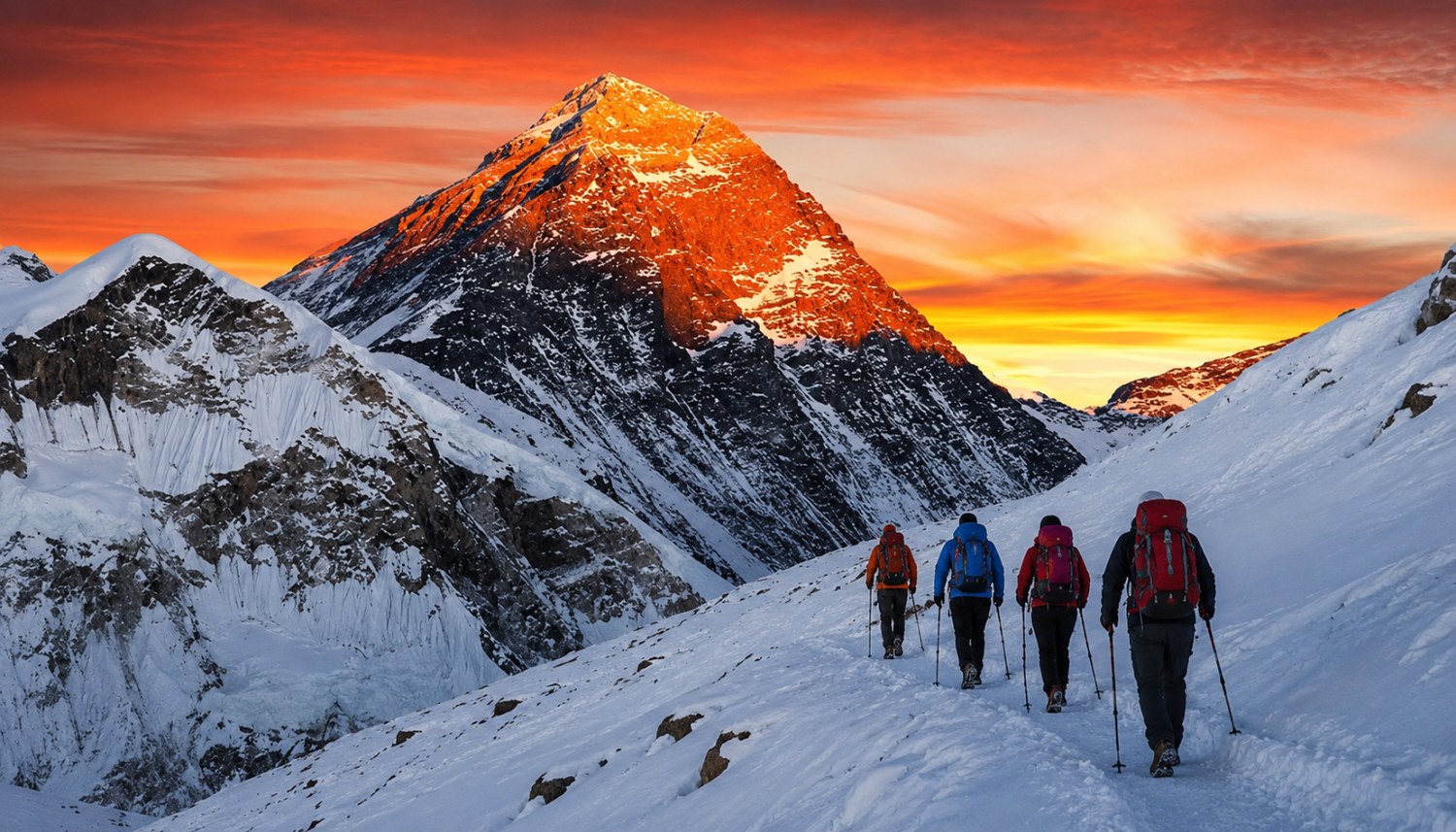
Khunde, Nepal: Complete Travel & Trekking Guide
By Nepal Trip Services On 23 Sep 2026

By Nepal Trip Services On 23 Sep 2026
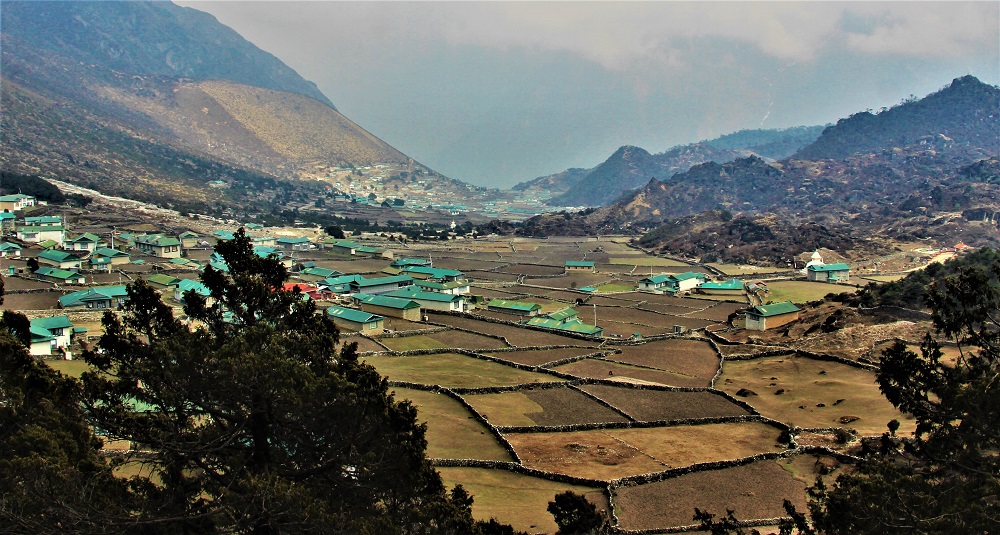
Nestled at roughly 3,840 meters in the shadow of Khumbila, the sacred peak Sherpas believe is home to their protector deity, Khunde owes its fame largely to Sir Edmund Hillary, who built the Khunde Hospital here in 1966 through the Himalayan Trust — a facility that still serves the local community today and stands as a lasting symbol of the bond between the mountaineer and the Sherpa people. Unlike the busier trail through Khumjung, Khunde sees far fewer trekkers, which makes it a peaceful detour for those wanting an authentic glimpse of Sherpa daily life, traditional stone houses, and potato fields framed by dramatic Himalayan scenery. A short walk from Namche Bazaar or Khumjung, the village also offers stunning views of Ama Dablam, Thamserku, and the Khumbila massif, making it a rewarding and often-missed stop for anyone trekking toward Classic Everest Base Camp.
Khunde sits at 3,840 meters (12,600 feet) in the Khumbu region of Nepal, within Sagarmatha National Park, directly adjacent to Khumjung village in the broad valley at the foot of Khumbu Yül-Lha (Khumbila) — the sacred mountain of the Sherpas. Positioned in the western part of the Khumjung Valley, Khunde sits slightly higher than its neighboring village.
| Detail | Information |
|---|---|
| Altitude | 3,840m/12,600ft |
| Coordinates | 27°49′23″N, 86°42′26″E |
| Region | Khumbu, Sagarmatha National Park |
| Adjacent Village | Khumjung |
| Sacred Mountain | Khumbu Yül-Lha (Khumbila) |
| Distance from Everest | Less than 25 km |
Khunde is the site of Kunde Hospital, founded by Sir Edmund Hillary in 1966 at the request of the local Sherpa community. This 12–15 bed community hospital serves approximately 8,000 people across the Khumbu district, offering emergency care, maternal and child health services, immunization programs, and outpatient services.
After his historic 1953 Everest ascent, Hillary led numerous expeditions to Nepal focused on improving health and social welfare — building schools, bridges, the Lukla airstrip, and medical facilities, with Kunde Hospital standing as one of the most enduring results of this work.
The hospital was originally funded and operated by the Himalayan Trust until 1976, and has since been supported by the Sir Edmund Hillary Foundation, remaining fully operational and continuing to serve the region today, including outreach clinics extended to Phortse and Thame.
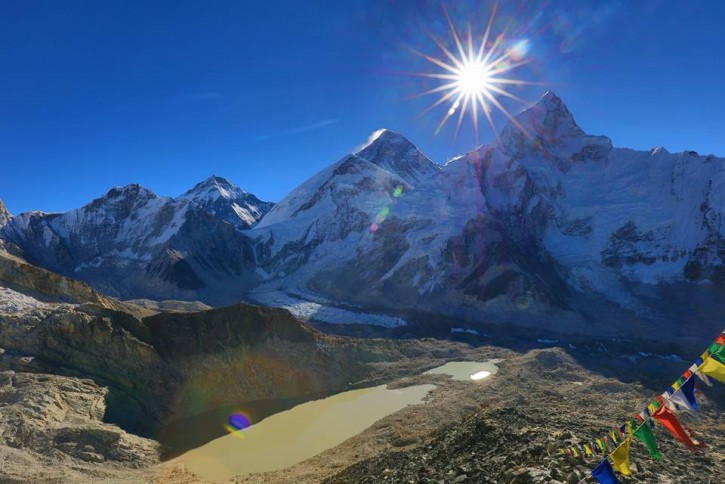
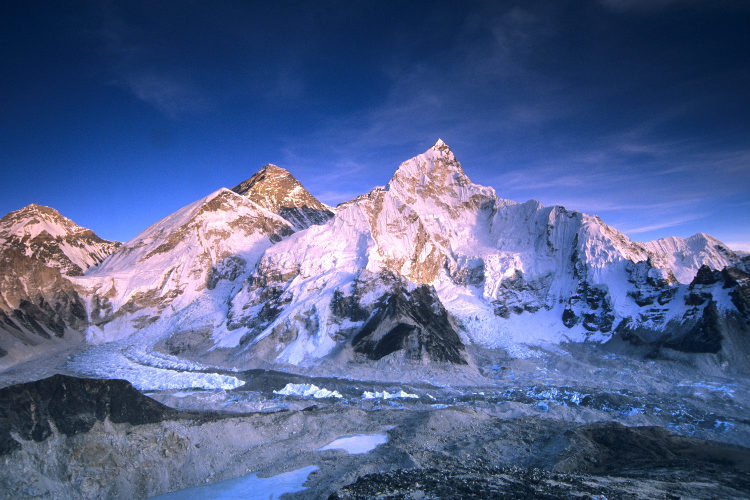
Like Khumjung, Khunde sits beneath Khumbu Yül-Lha, considered the guardian deity of the Khumbu region by the Sherpa people, with Everest, Lhotse, and Ama Dablam visible rising behind Khumbila in the background.
Khunde is typically visited alongside Khumjung, usually as part of the Namche Bazaar acclimatization day:
Total round-trip time from Namche: Approximately 2–3 hours, including both villages
| Season | Conditions | Recommendation |
|---|---|---|
| Autumn (Sep–Nov) | Stable, clear skies | Best mountain visibility |
| Spring (Mar–May) | Mild, good visibility | Strong second choice |
| Winter (Dec–Feb) | Cold but often clear | Quieter visit |
| Monsoon (Jun–Aug) | Wet, poor visibility | Not recommended |
Khunde is a small Sherpa village in the Khumbu region of the Solukhumbu District, in Nepal's Everest region. It sits at an elevation of approximately 3,840 meters (12,600 feet), just above Khumjung and a short walk from Namche Bazaar. Nestled beneath the sacred peak Khumbila, Khunde is easily accessible on foot as part of most Everest region trekking itineraries.
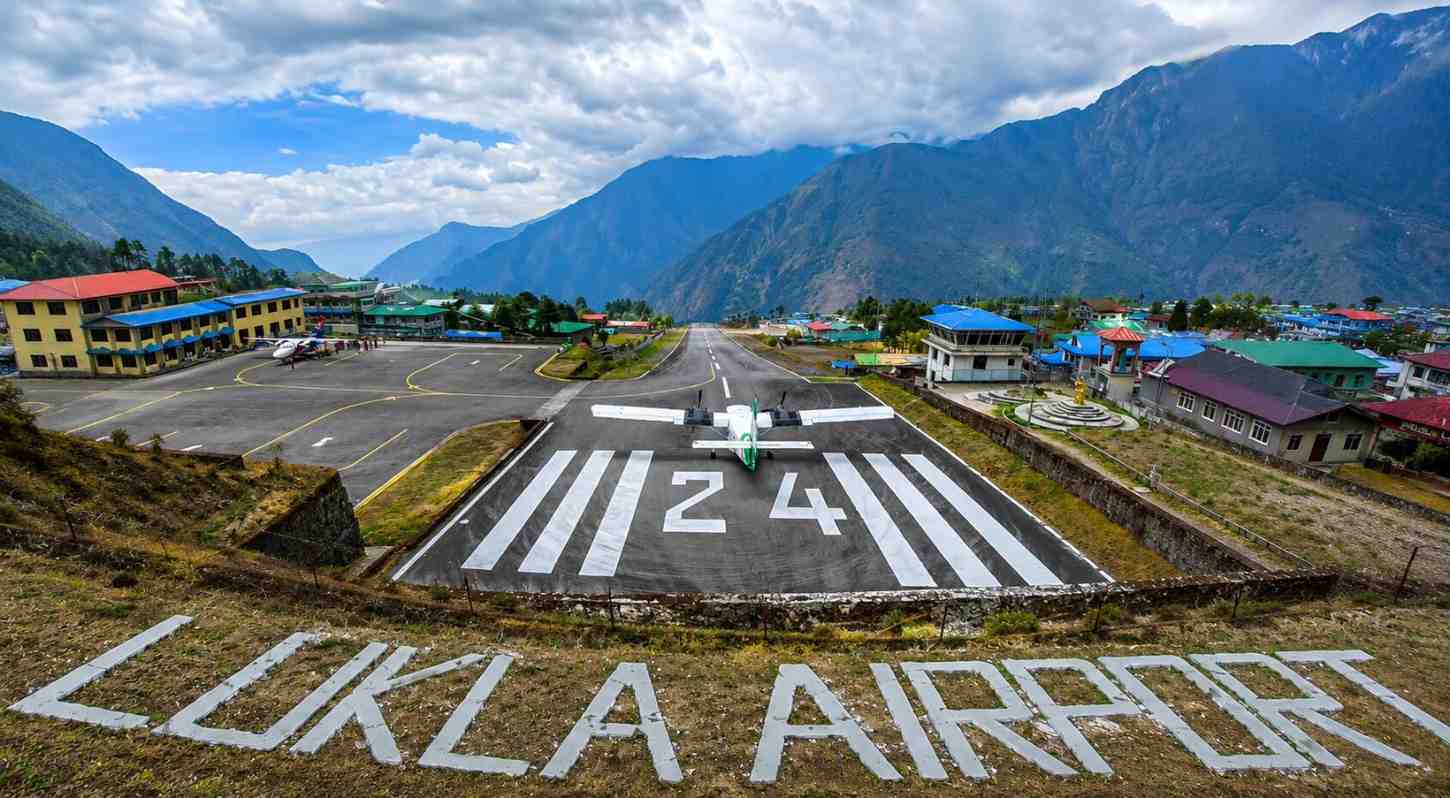
Most visitors fly from Kathmandu to Lukla's Tenzing-Hillary Airport, then trek roughly two days to Namche Bazaar. From Namche, Khunde is an additional 1 to 2 hour uphill walk, usually combined with a visit to neighboring Khumjung. There are no roads to Khunde, so the village is reached exclusively on foot or occasionally by helicopter for emergencies or scenic flights.
Khunde is best known as the site of Khunde Hospital, built in 1966 by Sir Edmund Hillary through his Himalayan Trust following his historic 1953 ascent of Everest. The hospital was one of the first modern medical facilities in the Khumbu region and remains a lasting symbol of Hillary's decades-long commitment to the Sherpa community, offering free or low-cost healthcare to locals and trekkers alike.
Yes, Khunde Hospital continues to function and serves as an essential healthcare facility for villagers throughout the upper Khumbu region. It handles everything from routine checkups to altitude sickness cases and emergencies, and it occasionally welcomes visiting international medical volunteers. Some trekkers stop by to learn about its history, though it remains an active clinic rather than a tourist attraction.
Khunde and Khumjung are neighboring Sherpa villages often visited together, but they have distinct identities. Khumjung is larger, with a monastery said to house a yeti scalp and a bigger population, making it the more frequently visited of the two. Khunde is quieter and smaller, primarily known for its hospital and its authentic, less touristic atmosphere — making it ideal for travelers seeking a more peaceful, local experience.
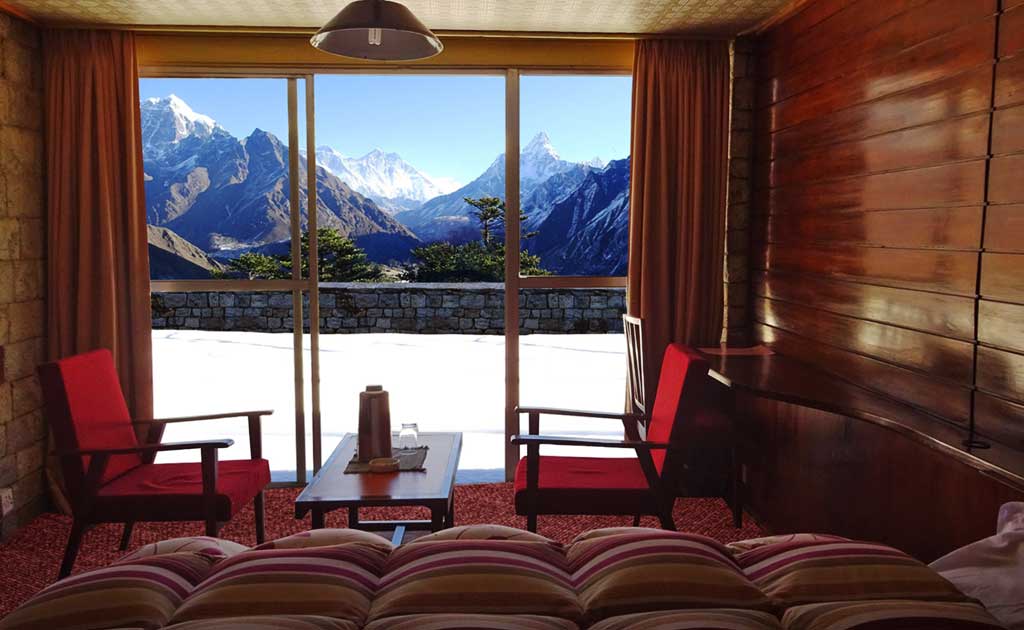
Yes, Khunde is a popular half-day or full-day excursion from Namche Bazaar, often combined with Khumjung and Everest View Hotel for panoramic mountain views. This makes it a great acclimatization hike, since gaining moderate altitude and returning to sleep lower helps trekkers adjust before continuing toward Everest Base Camp.
Khunde offers spectacular views of Ama Dablam, Thamserku, Kangtega, and the sacred Khumbila peak, which rises directly behind the village. On clear days, trekkers can also catch glimpses of Everest and Lhotse from higher vantage points nearby, making Khunde a rewarding stop for photography and scenic appreciation without a strenuous detour.
Absolutely. Khunde is frequently used as part of the "climb high, sleep low" acclimatization strategy during the Classic Everest Base Camp Trek. Since it sits slightly higher than Namche Bazaar, a day hike to Khunde and Khumjung helps trekkers' bodies adjust to increasing altitude before pushing further into higher-altitude villages like Tengboche and Dingboche.
The ideal seasons are pre-monsoon spring (March to May) and post-monsoon autumn (late September to November), when skies are clear and temperatures are moderate for trekking. Winter (December to February) offers fewer crowds but colder temperatures, while the monsoon season (June to August) brings rain, cloud cover, and reduced mountain visibility.
Yes, Khunde has a handful of basic teahouses and guesthouses offering simple rooms, hot meals, and tea, though options are more limited than in busier hubs like Namche Bazaar or Khumjung. Many trekkers choose to stay overnight in Khumjung or Namche and visit Khunde as a day trip, though an overnight stay is possible for those wanting a quieter experience.
Khunde retains a strong traditional Sherpa identity, with stone houses, potato and barley fields, prayer flags, and mani walls lining the village paths. Because it receives far fewer tourists than nearby villages, daily life here reflects authentic Sherpa customs, religious practices tied to Tibetan Buddhism, and a close relationship with the surrounding sacred mountains.
Yes, the walk to Khunde from Namche Bazaar or Khumjung is relatively gentle compared to other sections of the Everest Base Camp Trek, making it accessible for families, first-time trekkers, and those prioritizing acclimatization over distance. However, given its altitude of nearly 3,840 meters, basic precautions against altitude sickness are still recommended.
Yes, since Khunde lies within Sagarmatha National Park, visitors need a Sagarmatha National Park entry permit and a Khumbu Pasang Lhamu Rural Municipality entry permit, both obtainable in Kathmandu or at checkpoints near Monjo. No separate permit is required specifically for Khunde beyond these standard Everest region trekking permits.
Beyond the hospital, visitors can hike to the Everest View Hotel for one of the region's most famous panoramic viewpoints, explore Khumjung's monastery and school (also founded by Hillary's Himalayan Trust), or simply wander Khunde's quiet trails for a slower-paced cultural experience away from the main trekking crowds.
Khunde offers a rare combination of historical depth, cultural authenticity, and acclimatization value — all without requiring a major detour from the standard Everest Base Camp Trek route. For trekkers wanting more than mountain views, a stop in Khunde provides insight into the Himalayan Trust's humanitarian legacy and a quieter, more genuine Sherpa village experience often missed by those rushing toward base camp.
Khunde may sit quietly in the shadow of its more visited neighbor Khumjung, but its story is every bit as remarkable — a small mountain village transformed by Sir Edmund Hillary's enduring commitment to Sherpa welfare, still serving thousands of Khumbu residents through Kunde Hospital nearly six decades after it first opened its doors. For trekkers willing to take the short detour from Namche Bazaar, Khunde offers a genuinely moving glimpse into the human side of Everest's mountaineering legacy.
Ready to experience Khunde for yourself? Explore the complete Classic Everest Base Camp Trek itinerary with Nepal Trip Services and discover this quiet, historically significant village on your acclimatization day.
Discover more articles that match your interests! Explore these similar blogs packed with insights, tips, and stories to keep you inspired.
Everything on Classic Everest Base Camp Trek permits for 2026–2027 — costs, requirements, where to get them & recent...
Discover the best season for the Classic Everest Base Camp Trek. Compare autumn, spring, winter & monsoon weather, views...
Explore the Classic Everest Base Camp Trek itinerary with detailed day-by-day routes, altitudes, trekking hours & acclim...
Discover what you\\\'ll eat and where you\\'ll sleep on the Classic Everest Base Camp Trek. Complete guide to teahouses,...
Discover the full cost breakdown of the Classic Everest Base Camp Trek — permits, flights, guides, porters, meals & ac...
Is the Classic Everest Base Camp Trek hard? Complete guide to difficulty level, altitude challenges, fitness needs & tra...