Nepal Festivals: A Complete Guide To Culture, Traditions & Celebrations
By Nepal Trip Services On 14 Oct 2026

By Nepal Trip Services On 14 Oct 2026

In Nepal, a festival is rarely a single day on the calendar. It is a season of its own, with families traveling home, temples glowing with butter lamps, chariots rolling through ancient streets and mountain monasteries echoing with masked dances. It is often said that Nepal has more festivals than days in the year. That is not literally true, but it is close enough that almost any trip here overlaps with a celebration of some kind.
This guide walks you through the major Nepal festivals, what they mean, where to see them and how to plan a trip around them. You will find a 2026 to 2027 festival calendar, tips on etiquette and, near the end, 15 frequently asked questions. If you would rather skip the research and have a local team build the trip for you, Nepal Trip Services designs festival-timed tours, treks and cultural journeys across the country.
Quick snapshot
| Detail | Information |
|---|---|
| Biggest national festivals | Dashain and Tihar |
| Main faiths shaping the calendar | Hinduism and Buddhism, plus Kirat, Tharu and other indigenous traditions |
| Best festival seasons | Autumn (September to November) and spring (March to May) |
| Calendar type | Mostly lunar, so dates change every year |
| Most famous in Kathmandu Valley | Indra Jatra, Gai Jatra, Bisket Jatra |
| Best for mountain culture | Mani Rimdu in the Everest region, Tiji in Upper Mustang |
Nepal is a small country with a huge cultural range. Hindus and Buddhists have lived side by side for centuries, and dozens of ethnic groups, including the Newar, Sherpa, Tamang, Gurung, Magar, Thakali, Rai, Limbu and Tharu, keep their own calendars of rituals. The result is a year packed with celebrations that mark harvests, seasons, gods, ancestors and family bonds.
A few things make Nepal's festivals special:
For travelers, this means a festival is one of the fastest ways to understand how Nepalis think about family, faith and community.
Because the calendar is lunar, dates below are approximate and can shift by a day depending on the almanac. Always confirm close to your travel date.
| Festival | Where | Approximate date |
|---|---|---|
| Dashain | Nationwide | Ghatasthapana October 11, 2026, Vijaya Dashami around October 20 to 21 |
| Tihar (Diwali) | Nationwide | About November 7 to 11, 2026 (Laxmi Puja November 8, Bhai Tika November 11) |
| Chhath Parva | Terai region | About November 15, 2026 |
| Tamu Lhosar | Gurung communities | December 30, 2026 |
| Maghe Sankranti | Nationwide | January 15, 2027 |
| Sonam Lhosar and Gyalpo Losar | Tamang, Sherpa and Tibetan communities | February to March 2027 |
| Maha Shivaratri | Pashupatinath and nationwide | Early March 2027 |
| Holi (Fagu Purnima) | Hills first, Terai the next day | About March 22 to 23, 2027 |
| Ghode Jatra | Kathmandu | Early April 2027 |
| Nepali New Year and Bisket Jatra | Bhaktapur and nationwide | Mid-April 2027 |
| Buddha Jayanti | Lumbini, Boudhanath, Swayambhunath | About May 20, 2027 |
| Gai Jatra, Teej, Indra Jatra | Kathmandu Valley and nationwide | August to September 2027 |
Dashain is happening right now as this guide is published, which makes this a good moment to read about it and to plan for Tihar, which follows within a few weeks.
When: Usually late September to mid-October, over about 15 days Where: Everywhere in Nepal What it celebrates: The victory of the goddess Durga over the demon Mahishasura, and good over evil
If Nepal had one festival that defines the national spirit, it would be Dashain. It begins with Ghatasthapana, when barley seeds are planted in sacred vessels. Over the following days the shoots grow into yellow jamara, which are later worn as blessings.
Key days to know:
Beyond the rituals, Dashain is about reunion. Families travel home, buy new clothes, fly bamboo kites, play cards and share large meals. For a traveler, it is a warm time to be in Nepal, though you should expect crowded buses and flights and many closed businesses around the main days.
When: About five days in October or November, shortly after Dashain Where: Nationwide What it celebrates: Light, prosperity, and the bond between humans, animals and siblings
Tihar is often called the Nepali Diwali, but it has its own character. Each day honors a different being:
During the evenings the streets glow with lamps and rangoli patterns, and groups of children sing and dance door to door in the traditions of Deusi and Bhailo. Tihar is one of the most photogenic times of the year in Kathmandu and Pokhara.
The Kathmandu Valley is the cultural heart of Nepal, and its Newar communities keep an extraordinary calendar of jatras (street festivals). If you want to see living heritage, this is the place.
An eight-day festival that honors Indra, the god of rain, and fills Kathmandu Durbar Square with processions, masked dances and the towering Lingam pole. The highlight is the chariot procession of the Kumari, the Living Goddess. Plan to arrive early and respect the rule against photographing the Kumari herself. Read more about the setting in our Kathmandu Durbar Square guide.
The "Cow Festival" is both solemn and comic. Families who lost a loved one in the past year lead a cow, or a child dressed as one, through the streets to help guide the departed on their journey. Alongside it, people dress up and perform satire, turning grief into laughter.
Held in Bhaktapur around the Nepali New Year, this multi-day festival features a tug of war between two huge chariots, the raising of a tall ceremonial pole and lively celebrations in the old town. It is one of the most dramatic festivals in the country.
Nepal's festival of colors welcomes spring with powder, water balloons and music. In Kathmandu Valley, the hills celebrate first, and the Terai region celebrates a day later. Keep your camera protected, wear old clothes and always ask before smearing color on someone.
At Pashupatinath Temple, thousands of devotees and sadhus (holy men) from across Nepal and India gather for a night of prayer, bonfires and devotional music. It is a powerful, atmospheric event, though crowded.
A horse festival in Kathmandu with a military parade and horse races at Tundikhel, followed by a lively chariot procession in Patan.
Buddha Jayanti commemorates the birth, enlightenment and death of Lord Buddha on the full moon day of Baishakh. Nepal is the birthplace of the Buddha, so the day carries special weight.
Different communities celebrate their own New Year, each with distinct dates:
Expect monastery ceremonies, family feasts, new clothes, traditional dances and lots of khapse, the fried pastries typical of the season.
One of the most remarkable Buddhist events in the Himalayas, Mani Rimdu is a multi-day festival of masked cham dances, blessings and rituals held at Sherpa monasteries, including Tengboche and Thame. Dates follow the Tibetan lunar calendar and differ between monasteries, so always check before you plan a trek around it.
Held in the walled city of Lo Manthang in spring, Tiji is a three-day ritual that dramatizes the triumph of good over evil. Visiting Upper Mustang requires a special permit and careful planning, so book well in advance.
| Festival | Season | What it is |
|---|---|---|
| Teej | August to September | Women fast, dress in red, sing and dance, and pray for the well-being of their spouses and families |
| Maghe Sankranti | January | Marks the start of the sun's northward journey, with sesame sweets, ghee and yam |
| Janai Purnima and Rakshya Bandhan | August | Sacred threads are tied on wrists, and the Gosaikunda lake pilgrimage takes place |
| Chhath Parva | October to November | Devotees in the Terai give offerings to the sun at river banks and ponds |
| Udhauli and Ubhauli | Spring and winter | Kirat festivals tied to seasonal migration and the farming cycle |
| Rato Machhindranath Jatra | April to May | A long chariot festival in Patan, honoring the god of rain and harvest |
| Sakela | Spring | Kirat community dances celebrating nature and the harvest |
Autumn (September to November) is the festival peak. Indra Jatra, Teej, Dashain and Tihar all fall in this season, and the skies are also at their clearest for mountain views. If you only have one window, this is it. See our autumn trekking guide for what to expect on the trails.
Spring (March to May) brings Holi, Ghode Jatra, Bisket Jatra, Buddha Jayanti and the colorful rhododendron bloom. It is warm, lively and excellent for both culture and trekking. See our spring trekking guide.
Winter (December to February) is quieter, with Lhosar celebrations, Maghe Sankranti and Shivaratri. Fewer crowds make it a good time for cultural tours in the valley.
Monsoon (June to August) has fewer big festivals, though Gai Jatra, Janai Purnima and Teej take place near its end.
A note on timing: Dashain and Tihar are wonderful, but transport is crowded, hotels fill up and many shops close on the main days. Book flights and hotels early and keep a flexible schedule.
| Place | Best for | Learn more |
|---|---|---|
| Kathmandu | Indra Jatra, Dashain, Shivaratri, Buddha Jayanti | Kathmandu guide |
| Bhaktapur and Changu Narayan | Bisket Jatra, Newar traditions | Changu Narayan Temple |
| Pokhara | Tihar lights on Phewa Lake, Teej | Pokhara guide |
| Lumbini | Buddha Jayanti | Lumbini guide |
| Chitwan | Tharu festivals and Holi | Chitwan guide |
| Everest region | Mani Rimdu, Losar | Namche Bazaar |
| Annapurna and Mustang | Thakali and Manangi traditions, Muktinath pilgrimage | Muktinath |
One of the joys of trekking in Nepal is that every region has its own people and customs. Learn about them before you go:
A festival makes a perfect first chapter for a longer journey:
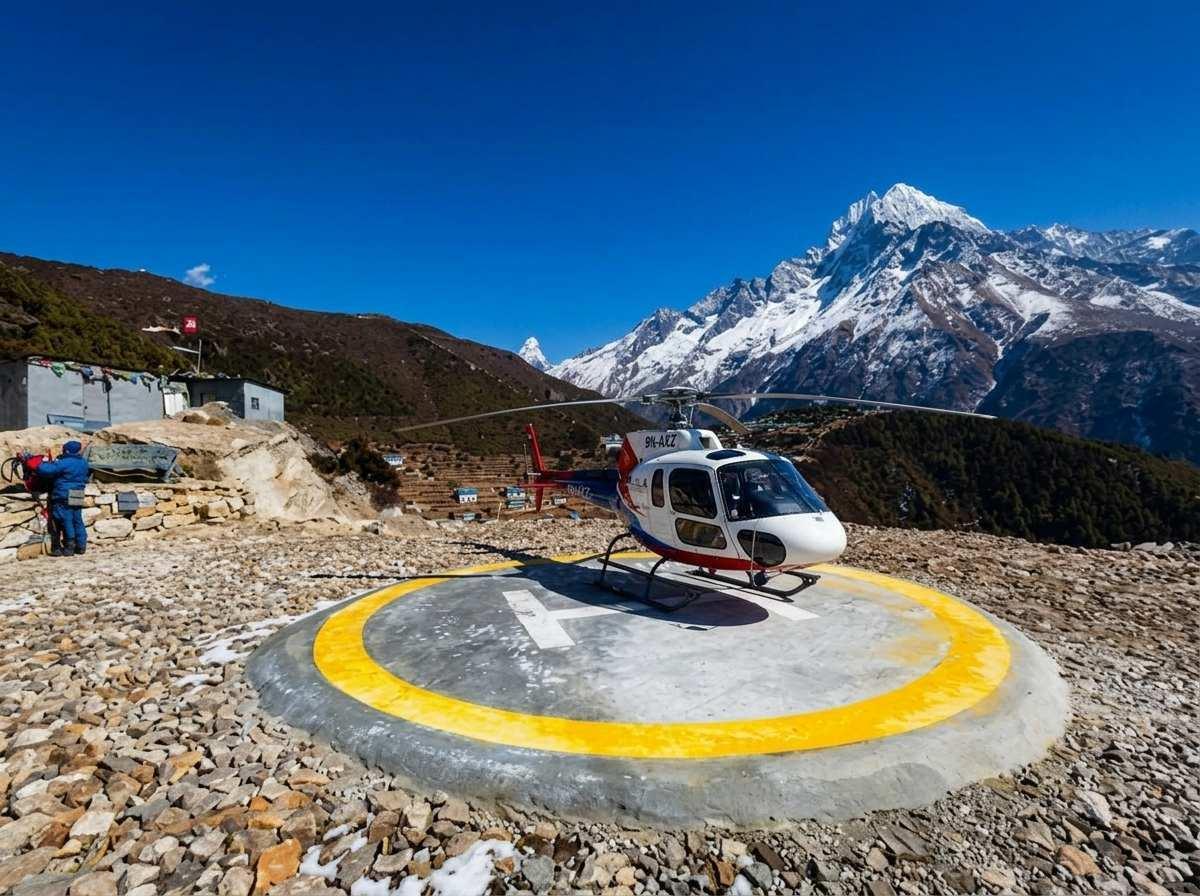
Want to see Everest in a single morning between festivals? The Everest Helicopter Tour with Hotel Everest View Breakfast is a relaxed same-day option from Kathmandu. Browse every option on our Nepal tour packages page, or use the trip planner to build a custom itinerary around your festival dates.
Nepal Trip Services is a Kathmandu-based local operator with 16 years of experience in Nepal tourism. We know when festivals fall, which ones are best for visitors and how to avoid the transport crunch around the big holidays. You deal directly with the local team, which means honest advice, flexible planning and support from the first message to your last day. Read what other travelers say on our reviews page and see why travel with us.
Nepal celebrates dozens of major festivals and hundreds of local ones, tied to Hindu, Buddhist and indigenous traditions. There is almost always something happening somewhere in the country.
Dashain is the biggest and longest, lasting about 15 days. Tihar, the festival of lights, is the second most important and follows a few weeks later.
Dashain begins with Ghatasthapana on October 11, 2026, and the main day, Vijaya Dashami, falls around October 20 to 21. The festival closes with the full moon about four days later. Dates can vary by a day depending on the almanac.
Tihar runs for about five days from roughly November 7 to 11, 2026, with Laxmi Puja on about November 8 and Bhai Tika on November 11.
Most Nepal festivals follow the lunar calendar, so they shift relative to the Western calendar. Always confirm dates shortly before booking.
Autumn (September to November) is the best overall, with Indra Jatra, Teej, Dashain and Tihar, plus clear weather. Spring (March to May) is also excellent, with Holi, Bisket Jatra and Buddha Jayanti.
Yes. Most festivals are public and visitors are warmly welcomed. Be respectful, ask before taking photos and follow local guidance, especially at religious sites.
Families gather, receive tika and jamara blessings from elders, fly kites, share large meals and visit temples dedicated to Durga. It is a time for reunion and renewal.
Tika is a mark of rice, yogurt and red vermilion placed on the forehead as a blessing. During Dashain, elders give it to younger relatives. During Bhai Tika, sisters give it to brothers.
In Hindu belief, crows are messengers and dogs are loyal guardians associated with the god Bhairava. Tihar honors these animals, along with cows and oxen, to celebrate the bond between humans and nature.
Holi falls in March. In 2027 it is expected around March 22 to 23, with the hills celebrating first and the Terai a day later. Kathmandu, Pokhara and Chitwan all have lively celebrations.
The Living Goddess appears in a chariot procession during Indra Jatra in Kathmandu in September. Photographing the Kumari herself is not allowed.
Transport and hotels get busy, and many shops close on the main days, so book early. Prices can rise on popular routes, but the festival atmosphere makes it worthwhile for many travelers.
Yes. Autumn trekking overlaps with Dashain and Tihar, and you may see celebrations in mountain villages. Mani Rimdu in the Everest region is a highlight for trekkers, but dates vary by monastery, so confirm before you go.
Choose your season, confirm festival dates, book flights and hotels early and build in spare days. Contact Nepal Trip Services through the trip planner, by email at info@nepaltripservices.com or on WhatsApp, and we will design an itinerary around the celebrations you want to see.
To understand Nepal, you do not need to memorize its history. You only need to spend a day in the middle of a festival: the smell of incense and fried sel roti, the drums, the lamps, the grandmother blessing a grandchild with a tika. Whether it is Dashain's family reunions, Tihar's glowing streets, Holi's color or a masked dance high in the Khumbu, these moments are what turn a trip into a memory.
Ready to plan yours? Visit Nepal Trip Services, message us on WhatsApp at +977-9828696557 or reach out through our contact page, and we will help you time your journey to the celebrations that matter most to you.
Discover more articles that match your interests! Explore these similar blogs packed with insights, tips, and stories to keep you inspired.
Everest helicopter tour or 14-day EBC trek? Compare cost, time, fitness, altitude risk and views to choose the right Eve...
Helicopter or trek to Everest? An honest look at who each one is better for, what you gain, what you miss, and the myths...