Boudhanath Stupa, Kathmandu: Complete Travel & Cultural Guide
By Nepal Trip Services On 28 Sep 2026

By Nepal Trip Services On 28 Sep 2026
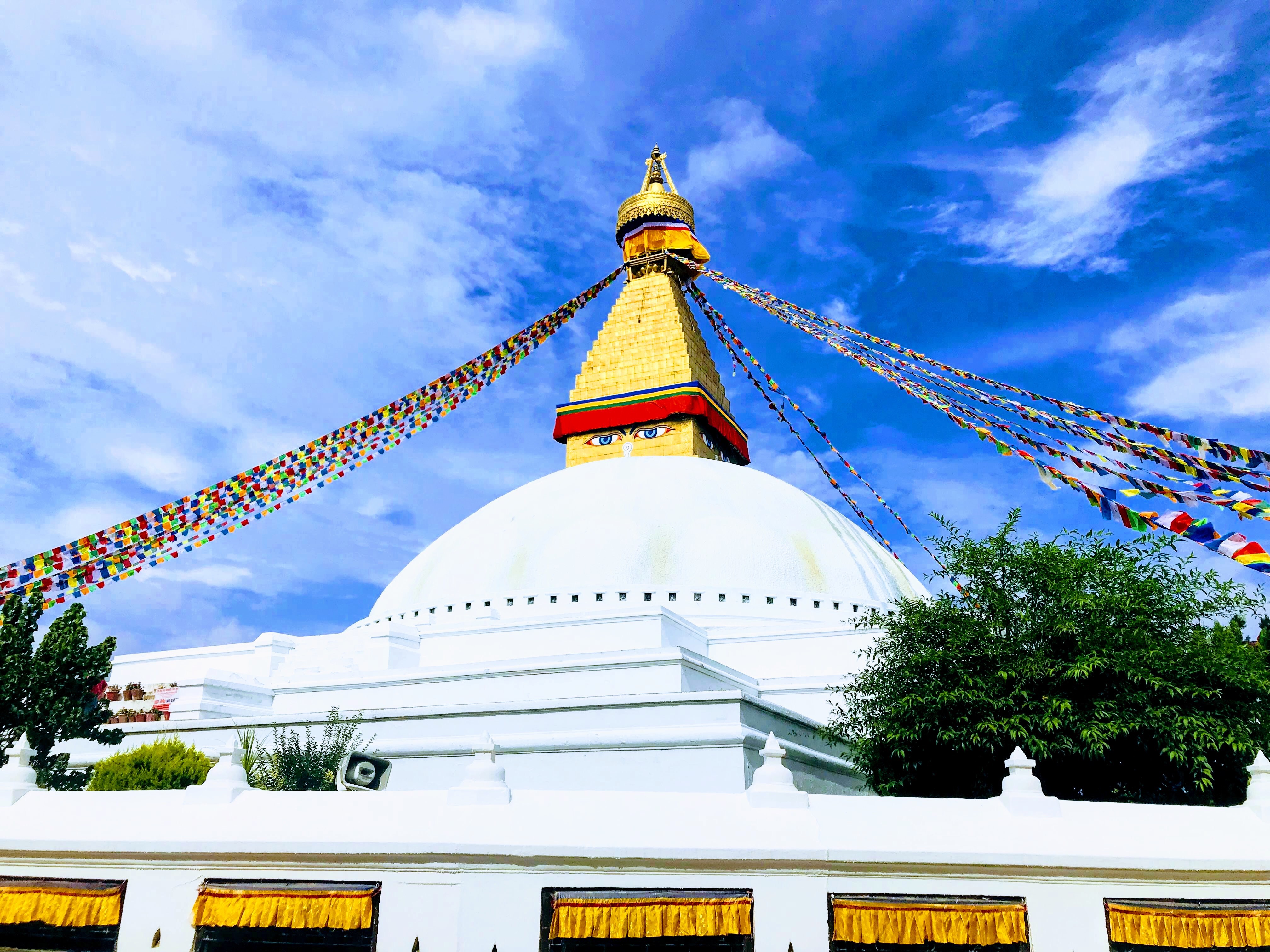
Rising from the heart of eastern Kathmandu like a great white mandala, Boudhanath Stupa is one of the most magnetic spiritual landmarks in Nepal. Its massive dome, golden spire, and the calm, all-seeing eyes of the Buddha have made it one of the most photographed and most beloved sites in the Himalayan world. It is a UNESCO World Heritage Site and the spiritual center of Tibetan Buddhism outside Tibet, a living place of worship where monks chant, pilgrims walk in prayer, and visitors from every corner of the globe come to feel its peaceful energy. This complete guide from Nepal Trip Services covers the stupa's history, symbolism, visiting tips, festivals, and etiquette, so you can experience it with confidence. To see Boudhanath as part of a wider cultural journey, explore the Kathmandu, Pokhara, Chitwan & Lumbini Tour offered by Nepal Trip Services.
Boudhanath, often shortened to Boudha or Bouddha, is one of the largest spherical stupas in the world. Standing about 36 meters tall, it is a major pilgrimage site for Buddhists, especially those following the Tibetan tradition, and the stupa is enclosed by a lively circular plaza of monasteries, shops, and rooftop cafés.
Unlike a museum monument, Boudhanath is a living sacred space. From before sunrise until late in the evening, devotees circle the stupa, spin prayer wheels, light butter lamps, and chant mantras, creating an atmosphere that many travelers find deeply calming.
| Detail | Information |
|---|---|
| Location | Eastern Kathmandu, about 5–8 km from the city center |
| Religion | Tibetan Buddhism (and revered by Buddhists broadly) |
| Height | Approximately 36 meters |
| UNESCO Status | World Heritage Site since 1979 |
| Local Name | Khasa Chaitya |
| Main Activity | Kora (clockwise walk around the stupa) |
| Entry Fee (Foreign Visitors) | Small fee, roughly NPR 400–600 (confirm on site) |
| Nearby Attraction | Pashupatinath Temple (about 1.5 km) |
| Best Times to Visit | Early morning and around sunset |
Fees and hours can change, so confirm the current details at the entrance on the day of your visit.
Boudhanath sits on what was once the ancient trade route between Tibet and the Kathmandu Valley, and merchants and pilgrims have stopped here to pray for centuries. Traditional accounts trace the stupa's origins back to around the 5th century, and legends describe it as housing sacred relics, though its exact early history remains a blend of tradition and mystery.
The site took on new importance in the 1950s and especially after 1959, when many Tibetan refugees settled around the stupa, building monasteries and preserving their religious and cultural heritage. Today, dozens of monasteries surround the plaza, making Boudha one of the most concentrated centers of Tibetan Buddhist life outside Tibet.
Boudhanath was damaged in the devastating 2015 earthquake, which affected its upper spire. A major restoration effort followed, and the stupa was carefully repaired and rededicated, returning it to its full glory as a place of worship and pilgrimage.
Every element of Boudhanath carries deep spiritual meaning, and understanding it adds richness to your visit:
The kora is the ritual clockwise circuit around the stupa. Pilgrims often walk it multiple times, spinning the prayer wheels set into the wall and reciting mantras. Joining the flow of walkers, always moving clockwise, is one of the most authentic and calming experiences you can have in Kathmandu.
Early morning brings quiet devotion, soft light, and the sound of chanting monks. In the evening, the stupa glows warmly as thousands of butter lamps and candles are lit, creating a magical atmosphere that many visitors consider the highlight of their visit.
Many of the surrounding monasteries welcome respectful visitors to observe prayers or admire their colorful murals, prayer halls, and giant prayer wheels. Some also offer short meditation sessions and teachings, so ask about local offerings.
Ringed around the plaza are rooftop cafés serving Tibetan butter tea, momos, and thukpa, with fantastic views of the stupa. They are ideal for slowing down, watching the kora, and soaking in the atmosphere.
The plaza is lined with shops selling thangka paintings, singing bowls, prayer beads, incense, prayer flags, and handmade jewelry. Take your time, compare prices, and bargain politely.
Offering a butter lamp is a traditional way to make a wish, honor loved ones, or accumulate spiritual merit. Small donations are welcome, and it's a simple, meaningful way to take part.
| Festival | Approx. Timing | What to Expect |
|---|---|---|
| Losar (Tibetan New Year) | February/March | Celebrations, prayers, and colorful gatherings at the stupa |
| Buddha Jayanti | April/May | Marks Buddha's birth, enlightenment, and passing, with special prayers and offerings |
| Saga Dawa | May/June | A holy month of heightened devotion and merit-making |
| Monthly full moon days | Year-round | Larger crowds and additional prayers |
Visiting during a festival is a rare cultural treat, but expect large crowds and plan ahead.
| Season | Months | Conditions |
|---|---|---|
| Autumn | September – November | Clear skies, pleasant weather, ideal for sightseeing |
| Spring | March – May | Warm, colorful, and festival-filled |
| Winter | December – February | Cool and quiet, with crisp air and fewer crowds |
| Monsoon | June – August | Rain and humidity, but lush, green surroundings and fewer tourists |
Regardless of the season, early morning and sunset are the most rewarding times of day.
Boudhanath lies in eastern Kathmandu, not far from Tribhuvan International Airport. Popular ways to get there include:
Respecting local customs makes your visit more meaningful:
Boudhanath is just one of the many cultural and natural highlights waiting across Nepal. Beyond Kathmandu, travelers can enjoy the peaceful lakes of Pokhara, thrilling wildlife encounters in Chitwan National Park, and the sacred birthplace of Buddha in Lumbini. Nepal Trip Services brings these experiences together in the Kathmandu, Pokhara, Chitwan & Lumbini Tour, a thoughtfully planned journey for first-time visitors and culture lovers.
Boudhanath Stupa, also called Boudha or Bouddha, is one of the largest spherical stupas in the world and the spiritual heart of Tibetan Buddhism outside Tibet. It is famous for its massive white dome, golden spire, and the all-seeing eyes of the Buddha painted on all four sides. It has been a UNESCO World Heritage Site since 1979.
Boudhanath is in eastern Kathmandu, roughly 5 to 8 km from the city center and not far from Tribhuvan International Airport. It sits close to Pashupatinath Temple, about 1.5 km away, so the two sites are easy to combine in a single half-day.
The stupa stands approximately 36 meters tall and is surrounded by a large circular plaza. Its size, along with its striking white dome and golden tower, makes it one of the most recognizable landmarks in the Kathmandu Valley.
Foreign visitors pay a small entry fee, generally in the range of NPR 400 to 600, while Nepali citizens enter free. Fees can change and may vary by nationality, so confirm the current price at the ticket counters near the plaza entrances or ask your tour operator, such as Nepal Trip Services.
The stupa is open to visitors from early morning until evening, and devotees begin their kora as early as dawn. Ticket offices may close earlier than the site itself, so check the current timings locally. Early morning and sunset are the most atmospheric times to visit.
The kora is the ritual clockwise walk around the stupa, performed by Buddhist pilgrims as an act of devotion. Many walk several rounds while spinning prayer wheels and reciting mantras. Visitors are welcome to join, as long as they always walk clockwise and move respectfully with the flow of people.
The painted eyes on the golden tower symbolize the wisdom and compassion of the Buddha, watching over the world in all four directions. The mark between them, often described as resembling the Nepali numeral for "one," represents unity and the single path to enlightenment.
Boudhanath sits on an ancient trade route between Tibet and the Kathmandu Valley, and traditional accounts trace its origins back many centuries. It gained major importance in the 1950s and after 1959, when Tibetan refugees settled around it and built monasteries. The 2015 earthquake damaged the stupa, but it was carefully restored and rededicated.
Early morning offers peaceful chanting, softer light, and fewer tour groups. Sunset and early evening are equally special, when thousands of butter lamps are lit and the stupa glows warmly. Midday can be hot and crowded, especially in peak tourist seasons.
Autumn (September to November) and spring (March to May) offer the clearest skies and most comfortable weather. Winter is cool and quiet, while the monsoon (June to August) brings rain but also lush scenery and fewer crowds. Festival periods such as Losar and Buddha Jayanti add special cultural color.
Major celebrations include Losar (Tibetan New Year) in February or March, Buddha Jayanti in April or May, and Saga Dawa in May or June. Monthly full moon days also draw larger crowds for prayers and offerings. Visiting during a festival is memorable but busy, so plan ahead.
Dress modestly, covering your shoulders and knees, especially if you plan to enter monasteries. Wear comfortable walking shoes for the stone plaza, and carry a hat or sunscreen in warm weather. Remove shoes and hats when entering prayer halls.
Many monasteries around the plaza welcome respectful visitors, and some allow you to observe prayers or view their murals and prayer halls. Always ask before entering, remove your shoes, keep your voice low, and avoid photographing monks or ceremonies without permission.
Yes, photography is generally allowed in the outdoor plaza and around the stupa, and it is one of Kathmandu's most photogenic spots. Inside monasteries and during some ceremonies, photography may be restricted, so always check for signs or ask permission, and be respectful when photographing people at prayer.
Yes, Boudhanath fits perfectly into a wider cultural journey. Nepal Trip Services offers the Kathmandu, Pokhara, Chitwan & Lumbini Tour, which combines Kathmandu's heritage sites with Pokhara's lakes and mountain views, wildlife experiences in Chitwan, and the birthplace of Lord Buddha in Lumbini, all with expert local guidance.
Want me to add these FAQs directly into your Boudhanath blog post, or format them with FAQ schema markup for stronger Google search visibility?
Boudhanath Stupa is more than a landmark; it's an experience of stillness in the middle of a busy city. Whether you're circling the dome at dawn among chanting monks, sipping butter tea on a rooftop, or watching the lamps flicker at dusk, Boudhanath invites you to slow down and connect with something larger than yourself.
For a smooth, insightful, and culturally rich trip, Nepal Trip Services can help you explore Boudhanath and Nepal's other treasures with knowledgeable local guides and carefully planned itineraries. Discover more with the Kathmandu, Pokhara, Chitwan & Lumbini Tour, and let Nepal's living heritage leave a lasting impression on your journey.
Discover more articles that match your interests! Explore these similar blogs packed with insights, tips, and stories to keep you inspired.
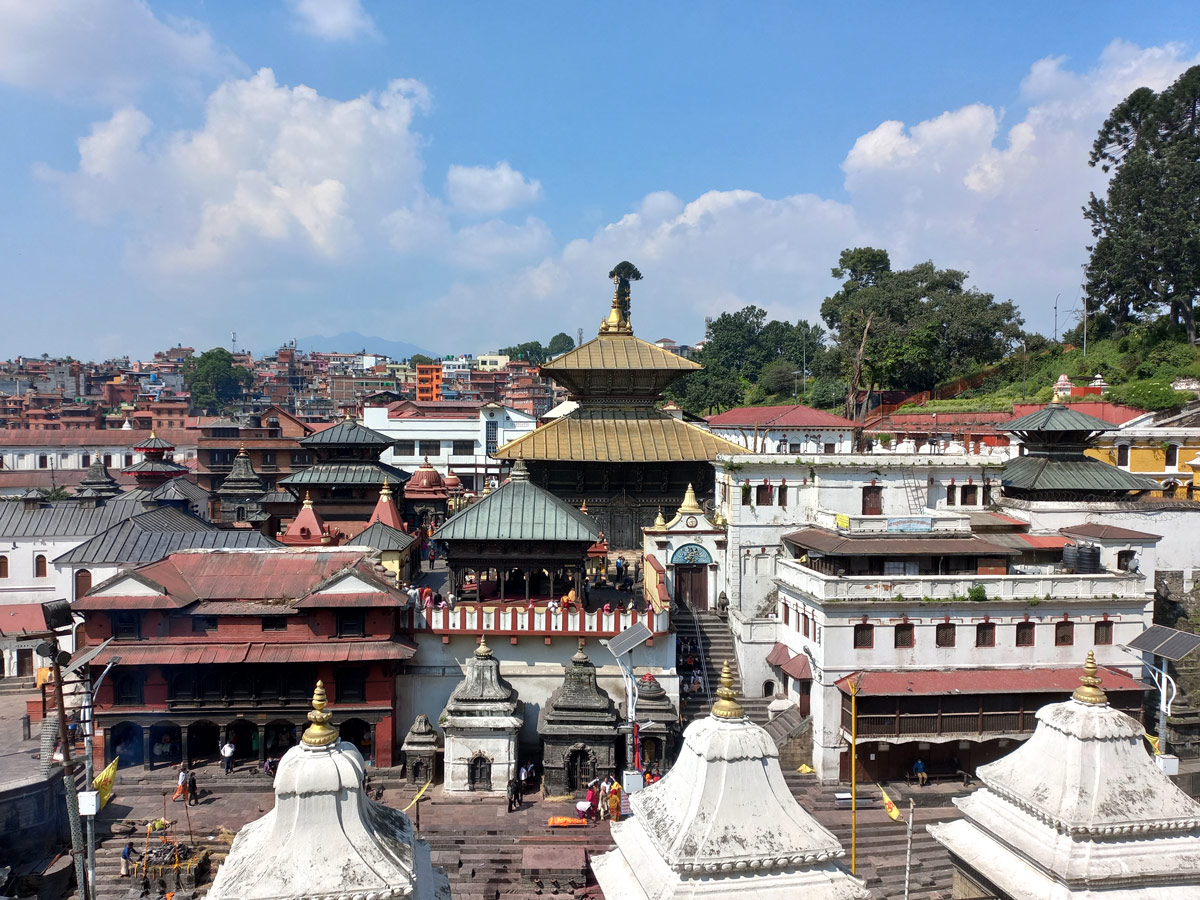
Explore Pashupatinath Temple, Nepal\'s sacred Shiva shrine. Learn history, entry rules, aarati, festivals & visiting tip...
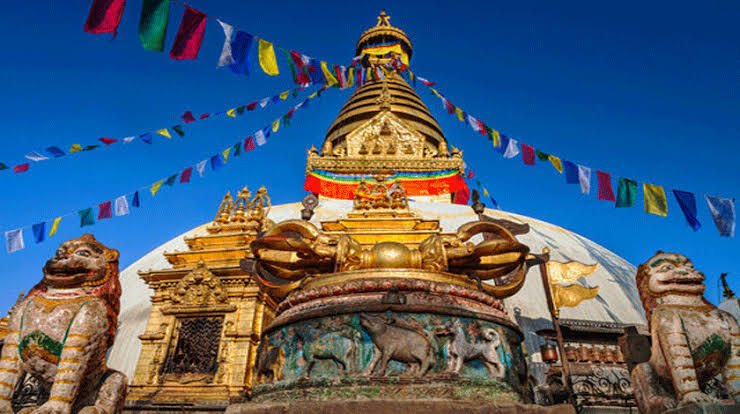
Explore Swayambhunath, Kathmandu\'s Monkey Temple — history, 365 steps, entry fee, tips & views. Plan your visit with ...
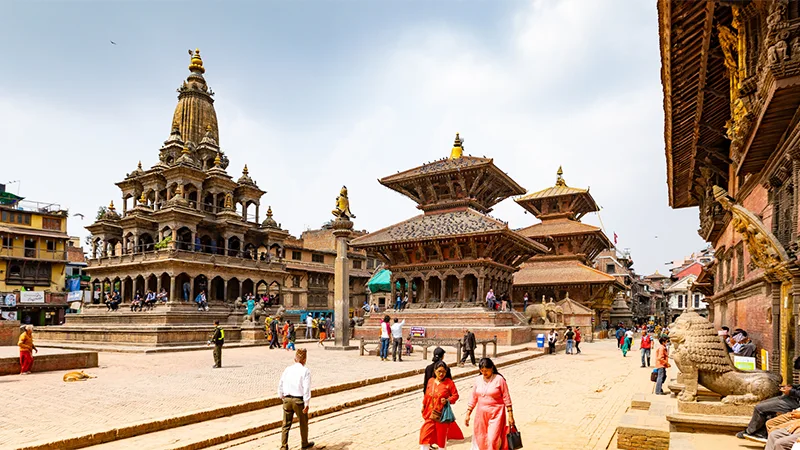
Explore Kathmandu Durbar Square — Kumari Ghar, Hanuman Dhoka, temples, entry fee & tips. Plan your heritage visit with...
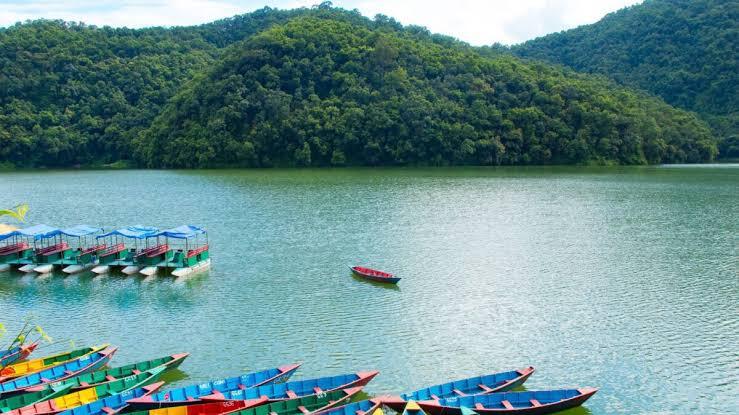
Explore Phewa Lake in Pokhara — boating prices, Tal Barahi Temple, best time to visit & top tips. Plan your trip with ...
Discover Sarangkot in Pokhara — Himalayan sunrise views, paragliding, hiking routes & tips. Plan your visit with Nepal...