Kathmandu Durbar Square: Complete Travel & Cultural Guide
By Nepal Trip Services On 28 Sep 2026

By Nepal Trip Services On 28 Sep 2026
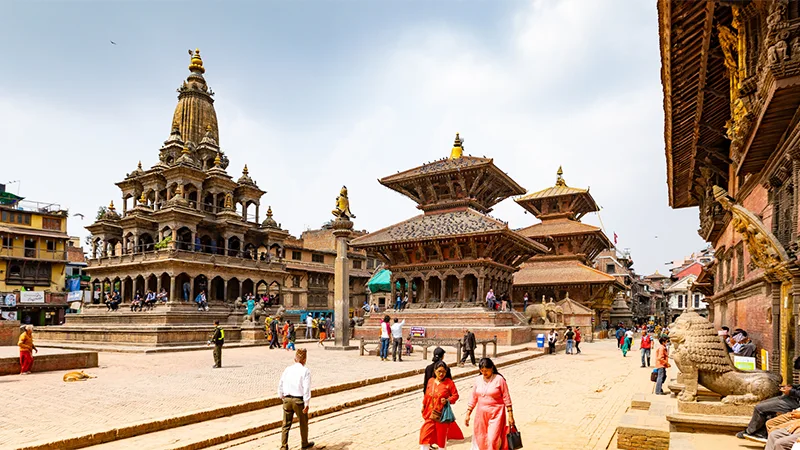
In the heart of Kathmandu's old city, where narrow brick lanes open onto a sweeping courtyard of carved wooden palaces, soaring pagoda temples, and centuries-old stone sculptures, lies Kathmandu Durbar Square. Also known as Hanuman Dhoka or Basantapur Durbar Square, this royal palace complex was once the seat of Nepal's Malla and Shah kings, and it remains one of the most captivating cultural sites in South Asia. A UNESCO World Heritage Site, it blends living religion, royal history, and extraordinary Newar craftsmanship in one walkable square. This complete guide from Nepal Trip Services covers the history, must-see monuments, entry details, festivals, and practical tips for your visit. To explore the square as part of a wider cultural journey, discover the Kathmandu, Pokhara, Chitwan & Lumbini Tour offered by Nepal Trip Services.
The word "Durbar" means palace, and Kathmandu Durbar Square is the historic royal palace complex at the center of the old city. It was the site of royal coronations and state ceremonies well into the 20th century, and it remains an active religious and cultural space rather than a roped-off museum. Locals still pass through daily, priests still perform rituals, and major festivals still fill the square several times a year.
Kathmandu Durbar Square is one of the three royal squares of the Kathmandu Valley, along with Patan and Bhaktapur, all inscribed as UNESCO World Heritage Sites in 1979.
| Detail | Information |
|---|---|
| Location | Old Kathmandu, about a 10-minute walk from Thamel |
| Also Known As | Hanuman Dhoka, Basantapur Durbar Square |
| UNESCO Status | World Heritage Site since 1979 |
| Historic Role | Royal palace of the Malla and Shah kings |
| Entry Fee (Foreign Visitors) | Approx. NPR 1,000, generally valid for a day (Nepali nationals free; young children usually free) |
| Museums Inside | Separate tickets are generally required |
| Recommended Time | 2 – 3 hours |
| Best Times to Visit | Early morning and late afternoon |
| Nearby Attractions | Freak Street, Asan Bazaar, Thamel |
Fees and hours can change, so confirm current details at the ticket counter and carry cash.
The earliest structures at Hanuman Dhoka date back to the Licchavi period, roughly the 3rd to 9th centuries, though most of the buildings visitors see today come from the Malla period (12th to 18th centuries). The Malla kings competed to build the most impressive temples and palace courtyards, transforming the square into a showcase of Newar architecture, woodcarving, and religious devotion.
In 1768, Prithvi Narayan Shah conquered the Kathmandu Valley, unifying the small kingdoms into modern Nepal and making Kathmandu its capital. The Shah kings continued to use the palace and added their own structures, including neoclassical buildings from the Rana era, giving the square its remarkable architectural mix.
The devastating 2015 Gorkha earthquake damaged or destroyed several monuments in the square. Extensive restoration has since been carried out, including projects funded internationally and carried out with traditional craftsmanship. Most major structures have been restored, though you may still see scaffolding or active restoration on a few monuments, which is itself a fascinating glimpse into traditional building techniques.
The old royal palace takes its name from the statue of Hanuman, the Hindu monkey god, standing at its entrance, traditionally covered in red paste and cloth. The complex includes courtyards, museum galleries, and a lookout tower, and it reflects centuries of royal history. The palace houses the Tribhuvan Museum, exploring the lives of King Tribhuvan and his successors.
One of the most famous and unique sights in Kathmandu is the Kumari Ghar, home of the Royal Kumari, a young girl worshipped as the living incarnation of the goddess Taleju. The beautifully carved 18th-century building has an ornate courtyard, and visitors may occasionally glimpse the Kumari appearing briefly at an upper window. Photographing the Kumari is strictly forbidden, so please respect this rule.
Towering above the palace complex, the Taleju Temple is the grandest and tallest temple in the square, dedicated to the royal family's patron goddess. It is generally closed to the public and opens only once a year during the festival of Dashain, when devotees gather for special worship.
Legend says the name "Kathmandu" comes from this ancient wooden pavilion, believed to have been built from the timber of a single tree. It was destroyed in the 2015 earthquake and has since been rebuilt using traditional methods, a symbol of the city's resilience.
This striking temple to Lord Shiva sits atop a pyramid of steps, offering one of the best vantage points in the square. Visitors often climb the steps to relax, watch the bustle, and take photographs.
A powerful stone statue of Kal Bhairav, a fierce manifestation of Shiva, stands near the palace. Locals believe it has the power to reveal the truth, and it's a focal point for rituals and festivals.
These beautifully carved temples display the exquisite woodwork, tiered roofs, and detailed struts that define Newar architecture. The erotic carvings on some struts often draw curious visitors and photographers.
This neoclassical building, added in the early 20th century, offers a striking contrast to the surrounding pagoda temples and shows the European influence of the Rana era.
Near the main courtyard, a large bell and drum were once used to signal royal announcements and ceremonies, reflecting the palace's historical role in governing the city.
Kathmandu Durbar Square is a place where religion, royalty, and everyday life intertwine. It reflects the Newar people's mastery of woodcarving and brickwork, the coexistence of Hindu and Buddhist traditions, and the enduring role of living traditions such as the Kumari. The square is not just a monument; it is a stage where Nepal's cultural identity continues to unfold.
| Festival | Approx. Timing | What to Expect |
|---|---|---|
| Indra Jatra | September | A major festival featuring chariot processions, masked dances, and the Kumari's public appearance |
| Dashain | September/October | Nepal's biggest festival, with special rituals and the opening of Taleju Temple |
| Tihar | October/November | The festival of lights, with lamps and decorations across the city |
| Ghode Jatra | March/April | A horse festival with parades and celebrations |
| Holi | March | Colorful festival of joy and spring |
Visiting during a festival is a memorable cultural experience, though the square becomes very crowded.
| Season | Months | Conditions |
|---|---|---|
| Autumn | September – November | Clear skies, pleasant weather, major festivals |
| Spring | March – May | Warm, colorful, and good for sightseeing |
| Winter | December – February | Cool, crisp, and quieter |
| Monsoon | June – August | Rain and humidity, but fewer crowds |
For the best experience, visit early in the morning for softer light and fewer tour groups, or in the late afternoon as the light warms the brick and wood. Midday is generally the busiest and hottest time.
The square sits in central Kathmandu and is easy to reach:
Kathmandu Durbar Square is just one highlight of a country rich in culture, nature, and adventure. Beyond Kathmandu, Nepal offers the lakes and mountain views of Pokhara, wildlife safaris in Chitwan National Park, and the sacred birthplace of Lord Buddha in Lumbini. Nepal Trip Services brings these experiences together in the Kathmandu, Pokhara, Chitwan & Lumbini Tour, a well-planned journey for first-time visitors, heritage lovers, and nature seekers.
Kathmandu Durbar Square, also called Hanuman Dhoka or Basantapur Durbar Square, is the historic royal palace complex at the heart of old Kathmandu. It is famous for its carved wooden palaces, pagoda temples, the Kumari Ghar (home of the Living Goddess), and its status as a UNESCO World Heritage Site. The square was once the seat of the Malla and Shah kings and remains an active cultural and religious space today.
The square is in the center of old Kathmandu, about a 10-to-15-minute walk from the Thamel tourist district. It is surrounded by narrow lanes, markets, and other landmarks such as Freak Street and Asan Bazaar, so it is easy to combine with other sightseeing.
Foreign visitors currently pay approximately NPR 1,000, generally valid for the day, while Nepali nationals enter free and young children are usually exempt. Museums inside the complex typically require separate tickets. Fees can change, so confirm the current rate at the ticket counter or with your tour operator, such as Nepal Trip Services.
Most visitors spend around 2 to 3 hours exploring the square, its temples, and the palace museum. If you want to visit museums, take a guided tour, or simply relax and people-watch on the temple steps, allow closer to half a day.
Early morning offers softer light, fewer tour groups, and a peaceful atmosphere, while late afternoon gives warm golden tones on the brick and carved wood. Midday tends to be the busiest and hottest time, especially in the pre-monsoon months.
Autumn (September to November) and spring (March to May) provide the clearest skies and most comfortable weather. Autumn also brings major festivals like Indra Jatra and Dashain. Winter is cool and quiet, while the monsoon (June to August) brings rain but fewer crowds.
The Kumari Ghar is the beautifully carved 18th-century home of the Royal Kumari, a young girl worshipped as the living incarnation of the goddess Taleju. Visitors can enter the courtyard and may occasionally glimpse the Kumari appearing briefly at an upper window. Photographing the Kumari is strictly forbidden.
Hanuman Dhoka is the old royal palace at the heart of the square, named after the statue of the monkey god Hanuman that stands at its entrance. The complex includes courtyards, museum galleries, and a tower, and it houses the Tribhuvan Museum, which explores the history of Nepal's monarchy.
The 2015 Gorkha earthquake damaged or destroyed several monuments in the square, including the ancient Kasthamandap pavilion. Extensive restoration has since been carried out using traditional techniques, and most major structures have been repaired or rebuilt. You may still see scaffolding on a few monuments, which offers a glimpse of ongoing craftsmanship.
Kasthamandap is an ancient wooden pavilion that, according to tradition, gave the city of Kathmandu its name and was said to have been built from the timber of a single tree. It was destroyed in the 2015 earthquake and has since been rebuilt using traditional methods, making it a powerful symbol of the city's resilience.
The Taleju Temple, dedicated to the royal family's patron goddess, is generally closed to the public and opens only once a year during the festival of Dashain. You can still admire its towering pagoda structure from the square throughout the year.
Major festivals include Indra Jatra in September, with chariot processions and the Kumari's public appearance, Dashain in September or October, Tihar in October or November, Ghode Jatra in March or April, and Holi in March. Visiting during a festival is a memorable cultural experience but also very crowded.
Dress modestly, covering your shoulders and knees, especially when near temples. Wear comfortable walking shoes for the uneven stone paving, and be prepared to remove your shoes at temple entrances where required. A hat, sunscreen, and water are helpful in warmer months.
A guide is not mandatory, but a licensed local guide greatly enriches the visit by explaining the history, symbolism, and restoration stories behind the monuments. Choose an official or reputable guide rather than an unofficial freelancer, and agree on the price beforehand, or arrange one through a trusted operator like Nepal Trip Services.
Yes, the square fits perfectly into a broader itinerary. Nepal Trip Services offers the Kathmandu, Pokhara, Chitwan & Lumbini Tour, which combines Kathmandu's heritage sites with Pokhara's lakes and mountain views, wildlife experiences in Chitwan, and the birthplace of Lord Buddha in Lumbini, all with expert local guidance.
Kathmandu Durbar Square is a place where you can feel Nepal's history in the carved wood beneath your fingertips and the sounds of bells and prayers in the air. From the mysterious Kumari Ghar to the towering Taleju Temple and the resilient reconstructed Kasthamandap, every corner tells a story of art, faith, and endurance.
Whether you're beginning your Nepal journey or deepening your understanding of its culture, the square is an unforgettable place to start. With Nepal Trip Services, you can explore Kathmandu Durbar Square and the rest of Nepal with expert local guidance and thoughtfully planned itineraries. Discover more with the Kathmandu, Pokhara, Chitwan & Lumbini Tour and let Nepal's living heritage inspire your travels.
Discover more articles that match your interests! Explore these similar blogs packed with insights, tips, and stories to keep you inspired.
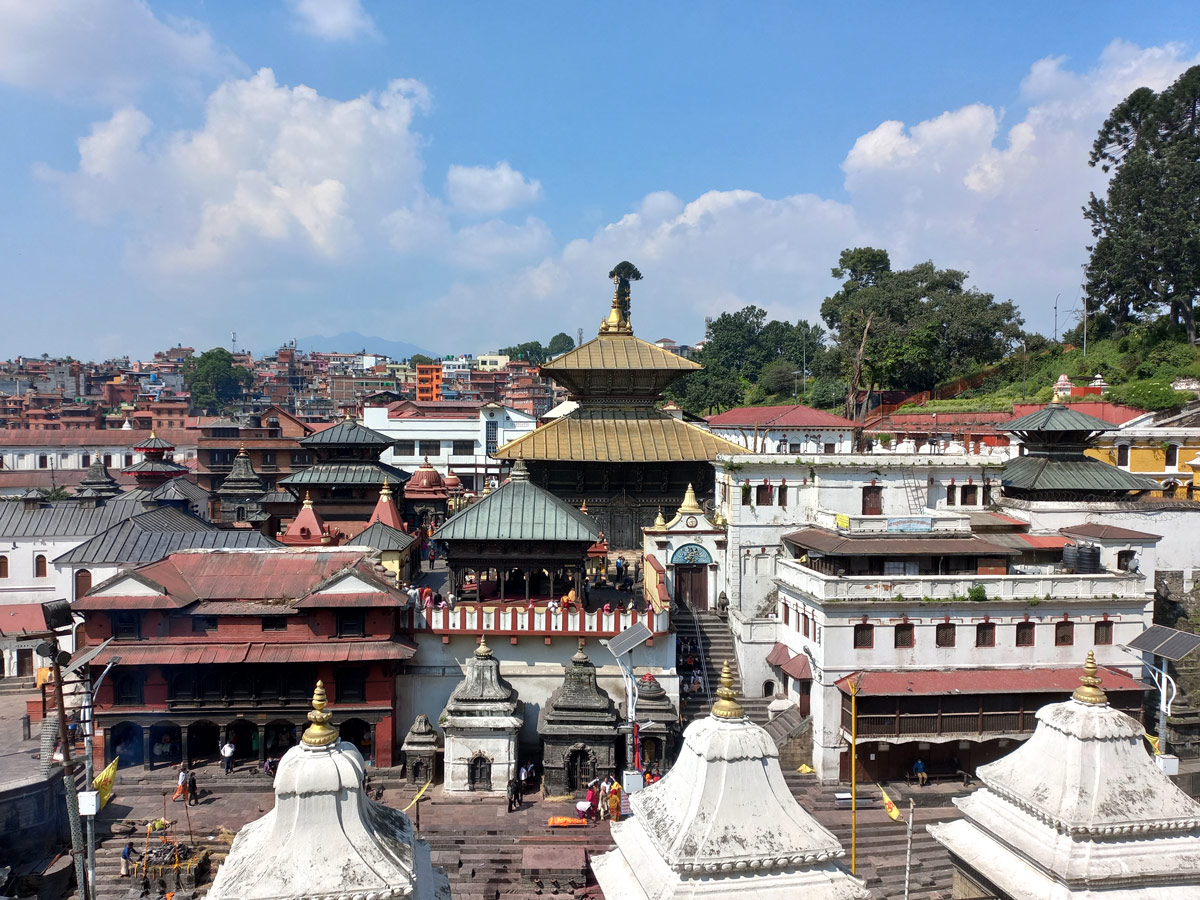
Explore Pashupatinath Temple, Nepal\'s sacred Shiva shrine. Learn history, entry rules, aarati, festivals & visiting tip...
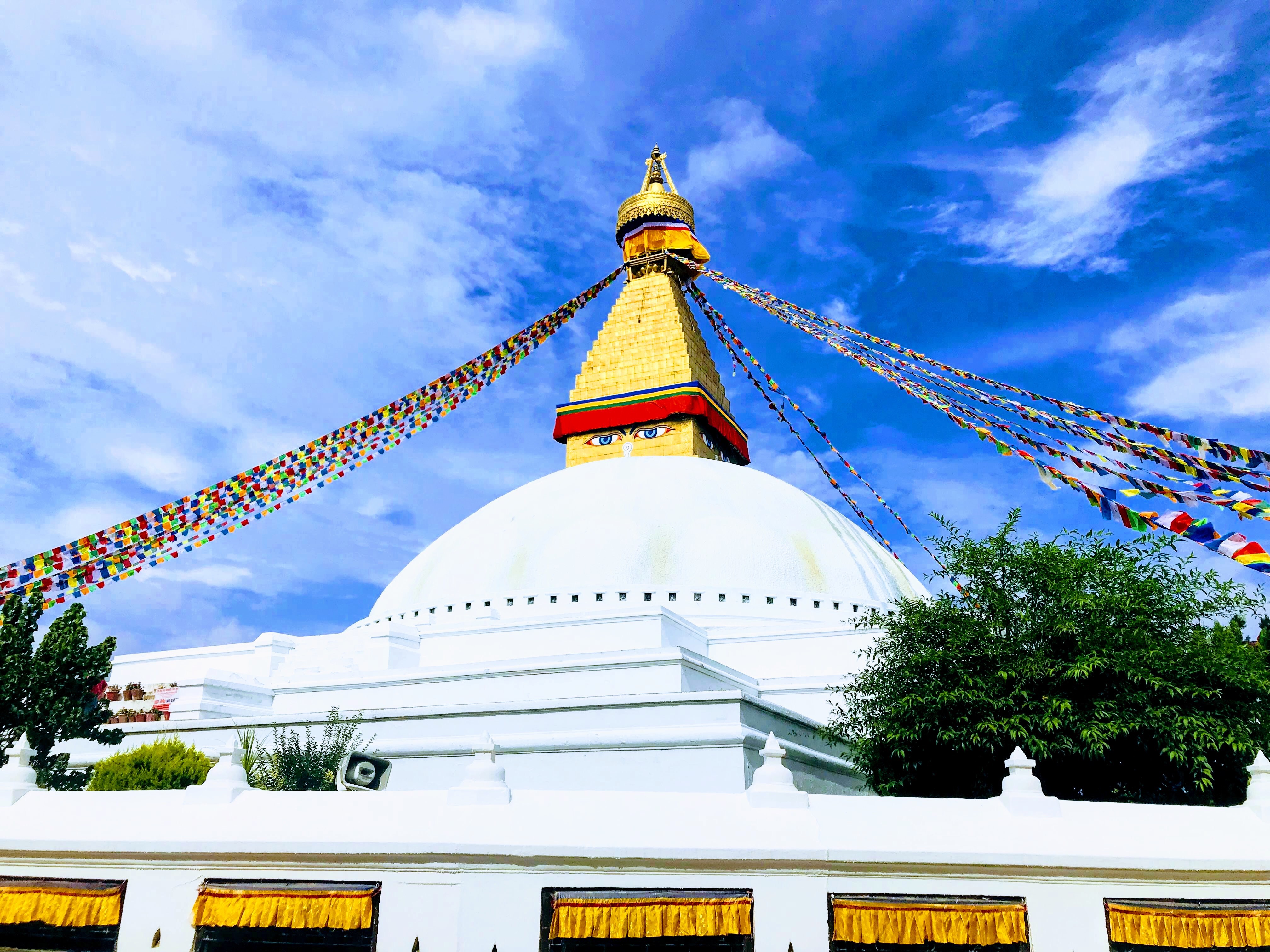
Discover Boudhanath Stupa in Kathmandu — history, kora, festivals, entry tips & etiquette. Plan your visit with Nepal ...
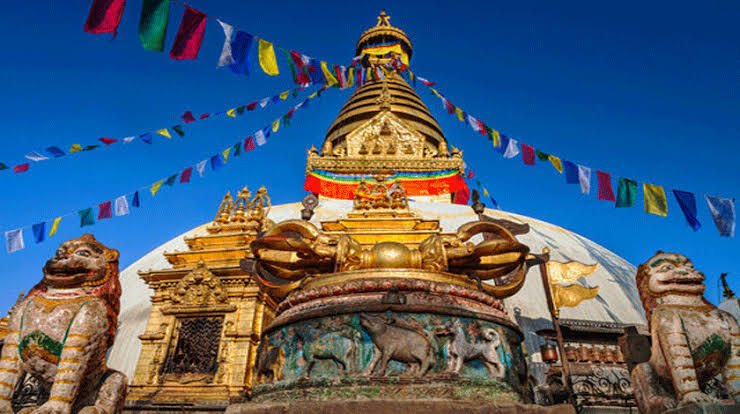
Explore Swayambhunath, Kathmandu\'s Monkey Temple — history, 365 steps, entry fee, tips & views. Plan your visit with ...
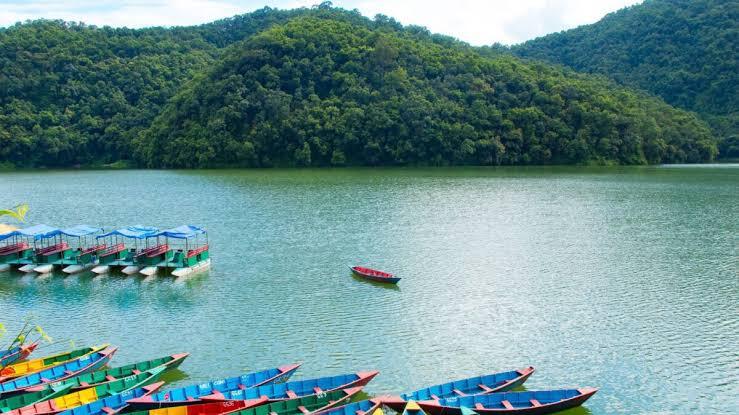
Explore Phewa Lake in Pokhara — boating prices, Tal Barahi Temple, best time to visit & top tips. Plan your trip with ...
Discover Sarangkot in Pokhara — Himalayan sunrise views, paragliding, hiking routes & tips. Plan your visit with Nepal...