Why Trek In Autumn In Nepal? September–november Trekking Guide
By Nepal Trip Services On 01 Oct 2026

By Nepal Trip Services On 01 Oct 2026

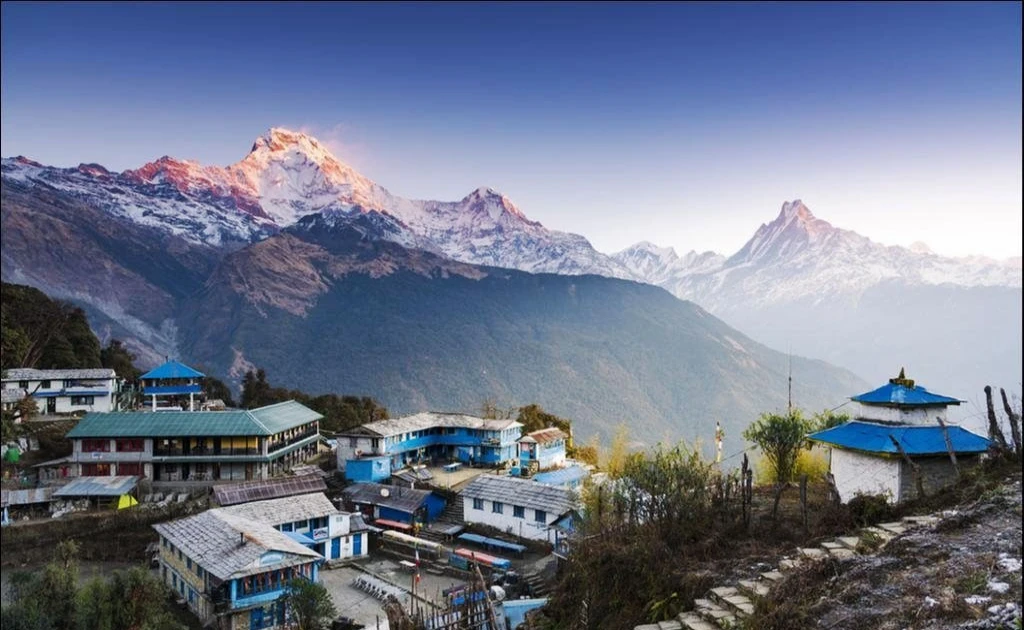
The monsoon rains have washed the sky clean. The air is crisp, the hillsides glow with golden rice terraces, and the Himalayan giants stand razor-sharp against a deep blue sky. In mountain villages, families prepare for Nepal's biggest festivals, while teahouses fill with trekkers from around the world, all chasing the same unforgettable views. This is autumn in Nepal, widely considered the best trekking season of the year. Whether you're heading to Everest Base Camp, circling the Annapurnas or watching the sunrise from Poon Hill, autumn offers the clearest skies, most stable weather and most rewarding mountain panoramas. This guide from Nepal Trip Services explains why autumn is so special, what conditions to expect, which treks to choose and how to plan the perfect adventure. Explore all our routes on Trekking in Nepal.
| Detail | Information |
|---|---|
| Season | Autumn (post-monsoon) |
| Months | September, October and November |
| Weather | Dry, stable, sunny days and cold nights |
| Mountain Views | Excellent, the clearest of the year |
| Highlights | Crystal-clear skies, Dashain & Tihar festivals, golden harvest |
| Crowds | Busiest trekking season |
| Best For | Mountain views, photography, high passes, first-time trekkers |
| Popular Treks | Everest Base Camp, Annapurna Circuit, Gokyo Lakes, Poon Hill, Manaslu |
After months of monsoon rain, dust and haze are washed from the air. The result is the clearest visibility of the year, with snow peaks standing out in sharp detail from dawn until late afternoon. Views from Kala Patthar, Gokyo Ri, Poon Hill and Thorong La are at their very best.
Autumn brings Nepal's most reliable trekking weather. Rain is rare after mid-September, trails are dry and firm, and long sunny days make walking comfortable. Stable conditions also make high passes safer to cross.
Days are pleasantly warm in the lower and middle hills and comfortably cool at higher altitudes. Nights grow colder as the season progresses, but daytime trekking remains enjoyable throughout.
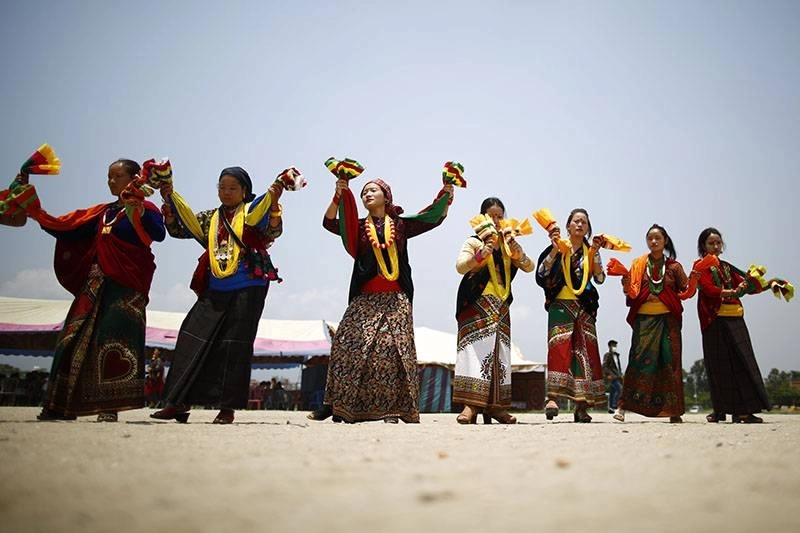
Autumn is festival season, offering a rich cultural bonus to any trek:
| Festival | Approx. Timing | Highlights |
|---|---|---|
| Indra Jatra | September | Kumari chariot procession and masked dances in Kathmandu |
| Dashain | September / October | Nepal's biggest festival, with family gatherings, blessings and kite flying |
| Tihar | October / November | Festival of lights, honouring crows, dogs, cows and siblings |
| Mani Rimdu | October / November | Sacred masked dances at Tengboche Monastery in the Everest region |
| Chhath | October / November | Sunrise and sunset offerings, mainly in the Terai |
Festival dates follow the lunar calendar and change each year.
In September and October, terraced rice fields in the mid-hills turn golden yellow before harvest. Trails through the Annapurna foothills, Manaslu and lower Everest region are especially beautiful, with farmers working the fields and villages full of life.
Stable weather and clear skies make autumn ideal for crossing high passes such as Thorong La (5,416 m), Larkya La (5,106 m), Cho La (5,420 m) and Renjo La (5,360 m). Snowfall risk is generally lower than in late winter or early spring.
Clear air, vivid blue skies and sharp mountain outlines make autumn a dream for photographers. Sunrise and sunset light on the peaks is breathtaking, and post-monsoon greenery adds colour to the lower valleys.
In September, forests and hillsides are still lush and green from the monsoon, with waterfalls at their fullest. By November, landscapes turn golden and dry, offering a completely different but equally beautiful atmosphere.
With fewer weather disruptions than in the monsoon, domestic flights (including Lukla and Pokhara) and road travel are generally more reliable. Morning fog is less common than in winter.
From beginners on short treks to experienced trekkers tackling high passes, autumn's ideal conditions suit everyone. It's the season most travellers choose for their first Himalayan adventure.
| Altitude Zone | Example Places | Daytime | Night |
|---|---|---|---|
| Low (800–1,500 m) | Kathmandu, Pokhara | 20°C – 28°C | 10°C – 18°C |
| Mid (2,000–3,000 m) | Ghorepani, Namche Bazaar | 10°C – 18°C | 0°C – 6°C |
| High (3,500–4,500 m) | Dingboche, Machhermo | 3°C – 12°C | -10°C – 0°C |
| Very High (5,000 m+) | Gorak Shep, Thorong La | -8°C – 5°C | -18°C – -8°C |
| Month | Weather | Views | Highlights |
|---|---|---|---|
| September | Monsoon fading; occasional rain early in the month, warm and humid | Good, improving | Lush green landscapes, waterfalls, fewer crowds early on |
| October | Dry, stable and sunny; the most reliable month | Excellent | Clearest views, Dashain festival, peak trekking season |
| November | Dry and crisp; colder nights | Excellent | Tihar festival, golden landscapes, slightly fewer crowds late in the month |
Best autumn month overall: October, for its unbeatable combination of clear skies, stable weather and festivals.
| Trek | Duration | Max Altitude | Why It's Great in Autumn |
|---|---|---|---|
| Classic Everest Base Camp Trek | 14 days | ~5,545 m | Crystal-clear views of Everest from Kala Patthar; Mani Rimdu festival at Tengboche |
| Gokyo Lakes Trek | 12 days | 5,357 m | Brilliant turquoise lakes and perfect Gokyo Ri panoramas |
| Annapurna Circuit Trek | 13 days | 5,416 m | Safe, clear Thorong La crossing and golden valleys |
| Annapurna Base Camp Trek | 11 days | 4,130 m | Sharp views inside the Annapurna Sanctuary |
| Manaslu Circuit Trek | 15 days | 5,106 m | Harvest season in remote villages and a stable Larkya La crossing |
| Mardi Himal Trek | 9 days | ~4,500 m | Ridge-top views of Machhapuchhre and Annapurna South |
| Poon Hill Trek | 7 days | 3,210 m | The clearest sunrise views over Dhaulagiri and Annapurna |
| Everest Three High Passes Trek | 18–20 days | 5,535 m | Stable weather for crossing Kongma La, Cho La and Renjo La |
| Langtang Valley Trek | 7–10 days | ~4,984 m | Clear views and quieter trails close to Kathmandu |
| Upper Mustang Trek | 12–14 days | ~4,000 m | Desert landscapes and ancient Tibetan culture before winter |
| Feature | Autumn (Sep–Nov) | Spring (Mar–May) |
|---|---|---|
| Mountain Views | Clearest of the year, all day | Good in mornings, hazier afternoons |
| Weather | Very stable and dry | Mostly stable, occasional showers in May |
| Temperature | Comfortable days, cold nights | Warmer days, milder nights |
| Landscapes | Green to golden harvest scenery | Rhododendron blooms |
| Festivals | Dashain, Tihar, Mani Rimdu | Holi, Nepali New Year, Buddha Jayanti |
| Daylight | Shorter days, especially in November | Longer days |
| Crowds | Busiest season | Busy, slightly less than autumn |
Verdict: Choose autumn for the clearest views and most stable weather. Choose spring for flowers, warmer temperatures and the Everest expedition atmosphere. Both are outstanding trekking seasons.
| Challenge | How to Handle It |
|---|---|
| Crowded trails & teahouses | Book early or choose quieter routes like Manaslu or Langtang |
| Higher demand for flights | Book Lukla and domestic flights well in advance |
| Lukla flights from Ramechhap | Expect an early-morning drive from Kathmandu in peak months |
| Cold nights at altitude | Pack a warm sleeping bag and down jacket |
| Shorter daylight in November | Start walking early and plan realistic daily distances |
| Late monsoon rain in early September | Pack rain gear and leech socks; trek later in the month if possible |
| Festival travel disruptions | Plan around Dashain and Tihar, when transport and offices may be busy |
| Region | Main Permits |
|---|---|
| Annapurna Region | ACAP & TIMS Card |
| Everest Region | Sagarmatha National Park & Khumbu Pasang Lhamu permits |
| Manaslu Region | Restricted Area Permit, MCAP & ACAP |
| Langtang Region | Langtang National Park permit & TIMS Card |
| Upper Mustang | Restricted Area Permit & ACAP |
All required permits are included in our trekking packages.
Autumn is the season when the Himalayas truly shine. Whether you dream of standing at Everest Base Camp under a clear blue sky, crossing Thorong La on the Annapurna Circuit or watching the sunrise from Poon Hill, we'll help you plan the perfect adventure with expert guides and seamless logistics. Discover all our routes on Trekking in Nepal, or create a custom itinerary with our Trip Planner.
Yes, autumn (September–November) is widely considered the best trekking season in Nepal. It offers the clearest mountain views, stable weather and dry trails. It's suitable for both short and high-altitude treks. It's also the most popular season.
October is generally the best month for trekking in Nepal. It offers dry, stable weather and the clearest skies of the year. September can still have some rain early on, while November is colder but very clear. Each month has its own charm.
Yes, autumn offers the clearest views of the year. The monsoon rains wash dust and haze from the air, leaving sharp, crisp mountain outlines. Visibility often lasts throughout the day. It's ideal for photography and sightseeing.
Autumn is the busiest trekking season, especially in October. Popular routes like Everest Base Camp, Annapurna Base Camp and Poon Hill can be crowded. Booking early helps secure flights and teahouses. Quieter alternatives include Manaslu and Langtang.
Daytime temperatures are usually comfortable, but nights can be very cold at high altitude. Above 5,000 metres, temperatures can drop to around -15°C or lower, especially in November. Warm layers and a four-season sleeping bag are essential. Lower areas remain mild.
Rain is rare in autumn after mid-September. Early September may still see some monsoon showers, especially in the lower hills. October and November are usually dry. Pack light rain gear just in case.
Yes, autumn is one of the best times to trek to Everest Base Camp. Skies are clear, giving excellent views from Kala Patthar and along the trail. Lukla flights are generally more reliable than in the monsoon. Some peak-season flights depart from Ramechhap.
Yes, autumn is ideal for crossing high passes like Thorong La, Larkya La, Cho La and Renjo La. Stable weather and clear skies make crossings safer. Early starts are still important. Your guide will monitor conditions daily.
Autumn festivals include Indra Jatra, Dashain, Tihar, Mani Rimdu and Chhath. Dashain and Tihar are Nepal's biggest celebrations, featuring family gatherings, lights and rituals. Mani Rimdu features masked dances at Tengboche Monastery. Dates change each year.
Festivals can make transport busier and some offices may close during Dashain and Tihar. However, they also offer amazing cultural experiences. Booking transport in advance helps avoid delays. Your trekking company can plan around festival dates.
Pack layers for warm days and cold nights, including a fleece, down jacket and waterproof shell. A warm sleeping bag is essential for high-altitude treks. Sun protection is important due to strong UV. Bring rain gear for early September.
Yes, autumn is ideal for beginners thanks to stable weather and clear trails. Short treks like Poon Hill and Mardi Himal are great options. Comfortable daytime temperatures make walking enjoyable. Just prepare for cold nights at higher altitudes.
Both are excellent seasons. Autumn offers the clearest views and most stable weather, while spring brings rhododendron blooms and warmer temperatures. Choose autumn for mountain panoramas and photography. Choose spring for flowers and the Everest climbing atmosphere.
We recommend booking at least 2–3 months in advance, especially for October. Flights, teahouses and guides fill up quickly during peak season. Early booking gives you better choice of dates and accommodation. Last-minute bookings are possible but less flexible.
The best short autumn treks include Poon Hill, Mardi Himal and the Everest View Trek. These offer stunning mountain views in just a few days. They're perfect for beginners and travellers with limited time. Autumn's clear skies make them especially rewarding.
Autumn is when Nepal's mountains are at their most magnificent. Clear blue skies reveal every ridge and summit, golden terraces glow in the sunlight, and the country celebrates its biggest festivals with warmth and joy. With stable weather, dry trails and unforgettable views, it's no surprise that autumn is the most popular trekking season in Nepal, and the perfect time to fulfil your Himalayan dreams.
Book early, pack for chilly nights and start each day with the sunrise. Whether you're heading to Everest Base Camp, crossing the Annapurna Circuit or enjoying a short trek to Poon Hill, Nepal Trip Services will make your autumn adventure safe, seamless and truly unforgettable.
Discover more articles that match your interests! Explore these similar blogs packed with insights, tips, and stories to keep you inspired.
Plan your Ulleri visit: climb the famous stone staircase, meet Magar culture & enjoy Annapurna views on the way to Ghore...
Suggested Meta Description: Explore Ghorepani (2,874 m), gateway to Poon Hill sunrise. Discover its history, teahouses, ...
Plan your Poon Hill trek: sunrise at 3,210 m over Dhaulagiri & Annapurna, routes, itineraries, permits, best time, diffi...
Explore Tadapani (2,630 m), a forest village with Machhapuchhre & Annapurna South sunrise views. Routes, teahouses, best...
Explore Tikhedhunga (1,540 m), riverside gateway to Ulleri\'s stone steps & Poon Hill. Routes from Nayapul, teahouses, b...
Discover the Magar people of Nepal: history, languages, festivals, Gurkha heritage, food, dress & where to experience Ma...