Pashupatinath Temple, Nepal: Complete Travel & Cultural Guide
By Nepal Trip Services On 28 Sep 2026

By Nepal Trip Services On 28 Sep 2026
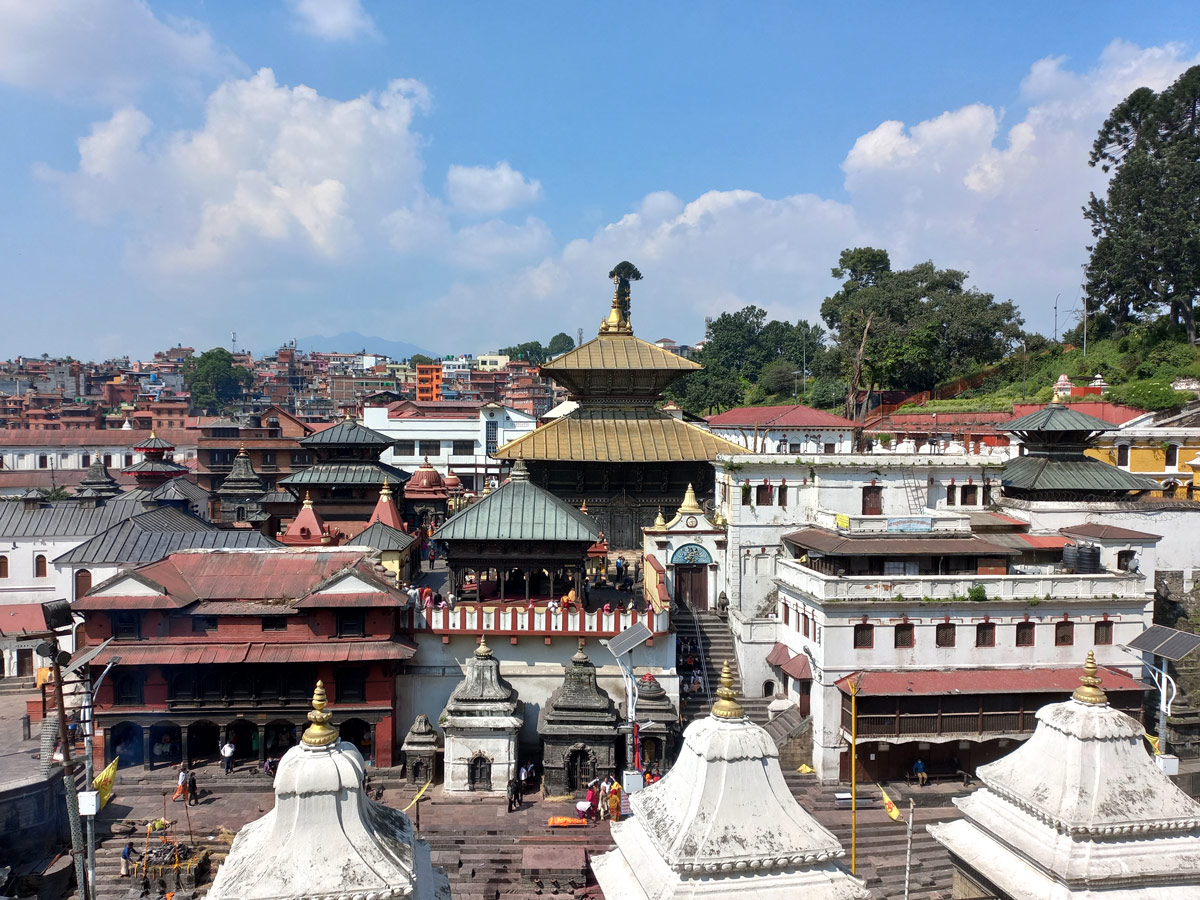
On the banks of the sacred Bagmati River, just a short drive from the heart of Kathmandu, stands one of the most spiritually significant places in the entire Hindu world. Pashupatinath Temple is a living, breathing center of devotion where golden pagoda roofs, chanting priests, wandering sadhus, and centuries-old cremation rituals come together in an atmosphere unlike anywhere else on Earth. A UNESCO World Heritage Site and the guardian shrine of Nepal, it is an essential stop for any traveler wanting to understand the country's soul. This complete guide from Nepal Trip Services covers the temple's history, cultural meaning, visiting rules, entry details, and practical tips, so you can experience it respectfully and meaningfully. If you'd like to see Pashupatinath as part of a wider cultural journey, explore the Kathmandu, Pokhara, Chitwan & Lumbini Tour offered by Nepal Trip Services.
Pashupatinath Temple is a sacred Hindu temple complex dedicated to Lord Shiva in his form as Pashupati, "Lord of all living beings." It is widely regarded as the guardian deity of Nepal and one of the most important Shiva temples in the world, drawing pilgrims from Nepal, India, and across the globe.
The complex sits on both banks of the Bagmati River in eastern Kathmandu, spreading across a large area filled with temples, ghats (riverside steps), shrines, ashrams, and forested hillsides. It was inscribed as a UNESCO World Heritage Site in 1979 as part of the Kathmandu Valley's monument zones.
| Detail | Information |
|---|---|
| Deity | Lord Shiva (Pashupatinath) |
| Location | Eastern Kathmandu, on the Bagmati River |
| UNESCO Status | World Heritage Site since 1979 |
| Architectural Style | Nepalese pagoda style with gilded roof |
| Main Festival | Maha Shivaratri (February/March) |
| Typical Opening Hours | Approx. 4:00 AM – 9:00 PM (confirm locally) |
| Entry Fee (Foreign Visitors) | Approx. NPR 1,000 (Indian and Nepali nationals enter free) |
| Main Sanctum Access | Hindus only |
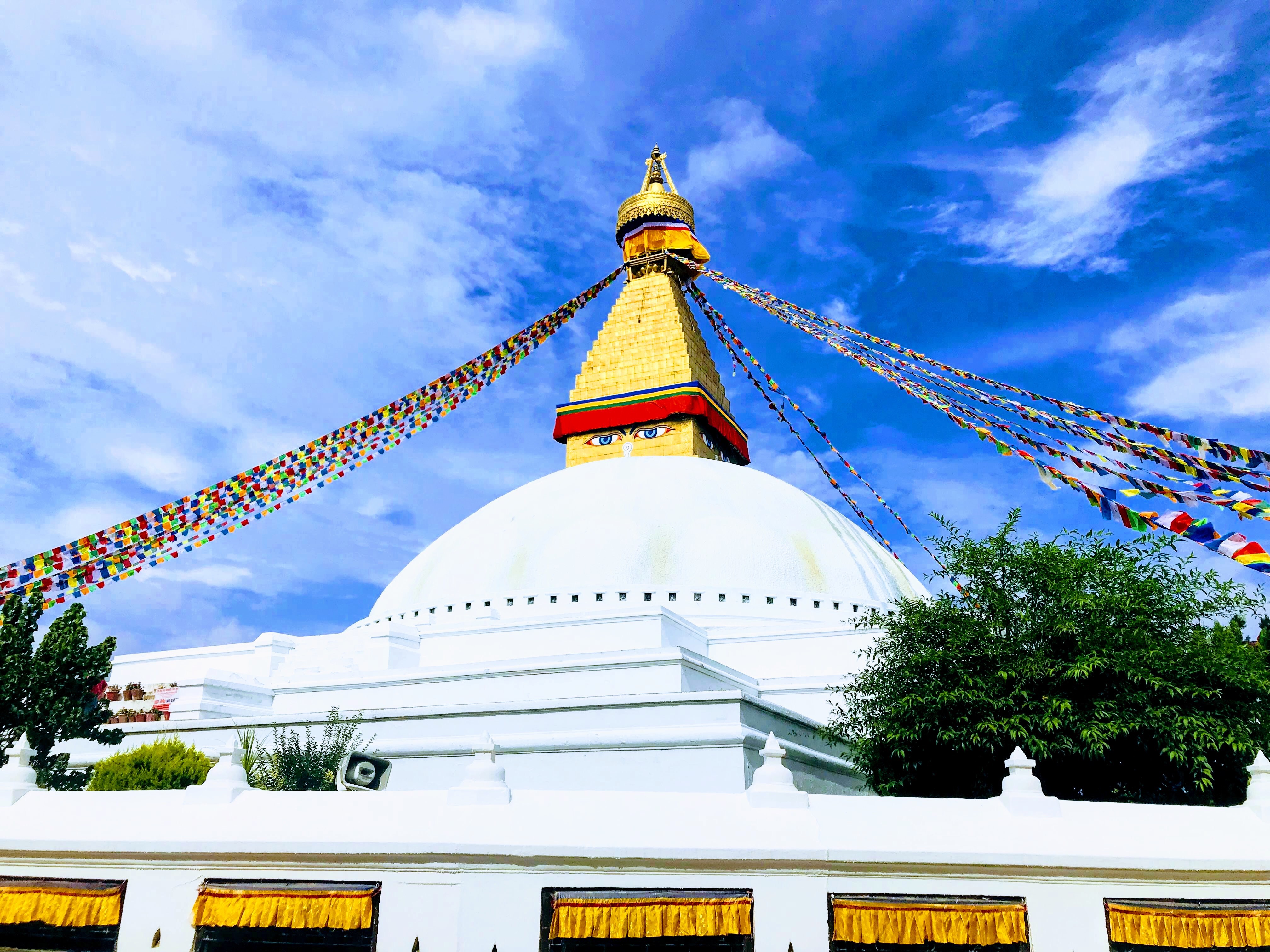
| Nearby Attraction | Boudhanath Stupa (roughly 1.5 km) |
Fees and timings can change, so always confirm current details on the day of your visit.
Pashupatinath's origins reach far back into legend and early history. According to tradition, the temple's roots are ancient, and the site is associated with the discovery of a sacred Shiva lingam. Historical inscriptions suggest that a shrine existed here as early as the Licchavi period, around the 5th century CE, making it one of the oldest sacred sites in the valley.
The temple that visitors see today was largely rebuilt in the late 17th century, after earlier structures were lost over time, including damage from termites. Successive Malla rulers, and later Nepal's royal families, expanded and embellished the complex, adding shrines, ghats, and rest houses that continue to serve pilgrims today.
The main temple is a stunning example of traditional Nepalese pagoda architecture, and several features stand out:
This is one of the most common questions travelers ask, so here is a clear answer. The main sanctum is restricted to Hindus only, and this rule is strictly enforced. However, non-Hindu visitors are warmly welcome in the wider complex and can still enjoy a rich, rewarding visit.
The Bagmati is sacred to Hindus, and its ghats are central to the temple's spiritual life. Pilgrims bathe, pray, and perform rituals along the water, creating scenes that reflect centuries of unbroken tradition.
Pashupatinath is one of the most important cremation sites for Hindus in Nepal, and open-air cremations take place daily along the riverbank. For many visitors this is a profound and sobering experience, offering a direct view of how Hindu culture approaches death, the cycle of life, and liberation. Observe quietly and respectfully, and remember these are real families in mourning, not a spectacle.
Each evening, priests perform a devotional fire ceremony on the riverbank, with chanting, bells, lamps, and music that create a deeply atmospheric experience. Non-Hindus are welcome to watch from the designated eastern bank. Arrive early to secure a good spot, as it becomes crowded, especially on festival days. Exact start times vary, so confirm locally.
Pashupatinath is famous for its sadhus, ascetics who have renounced worldly life, often recognizable by their colored robes, ash-marked skin, and long hair. Some pose for photographs in exchange for a small donation, so always ask permission first and never photograph anyone without consent.
Across the river, a peaceful hillside is dotted with smaller shrines, including a large row of Shiva temples, and offers elevated views of the main temple and the river below. It is also a good place to escape the crowds and observe temple life from a quieter vantage point.
Several other sites lie close by, making it easy to build a fuller cultural half-day:
| Festival | Approx. Timing | What to Expect |
|---|---|---|
| Maha Shivaratri | February/March | The biggest event of the year, with hundreds of thousands of pilgrims and sadhus gathering in celebration of Lord Shiva |
| Teej | August/September | Women dressed in red gather to pray and celebrate |
| Bala Chaturdashi | November/December | Devotees scatter seeds and offer prayers in honor of departed loved ones |
| Monthly and daily rituals | Year-round | Regular prayers, bathing, and offerings |
Maha Shivaratri is a spectacular but intensely crowded time to visit. It offers a rare cultural spectacle, but it requires patience and planning.
| Time | Why Visit |
|---|---|
| Early morning (before 8 AM) | Cooler temperatures, softer light, fewer crowds |
| Late afternoon into evening | Beautiful golden light and the evening aarati |
| Autumn (Sept–Nov) | Clear weather and pleasant temperatures |
| Spring (Mar–May) | Warm, comfortable, and colorful festival season |
| Maha Shivaratri | Unique atmosphere, but extremely crowded |
Pashupatinath lies roughly 5 km east of central Kathmandu and close to Tribhuvan International Airport. Common ways to reach it include:
Respecting local customs is essential at this deeply sacred site:
Pashupatinath is just one highlight in a country filled with cultural, natural, and spiritual wonders. Beyond the Kathmandu Valley, Nepal offers the lakeside charm of Pokhara, wildlife safaris in Chitwan National Park, and the sacred birthplace of Lord Buddha in Lumbini. Nepal Trip Services brings these experiences together in the Kathmandu, Pokhara, Chitwan & Lumbini Tour, a well-planned cultural and nature journey ideal for first-time visitors and heritage lovers alike.
Pashupatinath Temple is a sacred Hindu temple complex in Kathmandu dedicated to Lord Shiva in his form as Pashupati, meaning "Lord of all living beings." It is famous as one of the most important Shiva temples in the world, the guardian shrine of Nepal, and a UNESCO World Heritage Site known for its golden pagoda roof, riverside ghats, and daily cremation rituals.
The temple sits on the banks of the sacred Bagmati River in eastern Kathmandu, roughly 5 km from the city center and close to Tribhuvan International Airport. It is also only about 1.5 km from Boudhanath Stupa, which makes it easy to visit both in a single half-day.
No, the main sanctum is restricted to Hindus only, and this rule is strictly enforced. Non-Hindu visitors are still welcome in the wider complex, including the ghats, gardens, surrounding shrines, and the eastern riverbank, where the main temple can be viewed from across the Bagmati River.
Foreign visitors are currently charged approximately NPR 1,000 for entry to the temple complex, while Indian and Nepali nationals enter free. Fees can change, so it's wise to confirm the current rate on the day of your visit or through your tour operator, such as Nepal Trip Services.
The temple area is generally open daily from around 4:00 AM to 9:00 PM. Published schedules occasionally differ between sources, and certain areas or rituals may follow different timings, so it's best to confirm locally before visiting.
Early morning, before about 8 AM, offers cooler temperatures, softer light, and smaller crowds. Late afternoon into evening is equally rewarding, particularly if you want to catch the golden light on the temple roof and the evening aarati ceremony on the riverbank.
The evening aarati is a devotional fire ceremony performed by priests on the banks of the Bagmati River, featuring chanting, bells, oil lamps, and music. Visitors of all backgrounds can watch from the designated eastern bank. Arrive early for a good viewing spot, and confirm the start time locally, since it can vary.
Open-air Hindu cremations take place daily along the riverbank ghats, and visitors can observe from designated public areas. This is a solemn and deeply personal ritual for grieving families, so visitors should stay quiet and respectful, keep a comfortable distance, and avoid photographing or filming mourners.
Photography is generally allowed in public outdoor areas but is prohibited inside the main sanctum and during certain religious ceremonies. It is respectful to avoid photographing cremations and mourning families, and you should always ask permission before photographing individuals, including sadhus.
Sadhus are Hindu holy men who have renounced worldly life to pursue spiritual liberation, often recognized by their colorful robes, ash-covered skin, and long matted hair. Many are pilgrims who gather at Pashupatinath, especially during Maha Shivaratri. Some pose for photographs in return for a small donation, so always ask first.
Maha Shivaratri, usually held in February or March, is the most important festival at the temple, celebrating Lord Shiva. Hundreds of thousands of pilgrims and sadhus gather for prayers, fasting, and rituals. It is a spectacular cultural experience, but it is also extremely crowded, so visitors should plan carefully and expect long waits.
Dress modestly, covering your shoulders and knees, and avoid tight or revealing clothing out of respect for the sacred setting. Comfortable, easily removable footwear is helpful, since shoes may need to be taken off in certain areas. Some sacred spaces may also ask visitors to avoid leather items.
Most visitors spend around 1.5 to 3 hours exploring the ghats, hillside temples, and surrounding areas. If you wish to include the evening aarati or combine the visit with Boudhanath Stupa, allow a half-day for a more relaxed and rewarding experience.
Yes, absolutely. Even though non-Hindus cannot enter the main sanctum, the surrounding complex offers an unforgettable cultural experience, from the Bagmati ghats and evening aarati to the hillside shrines and the vivid presence of sadhus and pilgrims. Visiting with a knowledgeable guide greatly enriches the experience by explaining the rituals and their meaning.
Yes, Pashupatinath fits naturally into a wider cultural journey. Nepal Trip Services offers the Kathmandu, Pokhara, Chitwan & Lumbini Tour, which combines Kathmandu's heritage sites with Pokhara's lakes and mountain views, wildlife experiences in Chitwan, and the birthplace of Lord Buddha in Lumbini, all with expert local guidance.
Pashupatinath Temple is not a place you simply visit; it is a place you feel. Between the glowing golden roof, the smoke rising from the ghats, the echo of evening prayers, and the quiet presence of devotees and sadhus, it offers a window into the beliefs, rituals, and traditions that shape Nepali life. Approached with respect and curiosity, it can be one of the most memorable and moving experiences of your journey.
Whether you're spending a day in Kathmandu or planning a longer adventure across Nepal, Nepal Trip Services can help you experience Pashupatinath and beyond with expert local guidance, thoughtful planning, and genuine cultural insight. Discover more on the Kathmandu, Pokhara, Chitwan & Lumbini Tour and let Nepal's living heritage leave a lasting mark on your travels.
Discover more articles that match your interests! Explore these similar blogs packed with insights, tips, and stories to keep you inspired.
Discover Boudhanath Stupa in Kathmandu — history, kora, festivals, entry tips & etiquette. Plan your visit with Nepal ...
Explore Swayambhunath, Kathmandu\'s Monkey Temple — history, 365 steps, entry fee, tips & views. Plan your visit with ...
Explore Kathmandu Durbar Square — Kumari Ghar, Hanuman Dhoka, temples, entry fee & tips. Plan your heritage visit with...
Explore Phewa Lake in Pokhara — boating prices, Tal Barahi Temple, best time to visit & top tips. Plan your trip with ...
Discover Sarangkot in Pokhara — Himalayan sunrise views, paragliding, hiking routes & tips. Plan your visit with Nepal...