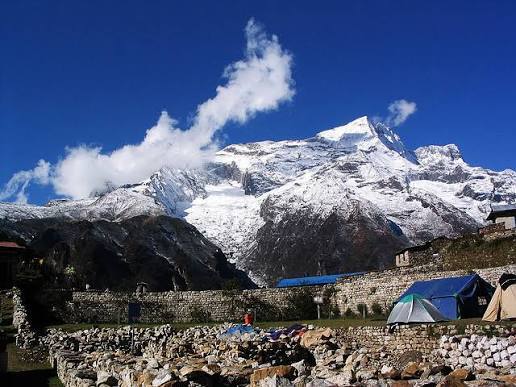
Thame, Nepal: Complete Travel & Trekking Guide
By Nepal Trip Services On 08 Oct 2026

By Nepal Trip Services On 08 Oct 2026
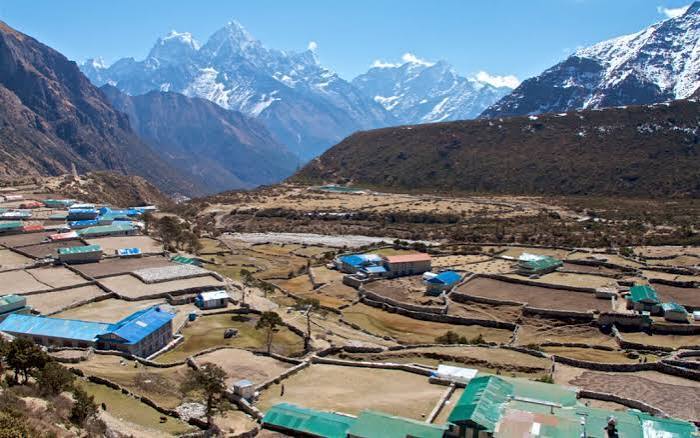
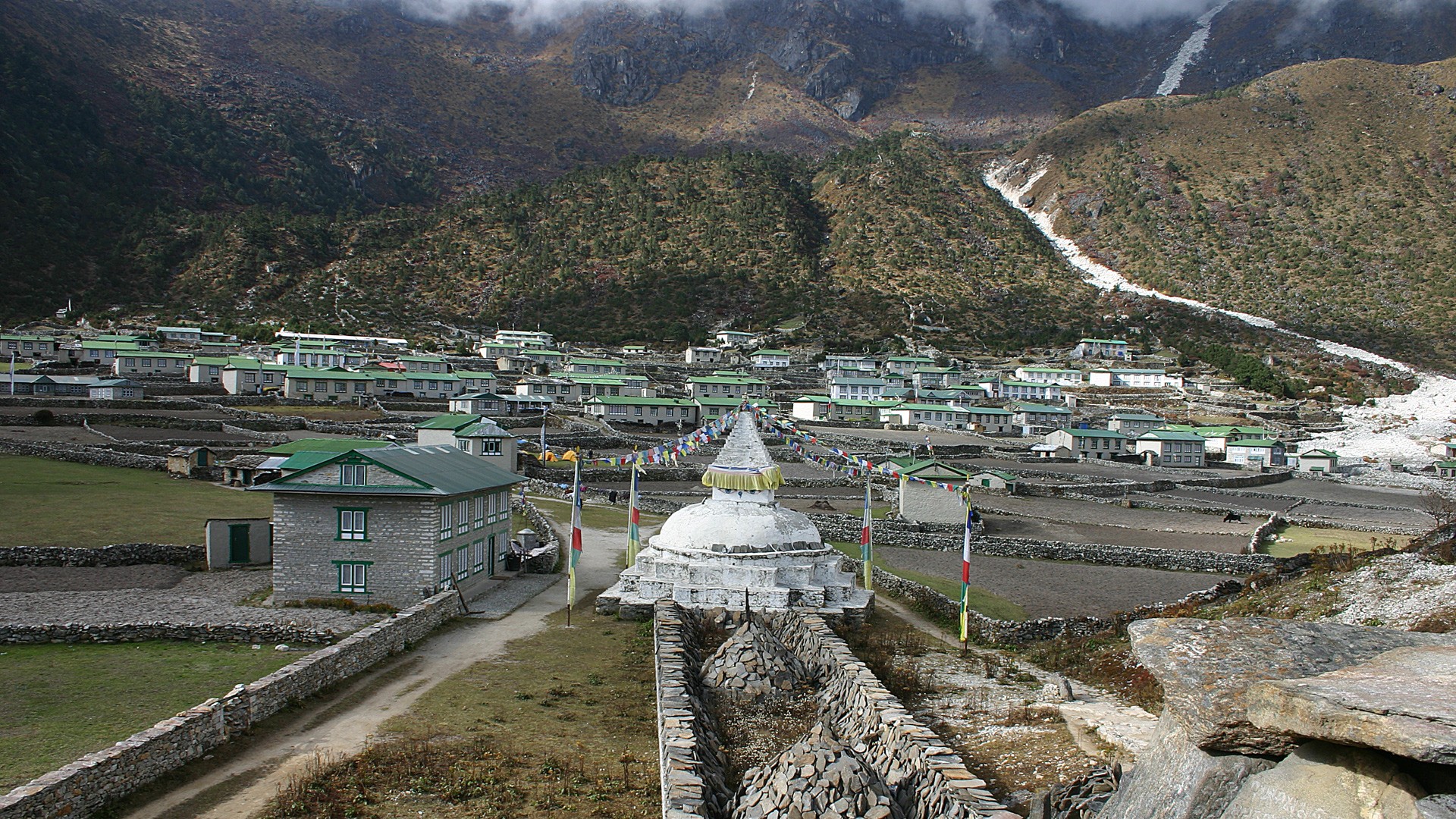
Thame (about 3,800 m) is a traditional Sherpa village in Nepal's Everest (Khumbu) region, tucked into the quiet Bhote Koshi Valley just west of Namche Bazaar. It is famous as the childhood home of Tenzing Norgay, the first person to summit Everest with Sir Edmund Hillary, and as the home village of record-breaking climbers such as Apa Sherpa and Kami Rita Sherpa. Above the village, the ancient Thame Monastery clings to the cliffs, hosting the colourful Mani Rimdu festival each spring.
Only about three hours from Namche yet far from the busy Everest Base Camp trail, Thame offers a rare glimpse of authentic Sherpa life: potato fields, stone houses, yak pastures and prayer flags beneath Kongde Ri and Teng Kangpoche. Most trekkers visit on the Everest Three High Passes Trek, descending through Thame after crossing Renjo La, but it also makes a rewarding side trip or acclimatisation hike from Namche.
This guide covers everything you need to know: location, how to get there, things to do, history, itineraries, best time, permits, teahouses and travel tips, followed by the 15 questions trekkers ask most.
|
Detail |
Information |
|---|---|
|
Location |
Bhote Koshi Valley, Sagarmatha National Park, Solukhumbu District, Koshi Province, Nepal |
|
Altitude |
About 3,800 m (12,467 ft); the monastery sits slightly higher |
|
Distance from Namche Bazaar |
About 9–10 km; 3–4 hours' walk |
|
Famous for |
Thame Monastery, Mani Rimdu festival, home of Everest legends |
|
Famous residents |
Tenzing Norgay (childhood home), Apa Sherpa, Kami Rita Sherpa |
|
Main viewpoints |
Thame Monastery, Thame Ri slopes, Kongde Ri and Teng Kangpoche views |
|
Nearby highlights |
Thamo, Lawudo Gompa, Marlung, Lungden, Renjo La Pass |
|
Difficulty |
Easy to moderate from Namche |
|
Best seasons |
March–May and late September–November |
|
Accommodation |
Small, family-run teahouses |
|
Permits |
Sagarmatha National Park + Khumbu Pasang Lhamu Rural Municipality |
|
Treks that visit |
Everest Three High Passes Trek, Gokyo–Renjo La loop, custom Namche side trips |
Thame lies in the western Khumbu, inside Sagarmatha National Park, a UNESCO World Heritage Site. It sits in the Bhote Koshi Valley, which runs northwest from Namche Bazaar toward Lungden, Renjo La and the old Nangpa La trade route to Tibet. While most Everest trekkers head northeast from Namche toward Tengboche and Everest Base Camp, Thame is reached by turning west into this quieter valley.
Thame can only be reached on foot. The usual approach is a flight to Lukla, a trek to Namche Bazaar and a scenic half-day walk west.
|
Stage |
Approx. time |
Altitude |
Highlights |
|---|---|---|---|
|
Namche → Phurte |
45 mins–1 hr |
~3,440 → 3,600 m |
Gentle trail past chortens and the national park nursery, with views of Thamserku |
|
Phurte → Thamo |
1 hr |
~3,600 → 3,500 m |
Forest of pine and rhododendron; Thamo nunnery and small hydropower plant |
|
Thamo → Samde viewpoint |
30–45 mins |
~3,500 → 3,700 m |
Short detour option to Lawudo Gompa above Mende |
|
Bridge over the Bhote Koshi → Thame |
1 hr |
~3,700 → 3,800 m |
Cross the gorge on a suspension bridge and climb to the village |
|
Total |
3–4 hrs |
~360 m net gain |
About 9–10 km |
|
Trek |
Duration |
How Thame fits in |
Best for |
|---|---|---|---|
|
19 days |
Day 16: descend from Lungden through Thame to Namche |
Fit, experienced trekkers |
|
|
Gokyo Lakes + Renjo La loop (custom) |
13–15 days |
Return from Renjo La via Lungden and Thame |
Trekkers wanting a loop instead of an out-and-back |
|
Everest View Trek + Thame extension (custom) |
8–9 days |
Day trip or overnight from Namche |
Beginners and travellers short on time |
|
Classic Everest Base Camp Trek + Thame acclimatisation (custom) |
15 days |
Extra acclimatisation day trip from Namche |
EBC trekkers wanting a quieter cultural detour |
See all routes on our Everest Region Treks page.
Thame Gompa, perched on the hillside above the village, is one of the oldest monasteries in the Khumbu and is believed to be around four centuries old. Painted prayer halls, butter lamps, colourful thangkas and views across the Bhote Koshi Valley make it a peaceful place to sit and reflect. Monks often welcome visitors; a small donation is appreciated.
Each spring (usually in May), Thame Monastery hosts Mani Rimdu, a multi-day Tibetan Buddhist festival with masked dances, prayers and blessings. It is one of the three main Mani Rimdu celebrations in the Sherpa region, alongside Tengboche in autumn. Dates follow the Tibetan lunar calendar, so check before you travel.
Thame has produced more famous Everest climbers than almost any village on Earth. Tenzing Norgay spent his childhood here, and Thame is the home village of Apa Sherpa and Kami Rita Sherpa, two of the most prolific Everest summiteers in history. Chatting with your teahouse hosts often reveals family connections to famous expeditions.
On the way from Namche, the village of Thamo is home to a small Buddhist nunnery and a hydropower plant that supplies electricity to much of the Khumbu. It's a pleasant place for a tea break with views of Kongde Ri.
Above Mende, a steep side trail leads to Lawudo Gompa, a quiet retreat linked to a revered meditation cave. The detour adds 2–3 hours but rewards you with sweeping views and a deeply peaceful atmosphere.
Thame is ringed by dramatic peaks, including Kongde Ri, Teng Kangpoche and Thamserku. A short climb above the monastery gives a fine viewpoint over the village, the valley and the snow peaks beyond.
Beyond Thame, the trail climbs gently through Taranga and Marlung to Lungden (~4,350 m), the last stop before Renjo La. This remote valley, once part of a trade route to Tibet, sees few trekkers and offers a true sense of wilderness.
From Lungden, adventurous trekkers can cross Renjo La (5,360 m) to the Gokyo Lakes, or arrive the other way after crossing from Gokyo. It's part of the Everest Three High Passes Trek and a popular loop with the Gokyo Lakes Trek.
|
Attraction |
Time needed |
Difficulty |
Why go |
|---|---|---|---|
|
Thame Monastery |
1–2 hrs |
Easy (short climb) |
Ancient gompa, culture, valley views |
|
Mani Rimdu festival |
1–3 days (May) |
Easy |
Masked dances and Sherpa celebrations |
|
Thamo nunnery |
30–60 mins |
Easy |
On the way from Namche |
|
Lawudo Gompa |
2–3 hrs detour |
Moderate–steep |
Peaceful retreat and views |
|
Lungden & Bhote Koshi Valley |
1–2 days |
Moderate |
Remote wilderness, gateway to Renjo La |
|
Renjo La Pass |
7–8 hrs from Lungden |
Strenuous |
Everest and Gokyo Lakes panorama |
Thame has been a Sherpa settlement for centuries, shaped by its position on the old trade route between the Khumbu and Tibet via the Nangpa La. Traders once carried salt, wool and livestock over the pass in exchange for grain and goods from Nepal's lowlands. The village and its upper neighbour, Thameteng, remain farming communities, growing potatoes and barley and grazing yaks in summer pastures.
In the 20th century, Thame became closely tied to the story of Everest. Tenzing Norgay grew up here before his historic 1953 ascent, and generations of Thame climbers have since guided and led expeditions around the world. In 1995, a small 600 kW hydropower plant was opened near Thame, bringing clean electricity to the region.
On 16 August 2024, two glacial lakes above the village, including Thyanbo Lake about 10 km upstream, burst in a glacial lake outburst flood (GLOF). The flood sent water, mud and boulders down the Thame River, destroying around 20 houses, the school and the health clinic. Thankfully, no lives were lost, but more than 130 people were left homeless and the river's course through the village changed.
Since the flood, local communities, the government and organisations such as the Himalayan Trust have been working on relief, safety studies and rebuilding. The trail through Thame remains in use, but parts of the village look different from older photos. Your guide will share the latest local conditions, and visitors who stay in local lodges and eat in local teahouses directly support the community's recovery.
Thame offers some of the most authentic Sherpa village life in the Khumbu, with far fewer trekkers than Namche or Tengboche. Be a respectful guest:
Learn more about the region's traditions through our guides to Sherpa museums and authentic Sherpa hospitality.
|
Day |
Route |
Overnight altitude |
|---|---|---|
|
14 |
Gokyo Ri sunrise, explore Gokyo |
4,790 m |
|
15 |
Cross Renjo La (5,360 m) to Lungden |
~4,350 m |
|
16 |
Lungden → Marlung → Thame → Namche Bazaar |
3,440 m |
|
17 |
Namche Bazaar → Lukla |
2,860 m |
On Day 16, the trail follows the Bhote Koshi downstream through Thame, where you can visit the monastery before continuing to Namche. See the full itinerary.
This is an excellent acclimatisation option on the Classic Everest Base Camp Trek, or a cultural add-on to the Everest View Trek.
Ask us to build any of these through our trip planner.
The walk from Namche to Thame is easy to moderate. The trail is well defined, with gentle ups and downs, one bridge crossing and a final climb to the village. The total gain from Namche is only about 360 m, and Thame sits below 4,000 m, so altitude sickness risk is relatively low for acclimatised trekkers.
|
Factor |
Detail |
|---|---|
|
Altitude |
About 3,800 m |
|
Walking time from Namche |
3–4 hours each way |
|
Terrain |
Forest trail, stone steps, suspension bridge |
|
Altitude risk |
Low–moderate (spend at least one night in Namche first) |
|
Suitable for |
Beginners, families and experienced trekkers |
Tips: spend at least one night in Namche before going to Thame, walk at a steady pace, drink 3 litres of water a day, and tell your guide right away if you feel headache, nausea or dizziness.
The best times to visit Thame are October–November and March–May. Spring has the added bonus of the Mani Rimdu festival at Thame Monastery, usually held in May.
|
Season |
Months |
Day / night temp (approx.) |
Conditions |
Verdict |
|---|---|---|---|---|
|
Autumn |
Late Sep–Nov |
10–17°C / -5 to 2°C |
Clear skies, stable weather |
Best |
|
Spring |
Mar–May |
10–18°C / -4 to 3°C |
Warm days, rhododendrons, Mani Rimdu festival |
Excellent |
|
Winter |
Dec–Feb |
2–10°C / -12 to -6°C |
Cold but clear and very quiet; some lodges close |
Good for hardy travellers |
|
Monsoon |
Jun–Aug |
12–18°C / 5 to 10°C |
Rain, cloud and Lukla flight delays |
Least suitable |
No special permit is needed for Thame. The two standard Everest-region permits cover the village, the Bhote Koshi Valley and Renjo La.
|
Permit |
Fee for foreign nationals |
Where checked |
|---|---|---|
|
Sagarmatha National Park Entry Permit |
NPR 3,000 + 13% VAT |
Monjo |
|
Khumbu Pasang Lhamu Rural Municipality Permit |
NPR 3,000 |
Lukla |
Travel beyond Lungden toward the Nangpa La and the Tibet border is not permitted for trekkers. Both trekking permits are included in all Nepal Trip Services Everest packages. Budget about US$ 15–25 per day for extras such as hot drinks, showers, charging and Wi-Fi, and bring a small donation for the monastery.
Thame has a handful of small, family-run teahouses, quieter and more personal than the busy lodges in Namche.
Thame is a Sherpa village in the Bhote Koshi Valley of the Everest (Khumbu) region, inside Sagarmatha National Park in Solukhumbu District. It lies about 9–10 km west of Namche Bazaar, away from the main Everest Base Camp trail.
Thame sits at about 3,800 m (12,467 ft). The monastery is slightly higher on the hillside above the village. Altitudes vary a little between maps.
The walk takes 3–4 hours each way, covering about 9–10 km via Phurte, Thamo and a suspension bridge over the Bhote Koshi. It can be done as a day trip, but staying overnight lets you enjoy the village and monastery at a relaxed pace.
Thame is famous as the childhood home of Tenzing Norgay and as the home village of record-setting Everest climbers like Apa Sherpa and Kami Rita Sherpa. It is also known for its ancient monastery, the spring Mani Rimdu festival and its location on the old trade route to Tibet.
Thame Gompa is one of the oldest monasteries in the Khumbu, believed to be around four centuries old. Set on a cliff above the village, it has richly painted prayer halls and fine views over the valley. Visitors are welcome; remove your shoes and hat inside and leave a small donation.
Mani Rimdu at Thame is usually held in spring, often in May, following the Tibetan lunar calendar. The festival includes masked dances, prayers and blessings over several days. Dates change each year, so ask us or check locally before planning your trip around it.
On 16 August 2024, a glacial lake outburst flood from lakes above the village swept through Thame, destroying around 20 houses, the school and the health clinic. No lives were lost. Rebuilding and safety work have continued since, and the trail through Thame remains in use.
Yes, trekkers continue to pass through and stay in Thame, especially on the Three Passes route. As with all mountain areas, conditions can change, so your guide will check the latest local information. Staying in local lodges also helps the community's recovery.
No. Thame is west of Namche, while the EBC trail heads northeast via Tengboche. However, it makes a great acclimatisation side trip from Namche, and it's on the Everest Three High Passes Trek and the Gokyo–Renjo La loop.
No. The trek from Namche is easy to moderate, with a well-defined trail and only about 360 m of net elevation gain. Beginners who have acclimatised in Namche can manage it comfortably.
Yes. Thame has several small, family-run teahouses offering twin rooms, hot meals and warm dining halls. Staying overnight lets you visit the monastery in the quiet evening or early morning.
No. The standard Sagarmatha National Park permit and Khumbu Pasang Lhamu Rural Municipality permit cover Thame and the Bhote Koshi Valley. Travel beyond Lungden toward the Tibet border is restricted.
October–November and March–May offer the best weather and clearest views. Spring is especially rewarding if your visit coincides with the Mani Rimdu festival.
Yes. From Thame, the trail continues up the Bhote Koshi Valley to Lungden, then crosses Renjo La (5,360 m) to Gokyo. This is a strenuous route that requires good acclimatisation, so most trekkers do it in the opposite direction, from Gokyo to Thame.
Thame is included in our Everest Three High Passes Trek, a 19-day circuit from US$ 1,450 per person. We can also add a Thame side trip to the Classic Everest Base Camp Trek, Everest View Trek or Gokyo Lakes Trek. Contact us or use our trip planner.
Thame is the Khumbu as it used to be: a quiet Sherpa village of stone houses and potato fields, an ancient monastery on the cliffs, and families whose names are woven into the history of Everest. Whether you pass through after crossing Renjo La or make a dedicated side trip from Namche, Thame offers a deeper, more personal connection with Sherpa culture than almost anywhere else in the region.
With 16 years of Himalayan experience, Nepal Trip Services takes care of every detail:
Ready to visit Thame? Explore the full itinerary and group prices on our Everest Three High Passes Trek – 19 Days page, browse all our Everest Region Treks, or plan a custom trip with a Thame side trip or Mani Rimdu festival visit. Spring and autumn departures fill quickly, so we recommend booking 2–3 months ahead.
Altitudes, timings, permit fees and prices are approximate and current as of October 2026. Festival dates and local conditions in Thame change each year; your guide will share the latest information.
Discover more articles that match your interests! Explore these similar blogs packed with insights, tips, and stories to keep you inspired.
Discover Khumjung, Nepal — the Khumbu\\'s most beautiful village, home to the Yeti scalp & Hillary\\'s first school. C...
Plan your Namche Bazaar acclimatization day: best hikes, Everest View Hotel, Khumjung, altitude tips, a sample schedule,...
Discover Everest View Hotel at 3,880 m: views, history, how to reach it from Namche, stay vs visit tips, best time, and ...
Explore Mount Everest in Nepal: height, history, best time, treks to Base Camp and Everest View, permits, altitude safet...
Plan your Kongde Ri trip: height, best views from Namche, best time, permits, 7-day itinerary, climbing facts, costs and...
Lhotse (8,516 m) is the world\'s 4th highest peak. Learn its height, location, climbing history, routes, best views and ...