Chitwan, Nepal: Complete Travel & Wildlife Guide
By Nepal Trip Services On 28 Sep 2026

By Nepal Trip Services On 28 Sep 2026
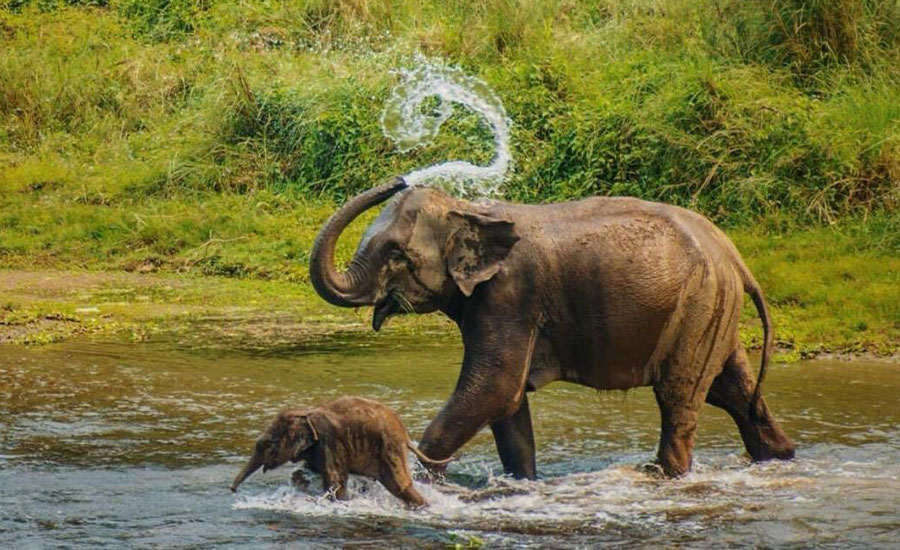
Chitwan begins before sunrise. Mist hangs over the Rapti River, a dugout canoe slides past a basking crocodile, and somewhere in the tall grass an unseen animal crashes through the reeds. An hour later, a one-horned rhinoceros steps into a clearing and looks at you as if you were the one who had wandered into its neighborhood.
Nepal is best known for its mountains, but Chitwan shows the other side of the country. It lies in the warm southern lowlands known as the Terai, a place of sal forest, riverbanks, and grassland. It is one of the best places in South Asia to see rhinos, and it is the country's classic wildlife destination. This guide covers what to see, how safaris work, what things cost, when to go, and how to travel responsibly, so you can plan a trip that is both exciting and thoughtful.
Chitwan pairs well with Kathmandu and Pokhara, and it makes a natural break after a trek. Travelers choose it for these reasons:
| Detail | Information |
|---|---|
| Region | Southern Nepal (Terai lowlands) |
| Park established | 1973, Nepal's first national park |
| UNESCO status | World Heritage Site since 1984 |
| Main tourist base | Sauraha, on the park's edge |
| Star species | Greater one-horned rhinoceros, Bengal tiger, gharial, Asian elephant |
| Best months | October–March |
| Recommended stay | 2–3 nights (3 nights for a relaxed trip) |
| Main activities | Jeep safari, canoe ride, guided jungle walk, birdwatching, Tharu village visit |
Chitwan is a conservation success story. Nepal's 2021 national rhino count recorded 694 rhinos in and around Chitwan, by far the largest number in the country. Tigers have also increased. The latest national census found 145 tigers in Chitwan and its surrounding areas, up from 128 in the previous survey.
Numbers do not guarantee sightings, though. Here is a realistic guide:
| Animal | How Likely You Are to See It | Notes |
|---|---|---|
| One-horned rhinoceros | Very likely | Often seen in grasslands and near rivers on jeep and canoe trips |
| Spotted deer, wild boar, monkeys | Almost certain | Commonly seen everywhere |
| Marsh mugger crocodile | Likely | Best seen on canoe rides along the riverbank |
| Gharial | Possible | A slender-snouted, fish-eating crocodile, best seen from the river |
| Wild elephant | Occasional | Seen near waterholes, more often in the dry season |
| Sloth bear, leopard | Rare | Usually a matter of luck and patience |
| Bengal tiger | Very rare | The park's tiger population is in the range of 145, but dense forest and tall grass make sightings uncommon. |
The park is also a top birding site, with more than 500 recorded species. Kingfishers, hornbills, peafowl, and migratory waterbirds make it rewarding for beginners and serious birders alike.
A jeep safari covers the most ground and is the best way to see rhinos and deer across forest and grassland. Shared jeeps are the budget option, while private jeeps suit photographers who want flexibility. Go in the early morning or late afternoon, when animals are most active.
A canoe trip along the river is quiet and atmospheric. You glide past crocodiles, waterbirds, and animals drinking at the bank. Many operators combine the canoe ride with a short guided walk.
Walking through the forest with two trained naturalist guides feels very different from a jeep ride. You notice tracks, calls, plants, and insects that a vehicle would pass by. Walk in silence, follow your guide's instructions exactly, and never approach wildlife. Rhinos and other animals can be dangerous when startled.
Chitwan's forests, wetlands, and river islands suit early-morning birdwatching. Bring binoculars and ask your lodge for a guide who knows the calls.
The Tharu people have lived in the Terai for centuries, and their culture is central to Chitwan. Walk through a village to see traditional mud-and-thatch houses, and try local dishes. In the evening, many lodges host a cultural show with the Tharu stick dance, a lively performance of rhythm and movement.
Buffer-zone community forests and lakes such as Beeshazari offer quieter wildlife viewing and support local conservation and livelihoods. They are good for birdwatching, short walks, and a break from the busier riverside.
Elephant riding was once Chitwan's signature activity, but attitudes are changing quickly. A Supreme Court ruling has directed the government to seek alternatives to riding safaris and pushed for ethical sanctuaries where visitors watch elephants from a distance. Many Sauraha operators are already moving to elephant bush walks and other options as tourists lose interest in rides.
The court has not ordered an overnight shutdown, and rules are still evolving, so check with your lodge about current practices. For a more ethical trip, consider these choices:
| Season | Months | What to Expect |
|---|---|---|
| Cool, dry season | October–February | Pleasant temperatures, clear days, cold mornings, and excellent wildlife viewing |
| Hot, dry season | March–May | Hot days, but animals gather at waterholes and grass is shorter after cutting |
| Monsoon | June–September | Heavy rain, flooding, humid heat, and harder wildlife viewing, though it is greener and quieter |
For most travelers, October to March is the best window. Guides often say the dry months, when animals visit rivers and open areas, offer the best sightings. Summer is good only if you can handle strong heat.
Buses and private cars make the trip in about 4–6 hours. Many travelers combine Pokhara and Chitwan in one loop.
Sauraha is small enough to walk. Most activities are arranged through your lodge, which will organize jeeps, guides, and transfers to the park entrance.
| Area | Best For |
|---|---|
| Sauraha | First-time visitors, restaurants, easy safari bookings, and a lively traveler scene |
| Meghauli and western Chitwan | Quieter stays, luxury lodges, and a more remote feel |
| Buffer-zone lodges | Nature immersion and birdwatching |
| Tharu homestays | Cultural experiences and budget stays |
Book early from November to February, and choose lodges with a clear wildlife-friendly and elephant policy.
Prices change and vary by operator, so treat these as planning ranges.
| Budget Level | Typical Trip Style |
|---|---|
| Budget | Homestay or basic guesthouse, shared jeep, local meals |
| Mid-range | Lodge with breakfast, jeep and canoe safari, guided walk |
| Comfort | Better lodge, private jeep, multiple guided activities |
Ask what is included, since many low-priced packages leave out park entry, guide fees, or transport.
Chitwan National Park lies in the Terai, Nepal's warm southern lowlands, roughly 150 to 170 km by road from Kathmandu. It was Nepal's first national park, and it has been a UNESCO-listed site since 1984. The park is famous for its one-horned rhinoceroses, Bengal tigers, gharials, and wide variety of birds. The main tourist base is the village of Sauraha on the park's edge, where most lodges, restaurants, and safari operators are found.
Two to three nights is the ideal length for most travelers. This gives you time for a jeep safari, a canoe ride, a guided jungle walk, and a cultural evening without rushing. A single night is possible but leaves little margin, since safaris start early and travel to and from Kathmandu or Pokhara takes several hours. If you enjoy birdwatching or want a slower pace, stay three or four nights.
The most comfortable and productive season runs from October to March, when the weather is cooler, skies are clear, and wildlife viewing is at its best. Some sources also rate February to April highly, once the grass has been cut or burned, and April to May as very hot but good near waterholes. The monsoon, from June to September, brings heavy rain, flooding, and humid heat, which makes wildlife harder to spot and sometimes limits which areas are open. It is quieter and greener, so it suits travelers who prioritize low prices and empty trails over sightings.
From Kathmandu, most travelers take a tourist bus or private car, which usually takes about five to seven hours depending on traffic and road work. If you want to save time, a short domestic flight to Bharatpur followed by a road transfer to Sauraha is a good alternative. From Pokhara, the drive generally takes four to six hours, and many people combine the two destinations in a single loop. Your lodge can arrange pickups and transfers, which is often the easiest way to handle the last stretch.
You might, but you should not count on it. The latest national census found 145 tigers in Chitwan and its surrounding areas, up from 128 in the previous survey. Even so, tigers are shy, and dense forest and tall grass make sightings uncommon on a typical two- or three-day visit. It is better to treat a tiger as a wonderful bonus and focus on the animals you are far more likely to meet, especially rhinos, deer, crocodiles, and birds.
Rhino sightings are very realistic, which is a big reason Chitwan is so popular. Nepal's 2021 national count recorded 694 rhinos in Chitwan and its surrounding landscape, by far the largest population in the country. Jeep and canoe safaris regularly find them in grasslands and along riverbanks, especially in the early morning and late afternoon. No sighting is guaranteed, but a multi-day visit gives you a strong chance of seeing at least one.
Chitwan offers four main ways to explore. A jeep safari covers the most ground and is the best option for spotting rhinos and deer across forest and grassland. A dugout canoe ride along the river is calm and quiet, and it gets you close to crocodiles and waterbirds. A guided walk on foot is slower and more immersive, and it lets you notice tracks, plants, and sounds that a vehicle would pass by. Birdwatching sessions and village visits round out the list, and many lodges bundle several of these into one package.
Walking safaris are widely offered and are generally safe when done with licensed guides who follow strict rules. Two licensed guides are typically required for walking inside the protected areas. The risks come mainly from ignoring instructions, wandering off, or approaching animals, since rhinos, bears, and other wildlife can react suddenly. Stay in a tight group, move quietly, do exactly what your guide says, and choose an operator with a strong safety record.
Most animal-welfare groups advise against it, and attitudes in Chitwan itself are shifting. A Supreme Court ruling has called for alternatives to riding safaris and for ethical sanctuaries where visitors watch elephants from a distance, while acknowledging the economic role elephant safaris play in Sauraha. The transition is gradual rather than an overnight ban, so practices vary by operator. If you want to see elephants, choose observation-only experiences or bush walks, ask lodges about their policies, and rely on jeep, canoe, and walking safaris for wildlife.
Costs depend on your comfort level and what is included. A three-day safari commonly falls between roughly USD 150 and 200 for a budget trip, USD 250 to 350 for mid-range, and USD 400 to 600 or more for a comfortable trip with a private jeep. Activities are priced separately in many cases, so check whether your quote includes guides, transport, meals, and park entry. Prices also shift with the season and the operator, so treat any figure as a planning range and confirm before you pay.
Foreign nationals pay NPR 2,000 (about USD 15) per day for park entry, with lower rates for SAARC and Nepali visitors. The fee is charged for each day you enter the park, not once per trip, so combining your jeep safari and canoe ride into one day keeps the cost down. Many cheap packages leave the entry fee out, which is why it is worth asking directly what is included. Fees can change, so verify them with your lodge or the park office.
Chitwan is rich in wildlife beyond its two star species. Spotted deer, wild boar, and monkeys are nearly certain sightings, and marsh mugger crocodiles are common along the riverbanks. The slender-snouted gharial, a fish-eating crocodile, can sometimes be seen from a canoe. Wild elephants, sloth bears, and leopards are rarer and depend heavily on luck and season. The park is also outstanding for birds, with more than 540 species recorded, including kingfishers, hornbills, and peafowl.
Sauraha is the most popular choice, with plenty of guesthouses, restaurants, and safari agents, which makes it easy for first-timers. If you prefer a quieter and more remote feel, consider lodges around Meghauli and the western side of the park, which tend to be higher-end. Buffer-zone lodges suit birdwatchers and travelers who want to be closer to nature, while Tharu homestays give you a taste of local culture at a lower cost. Whatever you choose, book early between November and February, and pick a place with a clear wildlife-friendly and elephant policy.
Chitwan is an established, well-visited destination, and both families and solo travelers do well here. Jeep rides, canoe trips, and village visits suit most ages, though very young children may find the early-morning starts tiring. The main safety rules are simple: go with licensed guides, follow their instructions, keep a respectful distance from wildlife, and never enter the forest alone. Standard precautions apply as elsewhere, such as drinking safe water, carrying insect repellent, and buying travel insurance that covers wildlife activities.
Pack for warm, humid weather with early mornings that can feel cool in winter. Neutral colors such as green, brown, and khaki are best for safaris, since bright colors and strong perfume can disturb animals. Bring insect repellent, sunscreen, a hat, a light rain jacket, comfortable closed shoes, and a reusable water bottle with a filter. Binoculars and a zoom lens make a big difference for birds and wildlife photos from a safe distance. Carry some cash in Nepali rupees, since small vendors often do not accept cards, and keep copies of your passport and insurance details.
Chitwan rewards patience. The rhino at the edge of a clearing, the kingfisher flashing across the river, and the stillness of the forest at dawn are moments that no itinerary can promise but that this landscape delivers again and again. Nothing here is staged, and that is exactly what makes it special. Some mornings the jungle gives you a rhino within minutes. Other mornings it gives you only birdsong, mist, and the quiet pleasure of being somewhere wild.
The trip also works because it balances two sides of Nepal. After the crowded lanes of Kathmandu or the cold trails of the Annapurna region, Chitwan offers warm air, open skies, and a slower rhythm. You can spend your days on a canoe, a jeep, or your own two feet, then end them with a Tharu dinner and a stick dance under the stars. It is adventure and culture in one place, without the physical demands of a trek.
A few simple choices will make your visit richer:
Chitwan is also a reminder that travel works best when it protects what it celebrates. The rhinos and tigers here are recovering because of decades of conservation, and every visitor who respects the rules, keeps a safe distance, and spends money responsibly becomes part of that story.
Leave with a fuller picture of Nepal, one that reaches well beyond the peaks, and with the quiet certainty that the forest will keep going long after you have gone home.
Discover more articles that match your interests! Explore these similar blogs packed with insights, tips, and stories to keep you inspired.
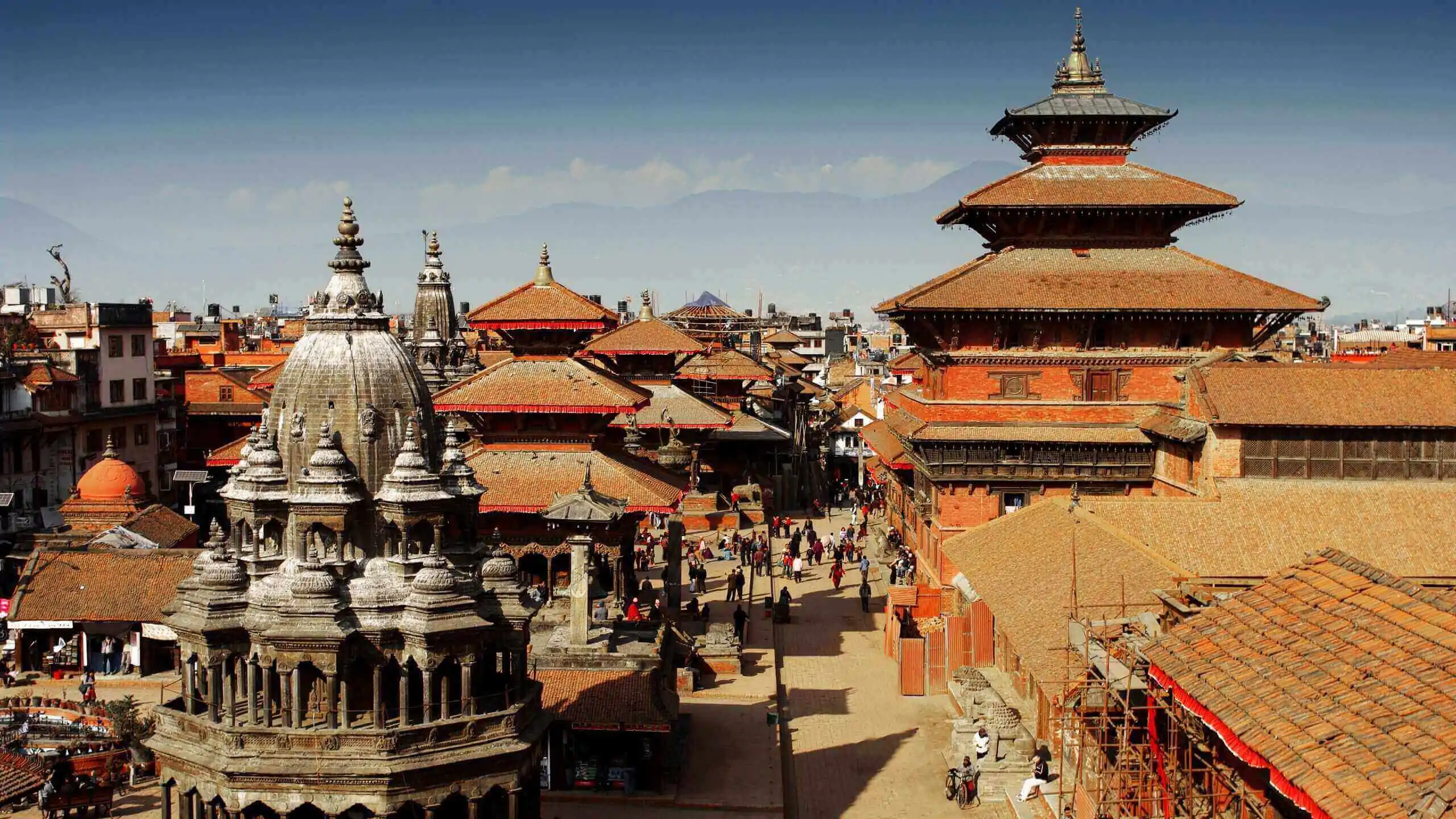
Explore Kathmandu, Nepal — UNESCO sites, temples, food, festivals & travel tips. Plan your perfect Kathmandu visit wit...
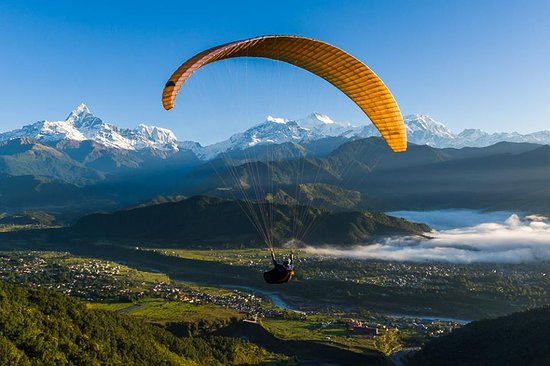
Plan your Pokhara trip with this complete guide to Phewa Lake, Sarangkot sunrise, paragliding, Annapurna treks, food, co...
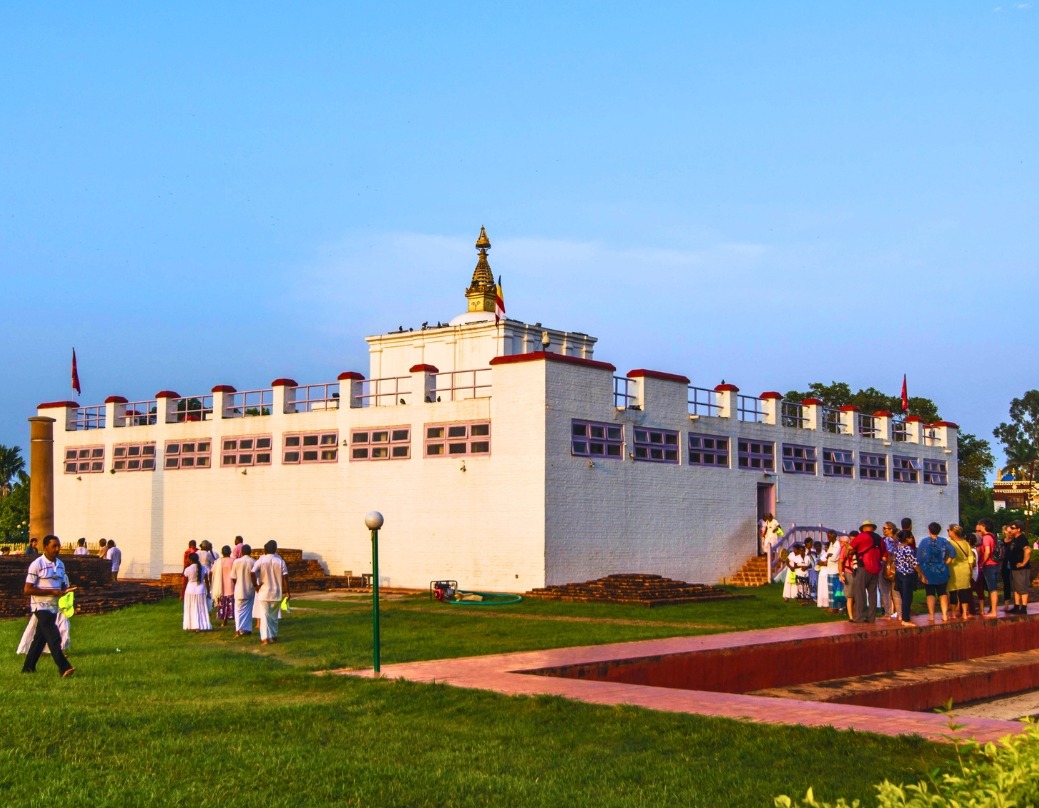
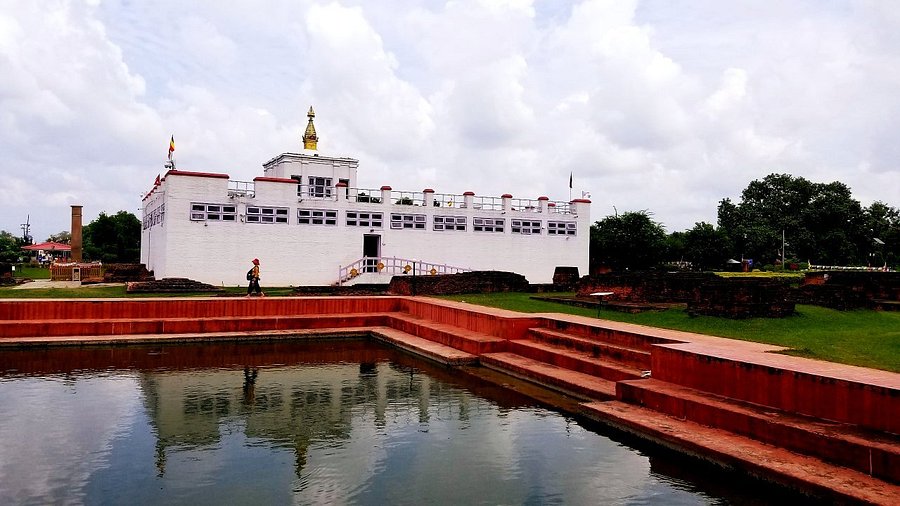
Explore Lumbini, Buddha\\'s birthplace: Maya Devi Temple, Ashoka Pillar, monasteries, costs, best time to visit & how to...
Visit Maya Devi Temple, Buddha\'s birthplace in Lumbini. Explore its history, the Marker Stone, visitor rules, opening h...
Plan your Nagarkot trip: Himalayan sunrise views, View Tower, hikes to Changu Narayan & Dhulikhel, best time, hotels, ho...
Visit Changu Narayan, Nepal\\'s oldest Hindu temple near Bhaktapur. Explore history, sculptures, entry fee, how to get t...