Maya Devi Temple, Lumbini: Complete Travel & Cultural Guide
By Nepal Trip Services On 28 Sep 2026

By Nepal Trip Services On 28 Sep 2026
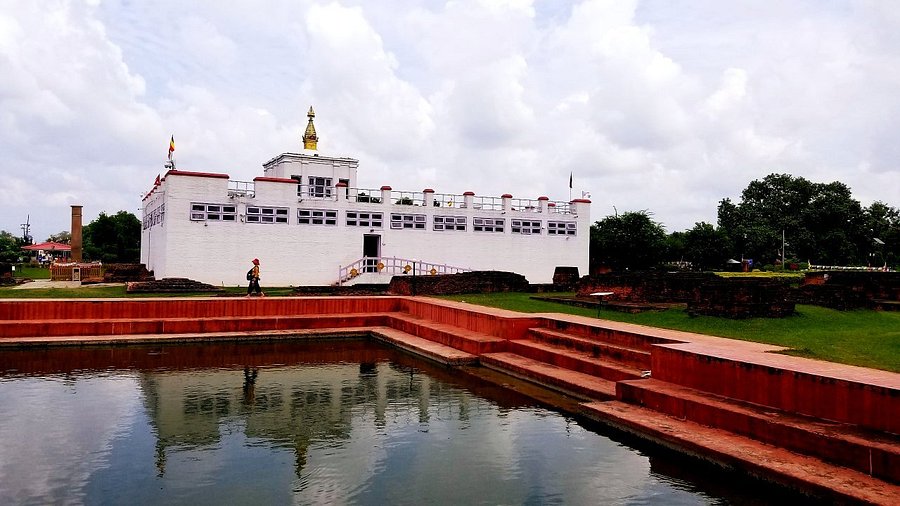
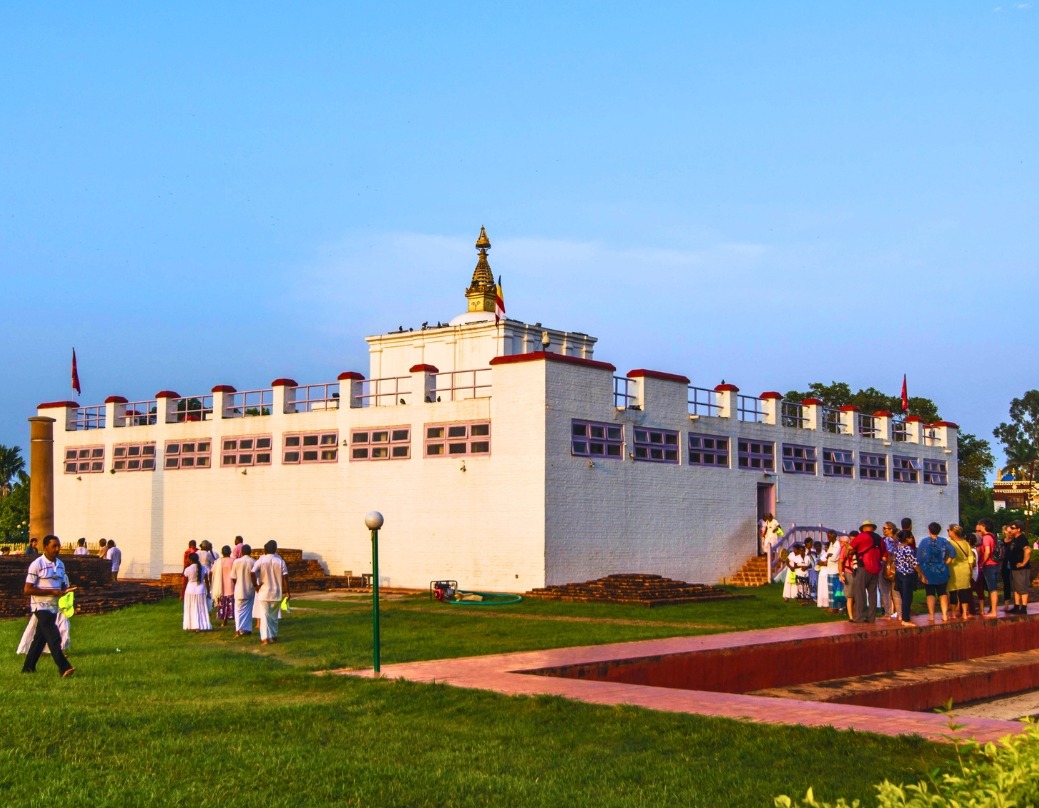
Few places in the world are as quiet and as significant as the Maya Devi Temple. There are no towering spires or golden domes here. Instead, you walk barefoot over worn brick foundations, past ancient stone and old trees, toward a small protected spot that Buddhists honor as the exact place where Siddhartha Gautama, the future Buddha, was born.
The temple stands in the Sacred Garden at the heart of Lumbini, in southern Nepal, and it is the main reason pilgrims and curious travelers cross the world to reach this corner of the Terai. This guide explains what the temple is, what you will actually see, the history behind it, the rules to follow, and how to plan a respectful, rewarding visit. If you want the wider picture of the area, including the monasteries and nearby sites, see our Lumbini, Nepal: Complete Travel & Cultural Guide.
The temple is considered the spiritual center of Lumbini. It shelters the key relics tied to the birth of the Buddha, and it sits within a UNESCO World Heritage Site. Visitors come for different reasons:
| Detail | Information |
|---|---|
| Location | Sacred Garden, Lumbini, Rupandehi District, Nepal |
| Significance | Traditional birthplace of Siddhartha Gautama (the Buddha) |
| Named after | Queen Maya Devi, the Buddha's mother |
| Key features | Marker Stone, nativity sculpture, ancient brick ruins |
| Nearby sights | Ashoka Pillar, Puskarini pond, Bodhi tree |
| UNESCO status | Part of the Lumbini World Heritage Site, listed in 1997 |
| Time needed | 30–45 minutes inside, 1–2 hours with the Sacred Garden |
| Best time | Early morning or late afternoon |
Buddhist tradition tells that Maya Devi, queen of King Suddhodana of Kapilavastu and a princess of the neighboring Koliya kingdom, was traveling toward her parents' home when she stopped in a garden at Lumbini. Legend says she had earlier dreamed of a white elephant with a lotus entering her side. According to the tradition, she gave birth to Siddhartha beneath a sal tree, holding a branch for support.
Scholars debate the exact date, with estimates commonly placed somewhere between the 6th and 5th centuries BCE. What is clear is that Lumbini has been revered for more than two thousand years.
| Period | What Happened |
|---|---|
| About 6th century BCE | Archaeologists found evidence of an early timber shrine on the site |
| 249 BCE | Emperor Ashoka visited Lumbini, raised a pillar, and built a brick platform to protect the sacred spot |
| Centuries later | The site was rebuilt and repaired in several phases, then gradually abandoned and overgrown |
| 1896 | Rediscovery of the site and identification of Lumbini through the Ashoka Pillar |
| 1939 | Early reconstruction of a protective temple structure |
| 2003 | The present temple building was completed by the Lumbini Development Trust |
According to the Lumbini Development Trust, the temple was rediscovered in 1896 by General Khadga Shamsher and Dr. Anton Fuhrer, who identified Lumbini as the Buddha's birthplace using the inscription on the Ashoka Pillar. The trust also notes that the present temple was rebuilt in 2003. lumbinidevtrustlumbinidevtrust
The modern building acts as a protective shell over the ruins. Inside, a raised walkway lets visitors move above the archaeology without damaging it.
For a long time, the earliest firm evidence at the site dated to Ashoka's visit in the 3rd century BCE. That changed between 2010 and 2013, when an international team from Durham University and Nepal's archaeologists excavated beneath the temple. The Lumbini Development Trust reports that the dig uncovered a timber shrine dating back to the 6th century BCE. lumbinidevtrust
The findings were published in the journal Antiquity, and news coverage explained that the structure may have been built to enclose a tree that the Buddha's mother held during the birth. This does not settle every scholarly question, but it gave physical support to the idea that the site was already sacred long before Ashoka arrived. NBC News
For the full picture of the monasteries and the wider zone, read our Lumbini travel and cultural guide.
| Topic | What to Know |
|---|---|
| Shoes | Remove them before entering, and expect a shoe storage area and cloakroom |
| Dress | Cover shoulders and knees, and choose light, modest clothing |
| Photography | Widely reported as not allowed inside the temple, though garden photos are fine |
| Noise | Speak softly, silence phones, and avoid group chatter |
| Ruins | Never step on or touch ancient brickwork |
| Items | Reviewers mention restrictions on food, lighters, and sharp objects, so check at the gate |
On photography, several visitor reports say that photography is prohibited inside the temple, though photos are allowed in the surrounding gardens. A few sources say rules are enforced unevenly, but the safest approach is to follow any posted signs and ask staff. traveltriangle
Published hours differ between sources. Some list early morning to about 6 p.m., others say the temple stays open until 8 p.m., and some report a midday break. Check the current times at the ticket office when you arrive.
For fees, recent guides say entry to the Sacred Garden in 2026 is NPR 500 for foreign visitors, NPR 100 for SAARC nationals, and free for Nepali nationals, with the Maya Devi Temple included in that ticket. Older or third-party pages list other amounts, so treat any price as approximate and confirm on the day. theeverestholiday
| Time | What to Expect |
|---|---|
| Early morning | Cool air, soft light, fewer visitors, and a calm mood |
| Late afternoon | Gentler heat and warm light on the brickwork |
| October–March | The most comfortable months overall |
| April–June | Very hot, so visit at dawn or dusk |
| Buddha Jayanti (April or May) | The most atmospheric day of the year, but very crowded |
Because visitors walk without shoes, the ground can get hot in summer afternoons, so socks are a good idea.
Most travelers fly from Kathmandu or Pokhara to Bhairahawa, then take a short road transfer to Lumbini. Buses and private cars also run from Kathmandu, Pokhara, and Chitwan. Inside the development zone, walking, cycling, and rickshaws are the usual ways to get around. Full routes, costs, and tips are in our Lumbini Nepal guide.
The Maya Devi Temple is the main temple in the Sacred Garden at Lumbini, in southern Nepal, and it stands at the place traditionally honored as the birthplace of Siddhartha Gautama, who became the Buddha. It is named after his mother, Queen Maya Devi. The temple shelters a Marker Stone, a nativity sculpture, and ancient brick ruins, and it forms the spiritual center of the Lumbini World Heritage Site. For Buddhists it is one of the holiest places in the world, and for travelers it is one of Nepal's most historically meaningful sites.
The temple is in the Sacred Garden of Lumbini, in the Rupandehi District of Nepal, close to the Indian border. It sits beside the Ashoka Pillar and the Puskarini sacred pond, and the wider Lumbini development zone spreads out around it. The nearest airport is in Bhairahawa, and Lumbini is roughly a half-hour drive from there. Most visitors reach the temple by walking, cycling, or riding a rickshaw from the entrance of the zone.
According to Buddhist tradition, Queen Maya Devi gave birth to Siddhartha in a garden at Lumbini, beneath a sal tree. In 249 BCE, Emperor Ashoka visited the site, raised a pillar, and built a brick platform to protect the sacred spot. The place later faded into the forest and was rediscovered in 1896, when the Ashoka Pillar helped identify it as the Buddha's birthplace. The temple was reconstructed in stages during the 20th century, and the present building was completed in 2003 to protect the archaeological remains.
The main highlight is the Marker Stone, which is identified as the exact birth spot and is protected behind glass. Nearby is a carved nativity sculpture showing Queen Maya Devi and the newborn prince. Around them lie layers of ancient brick foundations from many building phases, arranged in a grid of chambers and surrounded by a circumambulatory path. A raised walkway lets visitors move above the ruins without damaging them, so the experience is quiet and contemplative rather than grand.
The Marker Stone is a stone slab that the Lumbini Development Trust describes as pinpointing the precise birth location of the Buddha. It is the most sacred object inside the temple, and pilgrims often pause in front of it to pray, meditate, or simply stand in silence. Because of its importance, it is kept behind protective glass and visitors are asked to remain calm and respectful. If you want to spend a moment there, wait your turn and avoid blocking the path for others.
Between 2010 and 2013, an international team including Durham University and Nepal's archaeologists excavated beneath the temple and uncovered a timber shrine dating to the 6th century BCE. The findings were published in the journal Antiquity, and researchers suggested the structure may have been built to enclose a tree linked to the birth story. The discovery matters because earlier evidence at the site had been dated to Ashoka's visit in the 3rd century BCE. It does not settle every scholarly debate, but it gave physical support to the idea that the site was sacred long before Ashoka arrived.
Plan on about 30 to 45 minutes inside the temple if you want to move through the walkway slowly and spend a few quiet moments near the Marker Stone. If you include the Ashoka Pillar, the sacred pond, and the Bodhi tree, allow one to two hours for the whole Sacred Garden. Many visitors add a bicycle or rickshaw tour of the monasteries afterward, which can extend the day to four hours or more. Rushing tends to spoil the atmosphere, so leave extra time if you can.
Published hours vary between sources. Some list opening from early morning until around 6 p.m., some report evening hours up to 8 p.m., and a few mention a midday break. Because these times can change, especially around festivals, it is best to confirm them at the ticket office when you arrive. Visiting in the early morning is a smart choice in any case, since the air is cooler and the site is quieter.
Recent guides report that entry to the Sacred Garden, which includes the Maya Devi Temple, is around NPR 500 for foreign visitors, NPR 100 for SAARC nationals, and free for Nepali nationals. Other websites and older guidebooks list different amounts, so treat any figure as approximate. The ticket office near the entrance shows the current prices, and it is worth carrying small cash in Nepali rupees. Monasteries in the wider zone are generally free to enter, though some accept voluntary donations.
Most visitor reports and guides say photography is not allowed inside the Maya Devi Temple, though photos are welcome in the gardens and around the pond and pillar. Enforcement is reported to vary, and some travelers say staff can be strict. The safest approach is to follow any posted signs, ask the staff at the entrance, and keep your camera and phone put away inside the temple. This helps protect the ruins and keeps the space peaceful for people who are there to pray.
Dress modestly by covering your shoulders and knees, and choose light clothing because the weather can be hot. You must remove your shoes before entering the temple, and a shoe storage area is provided, so socks are a good idea in summer when the ground is warm. Speak softly, silence your phone, do not touch or step on the ancient brickwork, and follow the marked walkway. Some reviewers also mention restrictions on food, lighters, and sharp objects, so check at the gate before you go in.
Early morning and late afternoon are the best times of day, when the light is soft, the temperature is gentler, and the crowds are smaller. The most comfortable months are October to March, when the weather in the Terai is pleasant for walking and cycling. April to June is very hot, so plan to arrive at dawn and finish before midday. Buddha Jayanti, held on the full moon in April or May, is a deeply moving time to visit, but it is also very crowded, so book your stay early.
The fastest route is a short domestic flight to Gautam Buddha International Airport in Bhairahawa, followed by a road transfer of about 30 minutes to Lumbini. Buses and private cars also run from Kathmandu, Pokhara, and Chitwan, though the trip from Kathmandu takes roughly seven hours. Once you reach Lumbini, you can walk, cycle, or take a rickshaw to the Sacred Garden. For routes, costs, and itineraries around the whole area, see our Lumbini, Nepal: Complete Travel & Cultural Guide.
Yes, visitors of every background are welcome as long as they respect the customs of the site. Many travelers come for the history, the archaeology, and the peaceful atmosphere rather than for religious reasons. A guide is not required, but a licensed local guide can explain the ruins, the symbolism, and the excavations in a way that makes the visit much richer. You can also visit the Lumbini Museum beforehand to understand what you are about to see.
Right beside the temple you will find the Ashoka Pillar, the Puskarini pond where Queen Maya Devi is said to have bathed, and an old Bodhi tree hung with prayer flags. Beyond the Sacred Garden, the monastery zone holds more than 20 temples built by Buddhist communities from around the world, and the white World Peace Pagoda stands at the northern end. If you have extra time, a day trip to ancient Kapilvastu sites such as Tilaurakot adds more context about the Buddha's early life. Many travelers combine Lumbini with Chitwan and Pokhara for a fuller Nepal itinerary.
The Maya Devi Temple does not try to impress with size. Its power comes from stillness, age, and meaning. Standing above the ancient brickwork, near the spot honored as the Buddha's birthplace, you sense how many people over the centuries have made the same journey for the same reason. There is no grand performance here, only a quiet walkway, a protected stone, and layers of history beneath your feet, from the timber shrine archaeologists uncovered to the pillar Emperor Ashoka raised more than two thousand years ago. Knowing that story, or hearing it from a guide on the spot, turns a short visit into something far more memorable.
The temple itself may take under an hour, but the feeling tends to last much longer. Visit early, move slowly, dress modestly, remove your shoes, and follow the photography rules, then give yourself unhurried time beside the pond and beneath the Bodhi tree, where the atmosphere is calmest. If you can, pair the temple with the monasteries and gardens of Lumbini, and stay overnight so you can return at dawn when the paths are quiet. Whether you arrive as a pilgrim or a curious traveler, leave with an open mind and no rush, and the Maya Devi Temple will give you something rare: a moment of stillness at the place where one of the world's great spiritual paths began.
.
Discover more articles that match your interests! Explore these similar blogs packed with insights, tips, and stories to keep you inspired.
Explore Kathmandu, Nepal — UNESCO sites, temples, food, festivals & travel tips. Plan your perfect Kathmandu visit wit...
Plan your Pokhara trip with this complete guide to Phewa Lake, Sarangkot sunrise, paragliding, Annapurna treks, food, co...
Plan your Chitwan trip with this complete guide to jungle safaris, rhinos, tigers, Tharu culture, costs, the best time t...
Explore Lumbini, Buddha\\'s birthplace: Maya Devi Temple, Ashoka Pillar, monasteries, costs, best time to visit & how to...
Plan your Nagarkot trip: Himalayan sunrise views, View Tower, hikes to Changu Narayan & Dhulikhel, best time, hotels, ho...
Visit Changu Narayan, Nepal\\'s oldest Hindu temple near Bhaktapur. Explore history, sculptures, entry fee, how to get t...