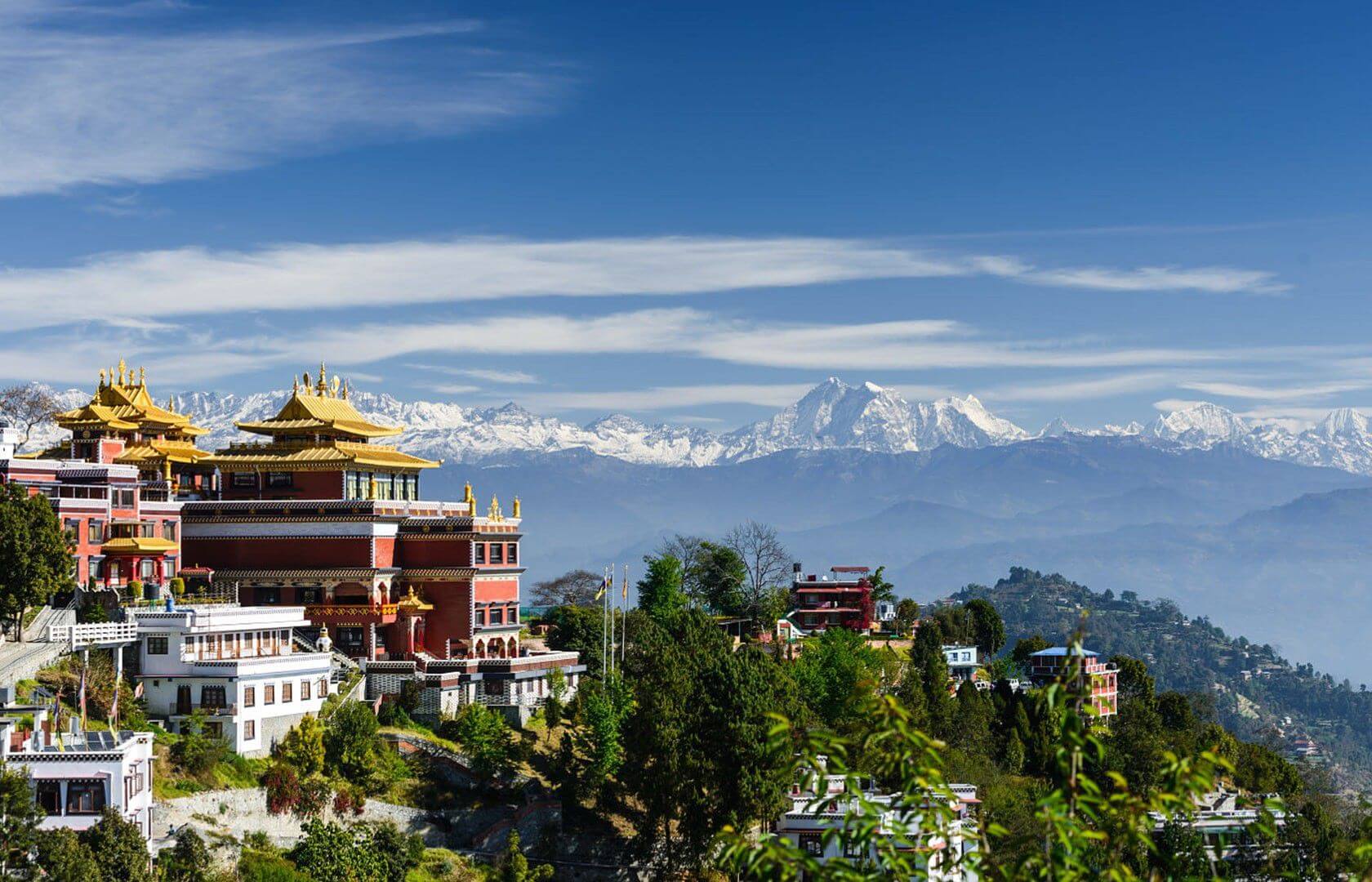
Pokhara, Nepal: Complete Travel & Adventure Guide
By Nepal Trip Services On 28 Sep 2026

By Nepal Trip Services On 28 Sep 2026
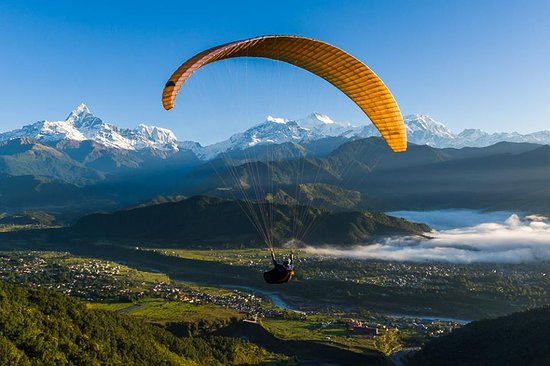
Pokhara is where Nepal slows down and speeds up at once. In the morning you can drift across a still lake while the Annapurna range turns pink above you. By afternoon you might be hanging from a paraglider over the same water. In the evening you're eating grilled fish at a lakeside café and planning a trek into the mountains you just watched from below.
The town sits at about 820 meters, roughly 200 km west of Kathmandu, in a green valley beside Phewa Lake. Mountains that most travelers only see from a plane window appear here at close range. Machapuchare (Fishtail) stands above the town at nearly 7,000 meters, and Annapurna I rises beyond it at over 8,000. This guide covers what to see, what to do, how much things cost, when to go, and how to get there.
Kathmandu gives you temples, chaos, and history. Pokhara gives you space, water, and views. Most travelers end up wanting both, and the two cities work well together. These are the main reasons people fall for Pokhara:
| Detail | Information |
|---|---|
| Region | Gandaki Province, western Nepal |
| Altitude | About 820 m (2,700 ft) |
| Distance from Kathmandu | About 200 km |
| Known for | Phewa Lake, Himalayan views, adventure sports, Annapurna treks |
| Main areas | Lakeside (Baidam), Damside, Old Bazaar, Sarangkot |
| Languages | Nepali, English widely used in tourist areas |
| Currency | Nepalese Rupee (NPR) |
| Best seasons | October–November and March–April |
| Recommended stay | 3–5 days (more if you're trekking) |
Pokhara stretches along a north–south line, so knowing the layout saves time.
Phewa is the soul of Pokhara. Rent a wooden boat at dawn, when the water is glassy and Machapuchare often mirrors perfectly on the surface. Row out to the small island temple of Tal Barahi, a shrine to the boar-form goddess Barahi, and bring a few coins for offerings. The lake also rewards a slow lakeside walk or a swim-and-picnic morning on the quieter shore.
Sarangkot sits about 1,592 meters above sea level, roughly 5 km from Lakeside, and it delivers the most reachable big-mountain sunrise in Nepal. Leave Pokhara around 4:30–5:00 a.m. by taxi or on foot if you're fit. As the light hits Annapurna, Dhaulagiri, and Machapuchare, the whole range lights up in gold. Bring a warm layer, since the ridge is cold before sunrise.
This white Buddhist stupa crowns a forested hill above the lake. Many visitors take a boat across Phewa and then walk up, and entry is free. The view over the lake, the town, and the Himalayas makes it one of the best free experiences in Pokhara, especially at sunrise or golden hour.
Davi's Fall is a waterfall that disappears into a narrow underground channel. Across the road, Gupteshwor Cave shelters a sacred Shiva lingam and has a spiritual atmosphere. Both are easy to reach and can be seen together in about two hours. They're best visited outside the heavy monsoon, when the paths get slippery.
The museum tells the story of Himalayan mountaineering, from early expeditions to modern summit attempts. It also covers mountain culture, geology, and Sherpa life. It's a good rainy-day activity and gives real context if you plan to trek.
Climb to this hilltop temple, dedicated to Goddess Bindhyabasini, for a look at everyday devotion. The surrounding bazaar has traditional shops and Newar-influenced architecture that contrast with the polished Lakeside strip.
If Phewa feels busy, head east to Begnas and Rupa. They are calmer and greener, and their local fish restaurants make a good half-day escape with fewer crowds.
The Seti River cuts a deep, narrow gorge right through the town, and you can see it from several bridges. For quiet viewpoints, add Pumdikot's large Shiva statue and short hikes like Kahun Danda to your list.
Pokhara is Nepal's adventure hub, and most activities can be booked the same day. Prices vary by operator, package, and season, so treat the figures below as approximate ranges and confirm before paying.
| Activity | What to Expect | Approx. Cost |
|---|---|---|
| Tandem paragliding | 25–30 min flight from Sarangkot over Phewa Lake | Regulated rate around NPR 8,500 per person; some international listings run about $80–120 |
| Zipline | A 1.8 km zipline near Pokhara billed as one of the steepest anywhere | Varies by package |
| Bungee jumping | A 70-meter freefall over a gorge near Hemja, or the higher Kushma jump nearby | Varies by operator |
| White-water rafting | Half-day or full-day trips on nearby rivers such as the Seti | From roughly $40–75 |
| Ultralight flight, hot air balloon | Scenic flights over the valley and lake | Roughly $150 |
| Boating and kayaking | Gentle paddling on Phewa Lake | Low cost, hourly rental |
Paragliding tips. Book with a licensed operator, fly in the morning when conditions are usually clearer, and check what's included. Rates are government-regulated, and photo and video may cost extra depending on the package. Wind and cloud can cancel flights, so don't schedule it for your last day.
For many travelers, Pokhara is the launch pad for the Annapurna region. The most popular routes are:
Annapurna treks generally require an ACAP permit (about NPR 3,000) and a TIMS card (about NPR 2,000), roughly NPR 5,000 in total, and a licensed guide is also listed as a requirement. Permit and guide rules in Nepal have changed several times in recent years, and sources don't fully agree on TIMS. Confirm the current rules with a licensed agency or the Nepal Tourism Board before you go.
| Season | Months | What to Expect |
|---|---|---|
| Autumn | October–November | The best season, with clear skies, crisp mountain views, and stable weather |
| Winter | December–February | Cool, dry, and quiet, with cold mornings and good views |
| Spring | March–April | Warm days, rhododendron blooms on the trails, and slight haze later on |
| Monsoon | June–September | Heavy rain and lush scenery, but cloudy skies, leeches on trails, and fewer views |
If you want the mountains visible and the trails dry, aim for October to November or March to April. Monsoon travel is possible if you don't mind rain, but paragliding and views become unreliable.
Flying from Kathmandu takes about 25 minutes and is the fastest option. Pokhara International Airport opened on 1 January 2023, and it mainly handles domestic flights plus some chartered international services, while Jomsom flights still use the old airport. On 23 September 2026, flydubai began the airport's first daily scheduled international service, connecting Pokhara with Dubai. Mountain views from the left side of the aircraft on the way in are worth requesting at check-in.
Buses and tourist coaches run between Kathmandu and Pokhara, usually taking 6–8 hours depending on traffic and road work. Private cars with drivers are more comfortable and let you stop along the Trishuli and Marsyangdi river stretches. Overland routes from Chitwan, Lumbini, and the Indian border are also popular.
Pokhara's food scene mixes local specialties with traveler-friendly menus. Try these first:
| Dish | What It Is |
|---|---|
| Dal bhat | Rice, lentil soup, vegetables, and pickles, the everyday meal of Nepal |
| Momo | Steamed or fried dumplings served with spicy chutney |
| Thakali set | A regional platter from the Thak Khola valley with rice, lentils, greens, and meat or vegetables |
| Lake fish | Grilled or fried fish, often from local lakes such as Begnas |
| Sekuwa | Marinated grilled meat, best with a cold drink |
| Thukpa | A warming Tibetan-style noodle soup |
| Chiya | Sweet milk tea available on every corner |
Lakeside also has good coffee, bakeries, Italian and Indian restaurants, and plenty of vegetarian and vegan options.
| Area | Best For |
|---|---|
| Lakeside (Baidam) | First-time visitors, nightlife, restaurants, and easy access to tours |
| Damside | Quiet stays, sunset views, and a slower pace |
| Sarangkot | Sunrise views, paragliding access, and mountain-facing rooms |
| Old Pokhara | Local culture and budget stays |
| Lakeside resorts and hillside retreats | Couples, families, and long relaxing stays |
Book early in October–November and around major festivals.
Pokhara is a lakeside city in Gandaki Province, western Nepal, about 200 km from Kathmandu. It sits at roughly 820 meters and is Nepal's main hub for adventure tourism. It is famous for:
Most travelers are happy with three to five days.
| Trip Style | Suggested Days |
|---|---|
| Sightseeing only | 2–3 days |
| Sightseeing plus one adventure activity | 3–4 days |
| Sightseeing plus several adventure activities | 4–5 days |
| Short trek (such as Poon Hill) | Add 4–5 days |
| Longer trek (Mardi Himal, ABC, Circuit) | Add 5–14 days |
Weather can delay paragliding and flights, so add a spare day if your schedule is tight.
October to November is the best window, with clear skies, stable weather, and the sharpest mountain views. March to April is also excellent, with warm days and rhododendrons blooming on the trails.
| Season | Months | What to Expect |
|---|---|---|
| Autumn | October–November | Best views, peak crowds |
| Winter | December–February | Cold mornings, dry and clear |
| Spring | March–April | Warm, colorful, slightly hazy later |
| Monsoon | June–September | Heavy rain, lush scenery, cloudy views |
You have three main options:
Flights can be delayed by weather, so avoid tight connections on the same day.
Yes. Pokhara International Airport opened on 1 January 2023 and mostly handles domestic flights plus some chartered international services. Flydubai launched the airport's first daily scheduled international service, to Dubai, in late September 2026. Most visitors still arrive via Kathmandu, so check current airline schedules before you plan a direct route. Flights to Jomsom still operate from the old Pokhara airport.
The regulated rate for a standard tandem flight, lasting around 25–30 minutes, is about NPR 8,500 per person. Longer cross-country flights cost more, and international booking platforms often list higher all-inclusive prices, roughly $80–120. Photo and video may cost extra depending on the operator.
Tandem paragliding is widely done by first-timers, but every adventure sport carries risk. To reduce it:
| Activity | Highlights |
|---|---|
| Zipline | A long, steep line of about 1.8 km near Pokhara |
| Bungee jumping | Options include a jump near Hemja and the much taller Kushma bridge jump |
| White-water rafting | Half-day and full-day trips on nearby rivers |
| Ultralight flight and hot air balloon | Scenic flights over the valley |
| Kayaking and boating | Calm paddling on Phewa Lake |
| Mountain biking and hiking | Routes around the lakes and ridges |
Prices vary by operator and season, so compare inclusions such as transport, insurance, and media before booking.
| Trek | Typical Duration | Best For |
|---|---|---|
| Poon Hill (Ghorepani) | 4–5 days | First-time trekkers, sunrise views |
| Mardi Himal | 5–7 days | Quieter trails, close views of Machapuchare |
| Annapurna Base Camp (ABC) | 7–11 days | Classic sanctuary trek |
| Annapurna Circuit | About 2 weeks | Experienced trekkers, high passes |
Trek length depends on your route, pace, and where you start and finish.
Annapurna treks generally need two documents: the Annapurna Conservation Area Permit (ACAP), currently about NPR 3,000 for foreigners, and a TIMS card, about NPR 2,000 for individual trekkers. Sources report a licensed guide requirement in force since 2023, but enforcement and TIMS details have shifted over time and sources do not fully agree. Confirm current rules with a licensed trekking agency or the Nepal Tourism Board before you travel.
Pokhara is generally considered relaxed and welcoming. Sensible habits go a long way:
Solo travelers and families both visit comfortably, but as anywhere, stay alert at night and on isolated paths.
| Dish | Description |
|---|---|
| Dal bhat | Rice, lentil soup, vegetables, and pickles, Nepal's staple meal |
| Momo | Steamed or fried dumplings with spicy chutney |
| Thakali set | A regional platter with rice, lentils, greens, and meat or vegetables |
| Lake fish | Fried or grilled, especially popular near Begnas |
| Sekuwa | Marinated grilled meat |
| Thukpa | Tibetan-style noodle soup |
| Chiya | Sweet, spiced milk tea |
Vegetarian and vegan options are easy to find in Lakeside, along with coffee shops and international restaurants.
| Area | Best For |
|---|---|
| Lakeside (Baidam) | First-time visitors, restaurants, tours, and nightlife |
| Damside | Quiet stays and sunset views |
| Sarangkot | Sunrise views and paragliding access |
| Old Pokhara | Local culture and budget stays |
| Hillside and lakeside resorts | Couples, families, and relaxation |
Book early during October–November and major festival periods.
Costs depend on your style, but this rough guide helps you plan:
| Budget Level | What It Usually Covers |
|---|---|
| Budget | Guesthouses, local meals, public transport, and free sights |
| Mid-range | Comfortable hotels, restaurant meals, taxis, and one or two paid activities |
| Comfort or luxury | Resorts, private transport, several adventure activities, and guided tours |
Budget extra for adventure sports, trekking permits and guides, domestic flights, and travel insurance. Prices change, so check current rates before you book.
Trekkers should add proper boots, a warm layer, and any medications they need.
Pokhara isn't trying to overwhelm you, and that is exactly why it stays with you. Kathmandu asks you to keep up with its crowds, its history, and its noise. Pokhara gives you room to breathe. It offers a lake to float on, mountains to stare at, and a dozen ways to get your heart racing if you want them.
The best days here rarely follow a strict plan. You might wake before dawn to watch Annapurna glow gold from Sarangkot, then drift across Phewa Lake with a warm cup of tea while the town wakes up. In the afternoon you could run off the ridge under a paraglider or stay put in a lakeside café with a book. Every version of the day is a good one.
The town also suits almost every kind of traveler:
A few small choices make the trip much better. Give Pokhara at least three days, and add extra buffer time if you plan to paraglide or trek, since weather can shift your schedule. Wake up early at least once, because the mountains are clearest in the first hours of light. Travel in October, November, March, or April if you want the best views. And leave some hours unplanned, because the quiet moments often become the memories you talk about most.
Pokhara doesn't rush you, and the Himalayas will still be there when you look up. Whether you leave with a new trekking route on your list, photos of a perfect reflection on the lake, or just the feeling of having finally slowed down, Pokhara does what a great destination should. It sends you home wanting to come back.
Discover more articles that match your interests! Explore these similar blogs packed with insights, tips, and stories to keep you inspired.
Explore Kathmandu, Nepal — UNESCO sites, temples, food, festivals & travel tips. Plan your perfect Kathmandu visit wit...
Plan your Chitwan trip with this complete guide to jungle safaris, rhinos, tigers, Tharu culture, costs, the best time t...
Explore Lumbini, Buddha\\'s birthplace: Maya Devi Temple, Ashoka Pillar, monasteries, costs, best time to visit & how to...
Visit Maya Devi Temple, Buddha\'s birthplace in Lumbini. Explore its history, the Marker Stone, visitor rules, opening h...
Plan your Nagarkot trip: Himalayan sunrise views, View Tower, hikes to Changu Narayan & Dhulikhel, best time, hotels, ho...
Visit Changu Narayan, Nepal\\'s oldest Hindu temple near Bhaktapur. Explore history, sculptures, entry fee, how to get t...