Manangis Of Nepal: Culture, Lifestyle & Himalayan Heritage
By Nepal Trip Services On 24 Sep 2026

By Nepal Trip Services On 24 Sep 2026
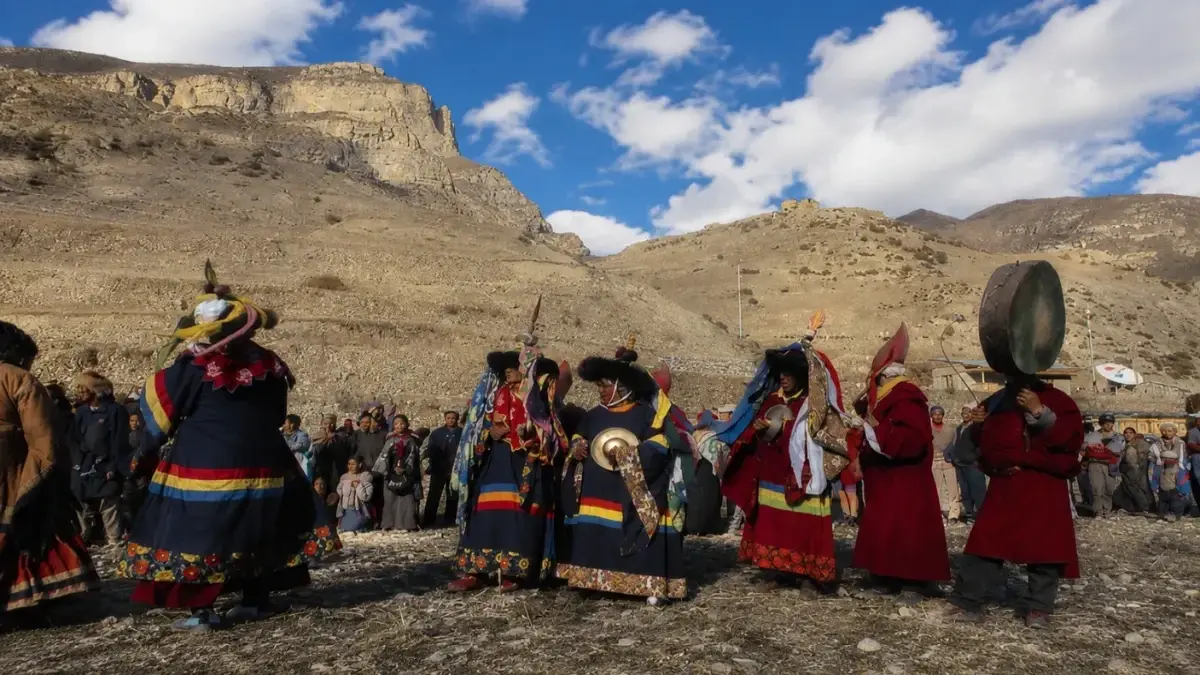
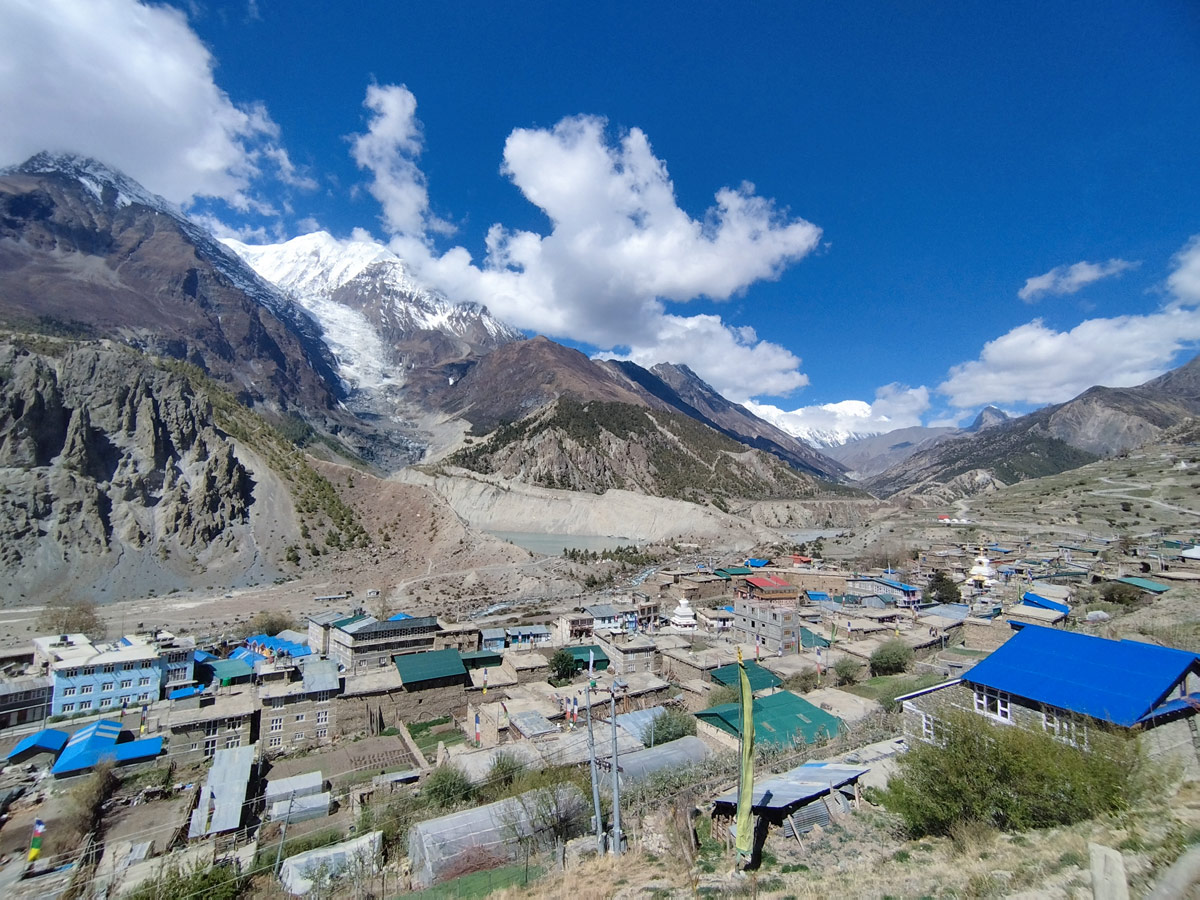
High in the rain-shadowed valleys on the northern side of the Annapurna massif live the Manangis, one of Nepal's most distinctive Himalayan communities. Known for their entrepreneurial spirit, deep Tibetan Buddhist roots, and centuries-old trading heritage, the Manangis have built a culture that feels distinctly different from other ethnic groups found throughout Nepal. For trekkers passing through the Annapurna Circuit Trek, understanding who the Manangis are adds a rich layer of cultural context to an already unforgettable journey. This complete guide explores their history, lifestyle, traditions, and enduring legacy in the high Himalayas.
The Manangis are an ethnic Himalayan community native to the Manang District in Gandaki Province, Nepal, concentrated primarily around the village of Manang and the surrounding valley. They are considered a subgroup with strong Tibetan cultural, linguistic, and religious ties, shaped by centuries of geographic isolation on the northern side of the Annapurna range, in the rain shadow of the Himalayas.
Unlike many other Nepali ethnic groups whose livelihoods have traditionally centered on farming alone, Manangis developed a unique reputation as skilled traders and, more recently, successful international businesspeople — a distinction that sets them apart within Nepal's diverse cultural landscape.
| Feature | Details |
|---|---|
| Homeland | Manang District, Gandaki Province, Nepal |
| Language | Manangba (Manang Tibetan dialect) |
| Religion | Predominantly Tibetan Buddhism |
| Traditional Livelihood | Trans-Himalayan trade, agriculture, animal husbandry |
| Modern Livelihood | International trade, tourism, hospitality businesses |
| Population | Small community, several thousand across Manang Valley and diaspora |
| Cultural Influence | Strong Tibetan Buddhist heritage |
| Notable Trait | Historic tax and trade privileges granted by the Nepali state |
For centuries, the Manang Valley functioned as a critical corridor for trans-Himalayan trade between Tibet and the Indian subcontinent. Manangis capitalized on their geographic position, moving goods such as wool, salt, and textiles across mountain passes long before modern roads or transportation existed.
This trading tradition took a significant turn in the mid-20th century, when the Nepali government granted Manangis special trade licenses and tax exemptions, partly in recognition of the harsh, isolated conditions of their homeland. These privileges allowed many Manangi families to expand their trading networks internationally, with some establishing businesses across Southeast Asia, Hong Kong, Japan, and beyond.
This history explains why, despite being a relatively small ethnic community, Manangis have developed an outsized reputation for business success and global mobility compared to many other Himalayan groups in Nepal.
Tibetan Buddhism forms the spiritual backbone of Manangi culture, visibly present in nearly every aspect of daily and community life. Key elements include:
Religious practice among Manangis blends formal monastic Buddhism with local folk traditions, creating a spiritual life that is both devout and deeply tied to the mountainous landscape they inhabit.
Historically, Manangi life revolved around a combination of the following practices, shaped by the challenging high-altitude environment:
While these traditions persist in some form, modern economic opportunities have significantly shifted how many Manangi families sustain themselves today.
The rise of the Annapurna Circuit as one of the world's most popular trekking routes brought substantial change to the Manang Valley. Many Manangi families have adapted their traditional lifestyles to accommodate the growing trekking and tourism economy, including:
This shift has created new economic opportunities while also raising ongoing questions within the community about balancing tourism growth with cultural preservation.
The Manangi people speak Manangba, a Tibeto-Burman language closely related to other Tibetan dialects spoken throughout the Himalayan region. Key aspects of their linguistic and cultural identity include:
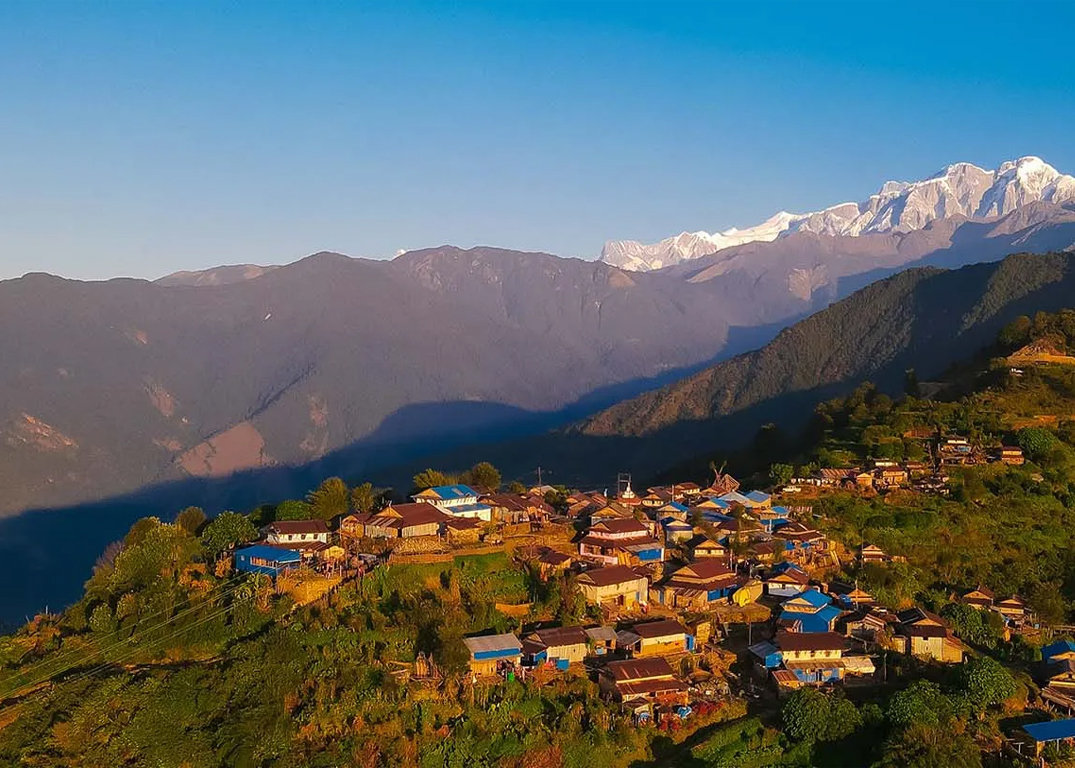
Traditional Manangi villages reflect practical adaptations to their high-altitude, arid environment. Notable architectural features include:
| Feature | Purpose |
|---|---|
| Flat-roofed stone houses | Suited to dry climate with minimal rainfall |
| Tightly clustered village layout | Provides protection from wind and cold |
| South-facing windows | Maximizes sunlight exposure for warmth |
| Ground-floor livestock shelters | Keeps animals close while providing natural insulation |
| Chortens and mani walls | Integrated into village entrances for spiritual protection |
This architectural style closely mirrors building traditions found across the Tibetan plateau, reinforcing the deep cultural connection between Manangis and their northern neighbors.
Despite their strong cultural identity, Manangis face several modern pressures that threaten the long-term preservation of their traditions:
Local and cultural organizations, along with monastery-led initiatives, continue working to document and preserve Manangi heritage amid these ongoing changes.
For travelers on the Annapurna Circuit Trek, there are several respectful ways to engage with and appreciate Manangi culture firsthand:
Approaching these experiences with curiosity and respect allows trekkers to appreciate Manangi culture as a living tradition, not simply a backdrop to the trek itself.
The Manangis are an ethnic Himalayan community native to the Manang District in Gandaki Province, Nepal, concentrated primarily in the Manang Valley on the northern side of the Annapurna massif. Shaped by centuries of geographic isolation in the Himalayan rain shadow, they maintain strong Tibetan cultural, linguistic, and religious ties that distinguish them from many other ethnic groups in Nepal.
Manangis speak Manangba, a Tibeto-Burman language closely related to other Tibetan dialects found throughout the Himalayan region. Much of their history, folklore, and cultural knowledge has traditionally been passed down orally rather than through written texts, making spoken language a vital thread connecting generations.
Tibetan Buddhism forms the spiritual foundation of Manangi life, visible throughout the community in several key ways:
Manangis have a centuries-long history as trans-Himalayan traders, moving goods like wool, salt, and textiles between Tibet and lowland Nepal or India. In the mid-20th century, the Nepali government granted Manangis special trade licenses and tax exemptions, which allowed many families to expand into international business across Southeast Asia, Hong Kong, Japan, and beyond, giving the community an outsized reputation for entrepreneurial success.
Traditional Manangi life historically revolved around several interconnected practices suited to their high-altitude environment:
The rise of the Annapurna Circuit as a major trekking destination significantly transformed the local economy, prompting many Manangi families to shift from purely traditional livelihoods toward tourism-based work, including:
Manangi villages reflect practical adaptations to a dry, high-altitude climate, featuring distinct architectural characteristics:
| Feature | Purpose |
|---|---|
| Flat-roofed stone houses | Suited to minimal rainfall |
| Tightly clustered layout | Protection from wind and cold |
| South-facing windows | Maximizes sunlight and warmth |
| Ground-floor livestock shelters | Natural insulation, animal proximity |
| Chortens and mani walls | Spiritual protection at village entrances |
Manangis are recognized as a distinct ethnic and linguistic group, though they share some cultural overlap with the broader Gurung-Tibetan cultural sphere found throughout Nepal's Himalayan regions. Their closest cultural and linguistic ties, however, remain with Tibetan traditions, reflecting their geographic position north of the main Himalayan divide.
Due to the harsh, isolated conditions of their homeland, the Nepali government historically granted Manangis special trade licenses and tax exemptions, a rare distinction among Nepal's ethnic communities. These privileges enabled many Manangi families to build significant international trading networks, contributing to the community's modern reputation for business acumen and global mobility.
While farming and animal husbandry remain part of Manangi life, particularly among older generations and those living permanently in the valley, tourism and international trade have increasingly become the dominant economic activities. Many families now balance traditional practices with modern livelihoods tied to trekking, hospitality, and business ventures abroad.
Several modern pressures threaten the long-term preservation of Manangi traditions:
Trekkers on the Annapurna Circuit Trek can respectfully engage with Manangi culture through several experiences:
Yes, due to their long history of international trade, many Manangi families have established communities abroad, particularly in parts of Southeast Asia, Hong Kong, and Japan. Despite living overseas, many diaspora Manangis maintain strong ties to their ancestral valley, often returning for festivals, family events, or continued business investment.
Monasteries such as Braga Monastery serve as spiritual, cultural, and historical anchors for the Manangi community, housing ancient statues, manuscripts, and religious artifacts. Beyond religious functions, these institutions also serve as centers for education, cultural preservation, and community gathering, reinforcing the deep connection between Manangi identity and Tibetan Buddhist practice.
Understanding Manangi culture transforms the Annapurna Circuit Trek from a purely scenic journey into a deeper, more meaningful cultural experience. Recognizing the resilience, trading heritage, and spiritual traditions of the Manangi people helps trekkers appreciate the living culture behind the villages they pass through, rather than viewing them as simply a backdrop to the trail.
The Manangis represent a remarkable mountain community whose culture, traditions, and way of life have been shaped by centuries of Himalayan trade and Tibetan Buddhist heritage. Their story offers valuable insight into how communities in remote mountain regions have adapted to changing economic conditions while preserving their distinct cultural identity.
For trekkers exploring the Annapurna region, learning about Manangi culture adds greater meaning to the journey. Whether passing through Manang village on the classic route or exploring the wider network of trails connected to the Annapurna Circuit Trek, understanding the people and traditions of the region creates a deeper connection with this extraordinary Himalayan landscape.
Discover more articles that match your interests! Explore these similar blogs packed with insights, tips, and stories to keep you inspired.
Everything on Thorong La Pass — altitude, difficulty, weather, route & crossing times. Complete guide for the Annapurn...
Complete guide on how to prepare for the Annapurna Circuit Trek — training, gear, permits, insurance & mental readines...
Discover Besisahar, Nepal — the official gateway to the Annapurna Circuit Trek. Complete guide to altitude, history & ...
Discover the Marsyangdi River — the Annapurna Circuit\'s raging river. Complete guide to its geography, origins & trek...
Discover Manang, Nepal — Annapurna Circuit\\'s key acclimatization village with monasteries, glacial lakes & Thorong L...
Discover Muktinath, Nepal\'s sacred Hindu-Buddhist pilgrimage site — temple history, Thorong La Pass access & travel t...