Changu Narayan Temple, Nepal: Complete Travel & Cultural Guide
By Nepal Trip Services On 02 Oct 2026

By Nepal Trip Services On 02 Oct 2026

Perched on a forested ridge above the Kathmandu Valley, Changu Narayan is widely regarded as the oldest Hindu temple in Nepal. It is a place where inscriptions, stone gods and carved timber survive in one hilltop village. Unlike the busy squares of Kathmandu, Changu feels quiet and unhurried. You walk up a village lane, pass tea shops and wood-carving workshops, and arrive at a courtyard that holds some of the finest art in the valley.
The temple is dedicated to Lord Vishnu, worshipped here as Changu Narayan. It is part of the Kathmandu Valley UNESCO World Heritage Site.
| Detail | Information |
|---|---|
| Location | Changu Hill (Dolagiri), north of Bhaktapur, Kathmandu Valley |
| Distance | About 12 km east of Kathmandu; roughly 6 km north of Bhaktapur Durbar Square |
| Deity | Lord Vishnu (Narayan) |
| Style | Two-tiered Newar pagoda in brick, timber and metal |
| Heritage status | UNESCO World Heritage Site (Kathmandu Valley) |
| Typical visit time | 1.5 to 3 hours (add time for the museum or a hike) |
| Best for | History, sculpture, photography, quiet village walks |
Changu Narayan's age is part history and part tradition. Visitors and sources often describe it as dating back to the Licchavi period (roughly the 4th century onward), and the site holds some of the oldest dated inscriptions and sculptures in Nepal. Exact founding dates are debated, so it is safest to describe the complex as one of the oldest surviving sacred sites in the Kathmandu Valley, with the current main temple rebuilt in later centuries. The main temple was reconstructed after a fire around 1700, so what you see today is a Malla-era structure standing on far older foundations.
Local folklore tells of a cowherd, a champak tree and a hidden god. In one popular version, a cow kept giving her milk to a particular tree on the hill. When the herder investigated, a deity was revealed, and the site became sacred to Vishnu. The surrounding woods of champak trees still feature in the story. Treat the legend as local tradition rather than historical record. It explains how the hill gained its sanctity in the minds of devotees, and guides at the temple will often tell their own version.
The courtyard is a open-air gallery of stonework spanning many centuries. Look for these highlights:
An old stone pillar in the courtyard carries an inscription from a Licchavi king (commonly named as Manadeva). It is often cited as one of the earliest known inscriptions in Nepal, which is part of why historians value the site so highly. Ask a local guide to point it out, as it is easy to walk past.
The temple's roof struts, doors and windows are carved with deities, mythical creatures and floral motifs. Gilded metal doorways and ornamental guardians show the skill of Newar artisans. Photographers will find that the late-afternoon light brings out the colors of the brick and the texture of the carved timber.
Prices and hours vary slightly between sources, so confirm at the ticket counter.
Note that your Bhaktapur Durbar Square ticket does not automatically include Changu Narayan, as it is a separate site with its own counter.
The hilltop also hosts museum spaces that add useful context. A separate ticket is usually required. They display temple artifacts, historical objects and exhibits about traditional Newar life. If you are short on time, prioritize the temple courtyard first and add the museum if you have energy left.
Because this is a living temple, festivals bring the courtyard to life with rituals, processions and large crowds. Notable occasions include:
| Festival | What to expect |
|---|---|
| Nag Panchami | Rituals honoring serpent deities |
| Haribodhini Ekadashi | Vishnu devotion marking the end of his cosmic sleep |
| Teej | Celebrations by women, with devotion and dance |
| Kalash Yatra | Sacred processions carrying ritual vessels |
| Mahasnan | Ceremonial bathing rituals |
Dates follow the lunar calendar and shift each year. If you want to witness a festival, check the Nepali calendar before booking, and expect more crowds and some access limits.
By taxi or private car: The most comfortable option. Expect around 45 minutes from central Kathmandu, depending on traffic, or about 30 minutes from Bhaktapur.
By public transport: Local buses and microbuses run from Kathmandu and Bhaktapur to the Changu area. They are cheap but crowded, and the last stretch often requires a short uphill walk.
On foot from Bhaktapur: A scenic walk of roughly two hours leads through villages and farmland, with rice terraces in season. This is a great option for trekkers looking for an easy cultural walk.
As part of a tour: Many travelers pair Changu Narayan with Bhaktapur and Nagarkot on a single day. Our Kathmandu Valley Tour and Cultural Tours can include it with a private guide and vehicle.
Changu is a good half-day or full-day hiking base, which makes it a favorite with trekkers acclimatizing or looking for a gentle warm-up before a bigger trip.
Trekker tip: Carry water, sun protection and a rain layer during the monsoon, and check trail conditions locally, as paths can be muddy or washed out after heavy rain.
| Season | Conditions |
|---|---|
| October to November | Clear skies, comfortable weather, and festival season |
| December to February | Cool, dry and quiet, with crisp mountain views on clear days |
| March to May | Warm and pleasant, with rhododendron and spring color nearby |
| June to September | Monsoon: lush and green, but wet and slippery |
Best time of day: Early morning for calm and soft light, or late afternoon for golden photography.
For a full day, combine this with the squares covered in our Bhaktapur, Nepal: Complete Travel & Cultural Guide.
Fees, hours and festival dates can change, so confirm locally before you travel.
Changu Narayan is a Hindu temple dedicated to Lord Vishnu, set on a forested hilltop (Changu or Dolagiri) north of Bhaktapur in the Kathmandu Valley. It is widely regarded as the oldest Hindu temple in Nepal and is part of the Kathmandu Valley UNESCO World Heritage Site. It is famous for its ancient stone sculptures, a historic Licchavi-era inscription, and fine Newar woodcarving and metalwork. The quiet village setting also makes it a favorite for travelers who want culture without the crowds of Durbar Square.
The temple is in Changunarayan, Bhaktapur District, about 12 km east of central Kathmandu and roughly 6 km north of Bhaktapur Durbar Square. By taxi, the trip takes about 45 minutes from Kathmandu or around 30 minutes from Bhaktapur, depending on traffic. The last stretch to the temple is uphill through the village, so expect a short walk from where vehicles stop.
It is commonly described that way, but the precise date is debated. The site is associated with the Licchavi period (traditionally the 4th century onward), and the courtyard contains some of the oldest dated inscriptions and sculptures in Nepal. The main temple you see today was rebuilt after a fire around 1700, so the structure is Malla-era while the sacred site and many sculptures are far older. The safest description is that it is one of the oldest surviving sacred sites in the Kathmandu Valley.
Most sources put the foreign visitor ticket at about NPR 300. Others list NPR 350 or up to NPR 400, and the Changu Museum may require a separate ticket of around NPR 300. SAARC nationals pay a lower rate, so carry your passport or ID. Nepali citizens and young children are generally free. Pay in cash at the ticket counter, and check the current rate on arrival, since it can change. Note that your Bhaktapur Durbar Square ticket does not automatically cover Changu Narayan.
The temple is generally open daily during daylight hours. Sources vary, with opening times between about 6:00 and 7:00 AM and closing times between about 6:00 and 7:00 PM. Arrive early for fewer visitors, softer light and the sight of morning worship. Note that the inner sanctum may have its own ritual schedule, so some areas can be closed at certain times of day.
Non-Hindus can explore the courtyard, see the sculptures, view the pillars and visit the museum, but only Hindus may enter the main temple's inner sanctum. This is common practice at major Hindu temples in Nepal. Respect posted signs, and follow the guidance of temple staff. You can still appreciate the temple's architecture, carvings and atmosphere from the surrounding courtyard.
Look for these in the courtyard:
A local guide can point out details that are easy to miss.
Allow 1.5 to 3 hours for the temple complex, depending on how much you enjoy detail and photography. Add another hour if you visit the museum or stop at a village tea house. If you are combining it with a hike or with Bhaktapur, plan a half day or a full day. Rushing through in 30 minutes is possible, but you will miss much of what makes it special.
Yes. The hilltop has museum spaces displaying temple artifacts, historical objects and exhibits about traditional Newar life. A separate ticket is usually required. If you are short on time, see the courtyard first and add the museum afterward. It adds helpful context for understanding the sculptures and the community around them.
October to November offers clear skies, comfortable weather and festival season. December to February is cool, dry and quiet. March to May is warm and pleasant, with spring color on the surrounding hills. June to September is monsoon: lush and green, but wet and slippery, with clouds that often hide views. At any time of year, early morning is the best time of day.
If you want a hassle-free day, a private driver and guide is the easiest approach.
Yes, and it is one of the most enjoyable ways to visit. A walk from Bhaktapur to Changu takes roughly two hours on gentle paths and village lanes, with rice terraces in season. Keen hikers can also continue between Changu Narayan and Nagarkot on a longer day-long route with views over the valley and, in clear weather, the Himalayas. Carry water, sun protection and a rain layer, start early, and check trail conditions locally, especially after heavy rain.
Festivals bring the temple to life with rituals, processions and crowds. Notable occasions include Nag Panchami, Haribodhini Ekadashi, Teej, Kalash Yatra and Mahasnan. Dates follow the lunar calendar and change each year, so check a Nepali calendar before you plan. Festival days are atmospheric but busy, with possible access restrictions, so arrive early and be prepared for crowds.
Dress modestly, covering shoulders and knees. Wear comfortable shoes with good grip for stone steps and village paths, ideally slip-ons since you may need to remove footwear at shrines. Walk clockwise around shrines, follow posted rules about photography near the sanctum, and ask permission before photographing worshippers or priests. Keep voices low, avoid touching sacred objects, and treat the site as a living place of worship rather than just a monument.
Yes, especially if you enjoy history, sculpture, photography or quieter places. It rewards slow travel and offers a very different feel from the busier squares of the valley. It pairs well with:
For a smooth trip, Nepal Trip Services can arrange a private guide and transport, or you can use the Trip Planner to build your own itinerary.
Changu Narayan rewards slow travel. It lacks the crowds and scale of Durbar Square, but it offers something rarer: a hilltop where centuries of devotion are visible in stone, brick and wood. Here, you can study a carved Vishnu in the morning light, read the story of a Licchavi-era pillar, and watch local families climb the steps to pray, much as generations have done before them. Come early, wander the courtyard without rushing, and let the village lanes lead you down at your own pace. The tea stops, the farmland views and the quiet moments between monuments are as memorable as the sculptures themselves.
Whether you are a culture lover, a photographer or a trekker looking for a gentle walk before a bigger Himalayan journey, Changu Narayan fits easily into a Kathmandu Valley itinerary. Pair it with Bhaktapur's squares, a sunrise at Nagarkot or a village hike to see the valley from a new angle. Ready to explore? Nepal Trip Services can build a private cultural itinerary with Changu Narayan, Bhaktapur and Nagarkot, complete with an experienced local guide and comfortable transport. Or use our Trip Planner to design your own journey at your own pace.
Discover more articles that match your interests! Explore these similar blogs packed with insights, tips, and stories to keep you inspired.
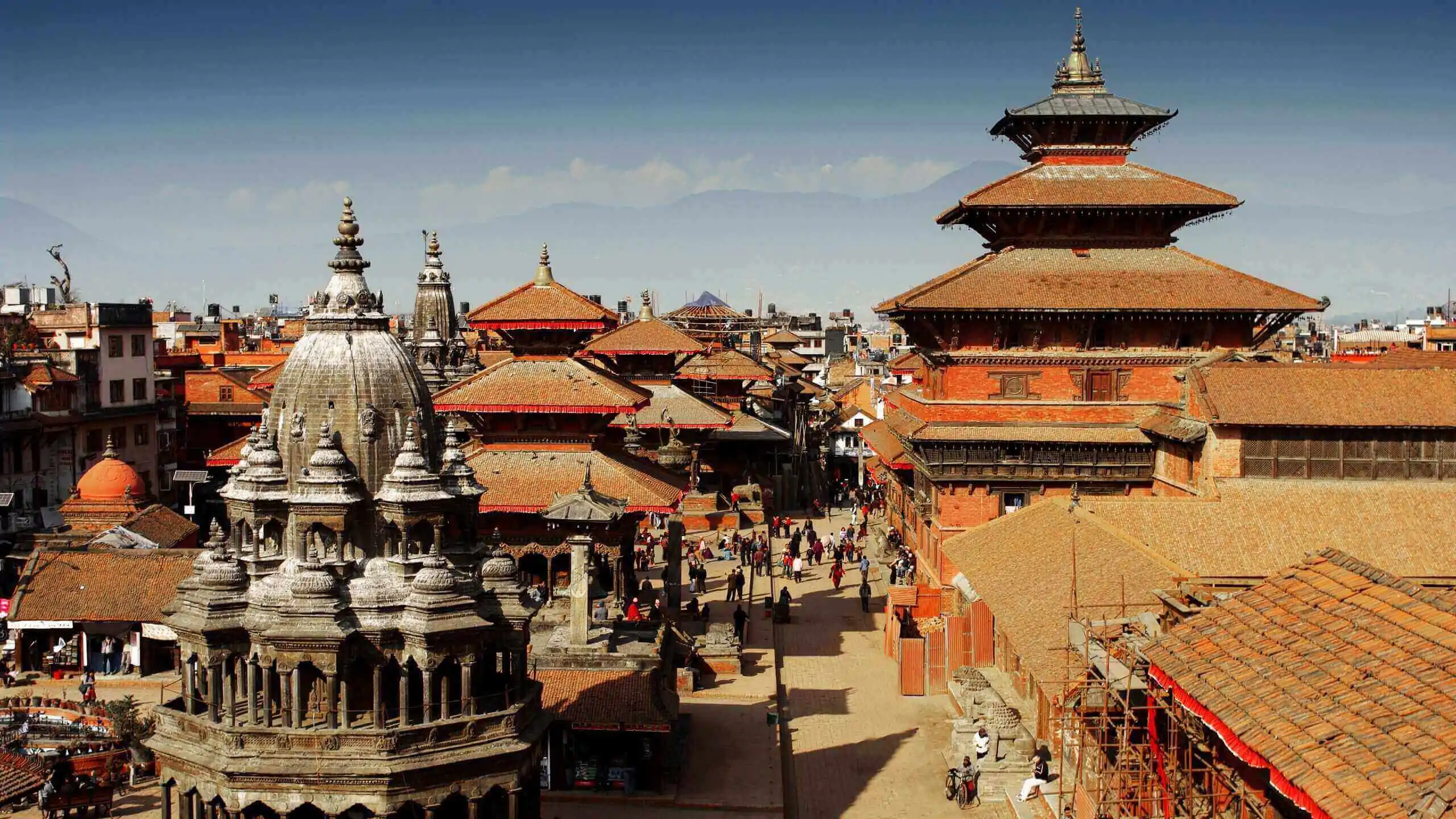
Explore Kathmandu, Nepal — UNESCO sites, temples, food, festivals & travel tips. Plan your perfect Kathmandu visit wit...
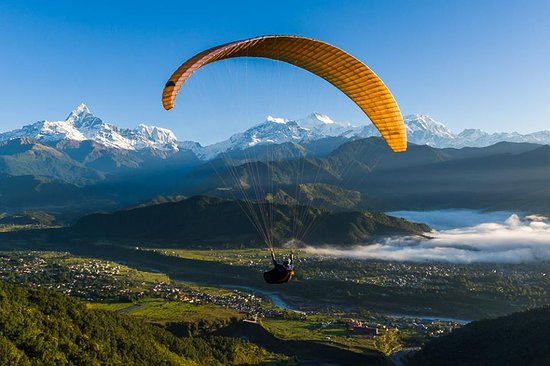
Plan your Pokhara trip with this complete guide to Phewa Lake, Sarangkot sunrise, paragliding, Annapurna treks, food, co...
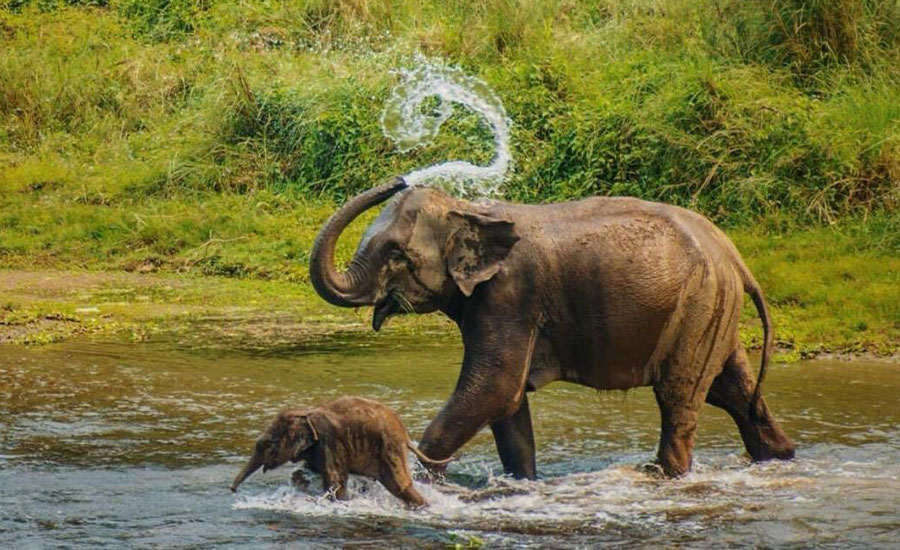
Plan your Chitwan trip with this complete guide to jungle safaris, rhinos, tigers, Tharu culture, costs, the best time t...
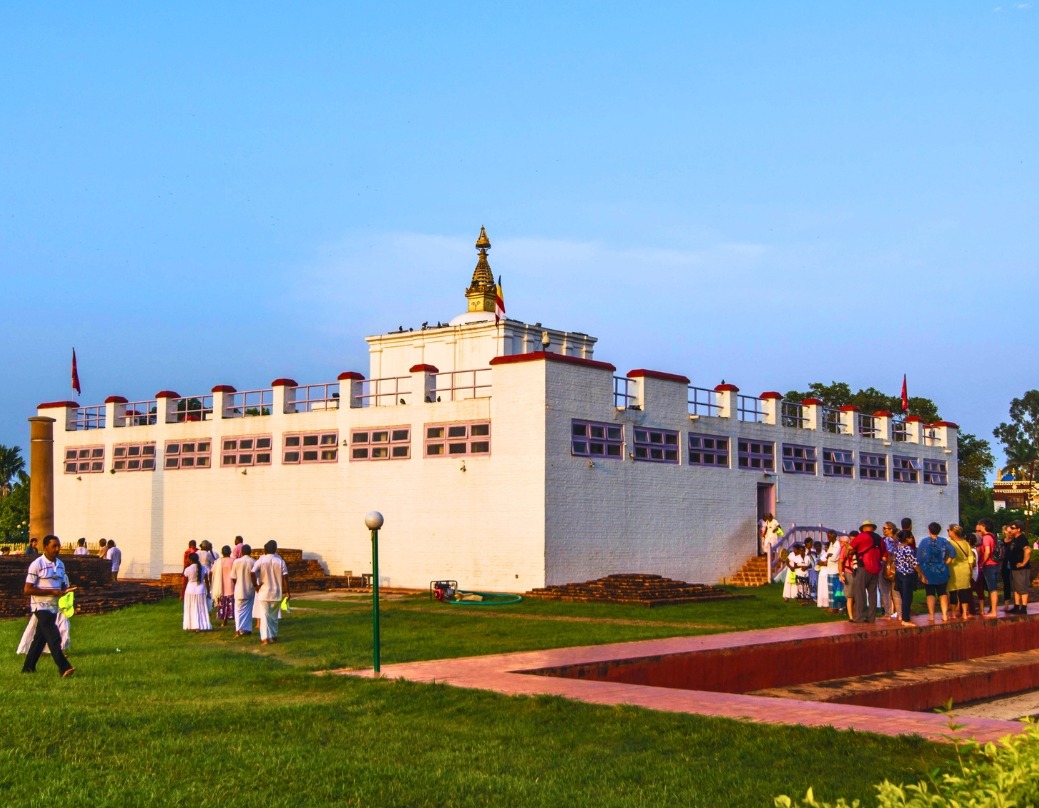
Explore Lumbini, Buddha\\'s birthplace: Maya Devi Temple, Ashoka Pillar, monasteries, costs, best time to visit & how to...
Visit Maya Devi Temple, Buddha\'s birthplace in Lumbini. Explore its history, the Marker Stone, visitor rules, opening h...
Plan your Nagarkot trip: Himalayan sunrise views, View Tower, hikes to Changu Narayan & Dhulikhel, best time, hotels, ho...