Muktinath, Nepal: Complete Travel & Pilgrimage Guide
By Nepal Trip Services On 24 Sep 2026

By Nepal Trip Services On 24 Sep 2026
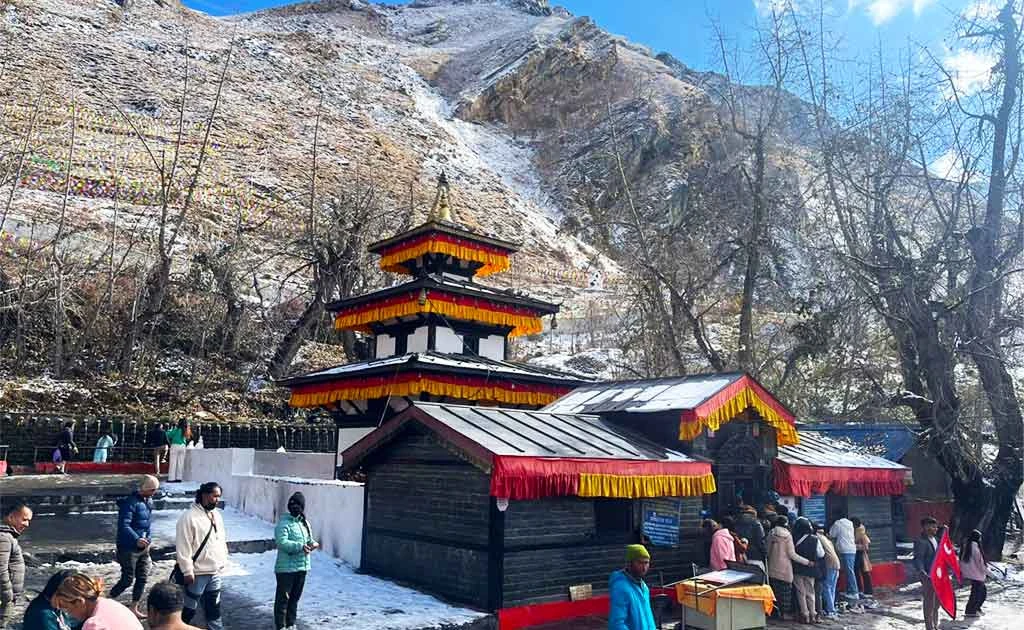
Perched high in the rain-shadowed Mustang region, Muktinath is one of the most sacred and spiritually significant sites in the entire Himalayas, revered by both Hindus and Buddhists alike. Known as the "Place of Liberation," this temple complex draws pilgrims and trekkers from around the world, all converging on a single mountainside for very different but equally powerful reasons. Whether you're approaching Muktinath as a spiritual pilgrim, a trekker completing the Annapurna Circuit, or simply a curious traveler, this complete guide covers everything you need to know about this remarkable destination.
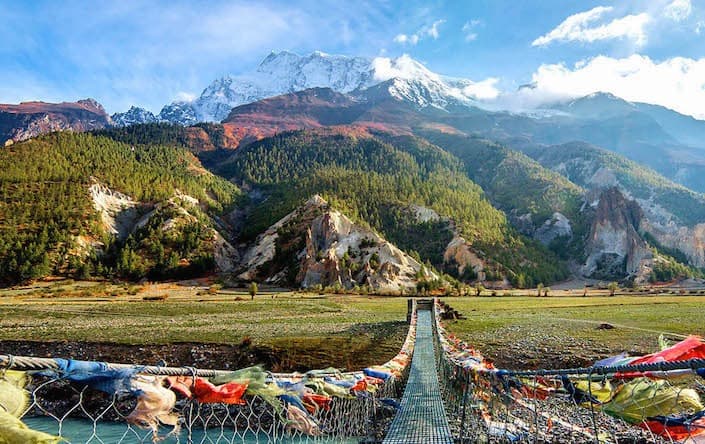
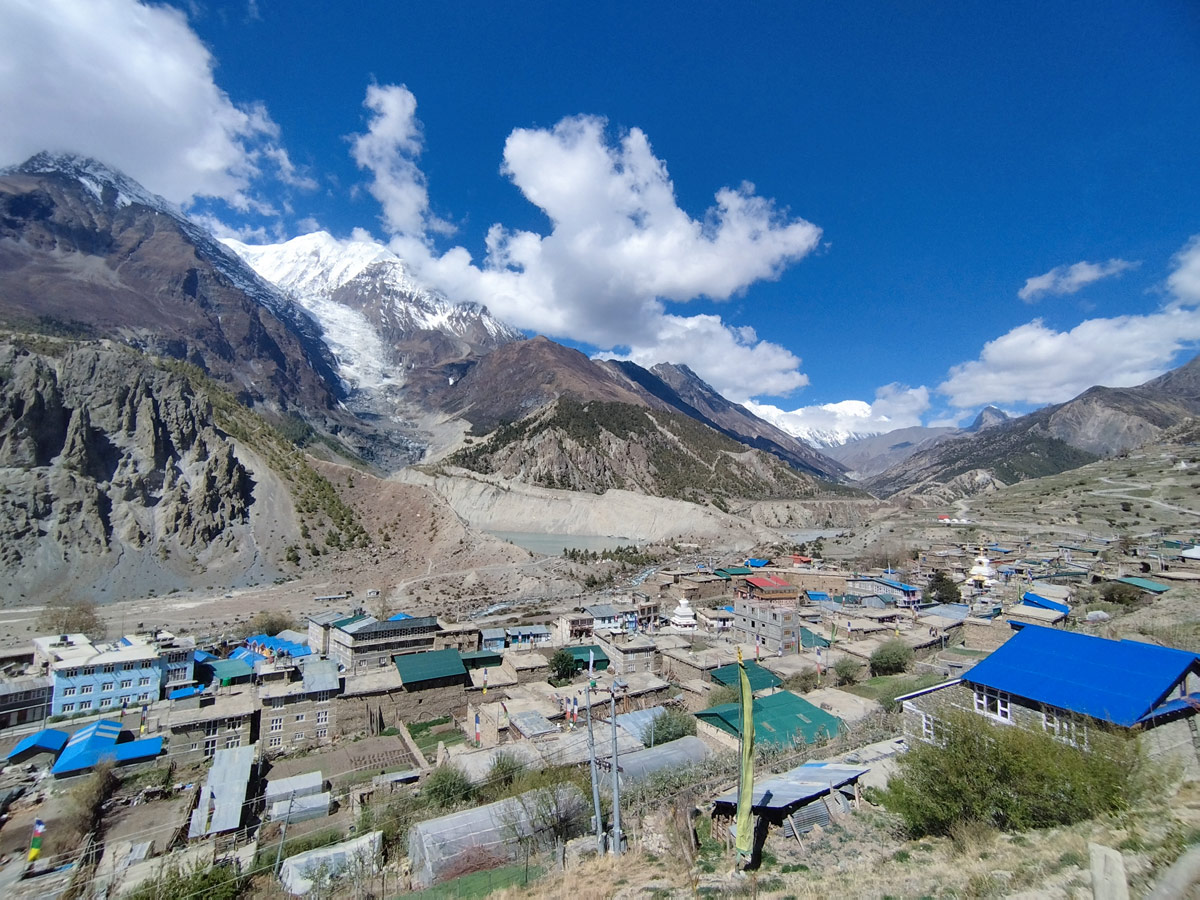
Muktinath is situated in the Mustang District of Gandaki Province, in north-central Nepal, at an elevation of approximately 3,760 meters (12,340 feet). It lies just below the Thorong La Pass, on the northern side of the Annapurna range, in the culturally distinct region of Mustang, which borders the Tibetan plateau. Its dramatic setting, framed by arid mountains and dramatic Himalayan peaks, makes it one of the most visually striking pilgrimage sites in Nepal.
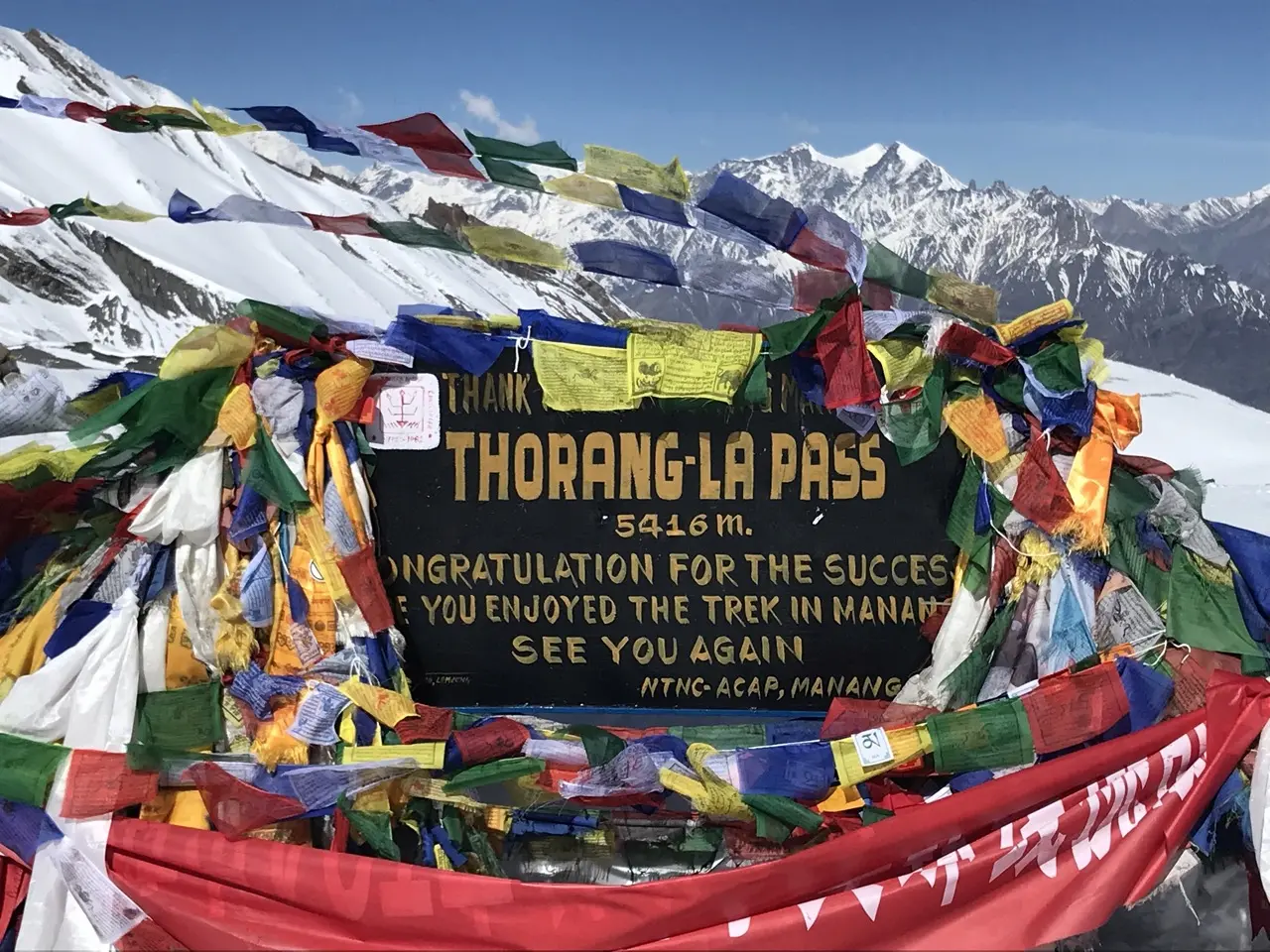
For trekkers, Muktinath typically marks the dramatic conclusion of the high-altitude crossing over Thorong La Pass during the Annapurna Circuit Trek, serving as a well-earned resting point after one of the most challenging sections of the entire route.
| Feature | Details |
|---|---|
| Elevation | 3,760 meters (12,340 feet) |
| Location | Mustang District, Gandaki Province, Nepal |
| Religious Significance | Sacred to both Hindus and Buddhists |
| Meaning of Name | "Place of Liberation" or "Salvation" |
| Main Temple | Muktinath Temple, dedicated to Lord Vishnu |
| Buddhist Site | Jwala Mai Temple, home to a natural eternal flame |
| Nearby Town | Jomsom (access point via road or flight) |
| Best Season | Pre-monsoon (March–May) and post-monsoon (Sept–Nov) |
Muktinath holds deep religious significance across two major faiths, making it one of the rare pilgrimage sites in the world revered simultaneously by different religious traditions:
This rare interfaith reverence makes Muktinath not just a physical destination, but a profound symbol of religious harmony in the Himalayas.
The Muktinath temple complex includes several important structures and features worth exploring:
Muktinath can be reached through a combination of flights, road travel, and trekking, depending on your starting point and preferred travel style.
| Method | Route | Approx. Duration |
|---|---|---|
| Trekking (Annapurna Circuit) | Complete circuit crossing Thorong La Pass | 12–15 days total |
| Flight + Drive | Kathmandu/Pokhara to Jomsom by flight, then jeep to Muktinath | 1–2 days |
| Road Only | Pokhara to Jomsom by jeep/bus, then continue to Muktinath | 1–2 days |
| Shorter Trek | Jomsom to Muktinath on foot | 1 day (6–7 hours) |
Trekkers completing the full Annapurna Circuit Trek typically arrive in Muktinath after crossing Thorong La Pass from Manang, making it one of the most rewarding and symbolic arrival points on the entire journey.
For trekkers, reaching Muktinath isn't just about the destination — the journey itself carries significant weight. Crossing Thorong La Pass (5,416m) is widely considered one of the most demanding and rewarding sections of any trek in Nepal, and arriving in Muktinath afterward feels like a genuine achievement.
Key aspects of this crossing include:
| Season | Months | Conditions |
|---|---|---|
| Spring (Pre-monsoon) | March – May | Pleasant temperatures, good trail conditions |
| Autumn (Post-monsoon) | September – November | Clearest skies, most popular season for trekking and pilgrimage |
| Winter | December – February | Very cold, Thorong La Pass may be closed due to snow |
| Monsoon (Summer) | June – August | Muktinath remains relatively dry due to rain shadow, though pass conditions can be unpredictable |
Because Muktinath lies in a rain shadow area, it experiences significantly less monsoon rainfall than many other parts of Nepal, though trekkers should still check pass conditions carefully during winter months.
As a site sacred to multiple religions, visitors should observe respectful behavior throughout their visit:
Several worthwhile sites can be combined with a Muktinath visit, particularly for those with extra time in the region:
| Factor | Muktinath | Pashupatinath (Kathmandu) | Lumbini |
|---|---|---|---|
| Primary Religion | Hindu & Buddhist | Hindu | Buddhist |
| Elevation | 3,760m | ~1,300m | ~150m |
| Accessibility | Trek, flight, or drive | Easily accessible by road | Easily accessible by road |
| Unique Feature | Interfaith significance, eternal flame | Sacred cremation site on Bagmati River | Birthplace of Buddha |
Muktinath sits at 3,760 meters in the Mustang District of Gandaki Province, just below Thorong La Pass on the northern side of the Annapurna range.
The name translates to "Place of Liberation," reflecting the belief that visiting the site grants moksha, or freedom from the cycle of rebirth.
Hindus worship it as a temple of Lord Vishnu and one of the 108 Divya Desams, while Buddhists revere it for the Jwala Mai Temple's eternal flame and its link to Guru Rinpoche, making it a rare shared pilgrimage site.
The Jwala Mai Temple houses a natural flame fueled by underground natural gas combined with a spring, considered a sacred and rare phenomenon by Buddhist pilgrims.
These are stone bull-head spouts surrounding the temple where pilgrims bathe, believed to cleanse sins and offer spiritual purification.
Most arrive by crossing Thorong La Pass (5,416m) from Manang as part of the Annapurna Circuit Trek, while others fly or drive via Jomsom.
Yes, you can fly to Jomsom from Kathmandu or Pokhara, then take a short jeep ride or hike to Muktinath in about 1–2 days.
Spring (March–May) and autumn (September–November) offer the clearest skies and most stable weather for both trekking and pilgrimage.
Yes, it's one of the most demanding sections of the Annapurna Circuit, requiring an early start, good acclimatization, and strong physical endurance.
Modest clothing covering shoulders and knees is required, and shoes must be removed before entering temple buildings.
Yes, several small gompas surround the temple complex, reflecting its strong Buddhist heritage alongside the main Hindu shrine.
Popular nearby stops include Jomsom, Kagbeni, Marpha, and the restricted region of Upper Mustang.
No, Muktinath lies in a rain shadow area, so it stays relatively dry even during Nepal's monsoon months.
Access can be difficult, as heavy snow often closes Thorong La Pass, though the Jomsom route may still remain open depending on conditions.
It marks the symbolic and physical conclusion of crossing Thorong La Pass, combining a major trekking achievement with one of Nepal's most spiritually significant pilgrimage sites, making the Annapurna Circuit Trek especially meaningful for many travelers.
Muktinath stands as a remarkable testament to religious harmony, natural wonder, and the enduring power of pilgrimage in the Himalayas. Whether you arrive after the physically demanding crossing of Thorong La Pass or via a more direct route through Jomsom, the experience of standing before the sacred flame of Jwala Mai Temple or bathing beneath the 108 water spouts leaves a lasting impression on nearly every visitor. For trekkers completing their journey through this remarkable landscape, Muktinath offers not just a physical destination, but a deeply meaningful conclusion to one of the most celebrated trekking routes in the world.
Discover more articles that match your interests! Explore these similar blogs packed with insights, tips, and stories to keep you inspired.
Everything on Thorong La Pass — altitude, difficulty, weather, route & crossing times. Complete guide for the Annapurn...
Complete guide on how to prepare for the Annapurna Circuit Trek — training, gear, permits, insurance & mental readines...
Discover Besisahar, Nepal — the official gateway to the Annapurna Circuit Trek. Complete guide to altitude, history & ...
Discover the Marsyangdi River — the Annapurna Circuit\'s raging river. Complete guide to its geography, origins & trek...
Discover Manang, Nepal — Annapurna Circuit\\'s key acclimatization village with monasteries, glacial lakes & Thorong L...
Explore Manangi culture in Nepal — Tibetan Buddhist heritage, trans-Himalayan trading history & unique lifestyle of th...