Thakali People Of Nepal: Culture, Lifestyle & Himalayan Heritage
By Nepal Trip Services On 25 Sep 2026

By Nepal Trip Services On 25 Sep 2026
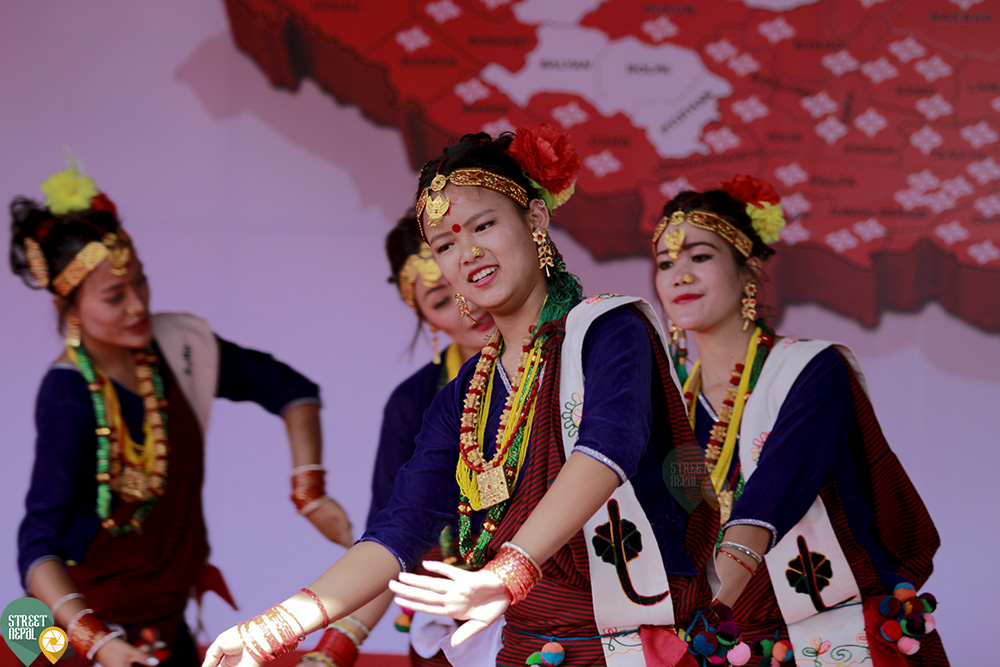
Along the banks of the Kali Gandaki River, nestled within one of the deepest gorges on Earth, lives one of Nepal's most enterprising and culturally distinctive ethnic communities — the Thakali people. Known for their business acumen, celebrated cuisine, and deep-rooted Buddhist and Bon traditions, the Thakali have shaped the culture and economy of the Mustang region for centuries. For trekkers passing through villages like Marpha, Tukuche, and Jomsom on the Annapurna Circuit Trek, understanding Thakali heritage adds meaningful depth to an already remarkable journey. This complete guide explores their history, traditions, lifestyle, and lasting influence on Himalayan culture.
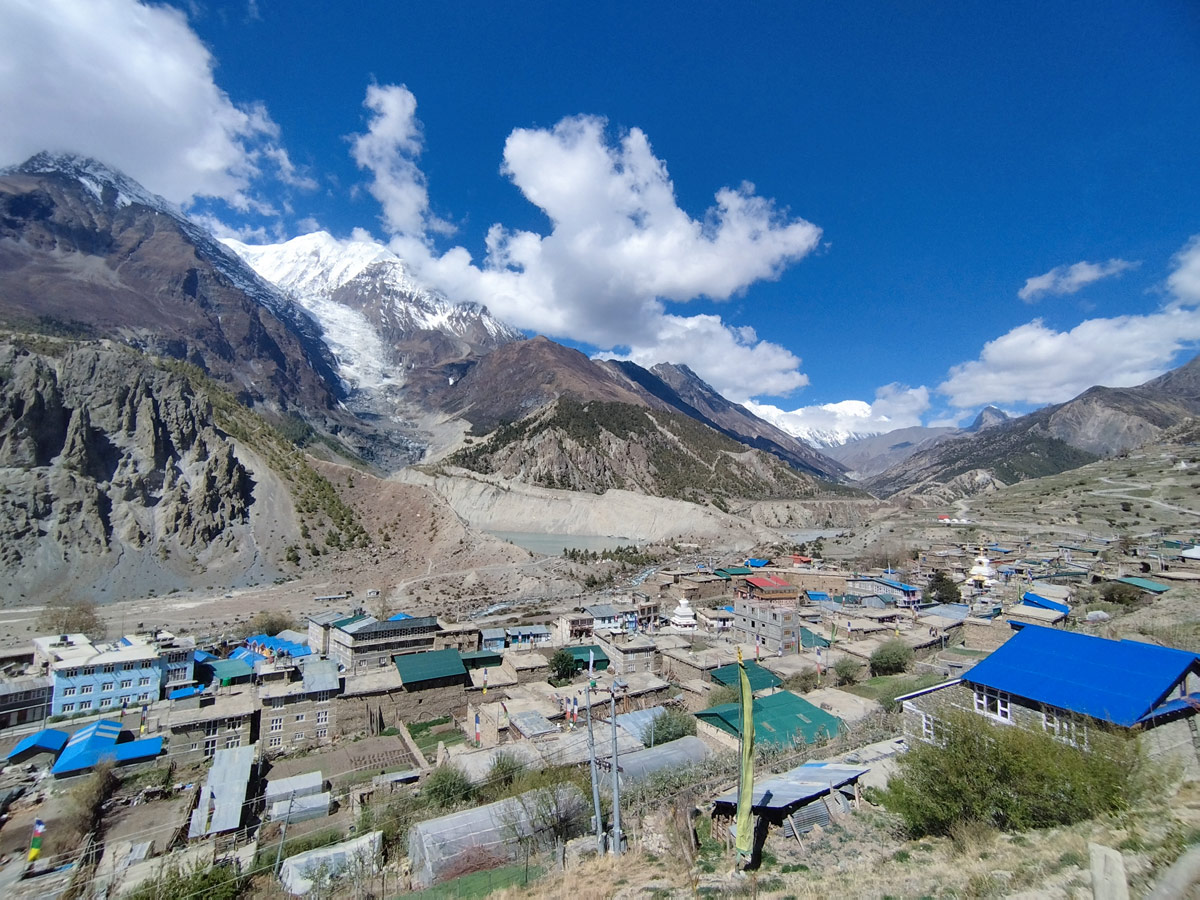
The Thakali are an ethnic group native to the Thak Khola region, the upper section of the Kali Gandaki Gorge located in the Mustang District of Gandaki Province, Nepal. Traditionally concentrated in villages such as Marpha, Tukuche, Syang, and Kobang, the Thakali developed a distinct cultural identity shaped by their strategic position along an important trans-Himalayan trade route connecting Tibet and the Indian subcontinent.
| Feature | Details |
|---|---|
| Homeland | Thak Khola region, Mustang District, Gandaki Province |
| Key Villages | Marpha, Tukuche, Syang, Kobang, Larjung |
| Language | Thakali (Tibeto-Burman language family) |
| Religion | Blend of Tibetan Buddhism, Bon, and Hindu influences |
| Traditional Livelihood | Trans-Himalayan trade, agriculture, hospitality |
| Modern Reputation | Renowned for business success and Thakali cuisine |
| Notable Industry | Restaurant and hotel business across Nepal |
| Cultural Symbol | Thakali thali (traditional meal set) |
For centuries, the Thak Khola region functioned as a crucial corridor for trans-Himalayan trade, and the Thakali people built their early prosperity around this strategic advantage. Positioned directly along a major route connecting Tibet to the lowlands of Nepal and India, Thakali traders moved goods such as salt, wool, grain, and textiles across some of the most challenging terrain in the Himalayas.
This trading heritage established the Thakali as skilled negotiators and businesspeople long before modern tourism arrived in the region. Over generations, this reputation for commercial success evolved alongside changing economic conditions, eventually leading many Thakali families to diversify into hospitality, agriculture, and — most famously — the restaurant industry that now bears their name across Nepal.
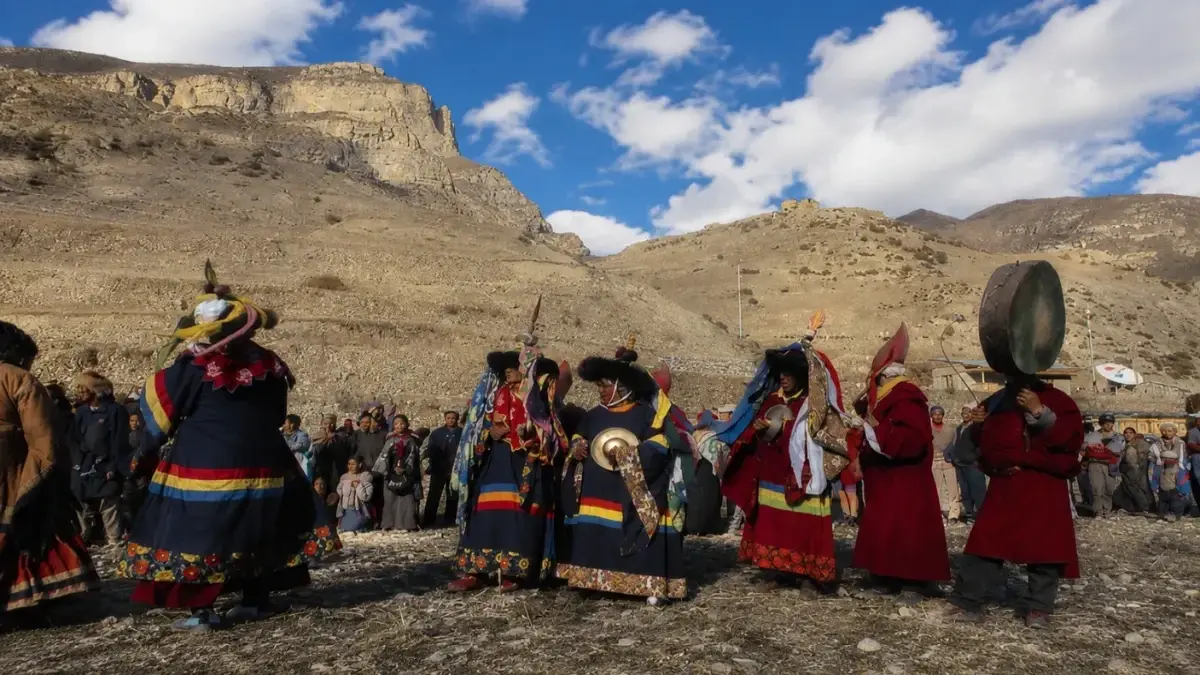
Thakali spiritual life reflects a unique blend of influences shaped by the community's geographic position between Tibetan Buddhist and Hindu cultural spheres. Key elements include:
This religious flexibility reflects the Thakali's broader cultural adaptability, shaped by centuries of interaction with diverse trading partners and neighboring communities.
Perhaps nothing has spread Thakali culture across Nepal more successfully than their food. The Thakali thali, a traditional meal set, has become one of the most recognized and beloved culinary traditions in the entire country.
| Component | Description |
|---|---|
| Rice | Typically steamed white rice as the meal's base |
| Dal (Lentil Soup) | A flavorful, often spiced lentil preparation |
| Vegetable Curries | Seasonal vegetables prepared with distinct Thakali spicing |
| Meat Dishes | Often chicken, goat, or buffalo, depending on availability and preference |
| Pickles (Achar) | Tangy, spicy accompaniments made from local ingredients |
| Gundruk | Fermented leafy greens, a traditional Himalayan preservation method |
Thakali restaurants have become so popular that "Thakali kitchen" is now a widely recognized restaurant category throughout Nepal, found even far from the community's Mustang homeland, illustrating how deeply this culinary tradition has embedded itself into broader Nepali food culture.
Historically, Thakali life centered around several interconnected practices adapted to their high-altitude, semi-arid environment:
As trade patterns shifted over the 20th century, many Thakali families adapted by turning toward hospitality, agriculture, and eventually the restaurant business that would carry their name nationwide.
Traditional Thakali villages, such as Marpha and Tukuche, reflect practical adaptations to their dry, high-altitude surroundings:
The Thakali community has undergone significant transformation over the past several decades, adapting to new economic realities while working to preserve core aspects of their identity:
Despite their commercial success, the Thakali community faces several modern pressures affecting long-term cultural preservation:
Travelers exploring the Mustang and Annapurna regions have several respectful opportunities to engage directly with Thakali culture:
The Thakali are an ethnic group native to the Thak Khola region, the upper section of the Kali Gandaki Gorge in the Mustang District of Gandaki Province, Nepal. Traditionally concentrated in villages such as Marpha, Tukuche, Syang, and Kobang, they developed a distinct cultural identity shaped by their strategic position along an important trans-Himalayan trade route.
The Thakali speak their own language, simply called Thakali, which belongs to the Tibeto-Burman language family. While many younger community members now also speak Nepali and English fluently for business and education, the traditional language remains an important marker of Thakali identity within their home villages.
Thakali spiritual life reflects a unique blend of Tibetan Buddhism, the older Bon tradition, and Hindu influences absorbed through centuries of trading connections with lowland Nepal. Many communities also maintain traditional beliefs centered on protective local deities and ancestor worship, often practiced alongside more formal Buddhist customs.
For centuries, the Thak Khola region served as a vital corridor for trans-Himalayan trade, and the Thakali built early prosperity by moving goods like salt, wool, and grain between Tibet and the Nepali lowlands. This trading heritage gave them a reputation as skilled negotiators, which later evolved into modern success in hospitality, agriculture, and especially the restaurant industry.
A Thakali thali is a traditional meal set that has become one of the most recognized culinary traditions in Nepal, typically including:
Thakali restaurants have become so widespread that "Thakali kitchen" is now a recognized restaurant category across the country, found even in cities far from the community's Mustang homeland. This popularity reflects how deeply Thakali culinary traditions have embedded themselves into broader Nepali food culture over recent decades.
Traditional Thakali life centered around several interconnected practices suited to their high-altitude environment:
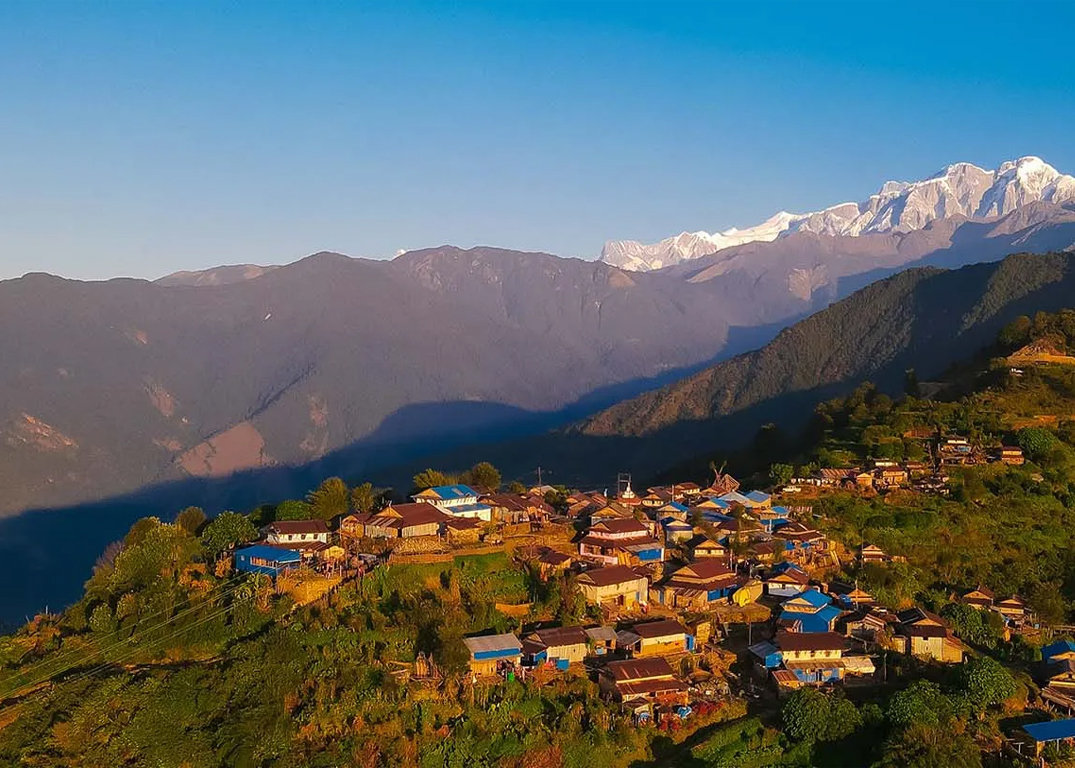
Thakali villages like Marpha and Tukuche feature flat-roofed stone houses suited to minimal rainfall, whitewashed exteriors, and narrow, sheltered alleyways designed to protect against strong winds common throughout the Kali Gandaki Gorge. Homes are also tightly clustered together, providing warmth and protection during harsh mountain winters.
The growth of trekking tourism in the Annapurna and Mustang regions has prompted many Thakali families to shift from purely traditional livelihoods toward tourism-based work, including operating guesthouses, lodges, and restaurants. This transition has created new economic opportunities while also raising ongoing questions about balancing growth with cultural preservation.
Travelers on the Annapurna Circuit Trek can engage with Thakali culture by visiting villages like Marpha and Tukuche, sampling an authentic Thakali thali at a local restaurant, exploring the Eco Museum in Marpha, or staying at a Thakali-owned guesthouse to support the community directly.
Several modern pressures affect long-term Thakali cultural preservation, including declining fluency in the Thakali language among younger generations, population dispersal due to migration to urban centers, and gradual cultural shifts caused by increased tourism and intermarriage with other ethnic groups.
The Thakali are recognized as a distinct ethnic and linguistic group, though they share some cultural overlap with neighboring Himalayan communities due to centuries of trade and interaction. Their closest cultural ties reflect a blend of Tibetan Buddhist influence and lowland Nepali customs, shaped by their unique position along the historic trade route.
Yes, significantly so — many Thakali families have relocated to Kathmandu, Pokhara, and other urban centers for business and educational opportunities, bringing their culinary traditions and entrepreneurial reputation with them. This migration has helped establish Thakali restaurants and businesses as a recognizable presence throughout much of Nepal.
Apple farming has become an important modern agricultural specialty in Thakali villages like Marpha, supplementing traditional trade-based livelihoods with a reliable local industry. Apple orchards, along with related products like brandy and cider, now contribute significantly to the economy of the Thak Khola region.
Understanding Thakali culture transforms a physical trekking journey into a deeper cultural experience, helping travelers appreciate the history and resilience behind villages like Marpha and Tukuche. Recognizing the Thakali's trading legacy, culinary influence, and architectural heritage adds meaningful context to any journey through the Annapurna Circuit Trek.
The Thakali people represent a remarkable story of cultural adaptability, transforming centuries of trans-Himalayan trading expertise into modern business success while striving to preserve their distinct religious, culinary, and architectural heritage. Their influence extends far beyond their small homeland in the Kali Gandaki Gorge, evident in Thakali restaurants found throughout Nepal and beyond. For travelers exploring this remarkable region, taking time to understand Thakali culture transforms a simple trekking journey into a deeper appreciation of the people who have shaped this landscape for generations — a perspective that adds lasting value to any experience along the Annapurna Circuit Trek.
Discover more articles that match your interests! Explore these similar blogs packed with insights, tips, and stories to keep you inspired.
Everything on Thorong La Pass — altitude, difficulty, weather, route & crossing times. Complete guide for the Annapurn...
Complete guide on how to prepare for the Annapurna Circuit Trek — training, gear, permits, insurance & mental readines...
Discover Besisahar, Nepal — the official gateway to the Annapurna Circuit Trek. Complete guide to altitude, history & ...
Discover the Marsyangdi River — the Annapurna Circuit\'s raging river. Complete guide to its geography, origins & trek...
Discover Manang, Nepal — Annapurna Circuit\\'s key acclimatization village with monasteries, glacial lakes & Thorong L...
Explore Manangi culture in Nepal — Tibetan Buddhist heritage, trans-Himalayan trading history & unique lifestyle of th...