Sir Edmund Hillary & Mount Everest: Complete History & Legacy Guide
By Nepal Trip Services On 06 Oct 2026

By Nepal Trip Services On 06 Oct 2026

On 29 May 1953, a New Zealand beekeeper and a Sherpa climber stood on the highest point on Earth. Sir Edmund Hillary and Tenzing Norgay became the first people confirmed to have reached the summit of Mount Everest, and their names have been linked ever since.
But the Hillary story does not end on the summit. He spent much of the rest of his life working for the Sherpa communities of the Khumbu, building schools, clinics, bridges and an airstrip. Today, when you fly into Lukla, cross the Hillary Suspension Bridge or visit Khumjung, you are walking through his legacy.
This guide covers the history of the 1953 climb, who Hillary and Tenzing were, what Hillary built in Nepal, where you can see his footprints on the trail, and how to follow them on a trek with Nepal Trip Services.
| Detail | Information |
|---|---|
| First confirmed summit | 29 May 1953, at about 11:30 AM |
| Climbers | Sir Edmund Hillary (New Zealand) and Tenzing Norgay (Sherpa) |
| Expedition leader | Colonel John Hunt (British expedition) |
| Route | South Col route |
| Everest height | 8,848.86 m |
| Local names | Sagarmatha (Nepali), Chomolungma (Tibetan) |
| Hillary's life | 1919 to 2008 |
| Main Khumbu legacy | Himalayan Trust schools, clinics and hospitals; Lukla airstrip (1964) |
| Airport named for them | Tenzing-Hillary Airport, Lukla (renamed in 2008) |
Everest was known to be the world's highest peak long before anyone stood on it. It carries the name of Sir George Everest, a British surveyor, while Nepalis call it Sagarmatha and Tibetans call it Chomolungma. In the early twentieth century, several British expeditions approached from the Tibetan side. The 1924 expedition is best remembered for George Mallory and Andrew Irvine, who disappeared high on the mountain. Whether they reached the top remains debated.
After Nepal opened its borders in the early 1950s, climbers could approach from the south. A 1951 British reconnaissance, which included Hillary, explored the route through the Khumbu Icefall. In 1952, a Swiss expedition, with Tenzing Norgay among the team, came close to the summit before turning back. By 1953, the stage was set for a large, well-organized British attempt.
Edmund Hillary was born in Auckland, New Zealand, in 1919. He worked as a beekeeper, developed his love of mountains in New Zealand's Southern Alps, and became a strong, determined high-altitude climber. Observers often describe him as modest and practical, qualities that later shaped his humanitarian work. Nepali Times recalled that he stayed approachable throughout his fame, even keeping his phone number in the public directory.
Tenzing Norgay was a Sherpa mountaineer who grew up in the Khumbu, with sources placing his birth near Thame. By 1953 he was one of the most experienced high-altitude climbers alive, with several earlier Everest attempts behind him, including the 1952 Swiss expedition. His strength, local knowledge and calm judgment were central to the success of the climb. Thame sits on the return leg of the Everest Three High Passes Trek, so trekkers can visit his home valley.
The 1953 British Everest expedition, led by Colonel John Hunt, was a large team effort supported by many Sherpas and porters. There was no Lukla airstrip yet, so the team walked in overland from lower Solu-Khumbu, broadly the path of the modern Jiri route.
The key moments:
Hillary later wrote that a few blows of the ice axe and a few cautious steps took them to the top. Afterward, he was knighted, and Tenzing was honored in Nepal, India and abroad.
A steep rocky section near the summit became known as the Hillary Step, named after Sir Edmund. It was long regarded as the last major technical obstacle on the South Col route. After the 2015 earthquake, climbers reported that the feature had changed, so its current condition is a matter of ongoing discussion among mountaineers.
Hillary never stopped exploring. He led the New Zealand party that reached the South Pole by tractor in January 1958, a major achievement for the Commonwealth Trans-Antarctic Expedition. In 1977 he led a jet-boat journey up the Ganges River from the sea toward its Himalayan source. Later in life he served as New Zealand's High Commissioner to India, with accreditation to Nepal and Bangladesh. He remained a national hero in New Zealand and appears on its currency.
Ask people in the Khumbu what Hillary meant to them, and many will talk about education and health, not just Everest. After 1953, he felt a debt to the Sherpa communities who had supported his expeditions. In the early 1960s he began a long program of development work and set up the Himalayan Trust to raise funds and manage projects. Sources differ on the exact founding date, with some giving 1960 and others 1964.
Over the decades, the Trust and its partners helped build:
The Khumjung school, built in the early 1960s, is one of the best-known projects and still educates local children today. After Hillary's death in 2008, the Trust continued its work.
In 1964, Hillary's team built the Lukla airstrip to bring in building materials for the schools and hospital projects. Before that, supplies took more than three weeks to carry in by porters from Kathmandu. The airstrip also opened the Khumbu to tourism, which changed the local economy. In 2008, Nepal renamed the airport Tenzing-Hillary Airport in honor of both men. Plan your own flight with our Kathmandu to Lukla flight guide and learn more about Lukla.
Hillary was surprised by how quickly tourism grew after Lukla opened. Nepali Times reported that he openly criticized the negative sides of tourism and was never convinced by commercial mountaineering. Many trekkers find this a useful reminder to travel responsibly, which we cover below.
You do not have to climb Everest to feel the Hillary legacy. Many of the best sites sit on the standard trekking routes.
| Place | Why it matters | Where it fits |
|---|---|---|
| Lukla | Tenzing-Hillary Airport, built in 1964 | Every Everest-region trek |
| Phakding and the Dudh Koshi River | The classic approach trail used on modern treks | Day 2 of most itineraries |
| Sagarmatha National Park | UNESCO-listed home of Everest | All Everest treks |
| Hillary Suspension Bridge | Named in his honor; the gateway to the Namche climb | Day 3 |
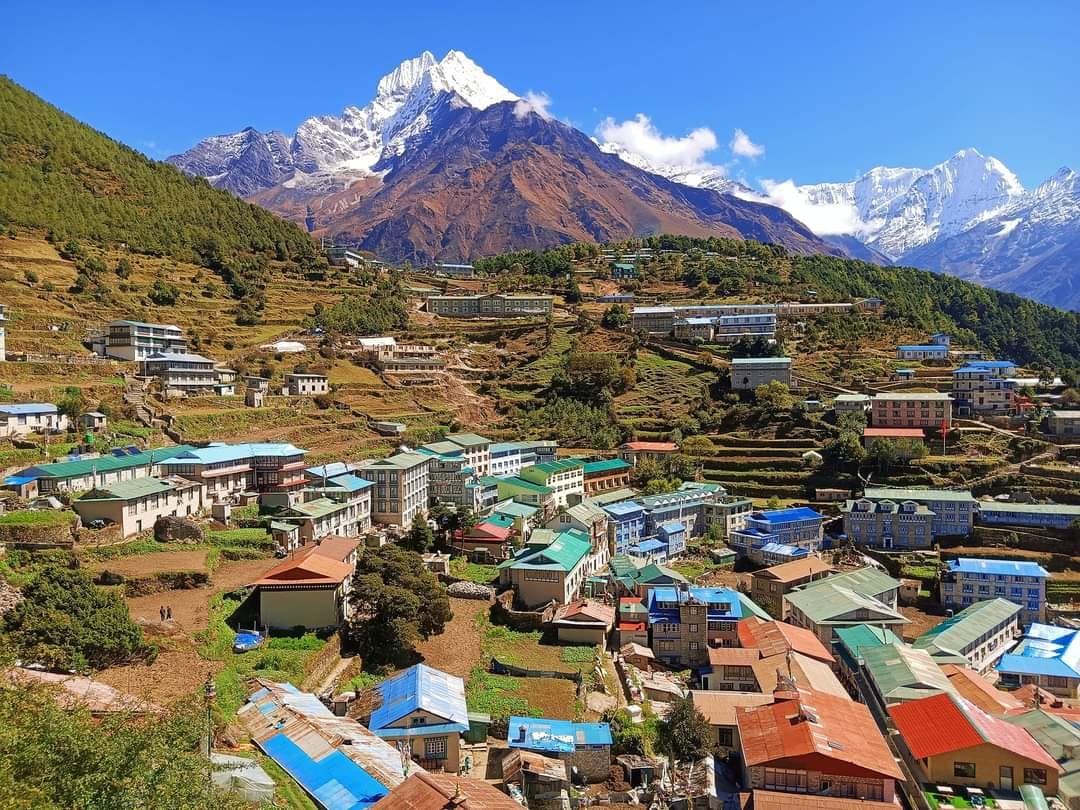
| Namche Bazaar and the Sherpa Culture Museum | Sherpa history, mountaineering heritage and famous summiteers | Rest day |
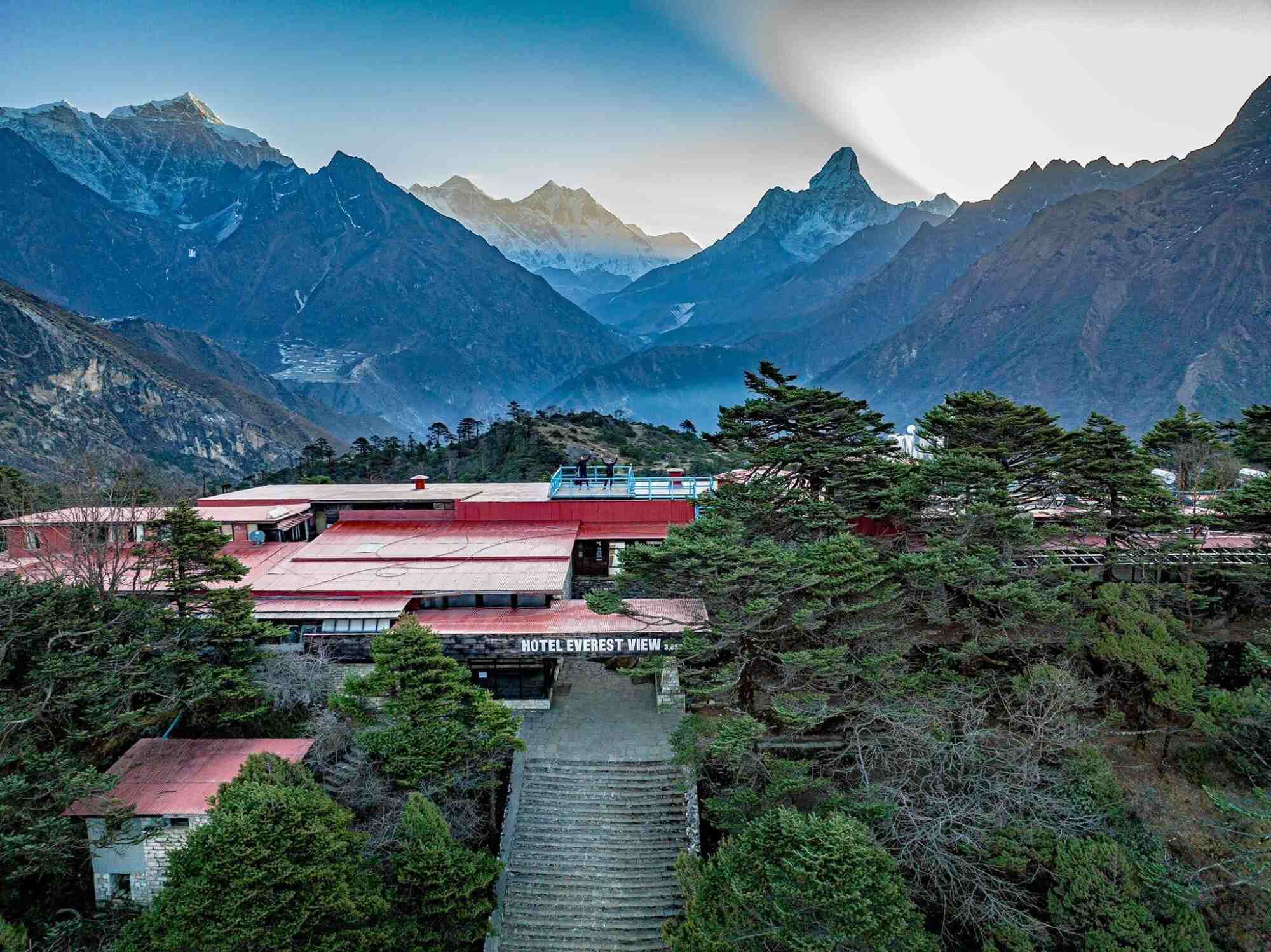
| Syangboche and the Everest View Hotel | A classic Everest panorama above Namche | Acclimatization hike |
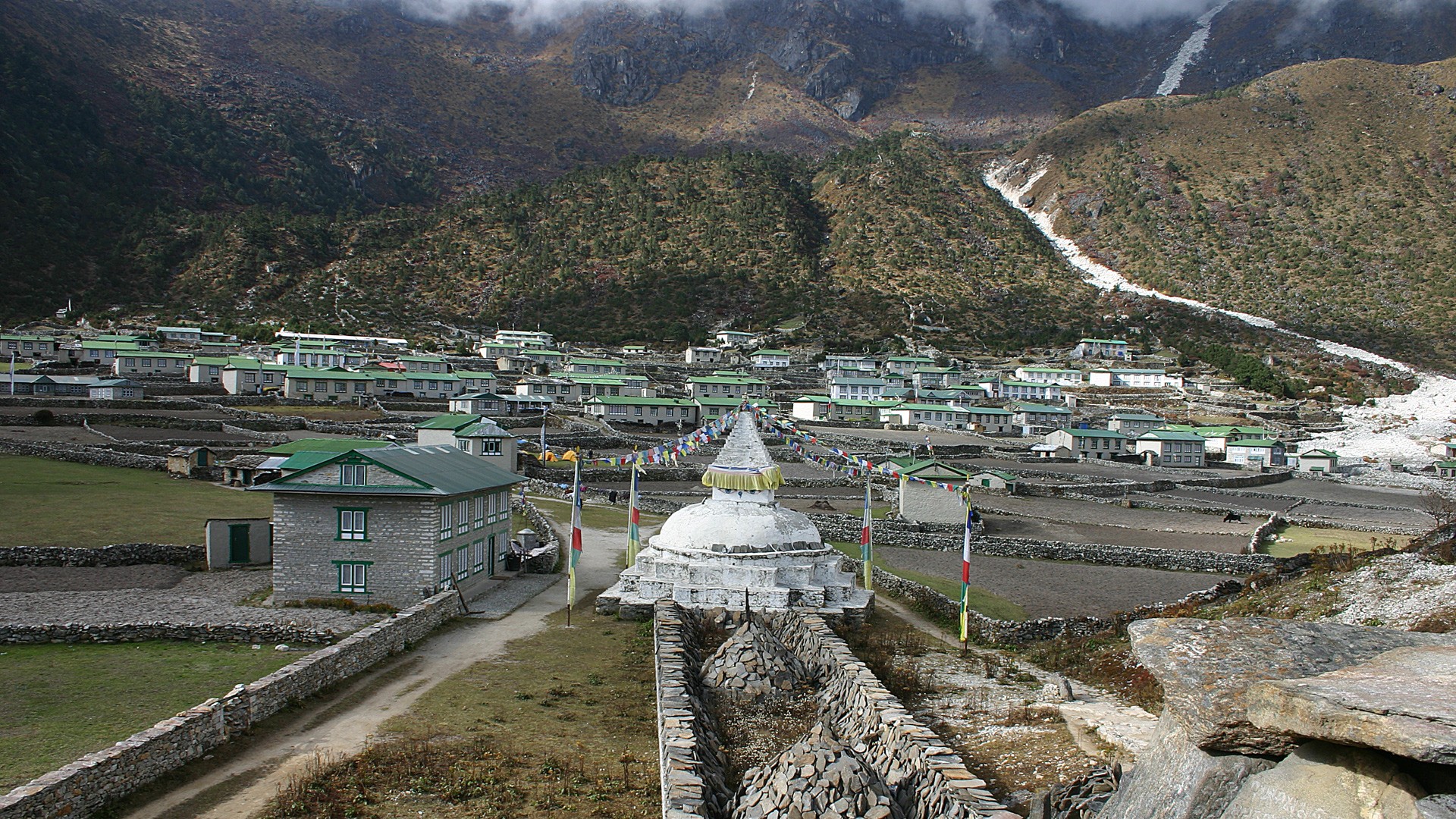
| Khumjung | Hillary School, founded in 1961, and the village monastery with its "yeti scalp" | Acclimatization hike |
| Sir Edmund Hillary Visitor Centre | A small visitor centre at Khumjung Secondary School that preserves his story and raises funds for the school | Khumjung visit |
| Thame | Home valley of Tenzing Norgay | Three High Passes Trek |
| Everest Base Camp and Kala Patthar | Closest trekking views of the mountain they climbed | Everest Base Camp Trek |
| Trek | Duration | Difficulty | Price (from) | Best for |
|---|---|---|---|---|
| Everest View Trek | 7 days | Easy to moderate | US$870 | Short holidays, first-time trekkers, Hillary School and Khumjung |
| Classic Everest Base Camp Trek | 14 days | Moderate | US$1,350 | Standing beneath the mountain itself |
| Gokyo Lakes Trek | 12 days | Moderate | US$1,340 | Everest views from Gokyo Ri and quieter valleys |
| Everest Three High Passes Trek | 19 days | Strenuous | US$1,500 | A full Khumbu circuit, including Thame |
Prices are the listed starting prices on our trip pages and may change. Explore every option on the Everest Region Treks page.
The best seasons are spring (March to May) and autumn (September to November), when skies are clear and views are best. Spring is also the main Everest climbing season, and 29 May, the anniversary of the first ascent, is commemorated in Nepal as Everest (Sagarmatha) Day. Winter treks to lower viewpoints such as Syangboche are possible but cold, and the monsoon (June to August) brings cloud and flight delays. See our guides to spring trekking in Nepal and autumn trekking in Nepal.
Sir Edmund Hillary (1919 to 2008) was a New Zealand mountaineer, explorer and philanthropist, best known as one of the first two people to reach the summit of Mount Everest. He began as a beekeeper, trained as a climber in New Zealand's Southern Alps, and joined the 1951 and 1953 Everest expeditions. After Everest he led Antarctic and river expeditions, served as a diplomat, and devoted decades to supporting Sherpa communities in the Khumbu through the Himalayan Trust.
They reached the summit at about 11:30 AM on 29 May 1953, via the South Col route, as part of a British expedition led by Colonel John Hunt. After a long, carefully planned approach through the Khumbu Icefall and the Western Cwm, the two climbed the final stretch from a high camp on the ridge. They spent only a short time at the top. News of the success reached London just before the coronation of Queen Elizabeth II.
Both men always described the climb as a joint effort, and most accounts treat it as a team achievement. Hillary is often credited as the first to step onto the summit, and the pair kept their emphasis on teamwork rather than competition. For trekkers, the more useful point is that Tenzing's experience and strength were essential to the climb, and that Sherpas were central to every successful expedition then and now.
Tenzing Norgay was a Sherpa climber who grew up in the Khumbu, with sources placing his birth near Thame. He had joined several Everest expeditions before 1953, including the 1952 Swiss attempt that came close to the top. After the 1953 climb he became a national hero in Nepal and India and a leading figure in mountaineering. The airport at Lukla is named after him and Hillary together.
The expedition was led by Colonel John Hunt. It was a large, carefully organized British effort supported by many Sherpas and porters, who carried supplies and equipment up the mountain. Hunt chose the final summit pairs, and his planning is widely credited with the success.
There was no Lukla airstrip in 1953. The team walked in overland from Kathmandu through lower Solu-Khumbu, broadly the route that modern trekkers follow on the Jiri approach, and joined the main Khumbu trail near Phakding after about a week and a half of walking. The Lukla airstrip was built in 1964, which is why today's trekkers can fly in and begin the Everest trek in a single morning.
The Hillary Step was a steep rock face near the summit of Everest that was long seen as the last major technical challenge on the South Col route. It was named after Sir Edmund Hillary. After the 2015 Nepal earthquake, climbers reported that it had changed, and its condition is still discussed among mountaineers. You cannot see it on a trek, but you can learn about it at the Sherpa Culture Museum in Namche.
Hillary led further expeditions and helped lead the New Zealand party that reached the South Pole by tractor in 1958. In 1977 he led a jet-boat expedition up the Ganges River. He served as New Zealand's High Commissioner to India, with additional responsibilities for Nepal and Bangladesh, and became a prominent public figure and fundraiser. His most lasting work, however, was the long-term support he gave to Sherpa communities in the Khumbu.
The Himalayan Trust is the charity Hillary founded to support education and health in the Solu-Khumbu region. Sources date its founding between 1960 and 1964. Over the decades it has built or supported dozens of schools, clinics and hospitals, along with bridges, water systems, reforestation projects, restored monasteries and airstrips. After Hillary's death in 2008, the Trust continued its work. Figures vary widely between sources, so treat any single number with caution.
Hillary's team built the airstrip at Lukla in 1964 so supplies for the new schools and hospitals could arrive by air instead of taking more than three weeks by porter. The strip later became the main gateway to the Everest region. In 2008, Nepal's government renamed it Tenzing-Hillary Airport to honor both men. Many trekkers see a plaque or sign as they land.
On a typical Everest-region trek you can see it at:
The 7-day Everest View Trek includes Namche and Khumjung on its acclimatization day.
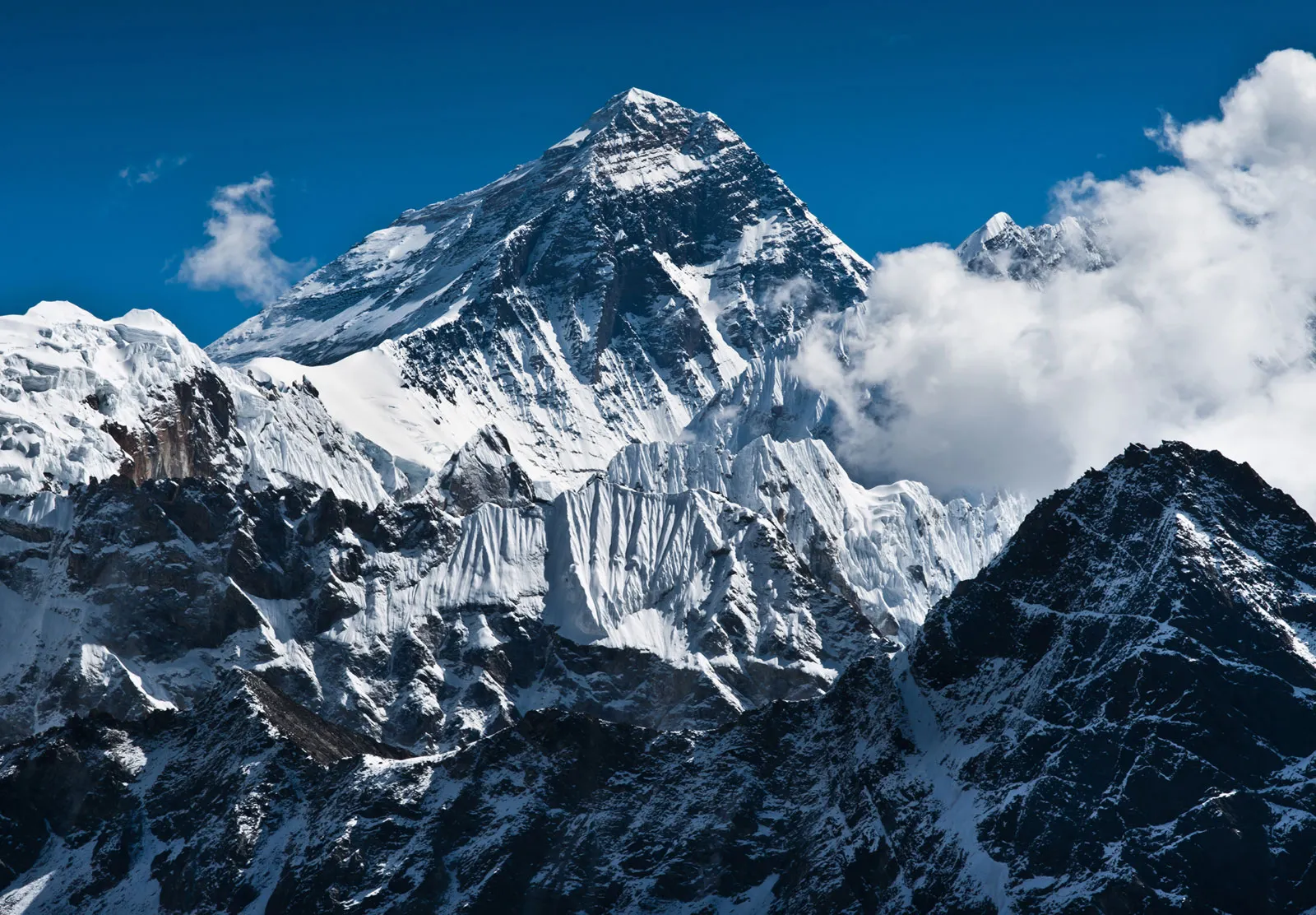
Everest's official height is 8,848.86 m, the figure used on the Nepal Trip Services trip pages. Its Nepali name, Sagarmatha, is commonly translated as "forehead in the sky," and its Tibetan name, Chomolungma, as "goddess mother of the world." The English name honors Sir George Everest, a British surveyor. You can read more on our Mount Everest page.
It depends on your time and fitness:
All start with a flight to Lukla. Use the Trip Planner to design a custom route.
March to May and September to November are the best seasons, with clear skies, stable weather and the best views. Spring is also when most climbers attempt the summit, and 29 May is celebrated in Nepal as Everest Day. Winter is cold but possible at lower altitudes, and the monsoon brings rain, cloud and flight delays. Always add a buffer day for weather at Lukla.
Hillary was proud of the schools and hospitals he helped build, but he was concerned by some of the effects of the tourism that followed the opening of Lukla, and he was never convinced by commercial mountaineering. To honor that spirit, trek responsibly: choose a licensed operator that treats porters fairly, carry out your rubbish, avoid single-use plastic, respect Sherpa traditions, support local teahouses and shops, and acclimatize properly. A well-run trek helps keep tourism beneficial for the communities he cared about.
Edmund Hillary and Tenzing Norgay did more than stand on a summit. Their partnership showed what trust, skill and respect between people from different worlds could achieve, and Hillary's long commitment to the Khumbu turned a moment of fame into lasting service. Today, every trekker who flies into Lukla, crosses the Hillary Bridge or visits a village school is touching that legacy.
You do not need to climb Everest to follow their story. A week-long Everest View Trek takes you through Namche and Khumjung, while longer routes lead to Base Camp, Gokyo and the Three High Passes. Browse all options on the Everest Region Treks page, or message Nepal Trip Services on WhatsApp at +977-9828696557, or by email at info@nepaltripservices.com, to plan your journey.
Discover more articles that match your interests! Explore these similar blogs packed with insights, tips, and stories to keep you inspired.
Discover Khumjung, Nepal — the Khumbu\\'s most beautiful village, home to the Yeti scalp & Hillary\\'s first school. C...
Plan your Namche Bazaar acclimatization day: best hikes, Everest View Hotel, Khumjung, altitude tips, a sample schedule,...
Discover Everest View Hotel at 3,880 m: views, history, how to reach it from Namche, stay vs visit tips, best time, and ...
Explore Mount Everest in Nepal: height, history, best time, treks to Base Camp and Everest View, permits, altitude safet...
Plan your Kongde Ri trip: height, best views from Namche, best time, permits, 7-day itinerary, climbing facts, costs and...
Lhotse (8,516 m) is the world\'s 4th highest peak. Learn its height, location, climbing history, routes, best views and ...