Mount Everest, Nepal: Complete Travel & Trekking Guide
By Nepal Trip Services On 05 Oct 2026

By Nepal Trip Services On 05 Oct 2026
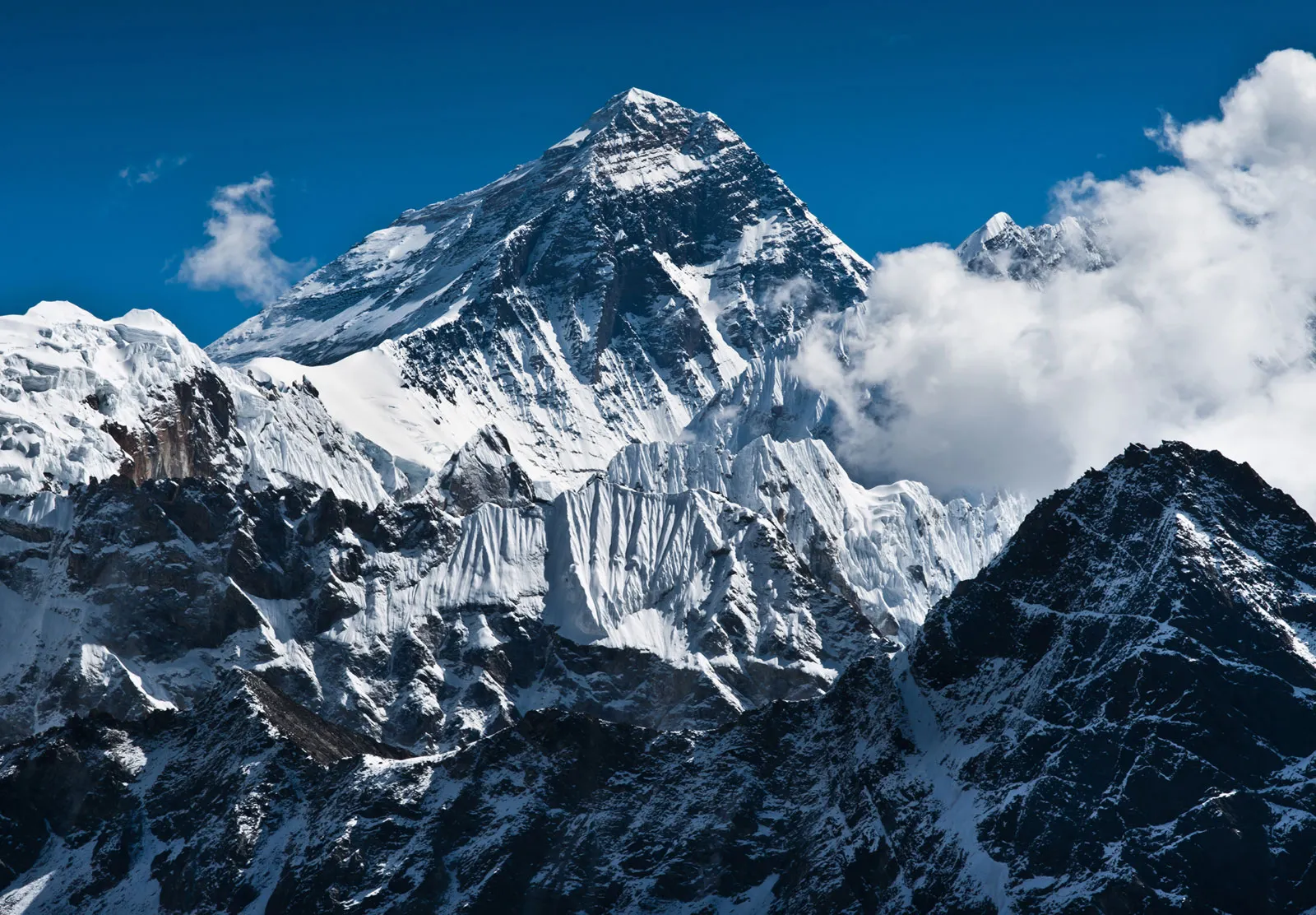
Standing at 8,848.86 m, Mount Everest is the highest mountain above sea level and one of the most famous places on Earth. Known in Nepal as Sagarmatha, it rises above the Khumbu valley, where Sherpa villages, prayer flags, and swaying suspension bridges lead trekkers toward its flanks.
You do not need to summit Everest to feel its power. Thousands of trekkers walk to its base each year, and shorter routes offer classic views in a single week. This guide covers Everest's facts, history, the best ways to see it, permits, altitude safety, and how to choose among the Everest region treks offered by Nepal Trip Services.
| Detail | Information |
|---|---|
| Official height | 8,848.86 m (29,031.7 ft), based on the 2020 Nepal-China survey |
| Nepali name | Sagarmatha |
| Tibetan name | Chomolungma |
| Location | Border of Nepal and Tibet (China), in the Mahalangur Himal |
| Nepal-side park | Sagarmatha National Park, a UNESCO World Heritage Site |
| First confirmed summit | 29 May 1953, Sir Edmund Hillary and Tenzing Norgay |
| Everest Base Camp (south) | 5,364 m |
| Kala Patthar viewpoint | About 5,545 m |
| Main climbing seasons | Spring (April-May); some attempts in autumn |
| Common trekking gateway | Lukla, reached by flight from Kathmandu or Ramechhap |
The mountain has several names:
For the Sherpa people and other Himalayan communities, the mountain is sacred, which is why respectful behavior on the trail matters.
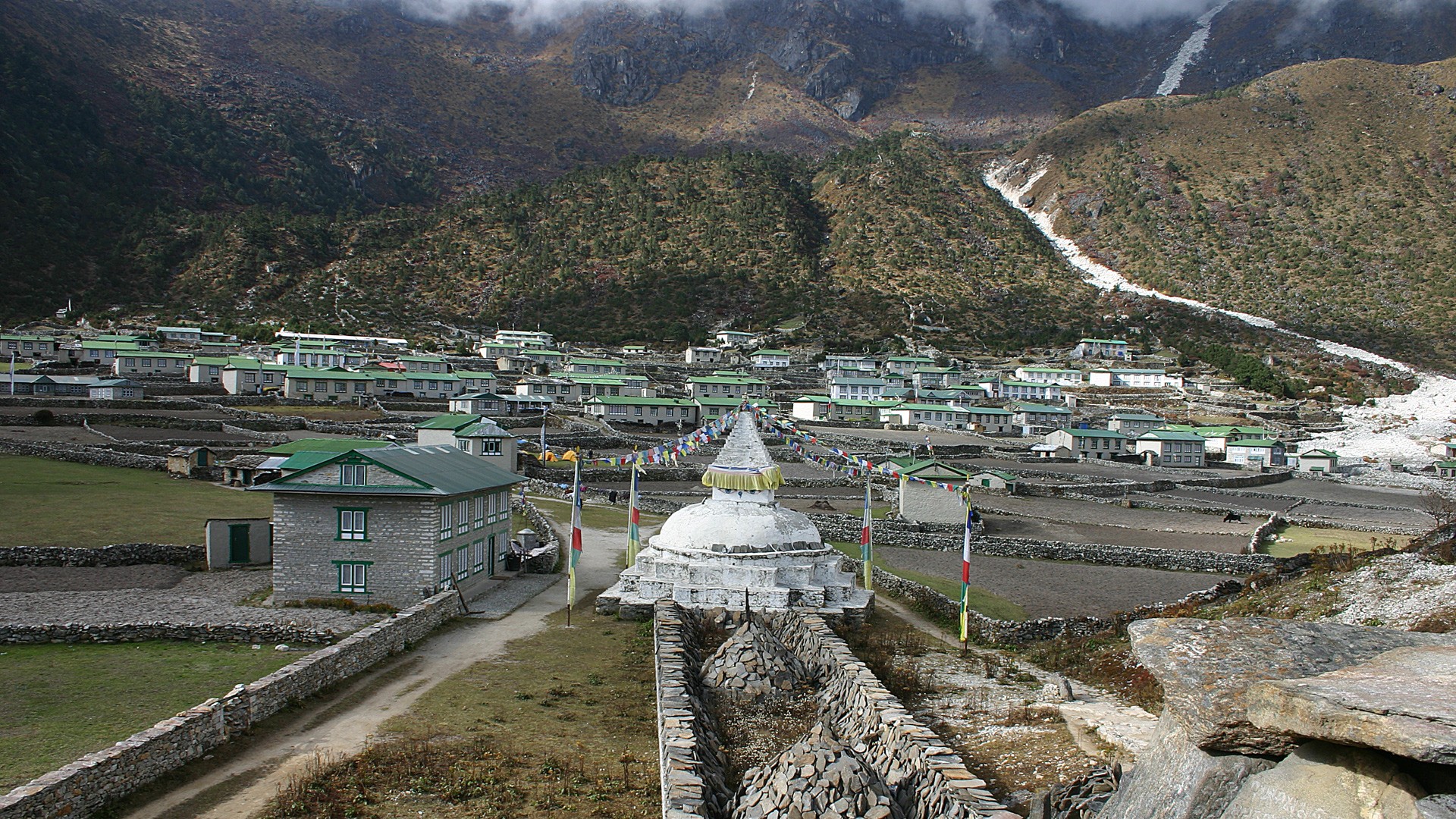
Surveyors identified the peak as the world's highest in the 1850s. After decades of expeditions, Sir Edmund Hillary of New Zealand and Tenzing Norgay, a Sherpa mountaineer, made the first confirmed ascent in 1953. Hillary went on to help build schools and other facilities in the Khumbu, a legacy you can see at Khumjung, home to the first school he founded.
Today the mountain is climbed by hundreds of people each year, supported by Sherpa guides and high-altitude workers whose skill and strength are central to Everest's story.
You can experience Everest at very different levels of effort, time, and altitude:
| Option | Duration | Max Altitude | Difficulty | Best For |
|---|---|---|---|---|
| Everest View Trek | 7 days | About 3,880 m | Easy to moderate | Beginners, families, short holidays |
| Gokyo Lakes Trek | 12 days | About 5,000 m+ | Moderate | Turquoise lakes and big panoramas |
| Classic Everest Base Camp Trek | 14 days | 5,364 m (Kala Patthar about 5,545 m) | Moderate to challenging | The bucket-list achievement |
| Everest Three High Passes Trek | 19 days | 5,644 m | Strenuous | Experienced, adventurous trekkers |
| Scenic flight or helicopter | Hours | Not applicable | None | Limited time, aerial views |
Browse all routes, including the current listed prices, on our Everest region treks page.
Everest is often hidden behind the Lhotse-Nuptse ridge, so views depend on where you stand:
| Stage | Highlights |
|---|---|
| Kathmandu to Lukla | Mountain flight to a famous cliffside airstrip. See our Kathmandu to Lukla flight guide |
| Phakding | Gentle first night beside the Dudh Koshi River |
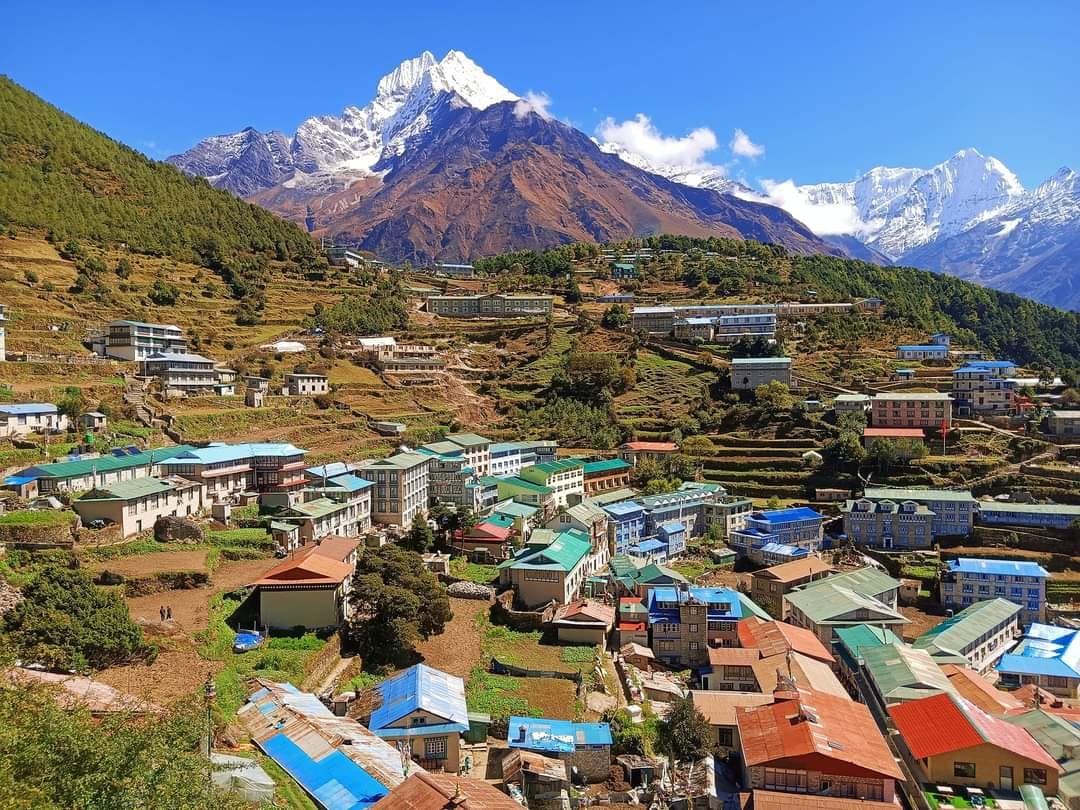
| Namche Bazaar (3,440 m) | The Sherpa capital and the key acclimatization stop. Read our Namche acclimatization day guide |
| Tengboche and beyond | Monasteries, Ama Dablam views, and higher camps on longer treks |
| Base Camp or viewpoints | Depends on your chosen route |
| Season | Months | Conditions |
|---|---|---|
| Autumn | Sept-Nov | Stable weather and the clearest views |
| Spring | Mar-May | Warm days, rhododendrons, and an active climbing season |
| Winter | Dec-Feb | Cold but often very clear, with quiet trails |
| Monsoon | Jun-Aug | Rain, cloud, and slippery trails |
For the clearest skies, aim for October-November or March-April, and start early in the day.
Trekkers in the Everest region normally need two permits: the Sagarmatha National Park entry permit and the Khumbu Pasang Lhamu Rural Municipality permit. A TIMS card is not usually required for this region. Fees can change, so confirm current rates, and note that most agencies arrange permits as part of the package.
Budget factors:
| Trekking | Climbing | |
|---|---|---|
| Goal | Views and Base Camp or viewpoints | The 8,849 m summit |
| Experience needed | Basic fitness | Extensive high-altitude mountaineering skill |
| Duration | 1-3 weeks | About two months |
| Permits | Park and local permits | Government royalty plus expedition costs |
| Cost | From hundreds to a few thousand USD | Often tens of thousands of USD |
Nepal's royalty for a foreign climber on the standard south route in spring was raised to US$15,000 from September 2025, with a lower rate in autumn. Rules require guides or high-altitude workers to accompany climbers on peaks above 8,000 m. Check current regulations if you are researching an expedition.
Altitude sickness can affect anyone above about 2,500 m, whatever their fitness.
Stay safe:
Read our full altitude sickness and acclimatization guide before you go.
The official height is 8,848.86 m (29,031.7 ft), agreed by Nepal and China after a joint survey announced in 2020. You may still see older figures such as 8,848 m or 8,849 m in some sources.
Everest sits on the border between Nepal and Tibet (China) in the Mahalangur section of the Himalayas. On the Nepal side, it lies within Sagarmatha National Park in the Khumbu region.
Sagarmatha is the Nepali name for Everest and is often translated as "forehead of the sky." The Tibetan name is Chomolungma, often translated as "goddess mother of the world."
Sir Edmund Hillary of New Zealand and Tenzing Norgay, a Sherpa mountaineer, made the first confirmed ascent on 29 May 1953. Their success is celebrated across the Khumbu, including at the Hillary school in Khumjung.
Yes. Many people see it on treks, scenic flights, or helicopter tours. Trekking routes such as the Everest View Trek and Everest Base Camp Trek offer excellent views, weather permitting.
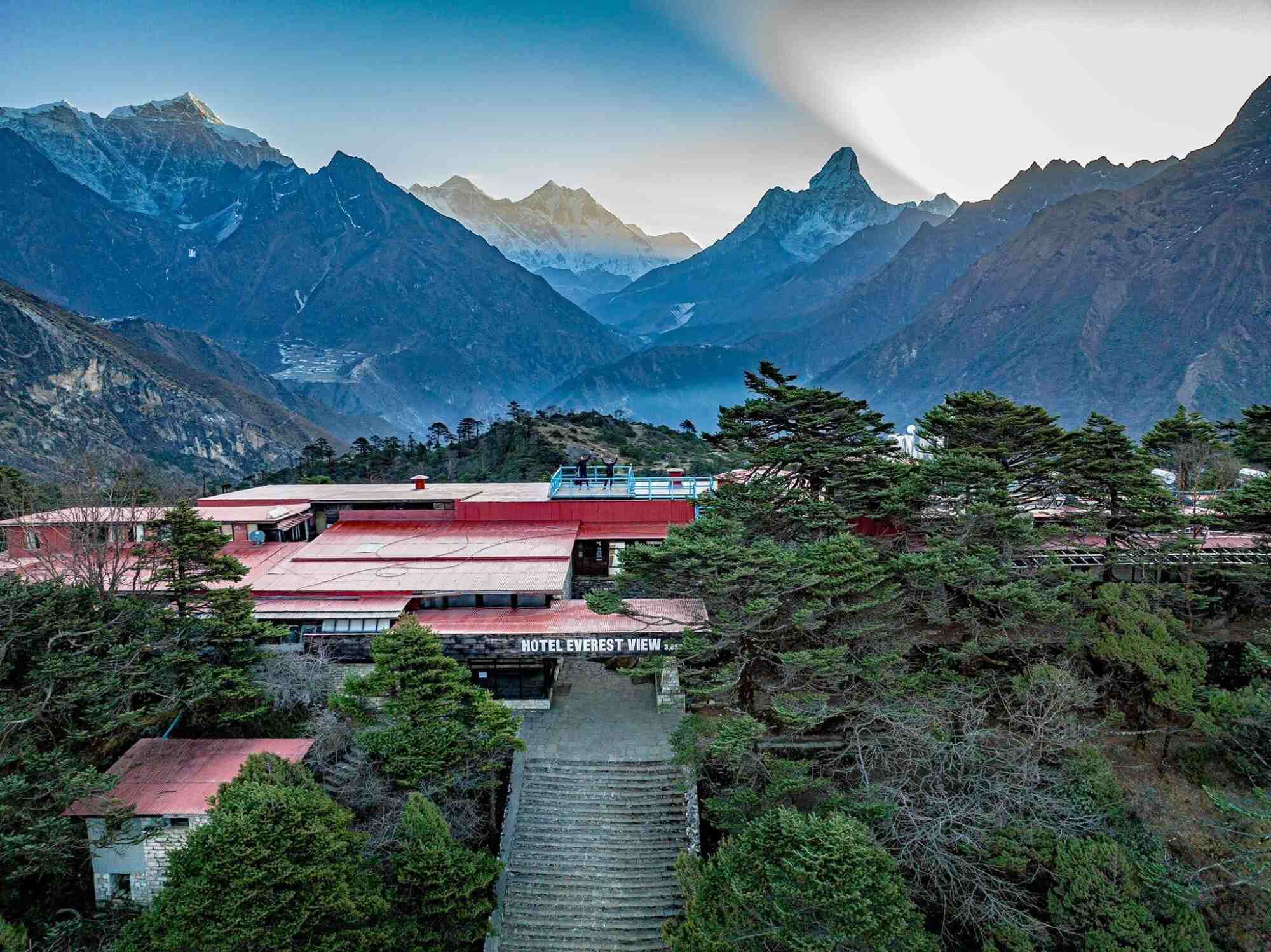
The 7-day Everest View Trek is one of the simplest options. It reaches about 3,880 m, includes an acclimatization day in Namche Bazaar, and gives a panoramic view from the Everest View Hotel. Aerial options are the quickest, but they involve no walking at all.
The south Base Camp in Nepal is at about 5,364 m. The summit is usually hidden behind nearer ridges, so many trekkers climb Kala Patthar (about 5,545 m) for a better view of Everest.
Autumn (September-November) and spring (March-May) offer the clearest views and most comfortable trekking conditions. Winter can be very clear but cold, while the monsoon (June-August) brings rain and cloud.
You normally need the Sagarmatha National Park entry permit and the Khumbu Pasang Lhamu Rural Municipality permit. TIMS is not usually required for this region. Fees can change, so check current rates, and ask your agency to arrange both.
The government royalty for a foreign climber on the standard south route in spring is US$15,000, but the total cost of an expedition, including guides, equipment, oxygen, logistics, and insurance, is often tens of thousands of dollars. Climbing is a specialized undertaking, very different from trekking.
It depends on the route. The Everest View Trek is easy to moderate, the Gokyo Lakes and Everest Base Camp treks are moderate, with Base Camp rated moderate to challenging, and the Three High Passes Trek is strenuous. Fitness, pace, and acclimatization all affect your experience.
Yes, particularly on higher routes such as Base Camp and the passes. Acclimatization days, a slow pace, hydration, and early reporting of symptoms reduce the risk. Never ascend with worsening symptoms.
A licensed guide is strongly recommended for safety, navigation, altitude monitoring, and logistics, and many agencies include one in their packages. For climbing peaks above 8,000 m, Nepal's rules require guides or high-altitude workers to accompany teams.
Most trekkers fly from Kathmandu or, in peak seasons, Ramechhap to Lukla. The flight takes about 30-35 minutes from Kathmandu and about 15-20 minutes from Ramechhap, and delays are common, so add buffer days.
Choose by time and fitness: the 7-day Everest View Trek for a short trip, Gokyo Lakes for scenery, Everest Base Camp for the classic challenge, or the Three High Passes for an expedition-style route. Compare every option on our Everest region treks page, then message Nepal Trip Services on WhatsApp at +977-9828696557 to plan your trip.
Mount Everest is more than a number on a map. It is a living landscape of Sherpa culture, mountaineering history, and dramatic scenery that you can experience at a pace that fits you. Whether you choose a short, beginner-friendly trek or a longer high-altitude adventure, careful acclimatization, a licensed guide, and good planning will make the difference.
Ready to choose your route? Explore all Everest region treks and see the world's highest mountain for yourself.
Discover more articles that match your interests! Explore these similar blogs packed with insights, tips, and stories to keep you inspired.
Discover Khumjung, Nepal — the Khumbu\\'s most beautiful village, home to the Yeti scalp & Hillary\\'s first school. C...
Plan your Namche Bazaar acclimatization day: best hikes, Everest View Hotel, Khumjung, altitude tips, a sample schedule,...
Discover Everest View Hotel at 3,880 m: views, history, how to reach it from Namche, stay vs visit tips, best time, and ...
Plan your Kongde Ri trip: height, best views from Namche, best time, permits, 7-day itinerary, climbing facts, costs and...
Lhotse (8,516 m) is the world\'s 4th highest peak. Learn its height, location, climbing history, routes, best views and ...
Visit the Namche Saturday Market in the Everest region. Learn what\'s sold, the best time to go, how to plan your trek a...