Lhotse, Nepal: Complete Mountain, Height & Climbing Guide
By Nepal Trip Services On 06 Oct 2026

By Nepal Trip Services On 06 Oct 2026

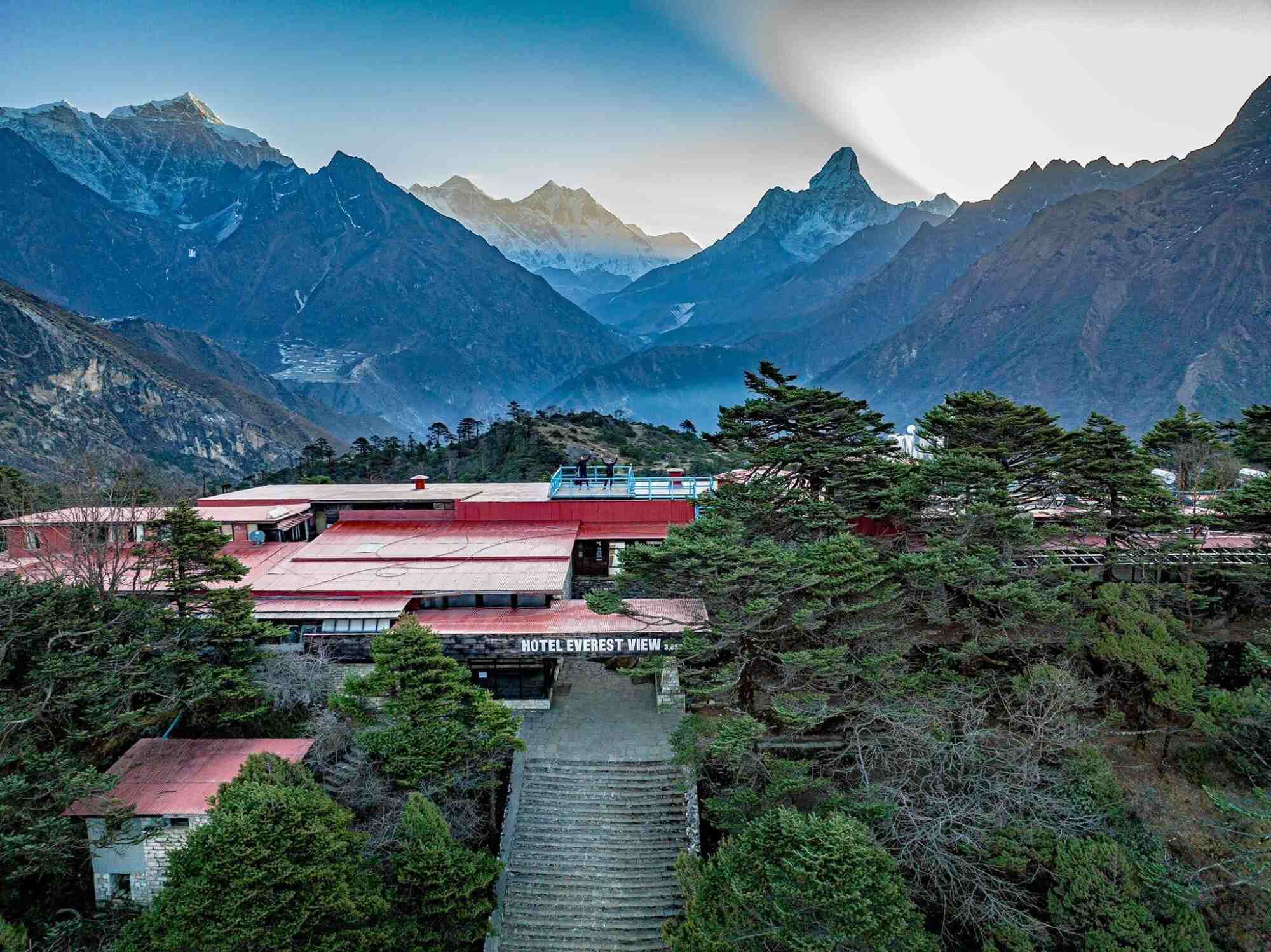
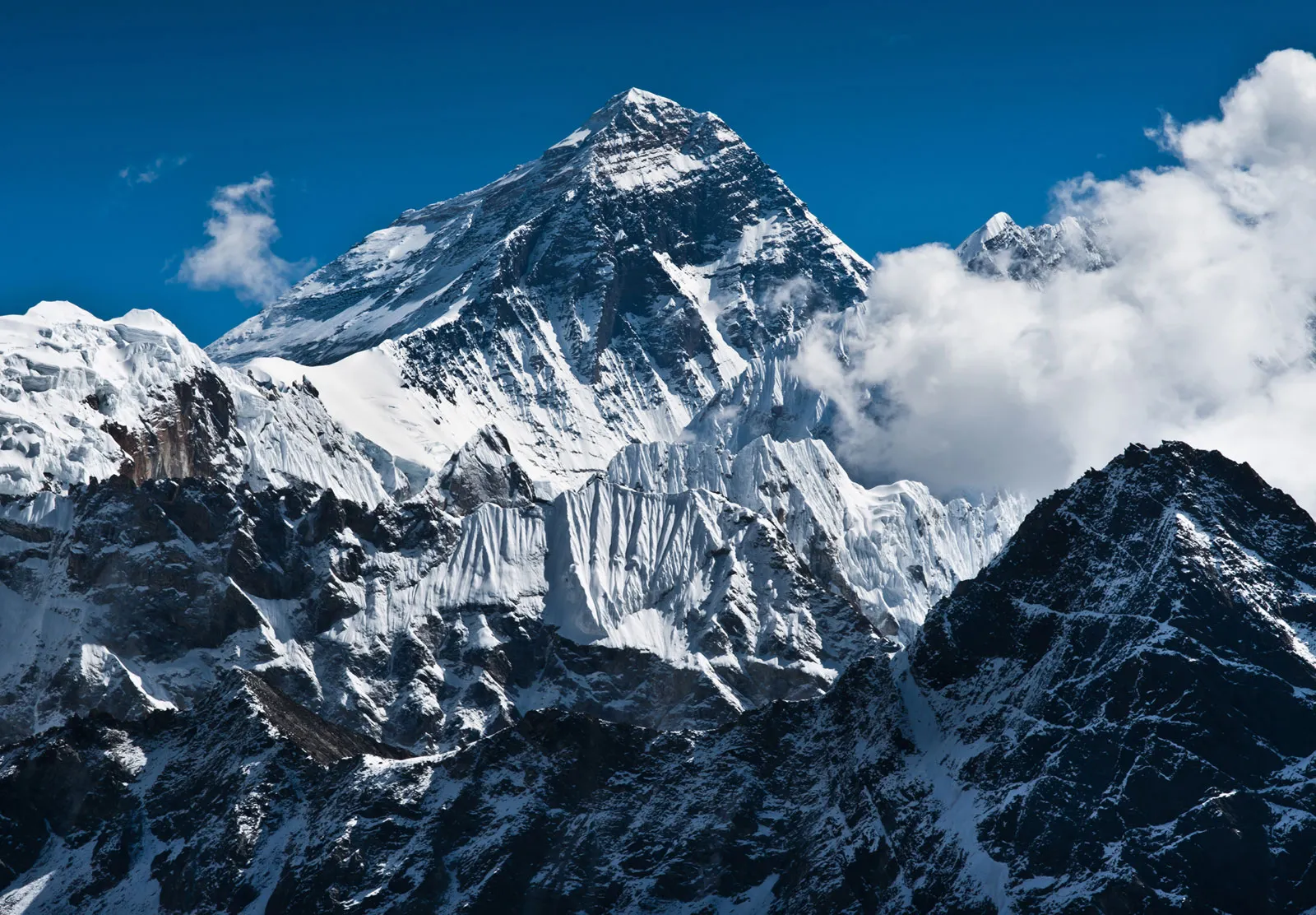
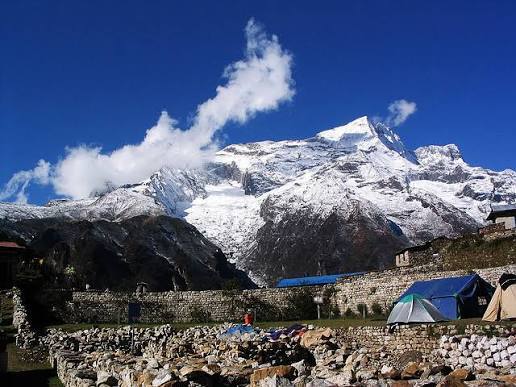
Stand on the terrace of the Everest View Hotel at sunrise, and you will see Mount Everest. Look just to its right, and a dark, steep wall of rock and ice rises beside it. That wall is Lhotse, the fourth highest mountain on Earth and Everest's closest giant neighbour.
Many trekkers photograph it without knowing its name. This guide explains what Lhotse is, how high it stands, how it is climbed, and where you can see it, including on a comfortable 7-day trek that needs no climbing experience.
| Detail | Information |
|---|---|
| Name | Lhotse (Tibetan for "South Peak") |
| Height | 8,516 m (27,940 ft) |
| World rank | 4th highest mountain |
| Location | Mahalangur Himal, on the Nepal–Tibet (China) border, Khumbu region |
| Neighbours | Mount Everest (connected by the South Col), Nuptse, Lhotse Shar |
| First ascent | 18 May 1956 by Swiss climbers Ernst Reiss and Fritz Luchsinger |
| Climbing season | Mainly spring (April–May) |
| Easiest way to see it | The 7-day Everest View Trek |
Lhotse is a massive Himalayan peak standing directly south of Mount Everest. The two mountains are joined by a high saddle called the South Col, which is why many climbers describe Lhotse as Everest's sister peak. Its Tibetan name means "South Peak," a reminder of its position.
At 8,516 m, Lhotse is one of only fourteen mountains in the world above 8,000 m. It is not a single point but a ridge with three summits:
Beneath its summit lies the enormous Lhotse Face, a steep wall of glacial ice that Everest climbers ascend on the standard South Col route.
Lhotse sits in the Khumbu (Everest) region of Solukhumbu District, inside the protected landscape of Sagarmatha National Park, a UNESCO World Heritage Site. Its main summit rises on the border between Nepal and Tibet.
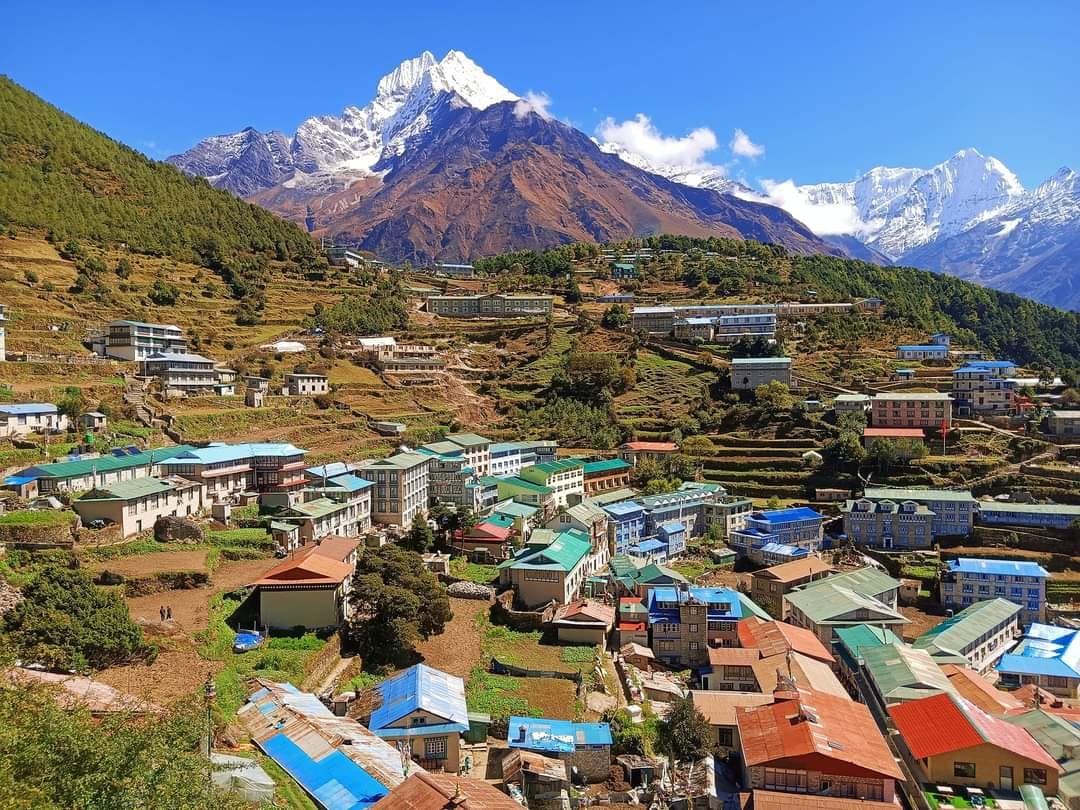
Most visitors begin in Kathmandu and fly to Lukla. From there the trail follows the Dudh Koshi River to Namche Bazaar, the Sherpa capital, where the Everest massif begins to appear. See our guide to the Kathmandu to Lukla flight for baggage limits and delay planning.
Lhotse long stood in the shadow of Everest. In 1956, just three years after Everest's first ascent, a Swiss expedition succeeded where earlier teams had failed. Ernst Reiss and Fritz Luchsinger reached the summit on 18 May 1956 via the Lhotse Face and the western couloir.
Later milestones include the first ascent of Lhotse Shar by an Austrian team in 1970 and Lhotse Middle in 2001. The south face is one of the most feared walls in the Himalayas, and its climbing history is long and debated. Today, Lhotse is attempted mostly by experienced high-altitude climbers.
Lhotse is a serious 8,000 m peak. Most expeditions share the first part of the route with Everest before splitting off high on the mountain.
Honest advice: Lhotse is a mountaineering expedition, not a trek. If you do not have serious alpine experience, enjoy it from the trail instead.
The easiest and most comfortable viewpoint. From the terrace, Everest, Lhotse, Ama Dablam, Thamserku and Kongde Ri line up in a single panorama. You can reach it on the Namche acclimatisation hike.
Climbing slightly above Namche or wandering Khumjung's lanes offers glimpses of the Everest and Lhotse skyline on clear mornings.
These villages reveal more dramatic views of the Everest–Lhotse–Nuptse wall as you climb higher.
A classic Everest Base Camp viewpoint with a front-row view of Everest, Lhotse and Nuptse. This requires the longer Classic Everest Base Camp Trek.
Offers a close-up look at the huge south face of Lhotse for experienced trekkers.
You do not need to climb to enjoy Lhotse. The Everest View Trek is a short, easy-to-moderate journey that stays below about 3,900 m yet delivers a wide panorama of Everest, Lhotse, Ama Dablam and Thamserku.
| Detail | Information |
|---|---|
| Duration | 7 days (Kathmandu to Kathmandu) |
| Difficulty | Easy to moderate |
| Maximum altitude | About 3,880 m |
| Accommodation | 3-star Kathmandu hotel and teahouses |
| Price | From US$870 per person, with group discounts |
Read the full details in our Everest View Trek: Cost, Itinerary, Difficulty & Best Season guide, or browse all Everest Region Treks.
| Trek | Duration | Highlights |
|---|---|---|
| Classic Everest Base Camp Trek | 14 days | Base Camp and Kala Patthar views of Everest, Lhotse and Nuptse |
| Gokyo Lakes Trek | 12 days | Turquoise lakes and Gokyo Ri panoramas |
| Everest Three High Passes Trek | 19 days | High passes and dramatic Himalayan views |
Not sure which is right for you? Use our Trip Planner.
| Season | Months | What to Expect |
|---|---|---|
| Autumn | Sep–Nov | Clear, stable weather and the sharpest views. See autumn trekking in Nepal. |
| Spring | Mar–May | Mild days and rhododendrons. This is also the main climbing season. See spring trekking in Nepal. |
| Winter | Dec–Feb | Cold, very clear and quiet. |
| Monsoon | Jun–Aug | Rain, cloud and flight delays. Not recommended. |
Early mornings give the clearest skies, before afternoon cloud builds.
For the viewing treks you need two permits, both included when you book with Nepal Trip Services:
| Permit | Cost (Foreign Nationals) |
|---|---|
| Sagarmatha National Park Entry Permit | NPR 3,000 (about US$21) |
| Khumbu Pasang Lhamu Rural Municipality Permit | NPR 3,000 (about US$21) |
For rapid transfers or a flight backup, ask about our helicopter services.
Lhotse is 8,516 m (27,940 ft) tall, making it the fourth highest mountain in the world after Everest, K2 and Kangchenjunga.
Lhotse is in the Khumbu region of Nepal, on the border with Tibet (China). It lies directly south of Mount Everest.
The name is Tibetan for "South Peak," because the mountain rises south of Everest.
Yes. The two peaks are joined by the South Col, a high saddle between them. Climbers on the standard Everest route also use the Lhotse Face.
Swiss climbers Ernst Reiss and Fritz Luchsinger made the first ascent on 18 May 1956.
Yes. It has three: Lhotse Main (8,516 m), Lhotse Middle (about 8,414 m) and Lhotse Shar (about 8,383 m).
It is the huge, steep wall of glacial ice beneath the Lhotse summit. Climbers ascend it on fixed ropes to reach the higher camps on the Everest South Col route.
Very difficult. It sits in the "death zone," involves steep ice, a narrow summit couloir, high winds and avalanche risk. It is only for experienced high-altitude mountaineers.
The main climbing window is spring (April–May), when weather is most stable. Some expeditions also attempt it in autumn.
No. You need strong high-altitude experience, a licensed operator, supplemental oxygen planning and expedition-level fitness. Beginners can enjoy the mountain on a trek instead.
Yes. On the 7-day Everest View Trek you can see Lhotse from the Everest View Hotel, alongside Everest, Ama Dablam and Thamserku. Longer treks, such as Everest Base Camp, bring you closer.
The Everest View Trek is the fastest option. It takes 7 days from Kathmandu to Kathmandu, stays below about 3,900 m and is graded easy to moderate.
You need the Sagarmatha National Park permit and the Khumbu Pasang Lhamu Rural Municipality permit, about NPR 3,000 each. Climbing Lhotse requires an additional expedition permit from the Government of Nepal.
September to November and March to May offer the clearest skies. Early mornings are best for photography.
Send an enquiry on our website or message us on WhatsApp at +977-9828696557. A deposit confirms your booking, and we recommend booking 1–2 months ahead for peak seasons to secure Lukla flights.
Lhotse is one of the great mountains of the Himalayas, a giant that has tested the world's best climbers. You do not need ropes or oxygen to appreciate it. A one-week journey, a good guide and a clear morning at the Everest View Hotel can give you an unforgettable view of its dark, towering wall beside Everest.
Ready to go? Book the Everest View Trek, compare other Everest Region Treks, or design a custom route with the Trip Planner. For personal advice, contact our team.
Discover more articles that match your interests! Explore these similar blogs packed with insights, tips, and stories to keep you inspired.
Discover Khumjung, Nepal — the Khumbu\\'s most beautiful village, home to the Yeti scalp & Hillary\\'s first school. C...
Plan your Namche Bazaar acclimatization day: best hikes, Everest View Hotel, Khumjung, altitude tips, a sample schedule,...
Discover Everest View Hotel at 3,880 m: views, history, how to reach it from Namche, stay vs visit tips, best time, and ...
Explore Mount Everest in Nepal: height, history, best time, treks to Base Camp and Everest View, permits, altitude safet...
Plan your Kongde Ri trip: height, best views from Namche, best time, permits, 7-day itinerary, climbing facts, costs and...
Visit the Namche Saturday Market in the Everest region. Learn what\'s sold, the best time to go, how to plan your trek a...