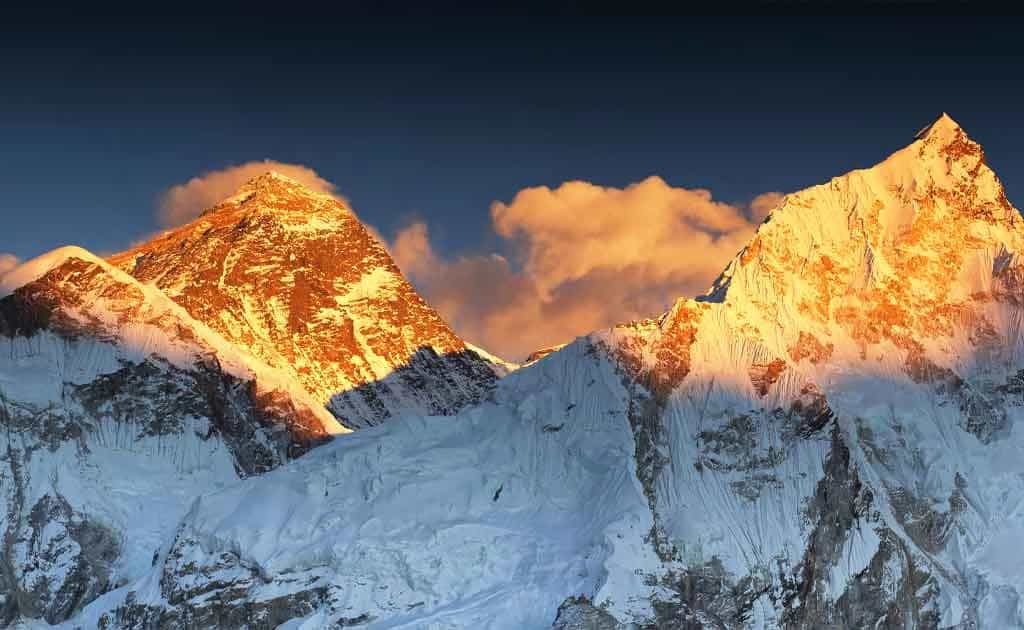
Everest Base Camp Trek Age Limit: Is There A Minimum Or Maximum Age?
By Nepal Trip Services On 09 Oct 2026

By Nepal Trip Services On 09 Oct 2026
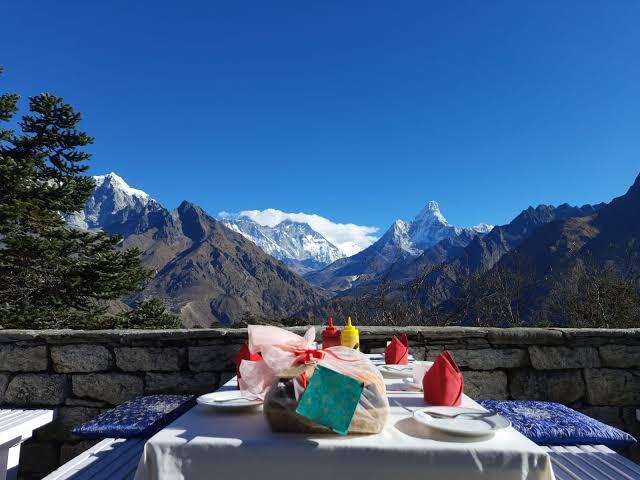
There is no official minimum or maximum age for the Everest Base Camp Trek. Nepal's government doesn't set an age limit, and trekkers from young teenagers to people in their seventies reach base camp every season.
What matters far more than your age is your health, your fitness and how your body copes with altitude. As a practical guide:
|
Age group |
Suitable? |
Our advice |
|---|---|---|
|
Under 10 |
Not recommended |
Altitude risks are higher, and young children may not recognize or report symptoms |
|
10–12 |
Possible, with care |
Choose a longer itinerary with extra rest days and close health monitoring |
|
13–17 |
Yes |
A great family adventure with training and a sensible pace |
|
18–49 |
Yes |
Fit, healthy adults of all experience levels complete the trek |
|
50–59 |
Yes |
Ideal age for many trekkers; train well and consider an extra rest day |
|
60–69 |
Yes, with medical clearance |
Get a full check-up and allow extra acclimatization days |
|
70+ |
Possible, case by case |
Medical clearance, a private pace and a flexible plan are essential |
See the full route and itinerary on our Everest Base Camp Trek page.
No. Neither the Government of Nepal, Sagarmatha National Park nor the local Khumbu municipality sets a minimum or maximum age for trekking to Everest Base Camp. Anyone with the right permits can walk the trail.
|
Rule |
What it means by age |
|---|---|
|
Sagarmatha National Park permit |
Children under 10 are usually exempt from the park fee |
|
Khumbu Pasang Lhamu Rural Municipality permit |
Required for all trekkers; confirm any child rate when booking |
|
Passport and Nepal visa |
Every traveller needs their own, whatever their age |
|
Travel insurance |
Some policies set age caps or charge more over 65–70, so check before buying |
Permit and visa rules can change. Nepal Trip Services confirms the latest requirements for every traveller in your group before you arrive.
An age limit wouldn't tell you much, because two trekkers of the same age can be very differently prepared. These are the factors that decide whether the trek is right for you:
|
Factor |
Why it matters |
|---|---|
|
Overall health |
Heart, lung and blood pressure conditions matter more at altitude than birthdays |
|
Fitness |
You'll walk 5–7 hours a day for 11 days, on steep, rocky trails |
|
Response to altitude |
Altitude sickness can affect anyone; age alone doesn't predict who gets it |
|
Pace and patience |
Trekkers who walk slowly and respect rest days do best, at any age |
|
Joints and balance |
Long descents and uneven ground are hard on knees and ankles |
|
Ability to recognize symptoms |
Especially important for young children, who may not explain how they feel |
|
Mindset |
Cold nights, simple lodges and long days call for patience and a positive attitude |
The good news: research suggests age itself doesn't raise the risk of altitude sickness. Older trekkers often cope well, partly because they tend to walk more slowly and listen to their bodies.
Most experienced guides and mountain doctors suggest 10–12 years as a sensible minimum for a trek that sleeps above 5,000 m. Teenagers aged 13 and over who enjoy hiking are often among the happiest trekkers on the trail.
Teenagers can usually walk the standard itinerary comfortably if they're active and have trained for a few weeks. Many find it a life-changing experience: a real-world challenge, a break from screens and an achievement they'll remember forever.
If your children are under 10, consider the Everest View Trek, a 7-day route with Everest views that stays below about 3,900 m.
There's no upper age limit, and many of the trekkers who reach base camp each season are in their 50s, 60s and beyond. At the very top of the sport, Japanese climber Yuichiro Miura summited Everest itself at 80. For most older trekkers, the key is preparation, not age.
For many people, this is the perfect age for Everest Base Camp: time, experience and patience often outweigh youthful speed. With 8–12 weeks of training and the standard 14-day itinerary, most healthy trekkers in their 50s do very well.
Many trekkers in their 60s reach base camp every season. To give yourself the best chance:
Trekking at 70+ is possible, but it should be planned carefully with your doctor and your trekking company. We recommend:
|
Concern |
How to manage it |
|---|---|
|
Heart and blood pressure |
Medical check-up before booking; carry all prescribed medication |
|
Knee and joint strain |
Trekking poles, knee supports and a slow pace on descents |
|
Balance on rocky ground |
Good boots with ankle support; take your time on moraine near base camp |
|
Recovery between days |
Extra rest days and early nights |
|
Medication and altitude |
Ask your doctor how your regular medicines interact with altitude medication |
|
Cold |
Warm layers, a -15°C sleeping bag and hot water bottles at night |
The standard 14-day itinerary suits most fit teenagers and adults. For younger children, older trekkers or anyone who wants a gentler pace, a few simple changes make a big difference.
|
Part of the trek |
Standard itinerary |
Age-friendly option |
|---|---|---|
|
Lukla to Namche Bazaar |
Phakding to Namche in one day, with a steep 800 m climb |
Split the climb with an overnight in Monjo (+1 day) |
|
Acclimatization |
Two rest days, in Namche Bazaar and Dingboche |
A third rest day in Namche or Dingboche (+1 day) |
|
Base camp day |
Lobuche to Gorak Shep and base camp in one 7–8 hour day |
Reach Gorak Shep, then visit base camp the next morning (+1 day) |
|
Walking pace |
Small group pace |
Private trek, set entirely by your family or group |
|
Luggage |
1 porter for every 2 trekkers |
Option of 1 porter per trekker, so everyone walks light |
|
Return |
Three days' walk back to Lukla |
Optional helicopter flight from Gorak Shep (saves 2–3 days) |
|
Total |
14 days |
16–17 days walking out, or about 14 days with a helicopter return |
With these changes, daily walking times fall and your body gets more time to adjust, which is exactly what younger and older trekkers need. Add 1–2 buffer days for possible Lukla flight delays, and nobody has to rush.
We can build any of these options into your trip through our trip planner, and arrange helicopter returns through our helicopter services.
Whatever your age, tick these off before booking:
Insurance is one of the few places where age really does make a difference:
|
Age group |
What to check |
|---|---|
|
Children |
Covered on a family policy or their own; confirm high-altitude trekking is included |
|
18–64 |
Most adventure policies cover trekking to 6,000 m; check the altitude limit |
|
65–74 |
Premiums often rise, and some policies cap trekking altitude or need medical screening |
|
75+ |
Fewer providers offer cover; look for specialist senior adventure insurance early |
Always confirm that the policy covers your age, trekking above 5,000 m and emergency helicopter rescue before you book flights.
If the full Everest Base Camp Trek feels like too much right now, these routes offer an unforgettable Himalayan experience at lower altitude:
|
Trek |
Duration |
Max altitude |
Why it suits |
|---|---|---|---|
|
7 days |
~3,880 m |
Everest views, Namche Bazaar and Sherpa culture in a week |
|
|
7 days |
~3,210 m |
A gentle, scenic introduction to Himalayan trekking |
|
|
Everest helicopter tour |
1 day |
Kala Patthar or Everest View Hotel landings |
See Everest up close without trekking; ideal for those with limited mobility |
Explore more options on our Everest Region Treks page.
No. There's no official minimum or maximum age. Health, fitness and how you cope with altitude matter far more than your age.
There's no legal minimum, but 10–12 years is a sensible minimum for the full trek. Teenagers aged 13 and over usually manage well with training.
It's possible for an active, healthy 10-year-old on a longer, slower private itinerary with extra rest days. Parents must watch closely for symptoms and be ready to descend.
We don't recommend it. Young children may not recognize or explain altitude sickness, and they get cold quickly. The 7-day Everest View Trek is a much better choice for this age.
Yes. Many trekkers in their 60s reach base camp every season. A medical check-up, 12 weeks of training and an extra rest day give you the best chance.
Yes, with medical clearance, good fitness and a carefully adapted itinerary. A private trek with shorter stages, extra rest days and a helicopter return is ideal.
No. Research suggests age doesn't increase the risk of altitude sickness. Pre-existing heart or lung conditions matter more, which is why a medical check is essential.
Children under 10 are usually exempt from the Sagarmatha National Park fee, but every traveller still needs a passport and visa. We confirm the latest rules for your whole group when you book.
Choose a private trek with extra rest days, shorter walking stages, one porter per person and the option of a helicopter return from Gorak Shep.
Yes, for families with teenagers or active older children. It's a shared challenge that most families remember for the rest of their lives. A private trek lets everyone go at their own pace.
Fit teenagers often do. For younger children, the pre-dawn cold at 5,550 m is very demanding, so many families skip it or turn back early if anyone feels unwell.
Many policies do, but premiums may rise and some cap trekking altitude for travellers over 65–70. Check that your policy covers your age, trekking above 5,000 m and helicopter rescue.
You should be able to walk 5–6 hours with a light daypack and feel fine the next day, ideally on back-to-back days. Training for 8–12 weeks gets most people there.
Fit seniors can do the full Everest Base Camp Trek with an adapted itinerary. For a gentler option, the Everest View Trek offers mountain views and Sherpa culture at much lower altitude.
Yes. Nepal Trip Services runs private treks on your own dates, with an itinerary, pace and support level tailored to your group's ages and fitness.
Age is just a number on the trail to Everest. Teenagers, parents, grandparents and seventy-somethings all reach base camp every season, because they prepare well, walk slowly and choose the right itinerary.
At Nepal Trip Services, we've spent 16 years helping trekkers of every age reach the Himalaya safely:
Ready to plan your trek? Explore the full itinerary, inclusions and departure dates on our Everest Base Camp Trek page, or tell us your group's ages and fitness through our trip planner, and we'll design the right trek for you.
Discover more articles that match your interests! Explore these similar blogs packed with insights, tips, and stories to keep you inspired.
Complete Everest Base Camp packing list: clothing layers, sleeping bag, boots, first aid & a printable checklist for Luk...
Learn how to prevent altitude sickness on the Everest Base Camp Trek: acclimatization rules, symptoms, Diamox, oxygen le...
Is the Everest Base Camp Trek worth it? Our honest guide weighs the pros, cons, real costs and challenges to help you de...