Thangnak, Nepal: Complete Travel & Trekking Guide
By Nepal Trip Services On 08 Oct 2026

By Nepal Trip Services On 08 Oct 2026
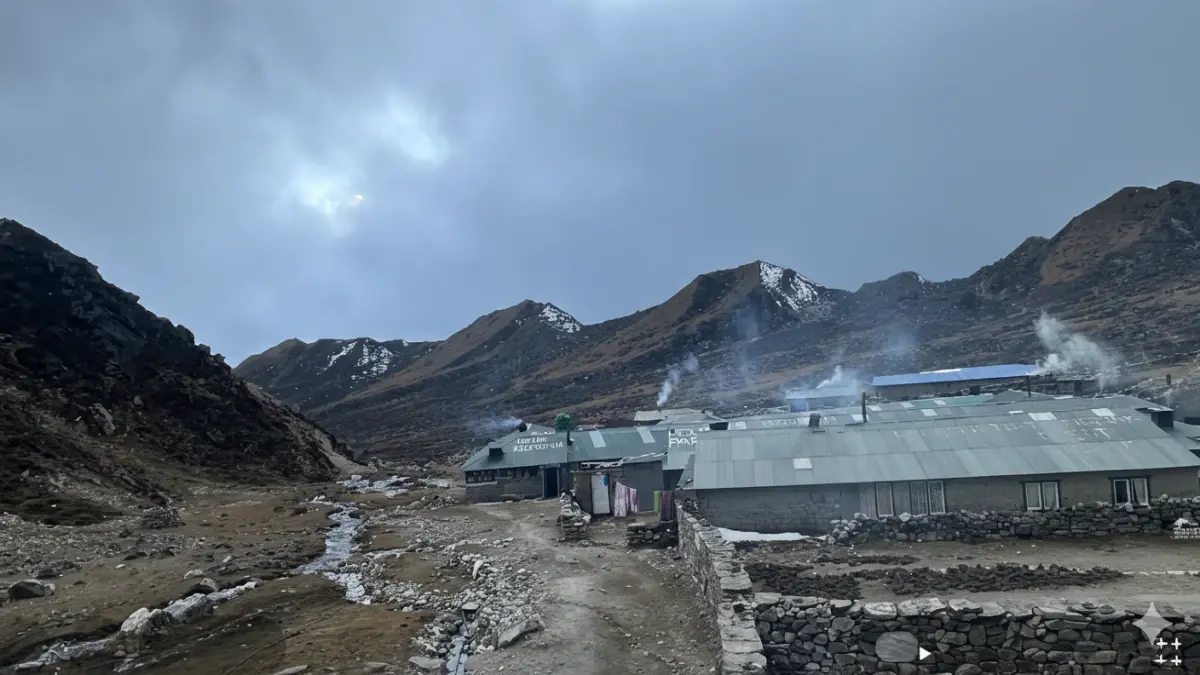
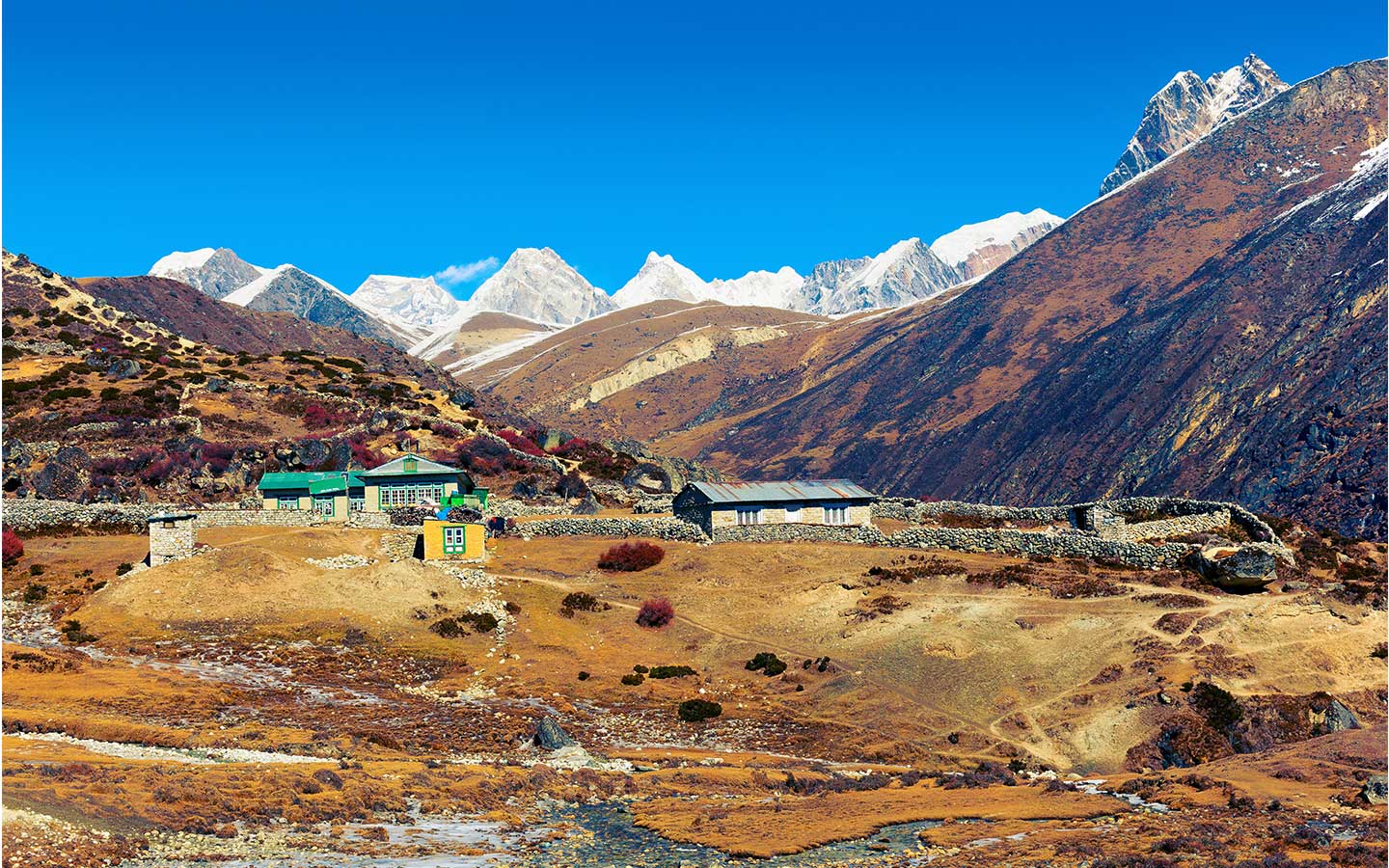
Thangnak (also spelled Dragnag or Thagnak, about 4,700 m) is a tiny settlement on the western side of Cho La Pass, on the edge of the vast Ngozumpa Glacier in Nepal's Everest (Khumbu) region. For trekkers on the Everest Three High Passes Trek, it's the welcome finish line after crossing Cho La (5,420 m), and the jumping-off point for the short but fascinating glacier crossing to Gokyo.
Thangnak is little more than a few stone lodges and yak pastures tucked beneath steep moraine walls. Yet after a long pass day, its warm dining rooms feel like a mountain refuge. The next morning, a 3–4 hour walk across the rubble-covered Ngozumpa Glacier brings you to the turquoise lakes of Gokyo.
This guide covers everything you need to know: location, how to get there, the glacier crossing, itineraries, difficulty, best time, permits, teahouses and travel tips, followed by the 15 questions trekkers ask most.
|
Detail |
Information |
|---|---|
|
Other spellings |
Dragnag, Thagnak, Thaknak |
|
Location |
Gokyo Valley, Sagarmatha National Park, Solukhumbu District, Koshi Province, Nepal |
|
Altitude |
About 4,700 m (15,420 ft) |
|
Position on the route |
Western foot of Cho La; eastern edge of the Ngozumpa Glacier |
|
From Dzongla via Cho La |
7–8 hours |
|
To Gokyo |
3–4 hours across the Ngozumpa Glacier |
|
Famous for |
First stop after Cho La; gateway to the glacier crossing and Gokyo Lakes |
|
Accommodation |
A few very basic teahouses |
|
Best seasons |
Mid-October–November and late April–May |
|
Permits |
Sagarmatha National Park + Khumbu Pasang Lhamu Rural Municipality |
|
Trek that includes it |
Everest Three High Passes Trek – 19 Days, from US$ 1,450 per person |
Thangnak lies in the Gokyo Valley, inside Sagarmatha National Park, a UNESCO World Heritage Site in northeastern Nepal. It sits in a narrow ablation valley between the steep slopes below Cho La and the eastern lateral moraine of the Ngozumpa Glacier. Directly across the glacier, about 3 km away as the crow flies, lies Gokyo village and its turquoise lakes.
Thangnak's position makes it the natural overnight stop on the western side of Cho La. Without it, trekkers would have to cross both Cho La and the Ngozumpa Glacier in a single exhausting day.
There are no roads in the Khumbu, so Thangnak is reached on foot after a flight to Lukla and gradual acclimatisation over more than a week.
This is the most common approach, used on the anticlockwise Everest Three High Passes Trek and on EBC-to-Gokyo treks.
|
Stage |
Approx. time |
Altitude |
What to expect |
|---|---|---|---|
|
Dzongla → boulder field |
1–1.5 hrs |
4,830 → ~5,000 m |
Gentle climb up a rocky valley beneath Cholatse |
|
Boulder scramble |
1.5–2 hrs |
~5,000 → ~5,300 m |
Steep, loose rock; sometimes using hands for balance |
|
Cho La glacier & pass |
30–60 mins |
~5,300 → 5,420 m |
Icy glacier traverse; microspikes often needed |
|
Steep descent |
1.5–2 hrs |
5,420 → ~5,000 m |
Loose rock and scree on the western side |
|
Valley walk to Thangnak |
1–1.5 hrs |
~5,000 → 4,700 m |
Easier boulder-strewn valley |
|
Total |
7–8 hrs |
~590 m up, ~720 m down |
About 10 km |
On the clockwise route, you walk from Gokyo across the Ngozumpa Glacier to Thangnak in 3–4 hours, then cross Cho La to Dzongla the next day. This direction tackles the steeper western side of Cho La on the way up, so good acclimatisation at Gokyo is essential.
|
Trek |
Duration |
Thangnak on the route |
Best for |
|---|---|---|---|
|
19 days |
Day 12 overnight, after Cho La |
Fit, experienced trekkers |
|
|
EBC + Gokyo via Cho La (custom) |
15–17 days |
Overnight after Cho La, before Gokyo |
Trekkers wanting EBC and Gokyo in one trip |
|
Gokyo + Cho La + EBC (clockwise, custom) |
15–17 days |
Overnight after Gokyo, before Cho La |
Trekkers who prefer Gokyo first |
See every option on our Everest Region Treks page.
The highlight of a stay in Thangnak is the morning walk across the Ngozumpa Glacier, Nepal's longest glacier at about 36 km. From the outside it looks like a vast field of grey rubble, but underneath lies ice that is constantly moving and melting. The trail weaves over rocky ridges and around meltwater ponds, with ice cliffs exposed in places.
|
Stage |
Approx. time |
What to expect |
|---|---|---|
|
Thangnak → eastern moraine |
30–45 mins |
Climb the moraine wall above the lodges |
|
Glacier crossing |
1.5–2 hrs |
Up-and-down trail over rubble-covered ice, past grey and turquoise ponds |
|
Western moraine → Gokyo |
45 mins–1 hr |
Climb out of the glacier and descend to Gokyo and Dudh Pokhari |
|
Total |
3–4 hrs |
Short day, but slow going on uneven ground |
Glacier safety tips:
From Thangnak and the eastern moraine, you can look back at the rugged ridge you crossed the day before, with Cholatse and the Cho La area towering above. It's a great moment to appreciate the scale of the pass.
Just a few hours away, the Gokyo Lakes are among the highest freshwater lake systems on Earth. From Gokyo, you can climb Gokyo Ri (5,357 m) for a panorama of four 8,000 m peaks, Everest, Lhotse, Makalu and Cho Oyu, or explore the Fourth and Fifth Lakes.
Thangnak sees far fewer visitors than Gokyo or Everest Base Camp. In the evening, the valley falls silent except for the occasional rumble of the glacier, an unforgettable reminder that you're in the heart of the Himalayas.
|
Attraction |
Distance from Thangnak |
Time needed |
Why go |
|---|---|---|---|
|
Ngozumpa Glacier crossing |
Starts at the lodges |
1.5–2 hrs on the glacier |
Walk across Nepal's longest glacier |
|
Cho La views |
From the lodges and moraine |
Any time |
See the pass you've just crossed |
|
Gokyo village & Dudh Pokhari |
3–4 hrs |
Half a day |
Turquoise lakes and comfortable lodges |
|
Gokyo Ri |
Above Gokyo |
3–4 hrs return from Gokyo |
One of the best Everest panoramas in Nepal |
|
Day |
Route |
Overnight altitude |
|---|---|---|
|
11 |
Kala Patthar sunrise, trek to Dzongla |
4,830 m |
|
12 |
Cross Cho La (5,420 m) to Thangnak |
4,700 m |
|
13 |
Cross the Ngozumpa Glacier to Gokyo |
4,790 m |
|
14 |
Gokyo Ri sunrise, explore the lakes |
4,790 m |
|
15 |
Cross Renjo La (5,360 m) to Lungden |
~4,350 m |
See the full Three Passes itinerary.
This route combines the Classic Everest Base Camp Trek and the Gokyo Lakes Trek in one journey. Ask us to tailor it through our trip planner.
From Gokyo, cross the glacier to Thangnak (3–4 hrs), rest for the afternoon, then cross Cho La to Dzongla the next morning before continuing to Lobuche and Everest Base Camp.
At about 4,700 m, Thangnak is slightly lower than Dzongla, so sleeping here after Cho La helps your body recover. Most anticlockwise trekkers are already well acclimatised after nights at Lobuche and Gorak Shep.
|
Section |
Time |
Difficulty |
Notes |
|---|---|---|---|
|
Dzongla → Cho La → Thangnak |
7–8 hrs |
Very hard |
Boulder scramble, glacier, steep descent |
|
Thangnak → Gokyo |
3–4 hrs |
Moderate |
Uneven glacier trail; short but slow |
|
Gokyo → Thangnak (clockwise) |
3–4 hrs |
Moderate |
Same glacier crossing in reverse |
|
Thangnak → Cho La → Dzongla (clockwise) |
7–8 hrs |
Very hard |
Steeper ascent on the western side |
Tips for a smooth stay:
The best times to stay in Thangnak, and to cross Cho La and the Ngozumpa Glacier, are mid-October to November and late April to May.
|
Season |
Months |
Day / night at Thangnak (approx.) |
Conditions |
Verdict |
|---|---|---|---|---|
|
Autumn |
Late Sep–Nov |
4–10°C / -14 to -8°C |
Clear, stable; Cho La usually passable; firm glacier trail |
Best |
|
Spring |
Late Mar–May |
5–13°C / -10 to -4°C |
Warmer; snow may linger on Cho La early |
Excellent |
|
Winter |
Dec–Feb |
-6 to 4°C / -22 to -14°C |
Very cold; lodges may close; Cho La often impassable |
Not recommended |
|
Monsoon |
Jun–Aug |
6–11°C / -2 to 4°C |
Rain, fog; slippery moraine and higher rockfall risk on the glacier |
Not recommended |
Temperatures are approximate and vary from year to year.
No special permit is needed for Thangnak. The two standard Everest-region permits cover Cho La, the Ngozumpa Glacier and Gokyo.
|
Permit |
Fee for foreign nationals |
Where checked |
|---|---|---|
|
Sagarmatha National Park Entry Permit |
NPR 3,000 + 13% VAT |
Monjo |
|
Khumbu Pasang Lhamu Rural Municipality Permit |
NPR 3,000 |
Lukla |
Both permits are included in all Nepal Trip Services Everest packages. Prices in Thangnak are high, because all supplies are carried in. Budget about US$ 25–35 per day for extras such as hot drinks, boiled water, charging and snacks.
Thangnak has only a few small, simple lodges, so rooms can fill quickly in October, November and April.
Good to know: Gokyo, just 3–4 hours away, has larger, more comfortable lodges with better facilities, so many trekkers save hot showers and Wi-Fi for there.
Thangnak is a small settlement in the Gokyo Valley of the Everest (Khumbu) region, inside Sagarmatha National Park in Solukhumbu District. It lies at the western foot of Cho La Pass, on the eastern edge of the Ngozumpa Glacier, across from Gokyo.
Yes. Thangnak, Dragnag, Thagnak and Thaknak are all spellings of the same place. You'll see different versions on maps, signs and trekking itineraries.
Thangnak sits at about 4,700 m (15,420 ft), slightly lower than Dzongla (4,830 m) on the other side of Cho La and Gokyo (4,790 m) across the glacier.
The crossing takes about 7–8 hours and covers roughly 10 km. You climb about 590 m to the top of Cho La (5,420 m) and descend about 720 m to Thangnak.
The walk to Gokyo takes about 3–4 hours. It crosses the Ngozumpa Glacier on a rough, up-and-down trail over rubble-covered ice, then climbs out to Gokyo village on the shore of Dudh Pokhari.
It's not technical, but it does require care. The trail shifts every season, and there can be loose rocks and occasional rockfall near ice cliffs. Following an experienced guide, crossing in the morning and staying away from pond edges make it safe.
Crossing Cho La already takes 7–8 hours. Adding the 3–4 hour glacier crossing would make an exhausting, risky day at high altitude. Thangnak provides a safe, comfortable break between the two.
Thangnak has a few very basic lodges with twin rooms, shared outdoor toilets, a warm dining room with a stove and short menus. Hot showers are usually unavailable, and charging and Wi-Fi are limited and paid.
In peak season (October, November and April), booking ahead is strongly recommended, since there are only a few lodges. Nepal Trip Services books your rooms in advance.
In autumn and spring, nights usually range from about -4°C to -14°C, and colder in winter. A four-season sleeping bag and a warm down jacket are essential.
Connectivity is very limited. Some lodges may offer slow, paid Wi-Fi, and mobile signal is weak or unavailable. You'll find better connections in Gokyo.
Yes. On the clockwise route, trekkers cross the Ngozumpa Glacier from Gokyo to Thangnak (3–4 hours), then cross Cho La to Dzongla the next day. This direction has a steeper climb up Cho La, so good acclimatisation is essential.
Yes. At around 4,700 m, altitude sickness is possible, especially after the strain of crossing Cho La. Rest, drink plenty of water and tell your guide about any symptoms such as headache, nausea or dizziness.
Mid-October to November and late April to May offer the best conditions, with stable weather, clear views and Cho La usually passable. Winter and the monsoon are not recommended.
Thangnak is part of our Everest Three High Passes Trek, a 19-day circuit from US$ 1,450 per person, and any custom EBC-to-Gokyo trek via Cho La. Contact us or use our trip planner to build your route.
Thangnak is where the hardest part of Cho La ends and the magic of Gokyo begins. After a long day over the pass, its small lodges offer warmth and rest, and the next morning's walk across the Ngozumpa Glacier, Nepal's longest, is one of the most unusual experiences in the Himalayas. A few hours later, you're standing beside the turquoise lakes of Gokyo.
With 16 years of experience in the Everest region, Nepal Trip Services takes care of every detail:
Ready to cross Cho La and the Ngozumpa Glacier? Explore the full itinerary and group prices on our Everest Three High Passes Trek – 19 Days page, browse all our Everest Region Treks, or plan a custom trip combining Everest Base Camp and Gokyo via Cho La. Spring and autumn departures fill quickly, so we recommend booking 2–3 months ahead.
Discover more articles that match your interests! Explore these similar blogs packed with insights, tips, and stories to keep you inspired.
Cross Kongma La Pass (5,535 m), the highest of Everest\\\'s Three Passes: route, difficulty, best time, permits, Chhukun...
Cross Cho La Pass (5,420 m) from Dzongla to Gokyo: glacier route, difficulty, best time, permits, microspikes, teahouses...
Cross Renjo La Pass (5,360 m) from Gokyo to Lungden: best Everest view, route, difficulty, best time, permits, teahouses...
Explore Pangboche, the oldest monastery village in the Khumbu: yeti relics, Ama Dablam Base Camp hike, route, best time,...
How hard is the Everest Three High Passes Trek? Altitude, daily hours, pass-by-pass difficulty, fitness, training tips a...
Find the best time for the Everest Three High Passes Trek: month-by-month weather, pass conditions, temperatures, crowds...